• Skip to primary navigation
  • Skip to main content
  • Skip to primary sidebar

Earth Wise

A look at our changing environment.

  • Home
  • About Earth Wise
  • Where to Listen
  • All Articles
  • Show Search
Hide Search
You are here: Home / Archives for food

food

Energy From Fruit Waste | Earth Wise

June 20, 2023 By EarthWise Leave a Comment

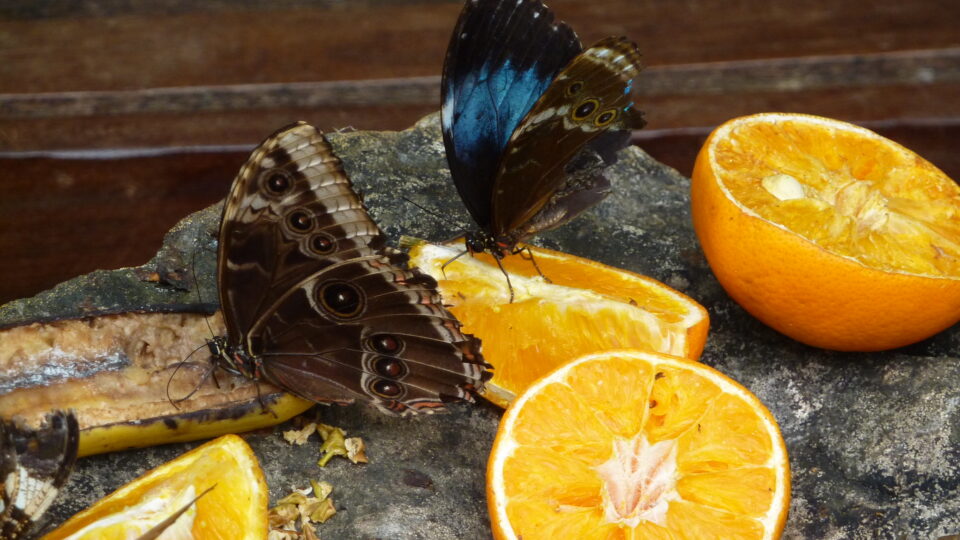
In the Back to the Future films, Doc Brown ran his DeLorean time machine on food scraps.  It was a fun bit of science fiction.  But researchers at the University of British Columbia Okanagan in Canada are investigating the potential for using food waste to generate power.

Food waste is not a candidate to replace solar or wind power, but it could be a source of energy for powering fuel cells.  As it is, food waste represents a sustainability challenge because of its detrimental impacts on the economy and the environment.  Organic waste represents a significant fraction of the material in landfills and contributes to methane production, air pollution, and other harmful pollutants.

The UBC researchers focused on fruit waste, which is abundantly available in agricultural regions.  They have devised microbial fuel cells that convert fruit waste into electrical energy using an anaerobic anode compartment.  That is a chamber in which anaerobic microbes – ones that don’t need oxygen – utilize the organic matter to convert it into energy.  The microbes consume the fruit waste and produce water while generating bioelectricity.

It is not like the Back to the Future time machine where you can just toss in scraps of whatever is on hand.  Different types of fruits provide different results when used in the microbial fuel cell. The process works best when the food waste is separated and ground into small particles.  There is a long way to go before the technology could produce bioenergy on a commercial scale, but there is considerable potential for doing something useful with something that is currently worthless.

**********

Web Links

UBCO researchers aim to energize fruit waste

Photo, posted July 24, 2011, courtesy of Andrew Girdwood via Flickr.

Earth Wise is a production of WAMC Northeast Public Radio
Can All Plant Species Survive? | Earth Wise 

June 9, 2023 By EarthWise Leave a Comment

Many animal populations around the world are struggling and people are mostly to blame.  Species are declining because of all sorts of things including changes in land and sea use, pollution, invasive species, and climate change.

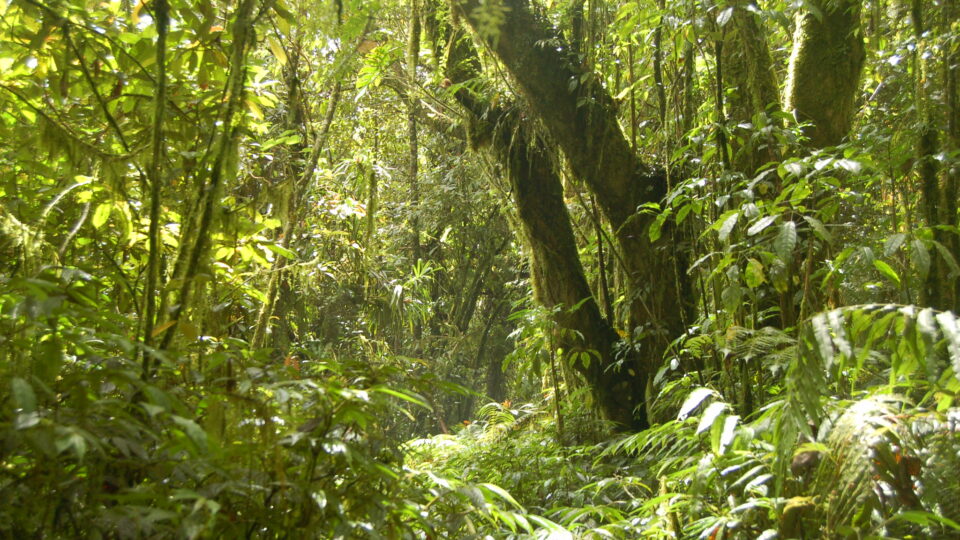
Like many animal species, plants are also struggling to adapt to a human-dominated world.  Plants provide the planet with food, oxygen, and energy, and are used to produce fibers, building materials, and medicines.  Even though plants are easier and cheaper to protect, they are often overlooked in conservation efforts. 

According to a paper recently published in the journal Trends in Plant Science, preventing all future land plant extinctions across the globe is possible with the right approaches.  The author of the paper, Richard Corlett of the Xishuangbanna Tropical Botanical Garden in China, writes that “if zero extinction is potentially achievable for plants, a less ambitious target would be inexcusable.” 

According to the paper, one big barrier in plant conservation is the lack of trained specialists, especially in tropical areas where there is a backlog of unidentified species.  It’s likely that many “dark extinctions,” which is when species slip away without us knowing they existed, have already occurred.

Another roadblock in preventing plant extinctions is information access, which can be solved by building an online “metaherbarium.”  This collaborative database would link digitized records from herbarium specimens with photographs, status assessments, and recovery plans.

Finally, the creation of “microreserves” – which are tiny pieces of protected land designed to get around space constraints – would further contribute to effective conservation of targeted plant species. 

Zero plant extinctions should be the goal.   

**********

Web Links

‘Zero plant extinction’ is possible, says plant ecologist

Photo, posted May 16, 2008, courtesy of Andrew Otto via Flickr.

Earth Wise is a production of WAMC Northeast Public Radio
Plants Make Sounds | Earth Wise

May 9, 2023 By EarthWise Leave a Comment

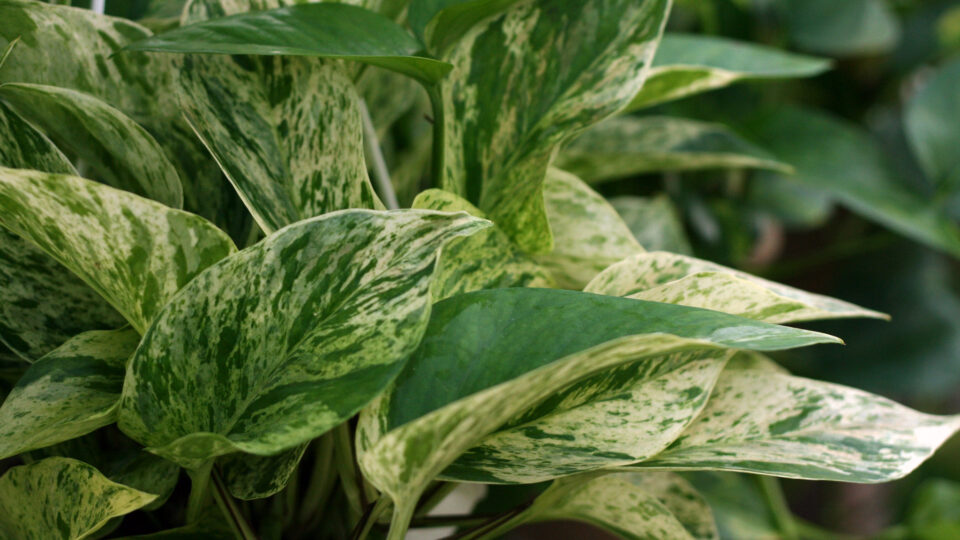
Some people talk to their plants.  It is highly unlikely that the plants are listening, but recent research has found that plants are doing quite a bit of talking of their own.

It turns out that plant emit a variety of click-like sounds, especially when they are stressed in some way, such as being dehydrated or injured.  The sounds are actually fairly loud – comparable to the volume of human speech – but occur at frequencies well above the range of human hearing.

The study at Tel Aviv University in Israel monitored plants in a greenhouse that were subjected to various stresses over time.  Unstressed plants emitted less than one sound per hour, on average, while stressed plants emitted dozens of sounds every hour.

Recordings of the plant sounds were analyzed by specially developed artificial intelligence algorithms.  The algorithms learned how to distinguish between different plants and different types of sounds.  Eventually, they could identify the plant and determine the type and level of stress from the recordings.  They could even do this in a greenhouse with a great deal of background noise.

The study resolved a very old scientific controversy about whether plants emit sounds.  Not only do they, but the sounds contain useful information.  We don’t yet know what the mechanism is for plant sounds.  It is likely that in nature, the sounds are detected by various animals and perhaps even plants that can detect the high frequencies.  And perhaps they react to them as part of seeking food, shelter, or other services that plants provide.  Given the right tools, we humans may also be able to make use of the sounds being made by plants.

**********

Web Links

Plants Emit Sounds – Especially When Stressed

Photo, posted February 20, 2009, courtesy of ProBuild Garden Center via Flickr.

Earth Wise is a production of WAMC Northeast Public Radio
Seaweed On The Way | Earth Wise

April 28, 2023 By EarthWise Leave a Comment

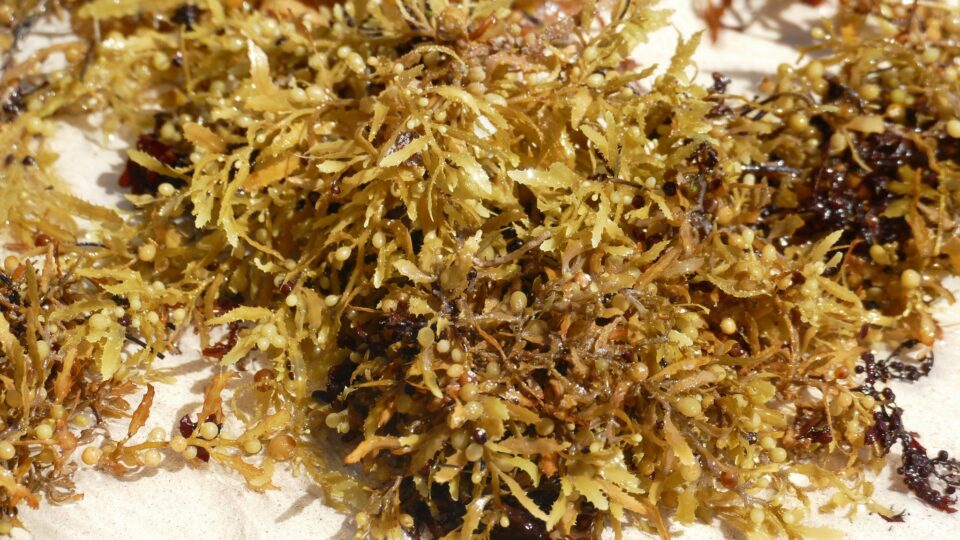
Massive blob of sargassum heading towards the Gulf of Mexico

A type of seaweed called sargassum has long formed large blooms in the Atlantic Ocean.  It gets its name from the Sargasso Sea in the western Atlantic.  Since 2011, scientists have been tracking massive accumulations of the stuff each year that starts out off the coast of Africa and works its way across the Atlantic to end up in the Gulf of Mexico. 

The amount of sargassum present each year can shift depending on factors like changes in nutrients, rainfall, and wind conditions.  But since the 1980s, nitrogen content in the Atlantic has gone up by 45%.  This is likely due to human activities such as agriculture and fossil fuel production dumping materials into the rivers that feed into the ocean.

According to recent observations, the mass of seaweed now heading for Florida and other coastlines throughout the Gulf of Mexico may be the largest on record.  The giant blob of sargassum spans more than 5,000 miles in extent.  It is moving west and will pass through the Caribbean and up into the Gulf during the summer.  The seaweed is expected to become prevalent on beaches in Florida around July.

The seaweed provides food and protection for fishes, mammals, marine birds, crabs, sea turtles, and more.  But unfortunately, when sargassum hits the beaches, it piles up in mounds that can be difficult to walk through and eventually emits a gas that smells like rotten eggs.

Tourist destinations in the Caribbean region have their work cut out for them to remove seaweed that can pile up several feet deep.  For example, in Barbados, locals were using 1,600 dump trucks a day to clean their beaches.  Caribbean and Florida resorts spend millions of dollars each year to remove sargassum seaweed.

**********

Web Links

A 5,000-mile-wide blob of seaweed is headed for Florida, threatening tourism across the Caribbean

Photo, posted February 24, 2020, courtesy of Bernard Dupont via Flickr.

Earth Wise is a production of WAMC Northeast Public Radio
Antibiotics In Animal Agriculture | Earth Wise

April 13, 2023 By EarthWise Leave a Comment

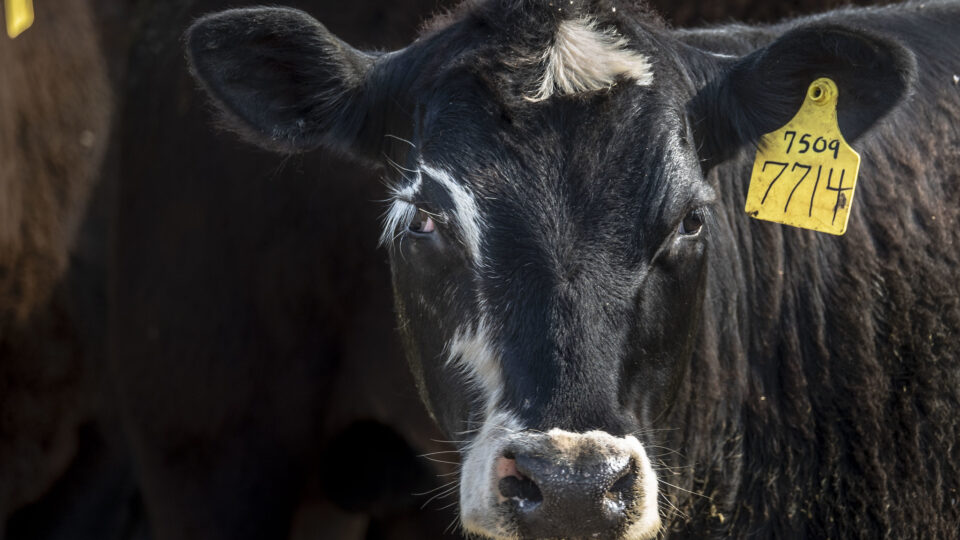
In animal agriculture, farmers use antibiotics to treat, prevent, and control animal diseases, and to increase the productivity of their operations.  According to the FDA, approximately 80% of all antibiotics sold in the U.S. are purchased for use in food-producing animals. 

The routine administration of antibiotics to farm animals for non-therapeutic purposes promotes the development of antibiotic-resistant bacteria, with repercussions for human and animal health.  As antibiotic-resistant bacteria spreads, medicines used to treat human diseases can become less effective. 

According to a new study led by researchers from the University of Washington, a California policy restricting the use of antibiotics in farm animals is associated with a reduction in one type of antibiotic-resistant infection in people in the state.  The findings, recently published in the journal Environmental Health Perspectives, suggest that regulations limiting the use of antibiotics in livestock can significantly impact human health. 

In 2018, California Senate Bill 27 banned routine preventive use of antibiotics in food-animal production and any antibiotic use without a veterinarian’s prescription.  Last year, the European Union passed a law restricting antibiotic use to only sick animals on farms.  And coming this June, most antibiotics – those that are medically important to humans and animals – will be by prescription only in the United States.  

Despite these changes, antibiotic resistance is projected to remain one of the biggest threats to human health over the next 50 years because resistance continues to grow and few new antibiotics are coming online. 

**********

Web Links

Restricting antibiotics for livestock could limit spread of antibiotic-resistant infections in people

Ranchers should prepare now for 2023 animal antibiotic guidelines

Photo, posted May 8, 2018, courtesy of Preston Keres / USDA via Flickr.

Earth Wise is a production of WAMC Northeast Public Radio

Help For Kelp | Earth Wise

April 10, 2023 By EarthWise Leave a Comment

Sea urchins and climate change is devastating ocean kelp

The warming of the oceans has been causing the decimation of kelp forests.  The thick canopies covering coastal ocean regions have been wilting in warmer and nutrient-poor water.  Making matters much worse has been the explosion in population of sea urchins that thrive in warmer water.  The urchins gobble up the kelp, often resulting in so-called urchin barrens, largely devoid of life.

Kelp are considered a foundation species that occupy nearly half of the world’s marine ecoregions.  They thrive in cold water, where they form large underwater forests that provide essential habitat, food, and refuge for many species.  Kelp are often harvested for use in products ranging from toothpaste and shampoo to puddings and cakes.  Including the other services kelp provide, they are associated with billions of dollars in value annually.

On the North American Pacific Coast, a species of sea star consumes sea urchins.  However, these creatures are critically endangered. A marine wildlife epidemic known as sea star wasting syndrome, which began 10 years ago, has killed off more than 90% of the sunflower sea star population.   A new study by researchers at Oregon State University looked at the ability of sea stars to control sea urchin populations.

Lab experiments showed that sea stars consume urchins at a rate sufficient to maintain and possibly even restore the health of kelp forests.  The study shows that there is a clear link between the population crash of sea stars, the explosion in sea urchin populations, and the decline in kelp.

The study’s authors are calling for active management and a coordinated sea star recovery program to try to deal with the effects of a disease whose cause has not been determined.

**********

Web Links

Sea stars able to consume kelp-eating urchins fast enough to protect kelp forests, research shows

Photo, posted December 14, 2015, courtesy of Ed Dunens via Flickr.

Earth Wise is a production of WAMC Northeast Public Radio

How To Meet Protected Land Targets | Earth Wise

March 30, 2023 By EarthWise Leave a Comment

How to meet protected land targets

More than half of the world’s countries have set a target of setting aside 30% of land and sea areas across the globe for conservation by 2030, in order to preserve and protect nature and essential services to people.  This pledge creates some difficult questions to answer.

What sorts of land should be protected and where should it be located?  What effects of these new land protections will there be on carbon emissions and the climate and on land usage for food production and energy generation?  Policymakers have to grapple with such questions in order to move forward on these ambitious biodiversity protection goals.

A recent study by the Lawrence Berkeley National Laboratory attempts to answer many of these questions.  The study found that meeting the 30% goal could lead to substantial regional shifts in land use and, in some cases, still fail to protect some of the most important biodiversity hotspots.

Protecting land entails tradeoffs with other land uses and can have negative impacts on the agricultural sector as well as land use for bioenergy crops and forest land use for timber.

In particular, the study found that the amount of land used for crops for conversion into biofuels could be significantly impacted by doubling current protected areas while still preserving the amount of land used for food crops.  This is particularly true for land in Russia and Canada.

The study also found that while it may be possible to meet the 30% target by only protecting agriculturally unsuitable land, it may not end up protecting many of the world’s 36 identified biodiversity hotspots.  The uneven distribution of species has a significant bearing on how to manage the conservation of biodiversity.

**********

Web Links

Doubling Protected Lands for Biodiversity Could Require Tradeoffs With Other Land Uses, Study Finds

Photo, posted September 19, 2020, courtesy of John Brighenti via Flickr.

Earth Wise is a production of WAMC Northeast Public Radio
Protected Areas Are Not Protecting Insects | Earth Wise

March 24, 2023 By EarthWise Leave a Comment

Insects are not being protected by protected areas

Insects can be found in every environment on Earth and play crucial roles in the planet’s ecosystems.  In fact, Biologist E. O. Wilson once said that “if all mankind were to disappear, the world would regenerate back to the rich state of equilibrium that existed ten thousand years ago.  If insects were to vanish, the environment would collapse into chaos.”

While his statement may sound extreme, it’s really not an exaggeration.  Insects are critical to most ecosystems.  They pollinate more than 80% of plants – both those we eat and those that provide food and habitat for other species.  Insects are also a food source themselves, eaten by other insects, birds, fish, and mammals. Without insects, we wouldn’t have the rich biodiversity that supports life on earth today. 

But insect populations are collapsing around the globe, and they continue to be overlooked by conservation efforts.  Protected areas, like national parks, refuges, and sanctuaries, can safeguard threatened species, but only if those threatened species actually live within the protected areas. 

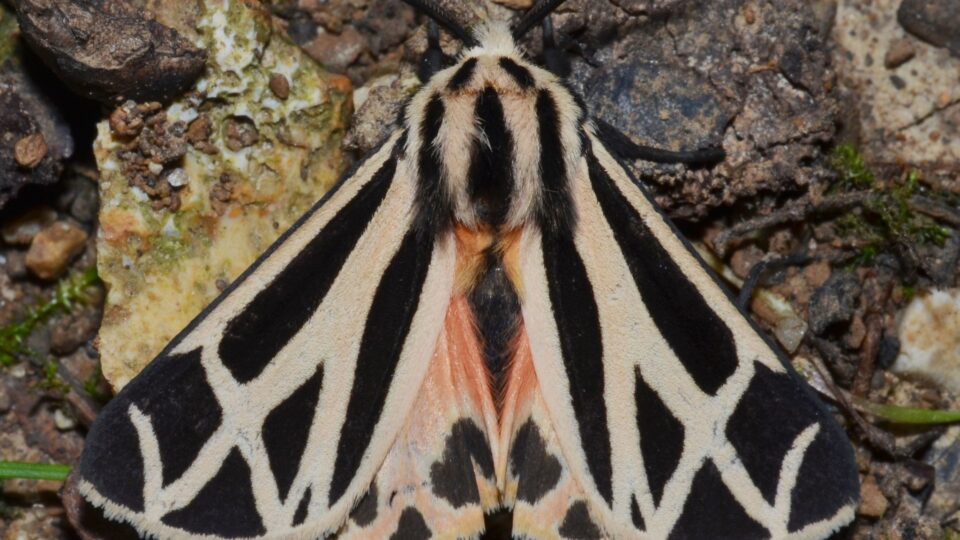
According to a new study recently published in the journal One Earth, 76% of insect species are not adequately covered by protected areas, including several critically endangered insects such as the dinosaur ant, crimson Hawaiian damselfly, and harnessed tiger moth. Alarmingly, the populations of 1,876 species do not overlap with protected areas at all.

Insects have been historically overlooked by conservation programs and need to be included in future conservation assessments. 

**********

Web Links

Protected areas fail to safeguard more than 75% of global insect species

Photo, posted August 21, 2014, courtesy of Andy Reago & Chrissy McClarren via Flickr.

Earth Wise is a production of WAMC Northeast Public Radio

Plastic From Sunlight | Earth Wise

March 13, 2023 By EarthWise Leave a Comment

Photosynthesis is the process that plants use to turn water, carbon dioxide, and energy from sunlight into plant biomass.  It provides humans and much of animal life with food.  Photosynthesis is also nature’s way of reducing the amount of carbon dioxide in the atmosphere.  The CO2 is not directly stored in plants but rather is combined into organic compounds.

Researchers across the globe are trying to find effective ways to mimic photosynthesis.  One version of artificial photosynthesis seeks to take carbon dioxide and combine it into organic compounds that can be used as raw materials for various kinds of manufacturing. 

A research team in Japan has found a way to synthesize fumaric acid from carbon dioxide using sunlight to power the process.  Fumaric acid is a chemical typically synthesized from petroleum and is used as a raw material for making biodegradable plastics such as polybutylene succinate. 

Much of artificial photosynthesis research is aimed at using solar energy to convert carbon dioxide directly into a fuel rather than a raw material.  Such solar fuels can be produced by a variety of means including thermochemical (using the sun’s heat to drive chemical reactions), photochemical (using the sun’s light to drive chemical reactions), and electrochemical (using solar-generated electricity to drive chemical reactions.)   These approaches generally involve the use of specialized catalysts to drive the desired chemical reactions. 

One way or another, what techniques for artificial photosynthesis have in common is trying to imitate what plant life on Earth has been doing for millions of years. 

**********

Web Links

Artificial photosynthesis uses sunlight to make biodegradable plastic

Photo, posted June 14, 2017, courtesy of Alex Holyake via Flickr.

Earth Wise is a production of WAMC Northeast Public Radio

Fake Meat And Climate | Earth Wise

March 10, 2023 By EarthWise 1 Comment

Investors have poured billions of dollars into efforts to replace animal proteins with plant-based substitutes or even laboratory-grown animal cells.  Replacing meats with these products is certainly a favorable development for the climate, but it is not likely to offset livestock agriculture’s climate and land use impacts anytime soon.

According to research at Stanford University, even optimistic estimates are that only something like 5% of dietary protein will come from these technologies by 2030.  That just isn’t fast enough to put a real dent in the food-related emissions problem.

Stanford environmental scientist David Lobell suggests that there should be much more focus on reducing emissions of animal-based systems.  There really hasn’t been much effort in this area because it is only recently that the climate impact of animal agriculture has been a topic of public concern.  One problem is that it is difficult for investors to monetize investments in approaches for lowering animal agriculture emissions.  These might include alternative feeds or supplements or vaccinations that inhibit methane-producing microorganisms in animals’ digestive systems.

Another approach to the problem is changing the mix of animal proteins in people’s diets.  Chicken and pork are half as bad as dairy per pound of protein, and about one-tenth as bad as beef, in terms of emissions.

Dairy is a major issue. There has been quite a lot of progress in increasing the use of dairy-free milk, but over the past 40 years, Americans have cut their consumption of milk in half but doubled their consumption of cheese.  Progress in dairy-free cheese has not been anywhere near as successful as that of dairy-free milk.  But new products are entering the marketplace all the time.

**********

Web Links

Is fake meat a real solution? Stanford expert explains

Photo, posted June 17, 2019, courtesy of Christolph Scholz via Flickr.

Earth Wise is a production of WAMC Northeast Public Radio
Insects On The Menu | Earth Wise

March 6, 2023 By EarthWise Leave a Comment

According to the World Food Programme, a record 349 million people across 79 countries are facing acute food insecurity.  This constitutes a staggering rise of 200 million people compared to pre-pandemic levels.  Nearly one million people globally are fighting to survive in famine-like conditions, which is ten times more people than just five years ago.  

As a result, many experts contend that alternative or so-called novel food sources – such as lab-grown meats, seaweed aquaculture, and insects – will be necessary to help fight global hunger and global food insecurity. 

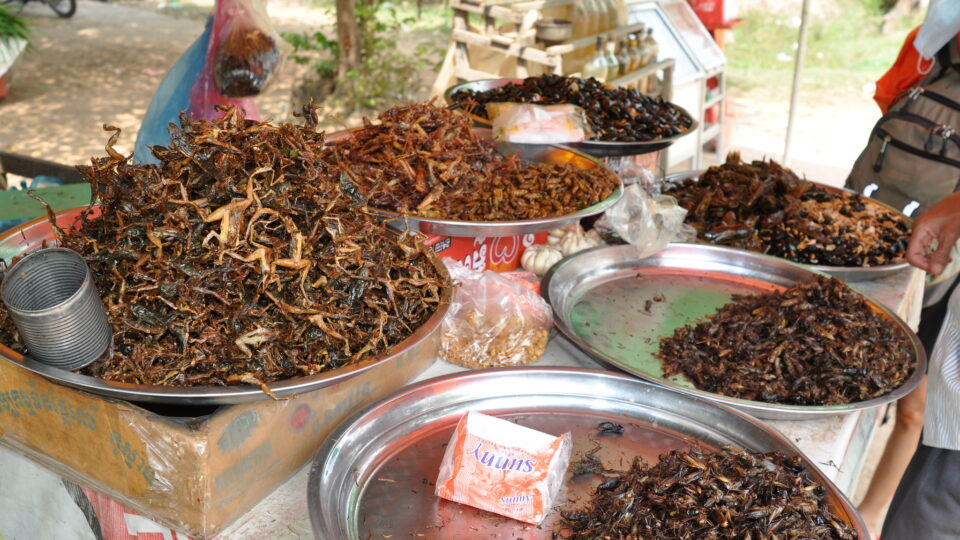
Insects already form a significant part of diets in many cultures around the world.  Insects are great sources of nutrients, including protein, vitamins, and minerals.  But insects have yet to be embraced in any substantial way in western cultures… but that may be changing. 

In fact, the European Union has now certified four types of bugs as food fit for human consumption.  The larvae of lesser mealworms and house crickets recently became the third and fourth insects approved for sale as food in the EU, joining yellow mealworms and grasshoppers. Eight more applications are awaiting approval.

Insects are already a delicacy in many high-end restaurants around the world, and a normal and healthy part of diets in countries like Mexico and Thailand.  Embracing insects as a food of the future will not only help in the fight against global hunger, but will also help to reduce greenhouse gas emissions and to slow species extinction. 

In Western food markets, the so-called “yuck factor” remains the biggest hurdle to cross.  But as the world population grows, the need for sustainable solutions in the food industry grows with it. 

**********

Web Links

Insects on the menu as EU approves two for human consumption

World Hunger Surged in 2020, U.N. Says

A global food crisis

Photo, posted April, 2014, courtesy of Shankar S. via Flickr.

Earth Wise is a production of WAMC Northeast Public Radio
A Vaccine For Bees | Earth Wise

February 27, 2023 By EarthWise Leave a Comment

USDA grants conditional license for a honey bee vaccine

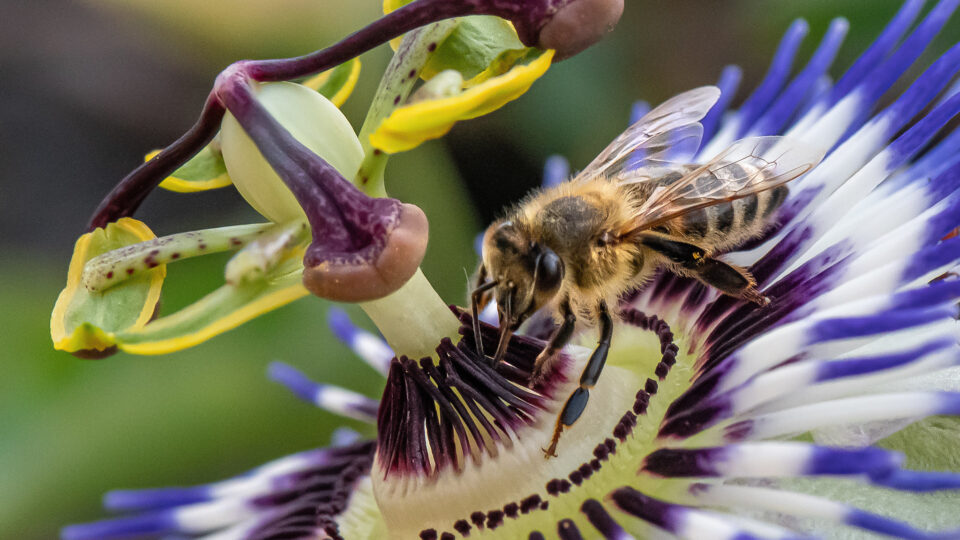
The US has seen annual reductions in honey bee colonies since 2006.  According to the USDA, there are many factors that have contributed to the decline.  These include parasites, pests, insecticides, disease, and a phenomenon called Colony Collapse Disorder in which worker bees abandon a hive and leave behind the queen.

One of major threats to bee colonies is American foulbrood disease, which is a bacterial condition that attacks bee larvae.  It is highly contagious and has no cure.  Until now, the only treatment method required burning the colony of infected bees along with the hives and equipment and treating nearby bee colonies with antibiotics.

Recently, the USDA has approved a conditional license for the world’s first vaccine for honey bees.  The vaccine contains inactive bacteria of the type that causes American foulbrood disease.

The vaccine is incorporated into the royal jelly fed by worker bees to the queen bee.  The queen ingests the feed and keeps some of vaccine in her ovaries.  This gives bee larvae immunity to the disease as they hatch and thereby reduces death from the illness.

According to the California State Beekeepers Association, the new vaccine could be a major breakthrough for protecting bees.  Preventing the infection in hives could avoid costly, destructive measures and allow the beekeepers to focus on other important elements of keeping bees healthy.

Bees as pollinators play a critical role in many ecosystems.  For humankind, pollinators such as bees, birds, and bats are responsible for about a third of the world’s crop production.

**********

Web Links

US approves world’s first vaccine for declining honey bees

Photo, posted June 6, 2022, courtesy of Bernd Thaller via Flickr.

Earth Wise is a production of WAMC Northeast Public Radio

Chocolate And Deforestation | Earth Wise

February 14, 2023 By EarthWise Leave a Comment

The world consumes 7.5 million tons of chocolate a year.   Americans spend an average of $145 a year per capita on chocolate.  And we are not even the world leaders.  The Swiss eat an average of 22 pounds per person and the overall European chocolate market is the world’s largest.

A market valued over $100 billion a year is bound to have its issues for the environment, human rights, and other social issues, and chocolate is no exception.  The global cacao industry grapples with problems with child labor, poverty, deforestation, sustainability and other environmental issues.  The response of companies across the industry varies greatly. A website called chocolatescorecard.com keeps track of how many in the industry are doing.

Recently, lawmakers in the European Union have been putting together a landmark legislative package that addresses deforestation risks in the supply chains of a number of commodities including cattle, timber, rubber, soy, palm oil, and cacao. The proposed law restricts companies that import cacao and sell chocolate to import only what doesn’t destroy or degrade forests. 

Voluntary promises by big chocolate makers to save forests in major cacao-producing countries (like Ivory Coast, Ghana, Indonesia, and Nigeria) are difficult to keep.  Farmers sell to brokers who sell to trading companies that then sell to chocolate makers.  Tracing the origins of chocolate is difficult.  Ultimately, fairly compensating farmers is the only way they are likely comply with deforestation regulations and there are unfortunately many pockets to fill before that is likely to happen.

It is up to consumers to encourage companies to do the right thing by making their buying choices appropriately.

**********

Web Links

The Forest in Your Chocolate

The Chocolate Scorecard

Photo, posted January 12, 2010, courtesy of Lee McCoy via Flickr.

Earth Wise is a production of WAMC Northeast Public Radio
A Growing Threat To Wheat | Earth Wise

January 27, 2023 By EarthWise Leave a Comment

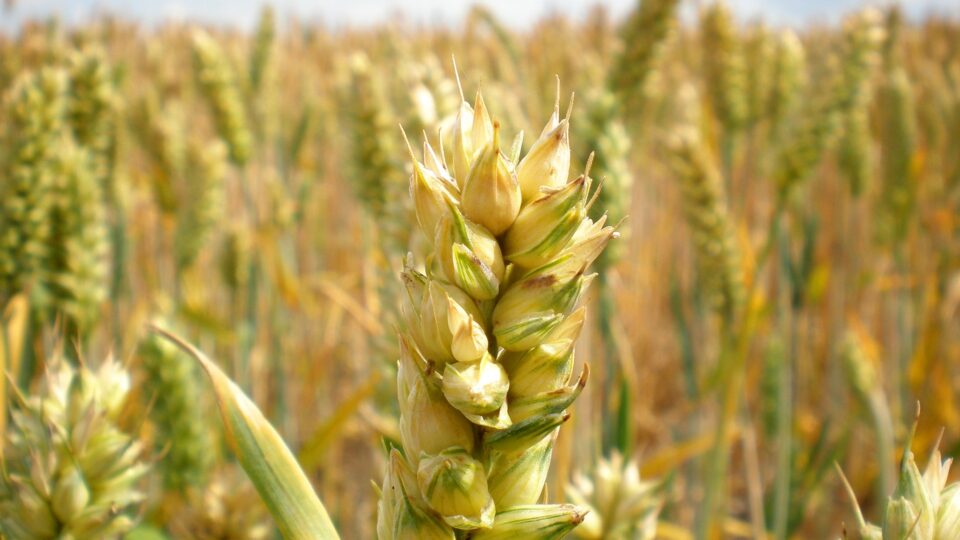
A growing threat to wheat threatens crop price and global food security

Wheat is one of the most widely-grown crops in the world and plays a major role in human nutrition.  In fact, wheat contributes approximately 20% of the protein and 20% of the calories consumed by humans globally.  It is grown on every continent except Antarctica.  

But wheat is under growing attacks from harmful toxins.  According to a new study by researchers from the University of Bath and the University of Exeter in the U.K., almost half of wheat crops across Europe are impacted by the fungal infection that gives rise to mycotoxins.

Mycotoxins are naturally occurring toxins produced by the fungus that causes Fusarium Head Blight.  Fusarium Head Blight is a disease that affects wheat and other grains growing in the field. Eating products contaminated with mycotoxins can cause sickness in humans and livestock, including vomiting and other gastrointestinal problems.

In the study, the research team examined 10 years of government and agribusiness data, which tracked Fusarium mycotoxins in wheat entering the food and animal supply chains across Europe and the U.K.  Half of the wheat intended for human food in Europe contained the Fusarium mycotoxin.  In the UK, 70% of wheat was contaminated.

Governments set legal limits on mycotoxin contamination levels in wheat that is to be consumed by humans. But with the ubiquitous nature of these mycotoxins, the effect of constant, low-level exposure in the diet over the course of a lifetime is not known. 

With climate change and the war in Ukraine already impacting both wheat yield and price, preventing toxin contamination is critical to help maintain a stable crop price and to protect global good security. 

**********

Web Links

Harmful fungal toxins in wheat: a growing threat across Europe

Photo, posted July 11, 2011, courtesy of Maria Keays via Flickr.

Earth Wise is a production of WAMC Northeast Public Radio.

A Green New Year | Earth Wise

December 30, 2022 By EarthWise Leave a Comment

Every year, millions of people around the world make resolutions in hopes of sparking positive changes in the new year.  Popular resolutions include improving health and fitness, traveling more, spending less, and so on.  With the New Year just around the corner, here are seven resolutions we all could make that would collectively have a major impact on the planet: 

1) Eat less meat.  Resource-intensive animal-based foods like meat, dairy, and eggs are one of the chief contributors to climate change. 

2) Get a home energy audit.  It’s a great way to understand your home’s energy footprint and discover ways to improve the energy efficiency of your home. 

3) Buy local whenever possible.  Shopping locally supports the local economy and dramatically cuts down on the carbon emissions associated with shipping.

4) Carry reusable shopping bags on errands. While disposable shopping bags are convenient, they are difficult to recycle and are often thrown away. 

5) Air dry your laundry whenever possible.  Drying clothes outside or using an indoor drying rack can save money and energy.  Americans spend about $9 billion a year on electricity to dry clothing. 

6) Purchase used or pre-owned items.  The market for second-hand items is booming, making it possible to purchase pretty much anything you want at thrift stores or online. 

7) Bring a reusable water bottle everywhere.  According to the EPA, Americans throw away enough plastic bottles each year to circle the earth five times.  Carrying your own bottle helps reduce this waste and will save you money.

As we ring in the new year this weekend, let’s raise our glasses to a cleaner and greener 2023. 

**********

Web Links

10 Sustainable New Year’s Resolutions!

New Year’s Resolutions

Photo, posted December 31, 2014, courtesy of Doug Anderson via Flickr.

Earth Wise is a production of WAMC Northeast Public Radio

Examining The Decline Of Honey Bees | Earth Wise

December 28, 2022 By EarthWise Leave a Comment

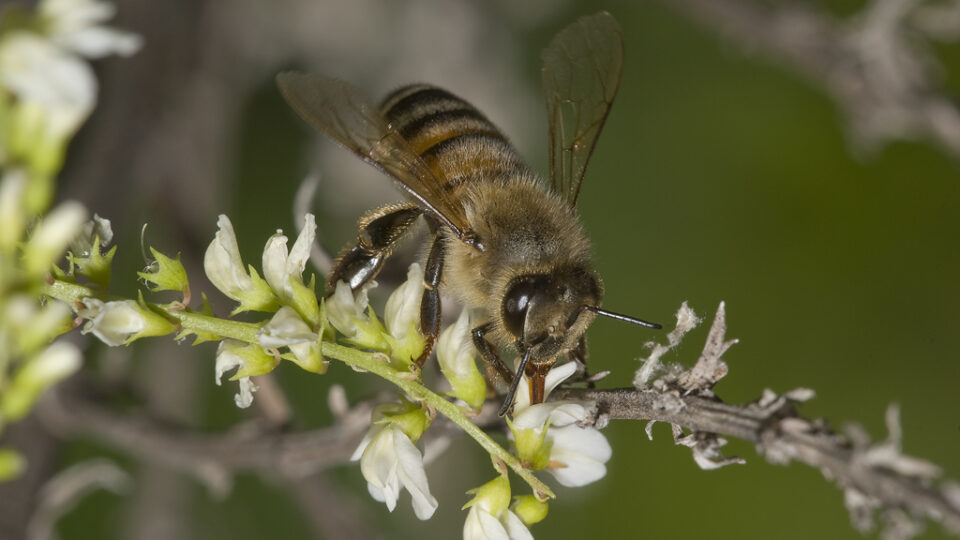
For many years, scientists have been sounding the alarm on the global struggle of pollinators.  Many of the invertebrate pollinator species, such as bees and butterflies, are facing extinction. And since 75% of the world’s food crops depend on pollination to some extent, the decline of pollinators poses a major threat to global food security.

Honey bees are among the struggling pollinators.  Over the past 14 years, bee colonies have been disappearing at an alarming rate in what is known as the “colony collapse disorder.” 

In an effort to understand why, scientists have often focused their research on environmental stressors, such as parasites, pesticides, and disease.  But according to new research by entomologists from the University of Maryland, honey bee life spans are simply 50% shorter today than they were 50 years ago.  In the study, which was recently published in the journal Scientific Reports, the researchers found that honey bees kept in a controlled, laboratory environment lived half as long as honey bees did in the 1970s.  This is the first study to show that genetics – as opposed to environmental stressors – may be influencing the broader trends seen in the beekeeping industry.

When the researchers modeled the effect of their findings on a beekeeping operation, they found that the resulting loss rates were about 33%.  This is similar to the average overwinter and annual loss rates reported by beekeepers during the past 14 years.

The next step is for researchers to compare trends in honey bee life spans across the U.S. and in other countries to see if there are differences in bee longevity. 

**********

Web Links

Honey Bee Lifespans are 50% Shorter Today Than They Were 50 Years Ago

Helping Agriculture’s Helpful Honey Bees

Photo, posted June 23, 2007, courtesy of Susan E. Ellis via Flickr.

Earth Wise is a production of WAMC Northeast Public Radio
Perennial Rice | Earth Wise

December 9, 2022 By EarthWise Leave a Comment

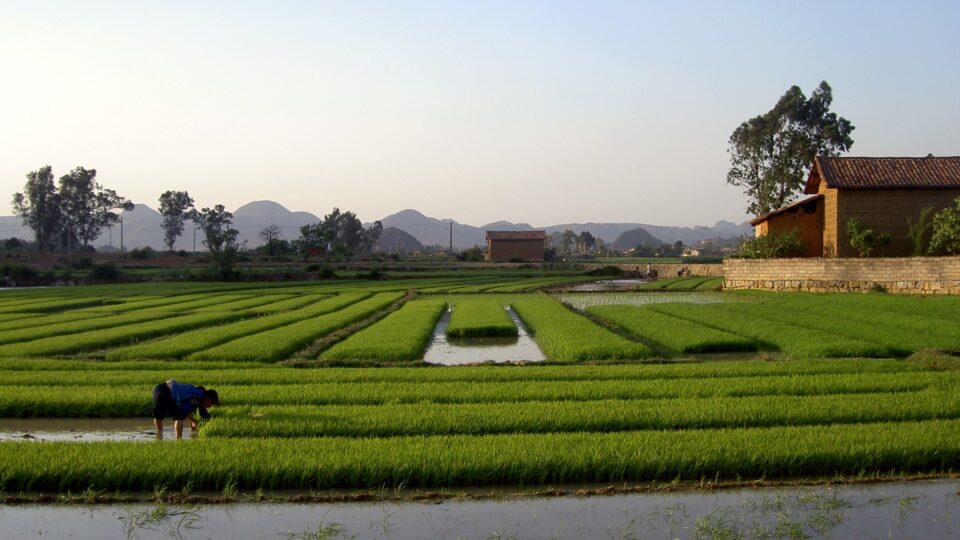
People have been cultivating rice for more than 9,000 years.  Cultivated rice is an annual crop which is often extended to two crops a year by a process called ratooning, which is cutting back annual rice to obtain a second, weaker harvest.

An extensive project involving multiple institutions in China, the U.S., and Australia has been developing perennial rice.  The researchers developed it through hybridization, crossing a type of Asian domesticated annual rice with a wild perennial rice from Africa.  Using modern genetic tools to identify candidate plants, the team identified a promising hybrid in 2007, planted large-scale field experiments in 2016, and released the first commercial perennial rice variety, called PR23, in 2018.

The researchers spent five years studying the performance of the perennial rice alongside annual rice on farms in China’s Yunnan Province.  For the most part, the yield of the perennial rice was equivalent to that of annual rice over a period of four years. 

Because farmers don’t have to plant rice each season, growing perennial rice requires almost 60% less labor and saves nearly half the costs of seed, fertilizer, and other inputs.

Perennial rice is already changing the lives of more than 55,000 smallholder farmers in southern China and Uganda.  The economic benefits vary by location, but overall profit increases ranged from 17% to 161% over annual rice.

There are already three perennial rice varieties available to farmers, but researchers aren’t done refining the crop.  They plan to use their methodology to enhance traits such as aroma, disease resistance, and drought tolerance to newer versions.

**********

Web Links

Farmers in China, Uganda move to high-yielding, cost-saving perennial rice

Photo, posted February 25, 2002, courtesy of Matthieu Lelievre via Flickr.

Earth Wise is a production of WAMC Northeast Public Radio
Fuel From Coffee Grounds | Earth Wise

December 8, 2022 By EarthWise Leave a Comment

Creating fuel from coffee waste

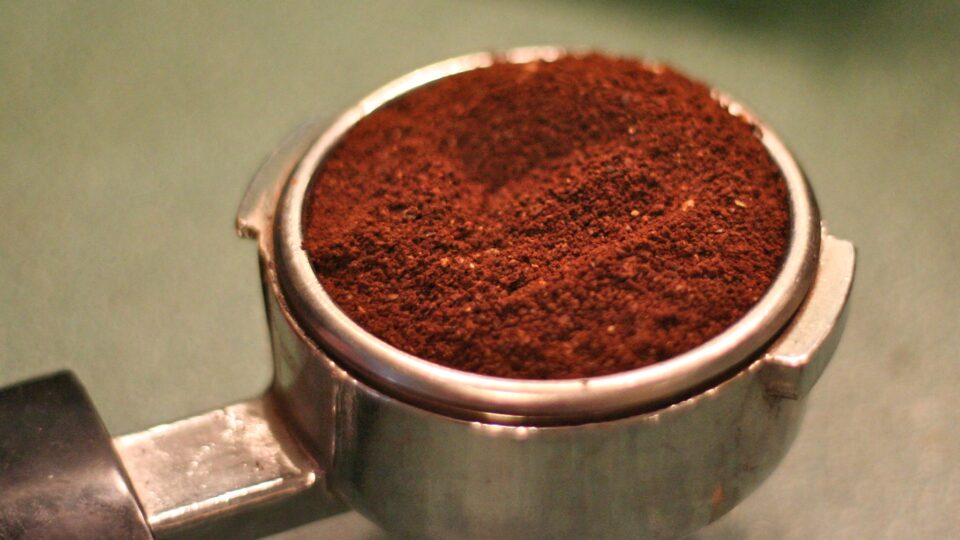
The world drinks a lot of coffee.  Americans alone consume 400 million cups a day.  Each cup of coffee results in about half an ounce of coffee grounds.  Adding that up, this country produces over 6,000 tons of coffee grounds each day.  While coffee grounds are not particularly harmful, that is an awful lot of waste that mostly ends up in landfills or is incinerated.

Researchers at Aston University in the UK have developed a method of producing high-quality biodiesel fuel from coffee grounds.  Their study was published in the journal Renewable and Sustainable Energy Reviews.

The technique consists of growing a particular species of microalgae (Chlorella vulgaris) directly on spent coffee grounds.  The coffee grounds provide both the nutrients for the microalgae and a structure upon which it can grow.   Exposing the algae to light for 20 hours a day and dark for just four hours a day produced the best quality biodiesel.

Microalgae is well-known as a feedstock for biodiesel production.  Previously, it has been grown on materials like polyurethane foam or nylon which don’t provide any nutrients.   Using the coffee grounds as the substrate for growth means that no external nutrients are needed.

The resultant enhanced biodiesel produces minimal emissions and good engine performance and meets both US and European specifications.  This feedstock for producing biodiesel is ideal since it doesn’t require any competition with food crops and instead makes use of a widely available waste product.  The hope is that it may reduce the cutting down of palm trees to extract oil for biofuel.  In southeast Asia, this has been a major source of deforestation and increased greenhouse gas emissions.

**********

Web Links

Aston University researchers ‘feed’ leftover coffee grounds to microalgae to produce low emission biodiesel

Photo, posted October 13, 2007, courtesy of David Joyce via Flickr.

Earth Wise is a production of WAMC Northeast Public Radio
Whales Eating Plastic | Earth Wise

December 1, 2022 By EarthWise Leave a Comment

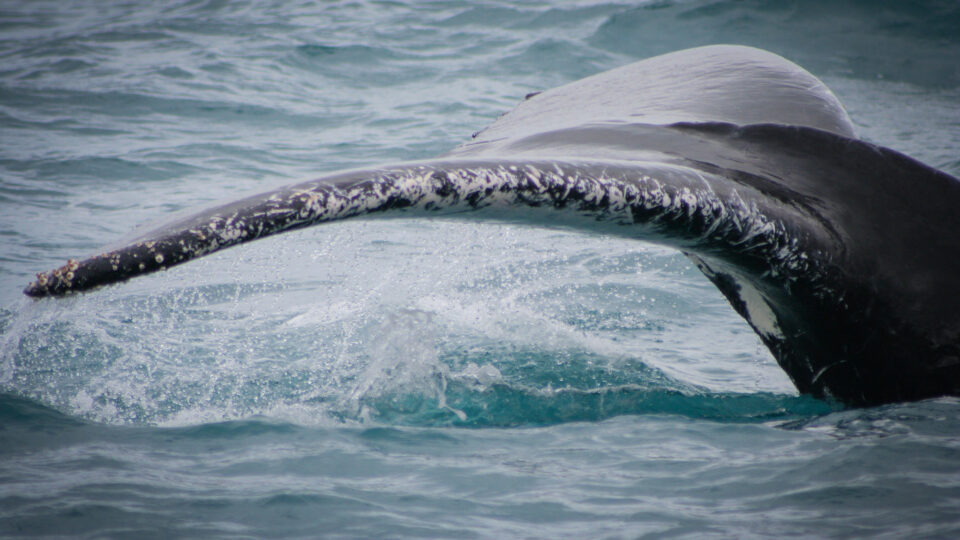
Whales are eating lots of plastic

Plastic waste has been accumulating in the world’s oceans in greater and greater quantities and much of it is in the form of microplastic particles.  Many kinds of whales – the largest creatures on Earth – feed by gulping up mouthfuls of krill and other tiny creatures and then straining the seawater through bristly filter structures called baleens.  As they do this, they are likely to be swallowing large amounts of plastic.

Scientists at Stanford University recently estimated just how much plastic whales are ingesting by tracking the foraging behavior of 65 humpback whales, 29 fin whales, and 126 blue whales in the Pacific Ocean.  Each of the whales was tagged with a camera, microphone, and GPS device suction-cupped to their back.

After accounting for the concentration of microplastics in parts of the Pacific Ocean, the researchers were able to estimate the amount of plastic the whales were consuming.  Humpback whales likely consume 4 million microplastic pieces each day, adding up to about 38 pounds of plastic waste.  Fin whales swallow an estimated 6 million pieces each – amounting to 57 pounds of plastic.  Blue whales, which are the largest creatures on Earth, eat an estimated 10 million microplastic pieces, or as much as 95 pounds of plastic waste each day.

Despite their enormous size, whales actually eat rather low on the food chain, which puts them close to where the plastic is in the water.   Krill eats plastic and whales eat the krill.   Many marine animals are at risk of eating microplastics, but whales are unique in that they can consume so much of it.  It is just one more way in which the ocean plastic situation is a global crisis.

**********

Web Links

Blue Whales Swallowing 95 Pounds of Plastic Daily, Scientists Estimate

Photo, posted October 21, 2005, courtesy of Tobias Begemann via Flickr.

Earth Wise is a production of WAMC Northeast Public Radio
Food Waste And The Environment | Earth Wise

November 25, 2022 By EarthWise Leave a Comment

It is tragic that 31% of the world’s food production goes uneaten.  About 14% isn’t distributed after it is harvested.  Another 17% ends up wasted in retail or by consumers.  Worldwide, the amount of food that is wasted is enough to feed more than a billion people while at least 828 million people continue to be affected by hunger.  To make matters worse, food waste accounts for 8 to 10% of global greenhouse gas emissions, which is at least double that of aviation.  Food waste, rotting away in landfills, produces methane gas, a major source of global warming.

Around the world, there are efforts being launched to try to improve the situation.  California now has a law that requires grocery stores to donate edible food that would otherwise be disposed of or they face fines.  The state’s cities and counties are required to reduce the amount of organic waste going into landfills by 75% by 2025 and compost it instead.

In London, grocers no longer put date labels on fruits and vegetables because the labels were leading people to trash perfectly good food.  France now requires supermarkets and large caterers to donate food that is still safe to eat.

South Korea has little space for landfills.  So, the country has been campaigning against throwing away food for 20 years.  Nearly all organic waste in the country is turned into animal feed, compost, or biogas.  Koreans even have to pay for throwing out food waste.  There are now trash bins equipped with electronic sensors that weigh food waste.

All of these things can help.  There is no single magic bullet for reducing food waste, but it is essential to do for so many reasons.

**********

Web Links

Inside the Global Effort to Keep Perfectly Good Food Out of the Dump

Photo, posted November 30, 2020, courtesy of Marco Verch via Flickr.

Earth Wise is a production of WAMC Northeast Public Radio

  • « Go to Previous Page
  • Page 1
  • Interim pages omitted …
  • Page 3
  • Page 4
  • Page 5
  • Page 6
  • Page 7
  • Interim pages omitted …
  • Page 18
  • Go to Next Page »

Primary Sidebar

Recent Episodes

  • An uninsurable future
  • Clean energy and jobs
  • Insect declines in remote regions
  • Fossil fuel producing nations ignoring climate goals
  • Trouble for clownfishes

WAMC Northeast Public Radio

WAMC/Northeast Public Radio is a regional public radio network serving parts of seven northeastern states (more...)

Copyright © 2026 ·