• Skip to primary navigation
  • Skip to main content
  • Skip to primary sidebar

Earth Wise

A look at our changing environment.

  • Home
  • About Earth Wise
  • Where to Listen
  • All Articles
  • Show Search
Hide Search
You are here: Home / Archives for food

food

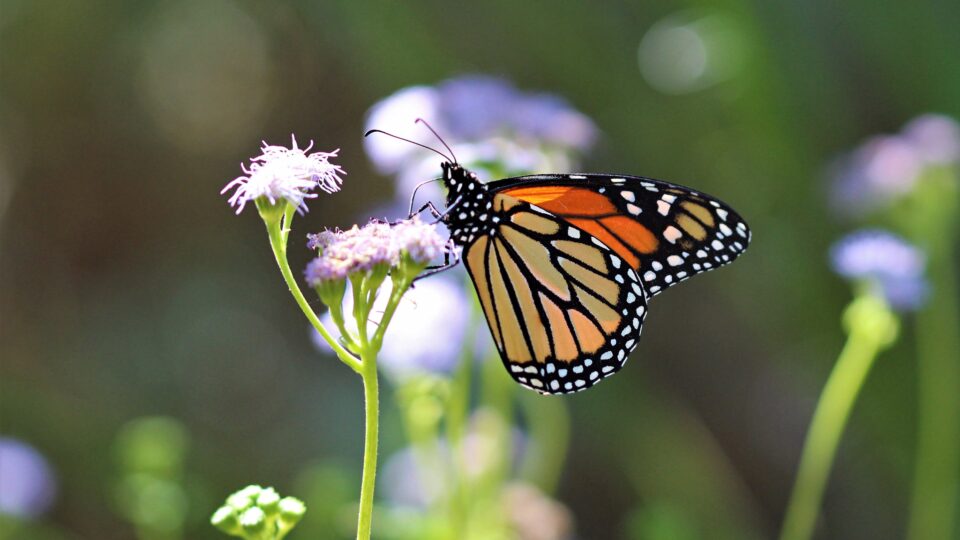
Confusion about monarch butterflies

February 9, 2024 By EarthWise Leave a Comment

For years, we have heard that the iconic monarch butterfly is in great peril.  Monarchs east of the Rocky Mountains undertake a 4-generation, 3,000-mile migration in late summer to their winter home in central Mexico.  Since the 1990s, the overwintering monarch colonies began a steep decline causing scientists to fear for the sustainability of the species.  Trying to help, ordinary citizens have been planting milkweed – the food for the caterpillars – and have been rearing eggs and caterpillars on their porches and releasing adult butterflies.

A number of recent studies have rocked the world of monarch science.  A growing group of scientists now believe that monarchs are not in fact imperiled and that the home rearing and commercial breeding of monarchs is actually a major threat to the butterfly.

According to a comprehensive 2022 study, there has been no sharp decline in Eastern monarch populations across their summer breeding range.  The long-term declines in winter colony sizes are real but do not appear to be affecting the collective breeding population of Eastern monarchs. 

An undisputed major threat to monarchs is a parasite known as OE, which weakens butterflies and also makes it unlikely for them to complete migrations.  It turns out that overcrowding of butterflies resulting from the efforts of backyard and commercial breeders is increasing the spread of the disease.  The butterflies are in need of social distancing.

Monarch scientists are split into two camps.  One group calls for the protection of the butterfly under the Endangered Species Act.  The other says that what monarchs most need is for us to leave them alone.  It is a confusing situation.

**********

Web Links

Rethinking Monarchs: Does the Beloved Butterfly Need Our Help?

Photo, posted October 1, 2021, courtesy of Renee Grayson via Flickr.

Earth Wise is a production of WAMC Northeast Public Radio
How to reduce pollution from food production

January 17, 2024 By EarthWise Leave a Comment

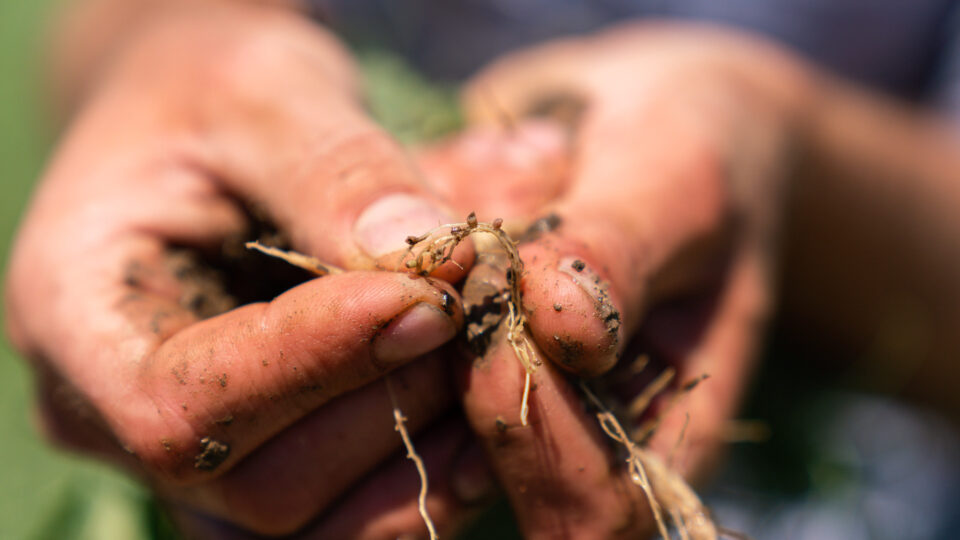
Present in animal manure and synthetic fertilizers, nitrogen is an essential nutrient for plant growth and is a critical input to enhance agricultural productivity on farms around the world.  But excessive and inefficient use of this nutrient is widespread.  In fact, up to 80% of it leaks into the environment, mostly in various polluting forms of nitrogen: ammonia and nitrogen oxides (which are harmful air pollutants), nitrous oxide (a potent greenhouse gas), and nitrate (which affects water quality).

A new report prepared for the United Nations has put forth some solutions to greatly reduce nitrogen pollution from agriculture in Europe.  A group of researchers coordinated by the U.K. Centre for Ecology & Hydrology, the European Commission, the Copenhagen Business School, and the National Institute for Public Health and the Environment of The Netherlands produced the report.

In it, the research team puts forth its recipe to reduce nitrogen pollution in Europe.  The report’s ingredients include:

  • Reducing by 50% the average European meat and dairy consumption
  • More efficient fertilizer application and manure storage
  • Reducing food production demand by reducing food waste by retailers and consumers
  • Better wastewater treatment to capture nitrogen from sewage
  • Adopting policies addressing food production and consumption to transition them towards more sustainable systems

Taking action to reduce nitrogen pollution will require a holistic approach involving farmers, policymakers, retailers, water companies, and individuals. 

Do Europeans have an appetite for change?

**********

Web Links

Scientists provide recipe to halve pollution from food production

Photo, posted March 10, 2022, courtesy of USDA NRCS Montana via Flickr.

Earth Wise is a production of WAMC Northeast Public Radio
Attack of the giant goldfish

January 15, 2024 By EarthWise Leave a Comment

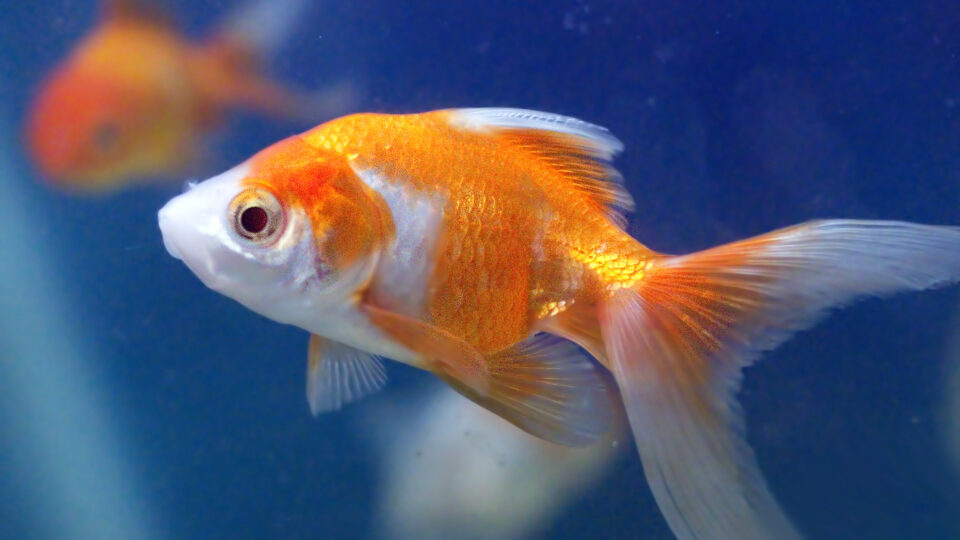
Giant goldfish are an invasive species

Goldfish are just about the easiest pets to keep.  A species of carp native to East Asia, they have been bred to look pretty and are generally little more than home décor.  We keep them in little glass bowls and feed them mysterious flakes out of a container.  With these confined quarters and meager meals, they remain small, harmless creatures.  But released into the wild, it is a very different story.

People dump pet goldfish into lakes and ponds with some frequency.  Once they are in the wild, these humble creatures can grow to monstrous proportions.  They can eat nearly anything, including algae, aquatic plants, eggs, and invertebrates.  They can kill off native marine wildlife and damage or even destroy fragile and economically valuable ecosystems.

For a few years, Canadian researchers have been tracking invasive goldfish in Hamilton Harbour, at the western tip of Lake Ontario, about 35 miles southwest of Toronto.  That part of the lake has been decimated by industrial and urban development as well as by invasive species.

Goldfish were first spotted in the harbor in the 1960s, mostly died off in the 70s because of industrial contamination, but then recovered in the 2000s.  Goldfish can tolerate a wide range of water temperatures, reach sexual maturity quickly, and can reproduce several times in one season.  In resource-rich places, they can grow up to 16 inches long, making them too large a meal for many predators.

There are literally millions of goldfish in the Great Lakes and not only there.  Feral goldfish are a problem in Australia and in the United Kingdom.  Invasive species are a big problem, even if they start out small and cute.

**********

Web Links

Once They Were Pets. Now Giant Goldfish Are Menacing the Great Lakes.

Photo, posted September 20, 2015, courtesy of Watts via Flickr.

Earth Wise is a production of WAMC Northeast Public Radio
Airplanes, corn, and groundwater

January 11, 2024 By EarthWise Leave a Comment

Is replacing traditional jet fuel with ethanol a good idea for the climate?

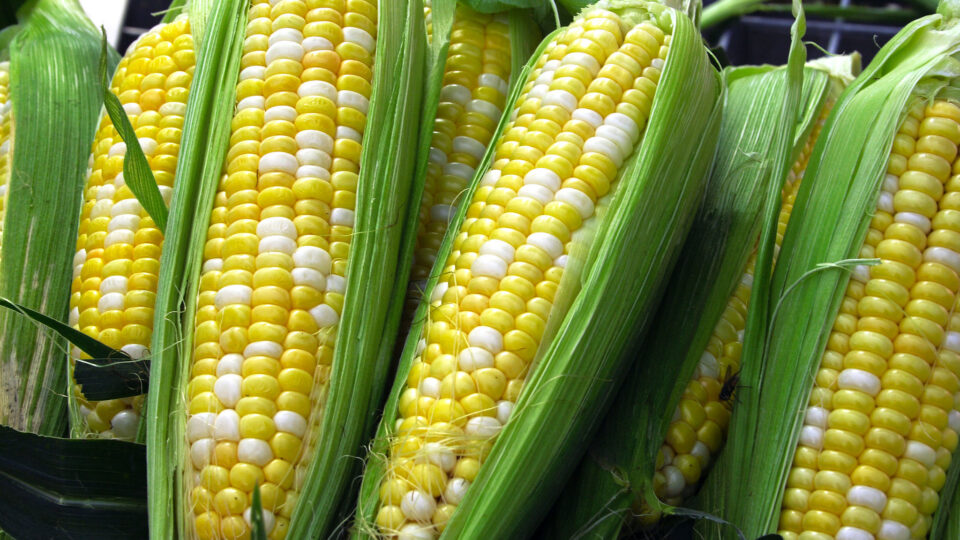
The aviation industry wants to slash its greenhouse gas emissions.  One proposed strategy is to replace ordinary jet fuel with ethanol.  Ethanol in this country mostly comes from corn.  The airlines are enthusiastic about the idea; corn farmers are enthusiastic about the idea.  Ethanol suppliers are obviously enthusiastic about it.  But is it a good idea?

Today, nearly 40% of America’s corn crop is turned into ethanol.  Twenty years ago, the figure was around 10%.  The massive growth was the result of mandates for ethanol augmentation of gasoline for environmental reasons.

But the environmental benefits of corn ethanol have always been controversial at best when all the energy factors are considered. But apart from that, a very serious issue is that corn is a water-intensive crop, and it can take hundreds of gallons of water to produce a single gallon of ethanol.  As the climate warms and corn crops expand, groundwater in many corn-growing areas is being increasingly depleted and groundwater provides half our drinking water and meets far more than just the needs of corn farmers.

Corn farmers and ethanol producers see the rapid growth of electric vehicles as a threat to their lucrative business of supplying the auto fuel industry.  The ambitious goals of the airline industry to reduce its emissions would likely require nearly doubling ethanol production.

The situation is a powerful example of the tradeoffs that can arise as the world tries to make the transition away from fossil fuel.  Even green solutions can have their own environmental cost and sometimes that cost may be too steep.

**********

Web Links

Airlines Race Toward a Future of Powering Their Jets With Corn

Photo, posted September 2, 2007, courtesy of Rosana Prada via Flickr.

Earth Wise is a production of WAMC Northeast Public Radio
Does vertically-grown food taste different?

January 2, 2024 By EarthWise Leave a Comment

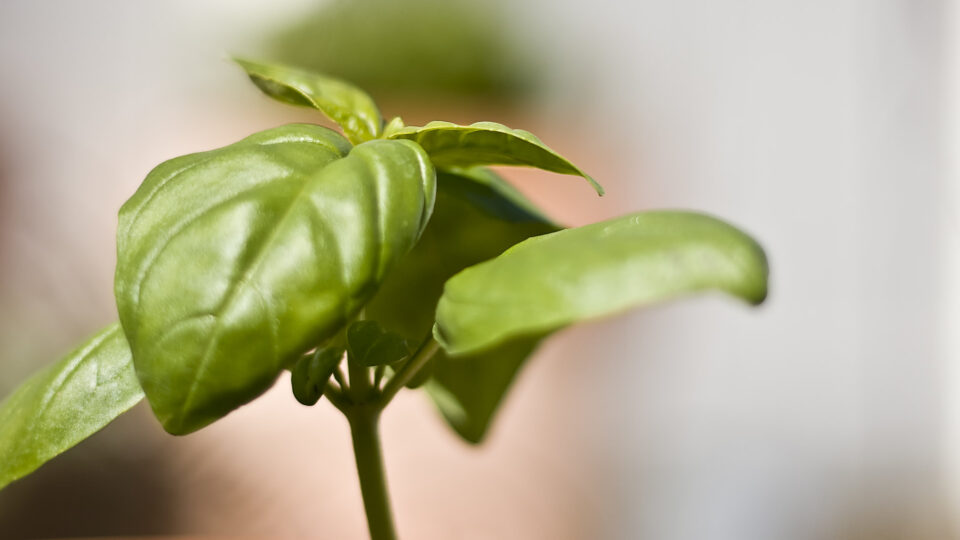
Vertical farming is a method of producing crops in vertically stacked layers or surfaces typically in a skyscraper, used warehouse, or shipping container.  Modern vertical farming uses indoor farming techniques and controlled-environment agriculture technology. 

Vertical farming has the potential to be one of the solutions to food insecurity in parts of the world where crop production is limited by climate change or other environmental factors.  Vertical farming reduces water and land use, reduces nutrient emissions, and could eliminate the need for pesticides.  It also allows more food to be grown locally and with higher yields.

But some critics of vertically-grown veggies say they look pale, artificial, and taste bland.  In the first study of its kind, a research team led by scientists from the University of Copenhagen in Denmark sought to investigate whether these consumer prejudices hold true.

The research team asked 190 participants to blind taste test arugula, baby spinach, pea shoots, basil, and parsley grown in vertical farming and compare the taste and appearance to those same leafy greens grown organically in soil. 

Overall, the organic greens grown traditionally narrowly beat out the vertically-grown ones in the study, but it was very close.  For example, when asked to rate arugula on a scale of 1-9 with 9 being best, the participants gave both types a 6.6.  There was no clear winner between basil, baby spinach, and pea shoots.  The only clear winner was organically-grown parsley. 

The study debunks some myths about vertically-grown food and should help pave the way for more widespread adoption of this efficient method to grow tasty and nutritious food. 

**********

Web Links

A delicious surprise: Vertically farmed greens taste as good as organic ones

Photo, posted May 11, 2009, courtesy of Cliff Johnson via Flickr.

Earth Wise is a production of WAMC Northeast Public Radio

Sustainable New Year’s resolutions

December 29, 2023 By EarthWise Leave a Comment

Sustainable resolutions for the new year

Every year, millions of people around the world make resolutions to spark positive change in the new year.  Popular resolutions include improving health and fitness, traveling more, spending less, and so on. With 2024 just around the corner, here are six resolution ideas to reduce our climate impact: 

Shop More Sustainably.  Choose eco-friendly brands and products with minimal environmental impact, including locally-produced goods and reusable items whenever possible. 

Switch To Clean Energy.  Purchase green power, install renewable energy systems to generate electricity, or switch to renewable resources for home and water heating and cooling needs. 

Reduce Food Waste.  Food waste is a significant global issue with environmental, economic, and social implications.  In the U.S., an estimated 30-40% of the total food supply is never eaten.  Meal plan and only shop for what you need.  And freeze any leftovers.   

Adopt A More Plant-Based Diet.  Transition to a more plant-based diet in order to shrink the ecological footprint of food production.  Resource-intensive animal-based foods like meat, dairy, and eggs are one of the chief contributors to climate change. 

Reduce the Carbon Footprint of Transportation.  Opt for eco-friendly transportation and energy-efficient practices in order to lower emissions.  Examples include driving a battery-electric car and utilizing public transportation. 

Get Involved In Conservation Advocacy.  Support and engage in environmental causes, and help promote conservation and sustainable practices. 

As we ring in the new year, let’s raise our glasses to a cleaner and greener 2024.

**********

Web Links

Photo, posted August 3, 2018, courtesy of Ella Olsson via Flickr.

Earth Wise is a production of WAMC Northeast Public Radio

Food and the climate crisis

December 18, 2023 By EarthWise Leave a Comment

Farm-free food could help mitigate climate warming

Agriculture is a major part of the climate problem and remains one of the hardest human activities to decarbonize.  It’s responsible for approximately 25% of global greenhouse gas emissions. 

Many experts contend that alternative food sources – like insect farming and seaweed aquaculture – are part of the solution.  Additionally, expanding production of climate resilient food crops, including quinoa, kernza, amaranth, and millet, likely also have a role to play. 

But according to a new study led by researchers from the University of California – Irvine, another solution to this problem may be to eliminate farms altogether.  In the study, which was recently published in the journal Nature Sustainability, the research team explored the potential for wide scale synthetic production of dietary fats through chemical and biological processes.  The materials needed for this method are the same as those used naturally by plants: hydrogen (in water) and carbon dioxide (in the air).   

The research team highlighted some of the potential benefits of farm-free food, including reduced water use, less pollution, localized food production, and less risk to food production from weather. 

Cookies, crackers, chips, and many other grocery products are made with palm oil, a dietary fat that continues to be a major driver of deforestation around the world.  However, it remains to be seen how consumers would react if the oil used to bake their cookies came from a food refinery up the road instead of a palm plantation in Indonesia.     

According to the researchers, depending on food refineries instead of tropical plantations for dietary fats could mitigate lots of climate-warming emissions while also protecting land and biodiversity.

**********

Web Links

UC Irvine-led science team shows how to eat our way out of the climate crisis

Photo, posted July 15, 2008, courtesy of Quinn Dombrowski via Flickr.

Earth Wise is a production of WAMC Northeast Public Radio
Wild pigs in the U.S.

November 17, 2023 By EarthWise Leave a Comment

Wild pigs are a big problem

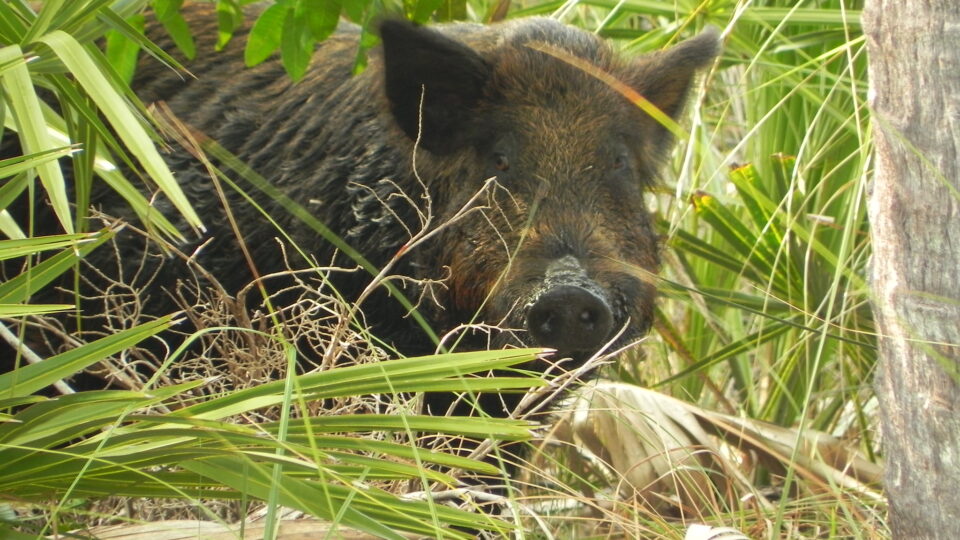
In the U.S., there are as many as nine million feral swine living in 38 states.  A conservative estimate indicates that they cause about $1.5 billion in property and agricultural damage each year in this country. 

Pigs were introduced to the United States centuries ago as a food source, but they quickly established wild populations. Feral domestic pigs bred with purebred Eurasian boar that were introduced for hunting, and these hybridized wild pigs spread across the landscape thanks to their prolific reproductive rates and willingness to eat just about anything.

When wild pigs forage, they upturn roots and soil with their snouts, damaging natural habitats and other animals. A 2021 study found that wild pigs are releasing over five million tons of carbon dioxide annually by uprooting carbon trapped in soil. 

As a result, many programs were implemented nationwide to try to reduce populations, usually through lethal methods. 

According to new research from the University of Georgia’s Savannah River Ecology Laboratory and Warnell School of Forestry and Natural Resources, recent conservation efforts have proven effective at controlling wild pig populations in the Southeastern U.S.  Within 24 months of the start of control efforts in the study area in South Carolina, the research team found a reduction of about 70% in relative abundance of pigs, and a corresponding decline in environmental rooting damage of about 99%.

Wild pigs are basically a human-caused problem, and controlling their populations will require continued cooperation and collaboration. 

**********

Web Links

Wild pig populations in U.S. can be managed

Wild Pigs And The Environment

Photo, posted January 28, 2013, courtesy of Don and Janet Beasley via Flickr.

Earth Wise is a production of WAMC Northeast Public Radio
Megafires and ecosystems

November 15, 2023 By EarthWise Leave a Comment

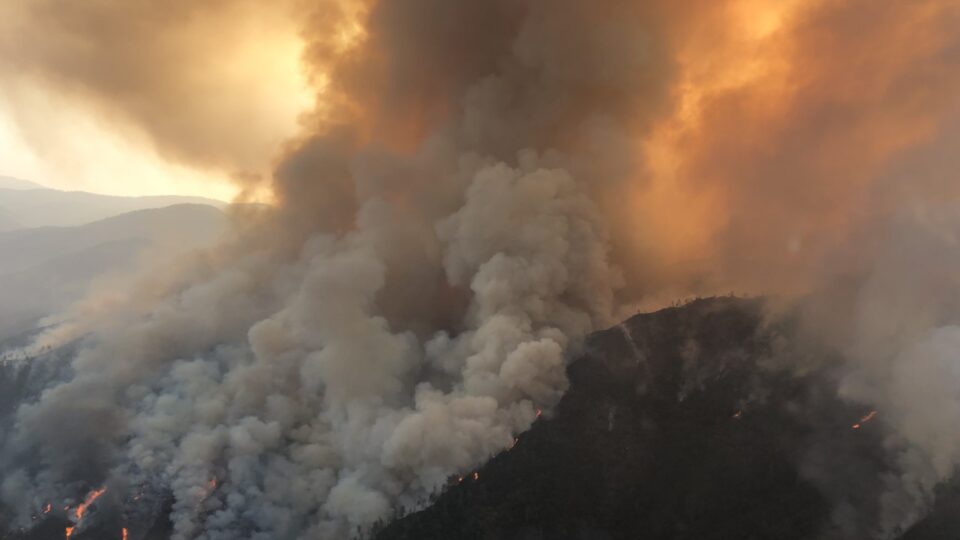
Wildfires are a natural phenomenon.  They have occurred long before there were people around.  Ecosystems adapt to fires and some species can benefit from them or even depend upon them.  But in recent times, fires have been intensifying and increasing in frequency and they are beginning to outstrip nature’s ability to bounce back from them.

So-called megafires – ones that dwarf typical wildfires in size – have an immediate ecological toll.  They kill individual plants and animals that might have survived smaller fires. 

Over millennia, many species of plants and animals have evolved to adapt to periodic fires.  They are especially sensitive to smoke and take protective action in a timely fashion. Others take advantage of food sources that arise when trees burn.

But even species that capitalize on burned-out areas of forests require oases of healthy woodland for at least part of their activities.  When fires are too widespread, such oases are too few and far between.

Animals that survive fires must find food, water, and shelter in the aftermath.  And all air-breathing animals are going to be impacted by smoke exposure because the chemicals in smoke are toxic to them as well as to people.

In places like Canada’s Northwest Territories, repeated fires have transformed some forests, eliminating dominant tree species and replacing them with others whose light seeds were carried on the wind.

Scientists have estimated that increased global fire activity could push more than 1,000 threatened plant and animal species closer to extinction.  Changing fire patterns are transforming landscapes and utterly remaking ecosystems.

**********

Web Links

How Megafires Are Remaking the World

Photo, posted December 19, 2022, courtesy of Brian Pippin/USFWS via Flickr.

Earth Wise is a production of WAMC Northeast Public Radio
Plastics and agriculture 

November 14, 2023 By EarthWise Leave a Comment

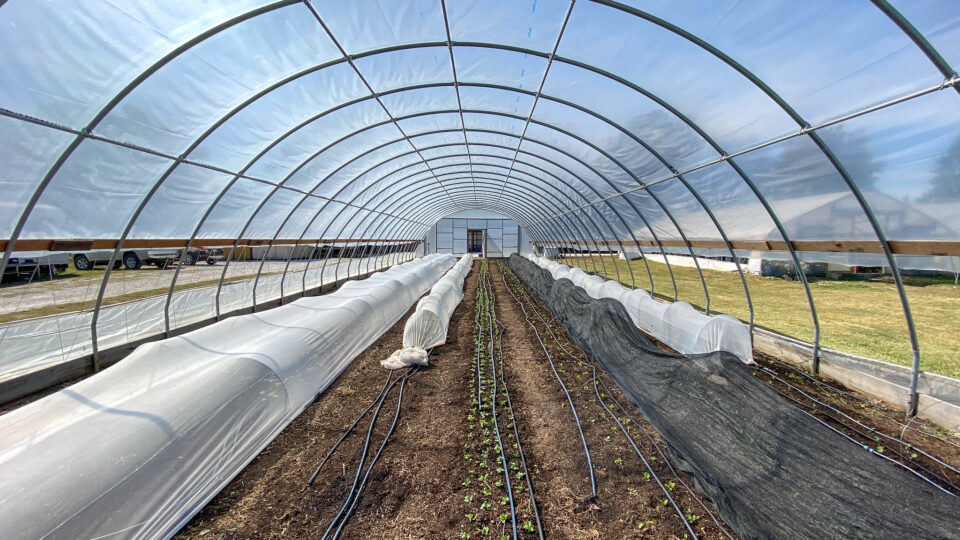
Once celebrated as a symbol of modern innovation, plastic is now both a blessing and a curse of our time.  Since the 1950s, more than nine billion tons of plastic have been produced, and 50% of that has been during the past 15 years.  Plastic is ubiquitous in every sector, and agriculture is no different.

Modern agriculture is responsible for almost a third of global greenhouse gas emissions and is a major drain on the planet’s resources.  Modern agriculture is also inextricably linked to plastic. In fact, more than 13 million tons of plastic are used in agriculture every year.  It’s nearly impossible to imagine modern agriculture without plastics. 

But according to a new study led by researchers from Rutgers University, plastic use in agriculture must be reduced in order to mitigate pollution, and prevent toxic chemicals from leaching into the soil and adversely affecting human health. 

In the study, which was recently published in Nature Communications Earth & Environment, the researchers found that it is essential to adopt a strategic approach to mitigate plastic pollution in agriculture, including responsible usage, reduction, efficient collection, reuse, and the implementation of innovative recycling methods. 

According to the researchers, when these sustainable approaches aren’t possible, biodegradable and nontoxic bioplastics should be used.  The research team insists that environmentally benign additives should be mandated in order to reduce plastic toxicity. 

Plastic pollution is a problem that needs to be addressed in every sector. 

**********

Web Links

Plastic Use in Agriculture Must be Reduced, According to New Research

How can the use of plastics in agriculture become more sustainable?

Photo, posted November 12, 2022, courtesy of Kevin Dooley via Flickr.

Earth Wise is a production of WAMC Northeast Public Radio
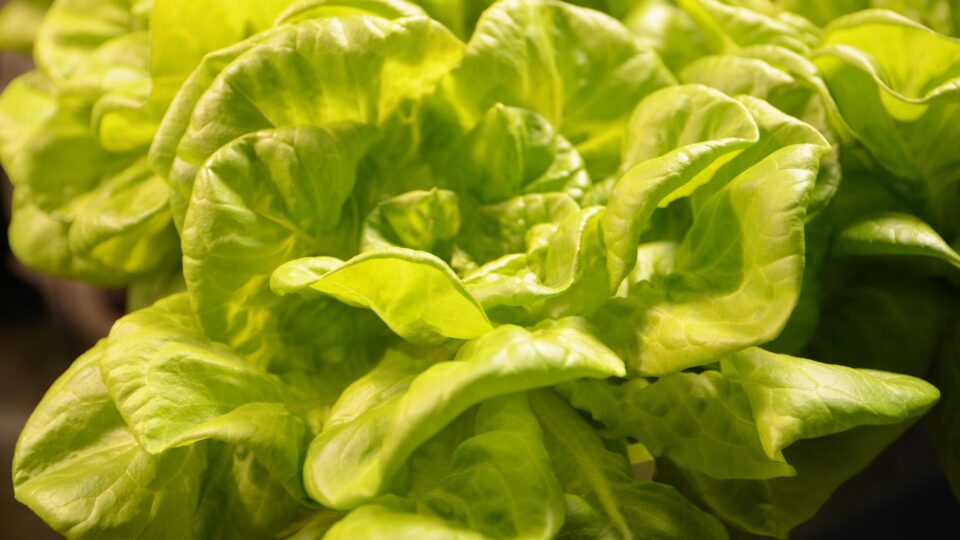
Controlled Environment Agriculture | Earth Wise

October 24, 2023 By EarthWise Leave a Comment

The term “controlled environment agriculture” (or CEA) refers to any number of systems embodying a technology-based approach to farming.  CEA can range from simple shade structures to greenhouses to full indoor or vertical farms.  At the most advanced level, CEA systems are fully automated, closed loop systems with controlled lighting, water, and ventilation.   Many systems make use of hydroponics rather than traditional soil.

The goal of CEA systems is to provide optimum growing conditions for crops and prevent disease and pest damage. 

A recent study by the University of Surrey in the UK sought to understand the impact of using CEA systems to grow lettuce, which is a high-value crop that is often grown in such systems.

The study found that, on average, CEA methods produce double the crop yields compared to field-based agriculture.  They also found that the cultivation time of CEA yields was, on average, 40 days.  This compares with an average cultivation time of 60-120 days for field-based agriculture.  More specifically, production of lettuce using CEA was 50% faster in the summer and up to 300% faster in the winter.

Climate change presents many difficult challenges to society, not the least of which is its threat to food security.  Controlled environment agriculture could allow cultivation of crops in harsh environments and in the face of changing climates.  Quantifying the benefits CEA can have on yield and growth provides important information for advancing our understanding of where and when this technology can bring the most value to society. 

**********

Web Links

Using artificial methods for growing crops could help solve global food security

Photo, posted February 24, 2013, courtesy of Cindy Kurman / Kurman Photography via Flickr.

Earth Wise is a production of WAMC Northeast Public Radio

Floating Sea Farms | Earth Wise

October 18, 2023 By EarthWise Leave a Comment

Researchers at the University of South Australia have designed a self-sustaining solar-driven system that turns seawater into fresh water and grows crops without any involvement.  In theory, such a system could help address the growing problems of freshwater shortages and inadequate food supplies as the world’s population continues to increase.

The system can be described as a vertical floating sea farm.  It is made up of two chambers:  an upper layer similar to a greenhouse and a lower chamber for water harvesting.

Clean water is supplied by an array of solar evaporators that soak up seawater, trap the salts in the evaporator body and, heated by the sun, release clean water vapor into the air which is then condensed on belts that transfer the water into the upper plant growth chamber.

The researchers tested the system by growing broccoli, lettuce and bok choi on seawater surfaces without maintenance or additional clean water irrigation.  The system was powered entirely by solar light.

The design is only a proof-of-concept at this point.   The next step is to scale it up using an array of individual devices to increase plant production. 

The futuristic potential for such technology would be huge farm biodomes floating on the ocean.  The UN estimates that by 2050, nearly 2.5 billion people are likely to experience water shortages while the global supply of water for irrigation is expected to decline by 19%.  Nearly 98% of the world’s water is in the oceans.  Harnessing the sea and the sun to address growing global shortages could be the way to go.

**********

Web Links

Floating sea farms: a solution to feed the world and ensure freshwater by 2050

Photo, posted February 11, 2015, courtesy of Ed Dunens via Flickr.

Earth Wise is a production of WAMC Northeast Public Radio
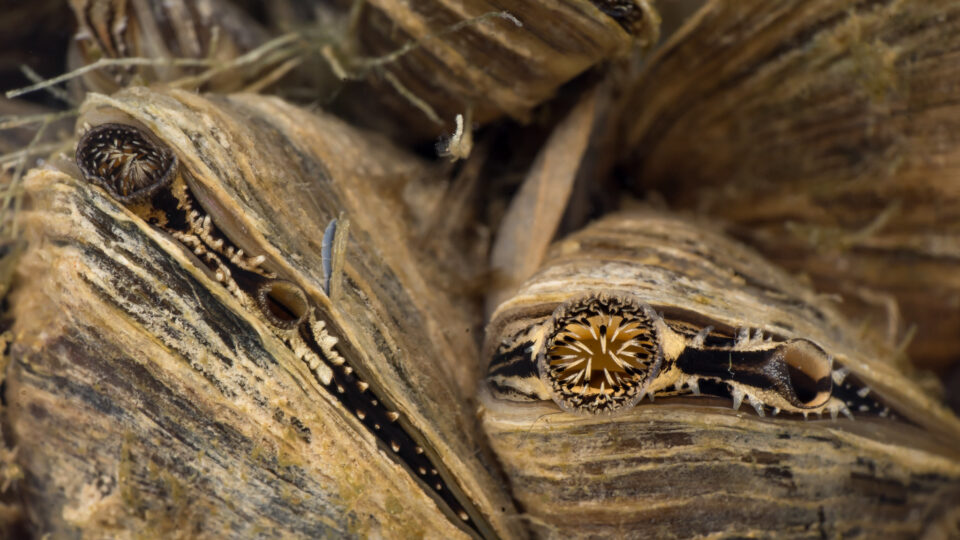
The Cost Of Invasive Species | Earth Wise

September 27, 2023 By EarthWise Leave a Comment

According to a new report published by the Intergovernmental Science-Policy Platform on Biodiversity and Ecosystem Services for the United Nations, invasive species introduced to new ecosystems around the world are causing more than $423 billion in estimated losses to the global economy every year.  These economic costs are incurred by harming nature, damaging food systems, and threatening human health.

According to the report, these costs have at least quadrupled every decade since 1970 and the estimates are actually conservative because it’s difficult to account for all of the effects of invasive species.

The report estimates that humans have intentionally or unintentionally introduced more than 37,000 species to places outside their natural ranges.  More than 3,500 of them are considered invasive because they are harmful to their new ecosystems.  Invasive nonnative species were a major factor in 60% of known extinctions of plants and animals.

Some species are relocated deliberately by the wildlife trade and international shipping.  Other plants and animals end up hitching a ride with ordinary travelers as they move about by car, boat, plane, or train. 

Invasions can damage human health.  Mosquitos that transmit diseases like malaria, dengue fever, and the Zika virus have become invasive around the world. The wildfires in Hawaii this summer were fueled by invasive nonnative grasses in a warming climate. 

Nearly every country in the world has agreed to participate in a sweeping agreement to preserve biodiversity and reduce invasive species.  It is an essential global goal.

**********

Web Links

Invasive Species Are Costing the Global Economy Billions, Study Finds

Photo, posted June 2, 2022, courtesy of Sam Stukel (USFWS) via Flickr.

Earth Wise is a production of WAMC Northeast Public Radio
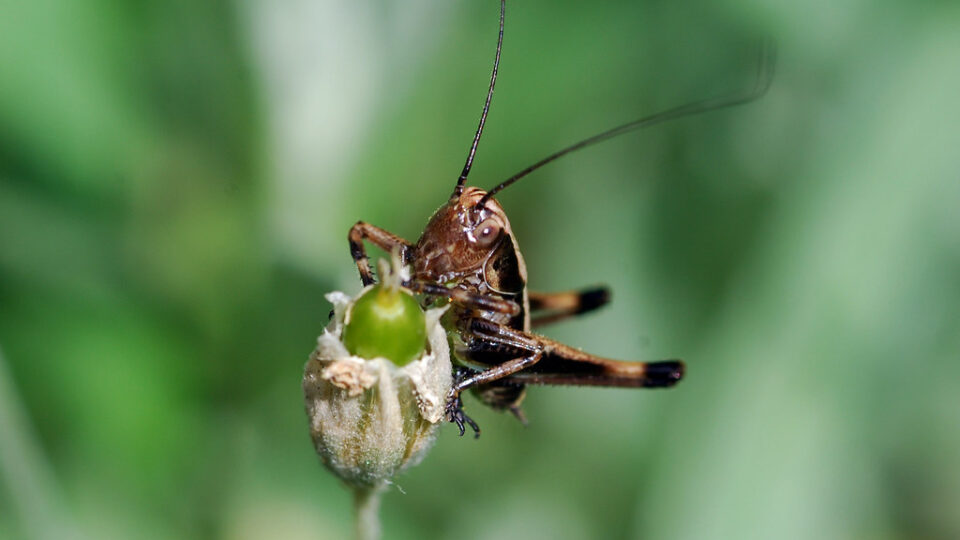
Air Pollution And Insects | Earth Wise

September 7, 2023 By EarthWise Leave a Comment

Air pollution may be causing global decline in insects

Insects can be found in every environment on Earth and play critical roles in the planet’s ecosystems.  Insects pollinate more than 80% of plants, including those that we eat and those that provide food and habitat for other species.  Without insects, we wouldn’t have the rich biodiversity that supports life on earth today.

But the world is experiencing a decline in overall insect populations as well as a collapse in insect diversity.  According to researchers from the University of Melbourne in Australia, Beijing Forestry University in China, and the University of California – Davis, air pollution particles may be the cause of the dramatic decline.  They found that an insect’s ability to find food and a mate is reduced when their antennae are contaminated by particulate matter. 

In the study, which was recently published in the journal Nature Communications, the research team exposed houseflies to varying levels of air pollution for just 12 hours and then placed the flies in a Y-shaped tube ‘maze’. Uncontaminated flies typically chose the arm of the Y-maze leading to a smell of food or sex pheromones, while contaminated flies selected an arm at random, with 50:50 probability.

Using a scanning electron microscope, the researchers also found that as air pollution increases, more particulate material collects on the sensitive antennae of houseflies. 

Insect antennae have olfactory receptors that detect odor molecules emanating from a food source, a potential mate, or a good place to lay eggs.  If an insect’s antennae are covered in particulate matter, a physical barrier is created between the smell receptors and air-borne odor molecules.

Air pollution poses a significant threat to insect populations around the world.   

**********

Web Links

Air pollution particles may be cause of dramatic drop in global insect numbers

Photo, posted June 13, 2008, courtesy of Allen Watkin via Flickr.

Earth Wise is a production of WAMC Northeast Public Radio
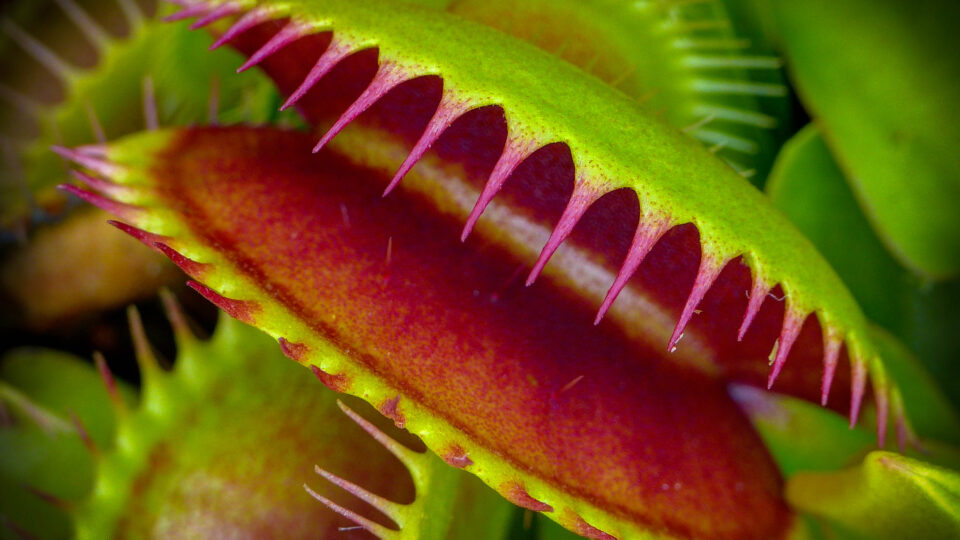
Endangered Plants And The Changing Climate | Earth Wise

August 31, 2023 By EarthWise Leave a Comment

Plants are a critical resource because of the countless ways they support life on Earth. Plants release oxygen into the atmosphere, absorb carbon dioxide, and provide food and habitat for humans and wildlife.  Plants are also used to produce fibers, building materials, and medicines. 

Plants form the backbone of natural ecosystems, and absorb about 30% of all the carbon dioxide emitted by humans each year.  But plants are struggling to adapt in a human-dominated world.  Even though they are easier and cheaper to protect than animals, plants are often overlooked in conservation efforts.

Ironically, conservation efforts appear to be overlooking a key threat to endangered plants.  According to a new study led by researchers from Penn State University, all plants and lichens listed as endangered under the Endangered Species Act are sensitive to climate change, but there are few plans in place to address that threat directly. 

The threat that climate change poses to endangered plants and lichens had not been thoroughly evaluated in more than a decade.  In the study, which was recently published in the journal PLOS Climate, the research team adapted existing assessment tools used to examine the threat of climate change for wild animals and applied them to 771 endangered plant species.  The researchers found that all endangered plant and lichen species are at least slightly threatened by climate change, and little is being done to protect the listed species from that threat.

The researchers hope their findings will be used to aid future conservation planning.  After all, plants can live without humans, but humans cannot live without plants.

**********

Web Links

Climate change threatens 771 endangered plant and lichen species

Photo, posted June 12, 2014, courtesy of Mark Freeth via Flickr.

Earth Wise is a production of WAMC Northeast Public Radio

The Climate Impact Of Diets | Earth Wise

August 24, 2023 By EarthWise Leave a Comment

What we eat has a major impact on the environment

The food system is responsible for 70% of the world’s freshwater use and almost 80% of freshwater pollution.  About three-quarters of the ice-free land area of the planet has been affected by human use, primarily for agriculture.  Land-use change such as deforestation is a major source of biodiversity loss.  What we choose to eat has a major effect on how the food system impacts the environment.

A comprehensive study by researchers at several UK universities has found that a plant-based diet yields one-fourth as much greenhouse gases as a diet rich in meat.  Vegan diets produce 75% less heat-trapping gas, generate 75% less water pollution, and use 75% less land than meat-rich diets.

Just going to a low-meat diet cuts the environmental cost of a high-meat diet in half.  Pescatarian diets perform better than low-meat diets, and vegetarian diets do even a little better than that.

There are a variety of reasons why many people won’t, can’t, or even shouldn’t become vegans.  What should be learned from this study is that our dietary choices have a major environmental impact.  So, taking actions like cutting down the amount of meat and dairy – which most people can do with relative ease – can be valuable.

There are many choices with respect to where we live, how we get from place to place, where we get our food, and, yes, what food we eat, that impact the environment.  We are not all going to do the best possible thing in all these cases, but if we each make some choices that at least help, it can make a big difference.

**********

Web Links

Vegan Diets Have One-Fourth the Climate Impact of Meat-Heavy Diets, Study Finds

Photo, posted November 5, 2017, courtesy of Stephanie Kraus via Flickr.

Earth Wise is a production of WAMC Northeast Public Radio
Global Aquaculture And Environmental Change | Earth Wise

August 9, 2023 By EarthWise Leave a Comment

Climate change threatens viability of aquaculture

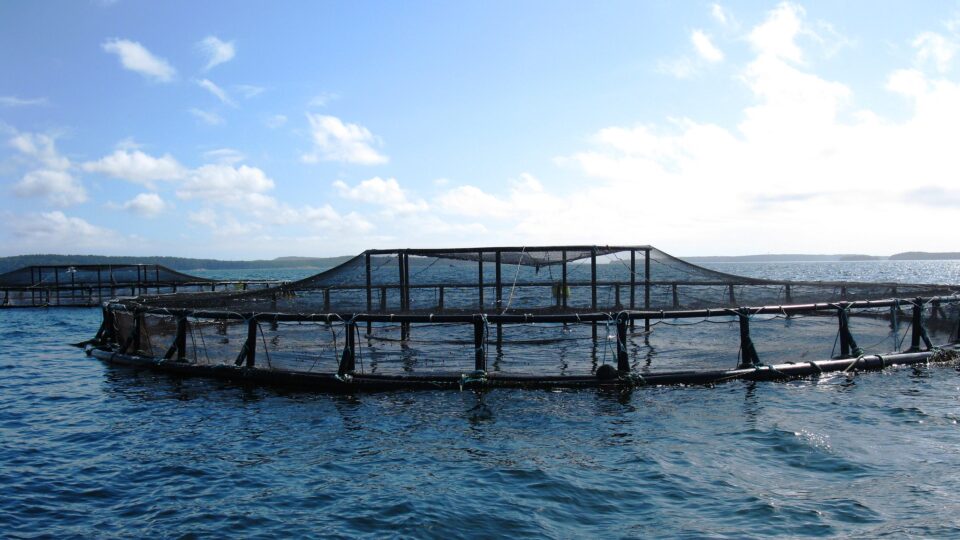
Blue foods are fish, invertebrates, algae, and aquatic plants that are captured or cultured in freshwater and marine ecosystems.  They include approximately 2,200 species of fish, shellfish, plants and algae as well as more than 500 species farmed in freshwater.  Blue foods play a central role in food and nutrition security for billions of people, and are a cornerstone of the livelihoods, economies, and cultures of many communities around the world.

But many of the world’s largest aquatic food producers are highly vulnerable to human-induced environmental change.  According to a new paper recently published in the journal Nature Sustainability, more than 90% of global blue food production is at risk from environmental changes, with top producers like the United States, Norway, and China facing the biggest threat.  Alarmingly, the research also found that some of the highest-risk countries in Asia, Latin America and Africa demonstrate the lowest capacity for adaptation. 

The paper is the first-ever global analysis of environmental stressors impacting the production quantity and safety of blue foods. A total of 17 anthropogenic stressors were surveyed, including rising seas and temperatures, ocean acidification, changes in rainfall, algal blooms, pollution, and pesticides. 

The research is one of seven scientific papers published by the Blue Food Assessment as part of a global effort to inform future aquatic food sustainability. 

The report calls for more transboundary collaboration and for a diversification of blue food production in high-risk countries to cope with the impact of environmental change. 

**********

Web Links

Vulnerability of blue foods to human-induced environmental change

New research finds that more than 90% of global aquaculture faces substantial risk from environmental change

Photo, posted December 30, 2014, courtesy of NOAA’s National Ocean Service via Flickr.

Earth Wise is a production of WAMC Northeast Public Radio
How To Support Pollinators | Earth Wise

August 4, 2023 By EarthWise Leave a Comment

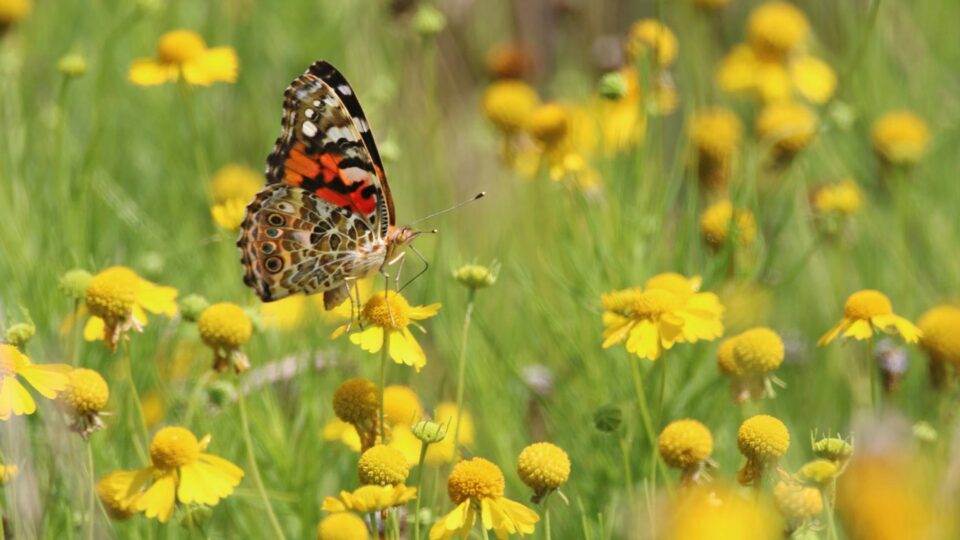
Pollinators of all sorts have been in decline for a while.  This is especially true of bees, bats, and monarch butterflies.  Without pollinators, fruits, vegetables, and other plants cannot provide their contributions to our food supply.  According to experts, about 30% of the food that ends up on our tables gets there because of pollinators.

Bees are the most efficient pollinators, but plenty of other insects do their share as well.  Butterflies and months, flies, beetles, and wasps all are good pollinators.  In addition to insects, birds and bats can also be pollinators. 

Entomologists at Texas A&M University have offered some science-based advice for homeowners who want to keep pollinators around and thriving during the summer months.

Pollinators need flowers that bloom at different times of the year.  So, home gardens should overlap blooms.  Native and drought-tolerant species are good additions to a garden or landscape.

Colorful gardens attract more pollinators because different pollinators are attracted to different colors.  Bumblebees like blues and purples; other bees are attracted to yellows and whites.  Butterflies like bright colors like oranges and pinks.

Plant flowers with different shapes and sizes because pollinators flower preferences come in all shapes and sizes.

Provide shelter for pollinators.  Houses for bees and other pollinators are available for purchase. Or people can make their own using plastic tubes.

And probably most importantly, go easy on pesticides.  If it is really necessary to apply pesticides, do it in the evening when most pollinators have called it a day.

Having a colorful garden with lots of variety is a fine addition to one’s home.  Beyond that, it is a valuable contribution to helping preserve essential pollinators.

**********

Web Links

Top Five Tips For Supporting Pollinators This Summer

Photo, posted August 14, 2017, courtesy of USFWS Midwest Region via Flickr.

Earth Wise is a production of WAMC Northeast Public Radio
Fewer Farms In The World | Earth Wise

June 30, 2023 By EarthWise Leave a Comment

Fewer farms in the world could have troubling consequences

A new study by the University of Colorado Boulder looked at the trends in the number and size of farms around the world starting from the 1960s and projecting through the end of the 21st century.

The analysis shows that the number of farms globally will shrink in half while the size of the average existing farms doubles.

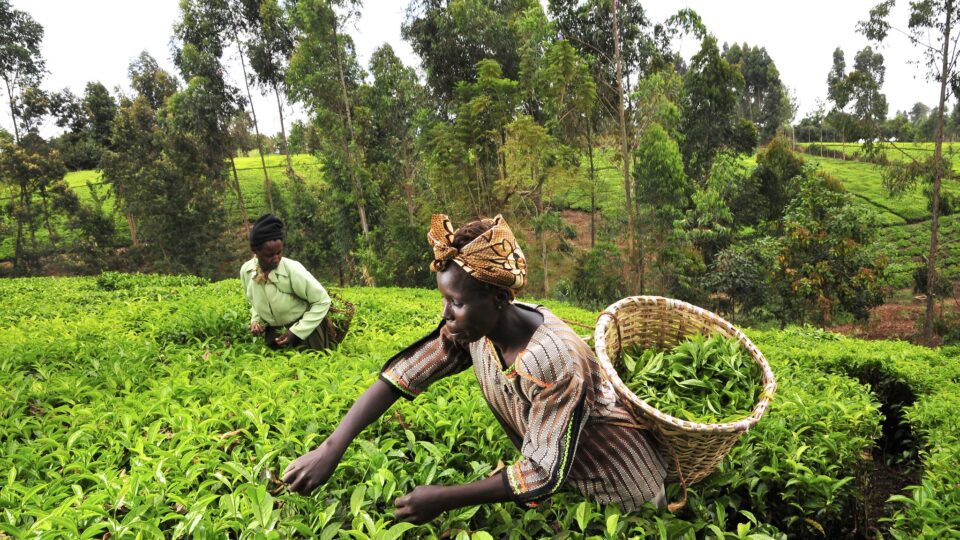
The study used data from the UN Food and Agricultural Organization on agricultural area, GDP per capita, and rural population size of more than 180 countries.  The analysis found that the number of farms around the world would drop from 616 million in 2020 to 272 million in 2100.  A key reason for the trend is that as a country’s economy grows, more people migrate to urban areas, leaving fewer people in rural areas to tend the land.

This decline has been ongoing in the US and Europe for decades.  For example, in the US, there were 200,000 fewer farms in 2022 than in 2007.

This trend has troubling consequences.  Larger farms typically have less biodiversity and more monocultures.  The greater biodiversity and crop diversity of smaller farms makes them more resilient to pest outbreaks and climate shocks.

Currently, 600 million farms provide for 8 billion people. By the end of the century, it is likely that half the number of farmers will be feeding even more people.  That is a weighty responsibility for agricultural workers.  Support systems and education for farmers becomes ever more important.

**********

Web Links

The number of farms in the world is declining, here’s why it matters to you

Photo, posted January 18, 2011, courtesy of 2010 CIAT / Neil Palmer via Flickr.

Earth Wise is a production of WAMC Northeast Public Radio
Ocean Oxygen Levels And The Future Of Fish | Earth Wise

June 23, 2023 By EarthWise Leave a Comment

How oxygen levels in the ocean will impact the future of fish

Climate change is creating a cascade of effects in the world’s oceans.  Not only are ocean temperatures on the rise, but oceans are becoming more acidic, and oxygen deprived.  The warming temperatures and acidification have grabbed headlines and prompted academic research. Declining oxygen levels have not garnered as much attention.  But they spell bad news for fish.

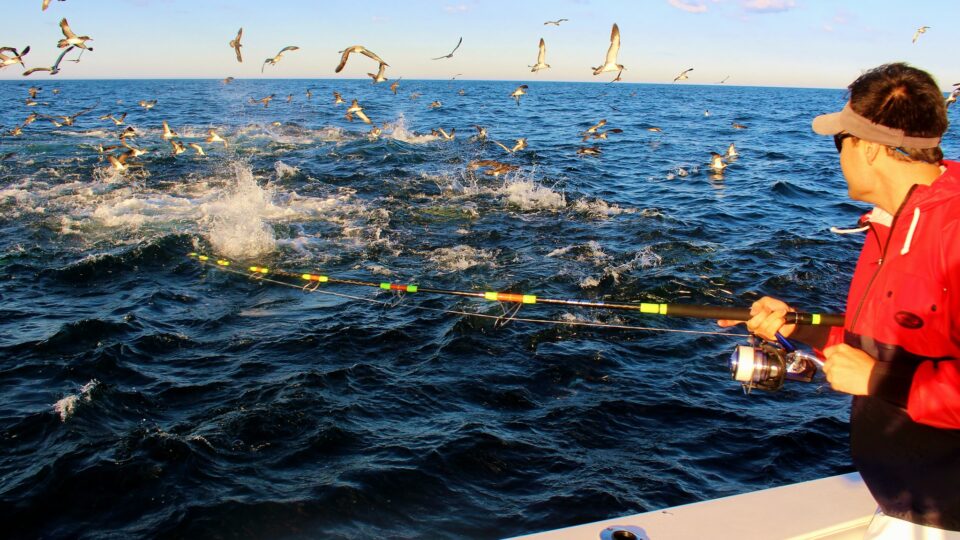
Oxygen levels in the world’s oceans have dropped over 2% between 1960 and 2010 and are expected to decline up to 7% over the next century.  There are places in the northeast Pacific that have lost more than 15% of their oxygen.  There are a growing number of “oxygen minimum zones” where big fish cannot survive but jellyfish can.

Oceans are losing oxygen for several reasons.  First, warmer water can hold less dissolved gas than colder water.  (This is why warm soda is flatter than cold soda.)  Deeper in the ocean, oxygen levels are governed by currents that mix oxygen-rich surface water from above.  Melting ice in the warming polar regions add fresh, less-dense water that resists downward mixing in key regions.  Finally, increasing amounts of ocean bacteria in warming waters gobble up oxygen creating dead zones in the ocean.

In many places, fish species that cannot cope with lower oxygen levels are migrating from their usual homes, resulting in a decline in species diversity.  Our future oceans – warmer and oxygen-deprived – will not only hold fewer kinds of fish, but also smaller fish and even more greenhouse-gas producing bacteria.   

Climate change is bad news for fish and for the more than 3 billion people in the world who depend on seafood as a significant source of protein.

**********

Web Links

As Ocean Oxygen Levels Dip, Fish Face an Uncertain Future

Photo, posted January 10, 2022, courtesy of Willy Goldsmith via Flickr.

Earth Wise is a production of WAMC Northeast Public Radio

  • « Go to Previous Page
  • Page 1
  • Page 2
  • Page 3
  • Page 4
  • Page 5
  • Page 6
  • Interim pages omitted …
  • Page 18
  • Go to Next Page »

Primary Sidebar

Recent Episodes

  • An uninsurable future
  • Clean energy and jobs
  • Insect declines in remote regions
  • Fossil fuel producing nations ignoring climate goals
  • Trouble for clownfishes

WAMC Northeast Public Radio

WAMC/Northeast Public Radio is a regional public radio network serving parts of seven northeastern states (more...)

Copyright © 2026 ·