• Skip to primary navigation
  • Skip to main content
  • Skip to primary sidebar

Earth Wise

A look at our changing environment.

  • Home
  • About Earth Wise
  • Where to Listen
  • All Articles
  • Show Search
Hide Search
You are here: Home / Archives for erosion

erosion

Rivers Changing Color | Earth Wise

February 10, 2021 By EarthWise Leave a Comment

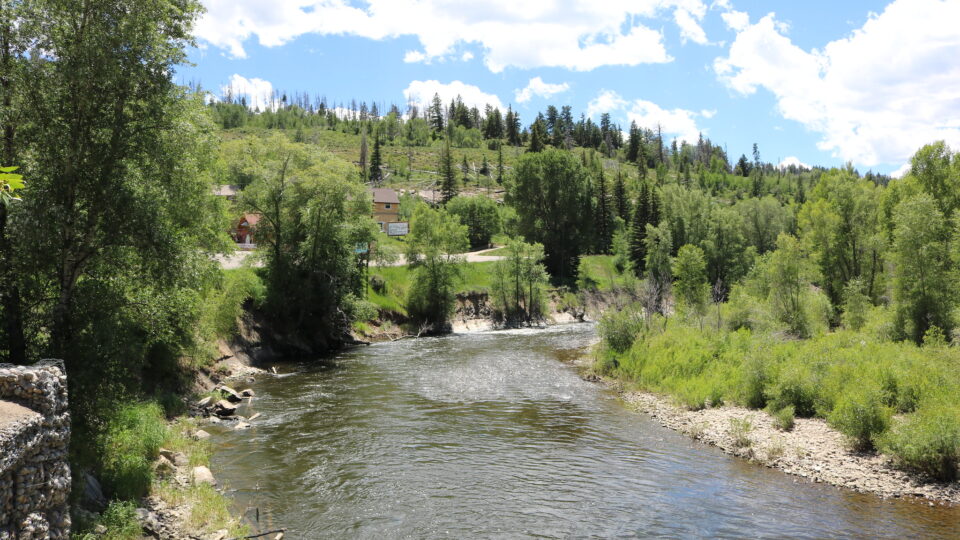
Why do rivers change colors?

A recent study, published in Geophysical Research Letters, found that one-third of large American rivers have had significant changes of color over the past 30 years.  Rivers can appear to be shades of blue, green, and yellow and we tend to expect healthy rivers to have colors in shades of blue.  According to the new study, only 6% of American rivers are dominantly blue.

The study looked at 235,000 Landsat images taken from 1984 to 2018.  The results are that 56% of rivers studied were dominantly yellow, 38% dominantly green, and 6% blue.  Over the 34 years studied, 33% of the rivers had significant changes in color. About 21% became greener and 12% more yellow. 

The chief causes of color changes in rivers are farm fertilizer runoff, dams, efforts to fight soil erosion, and climate change.  Climate change increases water temperature and rain-related runoff.

Color changes are not necessarily a sign of poor river health, but dramatic changes could point to issues that need attention.  A river can change color based on the amount of sediment, algae, or dissolved organic carbon in the water.   If a river becomes greener, it can often mean large algae blooms are present that cause oxygen loss and can produce toxins.  On the other hand, rivers that are getting less yellow demonstrate the success of regulations to prevent soil erosion.

The study of river colors can pinpoint which rivers are undergoing rapid environmental change.  What the study does not provide is information on water quality.  Water quality measurements will be important to determine the health of many of the rapidly changing rivers.

**********

Web Links

One Third of U.S. Rivers Changed Their Color, Three Decades of Satellite Images Show

Photo, posted July 6, 2016, courtesy of Jeffrey Beall via Flickr.

Earth Wise is a production of WAMC Northeast Public Radio.
Tree-Planting Is Not Necessarily A Good Thing | Earth Wise

July 31, 2020 By EarthWise Leave a Comment

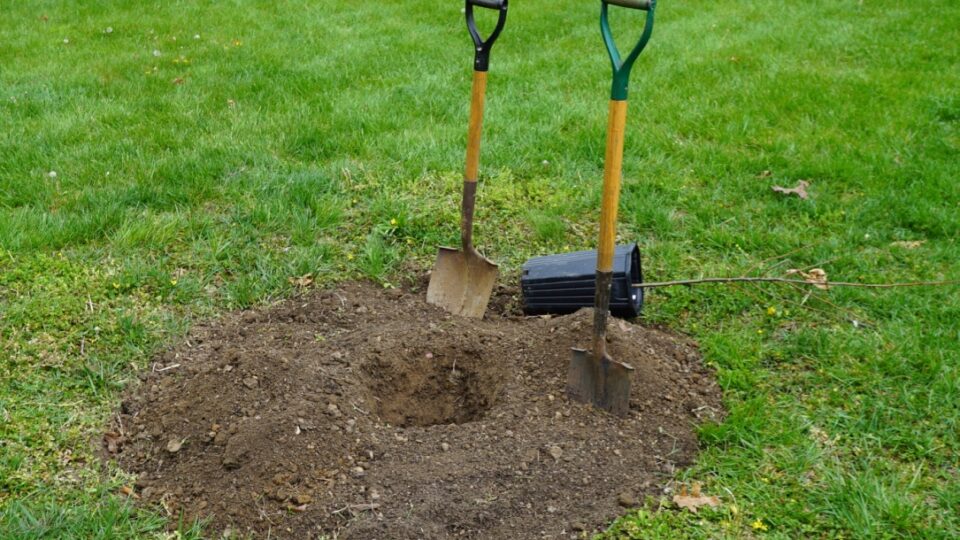
Tree planting is not always beneficial

There is no question that forests have a major role in efforts to combat climate change as well as to slow biodiversity loss.   As a result, tree-planting on a massive scale has gained traction as a strategy and there have been major commitments made to plant billions of trees around the world.

A new study at Stanford University has rigorously analyzed the potential effects of these efforts and has found some significant problems.  For example, the Bonn Challenge, which seeks to restore an area of forest more than eight times the size of California over the next 10 years, has 80% of its commitments in the form of  planting monoculture tree plantations or a limited mix of trees that produce fruit and rubber, rather than restoring natural forests.   The problem is that plantations have significantly less potential for carbon sequestration, habitat creation, and erosion control than natural forests.  The potential benefits of the planting dwindle further if planted trees replace natural flora – forests, grasslands, or savannahs – which are ecosystems that have evolved to support local biodiversity.

The study looked at previous policies that created subsidies for planting trees.  Chile’s Decree Law, in effect from 1974 to 2012, has served as a model for similar policies in a number of countries.  Those subsidies further reduced native forest cover by encouraging the establishment of plantations in places where forests might have naturally regenerated.  The subsidies expanded the area covered by trees, but decreased the area of native forests.

The study recommends that nations should design and enforce their forest subsidy policies to avoid undesirable ecological impacts and actually promote the recovery of carbon- and biodiversity-rich ecosystems.

**********

Web Links

Poorly designed tree-planting campaigns could do more harm than good, according to Stanford researcher and others

Photo, posted April 28, 2016, courtesy of the U.S. Department of State via Flickr.

Earth Wise is a production of WAMC Northeast Public Radio.
Mangrove Trees And Climate Change | Earth Wise

July 7, 2020 By EarthWise Leave a Comment

climate change threatens mangrove trees

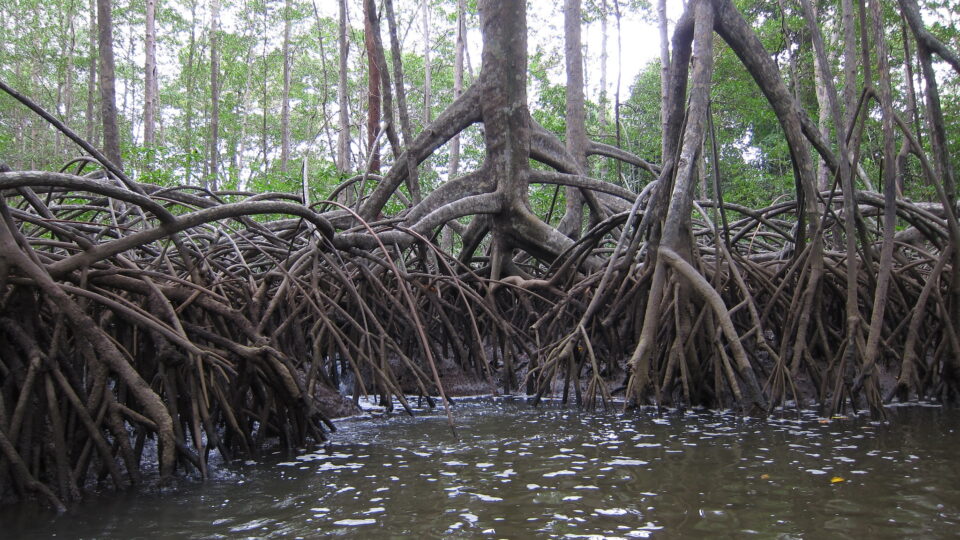
Mangrove trees are small trees that grow in coastal saline or brackish water at tropical and subtropical latitudes.  Many mangrove trees can be identified by their dense tangle of prop roots.  These roots make the trees appear as if they are standing on stilts above the water.  The tangle of roots allows mangrove trees to handle the daily rise and fall of tides and to slow the movement of tidal waters.  

Mangrove forests provide many ecosystem services, including stabilizing the coastline by reducing erosion from storm surges, waves, and tides.  The intricate root system of mangrove trees are attractive to fish and other species seeking food and shelter from predators.  Mangrove forests also store large amounts of carbon.     

But according to a new study recently published in the journal Science, mangrove trees won’t survive sea level rise by 2050 if greenhouse gas emissions aren’t reduced.  

Using sediment data from 78 locations over the last 10,000 years, an international team of scientists led by Macquarie University in Australia estimated the chances of mangrove trees survival based on the projected rates of future sea-level rise.

When sea level rise rates exceeded 6 millimeters per year, which is similar to estimates under high-emissions scenarios for 2050, researchers found that mangrove trees were unlikely to keep pace with the rising water levels.  But when the annual increase was 5 millimeters or less – which is the projected low-emissions scenario this century – mangrove trees are much more likely to survive. 

These findings underscore the importance of reducing greenhouse gas emissions to mitigate rapid sea level rise.  The future of mangrove trees may depend on it.  

**********

Web Links

Mangrove trees won’t survive sea-level rise by 2050 if emissions aren’t cut

Photo, posted December 17, 2012, courtesy of Edward Stojakovic via Flickr.

Earth Wise is a production of WAMC Northeast Public Radio.
Coastal Plants And Climate Change | Earth Wise

March 18, 2020 By EarthWise Leave a Comment

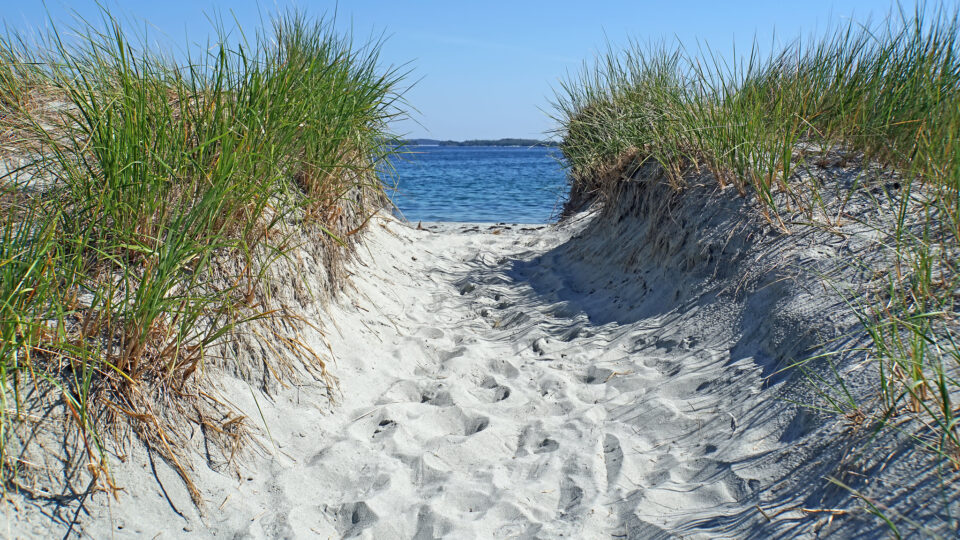
Rising sea levels and the increased frequency and intensity of extreme weather events are leaving observable effects on beaches, cliffs, and coastal infrastructures all around the world.  But a new study suggests that the impact of climate change on coastal plant communities needs more attention. 

According to research recently published in the journal Annals of Botany, coastal plants are a critical element of global sea defense.  But coastal plants are increasingly under threat from flooding, erosion, and other human-induced effects of climate change.  Habitats like salt marshes, mangrove forests, sand dunes, and kelp beds make important contributions  to coastal protection.

The research was led by scientists from the University of Plymouth, in conjunction with researchers at Utrecht University and Manchester Metropolitan University.

The study follows a recent assessment by the Intergovernmental Panel on Climate Change, which found that anthropogenic climate change poses a severe threat to estuaries and coastal ecosystems.  

Conservative estimates of the capital investments needed to combat rising seas and intensifying storms run into the hundreds of billions of dollars in the coming decades.  However, coastal vegetation could offer a dynamic, natural, and relatively low-cost defense strategy at a fraction of the cost when compared with the cost of so-called hard defenses like concrete walls and barriers. 

According to the research team, identifying the key species and habitats for coastal defense and how coasts can be protected and promoted is critical.  More long-term monitoring is also needed in order to better understand and predict where and how storms and other effects of climate change will impact coastal ecosystems. 

**********

Web Links

The gathering storm: optimizing management of coastal ecosystems in the face of a climate-driven threat

Losing coastal plant communities to climate change will weaken sea defences

Photo, posted September 14, 2018, courtesy of Dennis Jarvis via Flickr.

Earth Wise is a production of WAMC Northeast Public Radio.
The Rising Threat Of Rising Seas | Earth Wise

February 3, 2020 By EarthWise Leave a Comment

global sea level rising

Global sea level rose by about 6 inches during the 20th century.  It is currently rising more than twice as fast and accelerating.  The rate of rise was 2.5 times faster from 2006 to 2016 than it was for nearly all of the 20th century.

Sea level rise occurs when glaciers and ice sheets lose mass.  Much of that meltwater comes from Greenland and Antarctica.  But levels also rise because, as water warms, it expands.  Added to that are the effects of human activities such as groundwater depletion and a geological phenomenon called isostatic adjustment that is going on in parts of the East Coast where the land is actually sinking.

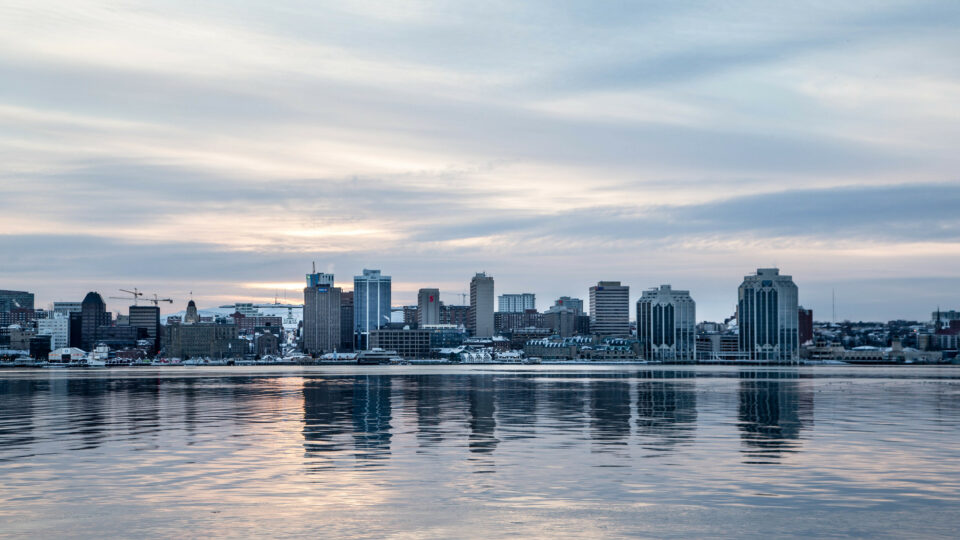
In Atlantic Canada, sea level rise is outpacing the global average and has already led to boardwalks swamped by swelling tides, drowned forests, submerged wharfs, and threatened historic shoreline buildings.

Recent research suggests that globally, land now occupied by 300 million people could be affected by floods at least once a year by 2050 unless carbon emissions are significantly reduced, and coastal defenses strengthened.  (This new figure is more than three times higher than earlier estimates).

Researchers at Dalhousie University in Nova Scotia are studying nature-based strategies for mitigating the effects of the rising seas.  These include conserving or restoring coastal ecosystems like dunes, wetlands, and reefs which could provide protection at a lower cost than building seawalls and other man-made obstacles.  Wetlands, for example, can reduce the force of waves and act as obstacles to storm surges, while also trapping sediment and stemming erosion.  Wetlands also serve as important carbon stores, but it is estimated that roughly half of the world’s coastal wetlands have been lost over the past 100 years to human activity and extreme weather events.

**********

Web Links

The Looming Threat of Rising Sea Levels – And What We Can Do About it

Photo, posted February 14, 2015, courtesy of Flickr.

Earth Wise is a production of WAMC Northeast Public Radio.
Protecting Vulnerable Shorelines

May 21, 2019 By EarthWise Leave a Comment

Global climate change is having noticeable effects on the environment. For example, glaciers are shrinking.  Plant and animal ranges are shifting and populations decreasing.  And droughts, floods, and wildfires are becoming more frequent and more intense.  According to the Intergovernmental Panel on Climate Change, the evidence indicates that the net damage costs of climate change are likely to be significant and to increase over time. 

Our coastal shorelines, which are already stressed by human activity, pollution, storms, and invasive species, are one of many areas expected to be further threatened by climate change.  Sea level rise and more intense and frequent storms are expected to erode and inundate coastal ecosystems and eliminate wetlands.  Ocean acidification is also projected to disrupt marine environments. 

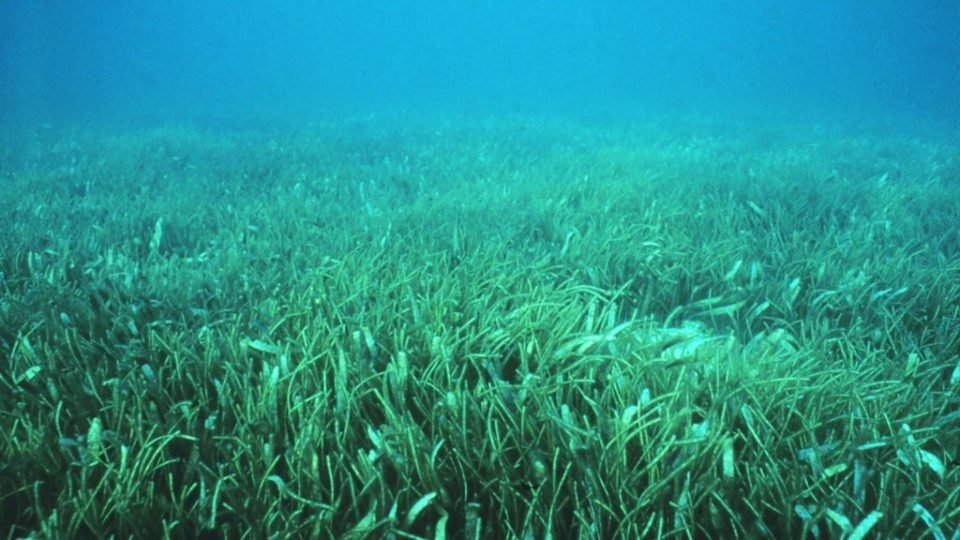
But according to scientists at the Massachusetts Institute of Technology, seagrasses could play a key role in protecting these vulnerable shorelines from this onslaught.  The MIT research team demonstrated how the ubiquitous marine plants dissipate wave energy and help protect against erosion, which could help mitigate damage from rising seas. 

Using mathematical modelling and experiments, the MIT researchers were able to quantify for the first time how large and dense a continuous meadow of seagrass must be in order to provide adequate damping of waves in a given setting.  They also found that seagrasses offer significant environmental benefits, including preventing beach erosion, protecting seawalls and coastal structures, improving water quality, and sequestering carbon. 

Submerged aquatic vegetation, including seagrasses, provides an ecosystem service exceeding $4 trillion annually.  Hopefully these findings can help provide useful guidance for seagrass restoration efforts.

**********

Web Links

Seagrass’ strong potential for curbing erosion

The Effects of Climate Change

Photo, posted October 13, 2010, courtesy of the NOAA Photo Library via Flickr.

Earth Wise is a production of WAMC Northeast Public Radio.
Indonesian Deforestation

February 28, 2019 By EarthWise Leave a Comment

Deforestation is defined as the intentional destruction of trees and other vegetation without reforesting or allowing the forest to regenerate itself. 

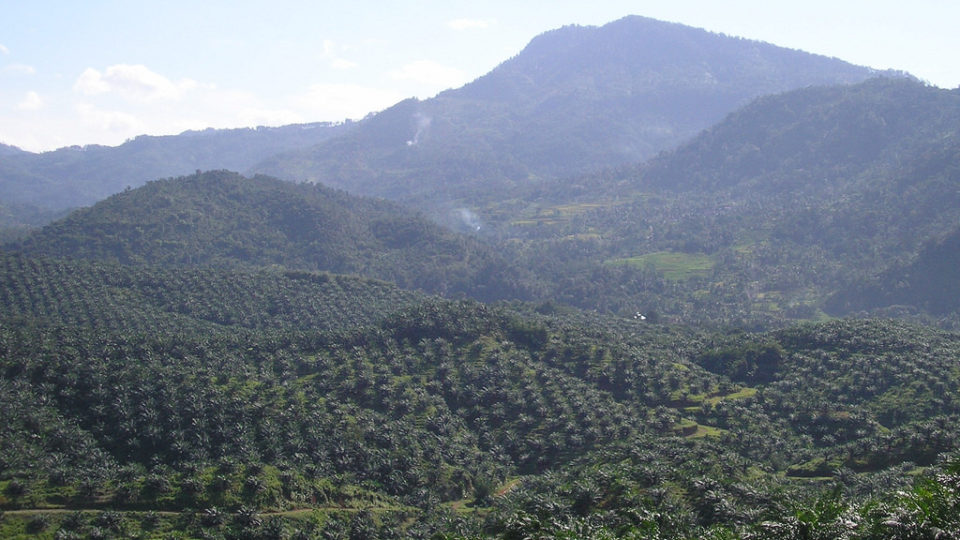
In Indonesia, industrial agriculture, primarily for the production of palm oil, is a major driver of deforestation.  But, according to researchers at Duke University, its impact has diminished  proportionately in recent years as other natural and human causes have emerged. Their peer-reviewed findings were recently published in the journal Environmental Research Letters.

According to the study’s lead author, large-scale plantations were responsible for more than half of Indonesia’s deforestation in the late 2000s, peaking between 2008-2010 when an average of 1.5 million acres of forest was lost annually.  The expansion of the massive plantations was responsible for 57% of the forest loss. Between 2014-2016, an average of more than 2 million acres of forest was lost annually, but plantation expansion only accounted for 25% of this figure.  While the overall rate of deforestation continued to grow, other factors were responsible for most of it.

Conversions of forests to grasslands rose sharply in 2015 and 2016 when El Nino caused severe droughts and forest fires. Small-scale farming, often overshadowed by industrial agriculture, was also found to play a bigger role, accounting for 25% of all forest loss. 

Indonesia has experienced some of the highest rates of deforestation.  Its forests absorb and store vast amounts of climate-warming carbon dioxide, help prevent erosion and flooding, and provide habitat to thousands of species.  Understanding the varied causes of Indonesian deforestation should help conservationists and policymakers better address the problem.

************

Web Links

Palm oil not the only driver of forest loss in Indonesia

Photo, posted March 26, 2018, courtesy of Achmad Rabin Taim via Flickr.

Earth Wise is a production of WAMC Northeast Public Radio.
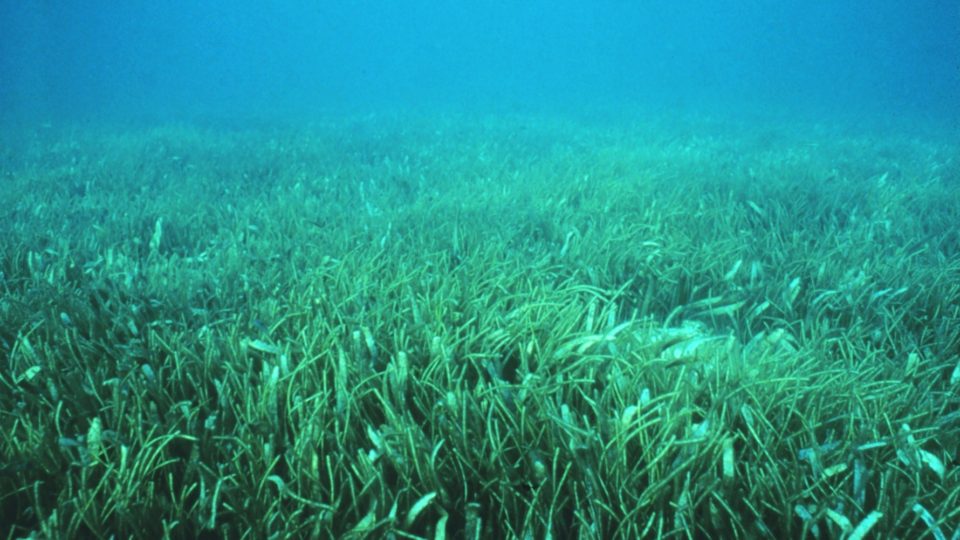
Saving Beaches With Seagrass

February 22, 2019 By EarthWise Leave a Comment

Almost a quarter of the Gross Domestic Product of places around the Caribbean Sea is earned from tourism.  Preserving the beaches in the region is an economic imperative.  With increasing coastal development, the natural flow of water and sand is disrupted, natural ecosystems are damaged, and many tropical beaches simply disappear into the sea.

With such high stakes, expensive coastal engineering efforts such as repeated replenishing of sand and the construction of concrete protective walls are common strategies.  Rising sea levels and increasingly powerful storms only increase the threat to tropical beaches.

Researchers from The Netherlands and Mexico recently published a study in the journal BioScience on the effectiveness of seagrass in holding onto sand and sediment along shorelines.

Seagrasses are so-named because most species have long green, grass-like leaves. They are often confused with seaweeds but are actually more closely related to flowering plants seen on land. Seagrasses have roots, stems and leaves, and produce flowers and seeds. Seagrasses can form dense underwater meadows and are one of the most productive ecosystems in the world. Seagrasses provide shelter and food to an incredibly diverse community of animals, from tiny invertebrates to large fish, crabs, turtles, marine mammals and birds.

The researchers performed measurements of the ability of seagrass along Mexico’s Yucatan Peninsula coastline to keep sand in place and prevent erosion.  They found that the amount of erosion was strongly linked to the amount of vegetation.  Quite often, seagrass beds have been regarded as a nuisance, rather than a valuable asset for preserving valuable coastlines.  The study opens opportunities for developing new tropical beach protection schemes in which ecology is integrated into engineering solutions.

**********

Web Links

Seagrass Saves Beaches and Money

Photo, posted October 13, 2010, courtesy of NOAA via Flickr.

Earth Wise is a production of WAMC Northeast Public Radio.
Small Grains In Corn Country

January 31, 2018 By EarthWise Leave a Comment

https://earthwiseradio.org/wp-content/uploads/2017/12/EW-01-31-18-Small-Grains-in-Corn-Country.mp3

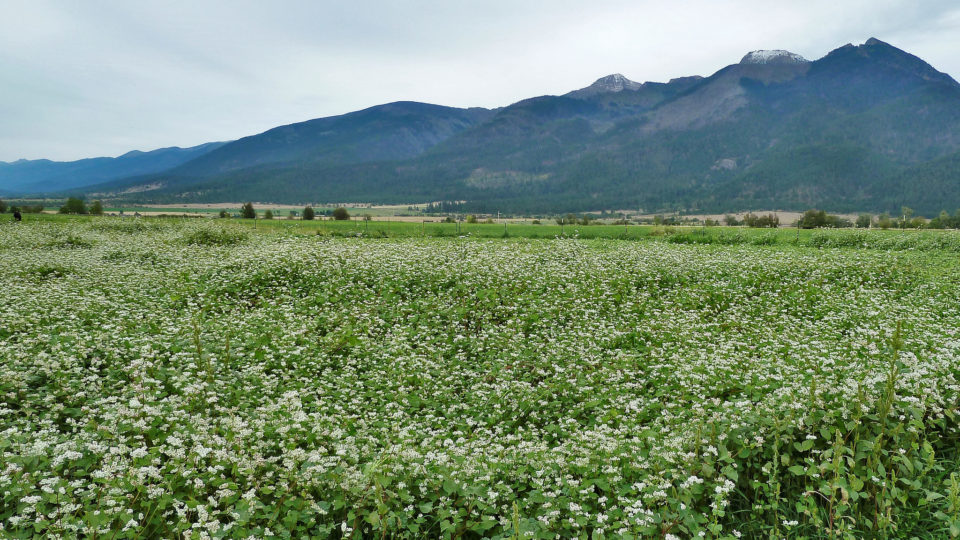
Large portions of the Midwest are called the Corn Belt and for good reason.  Overall, about 90 million acres or 140,000 square miles of the United States are planted with corn and about half of that is in Iowa, Illinois, Nebraska and Minnesota.  In most of the Corn Belt, the corn is planted in rotation with soybeans.  Both are warm weather crops and the soil is left barren for nearly half of the year when the two crops are out of season.

[Read more…] about Small Grains In Corn Country

Could Coral Reefs Be Wiped Out?

August 8, 2017 By EarthWise

https://earthwiseradio.org/wp-content/uploads/2017/08/EW-08-08-17-Could-Coral-Reefs-Disappear.mp3

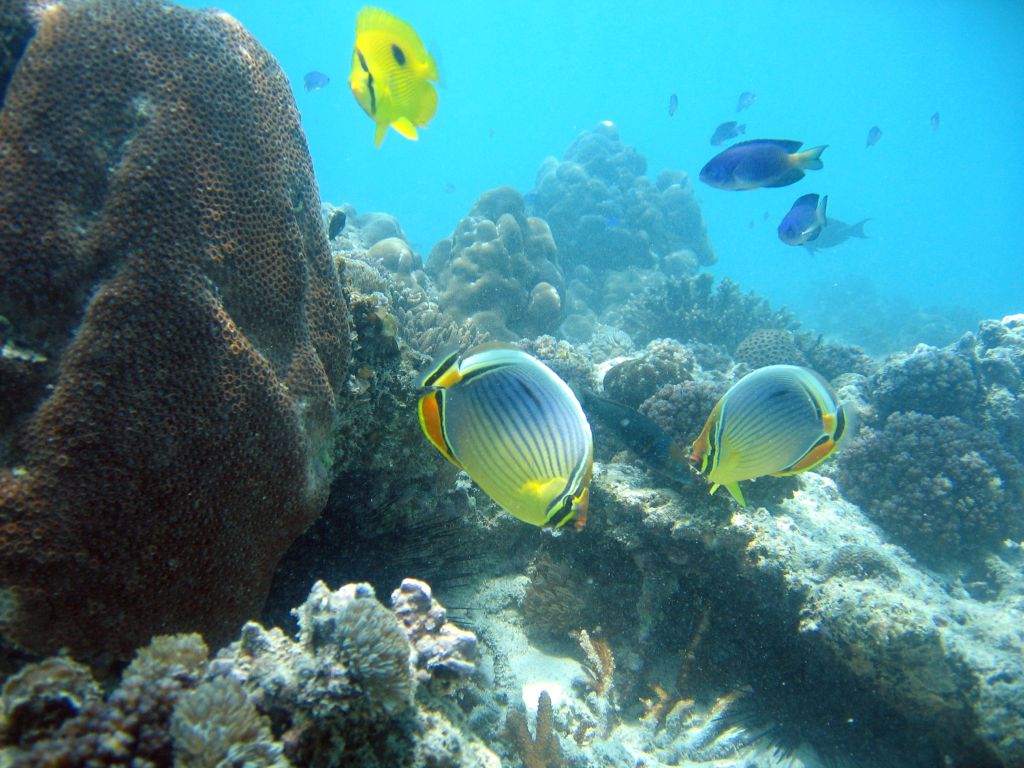
A new study warns that coral reefs are in danger of disappearing forever.  According to U.N. research, the world’s coral reefs could die out completely by mid-century unless carbon emissions are reduced enough to slow ocean warming.

[Read more…] about Could Coral Reefs Be Wiped Out?

A Helpful Invader

April 5, 2017 By EarthWise

https://earthwiseradio.org/wp-content/uploads/2017/03/EW-04-05-17-A-Helpful-Invader.mp3

Invasive species are a great concern for the health and stability of ecosystems.  They are defined as plants, animals or pathogens that are non-native to the ecosystem under consideration and whose introduction causes or is likely to cause harm.  It is that latter consideration that isn’t always obvious.

[Read more…] about A Helpful Invader

NASA And Chimpanzees

March 9, 2017 By EarthWise

https://earthwiseradio.org/wp-content/uploads/2017/03/EW-03-09-17-NASA-and-Chimpanzees.mp3

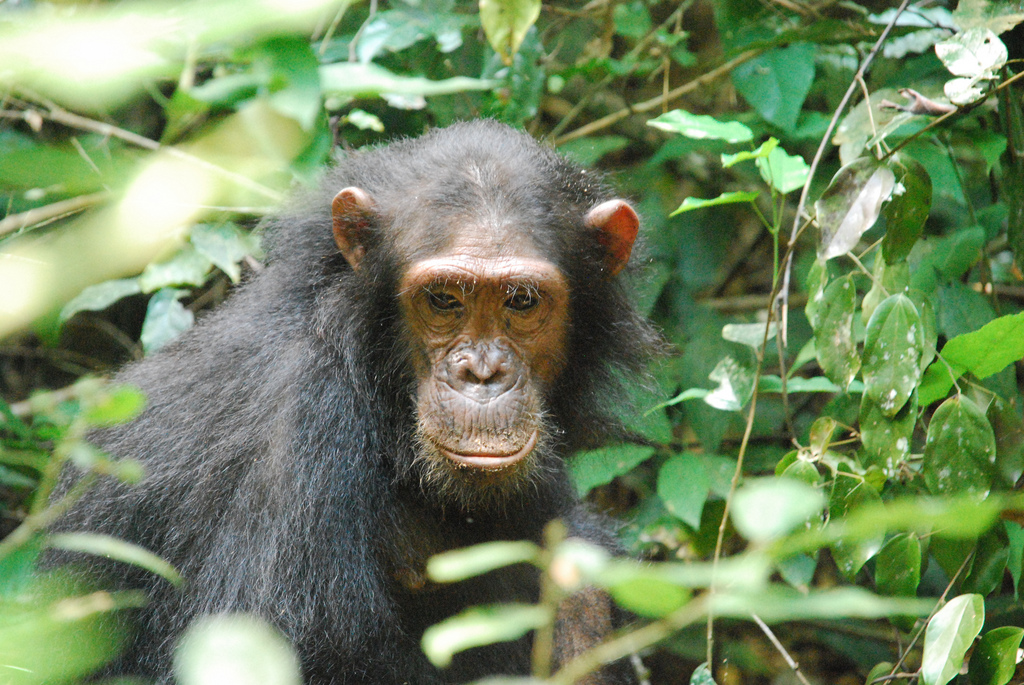
Increasingly, conservation organizations are increasingly relying on satellite imagery to help save wildlife.  The Jane Goodall Institute, a nonprofit focused on chimpanzee conservation, uses NASA’s and the U.S. Geological Survey’s Landsat satellite images to guide their chimpanzee conservation strategies. 

[Read more…] about NASA And Chimpanzees

Alaska’s Threatened Communities

January 27, 2017 By EarthWise

https://earthwiseradio.org/wp-content/uploads/2017/01/EW-01-27-17-Alaskas-Threatened-Communities.mp3

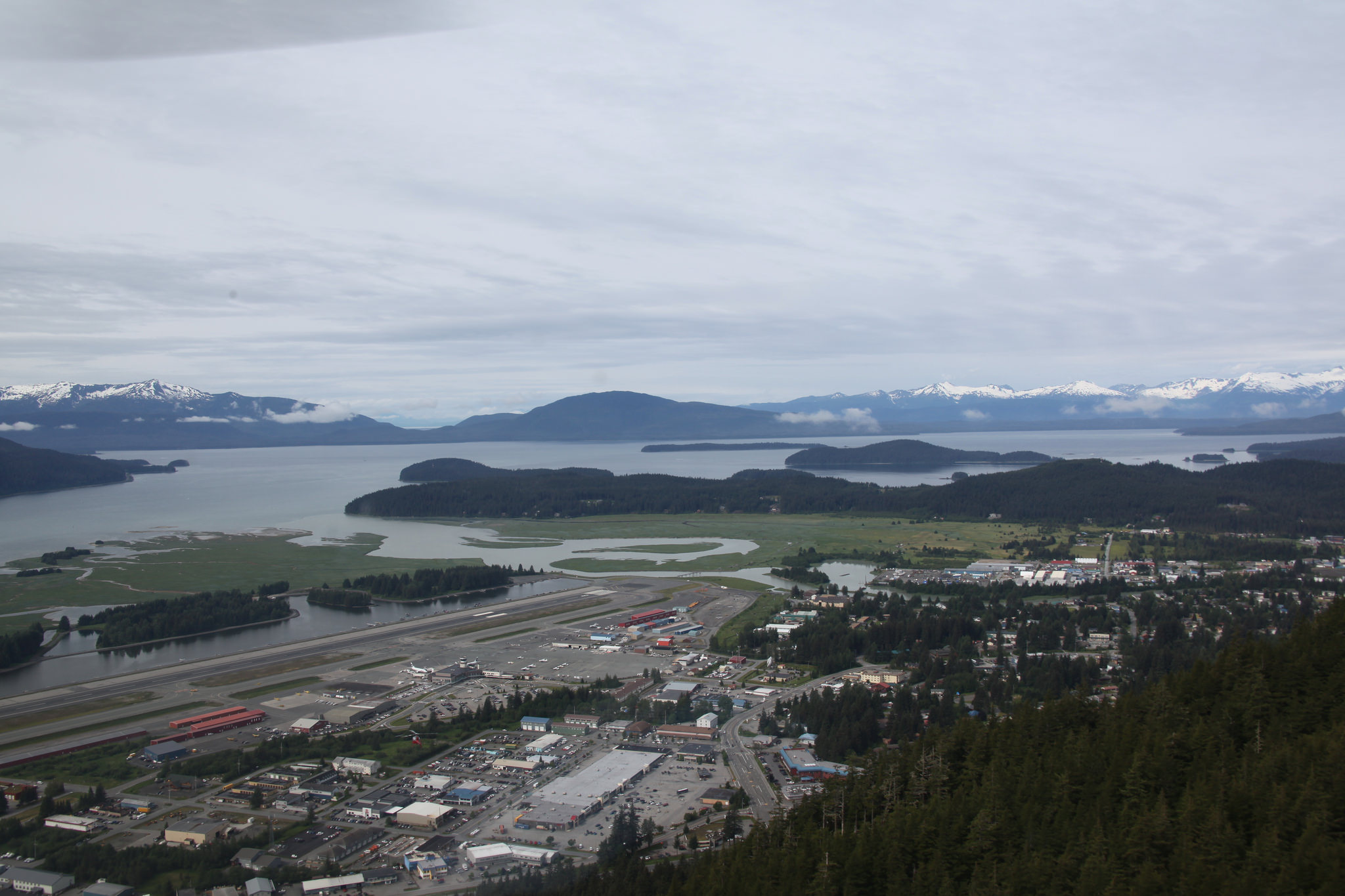
Because of its Arctic location, Alaska is warming about twice as fast as the rest of the United States.   The past year has been the warmest on record.  The forces of erosion and increasingly powerful storms have resulted in the imminent risk of destruction for at least 31 Alaskan towns and cities.   Many are predicted to become uninhabitable over the next few decades.  Residents of these places are likely to join the growing flow of climate refugees around the globe.

[Read more…] about Alaska’s Threatened Communities

Climate-Induced Relocation

July 21, 2016 By WAMC WEB

https://earthwiseradio.org/wp-content/uploads/2016/07/EW-07-21-16-Climate-Induced-Relocation.mp3

One of the thorniest problems arising from the changing climate is the degradation of inhabited areas that forces entire communities to relocate permanently.  Basically, we don’t really have the infrastructure in place to deal with such occurrences.

[Read more…] about Climate-Induced Relocation

  • « Go to Previous Page
  • Page 1
  • Page 2

Primary Sidebar

Recent Episodes

  • An uninsurable future
  • Clean energy and jobs
  • Insect declines in remote regions
  • Fossil fuel producing nations ignoring climate goals
  • Trouble for clownfishes

WAMC Northeast Public Radio

WAMC/Northeast Public Radio is a regional public radio network serving parts of seven northeastern states (more...)

Copyright © 2026 ·