• Skip to primary navigation
  • Skip to main content
  • Skip to primary sidebar

Earth Wise

A look at our changing environment.

  • Home
  • About Earth Wise
  • Where to Listen
  • All Articles
  • Show Search
Hide Search
You are here: Home / Archives for erosion

erosion

More trouble from sea urchins

July 7, 2025 By EarthWise Leave a Comment

Sea Urchins are real troublemakers.  On the West Coast, the sea urchin population exploded when the sunflower sea stars that eat them were decimated by a wasting disease.  Urchins devour kelp and they ate up 96% of the region’s kelp forests.  Kelp forests serve as shelter and food for a vast array of marine life and kelp sequesters as much as 20 times more carbon than terrestrial forests.

A new study by researchers at North Carolina State University looked at the health of the coral reef in Honaunau Bay on Hawaii’s Big Island and found that ballooning sea urchin populations are endangering the survival of the reef.

Fishing in these areas has greatly reduced the numbers of fish that feed on sea urchins and urchin populations have grown significantly.   There are areas of the reef where there are 51 sea urchins in every square meter.

The reef is already not growing at a healthy rate as a result of water pollution and overheating created by climate change.  These result in a poor environment for coral to reproduce and grow, which leaves the reef unable to keep up with the pace of erosion caused by urchins.

Reef growth is measured in terms of net carbonate production – namely the amount of calcium carbonate produced over time.  In the 1980s, healthy reefs in Hawaii produced about 15 kilograms of carbonate a year per square meter.  The Honaunau Reef today shows an average net carbonate production of only 0.5 kilograms per square meter.  The reef is growing very slowly and can’t keep up with urchin erosion.

**********

Web Links

Huge sea-urchin populations are overwhelming Hawaii’s coral reefs

Photo, posted October 29, 2017, courtesy of Rickard Zerpe via Flickr.

Earth Wise is a production of WAMC Northeast Public Radio
Sand mining and the environment

March 18, 2025 By EarthWise Leave a Comment

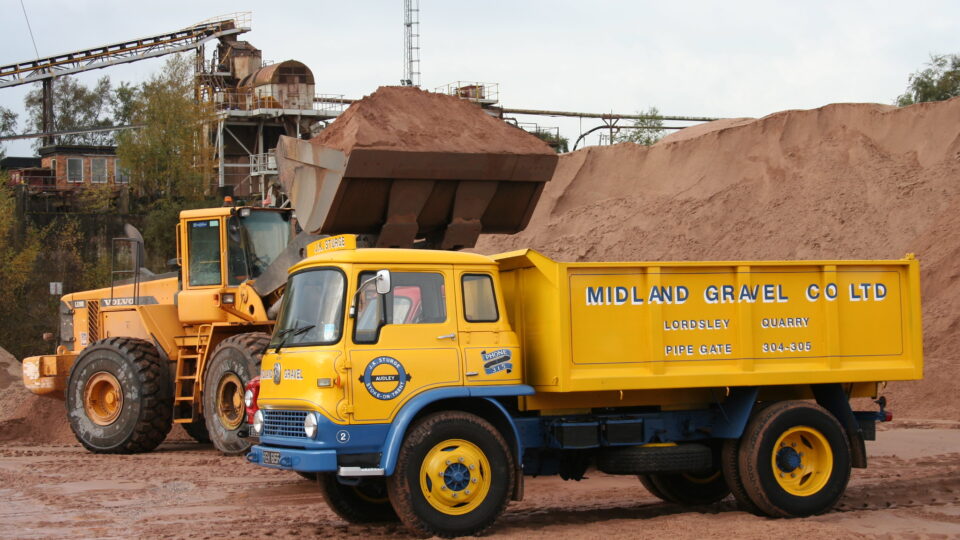
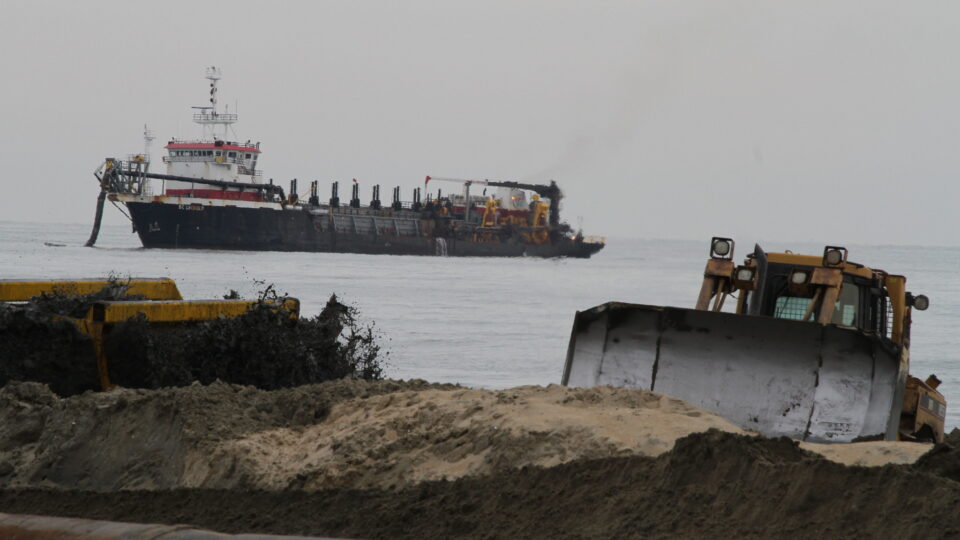
Sand mining is the world’s largest mining endeavor.  It is responsible for 85% of all mineral extraction.  It is also the least regulated, possibly the most corrupt, and likely the most environmentally destructive.  Sand is the second-most exploited natural resource in the world after water.  Its global use has tripled in the past two decades.  More than 50 billion tons of sand is extracted from the environment each year.

Sand plays a critical role in much of human development around the world.  It is a key ingredient of concrete, asphalt, glass, and electronics.  It is relatively cheap and relatively easy to extract.  But we use enormous amounts of it.

Sand mining is a major threat to rivers and marine ecosystems.  It is linked to coastal erosion, habitat destruction, the spread of invasive species, and damage to fisheries. 

The harm from sand mining is only beginning to attract widespread attention.  A recent study by an international group of scientists published in the journal One Earth identifies        threats posed by sand mining.  Sand extraction in marine environments remains largely overlooked, despite sand and sediment dredging being the second most widespread human activity in coastal areas after fishing.

Sand is generally seen as an inert, abundant material, but it is an essential resource that shapes coastal and marine ecosystems, protects shorelines, and sustains both ecosystems and coastal communities.  Sand extraction near populated coastlines is particularly problematic as climate change makes coastlines increasingly fragile.

Like all other resources on our planet, even sand cannot be taken for granted.  It must be responsibly managed.

**********

Web Links

The rising tide of sand mining: a growing threat to marine life

Photo, posted February 7, 2013, courtesy of Pamela Spaugy / U.S. Army Corps of Engineers via Flickr.

Earth Wise is a production of WAMC Northeast Public Radio
Mangrove forests and rising seas

December 6, 2024 By EarthWise Leave a Comment

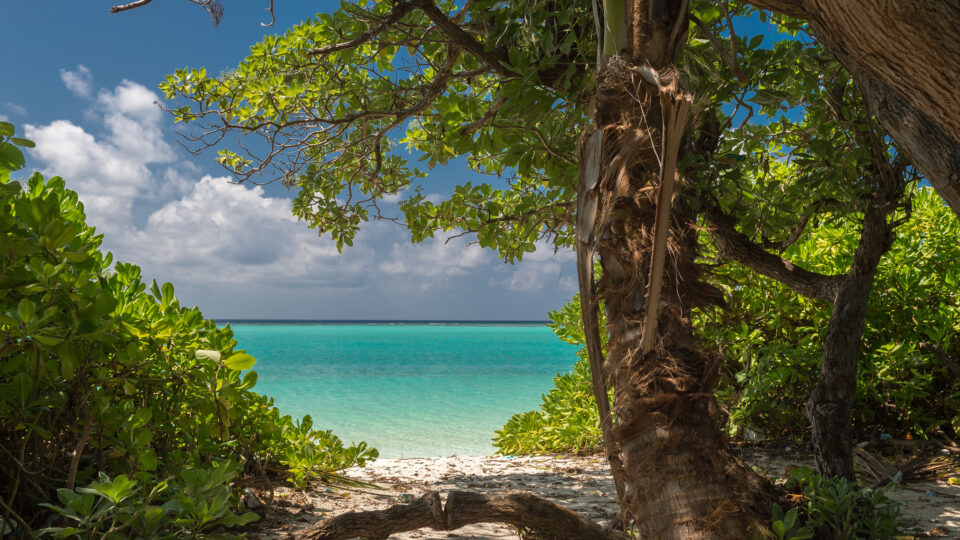
Mangrove forests are drowning in the Maldives

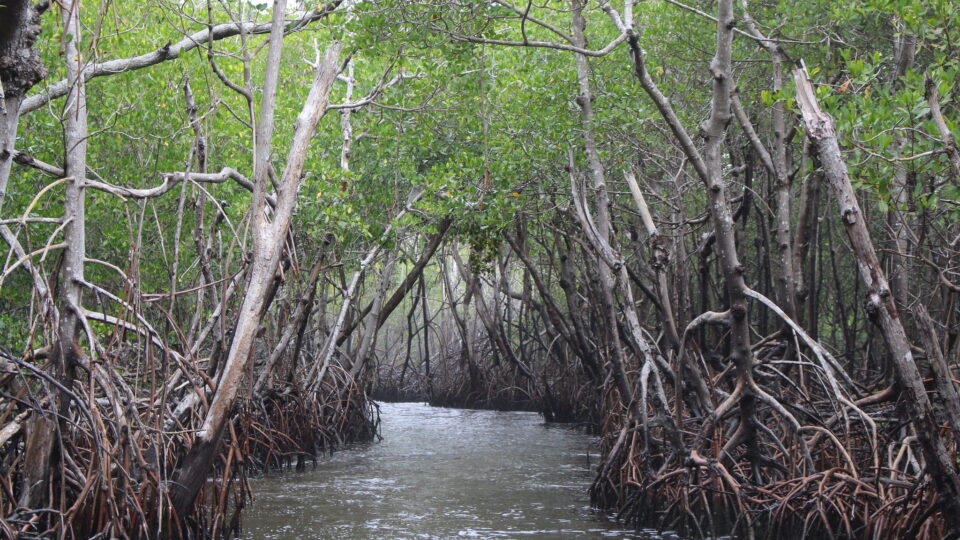
Mangrove forests play a vital role in the health of our planet.  They protect coastal regions by acting as natural barriers against storms, erosion, and flooding. The intricate root systems of mangrove forests, which allow the trees to handle the daily rise and fall of tides, also serve as biodiversity hotspots, attracting fish and other species seeking food and shelter from predators.

But mangrove forests around the world are under increasing threat from deforestation, coastal development, and climate change.  In fact, according to a new study led by researchers from Northumbria University in England, the mangrove trees in the Maldives are actually drowning. 

The research, which was recently published in the journal Scientific Reports, found that sea levels around the Maldives rose more than 1.18 inches per year from 2017 to 2020.  An unusually intense climate phenomenon, known as the Indian Ocean Dipole, occurred toward the end of this period, causing warmer sea surface temperatures and an increase in sea level in the Western Indian Ocean. 

While mangrove forests can naturally keep pace with gradually rising seas, this rate of sea level rise was too fast.  The rising sea level meant that seawater effectively flooded mangrove forests, causing many trees to lose their resilience and die.  Some islands in the Maldives have lost more than half of their mangrove cover since 2020.

Since mangrove forests also store massive amounts of carbon, the research team fears that the loss of mangrove forests could release large amounts of carbon, further accelerating climate change.

The researchers warn that the findings in the Maldives could have implications for coastal ecosystems around the world.

**********

Web Links

“Drowning” mangrove forests in Maldives signal global coastal threat

Photo, posted February 11, 2015, courtesy of Alessandro Caproni via Flickr.

Earth Wise is a production of WAMC Northeast Public Radio
Slow-moving landslides

October 17, 2024 By EarthWise Leave a Comment

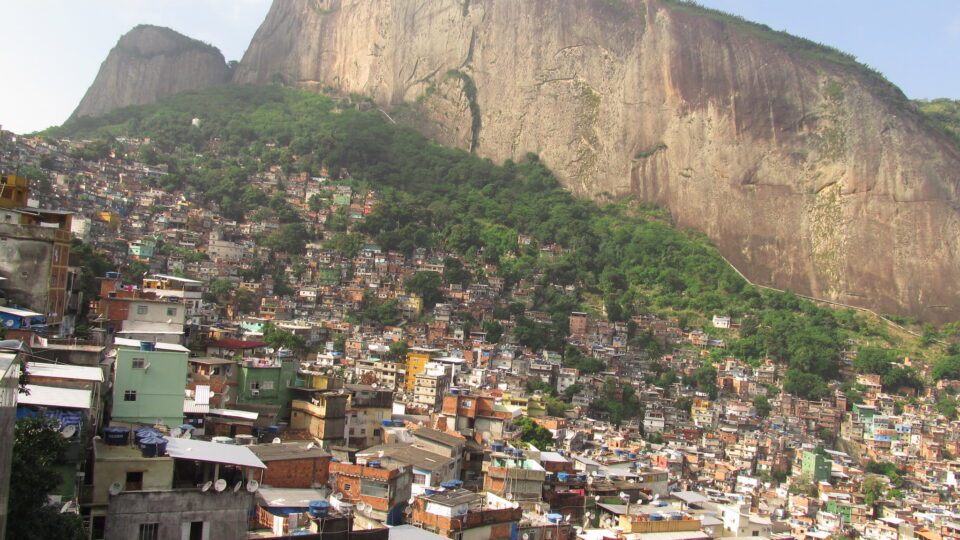
Landslides are mass movements of rock, earth, or debris down a slope.  They can be initiated by rainfall, snowmelt, changes in water level, erosion by streams, earthquakes, volcanic activity, or by various human activities.  Most landslides we hear about are sudden events that can cause all sorts of calamities.  But not all landslides are rapid occurrences.  There are also slow-moving landslides.

A new study by the University of Potsdam in Germany has found that as urban centers in mountainous regions grow, more people are building homes on steeper slopes prone to slow-moving landslides.  Slow-moving landslides can move as little as one millimeter a year and up to as much as three meters per year.  Locations with slow-moving landslides can seem safe to settle on; in some cases, the movement itself can be inconspicuous or even completely undetected.

Slow slides can gradually produce damage in houses and other infrastructure and there can also be sudden acceleration from heavy rain or other influences.

The study compiled a new database of nearly 8,000 slow-moving landslides with areas of at least 25 acres located in regions classified as “mountain risk.”  Of the landslides documented, 563 are inhabited by hundreds of thousands of people.  The densest settlements on slow-moving landslides are in northwestern South America and southeastern Africa. 

In all regions of the study, urban center expansion was associated with an increase in exposure to slow-moving landslides.  As cities expand in mountainous areas, people are moving into unsafe areas, but poorer populations may have few other options.

**********

Web Links

Slow-moving landslides a growing, but ignored, threat to mountain communities

Photo, posted March 4, 2015, courtesy of Flickr.

Earth Wise is a production of WAMC Northeast Public Radio
Artificial reefs

May 8, 2024 By EarthWise Leave a Comment

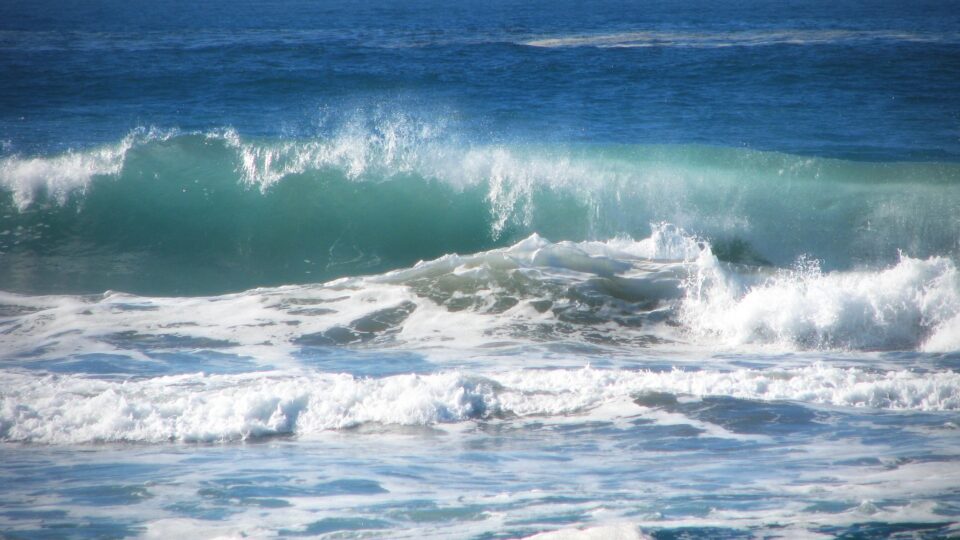
The coral reefs that surround tropical islands are a refuge for a wide variety of marine life and also form a natural buffer against stormy seas.  The changing climate is bleaching coral reefs and breaking them down.  Extreme weather events are becoming more common and are threatening coastal communities with flooding and erosion.

Researchers at MIT are designing architected reefs – sustainable offshore structures that mimic the wave-buffering effects of natural reefs and can also provide habitats for fish and other marine life.

There are already artificial reefs in a number of places used to protect coastlines.  These are typically made from sunken ships, retired oil and gas platforms, and even assemblies of concrete, metal, car tires, and stones.  Generally, it takes quite a lot of material to form an effective barrier to waves.

The MIT group has developed a cylindrical structure surrounded by four rudder-like slats.  Their experiments have shown that when this structure stands in the way of a wave, it efficiently breaks the wave and creates turbulent jets that dissipate the energy in the wave.  The engineers calculated that the new design could reduce as much wave energy as existing artificial reefs but use 10 times less material.

Based on the initial experiments with lab-scale prototypes, these artificial reefs would reduce the energy of incoming waves by more than 95%.

Coral reefs are only found in tropical waters, whereas these artificial reefs don’t depend on temperature and could be placed along any coastline for protection.  In a time of rising seas and increasingly frequent storms, these artificial reefs may be just what coastlines need.

**********

Web Links

Artificial reef designed by MIT engineers could protect marine life, reduce storm damage

Photo, posted December 9, 2010, courtesy of Phoenix Wolf-Ray via Flickr.

Earth Wise is a production of WAMC Northeast Public Radio
An ice-free Arctic

April 9, 2024 By EarthWise Leave a Comment

A future ice-free Arctic is very likely as the climate warms

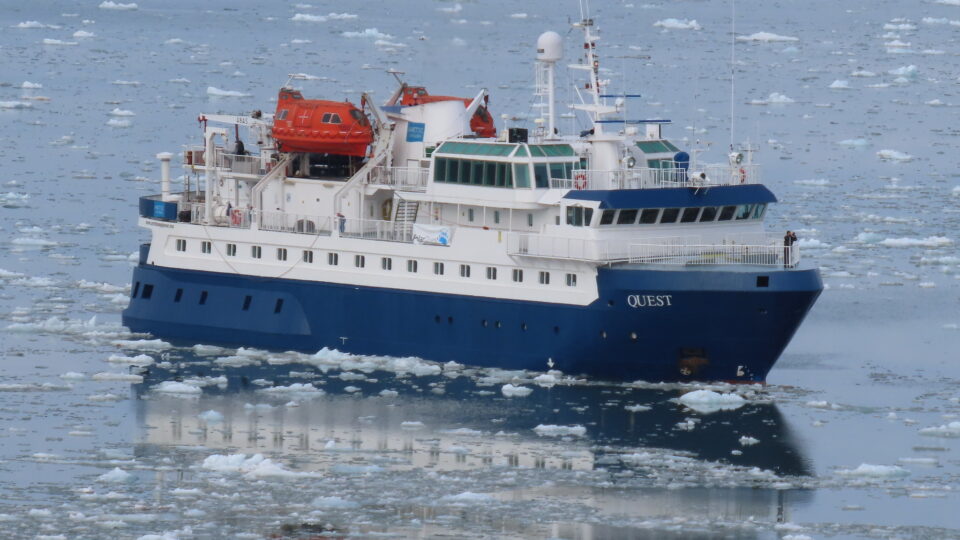
According to a new study by Colorado University, Boulder, the Arctic could see summer days with practically no sea ice as soon as sometime in the next few years.  Earlier predictions for when the first ice-free day in the Arctic could occur were sometime well into the 2030s.

By mid-century, the Arctic is likely to see an entire month without floating sea ice.  This would likely be in September, when ice coverage is at its minimum.  By the end of the century, the ice-free season could last for many months during the year.

Technically, an ice-free Arctic does not mean zero ice in the water.  The working definition is less than 386,000 square miles of ice, which represents less than 20% of what the minimum ice coverage was in the 1980s. In recent years, the coverage has been about 1.25 million square miles.

Sea ice coverage is a big deal because many Arctic animals rely on sea ice for survival, including seals and polar bears.  With warmer ocean water, invasive fish species could move into the Arctic Ocean, upsetting local ecosystems.  Sea ice loss also is a risk for coastal communities because the ice buffers the impact of ocean waves on the coastal land.  As the ice retreats, ocean waves would get bigger, eroding the coasts.

At this point, an ice-free Arctic is basically inevitable, but its annual duration will depend on society’s efforts to reduce carbon emissions.  Lengthy periods of minimal sea ice would transform the Arctic into a completely different environment with global effects that are mostly highly undesirable.  However, Arctic sea ice is resilient and could return fairly quickly if the atmosphere cools down.

**********

Web Links

The Arctic could become ‘ice-free’ within a decade

Photo, posted July 9, 2022, courtesy of Reiner Ehlers via Flickr.

Earth Wise is a production of WAMC Northeast Public Radio
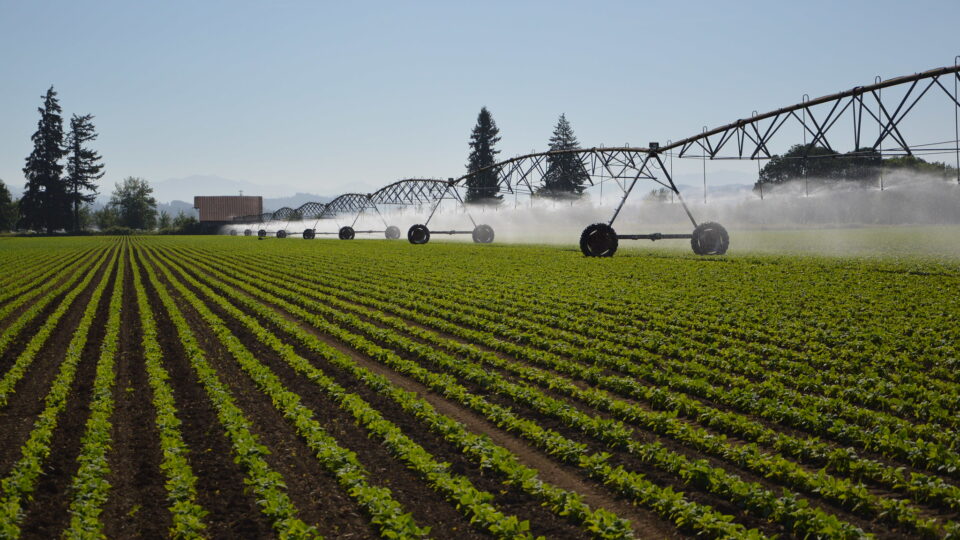
The East Coast is sinking

March 11, 2024 By EarthWise Leave a Comment

Most of the world’s largest cities are located in coastal regions and coastal regions are on the front lines of the climate crisis.  Human populations continue to migrate towards low-elevation coastal areas at the same time that sea level rise is accelerating.  Coastal communities worldwide are increasingly vulnerable to the dangers of flooding and erosion.  With these hazards occupying a great deal of attention, there has been less attention paid to the dangers of land subsidence.

A recent study by researchers at Virginia Tech and the US Geological Survey using satellite data shows that parts of America’s east coast are sinking, and the culprit is the withdrawal of too much water from the aquifers beneath these coastal areas.

A series of overlapping aquifers extends all the way from New Jersey to Florida along the coast, providing a reliable source of water for drinking, irrigation, and industrial uses.  Even though these areas get regular rainfall, the deeper aquifers can take hundreds or even thousands of years to refill once water is pumped out.  Once water is removed, soils can compress and collapse, causing the land surface to sink.

Cities that were built on drained marshland or on fill soil are especially vulnerable to compaction. 

Seal level rise is slow, but it is insidious and continuous.  Add land subsidence to the mix and effects multiply.  Places like Boston, New York, Washington DC, Roanoke, Savannah, Jacksonville, and Miami, among others, all are increasingly vulnerable to these coastal hazards.  The combined effects of sea level rise and subsidence may even triple the prospects for flooding areas over the next few decades.

**********

Web Links

As Aquifers Are Depleted, Areas Along The East Coast Of The US Are Sinking

Photo, posted August 7, 2015, courtesy of Tracy Robillard / NRCS Oregon via Flickr.

Earth Wise is a production of WAMC Northeast Public Radio
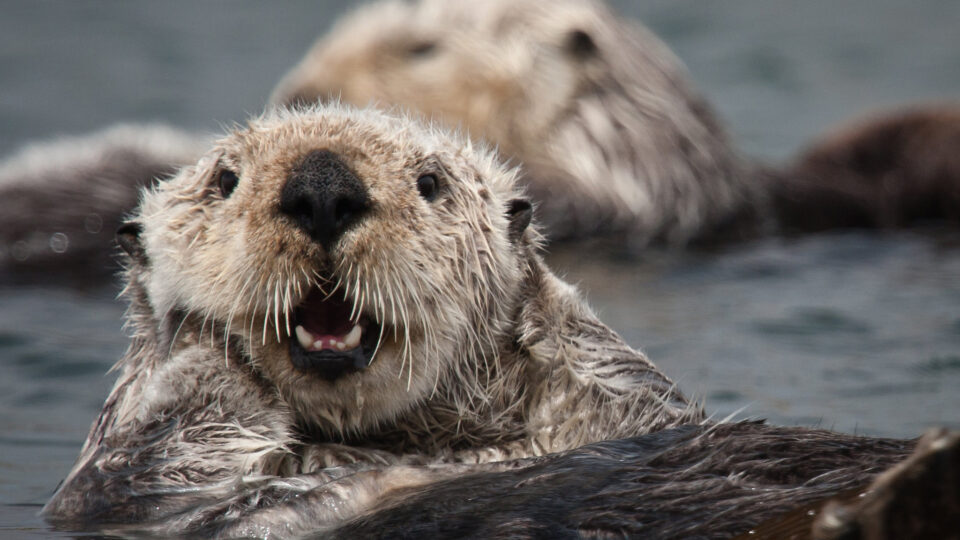
Otters to the rescue

February 23, 2024 By EarthWise Leave a Comment

Otters to the rescue in California

California sea otters were hunted almost to extinction in the 19th century.  Only a small number survived along California’s central coast.  But over time, the otters recovered and increasingly recolonized their former habitats.

Sea otters are playing an important role in safeguarding California’s kelp forests and marshlands against the harmful effects of climate change.

Over much of the 20th century, increasing ocean heat had devastated underwater kelp forests by driving a population explosion of sea urchins that devour kelp.  But sea otters eat urchins and as the sea otter population has grown, kelp has flourished.  According to a new study published in PLOS Climate, the underwater kelp canopy along the central coast increased by 56% since 2016.  Kelp forests have become more extensive and resilient to climate change wherever sea otters have reoccupied the California coastline.

At the same time, sea otters started recolonizing their former habitat in a central California estuary several decades ago and erosion has slowed by as much as 90%.  The main reason is that otters love to eat the marsh crabs that were devouring the plants in this coastal ecosystem.  The marsh plants establish dense root systems that can withstand waves and flooding.  It would cost millions of dollars for humans to rebuild creekbanks and restore these coastal marshes.  Instead, sea otters have been stabilizing them for free in exchange for a crab feast.

Sea otters are playful creatures that people enjoy watching.  It turns out that they are also very valuable ecosystem engineers that are helping to mitigate the effects of the warming climate.

**********

Web Links

How Sea Otters Are Protecting the California Coast Against Climate Change

Photo, posted May 17, 2021, courtesy of Michael L. Baird via Flickr.

Earth Wise is a production of WAMC Northeast Public Radio

Saving Our Soil | Earth Wise

July 14, 2023 By EarthWise Leave a Comment

Saving our soil is critical for our food security and climate change mitigation

The majority of food we eat is grown in topsoil, that carbon-rich, black soil that nurtures everything from carrots to watermelons.  The fertility of this soil has developed over eons.    

But over the past 160 years, the Midwestern United States has lost 63.4 billion tons of topsoil due to farming practices.  In fact, Midwestern topsoil is eroding between 10 and 1,000 times faster than it did in the pre-agricultural era.  The rate of erosion is 25 times greater than the rate at which topsoil forms.

According to new research from the University of Massachusetts-Amherst, this rapid and unsustainable rate of topsoil erosion can be drastically reduced by utilizing an agricultural method already in practice: No-till farming.  This method, which is currently practiced on 40% of cropland acres in the Midwest, can extend our current level of soil fertility for the next several centuries.   

In the study, which was recently published in the journal Earth’s Future, the research team looked at the current business-as-usual method, under which approximately 40% of the midwestern U.S.’s acres are no-till farmed, all the way up to 100% adoption of no-till methods. 

If the U.S.’s current agricultural practices remain largely unchanged, approximately 9.6 billion tons of topsoil will be lost over the next century alone.  However, approximately 95% of the erosion in the business-as-usual scenario could be prevented by adopting 100% no-till farming practices. 

Saving our soil by improving our farming methods has implications for everything from food security to climate change mitigation. 

**********

Web Links

Saving Our Soil: How to Extend U.S. Breadbasket Fertility for Centuries

Photo, posted January 19, 2022, courtesy of Terri Dux via Flickr.

Earth Wise is a production of WAMC Northeast Public Radio
Protecting Wetlands | Earth Wise

March 28, 2023 By EarthWise Leave a Comment

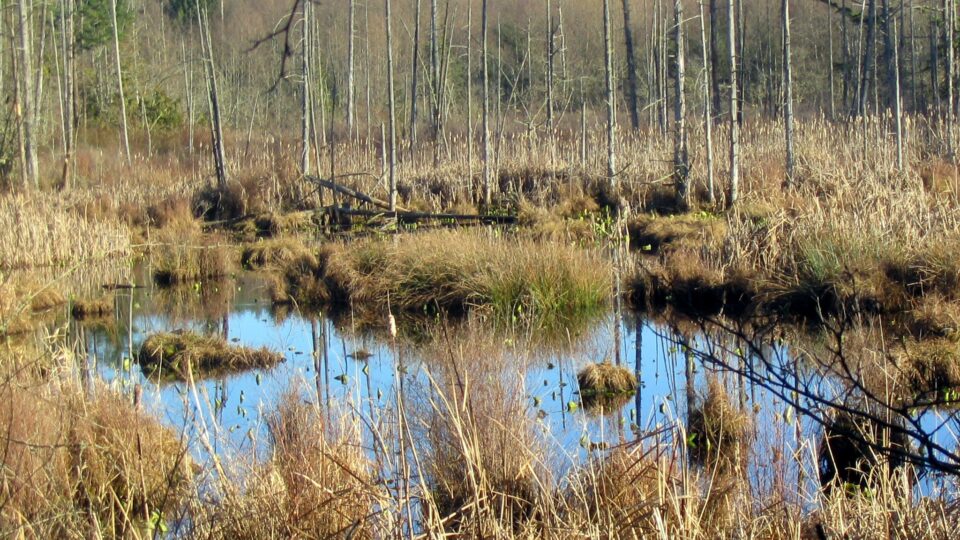
Wetlands are distinct ecosystems that are flooded or saturated by water, either permanently or seasonally.  They include mangroves, marshes, swamps, forested wetlands, bogs, wet prairies, and vernal pools.   The feature that most wetlands share is soil or substrate that is at least periodically saturated with or covered by water.

Wetlands are some of the most threatened ecosystems in the world.  While wetlands can be affected by a variety of natural stressors, including erosion, droughts, and storms, human activities have been the major driver of wetland decline. 

But according to a new study by researchers from McGill University in Canada, the global loss of wetland areas since 1700 has likely been overestimated.  The research team calculated that the area of wetland ecosystems around the world has declined 21-35% since 1700 as a result of human activities – far less than the 50-87% decline estimated in other studies.  The study’s focus beyond regions with historically high wetland losses and its avoidance of possibly misleading extrapolations likely resulted in the lower estimate.      

According to the study, which was published in the journal Nature, more than 2.1 million square miles of wetlands have been lost during the past 300 years – an area roughly the size of India.  The five countries with the highest wetland losses are the United States, China, India, Russia and Indonesia. 

But discovering that fewer wetlands have been historically lost than previously thought gives researchers a second chance to protect wetlands.  The findings of the study will help researchers prioritize global conservation and restoration actions.

**********

Web Links

A second chance to protect wetlands

Photo, posted February 2, 2005, courtesy of Jan Tik via Flickr.

Earth Wise is a production of WAMC Northeast Public Radio
Trouble For The Outer Banks | Earth Wise

August 9, 2022 By EarthWise Leave a Comment

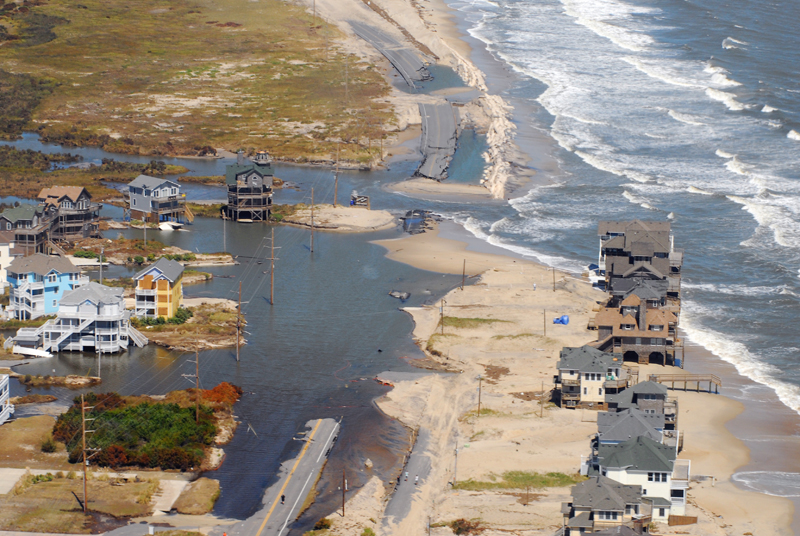
Rising seas are threatening the Outer Banks

The Outer Banks are a series of barrier islands off the coast of North Carolina that separate the Atlantic Ocean from the mainland.  They are a very popular tourist destination featuring open-sea beaches, state parks, shipwreck diving sites, and historic locations such as Roanoke Island, the site of England’s first settlement in the New World. There is also Kitty Hawk, the site of the Wright Brothers’ first flights.

The ribbon of islands is nearly 200 miles long.  Some of them are low and narrow and are only a few feet above sea level.  Many are especially vulnerable to Nor’easters in the winter and hurricanes in the summer.  The collision of warm Gulf Stream waters and the colder Labrador current helps to create dangerous shoals and some of the largest waves on the East Coast.

Over the years, developers have added billions of dollars’ worth of real estate to the Outer Banks.  Rising sea levels and increasingly frequent storms threaten the barrier islands of the Outer Banks.  Beach-front cottages have tumbled into the ocean for as long as people have built them in the Outer Banks but now they are falling at a greater rate and more and more are in danger.

The Department of Transportation has spent nearly $100 million dollars to keep NC12, the highway connecting the string of islands, open to traffic.  Three new bridges built to traverse inlets opened by storms and bypassing rapidly eroding shorelines raised the cost by another half a billion dollars.

There are many other measures such as pumping sand into eroded areas going on in the Outer Banks, but ultimately, all of the measures may not be enough to deal with rising sea levels and more powerful storms.

**********

Web Links

Shifting Sands: Carolina’s Outer Banks Face a Precarious Future

Photo, posted August 31, 2011, courtesy of NCDOT Communications via Flickr.

Earth Wise is a production of WAMC Northeast Public Radio.

Mangrove Forests And Climate Change | Earth Wise

August 3, 2022 By EarthWise Leave a Comment

Climate change is disrupting mangrove forests

Mangrove forests play a vital role in the health of our planet.  These coastal forests are the second most carbon rich ecosystems in the world.  A patch of mangrove forest the size of a soccer field can store more than 1,000 tons of carbon. It does this by capturing carbon from the air and storing it in leaves, branches, trunks, and roots.

Mangrove forests only grow at tropical and subtropical latitudes near the equator because they cannot withstand freezing temperatures.  These forests can be recognized by their dense tangle of prop roots that make the trees look like they are standing on stilts above the water.  These roots allow the trees to handle the daily rise and fall of tides.  Most mangroves get flooded at least twice a day.  The roots also slow the movement of tidal waters, which allows sediments to settle out of the water and build up on the muddy bottom.  Mangrove forests stabilize coastlines, reducing erosion from storms, currents, waves, and tides.

A new study by the University of Portsmouth in the UK looked at the effects of climate change on how carbon is stored in mangrove forests.  In mangrove ecosystems, a variety of organisms break down fallen wood.  These include fungi, beetle larvae, and termites.  Closer to the ocean, clams known as shipworms degrade organic material.

Climate change is disrupting these processes in at least two ways.  Rising sea levels are changing the way sediments build up and increased ocean acidity is dissolving the shells of marine organisms like shipworms.

Mangrove forests are crucial to mitigating climate change, and changes to the functioning of the carbon cycle of those ecosystems are a threat to their ability to perform that function.

**********

Web Links

Study Reveals How Climate Change Can Significantly Impact Carbon-Rich Ecosystem

Photo, posted March 24, 2014, courtesy of Daniel Hartwig via Flickr.

Earth Wise is a production of WAMC Northeast Public Radio.

Managing Pests With Cover Crops | Earth Wise

May 18, 2022 By EarthWise Leave a Comment

The use of pesticides in global agriculture brings with it many problems including the killing of non-target, beneficial species as well as reversing pest-management gains from the use of conservation agriculture methods.

In a newly published study by researchers at Penn State University, the use of plant cover, such as cover crops, was shown to potentially be more effective at reducing pest density and crop damage than the application of insecticides without the downsides.  Cover crops reduce insect pest outbreaks by increasing pest predator abundance.

Cover crops are plantings that are primarily used to slow erosion, improve soil health, enhance water availability, smother weeds, and help control pests and diseases.  Typical cover crops include mustard, alfalfa, rye, clovers, buckwheat, and winter peas.  Most cover crops are fairly inexpensive to plant.

Plant cover can provide habitat for populations of natural enemies of pests.  Winter cover crops can harbor pest predator populations outside of the growing season of the cash crop.  When the cover crop is killed off to allow the growth of the cash crop, residues of the cover crop remain on the soil during the growing season, so they still enhance the habitat for pest predators.

Conservation agriculture includes methods like cover crops, no-till planting, and crop rotation.  The use of cover crops constitutes a form of preventive pest management that is an alternative to planting seeds treated with systemic insecticides to control early-season pests.  There is also the possibility for integrated pest managements, which is an approach in which insecticides are applied but only when pest numbers exceed economic thresholds despite the use of nonchemical tactics.

**********

Web Links

Cover crops more effective than insecticides for managing pests, study suggests

Photo, posted August 8, 2011, courtesy of USDA NRCS Montana via Flickr.

Earth Wise is a production of WAMC Northeast Public Radio.

Sand From Mining Waste | Earth Wise

May 10, 2022 By EarthWise Leave a Comment

The natural resources people use the most are air and water.  It may come as a surprise that in third place is sand.  Sand is used to make glass, computer chips, toothpaste, cosmetics, food, wine, paper, paint, plastics, and more.  It is estimated that 50 billion tons of sand are used each year.

Concrete is 10% cement, 15% water, and 75% sand.  The concrete required to build a house takes on average 200 tons of sand, a hospital uses 3,000 tons, and a mile of a highway requires 15,000 tons.

One would think that there is no shortage of sand, but we are using it up faster than the planet can make it and the extraction of sand from seas, rivers, beaches, and quarries has negative impacts on the environment and surrounding communities.  For example, removing sand leads to erosion in riverbanks, significantly increasing the risk of flooding in some places.

A potential strategy to reduce the impact of extracting sand to meet society’s growing need for is also a strategy for helping to reduce the production of mineral mining waste, which is the largest waste stream on the planet.  Mining produces between 33 and 66 billion tons of waste material each year.

A new study by researchers in Switzerland and Australia looked at the potential for using mining waste as a source of so-called ore-sand.  Sand-like material left over from mining operations could be used for many current applications for sand.  Separating and repurposing these materials before they are added to the waste stream would not only reduce the volume of waste being generated by mining operations but would also create a responsible new source of sand.

**********

Web Links

Solution to world’s largest waste stream: Make sand

Photo, posted October 22, 2005, courtesy of Alan via Flickr.

Earth Wise is a production of WAMC Northeast Public Radio.

Solar Canopies | Earth Wise

December 31, 2021 By EarthWise Leave a Comment

There are plenty of solar panels on residential rooftops but there are also increasing numbers of arrays of them on croplands, arid lands, and grasslands. Large solar arrays are mostly built in open spaces like these rather than in developed areas.  The reason is that it is cheaper to build on undeveloped land than on rooftops or construct covered parking lots.

However, building on undeveloped land is not necessarily the smartest idea.   Undeveloped land is a dwindling resource that is needed for many different things:  growing food, sheltering wildlife, storing and purifying water, preventing erosion, and sequestering carbon. 

Putting solar panels on parking lots has the appeal that they are abundant, close to electricity customers, and are on land that already has been stripped of much of its biological value.

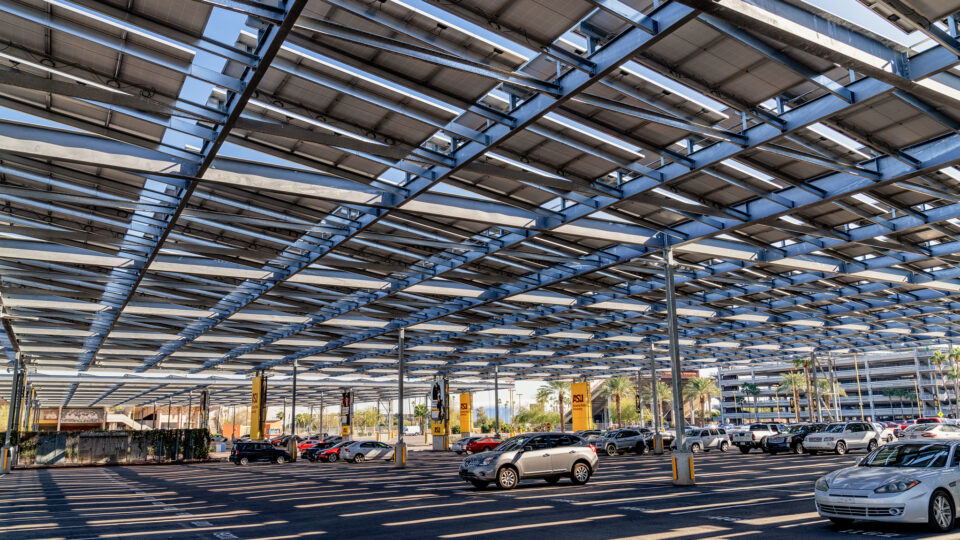
Putting a solar canopy over a parking lot can produce large amounts of electricity and has the added benefit that it would provide shade for cars.  For example, a typical Walmart supercenter might have a five-acre parking lot, which is enough to support a 3-megawatt solar array.  If Walmart put solar canopies on all of its 3,500+ super centers, it would provide 11 gigawatts of solar power – as much as a dozen large coal-fired power plants.

Solar canopies are still pretty uncommon, but some examples are ones at four DC Metro rail stations, one at JFK Airport, and a large one at the Rutgers University Piscataway campus.

Building parking lot solar canopies is much more expensive than putting solar arrays on open space, but they do eventually pay for themselves. Despite active opposition by utility and fossil fuel interests, solar canopies may eventually be a common sight.

**********

Web Links

Why Putting Solar Canopies on Parking Lots Is a Smart Green Move

Photo, posted January 10, 2020, courtesy of Tony Webster via Flickr.

Earth Wise is a production of WAMC Northeast Public Radio.

The Benefits Of No-Till Farming | Earth Wise

October 5, 2021 By EarthWise Leave a Comment

No-till farming is not new.  In fact, it was used as far back as 10,000 years ago.  But during the 18th and 19th centuries, tilling became popular because it allowed farmers to plant seeds more efficiently.

Tilling (or ploughing) is the process of preparing the soil for the cultivation of seeds by overturning the soil.  The practice works animal manure, weeds, and other surface residues deep into the soil.  While this all sounds like a good thing, it’s not. 

Tilling removes plant matter and loosens the soil, leaving the soil bare and vulnerable to erosion.  Tilling also displaces the millions of microbes and insects that form healthy soil biology.  The long-term use of tilling can turn healthy soils into lifeless growing mediums dependent on chemical inputs.  

But no-till farming also tends to rely on chemical inputs like glyphosate for weed control.  According to a new study recently published in Agronomy Journal, researchers at Penn State have found that farmers using no-till farming can reduce herbicide use and still maintain crop yields by implementing integrated weed-management methods.   

The research team conducted a nine-year experiment using herbicide-reduction practices in a crop rotation, which included soybean, corn, alfalfa, and canola.  Some of the practices used to reduce herbicide inputs included seeding small-grain companion crops with perennials, and plowing once in six years to terminate the perennial forage rather than killing it with an herbicide. 

While there was more weed biomass in the reduced herbicide treatment, the researchers found that the added weed pressure did not substantially affect crop yields. 

It is possible to make agriculture more environmentally-friendly and sustainable without sacrificing productivity.

**********

Web Links

No-till production farmers can cut herbicide use, control weeds, protect profits

Photo, posted February 11, 2019, courtesy of the United Soybean Board via Flickr.

Earth Wise is a production of WAMC Northeast Public Radio.

Reducing Agriculture’s Carbon Footprint | Earth Wise

September 29, 2021 By EarthWise Leave a Comment

Sustainable solutions for animal grazing agriculture

Agriculture is responsible for about 10% of greenhouse gas emissions.  Those emissions come from livestock such as cows, the disturbance of agricultural soils, and activities like rice production.

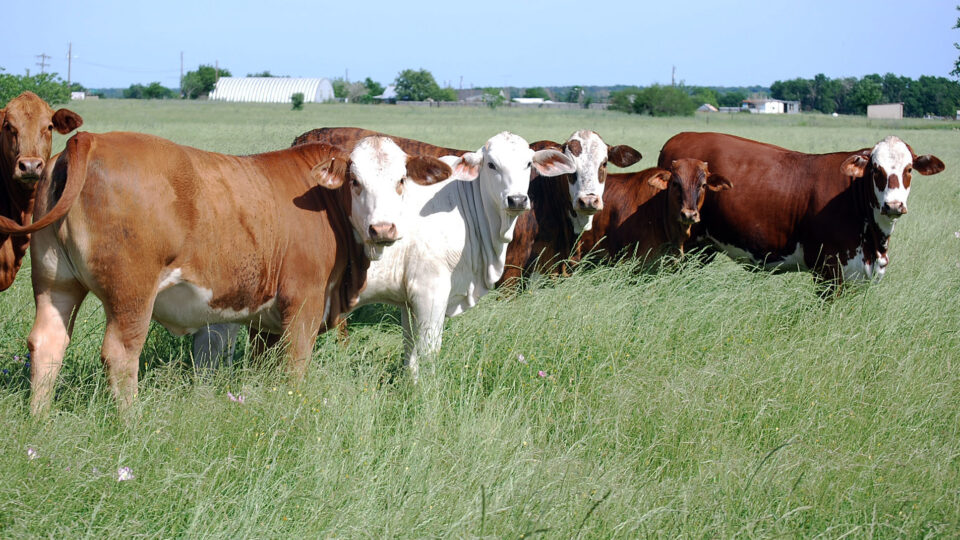
Recent research from Texas A&M University presents sustainable solutions for grazing agriculture.  According to the research, published in the Journal of Soil and Water Conservation, ruminant animals like cattle contribute to the maintenance of healthy soils and grasslands, and proper grazing management can reduce the industry’s carbon emissions and overall footprint.

Grassland ecosystems co-evolved with herbivores over thousands of years.  These complex, dynamic ecosystems include grasses, soil biota, grazing animals, and predators.  The ecosystems degrade in the absence of periodic grazing.

The research contends that ruminant livestock are an important tool for achieving sustainable agriculture with appropriate grazing management.  With such management, grazing cattle on permanent perennial grasslands helps develop soil biology to improve soil carbon, rainfall infiltration, and soil fertility.

Permanent cover of forage plants is highly effective in reducing soil erosion and increasing soil infiltration.  Ruminants consuming grazed forages under appropriate management results in considerably more carbon sequestration than carbon emissions.

This overall approach is known as regenerative agriculture and is built around the ideas of practices that restore soil health and ecosystem function to support healthy agroecosystems. 

These ideas constitute alternatives to ones that call for the reduction or elimination of cattle and livestock agricultural production.  The future of agriculture needs to consider the full impacts of the entire food production chain and its environmental impacts.

**********

Web Links

Grazing Cattle Can Reduce Agriculture’s Carbon Footprint

Photo, posted April 27, 2010, courtesy of Beverly Moseley/USDA NRCS Texas via Flickr.

Earth Wise is a production of WAMC Northeast Public Radio.

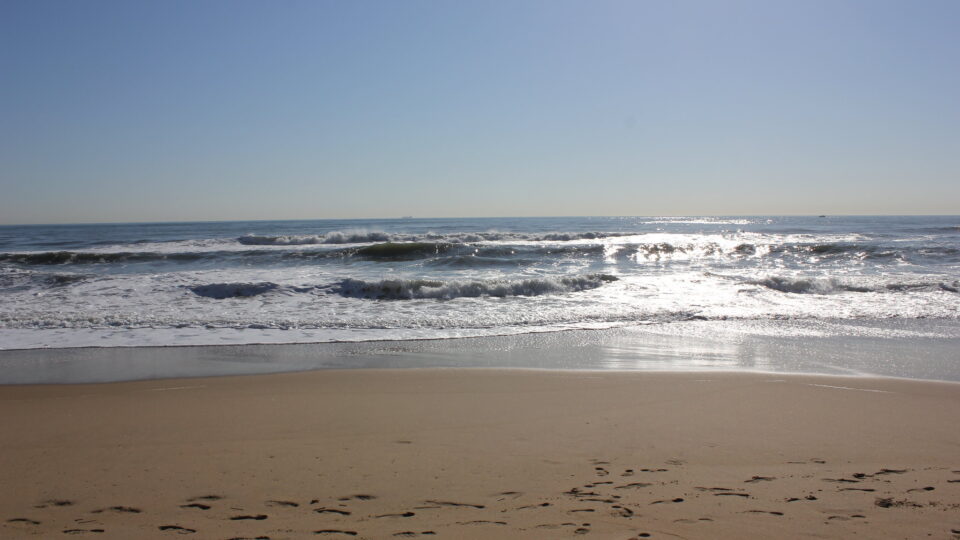
Coastlines and Climate Change | Earth Wise

August 16, 2021 By EarthWise Leave a Comment

Scientists predict how climate change will affect coastlines

Climate change poses a fundamental threat to life on earth and has already left observable effects on the planet.  For example, glaciers have shrunk, oceans have warmed, heatwaves have become more intense, and plant and animal ranges have shifted. 

As a result of the changing climate, coastal communities around the world are confronting the increasing threats posed by a combination of extreme storms and the predicted acceleration of sea level rise. 

Scientists from the University of Plymouth in England have developed a simple algorithm-based model to predict how coastlines could be affected by climate change.  This model allows coastal communities to identify the actions they need to take in order to adapt to their changing environment.

The Forecasting Coastal Evolution (or ForCE)  model has the potential to be a game-changer because it allows adaptations in the shoreline to be predicted over timescales of anything from days to decades. As a result, the model is capable of predicting both the short-term impact of extreme storms as well as predicting the longer-term impact of rising seas.   

The ForCE model relies on past and present beach measurements and data showing the physical properties of the coast.  It also considers other key factors like tidal, surge, and global sea-level rise data to assess how beaches might be impacted by climate change.  Beach sediments form the frontline defense against coastal erosion and flooding, and are key in preventing damage to valuable coastal infrastructure.

According to the study, which was recently published in the journal Coastal Evolution, the ForCE model predictions have shown to be more than 80% accurate in current tests in South West England.

**********

Web Links

New model accurately predicts how coasts will be impacted by storms and sea-level rise

Photo, posted April 17, 2016, courtesy of Nicolas Henderson via Flickr.

Earth Wise is a production of WAMC Northeast Public Radio.

Rising Seas And Wastewater Leakage | Earth Wise

April 28, 2021 By EarthWise Leave a Comment

Rising seas will further damage coastal wastewater infrastructure

Global mean sea level has risen nearly 9 inches since 1880, with over two inches of that over just the last 25 years.  The rising water level is primarily due to two factors:  additional water in the oceans coming from melting glaciers and ice sheets; and the thermal expansion of seawater as it warms.  Climate models estimate that over the course of the century, global sea levels will rise at least a foot even if efforts to reduce greenhouse gas emissions are quite successful and, in the worst case, levels could rise as much as 8 feet.

Faced with this situation, the greatest concerns are, initially, increasing amounts of coastal flooding and erosion and, as things get worse, inundation of coastal regions making many places uninhabitable and creating millions of climate refugees.

Recently, computer modeling studies have focused on an additional imminent problem:  the flooding of coastal wastewater infrastructure, which includes sewer lines and cesspools.

A new study by the University of Hawaii at Manoa is the first to provide direct evidence that tidally driven groundwater inundation of wastewater infrastructure is already occurring in urban Honolulu.  The study shows that higher ocean water levels are leading to wastewater entering storm drains and the coastal ocean.  The result is degradation of coastal water quality and ecological health.

The researchers used chemical tracers to detect groundwater discharge and wastewater present at multiple low-lying areas during spring tides.  During high tides, storm drains become channels for untreated wastewater to flood streets and sidewalks. 

People tend to think of sea-level rise as a future problem, but there are already serious effects going on today that are only going to get worse.

**********

Web Links

Sea-level rise drives wastewater leakage to coastal waters

Photo, posted August 23, 2011, courtesy of Eric Tessmer via Flickr.

Earth Wise is a production of WAMC Northeast Public Radio.

The Corn Belt Is Losing Topsoil | Earth Wise

April 16, 2021 By EarthWise 2 Comments

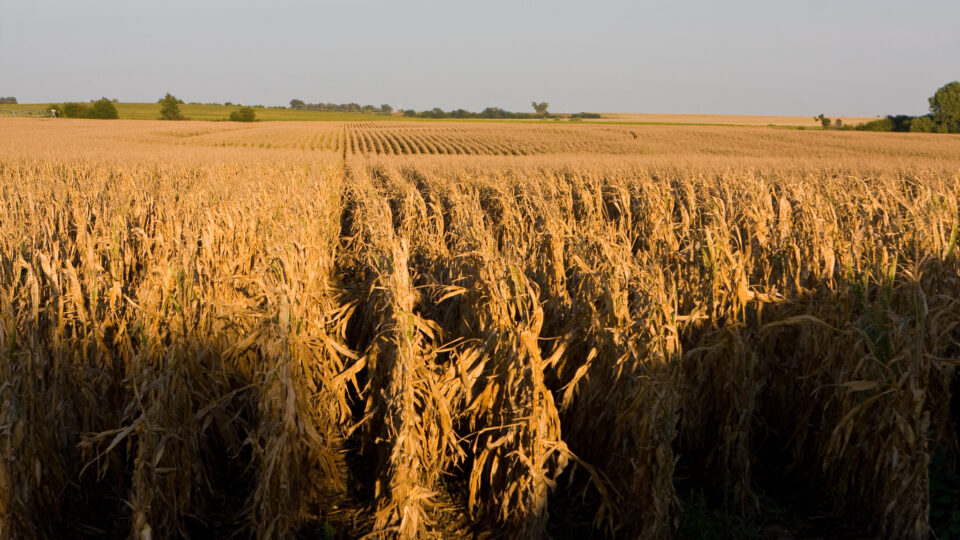
Erosion is claiming the corn belt's topsoil

According to a new study published in the Proceedings of the National Academy of Sciences, more than a third of the farmland in the U.S. Corn Belt has completely lost its carbon-rich topsoil due to erosion.   The affected area is nearly 100 million acres and the amount of carbon loss is nearly 2 million tons.

The study, led by scientists at the University of Massachusetts, Amherst, found that the greatest loss of carbon-rich topsoil was on hilltops and ridgelines.  This indicates that tillage – the repeated plowing of fields – was the primary cause of the erosion because loosened soils move downslope.

The loss of topsoil has reduced corn and soybean yields in the Midwest by 6%, resulting in a loss of nearly $3 billion a year for farmers.  In addition, the loosening of the topsoil increases runoff of sediment and nutrients into nearly waterways, worsening water quality.

Previous studies have shown that no-till farming practices can have a significant impact on reducing erosion.  A study published last November found that if farmers shifted entirely to no-till practices, it would reduce soil erosion from U.S. agricultural fields by more than 70%, as well as significantly reducing nutrient and sediment runoff. 

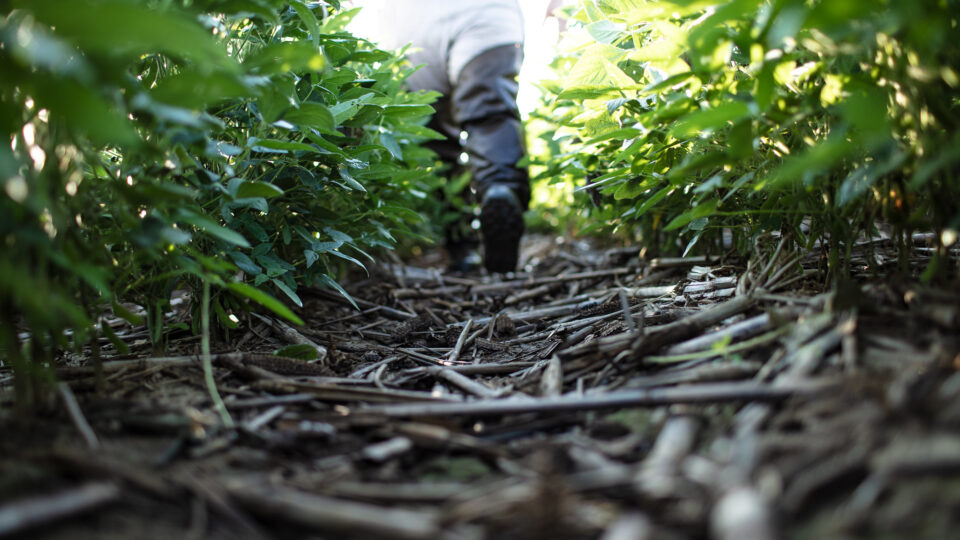
No-till farming is the practice of planting crops without tilling the soil.  Instead, seeds are planted through the remains of previous crops by planters or drills that cut seed furrows, place the seeds, and close the furrow.  Currently less than 15% of farmland in the upper Mississippi River watershed is farmed with no-till practices. 

Even partial changes in tilling practices could produce positive results for topsoil retention and for waterways.

**********

Web Links

One-Third of Farmland in the U.S. Corn Belt Has Lost Its Topsoil

Photo, posted September 15, 2010, courtesy of the United Soybean Board / Soybean Checkoff via Flickr.

Earth Wise is a production of WAMC Northeast Public Radio.

  • Page 1
  • Page 2
  • Go to Next Page »

Primary Sidebar

Recent Episodes

  • An uninsurable future
  • Clean energy and jobs
  • Insect declines in remote regions
  • Fossil fuel producing nations ignoring climate goals
  • Trouble for clownfishes

WAMC Northeast Public Radio
WAMC/Northeast Public Radio is a regional public radio network serving parts of seven northeastern states (more...)
Copyright © 2026 ·