• Skip to primary navigation
  • Skip to main content
  • Skip to primary sidebar

Earth Wise

A look at our changing environment.

  • Home
  • About Earth Wise
  • Where to Listen
  • All Articles
  • Show Search
Hide Search
You are here: Home / Archives for debris

debris

High-Tide Flooding And Pollution

April 30, 2019 By EarthWise Leave a Comment

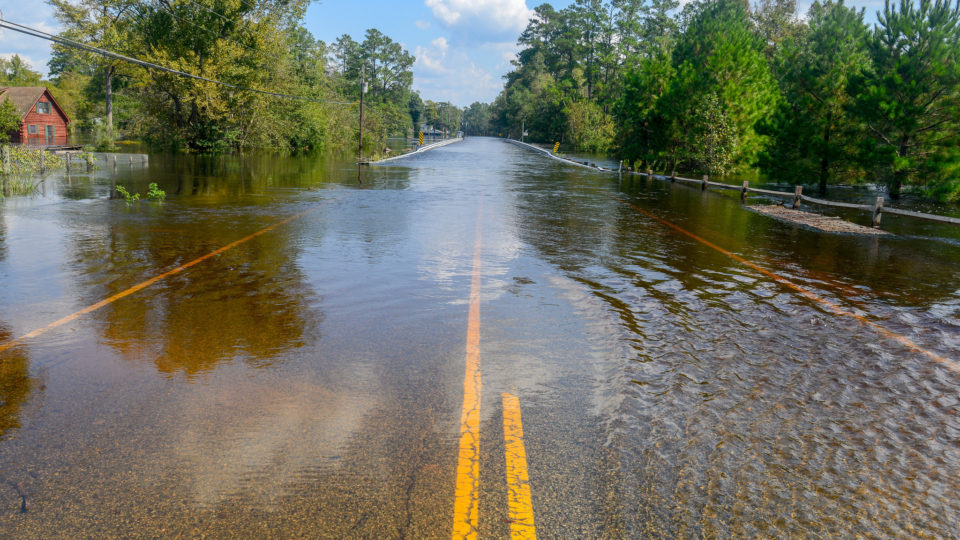
Global sea levels are steadily rising.  They are up 8 inches in the past century and now increasing at an average of 1.3 inches per decade.  As a result, the incidence of high-tide “sunny day” flooding is on the rise, especially along the U.S. East Coast.

Norfolk Virginia experienced fewer than 2 days of high-tide flooding a year in the 1960s; it had 14 in 2017.  Up and down the East Coast, flood days have increased by factors of 5 and more.

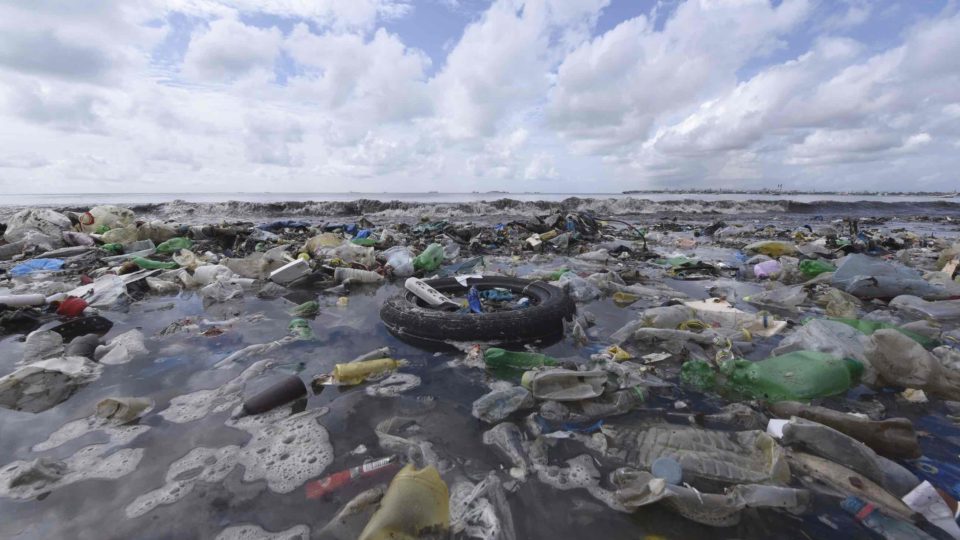
This has led to a form of pollution that hasn’t gathered much attention in the past:  when these floodwaters recede, they can carry debris, toxic pollutants and excess nutrients into rivers, bays, and oceans.

In the aftermath of high-tide flooding in Norfolk, Chesapeake Bay was littered with tipped-over garbage cans, tossed-away hamburgers, oil, dirty diapers, pet waste and all manner of other things.  Water that comes up on the landscape takes everything back into the river or ocean with it.

Analysis of tidal flooding along the Lafayette River in Norfolk indicated that just one morning of tidal flooding poured nearly the entire EPA annual allocation of nitrogen runoff for the river – nearly 2,000 pounds – into Chesapeake Bay.  The effects of excess nitrogen in the water are well-known and responsible for the toxic algal blooms that endanger aquatic life as well as human health.

According to the National Oceanic and Atmospheric Administration, high-tide flooding frequency along the southeastern coast of the U.S. rose 160% since 2000.  With the expected continuing rises in sea level, NOAA projects that as many as 85 days of high-tide flooding will occur along the coast by the year 2050.  It’s a big problem.

**********

Web Links

As High-Tide Flooding Worsens, More Pollution Is Washing to the Sea

Photo, posted September 20, 2018, courtesy of SC National Guard via Flickr.

Earth Wise is a production of WAMC Northeast Public Radio.
Balloons And Seabirds

March 19, 2019 By EarthWise Leave a Comment

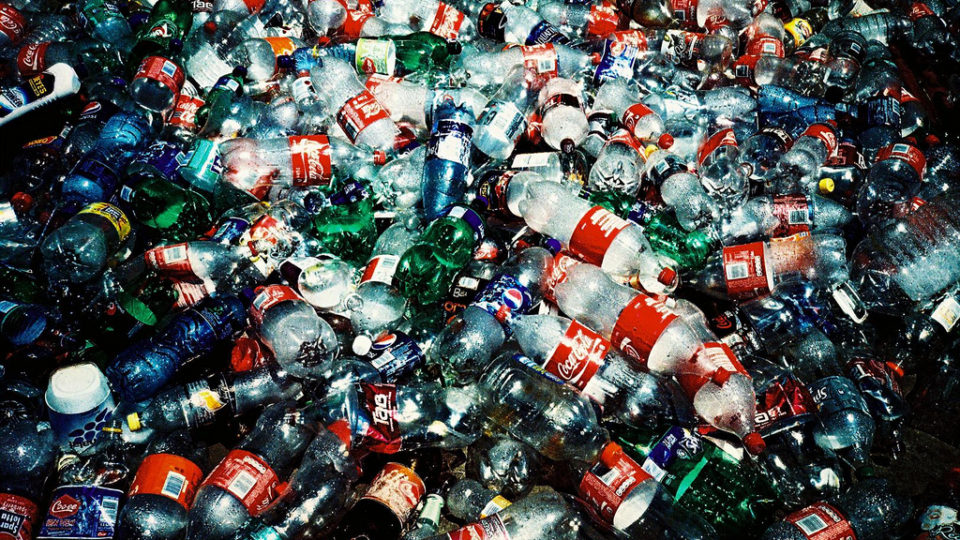
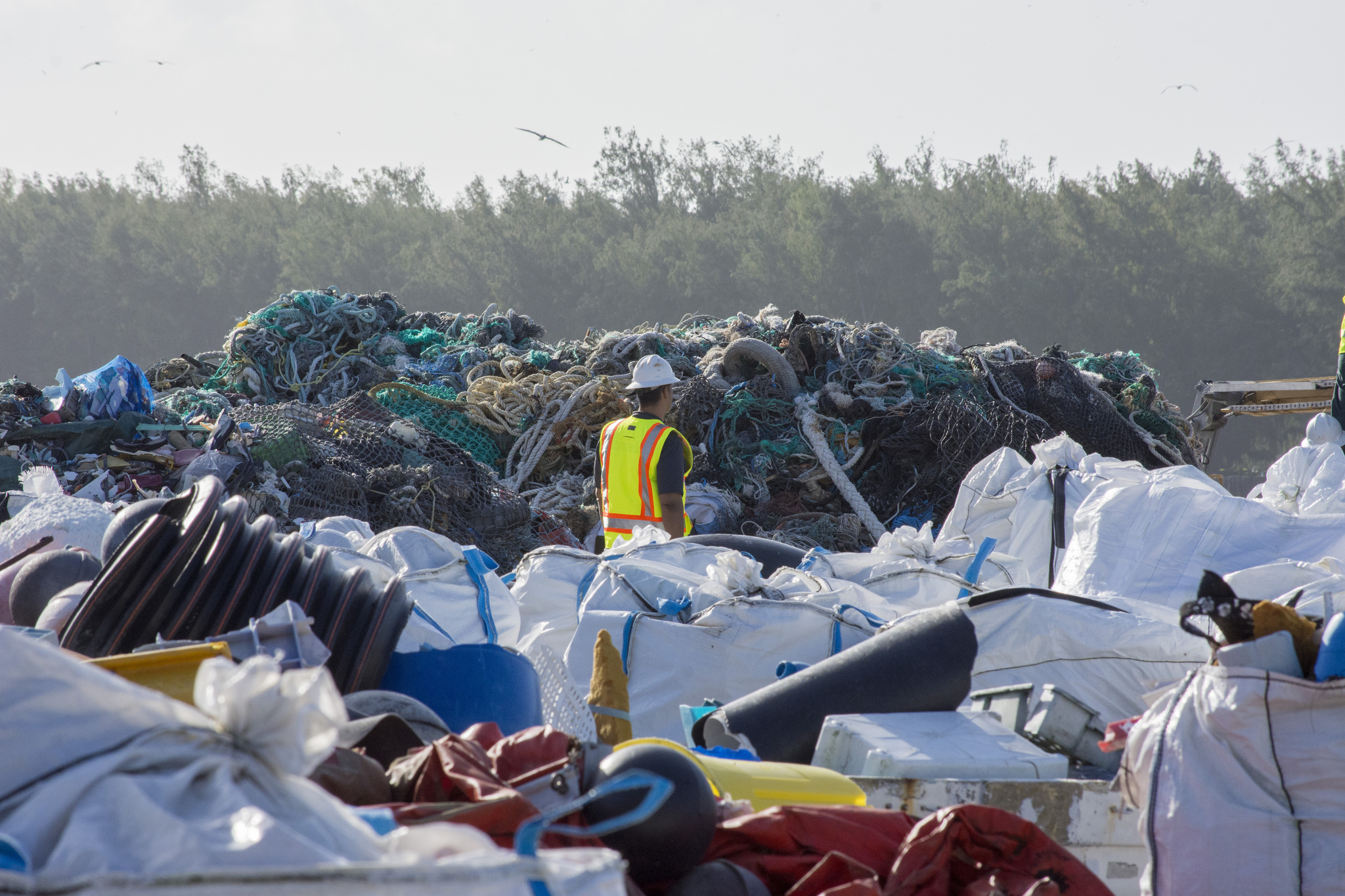
It’s no secret that there is a ton of plastic in the ocean – millions of tons, in fact.  Scientists estimate that there is more 165 million tons of plastics swirling about in our oceans today, with an additional 8.8 million tons flowing in every year.  As the oceans swell with plastic debris, many marine species wind up ingesting the stuff – often with dire consequences.

All this plastic trash winds up affecting more than just aquatic species, too.  According to researchers from the University of Tasmania, a seabird that ingested a single piece of plastic has a 20% chance of mortality.  This statistic jumps to 50% if the seabird consumes nine pieces of plastic. 

The study, which was recently published in the journal Scientific Reports, also found that while hard plastics account for the majority of plastic debris ingested, it’s far less likely to prove fatal than soft plastics, such as balloons. 

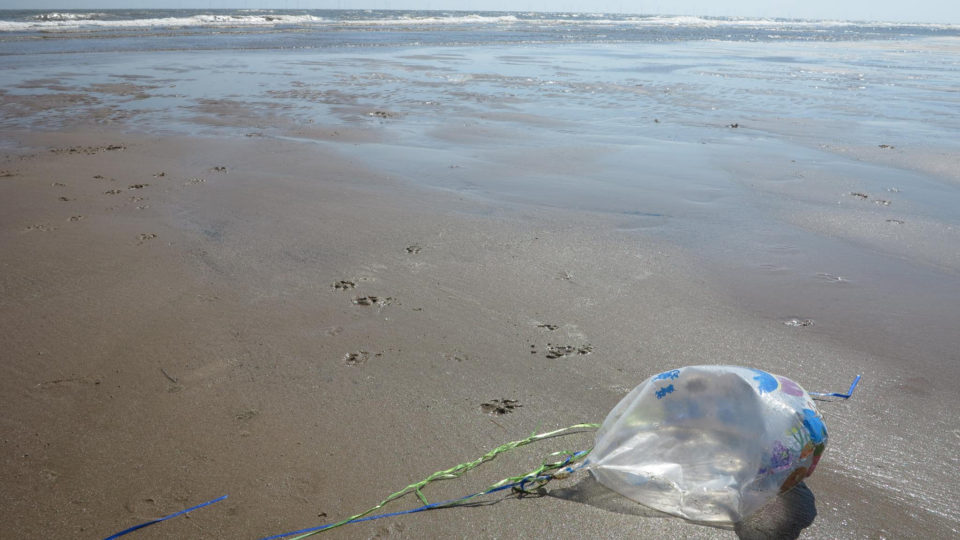
In fact, the researchers found that balloons or balloon fragments were the number one marine debris risk of mortality for seabirds, killing almost one in five of the seabirds that ingested them. 

The leading cause of death among the seabirds studied was blockage of the gastrointestinal tract.  While soft plastics only accounted for 5% of the ingested plastics, they were responsible for more than 40% of seabird mortality.  But the researchers make clear that hard plastics were still responsible for more than half of the study’s seabird deaths.  

If we want to reduce the number of marine species dying from plastic ingestion, we need to reduce the volume of plastic going into the ocean and do what we can to remove what’s already there. 

**********

Web Links

Balloons the number 1 marine debris risk of mortality for seabirds

Photo, posted July 24, 2014, courtesy of Flickr.

Earth Wise is a production of WAMC Northeast Public Radio.
Turning Plastic Waste Into Green Energy

November 14, 2018 By EarthWise 1 Comment

https://earthwiseradio.org/wp-content/uploads/2018/11/EW-11-14-18-Turning-Plastic-Waste-into-Green-Energy.mp3

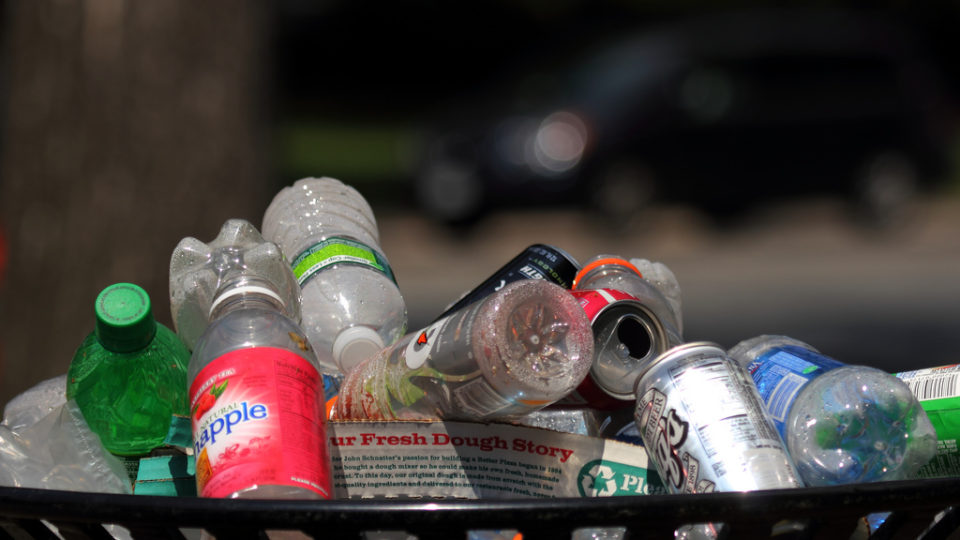
In the Back to the Future movies, the DeLorean time machine ran on garbage.  We aren’t any closer to building time machines, but it might soon be practical to produce fuel from garbage.

[Read more…] about Turning Plastic Waste Into Green Energy

Wildfires And The Water Supply

November 12, 2018 By EarthWise Leave a Comment

https://earthwiseradio.org/wp-content/uploads/2018/10/EW-11-12-18-Wildfires-and-the-Water-Supply.mp3

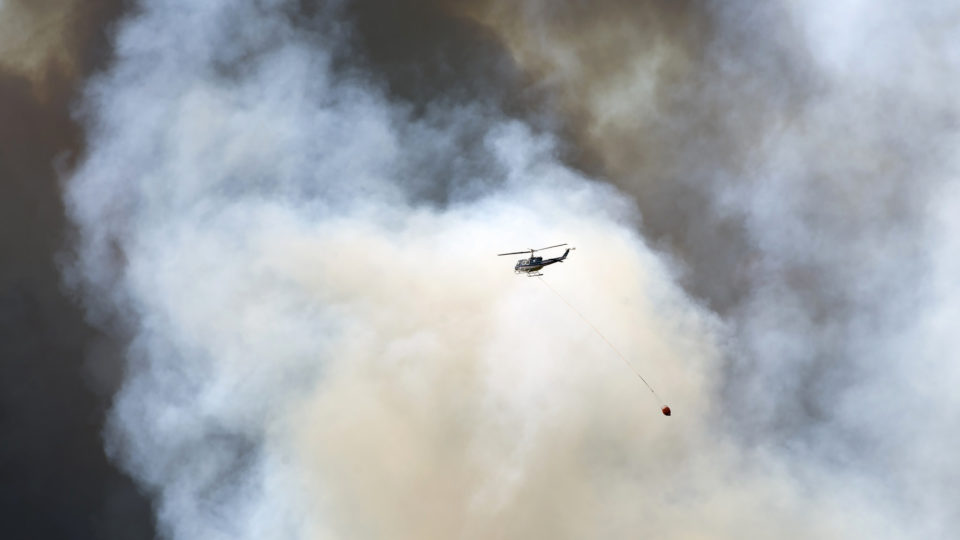
Hotter and dryer conditions are leading to an increasing number of wildfires in North America and elsewhere around the world.  The damage they cause is well-known.  But one aspect of that damage that tends to be overlooked is the impact on aquatic environments and drinking water supplies.

[Read more…] about Wildfires And The Water Supply

Cleaning Up the Garbage Patch

October 16, 2018 By EarthWise Leave a Comment

https://earthwiseradio.org/wp-content/uploads/2018/10/EW-10-16-18-Cleaning-Up-The-Garbage-Patch.mp3

We have been talking about the Great Pacific Garbage Patch for several years.  Two years ago, we reported on the activities of a company called Ocean Cleanup, founded five years ago by an 18-year-old Dutch entrepreneur named Boyan Slat.  Two years ago, the company was conducting comprehensive surveys of the patch, which covers an area twice the size of Texas and contains some 80,000 tons of plastic debris.

[Read more…] about Cleaning Up the Garbage Patch

An Accidental Plastic Eater

May 29, 2018 By EarthWise Leave a Comment

https://earthwiseradio.org/wp-content/uploads/2018/05/EW-05-29-18-An-Accidental-Plastic-Eater.mp3

A couple of years ago, scientists in Japan discovered bacteria at a recycling plant that were breaking down a type of plastic called polyethylene terephthalate, or PET.  With the world facing a growing plastic pollution problem, British and American researchers began to study the enzyme that the bacteria were using to try to understand how it works.

[Read more…] about An Accidental Plastic Eater

The Great Pacific Garbage Patch

May 9, 2018 By EarthWise Leave a Comment

https://earthwiseradio.org/wp-content/uploads/2018/04/EW-05-09-18-The-Great-Pacific-Garbage-Patch.mp3

The Great Pacific Garbage Patch is the world’s largest collection of floating trash.  It lies between California and Hawaii and is popularly described as being larger than Texas.  It was discovered in 1997 by a yachtsman who sailed through a mess of floating plastic bottles and other debris while on a voyage between Hawaii and Los Angeles.

[Read more…] about The Great Pacific Garbage Patch

Tsunami And Invasive Species

November 13, 2017 By EarthWise Leave a Comment

https://earthwiseradio.org/wp-content/uploads/2017/10/EW-11-13-17-Tsunami-and-Invasive-Species.mp3

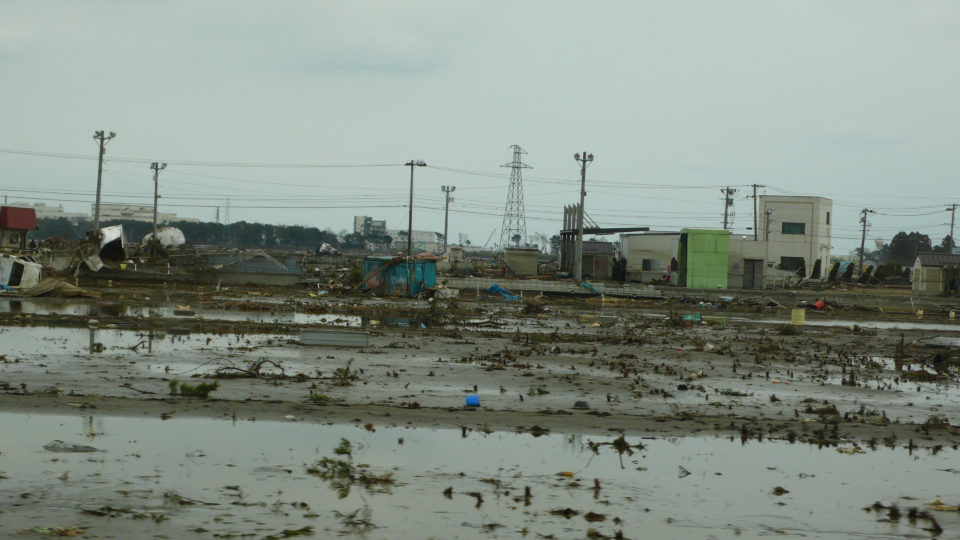
According to a new study published in the journal Science, scientists have discovered that hundreds of Japanese marine species have been swept across the Pacific Ocean to the United States following the deadly Tsunami in 2011.        

[Read more…] about Tsunami And Invasive Species

A Plastics Promise

July 19, 2017 By EarthWise

https://earthwiseradio.org/wp-content/uploads/2017/07/EW-07-19-17-A-Plastics-Promise.mp3

It’s estimated that five to thirteen million tons of plastic enters our oceans annually, where much of it can linger for hundreds of years.  According to a report by the World Economic Forum and the Ellen MacArthur Foundation, scientists estimate that there is 165 million tons of plastic swirling about in the oceans right now.   And we are on pace to have more plastic than fish (by weight) in the world’s oceans by 2050. That’s some scary stuff. 

[Read more…] about A Plastics Promise

Pollution In The Middle Of Nowhere

July 10, 2017 By EarthWise

https://earthwiseradio.org/wp-content/uploads/2017/07/EW-07-10-17-Pollution-in-the-Middle-of-Nowhere-1.mp3

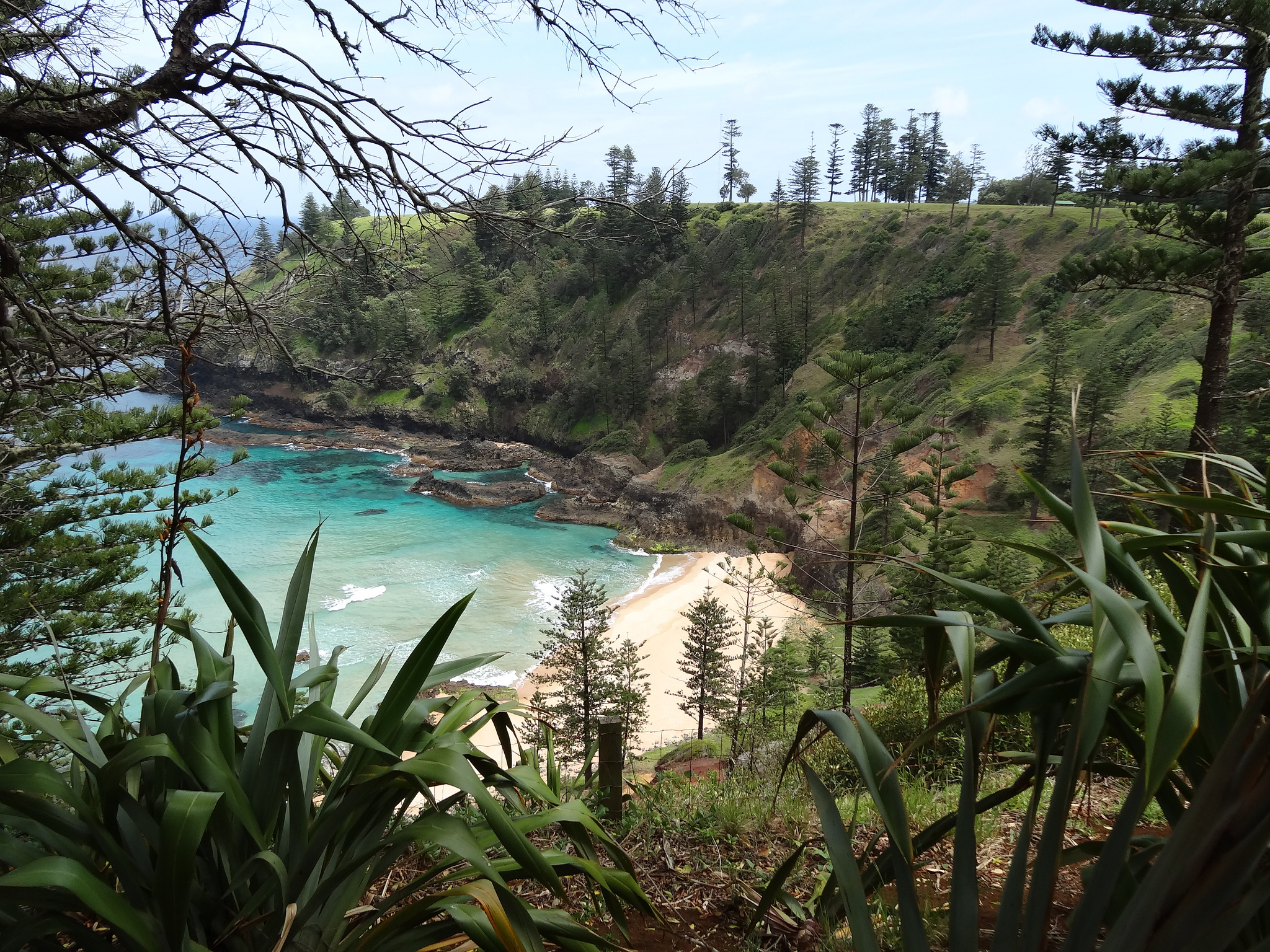
The Pitcairn Islands are a group of four volcanic islands in the South Pacific, mostly known from the famed mutiny on the British ship Bounty. Pitcairn Island itself is where many of the mutineers settled and where some of their descendants live today.   That small island, with a population of 57, is the only one of the group that is inhabited.

[Read more…] about Pollution In The Middle Of Nowhere

Baltimore’s Trash Wheels

April 10, 2017 By EarthWise

https://earthwiseradio.org/wp-content/uploads/2017/04/EW-04-10-17-Baltimores-Trash-Wheels.mp3

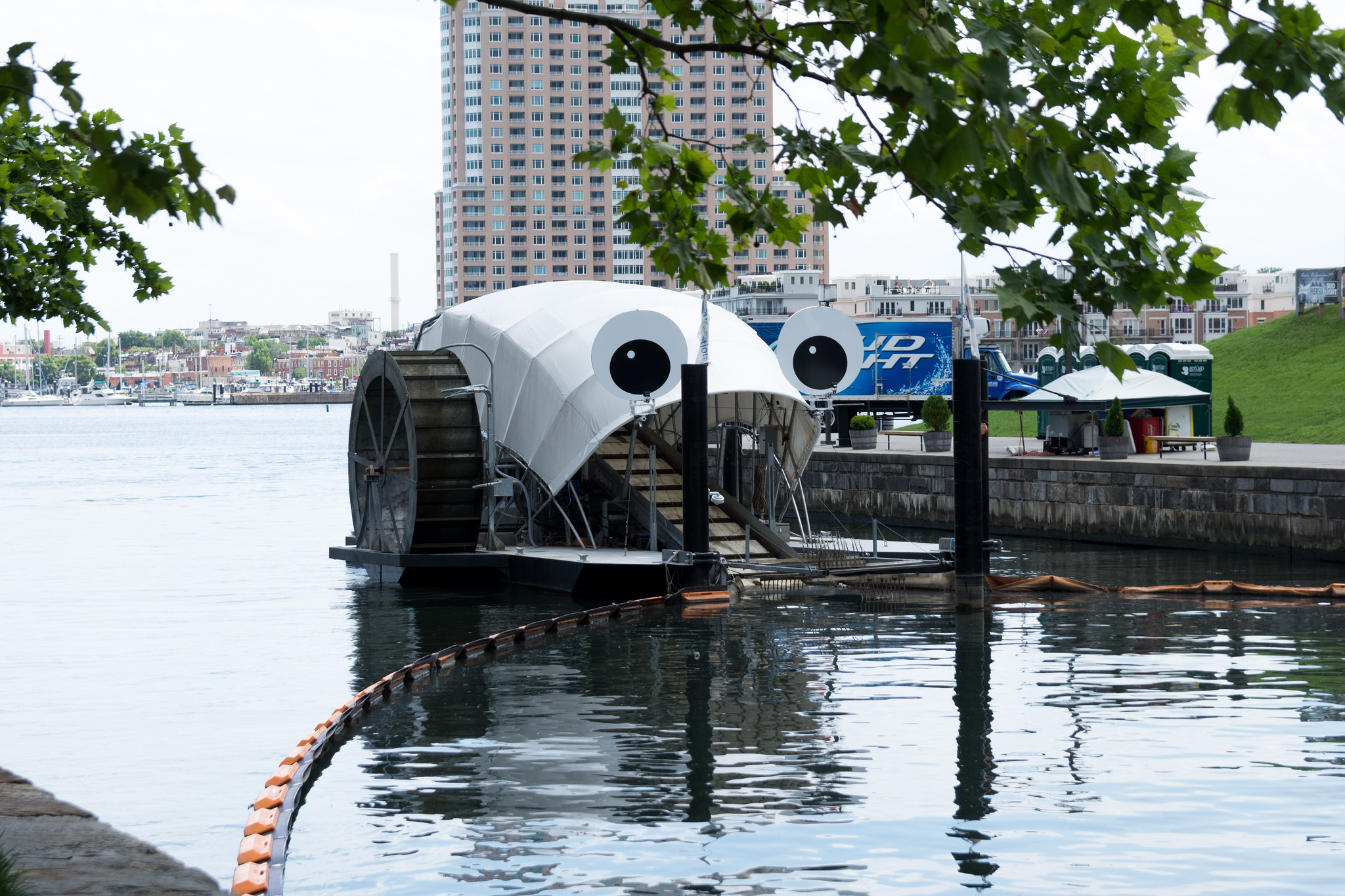
Baltimore’s harbor is cleaner than it has been in decades thanks to the efforts of two solar- and hydro-powered trash interceptors built to look like googly-eyed cartoon characters.   In fact, they are known as Mr. Trash Wheel and Professor Trash Wheel.

[Read more…] about Baltimore’s Trash Wheels

Ocean Cleanup Progress Report

October 24, 2016 By WAMC WEB

https://earthwiseradio.org/wp-content/uploads/2016/10/EW-10-24-16-Ocean-Cleanup-Progress-Report.mp3

Back in June, we talked about The Ocean Cleanup, a Dutch foundation founded in 2013 by an 18-year-old named Boyan Slat, which is developing technologies to rid the oceans of the vast collections of plastic that have been accumulating over the past 50 years.

[Read more…] about Ocean Cleanup Progress Report

Repurposing Ocean Plastic

October 20, 2016 By WAMC WEB

https://earthwiseradio.org/wp-content/uploads/2016/10/EW-10-20-16-Repurposing-Ocean-Plastic.mp3

Scientists estimate that there is more than 165 million tons of plastic swirling about in our oceans today.  And another 8.8 million tons of plastic ends up in oceans every year.  According to a recent report from the World Economic Forum and the Ellen MacArthur Foundation, there could be more plastic by weight than fish by 2050 if current trends continue. 

[Read more…] about Repurposing Ocean Plastic

  • « Go to Previous Page
  • Page 1
  • Page 2

Primary Sidebar

Recent Episodes

  • An uninsurable future
  • Clean energy and jobs
  • Insect declines in remote regions
  • Fossil fuel producing nations ignoring climate goals
  • Trouble for clownfishes

WAMC Northeast Public Radio

WAMC/Northeast Public Radio is a regional public radio network serving parts of seven northeastern states (more...)

Copyright © 2026 ·