• Skip to primary navigation
  • Skip to main content
  • Skip to primary sidebar

Earth Wise

A look at our changing environment.

  • Home
  • About Earth Wise
  • Where to Listen
  • All Articles
  • Show Search
Hide Search
You are here: Home / Archives for community

community

Cryo Conservation | Earth Wise

August 2, 2023 By EarthWise Leave a Comment

Recent studies have shown that there has been a 69% decline in global animal populations since 1970.  There is a biodiversity crisis in the world.  In the face of this situation, there is a growing interest in using cold storage to preserve genetic samples taken from animals threatened with extinction.

Just as egg-freezing is used to preserve human fertility for a later date, the cryogenic freezing of genetic material from animals could be important in reducing species extinctions.  Living cell banks – also known as cryobanks – could preserve genetic materials from animals that include skin cells, embryos, semen, and live tissues.  These materials could be cultured and used for various applications including DNA extraction, assisted reproduction, ensuring genetic diversity in animal populations, and potentially reintroducing species back into their natural habitats.

There is a facility called the Frozen Zoo at the San Diego Wildlife Alliance which has genetic material from 965 different species, including 5% of the vertebrates currently listed as threatened on the IUCN Red List.  Further sampling from zoos and aquariums could increase that representation to almost 17%.

Genetic samples of 50% of the species currently listed as extinct in the wild are already represented in the Frozen Zoo.  Further sampling from the zoological community could increase this number to 91%.  This could provide a critical lifeline for these species that are on the brink of extinction.  As wildlife populations continue to decline around the world, it is more critical than ever to collect and preserve genetic samples from threatened species.

**********

Web Links

Cryo conservation – a cool solution to saving species from extinction

Photo, posted September 30, 2018, courtesy of Andy Morffew via Flickr.

Earth Wise is a production of WAMC Northeast Public Radio
Community Solar On The Rise | Earth Wise

April 14, 2023 By EarthWise Leave a Comment

Community solar continues to grow

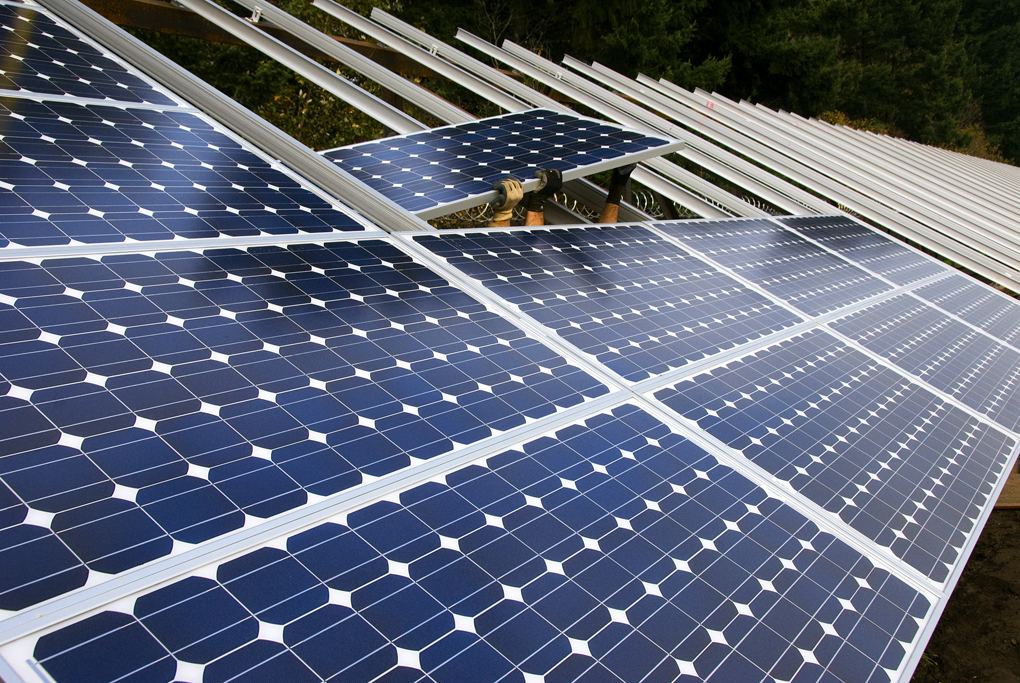
Community solar is a way for people who can’t put solar on their own roofs to still take advantage of its benefits.  Whether they can’t afford to install their own panels, have too much shade on their roof, or don’t even own a home, community solar is another way to participate in green energy.

Community solar – also called “shared solar” or “solar gardens” – is a kind of development in which consumers can subscribe to a large solar installation in their area and receive credits on their monthly utility bills for their share of the solar electricity produced.

The large majority of community solar installations are in six states:  Colorado, Illinois, Massachusetts, Minnesota, New Jersey, and New York.  After substantial growth in community solar in 2022, New York now is the national leader, thanks to initiatives by the state government and the nonprofit sector.  Some programs focus on giving low-income households access to solar.  As of last fall, New York had over 728 community solar projects online.

One should understand that electrons are indistinguishable.  The power generated by a community solar installation is not piped directly to subscribers’ homes.  It just goes into the grid.  Subscribers get credit for their share of the power, but that is essentially a matter of bookkeeping, not physics.

The federal government now has $7 billion that can be used for community solar as part of the Greenhouse Gas Reduction Fund within the Inflation Reduction Act enacted last August.  The EPA plans to award up to 60 grants to assist projects deploying residential and community solar.  Research firm Wood Mackenzie forecasts the community solar market will double by 2027.

**********

Web Links

Community Solar Is About to Get a Surge in Federal Funding. So What Is Community Solar?

Photo, posted November 18, 2008, courtesy of the Oregon Department of Transportation via Flickr.

Earth Wise is a production of WAMC Northeast Public Radio
Clean Energy From North Africa | Earth Wise

April 7, 2023 By EarthWise Leave a Comment

Europe turning to North Africa for its clean energy needs

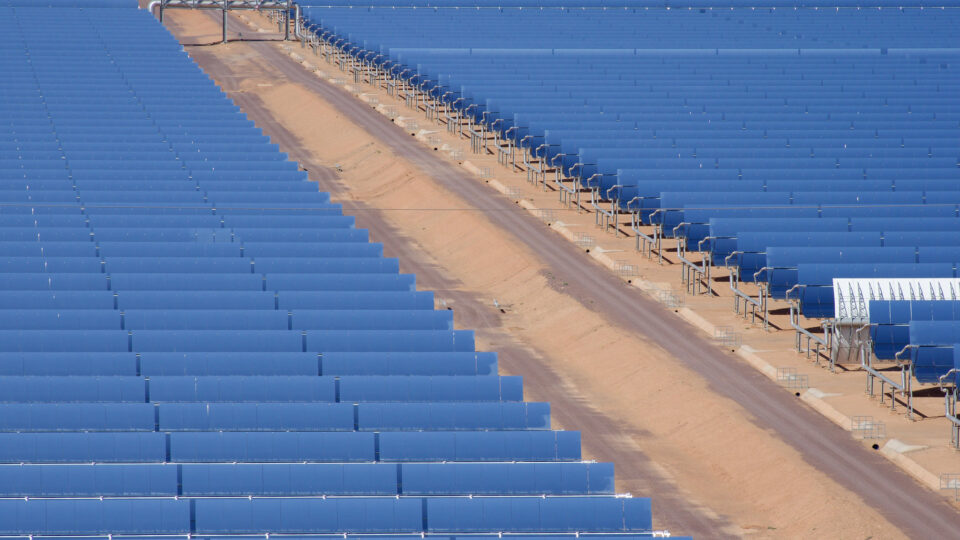
Europe is hungry for clean energy.  The war in Ukraine has amplified Europe’s desire to end its reliance on Russian natural gas.  Increasingly, Europe is pushing to install giant solar energy farms in sunny North Africa and transport the energy through underwater cables.

Solar panels in sunny North Africa generate up to three times more energy than those in Europe.  As a result, solar farms and wind farms as well are proliferating south of the Mediterranean Sea.  Morocco’s Noor and Egypt’s Benban solar farms are among the largest in the world.  Many of these farms were initially built to boost domestic power supplies and reduce dependence on coal.  But now these farms are increasingly supplying green energy to industrial neighbors in Europe.

Morocco has signed deals with the European Union to expand power exports.  Egypt is considering proposals for cables to link to Greece.  Another planned cable would link new solar farms in Tunisia to Italy’s grid.  These projects would certainly bring money and jobs to North African countries, but it isn’t all good news.

There are growing concerns about the environmental impacts of Europe outsourcing its energy needs.  Desert ecosystems could be greatly compromised.  And much of this development is likely to happen with only minimal community consultation or ecological assessment.  Half of Africa’s population does not have access to reliable power grids. Electricity becoming a major export is not likely to improve this situation.

Europe has long obtained many resources from the developing world.  Now it is tapping into the sunshine and wind in other lands.  It remains to be seen if North Africa’s countries will achieve the large potential gains those resources can offer them.

**********

Web Links

In Scramble for Clean Energy, Europe Is Turning to North Africa

Photo, posted October 17, 2019, courtesy of Richard Allaway via Flickr.

Earth Wise is a production of WAMC Northeast Public Radio
Community Solar In New York | Earth Wise

April 18, 2022 By EarthWise Leave a Comment

Community solar booming in New York State

New York has now installed 1 GW of community solar capacity, which is more than any other state.

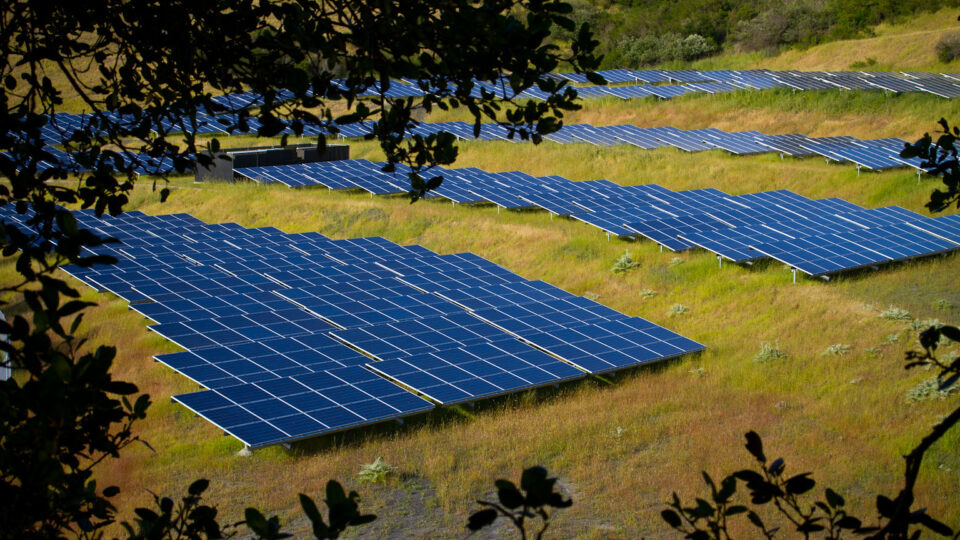
Community solar is a solar energy project within a geographic area for which the benefits flow to multiple customers such as individuals, businesses, nonprofits, or other groups.  For the most part, the customers benefit from energy being generated by solar panels located at an off-site array.  Customers typically buy or lease a portion of the solar panels in the array and then receive an electric bill credit for the electricity generated by their share of the community solar system.  It is a great option for people who can’t install their own solar panels because they don’t own their home, don’t have a suitable location for various reasons, or have financial constraints.

Community solar in New York now generates enough electricity to power 209,000 homes.  Community solar installations accounted for 70% of New York’s solar additions in 2021 and the state has a pipeline of 708 more projects totaling 2.3 gigawatts.

The NY-Sun program run by NYSERDA since 2011 has directed over $200 million to low-to-moderate income households as part of its Solar Energy Equity Framework. 

Growing community solar depends strongly on policy expansion.  At this point, 19 states and D.C. have established policies and programs to support community solar adoption.  The federal government set a goal of powering 5 million American homes with community solar over the next five years.  With 30% of the country’s current community solar capacity, New York is leading the way.

**********

Web Links

New York reaches 1 GW community solar milestone

Photo, posted May 24, 2011, courtesy of Michael Mees via Flickr.

Earth Wise is a production of WAMC Northeast Public Radio.

Floating Renewable Energy | Earth Wise

July 22, 2021 By EarthWise Leave a Comment

The next generation of offshore energy is under development

A team of researchers at Texas A&M University believes that the next generation of offshore energy could come in the form of a synergistic combination of multiple renewable energy generators installed on a floating offshore platform.

Their concept for the ocean renewable energy station comprises wind, wave, ocean current, and solar energy elements that could generate electricity for anything from a coastal or island community to a research lab or military unit.  The station would be tethered to the sea bottom and could be used in locations where the water depth increases quickly, such as along the U.S. Pacific Coast or Hawaii.

Offshore wind is already commercially competitive, while wave-energy converters so far have been less cost-effective and only useful for specialized, smaller-scale applications.  The proposed ocean renewable energy station would make use of multiple different methods of electricity generation and incorporate innovative smart materials in the wave energy converters that respond to changes in wave height and frequency and allow for more consistent power production.

Denmark is already building a huge multi-source, multi-purpose ocean energy island.  This world’s first energy island will be 30 acres in area and serve as a hub for 200 giant offshore wind turbines generating 3 GW of electric power.  It is the largest construction project in Danish history, and will cost an estimate $34 billion.  As well as supplying other European countries with electricity, the goal is to use the new offshore island to produce green hydrogen from seawater, which can also be exported.  Large battery banks on the island will store surplus electricity for use in times of high demand.

**********

Web Links

Research Underway On Floating Renewable Energy Station

Photo, posted September 27, 2014, courtesy of Eric Gross via Flickr.

Earth Wise is a production of WAMC Northeast Public Radio.

Marine Debris | Earth Wise

July 8, 2021 By EarthWise Leave a Comment

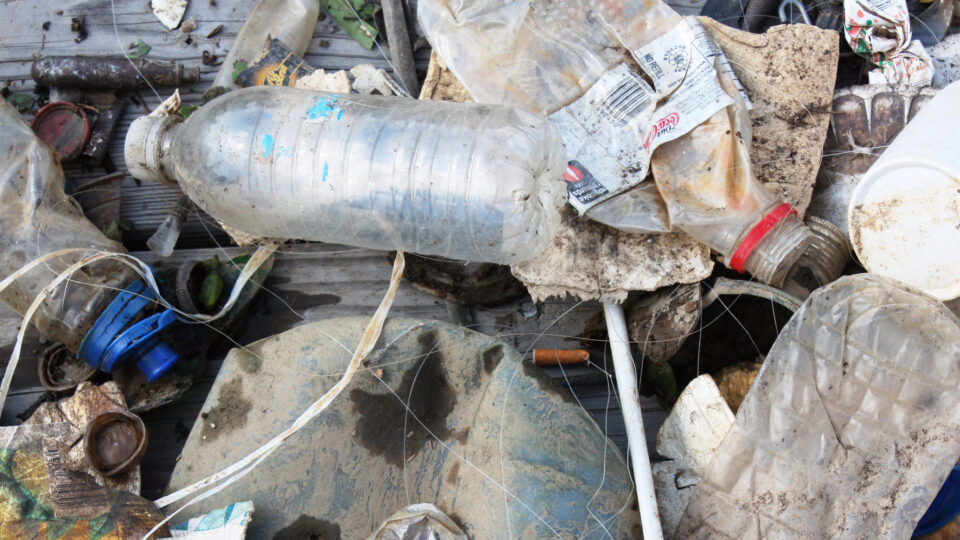
Marine debris poses a perilous threat to communities all around the world

Marine debris is a troubling issue around the world.  For most people, it is unsightly and perhaps inconvenient, but for many it is a critical problem that has serious impacts on many aspects of life.  This is especially the case for indigenous communities for whom the natural environment around the ocean is central to subsistence, recreation, culture, and economic opportunities.

The National Oceanic and Atmospheric Administration sponsors a Marine Debris Program that supports multiple projects.  In Alaska’s Pribilof Islands, the indigenous communities of St. George and St. Paul Islands conduct regular cleanups to protect and steward the natural resources that they depend on.  They make use of unmanned aircraft system surveys to target removal and monitoring efforts.

Another NOAA-sponsored program works to clean up the Maybeso Estuary in Alaska’s Prince of Wales Islands.  The project has removed 35,000 pounds of debris, freeing the flow of the salmon stream and restoring the area as a prime hotspot for fishing, boating, and outdoor recreation.

In Washington State’s Olympic Coast, the Makah Tribe has a project to locate and remove derelict crab pots and fishing lines from 80 miles of fishing area and marine sanctuary.  Derelict fishing gear can trap and entangle animals, degrade habitat, imperil navigation, and interfere with fishing.  The project team is working with tribal stakeholders on promoting marine debris awareness.

All of these communities have cared for the environment for generations, but marine debris poses perilous threats to their territories and community action is needed to preserve and protect these remarkable places.

**********

Web Links

Lives and Livelihoods Disrupted by Marine Debris

Photo, posted September 11, 2015, courtesy of NOAA’s National Ocean Service via Flickr.

Earth Wise is a production of WAMC Northeast Public Radio.

The Search For Lingering Ash | Earth Wise

January 12, 2021 By EarthWise Leave a Comment

Ash trees are critically endangered

Ash trees are some of the most important plants along riverbanks and in wetlands.  There are three ash species in North America:  the white, green, and black ash.  Unfortunately, all three species are critically endangered because of the emerald ash borer.

The emerald ash borer is an exotic beetle from Asia that first showed up in the U.S. in southeastern Michigan in the summer of 2002.  The adult beetles do little damage but the larvae feed on the inner bark of ash trees and disrupt the tree’s ability to transport water and nutrients.  The beetles are now found in 35 states and 5 Canadian provinces and have killed hundreds of millions of ash trees.

The greatest hope for preserving ash tree species relates to lingering ash, which are those rare trees that have managed to survive the onslaught of the emerald ash borer. The idea is that those trees have some natural genetic resistance to the borer.  Getting seeds and cuttings from lingering ash and propagating them at nurseries may be the only way to get ash trees back into the natural landscape.

Lingering ash are extremely rare and therefore very hard to find.  As a result, researchers are reaching out to the public to help with the search and report the presence of these surviving trees in woodlands.

Researchers want to find large, mature trees left among those that were killed by the invasive insect and therefore display great resilience.  In Kentucky, university and Division of Forestry researchers are making use of software tools to engage the assistance of the public. An app called TreeSnap allows people to provide data on trees that they find in their community, on their property, or out in the wild.

**********

Web Links

Researchers Ask Public for Help Finding Lingering Ash Trees

Help Our Nation’s Trees!

Photo, posted May 31, 2014, courtesy of Katja Schulz via Flickr.

Earth Wise is a production of WAMC Northeast Public Radio.

Community Solar With Storage In New York | Earth Wise

November 16, 2020 By EarthWise Leave a Comment

Community solar

Community solar allows members of a community to share the benefits of solar power even if they cannot or prefer not to install solar panels on their own property.  There are several models for how community solar works, but all of them allow members to benefit from solar power being generated by an offsite solar array by effectively allocating a portion of its output to them.  In any event, community solar can save money on electric bills and allow people to make use of renewable energy for their needs.

A next step in the evolution of a decentralized energy system is incorporating energy storage into community solar projects.  The first one of these in New York State has now been completed in Yorktown Heights in Westchester County.  The project consists of 557kW of rooftop solar in the form of nearly 1,500 solar panels paired with 490kW of four-hour Tesla Powerpack battery energy storage.  The system is expected to provide 150 participants with approximately 10% savings on their monthly electric bills over 25 years, as well as providing power to 12 Tesla electric vehicle charging stations.

The project was funded by NYSERDA, under its Retail Energy Storage Incentive program, which currently includes 50 community solar-storage paired projects across New York State that are expected to be installed in the next two to three years.

New York has been actively promoting community projects in support of goals announced by Governor Andrew Cuomo to install 6,000MW of solar in the state by 2025 and 3,000MW of energy storage by 2030.

**********

Web Links

First community solar-storage project completed in New York

Photo, posted June 21, 2017, courtesy of Franck Michel via Flickr.

Earth Wise is a production of WAMC Northeast Public Radio.

Turning Dead Trees Into Biomass Energy | Earth Wise

July 1, 2020 By EarthWise Leave a Comment

Biomass energy from dead trees

California has suffered from numerous large wildfires in recent years.  The two largest in the past century took place in 2017 and 2018, and just these two alone burned nearly 750,000 acres, destroyed over 1,200 structures, and killed 24 people.

Apart from the fires, drought, the warming climate, and bark-beetle infestations have killed 147 million California trees since 2013, most of them along the spine of the Sierra mountains.  These dead trees represent a significant danger in forthcoming fire seasons as they threaten to burn with enormous intensity.

There are now biomass projects in California that thin trees in overcrowded forests and remove dead and diseased trees and turn them into wood chips to supply community biomass facilities that burn them to produce heat and electricity.

Proponents say these projects help rebuild rural communities by creating jobs, while at the same time reducing fire risk. 

There are critics of these programs who claim that they are damaging and destroying ecosystems.    They also point out that burning forest fuels emits 50% more carbon than burning coal and three times as much as burning natural gas.  This is true of biomass in general but is mitigated by the fact that it in principle the carbon can be recaptured by new forest growth.

However, the dominant argument about emissions is that wildfires emit far more carbon dioxide than biomass plants, or much of anything else, for that matter.  In 2018 alone, California wildfires released 50% more carbon dioxide than California’s entire industrial sector.  So, reducing the extent of wildfires is a big deal for many reasons.

**********

Web Links

In California, A Push Grows to Turn Dead Trees into Biomass Energy

Photo, posted August 24, 2016, courtesy of the USDA via Flickr.

Earth Wise is a production of WAMC Northeast Public Radio.

Last New York Coal Plant Closing | Earth Wise

April 13, 2020 By EarthWise Leave a Comment

closing coal power plants

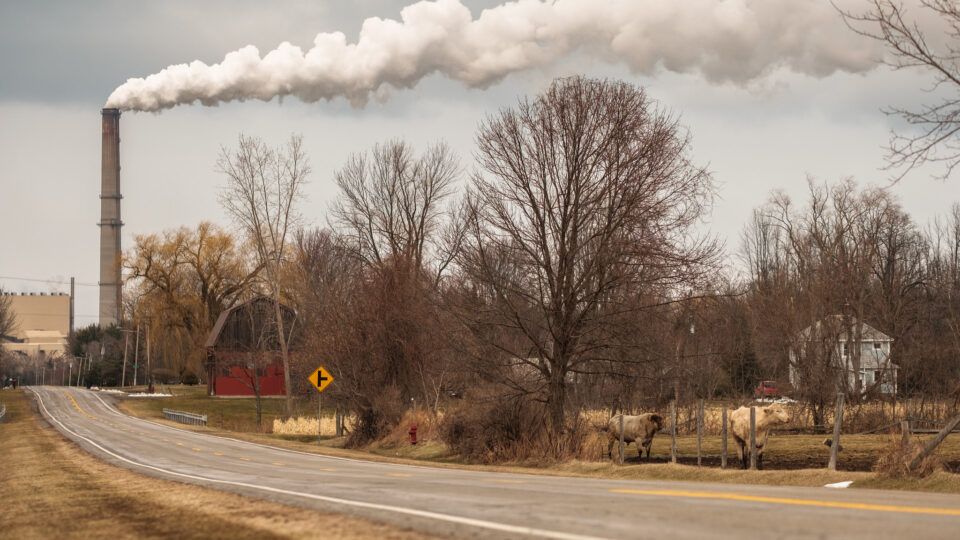
The last coal-fired power plant in New York State is closing.  The plant, located in Barker, about an hour’s drive from Buffalo, employs 44 people.  The plant’s closure is an early test of New York’s new climate law, which is one of the most ambitious in the country.  The law is supposed to transform the state’s energy grid to carbon-free by 2040. 

Coal plants across the country are going offline, priced out by natural gas and targeted by regulations and incentives aimed at reducing greenhouse gas emissions.  Coal plant closures bring common challenges:  lost tax revenues and jobs as well as efforts to retrain workers and clean up sites.  Every plant has a specific place in a community, and each community has its own story.

The new climate law is supposed to create thousands of new jobs, including high-paying union jobs like the ones the employees in Barker are losing.  But jobs are scarce in the northwest corner of the state where Barker is located.

The state government has recently issued rules that would make it easier to get permission to build renewable energy sites, including wind turbines and solar farms, allowing applicants to bypass zoning rules and other local regulations.  But residents of rural towns have environmental and aesthetic concerns about these potential new energy plants.

In 2010, the United States had 580 coal-fired power plants providing 45% of the country’s electricity. By March 2018, there were fewer than 350 plants and coal’s market share had dropped to 30%.  At this point, there are about 224 plants producing 18% of the country’s power.  The writing is on the wall for coal power.

**********

Web Links

New York’s Last Coal-Fired Power Plant Is Closing

Photo, posted March 13, 2018, courtesy of Joed Viera via Flickr.

Earth Wise is a production of WAMC Northeast Public Radio.

Community Action And Coral Reefs

January 1, 2020 By EarthWise Leave a Comment

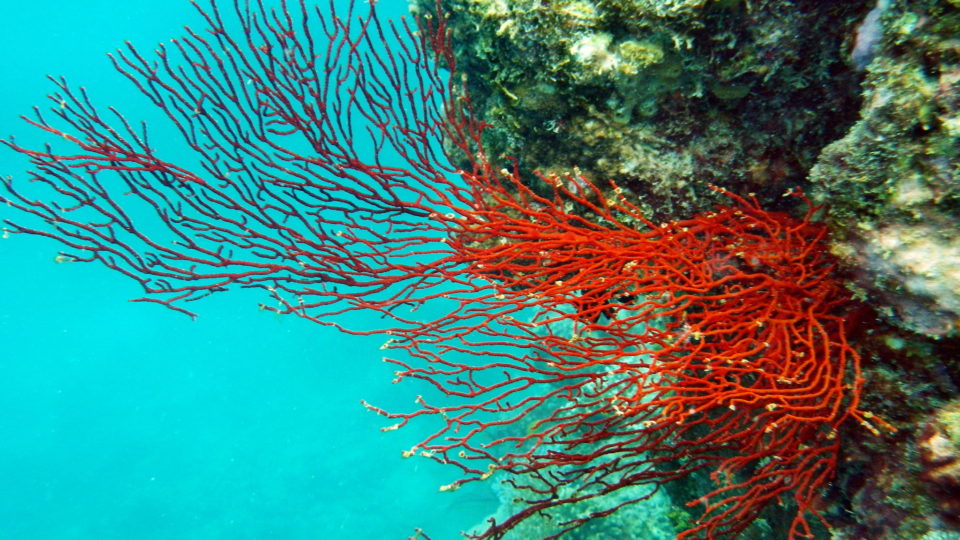
Coral reef habitats are some of the densest and most varied ecosystems on earth.  While coral reefs cover just 0.2% of the ocean floor, scientists estimate that nearly one million different species of fish, invertebrates, and algae can be found in or around coral reefs. 

However, climate change is wreaking havoc on the health of coral reefs.  Warming and acidifying oceans are resulting in enormous coral losses.  Overfishing, development, and pollution are also threatening coral reef health.

According to new research, positive community action can help boost fish populations in coral reefs and safeguard future fish numbers.  The paper, which was recently published in the journal Proceedings of the National Academy of Sciences, details the social and ecological outcomes of work being done in Papua New Guinea since 2001. 

These communities have established a traditional system of rotational fishing closures in order to manage their fisheries resources.   They ban fishing on part of their reefs for a few years, and then open these closures when village elders believe fish behavior has changed and fish populations have recovered.  They then close a different part of their reefs, and repeat the process. 

The researchers found that these rotational practices resulted in more than twice as many fish on the closed reefs as compared to open ones, and the closures made fish less scared of people and easier to catch.  But the researchers did caution that this short term boost in fish numbers may not be enough to stop the overall impact of fishing.

Globally, more than 500 million people depend on coral reefs for food, income, and coastal protection.  Balancing community needs with environmental needs can be tricky business.  

**********

Web Links

Positive community action can help coral reef health

Photo, posted October 11, 2011, courtesy of Paul Toogood via Flickr.

Earth Wise is a production of WAMC Northeast Public Radio.

Solar-Powered Desalination

October 4, 2019 By EarthWise Leave a Comment

Turning seawater into drinking water is an energy-intensive process and is therefore pretty expensive.  Worldwide, one third of people don’t have reliable access to safe drinking water and they are the least able to afford expensive ways to get it.   By 2025, half of the world’s population is expected to live in water-stressed areas.

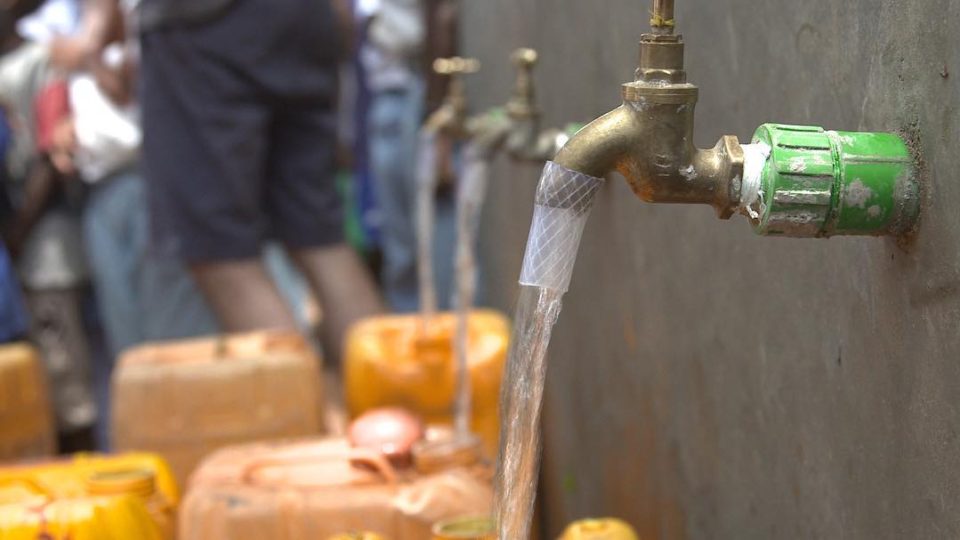
At a newly-constructed facility in Kenya, a nonprofit company called GivePower has built a desalination system that runs on solar power.  The system started operating in the coastal area of Kiunga in July 2018 and can create nearly 20,000 gallons of fresh drinking water each day – enough for 25,000 people.

GivePower started in 2013 as a nonprofit branch of SolarCity, the solar-panel company that ultimately merged with Tesla in 2016.  However, GivePower spun off as a separate enterprise shortly before that.

GivePower mostly focuses on building solar-energy systems to provide electricity across the developing world. 

Desalination technology is not new, but it is notoriously energy-intensive because it requires high-power pumps.  The GivePower system is integrated with a solar microgrid that makes use of Tesla batteries to store energy for when the sun is not shining. 

Local residents pay about a quarter of one cent for every quart of water from the system.  The Kiunga community has faced ongoing drought and before the GivePower system was installed, was forced to drink from salt water wells, which present serious health risks.

The GivePower system cost $500,000 to build and is expected to generate $100,000 a year, to be eventually used to fund similar facilities in other places.

**********

Web Links

A solar-powered system can turn salt water into fresh drinking water for 25,000 people per day. It could help address the world’s looming water crisis.

Photo courtesy of GivePower.

Earth Wise is a production of WAMC Northeast Public Radio.

Capital Region Community Solar

July 19, 2019 By EarthWise Leave a Comment

New York’s Capital Region is getting a major new community solar farm.  A community solar farm is a solar power installation whose output is shared by multiple community subscribers who receive credit on their electricity bills for their share of the power produced.  The primary purpose of community solar is to allow members of a community to have the benefits of solar power even if they cannot or prefer not to install solar panels on their own property.

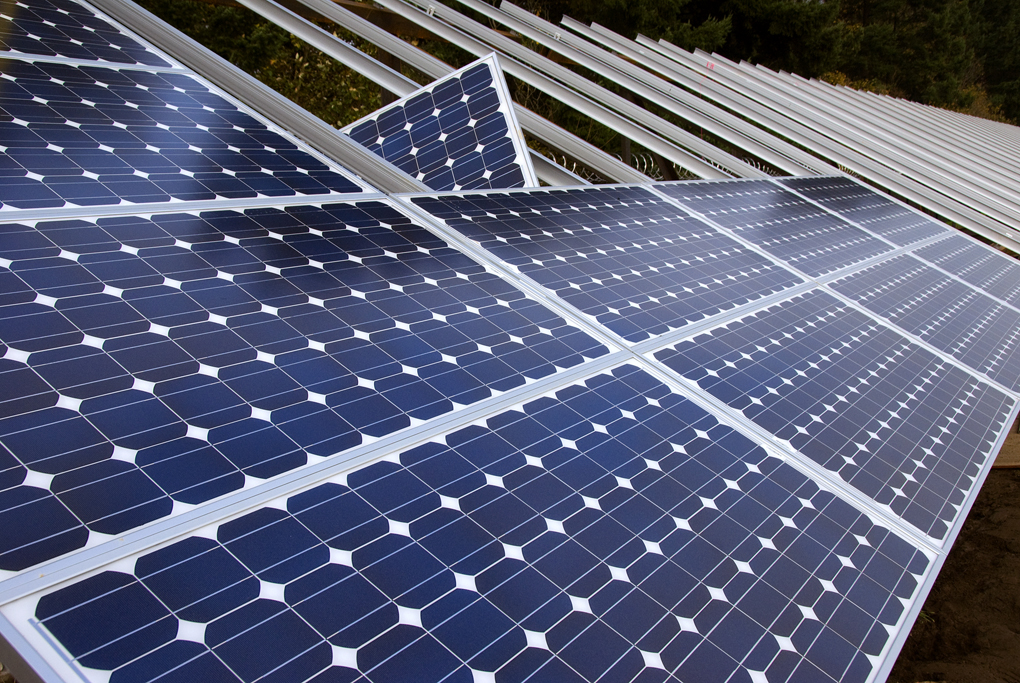
US Light Energy has broken ground on the Sugar Hill Solar Farm, to be located on 40 acres of land on the Sugar-Hill/Sugar-View Farm in Clifton Park.  The 7-megawatt, ground-mounted solar project will include nearly 20,000 solar modules.  When fully operational later this year, the facility is expected to produce more than 8.6 million kilowatt-hours of energy a year.

The farm will be part of New York state’s Community Solar Program, and the electricity it generates can be supplied to customers anywhere in National Grid’s existing distribution system.  Residential and commercial properties in Clifton Park will have 30 days to subscribe before the solar energy generated by the farm is opened to the general public.  Subscribers of community solar farms typically save 10% on their electricity bills.

There are already community solar programs in operation in several Capital Region communities, but this is the first one in the Clifton Park Area.  Apart from providing savings on utility bills, community solar allows consumers to support clean, locally generated power with little or no upfront costs.  Not everyone is in a position to put solar panels on their roof, but community solar is increasingly an option for New York residents.

**********

Web Links

Construction begins on 7-MW community solar farm in New York

Photo, posted March 19, 2012, courtesy of Kate Ausburn via Flickr.

Earth Wise is a production of WAMC Northeast Public Radio.

A Microgrid in New York’s Capital

July 31, 2017 By EarthWise

https://earthwiseradio.org/wp-content/uploads/2017/07/EW-07-31-17-A-Microgrid-in-NYs-Capital.mp3

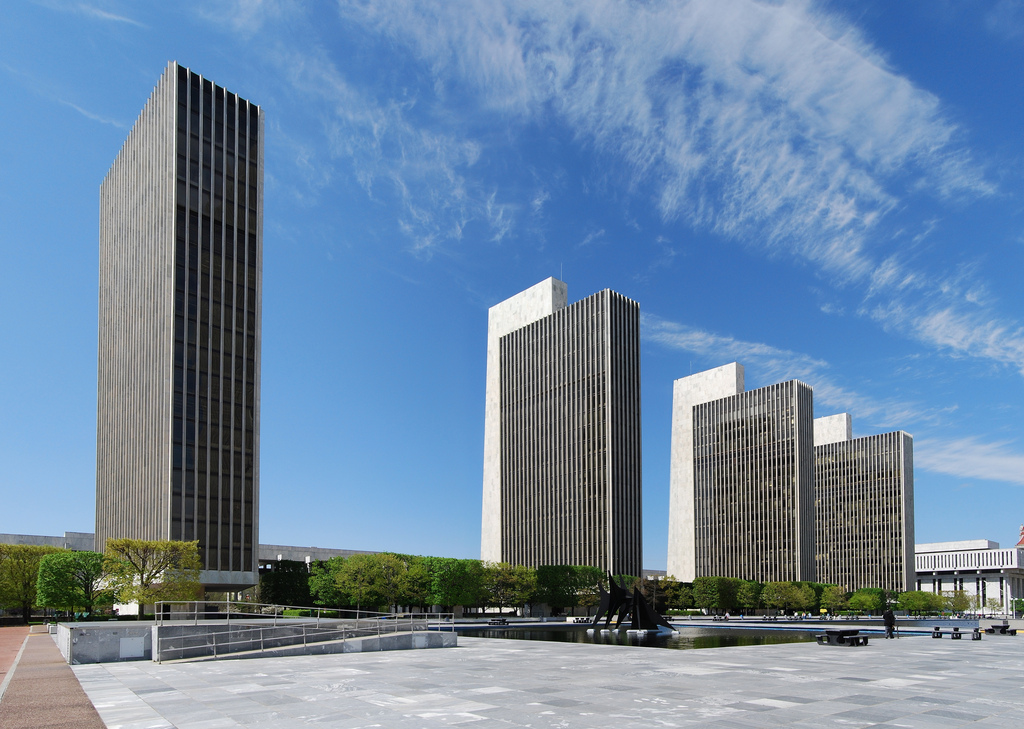
New York State has been encouraging its communities to install microgrids for quite a while.  Now the state has committed to build a 16-megawatt microgrid to power the Empire State Plaza in downtown Albany.  The microgrid will use combined heat and power to supply 90% of the electricity as well as heating and cooling for the 10 buildings where 11,000 state employees work.

[Read more…] about A Microgrid in New York’s Capital

Capital Region Community Solar

May 22, 2017 By EarthWise

https://earthwiseradio.org/wp-content/uploads/2017/05/EW-05-22-17-Capital-Region-Community-Solar.mp3

Community solar is a cooperative enterprise in which customers can make use of the output of a large local array of solar panels when they are not able to install a solar power system on their own property.  The customers of a community solar system can offset as little or as much of their electrical usage as they want by participating in a community solar program.

[Read more…] about Capital Region Community Solar

Student-Led Solar Revolution

December 2, 2016 By WAMC WEB

https://earthwiseradio.org/wp-content/uploads/2016/12/EW-12-02-16-Student-Led-Solar-Revolution.mp3

College students have often spearheaded uprisings and revolutionary ideas.   A group of BYU engineering students is trying to start a solar-cell revolution.

[Read more…] about Student-Led Solar Revolution

Pandas No Longer Endangered

November 24, 2016 By WAMC WEB

https://earthwiseradio.org/wp-content/uploads/2016/11/EW-11-24-16-Pandas-No-Longer-Endangered.mp3

Back in June, we reported that the International Union for the Conservation of Nature was reassessing the giant panda’s status as an endangered species.  Well, in an update of the IUCN’s Red List of Threatened Species in September, the giant panda was indeed downgraded to “vulnerable.”

[Read more…] about Pandas No Longer Endangered

Wilderness Lost

October 10, 2016 By WAMC WEB

https://earthwiseradio.org/wp-content/uploads/2016/10/EW-10-10-16-Wilderness-Lost.mp3

Wilderness areas are strongholds for biodiversity.  They buffer and regulate local climates, and they support many of the world’s most politically and economically marginalized communities.  While there is a great deal of attention being paid to the loss of species around the world, there is relatively little focus on the loss of entire ecosystems.  Simply put, wilderness is on the decline, and it has been ever since human civilization began its inexorable expansion.

[Read more…] about Wilderness Lost

A Giant Dam Removal Project

May 30, 2016 By WAMC WEB

https://earthwiseradio.org/wp-content/uploads/2016/05/EW-05-30-16-Giant-Dam-Removal-Project.mp3

In early April, the U.S. Government, the states of Oregon and California, and the utility Pacificorp signed an agreement that will lead to the removal of four dams on the Klamath River by 2020, amounting to one of the largest river restoration efforts ever undertaken in the United States.

[Read more…] about A Giant Dam Removal Project

Community Solar On The Rise

January 22, 2016 By WAMC WEB

https://earthwiseradio.org/wp-content/uploads/2016/01/EW-01-22-16-Community-Solar-on-the-Rise.mp3

Most Americans are bullish on solar power.  However, the majority of Americans are unable to install their own rooftop solar system because either they don’t own the place where they live or because their home is unsuitable for installing solar panels for one reason or another.

[Read more…] about Community Solar On The Rise

  • Page 1
  • Page 2
  • Go to Next Page »

Primary Sidebar

Recent Episodes

  • An uninsurable future
  • Clean energy and jobs
  • Insect declines in remote regions
  • Fossil fuel producing nations ignoring climate goals
  • Trouble for clownfishes

WAMC Northeast Public Radio
WAMC/Northeast Public Radio is a regional public radio network serving parts of seven northeastern states (more...)
Copyright © 2026 ·