• Skip to primary navigation
  • Skip to main content
  • Skip to primary sidebar

Earth Wise

A look at our changing environment.

  • Home
  • About Earth Wise
  • Where to Listen
  • All Articles
  • Show Search
Hide Search
You are here: Home / Archives for coast

coast

Artificial Reefs As Havens For Marine Predators | Earth Wise

October 28, 2020 By EarthWise Leave a Comment

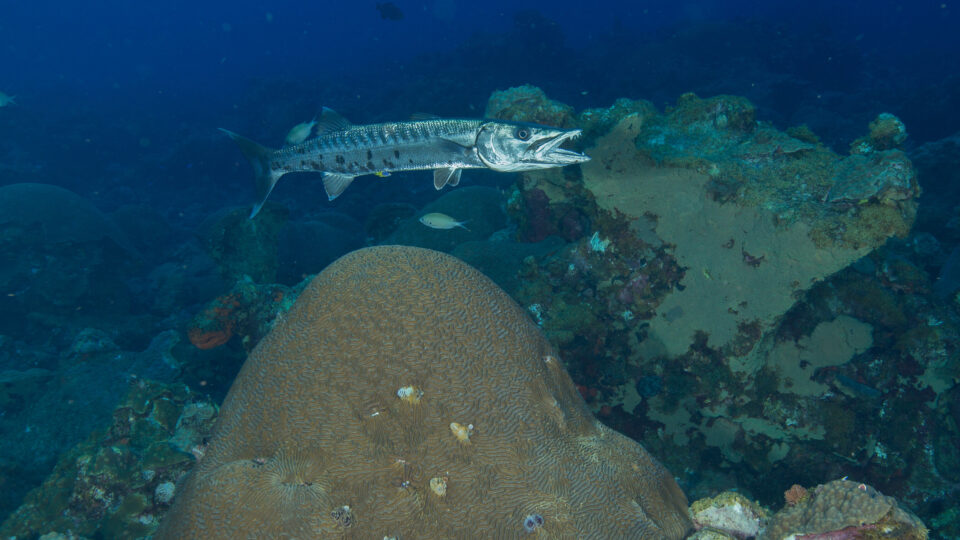
Artificial reefs as habitat for marine predators

Climate change, pollution, development and other stresses have accelerated the decline of reef ecosystems across much of the world’s oceans in recent years.  Large predators such as sharks, mackerels, barracudas, jacks and others that formerly fed around reefs have had to venture outside their normal migratory routes in search of suitable alternatives.

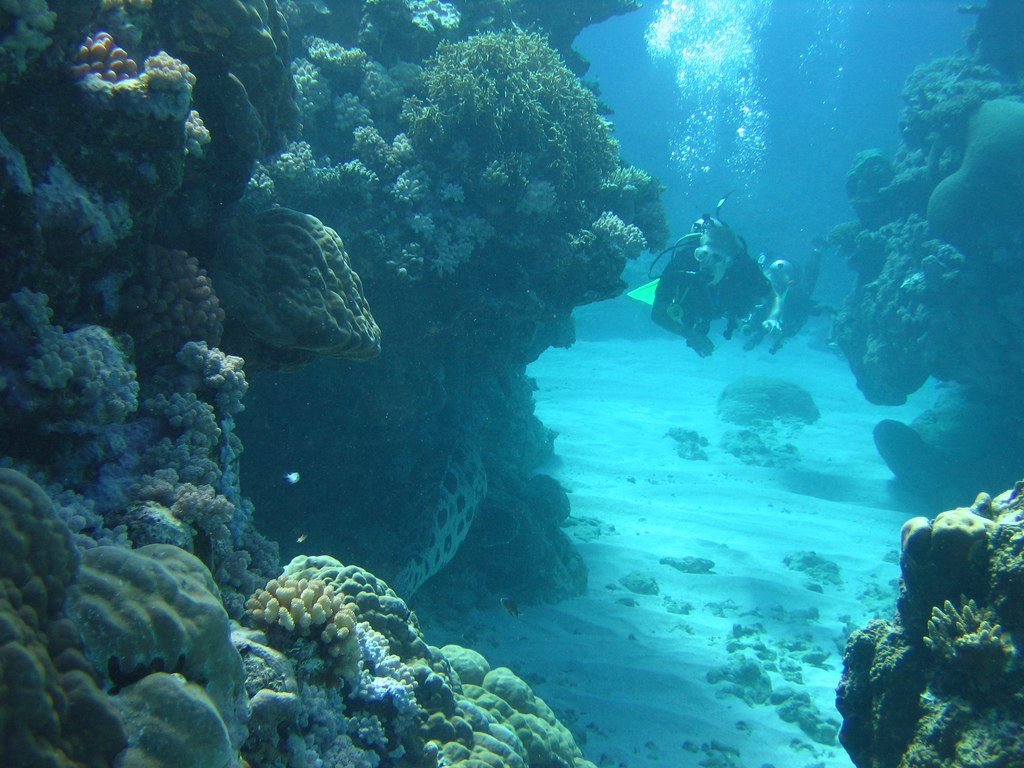
According to a new study by Duke University, marine predators have taken up residence at shipwrecks and other artificial reefs.  The study surveyed 30 sites along the North Carolina coast and found that predator densities were up to five times larger at the 14 artificial reefs surveyed than at the 16 natural reefs in the survey.

Shipwrecks, particularly those that rose between 4 and 10 meters up into the water column, were a big favorite of the fishes.  Some of those sites supported predator densities up to 11 times larger than natural reefs or low-profile artificial reefs.  The shipwrecks are basically high-rise timeshares in the sea.

The findings of the survey show that artificial reefs can support large predators, supplementing natural reefs if the design and placement of the artificial reefs are appropriate.  In addition, when it comes to designing artificial reefs, there appears to be a height advantage.  So, reefs either made from sunken ships or at least made to resemble them would be desirable.

Because undersea predators help maintain healthy and sustainable populations of species lower in the food web, providing suitable habitat for the predators is extremely important.  Based on the study, it appears that the strategic use of artificial reefs can be an effective way to help counter the increasing loss of natural habitat on the ocean bottom.

**********

Web Links

Artificial Reefs Take on a Towering Presence as Havens for Marine Predators

Photo, posted July 29, 2014, courtesy of NOAA Photo Library via Flickr. Photo credit: Flower Garden Banks National Marine Sanctuary

Earth Wise is a production of WAMC Northeast Public Radio.
Oil Platforms And Fish | Earth Wise

July 16, 2020 By EarthWise Leave a Comment

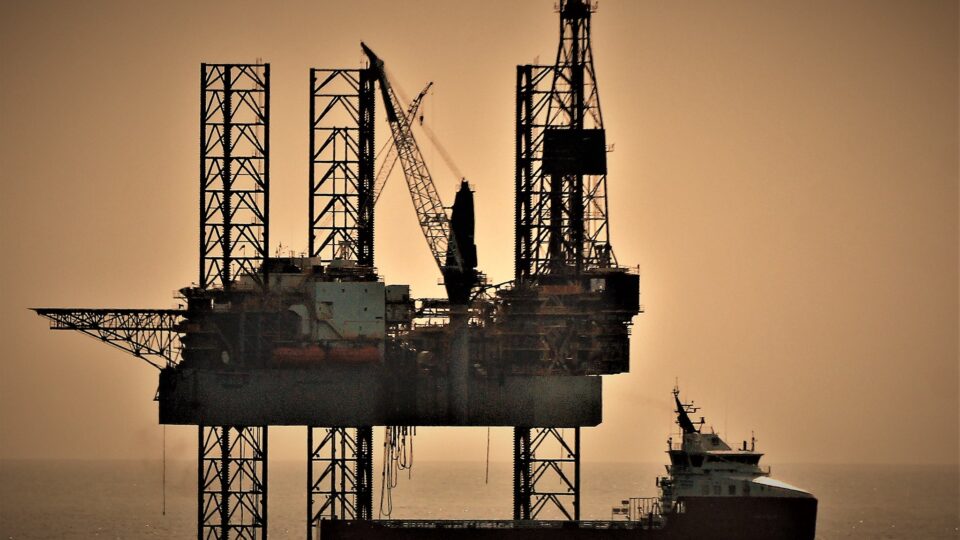
oil platforms are major habitats for fish

It is well-known that offshore oil platforms become major habitats for fish.  Their support structures rise hundreds of feet through the water column and basically create a prefabricated reef for marine life.   Many of these platforms will soon be decommissioned and government agencies are considering the consequences to undersea life when this happens.

Researchers at the University of California Santa Barbara have looked at how various decommissioning scenarios would affect undersea ecosystems. They found that completely removing a platform could reduce fish biomass by an average of 95%.  In contrast, removing just the top part of the rig could keep losses to around 10%.

California is looking at several possibilities for decommissioning 27 oil platforms off of its coast.  The three options are:  leave the platform in place, remove all of it, or remove just the top part of it.  Each option entails its own economic and ecological consequences.

The research team studied the size and composition of fish communities at 24 platforms and created models for each of the decommissioning scenarios.  The partial removal approach involved stripping away all structures within 26 meters of the surface.  This number would eliminate the need for a lighted buoy where the support structure remained according to U.S. Coast Guard guidelines.

For the 24 structures studied, leaving them entirely in place would support over 29,000 kilograms of fish biomass.  Removing just the top 26 meters would support nearly 28,000 kilograms.  Removing the platforms entirely would support only 500 kilograms of fish biomass.

As California weighs how to decommission its oil platforms, studies like this will be critical to making informed decisions.

**********

Web Links

Oil Platforms’ Fishy Future

Photo, posted June 4, 2019, courtesy of Flickr.

Earth Wise is a production of WAMC Northeast Public Radio.
Which Cities To Save From The Changing Climate

October 28, 2019 By EarthWise Leave a Comment

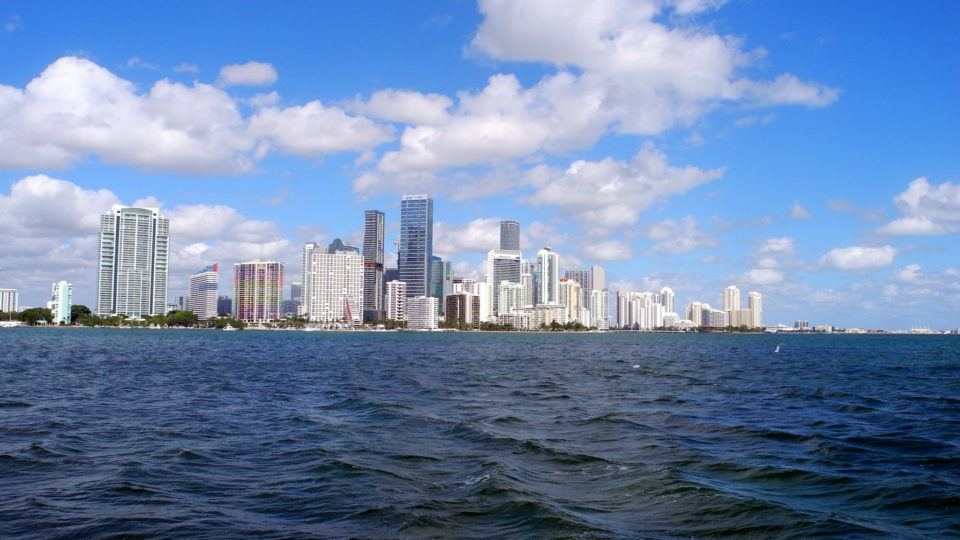
After several years of brutal flooding and hurricanes in the U.S., a distressing debate is emerging:  if there is not enough money available to protect every coastal community from the effects of global warming, how do we decide which ones to save first.

Recent research looked at the costs involved in providing basic storm-surge protection in the form of sea walls for all coastal cities with more than 25,000 residents.  That number was $42 billion.  Expanding the list to include communities smaller than 25,000 people would increase that cost to more than $400 billion.   Realistically, that is just not going to happen.

This particular study only looked at sea walls and no other methods for minimizing flood risk, such as moving homes and businesses away from the most flood-prone areas.   It also didn’t look at additional and costlier actions that will be required even with sea walls, such as revamping sewers, storm water, and drinking water infrastructure.

The facts are that many cities, especially small ones, will not be able to meet the costs facing them.  Those that can’t will depend on federal funding.  But even optimistically large proposals for federal infrastructure spending are likely to fall far short of the vast need.  Ultimately, the money will end up being spent where it can do the most good – even if it means that some places are left out.

But what criteria will be used to direct the money?  Economic value?  Historic significance?  Population?  Political influence?

This is a looming and massive issue whose chief obstacle may be that many officials refuse to acknowledge that it is happening.  This is the next wave of climate denial – denying the costs that we are all facing.

**********

Web Links

With More Storms and Rising Seas, Which U.S. Cities Should Be Saved First?

Photo, posted October 31, 2018, courtesy of Patrick Kinney via Flickr.

Earth Wise is a production of WAMC Northeast Public Radio.
Solar-Powered Desalination

October 4, 2019 By EarthWise Leave a Comment

Turning seawater into drinking water is an energy-intensive process and is therefore pretty expensive.  Worldwide, one third of people don’t have reliable access to safe drinking water and they are the least able to afford expensive ways to get it.   By 2025, half of the world’s population is expected to live in water-stressed areas.

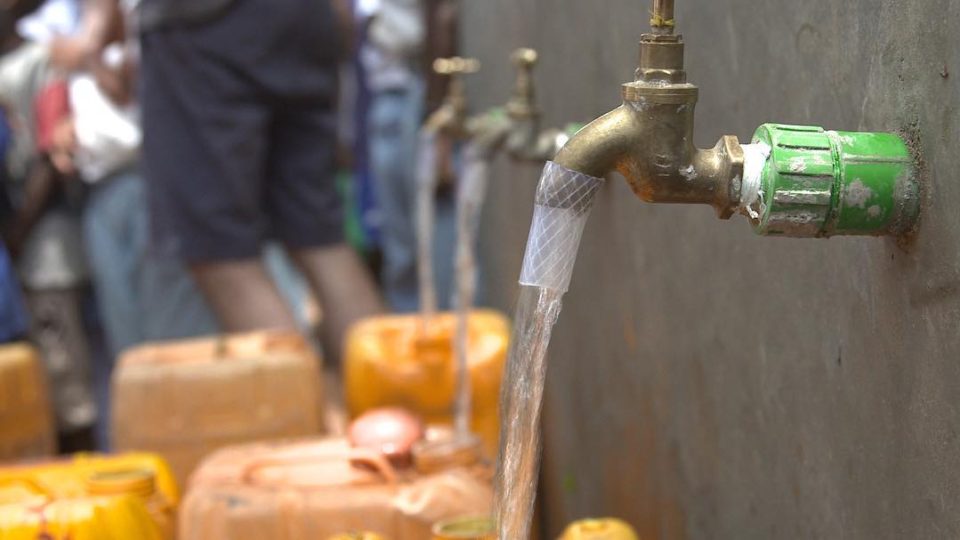
At a newly-constructed facility in Kenya, a nonprofit company called GivePower has built a desalination system that runs on solar power.  The system started operating in the coastal area of Kiunga in July 2018 and can create nearly 20,000 gallons of fresh drinking water each day – enough for 25,000 people.

GivePower started in 2013 as a nonprofit branch of SolarCity, the solar-panel company that ultimately merged with Tesla in 2016.  However, GivePower spun off as a separate enterprise shortly before that.

GivePower mostly focuses on building solar-energy systems to provide electricity across the developing world. 

Desalination technology is not new, but it is notoriously energy-intensive because it requires high-power pumps.  The GivePower system is integrated with a solar microgrid that makes use of Tesla batteries to store energy for when the sun is not shining. 

Local residents pay about a quarter of one cent for every quart of water from the system.  The Kiunga community has faced ongoing drought and before the GivePower system was installed, was forced to drink from salt water wells, which present serious health risks.

The GivePower system cost $500,000 to build and is expected to generate $100,000 a year, to be eventually used to fund similar facilities in other places.

**********

Web Links

A solar-powered system can turn salt water into fresh drinking water for 25,000 people per day. It could help address the world’s looming water crisis.

Photo courtesy of GivePower.

Earth Wise is a production of WAMC Northeast Public Radio.
New York Offshore Wind

September 18, 2019 By EarthWise Leave a Comment

New York has passed ambitious legislation to reduce the carbon emissions that cause climate change, but the state needs to start taking action to make those reductions possible.  One such action it has taken is an agreement that will enable the construction of two large offshore wind projects.

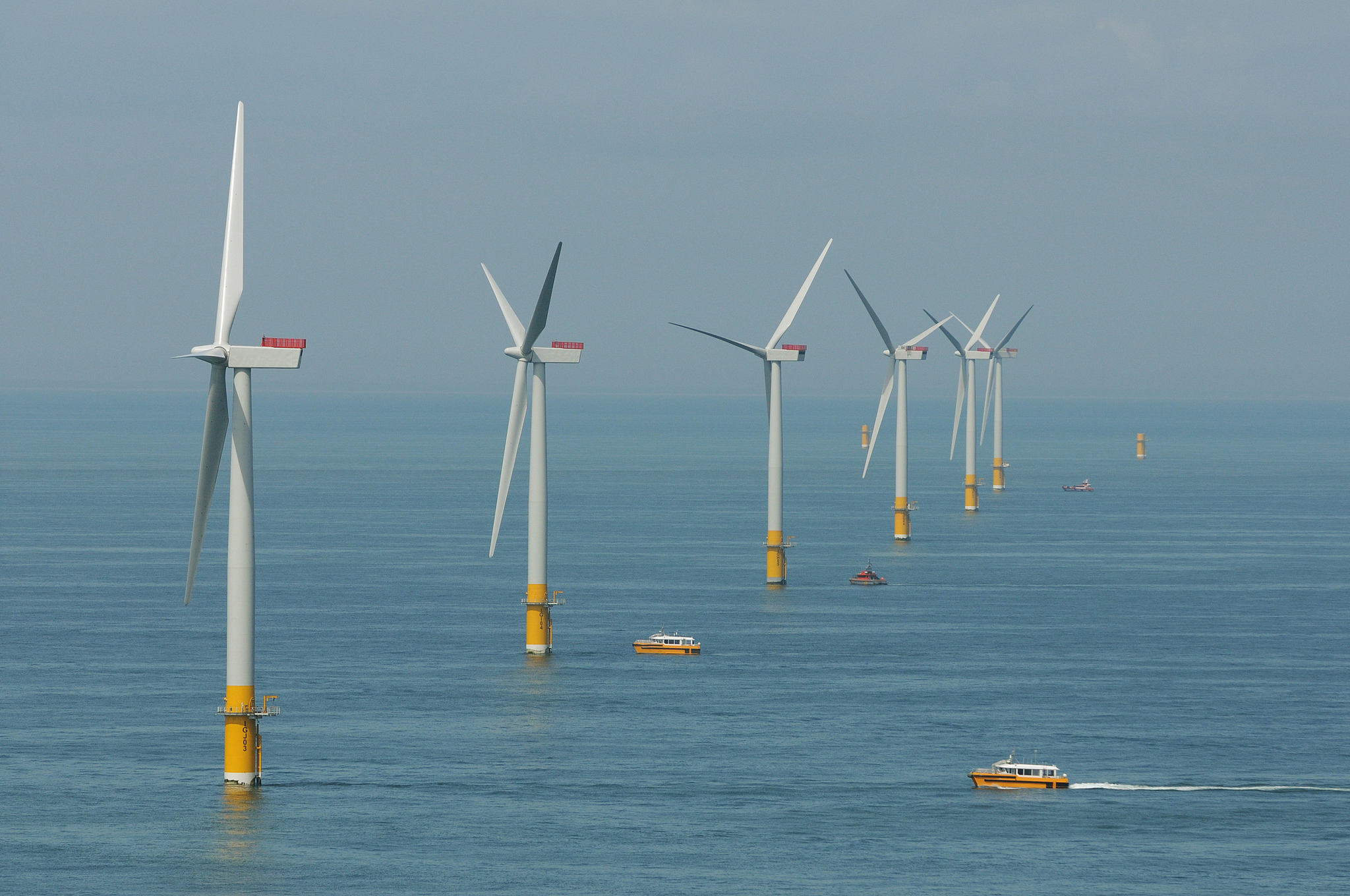
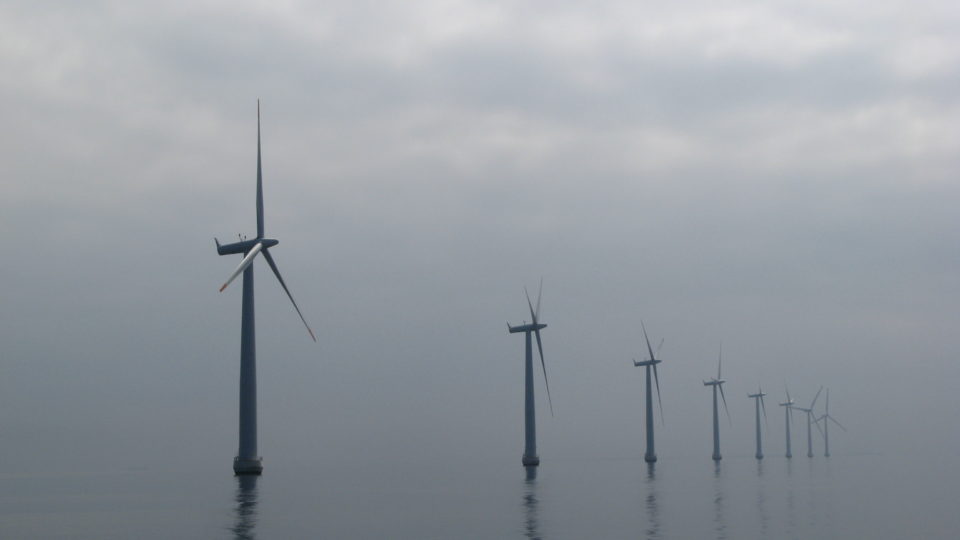
The projects are to be built off the coast of Long Island.  One will be 14 miles south of Jones Beach and the other 30 miles north of Montauk.  The wind farms will be built by a division of Equinor, a major Danish energy company, and a joint venture between Orsted, another Danish company, and Eversource Energy, an American firm.

The two New York wind farms are expected to be operational within the next five years and have the capacity to produce 1,700 megawatts of electricity.  That is about 20% of Governor Andrew Cuomo’s overall goal for offshore wind.

Wind farms are a major energy source in the United States, now providing about 7% of the country’s electricity.  That compares with only 2% in 2010. But nearly all American wind turbines are on land.  There is only one small offshore wind farm in the US off the coast of Rhode Island.  Things are very different in Europe.  For example, Britain expects to get 10% of its electricity from offshore wind next year, which is up from less than 1% in 2010.

Developers of offshore wind farms have struggled to gain a foothold in the US.  Some projects have foundered because of cost issues, but others have faced opposition from politicians and coastal-property owners.  But assuming the New York wind projects clear permitting and environmental hurdles, offshore wind may finally be on the move in the US.

**********

Web Links

New York Awards Offshore Wind Contracts in Bid to Reduce Emissions

Photo, posted May 22, 2007, courtesy of Flickr.

Earth Wise is a production of WAMC Northeast Public Radio.
Fresh Water Under The Sea

July 18, 2019 By EarthWise Leave a Comment

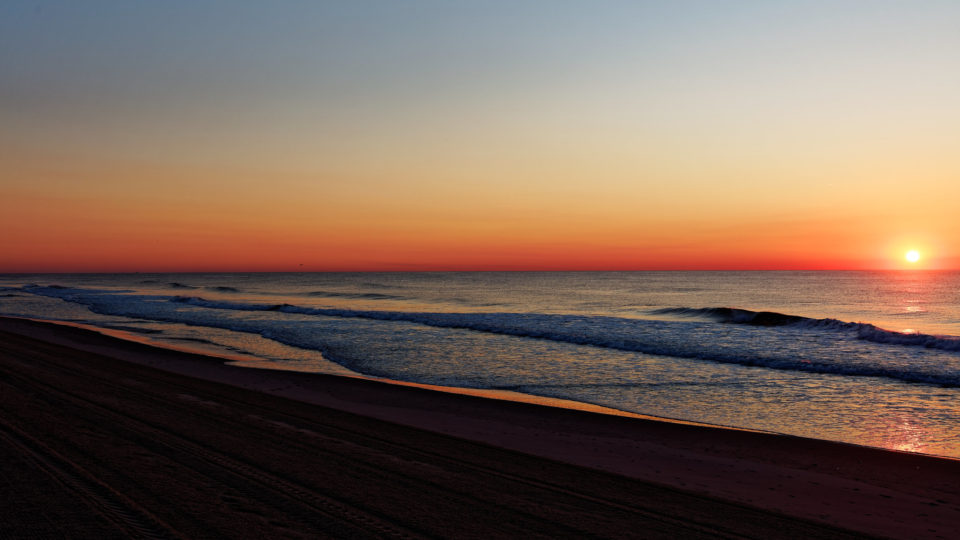
A new survey of the sub-seafloor off the U.S. Northeast coast has revealed the existence of a gigantic aquifer of relatively fresh water trapped in porous sediments lying beneath the salty ocean.  This appears to be the largest such formation ever found.

The newly-discovered aquifer stretches from the shore at least from Massachusetts to New Jersey and extends more-or-less continuously out about 50 miles to the edge of the continental shelf.   The deposits begin at around 600 feet below the ocean floor and bottom out at about 1,200 feet.  If all that water was found on the surface, it could create a lake some 15,000 miles in area.  The researchers estimate that the region holds at least 670 cubic miles of fresh water.

Researchers made use of innovative measurements of electromagnetic waves to map the water, which had not been detected by other technologies.   It was already known that fresh water existed in places under the sea bottom as a result of oil drilling as far back as the 1970s.  But there was previously no hint of the extent of the undersea aquifer. 

The water probably was trapped by sediments deposited during the last ice age when sea levels were much lower.  But modern subterranean runoff from land sources might also be a contributor.

If water from the aquifer was to be withdrawn, it would still have to be desalinated for most uses, but the cost would be much less than processing ordinary seawater.  There is probably no need to do this in the Northeastern US, but the discovery suggests that such aquifers probably lie off many other coasts worldwide and could provide desperately needed water in places like southern California, Australia, the Mideast or Saharan Africa.

**********

Web Links

Scientists Map Huge Undersea Fresh-Water Aquifer Off U.S. Northeast

Photo, courtesy of August 1, 2015, courtesy of Michael Vadon via Flickr.

Earth Wise is a production of WAMC Northeast Public Radio.
Protecting Vulnerable Shorelines

May 21, 2019 By EarthWise Leave a Comment

Global climate change is having noticeable effects on the environment. For example, glaciers are shrinking.  Plant and animal ranges are shifting and populations decreasing.  And droughts, floods, and wildfires are becoming more frequent and more intense.  According to the Intergovernmental Panel on Climate Change, the evidence indicates that the net damage costs of climate change are likely to be significant and to increase over time. 

Our coastal shorelines, which are already stressed by human activity, pollution, storms, and invasive species, are one of many areas expected to be further threatened by climate change.  Sea level rise and more intense and frequent storms are expected to erode and inundate coastal ecosystems and eliminate wetlands.  Ocean acidification is also projected to disrupt marine environments. 

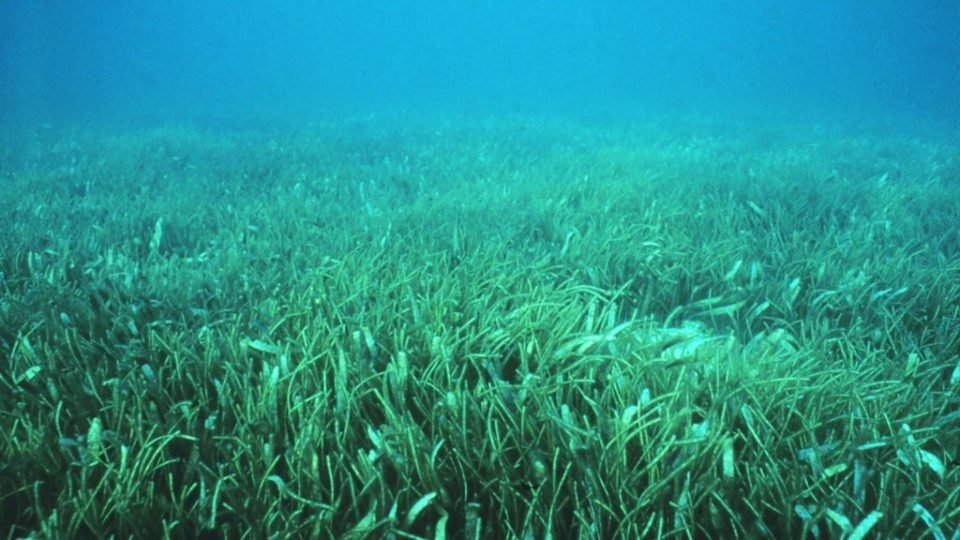
But according to scientists at the Massachusetts Institute of Technology, seagrasses could play a key role in protecting these vulnerable shorelines from this onslaught.  The MIT research team demonstrated how the ubiquitous marine plants dissipate wave energy and help protect against erosion, which could help mitigate damage from rising seas. 

Using mathematical modelling and experiments, the MIT researchers were able to quantify for the first time how large and dense a continuous meadow of seagrass must be in order to provide adequate damping of waves in a given setting.  They also found that seagrasses offer significant environmental benefits, including preventing beach erosion, protecting seawalls and coastal structures, improving water quality, and sequestering carbon. 

Submerged aquatic vegetation, including seagrasses, provides an ecosystem service exceeding $4 trillion annually.  Hopefully these findings can help provide useful guidance for seagrass restoration efforts.

**********

Web Links

Seagrass’ strong potential for curbing erosion

The Effects of Climate Change

Photo, posted October 13, 2010, courtesy of the NOAA Photo Library via Flickr.

Earth Wise is a production of WAMC Northeast Public Radio.
More Antarctic Warming

April 23, 2019 By EarthWise Leave a Comment

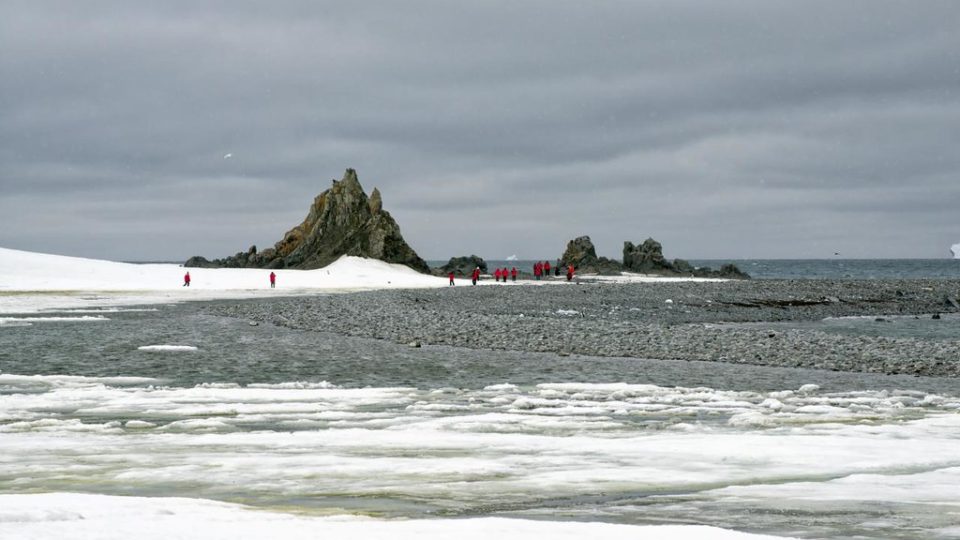
East Antarctica is the coldest place on Earth.  It makes up two-thirds of the continent, is home to the South Pole, and has vast ice sheets that have been around for tens of millions of years and are nearly three miles thick in places.  Temperatures there hover around 67 degrees below zero.  In 2010, a few spots on East Antarctica’s polar plateau reached a record-breaking 144 degrees below zero.

But almost unbelievably, parts of the East Antarctic seem to be melting.

Scientists are seeing worrying signs of ice loss in the East Antarctic.  Glaciers are starting to move more quickly and are dumping their ice into the Southern Ocean.  Satellite images show the fast-moving ice.  The biggest glacier – the Totten Glacier – alone contains enough ice to raise global sea levels by over 12 feet.

The Antarctic as a whole contains about 90% of the planet’s ice.  In theory, if it all melted, it would raise global sea levels by an average of 200 feet.

The growing concerns about eastern Antarctica are not that its interior plateau will soon start to melt.  It is still extremely cold there and should stay that way for a long time.  But its edges, which are in contact with warming ocean waters, are the real worry.  As the region’s ice shelves, which float atop the Southern Ocean, erode, the vast glaciers behind them could rapidly accelerate their slide into the sea.

Today, satellites show huge glaciers moving rapidly toward the coast, with wide rivers of ice sometimes moving several miles a year.  In the face of rapid change and limited data, it is difficult to predict what the Antarctic will do in the future.  But it doesn’t look good.

**********

Web Links

Polar Warning: Even Antarctica’s Coldest Region Is Starting to Melt

Photo, posted January 3, 2013, courtesy of Christopher Michel via Flickr.

Earth Wise is a production of WAMC Northeast Public Radio.
Cloning Ancient Redwoods

January 30, 2019 By EarthWise Leave a Comment

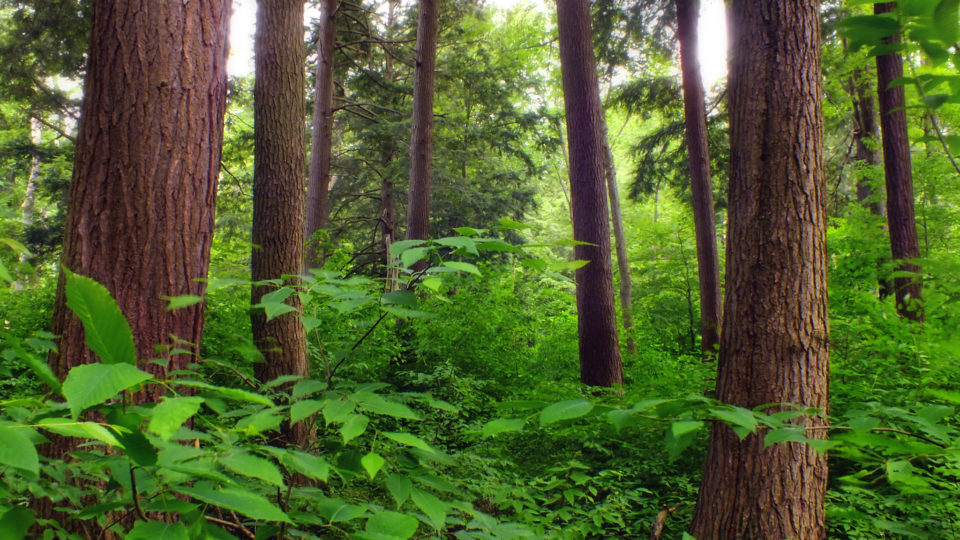
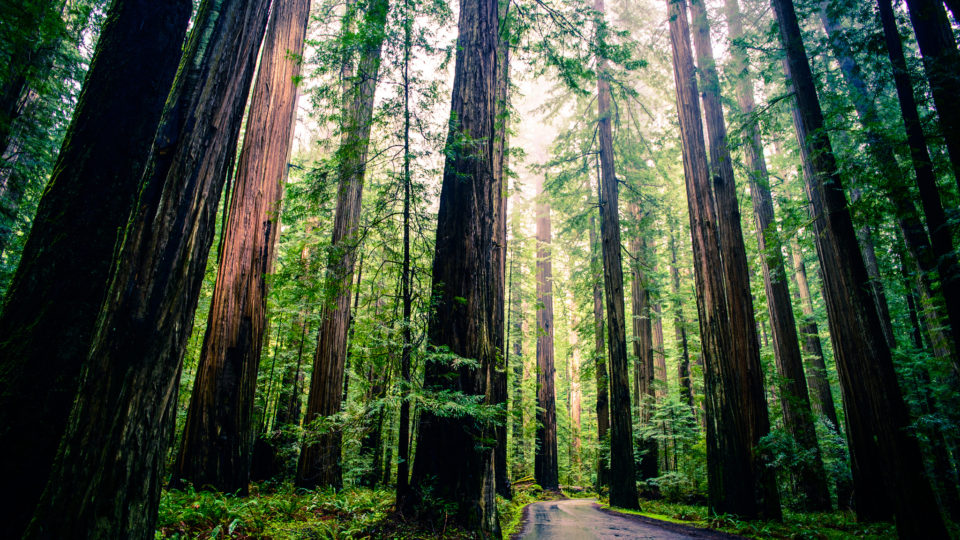
During the 19th and 20th centuries, many of the world’s largest and oldest tress were cut down for their lumber.   Some of these coast redwoods were 3,000 years old and measured 35 feet in diameter.

Today, giant stumps of these ancient redwoods dot the landscape from Oregon to northern California and are a remnant of the old-growth forest that once stretched across much of the Pacific Northwest.

An organization called the Archangel Ancient Tree Archive is dedicated to reestablishing ancient redwood forests to help combat climate change.  Coastal redwoods are not only huge but can grow an average of 10 feet a year.  One of these enormous trees can sequester 250 tons of carbon dioxide over its lifetime, more than 200 times the amount for an average tree.

While many experts thought that the giant stumps were lifeless, arborists at Archangel collected DNA from the stumps of five giant coast redwoods, all larger than the largest tree living today.  They then used this genetic material to grow dozens of saplings, which are clones of the ancient trees, in a process that takes about two-and-a-half years.

To date, the Archangel Ancient Tree Archive has planted nearly 100 of these saplings in the Eden Project garden in Cornwall, England, a couple of hundred in Oregon, and most recently, has planted 75 in the Presidio National Park in San Francisco.

According to arborists at the nonprofit organization, these saplings have extraordinary potential to purify our air, water, and soil for generations to come.  Their hopes are that the new San Francisco ‘super grove’ will be allowed to grow unmolested by manmade or natural disasters and thus propagate forever.

**********

Web Links

Arborists Have Cloned Ancient Redwoods From Their Massive Stumps

Photo, posted April 8, 2013, courtesy of Michael Balint via Flickr.

Earth Wise is a production of WAMC Northeast Public Radio.
Examining Sea Level Rise

January 17, 2019 By EarthWise Leave a Comment

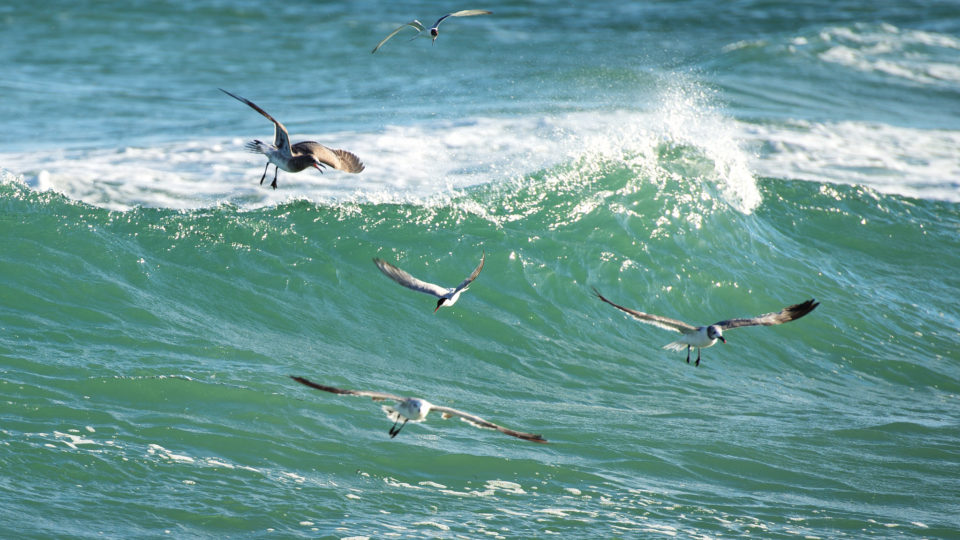
It’s no secret that sea levels along the East Coast of the United States are rising.  But what’s less known is that the water isn’t rising at the same rate everywhere.  As the climate continues to change, some cities may remain dry while others struggle to keep water out. 

During the 20th century, sea levels rose about 18 inches near Cape Hatteras in North Carolina and along the Chesapeake Bay in Virginia.  During that same time period, New York City and Miami experienced a 12 inch sea level rise, while the waters near Portland, Maine only rose 6 inches.  According to a study recently published in the journal Nature, there’s an explanation for this. 

The variation is a result of a phenomenon called “post-glacial rebound.”  During the last ice age, huge sheets of ice once covered land areas in the Northern Hemisphere, including parts of the Northeast U.S.  The weight of the ice weighted down the land like a boulder on a trampoline.  At the same time, peripheral lands such as the U.S. mid-Atlantic coast rose up.  As the ice melted, the previously weighted-down regions rebounded while the peripheral lands began to sink.  While these ice sheets disappeared some 7,000 years ago, this see-sawing of post-glacial rebound continues to this day. 

Researchers combined data from GPS satellites, tide gauges, and fossils in sediment with complex geophysical models to produce this comprehensive view of sea level change since 1900.  While post-glacial rebound accounts for most of the sea level variation along the East Coast, researchers noted that when that factor is stripped away, “sea level trends increased steadily from Maine all the way down to Florida.”

**********

Web Links

Why is sea level rising faster in some places along the US East Coast than others?

Photo, posted August 24, 2014, courtesy of Bill Dickinson via Flickr.

Earth Wise is a production of WAMC Northeast Public Radio.
New Zealand Bans Plastic Bags

September 3, 2018 By EarthWise Leave a Comment

https://earthwiseradio.org/wp-content/uploads/2018/09/EW-09-03-18-New-Zealand-Bans-Plastic-Bags.mp3

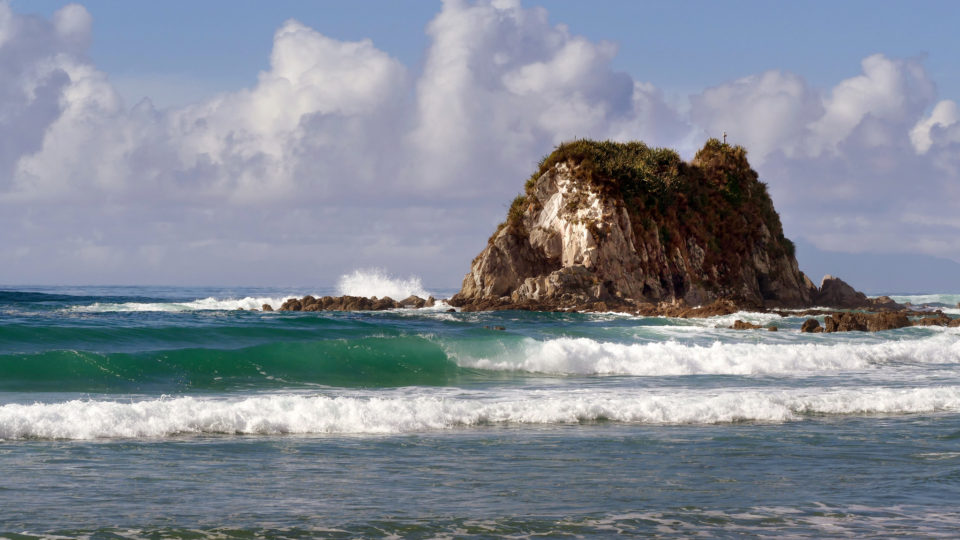
In an effort to tackle plastic pollution, New Zealand is joining a growing list of countries banning single-use plastic bags for good.  Prime Minister Jacinda Ardern says in a press statement that the ban was necessary to safeguard New Zealand’s clean and green reputation.

[Read more…] about New Zealand Bans Plastic Bags

Natural Climate Solutions

February 13, 2018 By EarthWise Leave a Comment

https://earthwiseradio.org/wp-content/uploads/2018/01/EW-02-13-18-Natural-Climate-Solutions.mp3

The Paris Climate Agreement embodies a commitment to hold the increase in the global average temperature to less than 2 Celsius degrees above preindustrial levels.  Most strategies to achieve this goal involve reductions in greenhouse gas emissions from human activities such as burning fossil fuels as well as various land use activities.  But there are also so-called Natural Climate Solutions, which relate to the storage of carbon and reduction in carbon emissions across global forests, wetlands, grasslands, and agricultural lands.

[Read more…] about Natural Climate Solutions

Tsunami And Invasive Species

November 13, 2017 By EarthWise Leave a Comment

https://earthwiseradio.org/wp-content/uploads/2017/10/EW-11-13-17-Tsunami-and-Invasive-Species.mp3

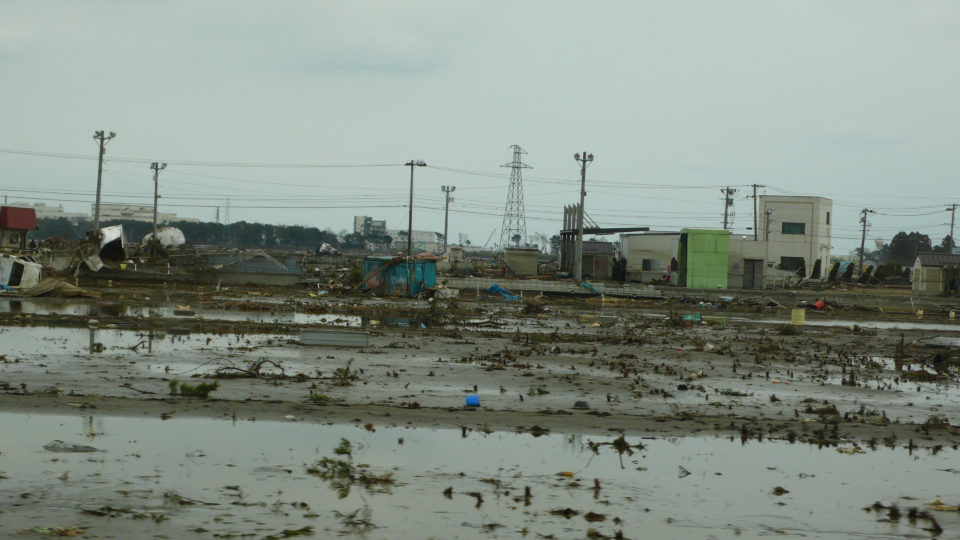
According to a new study published in the journal Science, scientists have discovered that hundreds of Japanese marine species have been swept across the Pacific Ocean to the United States following the deadly Tsunami in 2011.        

[Read more…] about Tsunami And Invasive Species

Restoring Sediment To Save Wetlands

August 25, 2017 By EarthWise

https://earthwiseradio.org/wp-content/uploads/2017/08/EW-08-25-17-Restoring-Sediment-to-Save-Wetlands.mp3

The world’s rivers carry billions of cubic yards of sediment – sand, silt and other material – and transport it to wetlands and coastal areas.  Until fairly recently, this was viewed as a negative thing.  But that has changed.

[Read more…] about Restoring Sediment To Save Wetlands

Offshore Wind Progress

July 14, 2017 By EarthWise

https://earthwiseradio.org/wp-content/uploads/2017/07/EW-07-14-17-Offshore-Wind-Progress.mp3

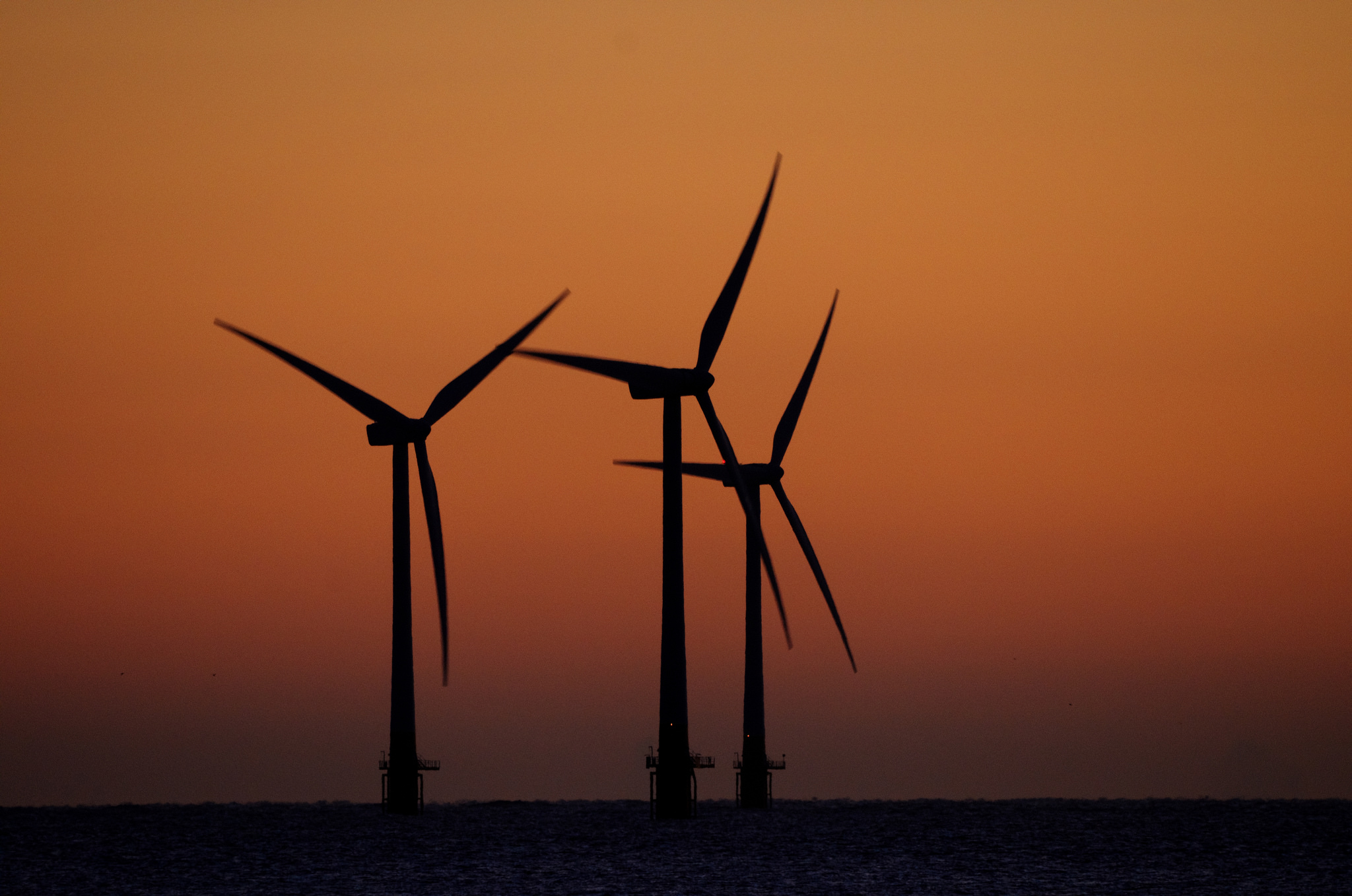
Last December, the first commercial offshore wind farm in the United States started operation off the coast of Rhode Island.   The Fisherman’s Energy Atlantic City Windfarm off the coast of New Jersey is under construction.  With the lengthy logjam finally broken, there is increasing activity in the emerging U.S. offshore wind sector.

[Read more…] about Offshore Wind Progress

Alaska’s Threatened Communities

January 27, 2017 By EarthWise

https://earthwiseradio.org/wp-content/uploads/2017/01/EW-01-27-17-Alaskas-Threatened-Communities.mp3

Because of its Arctic location, Alaska is warming about twice as fast as the rest of the United States.   The past year has been the warmest on record.  The forces of erosion and increasingly powerful storms have resulted in the imminent risk of destruction for at least 31 Alaskan towns and cities.   Many are predicted to become uninhabitable over the next few decades.  Residents of these places are likely to join the growing flow of climate refugees around the globe.

[Read more…] about Alaska’s Threatened Communities

Ghost Forests

December 8, 2016 By EarthWise

https://earthwiseradio.org/wp-content/uploads/2016/11/EW-12-08-16-Ghost-Forests.mp3

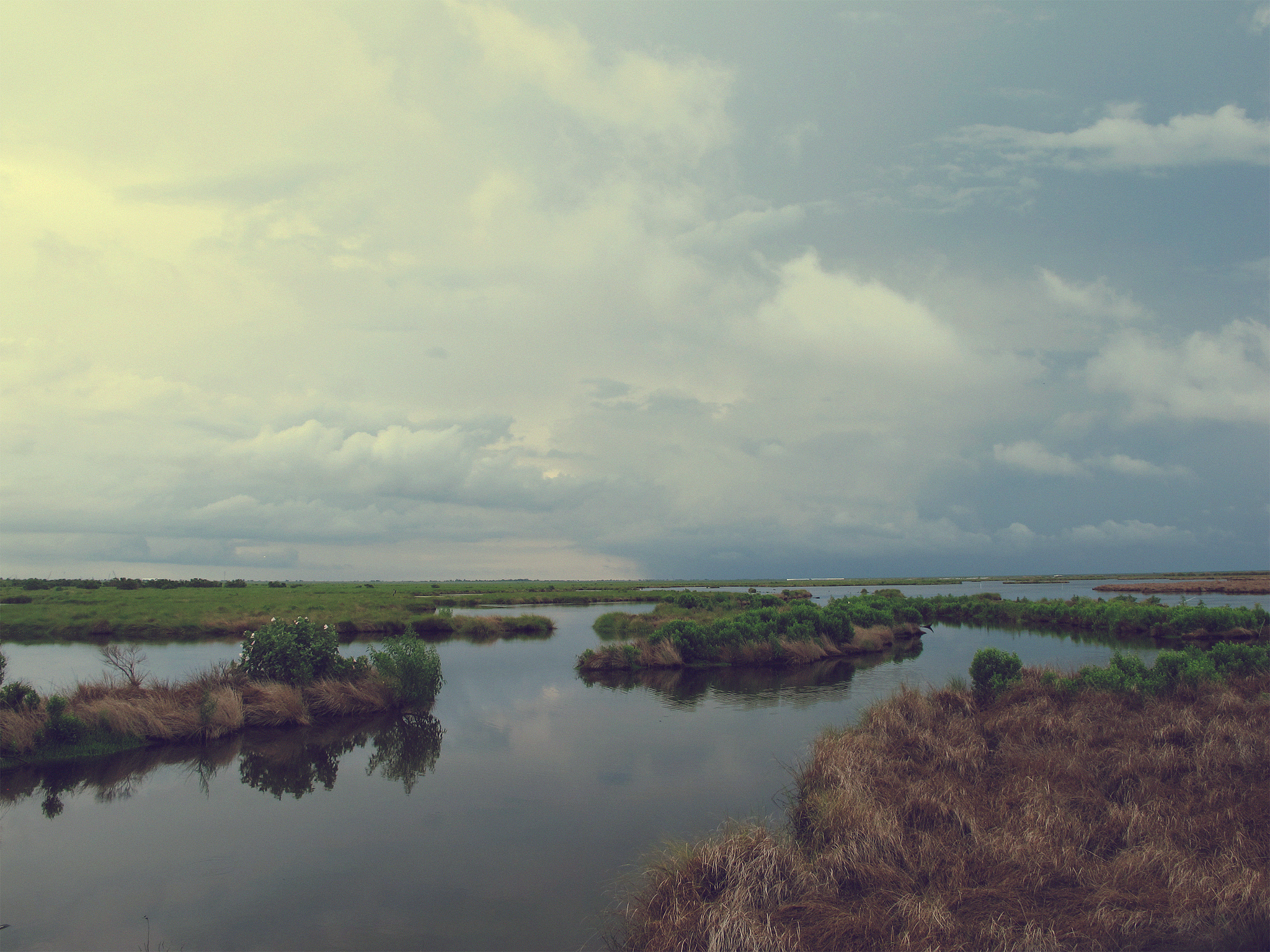
Coastal floodplains across the southeastern and mid-Atlantic regions of the United States are at the leading edge of climate change’s effect on what were largely freshwater ecosystems.    Because of the low elevation and flat or gently sloping characteristics of coastal forests in these areas, they are among the most vulnerable globally to saltwater intrusion.

[Read more…] about Ghost Forests

A Blueprint For Offshore Wind In N.Y.

October 18, 2016 By WAMC WEB

https://earthwiseradio.org/wp-content/uploads/2016/10/EW-10-18-16-Blueprint-for-Offshore-Wind-in-NY.mp3

The Cuomo Administration recently released the New York State Offshore Wind Blueprint, a plan to advance the development of offshore wind along New York’s coastline.

[Read more…] about A Blueprint For Offshore Wind In N.Y.

Some Good News For Coral Reefs

August 12, 2016 By WAMC WEB

https://earthwiseradio.org/wp-content/uploads/2016/08/EW-08-12-16-Good-News-for-Coral-Reefs.mp3

Most recent news about coral reefs around the world has been bad news.  There has been unprecedented coral bleaching in places like Australia’s Great Barrier Reef.   The effects of climate change – including warming temperatures and rising seas – as well as the recent El Niño event have led to damaged reefs across the globe.

[Read more…] about Some Good News For Coral Reefs

The Missing Sink

November 18, 2015 By WAMC WEB

https://earthwiseradio.org/wp-content/uploads/2015/11/EW-11-18-15-Missing-Sink.mp3

One of the puzzles of atmospheric chemistry is why carbon dioxide concentrations in our atmosphere aren’t rising even faster. Our activities emit some 37 billion metric tons of carbon dioxide each year. About 45% stays in the atmosphere, 25% is taken up by the oceans. The rest is a bit of a mystery.

[Read more…] about The Missing Sink

  • « Go to Previous Page
  • Page 1
  • Page 2

Primary Sidebar

Recent Episodes

  • An uninsurable future
  • Clean energy and jobs
  • Insect declines in remote regions
  • Fossil fuel producing nations ignoring climate goals
  • Trouble for clownfishes

WAMC Northeast Public Radio

WAMC/Northeast Public Radio is a regional public radio network serving parts of seven northeastern states (more...)

Copyright © 2026 ·