• Skip to primary navigation
  • Skip to main content
  • Skip to primary sidebar

Earth Wise

A look at our changing environment.

  • Home
  • About Earth Wise
  • Where to Listen
  • All Articles
  • Show Search
Hide Search
You are here: Home / Archives for california

california

Oil Drilling In Los Angeles | Earth Wise      

February 24, 2022 By EarthWise Leave a Comment

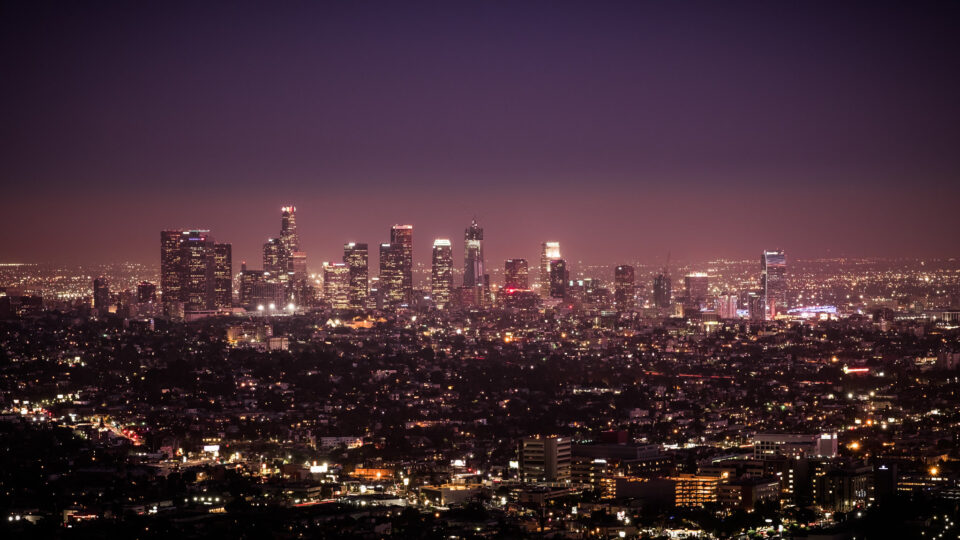
Los Angeles may close its oil drilling chapter

Movies were not the first industry to boom in Los Angeles.  Oil was.  There was a lot of it, and it flowed close to the surface triggering rampant drilling all over the area.  By the 1920s, Los Angeles was one of the largest oil-exporting regions in the world.

A century later, there are over 20,000 active, idle, or abandoned wells spread across LA county, home to 10 million people.  Some are hidden behind facades; others are plainly visible, pumping away day and night.  About a third of Angelenos live less than a mile from an active well site.  In the last 20 years, improved oil extraction technology has actually led to a resurgence of oil drilling in Los Angeles.

Studies of the health impact of LA’s oil wells found that asthma is significantly more common among people living near oil wells than elsewhere in the county.  Surveys of residents’ lung functions revealed lower function on average when people live near wells.   Measurements of toxins in the air – such as benzene, toluene, and n-hexane – showed that levels of these substances were significantly reduced when oil production at a site stopped.

This issue has finally come to the forefront after a nearly a decade of community organizing and studies of adverse health effects.  In a unanimous vote on January 26, the Los Angeles City Council took the first step toward phasing out all oil and gas extraction in the city by declaring oil extraction a nonconforming land use.  The LA County Board of Supervisors voted unanimously to phase out oil extraction in unincorporated county areas.  Los Angeles’ long, troubled history with urban oil drilling appears to be nearing an end.

**********

Web Links

Los Angeles’ long, troubled history with urban oil drilling is nearing an end after years of health concerns

Photo, posted March 26, 2016, courtesy of Giuseppe Milo via Flickr.

Earth Wise is a production of WAMC Northeast Public Radio.
The All-Time Hottest Day | Earth Wise

February 14, 2022 By EarthWise Leave a Comment

Climate change helping set heat records around the world

Last year saw record high temperatures in many places around the world and this year started out with more of the same.  In mid-January, Onslow, a small town in Western Australia, measured a high temperature of 123.3 degrees, tying the all-time highest temperature ever recorded anywhere in the Southern Hemisphere.  The previous reading was also made in Australia back in 1960.

The new temperature record was set just as climate institutions around the world were announcing that the past seven years have been the highest in recorded history.

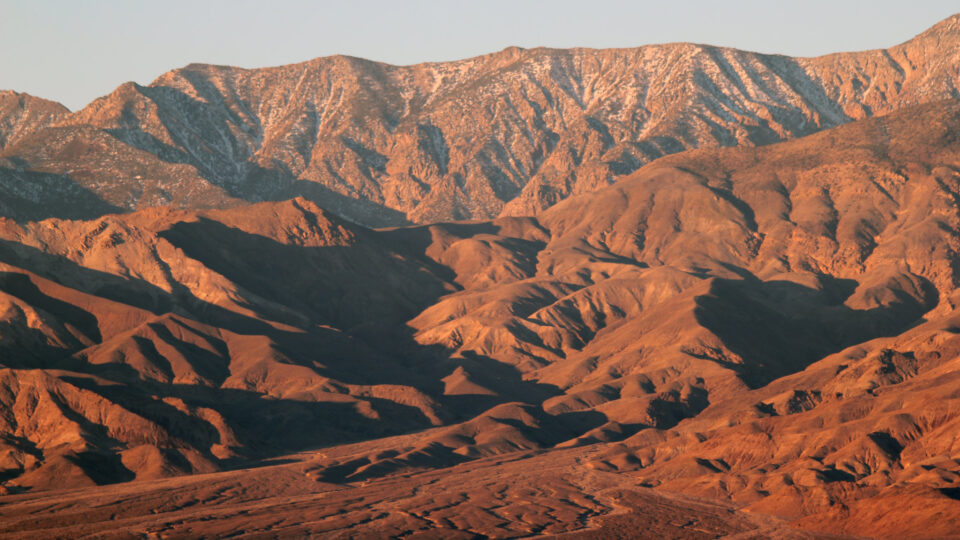
The list of temperature records set in 2020 and 2021 is a long one.   2020 was the hottest year in recorded history.  July 2021 was the hottest month ever recorded.   The hottest official temperature ever recorded anywhere in the world was 129.9 degrees, occurring in Death Valley, California on both August 16, 2020, and July 9, 2021. 

The hottest temperature ever recorded in the Arctic was 100.4 degrees on June 20, 2020 in Verkhoyansk in Russia’s Sakha Republic.  (Amazingly, that small town also holds the record for the coldest temperature ever recorded in Asia at -90 degrees). 2021 saw an all-time high temperature recorded in Europe, in Syracuse, Sicily, on August 11 at 119.8 degrees. 

Overall, 400 documented weather stations in communities or outposts worldwide established all-time high temperatures in 2021 alone.  The climate we have lived through over the past decades is changing and these changes will have consequences to our way of life.

**********

Web Links

Australia hits 123 degrees, tying hottest temperature on record in Southern Hemisphere

Photo, posted January 21, 2013, courtesy of A. Dombrowski via Flickr.

In ogni caso, un proverbio russo comune Informazioni: “Se curi un raffreddore, passa in sette giorni, e se non lo curi, in una settimana”, non è applicabile alla realtà spagnola.

Earth Wise is a production of WAMC Northeast Public Radio.
Lægemiddelbehandling, der kan nedsætte udskillelsen af FDE-hæmmere fra kroppen side. Beskrevne tilfælde af dødsfald i forbindelse med indtagelse af Viagra skyldtes oftest kombineret brug af dette lægemiddel med organiske nitrater.

Five States Stepping Up On Clean Energy | Earth Wise

February 7, 2022 By EarthWise Leave a Comment

Five states step up climate action

While Congress continues to face partisan gridlock on climate issues, many states have moved forward with climate action.

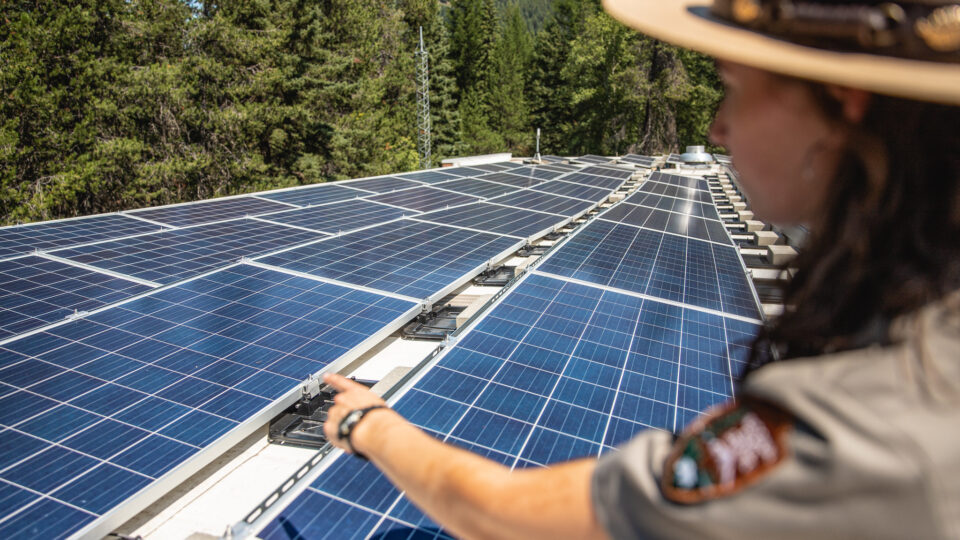
In 2021, five states – Illinois, Massachusetts, Oregon, North Carolina, and Rhode Island – passed laws requiring a shift to 100% carbon-free electricity or net-zero emissions.  Washington State passed a law that helps to implement its strong 2019 and 2020 climate and clean energy laws.  Washington’s new legislation establishes a carbon trading program that will help the state to meet its goals of economy-wide emission cuts and 100% carbon-free electricity.

Several other states made progress on climate and clean energy by taking targeted actions not quite as aggressive as 100% laws, but significant, nonetheless.

The five states that entered the so-called 100% club joined with the six states that had earlier passed such legislation.  Those are California, Hawaii, New Mexico, New York, Virginia, and Washington.  Both Puerto Rico and Washington D.C. are also members of the club.

The past year may well be the biggest year yet for significant clean energy legislation.  Some of the states that finally passed laws had been gearing up for it for years.  This is particularly true of Massachusetts and Illinois.

Actions by individual states are not an antidote to inaction by the federal government, but they help.  At this point, about one-third of the country’s population lives in states that have laws requiring a transition to 100% carbon-free electricity, 100% renewable electricity, or net-zero emissions. 

All of this activity began in 2015, when Hawaii passed its renewable energy law.

**********

Web Links

Inside Clean Energy: Here Are 5 States that Took Leaps on Clean Energy Policy in 2021

Photo, posted August 12, 2021, courtesy of Glacier NPS via Flickr.

Earth Wise is a production of WAMC Northeast Public Radio.
Alaskan Icemageddon | Earth Wise

January 25, 2022 By EarthWise 1 Comment

Wild weather in Alaska

December saw some wild weather in Alaska.  A combination of record high temperatures and torrential rainstorms resulted in the coining of the term “Icemageddon” to describe what was going on with the weather.

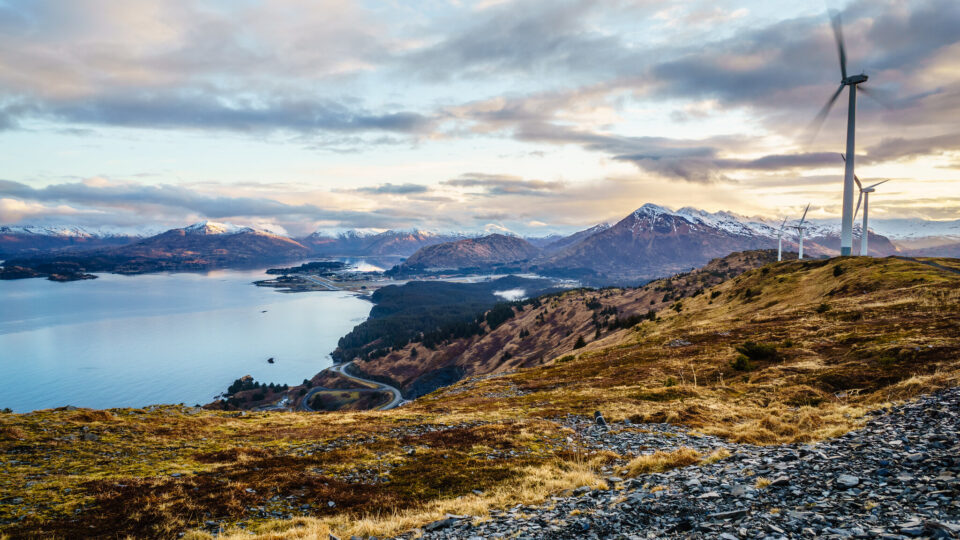
Kodiak Island in southern Alaska saw a high temperature of 67 degrees on December 26, which was warmer than it was in Southern California that same day.  This set an all-time record for the warmest December day in Alaska.  Such a high temperature is amazing considering how little sunlight Alaska gets at this time of year.  And with warmer air comes wetter air, as the atmosphere is capable of holding more water vapor as temperatures increase.

As a result, that same day saw the interior of the state get an inch of rain in just a few hours, something that hadn’t happened for decades.  But then, when temperatures plummeted again, all that rainwater froze.

Huge sheets of ice blocked roads and choked traffic in Fairbanks, Alaska’s second largest city.  Indeed, it was the state’s transportation department that came up with the term icemageddon to describe the situation.

The extreme warmth in December is related to the same weather pattern that brought cold, wintry weather to the Pacific Northwest and Northern California.  Those weather conditions resulted in hundreds of cancelled flights in Seattle, where temperatures dropped into the 20s, and in massive amounts of snowfall in the Sierra Nevada mountains in California.  A strong area of high pressure anchored in the Northern Pacific resulted in a clockwise flow around it drawing warmer, more tropical air from the Pacific up to Alaska.

Climate change continues to push the envelope on what sort of weather is possible all over the world.

**********

Web Links

Alaska faces ‘Icemageddon’ as temperatures swing wildly

Photo, posted April 30, 2015, courtesy of Naql via Flickr.

Earth Wise is a production of WAMC Northeast Public Radio.
Large Solar Projects In The U.S. | Earth Wise

December 1, 2021 By EarthWise Leave a Comment

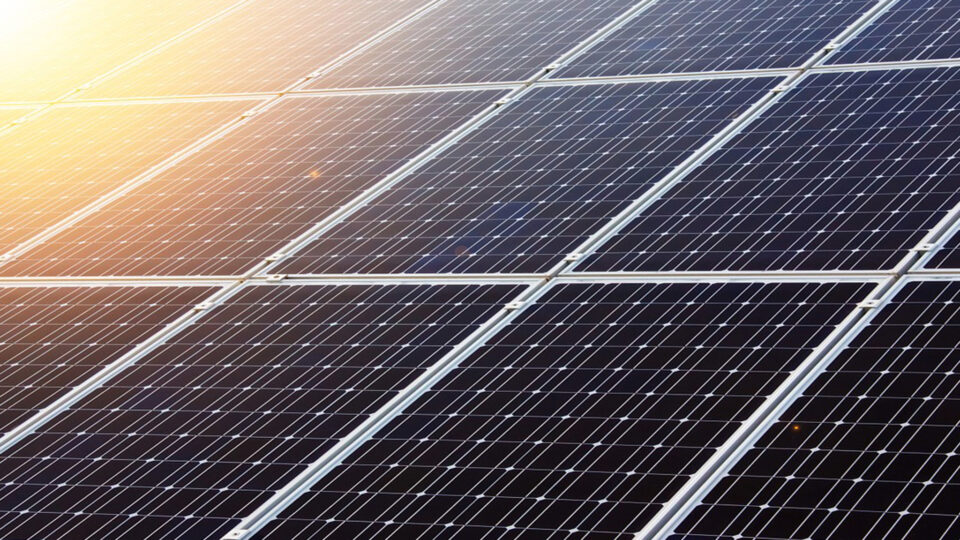
The United States now has over 108 gigawatts of total solar generating capacity, which is enough to power about 19 million homes.  There are more than 3 million solar installations across the country, the majority of which are residential systems.

The growth in solar power has been enormous over the past 13 years.  In 2008, the total solar capacity in the U.S. was 0.34 gigawatts.

In recent times, utility-scale solar installations have been on the rise.  At least 10 systems in excess of 100 megawatts have come online just in 2021.  These systems have been built in Georgia, Ohio, California, Texas, and Nevada.  Other large installations have come online in Virginia, Utah, Indiana, and Florida.  Overall, Texas has had the most new installations, followed by California and Florida.

The largest utility-scale solar project completed this year is the Eunice Solar Project in Andrew, Texas.  The 420-megawatt project is part of the Permian Energy Center which also features 40 megawatts of battery energy storage.

The pipeline for new utility-scale solar projects under construction includes more than 17 gigawatts, so there is strong continuing growth in the industry.

The Biden administration has proposed a blueprint for the nation to produce 45% of its electricity from solar power by 2050.  Currently, solar energy contributes about 4% of the country’s power.  Being able to produce almost half the country’s electricity from the sun by 2050 would require a vast transformation in technology and the energy industry.  Whether there is the political will and the wherewithal to achieve this remains to be seen.

**********

Web Links

U.S. Solar Market Insight

Photo, posted March 7, 2019, courtesy of Hedgerow Inc via Flickr.

Earth Wise is a production of WAMC Northeast Public Radio.
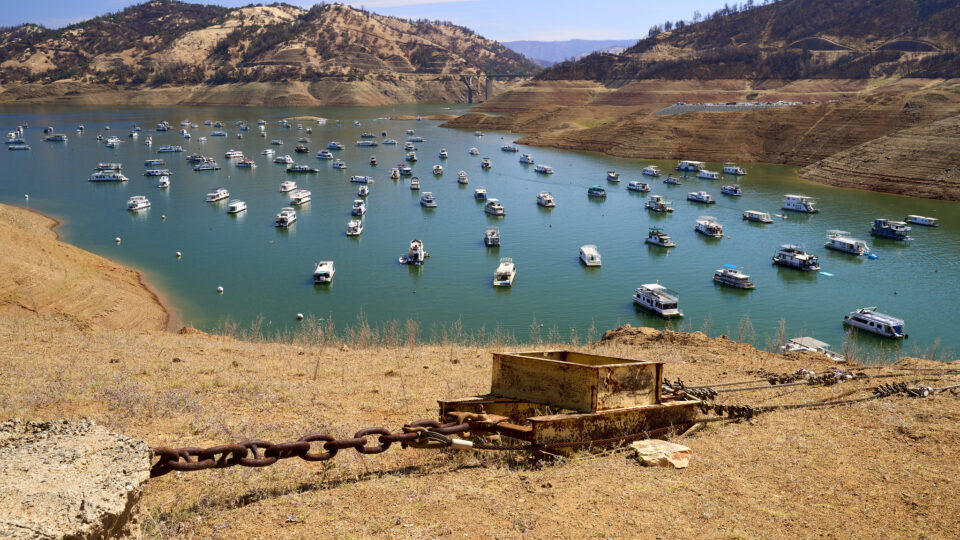
Drought And U.S. Hydropower | Earth Wise

November 29, 2021 By EarthWise Leave a Comment

Ongoing drought in the western U.S. is affecting hydropower

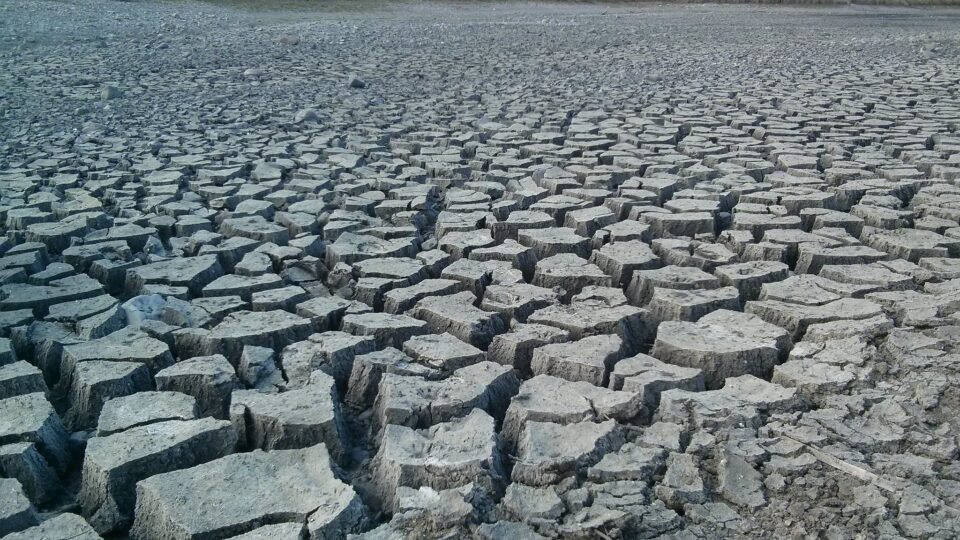
The ongoing severe drought in the western U.S. has led to low water levels in the rivers and reservoirs that feed hydroelectric power systems.  The Energy Information Administration is projecting a 13.9% decrease in hydroelectric generation this year compared to 2020.

Water levels in Lake Powell have fallen so low that it may not be possible to operate the power plant at Glen Canyon Dam starting as soon as 2022.  California officials took the Edward Hyatt hydroelectric plant offline in August because of low water levels on Lake Oroville.   Washington, the state with the most hydroelectric power generation, has seen an 11% drop in electricity generated to date this year as compared to last year.  That state is actually doing better than others in the West, such as California, where hydro generation is down 38%.

Hydropower accounts for over 7% of the electricity generated in the United States.  Five states – Washington, Idaho, Vermont, Oregon, and South Dakota – generate at least half of their electricity from hydroelectric dams.

The current decrease in hydropower is alarming, but it is not unprecedented.  The more significant question is whether the drop in generation this year is a sign that this power source is declining and becoming less reliable.   According to some scientists, the West is in a “megadrought” that could last for decades.

The greater concern is whether the bad years are likely to become more common because of climate change.  Climate projections agree that temperatures will continue to rise, but what will happen to precipitation levels in specific places is much less certain.  That is what will determine what the future holds for hydroelectric power.

**********

Web Links

Inside Clean Energy: Drought is Causing U.S. Hydropower to Have a Rough Year. Is This a Sign of a Long-Term Shift?

Photo, posted May 7, 2014, courtesy of Tyler Bell via Flickr.

Earth Wise is a production of WAMC Northeast Public Radio.
Banning Gas Cars | Earth Wise

November 12, 2021 By EarthWise Leave a Comment

Many states and countries have passed gas car bans

The transition to electric vehicles from gas-powered vehicles is essential for reducing greenhouse gas emissions as well as air pollution in general.  Currently, transportation is responsible for 30% of greenhouse gas emissions in the United States.

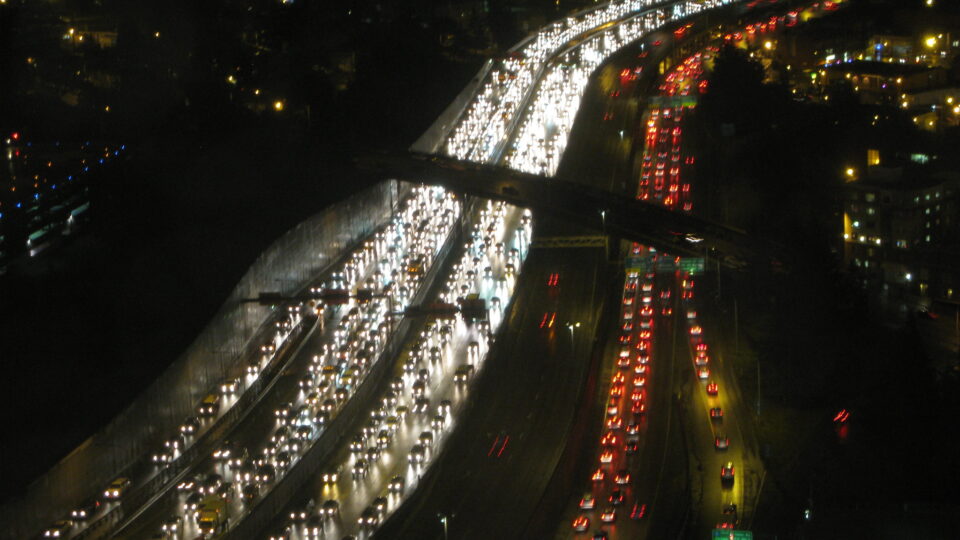
There is no doubt that there is surging interest in electric cars.  There are now millions of them being sold around the world each year.  But they still represent a small fraction of new car sales in most places.  Notable exceptions are several European countries such as Norway and Switzerland where plug-in vehicles are dominant.  In the United States, on the other hand, EVs still represent less than 3% of new car sales.

Given the urgency in reducing vehicle emissions, many countries around the world have devised plans, goals, or laws to end the sale of gasoline cars.  Gas car bans vary quite a bit around the world, but they are being implemented in many places.

There are 28 countries and US states that have imposed gas car bans to take effect over the next five to 20 years.  These include European countries like Norway, Belgium, Austria, Netherlands, Denmark, Iceland, Ireland, Sweden, Scotland, Slovenia, the UK, France, and Spain.  Asian countries include South Korea, India, Japan, China, Singapore, Sri Lanka, and Taiwan.  In the Middle East, Israel and Egypt have announced bans.  Here in the US, New York and California both have bans starting in 2035.  Canada also has announced a ban.

Car manufacturers have seen the writing on the wall.  Most have started adding EVs to their lineups.  Many have announced their own timetables for phasing out gas cars entirely.  There are more than 15 new electric models available this year and there are many more to follow next year.

**********

Web Links

Over 25 Countries And U.S. States Are Planning to Ban Gasoline Powered Cars

Photo, posted January 24, 2009, courtesy of Oran Viriyincy via Flickr.

Earth Wise is a production of WAMC Northeast Public Radio.
Wildfires And Giant Sequoias

October 28, 2021 By EarthWise Leave a Comment

Two massive California wildfires that erupted during a lightning storm on September 9 have continued to threaten groves of giant sequoia trees in the southern Sierra Nevada mountains.  As of the beginning of October, flames from the KNP Complex fire had burned in or passed through 11 sequoia groves, including the famed Giant Forest in Sequoia National Park.

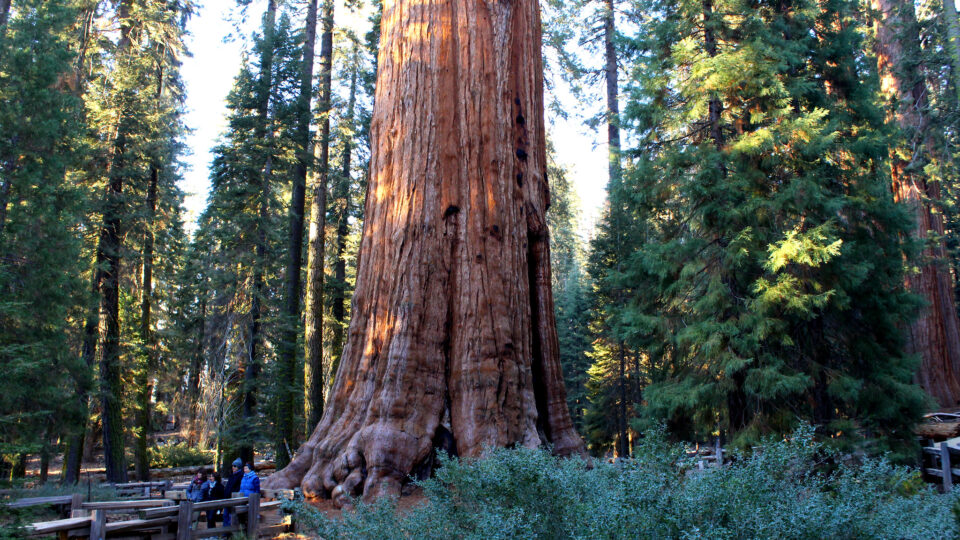
Hundreds of firefighters battled to protect some of the most renowned trees, including the 275-foot-tall General Sherman tree, widely considered to be the largest tree on earth by overall volume.  That tree and many near it are over 2,000 years old.

Firefighters wrapped the base of the General Sherman and several other trees with fire-resistant blankets to protect them from the intense heat of approaching fires.  Sequoias are actually well-adapted to fires because of their thick bark that protects them from heat.  But intense fires like the KNP Complex and Windy fires are more than the trees can handle.

As of the beginning of October, both fires continue to blaze, but thanks to the efforts of firefighters, most of the giant sequoias have survived.  One massive tree in the Giant Forest recently toppled over after burning for several days, but most are still standing and haven’t suffered serious damage.

As of early October, the two fires had blackened over 140,000 acres across national parks, national forests, the Tule River Indian Reservation, and local communities.  These two are among multiple wildfires burning in California this past summer.  The largest – the Dixie fire – has burned nearly a million acres as of early October.  In total, over 2.5 million acres have already burned in California this year.

**********

Web Links

KNP Complex fire triggers flurry of new evacuations, as flames threaten more giant sequoia trees

—

Hundreds of California firefighters battle to protect ancient sequoia groves from raging wildfires – with world’s largest tree General Sherman wrapped in aluminum foil blanket

Photo, posted November 5, 2017, courtesy of Ken Lund via Flickr.

XXXXXXXXXXXXXXXX

Drought And Desalination | Earth Wise

October 11, 2021 By EarthWise Leave a Comment

Improving water desalination to combat droughts

The Western US is currently experiencing what might be the worst drought in over 1,000 years.   The region has seen many droughts in the past, but the changing climate is making dry years drier and wet years wetter.   Diminishing snow-packs mean that rivers, streams, reservoirs, and soil are not replenished enough in the spring and summer.

Meanwhile, the Southwest has seen a growth rate over the past 60 years that is twice that of the rest of the country.  More and more people are moving to areas expected to get even drier in the years to come.  There have been unprecedented water allocation cuts from the Colorado River – which provides water to seven states – and there have been shutdowns of hydroelectric power plants.

Only three percent of the planet’s water is fresh water and much of that is not available for our use.  Over 120 countries have turned to desalination for at least some of their drinking water.  In the US, the largest plant is in Carlsbad, California and a huge new plant is likely to be built in Huntington Beach, California.

Desalination has its drawbacks.  It is expensive, consumes large amounts of energy, and has detrimental environmental impacts.  Most of the world’s desal plants now use membrane filtration technology but there are still many that use the thermal distillation method.

There are efforts around the world aimed at improving desalination.  A giant project in Saudi Arabia is based on solar heating of sea water.  The U.S. Army and the University of Rochester are working on a different solar-based system.  European companies are developing a floating seawater desalination plant powered by wind energy. 

Droughts seem to be here to stay.  Finding better ways to get fresh water is essential.

**********

Web Links

A 1,000 Year Drought is Hitting the West. Could Desalination Be a Solution?

Photo, posted May 31, 2021, courtesy of Frank Schulenburg via Flickr.

Earth Wise is a production of WAMC Northeast Public Radio.
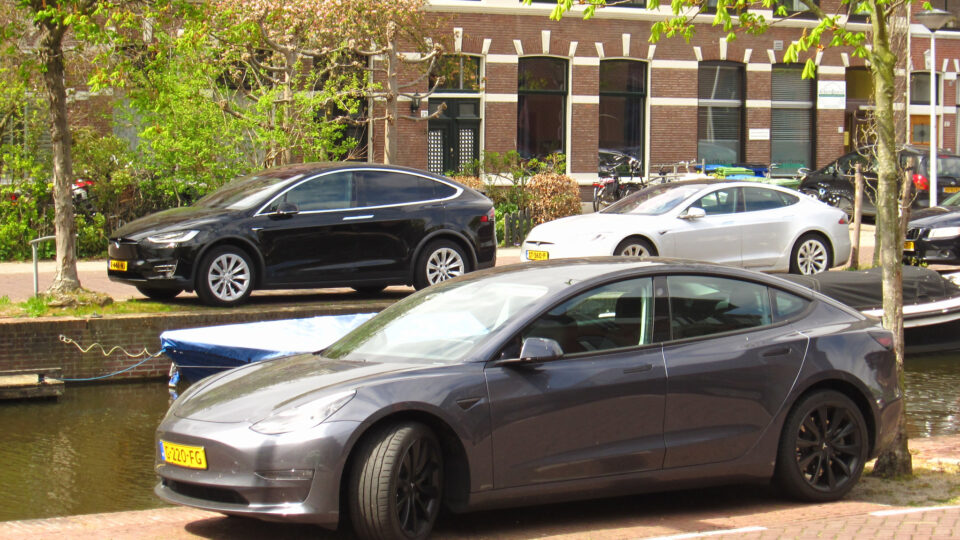
Electric Cars Are Coming Sooner Than Expected | Earth Wise

September 30, 2021 By EarthWise Leave a Comment

It is widely believed that electrification is the future for vehicles.  The only question is how long the transition will take.  Predictions are all over the map, but the recent trend is to revise those predictions to say it will happen sooner than previously thought.

A recent report from the international accounting firm Ernst & Young predicts that EV sales in the US, China, and Europe will surpass those of fossil-fuel-powered vehicles five years sooner than previously expected.  The report forecasts that fossil-fueled vehicles will represent less than 1% of global sales by 2045, taking their place among other historical but essentially abandoned technologies.

Europe is expected to be the leader in EV adoption.  The forecast is that EVs will surpass legacy vehicles by 2028.  China is expected to follow by 2033.  The US is lagging behind, but even here, electrics are expected to achieve a majority of car sales by 2036.

Plug-in vehicle sales have surpassed a 10% market share in California and Tesla now has a 1.7% share of the total US car market.  Norway is the global EV leader with 3 out of 4 car buyers choosing electrics.  In that country, Tesla’s Model 3 is the top-selling vehicle of any kind.  In Switzerland, 40% of car sales are EVs or hybrids.

There are many variables that will affect the timetable for the EV transition.  Among them are the timetable for widespread use of autonomous vehicle technology, the effects of policy initiatives by governments around the world, the development of charging infrastructure, and the evolution of electricity generation and energy storage.

In any case, looking at the product roadmap for virtually every automobile manufacturer makes it clear that electric cars are the future.

*********

Web Links

Ernst & Young: Electric Cars Are Coming Sooner Than Expected

Photo, posted April 25, 2021, courtesy of Rutger van der Maar via Flickr.

Earth Wise is a production of WAMC Northeast Public Radio.
Wine And Wildfire Smoke | Earth Wise

September 22, 2021 By EarthWise Leave a Comment

Wildfire smoke devastating some vineyards

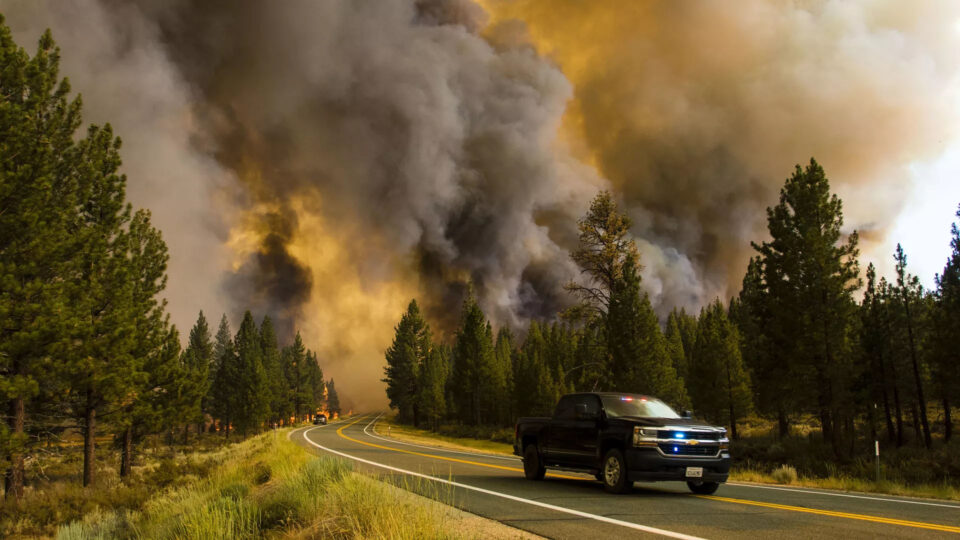
Rising global temperatures have made droughts and heatwaves more common and intense, leading to larger and more destructive wildfires.   In 2020, wildfires in California blackened more than 4 million acres, the largest wildfire season on record.   With its continuing drought, California has already had 1.5 million acres burned by wildfires this year, and the fires continue.

Wildfires can cause extensive damage throughout the agricultural industry by destroying crops and killing livestock.  But the fires can have a unique effect on the wine industry:  wine grapes can be affected by smoke taint.

Vineyards have demonstrated themselves to be good fire breaks.  They definitely help prevent the movement of wildfires.  But there is no way to stop smoke from the fires from drifting into vineyards.  By far, the damage caused by smoke far outweighs direct losses from fires in vineyards.

Winemakers sometimes add subtle smoky notes to their vintages by aging them in toasted oak barrels.   But wildfire smoke permeating vineyards – even from distant blazes – can end up making wines undrinkable.  Smoke-tainted wines end up having unpleasant aromas that people describe as being like disinfectants or burnt rubber. 

With wildfires an increasingly persistent presence in California, the state’s $43 billion wine industry is facing a major challenge.  An estimated 165,000 to 325,000 tons of California wine grapes went unharvested last year, adding up to more than $600 million in losses from fire and smoke.  The industry will need to figure out ways to detect and manage smoke taint as the problem isn’t going to go away.

**********

Web Links

Wildfire Smoke: An Emerging Threat to West Coast Wines

Photo, posted July 25, 2021, courtesy of Felton Davis via Flickr.

Earth Wise is a production of WAMC Northeast Public Radio.
Snakes Near A Plane | Earth Wise

September 15, 2021 By EarthWise Leave a Comment

San Francisco International Airport is the seventh-busiest airport in the United States.  In a typical year, approximately 55 million people pass through SFO on their way to destinations throughout North America and beyond.

At some point during their journey to or from the terminals at SFO, each one of those people will pass by a seemingly unremarkable 180-acre parcel of land.  Surrounded by highways and train tracks, the soggy and overgrown vacant lot isn’t just home to rows of power lines.  It’s also home to the world’s largest population of the beautiful and highly endangered San Francisco garter snake.   

According to a recent study conducted by the U.S. Geological Survey, there are approximately 1,300 San Francisco garter snakes at SFO’s West of Bayshore property – the greatest concentration of these snakes ever recorded.

Conservationists have long known that the San Francisco garter snake was in trouble.  In fact, it landed on the U.S. Fish and Wildlife Service’s very first endangered species list, which was published in 1967.  Over the years, agricultural, commercial, and urban development have destroyed much of its wetland habitat, as well as much of its primary food source, the California red-legged frog.  The snakes have also been a popular target for poachers and collectors.

Since 2008, SFO has been working with the USFWS on a recovery strategy for the species.  Together, they’ve made enhancements to the West of Bayshore habitat, including building rainfed ponds and deepening existing wetlands.  They have also added fences to protect habitat and prevent illegal collection.

But low population counts at other locations means the recovery for the San Francisco garter snake is far from over. 

************

Web Links

Combining genetic and demographic monitoring better informs conservation of an endangered urban snake

A San Francisco Airport Site Is Crawling With Snakes—And That’s a Good Thing

Photo, posted April 16, 2011, courtesy of Brian Gratwicke via Flickr.

Earth Wise is a production of WAMC Northeast Public Radio.

California Offshore Wind | Earth Wise

June 28, 2021 By EarthWise Leave a Comment

Increasing support for California offshore wind

Offshore wind has been pretty much a non-starter in the U.S. until recently.  Now there is considerable activity in the Northeast Atlantic with major projects getting started off the coasts of Massachusetts, New York, and other eastern states.  The prospects for wind farms in the Pacific, on the other hand, have been pretty dismal.  There are significant logistical problems posed by a deep ocean floor and also opposition from the Navy that does not want obstacles for its ships.

A combination of progress in floating wind turbine technology and the arrival of an administration highly supportive of renewable energy technology has changed the situation.  In late May, the Navy abandoned its opposition to Pacific offshore wind and joined the Interior Department in giving support to allowing two areas off the California coast to be developed for wind turbines.

The plan allows commercial offshore wind farms in a 400-square-mile area in Morro Bay in central California, and in another area off the Humboldt Coast in Northern California.

The two California sites could support enough wind turbines to generate electricity to power 1.6 million homes.  That would make the California coast one of the largest generators of wind power in the world.  The forthcoming Vineyard Wind farm in Massachusetts is expected to have 84 giant turbines.  The two California sites could hold more than 300 turbines.

The offshore wind industry is booming around the world, especially near the coasts of Norway and the UK, where the water is shallow, and turbines can be anchored to the ocean floor.  By contrast, the Pacific Ocean floor drops steeply from the coastline, making it too deep to anchor wind towers.  The newly emerging technology of floating turbines is the key to establishing offshore wind in the Pacific.

**********

Web Links

Biden Opens California’s Coast to Wind Farms

Photo, posted August 7, 2013, courtesy of Ray Bouknight via Flickr.

Earth Wise is a production of WAMC Northeast Public Radio.
Vanishing Kelp Forests | Earth Wise

June 25, 2021 By EarthWise Leave a Comment

Bull kelp forests in California are disappearing

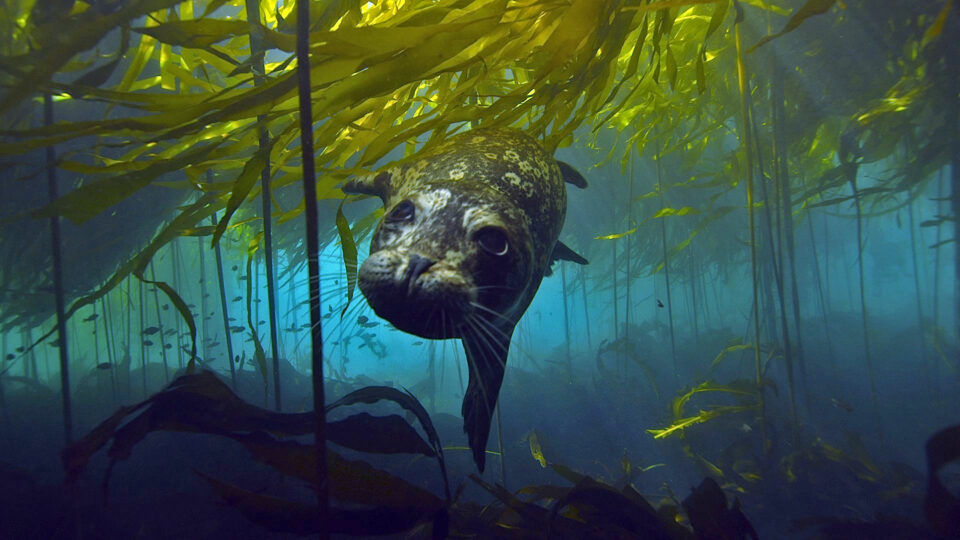
Bull kelp is the dominant species in offshore kelp forests north of Santa Cruz, California along the west coast of North America.  Bull kelp has similar physical structures to terrestrial plants; it anchors to the ocean floor with root-like structures called holdfasts, and has stem-like structures called stipes from which leaf-like blades stretch out through the water, absorbing nutrients and sunshine.

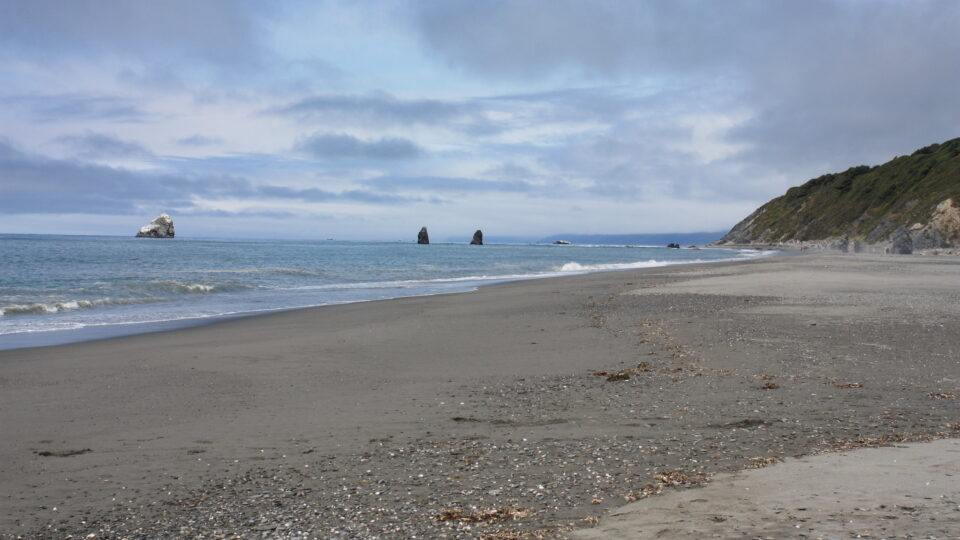
These giant seaweeds form lush underwater forests in northern California’s coastal waters and have long provided critical habitat for many species like salmon, crabs, and jellyfish.  But now, for much of the California coast, only a few patches of bull kelp remain.

A team from University of California Santa Cruz has studied satellite images of about 200 miles of coastline.  They found that starting in 2014, the area covered by kelp has dropped by more than 95%. 

The die-off was driven in part by an underwater heat wave that depleted nutrients in the water and made it harder for the kelp to grow.  Making matters much worse, populations of purple sea urchins, which eat kelp, have exploded in the region because of overfishing and other reductions in urchin predators such as sea otters.  The sea urchins eat kelp holdfasts, creating so-called urchin barrens where their destructive grazing has decimated kelp forests.

Bull kelp is a species at high risk of becoming endangered.  In coming decades, more marine heatwaves are expected.  These events as well as stronger El Niños will become more common and frequent with climate change.  Between these thermal events and the sea urchins, it will be difficult for kelp forests to survive.

**********

Web Links

Ninety-five percent of bull kelp forests have vanished from 200-mile stretch of California coast

Photo, posted October 28, 2015, courtesy of Florian Graner/Green Fire Productions via Flickr.

Earth Wise is a production of WAMC Northeast Public Radio.
A Dangerous Fire Season | Earth Wise

June 9, 2021 By EarthWise Leave a Comment

Drought conditions expected to cause worse fire season

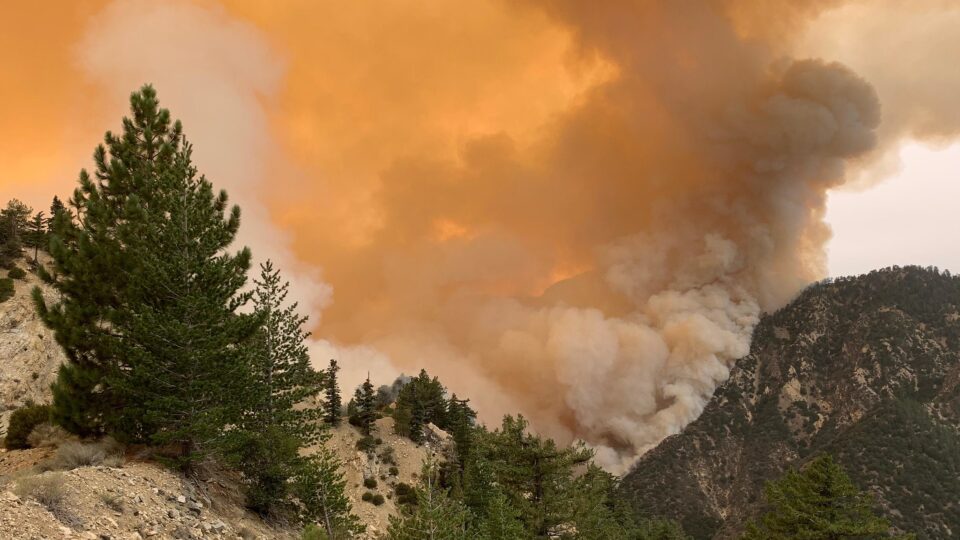
The western United States is entering the fire season under much worse drought conditions than last year.  Last year, 15,800 square miles burned in the U.S., mostly in the West.

The western U.S. is in the midst of a 20-year mega-drought.  Rainfall in the Rocky Mountains and farther west was the second lowest on record this April.  The soil in the western half of the country is the driest it has been since 1895.

The situation is particularly bad in California and the Southwest.  In March, less than a third of California was experiencing extreme or exceptional drought.  Now, 73% of the state is.  A year ago, a record-breaking fire season burned 4% of the state and, at that time, only 3% of California was in a state of extreme drought.

A year ago, no parts of Arizona, Nevada, or Utah were in extreme or exceptional drought.  Now, more than 90% of Utah, 86% of Arizona, and 75% of Nevada face severe drought conditions.  At this time last year, only 4% of New Mexico faced extreme drought but 77% does now.

These extreme drought conditions, which are believed to be linked to climate change, are causing increased tree mortality among many species, ranging from junipers in the Southwest even to drought-tolerant blue oaks in the San Francisco Bay Area.

Conditions are extremely ripe for a lot of forest fire this year.  Last year was a terrible year for wildfires in the West and we are heading into a fire season with much drier fuels than there were last year.  The risks of great damage from wildfires are higher than ever.

**********

Web Links

US West Enters Fire Season Facing Extremely Dry Conditions

Photo, posted September 18, 2020, courtesy of USFS/National Interagency Fire Center via Flickr.

Earth Wise is a production of WAMC Northeast Public Radio.
A Solar Power Boom In Texas | Earth Wise

May 31, 2021 By EarthWise Leave a Comment

Texas is becoming a leader in renewable energy

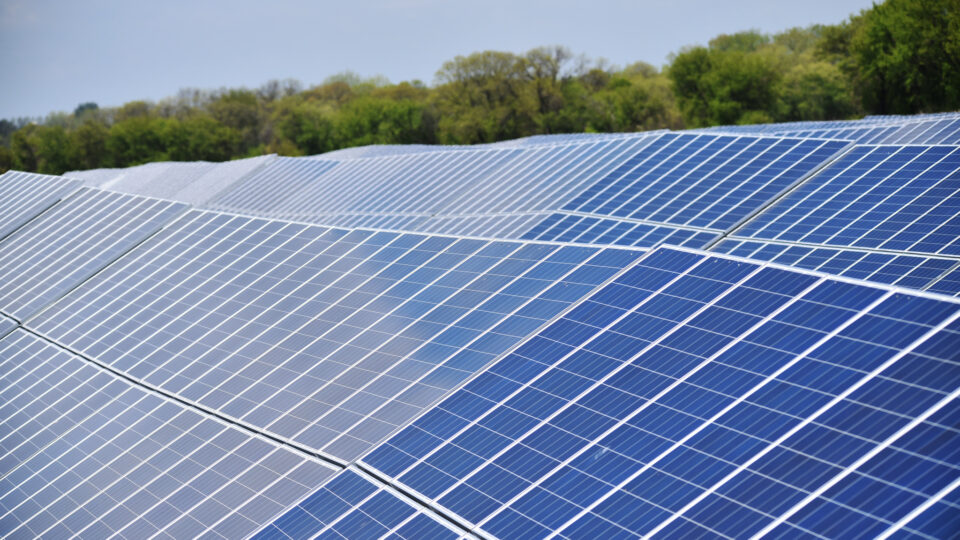
Texas has been a leader in wind energy for a number of years.  In 2020, wind made up 23% of the state’s generating capacity and provided 20% of in-state generation.  But although wind capacity in Texas has grown rapidly in recent years, solar power is expected to make up the largest share of the state’s capacity additions over the next two years.

Texas plans to add 4.6 gigawatts of utility-scale solar power this year and 5.4 gigawatts in 2022.  This will give the state a total capacity of 15 gigawatts, which will nearly catch up to California, the state with the most large-scale solar power.  California already has 16 gigawatts of installed solar capacity and plans to add about two more over the next two years.

The planned capacity for Texas will provide enough power for roughly 5 million homes, taking into account the intermittency of solar energy.  Much of the new solar capacity will be in the Permian Basin in West Texas, which is a particularly sunny place.  Because solar generation is greatest in the middle of the day, when wind generation is typically lower, the transmission line infrastructure already in place for the wind power will be adequate for the new solar installations.

The boom in solar power in Texas is driven in part by the federal solar Investment Tax Credit that is available to project developers as well as by the ever-lower cost of solar technology. 

One-third of the utility-scale solar capacity planned to come online in the U.S. in the next two years will be in Texas.  Currently, utility-scale solar only makes up 4% of electrical generating capacity in Texas, but that is clearly changing.

**********

Web Links

Texas likely to add 10 GW of utility-scale solar capacity in the next two years

Photo, posted May 14, 2020, courtesy of Courtney Celley/USFWS via Flickr.

Earth Wise is a production of WAMC Northeast Public Radio.
The Potential For Solar Canals In California | Earth Wise

April 29, 2021 By EarthWise Leave a Comment

Covering California's aqueducts with solar panels could advance renewable energy and water conservation

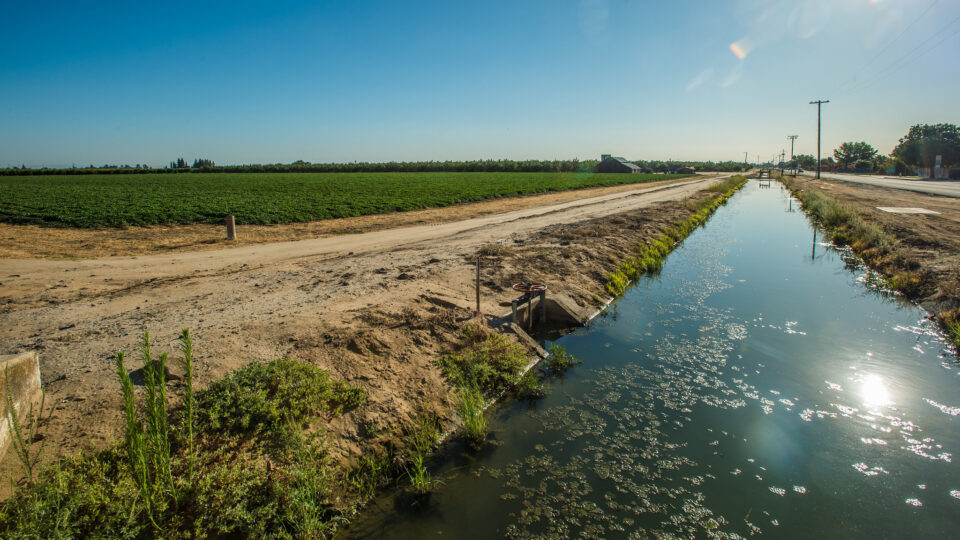
California’s network of almost 4,000 miles of aqueducts is the world’s largest water conveyance system.  It serves the state’s Central Valley which produces a quarter of America’s food.  About 20% of the nation’s groundwater demand is pumped from Central Valley aquifers.

A recent study by the University of California Santa Cruz and UC Merced has determined that covering these aqueducts with solar panels could be an economically feasible way to advance both renewable energy and water conservation.  California’s aqueducts might more properly be called canals because they are located at ground level.  

The concept of solar canals has been gaining increasing interest around the world as the changing climate leads to more droughts in many regions.  Placing solar panels above the canals can shade them to help prevent water loss through evaporation.  In addition, some types of solar panels can work better situated over canals because the cooler environment improves their operation.  In addition to the increased solar panel output and the water evaporation savings, shade from solar panels could help control the growth of aquatic weeds, which are a costly canal maintenance issue.

Spanning canals with solar panels can be accomplished either by using steel trusses or suspension cables, either of which is more expensive to build than ordinary ground-mounted solar panel supports.  But the research study showed how the benefits of solar canals combine to outweigh the added costs for cable-supported installations.

Apart from the economic benefits of a solar canal system, producing solar energy in the canal system could eliminate the use of 15-20 diesel-powered irrigation pumps, helping to reduce air pollution in a region with some of the nation’s worst air quality.

Solar canals could be a real winner.

**********

Web Links

New analysis shows potential for ‘solar canals’ in California

Photo, posted July 23, 2015, courtesy of Lance Cheung / USDA via Flickr.

Earth Wise is a production of WAMC Northeast Public Radio.
California’s Silent Health Hazard | Earth Wise

April 23, 2021 By EarthWise Leave a Comment

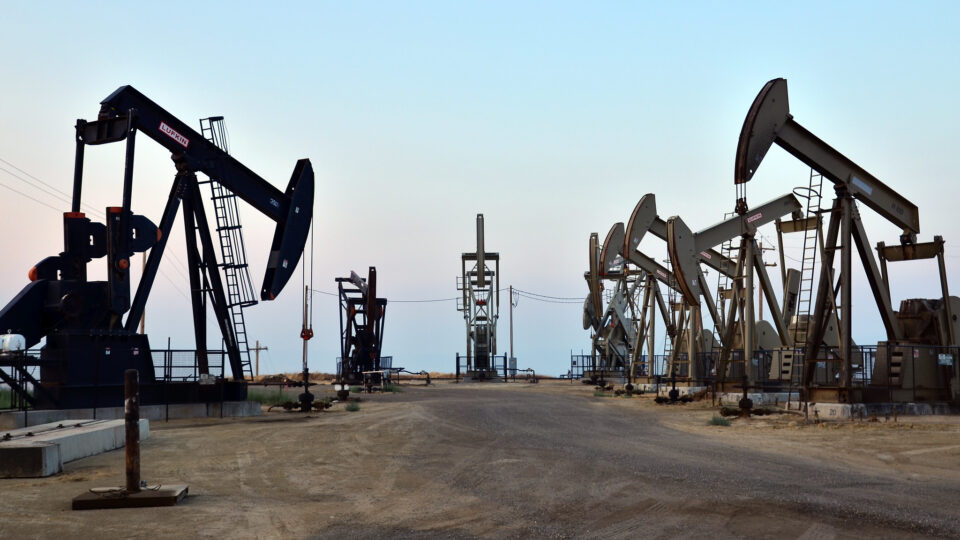
California oil wells a silent public health hazard

For people in the Los Angeles area, it is a familiar sight to see oil wells pumping away on hillsides, in residential neighborhoods, and other places.  In fancier parts of town, oil wells are hidden behind facades located next door to dry cleaners and lamp stores.

Every year, more than 140 million barrels of oil are extracted from the state of California, coming from a vast subterranean formation that spans nearly the entire state along the coast and spreading inland as well.  About 30% of the state’s oil comes from the Los Angeles area.

The oilfields are mostly old, and their wells played out.  As a result, high-tech drilling and a slew of toxic chemicals are needed to extract the last dregs of crude oil.

Unlike more rural oil-producing states, where oilfields might be uninhabited except for the people who work on them, drilling in California happens to a large degree in residential settings.  Over the years, it has become increasingly clear that certain chemical byproducts of oil extraction, among them benzene and hydrogen sulfate, can cause a variety of health problems.  For example, recent research has found connections between exposure to oil and gas well sites and spontaneous pre-term births, low-birthweight babies, and other adverse birth outcomes.

Statewide, little is being done to protect residents and schoolchildren from any of the suspected consequences of living near an oil or gas well.  Regulations are weak and spottily enforced because the oil industry still wields a lot of political power in the state.  Environmental groups and justice advocates are actively seeking to create new protections for California citizens, but it remains an uphill battle.

**********

Web Links

The Oil Well Next Door: California’s Silent Health Hazard

Photo, posted July 11, 2017, courtesy of John Ciccarelli / Bureau of Land Management California via Flickr.

Earth Wise is a production of WAMC Northeast Public Radio.
Saving The Giant Sequoia | Earth Wise

April 22, 2021 By EarthWise Leave a Comment

Forest managers working to save the sequoias

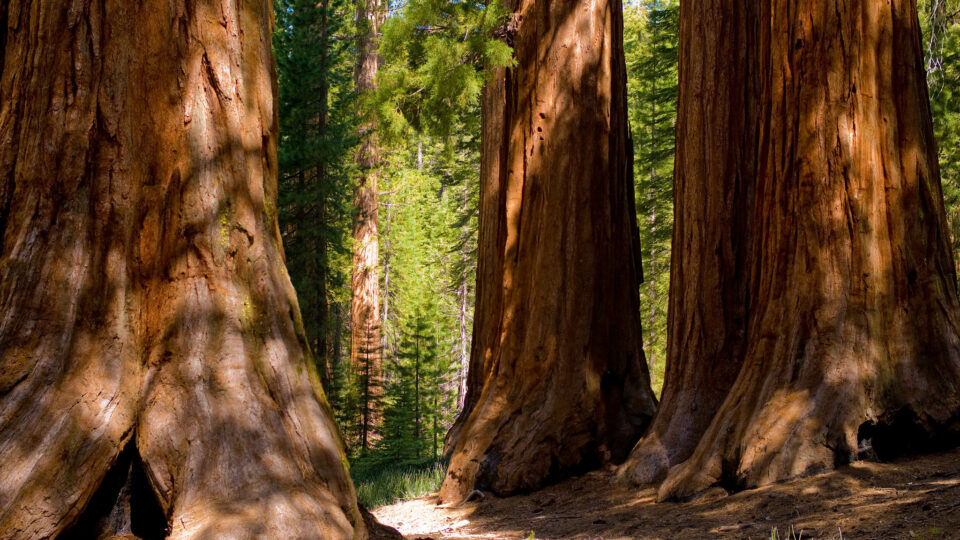
Giant sequoia trees are some of the most remarkable living things on earth.  They can live up to 3,000 years.  The tallest specimens tower over 300 feet, but it is their girth that really sets them apart.  They are usually 20 feet in diameter, and some are up to 35 feet across at the widest.  The largest tree in the world by volume is the General Sherman tree, which has a volume of 52,508 cubic feet. At 2,100 years old, it weighs 2.7 million pounds and is not only the largest living tree, but also the largest living organism by volume on the planet.

Giant sequoias are incredibly hardy.  To have survived thousands of years, the oldest of these trees have endured hungry animals, diseases, fires, snowstorms, El Niño events, years-long droughts, and the efforts of loggers during the 19th and 20th centuries.

In February, unusually high winds knocked down 15 giant sequoias in Yosemite National Park.  While sequoias are amazingly adapted to their narrow range in California’s Western Sierras, it appears as though climate change is altering their habitat faster than the species can migrate or adapt.  Shorter cold seasons have meant more rain instead of snow, leading to floods and mudslides in the winter.  Fires are more likely with less snowpack.  Hotter, drier summers put sequoias under greater stress.

Forest managers work to preserve existing groves through fire mitigation, supplementary water, and careful stewardship of young trees in existing groves.  If these efforts are successful through the ensuing decades, climate change may be just one more thing the sequoias outlasted.  But at least some conservationists are now considering planting a new generation of sequoias in colder, nearby habitats. 

**********

Web Links

To Save Giant Sequoia Trees, Maybe It’s Time to Plant Backups

Photo, posted June 8, 2008, courtesy of Joi Ito via Flickr.

Earth Wise is a production of WAMC Northeast Public Radio.
The Collapse of Northern California Kelp Forests | Earth Wise

March 30, 2021 By EarthWise Leave a Comment

The California kelp forests are collapsing

For thousands of years, thick canopies of kelp formed an underwater forest spanning the coast of Northern California.  Kelp is the cornerstone of a rich subtidal community, providing food and habitat for all sorts of marine creatures.  But in recent years, a shocking transformation has occurred.  Satellite imagery reveals that the area covered by kelp forests off the coast of Northern California has declined by more than 95%.  Only a few small, isolated patches remain.  

In a new study, researchers at the University of California Santa Cruz found that the kelp forest decline was an abrupt collapse as opposed to a gradual decline. 

According to the study, which was recently published in the journal Communications Biology, kelp forests north of San Francisco were resilient to warming events in the past, like El Niños and marine heatwaves. But the decline of a key sea urchin predator – the sunflower sea star – from sea star wasting disease caused the kelp forests’ resiliency to plummet.  Sea urchins are voracious consumers of kelp.     

But it was a series of events – not just the sea urchins – that combined to decimate the Northern California kelp forest.   A marine heatwave that became known as “the blob” developed in 2014 and moved down the West Coast in 2015.  Around the same time, a strong El Niño event developed and brought warmer water up the coast from the south.  The warming ocean waters combined with the ravenous sea urchin population resulted in the dramatic decline of kelp. 

According to researchers, the prospects for a Northern California kelp forest recovery remain poor unless sea urchin predators return to the ecosystem. 

********** 

Web Links

The collapse of Northern California kelp forests will be hard to reverse

Photo, posted August 13, 2019, courtesy of Sara Hamilton of OSU College of Science via Flickr.

Earth Wise is a production of WAMC Northeast Public Radio.


  • « Go to Previous Page
  • Page 1
  • Interim pages omitted …
  • Page 3
  • Page 4
  • Page 5
  • Page 6
  • Page 7
  • Interim pages omitted …
  • Page 12
  • Go to Next Page »

Primary Sidebar

Recent Episodes

  • An uninsurable future
  • Clean energy and jobs
  • Insect declines in remote regions
  • Fossil fuel producing nations ignoring climate goals
  • Trouble for clownfishes

WAMC Northeast Public Radio

WAMC/Northeast Public Radio is a regional public radio network serving parts of seven northeastern states (more...)

Copyright © 2026 ·