• Skip to primary navigation
  • Skip to main content
  • Skip to primary sidebar

Earth Wise

A look at our changing environment.

  • Home
  • About Earth Wise
  • Where to Listen
  • All Articles
  • Show Search
Hide Search
You are here: Home / Archives for analysis

analysis

Bioacoustics

December 5, 2019 By EarthWise Leave a Comment

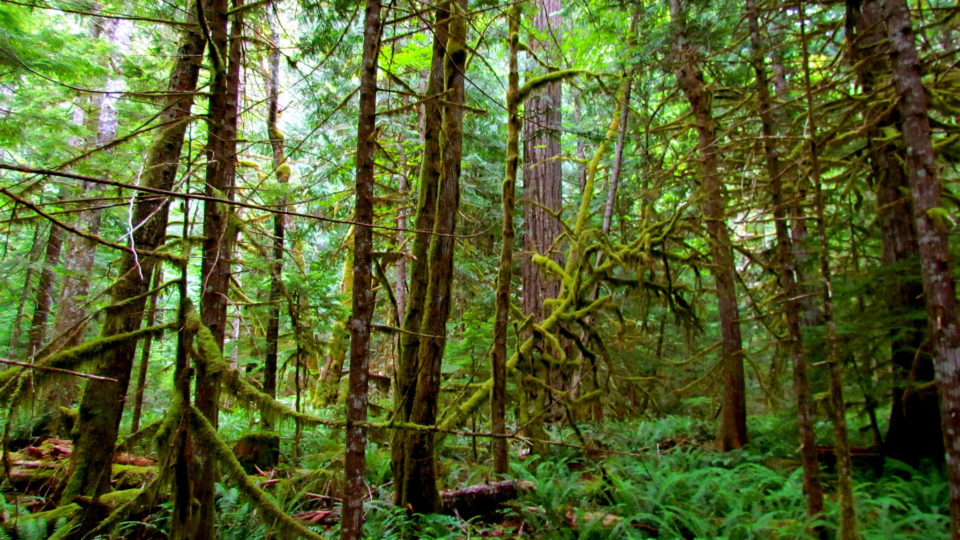
Researchers are increasingly placing microphones in forests and other ecosystems to monitor birds, insects, frogs, and other animals.  Advances in technology are enabling the wide-spread use of bioacoustics as an important research tool.

Studying animals in their natural habitat Is often a difficult task.  For one thing, many animals are difficult to find, and the presence of humans disrupts their behavior or even drives them off.  Remote cameras are useful, but cameras can only see what is in front of them and aren’t much use for detecting small animals, hidden animals, or ones high up in trees.

Biologists have long recognized the value of recording sound to identify animals and learn about their havior.  Animal sounds can be as definitive a means of identification as visual images and microphones can pick up the sounds from animals located anywhere within their detection range.

The two advances in technology that are turning bioacoustics into a widely used tool are a steep drop in the price of recording equipment and the rapidly expanding capabilities of user-friendly artificial intelligence algorithms.

Autonomous environmental audio recorders tended to cost between $500 and $1000 until quite recently.  Now, such equipment can be had for as little as $70.

The other big challenge is analyzing audio data.  Finding specific animal sounds among hundreds of hours of recordings is an untenably tedious task.  Identifying the characteristic sounds of specific species in crowded environments is a tricky business.  But neural network-based artificial intelligence technology is making such big data analysis quite practical and, remarkably, it is becoming quite user-friendly.

**********

Web Links

Listening to Nature: The Emerging Field of Bioacoustics

Photo, posted January 28, 2013, courtesy of Felix Uribe via Flickr.

Earth Wise is a production of WAMC Northeast Public Radio.
Ocean Acidification And Mass Extinction

November 26, 2019 By EarthWise Leave a Comment

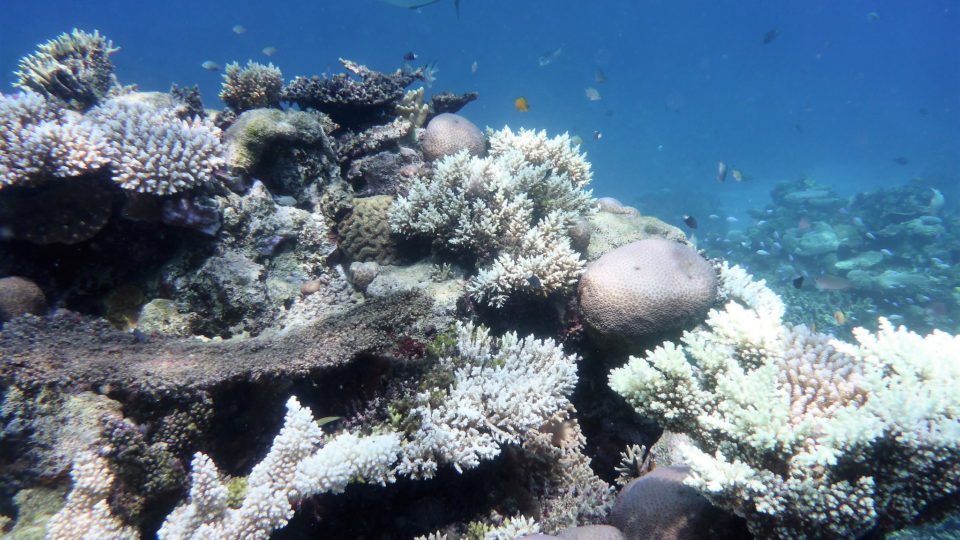
Since the industrial revolution, the concentration of carbon dioxide in the atmosphere has increased due to the burning of fossil fuels and land use changes.  The ocean absorbs about 30% of the CO2 that is released in the atmosphere.  As the levels of atmospheric CO2 increase, so do the levels in the ocean.

When CO2 is absorbed by the ocean, a series of chemical reactions occur, resulting in seawater becoming more acidic.  Ocean acidification threatens calcifying organisms, such as clams and corals, as well as other marine animals, like fish.  When these organisms are at risk, the entire marine ecosystem may also be at risk.

In fact, according to research recently published in the journal Proceedings of the National Academy of Sciences, fossil evidence from 66 million years ago has revealed that ocean acidification can cause the mass extinction of marine life.  Researchers analyzed seashells in sediment laid down shortly after a giant meteorite hit earth.  This strike wiped out the dinosaurs and 75% of marine species.  Chemical analysis of the shells revealed a sharp drop in the PH of the ocean over hundreds of years after the meteorite strike.  The meteorite impact vaporized rocks, causing carbonic acid and sulphuric acid to rain down, acidifying the ocean.  The strike also resulted in mass die-off of plants on land, increasing atmospheric CO2.  

Researchers found that the pH dropped by 0.25 pH units in the 100 to 1,000 years after the meteorite strike.  Alarmingly, scientists expect the pH of the ocean to drop by 0.4 pH units by 2100 if our carbon emissions continue as projected. 

**********

Web Links

Ocean acidification can cause mass extinctions, fossils reveal

Photo, posted March 16, 2017, courtesy of Zachary Martin via Flickr.

Earth Wise is a production of WAMC Northeast Public Radio.
Displaced By Extreme Weather

November 11, 2019 By EarthWise Leave a Comment

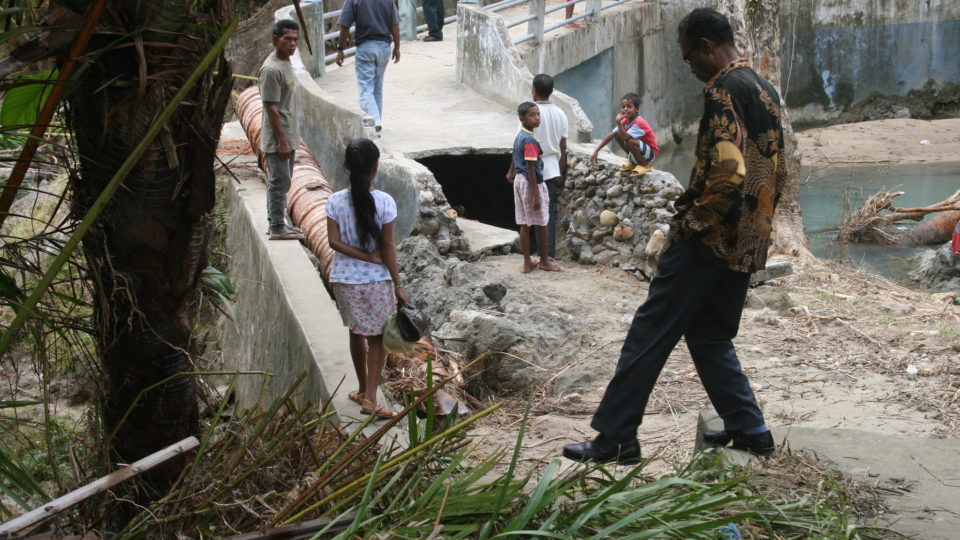
The Internal Displacement Monitoring Centre is the world’s authoritative source of data and analysis on internal displacement.  Internal displacement refers to people being forced to flee their homes or places of habitual residence but who remain within their country’s borders.  Such displacements can be the result of conflict, violence, development projects, natural disasters, or climate change.  As of the end of 2018, over 41 million people were living in internal displacement because of conflict and violence alone.

This year, natural disasters are causing a record number of internal displacements.  In the first half of the year, 7 million people were displaced by disasters, accounting for nearly two-thirds of all the internal displacements worldwide.  The IDMC estimates that this number could hit 22 million by the end of the year.

The vast majority of displacement has been associated with storms and floods.  Cyclone Fani alone in May displaced more than 3.4 million people in India and Bangladesh.  In March, Cyclone Idai displaced 617,000 people in Mozambique, Malawi, and Zimbabwe.  In total, 950 extreme weather events in 102 countries and territories displaced 7 million people from January to June.

Technically speaking, internally displaced people are not considered to be refugees because they remain in their home countries.  But the growing millions of people represent a global crisis that continues to worsen with the changing climate.  The international community cannot ignore the plight of these people.  Governments around the world have to redouble their efforts to protect and assist their displaced citizens as well as to invest in sustainable development and climate change adaptation.

**********

Web Links

Extreme Weather Displaced 7 Million People in First Half of 2019

Photo, posted August 5, 2012, courtesy of the U.S. Embassy, Jakarta via Flickr.

Earth Wise is a production of WAMC Northeast Public Radio.

Birds Are Disappearing

October 16, 2019 By EarthWise 1 Comment

A new analysis, published in the journal Science, reports that the number of birds in the United States and Canada has fallen by 29% since 1970.  There are 2.9 billion fewer birds in the two countries now than there were 50 years ago.

The analysis is the most comprehensive attempt to date to look at the status of avian populations.  The results were a shock to researchers and conservation organizations.

It is well-known that some bird species have become vulnerable to extinction, but the new study, which surveyed more than 500 species, uncovered steep losses even among such traditionally abundant birds as robins and sparrows.

There appear to be multiple causes for the steep declines.  The largest ones are likely habitat loss and the wider use of pesticides.  Rachel Carson’s 1962 book Silent Spring warned of the dangers of pesticides and took its title from a world that has lost its birds.

The survey includes 76% of all bird species in the US and Canada, but actually represents almost the entire population of birds.  Grassland species have suffered the biggest declines by far, as a result of modern agriculture and development.  Pesticides, such as neonicotinoids, make it harder for birds to put on weight needed for migration, delaying their travel.

There are a few bright spots:  bald eagles are thriving, and falcon and waterfowl populations are on the upswing.  These are species that have been the subject of conservation measures in recent decades.

Stopping the bird decline will require a great deal of effort to defend habitats, restrict chemicals, and redesign buildings.  Without that effort, birds will continue to disappear.

**********

Web Links

Birds Are Vanishing From North America

Photo, posted April 1, 2012, courtesy of Barry Skeates via Flickr.

Earth Wise is a production of WAMC Northeast Public Radio.

Climate Change And Energy Demand

August 7, 2019 By EarthWise Leave a Comment

Human beings are utterly dependent upon energy both for our well-being and for societal development.  Our energy use is highly dependent upon climate since so much energy is expended either keeping us warm in winter or cool in summer.  As the climate changes, it is important to understand how energy demand is likely to be affected.

A new study published in Nature Communications by researchers in Austria, Italy and the United States explored this topic.  The study is a global analysis using temperature projections from 21 climate models, and population and economy projections for five socioeconomic scenarios.  The purpose was to determine how energy demand would shift relative to today’s climate under modest and high-warming scenarios by the year 2050.

The findings indicate that, compared to scenarios in which energy demand is driven only by population and income growth, climate change will increase the global demand for energy by 11-27% by the year 2050 under a modest warming scenario.  With vigorous climate warming, energy demand would increase by 25-58%.  (Large areas of the tropics, as well as southern Europe, China, and the US are likely to experience the highest increases).

These findings are important because if energy use rises and leads to additional emissions of heat-trapping greenhouse gases, it will be increasingly difficult to mitigate future climate warming.  Quantifying this risk provides even more incentive for reducing greenhouse gas emissions before these effects upon demand are realized and it becomes even more difficult to prevent further impacts.

Policymakers need to be aware that even moderate levels of climate change will lead to increases in energy demand that will make it increasingly difficult to minimize the harmful effects on their societies.

**********

Web Links

More energy needed to cope with climate change

Photo, posted December 15, 2008, courtesy of Matt Hintsa via Flickr.

Earth Wise is a production of WAMC Northeast Public Radio.
100% Renewables Does Not Necessarily Mean Carbon-Free

July 16, 2019 By EarthWise Leave a Comment

Hundreds of companies around the world have committed to use 100% renewable energy in order to fight climate change.  But a new study from Stanford University points out that 100% renewable energy does not necessarily mean 100% carbon-free energy.

The problem is that the carbon content of electricity can vary a lot over the course of a day in many locations.  Using yearly averages can overstate the carbon reductions associated with a particular power source, in some cases by significant amounts.

Suppose a California company purchases or generates enough solar power to match 100% or more of their electricity use over the course of the year.  In reality, it may generate far more electricity than it uses during the afternoon and sell the excess.  Then, at nighttime, it purchases power from the grid, which would be far more carbon-intensive if it involves the burning of fossil fuels.

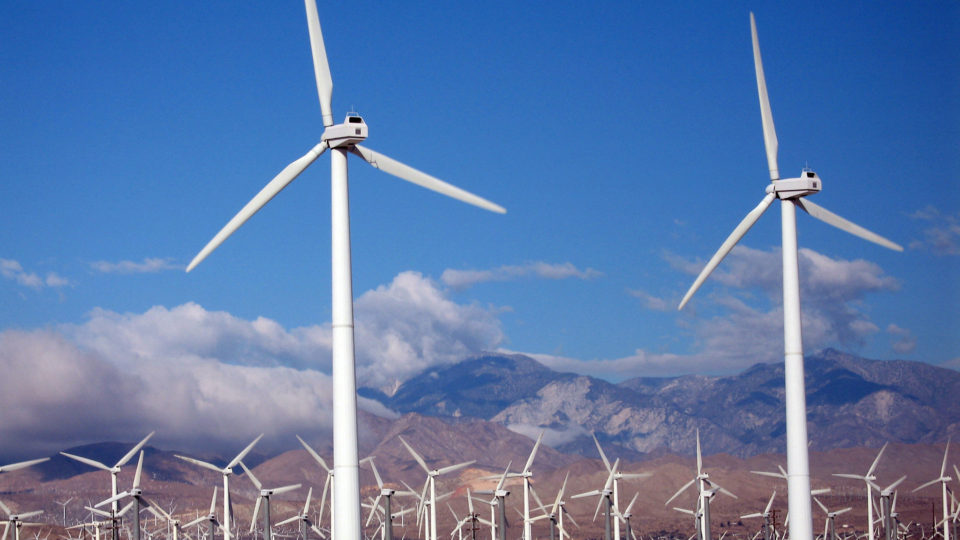
But in Britain, for example, the situation is very different.  With a high reliance on wind power, grid carbon intensity is actually lower at night.  So very different consumption patterns over the course of a day would be less carbon-intensive.

If sufficient energy storage capacity can be implemented into the grid as well as suitable long-range transmission, these time-based fluctuations in the electricity supply could be ironed out.  Until such time, electricity consumers need to evaluate the environmental benefits of their renewable strategies on an hourly basis rather than using averages.  And the best strategies are entirely dependent upon the characteristics of the specific grid they interact with.  The need for this kind of analysis will only grow as renewable generation expands.  Transparent, precise and meaningful carbon accounting is necessary.

**********

Web Links

100% renewables doesn’t equal zero-carbon energy, and the difference is growing

Photo, posted January 29, 2013, courtesy of U.S. Fish and Wildlife Service via Flickr.

Earth Wise is a production of WAMC Northeast Public Radio.

Climate Change And Economic Inequality

June 3, 2019 By EarthWise 1 Comment

A new study by Stanford University looked at the effects of climate change on global economic inequality.  The study found that the gap between the economic output of the world’s richest and poorest countries is larger today than it would have been without global warming.

The warming climate has enriched cooler countries like Norway and Sweden while dragging down economic growth in warm countries such as India and Nigeria.  The results of the study showed that most of the poorest countries on Earth are considerably poorer than they would have been in the absence of rising temperatures.  At the same time, the majority of rich countries are richer than they would have otherwise been.

Detailed analysis of 50 years of annual temperature and GDP measurements for 165 countries demonstrated that growth during warmer than average years has accelerated in cool nations and slowed in warm nations.  Historical data clearly show that crops are more productive, people are healthier, and they are more productive at work when temperatures are neither too hot nor too cold.  That means that in cold countries, a little bit of warming can help but the opposite is true in places that are already hot.

For most counties, whether global warming has helped or hurt economic growth is pretty certain.  Tropical countries in particular tend to have temperatures far outside the ideal for economic growth and they are already among the poorest countries.  It is less clear how warming has influenced growth in countries in the middle latitudes, such as here in the United States.  Some of the largest economies are near the perfect temperature for economic output but continued warming in the future is likely to push them away from the temperature optimum.

**********

Web Links

Climate change has worsened global economic inequality

Photo, posted November 1, 2011, courtesy of CIAT via Flickr.

Earth Wise is a production of WAMC Northeast Public Radio.

Climate Change And Dolphins

May 27, 2019 By EarthWise Leave a Comment

We don’t think of heatwaves as something that affects the ocean, but increasingly, as the planet warms, there have been instances where ocean water temperatures become much higher than normal for extended periods of time.  There has been much discussion of this phenomenon with regard to coral reefs where the catastrophic rise in coral bleaching events has been the result.

Recently, a study at the University of Zurich looked at the effects of ocean heatwaves on marine life higher in the food chain.  They studied the well-known dolphin population in Shark Bay, Western Australia.

In early 2011, a heatwave caused water temperatures in Shark Bay to rise more than 4 degrees above the annual average for an extended period.  This led to a substantial loss of seagrass, which is a driving factor in the Shark Bay ecosystem.

The researchers investigated how this environmental damage affected survival and reproduction of dolphins, using long-term data on hundreds of animals collected over a ten-year period from 2007 to 2017.

Their analysis showed that dolphins’ survival rate dropped by 12% and female dolphins were giving birth to fewer calves.  That phenomenon that began in 2011 lasted at least until 2017.

The researchers were surprised by the extent and the duration of the influence of the heatwave, especially the fact that the reproductive rate of dolphins had not returned to normal even after 6 years.

This study shows for the first time that marine heatwaves not only affect organisms at the lower levels of the food chain, but also might have considerable long-term consequences for the animals at the top, such as dolphins.

**********

Web Links

Climate change is a threat to dolphins’ survival

Photo, posted December 14, 2014, courtesy of Ed Dunens via Flickr.

Earth Wise is a production of WAMC Northeast Public Radio.
Frogs Are In Big Trouble

May 22, 2019 By EarthWise Leave a Comment

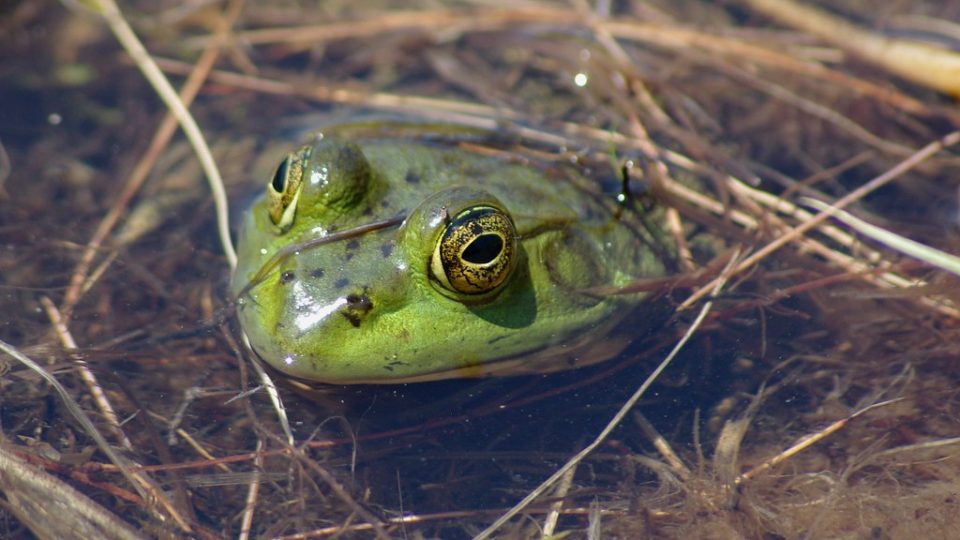
Scientists first noticed in the 1970s that some frog populations were declining rapidly.  By the 1980s, some species appeared to be extinct.  The loss of frog species was mysterious because many were actually living in pristine habitats that did not face pollution or deforestation.

By the late 1990s, researchers had identified that frogs in widely different places around the world were infected with a deadly fungus called Batrachochytrium dendrobatidis – or Bd for short.  The fungus originated on the Korean peninsula, but the pathogen spread throughout the world, probably via the international trade in pet amphibians.  By 2007, researchers speculated that Bd might be responsible for all known declines of frogs that had no other apparent cause – about 200 species.

Recently, a group of 41 scientists published the first worldwide analysis of the fungal outbreak and the devastation turns out to be far worse than anyone had previously realized.  Populations of more than 500 species of amphibians have declined significantly because of the outbreak, including at least 90 species presumed to have gone extinct.  These figures are more than twice as large as earlier estimates.

According to biologists, Bd is now considered to be the deadliest pathogen known to science.  But the decimation of frogs peaked in the 1980s.  Today, although 39% of the species that suffered population declines in the past are still declining, 12% are showing signs of recovery, possibly because natural selection is favoring resistant animals.

There is cautious optimism for the surviving amphibian species, but scientists worry that another strain of Bd or some different species of fungus altogether may prove even deadlier.  The best we can do is not participate in moving pathogens around the world.

**********

Web Links

The Plague Killing Frogs Everywhere Is Far Worse Than Scientists Thought

Photo, posted June 19, 2010, courtesy of Chris Luczkow via Flickr.

Earth Wise is a production of WAMC Northeast Public Radio.
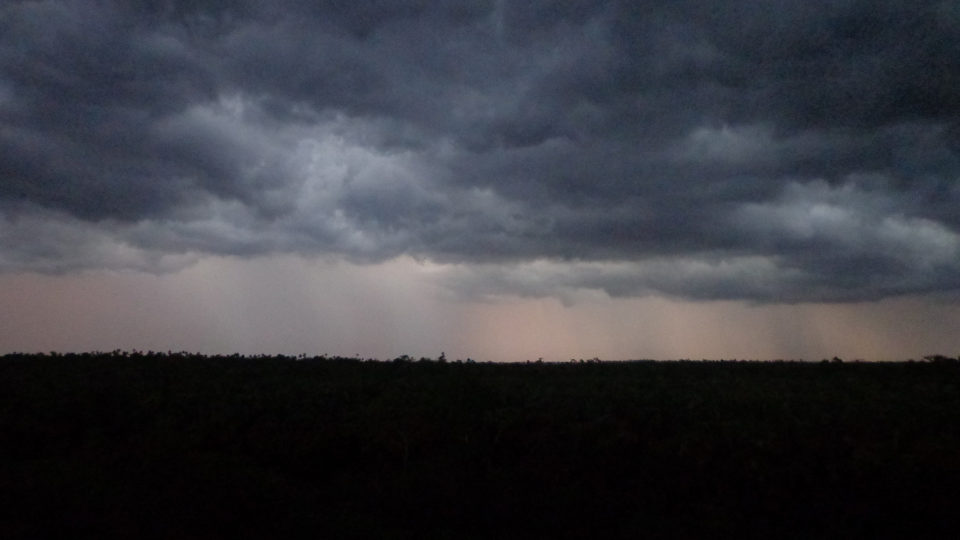
The New Normal Weather

March 13, 2019 By EarthWise Leave a Comment

We often hear about how the weather is getting stranger all the time, but do most of us really think so?  What kinds of weather do we really find remarkable and has that been changing?

A study led by the University of California, Davis used some very modern tools to examine the question of what people might consider to be “normal” weather.  To reach their conclusions, they quantified the timeless pastime of talking about the weather by analyzing Twitter posts.  They sampled over 2 billion geolocated tweets to determine what kind of events generated the most posts about the weather.

Unsurprisingly, they found that people most often tweet when temperatures are unusual for a particular place and time of year.  However, if the same weather persisted year after year, it generated less comment on Twitter, indicating that people began to view it as normal in a relatively short amount of time.

The study indicates that people have short memories when it comes to what they consider normal weather.  On average, most people base their idea of normal weather on what has happened in just the past two up to maybe eight years.  This disconnect with the historical climate record may obscure the public’s perception of climate change.

After repeat exposures to historically-extreme temperatures, people talk less about the weather, even though particularly hot or cold weather conditions make them unhappy and grumpy.  Even though we are experiencing conditions that are historically extreme, we might not consider them to be particularly unusual if we tend to forget what happened more than a few years ago.  Things may be getting worse, but they apparently are just the new normal.

**********

Web Links

Tweets tell scientists how quickly we normalize unusual weather

Photo, posted March 11, 2013, courtesy of Adedotun Ajibade via Flickr.

Earth Wise is a production of WAMC Northeast Public Radio.
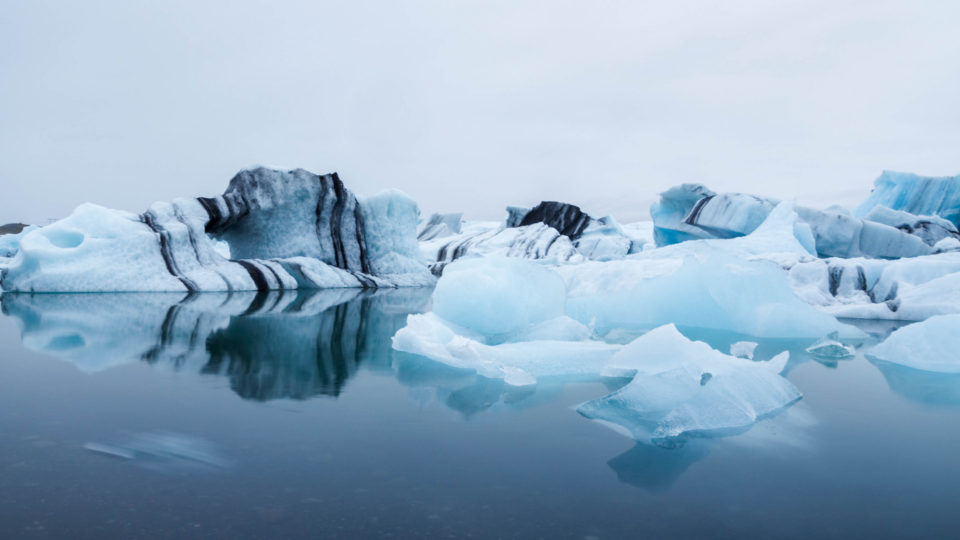
Melting Ice In Greenland

January 18, 2019 By EarthWise Leave a Comment

The Greenland ice sheet is the second largest ice body in the world after the Antarctic ice sheet.  It covers over 660,000 square miles, more than twice the size of the state of Texas.  But it is melting.

According to a new study published in the journal Nature, the Greenland ice sheet is melting faster today than at any point in the last 350 years.  A team of U.S. and European researchers analyzed more than three centuries of melt patterns in ice cores from western Greenland. They then linked this historical data to modern observations of melting and runoff across the entire ice sheet.

According to the researchers, from an historical perspective, today’smelt rates are off the charts.  There is a 50% increase in total ice sheet melt water runoff since the start of the industrial era and a 30% increase since the 20th century alone.

Over the last 20 years, melt intensity has increased 250 to 575 percent compared to pre-industrial melt rates. The period from 2004-2013, the most recent decade analyzed, experienced a more sustained and greater magnitude of melt than in any previous 10-year period in the 350-year record.

The Greenland ice sheet is the largest single contributor to global sea level rise.  It is adding 72 cubic miles of meltwater to the world’s oceans every year.

The melting of the Greenland ice sheet is accelerating which is a frightening prospect.  If the sheet were to melt in its entirety, global sea levels would rise by 23 feet.  The world needs to do whatever it can to keep that doomsday scenario from happening.

**********

Web Links

Greenland Ice Sheet Melting At Fastest Rate in 350 Years

Photo, posted September 8, 2014, courtesy of Marco Verch via Flickr.  

Earth Wise is a production of WAMC Northeast Public Radio.
What’s In The Air?

December 12, 2018 By EarthWise Leave a Comment

https://earthwiseradio.org/wp-content/uploads/2018/11/EW-12-12-18-Whats-in-the-Air.mp3

Researchers at Yale are using some advanced technology to analyze air samples in order to obtain a detailed look at the molecular makeup of organic aerosols, which have a significant presence in the atmosphere.

[Read more…] about What’s In The Air?

Carbon And North American Forests

September 24, 2018 By EarthWise Leave a Comment

https://earthwiseradio.org/wp-content/uploads/2018/09/EW-09-24-18-Carbon-and-North-American-Forests.mp3

Researchers have for the first time calculated the capacity of North American forests to sequester carbon.  The detailed analysis by UC Santa Cruz and collaborators in China and Arizona considers two key factors:  the natural process of forest growth and regeneration, and effects brought about by climate change.

[Read more…] about Carbon And North American Forests

2017 Was Hot

March 1, 2018 By EarthWise Leave a Comment

https://earthwiseradio.org/wp-content/uploads/2018/03/EW-03-01-18-2017-Was-Hot.mp3

There’s no argument to be made about whether 2017 was hot or not. The only uncertainty is whether it was the second or third warmest year ever recorded. 

[Read more…] about 2017 Was Hot

More Bears In New York

June 13, 2017 By EarthWise

https://earthwiseradio.org/wp-content/uploads/2017/06/EW-06-13-17-More-Bears-in-New-York.mp3

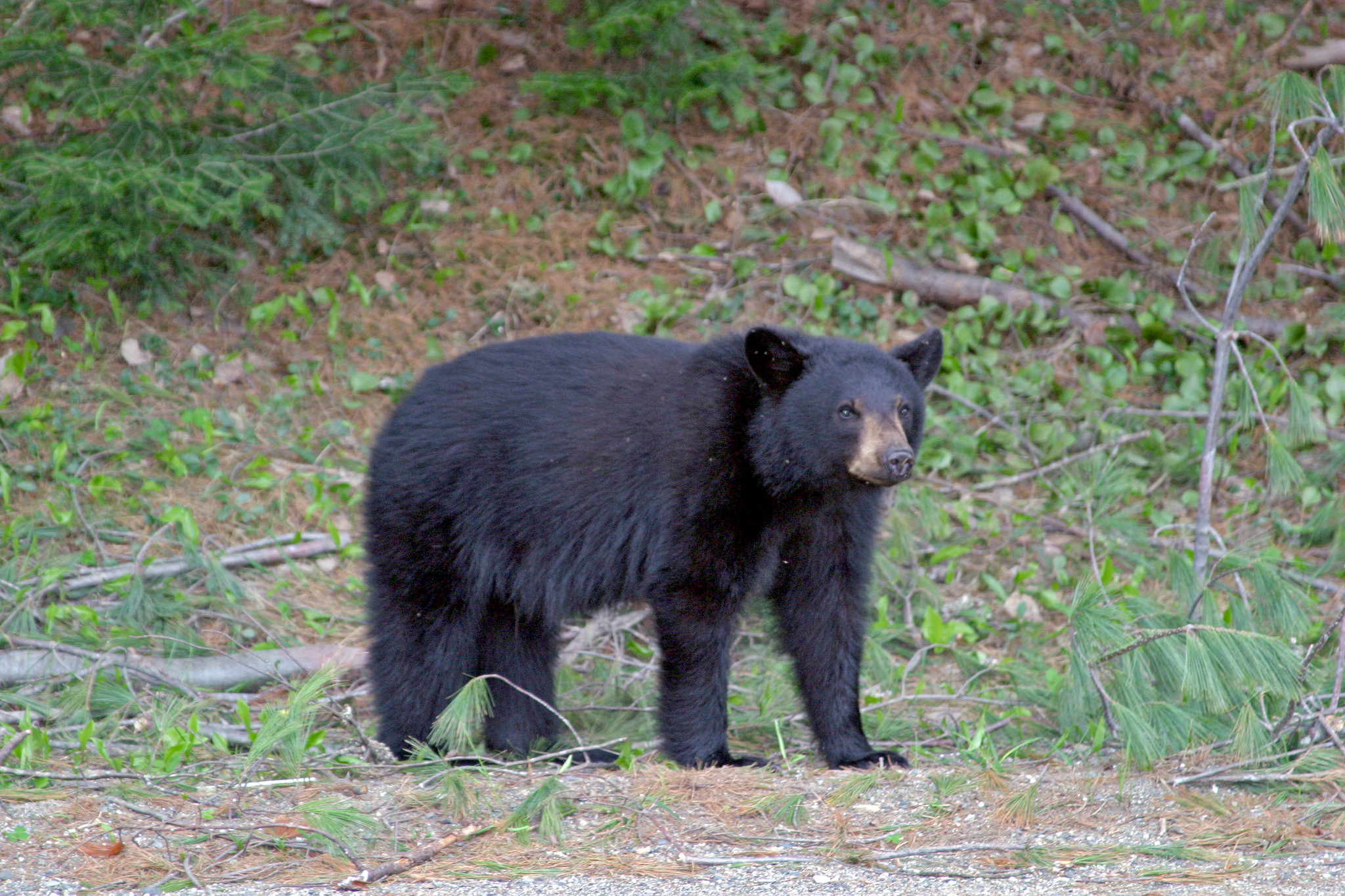
The population of black bears in southern New York has grown and expanded its range over the past 20 years, which has led to increased encounters with people.   Until recently, a detailed knowledge of bear populations in the state has been lacking.

[Read more…] about More Bears In New York

DNA Analysis of River Water

April 17, 2017 By EarthWise

https://earthwiseradio.org/wp-content/uploads/2017/04/EW-04-17-17-DNA-Analysis-of-River-Water.mp3

DNA analysis has become commonplace and inexpensive.  Millions of people have their DNA tested to learn about their origins and family connections.  And the technology has spread to biological research in the form of Environmental DNA or eDNA, which is such a powerful tool that it is transforming the field of wildlife biology.

[Read more…] about DNA Analysis of River Water

Arguing Against Climate Change

April 3, 2017 By EarthWise

https://earthwiseradio.org/wp-content/uploads/2017/04/EW-04-03-17-Arguing-Against-Climate-Change.mp3

Most of the world has accepted the analysis of the overwhelming majority of climate scientists that shows that our planet is warming and that our actions are the primary cause.  However, some people – notably a number holding high office – reject this analysis.   What exactly does it imply to say that climate change is not happening or is not caused by us?

[Read more…] about Arguing Against Climate Change

  • « Go to Previous Page
  • Page 1
  • Page 2
  • Page 3

Primary Sidebar

Recent Episodes

  • An uninsurable future
  • Clean energy and jobs
  • Insect declines in remote regions
  • Fossil fuel producing nations ignoring climate goals
  • Trouble for clownfishes

WAMC Northeast Public Radio

WAMC/Northeast Public Radio is a regional public radio network serving parts of seven northeastern states (more...)

Copyright © 2026 ·