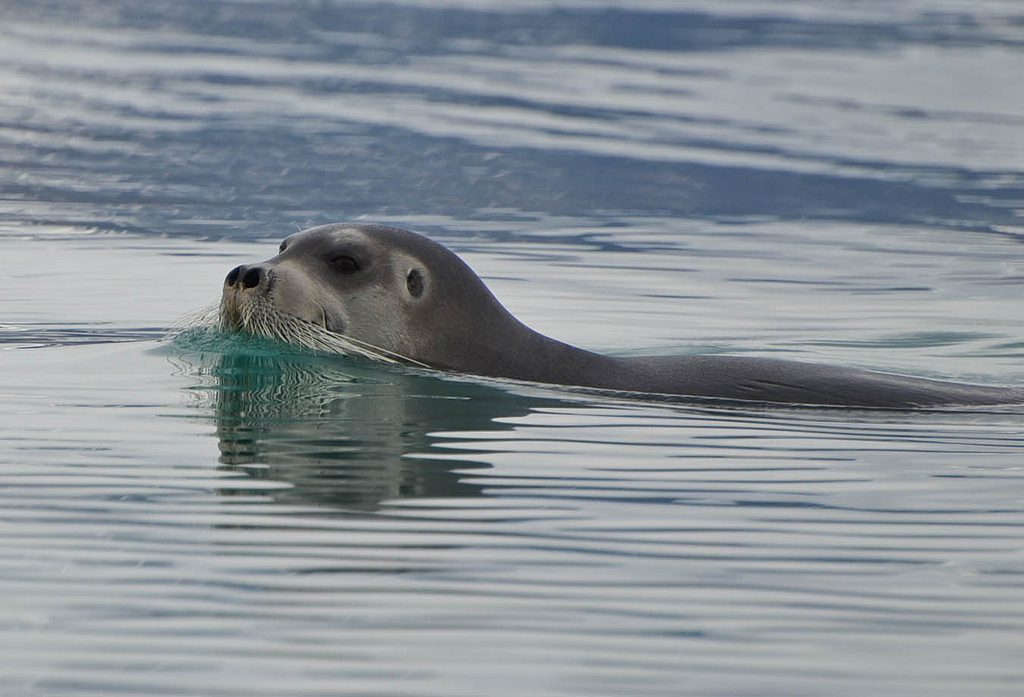
Alaska
Carbon From The Alaskan Tundra
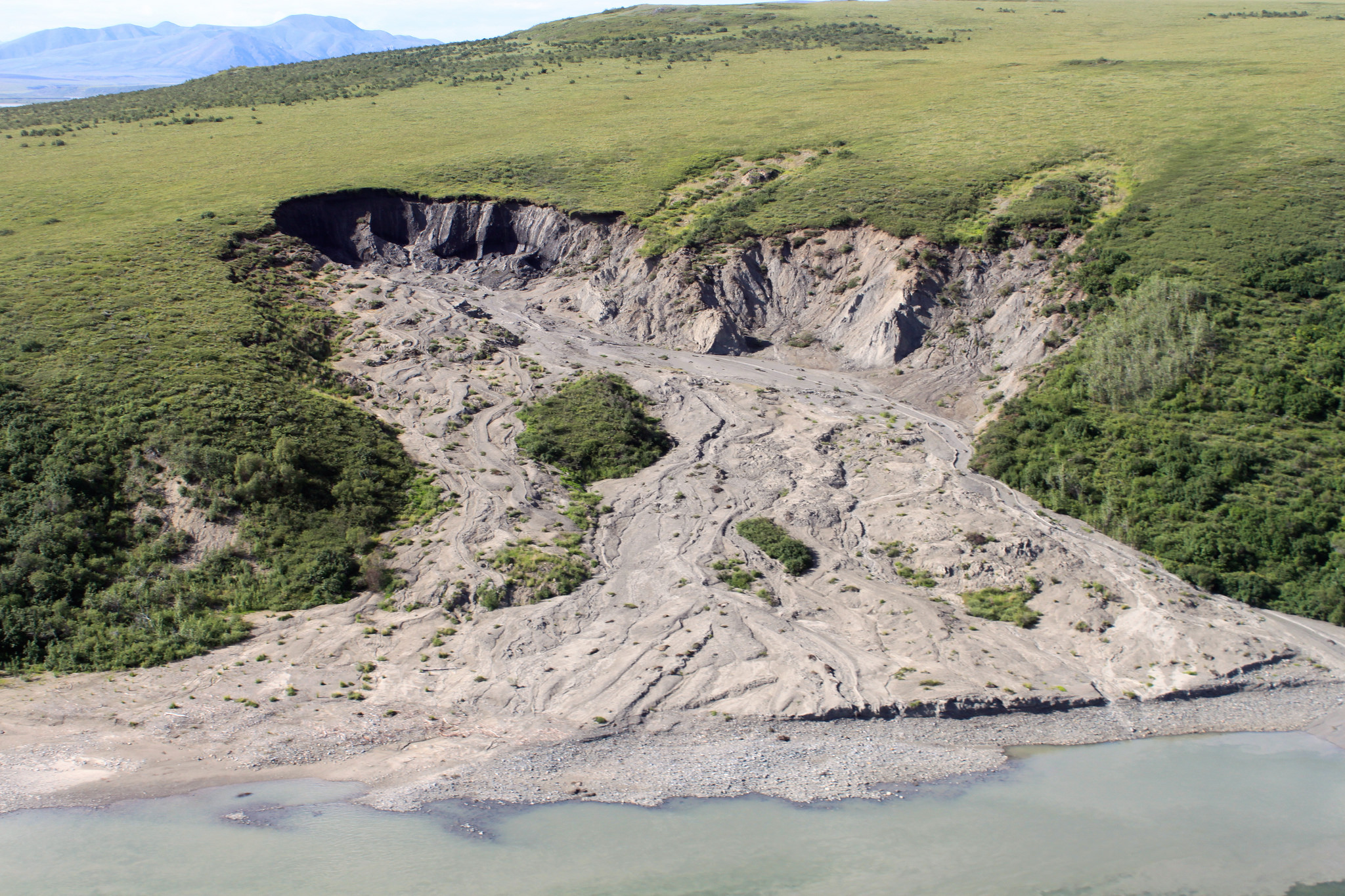
The soils that encircle the northern reaches of the Arctic are a vast repository for carbon in the form of undecayed organic matter from dead vegetation. The enormous amount of material trapped in the permafrost contains enough carbon to double the current amount of carbon dioxide in the Earth’s atmosphere.
Last Year Was Hot
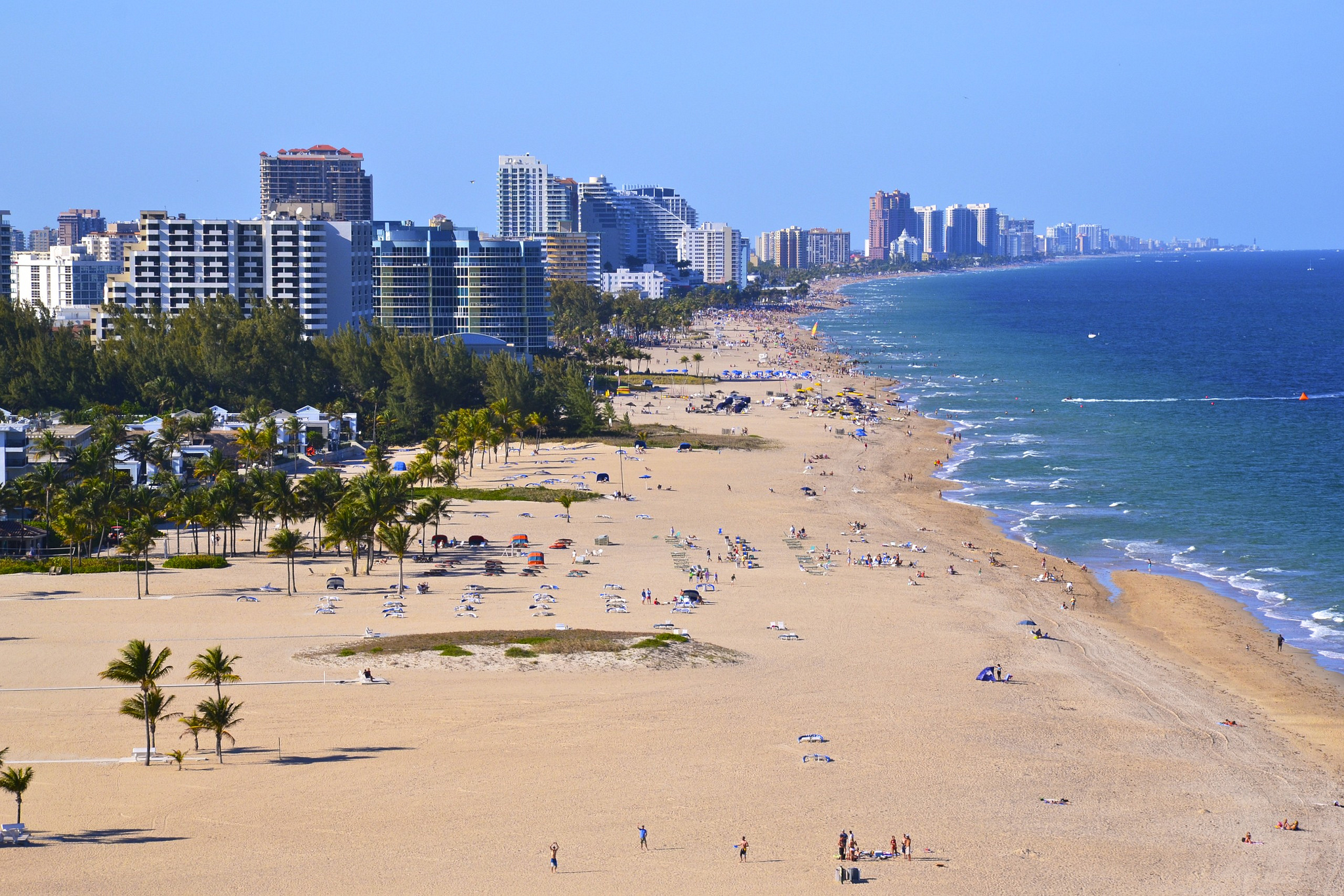
Last year was not the hottest year on record in the United States; it was only the second hottest. 2012 was the hottest because of some searing heat waves that summer. However, 2016 marked 20 above-average temperature years in a row. The five hottest years recorded have all happened since 1998. Every state had a temperature ranking at least in the top seven and both Georgia and Alaska had their hottest years ever. While it was only the second hottest year on record in the U.S., last year was the hottest year for the entire world.
Climate Change And Heat Waves
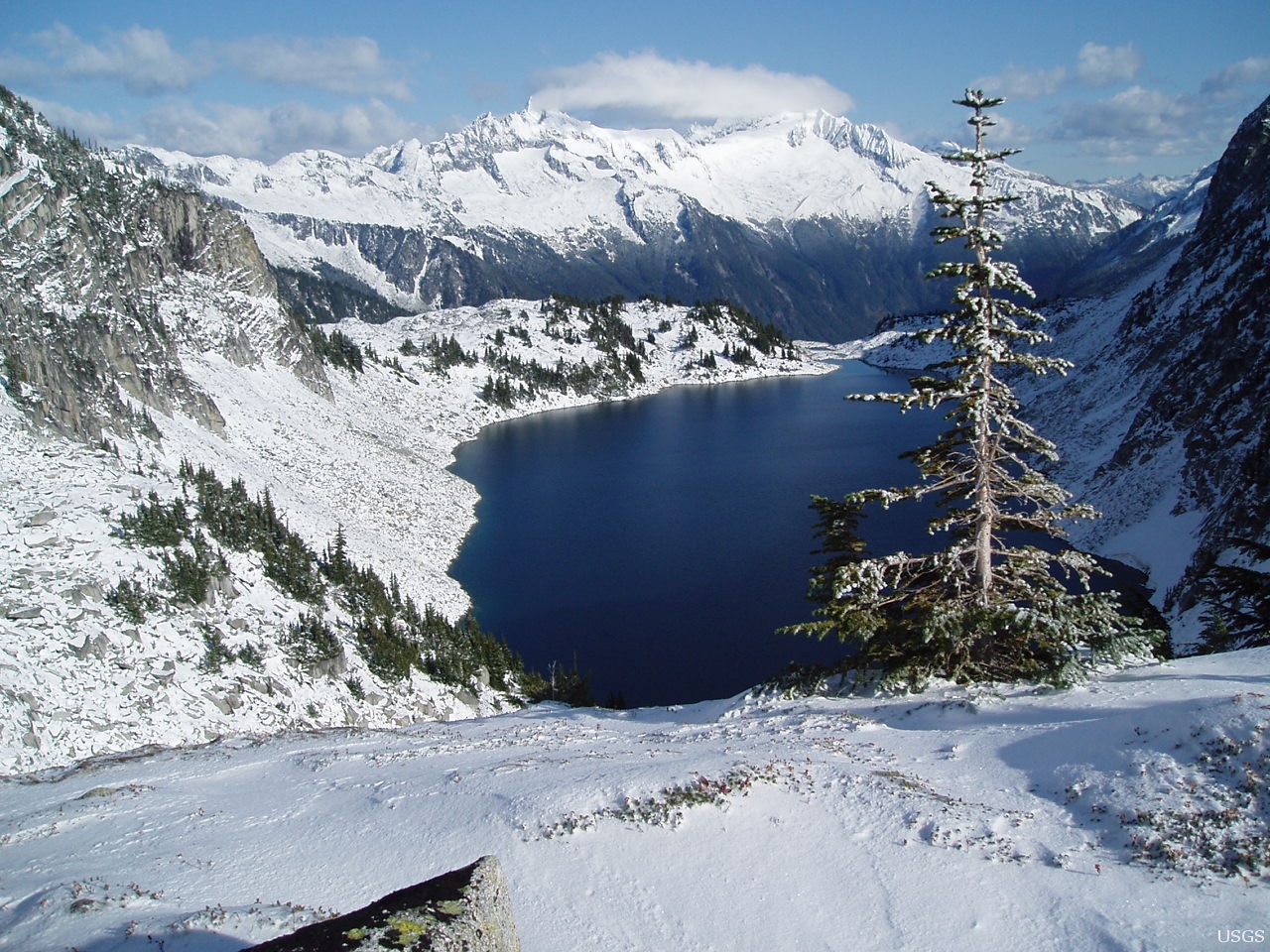
2016 was the hottest year on record and saw many extreme weather events. How much of what happened resulted from climate change has yet to be assessed. However, the analysis of 2015 – which was the hottest year on record up until last year – has been presented in a special publication by the American Meteorological Society.
Alaska’s Threatened Communities
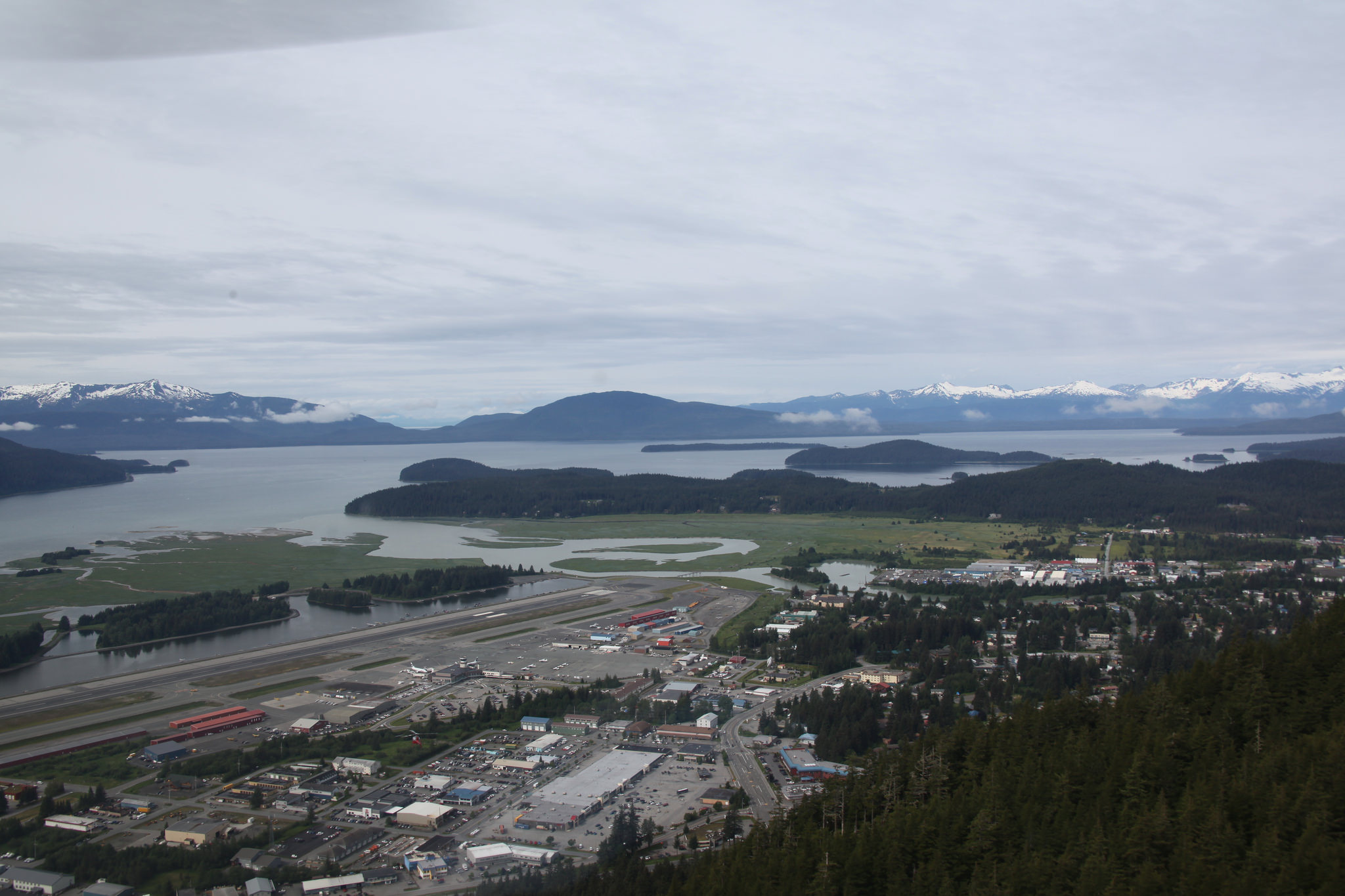
Because of its Arctic location, Alaska is warming about twice as fast as the rest of the United States. The past year has been the warmest on record. The forces of erosion and increasingly powerful storms have resulted in the imminent risk of destruction for at least 31 Alaskan towns and cities. Many are predicted to become uninhabitable over the next few decades. Residents of these places are likely to join the growing flow of climate refugees around the globe.
Global Climate Or Local Weather?
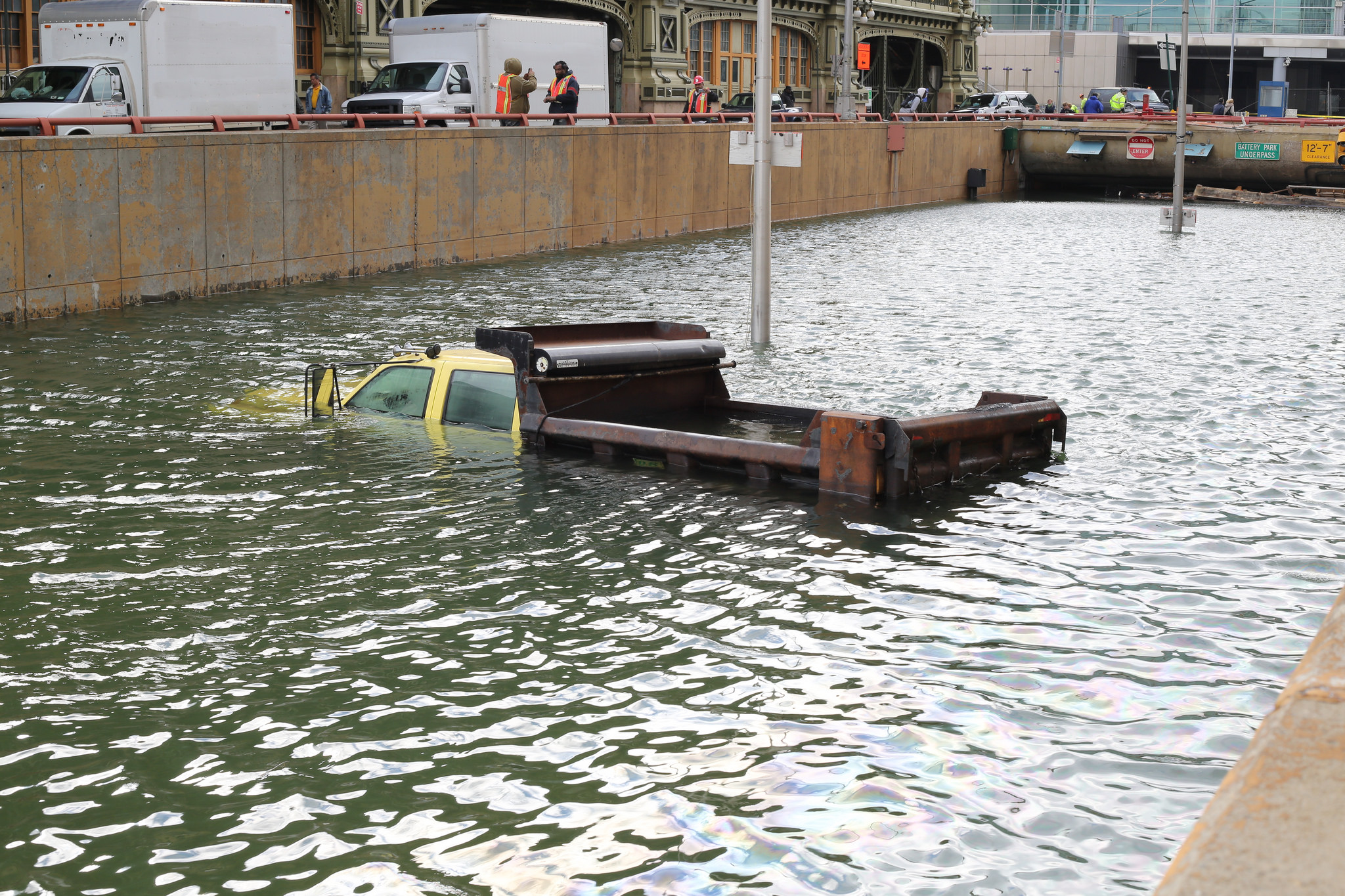
We don’t experience climate; we experience weather. And a new study has found that what Americans believe about the changing climate often depends more on their personal experience than what is going on around the world.
Cruising The Northwest Passage
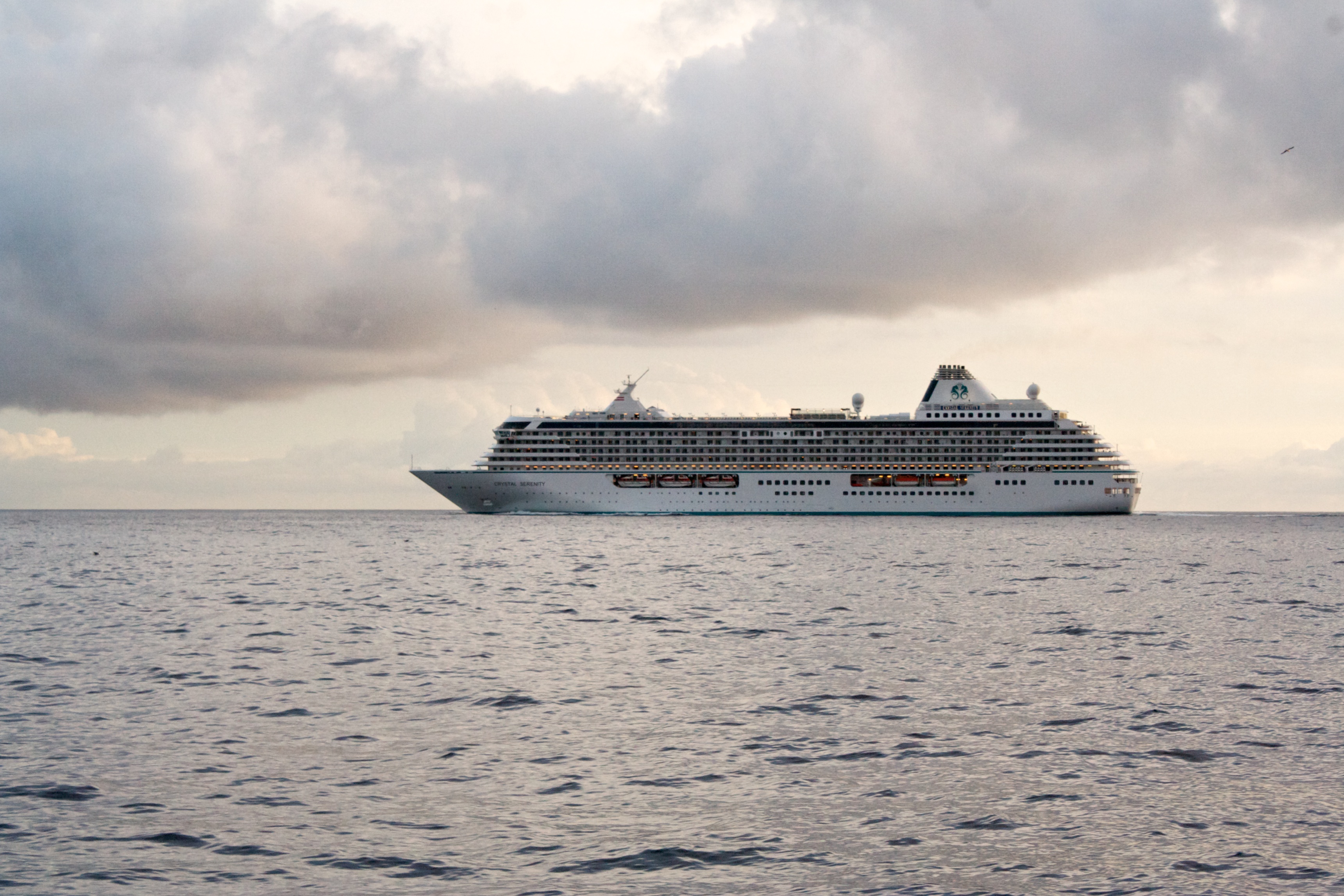
The Northwest Passage is a sea route connecting the northern Atlantic and Pacific Oceans through the Arctic Ocean, going along the northern coast of North America via waterways through the Canadian Arctic Archipelago.
Climate-Induced Relocation
One of the thorniest problems arising from the changing climate is the degradation of inhabited areas that forces entire communities to relocate permanently. Basically, we don’t really have the infrastructure in place to deal with such occurrences.
Beware The Blob

There has been plenty of discussion of El Niño, the periodic weather phenomenon in which prevailing easterly winds in the Pacific Ocean weaken, allowing warm water to move eastward and wreak havoc with the weather in North and South America. The current El Niño is a particularly strong one; some say it may be one of the strongest ever and are calling it the “Godzilla El Niño.”
Too Warm For Seal Hunting