• Skip to primary navigation
  • Skip to main content
  • Skip to primary sidebar

Earth Wise

A look at our changing environment.

  • Home
  • About Earth Wise
  • Where to Listen
  • All Articles
  • Show Search
Hide Search
You are here: Home / Archives for Episode

Food And Greenhouse Gas Emissions | Earth Wise

December 29, 2021 By EarthWise Leave a Comment

How to reduce the greenhouse gas emissions associated with food

According to a study published in the journal Nature Food, the world’s food systems are responsible for more than one third of global greenhouse gas emissions caused by human activities. 

‘Eat Local’ is often recommended as a way to minimize the carbon footprint of our diet.  But from a climate impact perspective, eating local only has a significant impact if transportation is responsible for a large portion of a food’s final carbon footprint.  And in many cases, greenhouse gas emissions related to transportation make up only a small portion of the emissions from food and what we eat is far more important. 

There are massive differences in the greenhouse gas emissions of various foods. 

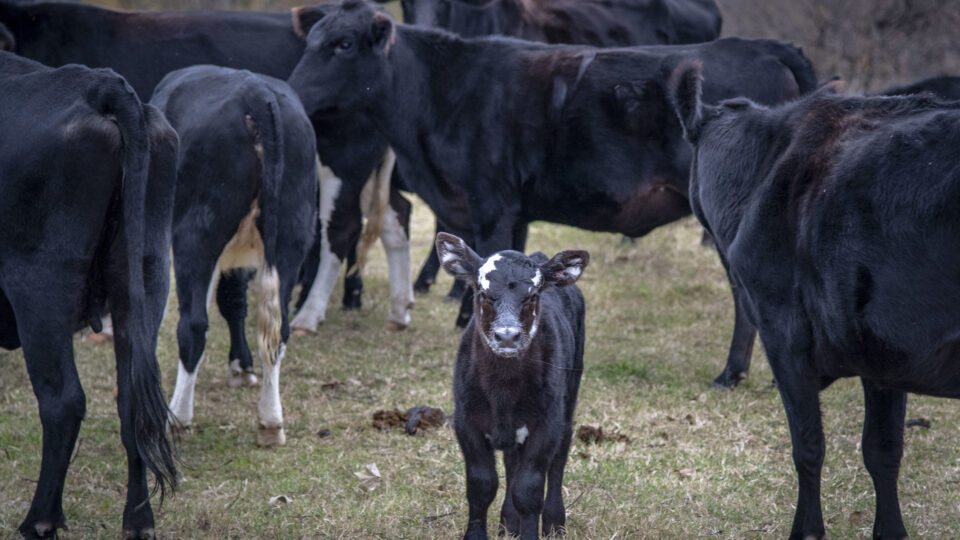
For example, producing one pound of beef generates 60 pounds of greenhouse gas emissions.  This is more than double the next closest food (lamb), and more than 60 times greater than some plant crops like corn and cassava. 

For most foods – especially the largest emitters – greenhouse gas emissions from land use change combined with the emissions from processes at the farm stage account for more than 80% of the environmental footprint.  Meanwhile, transportation accounts for less than 10%, and its contribution for the largest emitters is even smaller.  For example, transportation accounts for 0.5% of emissions from beef production.

Eating beef or lamb has many times the carbon footprint of most other foods.  It matters very little in terms of emissions whether it was grown locally or shipped from another part of the world.  It’s not the location that makes the carbon footprint of our dinner large.  It’s what is on our plate that matters.

**********  

Web Links

Food systems account for over one-third of global greenhouse gas emissions

You want to reduce the carbon footprint of your food?

Photo, posted November 7, 2018, courtesy of Preston Keres / USDA via Flickr.

Earth Wise is a production of WAMC Northeast Public Radio.

Living Walls | Earth Wise

December 28, 2021 By EarthWise 1 Comment

Green roofs are popular in many European countries.  A green roof is a layer of vegetation planted over a waterproofing system installed on a flat or slightly sloped roof.  Such roofs provide shade, remove heat from the air, and reduce temperatures of the roof surface, reducing energy use in the building and diminishing the urban heat-island effect.

A recent study by the University of Plymouth in the UK looked at the effectiveness of living walls – essentially the equivalent of a green roof located on the wall of a building.

The study looked at the effect of retrofitting an existing masonry wall with an exterior living wall façade consisting of a flexible felt fabric sheet system with pockets holding soil in which plants could grow.

Five weeks of measurements demonstrated that the amount of heat lost through the retrofitted wall was 31.4% lower than that of the original structure.  They also found that daytime temperatures within the newly covered section remained more stable than the area with exposed masonry, so that less energy was required to heat that area.

The concept of living walls is fairly new but could be valuable in temperate climates such as Great Britain.  Buildings in the UK account for 17% of greenhouse gas emissions and space heating accounts for 60% of all the energy used in buildings.  So, improving the thermal performance of buildings would have a significant effect on reducing energy use and therefore emissions.

So-called green infrastructure, including green roofs and living walls, provides a nature-based solution that can help tackle climate change, air pollution, and other modern urban problems.

**********

Web Links

Living walls can reduce heat lost from buildings by over 30%, study shows

Photo, posted June 19, 2011, courtesy of Linda Hartley via Flickr.

Earth Wise is a production of WAMC Northeast Public Radio.

Armadillos Heading North | Earth Wise

December 27, 2021 By EarthWise Leave a Comment

Armadillos are heading north

Armadillos are small mammals known for their unique armor-like shell and their digging habits.  There are 21 species, primarily native to South America.  Some species have expanded northward due to their rapid breeding cycle, adaptability, and reduced number of predators.  Only one species – the nine-banded armadillo – is found in the United States.  In fact, it is the official small mammal of the state of Texas.

Over time, armadillos have expanded their range to states in the Deep South.  More recently, the animals have been pushing further north.  Milder winters in the changing climate have allowed them to inhabit new areas, including parts of the Blue Ridge Mountains. They were first sighted in North Carolina in 2007 and their numbers have recently been growing in the western half of the state.

There are now armadillos as far north as Missouri, Nebraska, and Iowa, and there is little to halt their further advance.  They are able to hold their breath for six minutes at a time, so they can cross rivers by walking along the bottom or by inflating their intestines and floating across the top.  Their hard shell provides protection from predators.  They reproduce prolifically.  Females give birth to quadruplets multiple times over the course of their 12-15-year lifespan.

Armadillos are fun to look at, but they are a nuisance where people live.  They are prone to digging holes in lawns.  In parts of North Carolina, some people have placed bounties on the animals.  They are difficult to trap and there aren’t common repellents for them.  As the climate continues to warm, it is only a matter of time before the range of armadillos expands into other states.

**********

Web Links

Armadillos Advance Northward As Temperatures Rise

Photo, posted May 2, 2017, courtesy of Gail Hampshire via Flickr.

Earth Wise is a production of WAMC Northeast Public Radio.

Batteries On Wheels | Earth Wise

December 24, 2021 By EarthWise Leave a Comment

electric vehicles as a battery resource

Transportation accounts for nearly a quarter of the direct carbon dioxide emissions coming from burning fuel.  As a result, electrification of transport is one of the major ways we can reduce emissions.  Increasing the number of electric vehicles over time is essential for meeting emissions targets.

But electric vehicles have the potential to do more than deliver emissions reduction; they can also provide other energy services.

More and more electric cars provide over 200 miles of driving range, but most cars are actually driven no more than 30 miles a day.  As a result, the fleet of electric cars represents a huge bank of energy stored in battery packs and mostly sitting around unused.  This presents an opportunity to leverage this resource.

Car battery packs could be used to absorb excess renewable energy generated in the middle of the day (for example from solar installations) or at night (from wind farms) and potentially then to export stored energy to power homes and support the grid.  This energy system is known as V2G, or vehicle-to-grid technology.

The University of Queensland in Australia has launched a unique international trial to see if the spare battery capacity in vehicles could be used for these purposes.  The university has partnered with Teslascope, which is an online analytics platform used by Tesla owners to track the performance of their cars.  Tesla owners wishing to be part of the study authorize the collection of their data and, in turn, receive a free 12-month subscription to the Teslascope service.  The study will collect data from Tesla owners in Australia, the US, Canada, Norway, Sweden, Germany, and the UK.

**********

Web Links

Can EV spare battery capacity support the grid?

Photo, posted February 8, 2009, courtesy of City of St Pete via Flickr.

Earth Wise is a production of WAMC Northeast Public Radio.
Coral Reef Status Report | Earth Wise

December 23, 2021 By EarthWise Leave a Comment

The status of the world's coral

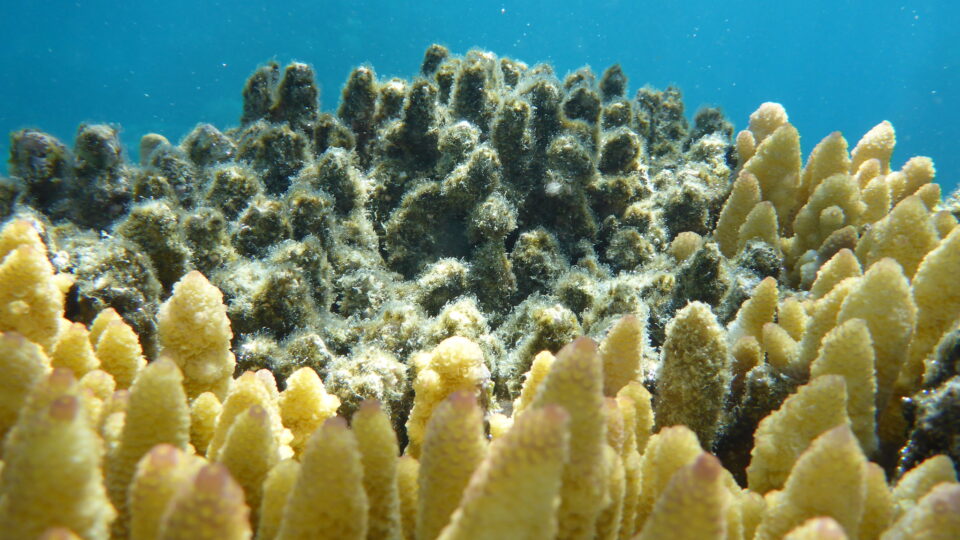
In October, the Global Coral Reef Monitoring Network released the first-ever report collecting global statistics on the world’s corals.  It documents the status of reefs across 12,000 sites in 73 countries over 40 years.  Overall, the news is not good, but there were some bright spots.

From 2009 to 2018, the world has lost 14% of its corals, corresponding to about 4,500 square miles of coral.  Global warming has led to prolonged marine heatwaves that trigger coral bleaching.  Local pollution has also damaged reefs.   The International Panel on Climate Change has reported that 2 degrees Celsius of global warming would wipe out 99% of the world’s corals.

The report does show that corals can recover globally if given a decade of cooler waters.  Some places in the world – particularly the Coral Triangle in Asia, which contains nearly a third of the world’s coral – have actually seen coral growth over the past decade. 

The Global Coral Reef Monitoring network started collecting data in 1978.  Coral health was fairly steady until 1998 when the first mass bleaching event occurred, triggered by a powerful El Niño event.  For the next 12 years, corals recovered nicely, but then bleaching events in 2010 and 2015-17 took their toll.

The Pacific, Australia, and the Caribbean have all seen major decreases in coral.  The Coral Triangle is a major exception which is thought to be a result of genetic diversity among the region’s corals.

Coral conservationists globally are working to protect corals and to actively restore them.  The situation is fairly dire, but there continue to be reasons for hope.

**********

Web Links

Finding Bright Spots in the Global Coral Reef Catastrophe

Photo, posted October 13, 2015, courtesy of Albert Straub via Flickr.

Earth Wise is a production of WAMC Northeast Public Radio.
Climate Change And Crops | Earth Wise

December 22, 2021 By EarthWise Leave a Comment

Climate change will impact yield of food crops

A new NASA study published in the journal Nature Food looks at the impact of global climate change on food crops.  According to the study, declines in global crop yields are likely to become apparent by 2030 if high greenhouse gas emissions continue.

The study used advanced climate and agriculture models to predict the effects of projected increases in temperature, shifts in rainfall patterns, and elevated surface carbon dioxide concentrations from human-caused greenhouse gas emissions.

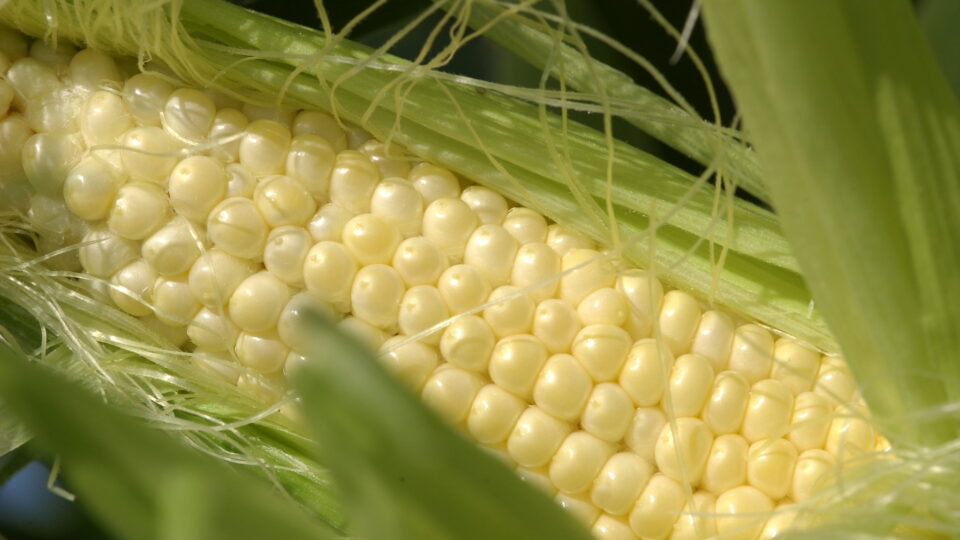
These climate changes would make it more difficult to grow corn in the tropics but would actually expand wheat’s growing range.  The reduction in corn yields could be as much as 24% by late in the century.   Corn Is grown all over the world and large quantities are produced in countries nearer to the equator.  As temperatures rise in countries such as the US, Brazil, and China, yields are likely to decline because of the increased stress on the plants.

Wheat, which grows best in temperate climates may see a broader area where it can be grown as temperatures rise, but these gains are likely to level off by mid-century.

Rising temperature is not the only factor influencing crop yields.  Rising carbon dioxide levels have a positive effect on photosynthesis and therefore on crop yields, especially for wheat.  But changing rainfall patterns and rising temperatures can affect the length of growing seasons and accelerate crop maturity.  This can result in the production of less grain than in a longer development period.

The changing climate has complicated effects on the growth of breadbasket crops and will be felt worldwide.

**********

Web Links

Global Climate Change Impact on Crops Expected Within 10 Years, NASA Study Finds

Photo, posted September 8, 2004, courtesy of Lynn Ketchum/Oregon State University via Flickr.

Earth Wise is a production of WAMC Northeast Public Radio.
The Hunt For Marine Plastic | Earth Wise

December 21, 2021 By EarthWise Leave a Comment

How to detect and track floating plastic in the oceans

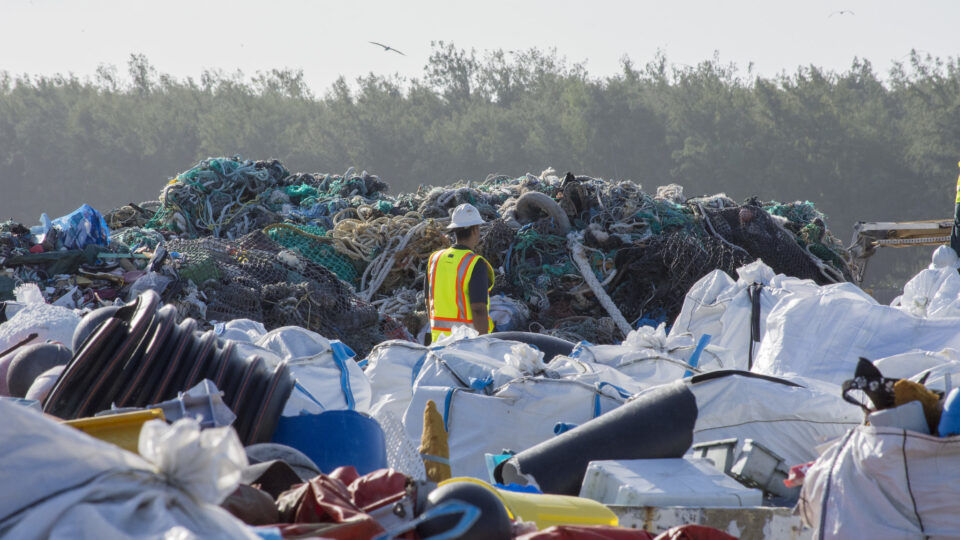
Estimates are that about 10 million tons of plastic enter the ocean every year.  This is equivalent to a truckload of plastic being dumped into the sea every minute and the stuff is not easy to keep track of.  Some of it ends up in the  infamous ocean garbage patches.  But overall, researchers only know what happens to about 1% of it.

The European Space Agency has decided to find out whether it might be possible to detect and track floating plastic in the oceans using satellite monitoring.  Researchers have a variety of ideas about how best to do this and now the agency is testing some of those ideas.

The ESA maintains something called the Atlantic Basin Facility which is a 7000 square-foot tank equipped to simulate various types of waves and tidal currents.  It is the largest facility of its kind in the world.

Researchers place plastic in the basin consisting of typical items found at sea, such as bags, bottles, marine nets and ropes, plastic cutlery, and Styrofoam balls.  The plastic used in the study included material previously recovered from the sea through ocean cleanup campaigns.  Multiple research groups from European universities used specialized instrumentation to monitor the basin from above.  Techniques included radar remote sensing, something called GNSS reflectometry, and specialized optical instrumentation.

Initial results look promising in that under some circumstances teams received useable signals.  It will take further analysis to determine the ultimate utility of space-based monitoring of plastic entering the ocean.  Marine litter is a large and growing problem.  Figuring out where it all is and where it is going is a necessary part of any solution.

**********

Web Links

Hunting for marine plastic

Photo, posted March 24, 2017, courtesy of Holly Richards/USFWS via Flickr.

Earth Wise is a production of WAMC Northeast Public Radio.

Coffee And Climate Change | Earth Wise

December 20, 2021 By EarthWise Leave a Comment

Coffee will be impacted by the changing climate

Over 2.25 billion cups of coffee are consumed in the world each day.  Americans spend $80 billion dollars a year on coffee.  Coffee in grown across 12.5 million largely smallholder farms in more than 50 countries.  In other words, coffee is a big deal.

Like many things, coffee is subject to the effects of climate change.  Many coffee-producing regions are experiencing changing climate conditions, which don’t only affect the yield and sustainability of the crop but have an impact on taste, aroma, and even dietary quality.  Coffee drinkers care very much about these things.

New research at Tufts University and Montana State University looked at how coffee quality can be affected by shifts in environmental factors associated with climate change.  The researchers looked at the effects of 10 prevalent environmental factors and management conditions associated with climate change and climate adaptation.

The most consistent trends were that farms at higher altitudes were associated with better coffee flavor and aroma, while too much light exposure was associated with a decrease in coffee quality.   They also found that coffee quality is also susceptible to changes due to water stress and increases in temperature and carbon dioxide levels.

They evaluated current efforts to mitigate these effects, including shade management, selection of climate resistant coffee plants and pest management. The hope is that if we can understand the science of the changes to the environment, it will help farmers and other stakeholders to better manage coffee production in the face of increasing challenges.   It will take a concerted effort to maintain coffee quality as the climate continues to change.

**********

Web Links

Coffee and the Effects of Climate Change

Photo, posted May 22, 2009, courtesy of Olle Svensson via Flickr.

Earth Wise is a production of WAMC Northeast Public Radio.

Nanoplastics In The Air | Earth Wise

December 17, 2021 By EarthWise Leave a Comment

Austria, Silvretta mountains

The world is awash in plastic.  Discarded plastic litters our roadways, woodlands, and beaches.  It piles up in landfills.  Plastic enters the oceans by the millions of tons.  And plastic is finding its way even to remote and supposedly pristine parts of the world.

A team of researchers has found nanoplastics at the isolated high-altitude Sonnblick Observatory in the Austrian Alps.  This is the first time the particles were found in the area.  The researchers were looking for certain organic particles and only found the nanoplastics by chance.

The detected plastic particles were less than 200 nanometers in size, about one hundredth the width of a human hair.  It is highly unlikely that such particles originated in remote Alpine areas.

The researchers were looking for organic particles by taking samples of snow or ice, evaporating them, and then burning the residue to detect and analyze the vapors.  They described the detection method as essentially like a mechanical nose.  In this case, the nose smelled burning plastics in the form of polypropylene and polyethylene terephthalate.

Looking into the issue, the researchers found a strong correlation between high concentrations of nanoplastics and winds coming from the direction of major European cities – especially Frankfurt and the industrial Ruhr area of Germany, but also the Netherlands, Paris, and even London.

Modeling supports the idea that nanoplastics are transported by air from distant urban places.  This is particularly worrisome because it means that there are likely hotspots of nanoplastics in our cities and in the air that we are breathing.  Plastics appear to be everywhere.

**********

Web Links

Nanoplastics found in the Alps, transported by air from Frankfurt, Paris and London

Photo, posted July 1, 2013, courtesy of Robert J. Heath via Flickr.

Earth Wise is a production of WAMC Northeast Public Radio.
Arctic Communities And Permafrost Thaw | Earth Wise

December 16, 2021 By EarthWise Leave a Comment

Permafrost thaw threatens arctic communities

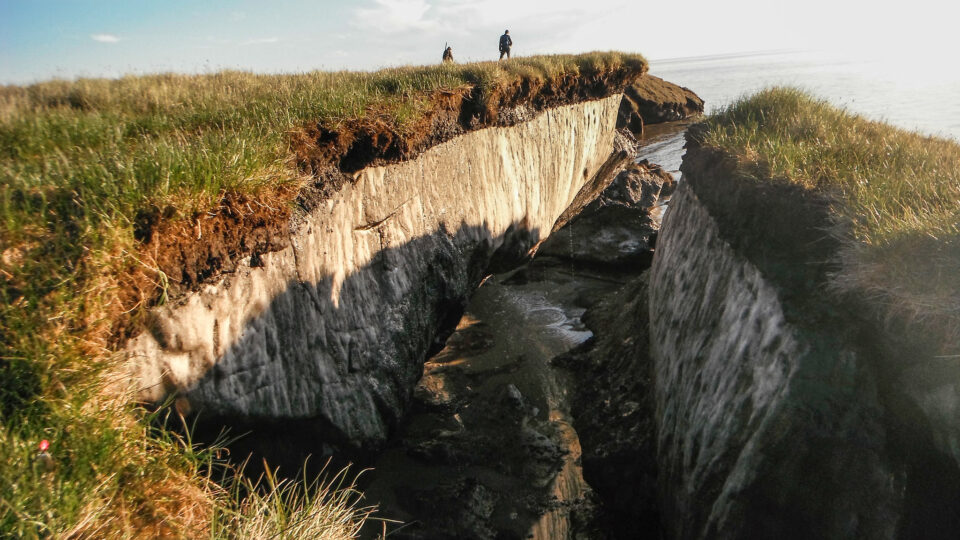
Permafrost is frozen soil, rock or sediment that can be as much as a few thousand feet thick.  To qualify as permafrost , the material has to have been at or below the freezing point of water for two or more years.  Most of it is located in high latitudes in the Arctic and Antarctic regions.   Permafrost covers nearly a quarter of the exposed land in the Northern Hemisphere.

Permafrost contains enormous amounts of carbon in the form of frozen soil that includes remnants of plants and animals, in some cases that have been there for more than 20,000 years.

The Arctic region has been warming faster than any place else on earth and thawing permafrost is already unleashing methane and carbon dioxide to the atmosphere, adding to the global temperature rise.

Apart from the impact on the global climate, thawing permafrost is making the ground unstable and is causing serious problems for local communities.

Recent research using satellite observations provides an overview of the Arctic to identify communities and infrastructure that will be at risk over the next 30 years.

Using high-resolution data from the Copernicus Sentinel satellite missions along with ground-based data going back to 1997, researchers modeled the permafrost ground temperature trends and extrapolated them out to 2050.  The results were that 55% of the infrastructure currently located on permafrost and within 60 miles of the Arctic coastline – infrastructure on which many communities rely – is likely to be affected.

Most human activity in the Arctic takes place along permafrost coasts.  Permafrost thaw is exposing these coasts to rapid change that threatens biodiversity and puts pressure on communities.

**********

Web Links

Satellites pinpoint communities at risk of permafrost thaw

Photo, posted January 24, 2014, courtesy of Brandt Meixell / USGS via Flickr.

Earth Wise is a production of WAMC Northeast Public Radio.

The Great Christmas Tree Debate | Earth Wise

December 15, 2021 By EarthWise Leave a Comment

Along with cookies and carols, the Christmas tree is a quintessential part of the holiday season for many people.  According to the American Christmas Tree Association, approximately 75% of Christmas trees in American homes this year will be artificial.  But are artificial trees really the better option for the planet?

The short answer is no.  But it’s more complicated than that.  Ultimately, the answer depends on a variety of factors.

If you decide to go with an artificial tree, you need to use it for a very long time. Studies suggest artificial trees would need to be reused anywhere from 8 to 20 years in order to be considered the more environmentally-friendly option. You should seek out trees manufactured from polyethylene plastic as it’s not as toxic as polyvinyl chloride plastic.  And since the majority of artificial trees are imported from China, look for a “Made in USA” label to reduce the carbon footprint.

If you decide to go for a live tree, shop local. This keeps the carbon footprint low and helps support the local economy in the process.  While some tree farms do spray, researchers say the use of pesticides in tree production is relatively low.  Live trees can also be composted or recycled afterwards.

It’s important to note that live Christmas trees can also be purchased with roots and planted after the holidays.  Some companies even allow you to rent live trees.  Each rented tree can be re-rented for up to seven years, after which it’ll be too large for in-home use and gets planted in its forever home. 

**********

Web Links

Photo, posted December 17, 2017, courtesy of Alan Sandercock via Flickr.

Earth Wise is a production of WAMC Northeast Public Radio.
Whales As Ecosystem Engineers | Earth Wise

December 14, 2021 By EarthWise Leave a Comment

Whales are great ecosystem engineers

Researchers from Stanford University have been studying the role of large whales on ocean ecosystems with some surprising results.

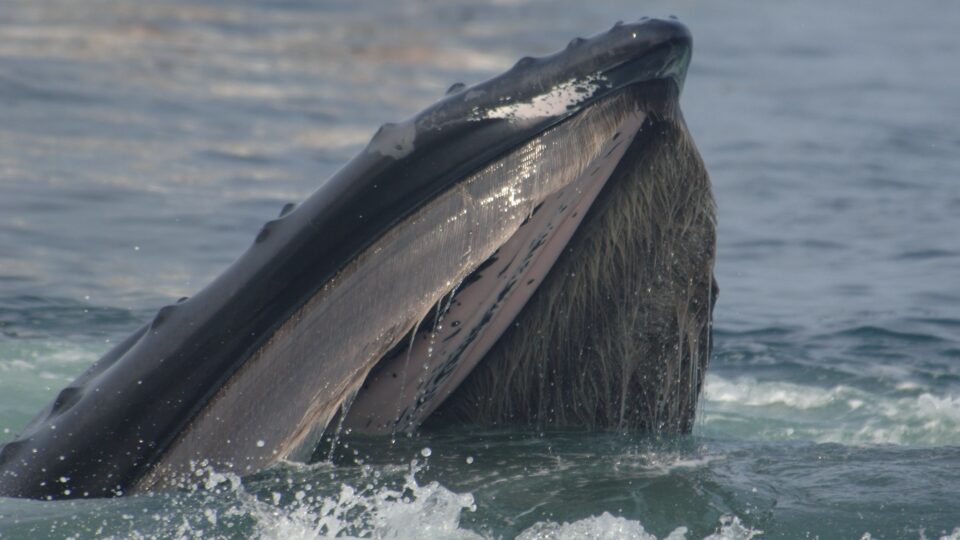
From 1910 to 1970, people killed about 1.5 million baleen whales in the waters surrounding Antarctica.  The whales were hunted for their blubber, baleen, and meat.  Baleen is the filtering fringe that certain whales use instead of teeth to capture food from the ocean.  A primary food source for these whales is krill, small shrimp-like creatures.   One would assume that the decimation of the baleen whale population in the Southern Ocean would have led to a surge in krill populations.  But the new research has found that the opposite is the case.

The precipitous decline of large marine mammals has negatively impacted the health and productivity of ocean ecosystems.

New high-tech tagging devices that attach to whales for brief periods allow researchers to record their movements and activities.  For the first time, it has been possible to accurately determine how much krill whales actually consume, and the answer is that they eat two to three times as much as previously thought.  Interestingly, the same technology shows that fish-eating whales like humpbacks eat somewhat less than previously thought.

Baleen whales are essentially mobile krill processing plants.  They eat the krill, digest it, and produce iron-laden excretions that are needed by phytoplankton, which comprise the bottom of the food chain that nourish krill and other small creatures.  With fewer whales, there is less nourishment for the krill.  In fact, based on the new data, estimates are that the historic abundance of krill in the Southern Ocean had to be about five times what it is today.

Whales are important ecosystem engineers.

**********

Web Links

Stanford researchers find whales are more important ecosystems engineers than previously thought

Photo, posted November 18, 2010, courtesy of Dr. Brandon Southall, NMFS/OPR via Flickr.

Earth Wise is a production of WAMC Northeast Public Radio.
Global Flood Risk From Melting Ice | Earth Wise

December 13, 2021 By EarthWise Leave a Comment

Melting ice is posing a global flood risk

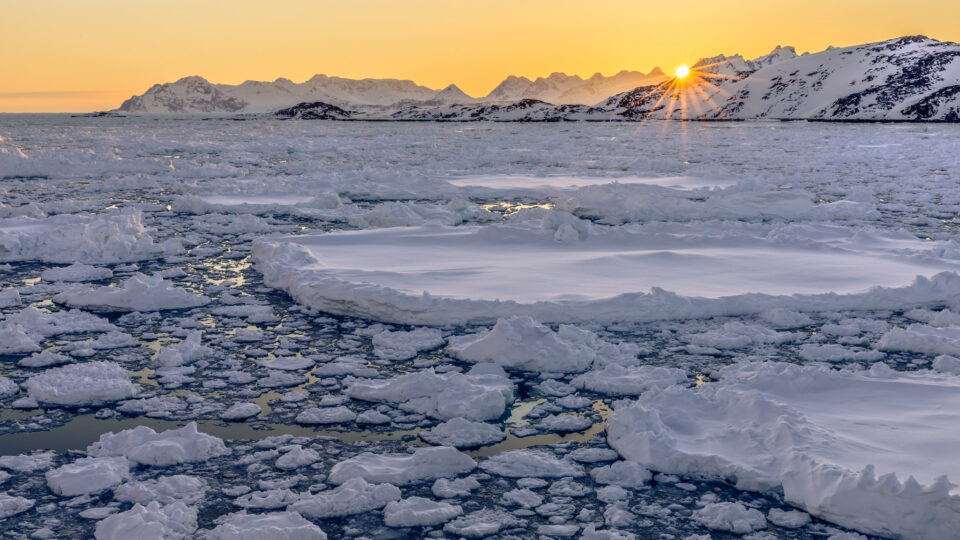
Approximately 10% of the land area on Earth is covered by ice.  This includes glaciers, ice caps, and the ice sheets of Antarctica and Greenland.  Nearly 70% of all fresh water on earth is locked away in ice.  If all this land ice were to melt, global sea levels would rise by more than 200 feet. 

According to new research led by researchers at the University of Leeds in the U.K., global warming is causing extreme ice melting events in Greenland to become more frequent and more intense over the past 40 years, leading to an increased risk of flooding worldwide.   

According to the findings, which were recently published in the journal Nature Communications, approximately 3.85 trillion tons of ice has melted from the surface of Greenland and into the ocean during the past decade alone.  That’s enough melted ice to cover all of New York City with nearly 15,000 feet of water. 

Rising sea levels threaten the lives and livelihoods of those living in coastal communities around the world.  Beyond the obvious risk of flooding in low-lying areas, rising seas also disrupt marine ecosystems that many coastal communities rely on for food and work.       

Rising sea levels can also alter patterns of ocean and atmospheric circulation, which in turn affect weather conditions around the planet.

Estimates from models suggest that melting ice from Greenland will contribute between 1 inch and 9 inches to global sea level rise by 2100. 

These findings are just another reminder of how we need to act urgently to mitigate climate change if we want to prevent the worst-case scenarios from becoming reality. 

**********

Web Links

Increased frequency of extreme ice melting in Greenland raises global flood risk

Photo, posted April 21, 2017, courtesy of Markus Trienke via Flickr.

Earth Wise is a production of WAMC Northeast Public Radio.
Efficiency Of Offshore Wind | Earth Wise

December 10, 2021 By EarthWise Leave a Comment

Exploring the efficiency of offshore wind turbines

After many years of debates, delays, and controversies, offshore wind is about to expand in a big way in the United States.  The White House has announced the goal to deploy 30 gigawatts of offshore wind – enough to power 90 million homes – along the East Coast seaboard by 2030.

In New York State, there are now five offshore wind projects in active development.  The state goal is to have nearly a gigawatt of offshore wind by 2035, enough to power over 4 million homes.

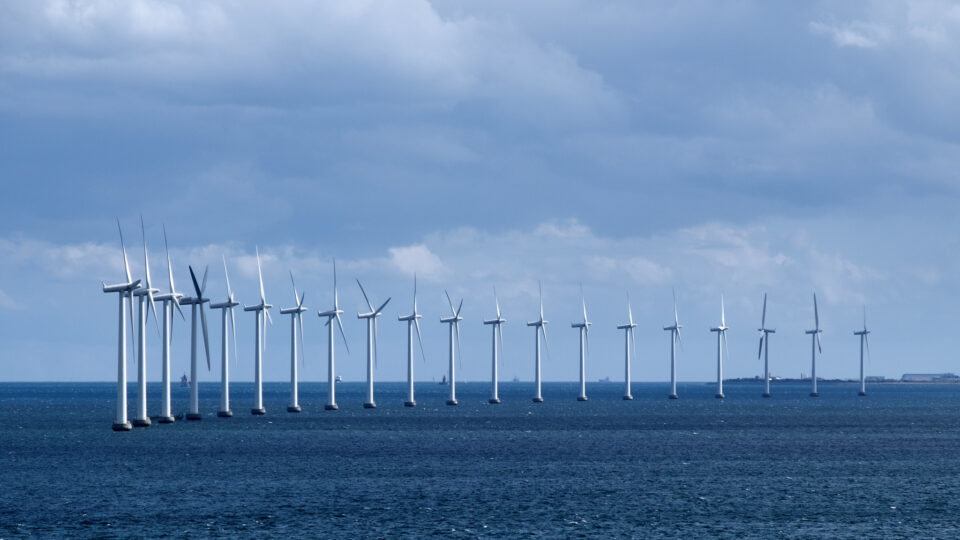
These projects involve the use of thousands of physically large, high-capacity wind turbines deployed over large areas at an unprecedented scale.  Such mammoth installations bring with them unique problems.

Low-turbulence conditions over water lead to the fact that individual wind farms will experience each other’s wake (the disturbance of their airflow) even when turbine arrays are 15 to 50 miles apart.  As a result, turbines may fatigue earlier, and groups of turbines may experience up to 30% lower power production due to wake effects.

Industry trends are causing an increased probability of large wake-induced energy losses within individual wind farms and an increasing probability of wake interactions.

These issues have been studied in new research published by researchers at Cornell University.  The research presents simulations that may be helpful to optimize turbine spacing in the ongoing deployments and assist plans for future ones.  Improved understanding of wind turbine and wind-farm wake is essential in ensuring that the financial investments in offshore wind result in electricity-generation goals met at the lowest possible cost.

According to Department of Energy studies, offshore wind resources around the United States could potentially generate more electricity than the entire country currently uses.

**********

Web Links

Scientists bring efficiency to expanding offshore wind energy

Photo, posted August 9, 2016, courtesy of Lars Plougmann via Flickr.

Earth Wise is a production of WAMC Northeast Public Radio.

A Smart Heat-Blocking Window | Earth Wise

December 9, 2021 By EarthWise Leave a Comment

An international research team led by Nanyang Technological University in Singapore has invented a ‘smart’ window material that controls the transmission of heat without blocking the view through the window.  The technology could help reduce the amount of energy needed to cool and heat buildings.

The new material can be the basis of an electrochromic window that can block or pass infrared radiation at the flick of a switch.  Current electrochromic windows can be darkened when switched on and are found in many ‘green’ buildings as well as in many car mirrors.  But these windows are only effective in blocking visible light so infrared radiation – meaning heat – still passes through them.

The new coating material blocks up to 70% of infrared radiation when switched on but still allows up to 90% of visible light to pass through.  The material is a specifically designed composite nanostructure and utilizes advanced materials including titanium dioxide, tungsten trioxide, neodymium, niobium, and tin oxide.  It is intended to be coated onto glass window panels and be activated by electricity when needed.  The material was put through rigorous on-off cycles to assess its stability and durability and it appears to offer superior performance in that regard compared with current electrochromic technology.

The researchers also created a switchable system that helps control conducted heat, which is the heat from the external environment.

The combination of the two technologies could result in smart windows that control two types of heat transmission:  infrared radiation and conduction heat.  Such technology could help conserve energy used for the heating and cooling of buildings and could contribute to the future design of sustainable green buildings.

**********

Web Links

Scientists invent ‘smart’ window material that blocks rays without blocking views

Photo, posted March 11, 2016, courtesy of Open Grid Scheduler via Flickr.

Earth Wise is a production of WAMC Northeast Public Radio.

Animals And Wildfires | Earth Wise

December 8, 2021 By EarthWise Leave a Comment

How animals cope with wildfires

More than a century of fire suppression strategies coupled with climate change has led to wildfires that are much larger and more frequent than those of the past.  A question that arises is what happens to the animals in a region when a massive wildfire sweeps through the landscape?

For the most part, we don’t have much information on what animals do when the flames are burning or in the immediate days after the fire has ended.  By chance, a group of researchers from the University of California, Berkeley, the University of California, Santa Barbara, and the University of Washington had the opportunity to get that kind of information.

The researchers had been studying a group of black-tailed deer where the 2018 Mendocino Complex Fire occurred.  That megafire torched more than 450,000 acres in Northern California, including the site where the researchers were studying the movements and feeding patterns of the deer.

The researchers had to evacuate the area during the fire, but their cameras, tracking collars, and other equipment continued to function.  They learned that of the 18 deer studied, all survived.  Deer that had to flee the flames returned home, even though many areas were completely burned and devoid of vegetation to eat.  In fact, most of the deer returned within hours of the fire’s end while trees were still smoldering.   The researchers continue to monitor the deer to look at the long-term effects of the fire.

The researchers speculate that loyalty to home is a tactic that likely helped the species survive past wildfires.  Smaller fires encourage new vegetation growth, a tasty treat for deer.  Whether the strategy will pay off as fires get more intense and more frequent remains to be seen. 

**********

Web Links

After California’s 3rd-largest wildfire, deer returned home while trees were ‘still smoldering’

Photo, posted July 17, 2017, courtesy of C Watts via Flickr.

Earth Wise is a production of WAMC Northeast Public Radio.

Reducing Emissions From Cement Manufacturing | Earth Wise

December 7, 2021 By EarthWise Leave a Comment

How to reduce the emissions from manufacturing cement

Cement is the basic ingredient of concrete, which is the most widely used construction material in the world.  About 8% of global carbon dioxide emissions are associated with cement production.

More than half of these emissions come from making clinker, which is a major component of cement produced by heating ground limestone and clay to a temperature of over 2500 degrees Fahrenheit.  Some of the emissions come from burning fossil fuels to heat the materials, but much of them come from the chemical reaction that creates the clinker.

The Portland Cement Association, which represents 92% of US cement manufacturing capacity, has recently released its “Roadmap to Carbon Neutrality”, which lays out a plan to reach carbon net zero across the cement and concrete value chain by 2050.

The plan includes the greater use of alternative fuels to reduce emissions from energy use.  It also involves the adoption of newer versions of cement such as Portland limestone cement, which reduces CO2 levels.  The industry has already reduced emissions by some shifting to Portland limestone cement, but it still only represents a small fraction of cement production.

The most significant strategy would be the adoption of carbon capture, utilization, and storage (or CCUS) technologies.  The idea is to capture the CO2 generated in the production of clinker and inject it into the fresh concrete.  It would actually be permanently sequestered in the concrete and would not be released even if a structure is demolished in the future.

It will take a combination of technologies and initiatives for the cement industry to reduce its emissions.  Fortunately, the industry appears to be committed to that goal.

**********

Web Links

US cement manufacturers release their road map to carbon neutrality by 2050

Photo, posted March 26, 2014, courtesy of Michael Coghlan via Flickr.

Earth Wise is a production of WAMC Northeast Public Radio.
How Quickly Can The Planet Recover? | Earth Wise

December 6, 2021 By EarthWise Leave a Comment

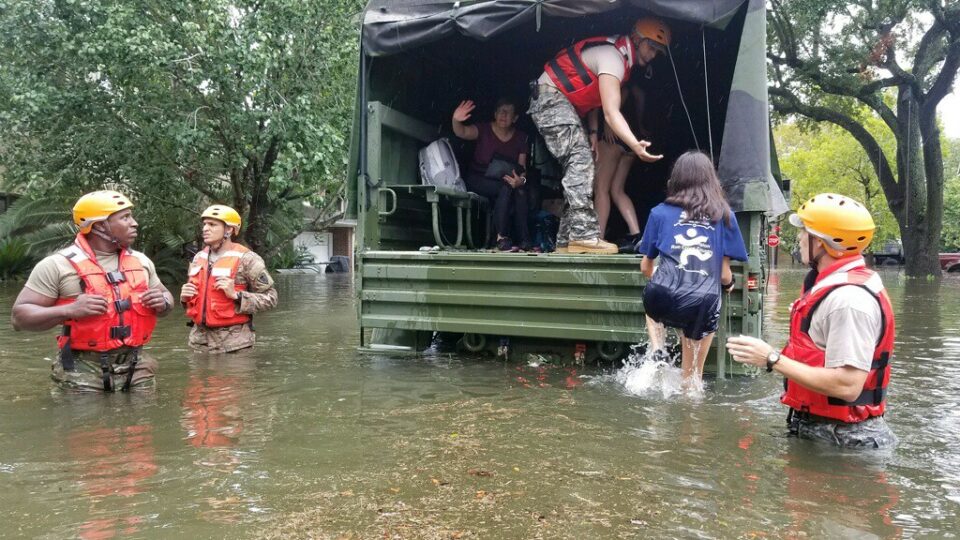
Climate change refers to long-term shifts in temperatures and weather patterns.  Historically, these shifts were natural.  But since the Industrial Revolution, scientists have found that the main driver of climate change has been human activities, primarily by adding significant amounts of greenhouse gases into the atmosphere through the burning of fossil fuels. 

Today, climate change is destabilizing Earth’s temperature equilibrium and is having a widespread impact on humans, animals, and the environment.  Some of the consequences of anthropogenic climate change include warmer air and ocean temperatures, shrinking glaciers, increasing spread of pests and pathogens, declining biodiversity, and more intense and frequent extreme weather events. 

But how quickly can the climate recover from the warming caused by an increase in carbon dioxide in the atmosphere? 

Researchers from Johannes Gutenberg-University Mainz in Germany looked into this question by investigating the significant rise in global temperatures that took place 56 million years ago.  Likely triggered by a volcanic eruption,  the increase of between 5 and 8 degrees Celsius was the fastest natural period of global warming that has impacted the climate. 

Because higher temperatures cause rocks to weather faster, the research team decided to analyze the weathering processes that occurred during the warming event 56 million years ago.  Their findings, which were recently published in the Journal Science Advances, indicate that the climate took between 20,000 and 50,000 years to stabilize following the rise in global temperatures.

Climate change is not some distant problem.  It is happening now and it poses a serious threat to all forms of life.  We need to address the problem with more urgency. 

**********

Web Links

How quickly does the climate recover?

Photo, posted August 27, 2017, courtesy of Lt. Zachary West (100th MPAD) / Texas Military Department via Flickr.

Earth Wise is a production of WAMC Northeast Public Radio.
SuperHot Rock Geothermal Energy | Earth Wise

December 3, 2021 By EarthWise Leave a Comment

Growing interest in enhanced geothermal systems

The United States in a world leader in geothermal energy.  There are geothermal power plants in 7 states which produce about half a percent of the country’s electricity.  Conventional geothermal energy plants take advantage of natural underground sources of heat such as geysers, superheated underground reservoirs, and such.  Steam from these sources activates generators that produce electricity.  However, there are not many places where these systems can be built.

More recently, there has been growing interest in so-called enhanced geothermal systems (or EGS systems) which generate geothermal electricity without the need for natural convective hydrothermal sources.  There are many places where underground heat is available but no existing water taps into it.  The idea is to tap into the earth’s deep geothermal resources by fracturing rock and pumping water into it to be heated. 

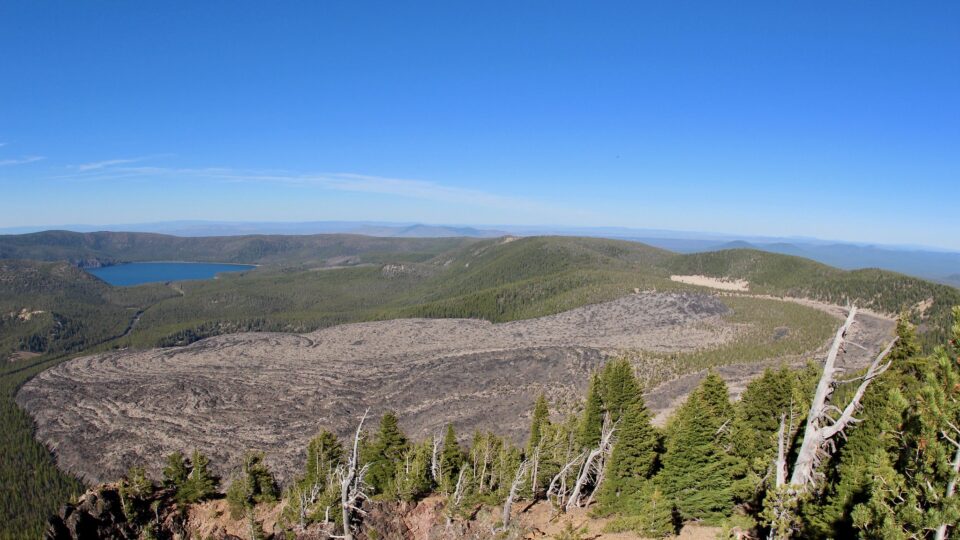
AltaRock Energy, a Seattle-based company that develops EGS technology, has recently announced the results of a comprehensive technical and economic feasibility study demonstrating the potential benefits of an EGS system that could use high-temperature impermeable rock deep below the Newberry Volcano near Bend, Oregon.  The so-called SuperHot rock there is in excess of 750 degrees Fahrenheit.

Based on measurements at the site and modeling, the study determined that an EGS system at the site could cut the levelized cost of electricity in half when compared with a conventional EGS resources at 400-500 degrees. 

The company expects that the study will pave the way for the development of the first SuperHot Rock geothermal resource in the United States.

**********

Web Links

AltaRock clears hurdle in quest for ‘next generation’ geothermal resource

Photo, posted June 26, 2018, courtesy of David Fulmer via Flickr.

Earth Wise is a production of WAMC Northeast Public Radio.
Bomb Cyclones | Earth Wise

December 2, 2021 By EarthWise Leave a Comment

Extreme weather phenomena becoming increasingly common

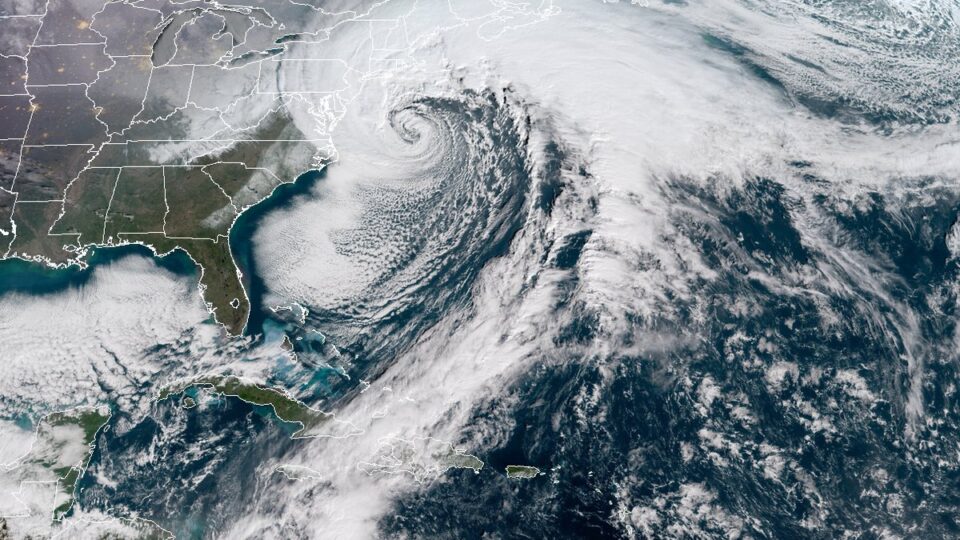
It seems like we are hearing about new weather phenomena pretty frequently these days.  One name that has popped up lately is “bomb cyclones.”  Bomb cyclones, it turns out, are storms that undergo “bombogenesis.”  What that means is a low-pressure area (in other words, a storm) that undergoes rapid strengthening and can be described as a weather bomb, or popularly, a bomb cyclone.

These things usually take place over remote tropical ocean areas but a really intense one struck the Pacific Northwest on October 24th.  The storm off the coast of Washington, with a barometric pressure reading equivalent to a category 4 hurricane, was the second extreme low-pressure storm in the North Pacific in a single week.  Both storms involved pressure drops of more than 24 millibars in 24 hours, making them bomb cyclones.

These storms brought high winds and extreme precipitation that doused wildfires and provided some relief to the extreme drought in Central and Northern California.  Along with these positive effects, however, the storms also caused power outages, flooding, landslides, and mud and debris that washed out roads.

The October 24-25 event brought 16.55 inches of rain to Mount Tamalpais in Marin County, California in a 48-hour period.  Sacramento got 5.44 inches of rain, breaking a 140-year-old record.  And the city had just broken another extreme weather record for the longest dry spell in history.

The storms directed streams of moisture from north of Hawaii toward the West Coast in long, narrow bands of moisture known as atmospheric rivers.  We are learning about all sorts of unfamiliar weather phenomena as extreme weather events become increasingly common.

**********

Web Links

Extratropical Cyclones Drench West Coast

Photo, posted January 4, 2018, courtesy of NOAA/CIRA via Flickr.

Earth Wise is a production of WAMC Northeast Public Radio.

  • « Go to Previous Page
  • Page 1
  • Interim pages omitted …
  • Page 49
  • Page 50
  • Page 51
  • Page 52
  • Page 53
  • Interim pages omitted …
  • Page 154
  • Go to Next Page »

Primary Sidebar

Recent Episodes

  • An uninsurable future
  • Clean energy and jobs
  • Insect declines in remote regions
  • Fossil fuel producing nations ignoring climate goals
  • Trouble for clownfishes

WAMC Northeast Public Radio

WAMC/Northeast Public Radio is a regional public radio network serving parts of seven northeastern states (more...)

Copyright © 2026 ·