• Skip to primary navigation
  • Skip to main content
  • Skip to primary sidebar

Earth Wise

A look at our changing environment.

  • Home
  • About Earth Wise
  • Where to Listen
  • All Articles
  • Show Search
Hide Search
You are here: Home / Archives for Episode

Large Solar Projects In The U.S. | Earth Wise

December 1, 2021 By EarthWise Leave a Comment

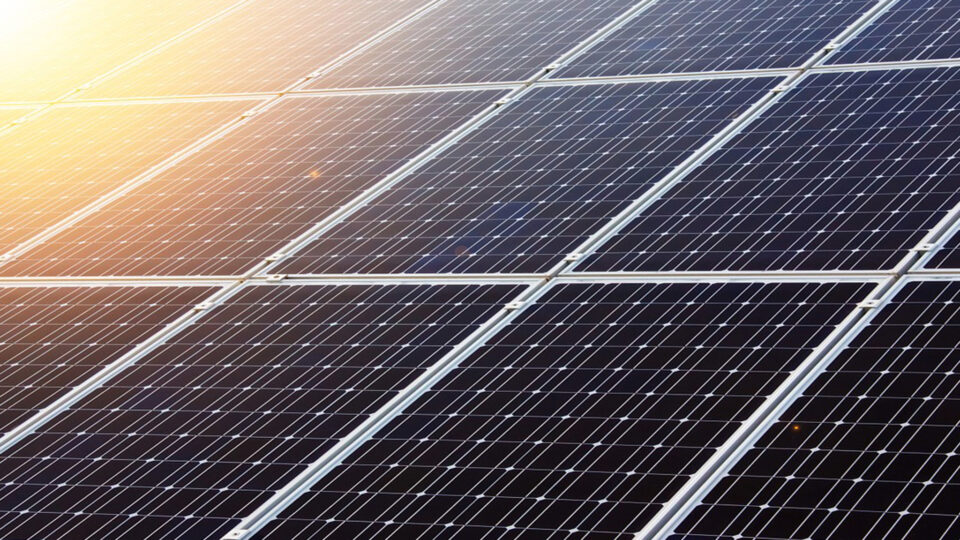
The United States now has over 108 gigawatts of total solar generating capacity, which is enough to power about 19 million homes.  There are more than 3 million solar installations across the country, the majority of which are residential systems.

The growth in solar power has been enormous over the past 13 years.  In 2008, the total solar capacity in the U.S. was 0.34 gigawatts.

In recent times, utility-scale solar installations have been on the rise.  At least 10 systems in excess of 100 megawatts have come online just in 2021.  These systems have been built in Georgia, Ohio, California, Texas, and Nevada.  Other large installations have come online in Virginia, Utah, Indiana, and Florida.  Overall, Texas has had the most new installations, followed by California and Florida.

The largest utility-scale solar project completed this year is the Eunice Solar Project in Andrew, Texas.  The 420-megawatt project is part of the Permian Energy Center which also features 40 megawatts of battery energy storage.

The pipeline for new utility-scale solar projects under construction includes more than 17 gigawatts, so there is strong continuing growth in the industry.

The Biden administration has proposed a blueprint for the nation to produce 45% of its electricity from solar power by 2050.  Currently, solar energy contributes about 4% of the country’s power.  Being able to produce almost half the country’s electricity from the sun by 2050 would require a vast transformation in technology and the energy industry.  Whether there is the political will and the wherewithal to achieve this remains to be seen.

**********

Web Links

U.S. Solar Market Insight

Photo, posted March 7, 2019, courtesy of Hedgerow Inc via Flickr.

Earth Wise is a production of WAMC Northeast Public Radio.

Eating To Help The Planet | Earth Wise

November 30, 2021 By EarthWise Leave a Comment

Agriculture accounts for more carbon dioxide emissions than transportation.  Producing our food is one of the largest contributors to climate change.   Experts agree that the world cannot achieve net zero emission targets without changing our diets.  Be that as it may, we still have to eat. 

According to experts from Oxford University, there are things we as individuals can do to lower the impact of the food system on the climate.

There are three primary actions that would have the greatest impact: avoiding eating too much, cutting down on food waste, and reducing consumption of meat and dairy.

We all know that overeating is bad for our health, but it is also bad for the environment as it drives excess production and the emissions associated with it.

Food waste occurs across the supply chain but much of it is in the hands of consumers.  Food waste costs us a lot of money and is associated with emissions that are ultimately unnecessary.  The goal of the consumer should be to buy only the food one needs and to eat what one buys.

Meats, particularly from ruminant animals, result in the highest emissions per pound of food compared with vegetables, grains, and such.  Some people have given up animal proteins entirely, but properly managed livestock are an important part of the agricultural ecosystem and provide valuable services including enhancing the carbon sequestering ability of grasslands.  Nevertheless, it is important to reduce the global demand for meat and thereby prevent the need to clear more land for livestock and reduce emissions from meat animals.  So, we should all eat less meat and dairy even if we don’t become vegetarians.

**********

Web Links

How can we eat without cooking the planet?

Photo, posted September 17, 2017, courtesy of Ella Olsson via Flickr.

Earth Wise is a production of WAMC Northeast Public Radio.
Drought And U.S. Hydropower | Earth Wise

November 29, 2021 By EarthWise Leave a Comment

Ongoing drought in the western U.S. is affecting hydropower

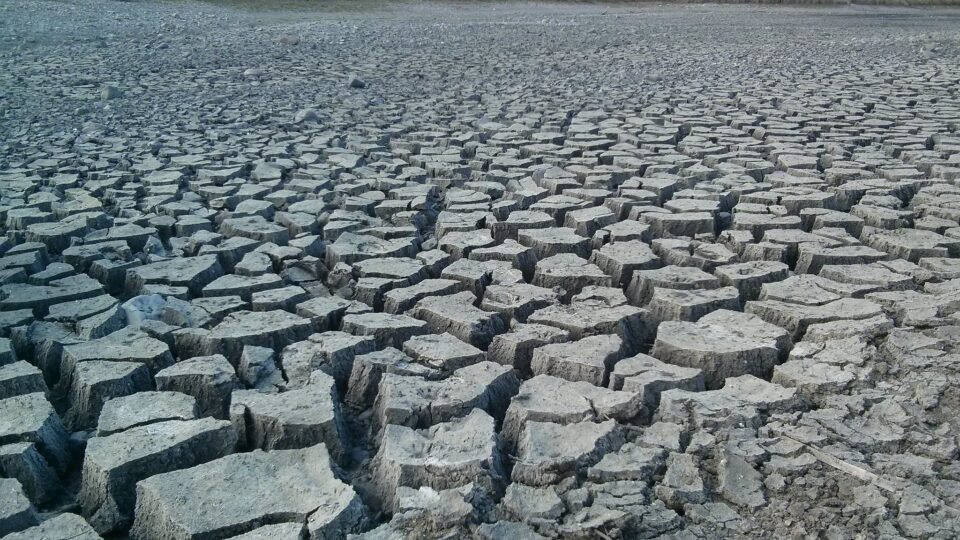
The ongoing severe drought in the western U.S. has led to low water levels in the rivers and reservoirs that feed hydroelectric power systems.  The Energy Information Administration is projecting a 13.9% decrease in hydroelectric generation this year compared to 2020.

Water levels in Lake Powell have fallen so low that it may not be possible to operate the power plant at Glen Canyon Dam starting as soon as 2022.  California officials took the Edward Hyatt hydroelectric plant offline in August because of low water levels on Lake Oroville.   Washington, the state with the most hydroelectric power generation, has seen an 11% drop in electricity generated to date this year as compared to last year.  That state is actually doing better than others in the West, such as California, where hydro generation is down 38%.

Hydropower accounts for over 7% of the electricity generated in the United States.  Five states – Washington, Idaho, Vermont, Oregon, and South Dakota – generate at least half of their electricity from hydroelectric dams.

The current decrease in hydropower is alarming, but it is not unprecedented.  The more significant question is whether the drop in generation this year is a sign that this power source is declining and becoming less reliable.   According to some scientists, the West is in a “megadrought” that could last for decades.

The greater concern is whether the bad years are likely to become more common because of climate change.  Climate projections agree that temperatures will continue to rise, but what will happen to precipitation levels in specific places is much less certain.  That is what will determine what the future holds for hydroelectric power.

**********

Web Links

Inside Clean Energy: Drought is Causing U.S. Hydropower to Have a Rough Year. Is This a Sign of a Long-Term Shift?

Photo, posted May 7, 2014, courtesy of Tyler Bell via Flickr.

Earth Wise is a production of WAMC Northeast Public Radio.

Perennials To Attract Pollinators | Earth Wise

November 26, 2021 By EarthWise Leave a Comment

Perennial plants to help support insects and pollinators

There has been a decline in the abundance of insect and other animal pollinators in many ecosystems worldwide that began being observed at the end of the 20th century.  Pollinators and their health have become growing concerns for the public and many states have enacted legislation related to pollinator decline.

In many places, the pollinator decline has largely been driven by a loss of flowering plants in the landscape, the primary source of food for the pollinators.  A new study by Penn State researchers looked at the attractiveness to pollinators of various species of perennial flowering plants that people can plant in their gardens and other landscapes.

It turns out that there is considerable variation in how attractive different flowering plants are to pollinators.  Greenspaces such as parks and gardens have the potential to support very rich pollinator communities, even including rare or vulnerable species.

People generally select ornamental plants because of their appearance and growth habit, not because of their pollinator attraction.

The Penn State study looked at a variety of perennials and identified the most attractive plant cultivars, which can attract 4 times the number of pollinator species than the least attractive plants studied.

The most appealing plant is the ‘Blue Fortune’ giant hyssop.  Other highly attractive plants are the anise hyssop, the ‘Black Adder’ Agastache, the Cat’s Meow and Walker’s Low Nepetas, and the Triloba and Herbstonne Rudbeckias.

Many of these plants produce large floral displays and the researchers suggest that they should be prioritized when planting a pollinator garden amongst other species with comparably small floral displays and lower attractiveness to pollinators.

**********

Web Links

Popular perennial flowering plants can attract diverse mix of pollinators

Photo, posted September 7, 2019, courtesy of KM via Flickr.

Earth Wise is a production of WAMC Northeast Public Radio.
The Energy Storage Boom | Earth Wise

November 25, 2021 By EarthWise Leave a Comment

Innovations in energy storage

Global energy storage deployment is increasing at a very rapid pace.  According to recent industry forecasts, there will be 12.4 gigawatts of new energy storage capacity online in 2021 breaking the previous annual record of 4.9 gigawatts set last year.

To understand these numbers, the world only reached 1 gigawatt of new capacity in a year for the first time in 2016.  Five years later, 1 gigawatt represents a good month.

Industry projections are that new global storage capacity will increase each year, reaching 70 gigawatts by 2030.

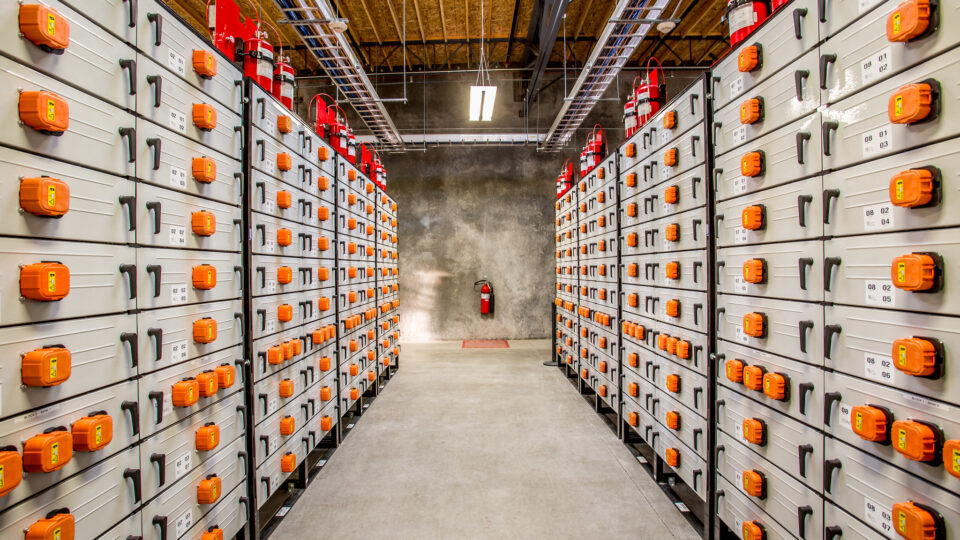
Almost all of this new storage capacity is in the form of batteries and most of that is lithium-ion batteries.  The largest battery storage facility in the world – the Manatee Energy Storage Center in Florida – is scheduled to be completed before the end of this year.  But there are other battery technologies that offer promise and there are other storage technologies apart from batteries.

Pumped hydroelectric storage is long established technology that still represents the largest amount of storage capacity in the world with more than 181 GW of capacity.  There is not much room for expansion of pumped hydro, which is limited to specific locations.   But it will be years before battery storage catches up to this total.

The United States and China have a large majority of energy storage capacity and projections are that the two countries will still have nearly three-quarters of the world’s total capacity in 2030.

With the ongoing rapid expansion of wind and solar power, the need for energy storage continues to grow and is the driving force for the energy storage boom.   It is not clear how it will all shake out, but energy storage is going to be a big deal from now on.

**********

Web Links

Inside Clean Energy: Taking Stock of the Energy Storage Boom Happening Right Now

Photo, posted March 15, 2013, courtesy of Portland General Electric via Flickr.

Earth Wise is a production of WAMC Northeast Public Radio.
Reducing COVID-19 Spread With UV Light | Earth Wise

November 24, 2021 By EarthWise 1 Comment

Using UV light to reduce COVID-19 spread

New research published by the University of Colorado Boulder analyzes the effects of different wavelengths of ultraviolet light on the SARS-CoV-2 virus.   The research found that a specific wavelength of UV light is not only extremely effective at killing the virus that causes COVID-19, but also that this wavelength is safer for use in public spaces.

UV light is naturally emitted by the sun and most forms of it are harmful to living things – including microorganisms and viruses.   The most harmful UV radiation from the sun is filtered out by the atmosphere’s ozone layer.   Human-engineered UV light sources screen out harmful UV rays with a phosphorus coating on the inside of the tube lamps.  Hospitals and some other public spaces already use UV light technology to disinfect surfaces when people are not present.

The new research found that a specific wavelength of far-ultraviolet-C, at 222 nanometers, was particularly effective at killing SARS-CoV-2, but that wavelength is blocked by the very top layers of human skin and eyes.  In other words, that light has essentially no detrimental health effects for people while it is very capable of killing off viruses.

The researchers argue that this safe wavelength of Far UV-C light could serve as a key mitigation measure against the COVID-19 pandemic.  They imagine systems that could cycle on and off in indoor spaces to routinely clean the air and surfaces or perhaps create an ongoing, invisible barrier between teachers and students, customers and service workers, and other places where social distancing is not practical.  Installing these specialized UV lights would be much cheaper than upgrading entire HVAC systems in buildings.

**********

Web Links

Specific UV light wavelength could offer low-cost, safe way to curb COVID-19 spread

Photo, posted January 18, 2008, courtesy of Phil Whitehouse via Flickr.

Earth Wise is a production of WAMC Northeast Public Radio.
Decarbonizing The Most Polluting Heavy Industries | Earth Wise

November 23, 2021 By EarthWise Leave a Comment

how to decarbonize the most polluting industries

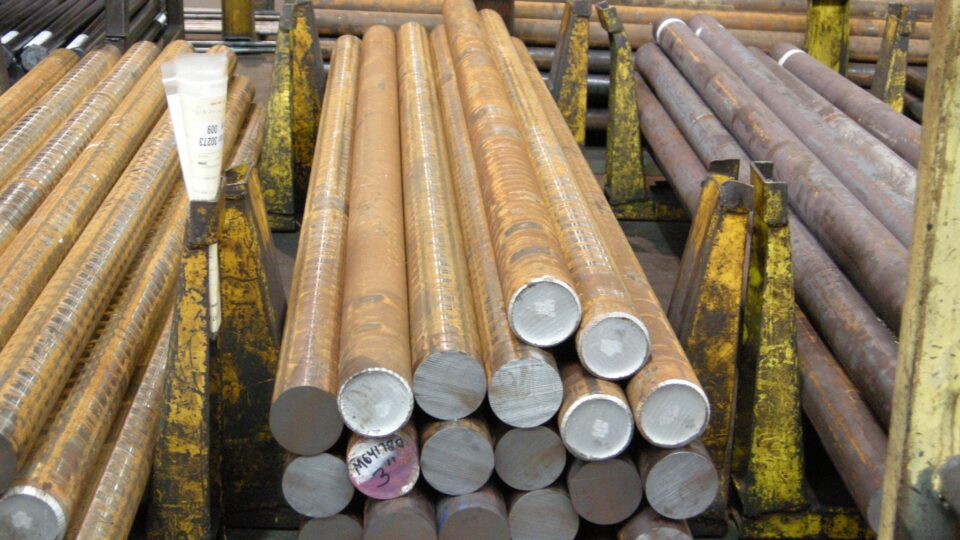
The production of steel, cement, and ammonia accounts for about 20% of the carbon dioxide humans pour into the atmosphere.  Modern cities are largely constructed from concrete and steel and most of our food is grown using fertilizer made from ammonia. 

The most widely discussed solutions to decarbonizing these industries are green hydrogen and carbon capture and storage or CCS.

Steel manufacture is responsible for 11% of society’s emissions.  Most production starts by burning coal in a blast furnace. Using CCS could reduce emissions from burning the coal.  But the blast furnace could be eliminated entirely by the use of electrolysis to produce the pure iron needed to make steel.  This would be extremely energy-intensive but using a low-carbon source like green hydrogen could greatly reduce the emissions from making steel.

Ammonia is made by producing hydrogen from natural gas and then combining it with atmospheric nitrogen.  Both the hydrogen production and ammonia synthesis are energy intensive.  Using green hydrogen would eliminate emissions from the hydrogen production itself and new research on catalysts aims at lower-temperature, less-energy intensive ammonia synthesis.

Decarbonizing cement manufacturing is perhaps the toughest challenge.  Cement is made in a high-temperature kiln, typically heated by burning fossil fuels.  The process converts calcium carbonate and clay into a hard solid called clinker.  The main byproduct of that is even more carbon dioxide.  Burning green hydrogen and capturing carbon emission are about the best hope for reducing cement manufacturing emissions.

**********

Web Links

Can the World’s Most Polluting Heavy Industries Decarbonize?

Photo, posted June 30, 2009, courtesy of Portland Bolt via Flickr.

Earth Wise is a production of WAMC Northeast Public Radio.

Could Lyme Disease Be Eradicated? | Earth Wise

November 22, 2021 By EarthWise Leave a Comment

Eradicating lyme disease

Tiny ticks are a big problem.  Measuring only three to five millimeters in size, ticks are widely distributed around the world.  They are external parasites, feasting on the blood of birds, reptiles, amphibians, and mammals – including humans.

According to estimates from the Centers for Disease Control and Prevention, ticks infect an estimated 476,000 people with Lyme disease in the United States every year.  Lyme disease is caused by a bacterium called Borrelia burgdorferi that lurks in wild mice. Ticks that feed on the mice become infected and can then in turn infect people and animals.   

The disease is not only a problem in the United States, but in other parts of North America, Europe and Asia as well.  It often causes a characteristic “bullseye” rash and flu-like symptoms. If left untreated, it can lead to serious long-term health problems.

Currently, lyme disease is treated using antibiotics.  But antibiotics kill a wide range of bacteria – including healthy gut bacteria – which can lead to additional health issues and more antibiotic resistance.

A recent discovery by researchers from Northeastern University in Boston could allow Lyme disease to be eradicated in the wild.  The researchers found that a compound called hygromycin A is deadly to the bacterium that causes Lyme disease but harmless to animals and has little effect on most other bacteria. 

The little-known antibiotic cleared Lyme disease infection in mice, both when administered via injection and when ingested using bait.  As a result, dropping feeding baits could eradicate Lyme disease from whole areas or even entire countries.  The first field trial will be next summer.

**********

Web Links

Drug treatment for Lyme disease could lead to its eradication

Photo, posted June 21, 2017, courtesy of NIAID via Flickr.

Earth Wise is a production of WAMC Northeast Public Radio.

Reducing Emissions From Shipping And Aviation | Earth Wise

November 19, 2021 By EarthWise Leave a Comment

The global marine shipping and aviation industries are each responsible for about 3% of greenhouse gas emissions.  These are relatively small numbers, but as other industries decarbonize, the contributions from shipping and aviation will loom larger and larger.

In October, both of these industries made commitments to reach net zero emissions by 2050.  How can they do it?  We don’t really have the details of the technologies to be used, and neither do these industries.  But there are ideas being considered.

For both ships and planes, the solution for short-distance trips can be electrification.  Electric planes are in the works for short distances.  Battery-powered container ships are also under development.  But the electrification of longer international and intercontinental routes for both industries is very difficult.  The size and weight of batteries needed for long hauls are major challenges to overcome.

The low-carbon solution slowly being deployed in aviation is sustainable aviation fuel made from renewable sources. Longer term, green hydrogen fuel for planes may be a solution.  For shipping, hydrogen may play an even larger role.  As in the other potential uses for hydrogen, the essential requirement is to be able to produce hydrogen in a way that does not emit greenhouse gases.

There are multiple ways to move towards the decarbonization of both aviation and shipping.  Which will turn out to be the most practical and successful is not yet known.  What is essential is for both industries to follow through on their commitments to research, develop, and deploy zero-carbon solutions.  They appear to have embraced the vision for the future.  Now comes the hard work of achieving that vision.

**********

Web Links

Shipping & Aviation Plan To Go Net Zero. How?

Photo, posted August 8, 2014, courtesy of Tomas Del Coro via Flickr.

Earth Wise is a production of WAMC Northeast Public Radio.
Greenhouse Gas Removal And Net Zero | Earth Wise

November 18, 2021 By EarthWise Leave a Comment

Reducing the amount of greenhouse gas emissions can slow the progress of global warming but only reaching and sustaining net zero global emissions can halt the progress of climate change.

The move to renewable power and the use of electric transport are substantial and essential ways to reduce emissions.  But even if these transitions take place on a rapid timescale, they will not eliminate all emissions.  Many industrial activities and, especially, agriculture will continue to contribute substantial greenhouse gas emissions.   There are efforts to reduce the contributions of these things, but there are no zero-emission substitutes for most of them.

As a result, actually removing CO2 from the atmosphere once it is there is essential to achieve net zero emissions.  If greenhouse gas removal can be scaled up sufficiently, it opens the option of going “net negative”, which would be the ideal way to mitigate and, better still, reverse the effects of climate change.

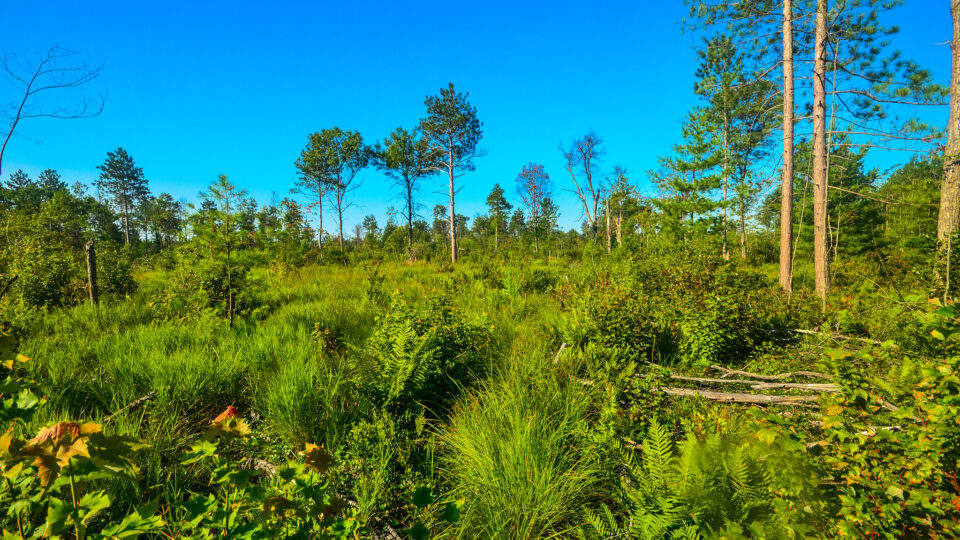
There are multiple approaches to carbon dioxide removal.  Some are natural, involving ways of capturing and storing carbon in trees, biochar, and peatlands.  Others are technological.  An example is the system that has just gone into operation in Iceland that uses fans, chemicals, and heat to capture CO2 and then mineralize it in volcanic rock.   Another is a system being tested in the UK that captures CO2 from growing biomass and pipes it to storage under the North Sea.

Much of the attention on carbon capture technology is aimed at trapping the emissions from fossil fuel power plants, but the need to remove carbon dioxide that has entered the atmosphere in other ways is ultimately far greater.

**********

Web Links

CO2 removal is essential to achieving net zero

Photo, posted August 17, 2013, courtesy of Joshua Mayer via Flickr.

Earth Wise is a production of WAMC Northeast Public Radio.
A Solar-Powered Steel Mill | Earth Wise

November 17, 2021 By EarthWise Leave a Comment

Greening the steel industry

The steel industry is an essential part of modern society.  Economically, the U.S. steel industry produces goods valued at more than $100 billion a year and employs more than 80,000 people.  The steel industry is also a major contributor to greenhouse gas emissions.   On average, 1.85 tons of CO2 are emitted for every ton of steel produced.  Overall, the steel industry generates between 7 and 9% of the direct emissions that come from the global use of fossil fuel.

The industry is determined to reduce its environmental impact.  Steel is 100% recyclable and indeed much of it is recycled.  Over 2 billion tons of steel were produced in 2019. Meanwhile, more than 700 million tons of steel scrap are recycled each year.  Recycling greatly reduces the energy impact of the steel industry.

The industry has also significantly reduced its energy usage over the years using sophisticated energy management systems and energy recovery efforts.  Since 1960, the amount of energy needed to produce a ton of steel has dropped by 60%.  But making steel is still very energy intensive.

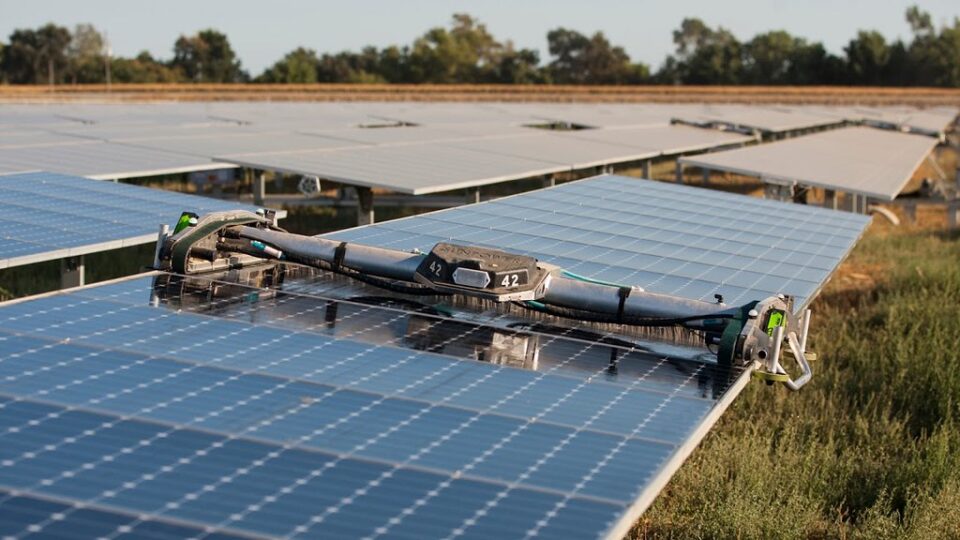
Recently, Lightsource bp announced that its 300 megawatt Bighorn Solar project in Colorado will be used to allow EVRAZ’s Pueblo steel mill to be the world’s first steel mill to run almost entirely on solar power.

The solar project, which will be fully online this month, is the largest on-site solar facility in the U.S. dedicated to a single customer.  (The Bighorn Solar project features 750,000 solar panels located on 1,800 acres).

The project demonstrates that even challenging industrial sectors can be decarbonized when companies work together on innovative solutions.

**********

Web Links

Colorado steel mill becomes ‘world’s first’ to be run almost entirely on solar

Photo, posted October 16, 2017, courtesy of UC Davis College of Engineering via Flickr.

Earth Wise is a production of WAMC Northeast Public Radio.

The Coastal Northeast Is A Hotspot | Earth Wise

November 16, 2021 By EarthWise Leave a Comment

Temperatures rising fast in the Coastal Northeast

Global warming is, obviously, a world-wide phenomenon.  When the concept of a 2 degrees Celsius temperature rise is discussed, it refers to the average global temperature and the effects that would have on such things as sea level rise and weather patterns.  But the effects of the changing climate are not homogeneous.  Very different things can happen and are happening in different places.

One such place is the coastal northeastern United States, which is a global warming hotspot.  The region is heating faster than most regions of North America and, indeed, 2 degrees of summer warming has already happened in the Northeast.

New research led by the University of Massachusetts Amherst has determined that this heating is linked to significant alterations in the ocean and atmospheric conditions over the North Atlantic.

Several studies have found that the Atlantic Meridional Circulation is slowing down.  The AMOC conveys warm, salty water from the tropics north towards Greenland, where it cools and sinks.  The cooled water than flows back south as deep-water currents.  As the warming climate melts glaciers in Greenland, the circulation slows down, less cooled water arrives in the south, and there is more heating of the ocean off the Northeastern coast.

At the same time, the North Atlantic Oscillation, a weather phenomenon that governs the strength and position of the winds that blow from the U.S. over the Atlantic, has tended to settle into a pattern that enhances the influence of ocean air on the eastern seaboard climate.  Warmer ocean air being blown over the region has led to rising temperatures in Boston, New York, and Providence, Rhode Island.

As the average temperature of the world rises, some places will warm more quickly and others more slowly.

**********

Web Links

The Coastal Northeastern U.S. Is A Global Warming Hotspot

Photo, posted August 8, 2010, courtesy of Doug Kerr via Flickr.

Earth Wise is a production of WAMC Northeast Public Radio.

Iron Flow Batteries | Earth Wise

November 15, 2021 By EarthWise Leave a Comment

Lithium-ion batteries power computers, cell phones, and increasingly, automobiles.  They started out being rather expensive but have become dramatically cheaper over the last decade, with prices dropping about 90%.  Batteries are needed to store clean power from wind and solar generation and lithium-ion batteries are increasingly being used for that purpose as well.

Utility-scale energy storage requires substantial battery installations and battery cost is still very much an inhibiting factor in the widespread adoption of the technology.  Lithium-ion battery costs continue to drop but because they require expensive materials like lithium and cobalt, there are limits to how low their prices are likely to get.

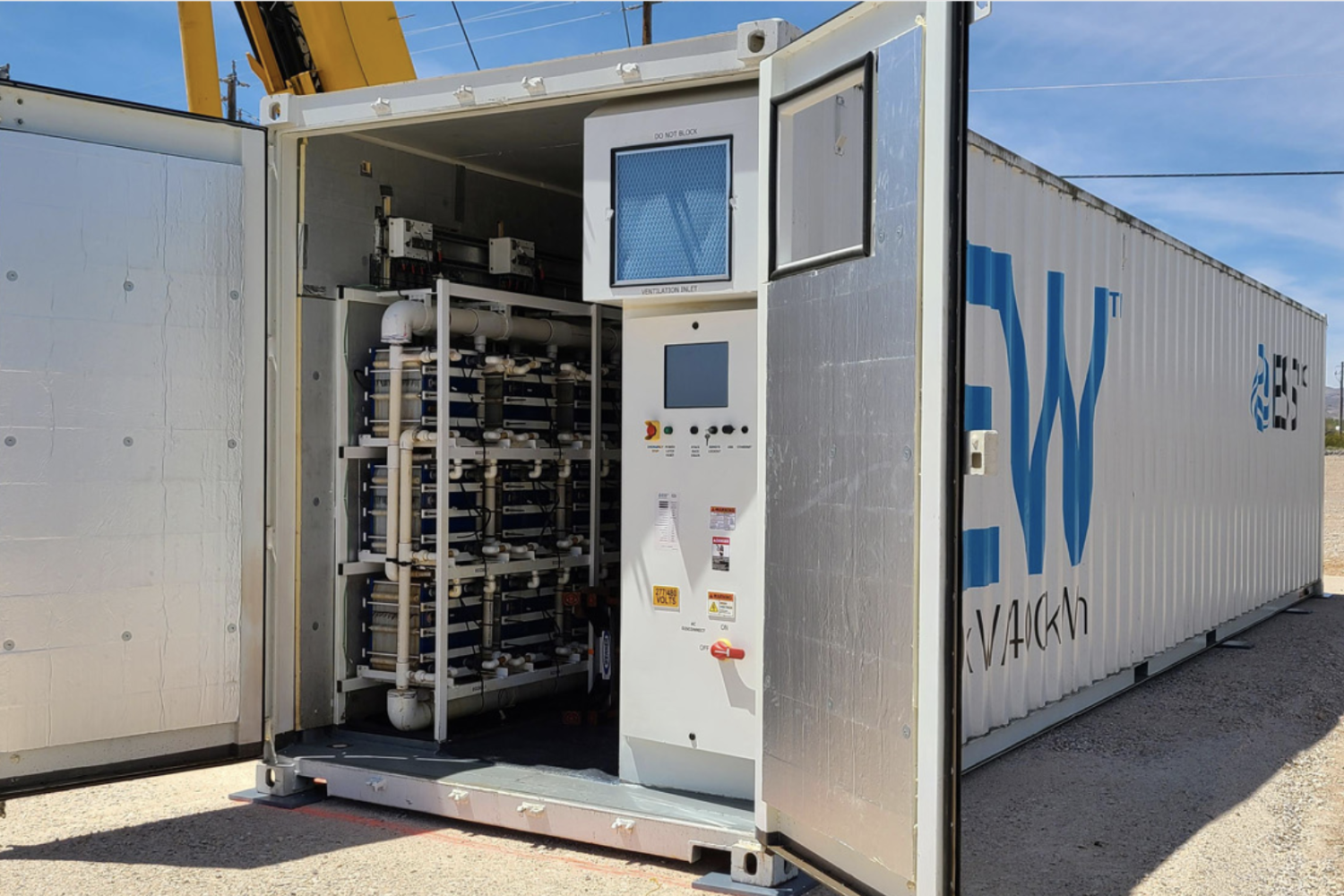
As a result, researchers have continued to seek ways to produce batteries made out of cheaper materials.  Among the more promising technologies are flow batteries, which are rechargeable batteries in which electrolyte flows through electrochemical cells from tanks. 

Flow batteries are much larger than lithium-ion batteries and include physical pumps to move electrolytes.  They typically are sold inside shipping containers.  Clearly, such batteries are not suitable for use in vehicles, much less in consumer electronics.  Nevertheless, they represent a practical option for grid storage.

A company called ESS has developed an iron flow battery suitable for utility energy storage.  Clean energy firm CSB Energy plans to install iron flow batteries at several solar projects across the U.S. that will store enough energy to provide power 50,000 homes for a day.  According to ESS, the iron-based batteries should sell for about half the price of lithium-ion batteries by 2025 and be able to store energy for longer periods.

**********

Web Links

New Iron-Based Batteries Offer an Alternative to Lithium

Photo, posted March 21, 2021, courtesy of Nenad Stojkovic via Flickr.

Earth Wise is a production of WAMC Northeast Public Radio.

Banning Gas Cars | Earth Wise

November 12, 2021 By EarthWise Leave a Comment

Many states and countries have passed gas car bans

The transition to electric vehicles from gas-powered vehicles is essential for reducing greenhouse gas emissions as well as air pollution in general.  Currently, transportation is responsible for 30% of greenhouse gas emissions in the United States.

There is no doubt that there is surging interest in electric cars.  There are now millions of them being sold around the world each year.  But they still represent a small fraction of new car sales in most places.  Notable exceptions are several European countries such as Norway and Switzerland where plug-in vehicles are dominant.  In the United States, on the other hand, EVs still represent less than 3% of new car sales.

Given the urgency in reducing vehicle emissions, many countries around the world have devised plans, goals, or laws to end the sale of gasoline cars.  Gas car bans vary quite a bit around the world, but they are being implemented in many places.

There are 28 countries and US states that have imposed gas car bans to take effect over the next five to 20 years.  These include European countries like Norway, Belgium, Austria, Netherlands, Denmark, Iceland, Ireland, Sweden, Scotland, Slovenia, the UK, France, and Spain.  Asian countries include South Korea, India, Japan, China, Singapore, Sri Lanka, and Taiwan.  In the Middle East, Israel and Egypt have announced bans.  Here in the US, New York and California both have bans starting in 2035.  Canada also has announced a ban.

Car manufacturers have seen the writing on the wall.  Most have started adding EVs to their lineups.  Many have announced their own timetables for phasing out gas cars entirely.  There are more than 15 new electric models available this year and there are many more to follow next year.

**********

Web Links

Over 25 Countries And U.S. States Are Planning to Ban Gasoline Powered Cars

Photo, posted January 24, 2009, courtesy of Oran Viriyincy via Flickr.

Earth Wise is a production of WAMC Northeast Public Radio.

Manatees And Pollution | Earth Wise

November 11, 2021 By EarthWise Leave a Comment

Pollution wreaking havoc on Florida manatees

Manatees are large, gentle, and curious marine mammals measuring up to 13 feet long and weighing up to 3,300 lbs.  There are three living species of manatees:  The Amazonian Manatee, the West African Manatee, and the West Indian Manatee, which is commonly found in Florida and the Gulf Coast.  Manatees inhabit the shallow, marshy coastal areas and rivers of the Caribbean Sea, the Gulf of Mexico, the Atlantic coast, the Amazon basin, and West Africa. 

The West Indian Manatee, which includes the Florida Manatee, is protected under the Endangered Species Act.  Today, the range-wide population is estimated to be at least 13,000 manatees, with more than 6,500 in the southeastern United States and Puerto Rico.

In Florida, an uptick in nutrient loading from nonpoint sources is triggering algal blooms in Indian River Lagoon and neighboring areas.  These algal blooms have decimated seagrass, manatees’ primary food source. 

As a result , manatees have starved to death by the hundreds along Florida’s east coast.  The state has recorded 974 manatee deaths in 2021, shattering previous annual all-time highs with still approximately two months to go.  Manatees, which need to eat between 100-200 pounds of seagrass daily, are now eating the seagrass roots, which permanently kills the aquatic plants.

Efforts are being made to replant seagrass and to restore clam and oyster beds so that the mollusks can help clean the water.  But manatees face a myriad of additional threats, including collisions with boats and ships, temperature changes, disease, and crocodile predation.

********** 

Web Links

Florida lawmakers hear Fish & Wildlife agency response to manatee death ‘catastrophe’

West Indian manatee

Preliminary 2021 Manatee Mortality Table by County

Photo, posted May 7, 2010, courtesy of Jim Reid/USFWS via Flickr.

Earth Wise is a production of WAMC Northeast Public Radio.

Wireless EV Charging | Earth Wise

November 10, 2021 By EarthWise Leave a Comment

Michigan is developing wireless EV charging

Michigan, historically the focus of the American auto industry, has announced a new initiative to develop the nation’s first wireless charging infrastructure on a public road.  The Inductive Vehicle Charging Pilot is a partnership between the Michigan Department of Transportation and the Office of Future Mobility and Electrification.

The idea is to deploy an electrified roadway system that allows electric buses, shuttles, and vehicles to charge while driving, allowing them to operate continuously without stopping to charge.  In principle, such electrified roadways have the potential to accelerate the adoption of electric vehicles and turn public streets into safe and sustainable shared energy platforms.  This is especially valuable for drivers who might not have easy access to conventional charging facilities.

The pilot program is seeking proposals to design, fund, evaluate, iterate, test, and implement an inductive charging system along a one-mile stretch of state-operated roadway in Michigan.

The basic concept is to embed coils in a road that will convey electricity to cars outfitted with coils of their own.  It is much like the wireless charging pads used to power up smartphones.  Indiana is pursuing a similar project in the next couple of years.

Clearly driving through a one mile stretch of roadway for minute or two is not going to provide a whole lot of energy by whatever coupling mechanism is used. Scaling up the technology represents a significant challenge at the very least.  How practical such a scheme is from both a technology and an economic perspective remains to be seen.  In any case, it is interesting to see that states are looking at various alternatives for providing access to charging infrastructure to the growing population of electrified vehicles.

**********

Web Links

Governor Whitmer Announces Initiative for Nation-Leading Wireless EV Charging Infrastructure in Michigan

Photo, posted September 6, 2020, courtesy of Chris Yarzab via Flickr.

Earth Wise is a production of WAMC Northeast Public Radio.

Deadly Urban Heat On The Rise | Earth Wise

November 9, 2021 By EarthWise Leave a Comment

Exposure to deadly urban heat is on the rise

According to a new study by the Columbia Climate School, exposure to deadly urban heat has tripled since the 1980s.  The increase is the combined result of both rising global temperatures and booming urban population growth.

The study looked at more than 13,000 cities worldwide and found that incidents of extreme heat and humidity have increased dramatically.   It defined extreme heat as 30 degrees Celsius on the wet-bulb temperature scale that takes into account the effect of high humidity.  In 1983, there were 40 billion person-days under such conditions.  By 2016, the number was 119 billion.  More specifically, in 2016 1.7 billion people were subjected to such conditions on multiple days.

Sheer urban population growth accounted for two-thirds of the increase, while actual warming contributed a third.  Over recent decades, hundreds of millions of people have moved from rural areas to cities, which now hold more than half the world’s population.  And because of the urban heat island effect, temperatures in cities are generally higher than in the countryside.

In the United States, about 40 sizable cities have seen rapidly growing exposure to extreme heat, mainly clustered in Texas and the Gulf Coast.  Globally, nearly a quarter of the world’s population is affected by the increased incidence of extreme temperatures.

A study last year showed that combinations of heat and humidity literally beyond the limits of outdoor human survival have been popping up around the world.  A wet-bulb temperature reading of 30 – equivalent to 106 degrees Fahrenheit on the “real feel” heat index – is the point at which even most healthy people find it hard to function outside for long, and the unhealthy might become very ill or even die.

**********

Web Links

Exposure to Deadly Urban Heat Worldwide Has Tripled in Recent Decades, Says Study

Photo, posted March 5, 2007, courtesy of Michael Phillips via Flickr.

Earth Wise is a production of WAMC Northeast Public Radio.

Roads And Chimpanzees | Earth Wise

November 8, 2021 By EarthWise Leave a Comment

Roads have a major negative impact on chimpanzee populations

The chimpanzee is a species of great ape native to tropical regions of Central and West Africa.  Chimpanzees are highly social animals and can live to be over 50 years old.  In fact, chimpanzees are our closest cousins.  We share about 98% of our genes with chimpanzees. 

According to the African Wildlife Federation, it’s estimated that at most only 300,000 chimpanzees remain in the wild today.  They face a myriad of challenges, including habitat degradation and hunting. 

According to new research from the University of Exeter in the U.K., roads have a negative impact on chimpanzee populations that can extend for several miles.  In the study, which was recently published in the journal Conservation Letters, the researchers analyzed the impact of major and minor roads on wild western chimpanzee numbers in the eight African countries in which they live.  They found that negative impacts extended an average of 10.7 miles from major roads, and 3.4 miles from minor roads.  The researchers found that the density of chimpanzee populations dropped steadily from the edges of these areas to the lowest value alongside the roads.  Only 4.3% of the chimpanzees’ range remains unaffected by roads. 

While the study did not investigate why roads affect chimpanzee numbers, the research team did offer some clues.  In addition to noise and roadkill, roads provide access to unexploited areas for industries that often reduce or remove chimpanzee habitats.  Roads can also restrict chimpanzee movements, and provide easier access for hunters. 

The researchers hope their findings will bring about more effective guidelines to mitigate the impact of roads on wildlife.   

**********

Web Links

Roads have far-reaching impact on chimpanzees

Photo, posted August 12, 2014, courtesy of Rod Waddington via Flickr.

Earth Wise is a production of WAMC Northeast Public Radio.
Vineyard Wind Prepares For Construction | Earth Wise

November 5, 2021 By EarthWise Leave a Comment

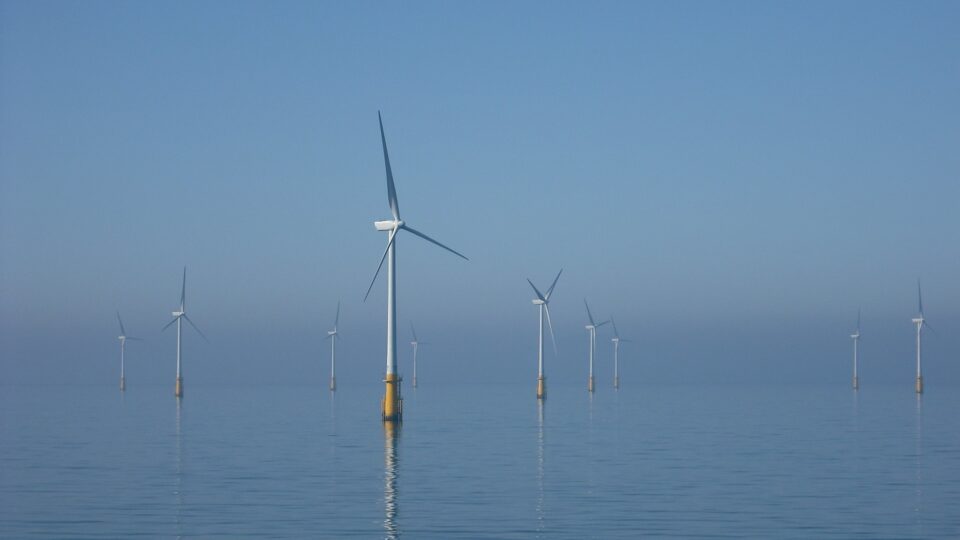
Vineyard Wind 1 will be the first utility-scale offshore wind energy project in the United States.  It will be located 15 miles off the coast of Massachusetts and will consist of an array of 62 wind turbines, spaced one nautical mile apart.  It will generate 800 megawatts of electricity, enough to power over 400,000 homes.

The project has recently closed on $2.3 billion of senior debt financing, which sets the stage for construction to begin.  The joint venture between Avangrid Renewables and Copenhagen Infrastructure partners is one of the single largest investments in a renewable energy project in the U.S.  The financial close is basically the final milestone for launching the project following years of clearing regulatory and other hurdles.

With the financial closing, Vineyard Wind will be instructing its contractors to begin work.  Onshore work will start this fall and offshore work will begin in 2022.

The project will use Haliade-X wind turbine generators made by GE.  These are some of the largest and most powerful wind turbines currently available, each one capable of generating 13 megawatts of electricity.  The electricity generated by the turbines will be collected by an offshore substation and then transmitted to shore.  Two submarine cables will bring the electricity from the substation to a landing point in Barnstable.  The cables will be buried six feet below the seafloor.  Underground cables will then route the power to an onshore substation in the village of Hyannis where it will be connected to the New England Grid.

Vineyard Wind is the first of many offshore wind farms in the works for the Northeastern United States.

**********

Web Links

U.S.’s first commercial-scale offshore wind project prepares for construction

Photo, posted March 24, 2016, courtesy of Andy Dingley via Flickr.

Earth Wise is a production of WAMC Northeast Public Radio.

Marine Heatwaves And Fish | Earth Wise

November 4, 2021 By EarthWise Leave a Comment

Extremely hot years will hurt fishing revenues and cost jobs

Marine heatwaves are periods of abnormally high temperatures in the ocean that can trigger devastating impacts on ecosystems, including coral bleaching, toxic algal blooms, and mass mortality events.  Marine heatwaves can occur in any ocean and in any season.  They are defined based on the differences between actual and expected temperatures for the location and time of year.     

According to several studies, even under moderate climate warming scenarios, oceans will experience more frequent and longer-lasting marine heatwaves in the years to come.

Researchers from the University of British Columbia’s Institute for the Oceans and Fisheries in Canada have found that extremely hot years will wipe out hundreds of thousands of tons of fish globally this century.  These losses are in addition to the projected decreases to fish stocks from long-term climate change. 

Under a worst-case scenario where no action is taken to curb greenhouse gas emissions, the research team’s model predicts a 6% drop in the amount of potential catches per year.  In addition, the biomass (or amount of fish by weight) is projected to decrease in 77% of exploited species due to the extreme temperatures.

As a result of climate change and these extreme heat events, the research team projected that fisheries’ revenues would decrease by an average of 3% globally, and employment would fall by 2% globally – a loss of likely millions of jobs.

The research team says active fisheries management is critical.  Catch quotas, for example, need to be adjusted in years when fish stocks are suffering from marine heat events.  In severe cases, the fisheries may need to be shuttered in order to allow fish stocks to rebuild.  

**********

Web Links

Fevers are plaguing the oceans — and climate change is making them worse

Marine heatwaves could wipe out an extra six per cent of a country’s fish catches, costing millions their jobs

Photo, posted October 11, 2016, courtesy of Kahunapule Michael Johnson via Flickr.

Earth Wise is a production of WAMC Northeast Public Radio.
  • « Go to Previous Page
  • Page 1
  • Interim pages omitted …
  • Page 50
  • Page 51
  • Page 52
  • Page 53
  • Page 54
  • Interim pages omitted …
  • Page 154
  • Go to Next Page »

Primary Sidebar

Recent Episodes

  • An uninsurable future
  • Clean energy and jobs
  • Insect declines in remote regions
  • Fossil fuel producing nations ignoring climate goals
  • Trouble for clownfishes

WAMC Northeast Public Radio

WAMC/Northeast Public Radio is a regional public radio network serving parts of seven northeastern states (more...)

Copyright © 2026 ·