Carbon And The Dark Ocean

Sunlight entering the water can travel as much as 3,000 feet into the ocean depths under the right conditions, but ordinarily there is no significant light that penetrates beyond about 650 feet down. That upper 650 feet is called the euphotic or “sunlight” zone and is home to most familiar marine life. The “dark ocean”, everything below that depth, makes up 90% of the ocean and remarkably little is known about it.
Coffee Power

The residents of London are known for tea drinking, but in fact each of them consumes an average of 2.3 cups of coffee a day as well. But now, it won’t just be commuters that are running on coffee in the morning. London buses will in part run on oil produced from coffee grounds.
A Philippine Coral Reef Survives
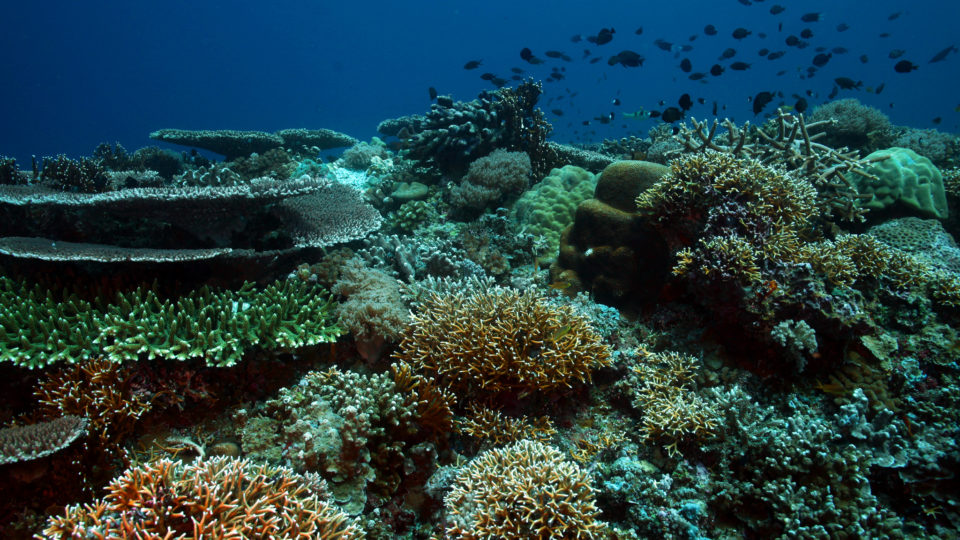
One of the greatest coral reef ecosystems in the world, the Tubbataha Reef in the Philippines, continues to prosper. Undersea coral walls that plunge more than 300 feet deep are home to some 600 species of fish and 360 kinds of coral, about half of all known species. According to experts, the ocean wilderness of Tubbataha Reef is about the closest thing to a true natural state for any reef in the world.
Floating Cities

A familiar theme in science fiction is the idea of floating cities – independent, self-sustaining nation-states at sea where start-up societies work to redesign society and government and don’t have to fight over who owns the land. The concept even has a name: seasteading.
New Year’s Resolutions

2018 is just around the corner. Popular resolutions for the New Year always seem to include things like improving health, traveling more, spending less money, and so on. But one resolution that isn’t as popular but could collectively have a major impact is committing to living a cleaner and greener life.
Learning From Fire
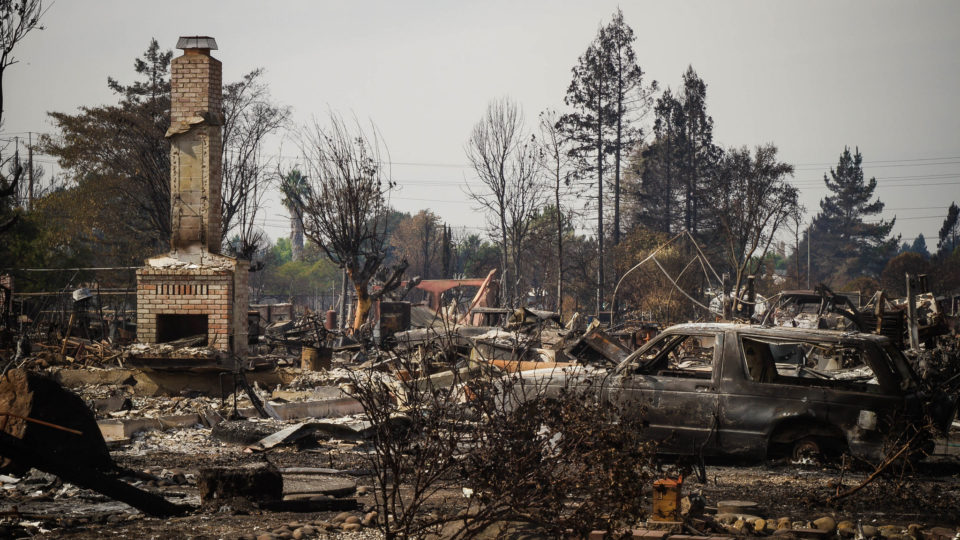
The Tubbs Fire was the huge wildfire that burned parts of Napa, Sonoma and Lake counties in Northern California in October. Between that fire and several smaller ones going on at the same time, at least 43 people died and over 8,400 homes and buildings were destroyed. The Tubbs Fire alone burned over 36,000 acres. The even larger December wildfires in Southern California scorched hundreds of thousands of acres in multiple counties.
Hopeful Climate Trends

In November, Syria joined the Paris Climate Accord. As a result, the United States is now the only country in the world that has rejected the global pact. Despite this embarrassing news, there is reason for optimism in the effort to stave off the worst impacts of climate change. In particular, 7 major trends provide hope that things could move in the right direction.
Wine And The Changing Climate

Drinking wine is getting increasingly popular, notably among millennials. According to some accounts, that generation now imbibes half of all the wine consumed in this country. The California wine industry alone sold over $34 billion worth of wine last year.
Safer Places For Bus Riders

Taking the bus in crowded cities is a good way to reduce overall traffic, save money on gas, and do a good turn for the environment. Unfortunately, bus riders often are exposed to large amounts of pollution in the process.
Turning Biofuel Waste Into Valuable Chemicals
When biofuels are made, tough plant material is left over as waste. The material is lignin, which is a main component of plant cell walls that gives plants their structural integrity. Lignin is made up of many valuable compounds, but taking it apart to extract them is very difficult.
[Read more…] about Turning Biofuel Waste Into Valuable Chemicals
China And Electric Cars

While American politicians were voting on eliminating tax credits for buyers of electric vehicles, auto executives from around the world were gathering to make ambitious plans to sell more electric cars in China.
Climate Change And Hawaii

The Hawaiian Islands are an archipelago of eight major islands, several atolls, numerous smaller islets, and seamounts in the North Pacific Ocean. The islands are a world-renowned vacation spot, known for their white-sand beaches, lush flora, and near perfect weather. But stormier days may be ahead.
Germany’s Struggle

Germany has a reputation as one of the greenest countries on earth. They have comprehensive recycling programs, they treasure their forests, and in recent decades, they have been aggressively working to replace both nuclear and coal-fired power plants with renewable energy sources. They have been an early world leader in solar power. And their national Energiewende or “energy turn” initiative demonstrates a strong commitment to the environment.
Cities Can Help Bees

Global bee populations have been drastically declining as a result of habitat loss, pesticides and climate change. But studies are showing that planting flower patches in urban gardens and green spaces can make a real difference in restoring natural pollinators. There are already positive results in cities from Chicago to London to Melbourne.
CO2 Emissions Stalled
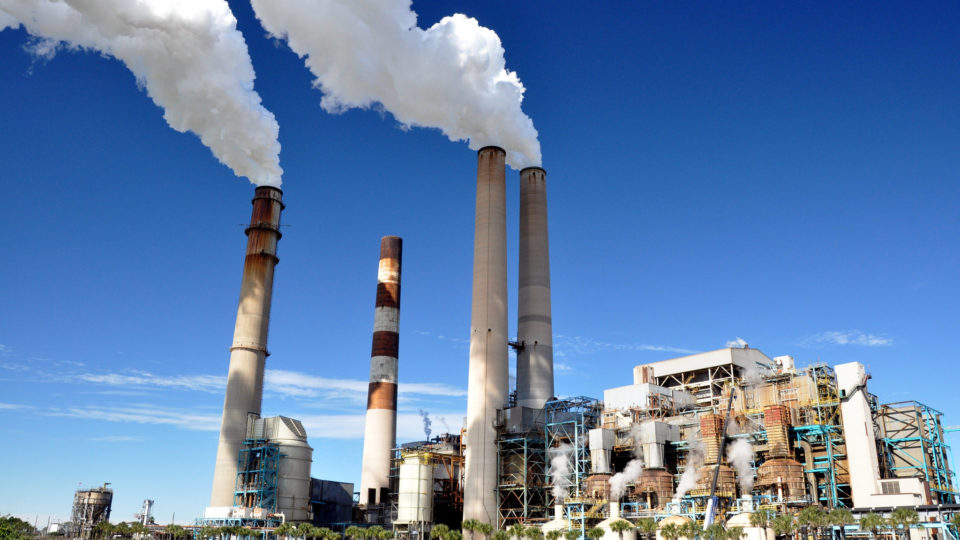
For the third year in a row, global emissions of carbon dioxide have remained unchanged. This indicates that efforts to reduce emissions have had an effect, but that there is much more to be done. It is essential to reduce emissions, not just cap them.
The Delhi Air Pollution Crisis
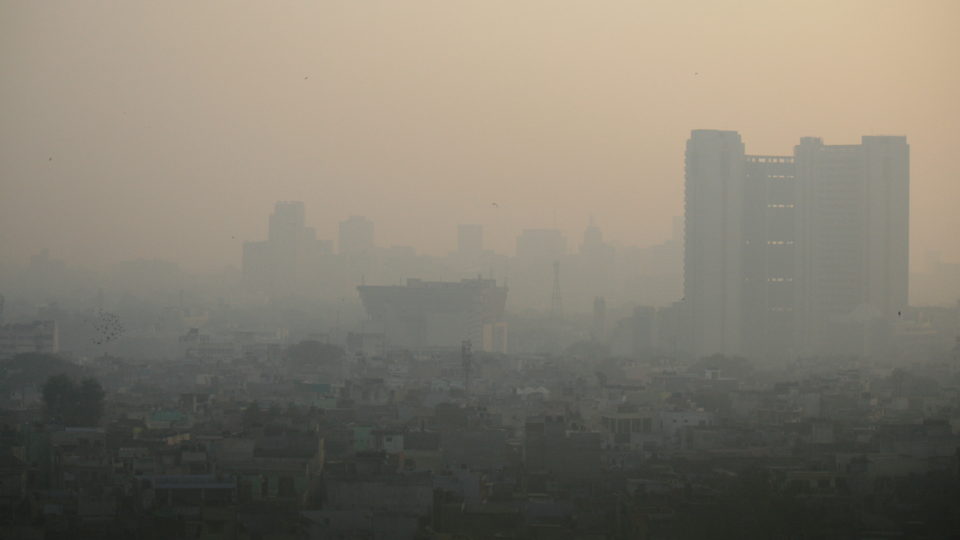
Delhi, the capital city of India, has always been a city bursting at the seams. With over 19 million people, heavy industry, growing numbers of vehicles, and choking amounts of road dust, Delhi suffers from some of the worst air pollution in the world. It is a situation the country has been struggling with for years.
An Internal Price On Carbon
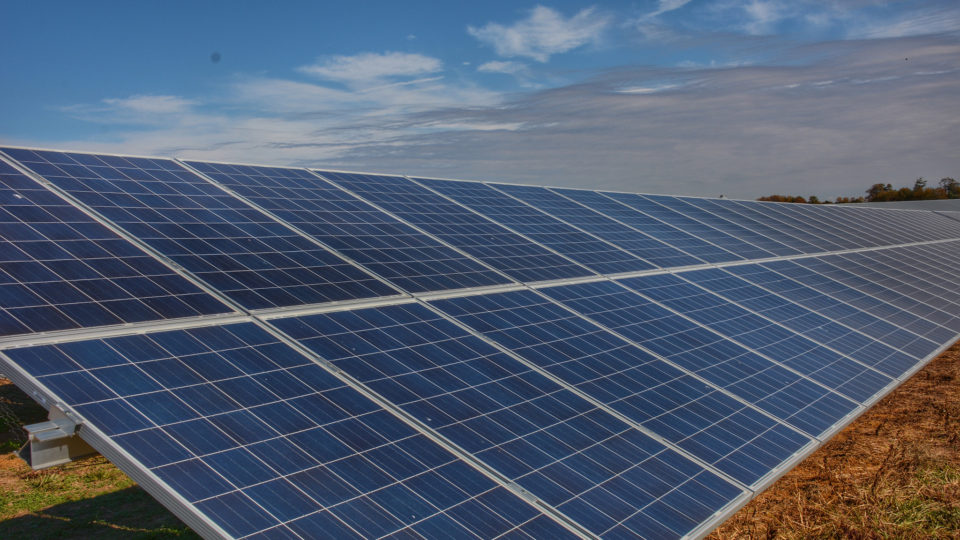
As the world looks to reduce carbon emissions, many companies are dealing with paying for their carbon emissions as part of the cost of doing business. But apart from the situations in which companies already are required to pay for their carbon emissions, a growing number of companies now build carbon pricing into their business plans even if they are not yet directly paying for their emissions. This practice is known as putting an internal price of carbon into their business plan.
The Deadly Cost Of Pollution

There is deservedly a great deal of focus on the effects that carbon pollution is having upon the climate and most countries around the world are working to reduce their emissions. However, even if climate effects were not a serious threat to humanity, pollution is a deadly menace to human health.
Is A Real Christmas Tree Or A Fake One Better for the Planet?

For many, the Christmas tree is a quintessential part of the holiday season. According to the American Christmas Tree Association, 81% of Christmas trees Americans decorated in 2016 were artificial. But are artificial trees really the better option for the environment?
[Read more…] about Is A Real Christmas Tree Or A Fake One Better for the Planet?