• Skip to primary navigation
  • Skip to main content
  • Skip to primary sidebar

Earth Wise

A look at our changing environment.

  • Home
  • About Earth Wise
  • Where to Listen
  • All Articles
  • Show Search
Hide Search
You are here: Home / Archives for world

world

The Hottest Month Ever

August 27, 2019 By EarthWise Leave a Comment

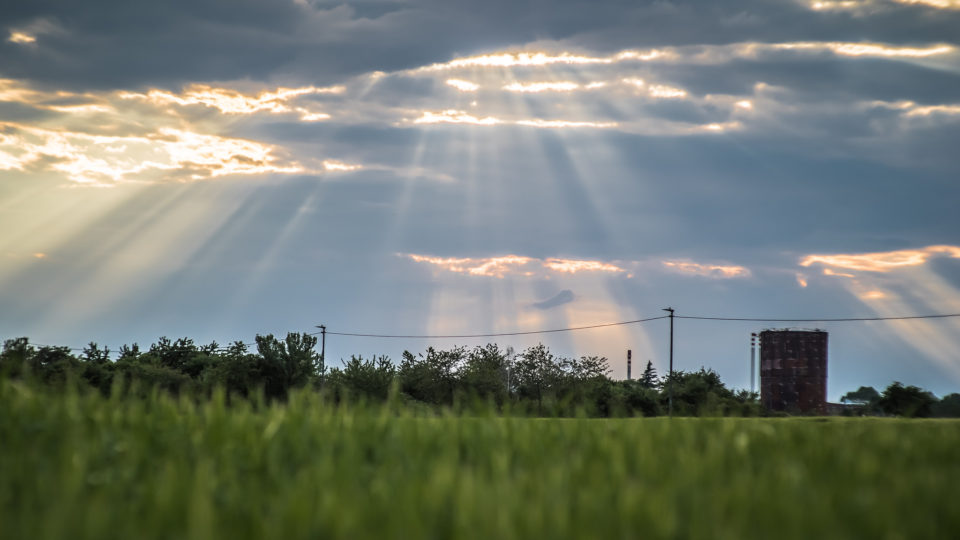
European climate researchers announced that July was the hottest July ever recorded and since July is generally the hottest month of the year, it was indeed the hottest month ever recorded.  It just barely beat out the previous record set in July 2016.  There are multiple agencies that track temperatures around the world, and it is possible that some of them may report slightly different results. 

But whatever July’s ultimate ranking is, it is part of a long-term trend.  The past five years have been the hottest on record.   The 10 hottest years ever recorded have all occurred during the past twenty years.

This June was also the warmest on record, and the previous five months were all among the four warmest for their respective months.  All of that puts this year on track to be in the top five warmest years, or perhaps the hottest ever.

The highest above-average conditions were recorded across Alaska, Greenland, and large areas of Siberia.   Large parts of Africa and Australia were warmer than normal, as was much of central Asia.  New temperature records were set in Belgium, the Netherlands, and Germany with temperatures over 104 degrees Fahrenheit.  Great Britain saw an all-time record of 101.7 degrees and Anchorage, Alaska stayed above 79 degrees for a record six days in a row.

Wildfires have raged across the Russian Arctic, India has suffered heatwaves and severe water shortages, and Japan saw more than 5,000 people seek hospital treatment during a heatwave.

While scientists cannot directly link any particular heatwave to climate change, the trend for new heat records is likely to continue and accelerate unless we do something about curbing greenhouse gas emissions.

**********

Web Links

How Hot Was July? Hotter Than Ever, Global Data Shows

Photo, posted May 25, 2019, courtesy of Jakob Montrasio via Flickr.

Earth Wise is a production of WAMC Northeast Public Radio.
A Giant Seaweed Bloom

August 19, 2019 By EarthWise Leave a Comment

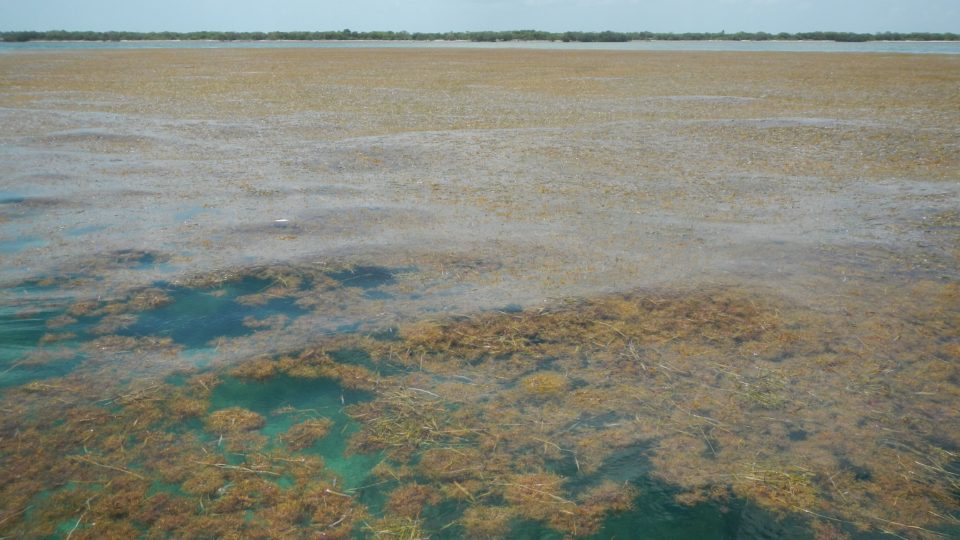
Scientists using data from NASA satellites have discovered and documented the largest bloom of seaweed in the world, stretching all the way from West Africa to the Gulf of Mexico.  The gigantic macroalgae bloom has been dubbed the Great Atlantic Sargassum Belt. 

The brown seaweed floats in surface water and in recent years has become a problem to shorelines lining the tropical Atlantic, Caribbean Sea, Gulf of Mexico, and east coast of Florida.  The stuff carpets popular beach destinations and crowded coastal waters. In 2018, more than 20 million tons of it floated on the ocean surface.

Scientists have been studying the Sargassum algae using satellites since 2006, but the major blooms have only started appearing since 2011.  They have occurred every year between 2011 and 2018 except for 2013.  Before 2011, most of the free-floating Sargassum in the ocean was primarily found in patches around the Gulf of Mexico and the Sargasso Sea located on the western edge of the central Atlantic Ocean.

Sargassum provides habitat for turtles, crabs, fish and birds, and produces oxygen via photosynthesis.  However, too much of it can crowd out many marine species.

According to researchers, the ocean’s chemistry must have changed in order for the bloom to get so out of hand.  The factors involved include a large seed population left over from a previous bloom, nutrient input from West Africa, and nutrient input from the Amazon River.  The increase in nutrients may be a result of deforestation and fertilizer use.

Climate-change effects on precipitation and ocean currents ultimately do play a role in this, but increased ocean temperatures do not.  Unfortunately, these giant seaweed blooms are probably here to stay.

**********

Web Links

NASA Satellites Find Biggest Seaweed Bloom in the World

Photo courtesy of NASA.

Earth Wise is a production of WAMC Northeast Public Radio.

The U.S. Military And Climate Change

July 9, 2019 By EarthWise Leave a Comment

According to new research by scientists from Durham University and Lancaster University, the United States military is one of the largest climate polluters.  The U.S. military consumes more liquid fuels and emits more greenhouse gases than most countries.  

The study, published in Transactions of the Institute of British Geographers, finds that if the U.S. military were a country, it would be the 47th largest emitter of greenhouse gases in the world, falling between Peru and Portugal.  And this only takes into account the emissions from its liquid fuel consumption.  For this study, the U.S. military’s 2015 consumption was compared with the 2014 World Bank country liquid fuel consumption. 

In 2017, the U.S. military purchased more than 269,000 barrels of oil a day, emitting more than 25,000 kt- CO2e by burning those fuels.  The Air Force accounted for $4.9 billion worth of this fuel, followed by the Navy at $2.8 billion, the Army at $947 million, and the Marines at $36 million. 

The Air Force and the Navy are not only the U.S. military’s largest purchasers of fuel, they also use the most polluting types of fuel.  The Air Force is the largest emitter of greenhouse gases at more than 13,000 kt CO2e, nearly double that of the Navy’s 7,800 kt CO2e. 

Despite this study’s findings and a general uptick in awareness, it’s unlikely that the U.S. military’s dependence on fossil fuels will change.  That’s because the military continues to pursue open-ended operations around the globe, and the lifecycle of its existing military equipment insures dependence on hydrocarbons for many years to come. 

***********

Web Links

U.S. military consumes more hydrocarbons than most countries — massive hidden impact on climate

Photo, posted July 8, 2016, courtesy of Alan Wilson via Flickr.

Earth Wise is a production of WAMC Northeast Public Radio.
Making Roads From Ocean Plastic

June 7, 2019 By EarthWise Leave a Comment

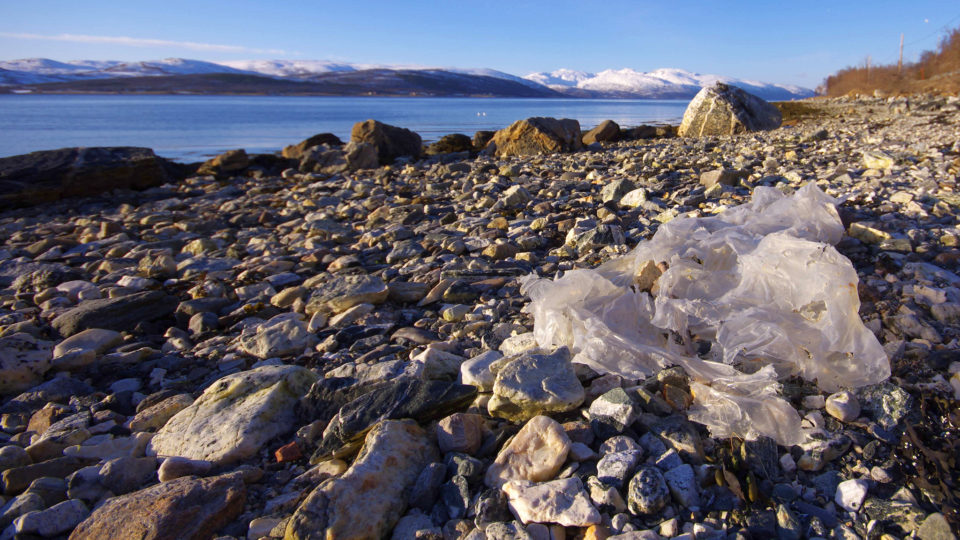
Like many other places around the world, India has a big problem with plastic waste.  Its 1.3 billion people each use an average of 24 pounds of plastic per year and much of it ends up in the Arabian Sea and Indian Ocean.

Fishermen in India’s southern state of Kerala have taken on the battle against plastic waste in the ocean by launching a campaign called Suchitwa Sagaram, or Clean Sea, in which they are collecting the plastic and bringing it back to shore.

In the first 10 months of the program, fisherman have removed 25 tons of plastic from the Arabian Sea.  Once the plastic waste reaches shore, it is fed into a plastic shredding machine.  As is the case for many of India’s plastic recycling schemes, the shredded plastic from the sea is converted into material that is used for road surfacing.

There are more than 20,000 miles of plastic roads in India, mostly in rural areas.  In fact, more than half the roads in the southern state of Tamil Nadu are plastic.  Such roads have become popular because they are more resilient to India’s searing heat.  The melting point of plastic roads is around 150 degrees Fahrenheit as compared to 122 degrees for conventional roads.

Roads made from recycled plastic are also cheaper than ones using conventional plastic additives.  A mile of plastic road uses the equivalent of a million and a half plastic bags and saves about a ton and a half of asphalt.  Overall, plastic roads are about 8% cheaper than conventional roads and create jobs for people in the fishing communities.

India’s plastic roads are a promising way to fight the problem of ocean plastic pollution.

**********

Web Links

These Indian fishermen take plastic out of the sea and use it to build roads

Photo, posted April 25, 2016, courtesy of Bo Eide via Flickr.

Earth Wise is a production of WAMC Northeast Public Radio.

Antibiotics In The Environment

June 6, 2019 By EarthWise Leave a Comment

Antibiotics make their way into the environment in many ways.  Sources of antibiotic pollution include the waste from large-scale animal farms and the wastewater from hospitals, municipalities, and antibiotic manufacturing.

A new study has discovered concentrations of antibiotics in some of the world’s rivers exceed safe levels by up to 300 times.  In the project, researchers looked for 14 commonly used antibiotics in rivers in 72 countries across six continents.  They found antibiotics at 65% of all the sites they examined. 

The antibiotic ciproflaxacin was the compound that most frequently exceeded safe levels, surpassing that threshold in 51 places. The antibiotic metronidazole exceeded safe levels by the biggest margin.  Concentrations of this antibiotic at one site in Bangladesh was 300 times greater than the safe level.  The most prevalent antibiotic was trimethoprim.  It was detected at 307 of the 711 sites. 

Some of the world’s most iconic rivers were sampled as a part of this study, including the Danube, Mekong, Seine, Thames, Tiber and Tigris. 

The project, which was led by the University of York, found that high-risk sites were often located near wastewater treatment systems, waste or sewage dumps, and in some areas of political unrest. 

Safe levels for antibiotics, which were recently established by the AMR Industry Alliance, range from 20,000 to 32,000 nanograms per liter depending on the compound. 

According to the research team, solutions to the problem of antibiotic contamination should include infrastructure investment, tighter regulation, and the remediation of already contaminated sites. 

**********

Web Links

Antibiotics found in some of the world’s rivers exceed ‘safe’ levels, global study finds

Photo, posted October 7, 2013, courtesy of Nicola via Flickr.

Earth Wise is a production of WAMC Northeast Public Radio.
The World’s Largest Storage Battery

May 24, 2019 By EarthWise Leave a Comment

Many homeowners are installing solar energy systems with battery backup.  Energy stored in the battery can be used when the sun isn’t shining.   As battery prices come down, utility-scale solar installations are also turning to battery-based energy storage.

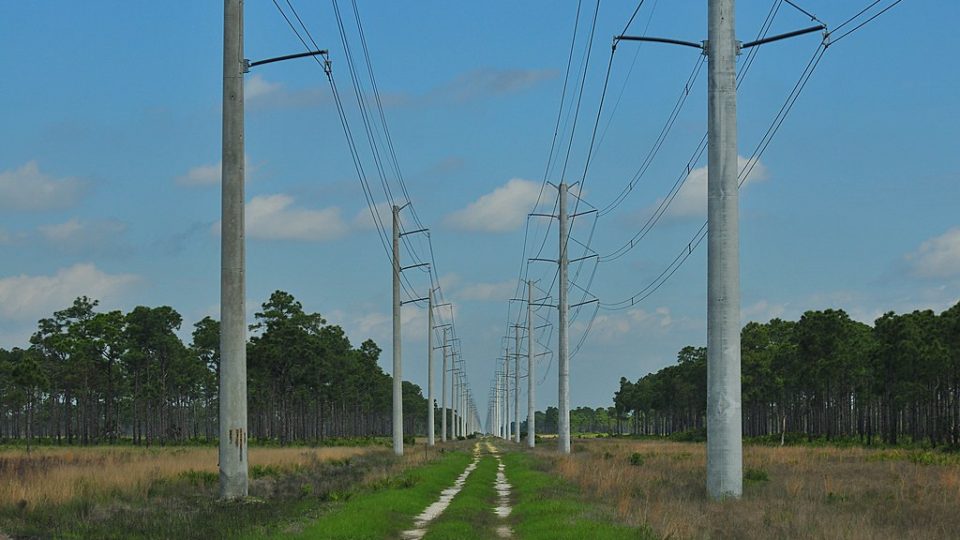
Florida Power & Light has announced plans to build the world’s largest solar-storage combination facility in Manatee County.  The 409-MW Manatee Energy Storage Center will be the largest solar-battery system by a factor of four.  The specifics of the technology and source of the battery system components have yet to be announced.

The system, which is scheduled to be completed in late 2021, will be charged by a nearby FPL solar power plant.  The plan is to discharge batteries during times of higher demand, thereby offsetting the need to run other power plants.  As a result, there will be reduced emissions and customers will save as much as $100 million through avoided fuel costs.

Installing the mega-sized battery system will accelerate the retirements of two nearby 1970’s-era gas-fired generation units.  At peak efficiency, the Manatee energy storage system will be able to power 390,000 homes for up to two hours.

FPL has already been pursuing the use of battery storage technology.  Last year, they added a 10 MW battery storage system to its 74.5 MW Babcock Ranch Solar Energy Center in Charlotte County.

These large battery systems are increasingly practical because of dramatic reductions in lithium-ion battery costs.  The levelized cost of electricity from lithium-ion batteries has declined a remarkable 38% just since the beginning of 2018.  The economics of clean energy continue to get better and better.

**********

Web Links

FP&L Plans World’s Largest Energy Storage Battery To Support Its Renewable Energy Goals

Photo, posted April 21, 2010, courtesy of Frank Starmer via Flickr.

Earth Wise is a production of WAMC Northeast Public Radio.
Coal Isn’t Even Cheap Anymore

May 15, 2019 By EarthWise Leave a Comment

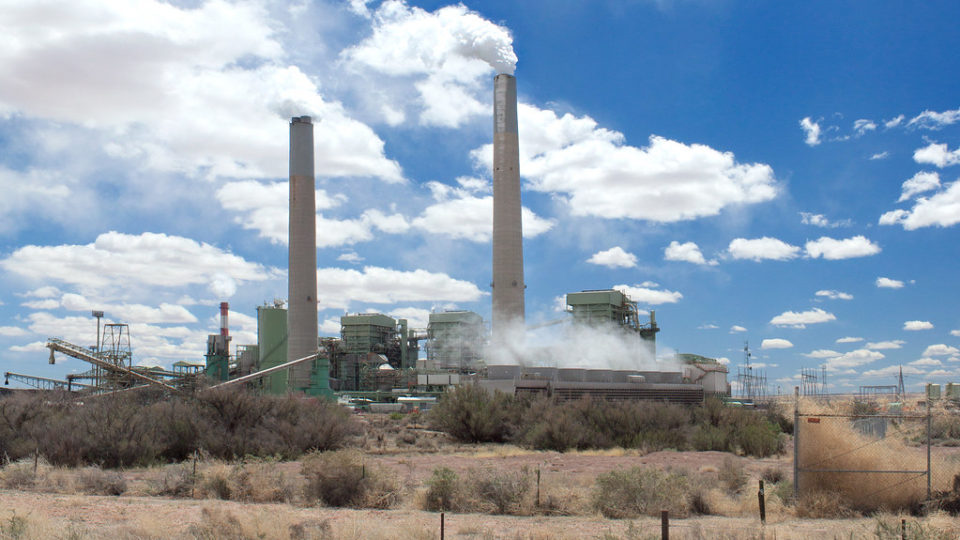
Coal has historically been very cheap compared with many other energy sources and the reason is that it is so plentiful.  The United States has especially abundant quantities of the stuff – perhaps a quarter of the world’s estimated recoverable reserves.  Estimates are that at the rate at which we are currently using coal here, the remaining reserves would last about 325 years. 

That would be great, of course, if the use of coal was not relentlessly destructive to the environment, hazardous to human health, and a major driver for global warming.  Despite all of that, the Trump administration is a big booster of coal.

But coal has little chance of holding on to its current status, much less having some kind of renaissance.  According to a new report from renewables analysis firm Energy Innovation, nearly 75% of coal-fired power plants in the United States generate electricity that is more expensive than local wind and solar resources.   Wind power, in particular, can at times provide electricity at half the cost of coal.

Wind and solar power are growing by leaps and bounds.  The Guardian reported that by 2025, enough wind and solar power will be generated at low enough prices in the U.S. that it could replace 86% of the entire U.S. coal fleet with lower-cost electricity.

It has been known for some time that there are places where the so-called coal crossover has already taken place.   But this is actually far more widespread than previously thought.  Substantial coal capacity is currently at risk in North Carolina, Florida, Georgia and Texas.  By 2025, Indiana, Michigan, Ohio, and Wisconsin will join their ranks.

The biggest threat to coal is not regulators or environmentalists; it is economics.

**********

Web Links

Renewables Cheaper Than 75 Percent of U.S. Coal Fleet, Report Finds

Photo, posted May 1, 2011, courtesy of Alan Stark via Flickr.

Earth Wise is a production of WAMC Northeast Public Radio.
Fire-Driven Thunderstorms

March 6, 2019 By EarthWise Leave a Comment

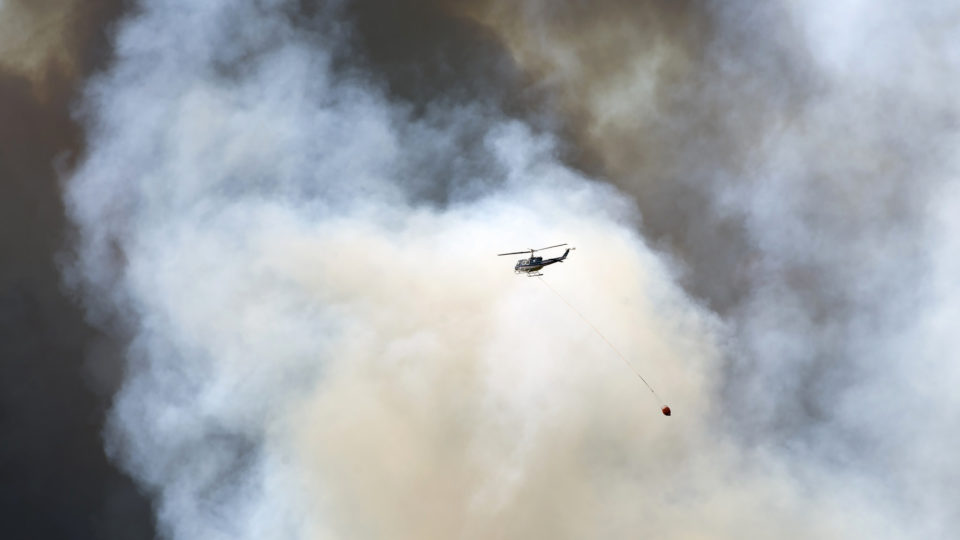
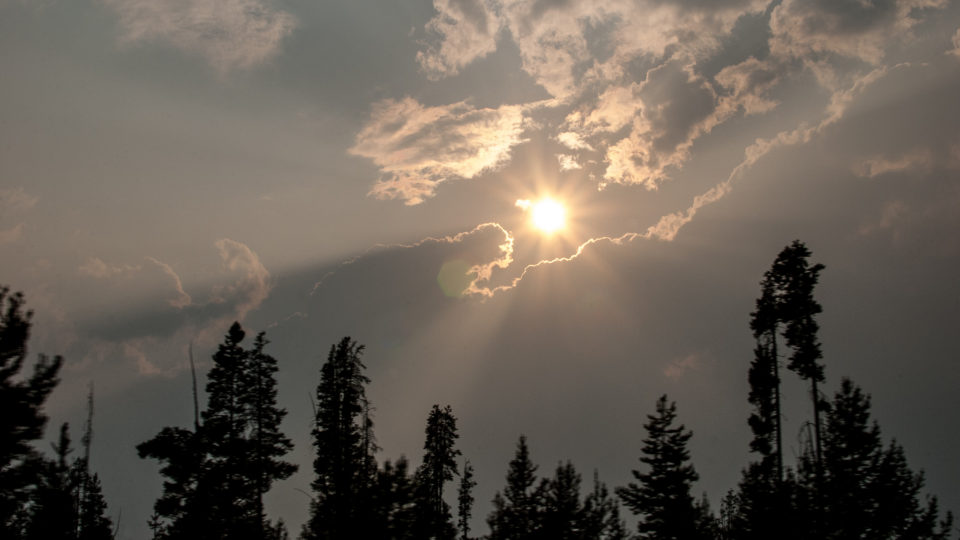
In 2016 and 2017, wildfires in western Canada spawned thunderstorms that ignited additional fires, in some cases tens of miles away from the original fire.  These fire-triggered thunderstorms are technically known as pyrocumulonimbus clouds, or “pyroCb’s”.

The physics of pyroCb’s is complex.  When super-heated updrafts from an intense fire suck smoke, ash, burning materials, and water vapor high into the air, these elements cool and form so-called fire clouds that look and act like the cumulonimbus clouds associated with classic thunderstorms.  What is different is that the heat and particulates in the smoke almost always arrest the ability of the cloud to produce rain.  Instead, what remains is a lightning storm that moves across the landscape, triggering more fires.

These PyroCb events appear to be happening far more often, producing more energy, and erupting in places where they have never been seen before.  As the world warms, wildfires themselves are becoming larger and hotter.  In the past decade, wildfires have been burning more than twice as many acres as they did before the turn of the 21st century.  Along with the growth in wildfire activity, there has been an increase in PyroCb events, and there are now an average of 25 per year in western North America.

Apart from starting new fires, pyroCb’s also have similar effects as moderate-sized volcanic eruptions.  Smoke and aerosols from wildfires can rise high into the stratosphere, where they can linger for months.  Eventually, the particles carried aloft in the atmosphere do come down, dumping dangerous chemicals on far flung regions of the earth.  But unlike volcanic eruptions, which are relatively rare events, pyroCb’s are happening more and more each year.

**********

Web Links

Fire-Induced Storms: A New Danger from the Rise in Wildfires

Photo, posted July 31, 2013, courtesy of Loren Kerns via Flickr.

Earth Wise is a production of WAMC Northeast Public Radio.
Hacking Photosynthesis

February 25, 2019 By EarthWise Leave a Comment

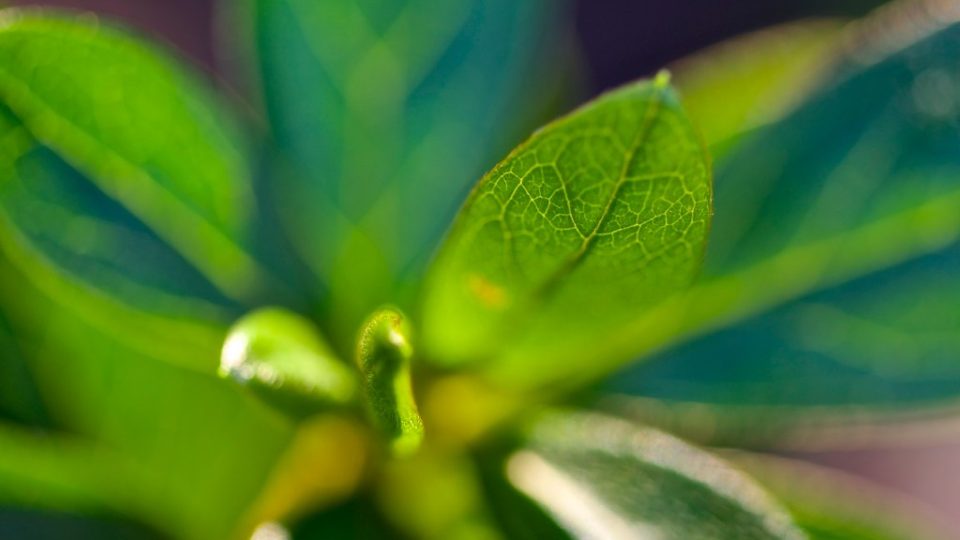
There is an enzyme known as RuBisCo that is involved in carbon fixation, the process plants use to convert carbon dioxide into sugar molecules.  The RuBisCo molecule is inside the leaves of most plants and is probably the most abundant protein in the world.

RuBisCo picks up carbon dioxide from the air and uses energy from the sun to turn the carbon into sugar molecules.  This process of photosynthesis is pretty much the foundation of life on Earth.

Wonderful as it is, the process is not perfect.  RuBisCo is not very selective in grabbing molecules from the air.  It picks up oxygen as well as CO2 and it produces a toxic compound when it does that.

Plants operate a whole other complicated chemical process to deal with this toxic byproduct and uses up a lot of energy along the way, leaving less energy for making leaves or food that we can eat.

A research program at the University of Illinois called Realizing Increased Photosynthetic Efficiency (or RIPE) has been trying to correct this problem; they have been trying to hack photosynthesis.  And they may well have succeeded.

Using genetic modification on tobacco plants, they have shut down the existing detoxification process and set up a much more efficient new one.  The result is super plants that grow faster and up to 40% bigger.

The next step is to get it to work on plants that people actually rely upon for food, like tomatoes, soybeans and black-eyed peas (which are a staple food crop in sub-Saharan Africa where food is scarce.)

It will be years before we know if the process can really produce more food and be safe, but it may end up leading to a major increase in crop productivity.

**********

Web Links

Scientists Have ‘Hacked Photosynthesis’ In Search Of More Productive Crops

Photo, posted June 10, 2013, courtesy of Boon Hong Seto via Flickr.

Earth Wise is a production of WAMC Northeast Public Radio.
Endangered Language Species

January 14, 2019 By EarthWise Leave a Comment

There are approximately 7,000 languages spoken in the world today but only about half of them are expected to survive this century.  There are many factors contributing to the decline in languages.  Perhaps the most significant is globalization, which pushes countries and individuals to shift to national or international languages for economic reasons.   Other factors include the lack of support for regional languages in educational systems and mass media, persecution of minority linguistic groups by governments, and disruption of communities during war and emigration.

Predicting which languages will survive and which won’t is difficult.  A potential tipping point for languages is the same one affecting the survival of species:  climate change.  Many small linguistic communities are located on islands and coastlines that are vulnerable to hurricanes and rising sea levels.  Other communities live in places where increases in temperatures and erratic rainfall threaten traditional farming and fishing economies.

These climate-related changes will force communities to relocate,creating climate change refugees. Dispersing these people will lead to the splintering of linguistic communities and the need for the use of other languages.  Such changes will place additional pressures on languages that are already struggling to survive.

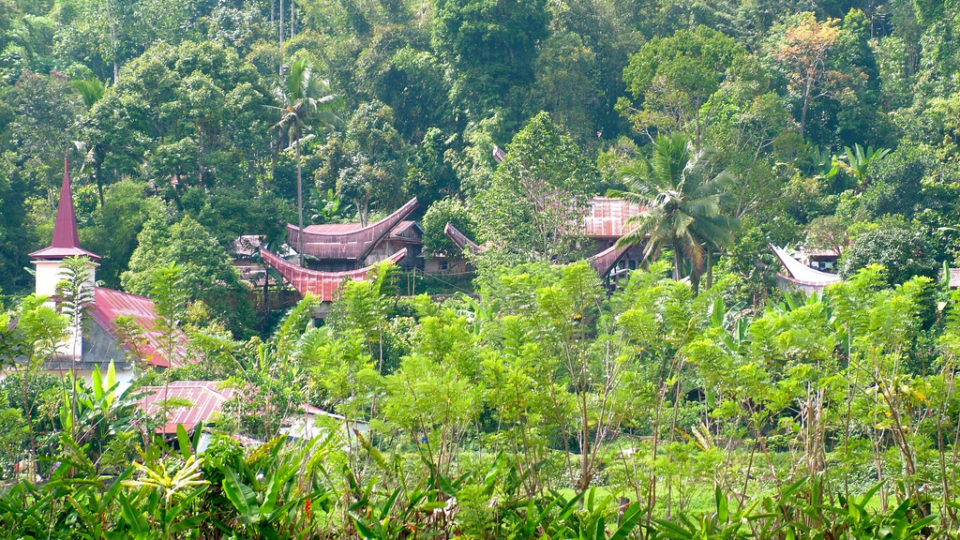
There are endangered languages in many places around the world.  Some are exotic such as the island of Sulawesi in Indonesia, which is home to dozens of distinct languages spoken by no more than a few thousand people. Others are much closer to home, such as in indigenous communities in Canada.

The rich tapestry of human language is just another of many things threatened by the changing climate.

**********

Web Links

The Conversation: The impact of climate change on language loss

Photo, posted May 19, 2009, courtesy of Flickr. 

Earth Wise is a production of WAMC Northeast Public Radio.
Cleaner Air For China

December 5, 2018 By EarthWise Leave a Comment

https://earthwiseradio.org/wp-content/uploads/2018/12/EW-12-05-18-Cleaner-Air-for-China.mp3

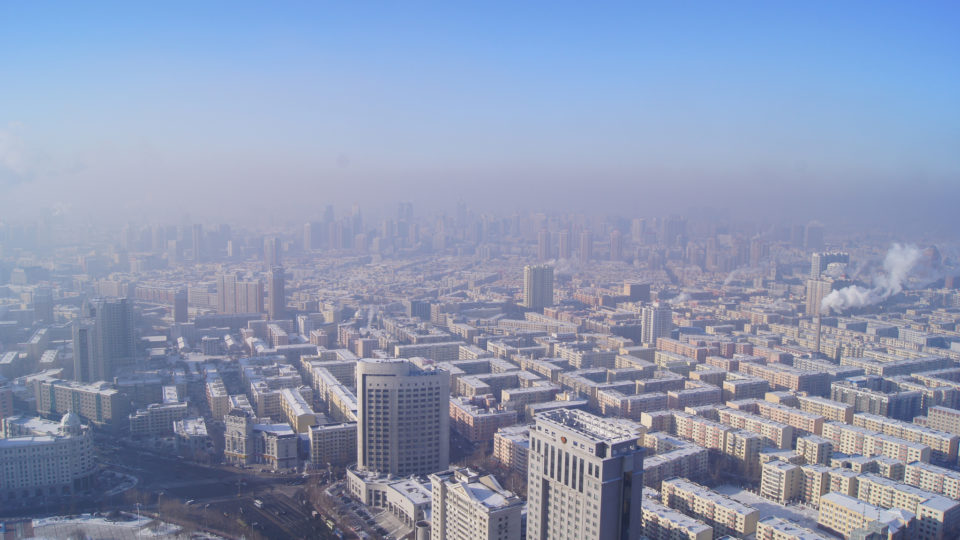
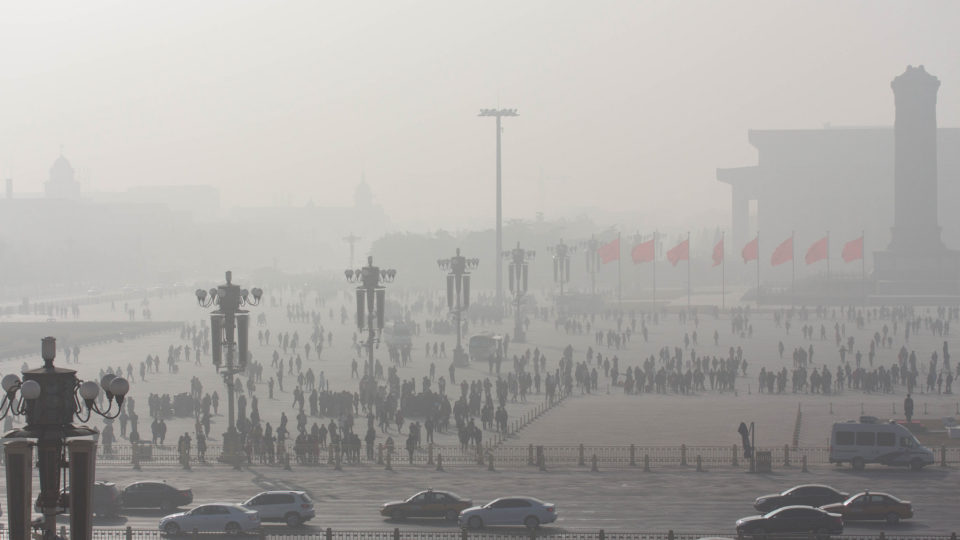
For more than 15 years, the Chinese government has been grappling with some of the deadliest air pollution in the world.  Extreme pollution events are a regular wintertime occurrence and health experts estimate that more than a million people die each year in China from particulate air pollution.

[Read more…] about Cleaner Air For China

Bad News For Beer

November 28, 2018 By EarthWise Leave a Comment

https://earthwiseradio.org/wp-content/uploads/2018/10/EW-11-28-18-Bad-News-for-Beer.mp3

As extreme weather events become increasingly common, arctic ice disappears, and wildfires burn for weeks on end, many people wonder just what it will take to change some of the entrenched opinions about climate change.

[Read more…] about Bad News For Beer

Wildfires And The Water Supply

November 12, 2018 By EarthWise Leave a Comment

https://earthwiseradio.org/wp-content/uploads/2018/10/EW-11-12-18-Wildfires-and-the-Water-Supply.mp3

Hotter and dryer conditions are leading to an increasing number of wildfires in North America and elsewhere around the world.  The damage they cause is well-known.  But one aspect of that damage that tends to be overlooked is the impact on aquatic environments and drinking water supplies.

[Read more…] about Wildfires And The Water Supply

How To Measure Carbon Emissions

November 5, 2018 By EarthWise Leave a Comment

https://earthwiseradio.org/wp-content/uploads/2018/11/EW-11-05-18-How-To-Measure-Carbon-Emissions.mp3

The Paris climate accord by nearly 200 countries seeks to reduce global carbon emissions.  But how can the actions of these countries be monitored, reported, and verified?  It is not an easy task.

[Read more…] about How To Measure Carbon Emissions

Pests And Crops In A Warming World

October 1, 2018 By EarthWise Leave a Comment

https://earthwiseradio.org/wp-content/uploads/2018/09/EW-10-01-18-Pests-and-Crops-in-Warming-World.mp3

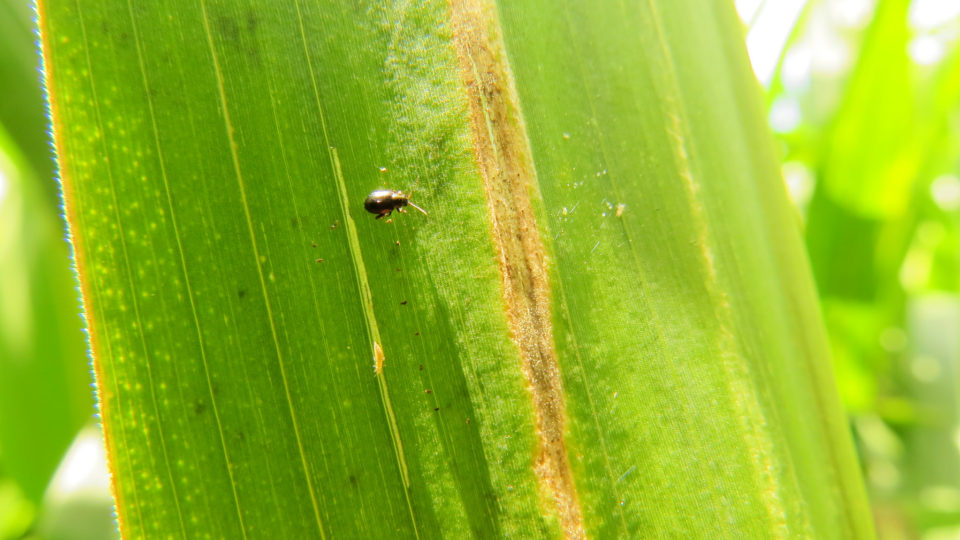
By the year 2050, scientists predict that there will be two billion more people to feed in the world.  And climate change isn’t making that task any simpler.  From extreme weather events to rising global temperatures, climate change is expected to affect the types of food we grow, and to negatively affect the food production needed to feed the growing population.

[Read more…] about Pests And Crops In A Warming World

The Future Of Energy

August 3, 2018 By EarthWise Leave a Comment

https://earthwiseradio.org/wp-content/uploads/2018/07/EW-08-03-18-The-Future-of-Energy.mp3

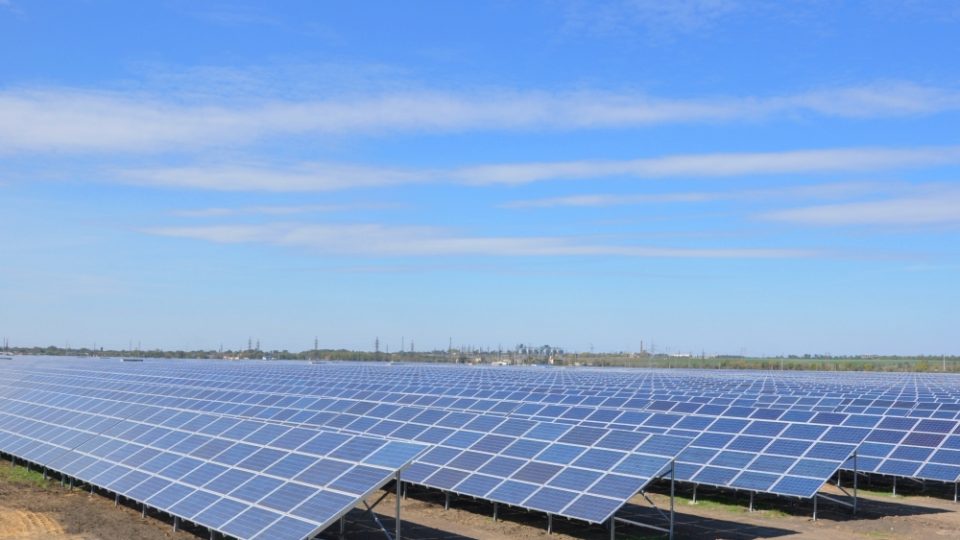
A new report by Bloomberg New Energy Finance takes a long-term look at the world’s energy production.  According to the report, renewable energy, mostly in the form of solar and wind power, is set to provide close to 50% of the world’s energy by the year 2050.

[Read more…] about The Future Of Energy

Insects In A Warming World

July 19, 2018 By EarthWise Leave a Comment

https://earthwiseradio.org/wp-content/uploads/2018/07/EW-07-19-18-Insects-in-a-Warming-World.mp3

The revered biologist E. O. Wilson once said that “if all mankind were to disappear, the world would regenerate back to the rich state of equilibrium that existed ten thousand years ago.  If insects were to vanish, the environment would collapse into chaos.”

[Read more…] about Insects In A Warming World

Saildrones For Science

July 11, 2018 By EarthWise Leave a Comment

https://earthwiseradio.org/wp-content/uploads/2018/07/EW-07-11-18-Saildrones-for-Science.mp3

Nine years ago, engineer Richard Jenkins broke the world land speed record for a wind-powered vehicle with a sailboat on wheels driving across a dry lakebed at 126 miles per hour.  After years of engineering development, his technology has now taken on the form of a saildrone that can autonomously sail the sea gathering ecologic, oceanic and atmospheric data.

[Read more…] about Saildrones For Science

Nitrogen In The Rocks

May 23, 2018 By EarthWise Leave a Comment

https://earthwiseradio.org/wp-content/uploads/2018/05/EW-05-23-18-Nitrogen-in-the-Rocks.mp3

The carbon cycle is the biogeochemical process by which carbon is exchanged between the atmosphere, the terrestrial biosphere, the ocean, sediments, and the earth’s interior.  Its balance is a key factor that influences the climate.

[Read more…] about Nitrogen In The Rocks

Whom Should We Save?

April 27, 2018 By EarthWise Leave a Comment

https://earthwiseradio.org/wp-content/uploads/2018/04/EW-04-27-18-Whom-Should-We-Save.mp3

The list of endangered species continues to get longer around the world and society is increasingly faced with the nearly impossible decision of which ones to take off life support.

[Read more…] about Whom Should We Save?

  • « Go to Previous Page
  • Page 1
  • Interim pages omitted …
  • Page 9
  • Page 10
  • Page 11
  • Page 12
  • Page 13
  • Go to Next Page »

Primary Sidebar

Recent Episodes

  • An uninsurable future
  • Clean energy and jobs
  • Insect declines in remote regions
  • Fossil fuel producing nations ignoring climate goals
  • Trouble for clownfishes

WAMC Northeast Public Radio

WAMC/Northeast Public Radio is a regional public radio network serving parts of seven northeastern states (more...)

Copyright © 2026 ·