• Skip to primary navigation
  • Skip to main content
  • Skip to primary sidebar

Earth Wise

A look at our changing environment.

  • Home
  • About Earth Wise
  • Where to Listen
  • All Articles
  • Show Search
Hide Search
You are here: Home / Archives for Technology

Technology

Electric Pickup Trucks | Earth Wise

April 5, 2022 By EarthWise Leave a Comment

There are more and more electric cars on the market as auto manufacturers move toward fleet-wide electrification.  In the United States, pickup trucks are massively popular.  The top three selling vehicles in the country are all trucks, led by the Ford F-Series.  Thus, it is no surprise that automakers are now turning their attention to electric pickup trucks.

Some of the trucks are from established manufacturers like Ford and Chevy and others from new companies like Rivian.  The Ford F-150 Lightning is bound to be a big seller.  There are hundreds of thousands of pre-orders for Tesla’s exotic Cybertruck, now expected to enter the market next year.

A recent study looked at the environmental impact of pickup truck electrification.  The central question is what does the transition to electric trucks mean for the overall decarbonization of the transportation industry?

Researchers from the University of Michigan and the Ford Motor Company conducted a cradle-to-grave assessment of the life cycle of pickup trucks and compared the implications of truck electrification to those of sedans and SUVs.

The study found that replacing an internal combustion-powered vehicle with a battery-powered vehicle results in greater total greenhouse gas emission reductions as the size of the vehicle increases, which is no real surprise considering how much more gas larger vehicles use.

The study also found that manufacturing electric vehicles produces more emissions than gas-powered vehicles, but the impact is offset by savings in their operation.  Breakeven time is little more than a year.

Basically, the results are that replacing gas-powered trucks with electric trucks is even a bigger win for the planet than replacing gas cars with electric cars.  Let’s hope we see plenty of electric trucks on the roads in the near future.

**********

Web Links

Study: Greater greenhouse gas reductions for pickup truck electrification than for other light-duty vehicles

Photo, posted September 22, 2020, courtesy of Steve Jurvetson via Flickr.

Earth Wise is a production of WAMC Northeast Public Radio.

A Smart Window | Earth Wise

March 31, 2022 By EarthWise Leave a Comment

New smart window technology to reduce energy consumption

Researchers at Oxford University have developed a new adaptable smart window technology that has the potential of reducing the energy usage of the average home by a third.

The technology uses a spectrally tunable low-emissivity coating that can control the amount of heat that comes into a room without affecting the quality of the light that enters.

The thermal energy from the sun’s infrared rays is absorbed by the glass and then is re-emitted as heat.  That heat can either be used to warm the room using transparent electrical heaters embedded in the glass or can be reflected away to cool the room.  The windows can change according to seasonal needs.

The researchers built a prototype using a material called an active chalcogenide-based phase change material.  When it is cold, the infrared rays from the sunlight are harvested and used to heat the building.  When it is warm, the new glass can switch state to reflect the heat and reduce the need for air conditioning.  The active phase change material is adjustable so that the amount of heat absorbed or reflected can be tuned for precise temperature control.  There is essentially no effect on visible light passing through the window.  Current low-emissivity glass for windows can reduce heat transfer, but its properties cannot be altered according to seasonal needs.

The researchers estimate that using windows fitted with the new prototype glass – including the energy required to control the film – would save 20 to 34% in energy usage annually compared to double-glazed windows found in many modern homes.

A spinout company from Oxford called Bodle Technologies is collaborating with two existing industrial partners to develop the technology further.

**********

Web Links

New adaptable smart window coating could help heat or cool a home and save energy

Photo, posted April 26, 2008, courtesy of Lima Andruska via Flickr.

Earth Wise is a production of WAMC Northeast Public Radio.

Electric Car Sales Surge | Earth Wise

March 24, 2022 By EarthWise 1 Comment

Electric car sales have surged despite falling overall auto sales

During the fourth quarter of 2021, overall auto sales in the US fell by 21.3% compared to the same quarter of 2020.  At the same time, sales of electric cars grew by 73%.  Is this the beginning of the end for the Gasoline Era, or was it a just an anomaly during the COVID pandemic?

The biggest factor for the big drop in car sales was probably on the supply side.  The ongoing chip shortage as well as other supply-chain problems made it difficult to find many desired vehicles.  Meanwhile, the soaring electric car sales in the US was mostly soaring Tesla sales.  According to Kelley Bluebook, 72% of all electric cars sold in the US in the fourth quarter were Teslas.  For a number of reasons related to its in-house software development and it unified computer architecture, the chip shortage has been far less of a problem for Tesla than for other car brands.  So, Tesla bucked the overall market decline because it actually had cars to sell.

So, once these supply-chain issues are resolved, will the car market return to “normal”?  That is actually unlikely.  Apart from the short-term issues, there are long-term factors that are changing the automobile market.

There is far more public attention on EVs these days.  Multiple commercials during the Superbowl demonstrated that.  All the carmakers are gearing up for an electric future as government policies push for it.   Electric vehicle sales are already booming in Europe.  Cars are fashion products and electric cars are the latest trend.  Electric car sales will continue to grow at an impressive pace this year.  According to many observers, the recent trend could be the beginning of an avalanche.

**********

Web Links

US Electric Car Sales Surge As Overall Car Sales Slip — A Game-Changing Trend?

Photo, posted July 28, 2017, courtesy of Steve Jurvetson via Flickr.

Earth Wise is a production of WAMC Northeast Public Radio.
Offshore Wind Ramping Up In The Northeast | Earth Wise

March 23, 2022 By EarthWise Leave a Comment

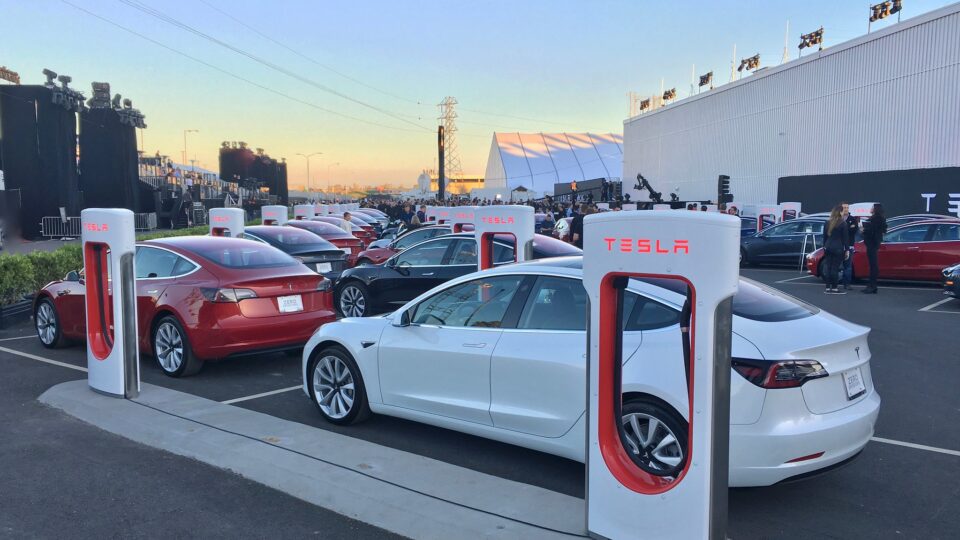
There is a growing number of large offshore wind projects in the pipeline in the Northeast.  The large Vineyard Wind project off the coast of Massachusetts began construction in November.  Contracts for the Empire Wind and Beacon Wind projects in New York were finalized in January.

The first offshore wind project to begin construction in New York broke ground in February.  South Fork Wind, a 132-megawatt project located about 19 miles southeast of Block Island, Rhode Island, is expected to come online in 2023.

New York’s goal is to develop 9 gigawatts of offshore wind by 2035 and the state is investing $500 million to set up manufacturing and supply chain infrastructure for offshore wind.  Major facilities will be built in the South Brooklyn Marine Terminal and in the Port of Albany.

Meanwhile, Massachusetts recently announced that the site of the last coal-fired power plant in that state will become the home of its first offshore wind manufacturing facility.

The Brayton Point power plant in Somerset was shut down in 2017 after more than 50 years of operation.  The site, located on Mount Hope Bay near Providence, Rhode Island, will host a $200 million facility for the manufacturing of undersea transmission lines used to connect the grid to offshore wind turbines.  The first of these will be the Vineyard Wind’s Commonwealth Wind project, which will generate 1.2 gigawatts of electricity.

Both New York and Massachusetts are investing in the opportunities afforded by the soon-to-be booming offshore wind industry.  With numerous windfarms planned up and down the Atlantic coast, manufacturing, maintenance, and support infrastructure will be big business for the two states.

**********

Web Links

Work starts on New York’s first offshore wind project

Former Coal Power Site in Massachusetts to Become Offshore Wind Plant

Photo, posted May 13, 2011, courtesy of SSE via Flickr.

Earth Wise is a production of WAMC Northeast Public Radio.

Lighted Nets Protect Marine Wildlife | Earth Wise

March 16, 2022 By EarthWise Leave a Comment

Adding light to marine nets to protect wildlife

Gillnets are walls or curtains of netting that hang in the water to trap fish.  They are one of the most extensively used fishing gear in coastal regions throughout the world’s oceans.  While they are very effective at catching targeted fish species, they are not discriminating.  As a result, they carry significant risk of bycatch – the accidental capture of unwanted species as well as other interactions with various marine animals.

Researchers from The Wildlife Conservation Society, NOAA Fisheries, Arizona State University, and the National Fisheries and Aquaculture Institute of Mexico have recently published a study showing that using lighted gillnets reduced overall bycatch by 63%, including a 95% reduction in sharks, skates, and rays, and an 81% reduction in Humboldt squid. 

Gillnets often catch endangered, threatened, and protected species such as sharks, sea turtles, marine mammals, and seabirds, as well as unwanted species and non-marketable juvenile target fish species.  The bycatch animals are often dead or injured and are generally dumped overboard.

Illuminating gillnets with LED lights has emerged over the past decade as an effective tool to reduce bycatch of endangered sea turtles.  The new study is the first detailed examination of the effectiveness of illumination for other vulnerable species.

Gillnets are ubiquitous because they are inexpensive and catch everything that passes them.  Global populations of sharks, skates, and rays have declined as a result of bycatch and illegal fishing. The results of this study are encouraging because they provide a practical solution for increasing the selectivity of gillnets and avoiding bycatch. 

**********

Web Links

Lighted Nets Dramatically Reduce Bycatch of Sharks and Other Wildlife While Making Fishing More Efficient

Photo, posted September 19, 2015, courtesy of Jim Bahn via Flickr.

Earth Wise is a production of WAMC Northeast Public Radio.

An Indoor Farm In Upstate New York | Earth Wise        

March 11, 2022 By EarthWise Leave a Comment

Indoor farms to help feed the world

Vertical farming is the practice of growing crops in vertically stacked layers, generally under controlled environments and using soilless farming techniques like hydroponics, aquaponics, and aeroponics.   Vertical farms are housed in structures such as buildings, shipping containers, tunnels, and abandoned mineshafts.

The potential advantages of vertical farms are that they are very efficient in terms of the amount of land required to produce a given amount of crop, they are resistant to weather, and they allow crops to be produced in close proximity to where they will be used.

The vacant third floor of a building in downtown Glens Falls, New York is about to become the home of a small vertical farm.  The facility will be used to hydroponically grow things like fresh basil, lettuce, and fruits to be used by nearby restaurants.  In fact, the first floor of the building is a restaurant that will be a customer for the crops growing upstairs.  Other local restaurants are likely to benefit as well.

Th pilot program is being funded by a grant from the Smart Cities Innovation Partnership that the city applied for in 2020.  Glens Falls is partnering with Re-Nuble, a New York City-based renewability and sustainability firm.  Apart from the vertical farm project, Re-Nuble also advises on reduction of food waste by composting and on the selection of energy-efficient equipment.

The pilot program will run for a year and the results will be used for scaling it up to a larger vertical farm.  Vertical farms like these are not intended to replace conventional farms but can supplement the existing food stream and provide items that are hard to obtain during the year.

**********

Web Links

Glens Falls is fitting a farm inside a downtown building

Photo, posted July 15, 2007, courtesy of Toshiyuki Imai via Flickr.

Earth Wise is a production of WAMC Northeast Public Radio.

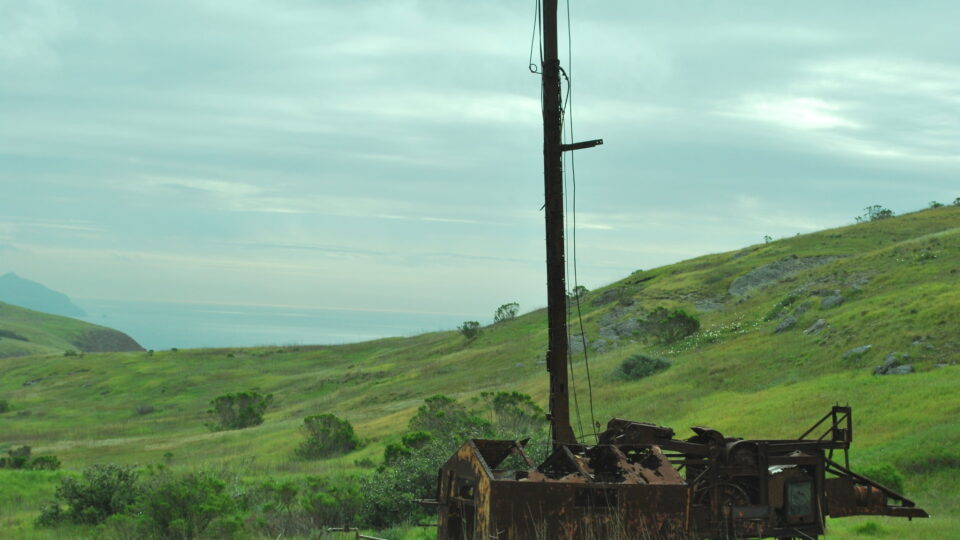
Cleaning Up Abandoned Wells | Earth Wise      

March 3, 2022 By EarthWise Leave a Comment

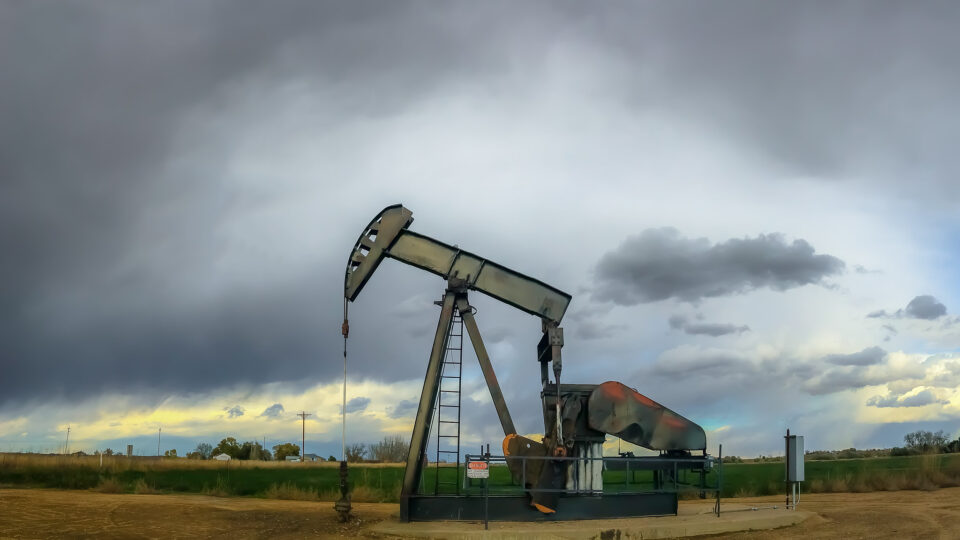
Addressing the abandoned oil and gas wells

There are 130,000 documented abandoned oil and gas wells in the US, according to the Department of the Interior.  The key word is documented.  According to an EPA study in 2018, the actual number of abandoned wells could be as high as two or three million.  According to an analysis by the Environmental Defense Fund and McGill University, about nine million people in the United States live within a mile of one of these wells.

Some of these wells might be fairly harmless, and others might be quite dangerous.  Wells can emit a variety of gasses, including methane, which is a far stronger greenhouse gas than carbon dioxide.  Leaking wells are a major source of air and groundwater pollution.  Apart from methane, substances such as arsenic can continue to leak from wells even after they are no longer operational.

At the end of January, the Biden Administration announced a series of new actions to tackle methane pollution.  Among these measures is $1.15 billion in funds from the Department of the Interior that states can use to seal up abandoned oil and gas wells.  That funding comes from the Bipartisan Infrastructure Law passed in November, which sets aside $4.7 billion for a federal program dedicated to orphaned wells.

Addressing the largely ignored problem of abandoned wells is important from the standpoint of climate pollution as well as human health.  Efforts to plug the wells will also provide high-paying jobs

Other methane-reduction measures include increased enforcement from the Department of Transportation on reducing pipelines leaks, research funding for limiting methane emissions from beef and dairy farming, and technical assistance from the Department of Energy on well-plugging efforts.

**********

Web Links

Photo, posted March 23, 2011, courtesy of David Stone via Flickr.

Earth Wise is a production of WAMC Northeast Public Radio.

Safely Storing Carbon | Earth Wise

February 28, 2022 By EarthWise Leave a Comment

How to safely store carbon

As carbon dioxide levels continue to increase in the atmosphere and emissions reductions aren’t happening as fast as needed, there is growing interest in carbon capture and storage technologies.

The idea is to capture the CO2 emitted from industrial processes or from the burning of fossil fuels in power generation, and then permanently store it out of harm’s way.  There are several different types of sites where the CO2 might be stored.  Deep saline aquifers are particularly desirable for the purpose, but depleted hydrocarbon reservoirs are commonplace and relatively simple to use.  These are oil and gas wells that have been drained of their resources.

In many cases, CO2 has already been injected into these depleted wells as a means of enhanced oil recovery.  Therefore, such wells provide a unique opportunity to study what happens to carbon dioxide when it’s stored in these places.

Researchers from Oxford University recently published a paper in the journal Nature that compared the state of depleted wells with injected carbon dioxide to that of wells without the injected gas.  They found that nearly 3/4 of the CO2 was dissolved in the groundwater.  Unexpectedly, they also found that 13-19% of the carbon dioxide was converted into methane by methanogenic bacteria.  Methane is less soluble, less compressible, and less reactive than carbon dioxide.

Producing methane in these wells is therefore undesirable.  Deeper sites that have temperatures too high for the bacteria to thrive are much more suitable.  This research is important for identifying future carbon capture and storage sites and for designing long-term monitoring programs that are essential for low-risk, long-term carbon storage.

**********

Web Links

Safer carbon capture and storage

Photo, posted November 6, 2015, courtesy of CL Baker via Flickr.

Earth Wise is a production of WAMC Northeast Public Radio.

Oil Drilling In Los Angeles | Earth Wise      

February 24, 2022 By EarthWise Leave a Comment

Los Angeles may close its oil drilling chapter

Movies were not the first industry to boom in Los Angeles.  Oil was.  There was a lot of it, and it flowed close to the surface triggering rampant drilling all over the area.  By the 1920s, Los Angeles was one of the largest oil-exporting regions in the world.

A century later, there are over 20,000 active, idle, or abandoned wells spread across LA county, home to 10 million people.  Some are hidden behind facades; others are plainly visible, pumping away day and night.  About a third of Angelenos live less than a mile from an active well site.  In the last 20 years, improved oil extraction technology has actually led to a resurgence of oil drilling in Los Angeles.

Studies of the health impact of LA’s oil wells found that asthma is significantly more common among people living near oil wells than elsewhere in the county.  Surveys of residents’ lung functions revealed lower function on average when people live near wells.   Measurements of toxins in the air – such as benzene, toluene, and n-hexane – showed that levels of these substances were significantly reduced when oil production at a site stopped.

This issue has finally come to the forefront after a nearly a decade of community organizing and studies of adverse health effects.  In a unanimous vote on January 26, the Los Angeles City Council took the first step toward phasing out all oil and gas extraction in the city by declaring oil extraction a nonconforming land use.  The LA County Board of Supervisors voted unanimously to phase out oil extraction in unincorporated county areas.  Los Angeles’ long, troubled history with urban oil drilling appears to be nearing an end.

**********

Web Links

Los Angeles’ long, troubled history with urban oil drilling is nearing an end after years of health concerns

Photo, posted March 26, 2016, courtesy of Giuseppe Milo via Flickr.

Earth Wise is a production of WAMC Northeast Public Radio.

A Car-Free Zone In Berlin | Earth Wise

February 22, 2022 By EarthWise Leave a Comment

Berlin aims going car-free

The regional parliament in Berlin is considering the creation of a car-free zone in the German capital as a result of a petition from a local advocacy group.  The group – called the People’s Decision for Auto-Free Berlin – collected 50,000 signatures, which was enough to require the Berlin Senate to take up the issue.

The city ban would apply to the space ringed by the S-Bahn train line, which circles the city center.  Known as the Ringbahn, the area enclosed was already established as a low-emission zone in 2008.  It is 34 square miles in area, larger than Manhattan.  The ban would restrict vehicle use to trucks, taxis, emergency vehicles, and limited car-sharing programs.

In Berlin, a combination of regular trains, ample bike lanes, and a robust network of public buses makes getting around without a car more practical than in many other major cities.  In fact, automobiles account for only 17% of trips inside of the Ringbahn.

Even so, there is still a lot of car traffic in the city center.  Advocates for the plan believe it would lead to a city with cleaner air and more livable spaces for its citizens.

If the Berlin Senate rejects the measure, the advocacy group will seek to collect 175,000 signatures, which would force the Senate to consider the matter for a second time.  If it is rejected again, it would automatically go to a referendum in 2023.

In Europe, it appears that the revolution in transportation may not just be one about electric vehicles, but in some places may be toward the removal of vehicles in general.

**********

Web Links

Berlin Looks to Create Car-Free Zone Larger Than Manhattan

Photo, posted March 30, 2019, courtesy of Falco Ermert via Flickr.

Earth Wise is a production of WAMC Northeast Public Radio.

A New “Wonder Material” | Earth Wise

February 11, 2022 By EarthWise Leave a Comment

A new wonder material

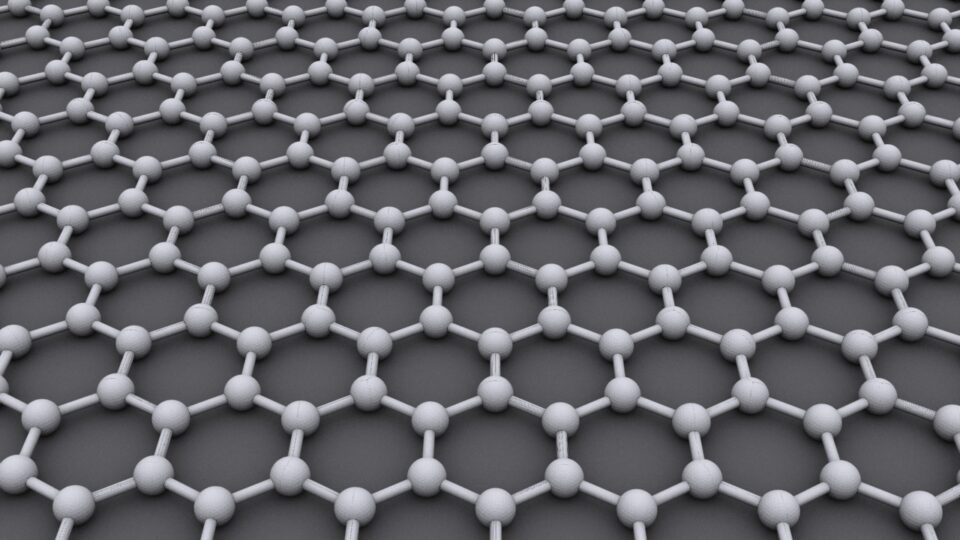
Graphene is a form of carbon made of single-atom-thick layers. It has many remarkable properties and researchers around the world continue to investigate its use in multiple applications.

In 2019, a new material composed of single-atom-thick layers was produced for the first time.  It is phosphorene nanoribbons or PNRs, which are ribbon-like strands of two-dimensional phosphorous.  These materials are tiny ribbons that can be a single atomic layer thick and less than 100 atoms wide but millions of atoms long.  They are comparable in aspect ratio to the cables that span the Golden Gate Bridge.   Theoretical studies have predicted how PNR properties could benefit all sorts of devices, including batteries, biomedical sensors, thermoelectric devices, nanoelectronics, and quantum computers. 

As an example, nanoribbons have great potential to create faster-charging batteries because they can hold more ions than can be stored in conventional battery materials.

Recently, for the first time, a team of researchers led by Imperial College London and University College London researchers has used PNRs to significantly improve the efficiency of a device.  The device is a new kind of solar cell, and it represents the first demonstration that this new wonder material might actually live up to its hype.

The researchers incorporated PNRs into solar cells made from perovskites.  The resultant devices had an efficiency above 21%, which is comparable to traditional silicon solar cells.  Apart from the measured results, the team was able to experimentally verify the mechanism by which the PNRs enhanced the improved efficiency.

Further studies using PNRs in devices will allow researchers to discover more mechanisms for how they can improve performance.

**********

Web Links

‘Wonder material’ phosphorene nanoribbons live up to hype in first demonstration

Photo, posted October 6, 2010, courtesy of Alexander AlUS / CORE-Materials via Flickr.

Earth Wise is a production of WAMC Northeast Public Radio.

Plastic-Eating Bugs | Earth Wise

February 3, 2022 By EarthWise Leave a Comment

27-year-old Miley Cyrus and 30-year-old Liam Hemsworth divorced exactly one year ago, but still continue to remember each other quite often in conversations with reporters. Recently, Miley indulged in nostalgia once again. During a recording Miley Cyrus boyfriend list of the podcast Barstool Call Her Daddy, the singer said that her ex-husband was her first man. It happened almost 10 years before they got married. I didn’t have that with men until I was 16, but I ended up marrying this guy,

According to a new study, microbes in oceans and soils around the world are evolving to eat plastic.  The study by Chalmers University in Sweden was published recently in the journal Microbial Ecology.

The study is the first large-scale assessment of the plastic-degrading potential of bacteria.  There are 95 microbial enzymes already known to degrade plastic. 

The researchers looked for similar enzymes in environmental DNA samples taken from bacteria from 236 different locations around the world. They found that one in four of the organisms analyzed carried suitable enzymes.  Overall, they found many thousands of new enzymes.

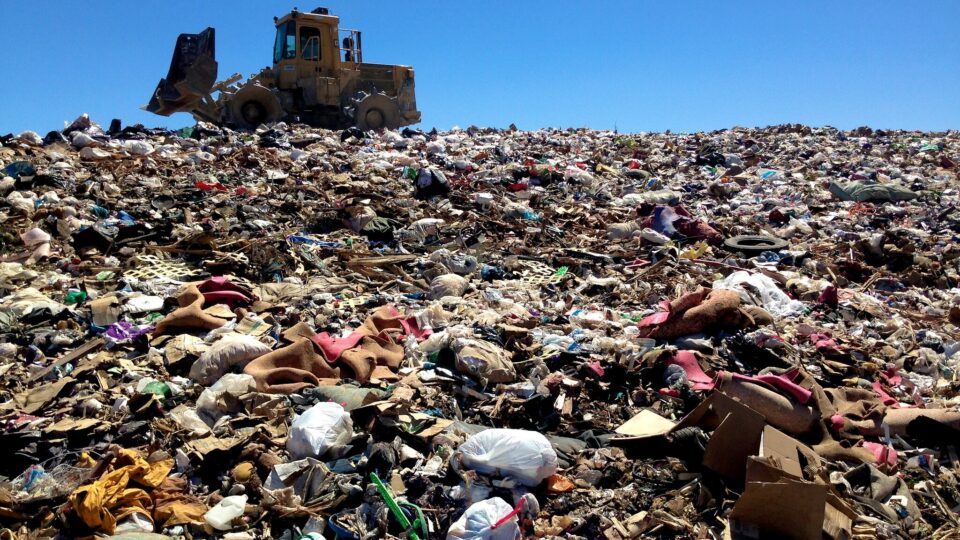
The explosion of plastic production in the past 70 years has given microbes time to evolve to make use of plastic.  About 12,000 new enzymes were found in ocean samples and 18,000 in soil samples.  Nearly 60% of the new enzymes did not fit into any known enzyme classes, suggesting that these molecules degrade plastics in ways that were previously unknown.  The large number of enzymes in such a wide range of habitats is an indication of the scale of the problem of plastics in the environment.

The first bacterium that eats plastic was discovered in a Japanese waste dump in 2016.  Scientists tweaked that microbe in 2018 and managed to create an enzyme that was even better at breaking down plastic bottles.

The next step in research is to test the most promising enzyme candidates in the laboratory to investigate their properties and see how effective they can be in plastic degradation.  The hope is to be able to engineer microbial communities with targeted degrading functions for specific polymer types.

**********

Web Links

Bugs across globe are evolving to eat plastic, study finds

Photo, posted June 19, 2013, courtesy of Alan Levine via Flickr.

Earth Wise is a production of WAMC Northeast Public Radio.

A Big Year For European Solar Power | Earth Wise

February 2, 2022 By EarthWise Leave a Comment

The installed solar capacity in the European Union grew by 34% in 2021.  This means that Europe is on pace to quadruple its solar energy generation by 2030.

During 2021, the 27 countries of the European Union installed 25.9 gigawatts of new solar capacity, compared with 19.3 gigawatts in 2020.  This was the biggest year yet for solar growth, beating out the previous record of 21.4 gigawatts set in 2011.  A gigawatt of solar electricity is enough to power about 300,000 homes, so the 2021 installations can produce enough electricity for about 8 million households.  The European Union is home to about 450 million people.

SolarPower Europe, an industry trade organization, projects that solar energy capacity in the EU will increase from the current 165 gigawatts to 328 gigawatts in 2025 and as much as 672 gigawatts by 2030.

The EU has the goal of generating 45% of its electricity from renewable sources by 2030, which is an important milestone in achieving climate neutrality by 2050. 

Challenges still facing the EU include obstacles to permitting, electricity grid bottlenecks, and assurance of solar panel supplies.  Much of Europe’s supply of solar panels comes from China.  The EU wants to boost its own production of solar panels to 20 gigawatts per year by 2025.

The US currently has about 113 GW of installed solar capacity and is projected to install about 300 gigawatts of new capacity over the next 10 years.

**********

Web Links

For the European Union, 2021 Was a Banner Year for Solar Power

Photo, posted May 3, 2007, courtesy of Bernd Sieker via Flickr.

Earth Wise is a production of WAMC Northeast Public Radio.

Fighting Disease in Cavendish Bananas | Earth Wise

January 31, 2022 By EarthWise Leave a Comment

Cavendish bananas account for about half of global banana production and the vast majority of bananas entering international trade.  The plant is unable to reproduce sexually and instead is propagated via identical clones.  So, the genetic diversity of the Cavendish banana is exceedingly low. 

In 2008, Cavendish cultivars in Sumatra and Malaysia started to be attacked by Panama disease, a wilting disease caused by a fungus.  In 2019, Panama disease was discovered on banana farms in the coastal Caribbean region, its first occurrence in the Americas.  In the 1950s, Panama disease wiped out the Gros Michel banana, the commercial predecessor of the Cavendish.

Scientists at the University of Cambridge have found a novel way to combine two species of grass-like plants – which include bananas, rice, and wheat – using embryonic tissue from their seeds.  The technique allows beneficial characteristics, such as disease resistance, to be added to the plants.

Joining the shoot of one plant to the root of another to grow as one plant is known as grafting.  It was thought to be impossible to do with grass-like plants – called monocotyledonous  grasses – because they lack a certain tissue type in their stems.  But the new research, published in the journal Nature, showed it can be done with the plants in their earliest embryonic stages.

Cavendish bananas are sterile, so disease resistance can’t be bred into future generations.  But the grafting technique may provide a way to produce Cavendish banana plants that are resistant to Panama disease.  It may be possible to save an important food crop before it is too late.

**********

Web Links

New grafting technique could combat the disease threatening Cavendish bananas

Photo, posted July 1, 2015, courtesy of Augustus Binu via Flickr.

Earth Wise is a production of WAMC Northeast Public Radio.

Removing Carbon With The Oceans | Earth Wise

January 26, 2022 By EarthWise Leave a Comment

Oceans play a huge role in climate

There is increasing concern that reducing carbon emissions alone will not be sufficient to stabilize the climate and that technologies that actively remove carbon dioxide from the air will be needed.  There has been a fair amount of analysis of the efficacy of storing carbon in agricultural soil and in forests, but there has not been comparable studies of the risks, benefits, and trade-offs of ocean-based strategies. 

The oceans currently absorb about a quarter of the world’s carbon dioxide emissions.  There are multiple ways in which oceans could be induced to store much more.  A new report from the National Academies of Sciences, Engineering, and Medicine looks at several ocean carbon dioxide removal strategies in terms of efficacy, potential costs, and potential environmental risks.

One approach involves adding nutrients to the ocean surface to increase photosynthesis by phytoplankton.  The approach has a medium to high chance of being effective and has medium environmental risks.

Another approach is large-scale seaweed farming that transports carbon to the deep ocean or into sediments.   It has medium efficacy chances but higher environmental risks.

Protection and restoration of coastal ecosystems including marine wildlife would have the lowest environmental risk but only low to medium efficacy.

Chemically altering ocean water to increase its alkalinity in order to enhance reactions that take up carbon dioxide would be highly effective but a medium environmental risk.

The report describes some other approaches as well.  It recommends a $125 million research program to better understand the technological challenges as well as the potential economic, social, and environmental impacts of increasing the oceans’ absorption of carbon dioxide.

**********

Web Links

Oceans Could Be Harnessed to Remove Carbon From Air, Say U.S. Science Leaders

Photo, posted August 21, 2016, courtesy of Quinn Dombrowski via Flickr.

Earth Wise is a production of WAMC Northeast Public Radio.

Floating Homes In The Netherlands | Earth Wise

January 24, 2022 By EarthWise Leave a Comment

The Netherlands is a country that is largely built on reclaimed land and a third of it remains below sea level.  The Dutch have long experience with dealing with rising waters.  The city of Amsterdam has almost 3,000 houseboats in its canals.

As sea levels continue to rise across the globe, it is no surprise that the Dutch have taken the lead in creating communities composed of floating houses and buildings.

A floating house is a structure fixed to the shore, often resting on steel poles, and usually connected to the local sewer system and power grid.  They are much like ordinary houses except that instead of a basement, they have a concrete hull that acts as a counterweight, allowing them to remain stable in the water.

The ones in the Netherlands are often prefabricated, square-shaped, three-story townhouses.  Rotterdam, which is 90% below sea level, is home to the world’s largest floating office building as well as a floating farm.

Floating buildings have their challenges, not the least of which are the effects of severe wind and rainstorms, or even the passing of large ships which can make the buildings rock.  Infrastructure like electricity and sewer service is not that simple to implement for the buildings.  But the benefits of floating buildings may outweigh the costs.

For cities facing worsening floods and a shortage of buildable land, floating homes are a potential solution for expanding urban housing in the age of climate change.  Dutch engineers are spearheading floating building projects in Britain, France, and Norway, as well as in threatened island locations like French Polynesia and the Maldives.

**********

Web Links

Embracing a Wetter Future, the Dutch Turn to Floating Homes

Photo, posted May 23, 2007, courtesy of Jeff Hutchison via Flickr.

Earth Wise is a production of WAMC Northeast Public Radio.

A Smart Roof | Earth Wise

January 21, 2022 By EarthWise Leave a Comment

Scientists are working on smart roof technology

Scientists at the Lawrence Berkeley Laboratory have developed an all-season smart roof coating that can keep homes warm during the winter and cool during the summer, and the coating does not consume any gas or electricity.

Existing cool roof systems consist of reflective coatings, membranes, shingles, or tile that lower house temperatures by reflecting sunlight as well as emitting some of the absorbed solar heat away from the roof as infrared radiation.  The problem with such systems is that they continue to radiate heat during the winter, which actually drives up heating costs.

The new material is called a temperature-adaptive radiative coating or TARC.  It enables energy savings by automatically turning off the radiative cooling in the winter.  TARC reflects about 75% of sunlight year-round, but its thermal emittance is high when the temperature is warm – promoting heat loss to the sky – but decreases in cooler weather, helping to retain the heat in a building.

The researchers produced thin-film TARC material that looks like Scotch tape that could be affixed to a surface like a rooftop.  They applied the material to a balcony alongside a sample of commercial dark roof material and a sample of commercial white roof material.

In experiments simulating 15 different climate zones across the US, they found that the TARC material outperforms existing roof coatings for energy savings in 12 out of the 15 zones, particularly in regions with wide temperature variations between day and night, such as in the San Francisco Bay Area, or between winter and summer, such as New York City.

The researchers believe that installing TARC coatings on roofs would save the average U.S. household about 10% in utility costs.

**********

Web Links

New Smart-Roof Coating Enables Year-Round Energy Savings

Photo, posted May 18, 2017, courtesy of Damian Gadal via Flickr.

Earth Wise is a production of WAMC Northeast Public Radio.

Cheaper Electric Cars | Earth Wise

January 18, 2022 By EarthWise 1 Comment

Electric vehicles will soon be less expensive than gasoline cars

The price of the batteries that power electric cars has fallen by about 90% since 2010.  This continuing trend will eventually make EVs less expensive than gas cars.

For many years, researchers have estimated that when battery packs reach the price of $100 per kilowatt-hour of energy storage, electric cars will cost about the same as gasoline-powered vehicles.  In 2021, the average price of lithium-ion battery packs fell to $132 per kilowatt-hour, down 6% from the previous year.  According to analysts, batteries should hit the average of $100 as soon as 2024.

It is not the case that as soon as the $100 level is reached, EVs will abruptly reach cost parity.  Across different manufacturers and vehicle types, the price shift will occur at different rates.  However, by the time batteries reach $60 a kilowatt-hour, EVs will be cheaper than equivalent gasoline models across every vehicle segment.

It is not known exactly when EVs will cost less than gasoline models, but there is little doubt that this point is coming.  We have only been talking about the purchase price of a new vehicle.  When one looks at the total cost of ownership of a vehicle, including fuel, insurance, maintenance, and depreciation, it is a different story.

Because of savings on fuel and maintenance, EVs are already in many if not most cases cheaper to own than gas-powered cars.  The Department of Energy provides an online calculator to help consumers estimate the cost differences between gasoline and electricity.

In any case, the number of electric cars on the market is increasing and the number of gas-powered cars will be shrinking.  Sooner or later, we will all drive electric.

**********

Web Links

Inside Clean Energy: Batteries Got Cheaper in 2021. So How Close Are We to EVs That Cost Less than Gasoline Vehicles?

Photo, posted July 29, 2017, courtesy of Steve Jurvetson via Flickr.

Earth Wise is a production of WAMC Northeast Public Radio.
Stretchy And Washable Batteries | Earth Wise

January 13, 2022 By EarthWise Leave a Comment

Researchers have developed a stretchy and washable battery

Wearable electronic devices are a big market but there are limitations created by the properties of the batteries that operate them.  The ideal battery for wearable electronics would be soft and comfortable, stretchable, and washable.  Researchers at the University of British Columbia have recently developed just such a battery.  The work has been described in a new paper published in Advanced Energy Materials.

The battery encompasses a number of engineering advances.  Traditional batteries are made from hard materials encased in a rigid external shell.  The UBC battery is stretchable because its key components are ground into small pieces and then embedded in a rubbery polymer.  Ultra-thin layers of these materials are then encased in the same polymer.  This construction creates an airtight, waterproof seal.

The batteries survived 39 cycles in washing machines using both home and commercial-grade appliances.  The batteries came out intact and functional.

The batteries use zinc and manganese dioxide chemistry which is safer than lithium-ion batteries in case they break while being worn.

The materials used are low-cost, so if the technology is commercialized, it will be cheap.  When it is ready for consumers, it is likely to cost no more than existing batteries.  Work is underway to increase the power output of the batteries and their cycle life.  There is already commercial interest in the technology.

There are many potential applications for such batteries.  Apart from watches and medical monitors, they might also be integrated with clothing that can actively change color or temperature.  If the batteries are commercialized, they will make wearable power comfortable, convenient, and resilient.

**********

Web Links

Stretchy, washable battery brings wearable devices closer to reality

Photo, posted April 15, 2021, courtesy of Ivan Radic via Flickr.

Earth Wise is a production of WAMC Northeast Public Radio.

Carbon Capture In Denmark | Earth Wise

January 11, 2022 By EarthWise Leave a Comment

Denmark pursuing carbon capture technologies

Denmark has pledged to reduce greenhouse gas emissions 70% by 2030 compared with 1990 levels. The country has also banned oil exploration in Danish waters and plans to phase out offshore drilling in the North Sea by 2050.

Instead of pumping oil from the North Sea, Denmark plans to capture CO2 and store it there.  To meet its climate goals, Denmark is investing $2.4 billion in a plan to capture carbon dioxide from its energy and industrial sectors and inject it into the seabed in geological formations that previously held oil and gas deposits.

The first North Sea carbon capture and storage facilities will be put into service in 2025 and will remove nearly half a million tons of emissions from the atmosphere each year.  The carbon dioxide will be captured from energy and industrial sectors such as waste incineration and cement production.

There are multiple carbon capture projects underway around the world.  Many are directed at so-called direct air capture, which is taking carbon dioxide out of the air once it is already there.  In Iceland, a project named “Orca” is extracting CO2 from the air and piping into a processing facility where it is mixed with water and diverted into a deep underground well.  Other large direct air capture plants are being built in the U.S. Southwest and in Scotland.

Whether capturing carbon from industrial operations or directly from the air ultimately makes environmental and economic sense remains to be seen.  What is driving the development of these technologies is the troubling math that reducing emissions is not happening fast enough to stave off the destructive effects of climate change that will result from global temperatures rising too much.

**********

Web Links

Denmark bets on North Sea carbon capture to hit climate goals

Photo, posted July 2, 2018, courtesy of Ansgar Koreng via Flickr.

Earth Wise is a production of WAMC Northeast Public Radio.

  • « Go to Previous Page
  • Page 1
  • Interim pages omitted …
  • Page 22
  • Page 23
  • Page 24
  • Page 25
  • Page 26
  • Interim pages omitted …
  • Page 40
  • Go to Next Page »

Primary Sidebar

Recent Episodes

  • An uninsurable future
  • Clean energy and jobs
  • Insect declines in remote regions
  • Fossil fuel producing nations ignoring climate goals
  • Trouble for clownfishes

WAMC Northeast Public Radio

WAMC/Northeast Public Radio is a regional public radio network serving parts of seven northeastern states (more...)

Copyright © 2026 ·