
• Skip to primary navigation
  • Skip to main content
  • Skip to primary sidebar

Earth Wise

A look at our changing environment.

  • Home
  • About Earth Wise
  • Where to Listen
  • All Articles
  • Show Search
Hide Search
You are here: Home / Archives for study

study

Why Choose Chicken Over Beef?

July 22, 2019 By EarthWise Leave a Comment

Food production is a major driver of climate change.  It’s responsible for more than a quarter of all greenhouse gas emissions.  But the environmental impact of different foods varies greatly, and making seemingly insignificant changes can actually have significant impacts. 

According to a first-ever national study of U.S. eating habits and their carbon footprints, choosing chicken over beef will cut your dietary carbon footprint in half.

The National Health and Nutrition Examination Survey asked more than 16,000 participating Americans to name all the foods they consumed in the past 24 hours. The research team then calculated the carbon footprint of what people said they ate.  If a respondent consumed broiled beef steak, for example, researchers calculated what the carbon footprint would have been had broiled chicken been consumed instead.   

The study’s findings illustrate how making one simple substitution can significantly reduce a person’s dietary carbon footprint.  A diet’s carbon footprint is the amount of greenhouse gas emissions that result from the energy, fertilizer, land use, and other inputs necessary to produce food.

In general, animal-based foods have a bigger carbon footprint than plant-based foods.  For example, producing beef uses 20 times the land and emits 20 times the emissions as growing beans (per gram of protein), and requires 10 times more resources than producing chicken. 

According to the World Resources Institute, keeping the increase in global warming below 2°C will be impossible without limiting the global rise in meat consumption. 

Last year, the EAT-Lancet Commission report found that a radical transformation of the global food system was needed because it’s threatening the stability of the climate. 

Make a change – big or small – today. 

**********

Web Links

Choosing chicken over beef cuts our carbon footprints a surprising amount

Photo, posted August 30, 2011, courtesy of Ken Hawkins via Flickr.

Earth Wise is a production of WAMC Northeast Public Radio.
100% Renewables Does Not Necessarily Mean Carbon-Free

July 16, 2019 By EarthWise Leave a Comment

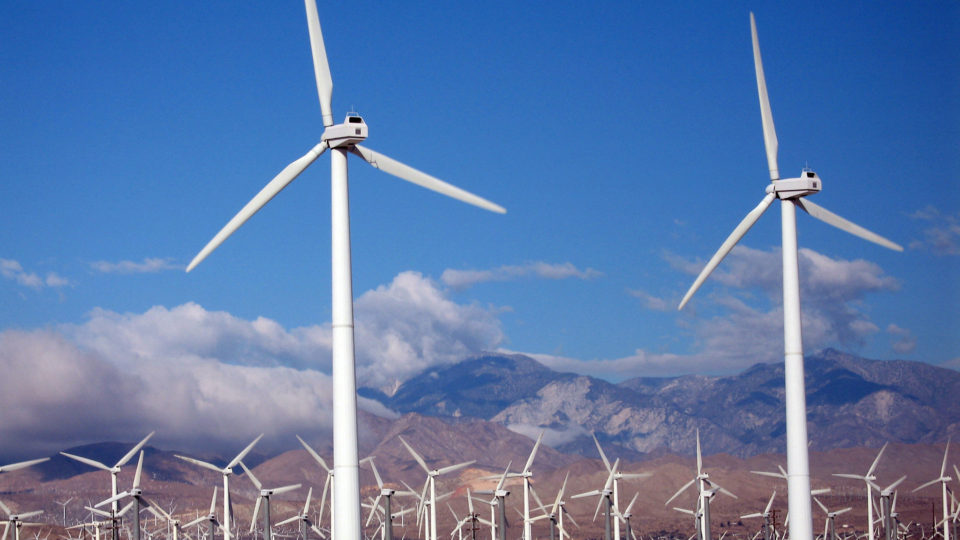
Hundreds of companies around the world have committed to use 100% renewable energy in order to fight climate change.  But a new study from Stanford University points out that 100% renewable energy does not necessarily mean 100% carbon-free energy.

The problem is that the carbon content of electricity can vary a lot over the course of a day in many locations.  Using yearly averages can overstate the carbon reductions associated with a particular power source, in some cases by significant amounts.

Suppose a California company purchases or generates enough solar power to match 100% or more of their electricity use over the course of the year.  In reality, it may generate far more electricity than it uses during the afternoon and sell the excess.  Then, at nighttime, it purchases power from the grid, which would be far more carbon-intensive if it involves the burning of fossil fuels.

But in Britain, for example, the situation is very different.  With a high reliance on wind power, grid carbon intensity is actually lower at night.  So very different consumption patterns over the course of a day would be less carbon-intensive.

If sufficient energy storage capacity can be implemented into the grid as well as suitable long-range transmission, these time-based fluctuations in the electricity supply could be ironed out.  Until such time, electricity consumers need to evaluate the environmental benefits of their renewable strategies on an hourly basis rather than using averages.  And the best strategies are entirely dependent upon the characteristics of the specific grid they interact with.  The need for this kind of analysis will only grow as renewable generation expands.  Transparent, precise and meaningful carbon accounting is necessary.

**********

Web Links

100% renewables doesn’t equal zero-carbon energy, and the difference is growing

Photo, posted January 29, 2013, courtesy of U.S. Fish and Wildlife Service via Flickr.

Earth Wise is a production of WAMC Northeast Public Radio.

The U.S. Military And Climate Change

July 9, 2019 By EarthWise Leave a Comment

According to new research by scientists from Durham University and Lancaster University, the United States military is one of the largest climate polluters.  The U.S. military consumes more liquid fuels and emits more greenhouse gases than most countries.  

The study, published in Transactions of the Institute of British Geographers, finds that if the U.S. military were a country, it would be the 47th largest emitter of greenhouse gases in the world, falling between Peru and Portugal.  And this only takes into account the emissions from its liquid fuel consumption.  For this study, the U.S. military’s 2015 consumption was compared with the 2014 World Bank country liquid fuel consumption. 

In 2017, the U.S. military purchased more than 269,000 barrels of oil a day, emitting more than 25,000 kt- CO2e by burning those fuels.  The Air Force accounted for $4.9 billion worth of this fuel, followed by the Navy at $2.8 billion, the Army at $947 million, and the Marines at $36 million. 

The Air Force and the Navy are not only the U.S. military’s largest purchasers of fuel, they also use the most polluting types of fuel.  The Air Force is the largest emitter of greenhouse gases at more than 13,000 kt CO2e, nearly double that of the Navy’s 7,800 kt CO2e. 

Despite this study’s findings and a general uptick in awareness, it’s unlikely that the U.S. military’s dependence on fossil fuels will change.  That’s because the military continues to pursue open-ended operations around the globe, and the lifecycle of its existing military equipment insures dependence on hydrocarbons for many years to come. 

***********

Web Links

U.S. military consumes more hydrocarbons than most countries — massive hidden impact on climate

Photo, posted July 8, 2016, courtesy of Alan Wilson via Flickr.

Earth Wise is a production of WAMC Northeast Public Radio.
Return Of An Old Threat

July 3, 2019 By EarthWise Leave a Comment

The 1987 signing of the Montreal Protocol was one of the biggest victories for global environmental stewardship. The 197 signatory nations banded together to address a planetary emergency:  the depletion of the ozone layer in the upper atmosphere resulting from the use of chlorofluorocarbons or CFCs.

Over the years, there were celebratory headlines like “The Earth’s Ozone Hole is Shrinking” and “Without the Ozone Treaty, You’d Get Sunburned in 5 Minutes”.  And indeed, the hole in the ozone layer has shrunk over time.

However, the presence of CFCs in the atmosphere is continually monitored and studies in recent years reported new emissions of about 13,000 tons of CFC-11 a year from somewhere in eastern Asia starting in 2012.  That was two years after the 2010 date for ending all CFC production under the terms of the Montreal Protocol.

A new study published in Nature has pinned down the source of more than half of the new CFC emissions to the provinces of Shandong and Hebei on the northeastern coast of China.  The bulk of these emissions are believed to come from small factories using the chemical to manufacture foam insulation used in refrigerators and buildings.

The Chinese government has already shut down two manufacturing locations, but undercover agents have found that 18 out of 21 manufacturers in the region are using the banned substance.  They appear to be quite adept at circumventing enforcement.

The new emissions aren’t large enough so far to be catastrophic, but the Chinese government needs to crack down on this illegal activity.  It is difficult to stop because these are small companies operating in meth lab-like facilities.  Saving the earth’s atmosphere from ourselves is a tricky business.

**********

Web Links

How an Illicit Chemical Is Jeopardizing Recovery of the Ozone Layer

Photo, posted July 28, 2012, courtesy of Beth Scupham via Flickr.

Earth Wise is a production of WAMC Northeast Public Radio.
Rapid Antarctic Melting

June 28, 2019 By EarthWise 1 Comment

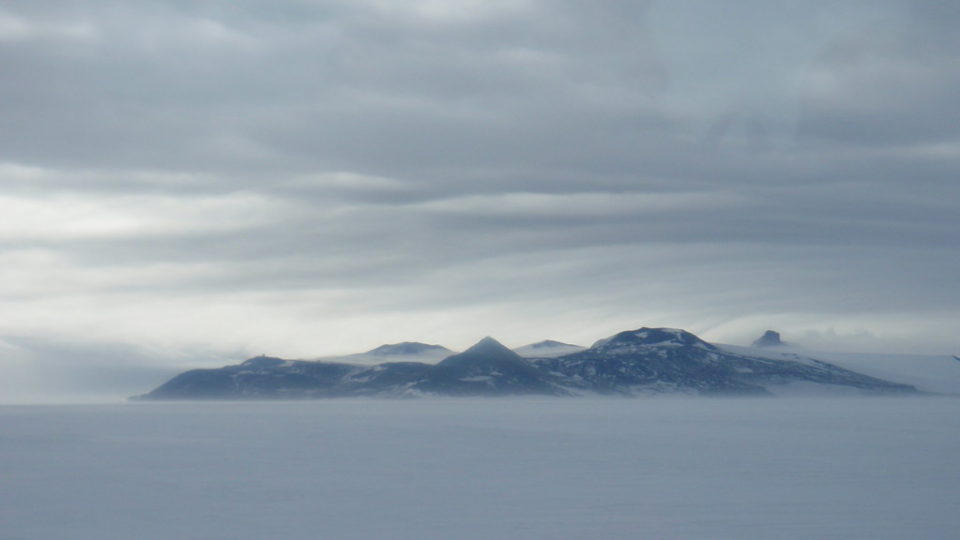
The Ross Ice Shelf in Antarctica is the world’s largest ice shelf, covering an area roughly the size of France.  Scientists have spent several years building up a record of how the northwest sector of the enormous ice shelf interacts with the ocean beneath it.  Their results show that the ice is melting much more rapidly than previously thought because of in-flowing warm water.

In general, the stability of ice shelves is thought to be mostly influenced by their exposure to warm deep ocean water.  But the new research has found that surface water heated by the sun also plays a crucial role in melting ice shelves.

The interactions between ice and ocean water that occur hundreds of meters below the surface of ice shelves have a direct impact on long-term sea level.  The Ross Ice Shelf stabilizes the West Antarctic ice sheet by blocking the ice that flows into it from some of the world’s largest glaciers.

When ice shelves collapse, the glaciers that feed them can speed up by a factor of two or three.  None of the collapsing shelves in the past have come anywhere close to the size of the Ross Ice Shelf, which is more than 100 times bigger.

The new study by New Zealand’s National Institute of Water and Atmospheric Research showed that sun-heated surface water flowing into the cavity under the ice shelf near Ross Islands caused melt rates to nearly triple during the summer months.  This indicates that the loss of sea ice resulting from climate change is likely to increase melt rates in the future.  While the Ross Ice Shelf is still considered to be relatively stable, the new findings show that it may be more vulnerable than previously thought.

**********

Web Links

Rapid melting of the world’s largest ice shelf linked to solar heat in the ocean

Photo, posted February 15, 2009, courtesy of Alan Light via Flickr.

Earth Wise is a production of WAMC Northeast Public Radio.
Bad News For Penguins

June 21, 2019 By EarthWise Leave a Comment

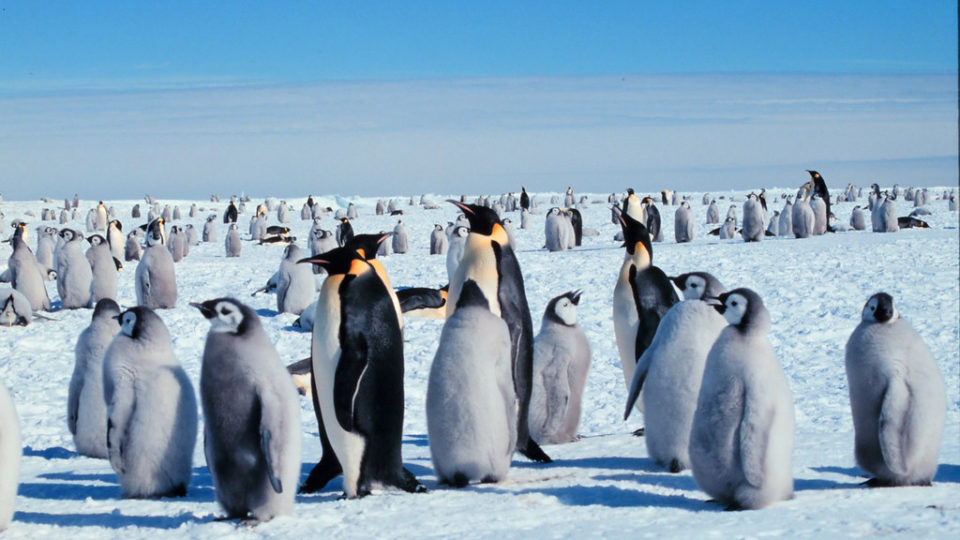
The second-largest breeding colony of emperor penguins in Antarctica, located in the Waddell Sea, has experienced “catastrophic breeding failure” for the past three years.  Nearly all of the colony’s chicks have failed to survive due to the breakup of sea ice, according to a new study published in the journal Antarctic Science.

The colony was once home to 14,000 to 25,000 breeding pairs, which represents as much as 9% of the global emperor penguin population.  Emperor penguins are the tallest and heaviest of all living penguins, reaching up to 4 feet in height and weighing between 50 and 100 pounds.  They are the only penguin species that breeds during the Antarctic winter and their lengthy treks to breeding colonies have been the subject of numerous films and television shows.

Sea ice at Halley Bay in Antarctica had been stable and reliable for nearly 60 years but stormy weather in 2016 driven by El Nino conditions, strong winds, and record low ice extent caused the ice on which penguin chicks gather to break up.  This happened again in 2017 and 2018.  By last year, just a few hundred adult pairs were present at the breeding site and almost no chicks survived the ice breakup.

Researchers say that they have never seen a breeding failure on a scale like this in 60 years of studying the colonies.  On a more positive note, while the population of the Halley Bay site has collapsed, the Dawson-Lambton breeding area – located about 34 miles away – has actually seen significant growth over the past four years.  While this is encouraging, the growth at Dawson-Lambton does not fully compensate for the losses at Halley Bay, which was once considered relatively safe from the impacts of climate change.

**********

Web Links

Emperor Penguin Colony Experiences “Catastrophic Breeding Failure”

Photo, posted February 22, 2011, courtesy of Krishna via Flickr.

Earth Wise is a production of WAMC Northeast Public Radio.
Schools And Solar Power

June 19, 2019 By EarthWise Leave a Comment

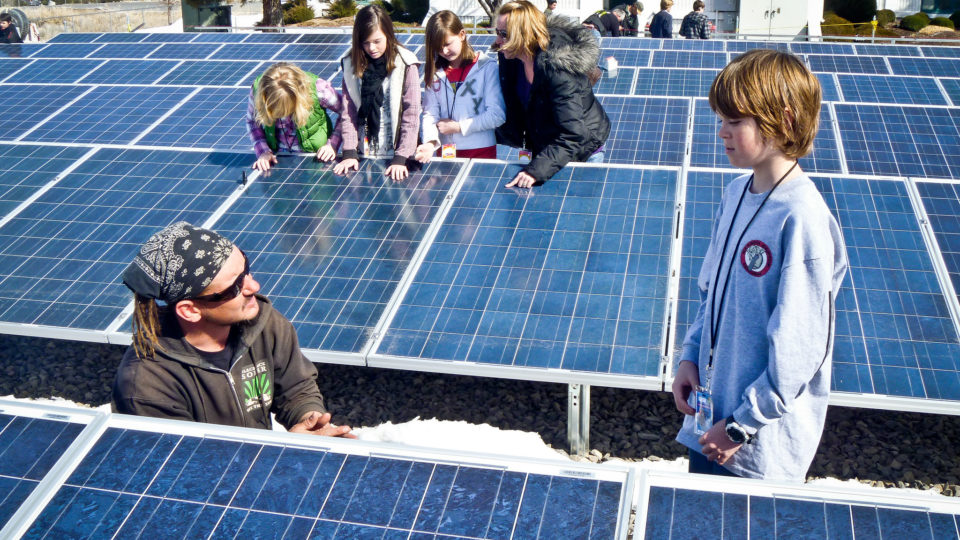
A new study from Stanford University looked at the benefits of installing solar panels on the rooftops of schools.  According to the study, taking advantage of all the viable space for solar panels could allow schools to meet up to 75% of their electricity needs and reduce the education sector’s carbon footprint by as much as 28%.

Given the long list of spending priorities for schools, solar power seems like a luxury item.  But the Department of Energy estimates that K-12 schools spend more than $6 billion a year on energy and, in many districts, energy costs are second only to salaries.  In the higher education sector, yearly energy costs add up to more than $14 billion.  In total, educational institutions account for approximately 11% of energy consumption by U.S. buildings and 4% of the nation’s carbon emissions.

The Stanford study suggests that investments in the right solar projects combined with the right incentives from states could free up much-needed money in school budgets.

To no surprise, the study finds that three large, sunny states – Texas, California, and Florida – have the greatest potential for generating electricity from solar panels on school rooftops.

Apart from measurable effects on air pollution and electricity bills, solar installations at schools can also provide new learning opportunities for students.  In fact, some schools are already using data from their on-site solar energy systems to teach students basic ideas about fractions, as an example, as well as more sophisticated concepts such how shifting solar panel angles can affect power production.

According to the study, nearly all states could reap value from school solar projects.

**********

Web Links

What happens when schools go solar?

Photo, posted February 28, 2011, courtesy of Black Rock Solar via Flickr.

Earth Wise is a production of WAMC Northeast Public Radio.

The Future Of Animals

June 12, 2019 By EarthWise Leave a Comment

Researchers at the University of Southampton have forecast a global shift towards smaller birds and mammals over the next century.   

According to the research team, small, fast-lived, highly fertile, and insect-eating animals, which can thrive in all sorts of habitats, will predominate in the future.  Rodents and songbirds are examples of the so-called ‘winners.’  Less adaptable, slow-lived species, requiring specialist habitats, will be more likely to face extinction.  Among the so-called ‘losers’ are the black rhino and the tawny eagle. 

The researchers focused on more than 15,000 living mammals and birds and considered the following five characteristics: body mass, breadth of habitat, diet, litter or clutch size, and length of time between generations.  Using this data and data from the IUCN’s Red List of Threatened Species, the researchers used modern statistical tools to project and evaluate the loss of biodiversity.  

The study, which was recently published in the journal Nature Communications, predicts that the average body mass of mammals will collectively decline by 25% over just the next 100 years.  Over the past 130,000 years, the average body size of mammals only declined 14%.

This substantial downsizing of animals is forecasted to occur due to the effects of ecological change. But, according to the study’s lead author, the loss of these species, which perform unique functions within the global ecosystem, may ironically wind up being a driver of change as well.       

The researchers hope future studies will further explore the long-term effects of species extinction on habitats and ecosystems. 

**********

Web Links

Study predicts shift to smaller animals over next century

Photo, posted April 6, 2013, courtesy of Nic Trott via Flickr.

Earth Wise is a production of WAMC Northeast Public Radio.
Climate Change And Dolphins

May 27, 2019 By EarthWise Leave a Comment

We don’t think of heatwaves as something that affects the ocean, but increasingly, as the planet warms, there have been instances where ocean water temperatures become much higher than normal for extended periods of time.  There has been much discussion of this phenomenon with regard to coral reefs where the catastrophic rise in coral bleaching events has been the result.

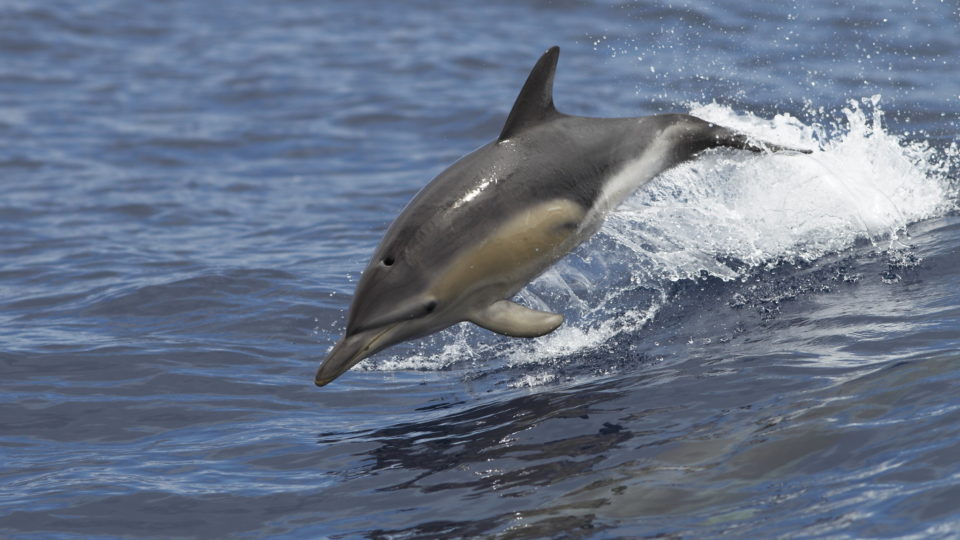
Recently, a study at the University of Zurich looked at the effects of ocean heatwaves on marine life higher in the food chain.  They studied the well-known dolphin population in Shark Bay, Western Australia.

In early 2011, a heatwave caused water temperatures in Shark Bay to rise more than 4 degrees above the annual average for an extended period.  This led to a substantial loss of seagrass, which is a driving factor in the Shark Bay ecosystem.

The researchers investigated how this environmental damage affected survival and reproduction of dolphins, using long-term data on hundreds of animals collected over a ten-year period from 2007 to 2017.

Their analysis showed that dolphins’ survival rate dropped by 12% and female dolphins were giving birth to fewer calves.  That phenomenon that began in 2011 lasted at least until 2017.

The researchers were surprised by the extent and the duration of the influence of the heatwave, especially the fact that the reproductive rate of dolphins had not returned to normal even after 6 years.

This study shows for the first time that marine heatwaves not only affect organisms at the lower levels of the food chain, but also might have considerable long-term consequences for the animals at the top, such as dolphins.

**********

Web Links

Climate change is a threat to dolphins’ survival

Photo, posted December 14, 2014, courtesy of Ed Dunens via Flickr.

Earth Wise is a production of WAMC Northeast Public Radio.

Hybrid-Electric Aircraft

May 20, 2019 By EarthWise Leave a Comment

The commercial aviation industry is a major source of carbon dioxide emissions and, as other industries try to move towards decarbonization, its share is getting larger.  But reducing emissions from aircraft is challenging because powering planes without burning fossil fuel is hard to do.

The biggest problem is that powering aircraft with electric motors instead of fossil fuel motors requires so much energy that the batteries needed to supply it become impractically heavy.  While research goes on to develop lighter-weight batteries, an interim concept may pay dividends.

Just as hybrid cars represent a stepping stone towards full electrification, hybrid-electric aircraft may be a way to obtain substantial reductions in aircraft emissions.  The idea is to use battery-powered electric motors to power planes, but to greatly reduce the capacity requirements of the batteries by having an on-board fossil-fuel generator to charge the batteries and supply additional needed power.

A study by the University of Illinois looked at the potential emissions reductions for hybrid-electric aircraft taking into account the emissions associated with generating the electricity that charges the batteries in the plane.  The requirements in the study were that the plane needs to be able to carry the same number of passengers and travel the same distance as current aircraft. 

The results were that a drivetrain that gets 50% of its power from battery charge reduced emissions by about 50% over the full lifecycle of the plane.

As batteries get lighter and the electric grid gets greener, the possibility of making major reductions in aircraft carbon emissions looks increasingly realistic.  But there is a long way to go.

**********

Web Links

Study Examines Commercial Hybrid-Electric Aircraft, Reduced Carbon Emissions

Photo, posted September 26, 2014, courtesy of Jeff Turner via Flickr.

Earth Wise is a production of WAMC Northeast Public Radio.

Plant-Based Jet Fuels

May 9, 2019 By EarthWise Leave a Comment

The global aviation industry uses a whole lot of fuel:  more than 5 million barrels a day.  It is an incredibly energy-intensive industry and almost all of its energy comes from petroleum-based fuels.

While other large energy sectors such as electric power, ground transportation and commercial buildings have well-defined pathways to adopting renewable energy sources, the aviation industry does not have such a straightforward way to make a transition to sustainability.  Electrifying planes using batteries or fuel cells is very challenging for a number of reasons, notably the weight restrictions on aircraft.  So liquid biofuels as replacements for petroleum-based fuels remain the most promising approach.

A new study at the Lawrence Berkeley National Laboratory concludes that sustainable plant-based biofuels could provide a competitive alternative to conventional petroleum fuels if current development and scale-up initiatives are successful.

Multidisciplinary teams based at the Department of Energy’s Joint BioEnergy Institute are focused on optimizing each stage of the bio-jet fuel production process.  This includes bioengineering ideal source plants and developing methods for efficiently isolating the carbohydrates in non-food biomass that bacteria can digest and bioconvert into fuel molecules.

The critical issue is cost.  The theoretical cost of bio-jet fuel has come down dramatically in recent years but is still around $16 a gallon.  The cost of standard jet fuel is about $2.50 a gallon.  So, the real challenge is bridging that gap.

Reducing the cost of the fuel could come both from the material and process improvements that are underway as well as by finding ways to turn the leftover lignin residuals from the bioconversion process into valuable chemicals. 

**********

Web Links

Bright Skies for Plant-Based Jet Fuels

Photo, posted March 28, 2009, courtesy of Yasuhiro Chatani via Flickr.

Earth Wise is a production of WAMC Northeast Public Radio.

Trees And The Future Of Cities

April 16, 2019 By EarthWise Leave a Comment

The shade of a single tree is a welcome source of relief on a hot summer day.  But even a relatively small patch of woods can have a profound cooling effect.  A new study at the University of Wisconsin-Madison looks at the role trees play in keeping towns and cities cool.

According to the study, the right amount of tree cover can lower daytime temperatures in the summer by as much as 10 degrees.  The effects are noticeable from neighborhood to neighborhood and even on a block-by-block basis.

Cities are well-known to be hot spots due to the urban heat islanding effect.  Using trees to keep temperatures more comfortable in cities can make a big difference for the people who live and work there.

The man-made structures of cities – roads, sidewalks, and buildings – absorb heat from the sun during the day and slowly release it at night.  Trees, on the other hand, not only shade those structures from the sun, but they also transpire -or release water in the air through their leaves – which helps to cool things down.

According to the study, to get maximum cooling benefits, tree canopies must exceed forty percent, meaning that city blocks need to be nearly halfway covered by tree branches and leaves.  To get the biggest bang for the buck, cities should start planting more trees in areas that are already near the forty percent threshold.  But

trees can’t just be in parks.  They need to be in places where people are active.

If we want the places where we live to be more comfortable and resilient in a warming world, we need to plant more trees.

**********

Web Links

Study suggests trees are crucial to the future of our cities

Photo, posted May 26, 2012, courtesy of Mislav Marohnic via Flickr.

Earth Wise is a production of WAMC Northeast Public Radio.

Drugs In The Water

April 15, 2019 By EarthWise Leave a Comment

According to a new study published in the journal Environmental Research Letters, concentrations of pharmaceuticals in rivers and lakes have dramatically increased across the globe over the past 20 years.

Traces of medicines get passed into waterways through the excretion of active drugs in human waste, the disposal of unused medicines down drains, and runoff from livestock farms.

The study looked in detail at two specific drugs:   carbamazepine, an anti-epileptic drug, and ciprofloxacin, an antibiotic.   The study found that the risk of ecological damage from the residue from these two drugs was 10 to 20 times higher in 2015 than in 1995.

Chronic exposure to carbamazepine, for example, has been shown to alter feeding behavior and reduce egg viability in zebrafish, as well as reduce reproductive success in crustaceans.  Antibiotics can alter major nutrient cycles and decrease the effectiveness of bacteria-based wastewater treatment systems.

The study, led by researchers from the Netherlands, created a new model estimating concentrations of the two drugs over a 20-year period in 449 aquatic systems around the globe.  The model predicts a relatively high environmental risk in densely populated and dry areas such as the Middle East. 

When the researchers compared the model’s results to samples from four river systems in various locations, they found that the actual drug concentrations were even higher than model results, in some cases by a factor of 10 to 100. 

The new model should act as a guide for a more thorough investigation into pharmaceutical residues in waterways, which pose significant environmental risks all over the world.

**********

Web Links

Concentrations of Pharmaceuticals in Freshwater Increasingly Globally

Photo, posted March 22, 2012, courtesy of Rajeev Rajagopalan via Flickr.

Earth Wise is a production of WAMC Northeast Public Radio.
California Fires And Precipitation

April 11, 2019 By EarthWise Leave a Comment

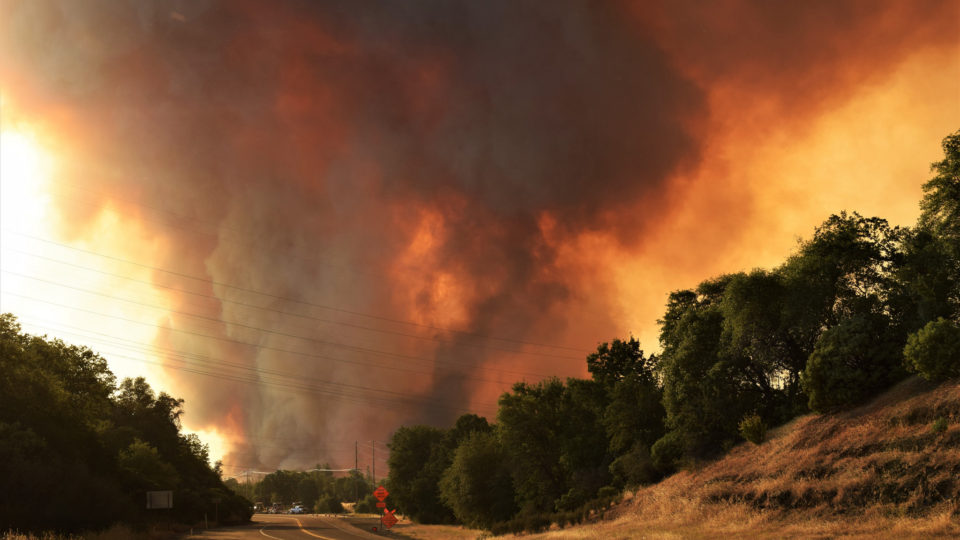
Two things we have heard a lot about in recent years have been the persistent drought in California and the terrible wildfires the state has experienced.  Along the way, the state has had some pretty wet and snowy winters.  This past winter, the California snow pack has seen incredible levels building up, which is great news for the state’s farmers.  But does that also mean that the next year should see some relief from severe wildfires?

The answer appears to be no.  A new study from an international team that includes the University of Arizona has comprehensively looked at the amount of winter precipitation in California and the severity of the subsequent wildfire season. 

The position of the North Pacific jetstream over California is strongly linked to the amount of winter precipitation.  This has been true for hundreds of years and continues to be the case.

From 1600 to 1903, the linkage between winter precipitation and wildfire severity was also very strong.  But after 1904, that connection weakened.  As a result, fire suppression policies were instituted.  When fires arose, they were put out as quickly as possible.  The result over time is fuel buildup, making larger fires far more likely.

According to the new study, after 1977, the connection between winter precipitation and wildfire severity disappeared entirely.  There no longer appears to be any relationship between jet stream dynamics and fire.  The warming climate and the results of fire suppression dominate the potential for wildfire.  California’s wet winter of 2016-2017 provides a good example.  That winter was followed by many large fires in 2017.

So, this very wet winter in California does not imply that this should be a year without severe wildfires.

**********

Web Links

Wildfire Risk in California No Longer Coupled to Winter Precipitation

Photo, posted July 26, 2018, courtesy of Bureau of Land Management California via Flickr.

Earth Wise is a production of WAMC Northeast Public Radio.

Humans And Vertebrate Mortality

April 9, 2019 By EarthWise Leave a Comment

According to a new study, more than one-quarter of the planet’s land vertebrates die because of humans.  This is a “disproportionately huge effect” on the other land vertebrates that share planet’s surface with us. 

Researchers from the SUNY College of Environmental Science and Forestry and the U.S. Department of Agriculture reviewed 1,114 published studies in which nearly 43,000 animals had perished.  Their study, which was recently published in the journal Global Ecology and Biogeography, found that 28% of the animals’ deaths were directly attributable to humans.  The other 72% died from natural sources.  

Mammals, birds, reptiles, and amphibians that died between 1970 and 2018 in the Americas, Asia, Africa, Europe, and Oceania were the foundation of the study.  All of these vertebrates had been either collared or tagged as part of other research projects. 

The researchers point out that humans are only one among more than 35,000 species of terrestrial vertebrates globally.  The fact that humans are responsible for more than one-quarter of their deaths illustrates the profound magnitude of the problem.  And that statistic is just the direct causes.  According to the researchers, when urban growth and other land use changes that erode habitat are considered, the human impact is likely even greater. 

The study found that the impact of humans across all the different species was not equal. In fact, larger animals were more likely to be killed by humans than smaller animals. Adult animals were more likely to be killed by humans than juveniles. 

The researchers conclude that humans are such a major contributor to terrestrial vertebrate mortality that they could potentially impact both evolutionary processes and ecosystem functioning. 

**********

Web Links

On the land, one-quarter of vertebrates die because of humans

Photo, posted March 6, 2019, courtesy of USFWS Midwest Region via Flickr.

Earth Wise is a production of WAMC Northeast Public Radio.

Thoreau And Climate Change

March 27, 2019 By EarthWise Leave a Comment

Henry David Thoreau was a 19th-century American naturalist, philosopher, poet, essayist, and social reformer.  He is best known for “Civil Disobedience,” an essay advocating for the rebellion against an unjust government, and for “Walden,” a book about his experiences living simply in nature.  Now, Thoreau’s observations from “Walden” are the foundation of a new study exploring the effects of climate change on tree leaf-out and the emergence of spring wildflowers. 

This research, which was recently published in the journal Ecology Letters, relies on Thoreau’s scientific observations gathered during the 1850s when he spent 26 months living in isolation at Walden Pond in Concord, Massachusetts.  These observations from Thoreau were combined with current research to measure tree and wildflower leaf-out dates for 37 different years between 1852 and 2018.  “Leaf out” refers to the time in spring when plants and trees begin producing leaves.  An alteration in this timing can have a domino effect throughout an ecosystem.

Over the past century, temperatures in Concord, Massachusetts have warmed five degrees Fahrenheit.  As a result, leaf-out dates have changed significantly.  According to researchers, wildflowers are leafing out about one week earlier, while trees are leafing out about two weeks earlier than they did 160 years ago. 

Ground-dwelling plants like wildflowers have a narrow window to accomplish growth, photosynthesis, and reproduction, before the canopy trees leaf out and block the sunlight.  Temperature-driven shifts in the timing of tree leaf-out between Thoreau’s time and now are likely already hindering wildflower abundance and flowering. 

As the climate continues to warm, the already small window of time between wildflower emergence and tree leaf-out will likely shorten further. 

**********

Web Links

Using Thoreau, scientists measure the impact of climate change on wildflowers

Photo, posted August 13, 2008, courtesy of Adam Pieniazek via Flickr.

Earth Wise is a production of WAMC Northeast Public Radio.
Crop Diversity

March 22, 2019 By EarthWise Leave a Comment

A study at the University of Toronto suggests that on a global scale, we are growing more of the same kinds of crops, and this diminishing diversity presents major challenges for agricultural sustainability.

In some places, for example here in North America, crop diversity has actually increased.  Back in the 1960s, North Americans grew about 80 crops.  Now there are 93.

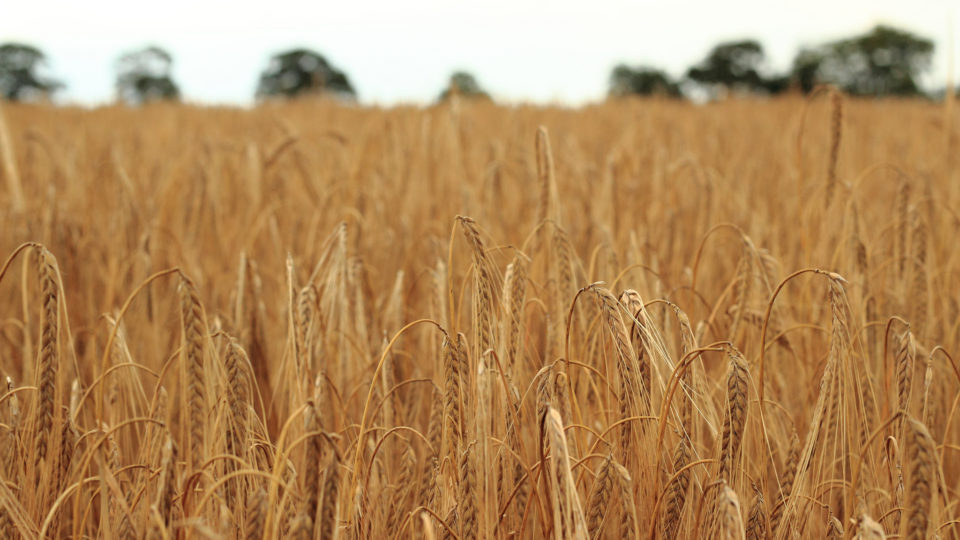
But on a global scale, more of the same kinds of crops are being grown on much larger scales.  Just four crops – soybeans, wheat, rice and corn – occupy nearly 50% of the world’s entire agricultural lands.  The remaining 152 crops cover the rest.  Large industrial farms often grow one crop species – usually just a single genotype – across thousands of acres of land.

This decline in global crop diversity is problematic in several ways.  On a cultural level, it threatens regional food sovereignty.  If regional crop diversity is threatened, it makes it more difficult for people to eat or afford foods that are culturally significant to them.

On an ecological level, the dominance by a few genetic lineages of crops makes the agricultural system increasingly susceptible to pests or diseases.  The deadly fungus that is threatening the world’s banana plantations is a prime current example.  The Irish potato famine in the 19th century is a tragic historical example.

As large industrial-sized farms in Asia, Europe and the Americas start to look more and more alike, the dangers of large monocultures of crops that are commercially valuable will only increase.  It will be important for global governments to consider the impact of policies that affect the diversity of the agricultural system and its sustainability in an increasingly hungry world.

**********

Web Links

A small number of crops are dominating globally. And that’s bad news for sustainable agriculture

Photo, posted August 13, 2012, courtesy of Alasdair McKenzie via Flickr.

Earth Wise is a production of WAMC Northeast Public Radio.
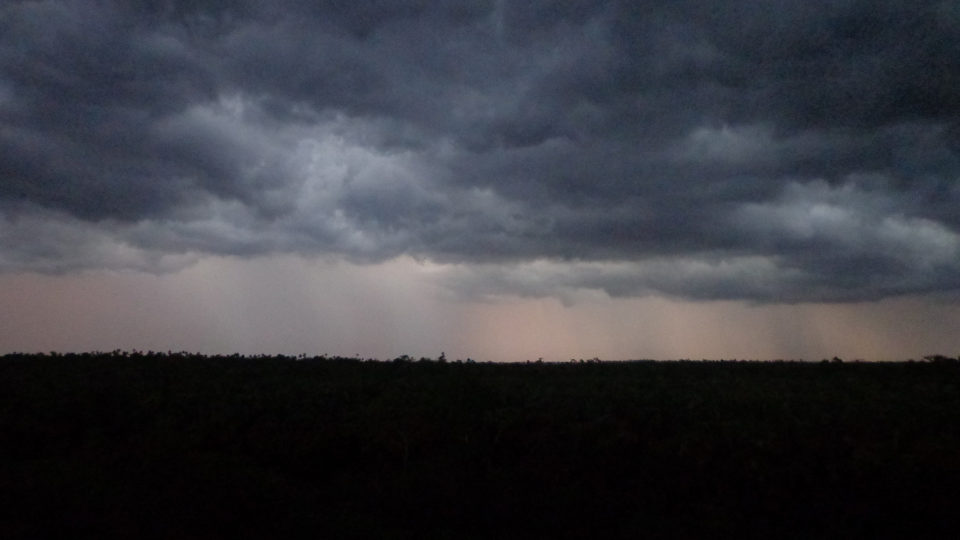
The New Normal Weather

March 13, 2019 By EarthWise Leave a Comment

We often hear about how the weather is getting stranger all the time, but do most of us really think so?  What kinds of weather do we really find remarkable and has that been changing?

A study led by the University of California, Davis used some very modern tools to examine the question of what people might consider to be “normal” weather.  To reach their conclusions, they quantified the timeless pastime of talking about the weather by analyzing Twitter posts.  They sampled over 2 billion geolocated tweets to determine what kind of events generated the most posts about the weather.

Unsurprisingly, they found that people most often tweet when temperatures are unusual for a particular place and time of year.  However, if the same weather persisted year after year, it generated less comment on Twitter, indicating that people began to view it as normal in a relatively short amount of time.

The study indicates that people have short memories when it comes to what they consider normal weather.  On average, most people base their idea of normal weather on what has happened in just the past two up to maybe eight years.  This disconnect with the historical climate record may obscure the public’s perception of climate change.

After repeat exposures to historically-extreme temperatures, people talk less about the weather, even though particularly hot or cold weather conditions make them unhappy and grumpy.  Even though we are experiencing conditions that are historically extreme, we might not consider them to be particularly unusual if we tend to forget what happened more than a few years ago.  Things may be getting worse, but they apparently are just the new normal.

**********

Web Links

Tweets tell scientists how quickly we normalize unusual weather

Photo, posted March 11, 2013, courtesy of Adedotun Ajibade via Flickr.

Earth Wise is a production of WAMC Northeast Public Radio.
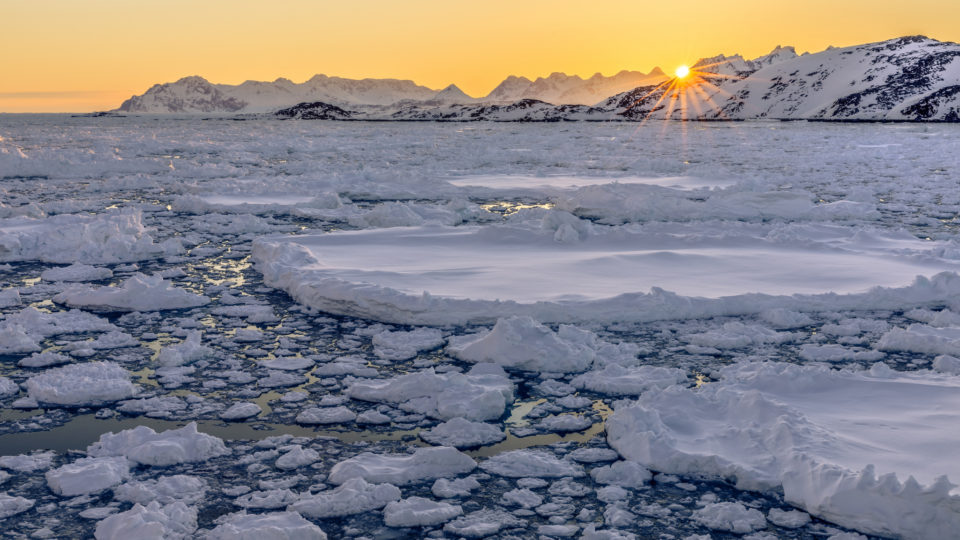
Ice Melt In Greenland

March 12, 2019 By EarthWise 1 Comment

A new study published in the Proceedings of the National Academy of Sciences warns that Greenland’s ice Is melting much faster than previously thought.  The ice loss rapidly accelerated around 2002-2003 and by 2012 the annual loss was nearly four times the rate in 2003.

Most of the new ice melt is in southwest Greenland, a part of the island that wasn’t known to be losing ice that rapidly and is not where most of the large glaciers are in Greenland.  The loss is coming from the land-fast ice sheet itself.

Data from NASA satellites and GPS stations scattered around Greenland’s coast shows that between 2002 and 2016, Greenland lost approximately 280 billion tons of ice per year.  That is enough melt to cover the entire states of Florida and New York hip deep in meltwater, as well as drowning Washington, D.C. and one or two other small states.

Global warming of just 1 degree Celsius is the main driver behind this massive meltdown of ice.  The temperature rise coupled with a negative phase of the North Atlantic Oscillation causes rapid surface melt of the ice sheet during summers.  The Oscillation is a natural, irregular change in atmospheric pressure that brings warm, sunny weather to the western side of Greenland during its negative phase.

The Greenland ice sheet is 2 miles thick in some places and contains enough ice to raise sea levels 23 feet if it all melted.  The melting Greenland ice is already slowing the Gulf Stream, which is wreaking havoc with European weather.  If we don’t get a handle on global temperature rise, things are only going to get worse.

**********

Web Links

Greenland’s ice is melting four times faster than thought—what it means

Photo, posted April 21, 2017, courtesy of Markus Trienke via Flickr.

Earth Wise is a production of WAMC Northeast Public Radio.
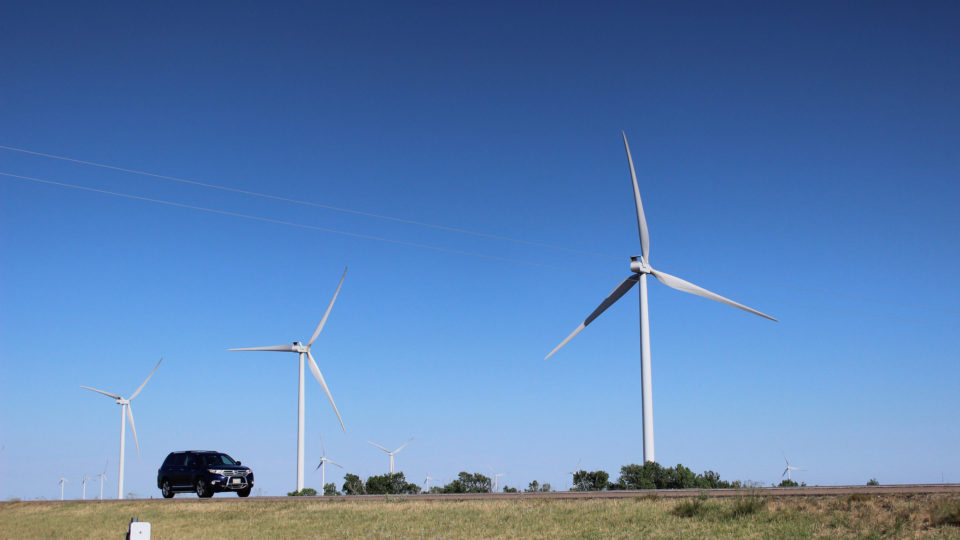
More Renewables Without Storage In Texas

February 27, 2019 By EarthWise Leave a Comment

Texas has a Texas-sized appetite for electricity and relies most heavily on natural gas, coal and nuclear power to get it.  But in recent times, wind power has grown tremendously in the Lone Star State and it has already leapfrogged past nuclear power.  Coal could be the next domino to fall.

In the past few years, solar power has become competitive with wind in terms of price.  Texas is a large, coastal state in the sunny southwestern U.S. and has significant solar resources.  As a result, the amount of solar power in Texas is now growing rapidly.

In order for a combination of solar and wind power to address the bulk of electricity demand in Texas, there needs to be a way to provide reliability that these intermittent sources don’t necessarily provide.  Energy storage is a solution that ultimately is likely to be part of most electricity grids, but currently it is still expensive on a utility scale.

A new study from Rice University looked at the complementarity of solar and wind power in Texas.  Complementarity refers to balancing the output of solar and wind systems.  The peak performance of wind and solar occurs at very different times in different regions of the state.  The study suggests that the right mix of solar and wind systems in the right parts of Texas could provide a continuously reliable energy system.  On both a yearly and daily basis, wind and solar power resources in Texas complement each other in terms of peak performance.  It is a matter of locating the solar power and wind farms in the right places.

With the Texas solar industry really starting to boom, there is a real opportunity to integrate far more renewable energy into the Texas grid.

**********

Web Links

More Renewables with Less Energy Storage: Texas Shows How

Photo, posted June 8, 2018, courtesy of Laura Lee Dooley via Flickr.

Earth Wise is a production of WAMC Northeast Public Radio.

  • « Go to Previous Page
  • Page 1
  • Interim pages omitted …
  • Page 18
  • Page 19
  • Page 20
  • Page 21
  • Page 22
  • Interim pages omitted …
  • Page 24
  • Go to Next Page »

Primary Sidebar

Recent Episodes

  • An uninsurable future
  • Clean energy and jobs
  • Insect declines in remote regions
  • Fossil fuel producing nations ignoring climate goals
  • Trouble for clownfishes

WAMC Northeast Public Radio

WAMC/Northeast Public Radio is a regional public radio network serving parts of seven northeastern states (more...)

Copyright © 2026 ·