• Skip to primary navigation
  • Skip to main content
  • Skip to primary sidebar

Earth Wise

A look at our changing environment.

  • Home
  • About Earth Wise
  • Where to Listen
  • All Articles
  • Show Search
Hide Search
You are here: Home / Archives for studies

studies

Do Forests Grow Better With Our Help? | Earth Wise

November 9, 2020 By EarthWise Leave a Comment

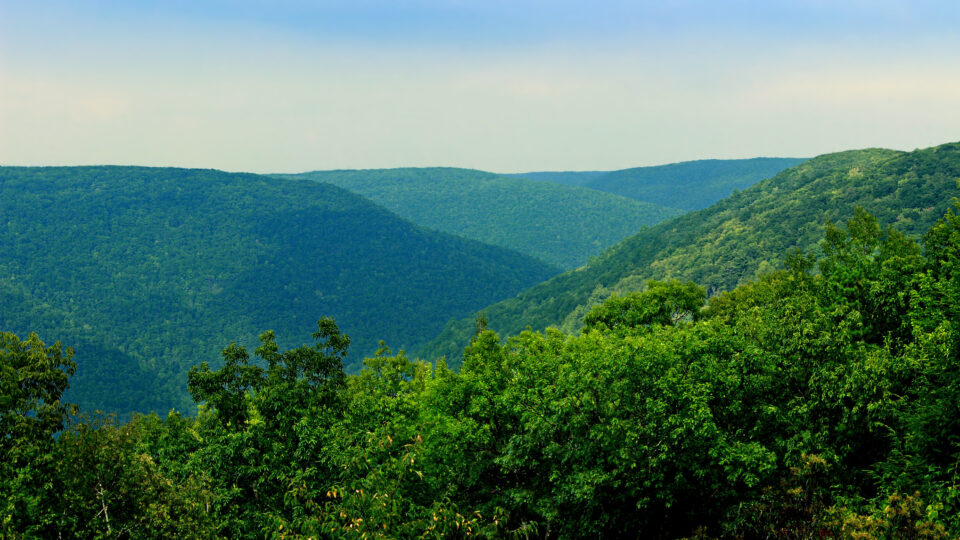
forest restoration

Tree planting has become a worldwide cause.  International calls to plant a trillion trees to combat climate change have led to multiple initiatives by countries around the world.  Even the current U.S. administration, with support from businesses and nonprofits has promised to plant over 800 million trees across an estimated 2.8 million acres.  Planting trees is widely seen to be a vital nature-based solution to climate change; a way of moderating its effects as the world works to reduce carbon emissions.  However, recent studies have created some pushback from that view.

The new studies are not opposed to trees.  What they have revealed is that allowing forests to grow back naturally is a better strategy than planting trees.  The new data has shown that, among other things, estimates of the rate of carbon accumulation by natural forest regrowth have on average been 32% too low and, for tropical forests, have been 53% too low.

A new study published in Nature identified 1.67 billion acres that could be set aside to allow trees to regrow.  It excludes land under cultivation or built on, along with various existing valuable ecosystems. 

Natural regrowth allows nature to select which tree species take hold and turns out to happen quite rapidly and in a widespread manner.  The great thing about natural restoration of forests is that it often requires nothing more than human inaction.  Because it requires no policy initiatives, investments, or oversight, data on its extent is rather scarce.  But the data we have reveals that wherever forests have been allowed to recover on their own, it appears to happen rapidly and with great success.

**********

Web Links

Natural Debate: Do Forests Grow Better With Our Help or Without?

Photo, posted September 5, 2015, courtesy of Nicholas A. Tonelli via Flickr.

Earth Wise is a production of WAMC Northeast Public Radio.

Permanent Time Observation | Earth Wise

September 25, 2020 By EarthWise Leave a Comment

permanent standard time

Americans have debated the value of daylight savings time going all the way back to Benjamin Franklin.  As a country, we adopted the practice of changing our clocks twice a year in 1918.

Since the energy crisis of the 1970s, there have been a number of initiatives aimed at making daylight savings time permanent.  However, there is also a growing movement to eliminate the practice entirely.

In August, the American Academy of Sleep Medicine published a position statement calling for the abolishing of daylight savings time in favor of fixed, national, year-round standard time.

The statement describes the adverse effects of the annual abrupt switch to daylight savings time, which range from increased risk of stroke and hospital admissions to sleep loss and increased production of inflammatory markers, which are one of the body’s responses to stress.  It also cites studies that show that traffic fatalities increase by as much as six percent in the first few days following the change to daylight savings time.  Other research shows that there is an 18% increase in adverse medical events related to human error in the week after switching to daylight savings time.

In July, a survey by the academy of more than 2,000 U.S. adults found that 63% support the elimination of seasonal time changes in favor of a national, fixed year-round time, and only 11% oppose the idea, but many of those in favor of the idea actually want permanent daylight savings time.

The sleep academy contends that permanent standard time is the best choice to most closely match our circadian sleep-wake cycle while daylight saving time results in more darkness in the morning and more light in the evening, disrupting the body’s natural rhythm.

Residents of Arizona and Hawaii get to sit out this debate since they don’t change their clocks.

**********

Web Links

American Academy of Sleep Medicine calls for elimination of daylight saving time

Photo, posted May 28, 2018, courtesy of Kis Akos via Flickr.

Earth Wise is a production of WAMC Northeast Public Radio.
The Menace Of Abandoned Oil Wells | Earth Wise

August 3, 2020 By EarthWise Leave a Comment

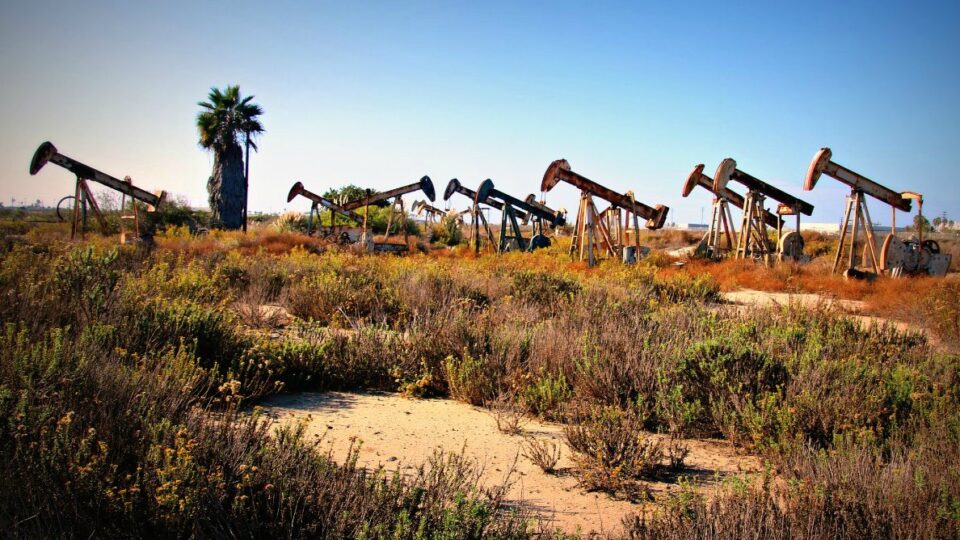
Abandoned oil wells are leaking methane

More than a century of oil and gas drilling has left behind millions of abandoned wells and many of them are leaching pollutants into the air and water.  Drilling companies continue to abandon even more wells as demand for oil diminishes and bankruptcies become more common.

Leaks from abandoned wells have long been known to be an environmental problem and a health hazard.  They have been linked to many instances of groundwater contamination and to dangerous fumes near homes and farms.

There have recently been efforts to track the amounts of methane leaching from abandoned oil and gas wells, and the figures in United States are alarming.  According to the most recent EPA report, more than 3.2 million abandoned oil and gas wells emitted a total of 281,000 tons of methane in 2018.  That is the climate-damage equivalent of consuming about 16 million barrels of crude oil, which is as much as the U.S. uses in a typical day.  According to the EPA, the actual amount could be as much as three times higher, because of incomplete data.   The agency believes that most of the methane comes from more than 2 million abandoned wells that were never properly plugged.

New York’s Department of Environmental Conservation has records of over 2,000 abandoned wells, but the state believes the actual number could be much higher.  This is a problem that won’t just go away.  Wells don’t leak for a year and then stop.  They can continue to leak for a century or more.  Cleaning up and plugging an abandoned well runs from $20,000 to $145,000, meaning that countrywide, cleaning up this environmental menace could cost somewhere between $60 billion and $435 billion.

**********

Web Links

Special Report: Millions of abandoned oil wells are leaking methane, a climate menace

Photo, posted October 13, 2015, courtesy of Flickr.

Earth Wise is a production of WAMC Northeast Public Radio.

Oil Platforms And Fish | Earth Wise

July 16, 2020 By EarthWise Leave a Comment

oil platforms are major habitats for fish

It is well-known that offshore oil platforms become major habitats for fish.  Their support structures rise hundreds of feet through the water column and basically create a prefabricated reef for marine life.   Many of these platforms will soon be decommissioned and government agencies are considering the consequences to undersea life when this happens.

Researchers at the University of California Santa Barbara have looked at how various decommissioning scenarios would affect undersea ecosystems. They found that completely removing a platform could reduce fish biomass by an average of 95%.  In contrast, removing just the top part of the rig could keep losses to around 10%.

California is looking at several possibilities for decommissioning 27 oil platforms off of its coast.  The three options are:  leave the platform in place, remove all of it, or remove just the top part of it.  Each option entails its own economic and ecological consequences.

The research team studied the size and composition of fish communities at 24 platforms and created models for each of the decommissioning scenarios.  The partial removal approach involved stripping away all structures within 26 meters of the surface.  This number would eliminate the need for a lighted buoy where the support structure remained according to U.S. Coast Guard guidelines.

For the 24 structures studied, leaving them entirely in place would support over 29,000 kilograms of fish biomass.  Removing just the top 26 meters would support nearly 28,000 kilograms.  Removing the platforms entirely would support only 500 kilograms of fish biomass.

As California weighs how to decommission its oil platforms, studies like this will be critical to making informed decisions.

**********

Web Links

Oil Platforms’ Fishy Future

Photo, posted June 4, 2019, courtesy of Flickr.

Earth Wise is a production of WAMC Northeast Public Radio.

Lifestyle And Carbon Footprint | Earth Wise

March 23, 2020 By EarthWise Leave a Comment

lifestyle impacts our carbon footprint

Many studies have shown, to no great surprise, that affluent lifestyles lead to larger carbon footprints. Households in Switzerland enjoy a high standard of living and a team of researchers there has been studying the consumption and travel habits of Swiss citizens to better understand the impact of various factors on carbon footprint. Key factors include household composition and income, and whether the households are in the city or the countryside – even though, in the end, people’s lifestyles do not differ greatly from one environment to another. 

A team of researchers at EPFL’s School of Architecture, Civil and Environmental Engineering analyzed data from Switzerland’s household budget survey for 2008, 2011 and 2014.  They combined that data with an environmentally extended input-output analysis to assess households’ carbon footprints by measuring their direct and indirect emissions.

Overall, households in the countryside have larger carbon footprints than those in the city, mainly because they travel more and use more energy in their homes. But urban households have larger carbon footprints than their rural counterparts when it comes to food, clothing, cultural activities and air travel.  

A household’s composition directly influences its carbon footprint. A two-person household has the largest per-capita carbon footprint, and it falls as the size of the family grows since many of the same resources are shared by more people. 

Income levels play an important role.  People consume without much thought because they can afford to and enjoy doing it. But there is a trend towards people becoming more conscious of their levels of consumption and trying to be more responsible in Switzerland.  Overall consumption has actually declined over the years studied.  

**********

Web Links

Our carbon footprint is highly impacted by how we live

Photo, posted December 19, 2017, courtesy of Alexander Kozik via Flickr.

Earth Wise is a production of WAMC Northeast Public Radio.
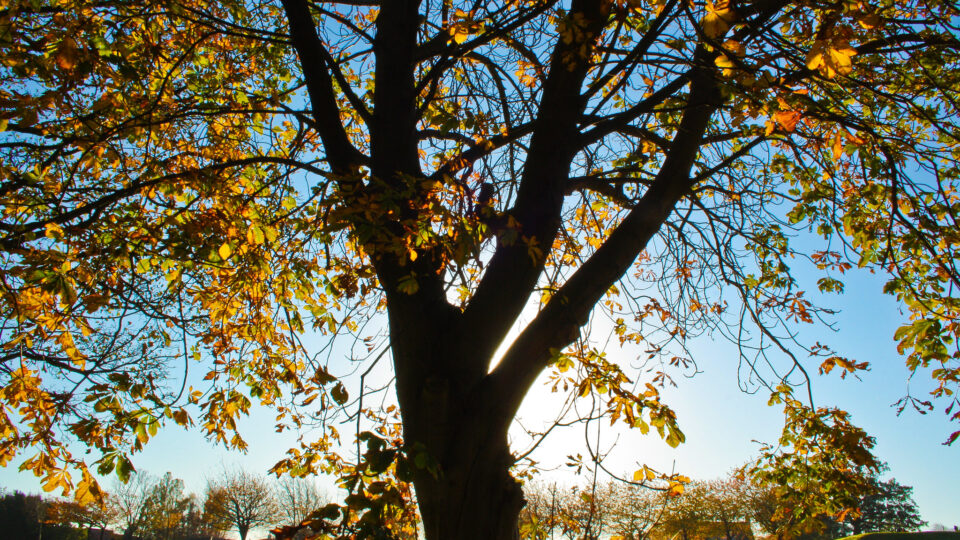
Immersion In Nature Is Good for You | Earth Wise

February 20, 2020 By EarthWise Leave a Comment

Nature immersion has health benefits

There is a growing body of research that shows that getting outdoors in nature can be good for people’s health and well-being. There are so many studies supporting this idea that policymakers, employers, and healthcare providers are increasingly considering this need for nature in how they plan and operate.

A new study of 20,000 people by researchers at the University of Exeter in the UK actually looked at how much exposure to nature was enough to make people say they feel healthy and have a sense of well-being.   The answer turned out to be 2 hours a week.  And the correlation was strong.  People who didn’t meet that threshold did not report the benefits.

Studies have shown that time in nature – as long as people feel safe where they are – is an antidote for stress.  It can lower blood pressure and stress hormone levels, reduce nervous system arousal, enhance immune system function, increase self-esteem, reduce anxiety, and improve mood.  Most of these studies are correlational rather than causal, but the results tend to be robust.

Given all this, cities are adding or enhancing parks, and schools and other institutions are being designed with large windows and access to trees and green space.  The Scandinavian tradition of “forest schools” – where learning takes place in natural settings outdoors -.is finding a home in the US.   Japanese researchers study the effects of “forest bathing”, a poetic term for walking in the woods.

With two-thirds of humanity projected to be living in cities by 2050, we are awakening to the idea that we need to be able to spend time in nature for our own wellbeing, even if it’s just a walk in a park.

**********

Web Links

Ecopsychology: How Immersion in Nature Benefits Your Health

Photo, posted November 6, 2011, courtesy of Flickr.

Earth Wise is a production of WAMC Northeast Public Radio.
Much More Microplastics In The Ocean | Earth Wise

January 28, 2020 By EarthWise Leave a Comment

microplastics in ocean image

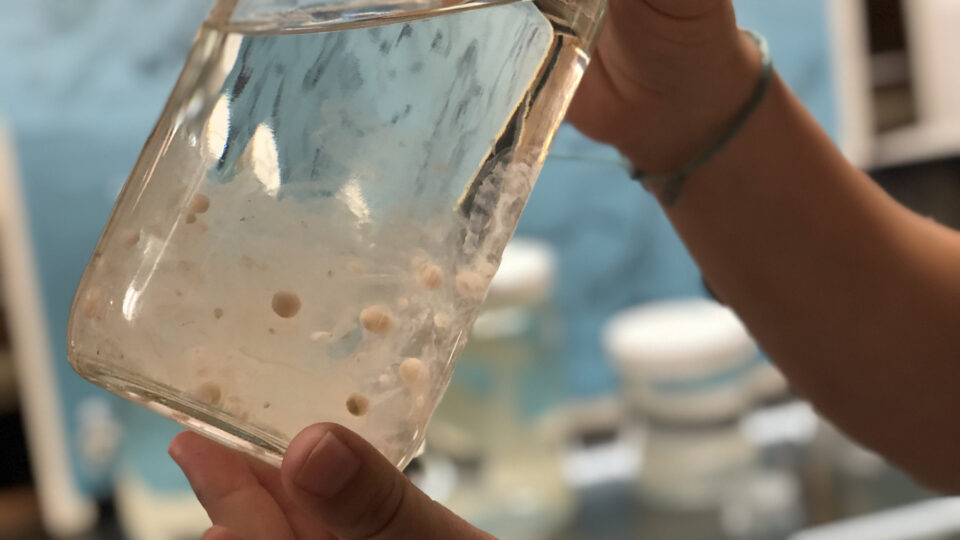
We’ve been hearing more and more about plastic contamination (microplastics) in the ocean.  It is pulled from the nostrils of sea turtles, found in Antarctic waters, and tracked in increasing quantities in sedimentary layers dating back to the 1940s.  A new study by researchers from the Scripps Institution of Oceanography suggests that there could be a million times more pieces of plastic in the ocean than previously estimated.

Oceanographers found that some of the tiniest countable microplastic particles in seawater occur at much higher concentrations than previously measured.  Apparently, the traditional way of counting marine microplastics most likely misses the smallest particles, and therefore underestimates the number of particles by a factor of anywhere from 10,000 to a million.

The new measurements estimate that the oceans may be contaminated by 8 million pieces of so-called mini-microplastics per cubic meter of water.  Earlier studies that only looked at larger pieces of plastic found only 10 pieces per cubic meter. 

Microplastic studies typically trawl or pull a fine net behind a ship to collect samples.  But the meshes previously used could only capture plastics as small as 333 microns.  The new study found plastic particles as small as 10 microns, which is less than the width of a human hair.

Plastics keep breaking down into smaller and smaller particles, but they are so chemically strong that their chemical bonds don’t break down. They remain bits of plastic.  Scientists are concerned that these particles can get small enough to enter the human bloodstream.  The potential effects on human health are not well known and not extensively studied.

The problem of plastics just keeps getting bigger.

**********

Web Links

Microplastics a million times more abundant in the ocean than previously thought

Photo courtesy of UC San Diego.

Earth Wise is a production of WAMC Northeast Public Radio.
Mealworms And Plastic | Earth Wise

January 21, 2020 By EarthWise Leave a Comment

Mealworms and Plastic

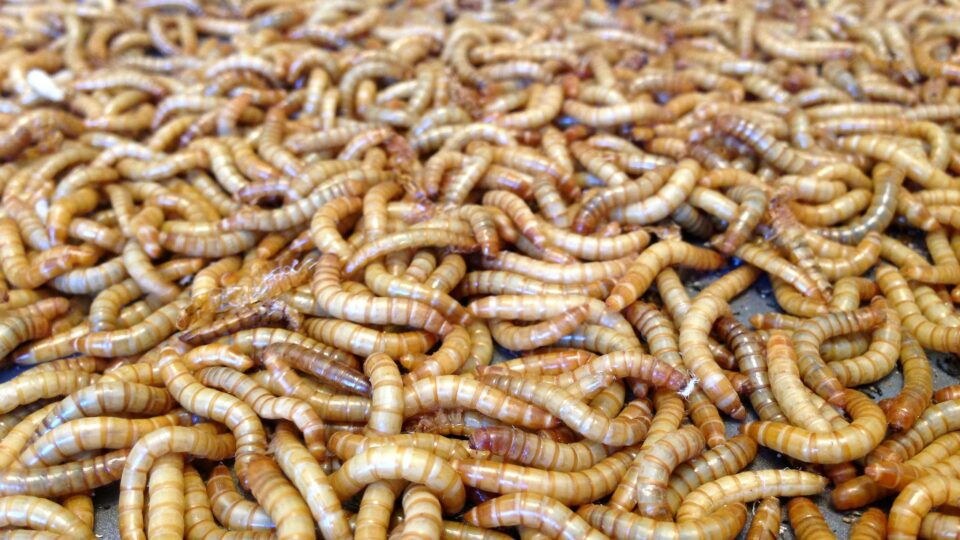
Mealworms are widely cultivated beetle larvae that people feed to pets and to wild birds.  But it turns out, they may have an even more valuable purpose:  they can eat plastic and even plastic containing dangerous chemical additives.

Four years ago, researchers at Stanford discovered that mealworms can actually subsist on a diet of various types of plastic.  They found that microorganisms in the worms’ guts actually biodegrade the plastic.  It might be possible to cultivate the worms using unrecyclable plastic, rather than feeding them grains and fruits.   However, there is the issue of whether it would be safe to feed the plastic-eating worms to other animals, given the possibility that harmful chemicals in plastic additives might accumulate in the worms over time.

Recently, the Stanford researchers studied what happens when the worms ingested Styrofoam or polystyrene.  The plastic commonly used for packaging and insulation typically contains a flame retardant called hexabromocyclododecane, or HBCD.  Studies have shown that HBCD can have significant health and environmental impacts, ranging from endocrine disruption to neurotoxicity.

According to the study, mealworms in the experiment excreted about half of the polystyrene they consumed as tiny, partially degraded fragments and the other half as carbon dioxide.  With it, they excreted the HBCD.  Mealworms fed a steady diet of HBCD-laden polystyrene were as healthy as those eating a normal diet.  And shrimp fed a steady diet of the HBCD-ingesting mealworms also had no ill effects.

It is true that the HBCD excreted by the worms still poses a hazard and must be dealt with in some manner, but mealworms may have a role to play in dealing with unrecyclable plastics like Styrofoam.

**********

Web Links

Stanford researchers show that mealworms can safely consume toxic additive-containing plastic

Photo, posted May 11, 2015, courtesy of Flickr.

Earth Wise is a production of WAMC Northeast Public Radio.
Forest Regrowth In The Amazon | Earth Wise

January 20, 2020 By EarthWise Leave a Comment

Forest Regrowth Amazon deforestation rainforest

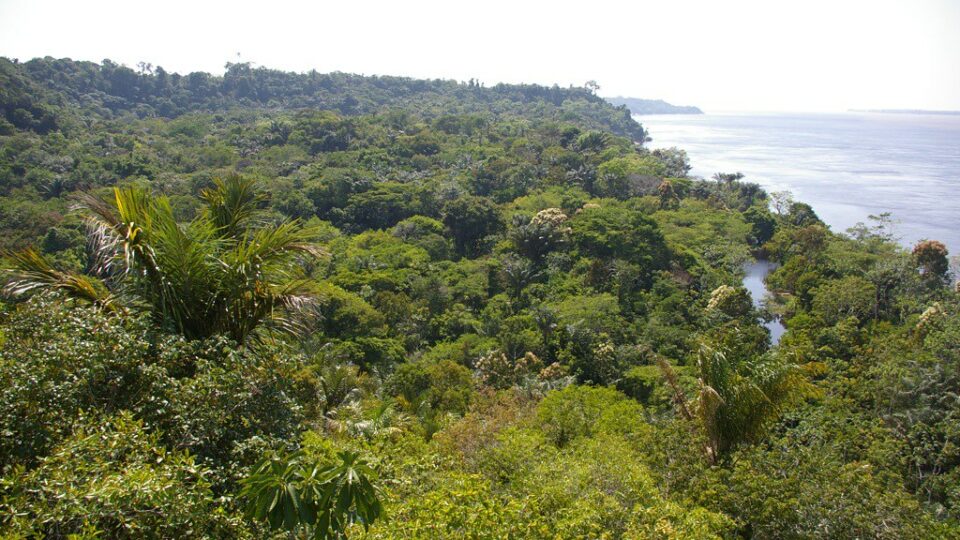
The Amazon is the largest tropical rainforest in the world.  It covers an area approximately equal in size to the lower 48 states, and is home to an estimated 10% of the world’s biodiversity and 15% of its freshwater.  These so-called “lungs of the planet” provide many important global ecological services, including carbon storage, and regulating air quality and climate.

Deforestation in the Amazon exploded in the 1970s and remains one of its biggest threats today.  Since the 1970s, more than 20% of the Amazon rainforest has been cleared.  Cattle ranching, soy and palm plantations, logging, and climate change are some of the biggest drivers of deforestation.  

Now, according to a new study recently published in the journal Ecology, the regrowth of Amazonian forests following deforestation may happen more slowly than previously thought.  These findings could have significant impacts on climate change predictions as the ability of forest regrowth in the Amazon – so-called secondary forests – may have been overestimated.  The research, which was conducted in Bragança, Brazil and includes two decades of forest monitoring, reveals that climate change and the wider loss of forests could be hampering regrowth.    

After 60 years of regrowth, the research team found that secondary forests only held 40% of the carbon when compared with forests undisturbed by humans.  Secondary forests also take less carbon from the atmosphere during periods of drought, and climate change is increasing the number of drought-years in the Amazon.  (During their 20 years of monitoring, the researchers also found biodiversity levels in secondary forests were only 56% of those seen in undisturbed forests). 

More long-term studies are needed to better understand the impacts of reforestation efforts.  

**********

Web Links

Amazon forest regrowth much slower than previously thought

Photo, posted September 6, 2009, courtesy of Nao Lizuka via Flickr.

Earth Wise is a production of WAMC Northeast Public Radio.
Bioacoustics

December 5, 2019 By EarthWise Leave a Comment

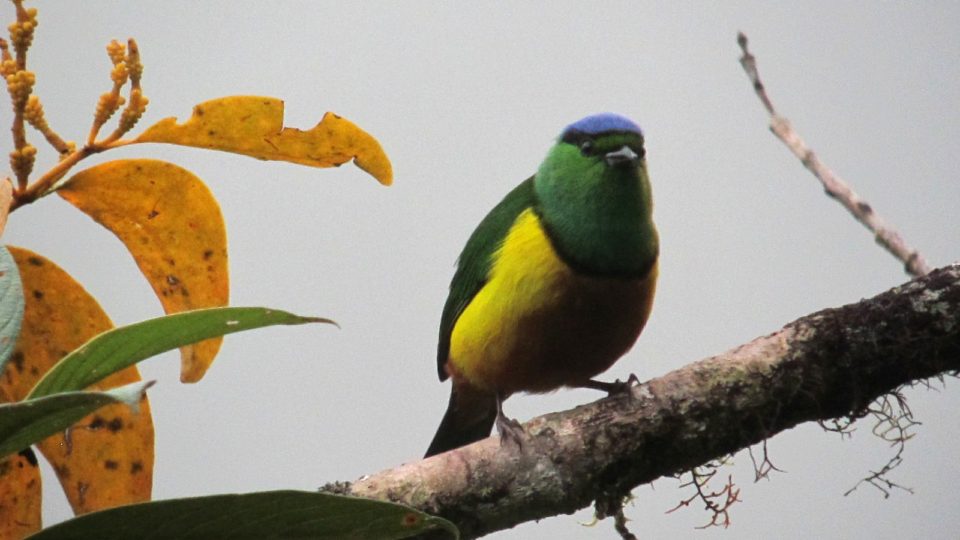
Researchers are increasingly placing microphones in forests and other ecosystems to monitor birds, insects, frogs, and other animals.  Advances in technology are enabling the wide-spread use of bioacoustics as an important research tool.

Studying animals in their natural habitat Is often a difficult task.  For one thing, many animals are difficult to find, and the presence of humans disrupts their behavior or even drives them off.  Remote cameras are useful, but cameras can only see what is in front of them and aren’t much use for detecting small animals, hidden animals, or ones high up in trees.

Biologists have long recognized the value of recording sound to identify animals and learn about their havior.  Animal sounds can be as definitive a means of identification as visual images and microphones can pick up the sounds from animals located anywhere within their detection range.

The two advances in technology that are turning bioacoustics into a widely used tool are a steep drop in the price of recording equipment and the rapidly expanding capabilities of user-friendly artificial intelligence algorithms.

Autonomous environmental audio recorders tended to cost between $500 and $1000 until quite recently.  Now, such equipment can be had for as little as $70.

The other big challenge is analyzing audio data.  Finding specific animal sounds among hundreds of hours of recordings is an untenably tedious task.  Identifying the characteristic sounds of specific species in crowded environments is a tricky business.  But neural network-based artificial intelligence technology is making such big data analysis quite practical and, remarkably, it is becoming quite user-friendly.

**********

Web Links

Listening to Nature: The Emerging Field of Bioacoustics

Photo, posted January 28, 2013, courtesy of Felix Uribe via Flickr.

Earth Wise is a production of WAMC Northeast Public Radio.
Plastic-Eating Mushrooms

September 11, 2019 By EarthWise 2 Comments

Plastic waste has become one of the most pressing environmental issues in the world.  Whether it is about drinking straws, grocery bags, or six-pack rings, getting rid of plastic items in the waste stream is a major focus of attention for more and more people.

Al mismo tiempo, cerca del 35% de los que tomaron Vyleesi sintieron una disminución de la atracción. Además, alrededor del 40% de los participantes en el ensayo clínico sintieron náuseas después de inyectarse Vyleesi, y el 13% tuvo náuseas masculinafuerte.com lo suficientemente graves como para requerir medicación. Los efectos secundarios incluían el oscurecimiento de las encías y la piel, especialmente en la cara y el pecho. Sin embargo, sólo se observó en el 1% de los pacientes.

A really promising way to deal with all the plastic ending up in landfills has grown out of research that was being conducted in the Amazon rain forest in 2012.  Back then, a group of students from Yale University discovered a fungus that eats only polyurethane.  It is a mushroom known as Pestalotiopsis microspore and it not only can survive exclusively on the plastic, but it can do it in anaerobic (that is, oxygen-free) environments.  Thus, these plastic-eating mushrooms could potentially thrive at the bottom of landfills.

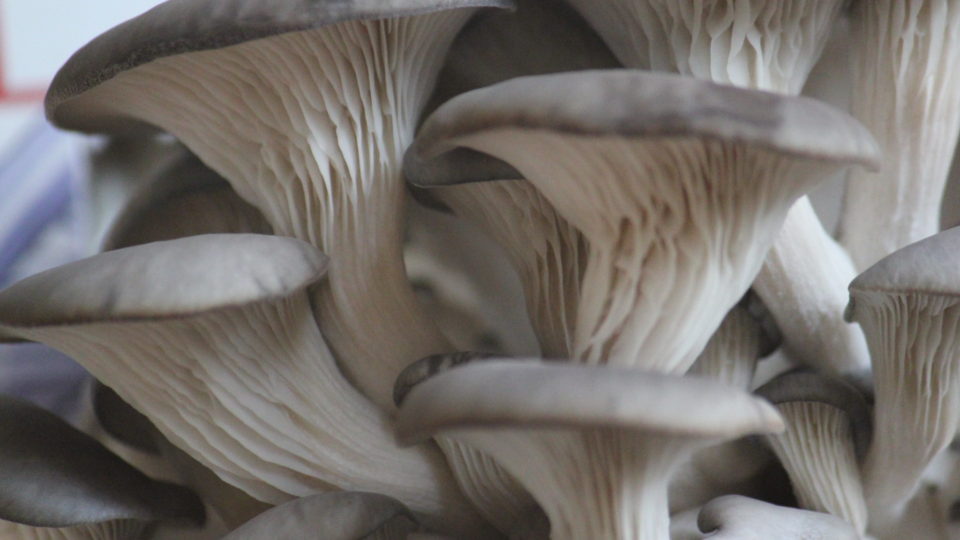
More recently, other studies have identified additional mushroom species that can eat plastic.  Some of them are common, such as the oyster mushroom, which itself is edible.  In 2018, the first ever State of the World’s Fungi symposium took place in London.  The event focused on multiple applications for mushrooms, including their use as building materials, their ability to remove pollutants from soil, and their capacity to enable the conversion of waste into biofuels.

Under controlled conditions, it takes just a few weeks for plastic-eating mushrooms to start breaking down plastics.  After a few months, all that is left are puffy white mushrooms which, even if they are not used for anything themselves, can be composted and turned into soil.

So far, there has been relatively little exploitation of mushrooms for improving the environment, but they may well be a big help in dealing with the growing problem of plastic waste.

**********

Web Links

Scientists discovered a mushroom that eats plastic, and believe it could clean our landfills

Photo, posted August 12, 2014, courtesy of Tim Sheerman-Chase via Flickr.

Earth Wise is a production of WAMC Northeast Public Radio.
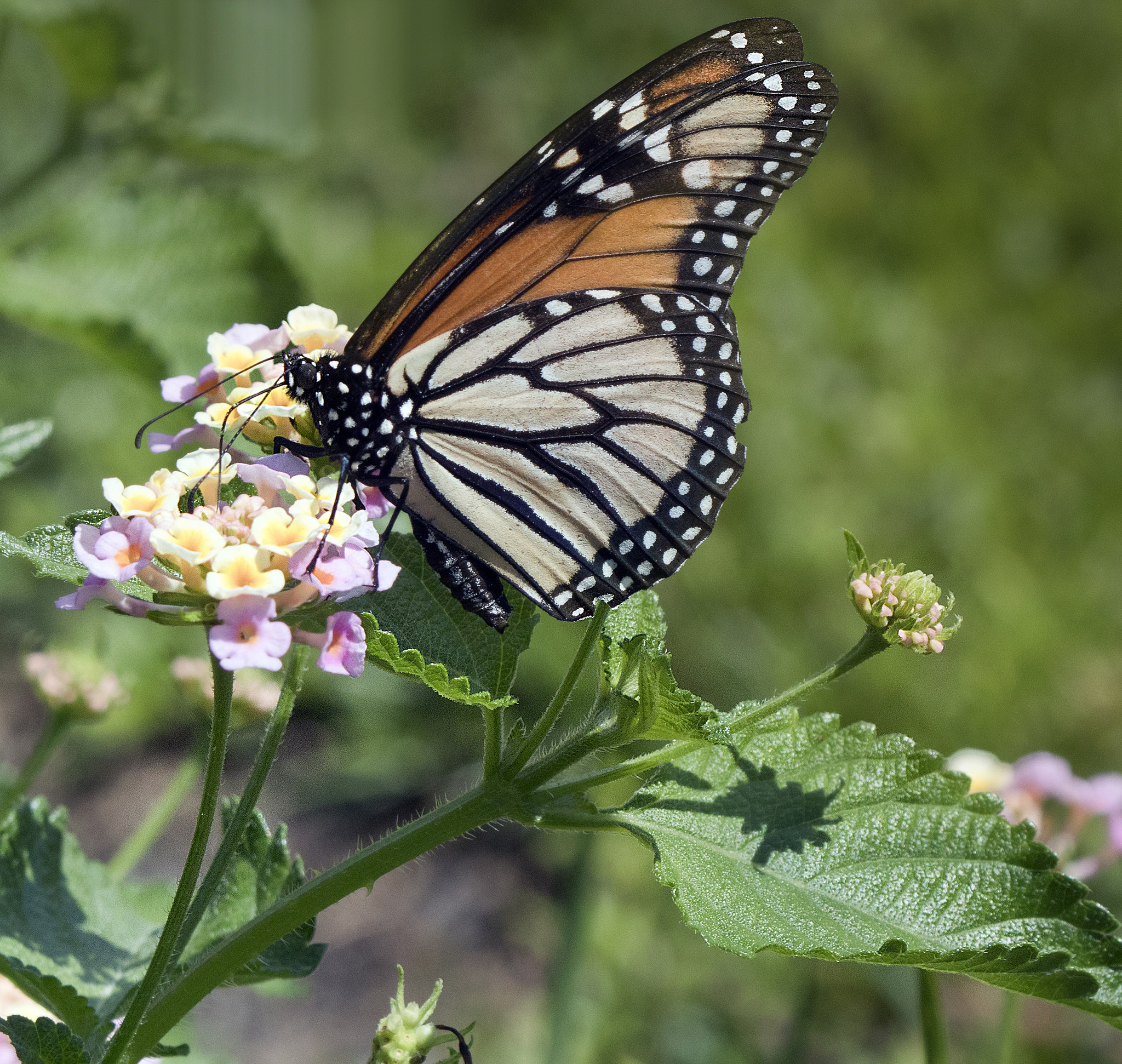
Cities And Monarch Butterflies

August 13, 2019 By EarthWise Leave a Comment

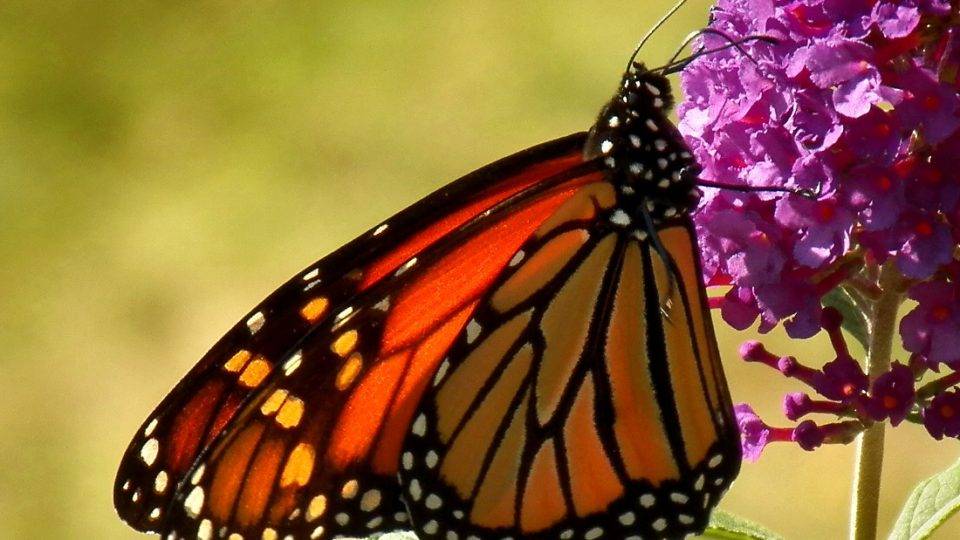
Monarchs are some of the most well-known butterflies in the U.S.   It is well-known that populations of the iconic orange-and-black butterflies have been in a steep decline for the last 20 years.  In fact, the Monarch population has declined by 80% over that period.

Milkweed, the only plant that Monarchs can lay their eggs on, continues to disappear across the United States and with it, the butterflies can disappear too.

Two new studies published in the journal Frontiers of Ecology and Evolution show that one of the most important things that can be done to save the Monarchs is to plant milkweed in cities.

We tend to think of cities as being the enemy of nature.  But metropolitan areas actually matter for wildlife conservation and that is especially true for pollinators like butterflies that can actually survive with very small patches of habitat.

The new study estimates the amount of habitat in cities that is available to Monarchs and other pollinators and how much more can potentially be added.  It looked at cities from the Monarch’s point of view by identifying the best places and most effective ways to engage land owners to transform low-quality green space – such as lawns – into high-quality homes for butterflies and other wildlife.

Just because urban dwellers can plant milkweed doesn’t always mean that they will.  There has to be a public perception that milkweed and other native flowers are acceptable and beautiful elements in home landscaping.  It will require some shifting of societal norms of what is desirable in neighborhood gardens in order for cities to be able to do their part in protecting butterflies and other species struggling in the modern world.

**********

Web Links

Cities are Key to Saving Monarch Butterflies

Photo, posted August 31, 2012, courtesy of Chris via Flickr.

Earth Wise is a production of WAMC Northeast Public Radio.
Keeping Lights On For Turtles

August 8, 2019 By EarthWise Leave a Comment

Gillnets are one of the most common types of fishing gear and are used extensively in most places where people fish for food.  They operate by suspending a wall of netting in the water column.

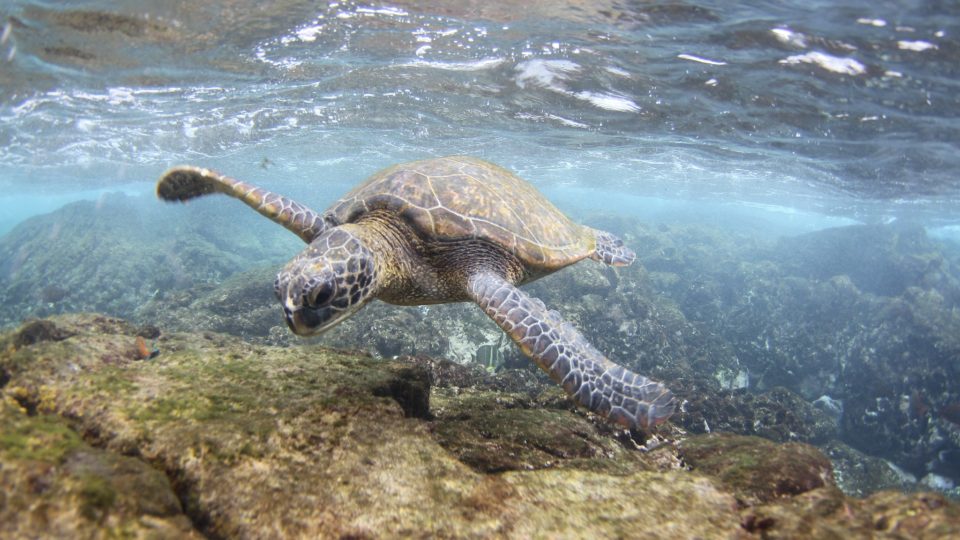
Unfortunately, they are not selective in the species they catch.  Sea turtles are one of the most common bycatch species that become entangled in these nets.  When turtles are caught in gillnets, they can drown and die.  Marine mammals, seabirds, and sharks are also frequently caught in gillnets.

Recently, researchers have been experimenting with illuminating the nets with LED lights to see if increasing net visibility reduces sea turtle bycatch.

Studies in Mexico show green sea turtle bycatch is reduced between 40-60% with no changes in target catch.  Studies in Peru show green sea turtle bycatch is reduced between 65-80% with no changes in target catch.  Studies in Indonesia show green olive ridley, and hawksbill sea turtle bycatch is reduced by 60% with increases in target catch and catch value.

Recent research shows that net illumination also reduces bycatch of other protected species such as seabirds, sharks and rays, as well as dolphins and porpoises.

The use of illuminated gillnets could prove beneficial to both sea turtles and fisherman by reducing the bycatch that can damage fishing gear. 

Studies are now underway off the coast of North Carolina, where state gillnet fisheries are carefully managed to reduce turtle bycatch.  Initial studies show that net illumination does not change target catch rates and may even decrease the bycatch of unwanted fish species.  When it comes to protecting sea turtles, it looks like a good idea to keep the lights on.

**********

Web Links

Illuminated Nets Could Provide A Brighter Future For Sea Turtles

Photo, posted June 2, 2016, courtesy of NOAA via Flickr.

Earth Wise is a production of WAMC Northeast Public Radio.
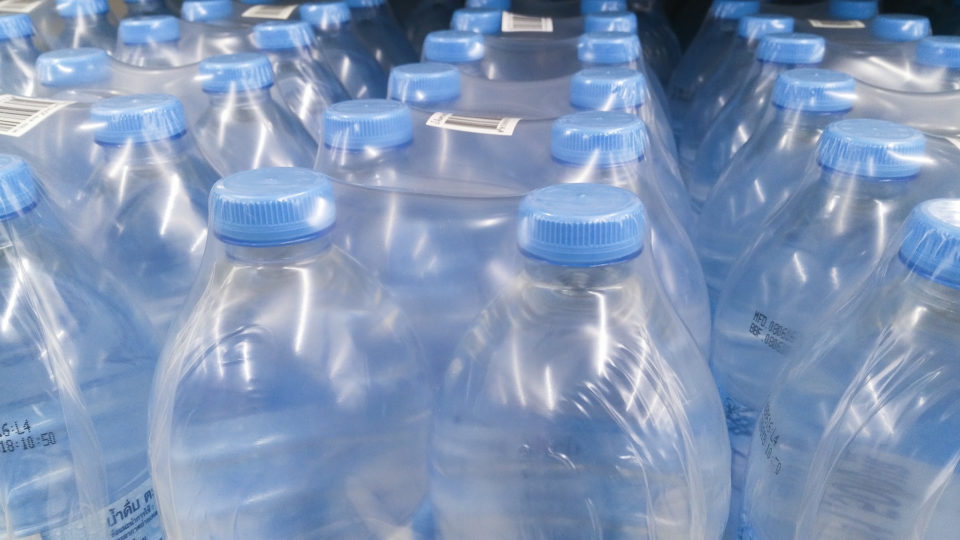
The Microplastic Diet

July 29, 2019 By EarthWise Leave a Comment

According to a new study published in the journal Environmental Science & Technology, Americans consume more than 70,000 microplastic particles every year from the food they eat, the water they drink, and the air they breathe.

While the health impacts of ingesting these tiny particles are largely unknown, there is the potential for the plastic to enter human tissues and cause an immune response or perhaps release toxic chemicals into the body.

The analysis by biologists at the University of Victoria in Canada examined data from 26 previous studies on microplastic contamination.  It found that Americans eat and drink an estimated 39,000 to 52,000 microplastic particles each year, depending on their age and sex.  The numbers jump to 74,000 to 121,000 when inhalation of microplastics is included.

Americans who drink water solely from plastic bottles consume an additional 90,000 particles annually, compared to only 4,000 particles for people who only drink tap water.

The researchers warn that their findings are likely to be drastic underestimates of the problem.  Several major U.S. food groups – including poultry, beef, dairy, grains, and vegetables – have not been studied for their microplastic contamination.  Thus, the estimate of microparticle ingestion is associated with only 15% of an average person’s caloric intake.  Furthermore, there is no assessment currently available for how much plastic might be entering our bodies from food packaging.

The report’s findings suggest that microplastics will continue to be found in the majority if not all items intended for human consumption.  Realistically, the only way to reduce the human consumption of microplastics will be to reduce the production and use of plastics.

**********

Web Links

Americans Consume Tens of Thousands of Microplastic Particles Every Year

Photo, posted June 18, 2016, courtesy of Sirirat Kornsongkaew via Flickr.

Earth Wise is a production of WAMC Northeast Public Radio.

Climate Change Is Not Natural

July 5, 2019 By EarthWise Leave a Comment

It has been the overwhelming consensus of the scientific community for a long time that human activity and other external factors are responsible for the continuing rise in global temperature.  Despite this widespread agreement, there have been those who argue that natural ocean cycles might be influencing global warming over the course of multiple decades.

A new study, published in the Journal of Climate, provides an answer to the question of how much influence natural cycles might have, and that answer is very little to none.

The study looked at observed ocean and land temperature data since 1850 and, apart from human-induced factors such as greenhouse gas concentrations, took into account other occurrences such as volcanic eruptions, solar activity, and air pollution peaks.  The findings demonstrated that slow-acting ocean cycles do not explain the long-term changes in global temperatures.

Based on the study, the researchers can state with confidence that human factors like greenhouse gas emissions and particulate pollution, along with year-to-year changes caused by natural phenomena like volcanic eruptions or El Niño, are sufficient to explain virtually all the long-term changes in temperature.  The idea that the oceans could have been driving the climate either in a colder or warmer direction for multiple decades in the past and therefore will do so in the future is unlikely to be correct.

A number of previous studies have compared flawed observations with flawed modeling results to claim that naturally-occurring ocean cycles have played a large role in global temperatures.  The new study shows that such cycles have little influence on the climate.  Reducing greenhouse gas emissions is really what we need to do.

**********

Web Links

Global temperature change attributable to external factors, confirms new study

Photo, posted November 13, 2007, courtesy of Flickr.

Earth Wise is a production of WAMC Northeast Public Radio.

Mass Timber

June 10, 2019 By EarthWise Leave a Comment

Mass timber is a type of construction typically characterized by the use of large solid wood panels for wall, floor, and roof construction. Large structural panels, posts, and beams glued under pressure or nailed together in layers, with the wood’s grain stacked perpendicular for extra strength – are prized as innovative building materials, superior to concrete and steel in many ways.  Mass timber has pushed the perceived boundaries of wood construction, leading to building heights and spans that traditionally have required concrete, steel or masonry for structural support. The move to mass timber has become something of a construction revolution and many see it as a significant part of a climate change solution. 

The question is just how green is mass timber construction?  How sustainable is it in terms of the forest management, logging, manufacture and transportation of wood products involved?

A number of environmental groups are very skeptical.  There is not yet comprehensive data on the subject.  Only recently have interdisciplinary scientists begun to study the potential climate impacts of the wide use of mass timber.

Despite these questions, the mass timber industry is taking off.  Demand for mass timber posts and beams has led to new sawmills opening in the U.S. Northwest and many new jobs for loggers.

The aesthetics and economics of mass timber are both very attractive compared with conventional large-scale construction materials.  The real unknowns relate to the environmental impact of its widespread use.  If that can take place in a sustainable and environmentally conscientious way, it would be very important in the fight against climate change.  Carbon dioxide emissions from the building industry account for more than a third of global emissions, primarily from the concrete and steel industries.

**********

Web Links

As Mass Timber Takes Off, How Green Is This New Building Material?

Photo, posted March 19, 2018, courtesy of Freres Lumber Co via Flickr.

Earth Wise is a production of WAMC Northeast Public Radio.

City Geometry And Urban Heat Islands

May 16, 2018 By EarthWise Leave a Comment

https://earthwiseradio.org/wp-content/uploads/2018/05/EW-05-16-18-City-Geometry-and-Heat.mp3

More than half of the world’s people now live in cities so understanding climate issues in cities is crucial.  One of the most important city climate effects which has a profound impact on both human health and energy consumption is the Urban Heat Island Effect.

[Read more…] about City Geometry And Urban Heat Islands

New Rules For Ocean Conservation

September 21, 2017 By EarthWise Leave a Comment

https://earthwiseradio.org/wp-content/uploads/2017/08/EW-09-21-17-New-Rules-for-Ocean-Conservation.mp3

In a recent report to a United Nations ocean conference, scientists are warning that new rules are desperately needed to protect marine life in the open seas.  That’s because more than 60% of the ocean has no conservation rules since it’s located outside national jurisdictions.  The open ocean is at risk from climate change, over-fishing, deep sea mining, farm pollution, and plastics pollution. 

[Read more…] about New Rules For Ocean Conservation

The Monarch Highway

August 24, 2017 By EarthWise

https://earthwiseradio.org/wp-content/uploads/2017/08/EW-08-24-17-The-Monarch-Highway.mp3

We have talked about the monarch butterfly on a number of occasions.  The population of these iconic orange and black butterflies in North America has plummeted from 1 billion to 33 million over the past 20 years.  People have undertaken a variety of efforts to try to save the species but now a major project to restore the dwindling habitat of the monarch is underway.

[Read more…] about The Monarch Highway

Satellites And Conservation Science

August 3, 2017 By EarthWise

https://earthwiseradio.org/wp-content/uploads/2017/08/EW-08-03-17-Satellites-and-Conservation-Science.mp3

Satellites orbiting the earth are becoming an increasingly powerful tool for counting and monitoring wildlife populations and to answer a host of other questions about the natural world.

[Read more…] about Satellites And Conservation Science

  • « Go to Previous Page
  • Page 1
  • Page 2

Primary Sidebar

Recent Episodes

  • An uninsurable future
  • Clean energy and jobs
  • Insect declines in remote regions
  • Fossil fuel producing nations ignoring climate goals
  • Trouble for clownfishes

WAMC Northeast Public Radio

WAMC/Northeast Public Radio is a regional public radio network serving parts of seven northeastern states (more...)

Copyright © 2026 ·