rivers

Nitrogen Pollution
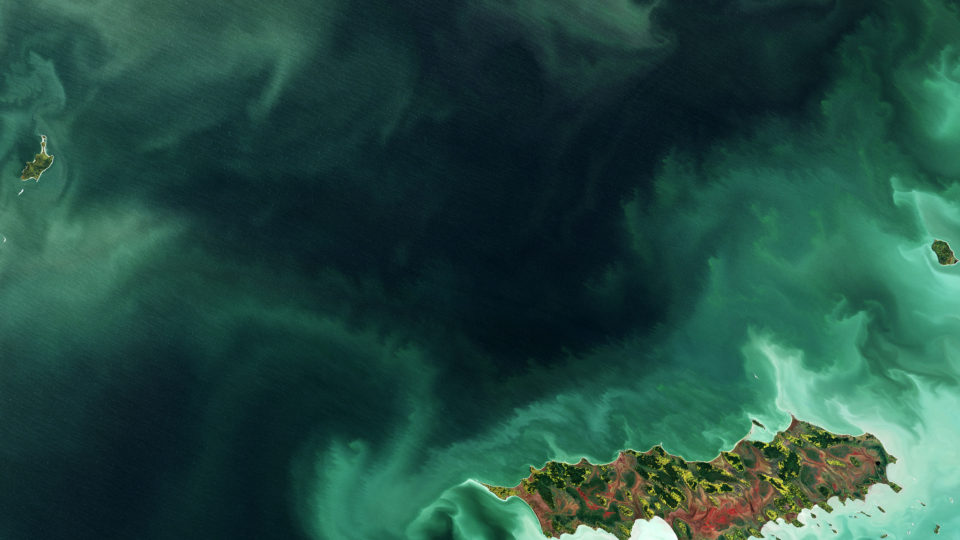
Earth system scientists say that there are four major human-caused forces that threaten to cause irreversible and abrupt environmental upheaval: climate change, deforestation, biodiversity loss, and excess nitrogen.
Pine Barrens Threatened
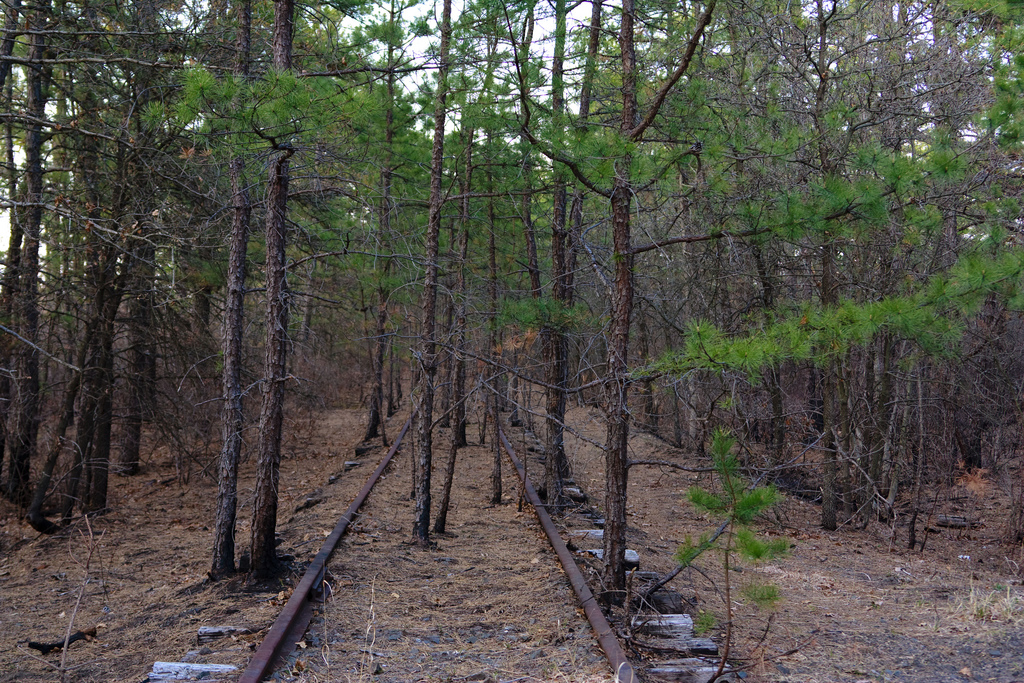
Pine barrens occur throughout the northeastern U.S. from New Jersey to Maine. They are plant communities that occur on dry, acidic, infertile soils dominated by grasses, forbs, low shrubs, and small to medium-sized pines. The Pine Bush Preserve in Albany, New York is one of the larger inland pine barrens in the country.
Restoring Sediment To Save Wetlands
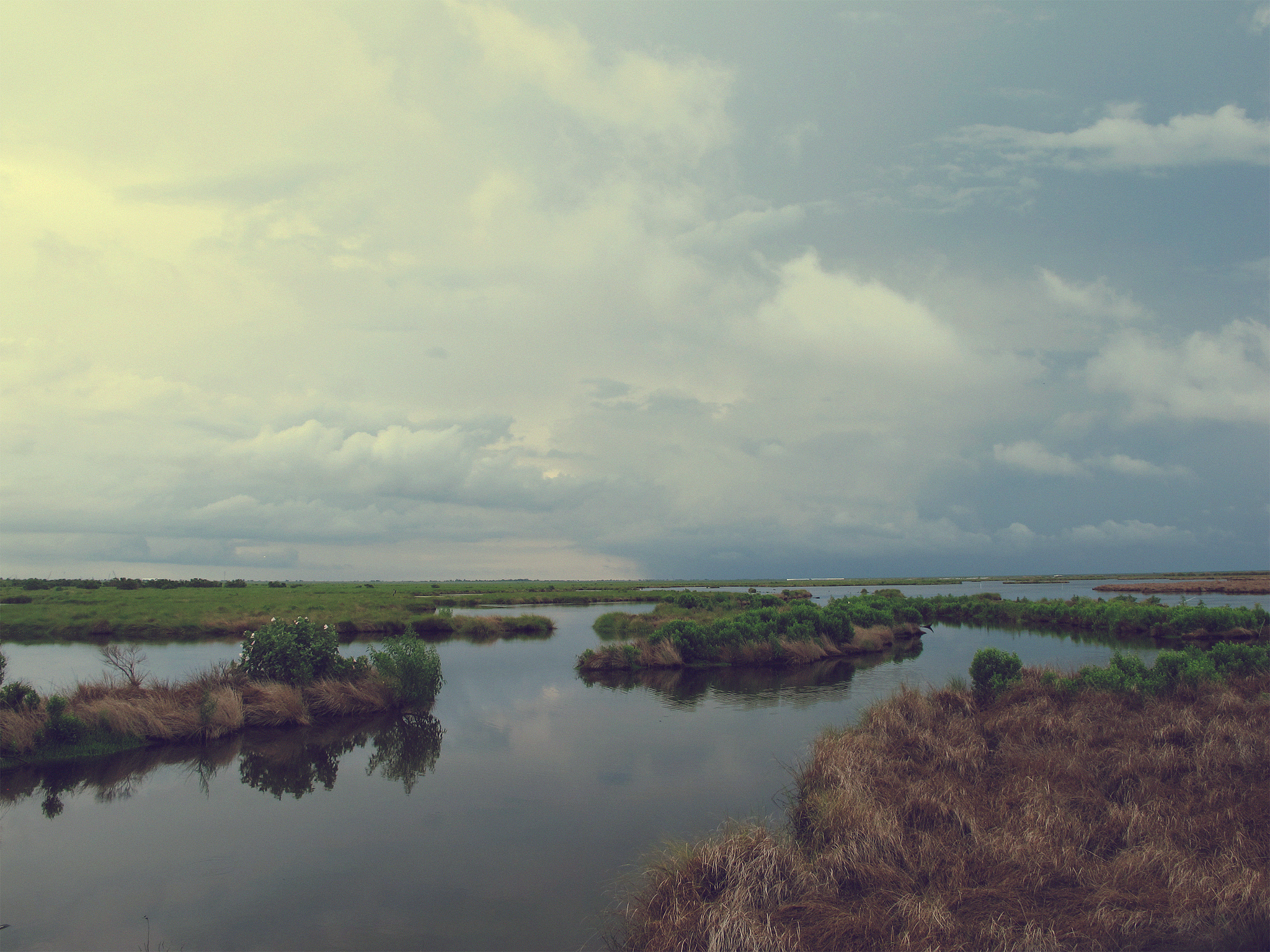
The world’s rivers carry billions of cubic yards of sediment – sand, silt and other material – and transport it to wetlands and coastal areas. Until fairly recently, this was viewed as a negative thing. But that has changed.
Biodegradable Microbeads
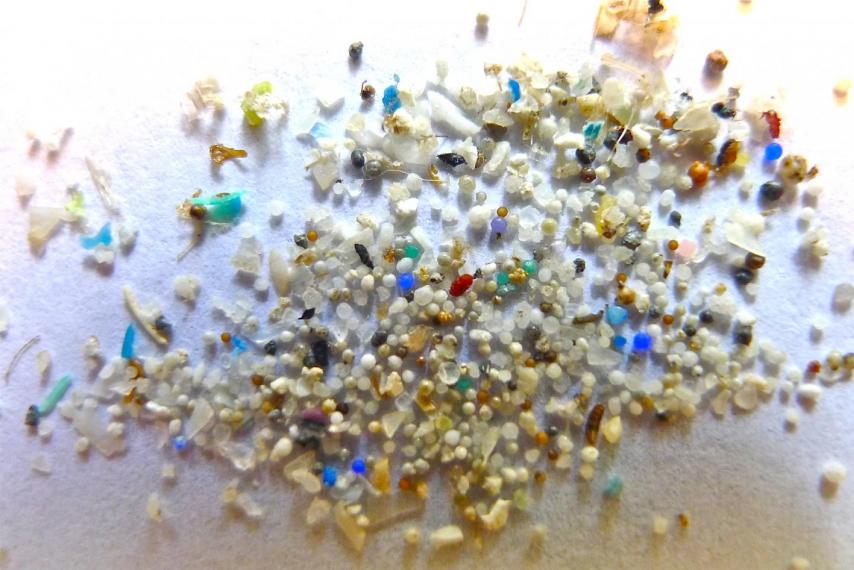
Microbeads are little spheres of plastic less than half a millimeter in diameter that are added to a variety of personal care and cleaning products such as cosmetics, sunscreens and fillers. They give these products a desirable smooth texture. However, they are so small that sewage filtration systems can’t remove them and they end up in rivers and oceans where they are ingested by birds, fish and other marine life.
A Plastics Promise
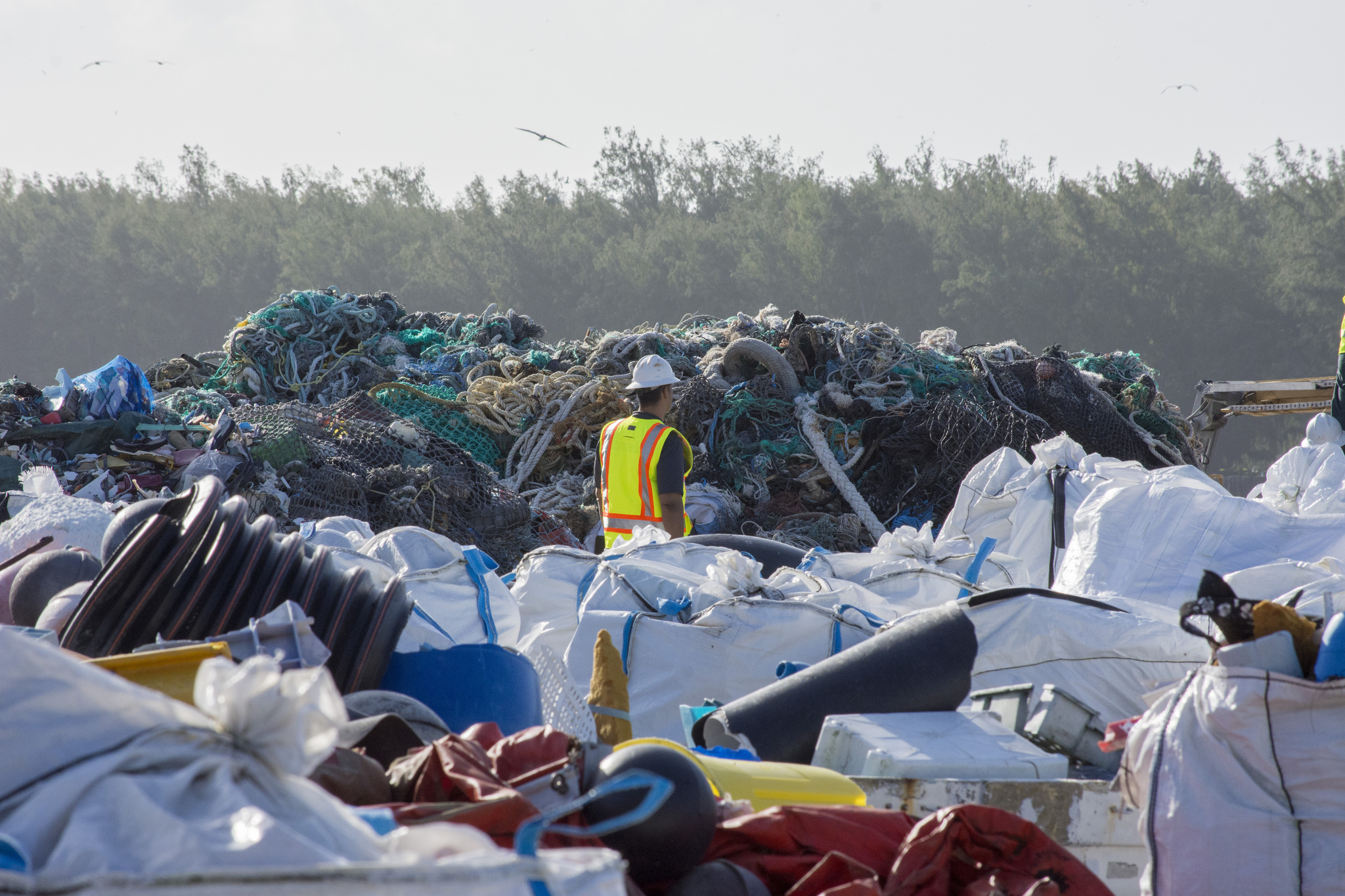
It’s estimated that five to thirteen million tons of plastic enters our oceans annually, where much of it can linger for hundreds of years. According to a report by the World Economic Forum and the Ellen MacArthur Foundation, scientists estimate that there is 165 million tons of plastic swirling about in the oceans right now. And we are on pace to have more plastic than fish (by weight) in the world’s oceans by 2050. That’s some scary stuff.
Whales In The Big Apple
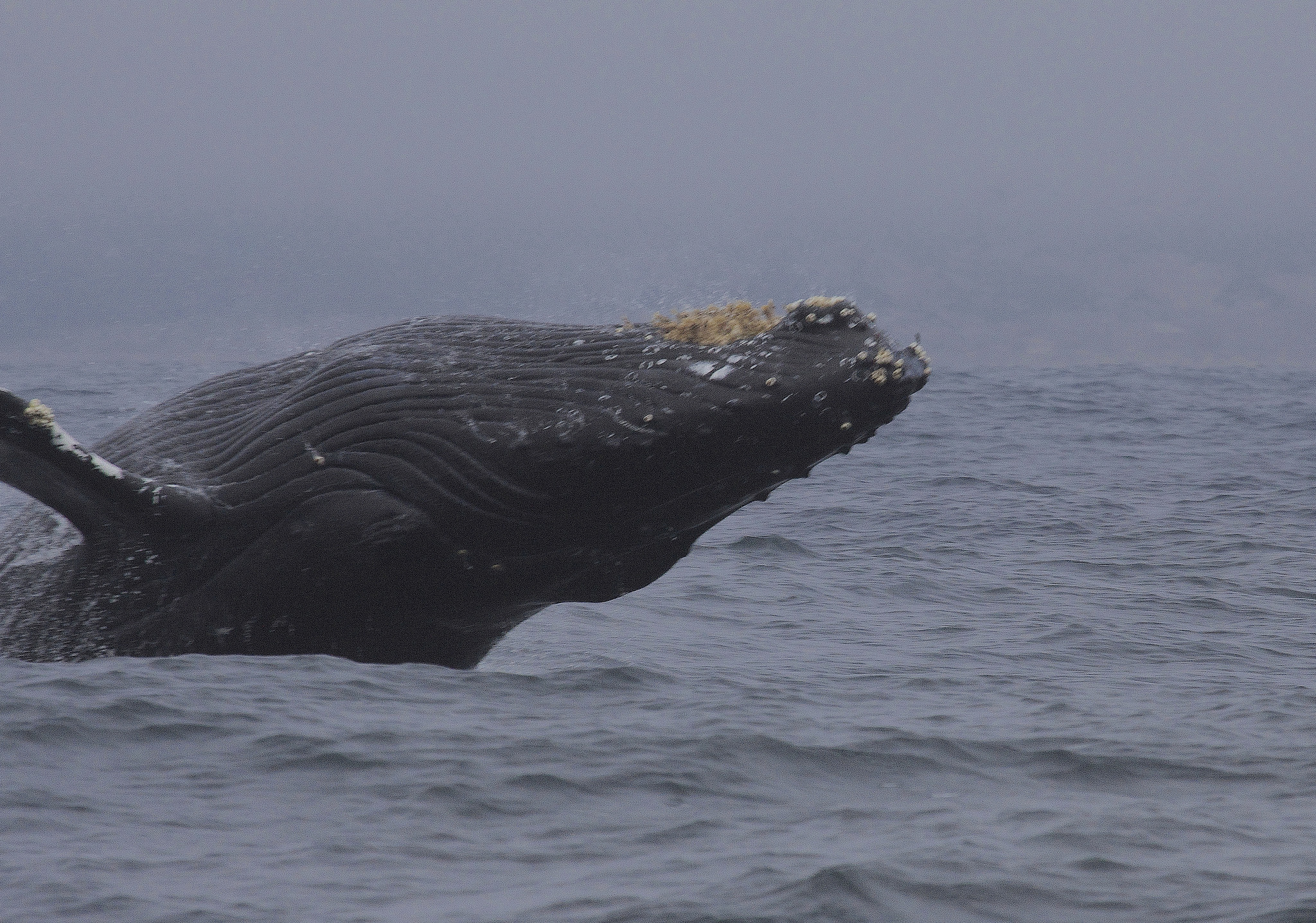
For the first time in a century, humpback whales have returned to the waters of New York harbor. These are not rare sightings, either. The whales are showing up in enough numbers that a company is taking tourists out into the harbor to see whales with a backdrop of Manhattan skyscrapers.
Dams And The Environment
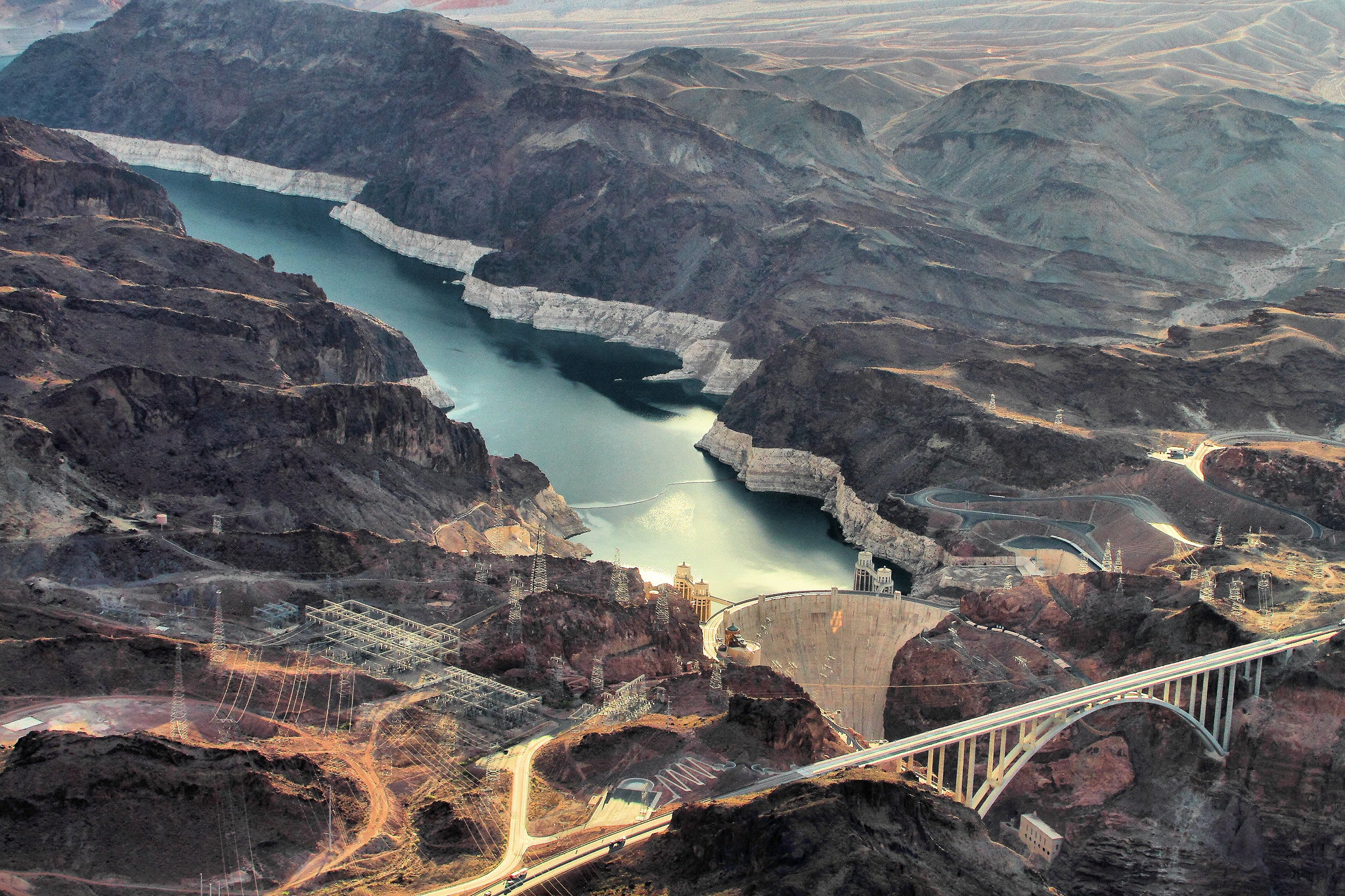
There are an estimated 84,000 dams in the United States which impound 600,000 miles of river, or about 17% of the rivers in the country. Within the next 15 years, more than 90% of the world’s rivers will be fragmented by at least one dam.
Save The Turtles
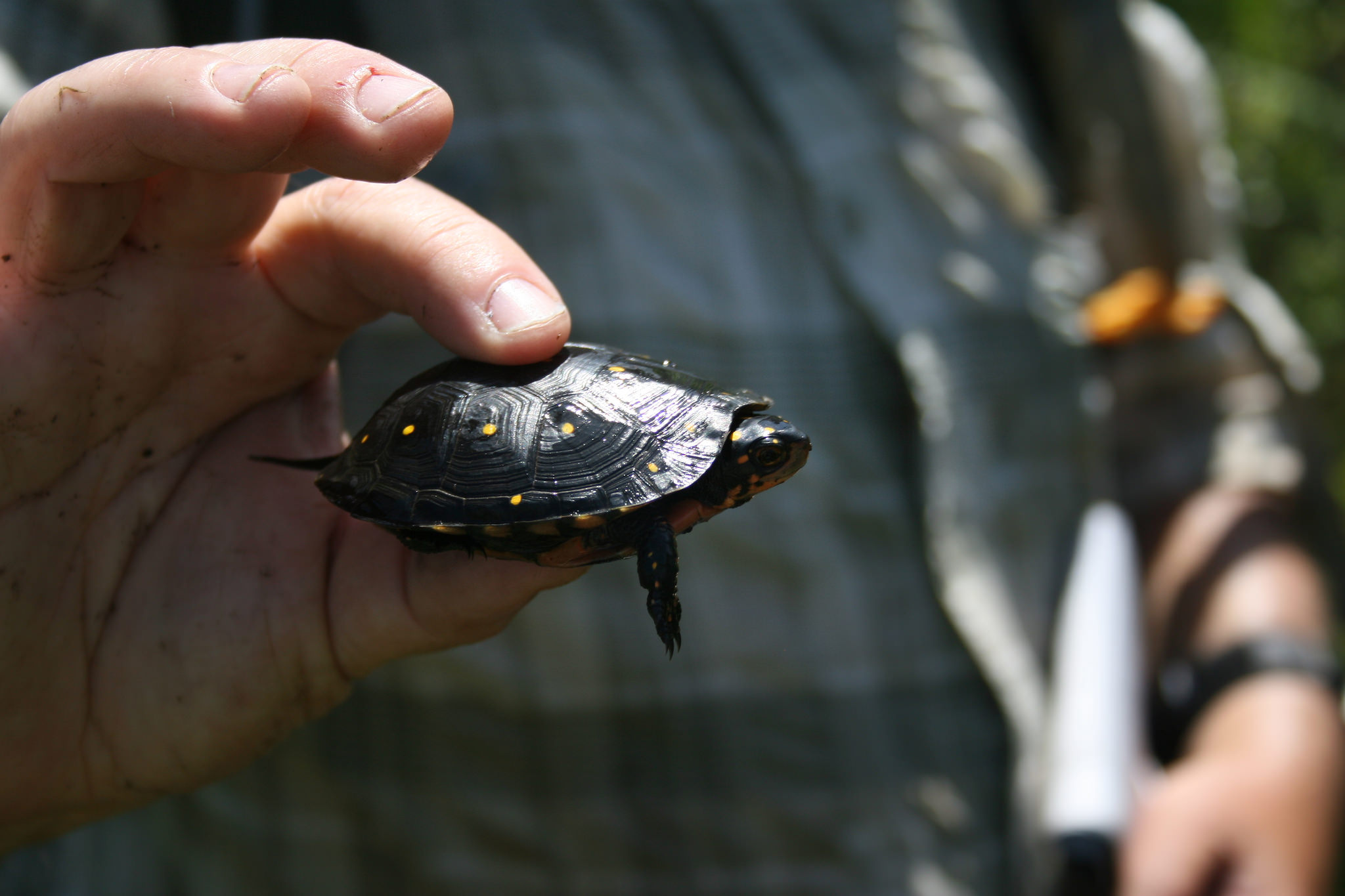
New York is home to 11 native species of land turtles. Many of the species can’t breed until age 10 and then they lay just one small clutch of eggs each year by digging in a suitable patch of sandy soil. As a result, breeding females are at a premium for the welfare of the species. Overall, turtles are on decline in the Empire State.
Less Sulfur In The Soil

Acid rain is rain containing high levels of nitric and sulfuric acids. The main culprit for it is the burning of fossil fuels, particularly coal-burning power plants. The most serious effect of acid rain is the creation of toxicity in lakes, wetlands and other aquatic environments, doing great harm to a wide range of aquatic animals.
Go With The Flow
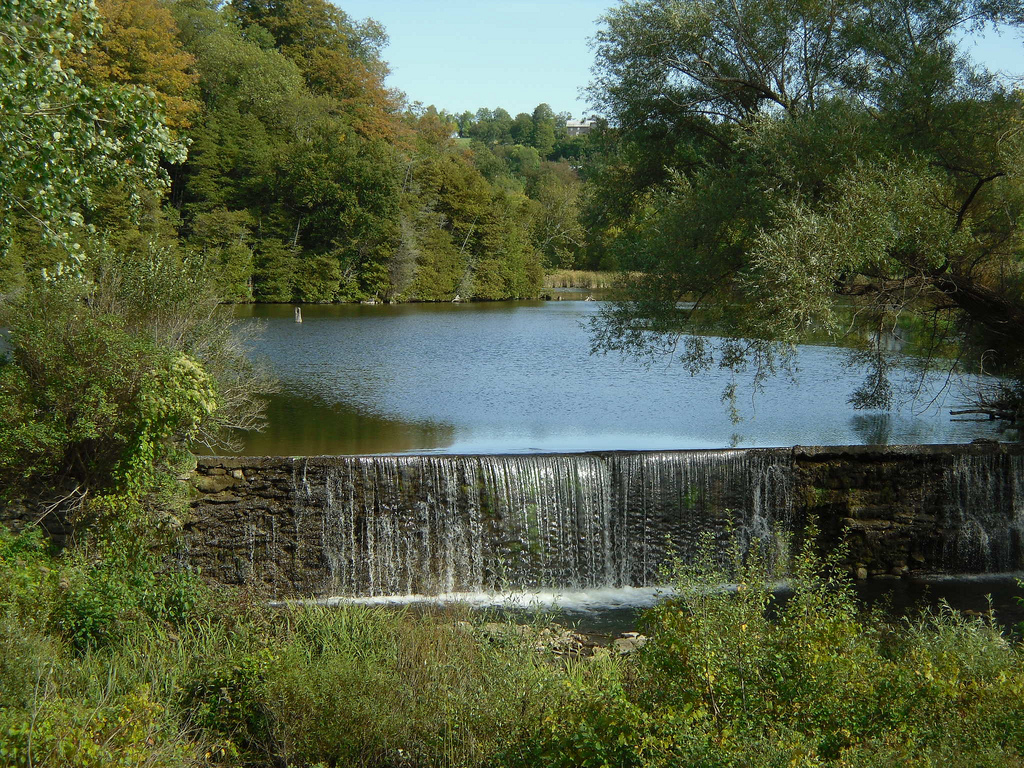
Have you ever wondered what happens when a fish encounters a dam or a culvert? Too often, these structures are barriers to breeding and nursery sites, feeding grounds, and vital genetic mixing. In a warming world, barriers also prevent fish from seeking refuge as stream temperatures change.
Climate Change And The Global Food System

One of the most troubling aspects of global climate change is its potential impact on the production, distribution and quality of food. A report issued at the 2015 Paris Climate Conference focused on identifying climate change impacts on global food security. Food security is the ability of people to obtain and use sufficient amounts of safe and nutritious food. Even without the impact of climate change, food security is a challenge because of increasing population, poverty, and changing eating habits.
[Read more…] about Climate Change And The Global Food System
Microplastics And Salt
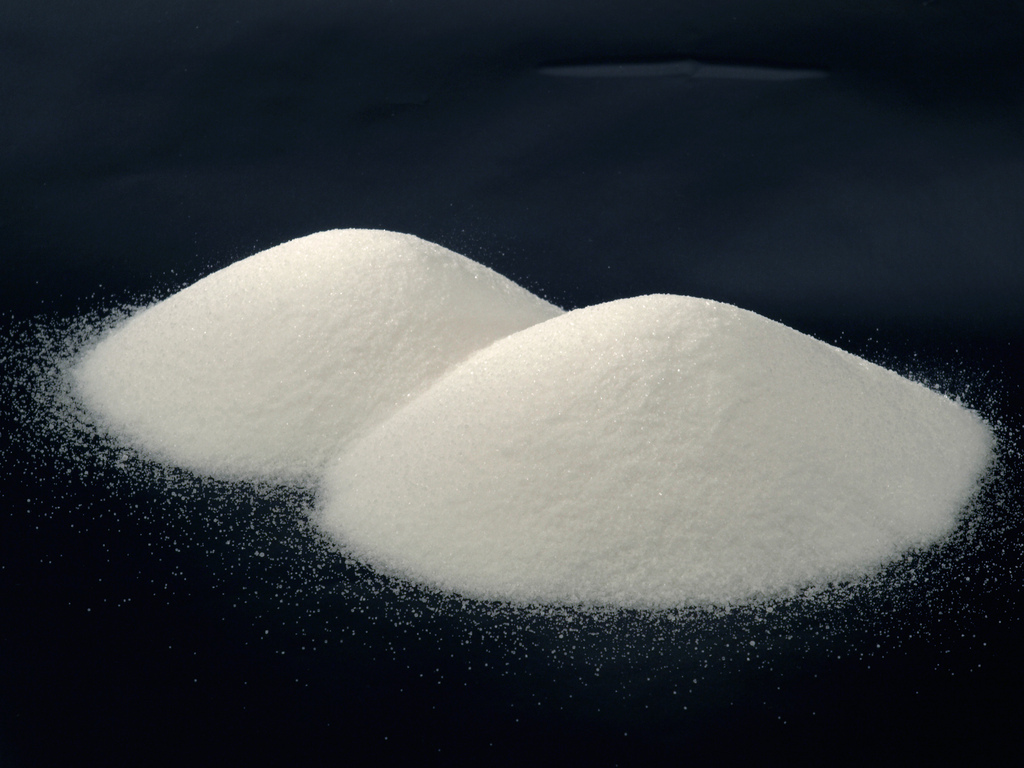
Today, thousands of personal care products – such as facial scrubs, body washes, and toothpastes – are known to contain minuscule balls of plastic called microbeads. When we shower or brush our teeth, these microbeads are washed down the drain and travel undetected through wastewater treatment plants. When they reach their final destination — our lakes, rivers and oceans — they mix with other sources of microplastics, including industrial waste and degraded plastic litter.
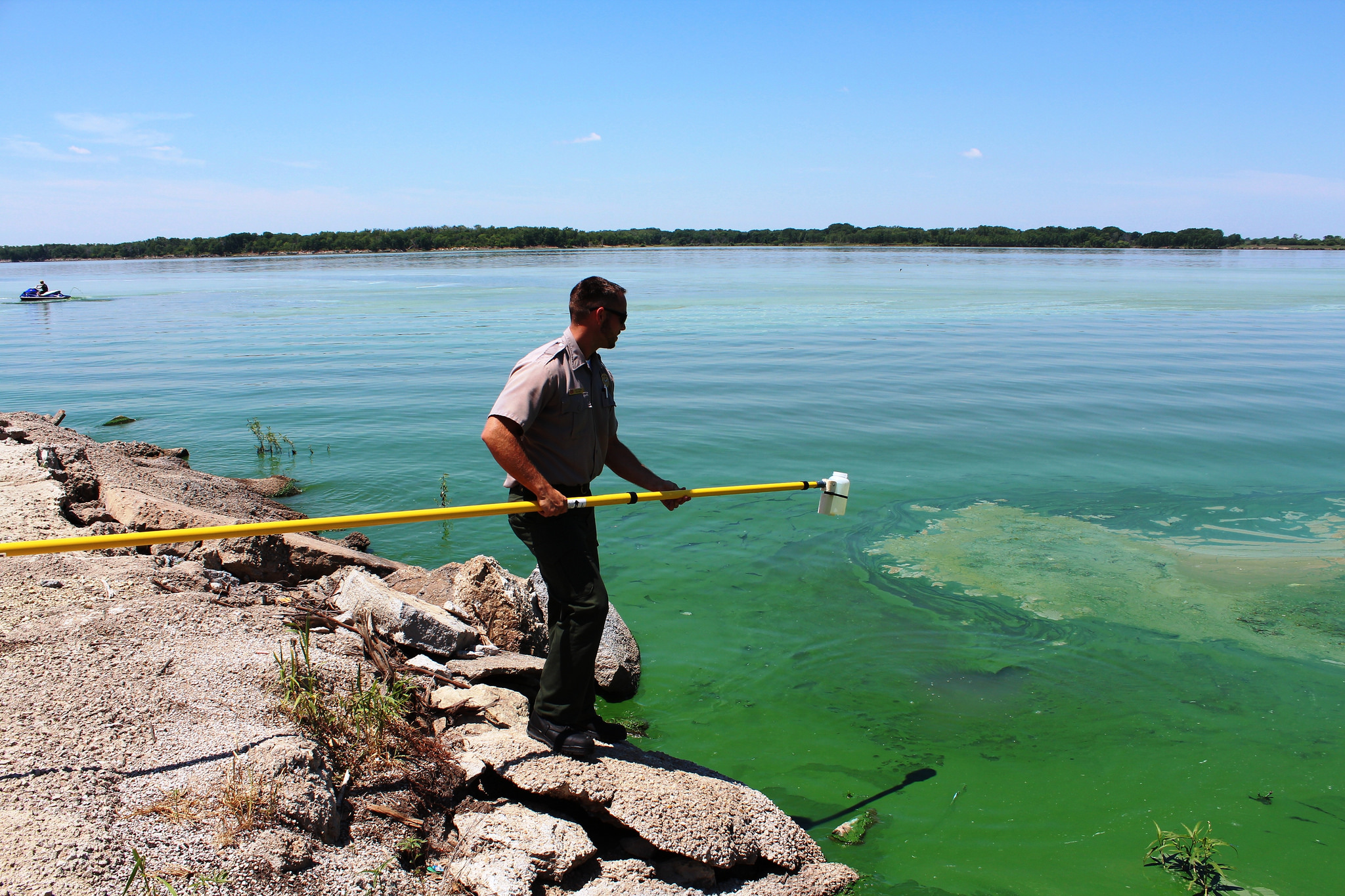
The Expanding Threat Of Algal Blooms