• Skip to primary navigation
  • Skip to main content
  • Skip to primary sidebar

Earth Wise

A look at our changing environment.

  • Home
  • About Earth Wise
  • Where to Listen
  • All Articles
  • Show Search
Hide Search
You are here: Home / Archives for prey

prey

Trouble for psychedelic toads

August 22, 2025 By EarthWise Leave a Comment

Back in the 1960s, it was discovered that secretions from toads native to the Sonoran Desert have psychedelic properties.  The information did not have much impact for over 40 years but about ten years ago, the story started having widespread exposure in U.S. media outlets and there was increasing publicity for the fact that the toad’s dried secretions could be smoked to produce a brief but intense high.

There was also a false narrative spreading around that this so-called toad medicine was part of an ancient practice of indigenous tribes in the Sonoran Desert.  The active agent in the toad secretion is a compound called 5-MeO-DMT and it became an increasingly popular item being sold by self-described shamans, new-age healers, and other underground practitioners. 

5-MeO-DMT is mostly banned as a controlled substance in the U.S., but many Mexican ranchers have been amassing the toads to sell to foreigners to take back home.  Despite the fact that 5-MeO-DMT has been successfully synthesized, the mystique surrounding the toads makes potential users want to use the natural version.

Researchers have found that trapping the toads in Mexico has decimated several populations of the amphibians and has sent others into steep decline. The species currently has no protections in Mexico.  These desert toads play key roles as both predators and prey and as their population declines, there are likely to be some serious ecological problems.  There is already anecdotal evidence that in many places in the desert, crop-eating insect populations have surged in recent years.

**********

Web Links

These Toads Have Psychedelic Powers, but They’d Prefer to Keep It Quiet

Photo, posted December 12, 2017, courtesy of K.S. Black via Flickr.

Earth Wise is a production of WAMC Northeast Public Radio

Saving birds from buildings

July 1, 2025 By EarthWise Leave a Comment

A creative solution to save birds from buildings in Chicago

Researchers estimate that hundreds of millions of birds die hitting buildings every year in the United States.  Striking buildings is believed to be one of the major factors behind the nearly 30% decline in North American bird populations since 1970.

Chicago is one of the most dangerous cities for migrating birds based on its location and its numerous tall, glassy buildings.  Migrating birds that make their homes in forests and grasslands don’t perceive glass as solid and are confused by reflections.

While many Chicago skyscrapers are dangerous for birds, the Lakeside Center at McCormick Place is infamous for the fact that it claimed the lives of nearly a thousand birds on a single day in October 2023.

There are various strategies for reducing bird strikes.  Over decades, McCormick Place management has tried erecting strips of netting, broadcasting calls of birds of prey, and putting up silhouettes of them.  They commissioned a nine-acre park of native prairie and woodlands on the roof of a parking deck.  None of these things made a major difference.

Last summer, the building installed a pattern of dots over the surface of the building’s windows.  The dots are only a couple of inches apart, so even tiny hummingbirds don’t try to dart through.  The window treatment cost $1.2 million paid for by the state of Illinois.  People in the building scarcely notice the dots.  Their views of the city and lake are unimpaired.

The results are nothing short of remarkable.  During last fall’s migration, bird deaths were down by about 95% compared with the two previous autumns.  This spring’s migration has been with implications for glassy structures far beyond Chicago.

**********

Web Links

An Illinois Building Was a Bird Killer. A Simple Change Made a World of Difference.

Photo, posted May 19, 2023, courtesy of Warren LeMay via Flickr.

Earth Wise is a production of WAMC Northeast Public Radio

Amphibians and climate change

April 7, 2025 By EarthWise Leave a Comment

Amphibians are a group of vertebrate animals that include frogs, toads, and salamanders. They are unique for their ability to live both in water and on land during different stages of life. Amphibians play a crucial role in ecosystems, often serving as both predators and prey in food webs.

Amphibians are the world’s most at-risk vertebrates, with more than 40% of species listed as threatened.  They are cold-blooded creatures and rely on external sources to regulate their body temperature.  But needing to regulate their body heat this way makes amphibians particularly vulnerable to temperature change in their habitats. 

Researchers from the University of New South Wales in Australia can now predict the heat tolerance of 60% of the world’s amphibian species.  This new tool will allow scientists to better identify which amphibian species and habitats will be most impacted by climate change.  

The study’s landmark findings, which were recently published in the journal Nature, found that 2% of amphibian species are already exposed to overheating in shaded terrestrial conditions.  According to the research team, a 4°C global temperature increase could push 7.5% of amphibian species beyond their physiological limits. 

Local amphibian extinctions can trigger ecological repercussions, including reshuffling community compositions, eroding genetic diversity, and impacting the food chain and overall ecosystem health.

The researchers highlight the importance of vegetation and water bodies in protecting amphibians during heat waves, and emphasize the need to provide adequate water and shade during future conservation efforts. 

**********

Web Links

The pot is already boiling for 2% of the world’s amphibians: new study

Photo, posted October 8, 2011, courtesy of Dave Huth via Flickr.

Earth Wise is a production of WAMC Northeast Public Radio

Deer vs. caribou

June 13, 2024 By EarthWise Leave a Comment

White-tailed deer expansion bad news for caribou

The combination of a warming climate and human disruption of traditional habitats has been causing changes in the ranges of many animal species.  Over the past century, white-tailed deer have greatly expanded their range in North America.  Researchers from a group of Canadian institutions have been investigating the expansion of the deer in the boreal forest of Western Canada.  A five-year study used 300 wildlife cameras throughout the region to track the activities of large mammals.

Climate change has created milder winters and habitat alteration from forestry and energy exploration have created new food sources for deer. 

The expansion of deer in the forest has not been a good thing for the woodland caribou. The species was designated as threatened in 2002.  As of 2011, only 34,000 remained in the region.  Deer are ecosystem disruptors, in this case disrupting existing predator-prey dynamics.  Areas with more deer typically have more wolves and wolves are predators of caribou.  Deer can handle high predation rates, but the already threatened caribou cannot.

Understanding the relative roles of climate and human land use is essential in efforts to recover caribou populations.  It is complicated because further north, the climate becomes harsher and human land use decreases.  The debate over the relative effect of climate or habitat change is one of the most pressing issues facing ecologists globally as they pursue efforts for ecosystem restoration.

In any case, winter severity is expected to decline as climate change progresses.  Therefore, deer are expected to keep expanding northward and increasing in abundance, which means increasing risk to caribou.

**********

Web Links

Deer are expanding north, and that’s not good for caribou

Photo, posted January 12, 2016, courtesy of Gerry via Flickr.

Earth Wise is a production of WAMC Northeast Public Radio
Spiders And Pest Control | Earth Wise

April 5, 2023 By EarthWise Leave a Comment

Using spiders as pest control in agriculture

Climate change facilitates the spread of invasive pest species by expanding their habitable environment ranges.  In conventional agriculture, farmers depend on chemical pesticides to control agricultural pests.  But 99% of all synthetic chemicals, including pesticides, are made from fossil fuels, and turning petrochemicals into pesticides requires massive amounts of energy.  These chemical pesticides also pollute the air and water, and destroy biodiversity by killing many non-target species as well.  

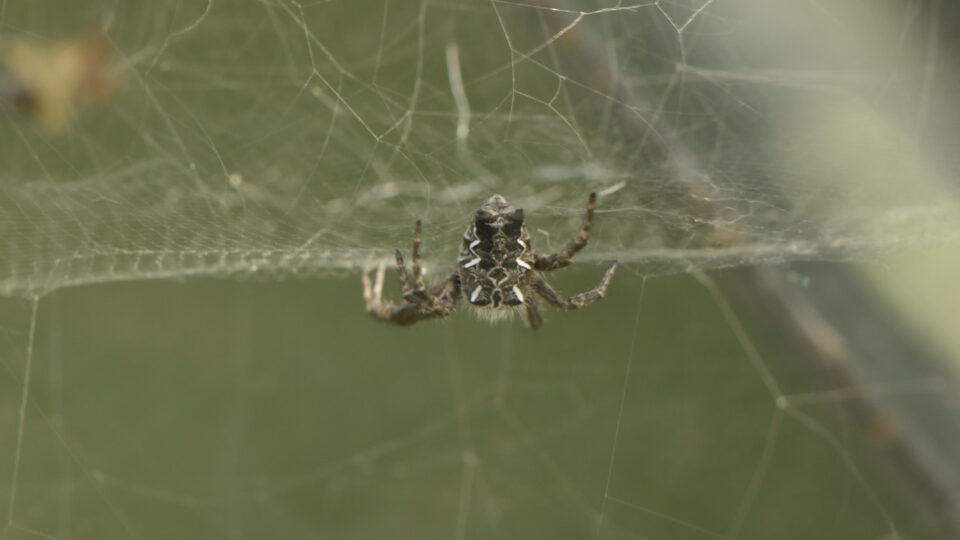
According to new research led by scientists from the University of Portsmouth in the U.K., groups of spiders could be used as an environmentally-friendly way to protect crops against agricultural pests.  The study, which was recently published in the journal Insects, suggests that web-building groups of spiders can be used to control populations of the tomato leafminer moth, a devastating pest of commercially important crops like tomatoes and potatoes.

The research team explored the use of tropical tent spiders for this pest control.  They are found in colonies around the world, and their range overlaps with regions of moth infestations, including Mediterranean Europe, Africa, Asia, and the Middle East.

In lab settings, different types of prey were introduced to colonies of spiders of varying body sizes.  The research team found that the larger spiders built larger webs and caught more prey, including tomato leafminer moths and fruit flies.   

Tropical tent spiders could be an effective and climate-friendly way to control flying insect pests.  However, more research is needed to ensure that these spiders don’t negatively impact crop pollination by also catching pollinators.

**********

Web Links

Using spiders as environmentally-friendly pest control

Photo, posted June 10, 2018, courtesy of Lies Van Rompaey via Flickr.

Earth Wise is a production of WAMC Northeast Public Radio

Some Good News For The Great Barrier Reef | Earth Wise

September 5, 2022 By EarthWise Leave a Comment

It seems like there has been nothing but dire news from Australia’s Great Barrier Reef.  Earlier this year, there was yet another mass bleaching event – the fourth in seven years and the first ever to strike during a cooler La Niña phase in the Pacific.  But this bleaching event was less severe than other recent ones, which makes it possible for parts of the reef to bounce back.

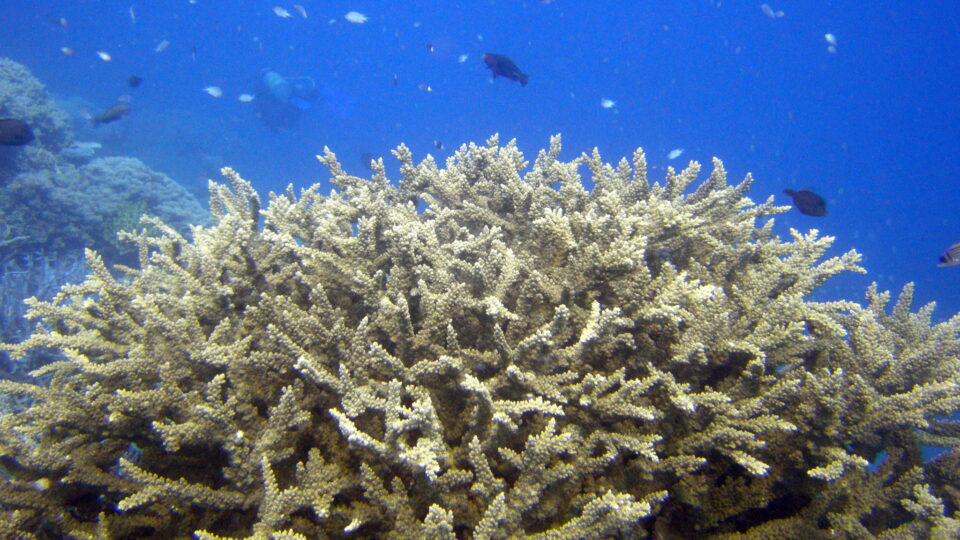
In particular, in the northern and central stretches of the reef, scientists have recorded the most extensive coral cover seen in 36 years of study.  In areas where coral cover has expanded, it is mostly fast-growing Acropora corals driving the growth.  That isn’t the best outcome, given that Acropora are particularly vulnerable to strong waves, highly susceptible to bleaching, and are the preferred target of crown-of-thorns starfish.

Those creatures are a major problem for the Great Barrier Reef.  In contrast to the upper stretches of the reef, the southern third actually saw coral cover drop from 38 to 34 percent over the course of the past year.  Scientists blame the decline on an outbreak of crown-of-thorns starfish, which prey on corals.  The starfish grow faster and eat more in warmer, more acidic waters.   Carbon emissions are both raising ocean temperatures and turning waters more acidic.

The large increases in hard coral cover in the reef are certainly good news, but it is important to understand that they can be quickly negated by disturbance on reefs where Acropora corals predominate.  Warming temperatures and mass bleaching events continue to pose a critical threat to all reefs, especially when there are crown-of-thorns starfish outbreaks and increasing frequency of tropical cyclones.

**********

Web Links

Parts of Great Barrier Reef See Most Extensive Coral Cover In 36 Years

Photo, posted July 15, 2019, courtesy of Kenneth Lu via Flickr.

Earth Wise is a production of WAMC Northeast Public Radio.

Marine Predation And Climate Change | Earth Wise

July 11, 2022 By EarthWise Leave a Comment

Climate change is taking a toll on forests, farms, freshwater resources, and economies all around the world.  But ocean ecosystems remain the center of global warming.

Despite their vast ability to absorb heat and carbon dioxide, oceans are warming.  In fact, according to scientists, the oceans have absorbed 90% of all the warming that has occurred during the past 50 years. 

The ocean’s surface layer, which is home to most marine life, takes most of this heat.  As a result, the top 2,300 feet of global ocean water has warmed approximately 1.5°F since 1901.

Well it turns out that a hotter ocean is also a hungrier ocean.  According to a new study recently published in the journal Science, researchers discovered that predator impacts in the Atlantic and Pacific oceans peak at higher temperatures.  The effects of more intense marine predation could disrupt ecosystem balances that have existed for millennia. 

An international research team led by the Smithsonian Institution and Temple University analyzed predator and prey data collected from 36 sites, running along the Atlantic and Pacific coasts from Alaska in the north to Tierra de Fuego at the tip of South America.  The research team found that, in warmer waters, predators’ more voracious appetites left outsized marks on the prey community.  Total prey biomass plunged in warmer waters when prey were left unprotected.  However, in the coldest zones, leaving prey exposed or protected made nearly no difference at all.  

As the oceans continue to warm, more intense predation will create winners and losers and could jeopardize the overall health of marine ecosystems.  

***********

Web Links

As the ocean heats up hungrier predators take control

Photo, posted July 14, 2017, courtesy of Jonathan Chen via Flickr.

Earth Wise is a production of WAMC Northeast Public Radio.

Global Light Pollution

October 14, 2021 By EarthWise 1 Comment

Light pollution increasing globally

Light pollution is excessive or obtrusive artificial light. It’s a consequence of industrial civilization.  Too much artificial light can cause a host of problems, including disrupting ecosystems, causing adverse health effects, and wasting energy. 

According to a new study led by researchers from the University of Exeter in the U.K., global light pollution has increased by at least 49% over 25 years.  But this figure only includes light visible via satellites.  Scientists estimate that the true increase may be significantly higher – up to 270% more globally. 

That’s because there is a hidden impact of LED technology that isn’t accounted for in the satellite data. LEDs emit more blue light than previous lighting technologies, but satellite sensors fail to pick up this blue light.   This leads to a large underestimate of global light pollution.

The researchers examined light pollution from 1992 to 2017.  They found persistently increasing light pollution in Asia, South America, Oceania and Africa.  In Europe, detected light increased until around 2010, after which it leveled off.  In North America, artificial light appears to be on the decline.  However, the researchers point out that the satellites inability to detect blue light of LEDs means that light pollution has likely actually increased in most locations.

Light pollution has widespread impacts on both animals and plants.  For example, light pollution can confuse the migratory patterns of animals and change predator-prey relationships.   It’s also been shown to cause trees to bud earlier in spring.      

While there’s no off switch for the planet, there are ways that we could reduce the amount of light drastically with little impact on our lives. 

**********

Web Links

Rapid increase in global light pollution

Photo, posted November 2, 2008, courtesy of Timothy Tsui via Flickr.

XXXXXXXXXXXXXXXXXX

Coral Reefs And Fish Survival | Earth Wise

August 25, 2021 By EarthWise Leave a Comment

The warming and acidifying oceans threaten corals, fish, and livelihoods

The precarious state of the world’s coral reefs has been a highly visible subject for a decade or more.  Mostly what we hear about is the loss of some of the most beautiful sights on the planet. But there is far more at stake than scenic wonders.

The warming and acidifying of ocean waters are causing corals to increasingly bleach and often die.  Corals provide a unique food source for some species of fish and a three-dimensional habitat for many others.  The fish that depend on corals are often prey for fish that don’t depend directly on corals and so on up the food chain.

What happens to fish when coral reefs disappear?  The fish species that feed on corals will starve while others will seek alternative rocky habitats.

A new study by the University of Helsinki uses statistical methods to predict how fish diversity will respond to declines in coral diversity. It concludes that a future coral loss might cause a 40% reduction in reef fish diversity globally.  This is more than a loss of colorful sights for snorkelers; reef fishes provide essential protein for millions of people around the world.

The estimate of potential loss of fish species greatly exceeds the number of species known to depend directly or even indirectly on coral.  The implication is that coral reef food webs will begin to unravel if corals go extinct.  This unraveling is expected to be worse in some places than others.  The Central Pacific, for example, could lose 60% of its reef fish.

For both snorkelers and for the millions who depend upon reef fishes for food, the need for greater efforts to conserve and restore coral reefs is apparent.

**********

Web Links

A fu­ture ocean that is too warm for cor­als might have half as many fish spe­cies

Photo, posted September 27, 2009, courtesy of Matt Kieffer via Flickr.

Earth Wise is a production of WAMC Northeast Public Radio.

Assisting Evolution | Earth Wise

March 11, 2021 By EarthWise Leave a Comment

As the climate changes, choosing what species to protect is becoming more difficult

As plants and animals around the world grapple with climate change, invasive species, disease, and other threats, conservationists grapple with the issue of what it means to protect what is natural and how far to go to prevent extinctions.

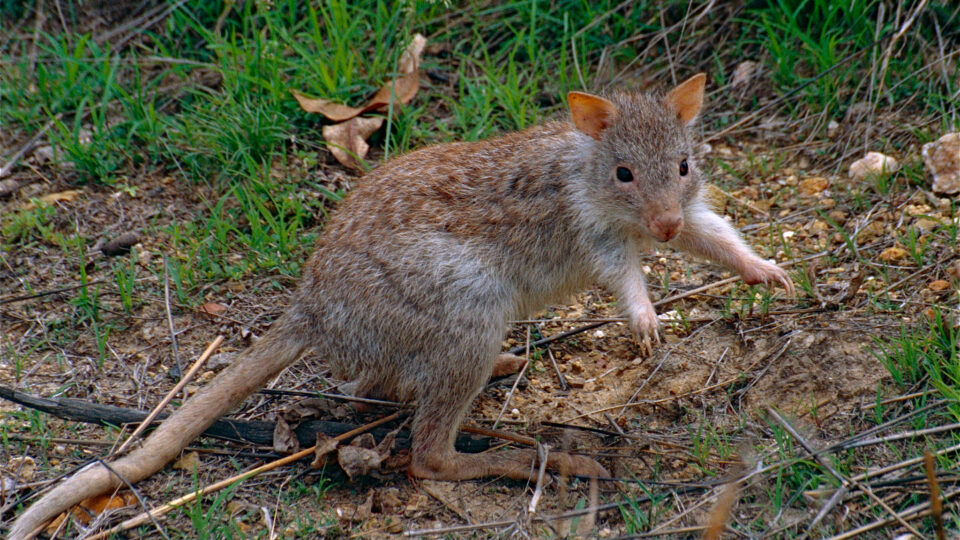
Australia is where many of these issues have risen to the forefront.  Imported mammals – particularly cats and foxes – have decimated many of Australia’s indigenous marsupials.  Much of the focus for decades has been on killing off the invaders and cordoning off protected animals.  In recent years, however, there have been efforts to expose prey animals to limited numbers of predators to develop prey populations that are better equipped to survive among predators.  Getting rid of all the predators is not realistic.  Saving species may require helping them to adapt.

On the Great Barrier Reef, where half its coral populations have perished because of rising water temperatures, scientists are breeding corals that are more heat tolerant.  They are even considering the use of gene editing technology to “assist evolution” in developing corals that can survive in a changing world.

At SUNY College of Environmental Science and Forestry in Syracuse, New York, researchers have produced a genetically modified American chestnut tree that is resistant to chestnut blight, the fungal pathogen that killed off nearly every chestnut tree in North America in the early 20th century.

The idea of conservation is to protect what is natural in our world.  However, at a time when there are unprecedented threats to so many species, the distinction between what is natural and what is artificial may no longer provide a sound guide to what should be done to protect life on earth.

**********

Web Links

Assisting Evolution: How Far Should We Go to Help Species Adapt?

Photo, posted November, 2000, courtesy of Bernard Dupont via Flickr.

Earth Wise is a production of WAMC Northeast Public Radio.

Global Decline In Wildlife | Earth Wise

October 14, 2020 By EarthWise Leave a Comment

global wildlife declining rapidly

According to a new report released by the World Wildlife Fund, global populations of mammals, birds, amphibians, reptiles, and fish have declined by 68% in less than half a century. 

The report presents a comprehensive overview of the state of the natural world based on the tracking of almost 21,000 populations of more than 4,000 vertebrate species between 1970 and 2016. 

The report shows that the main cause of the dramatic decline in species populations on land is habitat loss and degradation, which includes deforestation driven by food production.  Additional factors include land-use change and the use and trade of wildlife.

Wildlife populations found in freshwater habitats have suffered a decline of 84%, which is the steepest decline in any biome.

Insect populations have declined rapidly in many places, but most of the information about insects comes from a small number of countries in the northern hemisphere.  There is very little information from large parts of the world, such as Africa, South America, and Asia, where land-use change and agricultural expansion are happening fast.  What happens to insects matters a lot to humanity.  Insects play central roles in the world’s ecosystems as waste processors, pollinators, predators, and prey. 

The report is clear evidence of the damage human activity is doing to the natural world.  Threats to the integrity of ecosystems endanger humans and all of nature.  This is especially apparent in the midst of a global pandemic.  It is now more important than ever to take coordinated global action to halt and reverse the loss of biodiversity and wildlife populations across the globe.

**********

Web Links

Living Planet Report reveals 68% decline in global wildlife populations since 1970

Photo, posted May 7, 2020, courtesy of Bernard Spragg via Flickr.

Earth Wise is a production of WAMC Northeast Public Radio.

Sharks On The Decline | Earth Wise

September 4, 2020 By EarthWise Leave a Comment

shark populations declining

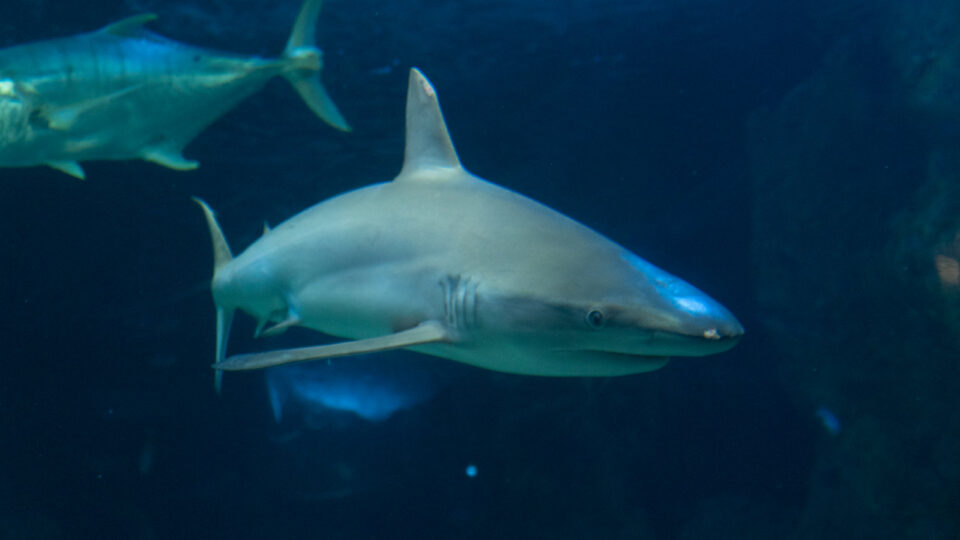
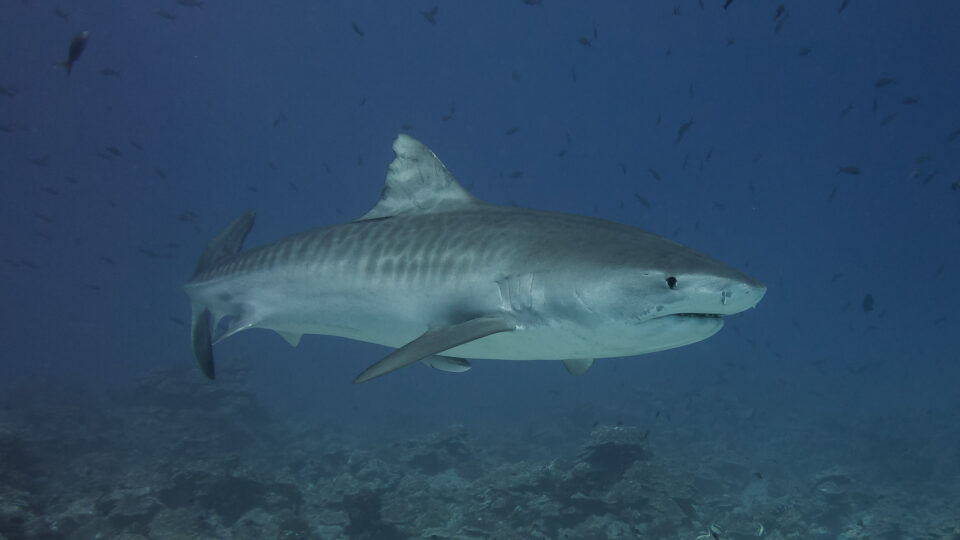
During the past 70 years, global shark populations have been on the decline.   Many species have become threatened or endangered.  Conservation efforts have been underway in many places, but shark populations continue to be at risk because of over-fishing and habitat loss.

A comprehensive study by marine biologists at Texas A&M University deployed more than 15,000 baited remote underwater video stations on 371 coral reefs in 58 countries.   The study included 59 different shark species in the Atlantic, Pacific and Indian Oceans.  The researchers were surprised to find that no sharks at all were detected in almost 20% of the locations surveyed and were almost completely absent from coral reefs in several nations. 

Scientists believe that demand for shark products, such as fins and meat, and bycatch (that is, sharks captured in nets by fisherman trapping other kinds of fish) are strong contributors to the widespread declines in shark numbers around the world.

The study shows that if corrective steps are not taken in regions where marine management is still ineffective, continued depletion of shark populations is highly likely. 

Sharks have important roles in marine ecosystems.  When their habitats deteriorate and their populations decrease, ecosystem stability and health is degraded because sharks help regulate prey populations.

Some countries, notably the Bahamas, are combating the problem by providing sanctuaries for sharks where fishing and harvesting is prohibited.  Such places support some of the healthiest shark populations in the world.  However, the decline of coral reefs is just another challenge facing shark populations around the world.

**********

Web Links

Study Shows Alarming Decline In Shark Numbers Around The World

Photo, posted January 9, 2017, courtesy of Kris-Mikael Krister via Flickr.

Earth Wise is a production of WAMC Northeast Public Radio.

Fish And Their Sense Of Smell

September 4, 2018 By EarthWise Leave a Comment

https://earthwiseradio.org/wp-content/uploads/2018/08/EW-09-04-18-Fish-And-Their-Sense-Of-Smell.mp3

We use our sense of smell for all sorts of things, like locating food and habitat, avoiding danger, and so on.  Fish do as well.  But instead of smelling scent molecules in the air like humans do, fish use their nostrils to sense chemicals suspended in water.  

[Read more…] about Fish And Their Sense Of Smell

Alien Waters Invade The Arctic

June 18, 2018 By EarthWise Leave a Comment

https://earthwiseradio.org/wp-content/uploads/2018/06/EW-06-18-18-Alien-Waters-Invade-the-Arctic.mp3

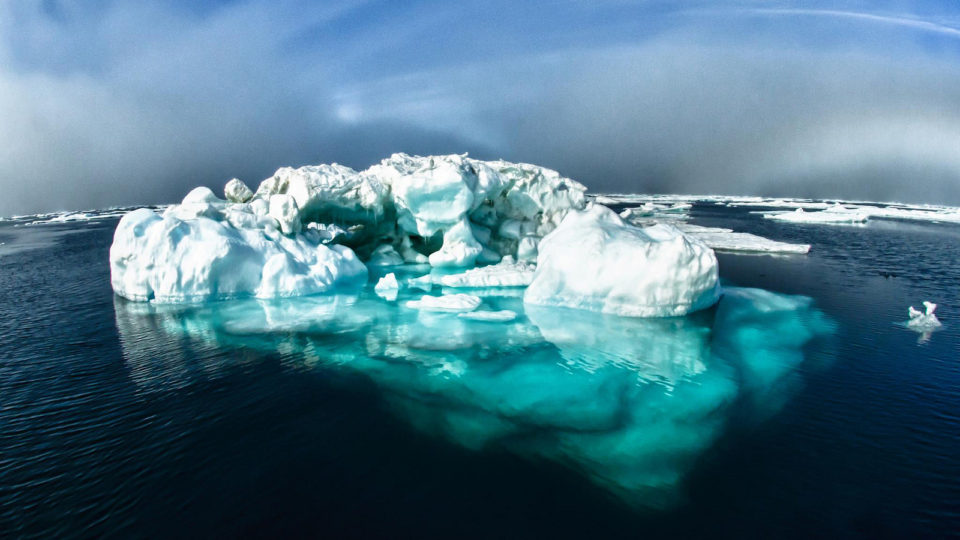
The Arctic is heating up faster than any other region of the planet.  As a result, once-distinct boundaries between the frigid polar ocean and the warmer, neighboring Atlantic and Pacific Oceans are blurring, opening the way for the southern waters to enter the polar regions.  The volume of Pacific Ocean water flowing into the Arctic Ocean through the Bering Strait has increased by 70% over the past decade.  The Arctic Ocean’s cold layering system that blocks Atlantic inflows is breaking down.

[Read more…] about Alien Waters Invade The Arctic

Polar Bears Are Struggling To Find Food

March 9, 2018 By EarthWise Leave a Comment

https://earthwiseradio.org/wp-content/uploads/2018/03/EW-03-09-18-Polar-Bears-Struggling.mp3

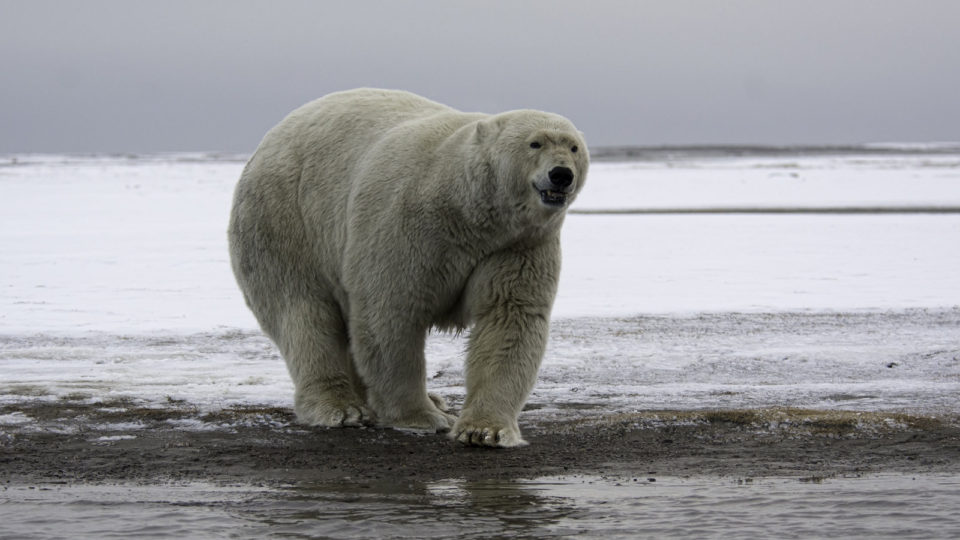
Climate change continues to pose a major threat to polar bear survival.  Polar bears, whose native range largely lies within the Arctic Circle, depend on sea ice for nearly all of their life cycle functions.  And rising global temperatures are causing that sea ice to disappear. 

[Read more…] about Polar Bears Are Struggling To Find Food

Can Cheetahs Survive?

January 24, 2017 By EarthWise

https://earthwiseradio.org/wp-content/uploads/2017/01/EW-01-24-17-Cheetahs-Survival-Threatened.mp3

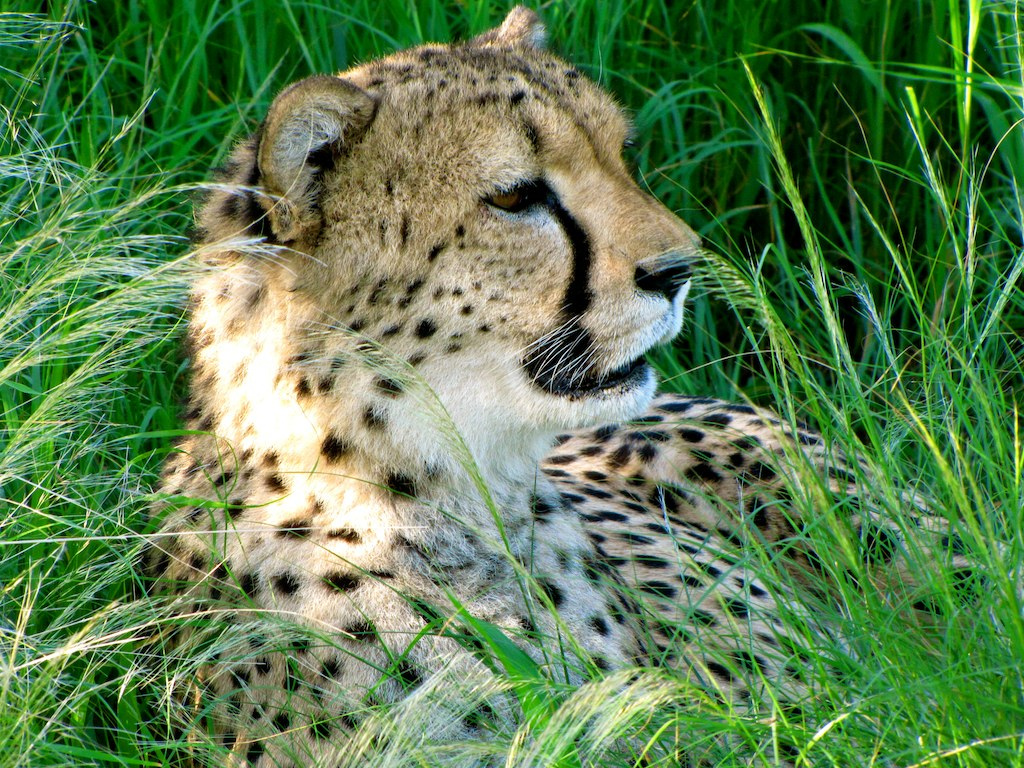
A new study has revealed that the global population of the world’s fastest land animal – the cheetah – is down to only 7,100, a drop of 50% over the past 40 years.  The dramatic decline in cheetah population could soon lead to the extinction of the species unless urgent conservation efforts are made.

[Read more…] about Can Cheetahs Survive?

Snow Leopards And Humans

November 10, 2016 By WAMC WEB

https://earthwiseradio.org/wp-content/uploads/2016/11/EW-11-10-16-Snow-Leopards-and-Humans.mp3

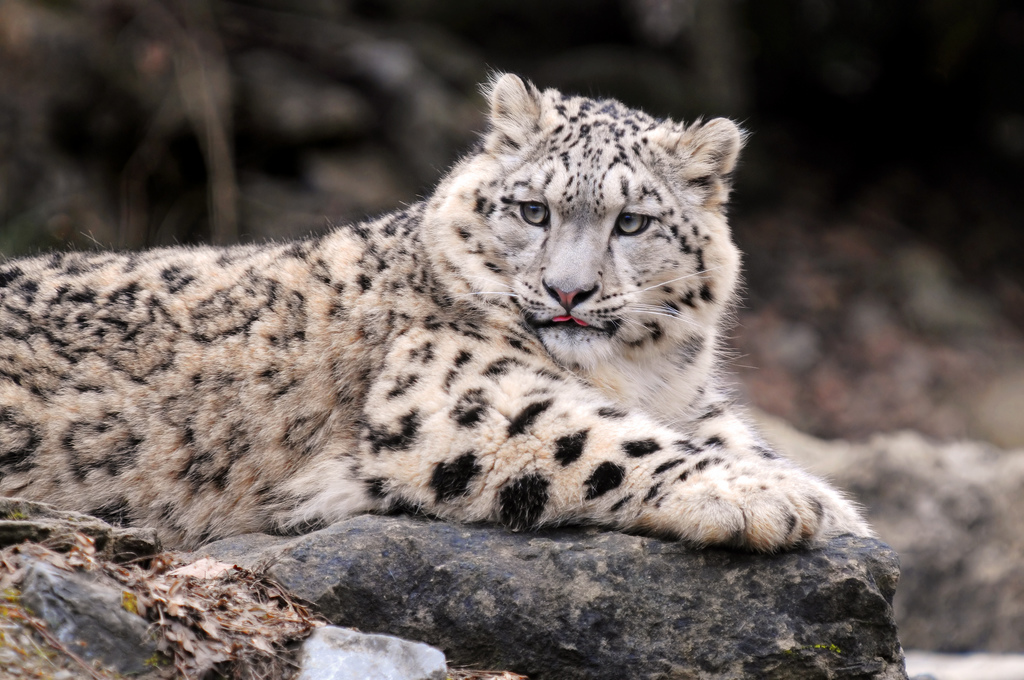
Snow leopards are majestic animals native to Central Asia.  They roam the region’s rugged terrain, from Afghanistan to Kazakhstan and Russia in the north, and to India and China in the east.  Snow leopards are known for their thick white coat of fur with ringed black and brown spots.  These markings help camouflage the animals from their prey.  But the camouflage does little to protect snow leopards from one of their biggest threats: humans.

[Read more…] about Snow Leopards And Humans

Outdoor Lights Dim Nature

August 8, 2016 By WAMC WEB

https://earthwiseradio.org/wp-content/uploads/2016/08/EW-08-08-16-Night-Lights.mp3

At night our planet is now bathed in artificial light, ranging from streetlights and floodlights to burning gas flares in oil fields. There are few places that are truly dark at night. 

[Read more…] about Outdoor Lights Dim Nature

Food Waste And Wildlife

February 3, 2016 By WAMC WEB

https://earthwiseradio.org/wp-content/uploads/2016/02/EW-02-03-16-Food-Waste-and-Wildlife.mp3

We have talked quite a bit about food waste and in particular its impact on world hunger and on the economy.  The world wastes more than $750 billion worth of food each year and 1.6 billion tons of food is left in fields, sent to landfills or scattered about the landscape.  Another 7 million tons of fishery discards are dumped in the sea.

[Read more…] about Food Waste And Wildlife

California Mountain Lions

November 9, 2015 By WAMC WEB

https://earthwiseradio.org/wp-content/uploads/2015/10/EW-11-09-15-California-Mountain-Lions.mp3

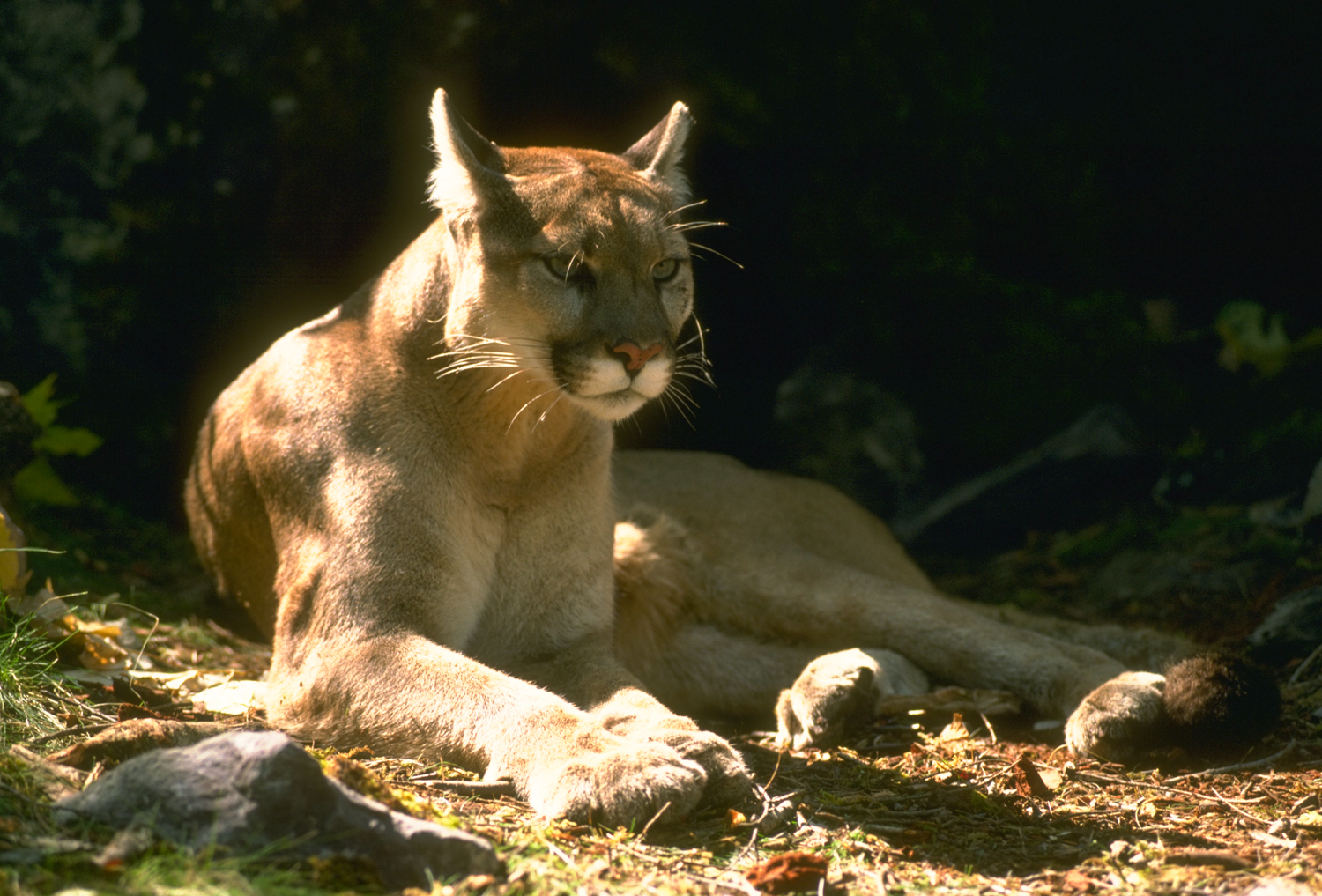
The mountain lions in the Santa Monica Mountains of California aren’t faring well these days.  Three more have been found dead recently, highlighting just how difficult it is for the big cats to survive in an urban park.  Although the Santa Monica Mountains recreational area is rugged, it’s hemmed in by several busy freeways and lots of homes.  Officials now believe there are just 10 to 15 mountain lions left roaming the park.  

[Read more…] about California Mountain Lions

Primary Sidebar

Recent Episodes

  • An uninsurable future
  • Clean energy and jobs
  • Insect declines in remote regions
  • Fossil fuel producing nations ignoring climate goals
  • Trouble for clownfishes

WAMC Northeast Public Radio
WAMC/Northeast Public Radio is a regional public radio network serving parts of seven northeastern states (more...)
Copyright © 2026 ·