• Skip to primary navigation
  • Skip to main content
  • Skip to primary sidebar

Earth Wise

A look at our changing environment.

  • Home
  • About Earth Wise
  • Where to Listen
  • All Articles
  • Show Search
Hide Search
You are here: Home / Archives for pollution

pollution

Earth Day

April 22, 2019 By EarthWise Leave a Comment

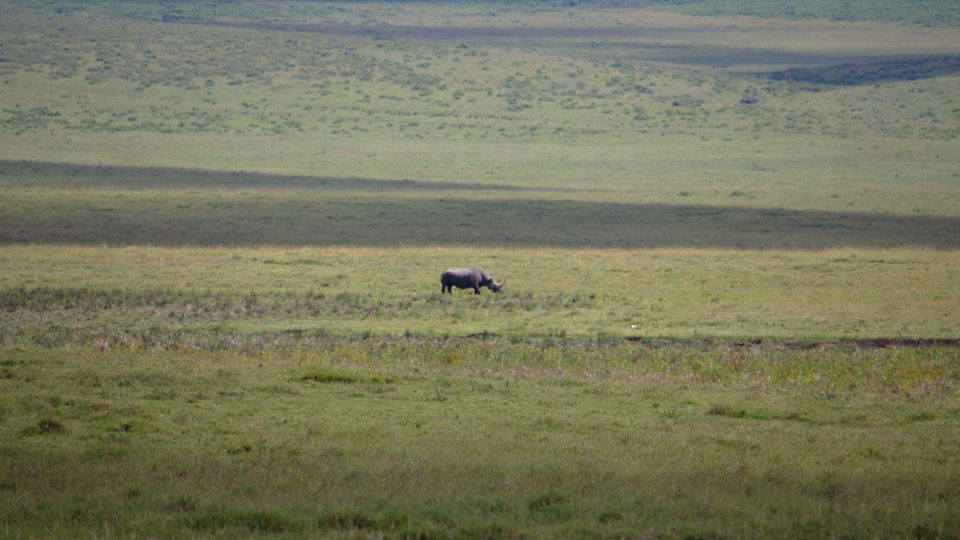
Today is Earth Day.  On April 22, 1970, millions of Americas took to the streets in peaceful demonstrations in favor of environmental reform.  Since that first time, Earth Day has now become a global event each year.  Estimates are that as many as a billion people in 192 countries take part in Earth Day events.

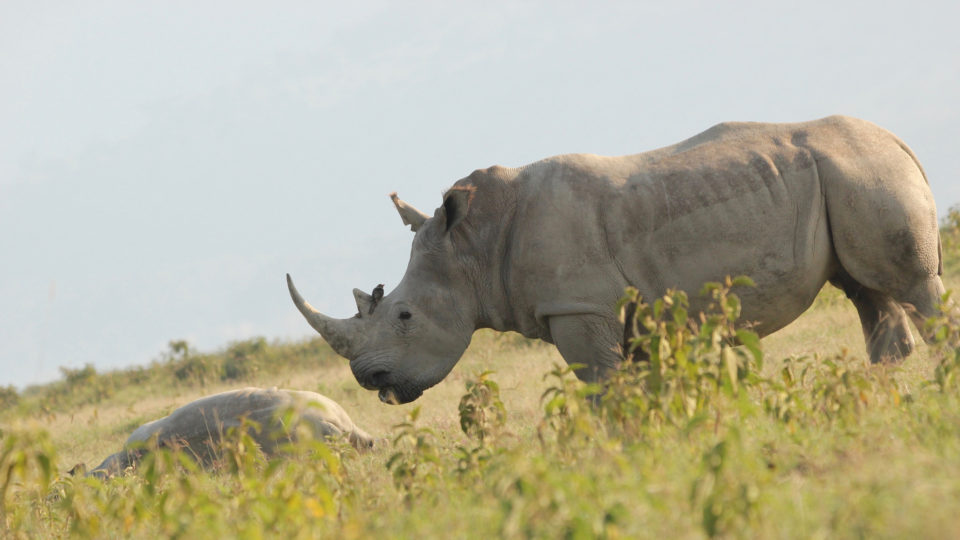
This year, the theme for Earth Day is “Protect our Species.”  The focus is on the fact that the world is facing the greatest rate of extinction since the demise of the dinosaurs more than 60 million years ago.

But unlike the extinctions from that time that were linked to so-called acts of god like asteroid collisions, the rapid extinction of species in our world today is mostly the result of human activity.

The global destruction and rapid reduction of plant and wildlife populations are directly linked to climate change, deforestation, habitat loss, trafficking and poaching, unsustainable agriculture, pollution, and pesticides.

In order to stem the tide of destruction, the Earth Day Network is asking people to help raise awareness about the accelerating rate of extinction of millions of species and the causes and consequences of this phenomenon.  We need to push for the creation of policies that protect broad groups of species as well as individual species and their habitats.  There needs to be a global movement that embraces nature and its values. And we need to eat less meat and curtail the use of pesticides and herbicides.

We share the planet with many species, and we need them to be here in order to sustain our own species.  Something to remember on Earth Day 2019.

**********

Web Links

Earth Day Network

Photo, posted January 24, 2012, courtesy of Jonas Bengtsson via Flickr.

Earth Wise is a production of WAMC Northeast Public Radio.

Natural Climate Solutions Are Not Enough

April 1, 2019 By EarthWise Leave a Comment

A new policy perspective published in Science by researchers at seven prestigious institutions looked at the role of natural science solutions in stabilizing the Earth’s climate for people and ecosystems.   While they asserted that it is imperative to ramp up natural climate solutions, they also concluded that natural solutions alone will not be sufficient.

Natural science solutions include such things as enhancing carbon sinks from forests, agriculture and other lands.  Doing these things are very beneficial in their own right as they lead to improved forests, croplands, grazing lands, and wetlands.

However, these things will not be enough to meet the goals of the Paris Climate Agreement and must be combined with rapid efforts to decrease emissions from the energy and industrial sectors.  Among their various findings, the researchers warn that a ten-year delay in emissions reductions from these sectors could completely negate any potential benefits of natural climate solutions.

As has become increasingly clear, there is not an either-or situation with regard to the actions that need to be taken with respect to climate change.

Maximizing natural climate solutions and reducing emissions from the energy and industrial sectors will provide broad benefits beyond climate change mitigation.  Doing these things will improve forests and habitats, reduce the risk of wildfires, and decrease air and water pollution thereby improving human health and well-being.

Of course, to reduce cumulative emissions and put a cap on the warming of the planet, there will need to be policy mechanisms and incentives in place that support both natural climate solutions and increasing mitigation efforts across the energy and industrial sectors.

**********

Web Links

Natural Climate Solutions Are Not Enough

Photo, posted February 11, 2012, courtesy of Joao Andre O. Dias via Flickr.

Earth Wise is a production of WAMC Northeast Public Radio.
Forecasting A Bad Year For Carbon

March 11, 2019 By EarthWise Leave a Comment

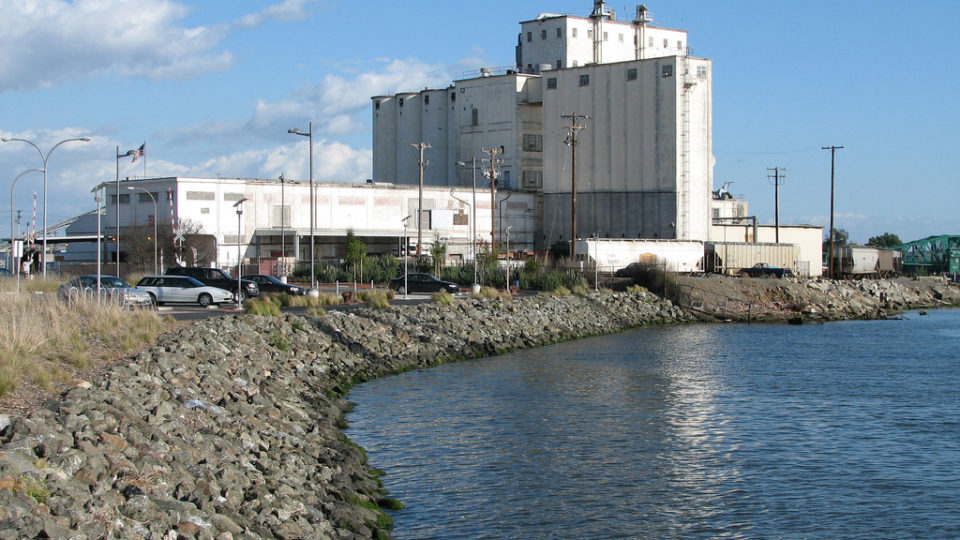
Carbon dioxide levels in the atmosphere are higher than they have been for hundreds of thousands of years, and they continue to grow.  The United Kingdom’s national meteorological service – known as the Met Office – issues annual predictions of global CO2 levels based in part on readings taken at the Mauna Loa observatory in Hawaii.  Their forecast for this year is that there will be one of the largest rises in atmospheric carbon-dioxide concentration in the 62 years of measurements at Mauna Loa.

Since 1958, there has been a 30% increase in the concentration of carbon dioxide in the atmosphere.  This has been caused by emissions from fossil fuels, deforestation and cement production.  The increase would actually have been even larger if it were not for natural carbon sinks in the form of various ecosystems that soak up some of the excess CO2.

Weather patterns linked to year-by-year swings in Pacific Ocean temperatures are known to affect the uptake of carbon dioxide by land ecosystems.  In years with a warmer tropical Pacific – such as El Niño years – many regions become warmer and drier, which limits the ability of plants to grow and to absorb CO2 .  The opposite happens when the Pacific is cool, as was the case last year.

The Met Office predicts that the contribution of natural carbon sinks will be relatively weak, so the impact of human-caused emissions will be larger than last year.  The predicted rise in atmospheric CO2 is 2.75 parts-per-million, which is among the highest rises on record.  The forecast for the average carbon dioxide concentration is 411 ppm, with peak monthly averages reaching almost 415 ppm.  With global emissions not really declining, the numbers just get higher and higher.

**********

Web Links

Faster CO₂ rise expected in 2019

Photo, posted March 18, 2006, courtesy of Darin Marshall via Flickr.

Earth Wise is a production of WAMC Northeast Public Radio.
The Threat From Nurdles

March 4, 2019 By EarthWise Leave a Comment

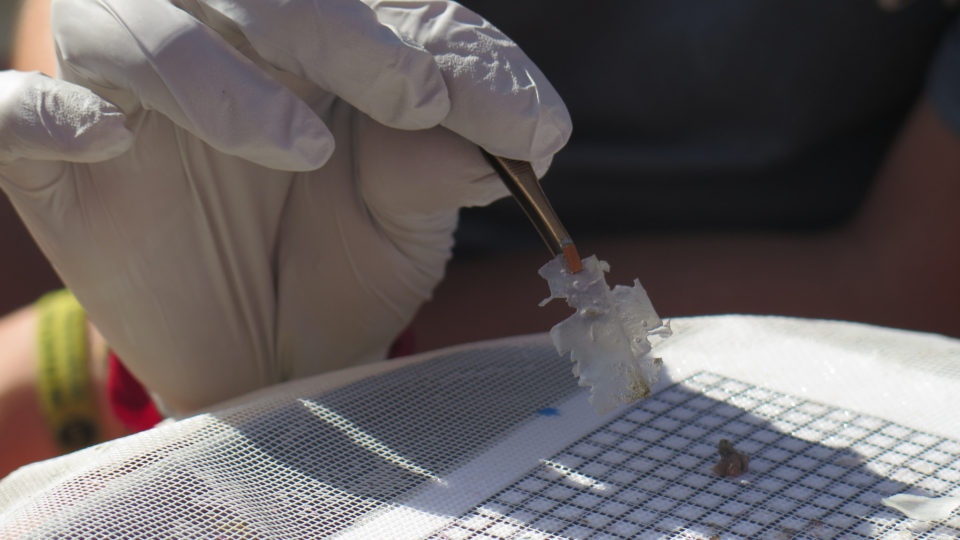
Just when we thought we knew all about the environmental threats caused by plastics, environmentalists have identified yet another problem.  It is called a nurdle.

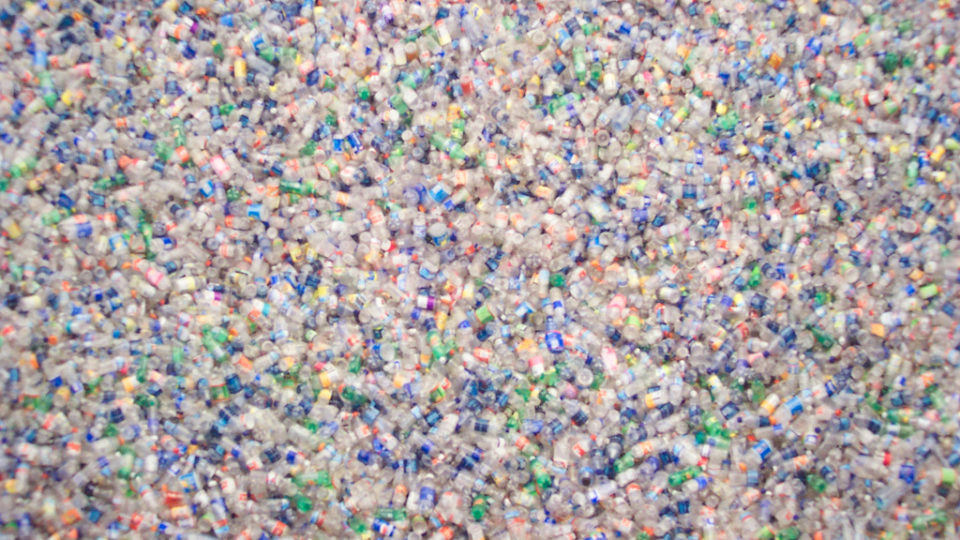
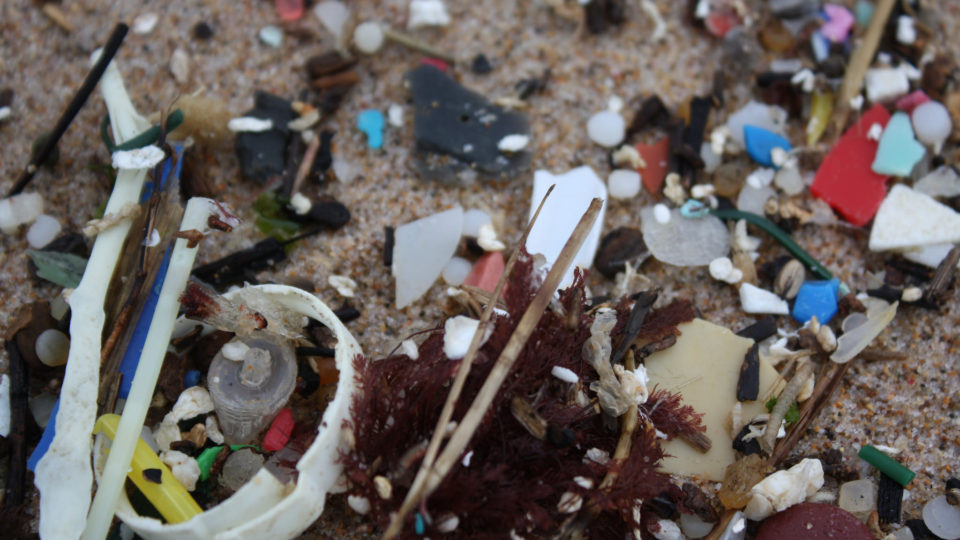
Nurdles are tiny pellets of plastic resin no bigger than a pencil eraser that manufacturers transform into packaging, plastic straws, water bottles and all the other things that are wreaking havoc on the environment.

It turns out that nurdles themselves are a problem because billions of them are lost from production and supply chains during handling, shipping and production every year, spilling or washing into waterways.  There is limited information on the extent of this kind of plastic pollution and global researchers are still struggling to make an accurate assessment.  A study last year estimated that 3 million to 36 million pellets escape every year from just one small industrial area in Sweden.

Eunomia, a British environmental consultancy, contends that nurdles are the second-largest source of microplastic pollution and estimated that the U.K. could be unwittingly losing billions of pellets into the environment every year.

New research is revealing the ubiquity of plastic pellets, from the bellies of fish caught in the South Pacific, to the digestive tracks of short-tailed albatross in the north and on the beaches of the Mediterranean.

A shareholder advocacy group called As You Sow has filed resolutions with Chevron, DowDupont, Exxon Mobil, and Phillips 66 asking them to disclose how many nurdles escape their production process each year and how they plan to address the issue.  Several of the companies have responded with statements saying they are working to develop solutions that keep plastic out of our environment.

**********

Web Links

There’s a Tiny Plastic Enemy Threatening the Planet’s Oceans

Photo, posted January 15, 2014, courtesy of Hillary Daniels via Flickr.

Earth Wise is a production of WAMC Northeast Public Radio.
Disease On Coral Reefs

February 19, 2019 By EarthWise Leave a Comment

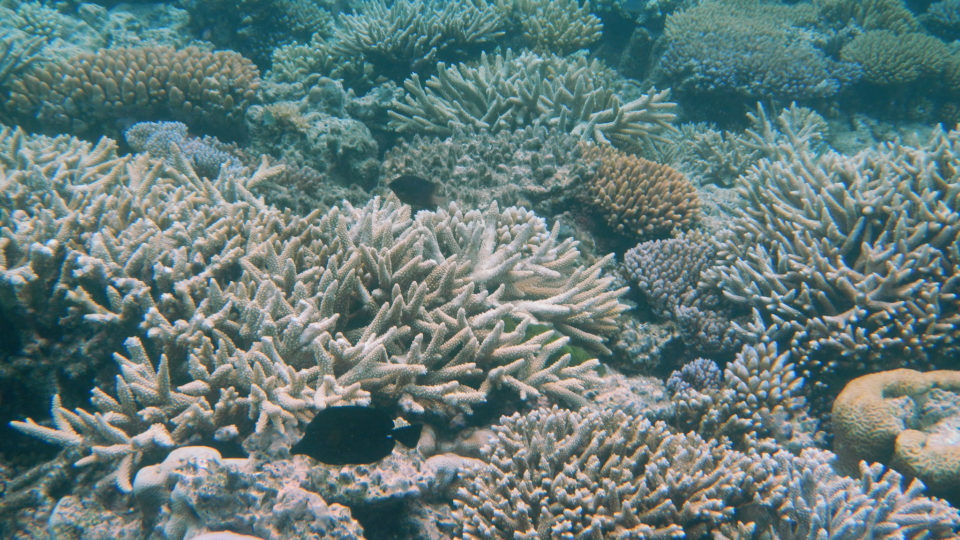
The warming oceans have led to bleaching events in coral reefs around the world, but bleaching is not the only problem corals face.  Disease outbreaks are also becoming more frequent, severe, and widespread.

Many factors are contributing to the problem, including pollution and nitrogen runoff from fertilizers and coastal sewer and septic systems.  However, the key culprit is likely the steadily increasing ocean temperatures, which are the cause of coral bleaching.  Elevated water temperatures can cause coral polyps to expel the algae that sustains them and gives them color. 

According to scientists, bleaching makes corals more susceptible to illness.  In the Caribbean, a coral disease hotspot, about 80% of coral cover has disappeared, largely from outbreaks of “white band disease”, so called because of a white band of dead tissue that forms in affected corals.  Two crucial reef-building species, elkhorn and staghorn coral, are now nearing extinction in the regions.  The reef extending along the Florida coastline is the third largest reef ecosystem in the world and nearly 35% of it has been lost to disease.

Estimates are that disease outbreaks have wiped out at least 6% of the corals on the Great Barrier Reef in Australia.  In that region, diseases are more prevalent in areas where corals were damaged by fishing and other human activity because wounded coral provides an entry point for pathogens and bacteria.

In the face of climate change and mounting disease outbreaks, scientists are scrambling for solutions to stave off catastrophe.  Assisting the migration of hardier coral species and breeding so-called “super corals” are among the strategies being pursued.  It is unknown whether these and other forms of intervention can be used on a wide enough scale to really make a difference.

**********

Web Links

As Disease Ravages Coral Reefs, Scientists Scramble for Solutions

Photo, posted November 29, 2012, courtesy of Robert Linsdell via Flickr.

Earth Wise is a production of WAMC Northeast Public Radio.
Food Production And Climate Change

January 29, 2019 By EarthWise Leave a Comment

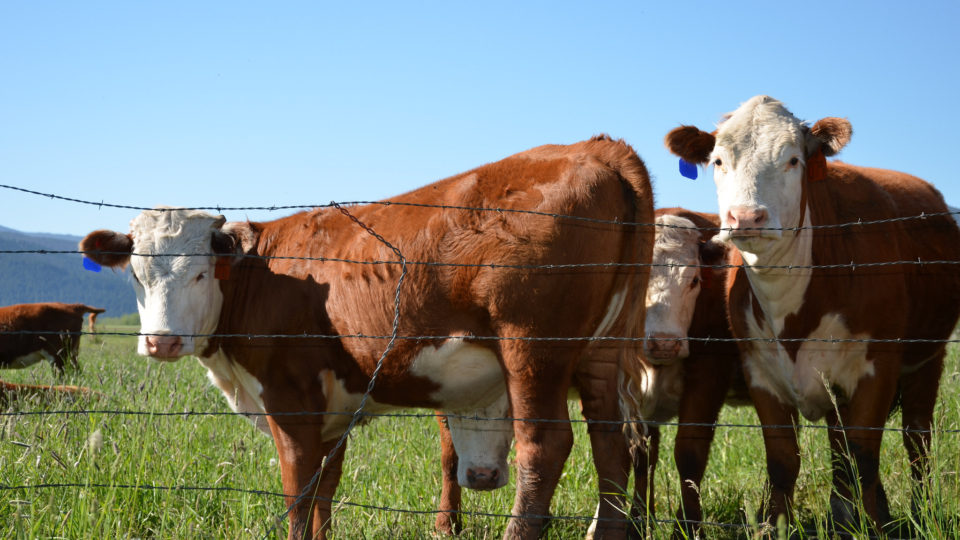
According to a University of Oxford study recently published in the journal Science, food production is a major driver of climate change as it’s responsible for 26% of all greenhouse gas emissions.  But the research team found that the environmental impact of different foods varied greatly. 

Meat and other animal products are responsible for 58% of all food-related greenhouse gas emissions, despite only providing approximately one-fifth of the calories we consume.  The researchers found that beef and lamb in particular have the most damaging effect on the planet, responsible for half of all greenhouse gas emissions from animal agriculture. 

These findings echo recommendations from the Intergovernmental Panel on Climate Change about how individuals can reduce their carbon footprint through diet.  The IPCC suggests we consume less meat and dairy products, consume more locally-sourced seasonal foods, and throw less food in the trash.  

Avoiding meat and dairy products can reduce an individual’s carbon footprint from food by two-thirds.  The effects of doing so include everything from conserving water and preserving biodiversity to reducing pollution and deforestation. 

Interestingly, the same food can have major differences in terms of environmental impacts.  For example, beef raised on deforested land is responsible for 12 times as many greenhouse gas emissions as that raised on natural pastures.  But even the most climate-friendly meat options are still responsible for more greenhouse gas emissions than the highest-impact vegetable proteins, like beans and nuts. 

Big differences can also be made by avoiding chocolate and coffee produced from deforested lands.  

To learn more about the climate impact of your diet, follow the link to the ‘Climate Change Food Calculator’ on our website: Earth-Wise-Radio.org. 

**********

Web Links

Reducing food’s environmental impacts through producers and consumers

Climate change food calculator

Photo, posted June 21, 2011, courtesy of USDA NRCS Montana via Flickr.

Earth Wise is a production of WAMC Northeast Public Radio.

Wildfire Pollution

January 24, 2019 By EarthWise Leave a Comment

California’s record-breaking wildfires this past season have been an unmitigated disaster with respect to loss of life, property, impact on human health, and in multiple other ways.  And as if all of that was not bad enough, the impact on carbon emissions into the atmosphere was equally catastrophic.  The wildfires were deadly and cost billions of dollars but were also terrible for the environment and for the public’s health.

According to estimates from the U.S. Department of the Interior, the California wildfires released emissions equivalent to about 68 million tons of carbon dioxide into the atmosphere.  That is equal to the emissions from generating one year’s worth of electricity in the state, or about 15% of the total annual emissions in the state of California.

It is a vicious circle in which the changes to the climate that have lengthened the fire season and shortened the precipitation season are creating additional contributions to the warming of the climate.

Over the past century, California has warmed by about 3 degrees Fahrenheit.  That extra-warmed air sucks water out of plants and soils, resulting in trees, shrubs, and rolling grasslands that are dry and primed to burn. That vegetation-drying effect compounds with every additional degree of warming.  Plants lose their water more efficiently as temperatures get higher.

The result is that wildfires are increasing in size both in California and across the western United States. Fire experts at Columbia University estimate that since the 1980s, the warming climate has contributed to an extra 10 million acres of burning in western forests – an area about the size of Massachusetts and Connecticut combined.

It’s a bad situation that is getting worse.

**********

Web Links

California’s 2018 Wildfires Have Emitted A Year’s Worth of Power Pollution

Photo, posted October 11, 2017, courtesy of Bob Dass via Flickr. 

Earth Wise is a production of WAMC Northeast Public Radio.
Smog And Solar Power

January 22, 2019 By EarthWise Leave a Comment

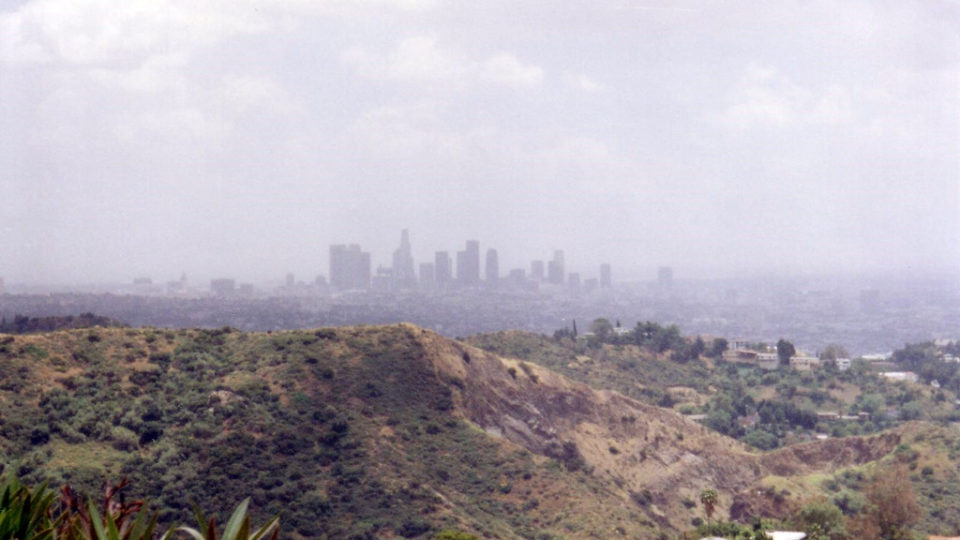
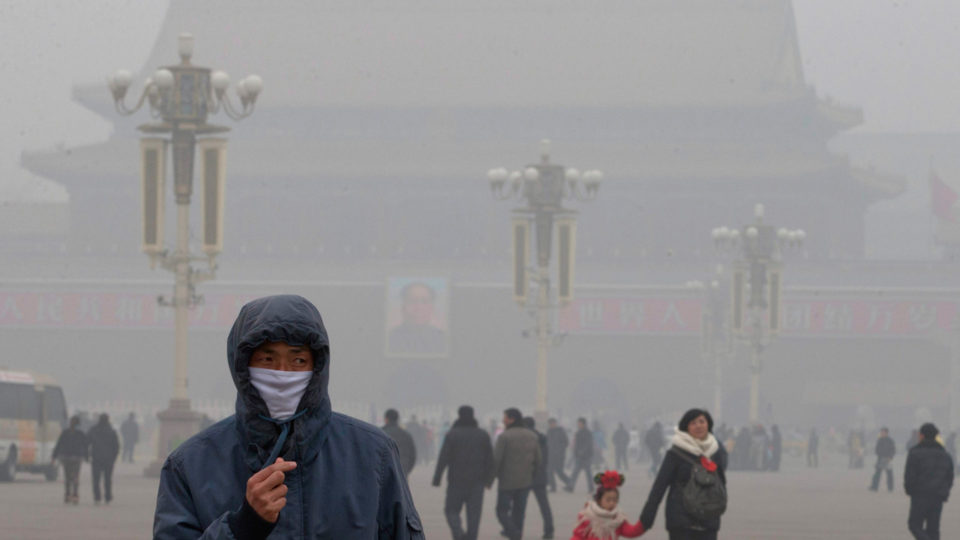
China has been struggling with some of the worst air pollution in the world.  Beijing frequently sits under a brown blanket made of exhaust gases from industry, cars and coal fires, which dump harmful particulate matter, soot, sulfur dioxide and nitrogen oxides into the air.

The human health consequences are severe.   According to the World Health Organization,air pollution contributes to about 1.6 million premature deaths in China each year.  World-wide, air pollution is implicated in over 7 million deaths annually.

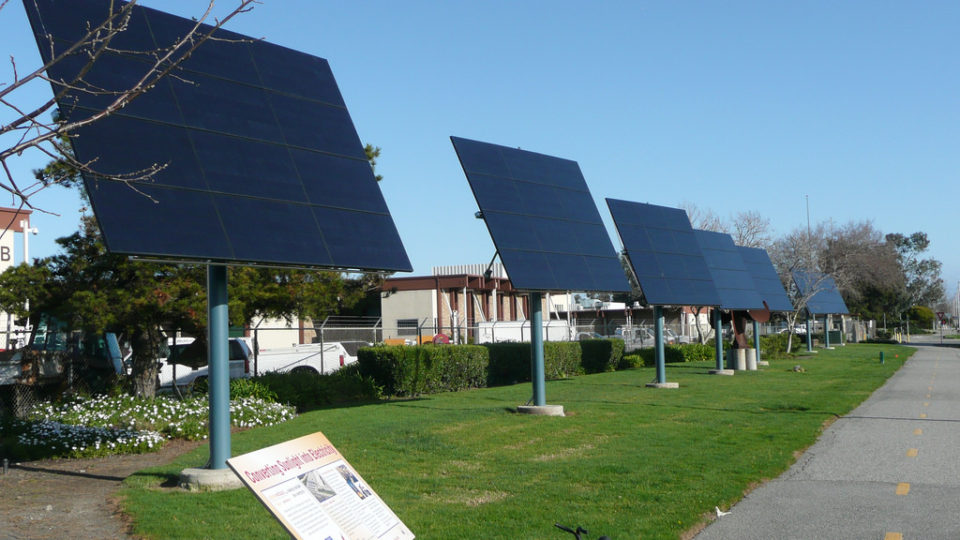
Faced with this air pollution crisis, China has undertaken a wide variety of measures to improve its air and curb carbon dioxide emissions alongthe way.  Among other things, China has invested heavily in the deployment of solar power and has plans for ever greater expansion of solar power in the future.

A study by researchers at ETH in Zurich looked at the impact of China’s air pollution on the production of solar energy.  The smog in China’s cities reduces the amount of solar radiation that reaches the ground and therefore significantly reduces the power output of solar energy systems. According to the study, solar radiation would increase by an average of 11% nationwide as a result of strict air pollution control measures.  In some places, cleaning up the air would result in 26% more energy production.

China’s electric power industry is the world’s largest electricity producer, having passed the United States in 2011.  Two-thirds of the electricity in China still comes from coal, which, apart from the serious climate and health consequences associated with its use, continues to make it more difficult to switch to clean solar power.  Much work remains to be done.

**********

Web Links

Fighting smog supports solar power

Photo, posted February 7, 2014, courtesy of Flickr. 

Earth Wise is a production of WAMC Northeast Public Radio.
Cleaner Air For China

December 5, 2018 By EarthWise Leave a Comment

https://earthwiseradio.org/wp-content/uploads/2018/12/EW-12-05-18-Cleaner-Air-for-China.mp3

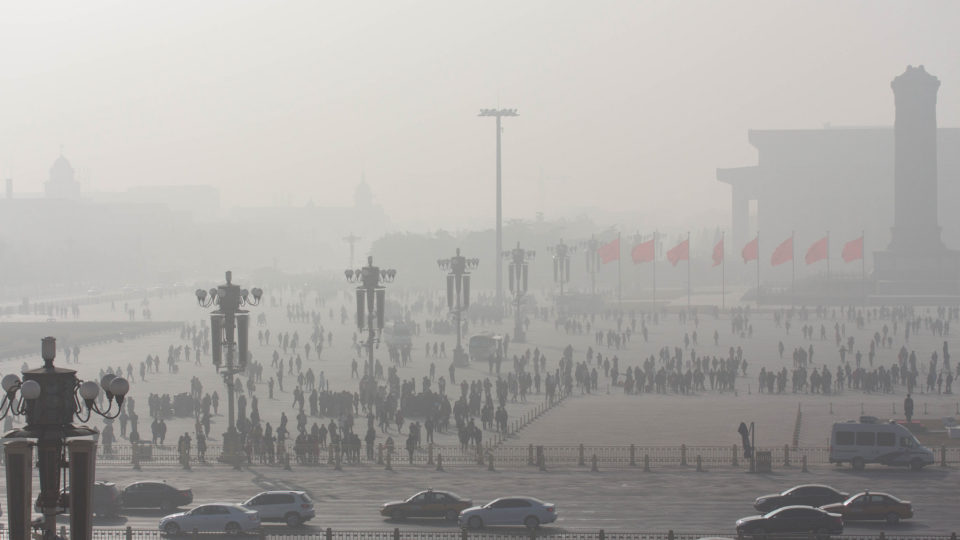
For more than 15 years, the Chinese government has been grappling with some of the deadliest air pollution in the world.  Extreme pollution events are a regular wintertime occurrence and health experts estimate that more than a million people die each year in China from particulate air pollution.

[Read more…] about Cleaner Air For China

Microplastics And Humans

November 27, 2018 By EarthWise Leave a Comment

https://earthwiseradio.org/wp-content/uploads/2018/10/EW-11-27-18-Microplastics-and-Humans.mp3

Microplastics are everywhere.  The tiny plastic particles pose a massive environmental challenge.  Microplastics are polluting oceans at an alarming rate.  Much of the oceanic microplastics result from the breakdown of plastic litter.  Another source of microplastics pollution is microbeads.  Microbeads, which are commonly added to cleansing and exfoliating personal care products, pollute the environment when they get flushed down the drain.   

[Read more…] about Microplastics And Humans

Plastic Bottles

November 19, 2018 By EarthWise Leave a Comment

https://earthwiseradio.org/wp-content/uploads/2018/10/11-19-18-Plastic-Bottles.mp3

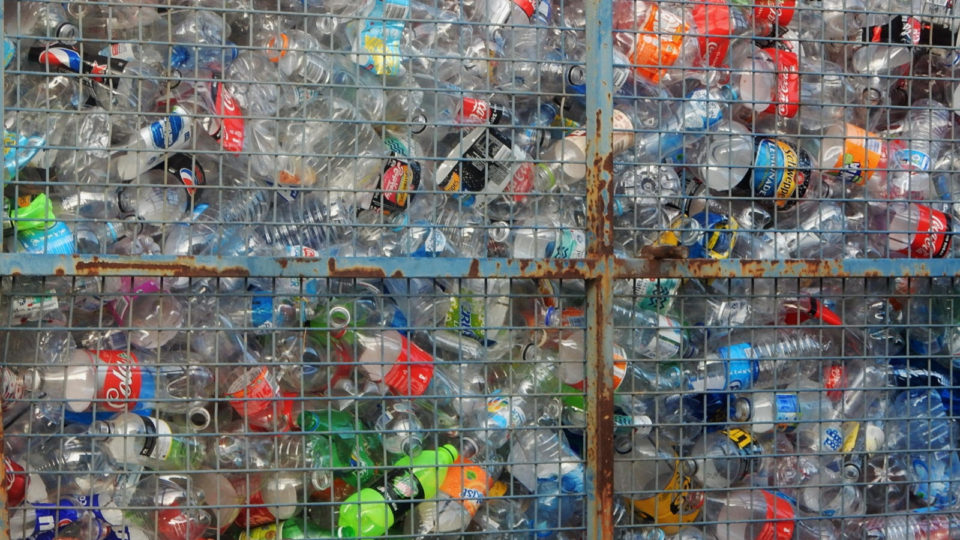
Plastic straws have become outcasts these days and for good reasons.  But they are not the only bad actors in the world of plastic products.  Single-use plastic water bottles are another example of a real trouble maker.

[Read more…] about Plastic Bottles

Mammals Can’t Seem To Evolve Fast Enough

November 1, 2018 By EarthWise Leave a Comment

https://earthwiseradio.org/wp-content/uploads/2018/11/EW-11-01-18-Mammals-Just-Cannot-Keep-Up.mp3

Our planet has been through five upheavals over the past 450 million years.  During each one, the environment on earth changed so dramatically that most plant and animal species became extinct.  After each of these mass extinction events, evolution slowly filled the gaps in the environment with new species. 

[Read more…] about Mammals Can’t Seem To Evolve Fast Enough

Clean Water In The Corn Belt

October 26, 2018 By EarthWise Leave a Comment

https://earthwiseradio.org/wp-content/uploads/2018/10/EW-10-26-18-Clean-Water-in-the-Corn-Belt.mp3

Iowa is grappling with a growing battle over the integrity of its water.  Nitrogen and phosphates have been flowing in ever-increasing quantities into Iowa’s public water supplies and dealing with the problem has become a major political issue in the state.

[Read more…] about Clean Water In The Corn Belt

Where Does The Plastic Go?

October 15, 2018 By EarthWise Leave a Comment

https://earthwiseradio.org/wp-content/uploads/2018/09/EW-10-15-18-Where-Does-Plastic-Go.mp3

The glut of plastic in the oceans is a global problem.  About 9 million tons of plastic enter the oceans each year.  Much of it is discarded fishing gear, plastic bags, and other macroscopic objects.  But a great deal of it is in the form of microplastics or small particles.  Some microplastics come from cosmetics and other products containing them but a lot of them are the result of larger plastic objects breaking down into small particles.

[Read more…] about Where Does The Plastic Go?

Energy Justice In California

September 27, 2018 By EarthWise Leave a Comment

https://earthwiseradio.org/wp-content/uploads/2018/09/EW-09-27-18-Energy-Justice-in-California.mp3

California put in place a cap-and-trade program in 2013.  In such a program, companies pay penalties if they exceed a cap in carbon emissions but can buy and sell allowances that permit them to emit a given amount. Trading gives companies a strong incentive to save money by cutting emissions.  Since taking effect, the California program has raised more than $6.5 billion and is the fourth largest in the world.

[Read more…] about Energy Justice In California

Designing Plastic To Fall Apart

September 17, 2018 By EarthWise Leave a Comment

https://earthwiseradio.org/wp-content/uploads/2018/09/EW-09-17-18-Designing-Plastic-to-Fall-Apart.mp3

In the 1940s and 1950s, synthetic polymers became very popular.  These man-made materials were designed to be cheap and durable and soon began replacing metals and glass in everything from automobiles and airplanes to bottles and dishes.

[Read more…] about Designing Plastic To Fall Apart

New Zealand Bans Plastic Bags

September 3, 2018 By EarthWise Leave a Comment

https://earthwiseradio.org/wp-content/uploads/2018/09/EW-09-03-18-New-Zealand-Bans-Plastic-Bags.mp3

In an effort to tackle plastic pollution, New Zealand is joining a growing list of countries banning single-use plastic bags for good.  Prime Minister Jacinda Ardern says in a press statement that the ban was necessary to safeguard New Zealand’s clean and green reputation.

[Read more…] about New Zealand Bans Plastic Bags

Cleaning Up Shipping Fuel

August 21, 2018 By EarthWise Leave a Comment

https://earthwiseradio.org/wp-content/uploads/2018/08/EW-08-21-18-Cleaning-Up-Shipping-Fuel.mp3

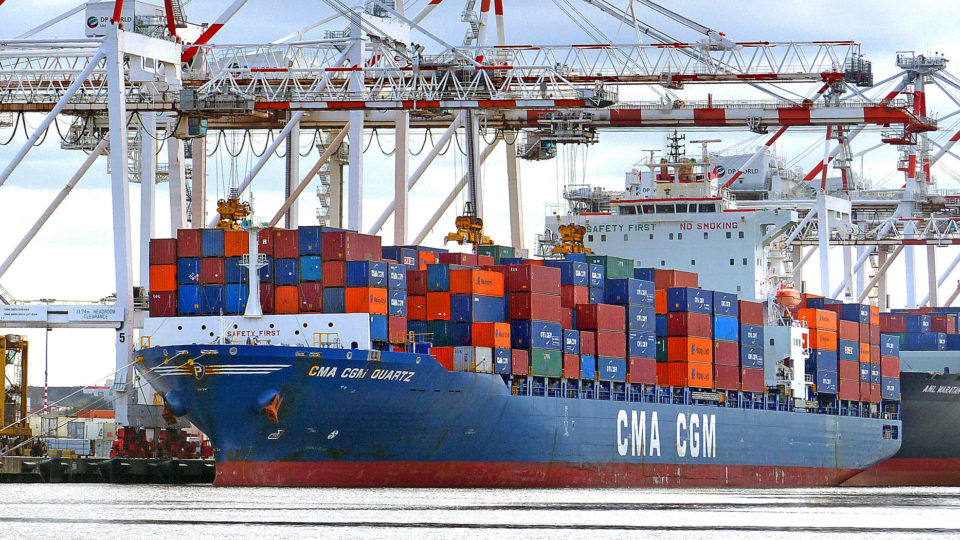
Cargo ships are significant sources of global air pollution because of their fuel oil.  Most ships burn something called “bunker fuel” which is a pitch-black, molasses-thick fuel made from the dregs of the oil refining process.  It is loaded with sulfur, so when it is burned it produces noxious gases and fine particles that can harm human health and the environment.  Because bunker fuel is made from petroleum refining residues, waste byproducts sometimes end up in the mix, making the stuff even a worse source of pollution.

[Read more…] about Cleaning Up Shipping Fuel

Urban Streams Are Breeding Superbugs

August 14, 2018 By EarthWise Leave a Comment

https://earthwiseradio.org/wp-content/uploads/2018/08/EW-08-14-18-Urban-Streams.mp3

City streams are subjected to a constant onslaught of synthetic chemicals found in pharmaceuticals and personal care products. Wastewater treatment facilities are not designed to filter out these compounds. Instead, they flow into surface waters where they impact aquatic organisms like microbes – which perform key ecosystem services like removing excess nutrients and breaking down leaf litter.

[Read more…] about Urban Streams Are Breeding Superbugs

Air Pollution And Diabetes

August 9, 2018 By EarthWise 3 Comments

https://earthwiseradio.org/wp-content/uploads/2018/08/EW-08-09-18-Air-Pollution-and-Diabetes.mp3

Air pollution is deadly.  Studies have found that fine particulate matter, such as airborne pieces of dust, dirt, smoke, soot, and other microscopic particles can enter our lungs and bloodstream, contributing to major health conditions such as heart disease, stroke, cancer, and kidney disease.

[Read more…] about Air Pollution And Diabetes

  • « Go to Previous Page
  • Page 1
  • Interim pages omitted …
  • Page 7
  • Page 8
  • Page 9
  • Page 10
  • Page 11
  • Interim pages omitted …
  • Page 13
  • Go to Next Page »

Primary Sidebar

Recent Episodes

  • An uninsurable future
  • Clean energy and jobs
  • Insect declines in remote regions
  • Fossil fuel producing nations ignoring climate goals
  • Trouble for clownfishes

WAMC Northeast Public Radio

WAMC/Northeast Public Radio is a regional public radio network serving parts of seven northeastern states (more...)

Copyright © 2026 ·