
• Skip to primary navigation
  • Skip to main content
  • Skip to primary sidebar

Earth Wise

A look at our changing environment.

  • Home
  • About Earth Wise
  • Where to Listen
  • All Articles
  • Show Search
Hide Search
You are here: Home / Archives for nature

nature

Nitrous Oxide Is No Laughing Matter | Earth Wise

November 10, 2020 By EarthWise Leave a Comment

nitrous oxide is a big climate problem

Carbon dioxide is the most well-known of greenhouse gases.  But there are others deserving of their own spotlight.  Nitrous oxide is one of them.  It turns out that the same “laughing gas” once used by dentists as an anesthetic is pretty bad for the environment.  In fact, it’s more than 300 times more potent as a greenhouse gas than carbon dioxide, and it can remain in the atmosphere for more than 100 years.

According to a new study by a team of international scientists, rising nitrous oxide emissions around the world are jeopardizing the climate goals of the Paris Agreement.  The growing use of nitrogen fertilizers in global food production is increasing atmospheric concentrations of nitrous oxide.

The study, which was led by Auburn University and recently published in the journal Nature, finds that nitrous oxide emissions are increasing faster than any emission scenario developed by the Intergovernmental Panel on Climate Change.  The current trajectory would lead to global mean temperature increases well above 3°C from pre-industrial levels.  The Paris Agreement aims to limit global warming to less than 2°C.    

According to the study, nitrous oxide levels have risen 20% from pre-industrial levels, with the fastest growth observed in the last 50 years due to emissions from human activities.  The largest contributors to nitrous oxide emissions come from East Asia, South Asia, South America, and Africa.  The United States, China, and India dominate nitrous oxide emissions from synthetic fertilizers, while Africa and South America dominate releases of nitrous oxide from natural sources, like livestock manure. 

Nitrous oxide emissions pose an increasing threat to the climate.  

**********

Web Links

Nitrous oxide emissions pose an increasing climate threat, study finds

Photo, posted April 22, 2012, courtesy of Bill Meier via Flickr.

Earth Wise is a production of WAMC Northeast Public Radio.
Do Forests Grow Better With Our Help? | Earth Wise

November 9, 2020 By EarthWise Leave a Comment

forest restoration

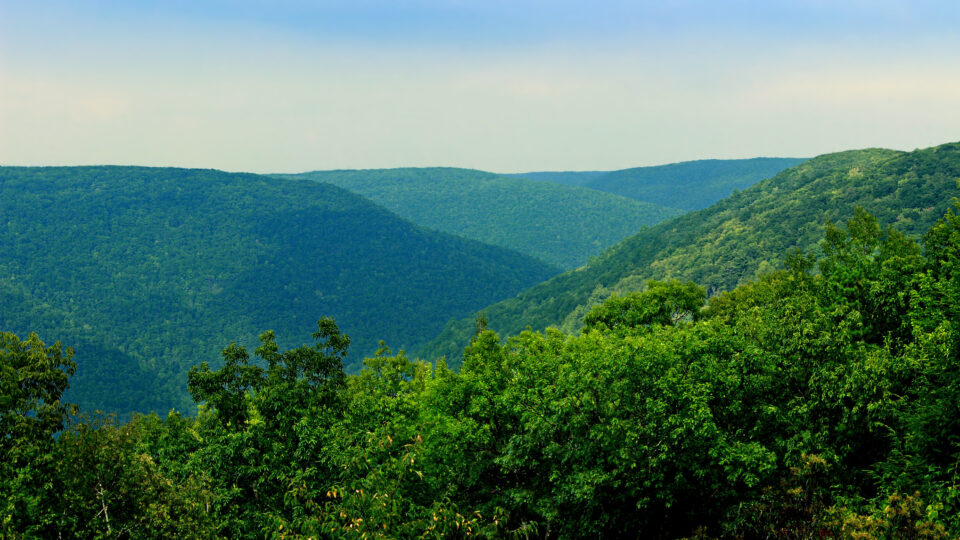
Tree planting has become a worldwide cause.  International calls to plant a trillion trees to combat climate change have led to multiple initiatives by countries around the world.  Even the current U.S. administration, with support from businesses and nonprofits has promised to plant over 800 million trees across an estimated 2.8 million acres.  Planting trees is widely seen to be a vital nature-based solution to climate change; a way of moderating its effects as the world works to reduce carbon emissions.  However, recent studies have created some pushback from that view.

The new studies are not opposed to trees.  What they have revealed is that allowing forests to grow back naturally is a better strategy than planting trees.  The new data has shown that, among other things, estimates of the rate of carbon accumulation by natural forest regrowth have on average been 32% too low and, for tropical forests, have been 53% too low.

A new study published in Nature identified 1.67 billion acres that could be set aside to allow trees to regrow.  It excludes land under cultivation or built on, along with various existing valuable ecosystems. 

Natural regrowth allows nature to select which tree species take hold and turns out to happen quite rapidly and in a widespread manner.  The great thing about natural restoration of forests is that it often requires nothing more than human inaction.  Because it requires no policy initiatives, investments, or oversight, data on its extent is rather scarce.  But the data we have reveals that wherever forests have been allowed to recover on their own, it appears to happen rapidly and with great success.

**********

Web Links

Natural Debate: Do Forests Grow Better With Our Help or Without?

Photo, posted September 5, 2015, courtesy of Nicholas A. Tonelli via Flickr.

Earth Wise is a production of WAMC Northeast Public Radio.
How To Bend The Curve On Biodiversity Loss | Earth Wise

October 15, 2020 By EarthWise Leave a Comment

how to bend the curve on biodiversity loss

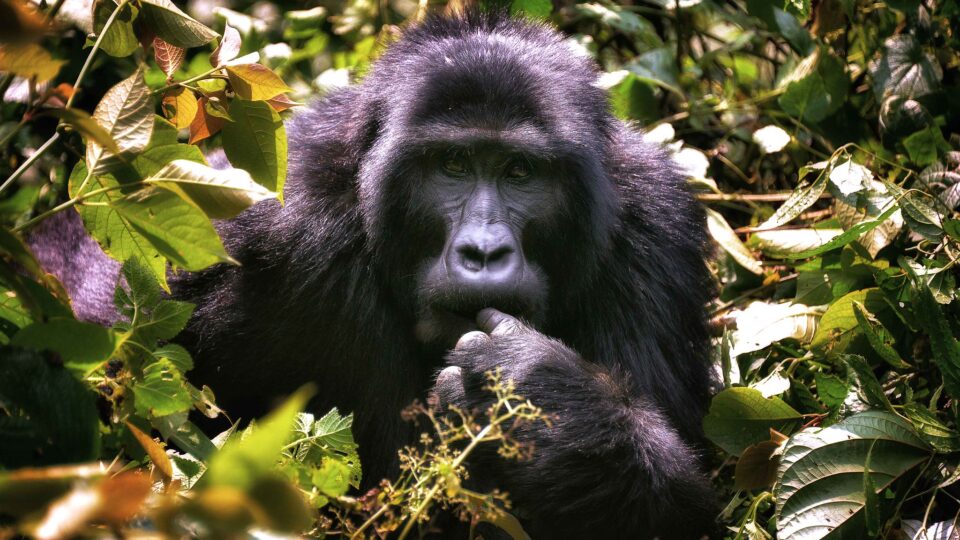
Biodiversity has been declining at an alarming rate in recent years as a result of human activities, including land use changes, pollution, and climate change.  According to a 2019 UN report, one million species – out of an estimated eight million – are threatened with extinction.  Many scientists warn we are in the middle of the sixth mass extinction event in Earth’s history.  Previous mass extinction events wiped out up to 95% of all species and took ecosystems millions of years to recover. 

Fortunately, new research indicates that it might not be too late to bend the curve on biodiversity loss.  According to the report, which was recently published in the journal Nature, more ambitious conservation measures are needed in order to  preserve biodiversity.  In addition, more efficient food production and healthier and less wasteful consumption and trade are needed to bend the curve. 

If these measures are undertaken with unprecedented ambition and coordination, the research team says the efforts will provide an opportunity to reverse biodiversity loss by 2050.

But even under the best case scenario, ongoing land conversion will lead to further biodiversity losses before the curve starts to bend.  In fact, at least one third of projected losses in the coming years are unlikely to be avoided under any scenario.  Biodiversity losses were projected to be highest in the regions richest in biodiversity, including South Asia, Southeast Asia, Sub-Saharan Africa, the Caribbean, and Latin America. 

The study, which was led by the International Institute for Applied Systems Analysis in Austria, makes it clear that urgent action is needed this decade in order to have any chance of bending the curve. 

**********

Web Links

Curbing land clearing for food production is vital to reverse biodiversity declines

Photo, posted November 1, 2017, courtesy of Rod Waddington via Flickr.

Earth Wise is a production of WAMC Northeast Public Radio.

The Dangers Of Negative Emissions Technologies | Earth Wise

September 28, 2020 By EarthWise Leave a Comment

The dangers of negative emissions technologies

Reducing carbon emissions is not easy and there are plenty of people who don’t even want to try for various reasons, generally related to their perceived economic interests and convenience.  As a result, there is a great deal of interest in so-called negative emissions technologies or NETs.   These are methods for removing carbon dioxide from the atmosphere.  Even the UN Intergovernmental Panel on Climate Change assumes that NETs will play a role in mitigating the effects of climate change and meeting international goals.

The most widely studied approaches to negative emissions technology are bioenergy with carbon capture and storage – which entails growing crops for fuel, and then capturing and burying the CO2 produced from burning the fuel; planting more forests; and direct air capture, which involves actually pulling CO2 out of the air and storing it – probably underground. 

A new study published in Nature Climate Change points out that none of these technologies has even been tried at the demonstration scale, much less at the massive levels required to make a dent in current CO2 emissions. 

Their analysis of the biofuel and reforestation strategies show that each would take up vast land and water resources already needed for agriculture and nature.  Air capture uses less water than the other two approaches, but still uses quite a bit and even more energy, which if supplied by fossil fuels, would offset the benefits of carbon capture.

Negative emissions technologies may well play an important role in combating climate change, but it is essential that we understand what the consequences will be from implementing them.  We need to know the pitfalls that could arise.  It would be a major mistake to simply count on NETs to be some kind of silver bullet.

**********

Web Links

Remove CO2 from the air? Don’t bet on it before examining costs, researchers say

Photo, posted January 11, 2008, courtesy of Al Pavangkanan via Flickr.

Earth Wise is a production of WAMC Northeast Public Radio.
Artificial Aquatic Polyps | Earth Wise

September 16, 2020 By EarthWise Leave a Comment

Aquatic robots can clean water

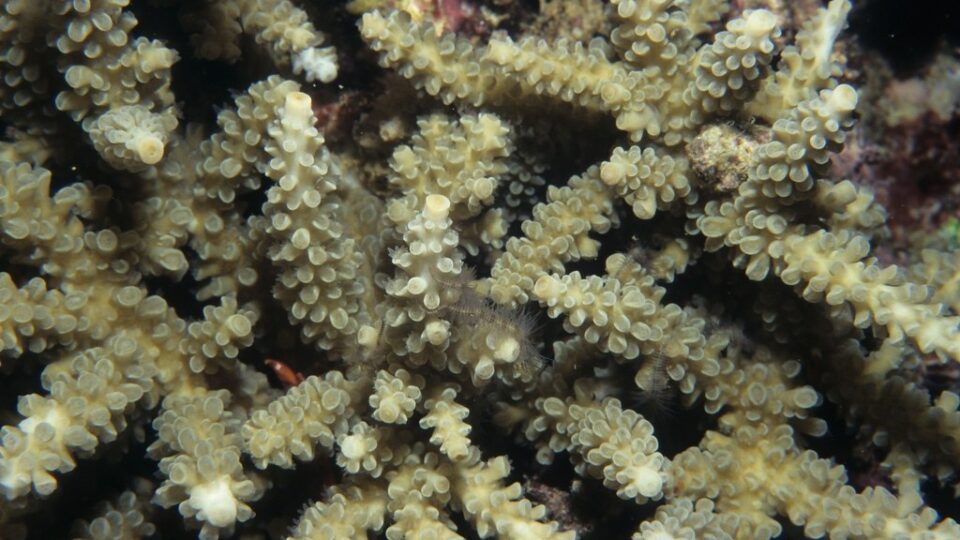
Corals are often mistaken for rocks because of their hardened surfaces.  And, since they attach or “take root” to the sea floor, they are often mistaken for plants.  But unlike rocks, corals are alive.  And unlike plants, corals do not make their own food.  Corals are actually animals. 

Most of these structures that we call “coral” are made up of hundreds to thousands of tiny coral creatures called polyps.  A coral polyp, which is often no thicker than a nickel, has a saclike body and mouth that is encircled by stinging tentacles.  Polyps are responsible for a host of ecosystem services, including nourishing corals, and aiding coral survival by generating self-made currents through the motion of their soft bodies. 

Inspired by these marine organisms, researchers from the University of Warwick in the UK and Eindhoven University of Technology in the Netherlands have collaborated to develop an artificial aquatic polyp capable of removing contaminants from water.  The 1 square centimeter wireless robot polyp can attract, grasp, and release objects, moving under the influence of a magnetic field and whose “tentacles” are triggered by light. 

The next step for the researchers is to see if the technology can be successfully scaled up from laboratory to pilot scale.  In order for that to happen, the team has to design an array of artificial polyps capable of working harmoniously together.   

Corals are an incredibly important part of ocean ecosystems.  And while it remains to be seen how much value artificial polyps can achieve in future applications, it serves as another example of scientists emulating nature to create more sustainable designs. 

**********

Web Links

Aquatic robots can remove contaminant particles from water

An artificial aquatic polyp that wirelessly attracts, grasps, and releases objects

Photo, posted April 14, 2011, courtesy of Derek Keats via Flickr.

Earth Wise is a production of WAMC Northeast Public Radio.
Recovering Marine Life By 2050 | Earth Wise

May 27, 2020 By EarthWise Leave a Comment

Marine life conservation

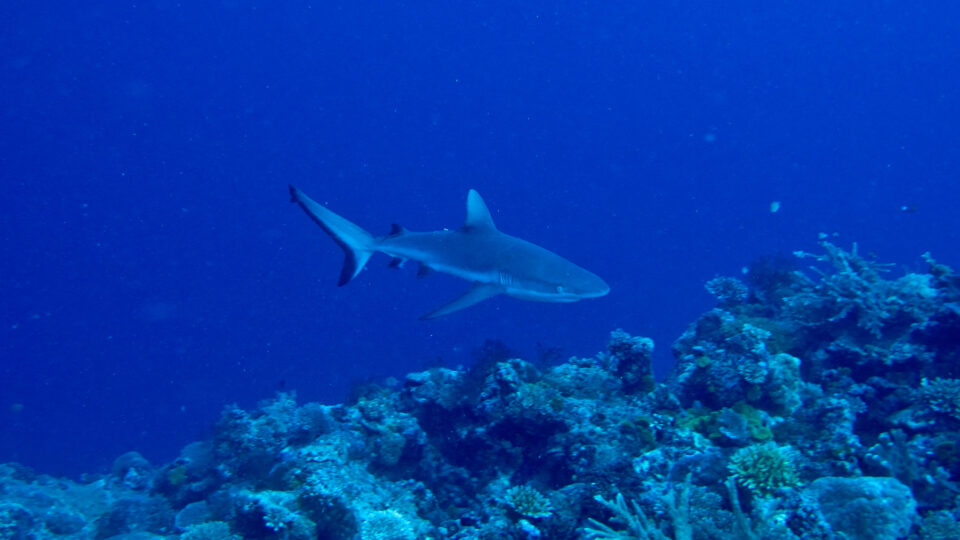
Marine life has faced challenges for a long time.   There have been centuries of overfishing in many places and pollution of various types has been especially harmful in recent decades.   But despite all of this, a new scientific review published in the journal Nature contends that marine life in the world’s oceans could be fully restored in as little as 30 years provided that aggressive conservation policies are adopted.

The research spotlights the strong resiliency of ocean animals and cites the successful recovery of a number of marine species, including humpback whales.

The study indicates that nations around the world must agree to designate 20 to 30 percent of the oceans as marine protected areas, institute sustainable fishing guidelines, and regulate pollution.  These measures would not come cheaply.  The estimated cost would be around $20 billion a year. 

However, the report also estimates that the economic return on this investment would be tenfold and would create millions of new jobs.  Rebuilding fish stocks and maintaining sustainable fishing policies could increase global profits of the seafood industry by over $50 billion a year.  Conserving coastal wetlands could save the insurance industry more than $50 billion a year as well by reducing storm damage.

A major sticking point, however, is climate change.  Climate change is increasing ocean temperatures and driving acidification.  Unless these changes are brought under control, the restoration of marine life is not going to be successful.  We have reached the point where it is within our power to choose between a future with a resilient and vibrant ocean or an irreversibly disrupted ocean.  Whether we embrace that challenge remains to be seen.

**********

Web Links

Marine Life Could Recover By 2050 With the Right Policies, Study Finds

Photo, posted April 20, 2012, courtesy of Matthias Hiltner via Flickr.

Earth Wise is a production of WAMC Northeast Public Radio.
The Danger Of Relying On Future Technology | Earth Wise

May 22, 2020 By EarthWise Leave a Comment

technology and climate change

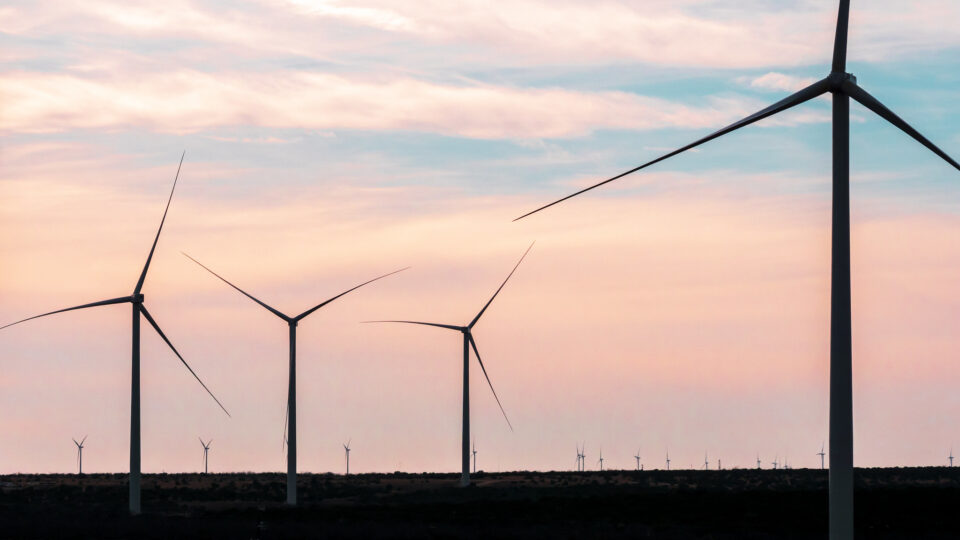
The need to mitigate the effects of climate change has been a global focus for about 40 years and has seen ever-changing views on what actions are needed.  The historical record has been defined by over-reliance on promises of new technology to solve climate change.  Looking to future technology to save the environment has been an excuse to postpone necessary action and avoid inconvenient changes in how we do things.

A study at Lancaster University in the UK published in Nature Climate Change exposes how such promises have raised expectations of more effective policy options becoming available in the future and have enabled the continued politics of inadequate action and skirting around the truth.

Even after four decades, rather than acting forcefully to reduce emissions, we are hoping that nuclear fusion power, giant carbon sucking machines, ice-restoration using vast numbers of wind-powered pumps, and spraying particulates into the atmosphere can address the climate crisis rather than dramatic changes in fossil fuel use.

The researchers mapped the history of climate targets in five phases.  Early on, the focus was on improved energy efficiency, large-scale enhancement of carbon sinks, and nuclear power.  Next, the focus was on cutting emissions with efficiency, fuel switching, and carbon capture and storage.  After that, bioenergy was the major focus.  Then, global carbon budgeting and potential negative emission technologies.  Currently, the focus is on temperature outcomes rather than emission targets.

Each novel promise competes with existing ideas and downplays any sense of urgency.   The researchers conclude that putting our hopes on yet more new technologies is unwise.  The time to act is now.

**********

Web Links

Why relying on new technology won’t save the planet

Photo, posted February 13, 2019, courtesy of Jonathan Cutrer via Flickr.

Earth Wise is a production of WAMC Northeast Public Radio.

Figuring Out Photosynthesis | Earth Wise

March 16, 2020 By EarthWise Leave a Comment

unraveling the mystery of photosynthesis

Plants have been harnessing the sun’s energy for hundreds of millions of years. Algae and photosynthetic bacteria have been doing the same for even longer, all with remarkable efficiency and resiliency. 

People have used the energy of the sun in one way or another for millennia, but only recently have we gotten sophisticated about it by using devices like solar panels and sensors.  And we still have a long way to go to get anywhere close to the efficiency of plants. It’s no wonder, then, that scientists have long sought to understand exactly how photosynthesis works.

Scientists from the U.S. Department of Energy’s (DOE) Argonne National Laboratory, and collaborators at Washington University in St. Louis, recently solved a critical part of the age-old mystery of photosynthesis, studying the initial, ultra-fast events through which photosynthetic proteins capture light and use it to initiate a series of electron transfer reactions.  Electrons in plants have two possible pathways to travel but only use one.   

But as a result of their efforts, the scientists are now closer than ever to being able to design electron transfer systems in which they can send an electron down a pathway of their choosing. 

By gaining the ability to harness the flow of energy, it may be possible to incorporate new design principles in non-biological energy systems. This could allow us to greatly improve the efficiency of many solar-powered devices, potentially making them far smaller. Understanding the intricacies of photosynthesis creates a tremendous opportunity to open up completely new disciplines of light-driven biochemical reactions, perhaps even ones that haven’t been envisioned by nature.

**********

Web Links

Scientists unravel mystery of photosynthesis

Photo, posted June 14, 2017, courtesy of Alex Holyoake via Flickr.

Earth Wise is a production of WAMC Northeast Public Radio.

Immersion In Nature Is Good for You | Earth Wise

February 20, 2020 By EarthWise Leave a Comment

Nature immersion has health benefits

There is a growing body of research that shows that getting outdoors in nature can be good for people’s health and well-being. There are so many studies supporting this idea that policymakers, employers, and healthcare providers are increasingly considering this need for nature in how they plan and operate.

A new study of 20,000 people by researchers at the University of Exeter in the UK actually looked at how much exposure to nature was enough to make people say they feel healthy and have a sense of well-being.   The answer turned out to be 2 hours a week.  And the correlation was strong.  People who didn’t meet that threshold did not report the benefits.

Studies have shown that time in nature – as long as people feel safe where they are – is an antidote for stress.  It can lower blood pressure and stress hormone levels, reduce nervous system arousal, enhance immune system function, increase self-esteem, reduce anxiety, and improve mood.  Most of these studies are correlational rather than causal, but the results tend to be robust.

Given all this, cities are adding or enhancing parks, and schools and other institutions are being designed with large windows and access to trees and green space.  The Scandinavian tradition of “forest schools” – where learning takes place in natural settings outdoors -.is finding a home in the US.   Japanese researchers study the effects of “forest bathing”, a poetic term for walking in the woods.

With two-thirds of humanity projected to be living in cities by 2050, we are awakening to the idea that we need to be able to spend time in nature for our own wellbeing, even if it’s just a walk in a park.

**********

Web Links

Ecopsychology: How Immersion in Nature Benefits Your Health

Photo, posted November 6, 2011, courtesy of Flickr.

Earth Wise is a production of WAMC Northeast Public Radio.
Harvesting Blue Energy | Earth Wise

February 7, 2020 By EarthWise Leave a Comment

researchers closer to harvesting osmotic energy

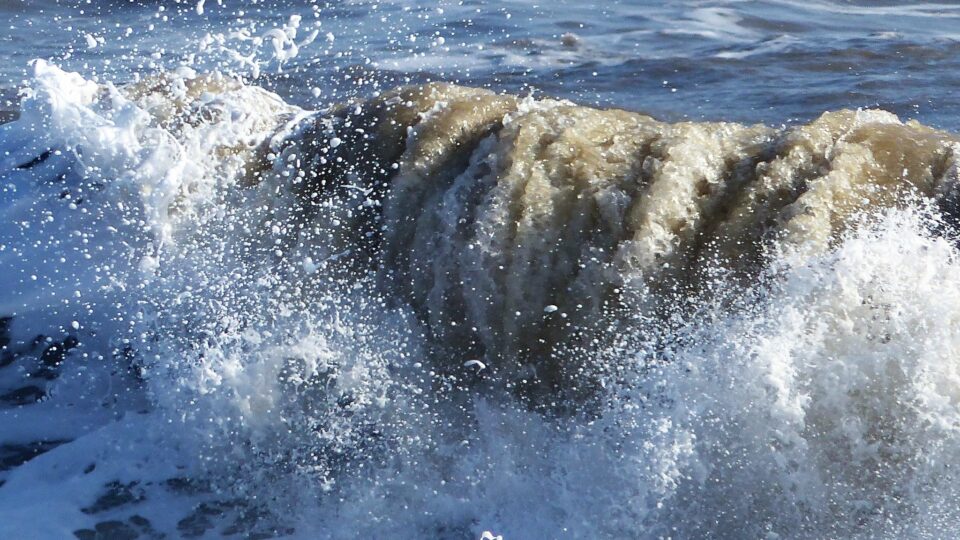
There are various ways to generate renewable energy from the world’s oceans, most obviously from the power of tides and waves.  But there is also an oceanic energy source called osmotic or “blue” energy.  Osmotic energy uses the differences in pressure and salinity between freshwater and saltwater to generate electricity. 

When freshwater and saltwater are mixed together, large amounts of energy are released. If the freshwater and seawater are then separated via a semi-permeable membrane, the freshwater will pass through the membrane and dilute the saltwater due to the chemical potential difference. This process is called osmosis. If the salt ions are captured completely by the membrane, the passing of water through the membrane will create a pressure known as osmotic pressure. This pressure can be used to generate electricity by using it to drive a turbine.  This has been demonstrated to work as far back as the 1970s, but the materials we have to use are not adequate to withstand ocean conditions over the long term and tend to break down quickly in the water.

New research, published in the journal Joule, looked to living organisms for inspiration to develop an improved osmotic energy system.  Scientists from the U.S. and Australia combined multiple materials to mimic the kind of high-performance membranes that are found in living organisms.  They created a hybrid membrane made from aramid microfibers (like those used in Kevlar) and boron nitride.  The new material provides both the flexibility of cartilage and the strength and stability of bone.

The researchers believe that the low cost and high stability of the new hybrid membrane will allow it to succeed in volatile marine environments.  They also expect the technology will be both efficient and scalable. 

**********

Web Links

Inspired by the Tissues of Living Organisms, Researchers Take One Step Closer to Harvesting “Blue Energy”

Photo, posted February 14, 2017, courtesy of Marian May via Flickr.

Earth Wise is a production of WAMC Northeast Public Radio.
What’s On Nature’s Calendar? | Earth Wise

January 29, 2020 By EarthWise 1 Comment

Nature Calendar Flux

The Inuit Calendar is based on six seasons defined by weather, ice, animal migration, daylight hours and the night sky.  All these variables are in flux according to Harvard Narwhal Biologist Dr. Martin Nweeia.  Last August in the high Canadian Arctic, at 72 degrees north latitude, temperatures were at an astounding 70 degrees during the day. In 2018, the same region at the same time of year, experienced one of the coldest August months in 15 years.  

Disappearing sea ice in Hudson Bay affects migration patterns of ice-dependent species like narwhal and beluga whales and now allows more shipping traffic which produces more marine noise pollution and the risk of an oil spill. As a natural resource, the Arctic has significant deposits of iron ore, gold, diamonds, phosphate, and bauxite, so cargo shipments are increasing yearly.  

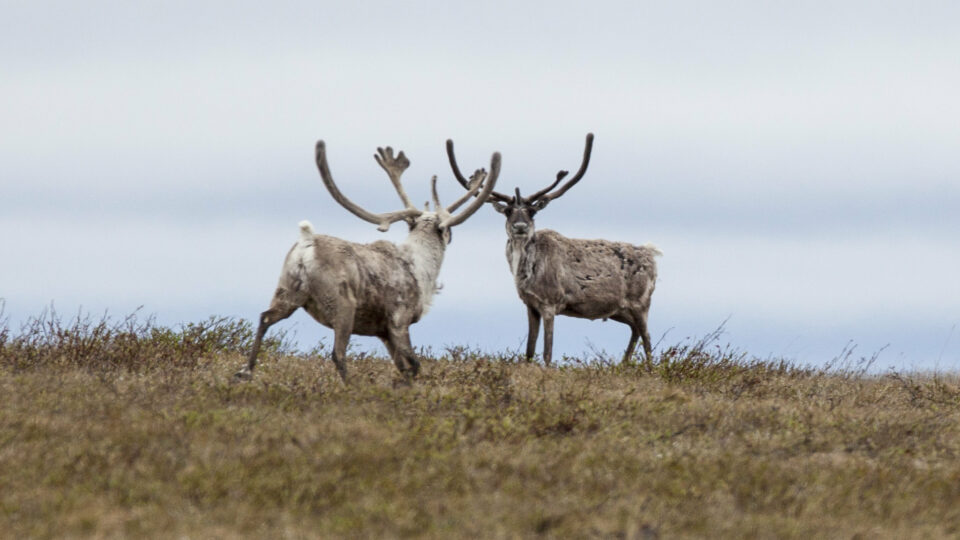
The disappearance of caribou herds and altered migrations of other animals have also blurred the seasonal changes. Caribou numbers have decreased by more than half in the last two decades.  Narwhal populations are remaining steady but are experiencing migration shifts resulting in their appearance at new locations and their absence from traditional areas.  Even the timing of the migration has changed, shifting two weeks later from normal late summer – early fall patterns.  

The night sky, which has long had identifiable reference points for Inuit observers, is also changing causing speculation about changes in the magnetic field and a polar shift or flipping of the poles. The earth’s magnetic north has been shifting toward Siberia at an alarming 30 miles each year since 2015.  Every million years, it is estimated that the poles flip three times.  No one knows if or when it will happen again. That’s a calendar with some unexpected dates. 

**********

–Earth Wise acknowledges script contribution from Dr. Martin Nweeia of Harvard University.

Web Links

Migratory Tundra Caribou and Wild Reindeer

Earth’s magnetic field is acting up and geologists don’t know why

Photo, posted June 27, 2014, courtesy of the Bureau of Land Management via Flickr.

Earth Wise is a production of WAMC Northeast Public Radio.

Reducing Air Pollution With Plants | Earth Wise

January 15, 2020 By EarthWise Leave a Comment

New research by Ohio State University suggests that adding plants and trees to the landscapes near factories and other pollution sources could reduce air pollution by an average of 27%.  In addition, the study indicates that, in many cases, plants may be a cheaper option for cleaning the air than more technological approaches.

The study looked at public data on air pollution and vegetation on a county-by-county basis across the lower 48 states. It then calculated what adding additional trees and plants might cost.  The calculations included the capacity of current vegetation to mitigate air pollution as well as the effects that restorative planting might have on pollution levels.

In 75% of the counties analyzed, it was cheaper to use plants to mitigate air pollution rather than add technological interventions such as smokestack scrubbers to the sources of pollution.  The results varied according to the pollution source.  For example, technology is cheaper at cleaning the air near industrial boilers than ecosystem approaches.  For the broad manufacturing industry, one approach or the other was favorable, depending on the type of factory.

Adding trees or other plants generally can lower air pollution levels in both urban and rural areas, although success rates depend on a variety of factors including how much land is available to grow new plants and current air quality.

Reducing air pollution is critical to public health.  An estimated 4 in 10 people in the U.S. live in areas with poor air quality, leading to health issues including asthma, lung cancer, and heart disease.  The study shows that nature should be part of the planning process for industry to deal with air pollution.

**********

Web Links

Nature might be better than tech at reducing air pollution

Photo courtesy of Flickr.

Earth Wise is a production of WAMC Northeast Public Radio.
The Arctic As A Carbon Source

December 16, 2019 By EarthWise Leave a Comment

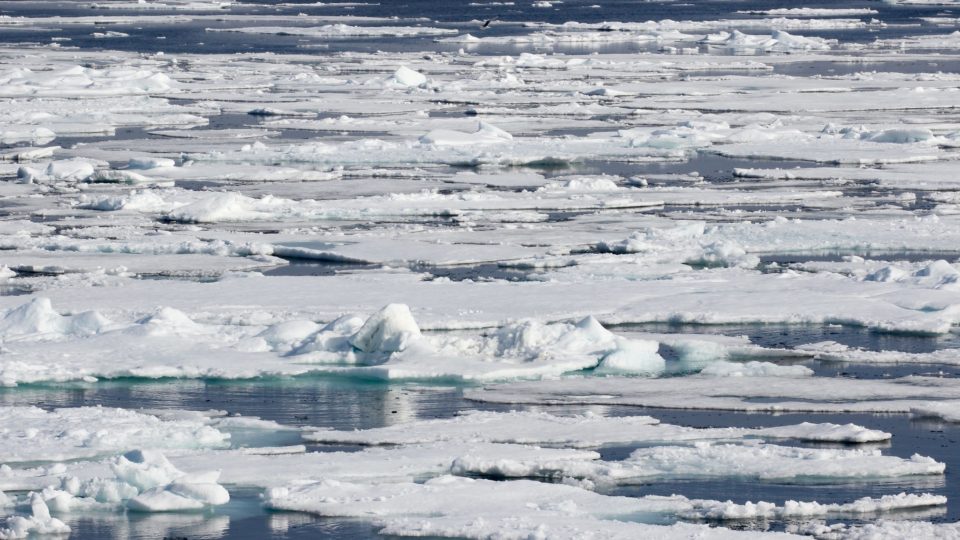
According to a new NASA-funded study, the Arctic may now be a source for carbon in the atmosphere rather than being the sink for it that is has been for tens of thousands of years.

The study, published in Nature Climate Change, warns that carbon dioxide loss from the world’s permafrost regions could increase by more than 40% over the next century if human-caused greenhouse gas emissions continue at their current pace.  Worse yet, carbon emitted from thawing permafrost has not even been included in most climate models.

Permafrost is the carbon-rich frozen soil and organic matter that covers nearly a quarter of Northern Hemisphere land area, mostly in Alaska, Canada, Siberia, and Greenland.  Permafrost holds more carbon than has ever been released by humans from fossil fuel burning, but it has been safely locked away by ice for tens of thousands of years.

As global temperatures rise, the permafrost is starting to thaw and release greenhouse gases into the atmosphere.

The recent findings indicate that the loss of carbon dioxide during the winter in the Arctic may already be offsetting carbon uptake during the growing season.  The researchers compiled on-the-ground observations of carbon dioxide emissions across many sites and combined these with remote sensing data and modeling.  They estimate that the permafrost region is now losing 1.7 billion metric tons of carbon during the winter season but taking up only 1 billion during the growing season.

The major concern is that as the Arctic continues to warm, more carbon will be released into the atmosphere from the permafrost region, which will further the warming.  Climate modeling teams across the globe are trying to incorporate these findings into their projections.

**********

Web Links

Arctic Shifts to a Carbon Source due to Winter Soil Emissions

Photo, posted July 27, 2015, courtesy of Gary Bembridge via Flickr.

Earth Wise is a production of WAMC Northeast Public Radio.
Why Save Endangered Species?

December 9, 2019 By EarthWise Leave a Comment

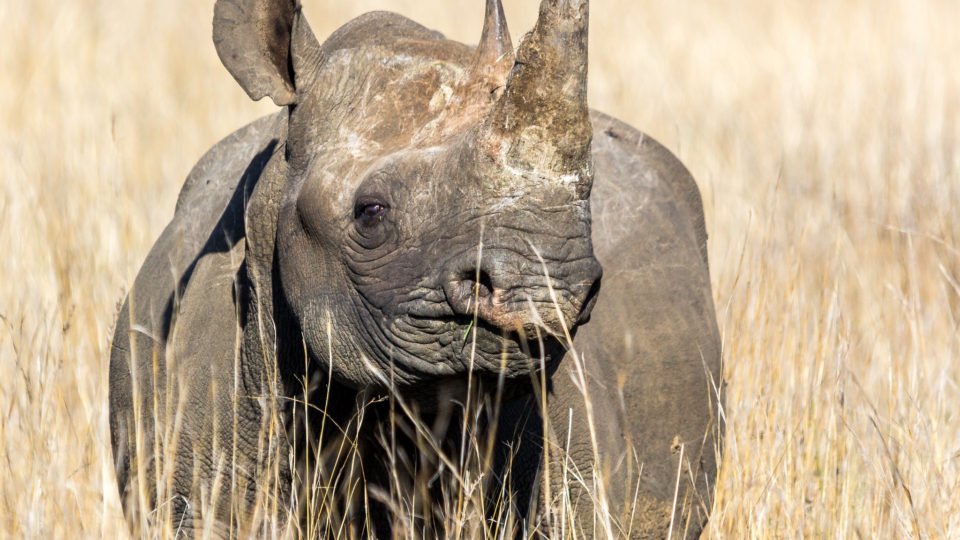
One often hears the argument that humans need to save the world’s endangered species in order to save ourselves.  Carl Safina, a marine ecologist and award-winning environmental writer, has written a thought-provoking essay that offers the viewpoint that we don’t actually need the wild species of the world but that they need us.

The truth is that human beings have thrived by destroying nature.  We have exploited other species when they were useful to us and simply pushed them aside when they weren’t.  We drove America’s most abundant bird – the passenger pigeon – to extinction.  The most abundant large mammal – the bison – was driven to functional extinction.

In today’s world, people live at high densities in places devoid of wild species and natural beauty.  And while we express concern for elephants, gorillas, sperm whales, tigers, and various other species, how would the lives of most of us be affected at all should they vanish entirely?  The unfortunate truth is that it would make little difference to our lives.

The only species that are really essential to modern living are actually microbes of decay, a few insect pollinators, and the ocean’s photosynthesizing plankton.  Life would go on little changed without most other co-inhabitants of our planet.

Safina argues that our obligation to protect endangered species does not come from our dependence upon them but rather on a moral obligation.  Humans consider ourselves to be the most moral species and, as such, we have moral obligations.  In this case, it is to protect the beauty and wonder of our world, which is not trivial but in fact is the most profound thing on earth.

Safina has much more to say about this and I strongly recommend reading his essay.  You can find the link here.

**********

Web Links

The Real Case for Saving Species: We Don’t Need Them, But They Need Us

Photo, posted December 9, 2014, courtesy of Gerry Zambonini via Flickr.

Earth Wise is a production of WAMC Northeast Public Radio.
Meeting Climate Goals With Current Energy Infrastructure

September 2, 2019 By EarthWise Leave a Comment

The Paris Climate Agreement set forth a goal to keep global warming below 2 degrees Celsius as well as a more optimistic (and preferable) goal of keeping the temperature rise to less than 1.5 degrees.  Reaching either of these goals requires getting to net-zero emissions by the middle of the century.

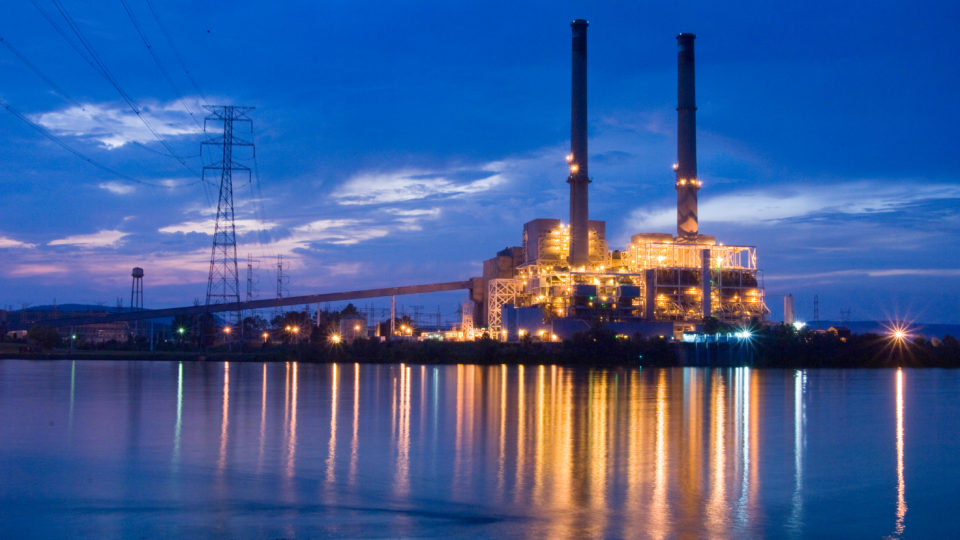
A new paper, published in Nature, looks at the issue of whether existing power plants and other fossil-fuel-burning equipment (including vehicles) can continue to operate until they age out of functionality, or whether they need to be retired early.

The results of the study are that future emissions from existing facilities would take up the entire carbon budget needed to limit warming to 1.5 degrees Celsius and almost 2/3 of the budget needed to keep warming below 2 degrees over the next 30 years.

So, the good news is that we can still avoid a 2-degree rise without having to shut down all the existing power plants early.  But we would definitely have to stop building new things with smokestacks and tailpipes that dump CO2 into the atmosphere. 

That good news is tempered by the fact that the number of fossil fuel-burning power plants and vehicles in the world has increased dramatically over the past decade, spurred by rapid economic and industrial development in China and India.  In fact, China is predicted to produce more than 40% of all the carbon emissions over the next 30 years.

The 2-degree climate goal is not at all the most desirable result.  The 1.5-degree target would be far better for the climate.  But if the world is to achieve it, there will be dramatic changes needed in the existing infrastructure – either shutting it down or retrofitting it to drastically reduce emissions.

**********

Web Links

Two-Degree Climate Goal Attainable Without Early Infrastructure Retirement

Photo, posted March 5, 2010, courtesy of Tennessee Valley Authority via Flickr.

Earth Wise is a production of WAMC Northeast Public Radio.
Cities And Monarch Butterflies

August 13, 2019 By EarthWise Leave a Comment

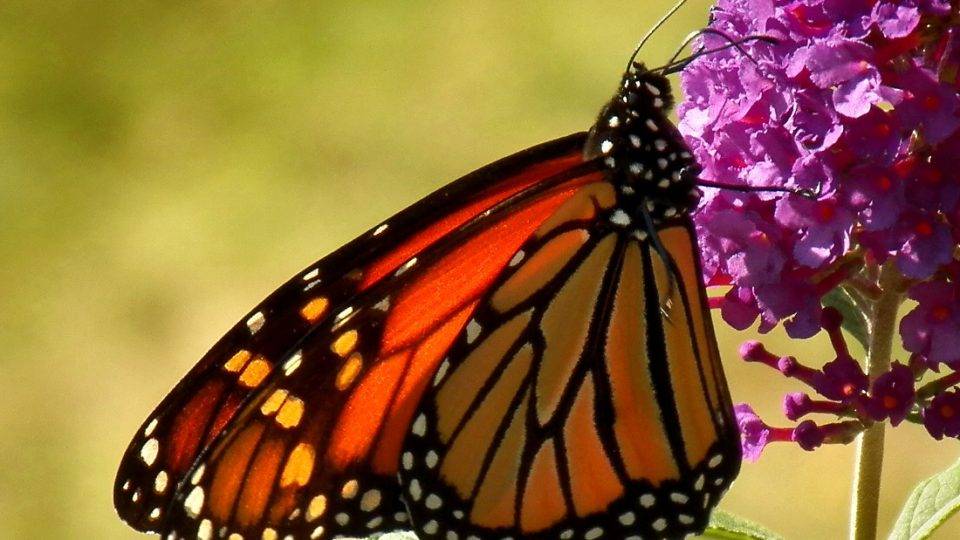
Monarchs are some of the most well-known butterflies in the U.S.   It is well-known that populations of the iconic orange-and-black butterflies have been in a steep decline for the last 20 years.  In fact, the Monarch population has declined by 80% over that period.

Milkweed, the only plant that Monarchs can lay their eggs on, continues to disappear across the United States and with it, the butterflies can disappear too.

Two new studies published in the journal Frontiers of Ecology and Evolution show that one of the most important things that can be done to save the Monarchs is to plant milkweed in cities.

We tend to think of cities as being the enemy of nature.  But metropolitan areas actually matter for wildlife conservation and that is especially true for pollinators like butterflies that can actually survive with very small patches of habitat.

The new study estimates the amount of habitat in cities that is available to Monarchs and other pollinators and how much more can potentially be added.  It looked at cities from the Monarch’s point of view by identifying the best places and most effective ways to engage land owners to transform low-quality green space – such as lawns – into high-quality homes for butterflies and other wildlife.

Just because urban dwellers can plant milkweed doesn’t always mean that they will.  There has to be a public perception that milkweed and other native flowers are acceptable and beautiful elements in home landscaping.  It will require some shifting of societal norms of what is desirable in neighborhood gardens in order for cities to be able to do their part in protecting butterflies and other species struggling in the modern world.

**********

Web Links

Cities are Key to Saving Monarch Butterflies

Photo, posted August 31, 2012, courtesy of Chris via Flickr.

Earth Wise is a production of WAMC Northeast Public Radio.
Return Of An Old Threat

July 3, 2019 By EarthWise Leave a Comment

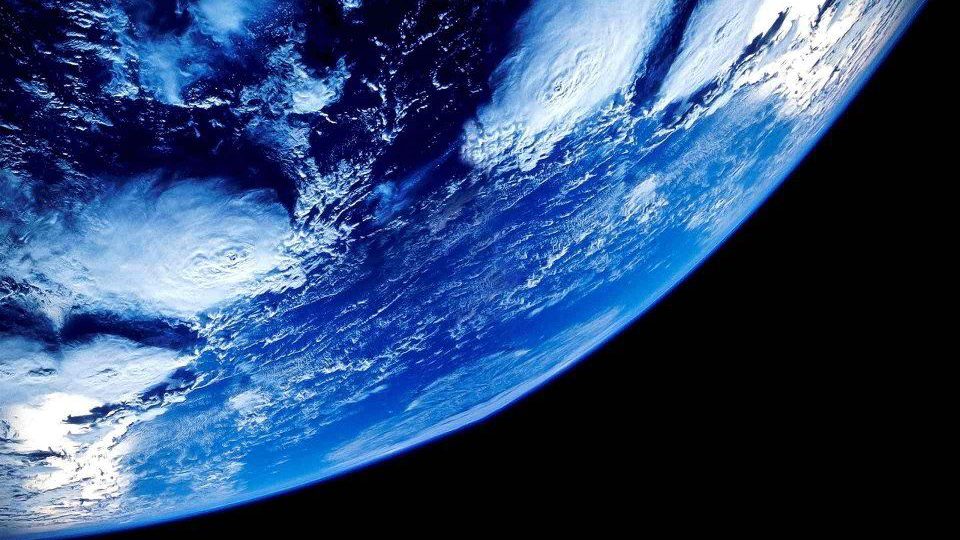
The 1987 signing of the Montreal Protocol was one of the biggest victories for global environmental stewardship. The 197 signatory nations banded together to address a planetary emergency:  the depletion of the ozone layer in the upper atmosphere resulting from the use of chlorofluorocarbons or CFCs.

Over the years, there were celebratory headlines like “The Earth’s Ozone Hole is Shrinking” and “Without the Ozone Treaty, You’d Get Sunburned in 5 Minutes”.  And indeed, the hole in the ozone layer has shrunk over time.

However, the presence of CFCs in the atmosphere is continually monitored and studies in recent years reported new emissions of about 13,000 tons of CFC-11 a year from somewhere in eastern Asia starting in 2012.  That was two years after the 2010 date for ending all CFC production under the terms of the Montreal Protocol.

A new study published in Nature has pinned down the source of more than half of the new CFC emissions to the provinces of Shandong and Hebei on the northeastern coast of China.  The bulk of these emissions are believed to come from small factories using the chemical to manufacture foam insulation used in refrigerators and buildings.

The Chinese government has already shut down two manufacturing locations, but undercover agents have found that 18 out of 21 manufacturers in the region are using the banned substance.  They appear to be quite adept at circumventing enforcement.

The new emissions aren’t large enough so far to be catastrophic, but the Chinese government needs to crack down on this illegal activity.  It is difficult to stop because these are small companies operating in meth lab-like facilities.  Saving the earth’s atmosphere from ourselves is a tricky business.

**********

Web Links

How an Illicit Chemical Is Jeopardizing Recovery of the Ozone Layer

Photo, posted July 28, 2012, courtesy of Beth Scupham via Flickr.

Earth Wise is a production of WAMC Northeast Public Radio.

One Million Extinctions

June 14, 2019 By EarthWise Leave a Comment

A group of 145 expert authors from 50 countries has produced a report based upon a review of 15,000 scientific and government sources that is the first comprehensive look at the state of the planet’s biodiversity in 15 years.  The conclusions are alarming.

Thanks to human pressures, one million species may be pushed to extinction in the next few years, something with serious consequences for human beings as well as the rest of life on earth.

Based upon scientific studies as well as indigenous and local knowledge, the evidence is overwhelming that human activities are the primary cause of nature’s decline.  The report ranked the major drivers of species decline as land conversion, including deforestation; overfishing; bush meat hunting and poaching; climate change; pollution; and invasive alien species.

The tremendous variety of living species on our plant which number at least 8.7 million and perhaps many more – biodiversity – constitutes a life-supporting safety net that provides our food, clean water, air, energy, and more.

In parts of the ocean, little life remains but green slime.  Some remote tropical forests are nearly silent because insects have vanished.  Many grasslands are becoming deserts.  Human activity has severely altered more than 75% of Earth’s land areas and has impacted 66% of the oceans.  The world’s oceans increasingly are characterized by plastics, dead zones, overfishing, and acidification.

The main message of the 1,500-page report is that transformative change is urgently needed.  In order to safeguard a healthy planet, society needs to shift from a sole focus on chasing economic growth.  This won’t be easy, but we must come to the understanding that nature is the foundation for development before it is too late.

**********

Web Links

One million species at risk of extinction, UN report warns

Photo, posted January 1, 2014, courtesy of Eric Kilby via Flickr.

Earth Wise is a production of WAMC Northeast Public Radio.

The Future Of Animals

June 12, 2019 By EarthWise Leave a Comment

Researchers at the University of Southampton have forecast a global shift towards smaller birds and mammals over the next century.   

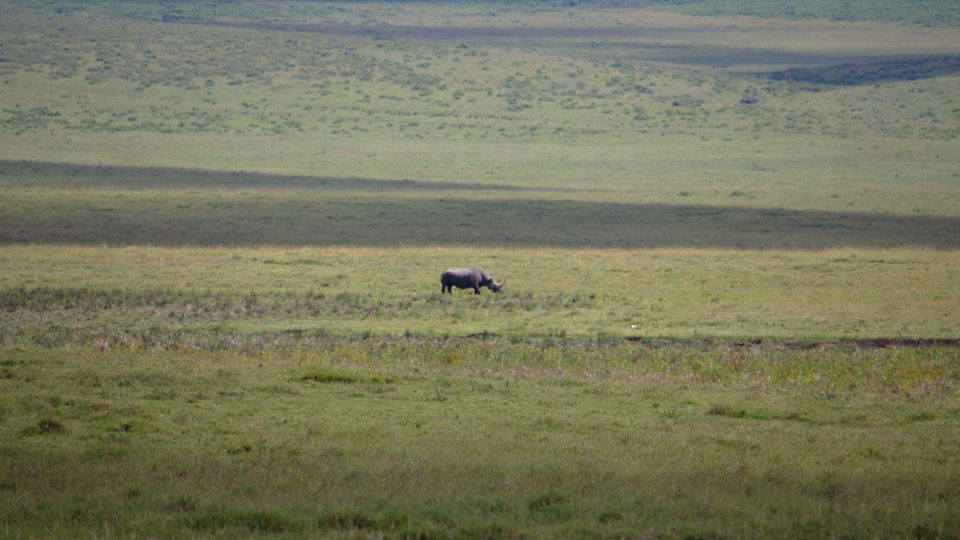
According to the research team, small, fast-lived, highly fertile, and insect-eating animals, which can thrive in all sorts of habitats, will predominate in the future.  Rodents and songbirds are examples of the so-called ‘winners.’  Less adaptable, slow-lived species, requiring specialist habitats, will be more likely to face extinction.  Among the so-called ‘losers’ are the black rhino and the tawny eagle. 

The researchers focused on more than 15,000 living mammals and birds and considered the following five characteristics: body mass, breadth of habitat, diet, litter or clutch size, and length of time between generations.  Using this data and data from the IUCN’s Red List of Threatened Species, the researchers used modern statistical tools to project and evaluate the loss of biodiversity.  

The study, which was recently published in the journal Nature Communications, predicts that the average body mass of mammals will collectively decline by 25% over just the next 100 years.  Over the past 130,000 years, the average body size of mammals only declined 14%.

This substantial downsizing of animals is forecasted to occur due to the effects of ecological change. But, according to the study’s lead author, the loss of these species, which perform unique functions within the global ecosystem, may ironically wind up being a driver of change as well.       

The researchers hope future studies will further explore the long-term effects of species extinction on habitats and ecosystems. 

**********

Web Links

Study predicts shift to smaller animals over next century

Photo, posted April 6, 2013, courtesy of Nic Trott via Flickr.

Earth Wise is a production of WAMC Northeast Public Radio.
Earth Day

April 22, 2019 By EarthWise Leave a Comment

Today is Earth Day.  On April 22, 1970, millions of Americas took to the streets in peaceful demonstrations in favor of environmental reform.  Since that first time, Earth Day has now become a global event each year.  Estimates are that as many as a billion people in 192 countries take part in Earth Day events.

This year, the theme for Earth Day is “Protect our Species.”  The focus is on the fact that the world is facing the greatest rate of extinction since the demise of the dinosaurs more than 60 million years ago.

But unlike the extinctions from that time that were linked to so-called acts of god like asteroid collisions, the rapid extinction of species in our world today is mostly the result of human activity.

The global destruction and rapid reduction of plant and wildlife populations are directly linked to climate change, deforestation, habitat loss, trafficking and poaching, unsustainable agriculture, pollution, and pesticides.

In order to stem the tide of destruction, the Earth Day Network is asking people to help raise awareness about the accelerating rate of extinction of millions of species and the causes and consequences of this phenomenon.  We need to push for the creation of policies that protect broad groups of species as well as individual species and their habitats.  There needs to be a global movement that embraces nature and its values. And we need to eat less meat and curtail the use of pesticides and herbicides.

We share the planet with many species, and we need them to be here in order to sustain our own species.  Something to remember on Earth Day 2019.

**********

Web Links

Earth Day Network

Photo, posted January 24, 2012, courtesy of Jonas Bengtsson via Flickr.

Earth Wise is a production of WAMC Northeast Public Radio.

  • « Go to Previous Page
  • Page 1
  • Page 2
  • Page 3
  • Page 4
  • Page 5
  • Page 6
  • Page 7
  • Go to Next Page »

Primary Sidebar

Recent Episodes

  • An uninsurable future
  • Clean energy and jobs
  • Insect declines in remote regions
  • Fossil fuel producing nations ignoring climate goals
  • Trouble for clownfishes

WAMC Northeast Public Radio

WAMC/Northeast Public Radio is a regional public radio network serving parts of seven northeastern states (more...)

Copyright © 2026 ·