• Skip to primary navigation
  • Skip to main content
  • Skip to primary sidebar

Earth Wise

A look at our changing environment.

  • Home
  • About Earth Wise
  • Where to Listen
  • All Articles
  • Show Search
Hide Search
You are here: Home / Archives for market

market

Blue Carbon Credits | Earth Wise

June 4, 2021 By EarthWise Leave a Comment

Blue carbon credits and the fight against climate change

Carbon credits have been around since the late 1990s.  The idea is to offset carbon emissions from some carbon emitting activity – anything from a wedding in California to a factory operating in Minnesota – by buying carbon credits earned from a carbon-absorbing activity, such as planting trees in the Amazon.

Blue carbon credits are credits earned by increasing the carbon stored in coastal and marine ecosystems. Coastal ecosystems such as mangroves, tidal marshes, and seagrass meadows in fact sequester and store more carbon per unit area than terrestrial forests and are increasingly being recognized for their important role in mitigating climate change. 

Blue carbon credit awards have to date been relatively few and far between and have mostly been granted for mangrove restoration efforts.  But mangrove projects are now ramping up dramatically in scope.  Scientists are working hard to analyze the amount of carbon in other ecosystem types – seagrasses, salt marshes, seaweeds, and seafloor sediments – so that these systems can also enter the carbon credit market.

Over the past 20 years, conservation scientists have spread over 70 million seeds in the bays of Virginia to restore over 9,000 acres of seagrass meadows that were devastated by disease in the 1930s.  The restored meadows are absorbing nearly half a ton of CO2 per acre. 

The rules to allow for blue carbon credits are recent and evolving, which is a big deal. The market may currently be small, but it is growing exponentially.  But as important as carbon credits are, it is still paramount to decarbonize before turning to offsets for existing emissions.

**********

Web Links

Why the Market for ‘Blue Carbon’ Credits May Be Poised to Take Off

Photo, posted July 2, 2009, courtesy of Nicolas Raymond via Flickr.

Earth Wise is a production of WAMC Northeast Public Radio.
Scaling Up Green Hydrogen | Earth Wise

April 27, 2021 By EarthWise Leave a Comment

How to scale up green hydrogen

The global hydrogen market generates about $150 billion dollars a year.  The bulk of the market consists of hydrogen used to produce ammonia, refine oil, and produce methanol.  Advocates for hydrogen foresee a $600 billion a year market based on power and industry uses, mobility and transport uses, chemical feedstocks, and construction.  But the problem with expanding the use of hydrogen is that the vast majority of hydrogen in use today is produced from fossil fuels such as natural gas and coal and producing it creates carbon dioxide emissions.

The great hope of the industry is “green hydrogen”- hydrogen produced either without using fossil fuels at all or by capturing and storing the emissions generated. The most likely approach is electrolysis – using electricity to produce hydrogen from water.

Billions of dollars are being invested by both governments and by large oil companies in a race to scale up electrolysis and make it economically attractive.  According to the Hydrogen Council industry lobby group, at least $300 billion is expected to be invested globally over the next decade aimed at developing the green hydrogen that could one day meet almost a fifth of global energy demand.

Many argue that producing green hydrogen with electrolysis is an extremely inefficient way to utilize renewable energy.  Critics of hydrogen-powered vehicles particularly make this argument.   But industrial applications of hydrogen that currently use large amounts of fossil fuels – such as steel manufacturing – may be places where green hydrogen would make a real dent in global emissions.

The race to clean up hydrogen is definitely on.

**********

Web Links

The Race to Scale Up Green Hydrogen to Help Solve Some of the World’s Dirtiest Energy Problems

Photo, posted December 16, 2020, courtesy of Sharon Hahn Darlin via Flickr.

Earth Wise is a production of WAMC Northeast Public Radio.

Fitness Trackers For Lobsters | Earth Wise

October 20, 2020 By EarthWise Leave a Comment

improving the lobster supply chain

The lobster industry is somewhat unique, at least in this country, in that it involves an animal food that is kept alive until it has reached the destination where it will be consumed or used.  As a result, the industry has to deal with a problem they call “shrink”, which is the mortality lobsters experience as they change hands from capture to kitchen.

Maine’s lobster industry has reached out to the University of Maine Lobster Institute along with collaborators at other institutions to help quantify and mitigate stress points in the lobster supply chain that reduce survival and profitability.

A 2-year project was funded by the National Oceanic and Atmospheric Administration to create miniature sensory devices – crustacean heart and activity trackers (called C-HATs).  These are essentially Fitbits for lobsters.  The noninvasive devices strapped on a lobster monitor its heart rate and movement as it passes from trap to on-board live tank to live storage crate to truck to wholesaler to retailer or processor.

A separate sensor-equipped device called the MockLobster travels along with the lobsters to log environmental conditions experienced, including temperature, light and dissolved oxygen levels.

The hope is to be able to get a good handle on the conditions lobsters experience from trap to market and learn where problems are likely to arise.  The researchers are also working to develop economical, standardized protocols to monitor water quality and the heath of lobsters during their movement through the supply chain.

The goal is to produce big improvements in the bottom lines of everyone along the supply chain along with big improvements in the health of the lobsters destined for market.

**********

Web Links

Fitness trackers, environmental sensors prototyped to improve survival in the lobster supply chain 

Photo, posted August 29, 2015, courtesy of Adam Grimes via Flickr.

Earth Wise is a production of WAMC Northeast Public Radio.
Preserving Produce With Eggs | Earth Wise

July 17, 2020 By EarthWise Leave a Comment

Using eggs to preserve produce

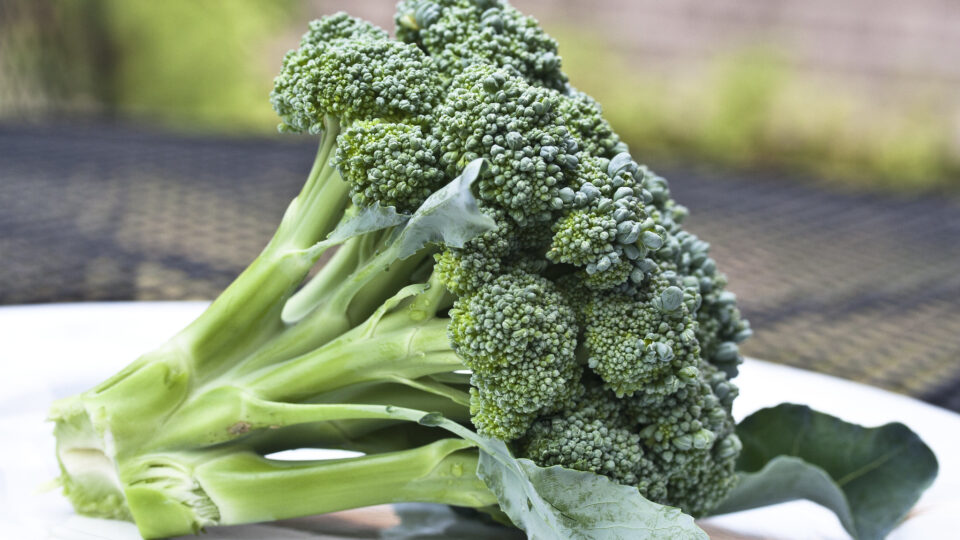
Researchers at Brown University have developed an inexpensive coating to protect fruits and vegetables that is made from eggs that would otherwise be wasted.  The micron-thick coating solves problems for the produce and its consumers as well as for the environment.

The coating relies on eggs that never reach the market.  The U.S. produces more than 7 billion eggs a year.  The supply chain rejects about 3% of them, typically because of shell damage, which means that more than 200 million eggs end up in landfills.

The coating is mostly made from egg, the rest consisting of nanoscale cellulose extracted from wood, a tiny amount of curcumin (the main active ingredient in turmeric that has antimicrobial properties), and a bit of glycerol for added elasticity.  The coating is applied to produce by spraying or dipping.  It shows a remarkable ability to resist rotting for an extended period comparable to standard coatings like wax, but without their shortcomings.

Along with being edible, the coating retards dehydration, provides antimicrobial protection, and is largely impermeable to both water vapor to prevent dehydration and to gas to prevent premature ripening.  The coating is entirely natural, and it washes off with water.  So, anyone sensitive to the coating, such as someone with an egg allergy, can easily eliminate it.

Lab tests of the coating studied its effects on strawberries, avocados, bananas and other fruits.  All were seen to maintain their freshness far longer than uncoated produce.

The researchers are continuing to refine the coating.  They are also considering other source materials.  They chose egg proteins because there are so many wasted eggs, but it may be possible to make use of plant proteins instead to address the needs of vegan consumers.

**********

Web Links

Egg-based coating preserves fresh produce

Photo, posted July 13, 2012, courtesy of Liz West via Flickr.

Earth Wise is a production of WAMC Northeast Public Radio.

SUVs And Carbon Emissions

December 17, 2019 By EarthWise Leave a Comment

Global carbon dioxide emissions increased between 2010 and 2018.  The largest contributor to this increase was the power sector as electricity demand around the world continued to grow.   The second largest contributor to increased emission turns out to be SUVs, even while emissions for other cars actually decreased.

During that time period, SUVs more than doubled their global market share from 17% to 39% and their annual emissions rose to more than 700 million tons of CO2, which is more than the yearly total emission of the UK and the Netherlands combined.

This dramatic shift toward bigger, heavier SUVs has offset both efficiency improvements in small cars and savings from electric vehicles.  If SUV drivers were a nation, they would rank 7th in the world for carbon emissions.

SUVs are bigger, they are heavier, and their aerodynamics are poor.  As a result, it takes more gas to drive them.  They started to become popular in the 1980s – mostly in American suburbia – but now they have become globally popular.

The demand for SUVs is thought to be driven by perceptions of heightened safety or increased social status.  There is also the marketing and business strategy of manufacturers who obtain larger profit margins in the SUV segment.  Of course, for at least some consumers, the utility aspects of sport utility vehicles are actually important and not just the status.

For whatever reasons, SUVs are likely to be extremely popular for the foreseeable future as demand for sedans continues to decline.  Fortunately, electric SUVs are beginning to enter the market – including next year’s mass-market priced Tesla Model Y.  Such cars are the best solution to emissions from SUVs.

**********

Web Links

Demand for SUVs a Major Contributor to the Increase in Global CO2 Emissions

Photo, posted May 9, 2017, courtesy of Yonkers Honda via Flickr.

Earth Wise is a production of WAMC Northeast Public Radio.

Meal Kits And The Environment

June 11, 2019 By EarthWise Leave a Comment

Meal kit services have become extremely popular in recent years.  These are companies that deliver a box of pre-portioned ingredients and a chef-created recipe to your door to make home-cooked meals easy and practical for busy people.  Leading companies like Blue Apron, HelloFresh, and Plated have been joined by dozens of others competing in the meal kit market.  As of last year, annual sales for these things were over $3 billion and growing at more than a 20% annual rate.

A major rap against meal kits has been their environmental impact, mostly centered around the amount of packaging waste they generate.  While there is most certainly lots of packaging waste associated with meal kits, it turns out that their overall carbon footprint is actually rather good compared with conventional ways to make homecooked meals.

A study from the University of Michigan looked at the cradle-to-grave impact of meal kits, taking into account every major step in the lifetime of the food ingredients and the packaging – agricultural production, packaging production, distribution, supply chain losses, consumption, and waste generation.

Surprisingly, meal kits have a much lower overall carbon footprint than the same meals made from ingredients purchased at the grocery store – even including their packaging.  The main reason is that pre-portioned ingredients and a streamlined supply chain lower overall food losses and waste for meal kits compared to store-bought meals.  Pre-portioning simply results in fewer ingredients that end up being wasted.  Meal kits also have radically different supply chain structures than foods sold in supermarkets.

Whether the economics and culinary aspects of meals kits are advantageous for many people is an open question, but apparently from an environmental perspective, they are just fine.

**********

Web Links

Climate change has worsened global economic inequality

Photo, posted June 11, 2018, courtesy of Marco Verch via Flickr.

Earth Wise is a production of WAMC Northeast Public Radio.
The Energy Vault

May 28, 2019 By EarthWise Leave a Comment

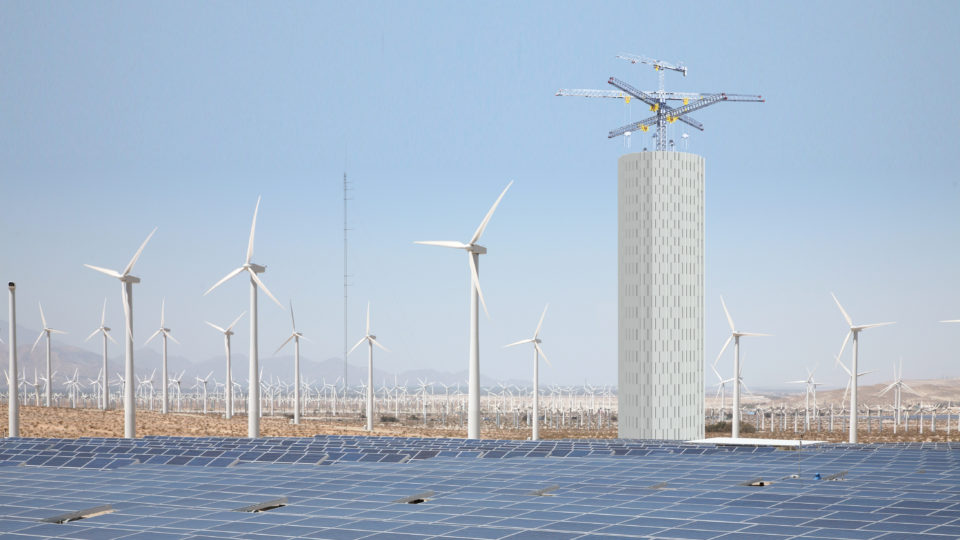
A potentially transformative utility-scale energy storage technology has won a 2019 “World Changing Idea” award from Fast Company magazine.  Known as the Energy Vault, the technology seeks to be the successor to the granddaddy of grid energy storage:  pumped hydro.

Shifting water between higher and lower reservoirs is still basis of the vast majority of global grid storage capacity.  But it is limited both by its unique location needs and by environmental regulations.

A start-up company also called Energy Vault and based in both Switzerland and Southern California has come up with an extremely creative grid storage concept.  The technology consists of a six-armed crane that stacks huge concrete blocks using a currently available source of cheap and abundant grid electricity, and then drops them down to generate electricity when needed.

The system is said to operate at about 90% efficiency and can deliver long-duration storage at half the prevailing price on the market today.

A full-scale Energy Vault plant, called an Evie, would look like a 35-story crane with six arms, surrounded by thousands of manmade concrete blocks, weighing nearly 40 tons each.  When charging, the plant will stack the blocks around itself higher and higher in a Babel-like tower.  To discharge, the cranes drop the blocks down, generating power from the speedy descent.  This configuration can deliver 4 megawatts of power and store about 35 megawatt-hours of energy.

There isn’t even a factory needed.  The company would deliver a crane from a manufacturer.  The crane will then assemble the blocks onsite using recycled concrete.  Operation is then fully automated.  The system is expected to run for 30 or 40 years.

So far there is only a one-seventh scale demo unit in Switzerland.  But this is a very intriguing idea.

**********

Web Links

Energy Vault Wins World Changing Idea Award 2019 from Fast Company for Transformative Utility-Scale Energy Storage Technology

Photo courtesy of Energy Vault.

Earth Wise is a production of WAMC Northeast Public Radio.
Big Success From A Big Battery

January 1, 2019 By EarthWise Leave a Comment

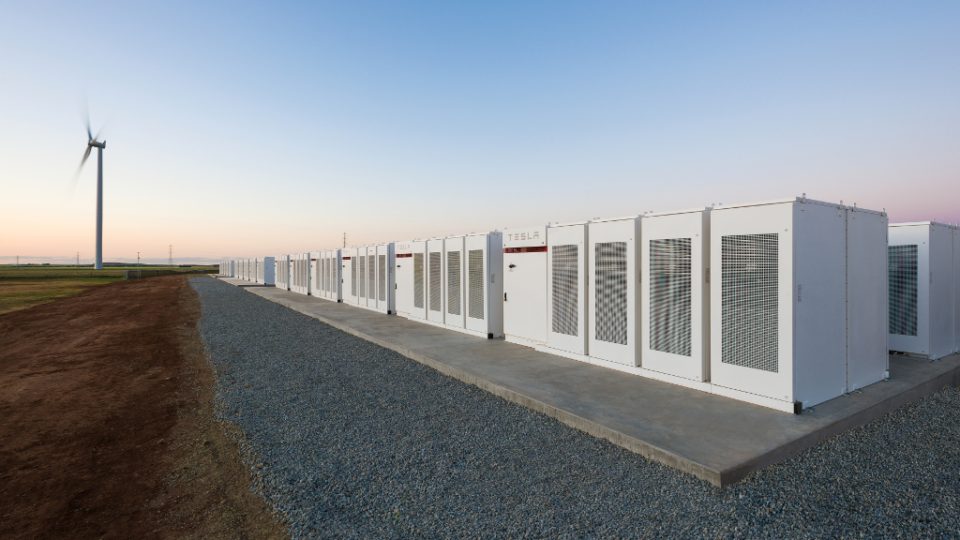
In the fall of 2017, Tesla took on the challenge of installing a 100-megawatt battery storage system in South Australia in under 100 days, promising that the system would be free if it was not built in time.  The project was actually completed in 54 days.

The system is located at the Hornsdale Wind Farm, which consists of 99 wind turbines with a generation capacity of 315 MW.  The Hornsdale Power Reserve installation is the world’s largest lithium-ion battery system and, after a year of operation,has proven to be a smashing success. Estimates are that the project has reduced costs associated with stabilizing the energy grid by about $29 million. The cost of the system was about $87 million, so it is paying for itself quite rapidly. The wind farm and battery systems are owned and operated by a French renewable energy company.

The battery storage system provides a variety of different services to the electric grid.  The primary motivation for it was to achieve system security and reduce the risk of blackouts and load shedding.   Having the battery system in place protects the regional interconnection from tripping,which reduces the risk of separation of South Australia from the National Electricity market.  The system also provides so-called ancillary services such as frequency control and other forms of electricity supply regulation.

The most significant contribution of the Hornsdale Power Reserve is that it has raised the profile of energy storage technology and demonstrated its unique capabilities.  Based on the success of the system, there are now about 2,500 MWh of new storage projects announced by the public and private sectors in Australia.

**********

Web Links

Tesla’s Battery Has Already Saved South Australia a Huge Amount of Money

Photo courtesy of Hornsdale Power Reserve. 

Earth Wise is a production of WAMC Northeast Public Radio.
Hydrogen Powered Cars

October 31, 2018 By EarthWise Leave a Comment

https://earthwiseradio.org/wp-content/uploads/2018/10/EW-10-31-18-Hydrogen-Powered-Cars.mp3

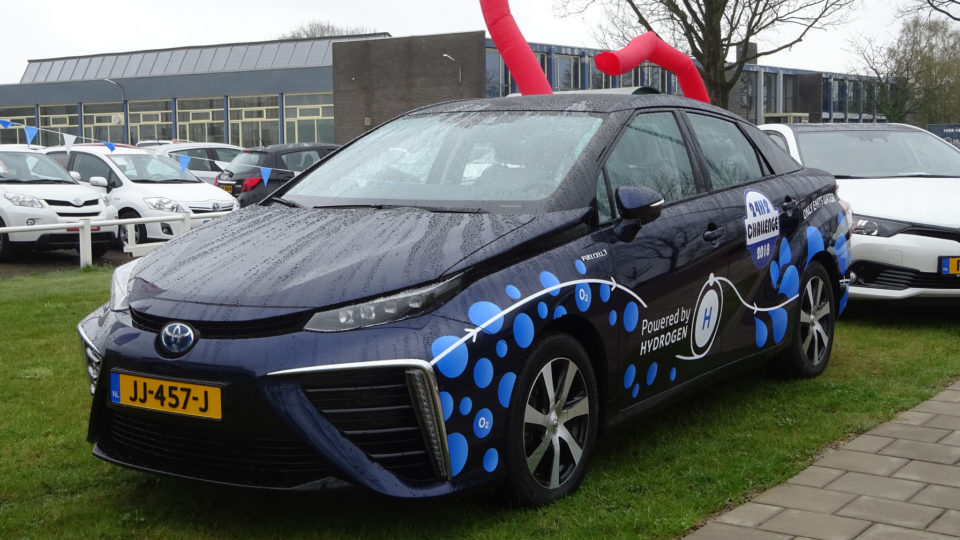
Hydrogen-powered cars are trying to make inroads in the rapidly-evolving automobile market. Several major automakers – including Hyundai, Toyota and Honda continue to invest heavily in the technology while selling a limited number of cars around the world.

[Read more…] about Hydrogen Powered Cars

The Problem With Flaring

October 12, 2018 By EarthWise Leave a Comment

https://earthwiseradio.org/wp-content/uploads/2018/10/EW-10-12-18-The-Problem-with-Flaring.mp3

Oil and gas are typically produced together.  If oil wells are located near gas pipelines, then the gas gets used.  But if the wells are far offshore, or it is not economical to get the gas to market, then oil companies get rid of the gas by burning it – a process known as flaring.

[Read more…] about The Problem With Flaring

Mandatory Solar In California

May 30, 2018 By EarthWise Leave a Comment

https://earthwiseradio.org/wp-content/uploads/2018/05/EW-05-30-18-Mandatory-Solar-in-California.mp3

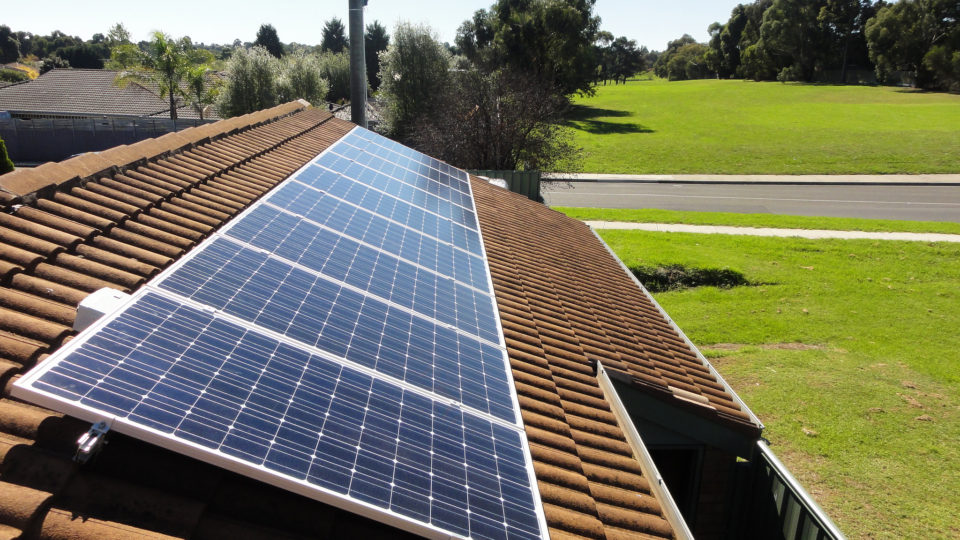
In May, California became the first state in the U.S. to require solar panels on almost all new homes.  Under new standards adopted by the California Energy Commission, most new homes, condos and apartment buildings built after January 1, 2020 will be required to include solar systems.

[Read more…] about Mandatory Solar In California

Advantages Of Plug-In Hybrids

January 24, 2018 By EarthWise Leave a Comment

https://earthwiseradio.org/wp-content/uploads/2017/12/EW-01-24-18-Advantages-of-Plug-In-Hybrids.mp3

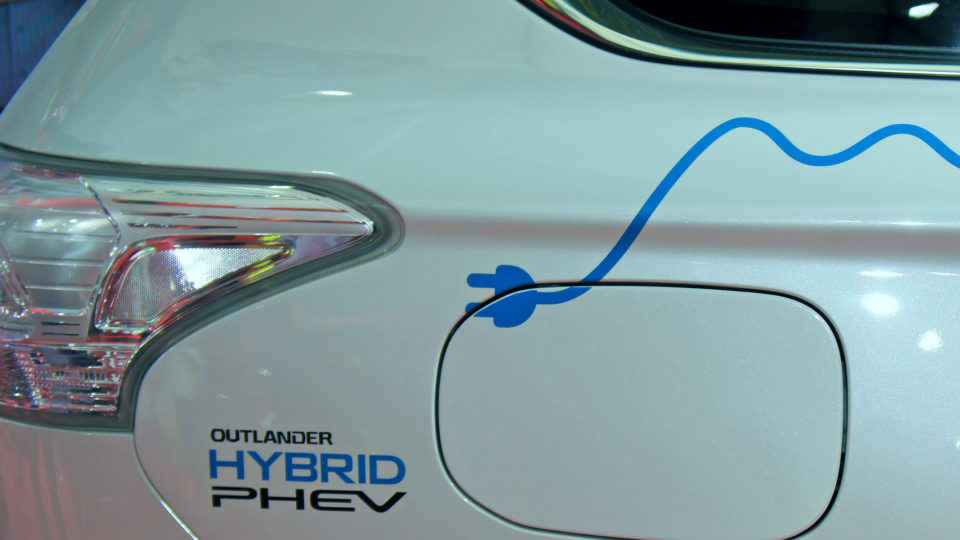
Plug-in hybrid vehicles are ones that can run both on electricity provided by a power outlet as well as on gasoline.  There are many of them on the market these days built by quite a few car makers.  But these vehicles have an undeserved reputation as being the fig leaf of electric mobility.  Many environmental organizations and political decision-makers don’t consider them to be “real electric cars.”

[Read more…] about Advantages Of Plug-In Hybrids

Hopeful Climate Trends

December 27, 2017 By EarthWise Leave a Comment

https://earthwiseradio.org/wp-content/uploads/2017/12/EW-12-27-17-Hopeful-Climate-Trends.mp3

In November, Syria joined the Paris Climate Accord.  As a result, the United States is now the only country in the world that has rejected the global pact.  Despite this embarrassing news, there is reason for optimism in the effort to stave off the worst impacts of climate change.  In particular, 7 major trends provide hope that things could move in the right direction.

[Read more…] about Hopeful Climate Trends

China And Electric Cars

December 19, 2017 By EarthWise Leave a Comment

https://earthwiseradio.org/wp-content/uploads/2017/12/EW-12-19-17-China-and-Electric-Cars.mp3

While American politicians were voting on eliminating tax credits for buyers of electric vehicles, auto executives from around the world were gathering to make ambitious plans to sell more electric cars in China.

[Read more…] about China And Electric Cars

Ditching Gas And Diesel Cars

September 14, 2017 By EarthWise

https://earthwiseradio.org/wp-content/uploads/2017/09/EW-09-14-17-Ditching-Gas-and-Diesel-Cars.mp3

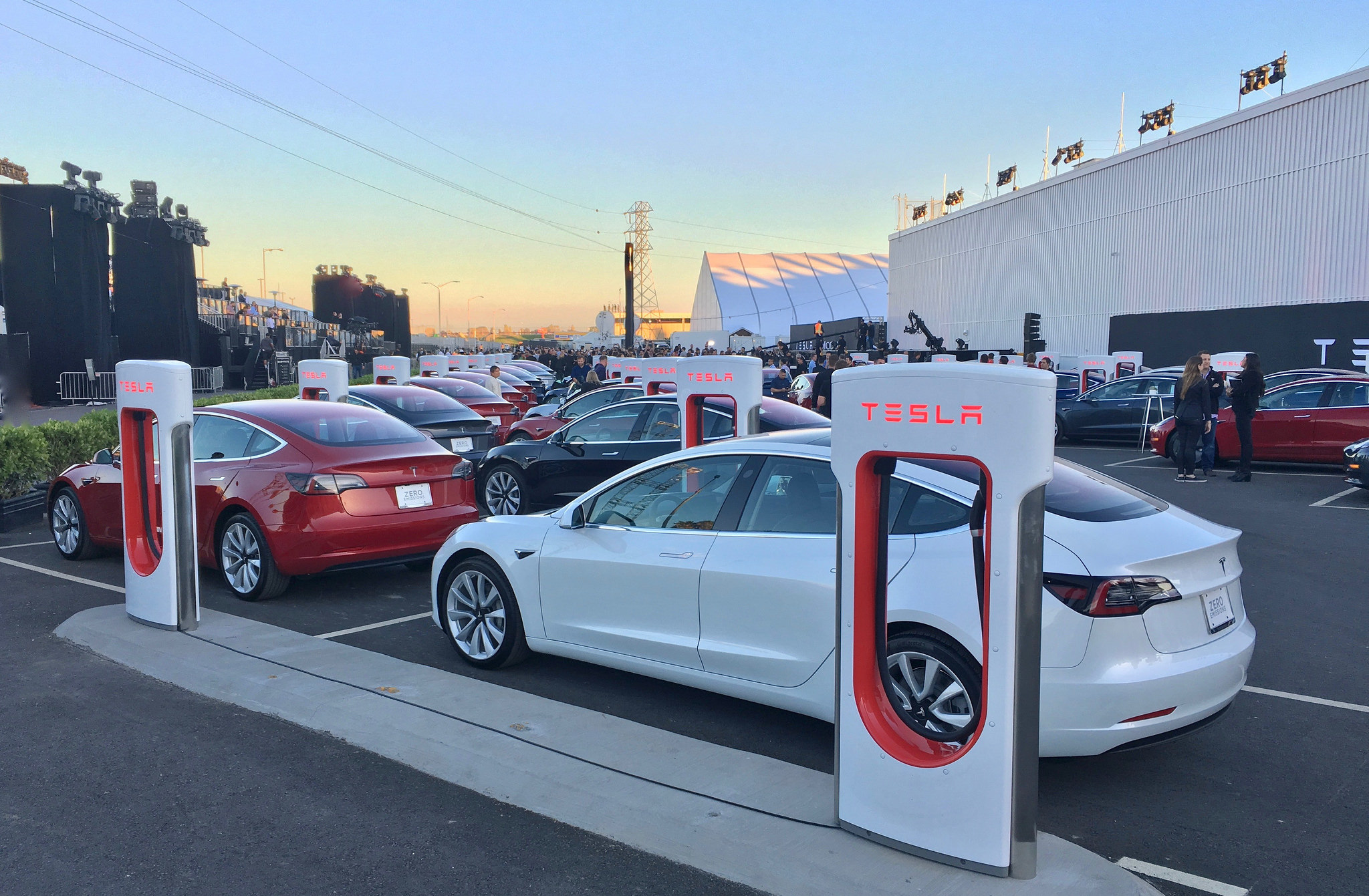
Electric cars represent only a tiny fraction of the overall auto market.  The numbers are growing, most certainly, but they are still quite small in most places.   The recent start of production of the Tesla Model 3 has attracted quite a bit of attention to electric cars, but in many countries, there is much more to the story than just media buzz about a new car.

[Read more…] about Ditching Gas And Diesel Cars

A Threat to Rhinos

May 31, 2017 By EarthWise

https://earthwiseradio.org/wp-content/uploads/2017/05/EW-05-31-17-A-Threat-to-Rhinos.mp3

A South African court recently overturned a national ban on the trade of rhinoceros horns – a decision that was celebrated by the country’s commercial rhino breeders but slammed by animal preservation groups.  A moratorium on rhino horn trade had been in effect in South Africa since 2009. 

[Read more…] about A Threat to Rhinos

Deforestation in the Amazon Rainforest

May 30, 2017 By EarthWise

https://earthwiseradio.org/wp-content/uploads/2017/05/EW-05-30-17-Deforestation-in-the-Amazon.mp3

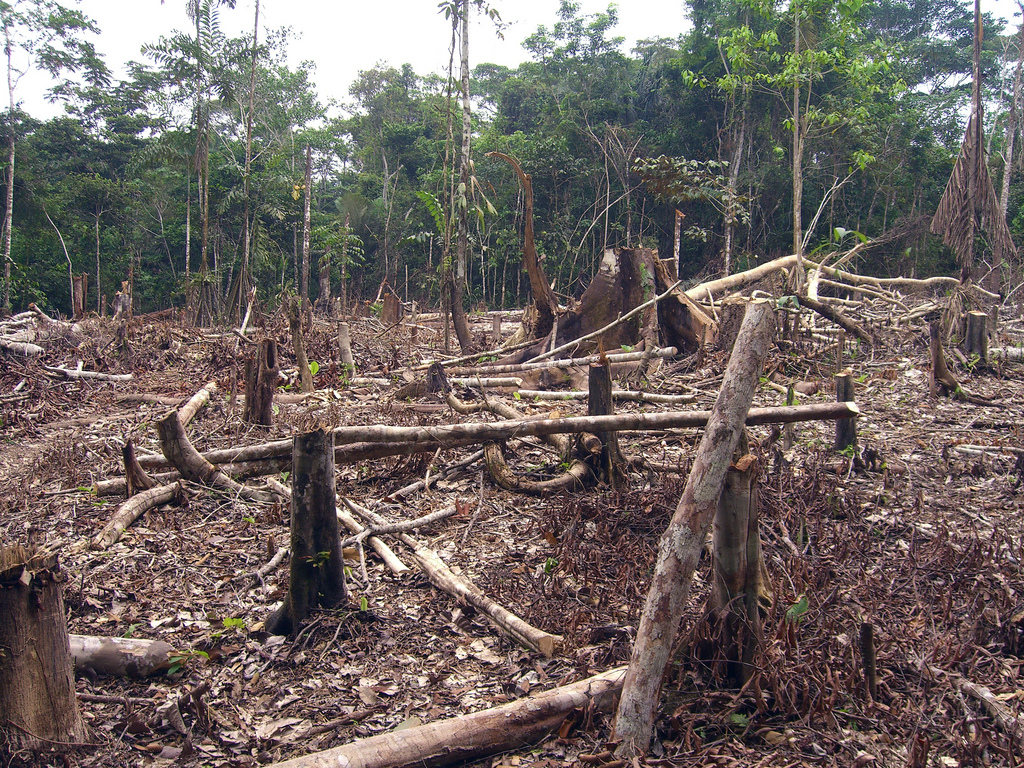
The Amazon rainforest is the biggest in the world, larger than the next two biggest combined.  It covers over 3 million square miles, roughly the size of the lower 48 states.  For this reason, it functions as a critical sink for carbon in the atmosphere.

[Read more…] about Deforestation in the Amazon Rainforest

Corporations To The Rescue

March 6, 2017 By EarthWise

https://earthwiseradio.org/wp-content/uploads/2017/03/EW-03-06-17-Corporations-to-the-Rescue.mp3

Regardless of the new administration’s position on climate change, America’s corporations have assumed a leadership role in the country’s ability to meet and beat previous domestic climate pledges.

[Read more…] about Corporations To The Rescue

2016 Carbon Progress Report

February 22, 2017 By EarthWise

https://earthwiseradio.org/wp-content/uploads/2017/02/EW-02-22-17-2016-Carbon-Progress-Report.mp3

Last year was a big year for progress in the U.S. power sector.  Renewable energy provided nearly 17% of the country’s electricity, up from 13.7% in 2015.  The first offshore wind farm in the U.S. opened off the coast of Rhode Island.  And most significantly, carbon emissions from the power sector continued to decline and reached the lowest levels in nearly 25 years.

[Read more…] about 2016 Carbon Progress Report

Spider Silk

February 15, 2017 By EarthWise

https://earthwiseradio.org/wp-content/uploads/2017/02/EW-02-15-17-Spider-Silk.mp3

Spider silk – the protein fiber spun by spiders to make webs, nests, cocoons, and wrapping for prey that they stash away – is a remarkable substance.  Its mechanical properties combine high tensile strength and high extensibility or ductility.  This allows spider silk to absorb a lot of energy before breaking.   It is stronger than steel, but not as strong as Kevlar, for example.  On the other hand, it is tougher than either.

[Read more…] about Spider Silk

  • « Go to Previous Page
  • Page 1
  • Page 2
  • Page 3
  • Go to Next Page »

Primary Sidebar

Recent Episodes

  • An uninsurable future
  • Clean energy and jobs
  • Insect declines in remote regions
  • Fossil fuel producing nations ignoring climate goals
  • Trouble for clownfishes

WAMC Northeast Public Radio

WAMC/Northeast Public Radio is a regional public radio network serving parts of seven northeastern states (more...)

Copyright © 2025 ·