lakes
Global Warming And The Nitrogen Problem
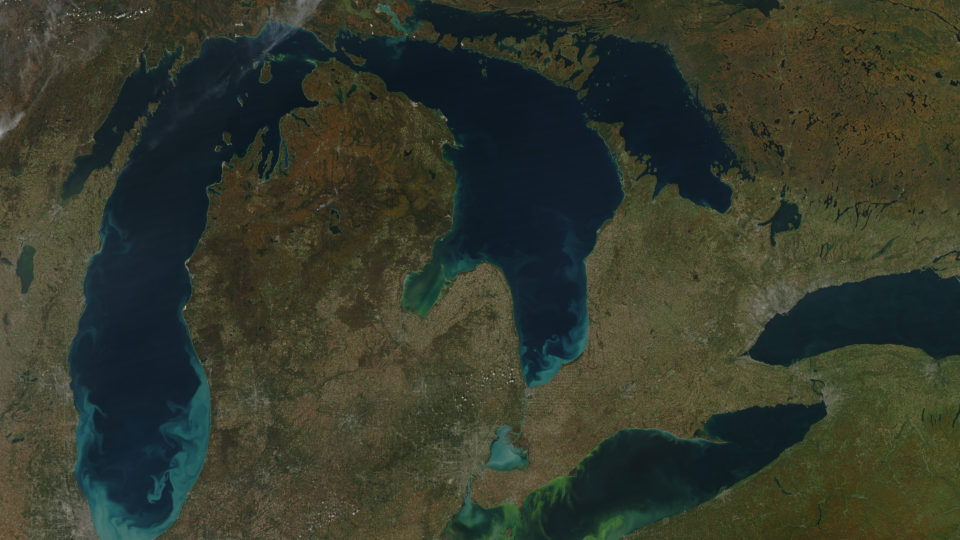
Excess nitrogen in the environment is a big problem. The most visible aspect of the problem is the spread of toxic algae blooms in oceans, lakes and other bodies of water. But there are other effects as well such as unwanted alterations to ecosystems.
Dams And The Environment
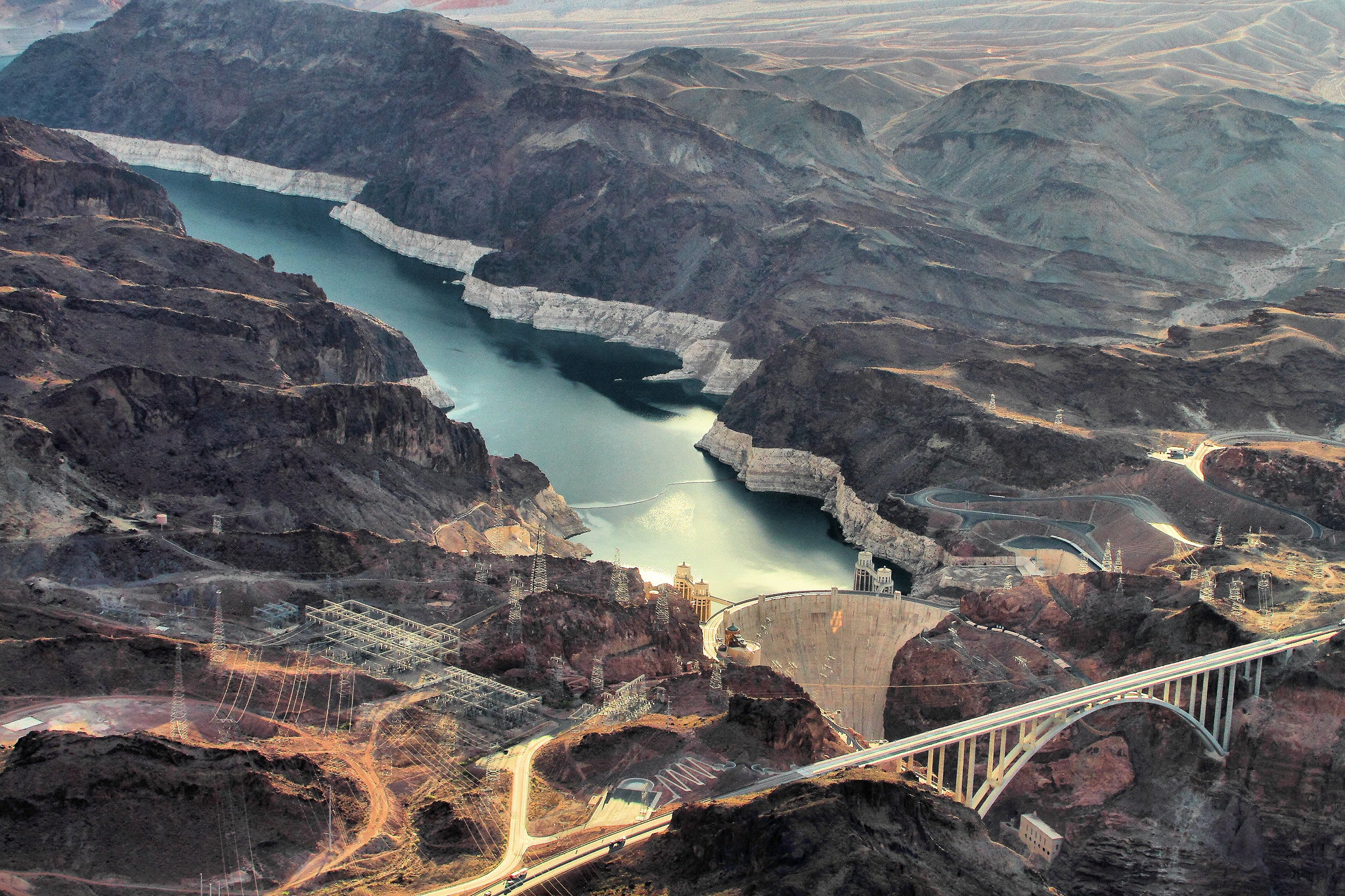
There are an estimated 84,000 dams in the United States which impound 600,000 miles of river, or about 17% of the rivers in the country. Within the next 15 years, more than 90% of the world’s rivers will be fragmented by at least one dam.
Nature Is Satisfying
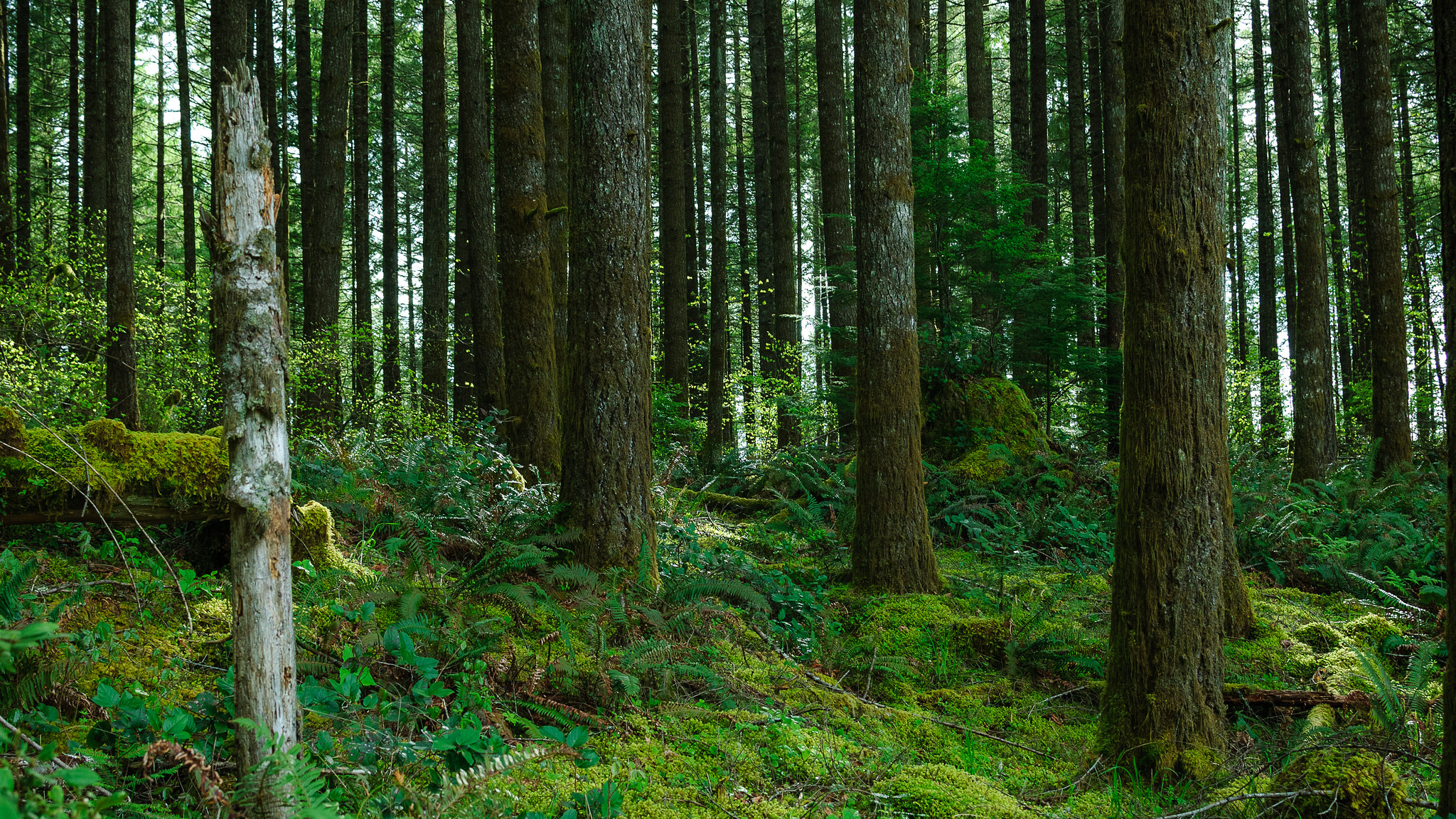
For most of us, a day spent in the mountains, the woods, or at the beach always seems like a good day. Communing with nature tends to make us feel better.
Terrestrial Plants and Lake Ecosystems
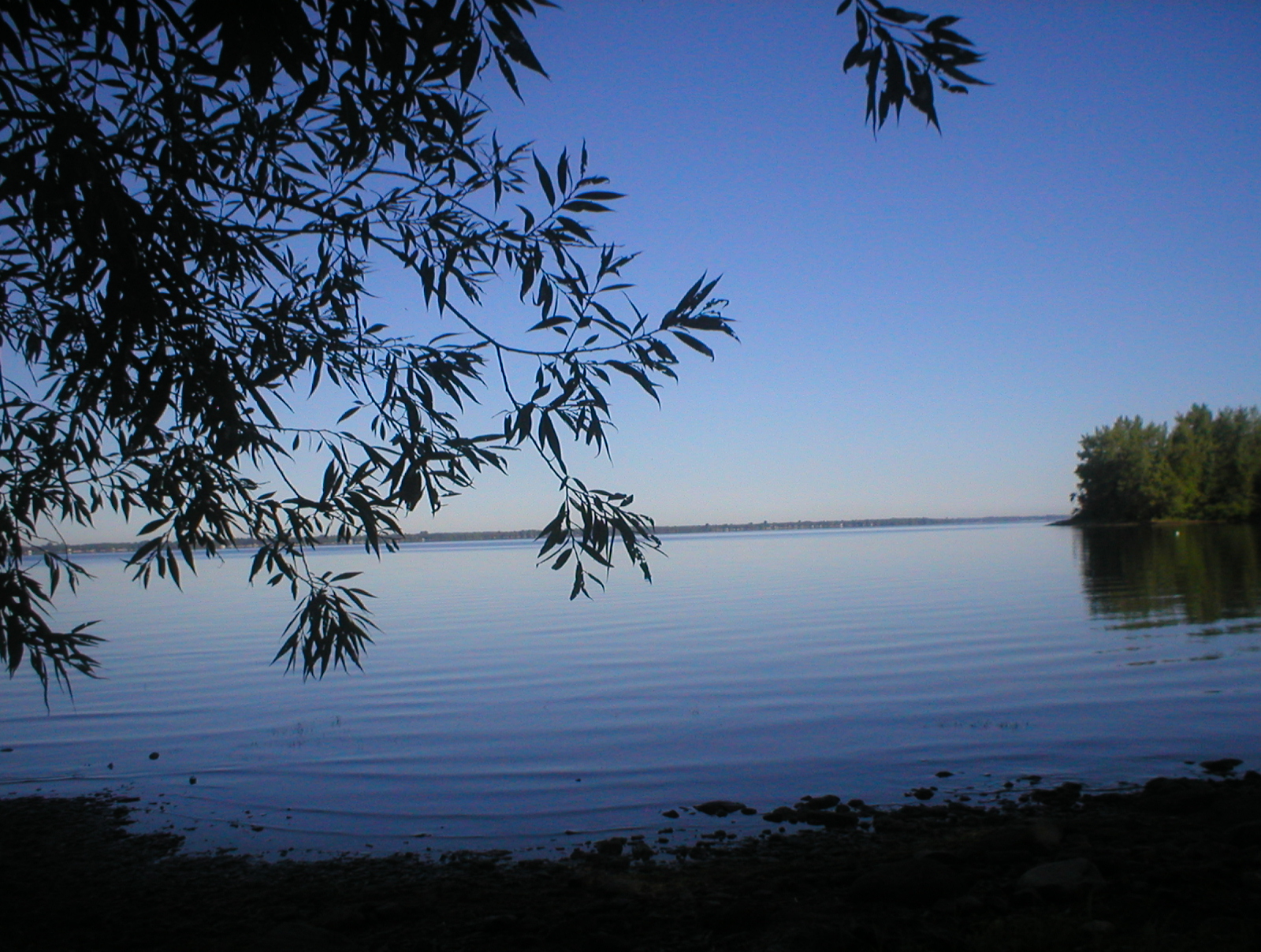
Most of the planet’s freshwater stores are found in the northern hemisphere, a region that is changing rapidly in response to human activity and shifting climate trends. A recent study analyzed 147 northern lakes and found that many rely on nutrients from tree leaves, pine needles, and other land-grown plants to feed aquatic life.
Coal Plants And Fish
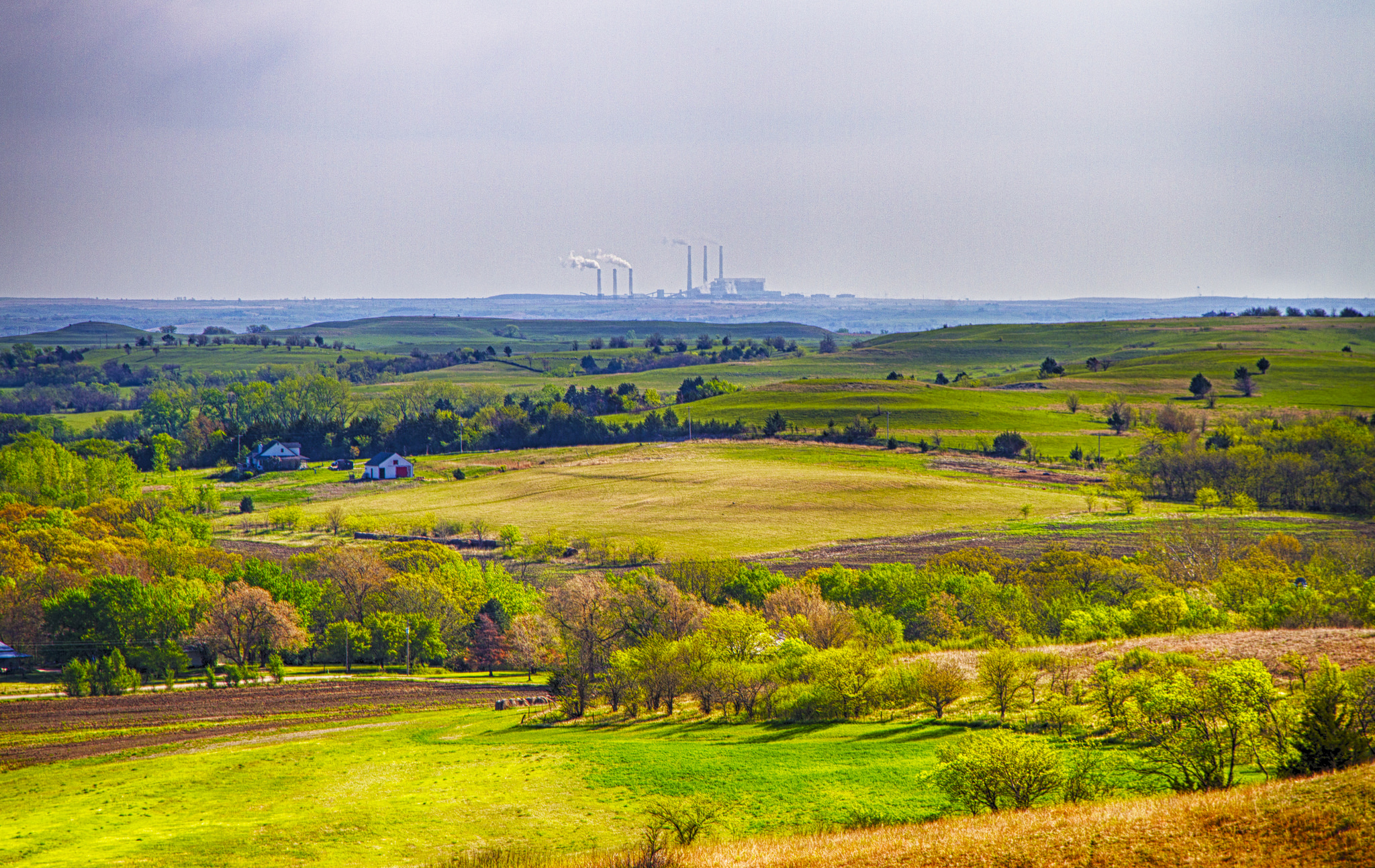
High levels of an element found in coal ash have been detected in fish in two lakes where Duke Energy coal-fired power plants are located, according to a peer-reviewed study at Duke University. The element, selenium, occurs naturally but is concentrated in coal ash.
Floating Solar
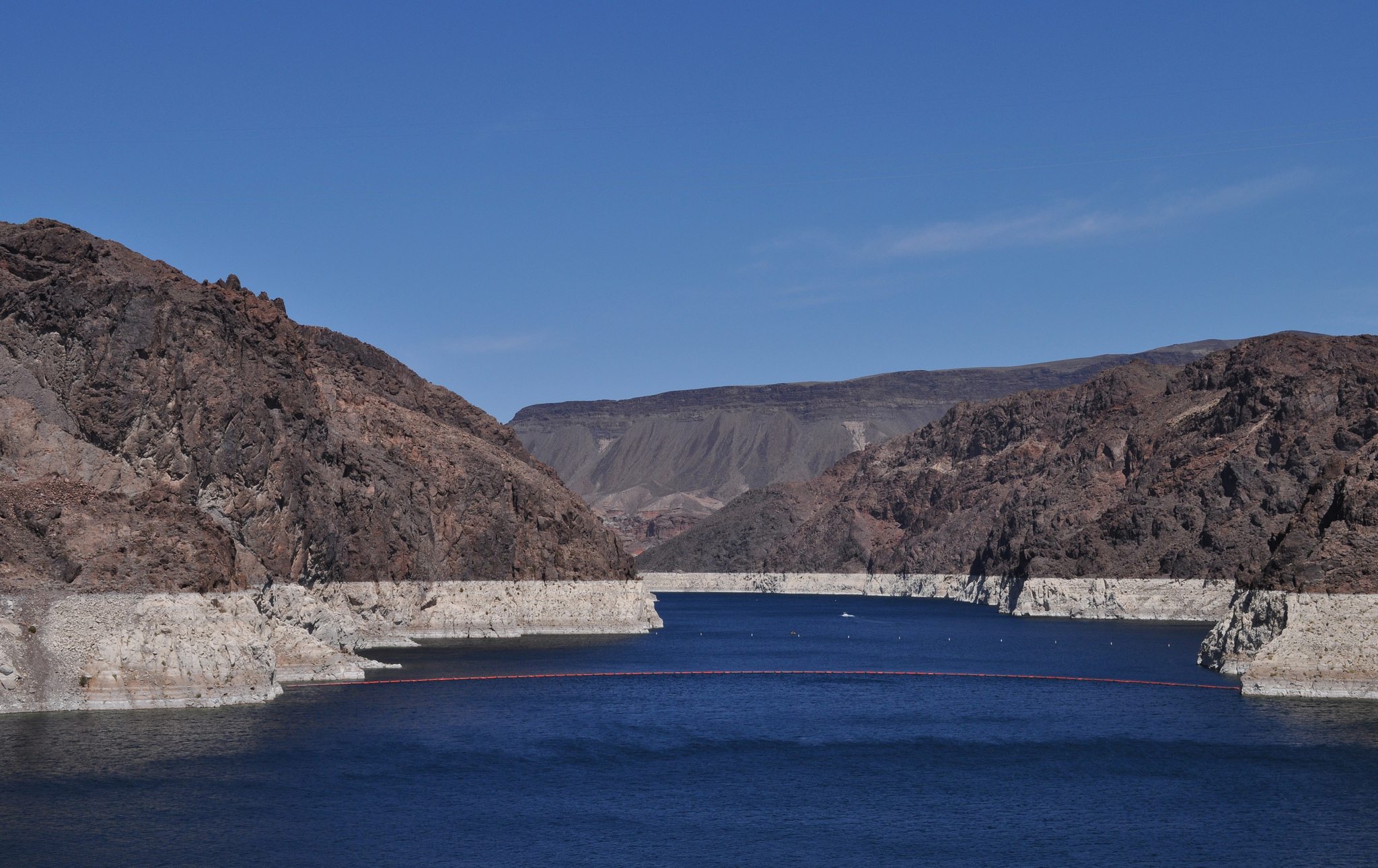
Installing solar arrays on the surface of bodies of water is an idea that is catching on around the world. Such installations are especially attractive in places like Japan, where land resources are scarce. In the UK, there are a couple of these so-called “floatovoltaic” projects underway – one outside of London and one near Manchester.
Less Sulfur In The Soil

Acid rain is rain containing high levels of nitric and sulfuric acids. The main culprit for it is the burning of fossil fuels, particularly coal-burning power plants. The most serious effect of acid rain is the creation of toxicity in lakes, wetlands and other aquatic environments, doing great harm to a wide range of aquatic animals.
Road Salt
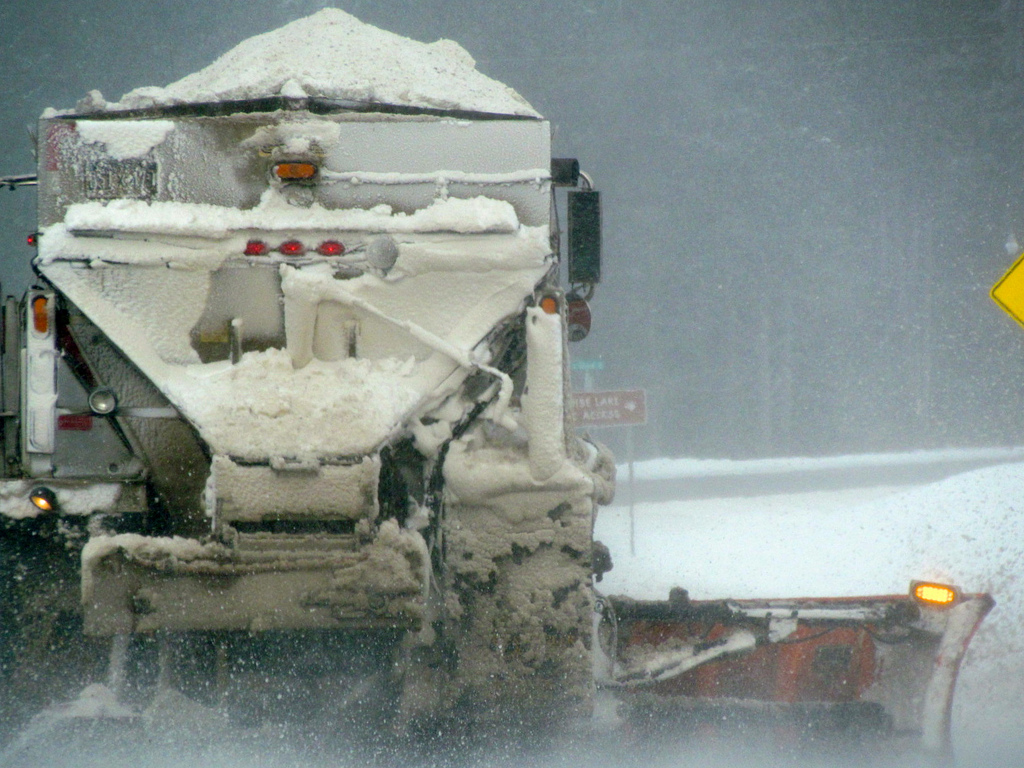
Snow season is here. The chances are good you’ll find yourself behind a truck spreading salt on the roads in an attempt to deice them. You may even try a little salt on your own front porch. Annually we spread about 20 million tons of road salt in the U.S., and we’ve been doing it since the late 1930s.
The World’s Lakes Are Heating Up

Climate change is causing the world’s lakes to warm, with repercussions for fisheries and freshwater supplies. So reports an ambitious new study, funded by NASA and the National Science Foundation, and recently published in Geophysical Research Letters.
Climate Change And The Global Food System

One of the most troubling aspects of global climate change is its potential impact on the production, distribution and quality of food. A report issued at the 2015 Paris Climate Conference focused on identifying climate change impacts on global food security. Food security is the ability of people to obtain and use sufficient amounts of safe and nutritious food. Even without the impact of climate change, food security is a challenge because of increasing population, poverty, and changing eating habits.
[Read more…] about Climate Change And The Global Food System
Microplastics And Salt
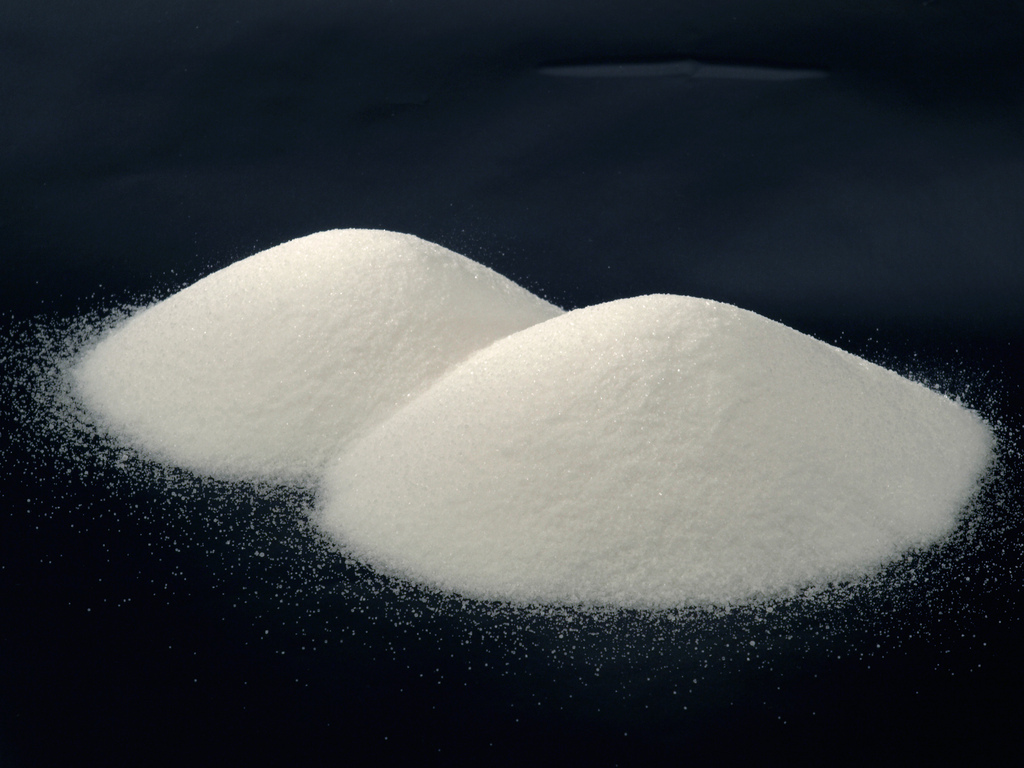
Today, thousands of personal care products – such as facial scrubs, body washes, and toothpastes – are known to contain minuscule balls of plastic called microbeads. When we shower or brush our teeth, these microbeads are washed down the drain and travel undetected through wastewater treatment plants. When they reach their final destination — our lakes, rivers and oceans — they mix with other sources of microplastics, including industrial waste and degraded plastic litter.
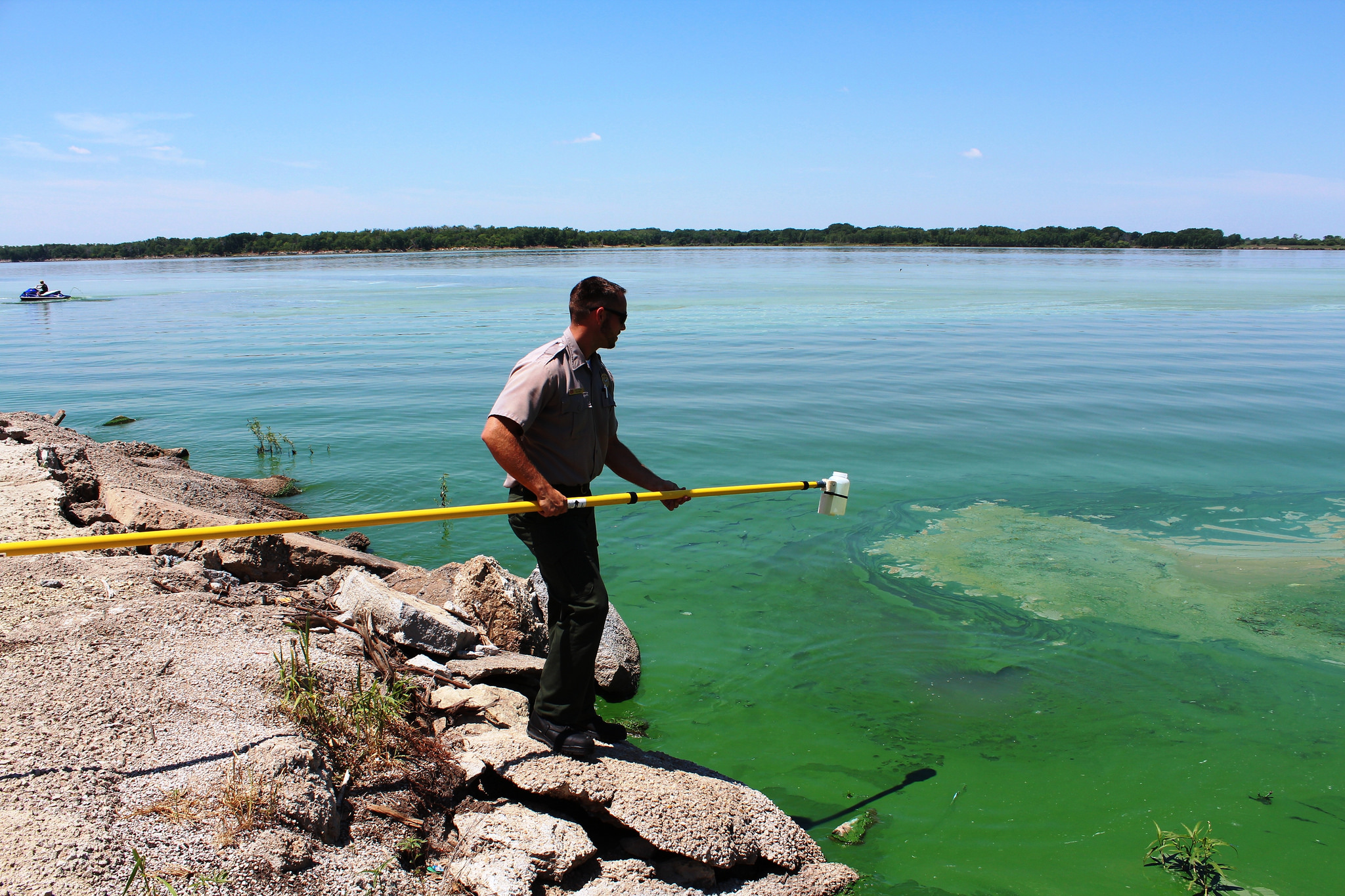
The Expanding Threat Of Algal Blooms