• Skip to primary navigation
  • Skip to main content
  • Skip to primary sidebar

Earth Wise

A look at our changing environment.

  • Home
  • About Earth Wise
  • Where to Listen
  • All Articles
  • Show Search
Hide Search
You are here: Home / Archives for europe

europe

Lots Of Renewable Energy Jobs

August 16, 2019 By EarthWise Leave a Comment

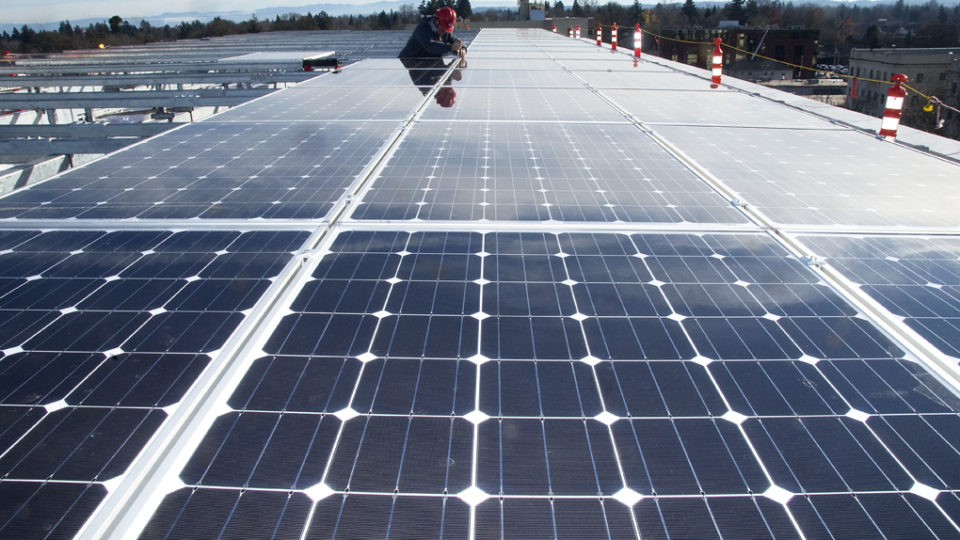
According to the International Renewable Energy Agency, there were 11 million people employed in renewable energy worldwide in 2018.  This compares with 10.3 million in 2017.  So roughly three-quarters of a million new jobs were added last year.   As more and more countries manufacture, trade and install renewable energy technologies, renewables jobs continue to reach new high levels.

The geographic footprint of renewable energy jobs is changing.  Until now, renewable energy industries have remained relatively concentrated in a handful of major markets such as China, the US, and the European Union.  But more recently, East and Southeast Asian countries have emerged alongside China as key exporters of solar technology.  Malaysia, Thailand, and Vietnam were responsible for a greater share of growth in renewables last year.  Overall, Asia has a 60% share of renewable energy jobs worldwide.

Beyond climate goals, low-carbon economic growth has become a driver for renewables technology.  Renewables deliver on all the major elements of sustainable development:  environmental, economic and social.

The solar photovoltaic industry continues to be the most dynamic renewable enterprise.  It accounts for a third of the renewable energy workforce with more than three million jobs.  

Biofuel jobs were up by 6% to over 2 million.  Wind power supports 1.2 million jobs, with onshore projects predominant.  But the offshore wind segment is gaining traction.  Hydropower is still the largest installed capacity of all renewables but is now only expanding slowly.  The hydropower sector employs 2.1 million people directly, three-quarters in operations and maintenance.

**********

Web Links

Renewable energy market employs 11 million in 2018 – IRENA

Photo, posted January 11, 2012, courtesy of the Oregon Department of Transportation via Flickr.

Earth Wise is a production of WAMC Northeast Public Radio.
Off-The-Charts Heat

August 9, 2019 By EarthWise Leave a Comment

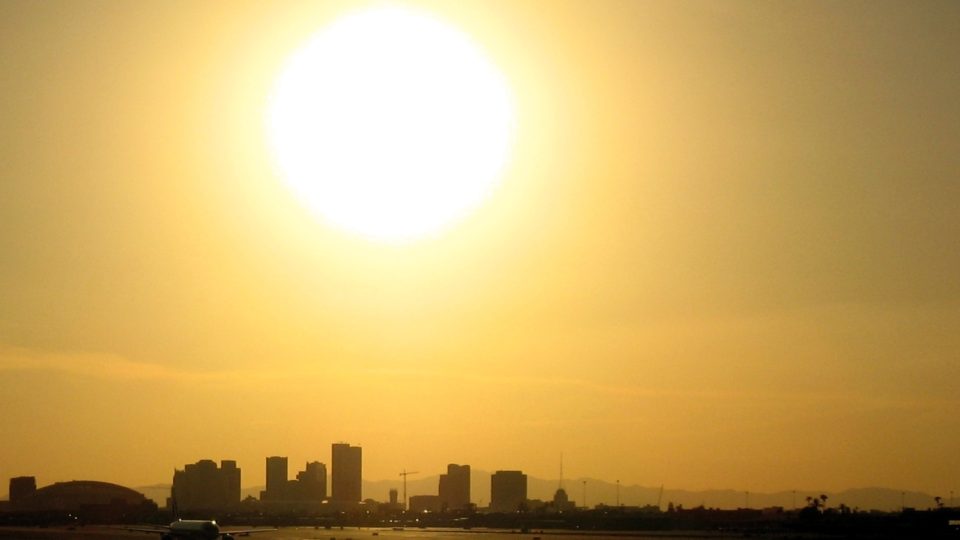
There have been some blistering heatwaves this summer – in Europe, in the Middle East, and here in the United States.  A new report by the Union of Concerned Scientists projects that within the next 20 years, millions of people in the United States could be exposed to dangerous “off-the-charts” heat index conditions of 127 degrees Fahrenheit or more.  Within 60 years, over one-third of the population could be exposed to such conditions.

Extreme heat kills hundreds of people every year across the U.S.  Our bodies’ natural cooling process is affected by humidity and the combined heat index measures the impact of high temperature and high humidity.  When the combined heat index reaches 90 degrees, it is considered to be a “dangerous day”, when many groups of people are at serious risk.

Because of the warming climate, the number of dangerous days has been increasing in many parts of the country.  Unless there is success in limiting the effects of climate change, by 2050, even relatively temperate cities like Detroit, Minneapolis, New York, and Chicago will have 50 or more dangerous days a year.  Places like Dallas, Houston, Phoenix and Miami will experience dangerous days for half of the year.

The National Weather Service’s heat index goes up to 127 degrees Fahrenheit.  But in as soon as 20 years, the Southeast, Southern Great Plains, and Midwest will begin to experience days that are so hot that they are “off the charts.”

These extreme conditions could still be avoided with steep, rapid carbon emission reductions.  But however successful we are going forward, the US will still be significantly warmer than today with 85 urban areas exposed to 30 or more days with a heat index above 105 degrees, compared with just three urban areas historically.

**********

Web Links

‘Off-the-charts’ heat to affect millions in U.S. in coming decades

Photo, posted August 8, 2008, courtesy of Flickr.

Earth Wise is a production of WAMC Northeast Public Radio.
A Record European Heatwave

August 1, 2019 By EarthWise Leave a Comment

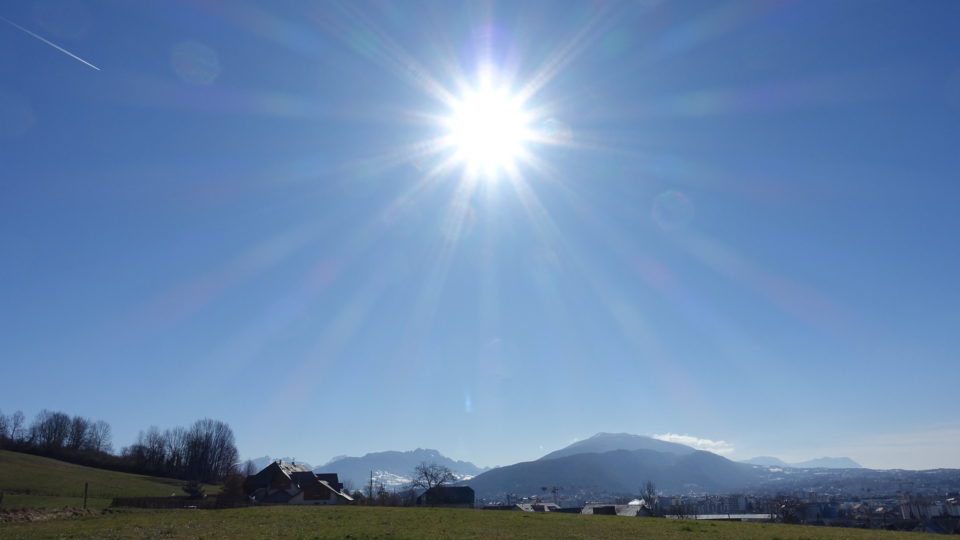
Sahara Desert winds blasted Europe in June, especially during a five-day heatwave that set many records.  Between that and weather elsewhere, June was not only one of the hottest ever for that continent, but also for the world as a whole.

In Europe, the average temperature was about 5 degrees Fahrenheit above the June average of a century ago.  The global temperature was nearly 2 degrees Fahrenheit higher.

The European heatwave broke temperature records in France, Switzerland, Austria, Germany, and Spain.  A temperature above 114 degrees was recorded near the French city of Nîmes.

The intense heat lead to wildfires in Spain and Germany, and widespread disruption across Europe.  Undoubtedly, the heatwave has caused many premature deaths, but it will take some time to compile those statistics.  The European heatwave of 2003 caused more than 70,000 premature deaths.


According to calculations by climate scientists, the record-breaking heatwave in June was made at least 5 and as much as 100 times more likely by climate change.  Global heating caused by the carbon emissions from burning fossil fuels and other human activities means that heatwaves are becoming more probable and severe.  So-called attribution studies estimate how much more likely and severe such events are.

The researchers used temperature records stretching back to 1901 to assess the probability of a heatwave last month and in the past.  They also examined climate change models to assess the impact of global heating.  More than 230 attribution studies to date around the world have found that 95% of heatwaves were made more likely or worse by climate change.

It was the hottest June on record in Europe by a country mile and there are likely to be more months like it in the future.

**********

Web Links

Climate Change Made Last Month’s European Heatwave At Least Five Times More Likely

Photo, posted February 13, 2018, courtesy of Guilhem Vellut via Flickr.

Earth Wise is a production of WAMC Northeast Public Radio.

Climate Change And Harsh Winters

July 15, 2019 By EarthWise Leave a Comment

In recent years, there have been some unusually harsh winters in North America and Central Europe. This past January, the Midwestern US experienced extreme cold temperatures. We have all become familiar with the term ‘polar vortex’ and its role in sending cold air to middle latitudes and it is generally agreed that unusual behavior by the jet stream is the primary cause of the extreme winter weather.

For years, climate researchers around the world have been investigating the question as to whether the increasingly common wandering of the jet stream is a product of climate change or is a random phenomenon associated with natural variations in the climate system.

The jet stream is a powerful band of westerly winds over the middle latitudes that push major weather systems from west to east.  These days, the jet stream is increasingly faltering.  Instead of blowing along a straight course parallel to the equator, it sweeps across the Northern Hemisphere in massive waves, producing unusual intrusions of Arctic air into the middle latitudes.

Atmospheric researchers at the Alfred Wegener Institute in Germany have now developed a climate model that can accurately predict the frequently observed winding course of the jet stream.  The breakthrough combines their global climate model with a new machine learning algorithm on ozone chemistry.  Using their new combined model, they can now show that the jet stream’s wavelike course in winter and subsequent extreme weather outbreaks are the direct result of climate change.  The changes in the jet stream are to a great extent caused by the decline in Arctic sea ice, according to the results of the investigations.  The results are not surprising but there is now a detailed model to support the hypothesis.

**********

Web Links

A warming Arctic produces weather extremes in our latitudes

Photo, posted January 11, 2011, courtesy of Carl Wycoff via Flickr.

Earth Wise is a production of WAMC Northeast Public Radio.

Banning The Shark Fin Trade

July 4, 2019 By EarthWise Leave a Comment

Shark fins are considered a delicacy in many parts of the world, especially in China.  Shark fin soup, for example, is often served at engagement parties and weddings.  But the use of shark fins has come under increasing scrutiny in recent years, especially since an estimated one-third of fins are harvested from species deemed at risk.  

Many of the fins used in shark fin soup come from a practice known as “finning,” which is an inhumane and wasteful practice where the fins are hacked from live sharks and then the sharks are thrown back into the water and left to die.  According to U.N. estimates, 73 million sharks are killed every year for their fins.

The possession, sale, and distribution of shark fins is banned in 12 U.S. states, as well as in all European Union member states.

In 1994, Canada banned the practice of finning in its own waters, but allowed the import of fins to continue.  Canada has been one of the largest markets for shark fins outside Asia, importing nearly 300,000 pounds of shark fins last year.  But in late June, Canada passed a bill that bans both the import and export of shark fins harvested by shark finning.  They are the first G7 and the first G20 country to do so. 

But shark fins taken from sharks sustainably harvested for their meat will continue to be allowed in Canada.  While demand for shark fins is decreasing globally, demand for shark meat is rising.

Since sharks still face a myriad of environmental pressures, including illegal fishing and high bycatch rates, there are concerns that this Canadian ban oversimplifies the threats facing global shark populations. 

**********

Web Links

Canada becomes the first G20 country to ban shark fin trade

Photo, posted January 4, 2013, courtesy of Andrew Currie via Flickr.

Earth Wise is a production of WAMC Northeast Public Radio.
Wildlife Bridges

June 17, 2019 By EarthWise Leave a Comment

Highway accidents involving animals are a big problem for both people and animals.  About 200 people die every year in the U.S. as a result of collisions with animals.  In total, one to two million large animals are killed by motorists every year.  And these crashes are expensive:  deer-car collisions cost an average of more than $8,000 each; elk-vehicle collisions about $25,000; and moose-vehicle collisions over $44,000. 

In the United States, there are 21 threatened and endangered species whose very survival is threatened by road mortalities.   These include Key deer in Florida, bighorn sheep in California, and red-bellied turtles in Alabama.

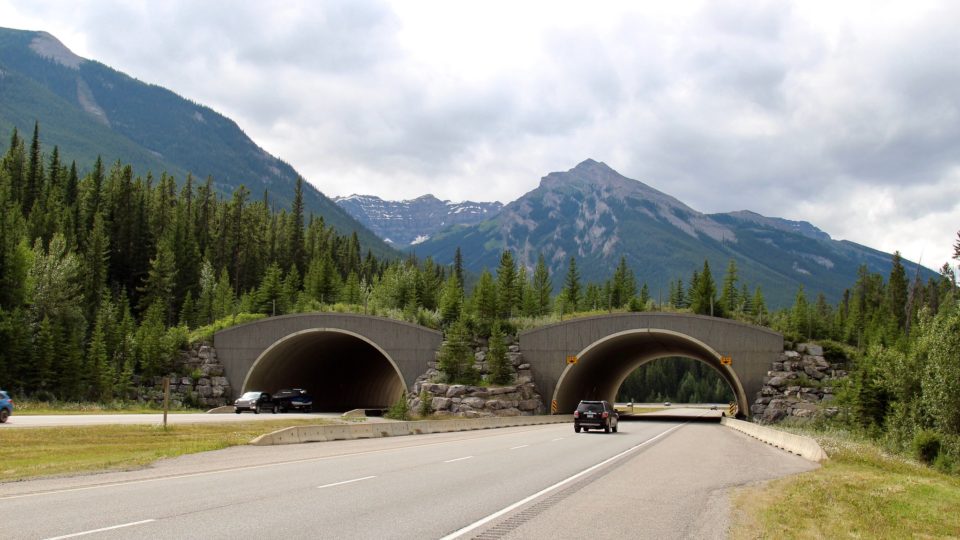
One solution that has been quite effective around the world in reducing car-animal collisions is wildlife overpasses and underpasses.  Crossings and fencing that guide animals over or under highways reduce collisions by 85-95%.

These traffic-spanning bridges and tunnels have been popular in Europe since the 1950s.  The overpasses usually look much like regular overpasses for cars but are decked out with native flora.  The underpasses, which assist shyer and smaller animals, are typically invisible to drivers.

Washington State has recently started building wildlife bridges and underpasses on Interstate 90.  These passes will allow elk, black bears, mountain lions, pika, and even trout to traverse what was once a near-impenetrable barrier of road.

Some animals that are accustomed to human structures start using the crossings almost immediately.  For others, there is learning curve.  As in many things, the early adapters are important as they provide paths and model behavior that more reticent animals learn to follow.

Wildlife bridges are a very good thing for wildlife and for people.

**********

Web Links

How wildlife bridges over highways make animals—and people—safer

Photo, posted July 22, 2017, courtesy of David Fulmer via Flickr.

Earth Wise is a production of WAMC Northeast Public Radio.

Getting Rid Of Plastic Here And Abroad

May 23, 2019 By EarthWise Leave a Comment

Efforts in the fight against plastic pollution are really stepping up these days. 

New York State lawmakers have agreed to impose a statewide ban on most types of single-use plastic bags from retail sales.  The ban would be the second statewide ban after California, which banned the bags in 2016.  Hawaii effectively also has such a ban since all of the state’s counties have their own bans.

The New York ban would begin next March and would forbid stores from providing customers with single-use plastic bags.  There are a number of exceptions, including food takeout bags in restaurants, bags used to wrap deli or meat counter products, and newspaper bags.  New York counties could opt into a plan to charge a 5-cent fee on paper bags, with proceeds going to the state’s Environmental Protection Fund.  Some environmentalists point out, however, that paper bags have their own issues.  While they do decompose in landfills, they have a substantial carbon footprint since they are made from wood and being heavier, they are more costly to ship.  Business groups are concerned about the forthcoming ban based on increased costs.

Meanwhile, European Union member states have reached a provisional agreement to introduce restrictions on single-use plastic products.  In 2021. European citizens will say goodbye to plastic cutlery, plastic plates and plastic straws among other products.

According to the European Commission, plastics make up 85% of beach litter in the Mediterranean.  Large plastic pieces injure, suffocate, and often kill marine animals but microplastics have reached record levels of concentration – over a million fragments per square kilometer – in the Mediterranean.

Both here and abroad, the war on plastics is heating up.

**********

Web Links

Plastic Bags to Be Banned in New York; Second Statewide Ban, After California

The End Of Plastic Cutlery, Plates And Straws: EU Market Says Goodbye To Single-Use Plastic Products

Photo, posted March 20, 2007, courtesy of Flickr.

Earth Wise is a production of WAMC Northeast Public Radio.
Utility-Scale Solar On The Rise

May 8, 2019 By EarthWise Leave a Comment

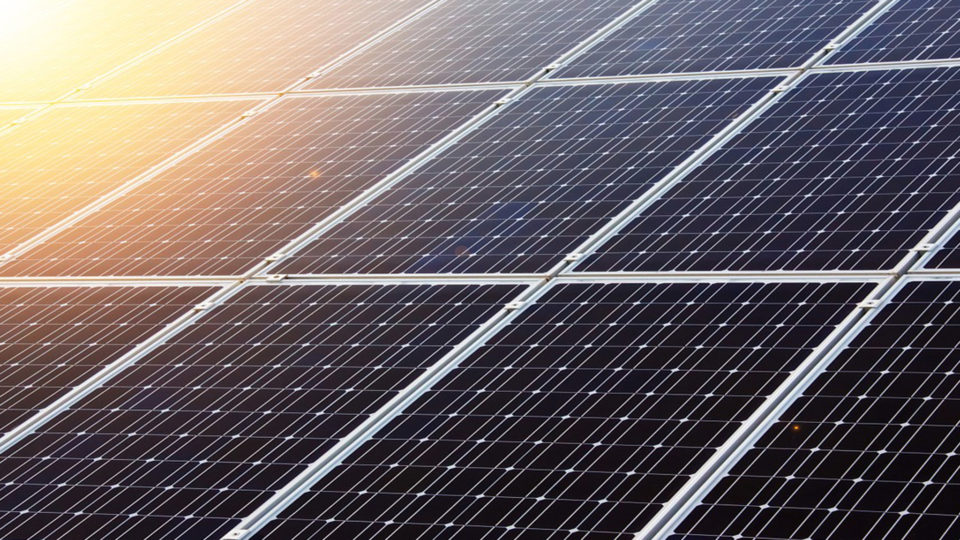
According to research from Goldman Sachs, utility-scale solar power capacity is expected to grow by double digits globally over the next two years.  The growth will be driven by expanding use of the technology in the United States, Europe, the Middle East, and China.

Solar power is the world’s fastest growing source of electricity generation and is slowly taking market share from fossil fuels like coal and natural gas.  The transition is being driven by a combination of continuously lower prices for solar power and the impact of policies aimed at reducing emissions.

Utility-scale solar is defined as installations designed solely to feed electricity into the grid, in contrast to smaller-scale residential or commercial building units.  There are now solar farms larger than half a gigawatt in generating capacity.  According to the Goldman report, global utility-scale solar installations will reach 108 gigawatts in 2019, up 12% over the previous year, and will then grow another 10% to 119 gigawatts in 2020.

When residential and other smaller installations are included, most analysts expect global solar power capacity to soon hit 600 gigawatts.  To put this in perspective, the global capacity only reached 100 gigawatts in 2012 and was actually less than 10 gigawatts in 2007.

Even more dramatic than the growth of solar installations is the reduction in solar cost, and the two are obviously closely related.  Solar panel costs have dropped from around $70 per watt of electricity generated in 1980 to 36 cents per watt currently in the United States.  When favorable policies both from governments and related to corporate sustainability targets are added to the mix, the booming growth in solar power is easy to understand.

**********

Web Links

Large-scale solar power set for double-digit growth: Goldman Sachs

Photo, posted March 7, 2019, courtesy of Hedgerow Inc via Flickr.

Earth Wise is a production of WAMC Northeast Public Radio.
China And Plastic Waste

April 26, 2019 By EarthWise Leave a Comment

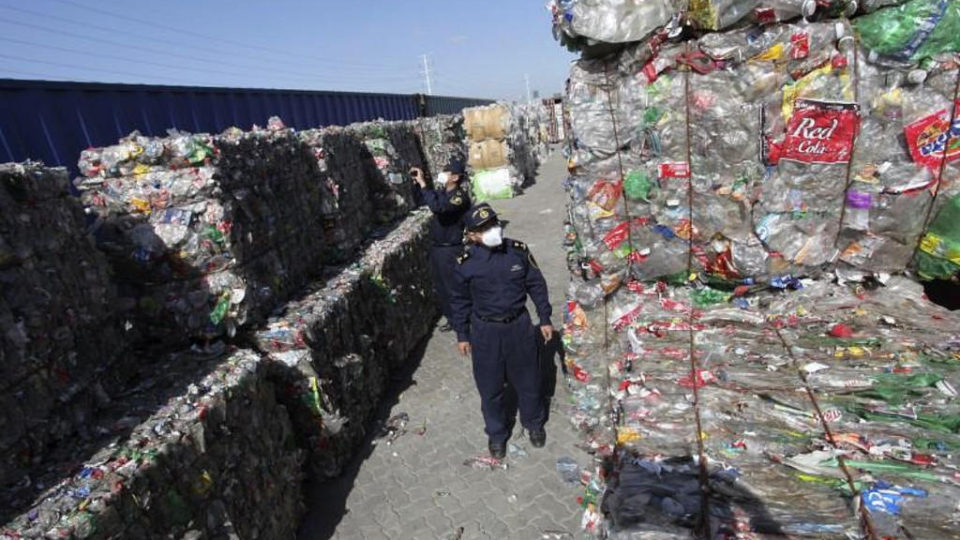
In January 2018, China enacted its “National Sword” policy which banned the import of most plastics and other materials headed for that country’s recycling processors.  Those processors had handled nearly half of the world’s recyclable waste for the past quarter century.  China took this step because the deluge of soiled and contaminated materials was overwhelming its processing facilities and creating yet another environmental problem for the country, this time not even of its own making.

Prior to China’s ban, 95% of the plastics collected for recycling in the European Union and 70% in the U.S. were sold and shipped to Chinese processors.  A combination of favorable rates for shipping in cargo vessels that carried Chinese goods abroad and low Chinese labor rates made it a very profitable enterprise.

Before China’s ban, only 9% of globally discarded plastics were being recycled and 12% were burned.  The rest ended up in landfills or simply dumped into the environment.  Over the coming decade, as many as 11 million tons of plastic will have to find a new place to be processed or otherwise disposed of.  There is already evidence that plastic waste is accumulating in countries that are dependent on exporting.  In many places, including a number of American cities, there are curtailed collections and new restrictions on what kinds of plastics are accepted.

Some experts are hopeful that China’s ban might actually have an upside if it leads to better solutions for managing the world’s waste.  North America and Europe need to expand processing capabilities and manufacturers need to make their products more easily recyclable.  Mostly, the Chinese ban should be a wake-up call to the world on the need to greatly reduce single-use plastics.

**********

Web Links

Piling Up: How China’s Ban on Importing Waste Has Stalled Global Recycling

Photo, posted August 8, 2017, courtesy of Sino-German Urbanisation Partnership via Flickr.

Earth Wise is a production of WAMC Northeast Public Radio.

Humans And Vertebrate Mortality

April 9, 2019 By EarthWise Leave a Comment

According to a new study, more than one-quarter of the planet’s land vertebrates die because of humans.  This is a “disproportionately huge effect” on the other land vertebrates that share planet’s surface with us. 

Researchers from the SUNY College of Environmental Science and Forestry and the U.S. Department of Agriculture reviewed 1,114 published studies in which nearly 43,000 animals had perished.  Their study, which was recently published in the journal Global Ecology and Biogeography, found that 28% of the animals’ deaths were directly attributable to humans.  The other 72% died from natural sources.  

Mammals, birds, reptiles, and amphibians that died between 1970 and 2018 in the Americas, Asia, Africa, Europe, and Oceania were the foundation of the study.  All of these vertebrates had been either collared or tagged as part of other research projects. 

The researchers point out that humans are only one among more than 35,000 species of terrestrial vertebrates globally.  The fact that humans are responsible for more than one-quarter of their deaths illustrates the profound magnitude of the problem.  And that statistic is just the direct causes.  According to the researchers, when urban growth and other land use changes that erode habitat are considered, the human impact is likely even greater. 

The study found that the impact of humans across all the different species was not equal. In fact, larger animals were more likely to be killed by humans than smaller animals. Adult animals were more likely to be killed by humans than juveniles. 

The researchers conclude that humans are such a major contributor to terrestrial vertebrate mortality that they could potentially impact both evolutionary processes and ecosystem functioning. 

**********

Web Links

On the land, one-quarter of vertebrates die because of humans

Photo, posted March 6, 2019, courtesy of USFWS Midwest Region via Flickr.

Earth Wise is a production of WAMC Northeast Public Radio.
Crop Diversity

March 22, 2019 By EarthWise Leave a Comment

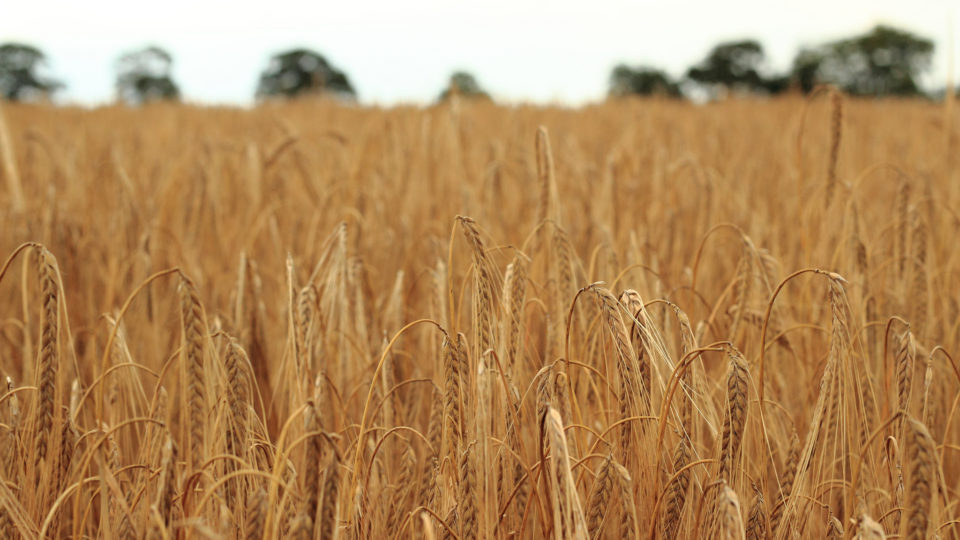
A study at the University of Toronto suggests that on a global scale, we are growing more of the same kinds of crops, and this diminishing diversity presents major challenges for agricultural sustainability.

In some places, for example here in North America, crop diversity has actually increased.  Back in the 1960s, North Americans grew about 80 crops.  Now there are 93.

But on a global scale, more of the same kinds of crops are being grown on much larger scales.  Just four crops – soybeans, wheat, rice and corn – occupy nearly 50% of the world’s entire agricultural lands.  The remaining 152 crops cover the rest.  Large industrial farms often grow one crop species – usually just a single genotype – across thousands of acres of land.

This decline in global crop diversity is problematic in several ways.  On a cultural level, it threatens regional food sovereignty.  If regional crop diversity is threatened, it makes it more difficult for people to eat or afford foods that are culturally significant to them.

On an ecological level, the dominance by a few genetic lineages of crops makes the agricultural system increasingly susceptible to pests or diseases.  The deadly fungus that is threatening the world’s banana plantations is a prime current example.  The Irish potato famine in the 19th century is a tragic historical example.

As large industrial-sized farms in Asia, Europe and the Americas start to look more and more alike, the dangers of large monocultures of crops that are commercially valuable will only increase.  It will be important for global governments to consider the impact of policies that affect the diversity of the agricultural system and its sustainability in an increasingly hungry world.

**********

Web Links

A small number of crops are dominating globally. And that’s bad news for sustainable agriculture

Photo, posted August 13, 2012, courtesy of Alasdair McKenzie via Flickr.

Earth Wise is a production of WAMC Northeast Public Radio.
Ice Melt In Greenland

March 12, 2019 By EarthWise 1 Comment

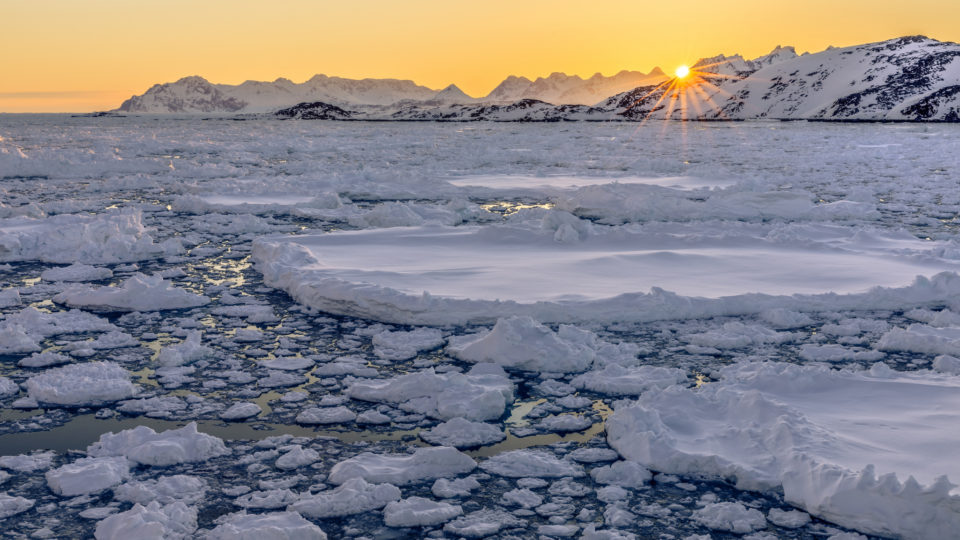
A new study published in the Proceedings of the National Academy of Sciences warns that Greenland’s ice Is melting much faster than previously thought.  The ice loss rapidly accelerated around 2002-2003 and by 2012 the annual loss was nearly four times the rate in 2003.

Most of the new ice melt is in southwest Greenland, a part of the island that wasn’t known to be losing ice that rapidly and is not where most of the large glaciers are in Greenland.  The loss is coming from the land-fast ice sheet itself.

Data from NASA satellites and GPS stations scattered around Greenland’s coast shows that between 2002 and 2016, Greenland lost approximately 280 billion tons of ice per year.  That is enough melt to cover the entire states of Florida and New York hip deep in meltwater, as well as drowning Washington, D.C. and one or two other small states.

Global warming of just 1 degree Celsius is the main driver behind this massive meltdown of ice.  The temperature rise coupled with a negative phase of the North Atlantic Oscillation causes rapid surface melt of the ice sheet during summers.  The Oscillation is a natural, irregular change in atmospheric pressure that brings warm, sunny weather to the western side of Greenland during its negative phase.

The Greenland ice sheet is 2 miles thick in some places and contains enough ice to raise sea levels 23 feet if it all melted.  The melting Greenland ice is already slowing the Gulf Stream, which is wreaking havoc with European weather.  If we don’t get a handle on global temperature rise, things are only going to get worse.

**********

Web Links

Greenland’s ice is melting four times faster than thought—what it means

Photo, posted April 21, 2017, courtesy of Markus Trienke via Flickr.

Earth Wise is a production of WAMC Northeast Public Radio.
A Disastrous Year

February 5, 2019 By EarthWise Leave a Comment

The number and economic impact of natural disasters around the world have increased dramatically over the past 30 years.  In dollar terms, the amount has actually more than doubled.  While 2017 and especially 2011 hold the records for worldwide economic damage, 2018 was pretty disastrous in its own right, totaling at least $160 billion.

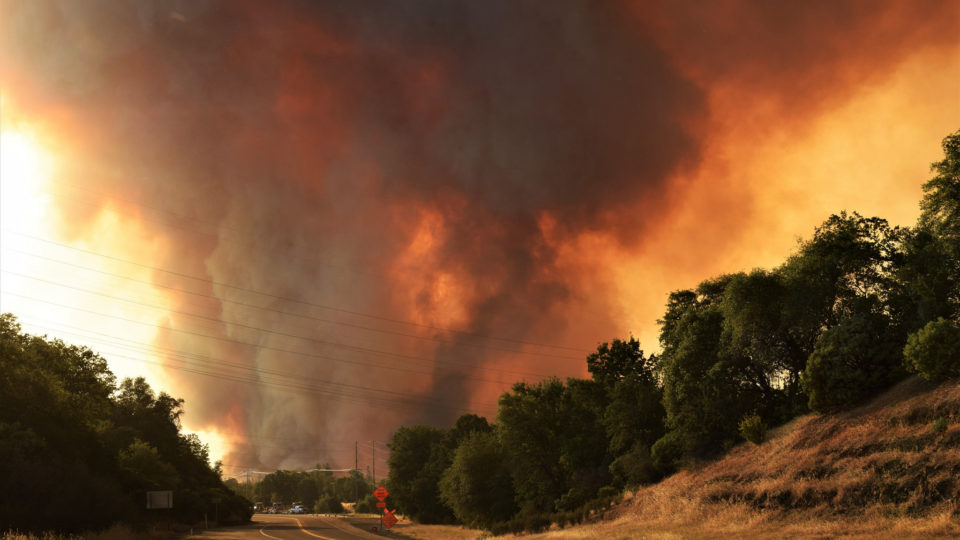
The year was dominated by costly wildfires in California and tropical storms in the United States and Asia.   According to a recent report by the reinsurance company Munich Re, the Camp and Woolsey fires in California alone caused losses of $21.7 billion, $16.5 billion of which was insured.

Overall, insurance companies paid out $80 billion in damage claims from natural disasters last year.  This was less than the $140 billion in 2017 but is still double the 30-year average.

Losses from wildfires have increased dramatically in recent years and summers continue to get hotter and dryer, a likely consequence of climate change.  These mounting costs bring into question whether people can continue to build in high-risk wildfire areas without dramatic changes in materials and the aggressive use of other protective measures.

Twenty-nine natural disaster events in 2018 caused more than a billion dollars in damage each.  Tropical storms including hurricanes Michael and Florence in the United States and three Asian typhoons caused $57 billion in damage.

A severe drought in Europe that set off major wildfires and caused agricultural losses caused $3.9 billion in losses.  Only about $280 million of this damage was covered by insurance companies since farmers in Europe don’t typically purchase insurance against drought.  For them, 2018 was truly a disastrous year.

**********

Web Links

Natural Disasters Caused $160 Billion in Damage in 2018

Photo, posted July 26, 2018, courtesy of Bureau of Land Management California via Flickr.

Earth Wise is a production of WAMC Northeast Public Radio.
Melting Ice In Greenland

January 18, 2019 By EarthWise Leave a Comment

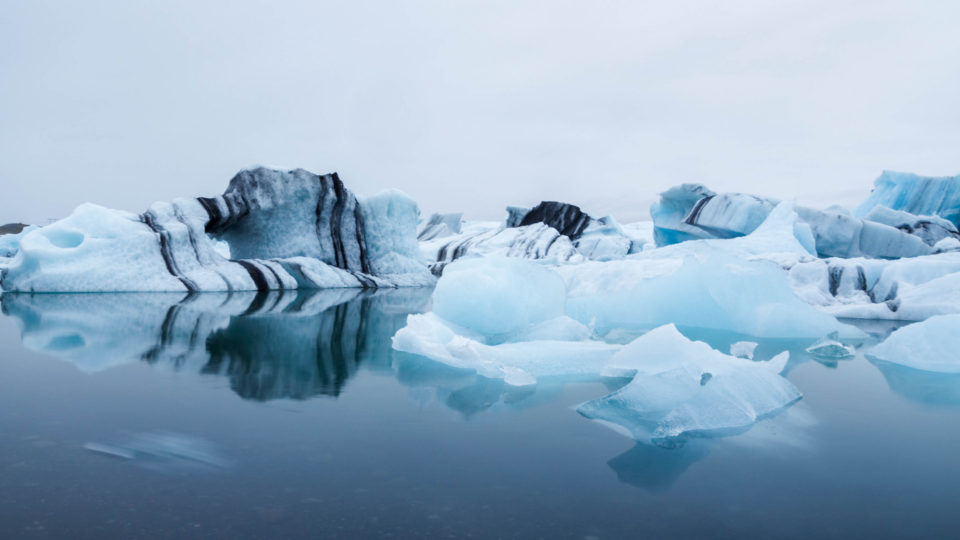
The Greenland ice sheet is the second largest ice body in the world after the Antarctic ice sheet.  It covers over 660,000 square miles, more than twice the size of the state of Texas.  But it is melting.

According to a new study published in the journal Nature, the Greenland ice sheet is melting faster today than at any point in the last 350 years.  A team of U.S. and European researchers analyzed more than three centuries of melt patterns in ice cores from western Greenland. They then linked this historical data to modern observations of melting and runoff across the entire ice sheet.

According to the researchers, from an historical perspective, today’smelt rates are off the charts.  There is a 50% increase in total ice sheet melt water runoff since the start of the industrial era and a 30% increase since the 20th century alone.

Over the last 20 years, melt intensity has increased 250 to 575 percent compared to pre-industrial melt rates. The period from 2004-2013, the most recent decade analyzed, experienced a more sustained and greater magnitude of melt than in any previous 10-year period in the 350-year record.

The Greenland ice sheet is the largest single contributor to global sea level rise.  It is adding 72 cubic miles of meltwater to the world’s oceans every year.

The melting of the Greenland ice sheet is accelerating which is a frightening prospect.  If the sheet were to melt in its entirety, global sea levels would rise by 23 feet.  The world needs to do whatever it can to keep that doomsday scenario from happening.

**********

Web Links

Greenland Ice Sheet Melting At Fastest Rate in 350 Years

Photo, posted September 8, 2014, courtesy of Marco Verch via Flickr.  

Earth Wise is a production of WAMC Northeast Public Radio.
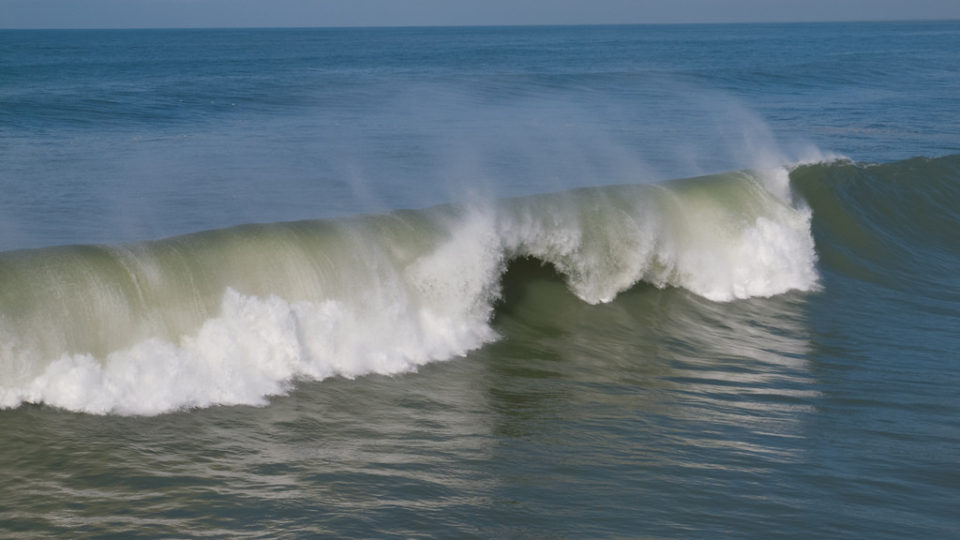
New Ocean Energy Technologies

December 26, 2018 By EarthWise Leave a Comment

https://earthwiseradio.org/wp-content/uploads/2018/12/EW-12-26-18-New-Ocean-Energy-Technologies.mp3

The ocean energy sector is still at an early stage of development.  Despite the fact that the ocean is permanently in motion, extracting energy from that motion on a major scale continues to be a challenge.  But the potential benefits of ocean technologies are compelling enough that many approaches continue to be pursued.

[Read more…] about New Ocean Energy Technologies

Responsible Investing On The Rise

November 6, 2018 By EarthWise Leave a Comment

https://earthwiseradio.org/wp-content/uploads/2018/10/EW-11-06-18-Responsible-Investing-On-The-Rise.mp3

Investors in the US are starting to catch up with their European counterparts with respect to taking environmental, social and governance (ESG) principles into account.

[Read more…] about Responsible Investing On The Rise

Diesel Is Dirty

October 22, 2018 By EarthWise Leave a Comment

https://earthwiseradio.org/wp-content/uploads/2018/10/EW-10-22-18-Diesel-is-Dirty.mp3

Three years ago, Volkswagen was found to have illegally cheated federal emissions tests in the US using devious programming of emission control devices.  The subterfuge enabled 11 million passenger cars to meet U.S. emissions standards in the laboratory despite that fact that they actually produced up to 40 times higher emissions than the legal limit in real-world driving.

[Read more…] about Diesel Is Dirty

A Million Electric Cars

September 25, 2018 By EarthWise Leave a Comment

https://earthwiseradio.org/wp-content/uploads/2018/09/EW-09-25-18-A-Million-Electric-Cars.mp3

Last year, China was the first country to reach the milestone of having one million electric cars.  This year, China will add another million plug-in vehicles.  Of course, with its huge population, China sells four times as many cars in total per year as any other country. 

[Read more…] about A Million Electric Cars

The Return Of The Bald Ibis

September 6, 2018 By EarthWise 1 Comment

https://earthwiseradio.org/wp-content/uploads/2018/08/EW-09-06-18-The-Return-of-the-Bald-Ibis.mp3

The northern bald ibis, also known as the waldrapp, is a strange-looking bird with a long, curved beak, a naked head, and feathers that point straight into the air like a Mohawk haircut.  In former centuries, it occurred widely in northern and eastern Africa, Asia Minor, Arabia, and parts of Europe.  The ancient Egyptians considered it to be an afterworld divinity and its likeness can be seen in hieroglyphs dating back thousands of years.

[Read more…] about The Return Of The Bald Ibis

Drought In Europe

August 22, 2018 By EarthWise Leave a Comment

https://earthwiseradio.org/wp-content/uploads/2018/08/EW-08-22-18-Drought-in-Europe.mp3

Even as Californians fought giant wildfires and Japan struggled with record high temperatures, the unusual summer heat in central and northern Europe has led to the worst drought conditions in over 40 years.

[Read more…] about Drought In Europe

  • « Go to Previous Page
  • Page 1
  • Interim pages omitted …
  • Page 4
  • Page 5
  • Page 6
  • Page 7
  • Page 8
  • Go to Next Page »

Primary Sidebar

Recent Episodes

  • An uninsurable future
  • Clean energy and jobs
  • Insect declines in remote regions
  • Fossil fuel producing nations ignoring climate goals
  • Trouble for clownfishes

WAMC Northeast Public Radio

WAMC/Northeast Public Radio is a regional public radio network serving parts of seven northeastern states (more...)

Copyright © 2026 ·