• Skip to primary navigation
  • Skip to main content
  • Skip to primary sidebar

Earth Wise

A look at our changing environment.

  • Home
  • About Earth Wise
  • Where to Listen
  • All Articles
  • Show Search
Hide Search
You are here: Home / Archives for electric vehicles

electric vehicles

Busting Electric Vehicle Myths | Earth Wise

September 20, 2021 By EarthWise Leave a Comment

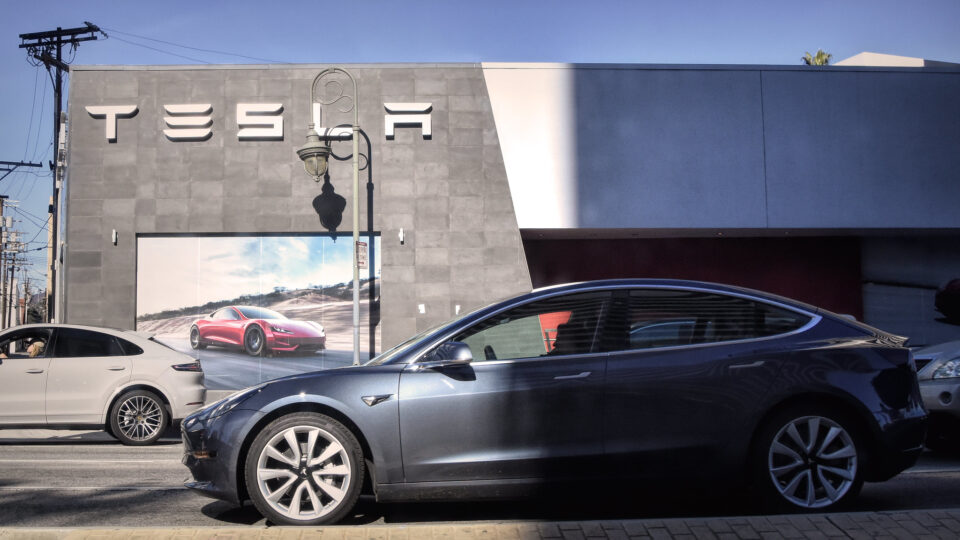
Electric vehicles result in lower emissions than internal combustion vehicles

From the early days of hybrid vehicles right on through the current booming market for electric cars, there has been the contention by some people that these cars are responsible for comparable or even greater amounts of greenhouse gas emissions over their product lifetimes.  The arguments generally centered around the carbon costs of creating batteries for the cars as well as the emissions associated with generating the electricity used to charge them.

A new study published by the International Council for Clean Transportation reports a life cycle assessment (or LCA) that considers every source of carbon generated from the cradle to the grave of the vehicle.

Included in the assessment are the mining costs of the lithium to make batteries, the transportation of batteries across the world by container ship, the end-of-life burden, the mix of energy generation in various places around the world, and so on.

The results of the analysis are that even in India and China, which are the biggest burners of coal and oil on earth, it still results in lower emissions to drive an EV instead of an internal combustion vehicle.

Lifetime emissions of today’s average medium-size EVs are lower than comparable gasoline cars by 66-69% in Europe, 60-68% in the US, 37-45% in China, and 19-34% in India.  As electricity generation continues to further decarbonize, all these numbers will only get better.  While it is somewhat more carbon-intensive to manufacture an EV, it doesn’t take very long in the car’s life to come out ahead owning one.

Early skeptics of EVs and hybrids had more legitimate concerns a decade or so ago, but the advantages of these vehicles are now unambiguous.

**********

Web Links

One of the Biggest Myths About EVs is Busted in New Study

Photo, posted December 30, 2020, courtesy of Chris Yarzab via Flickr.

Earth Wise is a production of WAMC Northeast Public Radio.
Is Peak Oil Here? | Earth Wise

August 17, 2021 By EarthWise Leave a Comment

Has peak oil already come and gone?

For many years there has been talk of “peak oil”, the point at which rising world oil consumption would peak and then start declining.  Some analysts have been predicting that this could happen by the 2030s.   But the coronavirus pandemic drove a 9% slump in oil demand in 2020 that some economists are saying might never be entirely reversed.

There are three major forces driving down the world’s appetite for oil:  decarbonization of economies to meet the goals of the Paris climate agreement, declining demand for oil as renewable energy sources and electric vehicles are increasingly adopted, and detoxification as cities act to curb particulates and emissions from burning petroleum.

The largest single factor is electric vehicles.  Automobiles currently consume almost half of the world’s oil.  As of the end of 2020, there were an estimated 10 million electric cars as well as more than 600,000 electric buses and trucks.  This is still less than 1% of all vehicles, but 5% of all new cars being bought are now electric and the number is growing rapidly.  Experts estimate that nearly a quarter of global car sales will be electric vehicles by 2025 and many car manufacturers are promising to sell only electric cars within the next 10 years.

The decline in oil demand is pretty much inevitable at this point.  The main question is how quickly it will happen.  Road transport makes up 48% of global oil demand, petrochemicals account for 14%, aviation 7%, and shipping 6%.  Ultimately all these things are likely to diminish over time. 

Only time will tell, but the long-awaited arrival of peak oil may already have happened.

**********

Web Links

Amid Troubles for Fossil Fuels, Has the Era of ‘Peak Oil’ Arrived?

Photo, posted April 14, 2019, courtesy of Tony Webster via Flickr.

Earth Wise is a production of WAMC Northeast Public Radio.

Have We Reached Peak Internal Combustion Engine? | Earth Wise

August 3, 2021 By EarthWise 1 Comment

Global sales of gas-powered cars may have peaked in 2017

According to new analysis from Bloomberg New Energy Finance, global sales of gas-powered cars may well have peaked in 2017, representing a significant milestone in the transition to electric vehicles.

Demand for gas cars dropped in 2018 and 2019, and then plummeted in 2020 as a result of the coronavirus pandemic.  While sales are surely picking up as the pandemic ebbs, the increasing demand (and supply as well) for plug-in vehicles is likely to put gas-powered cars in a state of permanent decline.

Global EV sales are projected to go from 3.1 million last year to 14 million in 2025.  The growth is being driven by falling battery prices, government policies, and increasing choices of vehicles.  Virtually all automobile manufacturers are introducing electric vehicles over the next couple of years and increasing numbers of them are planning a complete transition to EVs in the near future.  Projections are that EVs will account for the majority of new car sales by 2035.

While all this progress is encouraging, there are still over a billion gas- and diesel-powered cars on the road and the fleet turns over slowly.  The current average operating life of cars here in the US is 12 years.

To reach the net-zero carbon emission goals by 2050 as many governments have mandated, additional policies and regulations will be needed.  For example, electric cars will need to account for essentially all new sales by 2035, not just the majority.  Reaching net-zero by mid-century will require all hands on deck, including trucks and heavy commercial vehicles that have barely started to become electrified.

**********

Web Links

New Analysis Suggests We Have Already Hit Peak Internal Combustion Engine

Photo, posted December 23, 2017, courtesy of Davide Gambino via Flickr.

Earth Wise is a production of WAMC Northeast Public Radio.
Record Carbon Dioxide Levels | Earth Wise

June 29, 2021 By EarthWise Leave a Comment

Carbon dioxide levels set another record despite pandemic shutdowns

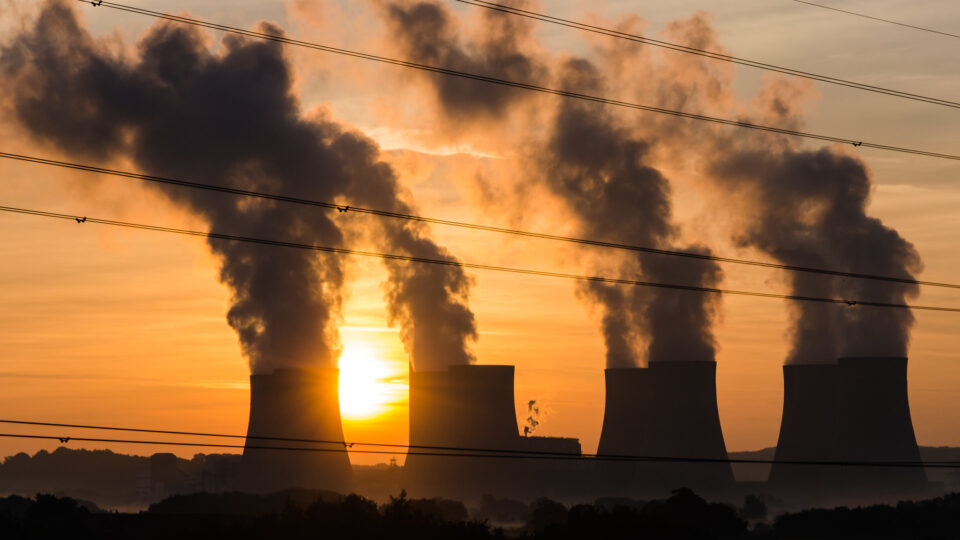
The coronavirus pandemic caused a temporary dip in the burning of fossil fuels around the world as many human activities were diminished or curtailed entirely.  Despite this, the amount of carbon dioxide in the atmosphere set a record in May, reaching the highest levels in human history.

Scientific instruments atop the Mauna Loa volcano in Hawaii measured an average of 419 parts per million for the month, according to analysis from both the Scripps Institution of Oceanography and the National Oceanic and Atmospheric Administration.

This level is about half a percent more than the previous record of 417 ppm, set in May of 2020.  Carbon dioxide is the largest greenhouse gas contributor driving global warming and, according to scientists, there hasn’t been this much of it in the atmosphere for millions of years.

Global emissions of carbon dioxide were actually 5.8 percent lower in 2020 than 2019, as a result of pandemic lockdowns.  This was the largest one-year drop ever recorded.  But humanity was still responsible for emitting more than 31 billion tons of carbon dioxide last year.  About half of that CO2 is absorbed by the world’s trees and oceans, but the other half lingers in the atmosphere for thousands of years, gradually warming the planet via the greenhouse effect.

As long as we keep emitting carbon dioxide, it is going to continue to pile up in the atmosphere.  The only way to stop it is for the world’s nations to zero out their net emissions, mostly by switching away from fossil fuels to technologies that do not emit carbon dioxide, such as electric vehicles fueled by wind, solar, or nuclear power.

**********

Web Links

Carbon Dioxide in Atmosphere Hits Record High Despite Pandemic Dip

Photo, posted August 7, 2013, courtesy of Gerry Machen via Flickr.

Earth Wise is a production of WAMC Northeast Public Radio.
Policy Moves on Electric Cars | Earth Wise

February 26, 2021 By EarthWise Leave a Comment

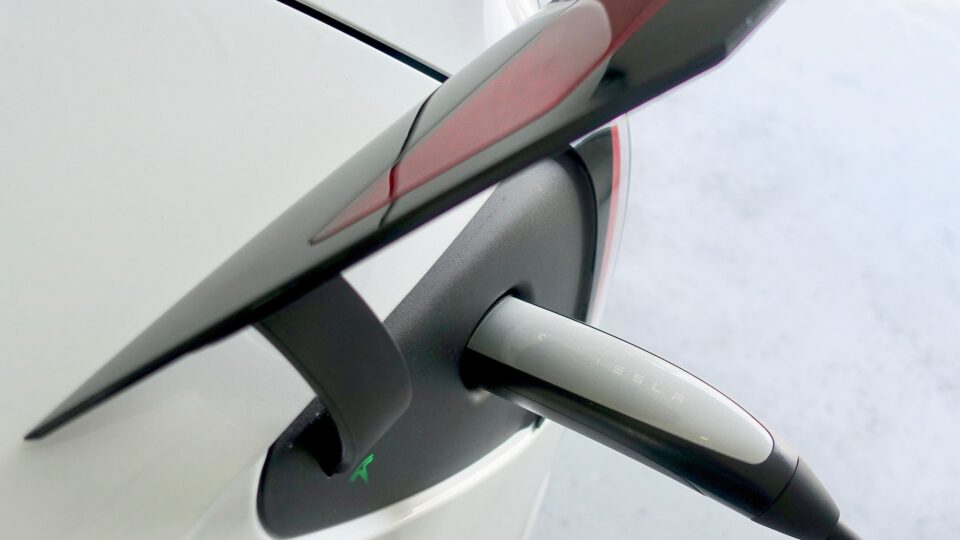
The transition to electric vehicles is underway

In recent times, there have been several significant events affecting the transition to electric vehicles.  The new administration has made aggressive moves toward fighting climate change.  Wall Street investors have placed more value on Tesla stock than that of GM, Toyota, Volkswagen, and Ford combined.  China, the world’s largest car market, recently mandated that most new cars must be powered by electricity within 15 years.

Against this background, the CEO of General Motors announced in late January that the company will aim to sell only zero-emission cars and trucks by 2035.

This announcement took the rest of the auto industry by surprise.  In the past, the industry tended to present a united message on emissions and other policy issues.  This time around, GM has stepped out in front of the issue.

GM has already committed to spending $27 billion to introduce 30 electric vehicle models by 2025 and is building a plant in Ohio to make batteries for those cars and trucks.

A key driver in the GM decision, no doubt, was an executive order signed by President Biden on his first day of office.  The order directed the Environmental Protection Agency to immediately begin developing tough new tailpipe pollution regulations, designed to reduce the nation’s largest source of greenhouse gas emissions.

Even before the change in administration, five other major automakers – BMW, Ford, Honda, Volkswagen, and Volvo – had already legally bound themselves to tougher fuel economy standards in a deal with California.  Those companies committed to an average fuel economy of 51 miles per gallon in 2026.

While no other large automaker has set a specific target date for selling only electric vehicles, many of them are moving in that direction.  The rapid growth of Tesla is an indicator of where the auto industry is heading.

**********

Web Links

G.M. Announcement Shakes Up U.S. Automakers’ Transition to Electric Cars

Photo, posted July 29, 2017, courtesy of Steve Jurvetson via Flickr.

Earth Wise is a production of WAMC Northeast Public Radio.
Positive Tipping Points And Climate | Earth Wise

February 15, 2021 By EarthWise Leave a Comment

Tipping points that could help mitigate climate change

A tipping point is a moment when a small change triggers a large and possibly irreversible response.

There has been much discussion of various tipping points that could accelerate climate change in catastrophic ways.  A recent paper from researchers at the University of Exeter in the UK discusses a couple of tipping points that could accelerate positive progress on mitigating climate change.

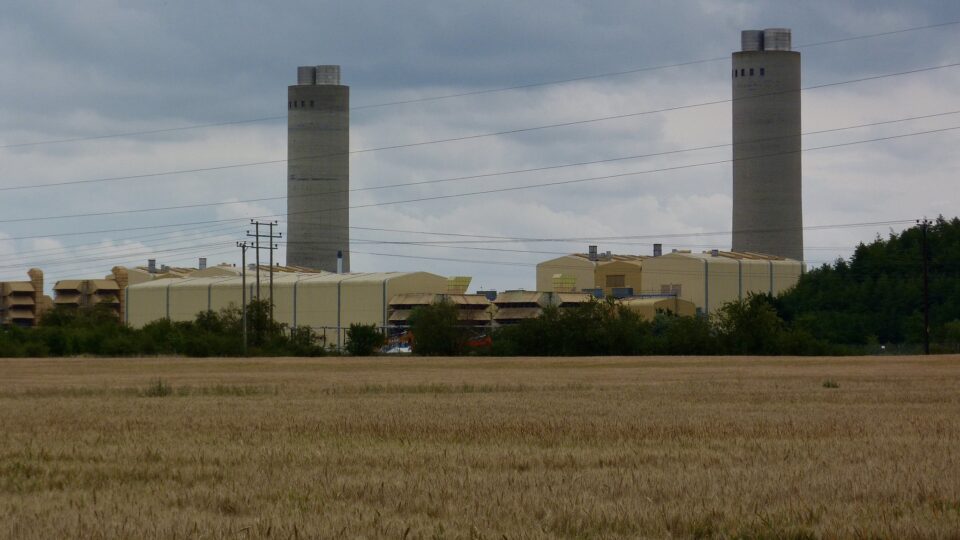
Electric vehicles account for only 2-3% of new car sales globally. In Norway, this figure is more than 50%, mostly thanks to policies that make electric cars the same price to buy as conventional cars.   According to the Exeter study, when EVs cost the same to manufacture as conventional cars, it will be a global tipping point.  China, the EU, and California together are responsible for half of the world’s car sales and each of these has targets to rapidly decarbonize their economies and policies in place to speed the transition to electric vehicles. 

Decarbonizing electric power is the other potential positive tipping point.  In Europe, carbon taxes on top of increasing renewable energy generation have tipped coal into unprofitability as they have led to the irreversible destruction of coal plants.  Globally, renewables are already generating electricity cheaper than fossil fuels in many countries.  Decarbonizing global power generation would in turn help accelerate decarbonization of large parts of transportation, heating and cooling, and industry.

These potential positive tipping points are by no means inevitable.  Appropriate policies are needed to overcome various barriers to the clean energy transition.  But major changes in transportation and electric power would have a tremendous impact on the global effort to combat climate change.

**********

Web Links

Positive ‘tipping points’ offer hope for climate

Photo, posted July 14, 2020, courtesy of Jim Champion via Flickr.

Earth Wise is a production of WAMC Northeast Public Radio.
Green Bills Pass In New York | Earth Wise

August 19, 2020 By EarthWise 3 Comments

Green legislation

In late July, the two houses of the New York legislature passed a number of environmental bills covering a wide range of topics.

These included a bill to add protected status for streams that support fisheries and non-contact recreation.  A second bill bans the use of PFAS in food packaging.  A third bill classifies all wastes resulting from oil and gas exploration, development, extraction or production as hazardous waste, closing a previous loophole in the law.

A fourth bill requires water works corporations with more than 1,000 service connections to post their annual water supply statements online, thereby providing transparency and openness to water quality data.  A fifth bill expands protections for endangered species to protect them from environmental rollbacks by the federal government.

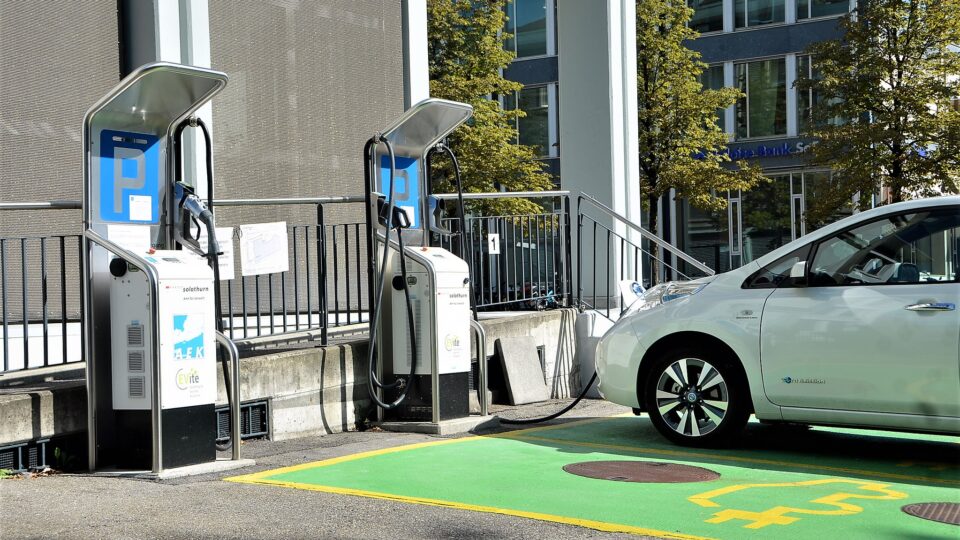
A sixth bill prohibits non-electric vehicles from parking in spaces designated for electric vehicle charging, thereby establishing penalties for this practice that is often done for spite.  A seventh bill bans the use of glyphosate – the herbicide found in Roundup and other products – on state property.

An eighth bill reduces the use of road salt in the Adirondacks.  A ninth bill requires supermarkets to make good faith efforts to donate edible excess food to qualifying entities such as food pantries, food banks, or similar entities.   A tenth bill bans certain uses of trichloroethylene or TCE, including as a vapor degreaser, an intermediate chemical to produce other chemicals, a refrigerant, or an extraction solvent.

When signed by the governor, these ten pieces of legislation will help protect New York’s environment, water, and health.  It was a busy session for green legislation.

**********

Web Links

Several Green Bills Pass in State Legislature

Photo, posted September 12, 2018, courtesy of Flickr.

Earth Wise is a production of WAMC Northeast Public Radio.
A Second Life For Electric Car Batteries | Earth Wise

June 17, 2020 By EarthWise Leave a Comment

electric car batteries

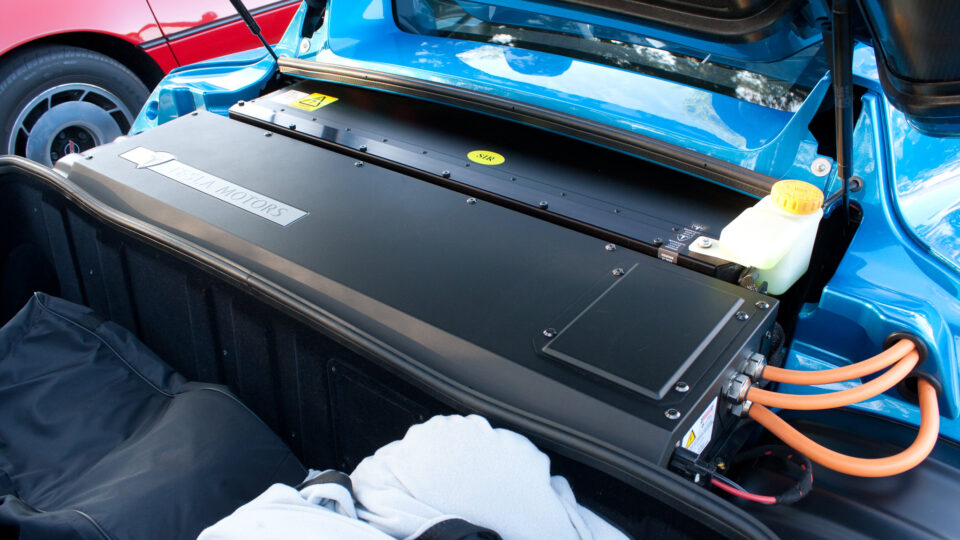
The number of electric cars around the world is growing steadily.  Battery technology continues to improve and the battery packs in the cars can have a long life.  Generally, the batteries are considered to require replacement only when their range has dropped below 80% of its original value.  Many are warranted to last for 8 to 10 years or more than 100,000 miles.  Some seem to do much better than that.

But however long it takes, there will eventually be a wave of used batteries whose performance is no longer deemed sufficient for vehicle use.  A new study, published in the journal Applied Energy, looked at the application of used vehicle batteries as backup storage for grid-scale solar photovoltaic installations where they could perform for more than a decade in this less demanding role.

The study looked at the economics of several scenarios including running a solar farm with no battery back up, running the same farm with brand-new batteries, and running the farm with a battery array made of repurposed vehicle batteries.

They found that the used EV battery array, if managed properly, could be a good, profitable investment provided that the batteries cost less than 60% of their original price.  They looked at the technical issues of screening batteries and combining batteries from different cars to work together.  They also looked at the economics of removing batteries from cars, collecting them, checking them over, and repackaging them.

Overall, they found that reusing vehicle batteries could ultimately meet half the forecasted demand for renewable energy backup storage over the next 10 years and would be both a technical and an economic success story.

**********

Web Links

Solar energy farms could offer second life for electric vehicle batteries

Photo, posted June 10, 2011, courtesy of Nick Ares via Flickr.

Earth Wise is a production of WAMC Northeast Public Radio.

Online Shopping And Greenhouse Gas Emissions | Earth Wise

April 3, 2020 By EarthWise Leave a Comment

Carbon footprint of online and traditional shopping

These days, consumers have multiple choices for how to shop for even the most mundane products.  There are both traditional and online ways to buy most so-called fast-moving consumer goods, such as cleaning supplies and packaged foods.  Price, quality, convenience, and time-frame guide our choices.

In the past, these things were always purchased by going to “Bricks & Mortar”, that is, physical retail stores. But now, we can order them from physical stores and have them delivered directly by the store – which is known as “Bricks & Clicks” – or we can order them online from an e-tailer and have them delivered by a parcel delivery company or the post office, so-called “Pure Play” online purchasing..

The carbon footprint of these three approaches depends on multiple factors according to a new study published in Environmental Science and Technology.  The study looked at the impact of transport, warehouse storage, delivery, and packaging.

Overall, the greenhouse gas footprints per item purchased at Bricks & Mortar were higher than those of Bricks & Clicks but lower than that of Pure Players.  But the results were highly dependent upon how many items were actually being purchased, and where the consumers lived.  The type of items also mattered.  For example, clothing purchased from a pure-play online source is much more likely to be returned than if purchased in a store.

Bricks & Mortar shoppers could reduce their footprint by 40% by walking or biking to stores, and Pure Players could cut emissions by 26% by switching to electric vehicles for the delivery of products from parcel distribution centers to consumers’ homes.

**********

Web Links

Comparing greenhouse gas footprints of online versus traditional shopping

Photo, posted July 15, 2017, courtesy of Elaine Smith via Flickr.

Earth Wise is a production of WAMC Northeast Public Radio.

Minerals And Metals For A Low-Carbon Future | Earth Wise

February 14, 2020 By EarthWise Leave a Comment

low carbon energy future

For the past century, economies and geopolitics have largely been driven by our insatiable appetite for oil and fossil fuels in general.  As we gradually make the transition to a low-carbon energy future, the focus on oil will shift to sustainable supplies of essential minerals and elements.

The use of solar panels, batteries, electric vehicle motors, wind turbines, and fuel cells is growing rapidly around the world.  These technologies make use of cobalt, copper, lithium, cadmium, and various rare earth elements.  The need for any one of these things may diminish if alternatives are found, but there will continue to be a growing reliance on multiple substances whose physical and chemical properties are essential to the function of modern devices and technologies.

In some cases, global supplies of particular minerals and elements are dominated by a particular country, are facing social and environmental conflicts, or face other market issues.  Shortages of any of them could create economic problems and derail progress much as the oil-related energy crises of the past have.

The world faces challenges in managing the demand for low-carbon technology minerals as well as limiting the environmental and public health damage that might be associated with their extraction and processing.  Expanded use of recycling and reuse of rare minerals will be essential.

As the relatively easy sources of these materials become exhausted, other resources will become more attractive.  These include various valuable ecosystems, oceanic deposits, and even space-based reserves.

Ushering in the low-carbon future is not a simple matter and will require responsible actions by the world’s governments and industries. In undoing the damage from the oil age, we must avoid new damage from the low-carbon age.

**********

Web Links

Sustainable supply of minerals and metals key to a low-carbon energy future

Photo, posted March 13, 2015, courtesy of Joyce Cory via Flickr.

Earth Wise is a production of WAMC Northeast Public Radio.
Lighting Up Batteries

December 24, 2019 By EarthWise 2 Comments

One of the things that hampers the adoption of electric vehicles is range anxiety.  Drivers worry that they will run out of charge before they get to the closest charging station.   Range anxiety has lessened considerably in recent years as electric cars have incorporated larger and larger battery packs yielding driving ranges well over two hundred and even over three hundred miles.

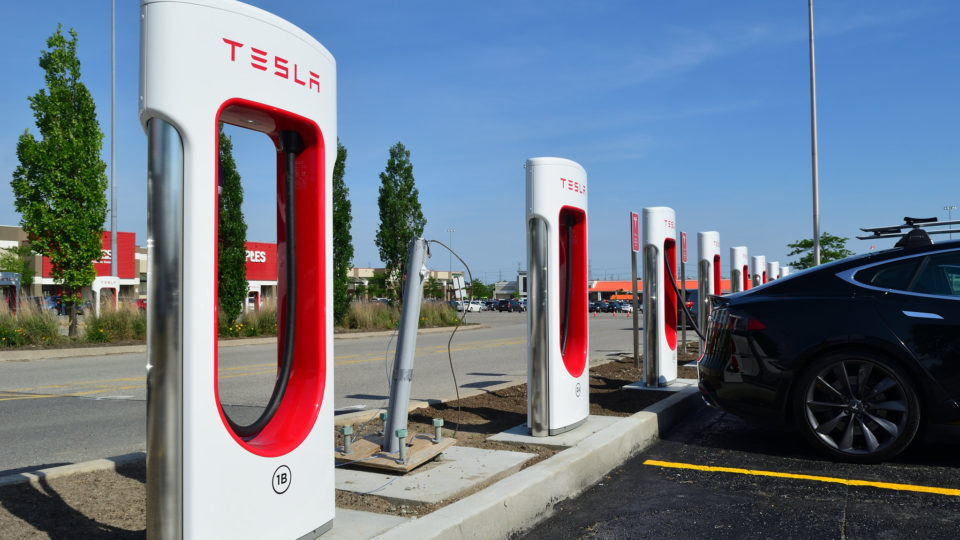
With these extended driving ranges, drivers then turn their attention to how long it takes to charge.  Tesla’s Superchargers have gotten to the point where a car can add 75 miles of charge in 5 minutes and 200 miles in less than half an hour.  Fast charging systems are improving the charge times for other electric models as well.

Nevertheless, drivers would ideally like to reduce charging times to as little as possible in order to provide the convenience experienced in gasoline cars.

Researchers at Argonne National Laboratory have reported a mechanism for speeding up the charging of lithium-ion batteries for electric vehicles.  By exposing the battery cathode to a beam of concentrated light, the charging time can be reduced by a factor of two or more. If this could be commercialized, it could be a real game changer for electric vehicles.

The research used specially crafted lithium-ion cells with transparent quartz windows.  Shining white light into the windows caused a semiconductor material known as LMO to change its charge state and drive the charging reaction more quickly in the lithium ions of the battery.

Using this photo-assisted technology in vehicle batteries would require substantial redesign that would allow concentrated light to illuminate battery electrodes during charging.  How practical that is remains to be seen, but the payoff would be substantial.

**********

Web Links

Shedding new light on the charging of lithium-ion batteries

Photo, posted June 30, 2018, courtesy of Open Grid Scheduler via Flickr.

Earth Wise is a production of WAMC Northeast Public Radio.

The Benefits Of Zero-Carbon Cities

November 8, 2019 By EarthWise Leave a Comment

A new report issued by a coalition of 50 leading international institutions shows that low carbon initiatives in cities could reduce urban emissions by nearly 90% and support 87 million jobs worldwide by 2030.  The report finds that implementing low carbon measures in cities would be worth almost $24 trillion by 2050.

Cities are home to more than half the world’s population but produce 80% of gross domestic product and 75% of carbon emissions.  The research highlights the significant benefits carbon reduction can bring to cities in areas such as public health, job creation, and poverty alleviation.

The report shows that it is possible to cut 90% of emissions from cities using currently available technologies and practices including carbon savings from buildings, transportation, materials efficiency, and waste reduction.  Doing so would require an investment of nearly $2 trillion per year but would generate annual returns of nearly $3 trillion in 2030 and $7 trillion in 2050 based on cost savings alone.  Many low carbon measures would pay for themselves in less than five years, including more efficient lighting, electric vehicles, improved freight logistics, and solid waste management.

In addition to economic benefits, compact, connected and clean cities could provide a higher standard of living and greater opportunity for all.  These measures would also reduce air pollution, cut chronic traffic congestion, and improve worker productivity.

The report offers case studies from around the world where national and local governments have worked together to rapidly and profoundly transform their cities for the better within 20 or 30 years.

**********

Web Links

The benefits of investing in zero-carbon cities

Photo, posted September 8, 2018, courtesy of Steffen Flor via Flickr.

Earth Wise is a production of WAMC Northeast Public Radio.
Booming Electric Car Sales

September 12, 2019 By EarthWise Leave a Comment

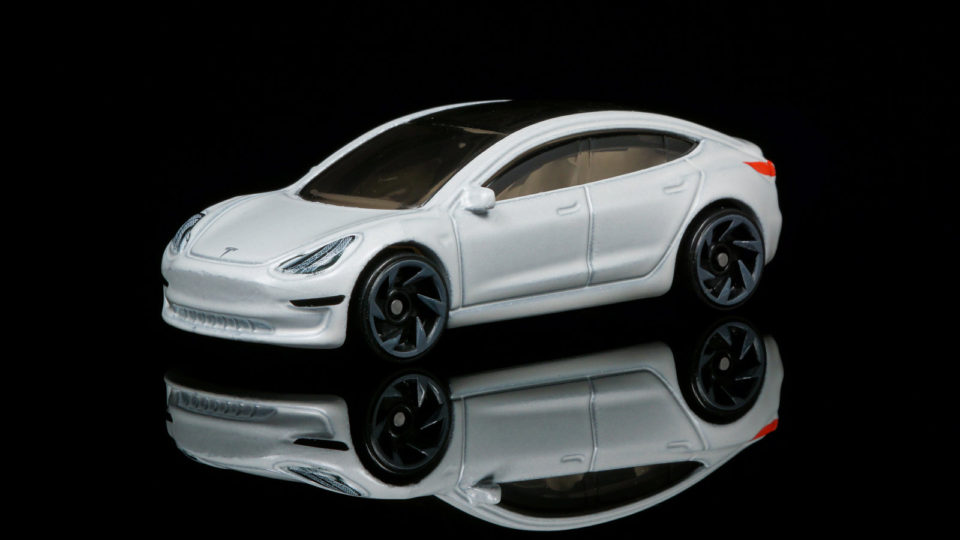
Electric cars are becoming more and more commonplace over time.  There is no place in the world where this is more evident than in Norway.  This year, about half the new cars sold in Norway have been electric.  This compares to only 25% just last year.  In March alone, nearly 60% of vehicle purchases in Norway were plug-in cars, outselling gas and diesel cars for the first time ever.

Norway has encouraged the switch to electric transportation by making battery-powered cars tax exempt as well as offering various other incentives.  This is all part of the country’s plan to end the sale of fossil fuel cars entirely by 2025.

Although Norway leads the world in electric car sales on a per capita basis, there are many other places seeing rapid growth.  In Maryland, for example, so many electric cars were sold in the past year that the state’s tax credit program, which has a $3 million annual budget, ran out of money seven months before the end of the fiscal year.  Between 2017 and 2018, the number of EVs registered in Maryland doubled to over 18,000.

New York has also seen robust growth in electric vehicles.  There are now more than 40,000 plug-in cars registered in New York State.  About a third of those are Tesla models, with the increasingly popular Tesla Model 3 rapidly becoming the dominant plug-in car in the state.  In fact, this year the Tesla Model 3 has accounted for about 60% of all plug-in car sales in the United States.

Not only are electric car sales going up, so are the options for car buyers.  Within the next year or two, there will be numerous new electric car choices available from multiple manufacturers appealing to the tastes of a growing range of car buyers.

**********

Web Links

EVs Make Up Half of New Car Sales in Norway So Far This Year

Photo, posted May 16, 2019, courtesy of Flickr.

Earth Wise is a production of WAMC Northeast Public Radio.
Electric Buses On The Rise

November 2, 2018 By EarthWise Leave a Comment

https://earthwiseradio.org/wp-content/uploads/2018/10/EW-11-02-18-Electric-Buses-on-the-Rise.mp3

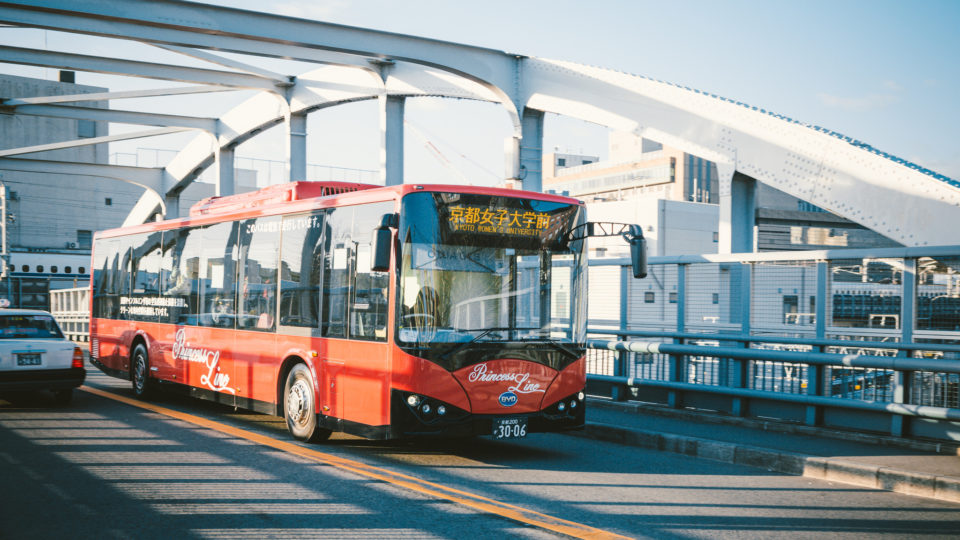
Electric buses are replacing conventional diesel-fueled buses at an accelerating rate that is outpacing the adoption of battery-powered cars.  According to forecasts by Bloomberg New Energy Finance, by 2030 some 28% of car sales will be electric vehicles while 84% of new buses will be electric buses.  So far, some 12 years away, the actual adoption of electric buses is outpacing this optimistic projection.

[Read more…] about Electric Buses On The Rise

The Future Of Energy

August 3, 2018 By EarthWise Leave a Comment

https://earthwiseradio.org/wp-content/uploads/2018/07/EW-08-03-18-The-Future-of-Energy.mp3

A new report by Bloomberg New Energy Finance takes a long-term look at the world’s energy production.  According to the report, renewable energy, mostly in the form of solar and wind power, is set to provide close to 50% of the world’s energy by the year 2050.

[Read more…] about The Future Of Energy

Bursting The Carbon Bubble

July 25, 2018 By EarthWise Leave a Comment

https://earthwiseradio.org/wp-content/uploads/2018/06/EW-07-25-18-Bursting-the-Carbon-Bubble.mp3

One way or another, the fossil fuel industry seems to be destined to shrink away.  A combination of technological advances and climate policies are going to drastically reduce the global demand for fossil fuels over the course of time.   New research shows that the demise of the fossil fuel industry will have profound consequences.

[Read more…] about Bursting The Carbon Bubble

Electric Cars For Real This Time?

August 29, 2017 By EarthWise

https://earthwiseradio.org/wp-content/uploads/2017/08/EW-08-29-17-Electric-Cars-for-Real.mp3

Electric cars have been around for a long, long time.  The first ones appeared in the mid-19th century.  Around the turn of the 20th century, they were popular for taxi cabs in places like New York City.  But within about 10 years, they mostly disappeared.  In the 1990s, electric cars had a brief revival with vehicles like the General Motors EV1.  But again electric cars mostly vanished.

[Read more…] about Electric Cars For Real This Time?

Improving Energy Storage

June 22, 2017 By EarthWise

https://earthwiseradio.org/wp-content/uploads/2017/06/EW-06-22-17-Improving-Energy-Storage.mp3

The transition to sustainable energy sources faces many challenges.  One important one is to make those sources as reliable as conventional energy systems.  For technologies like solar and wind power, which can’t operate around the clock, an enabling element is effective energy storage.   Energy storage is critical for both the electricity grid and for transportation.

[Read more…] about Improving Energy Storage

  • « Go to Previous Page
  • Page 1
  • Page 2
  • Page 3

Primary Sidebar

Recent Episodes

  • An uninsurable future
  • Clean energy and jobs
  • Insect declines in remote regions
  • Fossil fuel producing nations ignoring climate goals
  • Trouble for clownfishes

WAMC Northeast Public Radio

WAMC/Northeast Public Radio is a regional public radio network serving parts of seven northeastern states (more...)

Copyright © 2026 ·