• Skip to primary navigation
  • Skip to main content
  • Skip to primary sidebar

Earth Wise

A look at our changing environment.

  • Home
  • About Earth Wise
  • Where to Listen
  • All Articles
  • Show Search
Hide Search
You are here: Home / Archives for effective

effective

Harnessing The Smell Of Fear | Earth Wise

September 28, 2021 By EarthWise Leave a Comment

Harnessing the smell of fear to drive away pests

Plant-eating insects present a major problem for farmers and home gardeners.  Aphids, for example, are a highly destructive pest to many crops.  Their large numbers and ability to transmit plant pathogens make them a persistent problem for growers.

Pesticides are chemical substances that are commonly used to prevent, destroy, repel or mitigate pests.  They include insecticides for insects, rodenticides for rodents, herbicides for weeds, and fungicides for microorganisms.  According to the U.S. Geological Survey, approximately one billion pounds of these chemicals are used in the United States every year.     

But pesticides can also contaminate soil, water, and other vegetation, as well as kill many non-target species.  Exposure to these chemicals is dangerous for human health. 

According to a new study, researchers from Pennsylvania State University have developed a way to bottle the “smell of fear” produced by predators in order to repel and disrupt pests naturally without the need for these harsh substances.  The researchers recently presented their findings at the American Chemical Society meeting.  

Aphids happen to be a favorite food of ladybugs. Aphids and other herbivorous insects will steer clear of fields and gardens if they smell predators nearby.  The researchers identified and extracted the volatile odor profile from ladybugs.  The researchers used the compounds to create a special odor blend that can be used in an essential oil diffuser to spread the scent across a garden or field. 

The research team plans to conduct field tests to see if the effects outside are similar to what was observed in the lab.  A natural and effective pest repellent would be a big win for people and the planet.  

**********

Web Links

Protecting gardens and crops from insects using the ‘smell of fear’

Protecting gardens and crops from insects using the ‘smell of fear’ (YouTube)

Photo, posted May 10, 2011, courtesy of DM via Flickr.

Earth Wise is a production of WAMC Northeast Public Radio.
What’s The Best Way To Reduce Emissions? | Earth Wise

April 1, 2021 By EarthWise Leave a Comment

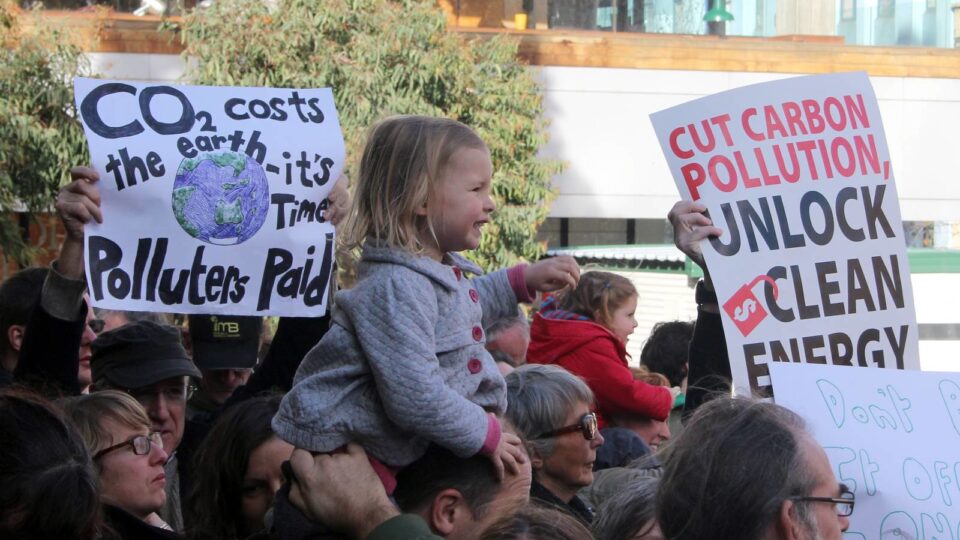
Taxing carbon is the best solution to climate change

A carbon tax is a fee imposed on the burning of carbon-based fuels, like coal, oil, and gas.  It’s one way to make the users of carbon fuels pay for the climate damage caused by releasing carbon dioxide into the atmosphere. 

According to a new study by researchers at Ohio State University, putting a price on producing carbon is the cheapest and most efficient policy change that legislators can make in order to reduce climate change-causing emissions. 

The case study, which was recently published in the journal Current Sustainable/Renewable Energy Reports, looked at the impact that a variety of policy changes would have on reducing carbon dioxide emissions from electricity generation in Texas. The researchers found that assigning a price to carbon, based on the cost of climate change, was most effective. 

The study did not look at how policy changes might affect the reliability of the Texas power system, an important consideration after the failure of the state’s power grid following winter storms in February. 

But the study did examine other policies and found that they were either more expensive or not as effective, including mandates that a certain amount of energy in a portfolio come from renewable sources.  Subsidizing renewable energy sources was also found to be less effective. 

According to researchers, market-based solutions have previously proven effective combating environmental issues.  For example, a cap-and-trade approach was used to reduce levels of sulfur dioxide, one of the chemicals that causes acid rain. 

For the sake of the climate, we should probably tax carbon. 

**********

Web Links

Want to cut emissions that cause climate change? Tax carbon

What’s a carbon tax?

Photo, posted June 5, 2011, courtesy of John Englart via Flickr.

Earth Wise is a production of WAMC Northeast Public Radio.

Pandemic Lockdowns And Carbon Emissions | Earth Wise

November 25, 2020 By EarthWise Leave a Comment

pandemic impact on carbon emissions

The early months of the COVID-19 pandemic saw many human activities reduced to a fraction of what they were previously.  Notably, air pollution in major cities was dramatically lower than it had been in decades.  Now, a new study has looked at the effect of the pandemic shutdowns on carbon dioxide emissions.

An international team of climate scientists has published an assessment of carbon dioxide emissions by industry, transportation, and other sectors from January through June.  According to their measurements, this year’s pandemic lockdowns resulted in a 9% decline in emissions from 2019 levels.

An earlier study reported a 17% drop in CO2 emissions, but the new study was more comprehensive and detailed.

The new data includes estimates of day-by-day, sector-specific and country-level differences in CO2 emissions derived from frequently updated data sources, some of which are nearly in real-time.  It tracks the effects of COVID-19-related disruptions of human activities in China starting in February and in the United States and Europe in March through May.

The data revealed the resumption of emissions in many regions, such as in China, where they are now back to pre-pandemic levels.  Emissions in the Americas and Europe have been slower to recover, especially in the US, where COVID-19 hotspots are continuing to emerge. 

The reduction in carbon emissions has been due mostly to transportation with fewer people driving to work and traveling by air.  Even by June, when lockdowns were easing, global emissions were still significantly reduced.  In any case, a pandemic is a highly undesirable and unwelcome way to reduce carbon emissions, but the data from this year does show that it is effective.

**********

Web Links

Pandemic lockdowns caused steep and lasting carbon dioxide decline

Photo, posted August 7, 2020, courtesy of Michael Mueller via Flickr.

Earth Wise is a production of WAMC Northeast Public Radio.
Artificial Reefs As Havens For Marine Predators | Earth Wise

October 28, 2020 By EarthWise Leave a Comment

Artificial reefs as habitat for marine predators

Climate change, pollution, development and other stresses have accelerated the decline of reef ecosystems across much of the world’s oceans in recent years.  Large predators such as sharks, mackerels, barracudas, jacks and others that formerly fed around reefs have had to venture outside their normal migratory routes in search of suitable alternatives.

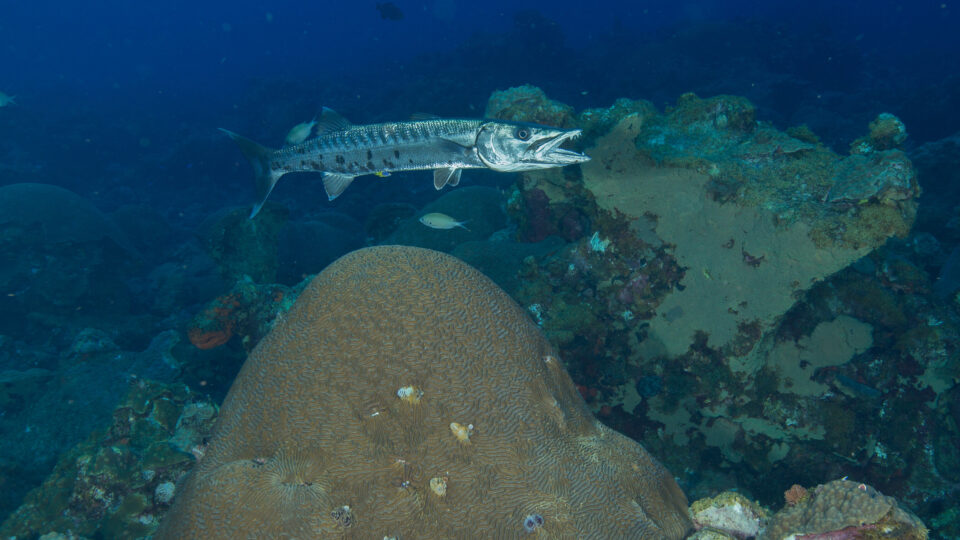
According to a new study by Duke University, marine predators have taken up residence at shipwrecks and other artificial reefs.  The study surveyed 30 sites along the North Carolina coast and found that predator densities were up to five times larger at the 14 artificial reefs surveyed than at the 16 natural reefs in the survey.

Shipwrecks, particularly those that rose between 4 and 10 meters up into the water column, were a big favorite of the fishes.  Some of those sites supported predator densities up to 11 times larger than natural reefs or low-profile artificial reefs.  The shipwrecks are basically high-rise timeshares in the sea.

The findings of the survey show that artificial reefs can support large predators, supplementing natural reefs if the design and placement of the artificial reefs are appropriate.  In addition, when it comes to designing artificial reefs, there appears to be a height advantage.  So, reefs either made from sunken ships or at least made to resemble them would be desirable.

Because undersea predators help maintain healthy and sustainable populations of species lower in the food web, providing suitable habitat for the predators is extremely important.  Based on the study, it appears that the strategic use of artificial reefs can be an effective way to help counter the increasing loss of natural habitat on the ocean bottom.

**********

Web Links

Artificial Reefs Take on a Towering Presence as Havens for Marine Predators

Photo, posted July 29, 2014, courtesy of NOAA Photo Library via Flickr. Photo credit: Flower Garden Banks National Marine Sanctuary

Earth Wise is a production of WAMC Northeast Public Radio.
More Bugs That Eat Plastic | Earth Wise

September 29, 2020 By EarthWise Leave a Comment

Breaking down plastic with beetles

The world continues to struggle with the proliferation of plastic that is polluting the environment.  The Great Pacific Garbage Patch has now grown so large that it has spread across an area four times the size of California.  But there is no silver bullet in the struggle to reduce plastic pollution.  Reducing the use of plastic is probably the most viable approach, but increased recycling, the use of bioplastics, and various other strategies must play a role.

The essence of the problem is that plastic takes from decades to hundreds of years to decompose naturally.  The world produces billions of tons of plastic waste each year and less than 10% of it is recycled.  As a result, researchers around the world seek ways to safely and economically accelerate the decomposition of plastics.

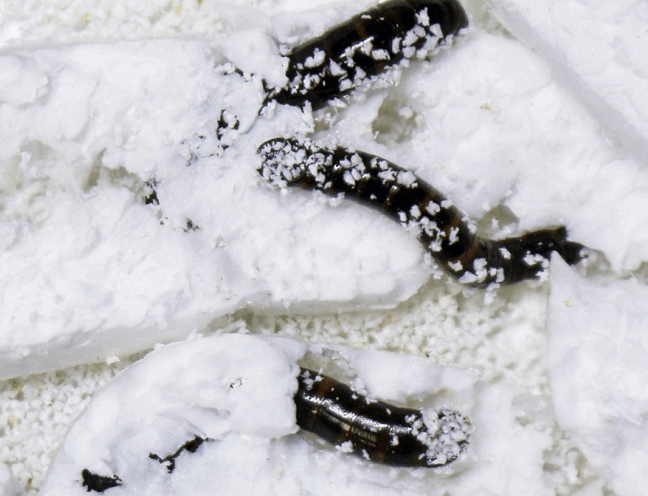
A research team at Andong National University in South Korea has discovered the larvae of a particular species of darkling beetle can decompose polystyrene, which is one of the trickiest plastics to break down.  There are thousands of species of darkling beetles found in different habitats all over the world.  The one they identified is indigenous to East Asia.

The beetle larvae can consume polystyrene and reduce both its mass and molecular weight.  Furthermore, they found that the bacteria in the gut of the larvae could oxidize and change the surface property of polystyrene.  The handful of bacterial strains they identified were not like those of earlier insects found to degrade polystyrene.  As result, the researchers are hopeful that it may be possible to break down the plastic using other insects that feed on rotten wood.  Apart from the insects themselves, using just the bacterial strains found in the darkling beetles may prove to be an effective method for decomposing polystyrene.

**********

Web Links

A New Species of Darkling Beetle Larvae That Degrade Plastic

Photo courtesy of Flickr.

I farmaci a base di erbe e omeopatici rappresentano una percentuale significativa (circa una confezione su otto) dell’assortimento da banco delle farmacie. Nel 2017, i farmaci a base di erbe hanno registrato vendite per 1,48 milioni di euro e 120 milioni di confezioni, mentre maschioforte.com i farmaci omeopatici hanno registrato vendite per 630 milioni di euro e 52 milioni di confezioni, secondo l’Associazione federale dell’industria farmaceutica (Bundesverband der Pharmazeutischen Industrie – BPI).

Earth Wise is a production of WAMC Northeast Public Radio.

A Fabric To Keep You Cool | Earth Wise

September 1, 2020 By EarthWise Leave a Comment

cooling fabric technology

About 10% of all electricity consumption in the U.S. is devoted to keeping us cool with air conditioning and other methods.  Researchers at two universities in Shanghai, China have developed a new material that can be made into clothing that cools the wearer without using any electricity.

The new fabric transfers heat, allows moisture to evaporate from the skin, and repels water.  Cooling off a person’s body is much more efficient than cooling off an entire room or a building.  There have been textiles and types of clothing designed to perform the cooling function, but most of those have disadvantages.  These include some combination of poor cooling capacity, high energy consumption, complex and time-consuming manufacturing, and high cost.

The researchers wanted to develop a personal cooling fabric that can efficiently transfer heat away from the body while at the same time being breathable, water resistant and easy to make.

The new fabric is made by electrospinning an ordinary polyurethane polymer with a water-repelling fluorinated version of polyurethane polymer along with a thermally conductive filler composed of boron nitride nanosheets.  The resultant material is a nanofibrous membrane that repels water from the outside but has large enough pores to allow sweat to evaporate from the skin and air to circulate. 

Tests of the membrane demonstrated higher thermal conductivity than other conventional or high-tech fabrics.  Used in clothing, the material would be more effective than previous fabrics in conducting heat away from the body. It may be possible to beat the heat without turning on the AC.   These membranes could also be useful for solar energy collection, seawater desalination, and thermal management of electronic devices.

**********

Web Links

New fabric could help keep you cool in the summer, even without A/C

Photo courtesy of the American Chemical Society on Youtube.

Earth Wise is a production of WAMC Northeast Public Radio.
Birdseed And Weeds | Earth Wise

April 16, 2020 By EarthWise Leave a Comment

birdseed contains weeds

More than 55 million adult Americans feed wild birds and along the way spend more than three billion dollars a year on bird food as well as nearly a billion on bird feeders, bird baths, bird houses and other bird feeding accessories.  Feeding birds is a very popular hobby in both the United States and the United Kingdom.

Researchers at the University of Missouri in Columbia Missouri investigated the content of 98 commercially available bird feed mixes.  They uncovered several significant things.

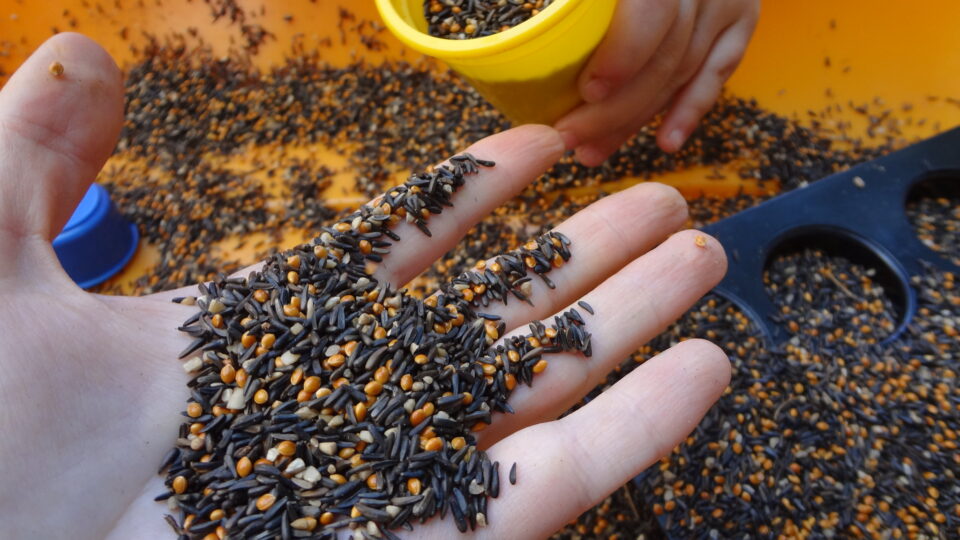
The various mixes contained seeds from 29 weed species and almost all of the mixes contained seeds for pigweed, which can be a significant threat to agriculture.  One in ten of the mixes contained Palmer amaranth or waterhemp seeds that demonstrated a resistance to glyphosphate.   Other common weed species found in many of the mixes were kochia, common ragweed, foxtail species, and wild buckweed.

The overall collection of seed mixes contained an average of 363 amaranthus seeds in each kilogram of bird feed.  Based on this, it is possible that 105 million amaranthus seeds are transported in bird feed mixes each year.

According to the researchers, it is difficult to estimate the exact role that commercial bird seed plays in spreading troublesome weed species into new regions, but it is clear that the widespread use of these seed mixes is a contributing factor to the spread of weeds.

The researchers recommend careful weed management in crop fields designated for bird feed, as well as sieving during packaging to reduce weed seed contamination.  They also noted that regulatory measures adopted in Europe to limit weed seed content in bird seed have proven to be effective.

**********

Web Links

Examination of commercially available bird feed for weed seed contaminants

Photo, posted August 18, 2013, courtesy of Emma Craig via Flickr.

Earth Wise is a production of WAMC Northeast Public Radio.
An Incentive For Carbon Capture | Earth Wise

April 1, 2020 By EarthWise Leave a Comment

Convincing industries to reduce their carbon dioxide emissions has not been easy.  Many approaches have been debated, including carbon taxes, carbon tax-and-trade schemes, and passing a giant Green New Deal.  Most economists agree that putting a price on carbon is likely to be the most effective approach.

But there is already in place an adjustment to the US tax code that is more of a carrot than a stick.  It is a tax credit that is designed to make capturing CO2 a financial winner for a number of high-emitting industries.  The credit, called 45Q, was enacted in February 2018.

The 45Q credit earns industrial manufacturers $50 per metric ton of CO2 stored permanently or $35 per ton if the CO2 is put to use.  An earlier credit for capturing carbon dioxide was limited to only $20 per metric ton and was capped at 75 million tons.  Some large fossil fuel companies did make use of the earlier credit.

The new version does not have a cap, but to qualify, companies need to start constructing carbon-capture facilities within 7 years and have 12 years to claim their money.

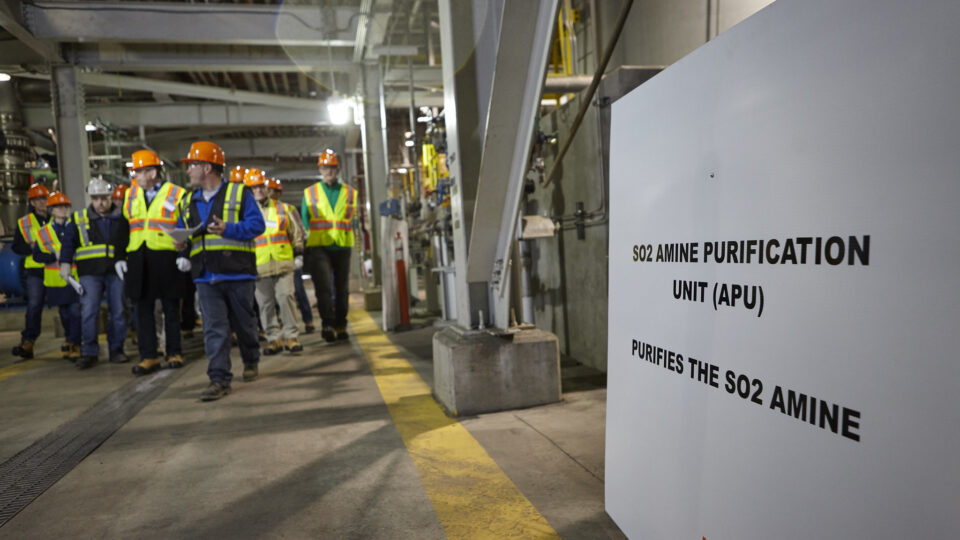
Companies with emission-intensive operations are busy figuring out how to take advantage of the credit.  These include cement makers, steel and power plants, corn ethanol producers, and ammonia plants.

Because the credit mandates that companies start constructing their carbon-capture facilities within seven years, most companies will tend to rely on mature technologies.  But the tax credit should also drive demand for next-generation carbon-capture technologies, of which there are many under development.  Saving lots of money on taxes is likely to lure US companies to capture carbon dioxide.

**********

Web Links

45Q, the tax credit that’s luring US companies to capture CO2

Photo, posted October 2, 2014, courtesy of Sask Power via Flickr.

Earth Wise is a production of WAMC Northeast Public Radio.

Bad News For The Aletsch Glacier

November 5, 2019 By EarthWise Leave a Comment

The Aletsch Glacier in Switzerland is the largest glacier in the Alps.  Every year, it attracts thousands of visitors from around the world.  The huge ice flow in the Upper Valais region of Switzerland is an Alpine tourist attraction second only to the Matterhorn.  In the summer, meltwater from the glacier is an important water source in the dry Rhone Valley.

As the climate continues to warm, the massive glacier continues to shrink.  The tongue of the glacier has receded by about a kilometer since the year 2000 and scientists predict that this trend will continue over the coming years.

Detailed simulations by researchers at ETH Zurich assessed the future of the Aletsch Glacier under different scenarios related to the concentration of CO2 in the atmosphere and the resulting warming.

The best-case scenario in which global warming is limited to less than 2 degrees Celsius would result in the glacier being half the size it is today by the end of the century.  If the global community does not pull together quickly to take effective measures against global warming, Switzerland could warm by as much as 4 to 8 degrees and by 2100, what was once the largest glacier in the Alps will be a couple of measly patches of ice.

To understand how much global warming has already impacted the glacier to date, even if somehow the climate remains the same as it has been for the past 10 years going forward, the ice volume of the Aletsch glacier will still decrease by nearly half its volume by the end of the century.  The glacier is no longer in equilibrium with the climate.

**********

Web Links

Gloomy forecast for the Aletsch Glacier

Photo, posted April 7, 2007, courtesy of Jessica Gardner via Flickr.

Earth Wise is a production of WAMC Northeast Public Radio.
A Powerful Case For Protecting Whales

October 24, 2019 By EarthWise Leave a Comment

Efforts to mitigate climate change typically face two major challenges.  One is to find effective ways to reduce the amount of atmospheric carbon dioxide.  The other is how to raise enough money to implement climate mitigation strategies. 

Many proposed solutions to climate change, like carbon capture and storage, are complex, expensive, and in some cases, untested.  What if there was a low-tech solution that was effective and economical?

Well, it turns out there is one, and it comes from a surprisingly simple, “no-tech” strategy to capture CO2: increase global whale populations. 

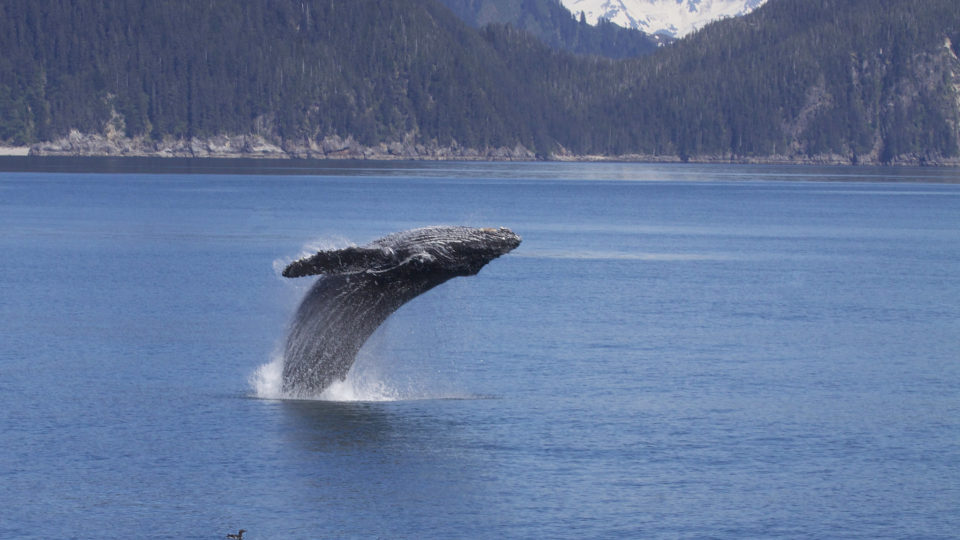
According to a recent analysis by economists with the International Monetary Fund, whales help fight climate change by sequestering CO2 in the ocean. 

Whales sequester carbon in a few ways.  They hoard it in their fat and protein-rich bodies, stockpiling tons of carbon apiece.  When whales die, they turn into literal carbon sinks on the ocean floor.  While alive, whales dive to feed on tiny marine organisms like krill and plankton before surfacing to breathe and excrete. Those latter activities release an enormous plume of nutrients, including nitrogen, iron, and phosphorous, into the water.  These so-called “poo-namis” stimulate the growth of phytoplankton, microscopic marine algae that pull CO2 out of the air and return oxygen to the air via photosynthesis.  Phytoplankton are responsible for every other breath we take, contributing at least 50% of all oxygen to the atmosphere and capturing approximately 40% of all CO2 produced. 

With other economic benefits like ecotourism factored in, economists estimate that each whale is worth $2 million over its lifetime, making the entire global population possibly a one trillion dollar asset to humanity.

*********

Web Links

How much is a whale worth?

Photo, posted June 12, 2013, courtesy of Gregory Smith via Flickr.

XXXXXXXXXXXXXXXXXX

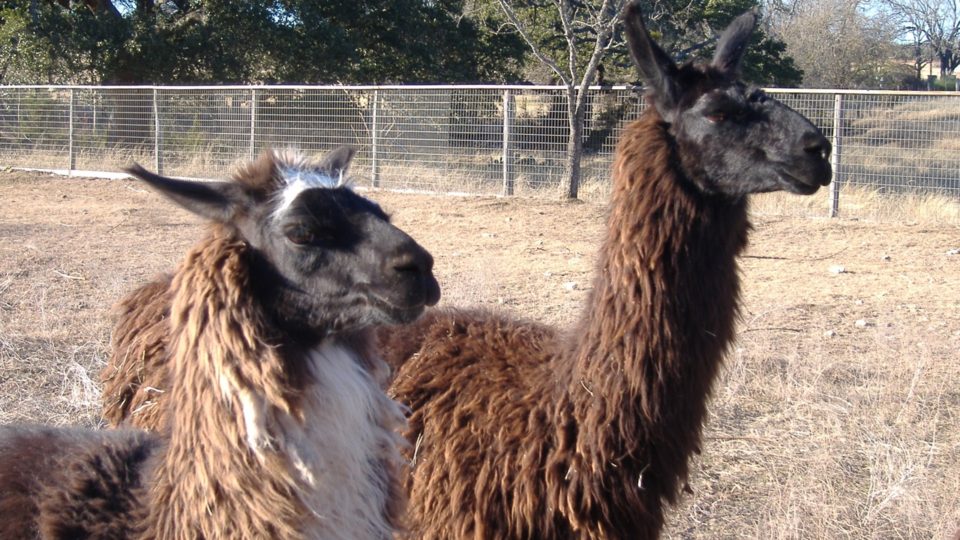
Llamas And The Flu

December 21, 2018 By EarthWise Leave a Comment

https://earthwiseradio.org/wp-content/uploads/2018/11/EW-12-21-18-Llamas-and-the-Flu.mp3

Last year’s flu season was the worst in 40 years.  More than 80,000 people died in the U.S. last year from the flu and its complications.  Flu vaccines are the best preventative we have, but there are still high mortality rates around the world.  Some individuals respond poorly to vaccination, and variations in viruses makes targeting with the optimal antigen very difficult.  The World Health Organization estimates that between 290,000 and 650,000 people die from seasonal flu worldwide each year.

[Read more…] about Llamas And The Flu

V2V And Safer Cars

June 27, 2018 By EarthWise Leave a Comment

https://earthwiseradio.org/wp-content/uploads/2018/06/EW-06-27-18-V2V-and-Safer-Cars.mp3

Automated cars are coming, but they face many challenges in sharing the roads with human drivers.  The on-board sensors in these cars are very effective in many ways, but they cannot see around corners or see through buses or trucks.  They won’t know if six cars ahead, someone has slammed on their breaks leading to a chain-reaction collision.  Of course, human drivers have the same problems.

[Read more…] about V2V And Safer Cars

A Better Way To Make Hydrogen

February 7, 2018 By EarthWise Leave a Comment

https://earthwiseradio.org/wp-content/uploads/2018/01/EW-02-07-18-A-Better-Way-to-Make-Hydrogen.mp3

There is a great deal of interest in developing cost-effective, energy-efficient and environmentally-friendly ways of producing hydrogen.  If hydrogen-powered vehicles are to catch on, it is essential.

[Read more…] about A Better Way To Make Hydrogen

Better Zinc-Air Batteries

September 26, 2017 By EarthWise Leave a Comment

https://earthwiseradio.org/wp-content/uploads/2017/09/EW-09-26-17-Better-Zinc-Air-Batteries.mp3

Zinc-air batteries are metal-air batteries powered by oxidizing zinc with the oxygen from the air.  They have high energy densities (as much as five times more energy than lithium-ion batteries) and are more environmentally friendly.  Since they are based on abundant zinc, they are potentially much cheaper to produce than the lithium-ion batteries that are used in so many current applications.  But because it is difficult and expensive to produce rechargeable versions of these batteries, they have only found limited use in hearing aids, in some film cameras, and in large form to power navigation instruments, oceanographic experiments and railway signals. 

[Read more…] about Better Zinc-Air Batteries

Trees Are Not Enough

July 18, 2017 By EarthWise

https://earthwiseradio.org/wp-content/uploads/2017/06/EW-06-26-17-Trees-Are-Not-Enough.mp3

Trees are nature’s way of removing carbon dioxide from the atmosphere.  Growing plants take up CO2 and store it in the form of their roots, stems and leaves.  And in fact, a significant factor in the growing levels of carbon dioxide in the atmosphere has been the extensive deforestation that has gone on over the past couple of centuries.

[Read more…] about Trees Are Not Enough

Making Biofuel Cost Effective

June 14, 2017 By EarthWise

https://earthwiseradio.org/wp-content/uploads/2017/06/EW-06-14-17-Making-Biofuel-Cost-Effective.mp3

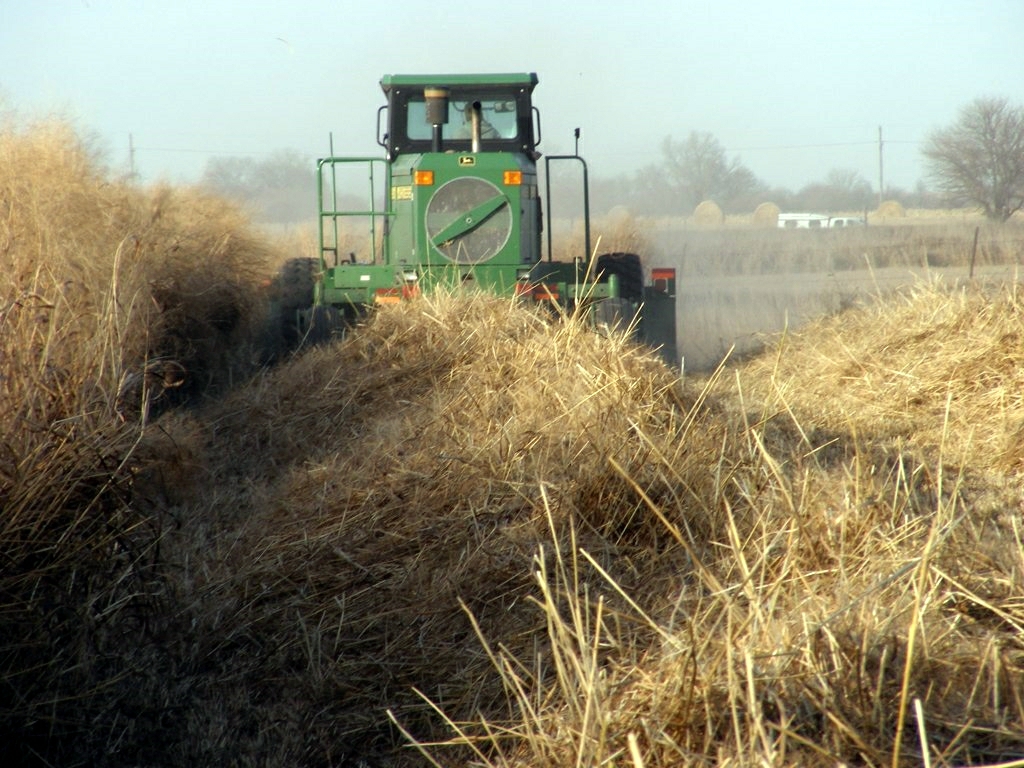
Biofuels are considered to be a sustainable alternative to fossil fuels.  However, they are generally more expensive than competing fossil fuels.   Government subsidies, such as we have for ethanol in this country, have been necessary to make biofuels competitive in the marketplace.

[Read more…] about Making Biofuel Cost Effective

  • « Go to Previous Page
  • Page 1
  • Page 2

Primary Sidebar

Recent Episodes

  • An uninsurable future
  • Clean energy and jobs
  • Insect declines in remote regions
  • Fossil fuel producing nations ignoring climate goals
  • Trouble for clownfishes

WAMC Northeast Public Radio

WAMC/Northeast Public Radio is a regional public radio network serving parts of seven northeastern states (more...)

Copyright © 2026 ·