• Skip to primary navigation
  • Skip to main content
  • Skip to primary sidebar

Earth Wise

A look at our changing environment.

  • Home
  • About Earth Wise
  • Where to Listen
  • All Articles
  • Show Search
Hide Search
You are here: Home / Archives for effective

effective

Trying to replace neonics

September 18, 2025 By EarthWise Leave a Comment

Neonicotinoids – often called neonics – are a class of insecticides that are among the most widely used in agriculture.  They are neuro-active, meaning that they affect the central nervous system of insects, killing or harming a wide variety of both target and non-target insects.  They are often applied to seeds before planting as a prophylactic treatment for potential insect pests.

Neonics have been linked to adverse ecological effects, especially the harm they cause to bees and other pollinators.  The Birds and Bees Protection Act in New York State, signed into law in 2023, is phasing out the sale, distribution, or purchase of certain neonic-treated corn, soybean, and wheat seeds over the next few years. 

A multi-year, multi-state study by researchers at Cornell University investigated the ability of a variety of non-neonicotinoid insecticides to protect large-seed vegetable crops including snap beans, dry beans, and sweet corn.  It is a difficult problem because insecticides kill insects, and it isn’t easy to find ones that kill pests but have minimal effects on pollinators and other beneficial insects.

The research found safer alternative insecticides with comparable effectiveness for treating snap bean seeds but not for dry beans. Much more successful was the result that five alternative seed treatments proved as effective as standard neonics for sweet corn while having far fewer negative environmental impacts.  Sweet corn is a major crop in New York state, so these results could be of great importance in improving the long-term sustainability of pest management programs.

**********

Web Links

New pesticides provide challenging alternatives to neonicotinoids

Photo, posted May 31, 2021, courtesy of Papa Piper via Flickr.

Earth Wise is a production of WAMC Northeast Public Radio

A recycling lottery

July 18, 2025 By EarthWise Leave a Comment

Getting people to recycle isn’t always easy.  The bottled beverages we buy at the supermarket often require a small deposit that we can get back by recycling the bottle, but often, we just don’t.

Researchers from the University of British Columbia tested the idea of giving people returning bottles a small chance of winning a big cash prize instead of a 10-cent deposit return.  The result was that people recycled 47% more bottles.

Changing how we reward recycling made a big difference.  When given a choice between a guaranteed return and a possible large reward, many chose the lottery option.  When people were randomly assigned to one type of reward or the other, those in the lottery group brought in almost three bottles for every two returned by the other group.

This isn’t a new idea.  Norway has a recycling lottery, and their bottle return rate is close to 100 percent.  The way it works there is there are reverse vending machines in grocery stores all over the country.  The revenues generated by the machines is split in four ways:  34.5% of the gross revenue goes to the Red Cross; 35% goes to the people who bring in their bottles in the form of winnings in the lottery; 9.75% goes to the stores for managing the machines and the lottery; and 10.75% goes to the operating company of the Recycling Lottery.

The Canadian experiments demonstrate that a recycling lottery could be effective in more places than Norway.  However, it shouldn’t completely replace the guaranteed refund option, since some people depend on it for income.

**********

Web Links

How lottery-style bottle returns could transform recycling

Photo, posted July 9, 2011, courtesy of Mr.TinMD via Flickr.

Earth Wise is a production of WAMC Northeast Public Radio

Restoring oil well sites with moss

June 16, 2025 By EarthWise Leave a Comment

Researchers at the University of Waterloo in Canada have developed a method for restoring peatlands at tens of thousands of oil and gas exploration sites in Western Canada. 

A well pad is a prepared area used for drilling oil or gas wells, encompassing the site where drilling equipment, wellheads, and related facilities are located.  Preparing well pads involves burying native peatland vegetation under clay or sand, thereby eliminating the ability of the peatland to sequester carbon as well reducing available habitat for wildlife.

Restoring well sites has typically involved planting trees or grasses to eventually establish forests or grasslands.  The Waterloo method returns a well pad to its condition before drilling occurred and is part of ongoing efforts to restore peatlands, which are known to be even more effective for sequestering carbon than tropical forests.

The Waterloo technique involves lowering the surface of a decommissioned well site and transplanting native mosses onto it to effectively recreate a peatland.    They tested the technique to scale at an entire well pad and found that it results in sufficient water for the growth of peatland moss across large portions of the study site.

The results suggest that re-establishment of peatland vegetation on lowered well pads is possible.  The researchers plan to continue monitoring the ecosystem in the study’s well pads to confirm that the transplanted mosses will be self-sustaining over the coming decades.  They will focus on increasing the amount of water that flows from surrounding natural peatlands into the converted well pads to further optimize soil moisture. 

This work could represent an important milestone in ecological restoration.

**********

Web Links

Restoring oil wells back to nature with moss

Photo, posted November 6, 2014, courtesy of Chris Boyer / Kestrel Aerial Services via Flickr.

Earth Wise is a production of WAMC Northeast Public Radio

Defeating climate apathy

May 30, 2025 By EarthWise Leave a Comment

How best to defeat climate apathy

Slowing human-caused climate change requires decisive action.  But according to psychologists, the gradual rise in global temperatures can lead to climate apathy, especially among those who don’t face frequent climate disasters.

Climate apathy is a general indifference or lack of emotional or behavioral response to climate change and environmental issues.  People experiencing climate apathy may feel disconnected, overwhelmed, powerless, or simply uninterested in climate issues, leading them to avoid taking action or engaging in conversations about it.

A new study by researchers from UCLA and Princeton University looked into ways to effectively communicate about climate change.  The research team found that presenting people with continuous data, like rising temperatures in a town, gave them only a vague sense of gradual change.  But showing them binary data—like whether a lake froze or not each winter—illustrated the change more effectively. 

In the study, which was recently published in the journal Nature Human Behavior, the researchers showed participants either temperature graphs or lake-freezing data for fictional and real towns in order to measure how each format affected their perceptions of climate impact. Participants who saw whether lakes froze rated climate change as more impactful—12% higher on average—than those who saw only temperature data. 

By focusing on the increasing rate of once-rare events, the researchers hope that the same temperature data that once led to climate apathy may instead help communities care more about the climate crisis.

**********

Web Links

UCLA study: How to break through climate apathy

Photo, posted November 20, 2008, courtesy of Brad Saunders via Flickr.

Earth Wise is a production of WAMC Northeast Public Radio

Vegetation and climate change

May 20, 2025 By EarthWise Leave a Comment

More urban vegetation could prevent many heat-related deaths around the world

Temperatures have been steadily rising around the world as a result of the increased greenhouse gas emissions from human activities.  This warming trend has led to more frequent and intense heat waves, droughts, and other extreme weather events.  Rising temperatures are also impacting human health, leading to increased risks of heat-related illnesses and a higher number of fatalities during extreme heat events.

One simple but effective way to reduce the health risks from extreme heat is to increase urban vegetation.  According to new research led by scientists from Monash University in Australia, increasing urban vegetation by 30% could save more than one-third of all heat-related deaths.  The study, which was recently published in The Lancet Planetary Health, examined more than 11,000 urban areas and found that increasing greenery could have saved up to 1.16 million lives worldwide between 2000 and 2019.

The impact of increasing urban vegetation on heat-related deaths varies by climate, greenness, socioeconomic, and demographic factors, with the greatest benefits seen in Southern Asia, Eastern Europe, and Eastern Asia. 

Vegetation has a cooling effect on temperature.  Vegetation helps regulate the Earth’s climate by absorbing carbon dioxide during photosynthesis, which helps to reduce greenhouse gases in the atmosphere. Vegetation also cools the environment through shading, moisture release, and evapotranspiration, which reduces temperatures and mitigates heat-related health risks.

Incorporating more vegetation into urban areas is a powerful solution to mitigate the impacts of climate change and protect human health.

**********

Web Links

Increasing urban vegetation could have saved over 1.1m lives in two decades

Photo, posted July 1, 2023, courtesy of Lauri via Flickr.

Earth Wise is a production of WAMC Northeast Public Radio

An eco-friendly detergent

May 8, 2025 By EarthWise Leave a Comment

Researchers developing an eco-friendly detergent

Household products such as laundry detergents and dishwasher tablets are an indispensable part of everyday life, but such products contain all sorts of chemicals that have undesirable properties.  Many are difficult to break down when they enter the environment, and some add nutrients that trigger environmentally harmful algal blooms.   The ingredient lists for even what are described as environmentally friendly cleansing products can be filled with lots of polysyllabic chemicals with unknown potential impacts.  Detergents made from harmless stuff are often difficult to make, hard to rinse off, and sometimes potentially damaging to fabrics.

Researchers at Tianjin University in China have developed an environmentally friendly detergent made of tiny wood fibers and corn protein that removes stains from clothes and dishes as well as commercial products.

The researchers combined cellulose nanofibers from wood with zein protein, which is taken from corn, to produce an emulsion.  The cellulose can attract and repel water and can form emulsions and attract various kinds of stains.  The zein protein helps to stabilize the emulsion and trap oils.

They tested the new detergent by cleaning cotton cloth and dishes stained with ink, chili oil, and tomato paste.  They compared the results against commercial laundry detergent and dish soap.  Their new detergent was somewhat less effective than the commercial products when used at 1% concentration but was more effective when used at a 5% concentration. 

The results suggest that this natural detergent could be an efficient, cost-effective, and sustainable alternative to the synthetic cleaning agents that currently dominate the market.

**********

Web Links

Researchers create eco-friendly detergent from wood fiber and corn protein

Photo, posted July 31, 2009, courtesy of Mei Anne Mendoza via Flickr.

Earth Wise is a production of WAMC Northeast Public Radio
Fighting harmful algal blooms with harmful algal blooms

March 7, 2025 By EarthWise Leave a Comment

Fighting harmful algal blooms using harmful algal blooms

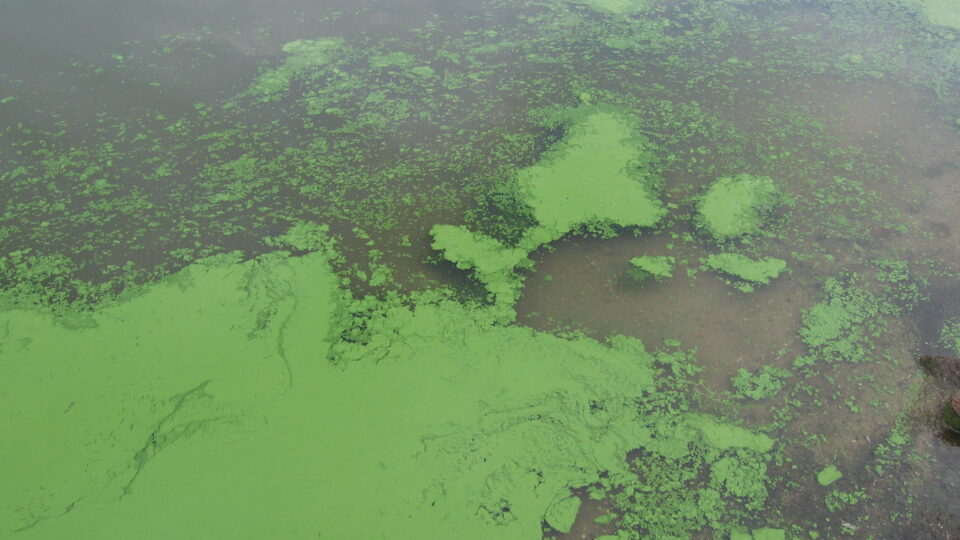
Harmful algal blooms – HABs – occur when colonies of algae grow out of control and produce toxic or harmful effects on people, marine life, and birds.  HABs occur naturally but their frequency and intensity are often associated with increased nutrient loading (mainly phosphorous and nitrogen) in bodies of water that is the result of runoff from sources like lawncare and agriculture.

Researchers at Florida Atlantic University have developed a technique for transforming cyanobacteria – also known as blue-green algae and a prime HAB material – into an effective material for removing phosphorous from water.

Their process converts blue-green algal biomass – essentially hazardous waste – into a custom-made adsorbent material that can pull harmful phosphorous from water.  The algae is first quickly heated up using microwaves and then it is modified by adding lanthanum chloride. 

The study took blue-green algae from Florida’s Lake Okeechobee, synthesized the adsorbent material in minutes, and using only small amounts of it could remove 90% of the phosphorous present in only half an hour.  It worked perfectly well in the presence of natural organic matter.  Using the harmful algae itself to prevent algal growth in bodies of water is an innovative way to reduce its further occurrence.

Phosphorous is a major contributor to the occurrence of harmful algal blooms, which can lead to toxic water conditions, loss of aquatic life, and significant economic losses for the fishing and tourism industries.  This technique could prove to be an essential tool for managing the growing problem of nutrient pollution.

**********

Web Links

FAU Engineering Develops New Weapon Against Harmful Algal Blooms

Photo, posted October 27, 2010, courtesy of Jennifer L. Graham / U.S. Geological Survey via Flickr.

Earth Wise is a production of WAMC Northeast Public Radio
Reducing farm nutrient pollution

December 11, 2024 By EarthWise Leave a Comment

Researchers developing new method to reduce nutrient pollution from farms

When farmers add nutrients to their fields in excess of their crops’ ability to utilize them, these excess nutrients can enter the surrounding environments and create environmental problems.  The primary culprits are nitrogen and phosphorous.  These fertilizer components emerge from fields and enter local waterways in surface runoff.

Researchers at the University of Illinois Urbana-Champaign have developed a form of designer biochar that can provide phosphorous in a time-released fashion and reduce the amount that escapes into the environment.

The researchers used sawdust and lime sludge, which are byproducts from milling and water treatment plants, respectively.  They mixed the two ingredients and formed pellets which were then slow-burned in low-oxygen conditions to create phosphorous-laden designer biochar.  Once the pellets bind all the phosphorous they can hold, they can be spread onto fields where the nutrient is slowly released over time.

They tested the pellets in working field conditions.  The pellets are used to remove phosphorous from drainage water and then can be reused in the field to provide the nutrient to the plants.   

The results were very encouraging.  The biochar proved to be a very effective way to provide phosphorous to crops and then reduce how much phosphorous enters the environment.  The cost of producing the biochar pellets was less than half that of alternative substances for phosphorous removal. 

There is currently no regulation that requires farmers to remove phosphorous from drainage water but there are a growing number of conservation-minded farmers who want to reduce nitrogen and phosphorous losses from their fields.  The idea that the recyclable pellets can both provide and control phosphorous is an attractive one.

**********

Web Links

Scientists tackle farm nutrient pollution with sustainable, affordable designer biochar pellets

Photo, posted July 16, 2016, courtesy of Rick Obst via Flickr.

Earth Wise is a production of WAMC Northeast Public Radio

Wildlife crossings

October 23, 2024 By EarthWise Leave a Comment

Building more wildlife crossings to reduce collisions between cars and animals

Every year, there are one to two million collisions between motor vehicles and large animals in the U.S.  About 200 people are killed annually.  Counting smaller vertebrates, around a million animals are killed by vehicles each day.  Research has shown that global warming is triggering widespread species redistribution.  As a result, more and more animals are on the move, changing their habitats to escape warming temperatures and climate extremes.

This situation has created renewed interest in creating wildlife crossings.  These are various kinds of structures that allow animals to traverse human-made barriers like highways.  They include such things as a grassy overpass that allows pronghorn to run across a highway in Wyoming and a long underpass that allows tigers to scamper beneath a highway in India.

In the U.S., there are more than 1,000 wildlife crossings and there are more being built all the time.  Data shows that they are highly effective.  A study of wildlife crossings on Highway 9 through the Blue River Valley in Colorado found that they reduced wildlife-vehicle collisions by nearly 90%. 

Wildlife crossing structures can be expensive to build, costing between $500,000 and $6 million, but research has shown that the money saved by avoiding crashes can recoup these costs in just a few years along with the fact that they potentially save lives.  Federal funding is largely distributed based on areas with the highest number of wildlife-vehicle collisions, which is crucial for addressing public safety issues.  However, a recent study suggests that future proposals need to incorporate climate-driven changes in animal behavior and habitat.

**********

Web Links

As Climate Changes Fuels Animal Movement, Will These Structures Still Help Species Cross the Road?

Photo, posted April 5, 2017, courtesy of Jeffrey Beall via Flickr.

Earth Wise is a production of WAMC Northeast Public Radio

Just say ‘climate change’

September 20, 2024 By EarthWise Leave a Comment

In recent years, climate advocates have pushed for the use of more dramatic language to describe ‘climate change.’  The notion was that phrases like ‘climate crisis’ and ‘climate emergency’ better convey the urgency of the planet’s plight, while terms like ‘climate change’ and ‘global warming’ are too gentle and vague.  However, it turns out that the gentler approach may actually be more effective.

According to a new study led by researchers from the University of Southern California, the terms ‘climate change’ and ‘global warming’ are not only more familiar to people than some of their common synonyms, but they also generate more concern about the warming of the Earth.

In the study, which was recently published in the journal Climatic Change, the research team found that nearly 90% of respondents were familiar with the terms ‘climate change’ and ‘global warming.’  However, familiarity dropped sharply for the other terms, including ‘climate crisis’ and ‘climate emergency.’  In fact, only 33% of respondents recognized the term ‘climate justice.’

The study, which surveyed more than 5,000 randomly selected U.S. residents, examined the degree to which each term generated concern, urgency, willingness to support climate-friendly policies, and willingness to eat less red meat. 

The research team found that the terms ‘climate change’ and ‘global warming’ were most concerning and most urgent.  ‘Climate justice’ was the least, with ‘climate crisis’ and ‘climate emergency’ falling in between.  The support for climate policy and willingness to eat less red meat was roughly the same, regardless of what terms were used. 

The research team hopes its findings will help us communicate more effectively about climate change in the future.

**********

Web Links

Just Say “Climate Change” – not “Climate Emergency”

Photo, posted July 1, 2023, courtesy of Sheila Sund via Flickr.

Earth Wise is a production of WAMC Northeast Public Radio

Cooling cities

September 2, 2024 By EarthWise Leave a Comment

Cooling cities with white roofs

As the climate warms, city dwellers tend to suffer from extreme heat more than people in rural areas because of the urban heat island effect. Extensive surfaces of man-made materials like concrete, asphalt, and brick absorb the sun’s energy and lead to temperatures well above those in the surrounding countryside.

Cities can take countermeasures that include creating urban green spaces full of plants that cool the surrounding air and the use of cool roofs that reflect the sun’s energy back into space.  Local governments in many cities provide incentives for planting more trees.  But more could be accomplished by encouraging the use of cool roofs.

The heat island effect has been well-known for a long time, but scientists are only recently learning what interventions are most effective. A recent study modeled two days of extreme heat in London in 2018 and compared the potential effects of cool roofs, green roofs, roof-top solar panels, and ground level vegetation. They found that cool roofs are the most effective way to lower temperatures and would have reduced London temperatures by 2 degrees on average and as much as 3.6 degrees in some places.

Cool roofs are created by swapping out dark, heat-absorbing roofing materials with reflective materials or simply by painting roofs white. Los Angeles is the first major city to require that all new residential construction includes a cool roof. 

Apart from the effectiveness of passive cooling techniques, using them also reduces the reliance upon air conditioning to protect people from heat.  Air conditioners themselves contribute considerable amounts of heat to urban environments.

**********

Web Links

The surprisingly simple way cities could save people from extreme heat

Photo, posted February 21, 2024, courtesy of Warren LeMay via Flickr.

Earth Wise is a production of WAMC Northeast Public Radio

Marine carbon dioxide removal

May 23, 2024 By EarthWise Leave a Comment

Marine CO2 removal

About 30% of the carbon dioxide emitted by human activity is absorbed by the oceans.  As a result, they are getting warmer and more acidic, and the currents that help shape global weather are shifting.  To try to reduce global warming, people want to be able to store even more carbon dioxide in the oceans without the negative effects of doing so.

There are multiple efforts across the globe to achieve effective marine carbon dioxide removal.  Some are based on sinking carbon-rich materials to the bottom of the sea.  This is the marine equivalent of capturing CO2 from the air and storing it underground.  Other efforts involve increasing the alkalinity of the ocean, which increases its ability to chemically react with carbon dioxide as well as lowers its acidity, which is desirable in many ways.

Running Tide, a U.S.-based company, has been dumping thousands of tons of wood-industry waste 190 miles off the coast of Iceland.  The company has also been experimenting with dumping algae and kelp and sinking it deep below the ocean.  Such materials on land either get burned or decay, in both cases releasing CO2 into the atmosphere.  On the deep-sea bottom, the carbon is trapped.

Other efforts involve pumping seawater through electrodialysis filter systems to remove excess acidity or adding alkaline rocks to increase water alkalinity.

All of these efforts are a form of geoengineering, and like proposed ideas to cool the atmosphere, pose potential risks.  There is no silver bullet to solve the climate crisis.  It will take a combination of many solutions to address the issue of excess carbon dioxide in the atmosphere.  Marine carbon dioxide removal is one of the solutions that may play a role.

**********

Web Links

Scientists Are Trying to Coax the Ocean to Absorb More CO2

Photo, posted February 22, 2018, courtesy of Bobbie Halchishak/USFWS via Flickr.

Earth Wise is a production of WAMC Northeast Public Radio
Cyber protection for apple orchards

April 2, 2024 By EarthWise Leave a Comment

How best to protect apple orchards as weather changes

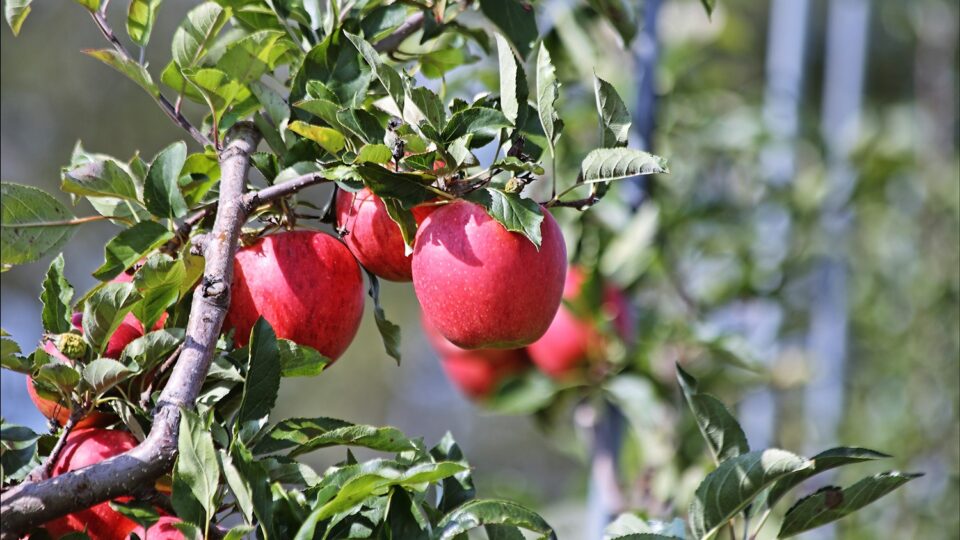
Spring frosts represent a real danger for apple orchards.  The changing climate has brought about periods of unusually warm weather at times early in the year that have caused trees and other flowering plants to bloom early.  For apple growers, this has made their orchards more susceptible to the damaging effects of extreme cold events.

Apple growers attempt to prevent this damage by heating the canopies of their orchards, but these efforts tend to be inefficient.  Applying heat is one of the most effective methods to prevent apple flower bud damage, but it is difficult to determine when and where to apply heat in orchards.

Researchers at Penn State University have developed a frost-protection cyber-physical system that autonomously makes heating decisions based on real-time temperature and wind-direction data.  Their system includes a temperature-sensing device, a propane-fueled heater that adjusts the direction where it provides heat, and an unmanned ground vehicle that moves the system through an apple orchard.

The results of tests of the system were published in the journal Computers and Electronics in Agriculture, and the findings show that it greatly reduced damage to apple tree buds in tests conducted at low temperatures, doubling or tripling the amount of time that trees were protected.

The equipment used for the study mostly consisted of off-the-shelf parts and cost about $5,000, most of which was for the vehicle.   The researchers envision that even a very large orchard could be protected by multiple units guided by an aerial drone monitoring canopy temperatures. Further research will aim to bring the technology to point where it can enter the marketplace and be available to apple growers.

**********

Web Links

Cyber-physical heating system may protect apple blossoms in orchards

Photo, posted September 6, 2017, courtesy of Sue Thompson via Flickr.

Earth Wise is a production of WAMC Northeast Public Radio
Buildings and birds

November 29, 2023 By EarthWise Leave a Comment

Birds face a wide range of dangers.  Billions of them each year face violent deaths.  Concerned individuals point at such things as wind turbines, which in fact do kill hundreds of thousands of birds.  But the great majority of bird deaths are caused by cats.  And that’s a danger that isn’t going to go away.

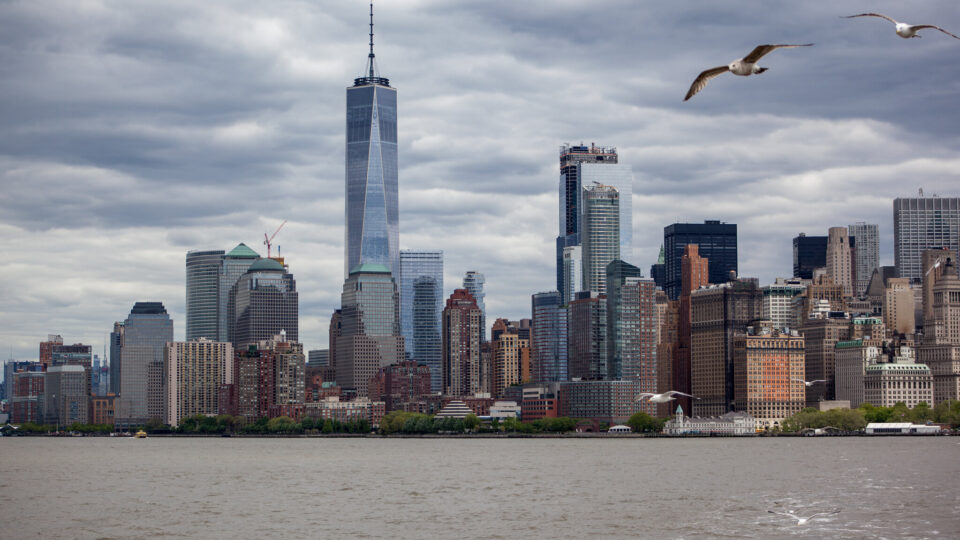
The second largest cause of bird deaths is collisions with building windows.   Building collisions kill hundreds of millions of birds each year in the U.S. alone.  As other places have seen glass skyscrapers proliferate, such as in Chinese cites, these collisions have become a major global factor in bird mortality.

There are growing efforts across the U.S. and Canada to reduce bird collisions.  Many businesses are taking part in “lights out” programs in which their buildings dim lights during spring and fall migrations.  Some buildings now use special glass that birds can see and avoid.  Some communities even have adopted ordinances that require bird-friendly glass in new construction.  Keeping bird attractants away from windows is another important way to reduce bird strikes.  All these measures have been proven to be effective in reducing the number of bird collisions.

 Companies sell vinyl film with tiny dots that can be affixed to windows.  Both businesses and homeowners have seen substantial reduction in bird collisions with such films installed.

Bird collisions are not a new problem but is one that wasn’t really taken seriously until at least the 1970s.  There isn’t much to be done about the greatest threat to birds – namely cats – but how buildings are constructed and operated is something we can control.

**********

Web Links

As Bird Kills from Buildings Mount, Cities Look for Solutions

Photo, posted December 24, 2017, courtesy of Nicolas Vollmer via Flickr.

Earth Wise is a production of WAMC Northeast Public Radio
Antibiotics In Animal Agriculture | Earth Wise

April 13, 2023 By EarthWise Leave a Comment

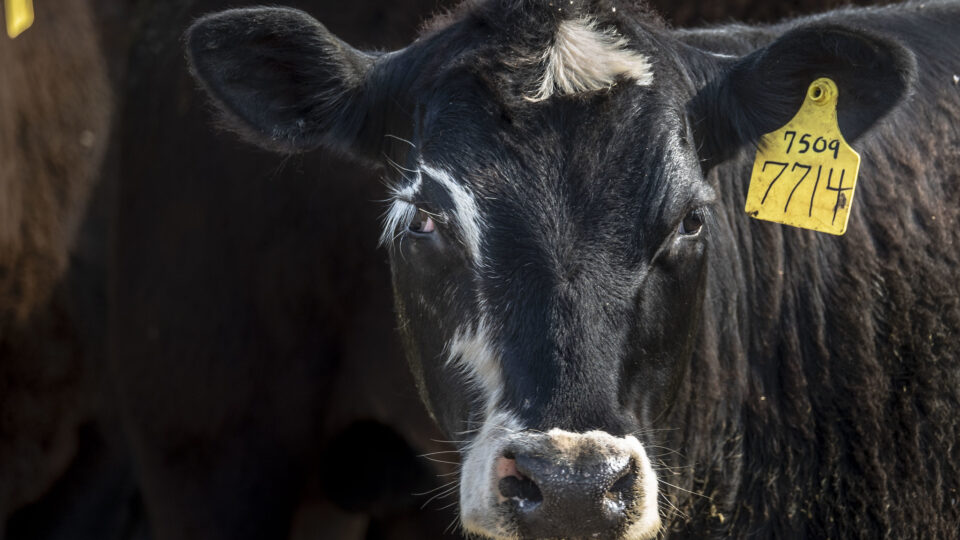
In animal agriculture, farmers use antibiotics to treat, prevent, and control animal diseases, and to increase the productivity of their operations.  According to the FDA, approximately 80% of all antibiotics sold in the U.S. are purchased for use in food-producing animals. 

The routine administration of antibiotics to farm animals for non-therapeutic purposes promotes the development of antibiotic-resistant bacteria, with repercussions for human and animal health.  As antibiotic-resistant bacteria spreads, medicines used to treat human diseases can become less effective. 

According to a new study led by researchers from the University of Washington, a California policy restricting the use of antibiotics in farm animals is associated with a reduction in one type of antibiotic-resistant infection in people in the state.  The findings, recently published in the journal Environmental Health Perspectives, suggest that regulations limiting the use of antibiotics in livestock can significantly impact human health. 

In 2018, California Senate Bill 27 banned routine preventive use of antibiotics in food-animal production and any antibiotic use without a veterinarian’s prescription.  Last year, the European Union passed a law restricting antibiotic use to only sick animals on farms.  And coming this June, most antibiotics – those that are medically important to humans and animals – will be by prescription only in the United States.  

Despite these changes, antibiotic resistance is projected to remain one of the biggest threats to human health over the next 50 years because resistance continues to grow and few new antibiotics are coming online. 

**********

Web Links

Restricting antibiotics for livestock could limit spread of antibiotic-resistant infections in people

Ranchers should prepare now for 2023 animal antibiotic guidelines

Photo, posted May 8, 2018, courtesy of Preston Keres / USDA via Flickr.

Earth Wise is a production of WAMC Northeast Public Radio
A Better Way To Recycle Plastic | Earth Wise

July 25, 2022 By EarthWise Leave a Comment

Researchers are developing a better way to recycle plastic

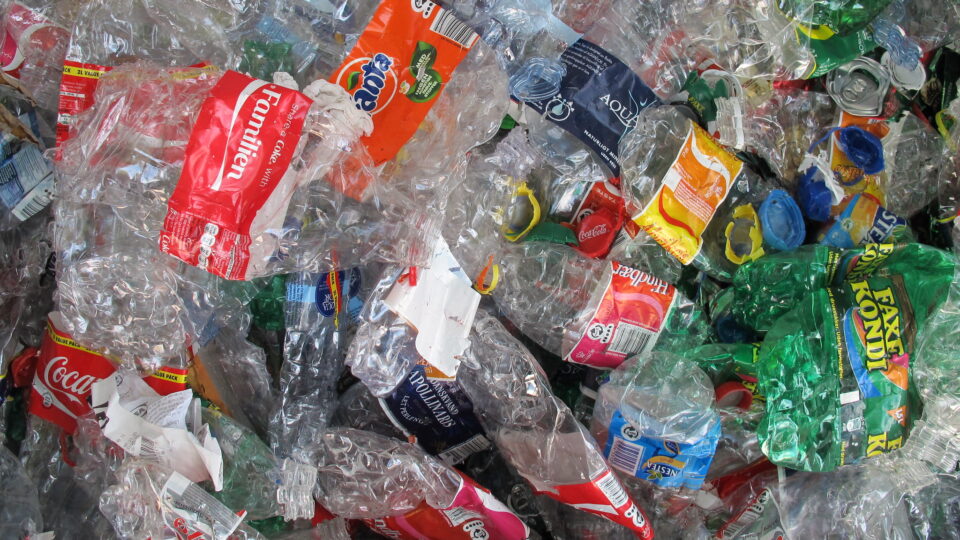
The current state of plastic recycling is not very effective.  Plastic recycling is only able to replace 15-20% of the fossil-fuel-derived raw material needed to produce society’s demand for plastic.

Researchers at Chalmers University in Sweden have now demonstrated how the carbon content in mixed waste could be used to replace all of the fossil raw materials in the production of new plastic.  In principle, their technology could completely eliminate the climate impact of plastic materials.

According to the researchers, there are enough carbon atoms in waste to meet the needs of all global plastic production.

The Chalmers process is based on thermochemical technology and involves heating waste to 1100-1500 degrees Fahrenheit.  The waste is thereby vaporized and when hydrogen is added, becomes a carbon-based substance that can replace the fossil-fuel building blocks of plastic.  The method does not require sorting the waste materials.  Different types of waste, such as old plastic products and even paper cups, with or without food residues, can be fed into the recycling reactors.  The researchers are now developing the techniques required to utilize their recycling technology in the same factories in which plastic products are currently being made from fossil oil or gas.

The principle of the process is inspired by the natural carbon cycle in which plants break down into carbon dioxide when they wither and die, and then photosynthesis uses carbon dioxide and solar energy to grow new plants.

Producing new plastics would no longer require petroleum or other fossil fuels as raw materials.  If the energy needed to drive the recycling reactors is taken from renewable sources, plastics could become the basis of a sustainable and circular economy.

**********

Web Links

Pioneering recycling turns mixed waste into premium plastics with no climate impact

Photo, posted August 10, 2013, courtesy of Lisa Risager via Flickr.

Earth Wise is a production of WAMC Northeast Public Radio.

Recycling Shingles | Earth Wise

May 27, 2022 By EarthWise Leave a Comment

A process to recycle asphalt shingles

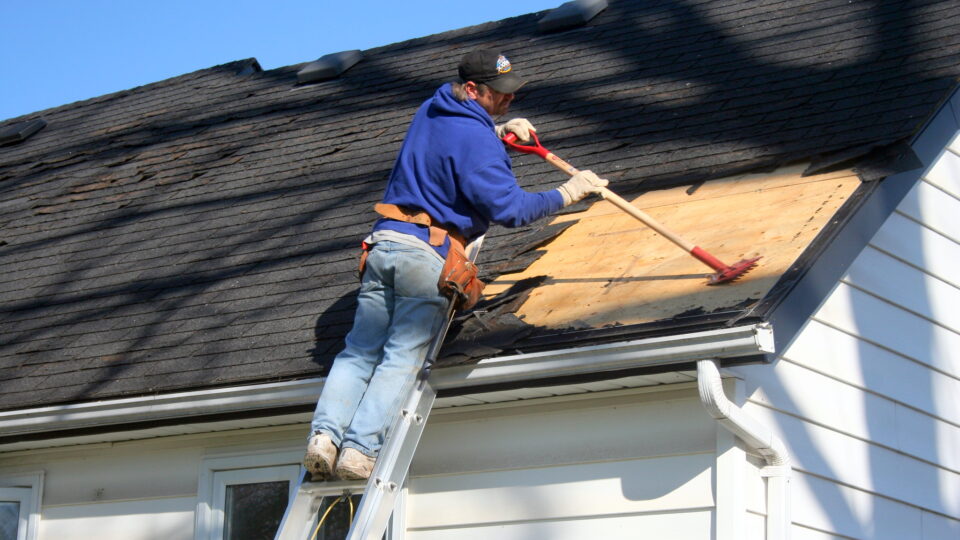
Every year in the US, about 13 million tons of asphalt material is removed from old roofs to be replaced with new shingles.  Only about 10% of that is recycled for use in paving and various roadway projects.  The other 12 million tons of asphalt ends up in landfills where it takes a very long time to break down.

GAF, the largest roofing manufacturer in North America, has developed a shingle recycling process for which it has received three patents.  The process involves grinding torn-off shingles into a refined material which can then be introduced into the shingle manufacturing process.  The material – referred to as RAS for recycled asphalt shingles – has the potential to significantly reduce the amount of virgin asphalt needed to make new shingles.

Tests by GAF reclaimed upwards of 90% of the waste shingle material and produced new shingles containing up to 15% recycled content.  Underwriters Laboratories certified the shingles containing RAS material with regard to their safety and effectiveness.  The GAF process opens to door to creating a circular, sustainable economy for asphalt used for roofing shingles.

Roofs play an important role in the transition to a green economy.  Apart from recycling asphalt shingles, there are increasing options for solar shingles, which take the place of both traditional asphalt shingles and ordinary solar panels by integrating them into a single roofing product.  There are also so-called green roofs, which replace conventional roofing materials with a contained green space atop a building. Such roofs provide stormwater management, cooling, and an interesting aesthetic.

All aspects of buildings play important roles in our environment – even their roofs.

**********

Web Links

5 Ways Roofers Can Celebrate Earth Day, Everyday

Photo, posted April 15, 2012, courtesy of Robert Taylor via Flickr.

Earth Wise is a production of WAMC Northeast Public Radio.

Lighted Nets Protect Marine Wildlife | Earth Wise

March 16, 2022 By EarthWise Leave a Comment

Adding light to marine nets to protect wildlife

Gillnets are walls or curtains of netting that hang in the water to trap fish.  They are one of the most extensively used fishing gear in coastal regions throughout the world’s oceans.  While they are very effective at catching targeted fish species, they are not discriminating.  As a result, they carry significant risk of bycatch – the accidental capture of unwanted species as well as other interactions with various marine animals.

Researchers from The Wildlife Conservation Society, NOAA Fisheries, Arizona State University, and the National Fisheries and Aquaculture Institute of Mexico have recently published a study showing that using lighted gillnets reduced overall bycatch by 63%, including a 95% reduction in sharks, skates, and rays, and an 81% reduction in Humboldt squid. 

Gillnets often catch endangered, threatened, and protected species such as sharks, sea turtles, marine mammals, and seabirds, as well as unwanted species and non-marketable juvenile target fish species.  The bycatch animals are often dead or injured and are generally dumped overboard.

Illuminating gillnets with LED lights has emerged over the past decade as an effective tool to reduce bycatch of endangered sea turtles.  The new study is the first detailed examination of the effectiveness of illumination for other vulnerable species.

Gillnets are ubiquitous because they are inexpensive and catch everything that passes them.  Global populations of sharks, skates, and rays have declined as a result of bycatch and illegal fishing. The results of this study are encouraging because they provide a practical solution for increasing the selectivity of gillnets and avoiding bycatch. 

**********

Web Links

Lighted Nets Dramatically Reduce Bycatch of Sharks and Other Wildlife While Making Fishing More Efficient

Photo, posted September 19, 2015, courtesy of Jim Bahn via Flickr.

Earth Wise is a production of WAMC Northeast Public Radio.

Reducing COVID-19 Spread With UV Light | Earth Wise

November 24, 2021 By EarthWise 1 Comment

Using UV light to reduce COVID-19 spread

New research published by the University of Colorado Boulder analyzes the effects of different wavelengths of ultraviolet light on the SARS-CoV-2 virus.   The research found that a specific wavelength of UV light is not only extremely effective at killing the virus that causes COVID-19, but also that this wavelength is safer for use in public spaces.

UV light is naturally emitted by the sun and most forms of it are harmful to living things – including microorganisms and viruses.   The most harmful UV radiation from the sun is filtered out by the atmosphere’s ozone layer.   Human-engineered UV light sources screen out harmful UV rays with a phosphorus coating on the inside of the tube lamps.  Hospitals and some other public spaces already use UV light technology to disinfect surfaces when people are not present.

The new research found that a specific wavelength of far-ultraviolet-C, at 222 nanometers, was particularly effective at killing SARS-CoV-2, but that wavelength is blocked by the very top layers of human skin and eyes.  In other words, that light has essentially no detrimental health effects for people while it is very capable of killing off viruses.

The researchers argue that this safe wavelength of Far UV-C light could serve as a key mitigation measure against the COVID-19 pandemic.  They imagine systems that could cycle on and off in indoor spaces to routinely clean the air and surfaces or perhaps create an ongoing, invisible barrier between teachers and students, customers and service workers, and other places where social distancing is not practical.  Installing these specialized UV lights would be much cheaper than upgrading entire HVAC systems in buildings.

**********

Web Links

Specific UV light wavelength could offer low-cost, safe way to curb COVID-19 spread

Photo, posted January 18, 2008, courtesy of Phil Whitehouse via Flickr.

Earth Wise is a production of WAMC Northeast Public Radio.

Roads And Chimpanzees | Earth Wise

November 8, 2021 By EarthWise Leave a Comment

Roads have a major negative impact on chimpanzee populations

The chimpanzee is a species of great ape native to tropical regions of Central and West Africa.  Chimpanzees are highly social animals and can live to be over 50 years old.  In fact, chimpanzees are our closest cousins.  We share about 98% of our genes with chimpanzees. 

According to the African Wildlife Federation, it’s estimated that at most only 300,000 chimpanzees remain in the wild today.  They face a myriad of challenges, including habitat degradation and hunting. 

According to new research from the University of Exeter in the U.K., roads have a negative impact on chimpanzee populations that can extend for several miles.  In the study, which was recently published in the journal Conservation Letters, the researchers analyzed the impact of major and minor roads on wild western chimpanzee numbers in the eight African countries in which they live.  They found that negative impacts extended an average of 10.7 miles from major roads, and 3.4 miles from minor roads.  The researchers found that the density of chimpanzee populations dropped steadily from the edges of these areas to the lowest value alongside the roads.  Only 4.3% of the chimpanzees’ range remains unaffected by roads. 

While the study did not investigate why roads affect chimpanzee numbers, the research team did offer some clues.  In addition to noise and roadkill, roads provide access to unexploited areas for industries that often reduce or remove chimpanzee habitats.  Roads can also restrict chimpanzee movements, and provide easier access for hunters. 

The researchers hope their findings will bring about more effective guidelines to mitigate the impact of roads on wildlife.   

**********

Web Links

Roads have far-reaching impact on chimpanzees

Photo, posted August 12, 2014, courtesy of Rod Waddington via Flickr.

Earth Wise is a production of WAMC Northeast Public Radio.

  • Page 1
  • Page 2
  • Go to Next Page »

Primary Sidebar

Recent Episodes

  • An uninsurable future
  • Clean energy and jobs
  • Insect declines in remote regions
  • Fossil fuel producing nations ignoring climate goals
  • Trouble for clownfishes

WAMC Northeast Public Radio
WAMC/Northeast Public Radio is a regional public radio network serving parts of seven northeastern states (more...)
Copyright © 2025 ·