economics

The Cost Of Rising Seas

Coastal cities in the United States are grappling with the need for extensive infrastructure projects to protect against rising seas and worsening storms. The cost of these projects will be enormous, and it is unclear how to pay to them.
Boston has many neighborhoods in low-lying areas, and it is estimated that $2.4 billion will be needed to protect the city from flooding. The city abandoned plans to build a harbor barrier that would have cost $6 to $12 billion because it was economically unfeasible.
Charleston, South Caroline needs $2 billion to reduce flooding that occurs regularly during high tides. The Houston, Texas area needs $30 billion to provide protection against a 100-year flood. Hurricane Harvey caused $125 billion in damages in Texas in 2017. New York City is considering a $10 billion storm surge barrier and floodgates to shield parts of the city from rising waters.
Florida faces the greatest exposure to flooding with an estimated $76 billion in costs to address some of its problems.
At the federal level, multiple agencies represent potential funding sources, but none offer the kind of money required to address the need. This places a heavy burden on state and local governments. Various states have passed legislation related to shoreline resiliency and flood abatement, but relatively little funding has been approved. Some bond measures have passed, but the totals are small compared with what is needed.
Educating people about the costs of not doing anything or not doing enough soon enough is essential. As Hurricane Katrina demonstrated, not spending a large amount of money on resilience can result in having to spend a colossal amount of money on recovery.
**********
Web Links
Who Will Pay for the Huge Costs of Holding Back Rising Seas?
Photo, posted December 26, 2013, courtesy of Flickr.
Earth Wise is a production of WAMC Northeast Public Radio.
A Green Way To Turn Blue

Indigo dye is what is used to color denim cloth and blue jeans. Historically, the dye came from a tropical plant most often found on the Indian subcontinent. Eventually, it became economically favorable to synthesize the dye instead and almost all of the 50,000 tons of the dye used annually is synthetic.
The processes used to make synthetic indigo are efficient and inexpensive, but they often require toxic chemicals and create a lot of dangerous waste. Researchers at the Department of Energy’s Joint BioEnergy Institute have now developed an eco-friendly production platform for a blue pigment called indigoidine. It has a similarly vividly saturated blue hue as synthetic indigo.
The researchers were investigating the ability of various fungal strains to express large enzymes known as NRPSs. They chose an NRPS that converts two amino acid molecules into indigoidine – a blue pigment – in order to make it easy to tell if the strain engineering had worked. Having the culture turn blue was an effective indicator.
Their primary interest was not the pigment but when they saw just how blue the culture was for one particular fungus, they realized that the fungal strain did not just produce indigoidine; it produced large amounts of it.
Thus they have found a way to efficiently produce a blue pigment that uses inexpensive, sustainable carbon sources instead of harsh chemicals. There is already a great deal of interest from the textile industry, where many companies are eager for more sustainably sourced pigments because customers are increasingly aware of the impacts of conventional dyes.
Thanks to a talented fungus called Rhodosporidium toruloides, there may now be a green way to turn blue.
**********
Web Links
Blue Pigment from Engineered Fungi Could Help Turn the Textile Industry Green
Photo, posted March 7, 2006, courtesy of Willi Heidelbach via Flickr.
Earth Wise is a production of WAMC Northeast Public Radio.
One Million Extinctions

A group of 145 expert authors from 50 countries has produced a report based upon a review of 15,000 scientific and government sources that is the first comprehensive look at the state of the planet’s biodiversity in 15 years. The conclusions are alarming.
Thanks to human pressures, one million species may be pushed to extinction in the next few years, something with serious consequences for human beings as well as the rest of life on earth.
Based upon scientific studies as well as indigenous and local knowledge, the evidence is overwhelming that human activities are the primary cause of nature’s decline. The report ranked the major drivers of species decline as land conversion, including deforestation; overfishing; bush meat hunting and poaching; climate change; pollution; and invasive alien species.
The tremendous variety of living species on our plant which number at least 8.7 million and perhaps many more – biodiversity – constitutes a life-supporting safety net that provides our food, clean water, air, energy, and more.
In parts of the ocean, little life remains but green slime. Some remote tropical forests are nearly silent because insects have vanished. Many grasslands are becoming deserts. Human activity has severely altered more than 75% of Earth’s land areas and has impacted 66% of the oceans. The world’s oceans increasingly are characterized by plastics, dead zones, overfishing, and acidification.
The main message of the 1,500-page report is that transformative change is urgently needed. In order to safeguard a healthy planet, society needs to shift from a sole focus on chasing economic growth. This won’t be easy, but we must come to the understanding that nature is the foundation for development before it is too late.
**********
Web Links
One million species at risk of extinction, UN report warns
Photo, posted January 1, 2014, courtesy of Eric Kilby via Flickr.
Earth Wise is a production of WAMC Northeast Public Radio.
Meal Kits And The Environment

Meal kit services have become extremely popular in recent years. These are companies that deliver a box of pre-portioned ingredients and a chef-created recipe to your door to make home-cooked meals easy and practical for busy people. Leading companies like Blue Apron, HelloFresh, and Plated have been joined by dozens of others competing in the meal kit market. As of last year, annual sales for these things were over $3 billion and growing at more than a 20% annual rate.
A major rap against meal kits has been their environmental impact, mostly centered around the amount of packaging waste they generate. While there is most certainly lots of packaging waste associated with meal kits, it turns out that their overall carbon footprint is actually rather good compared with conventional ways to make homecooked meals.
A study from the University of Michigan looked at the cradle-to-grave impact of meal kits, taking into account every major step in the lifetime of the food ingredients and the packaging – agricultural production, packaging production, distribution, supply chain losses, consumption, and waste generation.
Surprisingly, meal kits have a much lower overall carbon footprint than the same meals made from ingredients purchased at the grocery store – even including their packaging. The main reason is that pre-portioned ingredients and a streamlined supply chain lower overall food losses and waste for meal kits compared to store-bought meals. Pre-portioning simply results in fewer ingredients that end up being wasted. Meal kits also have radically different supply chain structures than foods sold in supermarkets.
Whether the economics and culinary aspects of meals kits are advantageous for many people is an open question, but apparently from an environmental perspective, they are just fine.
**********
Web Links
Climate change has worsened global economic inequality
Photo, posted June 11, 2018, courtesy of Marco Verch via Flickr.
Earth Wise is a production of WAMC Northeast Public Radio.
Mass Timber

Mass timber is a type of construction typically characterized by the use of large solid wood panels for wall, floor, and roof construction. Large structural panels, posts, and beams glued under pressure or nailed together in layers, with the wood’s grain stacked perpendicular for extra strength – are prized as innovative building materials, superior to concrete and steel in many ways. Mass timber has pushed the perceived boundaries of wood construction, leading to building heights and spans that traditionally have required concrete, steel or masonry for structural support. The move to mass timber has become something of a construction revolution and many see it as a significant part of a climate change solution.
The question is just how green is mass timber construction? How sustainable is it in terms of the forest management, logging, manufacture and transportation of wood products involved?
A number of environmental groups are very skeptical. There is not yet comprehensive data on the subject. Only recently have interdisciplinary scientists begun to study the potential climate impacts of the wide use of mass timber.
Despite these questions, the mass timber industry is taking off. Demand for mass timber posts and beams has led to new sawmills opening in the U.S. Northwest and many new jobs for loggers.
The aesthetics and economics of mass timber are both very attractive compared with conventional large-scale construction materials. The real unknowns relate to the environmental impact of its widespread use. If that can take place in a sustainable and environmentally conscientious way, it would be very important in the fight against climate change. Carbon dioxide emissions from the building industry account for more than a third of global emissions, primarily from the concrete and steel industries.
**********
Web Links
As Mass Timber Takes Off, How Green Is This New Building Material?
Photo, posted March 19, 2018, courtesy of Freres Lumber Co via Flickr.
Earth Wise is a production of WAMC Northeast Public Radio.
The World’s Largest Storage Battery
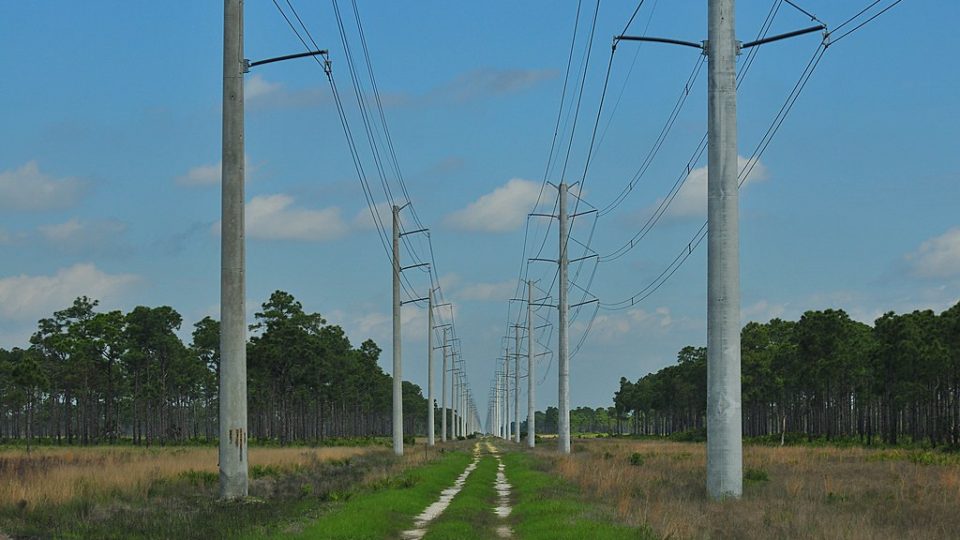
Many homeowners are installing solar energy systems with battery backup. Energy stored in the battery can be used when the sun isn’t shining. As battery prices come down, utility-scale solar installations are also turning to battery-based energy storage.
Florida Power & Light has announced plans to build the world’s largest solar-storage combination facility in Manatee County. The 409-MW Manatee Energy Storage Center will be the largest solar-battery system by a factor of four. The specifics of the technology and source of the battery system components have yet to be announced.
The system, which is scheduled to be completed in late 2021, will be charged by a nearby FPL solar power plant. The plan is to discharge batteries during times of higher demand, thereby offsetting the need to run other power plants. As a result, there will be reduced emissions and customers will save as much as $100 million through avoided fuel costs.
Installing the mega-sized battery system will accelerate the retirements of two nearby 1970’s-era gas-fired generation units. At peak efficiency, the Manatee energy storage system will be able to power 390,000 homes for up to two hours.
FPL has already been pursuing the use of battery storage technology. Last year, they added a 10 MW battery storage system to its 74.5 MW Babcock Ranch Solar Energy Center in Charlotte County.
These large battery systems are increasingly practical because of dramatic reductions in lithium-ion battery costs. The levelized cost of electricity from lithium-ion batteries has declined a remarkable 38% just since the beginning of 2018. The economics of clean energy continue to get better and better.
**********
Web Links
FP&L Plans World’s Largest Energy Storage Battery To Support Its Renewable Energy Goals
Photo, posted April 21, 2010, courtesy of Frank Starmer via Flickr.
Earth Wise is a production of WAMC Northeast Public Radio.
Coal Isn’t Even Cheap Anymore
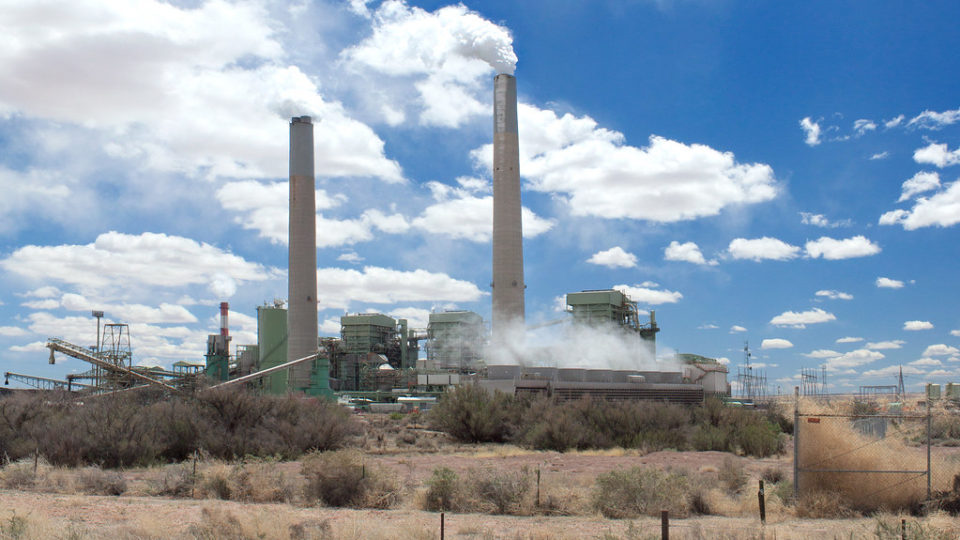
Coal has historically been very cheap compared with many other energy sources and the reason is that it is so plentiful. The United States has especially abundant quantities of the stuff – perhaps a quarter of the world’s estimated recoverable reserves. Estimates are that at the rate at which we are currently using coal here, the remaining reserves would last about 325 years.
That would be great, of course, if the use of coal was not relentlessly destructive to the environment, hazardous to human health, and a major driver for global warming. Despite all of that, the Trump administration is a big booster of coal.
But coal has little chance of holding on to its current status, much less having some kind of renaissance. According to a new report from renewables analysis firm Energy Innovation, nearly 75% of coal-fired power plants in the United States generate electricity that is more expensive than local wind and solar resources. Wind power, in particular, can at times provide electricity at half the cost of coal.
Wind and solar power are growing by leaps and bounds. The Guardian reported that by 2025, enough wind and solar power will be generated at low enough prices in the U.S. that it could replace 86% of the entire U.S. coal fleet with lower-cost electricity.
It has been known for some time that there are places where the so-called coal crossover has already taken place. But this is actually far more widespread than previously thought. Substantial coal capacity is currently at risk in North Carolina, Florida, Georgia and Texas. By 2025, Indiana, Michigan, Ohio, and Wisconsin will join their ranks.
The biggest threat to coal is not regulators or environmentalists; it is economics.
**********
Web Links
Renewables Cheaper Than 75 Percent of U.S. Coal Fleet, Report Finds
Photo, posted May 1, 2011, courtesy of Alan Stark via Flickr.
Earth Wise is a production of WAMC Northeast Public Radio.
New Ocean Energy Technologies

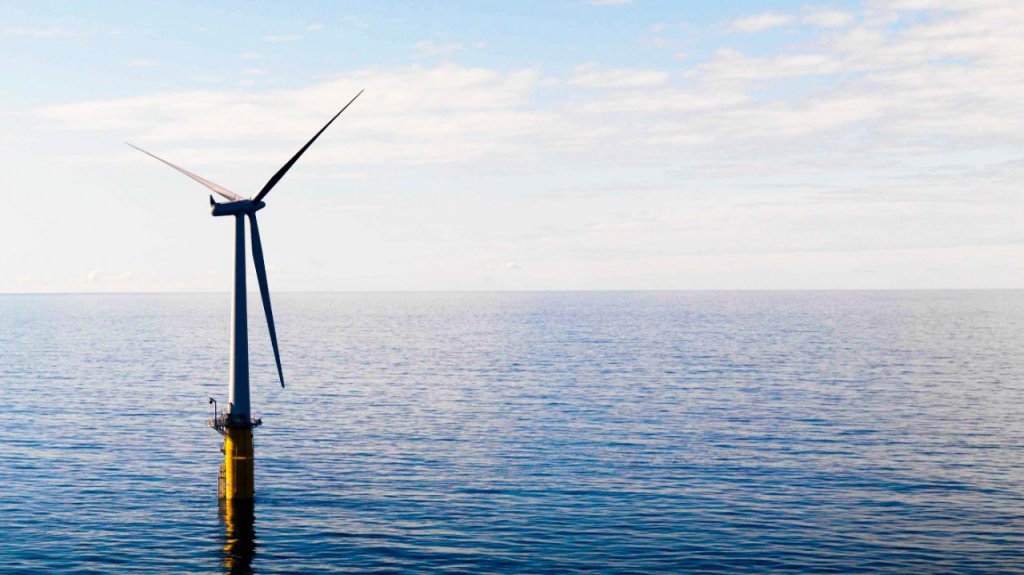
The ocean energy sector is still at an early stage of development. Despite the fact that the ocean is permanently in motion, extracting energy from that motion on a major scale continues to be a challenge. But the potential benefits of ocean technologies are compelling enough that many approaches continue to be pursued.
Electric Buses On The Rise
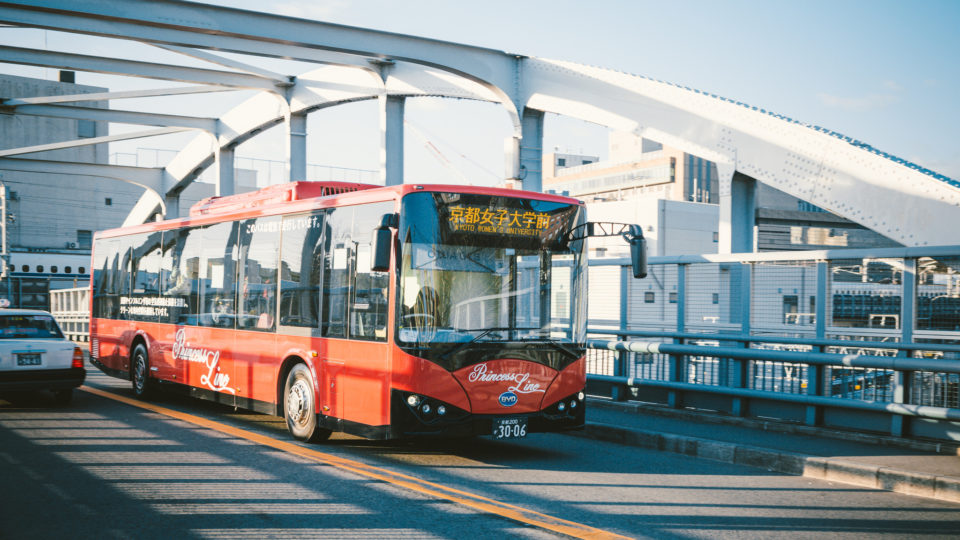
Electric buses are replacing conventional diesel-fueled buses at an accelerating rate that is outpacing the adoption of battery-powered cars. According to forecasts by Bloomberg New Energy Finance, by 2030 some 28% of car sales will be electric vehicles while 84% of new buses will be electric buses. So far, some 12 years away, the actual adoption of electric buses is outpacing this optimistic projection.
Greener Biofuel
Engineers from the National University of Singapore have recently discovered that a naturally occurring bacterium is capable of directly converting cellulose to biobutanol, a promising biofuel.
Sunshine To Fuel

Hydrogen is touted to be the fuel of the future, particularly for cars. But a more acccurate view of it is that hydrogen is an energy storage medium. And the most promising form of energy to store using hydrogen is solar energy.
Carmakers Protecting The Ground And Air
There is quite a bit of effort underway to reduce the amount of pollution automobiles dump into the atmosphere. The expanding role of electric cars is a big part of this.
Turning Emissions Into Fuel
Reducing carbon dioxide emissions is an essential element in mitigating climate change. The best approach is to not produce the stuff in the first place and the ongoing transition away from fossil fuels is trying to do just that. But realistically, fossil fuels will be with us for a long time to come. Given that, additional approaches are necessary.
Economics Of Solar And Wind Power
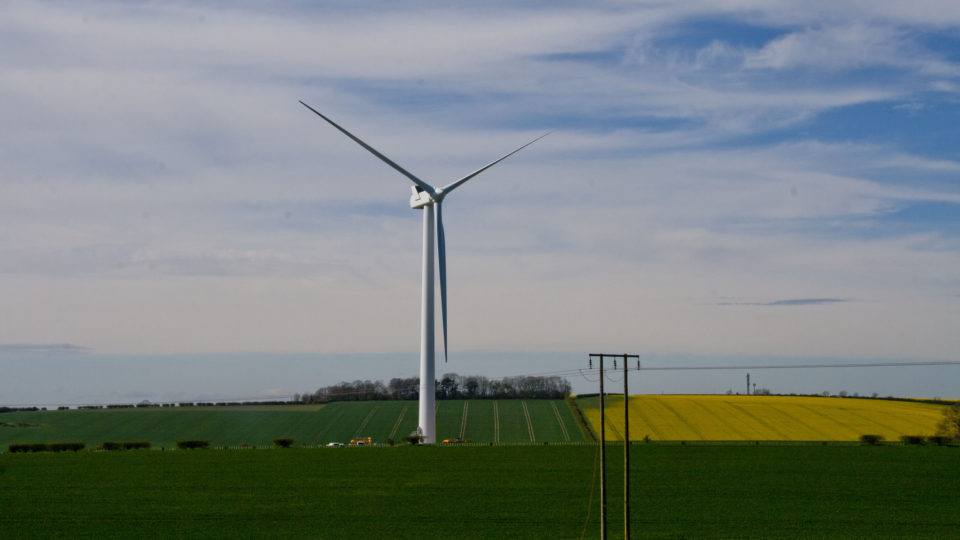
It is well-known that the cost of both solar and wind energy has been dropping dramatically in recent years. That trend is largely responsible for the rapid growth of both power sources. A recent study has revealed just how remarkable the economic progress has been.
Geoengineering And Climate Denial

Geoengineering broadly refers to the use of sophisticated scientific techniques to deliberately make changes to the climate, for example to reverse the impacts of climate change or perhaps pull greenhouse gases out of the atmosphere.
Is Sustainable Seafood Really Sustainable?
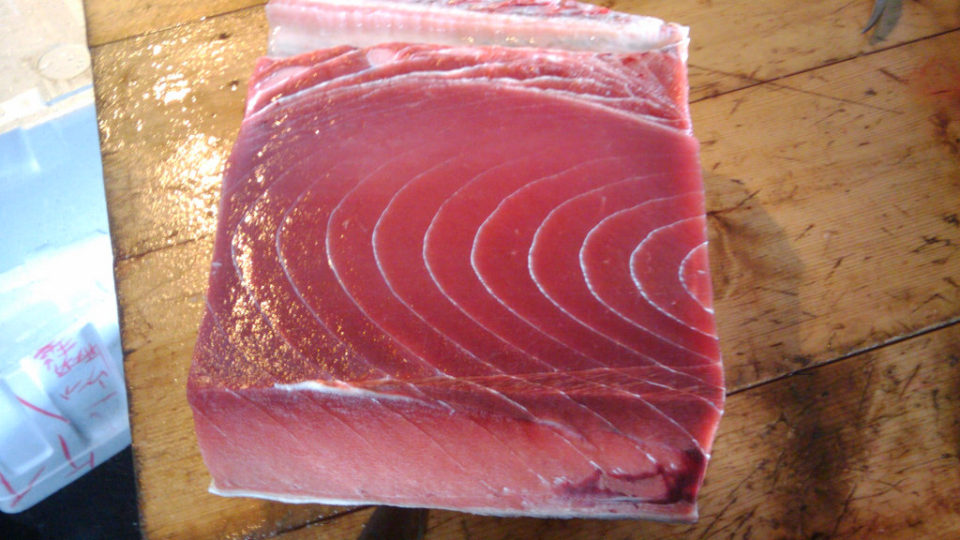
Tuna is perhaps the most popular seafood. We eat it out of a can, we splurge on high-end sushi, and we prepare it in many other ways. Some species of tuna are over-fished and some fishing methods are unsustainable. As concerned consumers, we would like to know what sort of tuna we are eating.
[Read more…] about Is Sustainable Seafood Really Sustainable?
Another Unconventional Fossil Fuel Source

It has only been about 10 years that fracking has been a big deal in the energy world. With it, a largely inaccessible source of fossil fuel became relatively easy pickings. And both the economic benefits and the attendant environmental problems have been grabbing headlines ever since.
[Read more…] about Another Unconventional Fossil Fuel Source