• Skip to primary navigation
  • Skip to main content
  • Skip to primary sidebar

Earth Wise

A look at our changing environment.

  • Home
  • About Earth Wise
  • Where to Listen
  • All Articles
  • Show Search
Hide Search
You are here: Home / Archives for cool

cool

January Climate Report Card | Earth Wise

March 9, 2022 By EarthWise Leave a Comment

A report card on the climate

The global climate is a complicated thing.  While overall trends are relatively straightforward to understand, the details can seem confusing.

January was the sixth-warmest January in the 143 years of global climate record keeping.  The global land and ocean surface temperature was 1.6 degrees Fahrenheit above the 20th century average.

Meanwhile, the United States had its coolest January since 2014, although the month still ranked nearly a degree above the long-term average across the nation.  This January was also the driest January in eight years and was one of the top- 15 driest Januarys on record.  That being said, there was the so-called Bomb Cyclone late in the month that dumped 1-2 feet of snow and brought blizzard conditions along the eastern seaboard and set a one-day snowfall record in Boston.

Global conditions and regional and local conditions can be very different.  In the big picture, January was the 46th consecutive January and the 445th consecutive month with temperatures above the 20th century average.

And while the US had a fairly cool January, South America saw its second-warmest January on record, Asia had its fourth warmest, and Oceania had its seventh warmest.

Apart from temperatures, Antarctic sea ice coverage was the second smallest January extent in 44 years.  Arctic ice was 208,000 square miles below the 1981-2010 average, although it was the largest since 2009.

Even as the global climate warms, local and regional climate conditions will continue to have unique and variable characteristics over the course of time.  Every time there’s a bout of cold weather, it isn’t time to stop being concerned about climate change.

**********

Web Links

January 2022 was Earth’s 6th warmest on record

Photo, posted January 6, 2013, courtesy of Christopher Michel via Flickr.

Earth Wise is a production of WAMC Northeast Public Radio.
A Smart Roof | Earth Wise

January 21, 2022 By EarthWise Leave a Comment

Scientists are working on smart roof technology

Scientists at the Lawrence Berkeley Laboratory have developed an all-season smart roof coating that can keep homes warm during the winter and cool during the summer, and the coating does not consume any gas or electricity.

Existing cool roof systems consist of reflective coatings, membranes, shingles, or tile that lower house temperatures by reflecting sunlight as well as emitting some of the absorbed solar heat away from the roof as infrared radiation.  The problem with such systems is that they continue to radiate heat during the winter, which actually drives up heating costs.

The new material is called a temperature-adaptive radiative coating or TARC.  It enables energy savings by automatically turning off the radiative cooling in the winter.  TARC reflects about 75% of sunlight year-round, but its thermal emittance is high when the temperature is warm – promoting heat loss to the sky – but decreases in cooler weather, helping to retain the heat in a building.

The researchers produced thin-film TARC material that looks like Scotch tape that could be affixed to a surface like a rooftop.  They applied the material to a balcony alongside a sample of commercial dark roof material and a sample of commercial white roof material.

In experiments simulating 15 different climate zones across the US, they found that the TARC material outperforms existing roof coatings for energy savings in 12 out of the 15 zones, particularly in regions with wide temperature variations between day and night, such as in the San Francisco Bay Area, or between winter and summer, such as New York City.

The researchers believe that installing TARC coatings on roofs would save the average U.S. household about 10% in utility costs.

**********

Web Links

New Smart-Roof Coating Enables Year-Round Energy Savings

Photo, posted May 18, 2017, courtesy of Damian Gadal via Flickr.

Earth Wise is a production of WAMC Northeast Public Radio.
Understanding Geoengineering | Earth Wise

September 7, 2021 By EarthWise Leave a Comment

Climate mitigation measures increasingly discussing geoengineering

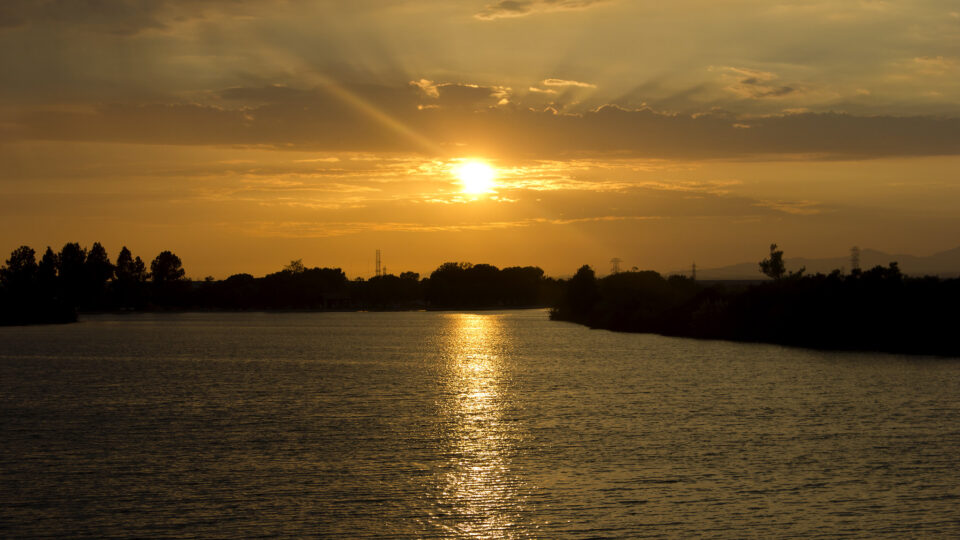
The most recent report from the UN Intergovernmental Panel on Climate change includes discussion of a number of extreme and untested solutions to the climate crisis.  Among these are solar geoengineering – modifying clouds or spraying tiny reflective particles into the upper atmosphere in order to block some of the sun’s light and thereby cool the planet.  The underlying principles are relatively straightforward.

There have been various models that predict the extent to which solar geoengineering would lower the earth’s average temperature.  What hasn’t been modeled to any real extent is what other effects it would have.

The new report discusses the results of models that predict how temperatures would vary at different latitudes and how geoengineering would affect rainfall and snowfall.  According to the models, releasing sulfate aerosols into the upper atmosphere to block sunlight would lower average precipitation.  But every region would be affected differently.  Some regions would gain in an artificially cooler world, but others might, for example, suffer by no longer having suitable conditions to grow crops.

The drop in temperature would allow the planet’s carbon sinks (plants, soils, and oceans) to take up more carbon dioxide from the atmosphere.  However, as long as people continue to pollute, carbon dioxide would continue to make the oceans more acidic, causing significant harm to marine ecosystems.  Furthermore, solar geoengineering would have to be an ongoing process that would go on indefinitely and if it were to suddenly stop, it would lead to rapid warming.

The more we learn about geoengineering, the more it becomes clear that there would be many side effects as well as serious moral, political, and practical issues.  Society has to consider if all these things represent too much danger to allow us to seriously consider such a strategy.

**********

Web Links

In the New UN Climate Report, a Better Understanding of Solar Geoengineering

Photo, posted September 9, 2012, courtesy of Kelly Nighan via Flickr.

Earth Wise is a production of WAMC Northeast Public Radio.
Strategies To Cool Off Cities | Earth Wise

July 2, 2021 By EarthWise Leave a Comment

Effective strategies to naturally cool cities

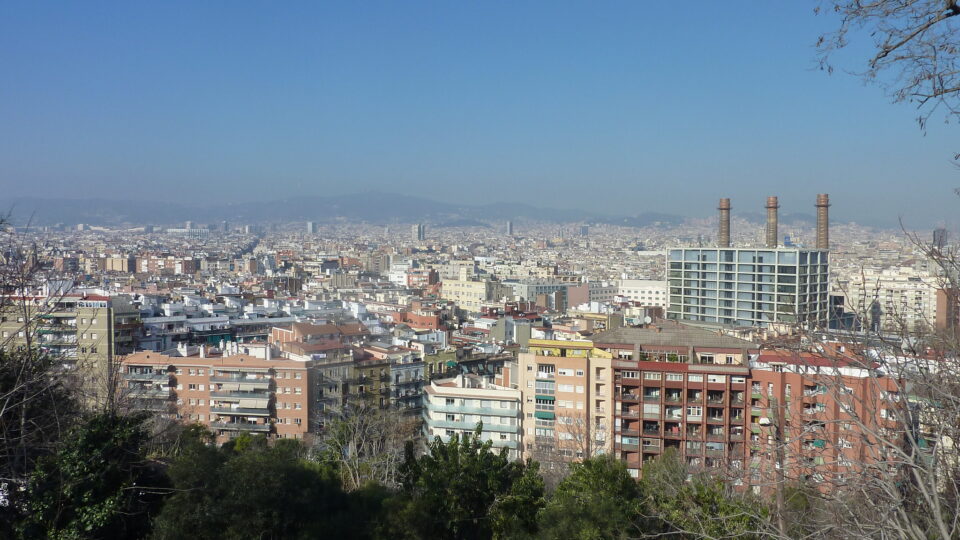
Heatwaves in cities are becoming increasingly common and increasingly intense.  The warming climate is a big factor, but it is the nature of our cities that really drives up temperatures.  Solar radiation stored throughout the day on asphalt and buildings is released slowly during the night, which generates significant heat stress.

A study carried out by a major Barcelona university and published in the journal Urban Climate looked at the effectiveness of various ways to mitigate the heating effects in cities.  In particular, the study examined the effects of the use of white roofs on buildings and the expansion of urban green areas with daily irrigation in the Barcelona metropolitan area.  It simulated various scenarios incorporating combinations of these two mitigation strategies.

The strategy with the greatest impact was a combination of the use of both white roofs and the addition of six urban parks, which is a target set by the Barcelona Urban Master Plan.  This scenario resulted in an average temperature reduction of 2.25 degrees Fahrenheit.  The maximum reduction occurs during the mid-afternoon with a reduction of 7 degrees and the combination still provides more than 3 degrees of reduction at 9 pm.  Reducing temperatures this way also results in a reduction in energy consumption, with 26% less spending on air conditioning.

The 2-pronged strategy combines the benefits of reducing the temperature at night due to more urban green areas with the reduction of daytime heat due to both the increased reflectivity of white roofs as well as the irrigation of the green areas.

The study demonstrates how modeling efforts can help urban planners to counteract the impacts of heatwaves, which are likely to increase with climate change and intensification of urbanization.

**********

Web Links

White roofs and more green areas would mitigate the effects of heat waves in cities

Photo, posted January 16, 2011, courtesy of Sean MacEntee via Flickr.

Earth Wise is a production of WAMC Northeast Public Radio.
Should We Block The Sun? | Earth Wise

May 10, 2021 By EarthWise Leave a Comment

The risks of geoengineering need to be better understood

There is growing concern that greenhouse gas emissions are not falling quickly enough to avoid dangerous levels of global warming.  As a result, there is the impetus to examine other options.  Among these are geoengineering, which is one of the most contentious issues in climate policy.  Geoengineering embodies many risks that make even seriously considering it seem risky in itself.

Despite this, the National Academies of Science, Engineering, and Medicine has issued a report saying that governments urgently need to know whether solar geoengineering could work and what its side effects might be.

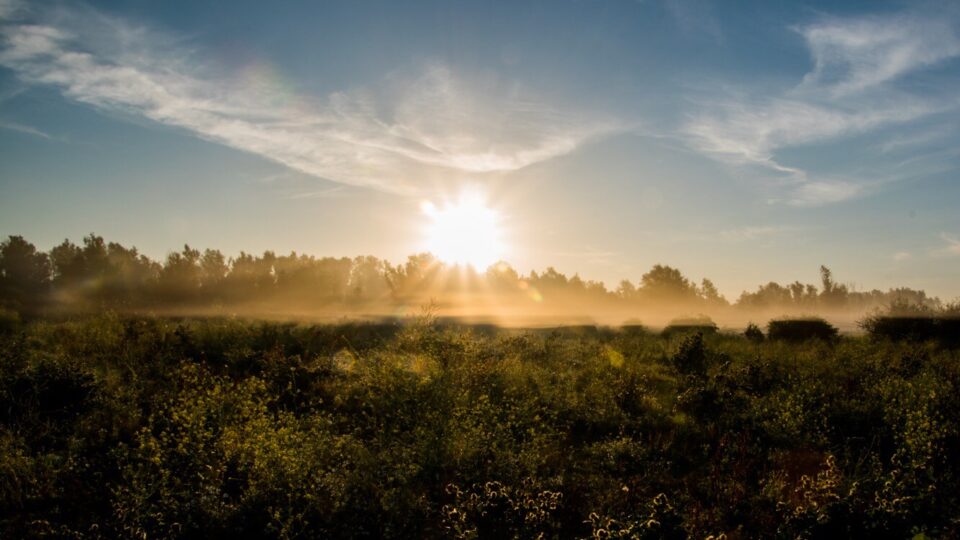
Solar geoengineering is also called solar radiation modification, which entails reflecting more of the sun’s energy back into space.  This would likely be accomplished by injecting aerosols into the atmosphere, much like what happens after large volcanic eruptions.

Schemes for solar geoengineering raise numerous issues.  Although solar geoengineering might cool the earth’s surface to a global temperature target, the cooling may not be evenly distributed, affecting many ecosystem functions and biodiversity.   It would likely upset regional weather patterns in potentially devastating ways, for example by changing the behavior of the monsoon in South Asia.  It might dangerously relax public commitments to reduce greenhouse emissions. 

Despite these concerns, or perhaps because of them, the committee that produced the report believes that technology to reflect sunlight deserves substantial funding and should be researched as rapidly and effectively as possible.  Once any geoengineering projects get into the hands of policymakers, they may gather momentum that bypasses the advice of scientists.  So, it important to make progress on the science while geoengineering is still only theoretical.

**********

Web Links

Should We Block the Sun? Scientists Say the Time Has Come to Study It.

To intervene or not to intervene? That is the future climate question

Photo, posted August 3, 2018, courtesy of Tomasz Baranowski via Flickr.

Earth Wise is a production of WAMC Northeast Public Radio.
Cooling The Earth With A Warmer Arctic | Climate Change | Earth Wise

January 24, 2020 By EarthWise 1 Comment

Melting Ice Cooling Earth Warmer Arctic Climate Change

Researchers are considering a wide range of approaches to mitigate the effects of global climate change.  Among these are various strategies of geoengineering, which must be viewed with enormous caution, given the high likelihood of unintended consequences from almost anything we might do.

Researchers at the International Institute for Applied Systems Analysis have investigated potential strategies for cooling the planet in the absence of Arctic sea ice.

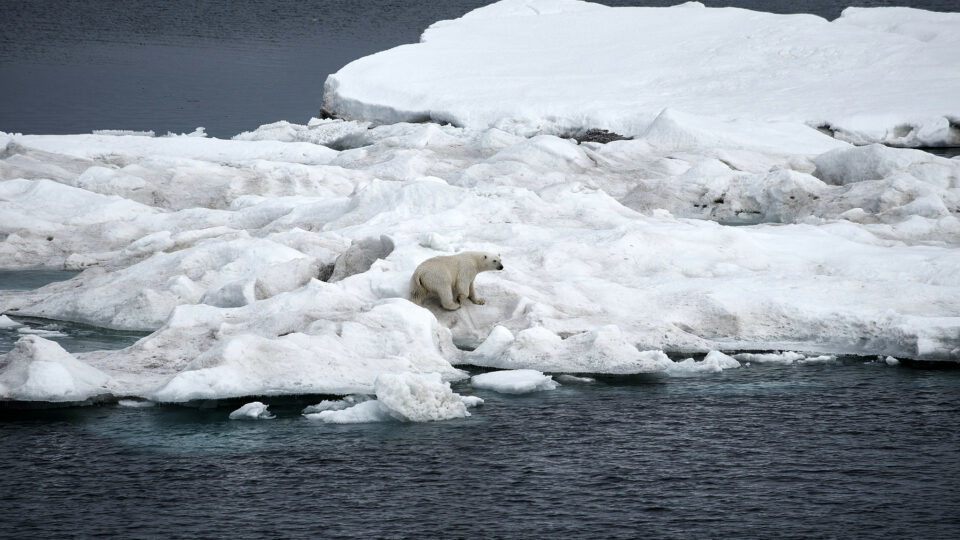
The Arctic region is heating up faster than any other place on earth and its sea ice is rapidly disappearing.  Estimates are that summer sea ice in the Arctic Ocean will be largely gone within a generation.  Arctic ice and snow reflect the sun’s energy into space, which helps to keep the planet cool.  What happens if that ice is gone?

The researchers explored the fact that the Arctic Ocean ice actually insulates the Arctic atmosphere from the warmer water under the ice.  Without the ice layer, the surface water would actually increase air temperatures by 20 degrees C during the winter.  That in turn would increase the heat irradiated into space and thereby cool down the planet.

The Arctic sea ice is in part maintained because the upper regions of the Arctic Ocean have lower salinity than the Atlantic Ocean.  This stops Atlantic water from flowing above the cold Arctic waters.  So, if we were to somehow deliberately increase the salinity of the Arctic Ocean surface water, warmer, less salty Atlantic Ocean water would flow in, increase the temperature of the Arctic atmosphere, and release heat trapped in the ocean into space.

It all sounds pretty crazy, but the researchers say that given the seriousness of climate change, all options should be considered when dealing with it.

**********

Web Links

Could we cool the Earth with an ice-free Arctic?

Photo, posted August 19, 2016, courtesy of Flickr.

Earth Wise is a production of WAMC Northeast Public Radio.
Geoengineering And Volcanoes

November 14, 2019 By EarthWise Leave a Comment

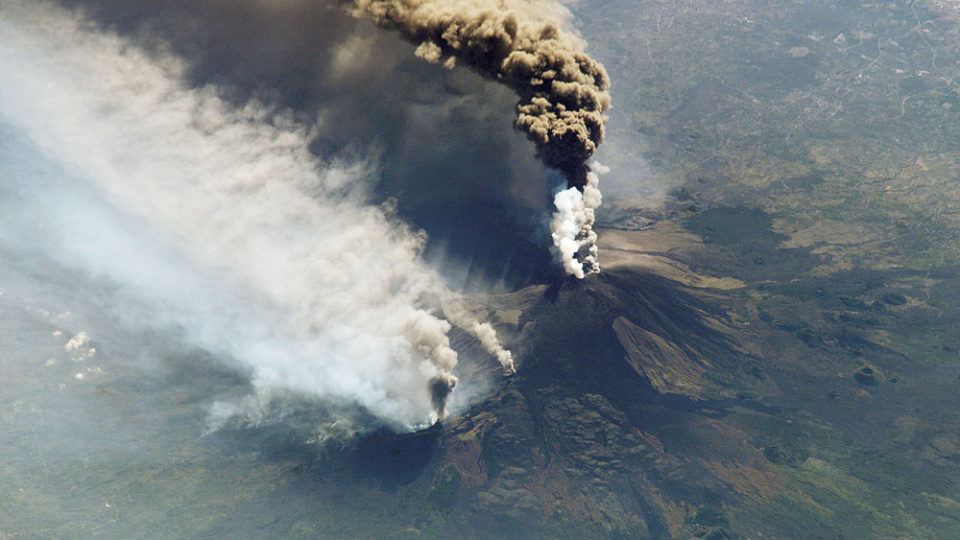
Solar geoengineering is a theoretical strategy for curbing the effects of climate change by introducing aerosol particles in the upper atmosphere to reflect some of the Sun’s radiation back into space and thereby cool the planet.  It would basically be intentionally tinkering with the climate system on a global scale.

The concept is fraught with the danger of unintended consequences and most experts consider the idea almost unthinkable.  But there are those who see it as a last resort if all our other efforts to mitigate the effects of climate change are unsuccessful.

Proponents of the idea like to describe the technique as being like a human-made volcano.  Major volcanic eruptions spew ash particles into the atmosphere which can linger for as long as a few years.  The result is cooler temperatures, sometimes across much of the globe.  The Krakatoa eruption of 1883 lowered average Northern Hemisphere temperatures by more than 2 degrees and created chaotic weather patterns until about 1888.

Researchers at the Carnegie Institution and two Chinese research institutions used sophisticated modeling techniques to compare the effects on the climate of a volcanic eruption with long-term geoengineering deployment.

They found that the volcanic eruption created a greater temperature difference between the land and sea than the geoengineering and resulted in very different precipitation scenarios.  In both cases, there would be less available water for people on land.

Overall, the study demonstrated that volcanic eruptions are imperfect analogs for geoengineering and that scientists should be very cautious about extrapolating too much from them.  It is important to evaluate geoengineering from an informed position, but the truth is that it represents a great and perilous unknown.

**********

Web Links

Geoengineering Versus A Volcano

Photo, posted November 1, 2002, courtesy of the NASA Goddard Space Flight Center via Flickr.

Earth Wise is a production of WAMC Northeast Public Radio.

Trees And The Future Of Cities

April 16, 2019 By EarthWise Leave a Comment

The shade of a single tree is a welcome source of relief on a hot summer day.  But even a relatively small patch of woods can have a profound cooling effect.  A new study at the University of Wisconsin-Madison looks at the role trees play in keeping towns and cities cool.

According to the study, the right amount of tree cover can lower daytime temperatures in the summer by as much as 10 degrees.  The effects are noticeable from neighborhood to neighborhood and even on a block-by-block basis.

Cities are well-known to be hot spots due to the urban heat islanding effect.  Using trees to keep temperatures more comfortable in cities can make a big difference for the people who live and work there.

The man-made structures of cities – roads, sidewalks, and buildings – absorb heat from the sun during the day and slowly release it at night.  Trees, on the other hand, not only shade those structures from the sun, but they also transpire -or release water in the air through their leaves – which helps to cool things down.

According to the study, to get maximum cooling benefits, tree canopies must exceed forty percent, meaning that city blocks need to be nearly halfway covered by tree branches and leaves.  To get the biggest bang for the buck, cities should start planting more trees in areas that are already near the forty percent threshold.  But

trees can’t just be in parks.  They need to be in places where people are active.

If we want the places where we live to be more comfortable and resilient in a warming world, we need to plant more trees.

**********

Web Links

Study suggests trees are crucial to the future of our cities

Photo, posted May 26, 2012, courtesy of Mislav Marohnic via Flickr.

Earth Wise is a production of WAMC Northeast Public Radio.
Making Cities Cooler

September 5, 2018 By EarthWise Leave a Comment

https://earthwiseradio.org/wp-content/uploads/2018/08/EW-09-05-18-Making-Cities-Cooler.mp3

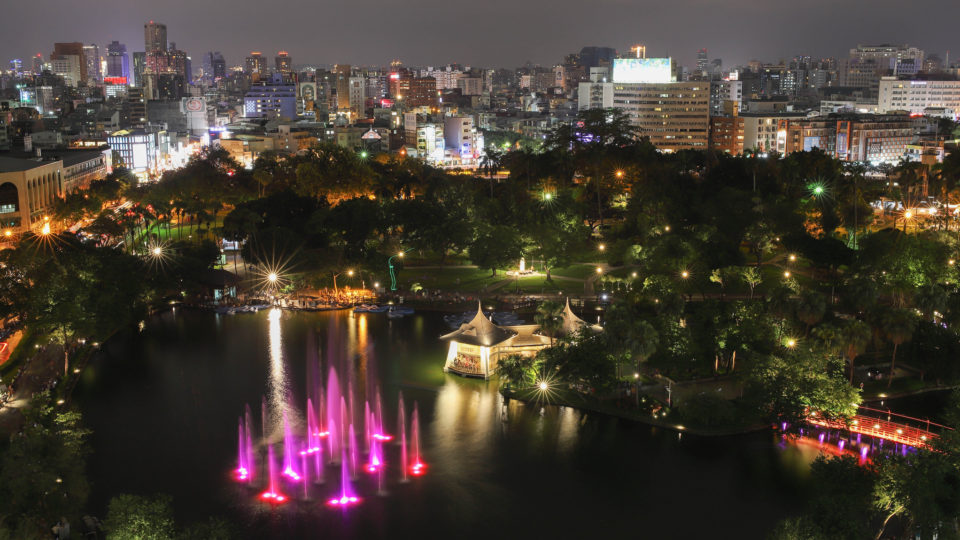
Cities are particularly miserable during heatwaves.   With lots of concrete and asphalt surfaces, they soak up lots of heat and re-radiate it.  Lots of tall buildings block cooling breezes.  Factor in car exhaust and heat from air conditioners and it all adds up to the urban heat island effect.  Cities can be several degrees warmer during the day and as much as 20 degrees warmer at night.  All of this extra heat is not just a comfort issue, it is a serious health problem.

[Read more…] about Making Cities Cooler

Geoengineering And Developing Countries

June 21, 2018 By EarthWise Leave a Comment

https://earthwiseradio.org/wp-content/uploads/2018/06/EW-06-21-18-Geoengineering-and-Developing-Countries.mp3

There are some mind-boggling schemes being discussed to mitigate the global warming caused by greenhouse gases.  These include placing giant mirrors in orbit to reflect sunlight before it reaches Earth and launching millions of tons of sulfur into the stratosphere to simulate the effects of a major volcanic eruption.

[Read more…] about Geoengineering And Developing Countries

Upgrading The Doomsday Seed Vault

April 11, 2018 By EarthWise Leave a Comment

https://earthwiseradio.org/wp-content/uploads/2018/04/EW-04-11-18-Upgrading-the-Doomsday-Vault.mp3

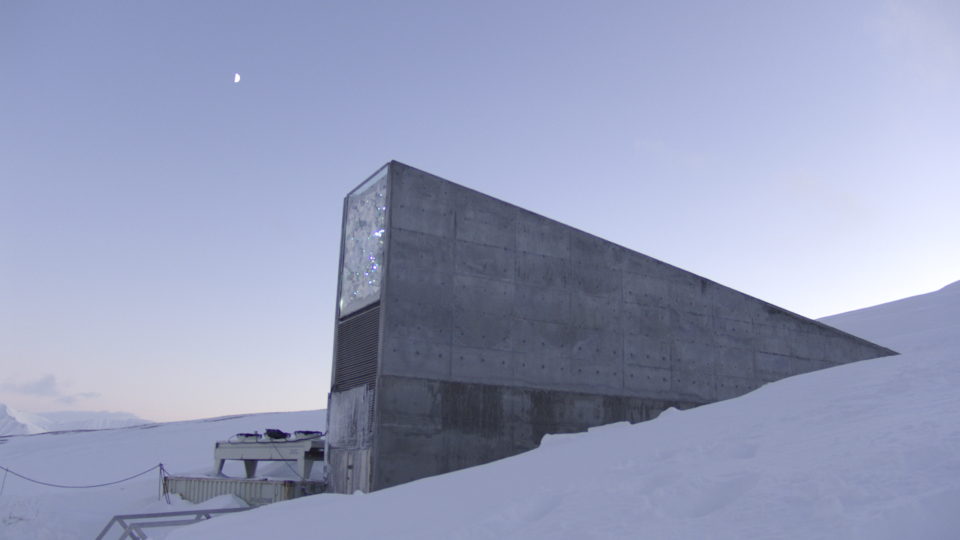
The Svalbard Global Seed Vault, located nearly 400 feet beneath the earth’s surface and fully funded by the Norwegian government, offers any government access to seeds in case of natural or man-made disaster.  It’s more often referred to as the Doomsday Seed Vault.  And ironically, it too is threatened by climate change.

[Read more…] about Upgrading The Doomsday Seed Vault

The Perils Of Air Conditioning

September 12, 2017 By EarthWise

https://earthwiseradio.org/wp-content/uploads/2017/09/EW-09-12-17-The-Perils-of-AC.mp3

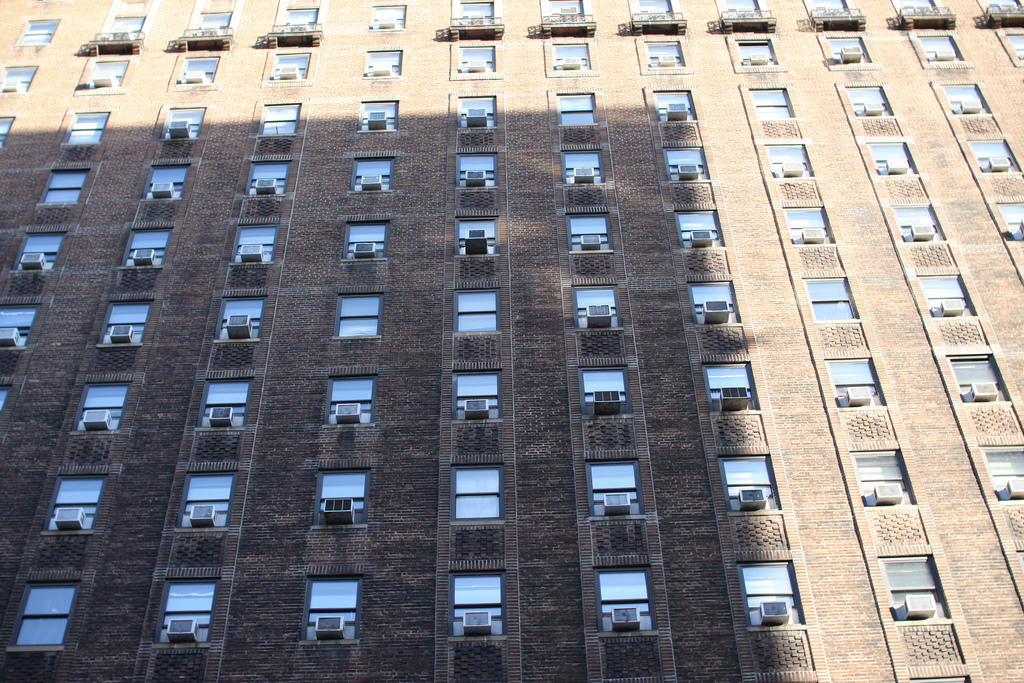
The battle to reduce greenhouse gas emissions is heavily focused on replacing fossil fuel power plants with renewable energy and replacing internal combustion engine autos with electric cars.  But there is another elephant in the room:  air conditioners.

[Read more…] about The Perils Of Air Conditioning

A Microgrid in New York’s Capital

July 31, 2017 By EarthWise

https://earthwiseradio.org/wp-content/uploads/2017/07/EW-07-31-17-A-Microgrid-in-NYs-Capital.mp3

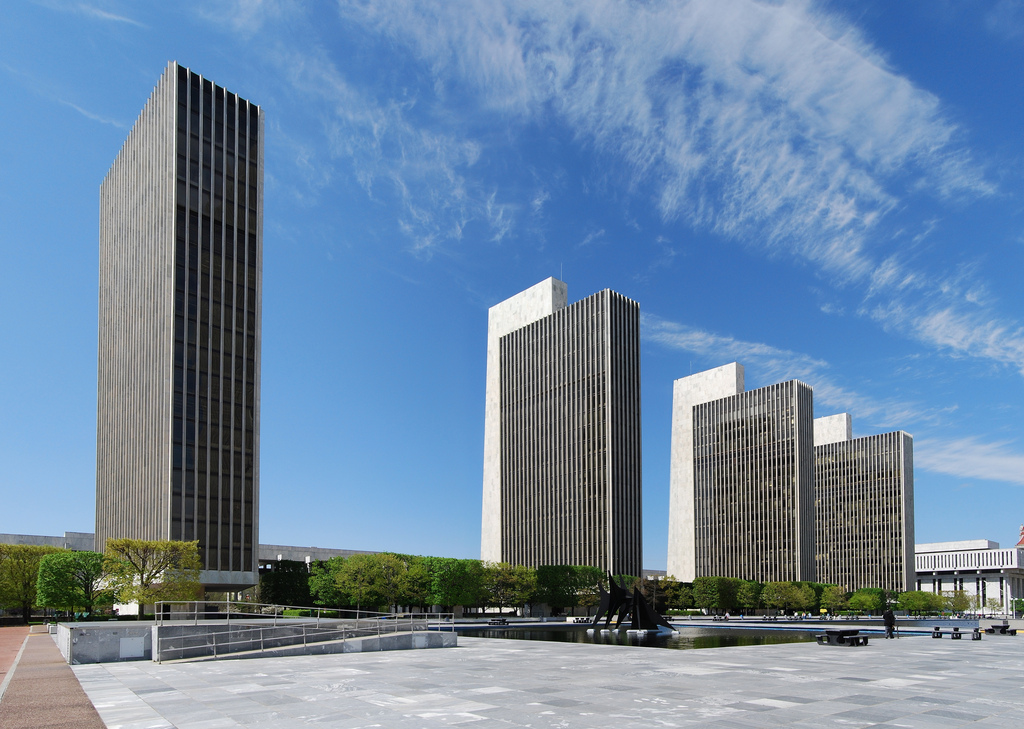
New York State has been encouraging its communities to install microgrids for quite a while.  Now the state has committed to build a 16-megawatt microgrid to power the Empire State Plaza in downtown Albany.  The microgrid will use combined heat and power to supply 90% of the electricity as well as heating and cooling for the 10 buildings where 11,000 state employees work.

[Read more…] about A Microgrid in New York’s Capital

Fish On The Move

January 26, 2017 By EarthWise

https://earthwiseradio.org/wp-content/uploads/2017/01/EW-01-26-17-Fish-on-the-Move.mp3

As the oceans warm, many kinds of fish are on the move, seeking cooler and deeper water.  Because of this, the fishing industry is struggling with antiquated regulations that are not moving as fast as the climate is changing.

[Read more…] about Fish On The Move

Climate Engineering

January 11, 2017 By EarthWise

https://earthwiseradio.org/wp-content/uploads/2016/12/EW-01-11-17-Climate-Engineering.mp3

With the forthcoming administration change, it appears that the federal government is likely to start backing away from tackling climate change and may even be obstructive towards efforts to mitigate the growing problem of greenhouse gas emissions.

[Read more…] about Climate Engineering

Storing Energy As Ice

December 11, 2015 By WAMC WEB

https://earthwiseradio.org/wp-content/uploads/2015/12/EW-12-11-15-Storing-Energy-As-Ice.mp3

One of the challenges of operating the electricity grid is that there are times when everybody wants more electricity than usual – like during a hot afternoon in August – and the system struggles to keep up with the increased demand. 

[Read more…] about Storing Energy As Ice

  • « Go to Previous Page
  • Page 1
  • Page 2

Primary Sidebar

Recent Episodes

  • An uninsurable future
  • Clean energy and jobs
  • Insect declines in remote regions
  • Fossil fuel producing nations ignoring climate goals
  • Trouble for clownfishes

WAMC Northeast Public Radio

WAMC/Northeast Public Radio is a regional public radio network serving parts of seven northeastern states (more...)

Copyright © 2026 ·