
• Skip to primary navigation
  • Skip to main content
  • Skip to primary sidebar

Earth Wise

A look at our changing environment.

  • Home
  • About Earth Wise
  • Where to Listen
  • All Articles
  • Show Search
Hide Search
You are here: Home / Archives for CO2

CO2

A New Carbon Capture Technique | Earth Wise

August 25, 2020 By EarthWise Leave a Comment

Reducing carbon dioxide emissions using carbon capture

Carbon dioxide emissions by electricity generating plants, fossil-fuel burning vehicles, and industry produce about 2/3 of the greenhouse gases driving climate change.  Without decreasing these emissions, the earth will continue to get warmer, sea levels will continue to rise, and the world will face more droughts, floods, wildfires, famine and conflict.

Electrification of vehicles and reliance upon renewable energy sources will ultimately drastically reduce the use of fossil fuels and the resultant emissions, but that transition may take too long to reverse the direction of climate change.  In the meantime, there is a great need to find effective and efficient ways to capture emissions from fossil fuel plants. 

Recent research at the University of California, Berkeley, Lawrence Berkeley National Laboratory, and ExxonMobil has developed a new technique for carbon capture.  The technique makes use of metal-organic framework (or MOF) technology.  An MOF, modified with nitrogen-containing amine molecules, captures CO2 and then low-temperature steam is used to flush out the CO2 either to be used or sequestered underground.

Experiments demonstrated the technique to have a six-times greater capacity for removing CO2 from the flue gas of a refinery than current amine-based technology.  It selectively removed 90% of the emitted CO2. 

There is a relatively limited market for captured CO2, so power plants using the capture technology would likely pump the CO2 into the ground, or otherwise sequester it.  The cost of doing this sort of emission scrubbing would have to be facilitated by government policies, such as carbon trading or a carbon tax, which would provide the necessary economic incentive for doing carbon capture and sequestration.

**********

Web Links

New technique to capture CO2 could reduce power plant greenhouse gases

Photo courtesy of UC Berkeley.

Earth Wise is a production of WAMC Northeast Public Radio.

Vehicle Electrification On The Rise | Earth Wise

August 21, 2020 By EarthWise Leave a Comment

increasing vehicle electrification

Nearly 70% of U.S. oil consumption is for transportation and transportation accounts for 28% of the country’s greenhouse gas emissions.  Therefore, technology improvements in transportation that can reduce emissions are a key element of combating climate change.  The highest impact strategy is the electrification of the transportation sector, and it is definitely accelerating.

Demand for electric vehicles is growing for multiple reasons.  These include long-term cost savings, tax incentives, declining battery costs, and greater environmental awareness.  This year, about 2.7 percent of global passenger vehicle sales will be for electric vehicles.  It is still a fairly small number, but that number is growing rapidly.  It is expected to be 10% in 2025, 28% in 2030, and more than half of all vehicle sales by 2040.  By that year, more than 30% of passenger vehicles on the road worldwide will be electric.  The numbers for electric buses, delivery vans and trucks, mopeds, scooters, and motorcycles are expected to be even higher.

The environmental impact of electrification will be significant in reducing carbon emissions and pollution in general.  Electric vehicles already reduce oil demand by a million barrels a day.  By the year 2040, they will displace nearly 18 million barrels of oil a day and reduce CO2 emissions by 2.5 billion tons per year.

Electric cars still face challenges.  They are still more expensive than gas-powered cars, but their cost-benefit analysis is changing rapidly as technology improvements and volume efficiencies drive down the cost of battery packs.  Analysts predict that electric vehicles will achieve price parity with internal combustion vehicles in as soon as two years but in any case within the next ten years.

**********

Web Links

Electrification of transportation sector nears tipping point

Photo, posted May 7, 2020, courtesy of Mark Vletter via Flickr.

Earth Wise is a production of WAMC Northeast Public Radio.

More Carbon Dioxide From Thawing Permafrost | Earth Wise

July 30, 2020 By EarthWise Leave a Comment

Climate models underestimate CO2 emissions from thawing permafrost

The Arctic is warming much faster than the rest of the planet.  Stories about the loss of polar ice and hundred-degree temperatures in Siberia have become commonplace.  One of the most troubling aspects of the warming Arctic is the thawing of permafrost.  Permafrost is ground that remains frozen for at least two years; some of it has been frozen for tens or hundreds or even thousands of years.  Found under a layer of soil, permafrost is composed of rock, soil, sediments, and varying amounts of ice.  It stores the carbon-based remains of plants and animals that froze before they could decompose.  Permafrost covers almost a quarter of North America, but it is starting to thaw.

Scientists estimate that there are more than 16,000 billion tons of carbon locked away in Arctic permafrost, which is almost double the amount of carbon that is currently in the atmosphere.  Climate models predict that the warming of the Arctic could lead to 5 to 15% of that carbon to be emitted as carbon dioxide by the year 2,100, which would be enough to raise global temperatures by 0.3 to 0.4 degrees Celsius.

New research has increased this estimate because it includes a key pathway for CO2 to enter the atmosphere that earlier models ignored.   When carbon from thawing permafrost escapes into Arctic lakes and rivers, it is oxidized by ultraviolet and visible light and it then escapes into the atmosphere as CO2.  This process is known as photomineralization and is estimated to raise permafrost-related CO2 emissions by 14%.

Recent studies project that with every 1-degree Celsius increase in temperature, 1.5 million square miles of permafrost could be lost through thawing.

**********

Web Links

Climate Models Underestimate CO2 Emissions from Permafrost by 14 Percent, Study Finds

Photo, posted July 7, 2014, courtesy of NPS Climate Change via Flickr.

Earth Wise is a production of WAMC Northeast Public Radio.
Turning Dead Trees Into Biomass Energy | Earth Wise

July 1, 2020 By EarthWise Leave a Comment

Biomass energy from dead trees

California has suffered from numerous large wildfires in recent years.  The two largest in the past century took place in 2017 and 2018, and just these two alone burned nearly 750,000 acres, destroyed over 1,200 structures, and killed 24 people.

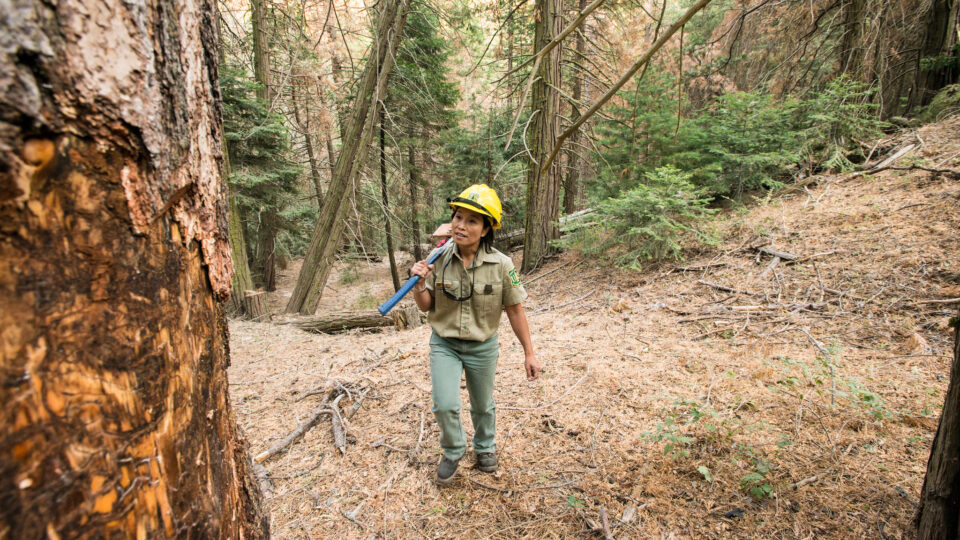
Apart from the fires, drought, the warming climate, and bark-beetle infestations have killed 147 million California trees since 2013, most of them along the spine of the Sierra mountains.  These dead trees represent a significant danger in forthcoming fire seasons as they threaten to burn with enormous intensity.

There are now biomass projects in California that thin trees in overcrowded forests and remove dead and diseased trees and turn them into wood chips to supply community biomass facilities that burn them to produce heat and electricity.

Proponents say these projects help rebuild rural communities by creating jobs, while at the same time reducing fire risk. 

There are critics of these programs who claim that they are damaging and destroying ecosystems.    They also point out that burning forest fuels emits 50% more carbon than burning coal and three times as much as burning natural gas.  This is true of biomass in general but is mitigated by the fact that it in principle the carbon can be recaptured by new forest growth.

However, the dominant argument about emissions is that wildfires emit far more carbon dioxide than biomass plants, or much of anything else, for that matter.  In 2018 alone, California wildfires released 50% more carbon dioxide than California’s entire industrial sector.  So, reducing the extent of wildfires is a big deal for many reasons.

**********

Web Links

In California, A Push Grows to Turn Dead Trees into Biomass Energy

Photo, posted August 24, 2016, courtesy of the USDA via Flickr.

Earth Wise is a production of WAMC Northeast Public Radio.

Powering Amazon By The Sun | Earth Wise

June 29, 2020 By EarthWise Leave a Comment

Amazon and solar power

Amazon.com is a multinational conglomerate company that sells nearly $300 billion dollars a year worth of products, employs over 800,000 people, and by any measure, consumes a tremendous amount of resources.  In terms of its environmental impact, Amazon is estimated to be responsible for the emission of 50 million tons of CO2 annually, which is more than the yearly total for countries like Switzerland, Ireland, New Zealand, Denmark, and about 140 other countries.

Amazon is trying to reduce its environmental impact.  The company recently announced five new renewable energy projects in China, Australia and the U.S. as part of its commitment to reach 80% renewable energy by 2024, 100% renewable energy by 2030, and to reach net zero carbon by 2040.

The projects include a 100 MW solar project in Shandong, China, a 105 MW solar project in New South Wales, Australia, two solar projects in Ohio (one 200 MW and one 80 MW), and a 130 MW solar project in Virginia.

To date, Amazon has announced 31 utility-scale wind and solar renewable energy projects as well as 60 solar rooftops on fulfillment centers and sort centers around the world.  Taken together, these projects provide almost 3 GW of capacity and will deliver more than 7.6 million MWh of renewable energy annually.

In order for the world to meet the climate goals set by the Paris Agreement, it will take more than just countries to make and keep commitments.   Whatever else one may think about Amazon’s place in the world, their latest efforts for the environment are a big step in the right direction.

**********

Web Links

Amazon announces five new utility-scale solar projects to power operations in China, Australia, and the US

Photo, posted November 16, 2018, courtesy of Todd Van Hoosear via Flickr.

Earth Wise is a production of WAMC Northeast Public Radio.

Global Emissions And The Coronavirus Shutdown | Earth Wise

June 10, 2020 By EarthWise Leave a Comment

With so much of industry and personal activity curtailed by coronavirus shutdowns across the globe, it is no surprise that greenhouse gas emissions have declined.  According to new research published in the journal Nature Climate Change, average daily global greenhouse gas emissions declined 17% by early April compared to 2019 levels.

If the reopenings around the world continue and the world actually reaches pre-crisis levels by the middle of June, total CO2 emissions for the year would likely end up lower by about 4%.   If various restrictions continue until the end of the year, total global emissions could decline by 7%.

The study analyzed emissions estimates for three levels of coronavirus shutdowns and across six sectors of the economy.  It looked at trends in 69 countries, all 50 U.S. states, and 30 Chinese provinces, representing in total 86% of the world’s population and 97% of global CO2 emissions.

For the first 4 months of the year, emissions from industry declined 19%, the power sector 7%, and public buildings and commerce 21%, compared to last year.  Unsurprisingly, home energy use actually went up by about 3%.

The findings of this study only represent the effects of a short-lived decline in emissions.  As economies open back up, there is no doubt that greenhouse gas emissions will rise back to pre-Covid-19 levels.

The study also reveals that making real changes in emissions will require more than just behavior changes.  Despite billions of people staying home, companies shut down, planes grounded, and cars off the road, we still managed to pump more than 80% of the usual amount of greenhouse gases into the air for the first quarter of the year.

**********

Web Links

Global Emissions Fell 17 Percent Due to Coronavirus Shutdowns

Photo, posted May 7, 2020, courtesy of the MTA via Flickr.

Earth Wise is a production of WAMC Northeast Public Radio.
Methane-Eating Bacteria And Greenhouse Gas Emissions | Earth Wise

May 20, 2020 By EarthWise Leave a Comment

greenhouse gas emissions

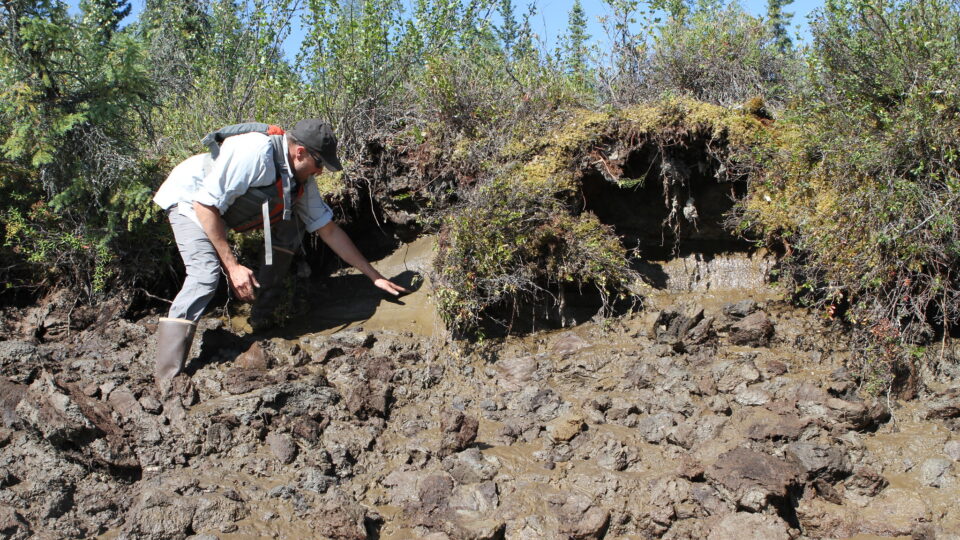
One of the great concerns about the warming Arctic temperatures is that thawing permafrost will release alarming amounts of methane into the atmosphere.  Organic material in the permafrost begins to decompose when temperatures rise, and methane is released in the process.

Methane is a far more potent greenhouse gas than carbon dioxide.  Methane’s lifetime in the atmosphere is much shorter than carbon dioxide, but it is more efficient at trapping radiation.  Pound for pound, the comparative impact of methane is more than 25 times greater than carbon dioxide.

A new study, published by scientists at Purdue University, has discovered a type of methane-oxidizing bacteria living in upland Arctic soils that could potentially be reducing the amount of methane emitted by decomposing permafrost.

The findings of the research indicate that the net greenhouse gas emissions from the Arctic may be much smaller than previously modeled because of the increased productivity of a type of bacteria known as high affinity methanotrophs, or HAMs.  This group of bacteria uses atmospheric methane as an energy source.  The emissions from wetlands will potentially be very large, but the contribution from the uplands will be mitigated by the bacteria.

Organic-rich soils, including permafrost, comprise only 13% of the Arctic land area and are the major source of methane emissions.  The other 87% of the region is dominated by mineral-rich soils that support HAMs.  Because of this, overall methane emissions continue to be less than climate models have predicted.

While this is good news, the researchers warn that Arctic emissions overall will continue to increase as shown in other studies.

**********

Web Links

Methane-Eating Bacteria Could Help Decrease Greenhouse Gas Emissions From Thawing Arctic Tundra

Photo, posted July 12, 2016, courtesy of Flickr.

Earth Wise is a production of WAMC Northeast Public Radio.

Tropical Forests As Carbon Sinks | Earth Wise

April 21, 2020 By EarthWise Leave a Comment

tropical forests absorb carbon

Tropical forests are an important part of the global carbon cycle because they take up and store large amounts of carbon dioxide.  Because of this, deforestation in the Amazon and other tropical forests is a major contributor to the growing CO2 levels in the atmosphere.

Therefore, climate models need to accurately take into account the ability of tropical forests to sequester carbon.  It turns out that this is not such a simple matter.  A new study by the International Institute for Applied Systems Analysis sought to determine how much detail about tropical forests is needed in order to make valid assumptions about the strength of forest carbon sinks.

They looked at the role of both biotic factors – differences between plant species that are responsible for capturing more or less carbon from the atmosphere – and abiotic factors – local environmental factors like soil properties that also influence carbon sink strength.

It is generally assumed that more diverse forest communities capture available resources more efficiently as a result of complementary characteristics and preferences of certain species to specific conditions.  Factors like soil texture and chemistry are also important.  In general, the results show that abiotic and biotic factors interact with one another to determine how much carbon can be stored by the ecosystem.

Traditional projections of the role of tropical forests in storing carbon mostly rely on remote sensing techniques that integrate over large spatial areas.  The new study shows that there can be large differences in the carbon storing ability of tropical forests and that more detailed models are needed to produce more accurate projections.

**********

Web Links

Shedding light on how much carbon tropical forests can absorb

Photo, posted July 17, 2014, courtesy of Flickr.

Earth Wise is a production of WAMC Northeast Public Radio.

Companies Promise Climate Action | Earth Wise

March 30, 2020 By EarthWise Leave a Comment

Companies scramble to achieve climate promises

A growing number of major corporations are making promises on climate and the promises are getting more ambitious and for faster action.  More companies are disclosing their carbon emissions and more of those companies have emissions reduction targets. 

There has also been an acceleration in the rate at which companies set so-called science-based targets, which are specific, measurable carbon reduction goals that align the company with the Paris Agreement.  Among the hundreds of companies with such targets are Coca-Cola, Nike, Best Buy, Walmart, and Hilton Hotels.  According to one analysis, the number of Fortune 500 companies with concrete, ambitious carbon targets quadrupled in the past four year to 23%.

Environmental advocates have been pressuring companies for decades, but companies seem to be far more proactive now despite the fact that the U.S. government has largely dropped the ball on climate issues.

The reasons include the fact that the effects of climate change are becoming clearer to companies.  Wildfires, rising sea levels, droughts and other aspects of the crisis both make headlines and affect business operations.

Meanwhile, solar and wind energy have gotten significantly cheaper, making it more attractive for companies to shift away from fossil fuels.

At the same time, investors are increasingly asking companies to act on climate issues.  Consumers, employees, and the general public are increasingly demanding action and even children are adding to the pressure to act.

Making these commitments is one thing; following through on them and sticking to them is another.  There are real concerns that there is a great deal of green-washing going on among companies trying to project a favorable image.  In any case, if companies really want to lead on climate, they need to put their money where their mouths are.

**********

Web Links

Better Late Than Never? Big Companies Scramble To Make Lofty Climate Promises

Photo, posted June 22, 2016, courtesy of Mike Mozart via Flickr.

Earth Wise is a production of WAMC Northeast Public Radio.

A New Membrane For Converting Carbon Dioxide | Earth Wise

March 24, 2020 By EarthWise Leave a Comment

Efficiently transforming CO2 into fuel

Methanol is a valuable chemical used as fuel in the production of countless products. Carbon dioxide is a greenhouse gas that is produced by countless industrial processes.  Carbon dioxide can be converted into methanol, which is one way all that CO2 can be put to good use instead of causing harm. 

In research recently published in Science, chemical engineers from Rensselaer Polytechnic Institute have developed a process that converts CO2 to methanol in a more efficient way by using a highly effective separation membrane they produced.  

The chemical reaction responsible for the transformation of CO2 into methanol also produces water, which severely restricts the continued reaction. The Rensselaer team has found a way to filter out the water as the reaction is happening, without losing other essential gas molecules. 

They produced a membrane made up of sodium ions and zeolite crystals that was able to carefully and quickly permeate water through small pores — known as water-conduction nanochannels — without losing gas molecules. The sodium ions effectively only allow water to go through. When water was effectively removed from the process, the team found that the chemical reaction was able to happen very quickly. By removing the water, the equilibrium shifts, which means more CO2 will be converted and more methanol will be produced.  

The team is now working to develop a scalable process and a startup company that would allow this membrane to be used commercially to produce high purity methanol.  This membrane could also be used to improve a number of other reactions. 

In industry there are many reactions limited by water and this RPI membrane could be an important enhancement for many of them. 

**********

Web Links

Water-Conducting Membrane Allows Carbon Dioxide To Transform into Fuel More Efficiently

Photo courtesy of RPI.

Earth Wise is a production of WAMC Northeast Public Radio.

Clouds And Global Warming | Earth Wise

March 9, 2020 By EarthWise Leave a Comment

clouds global warming

Recent climate models from multiple organizations project that the amount of warming that doubling atmospheric carbon dioxide would cause would be much more than previously estimated.  And one of the significant changes to the models relates to the role of clouds.

Clouds have long been a major uncertainty in climate calculations.  Clouds can shade the earth and thereby provide cooling.  But clouds can also trap heat.  Which effect dominates depends on how reflective the clouds are, how high up they are, and whether it is day or night.  The dynamics of clouds are complicated.

If you fly across the ocean, you will see blankets of low clouds extending for hundreds of miles.  These marine stratus and stratocumulus clouds predominantly cool the Earth.  In fact, they shade roughly a fifth of the oceans and reflect 30-60% of the solar radiation that hits them back into space.

Recent studies indicate that as global temperatures rise, these clouds are likely to become thinner or burn off entirely, leaving more clear skies through which the sun may add another degree Celsius or more to global warming.

The concerns about clouds are part of the larger issue about feedbacks in warming the world.  It has long been clear that the greenhouse effect of doubling CO2 levels in the atmosphere would raise global temperature.  But there are amplifying feedback effects.  Melting large areas of snow and ice reduces reflectivity and allows the land and oceans to absorb more heat.  More water vapor entering the atmosphere traps more heat.  And now clouds are another concern.

Overall, these effects are leading to climate models predicting much larger global temperature increases, which is a scary prospect for the world.

**********

Web Links

Why Clouds Are the Key to New Troubling Projections on Warming

Photo, posted September 10, 2006, courtesy of Nicholas A. Tonelli via Flickr.

Earth Wise is a production of WAMC Northeast Public Radio.
Saving Costs And Reducing Emissions From Shipping | Earth Wise

March 2, 2020 By EarthWise Leave a Comment

Reducing freight costs and greenhouse gas emissions

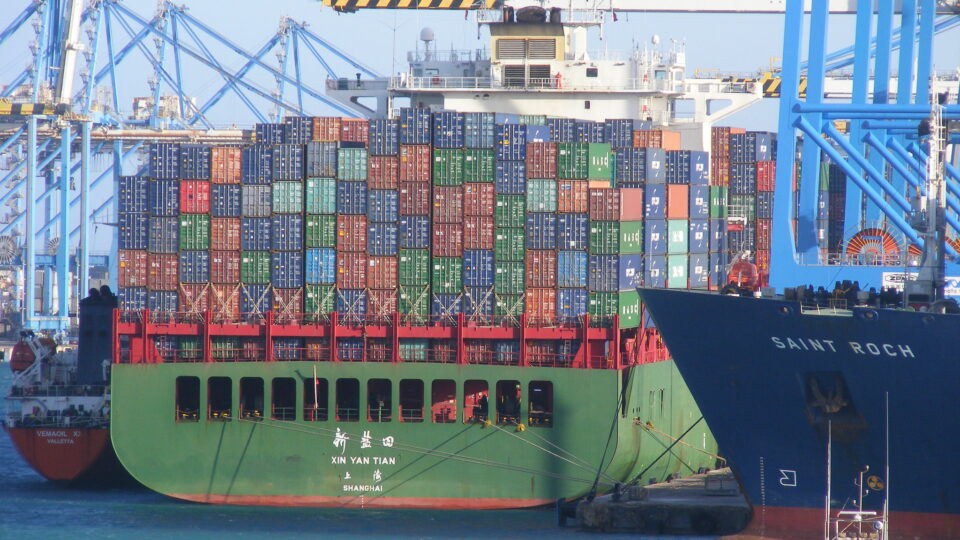
International shipping is a large and growing source of greenhouse gas emissions.  Maritime transport produces about a billion tons of CO2 annually, accounting for about 2.5% of global greenhouse gas emissions.  The environmental impact of shipping includes air pollution, water pollution, and even acoustic pollution.  In many coastal areas, ships are responsible for more than 18% of some air pollutants.  Overall, there are more than 100,000 transport ships at sea, of which about 6,000 are large container ships.

In recent years, the shipping sector has had both internal willingness and external pressure to reduce emissions, but shipping is a tough, competitive business and it isn’t easy to stay competitive and help protect the environment.

A recent study at Abo Akademi University in Finland has found that improved ship utilization rates and investments in environmentally sustainable technologies for enhanced energy efficiency would significantly reduce carbon dioxide emissions.  Of equal importance, those same measures would contribute to lowering of freight costs.

If the same cargo volume can be shipped using less fuel, shipping companies will gain major savings in terms of fuel costs.  Digitalization can provide valuable benefits.  For example, new digital planning and booking systems would enable smarter use of routes while also diminishing traffic with half-empty vessels or even ones with no cargo aboard.  Reducing such underutilization would improve the capacity utilization rate and eliminate emissions caused by so-called ballast traffic.

Global shipping continues to grow.  It is essential that it becomes smarter and more efficient to protect the environment and improve its economics.

**********

Web Links

Environmentally friendly shipping helps to reduce freight costs

Photo, posted February 18, 2016, courtesy of Flickr.

Earth Wise is a production of WAMC Northeast Public Radio.
Storing CO2 Underground | Earth Wise

February 19, 2020 By EarthWise Leave a Comment

carbon dioxide and storage

Capturing the carbon dioxide emitted from power plants and factories and safely storing it so it can’t enter the atmosphere has long been an attractive and desirable goal.  Even though the use of renewable energy sources has been expanding rapidly, it will still be a long time before fossil fuel plants go away entirely.

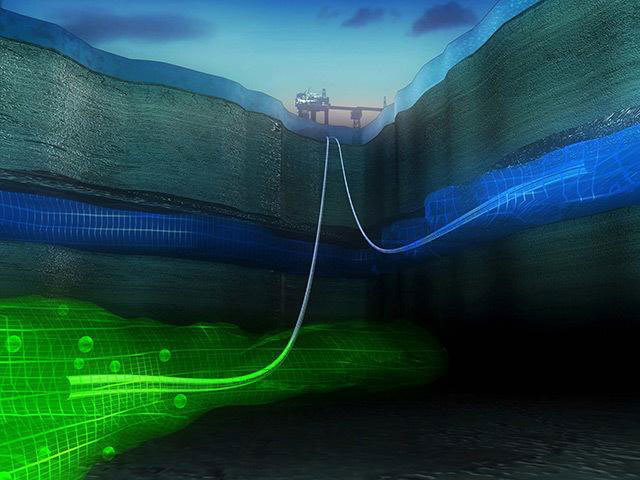
The most widely considered method of carbon capture and storage is underground storage.  The idea is to send the carbon dioxide through a pipeline to a place where underground rock formations can store it safely and permanently.  Typically, it would be pumped deep underground – often more than half a mile down – and the site would be monitored to make sure the CO2 doesn’t leak back up to the atmosphere or into the water table.

A new study looked at how much carbon dioxide the suitable geological formations on Earth can store.  The conclusion of the study is that drilling about 12,000 carbon storage wells globally could provide enough capacity to store 6 to 7 billion tons of CO2 a year by 2050.  That is about 13% of global emissions.

Drilling 12,000 wells is equivalent to the amount of oil and gas drilling that has taken place just in the Gulf of Mexico over the last 70 years.  The study identified locations worldwide that could handle the pressures associated with storing injected carbon dioxide.

So far, less than two dozen projects exist that capture and store carbon dioxide from fossil fuel plants.  In total, these plants can capture about 36 million tons a year, which is far less than what is needed.  But the new study at least shows that finding places to put captured carbon is not a problem.

**********

Web Links

Ample Geological Capacity Exists to Store Large Quantities of Captured CO2

Photo courtesy of Equinor.

Earth Wise is a production of WAMC Northeast Public Radio.
Lots Of Wind Power In Denmark | Earth Wise

February 11, 2020 By EarthWise Leave a Comment

renewable energy milestone

Many states and countries have established goals to generate at least half of their electricity from renewable sources by some future date, typically 2030.  A number of countries have already been able to achieve 50% or greater renewable generation for brief periods measured in days.  Australia did it this past November.  Germany has seen it on occasion as well.

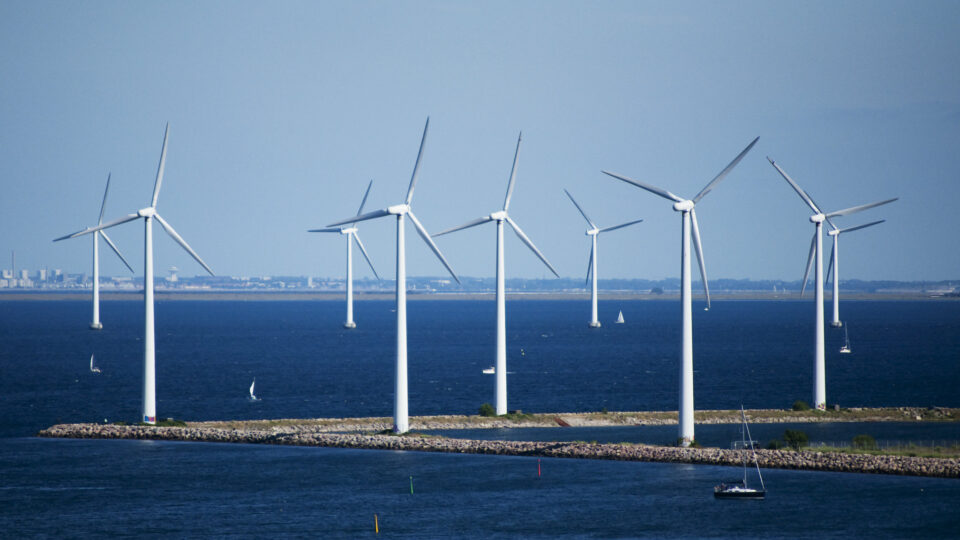
Denmark has managed to complete an entire year with half of its energy coming from renewable generation.  Almost all of it – 47% of the country’s power – came from wind turbines.

Denmark has been generating much of its energy from wind power for quite a while and actually produced about 46% of its electricity from renewable sources in 2017.  Denmark was a pioneer in developing commercial wind power during the 1970s, is a major manufacturer of wind turbines, and the small country has installed over 6,000 of them.  The gains this past year mostly came from the Horns Rev 3 offshore wind farm that went online in the fall.  The 407 MW wind farm has the capacity to cover the annual electricity consumption of about 425,000 households, which is about 20% of the country.

The growth of wind power in Denmark is still ramping up.  A 600 MW wind farm in the Baltic Sea will be connected to the Danish and German electricity grid by 2021, and a wind farm of at least 800 MW capacity in the North Sea is scheduled to come online in 2025.

The Danish Parliament has passed an ambitious climate law with the goal of reducing CO2 emissions by 70% in 2030 compared with 1990.  The country’s overall goal of being carbon-neutral by 2050 does not seem like a pipe dream.

**********

Web Links

Denmark Passes Magic 50% In Renewable Electricity Generation Milestone

Photo, posted July 12, 2009, courtesy of Flickr.

Earth Wise is a production of WAMC Northeast Public Radio.
The Problem Of Gas Flaring | Earth Wise

January 9, 2020 By EarthWise Leave a Comment

Gas flaring

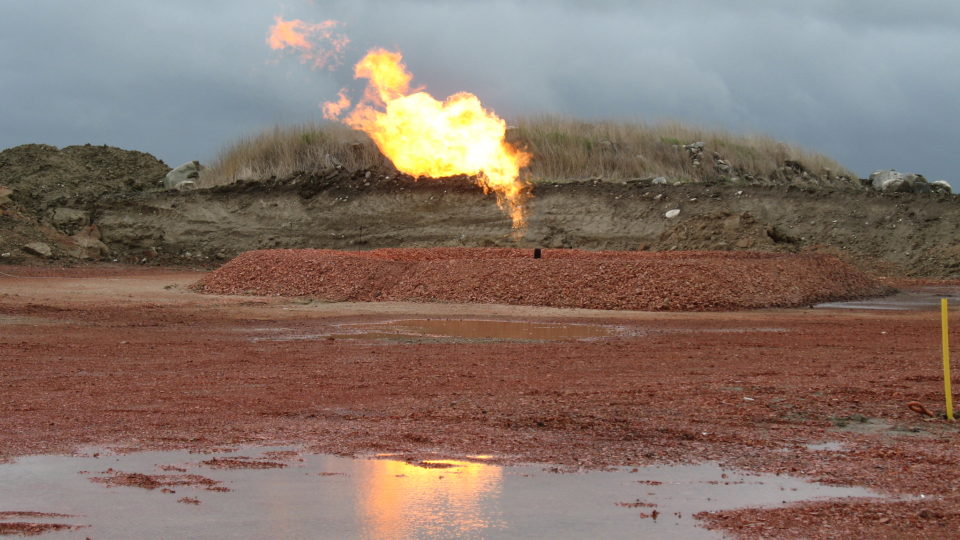
Gas flaring is the burning off of flammable gas released by pressure relief values during over-pressuring of plant equipment at petroleum refineries, chemical plants, natural gas processing plants, and a variety of oil and gas production plants.  Flaring is also used during plant startups and shutdowns.

A new study by Rice University concludes that reducing gas flaring would benefit both the environment and the economy. Flaring and venting of gas in West Texas’s Permian Basin and certain other parts of the U.S. have reached levels that the intended result of burning gas to allow oil extraction now looks more like wasting one resource to produce another.

At current rates, enough gas is flared in the Permian Basin to yield nearly 5 million metric tons of exportable liquid natural gas if it was captured and liquified.  At these rates, the wasted gas could fill the largest sized LNG carrier every ten days.  If that liquified natural gas was exported to China and used in a power plant, it would displace 440,000 metric tons of coal burned to generate electricity.

Burning natural gas to heat homes, power industrial processes, or generate electricity all emit carbon dioxide, but at least these things also perform valuable functions. Flaring gas produces CO2 as well as other combustion products but doesn’t even do anything useful.  The venting of unburned gas, which also takes place with some frequency, is even worse since it is dumping methane directly into the atmosphere.

Across the U.S., some 14.1 billion cubic meters of natural gas was flared in 2018, equivalent to nearly 9 million metric tons per year of LNG.  In energy terms, that is equivalent to more than one-third of the total LNG volume U.S. firms actually exported that year.

**********

Web Links

Reducing gas flaring will benefit economy and environment, says Baker Institute expert

Photo courtesy of Flickr.

Earth Wise is a production of WAMC Northeast Public Radio.
Another Greenhouse Gas Record

January 7, 2020 By EarthWise Leave a Comment

Greenhouse gas

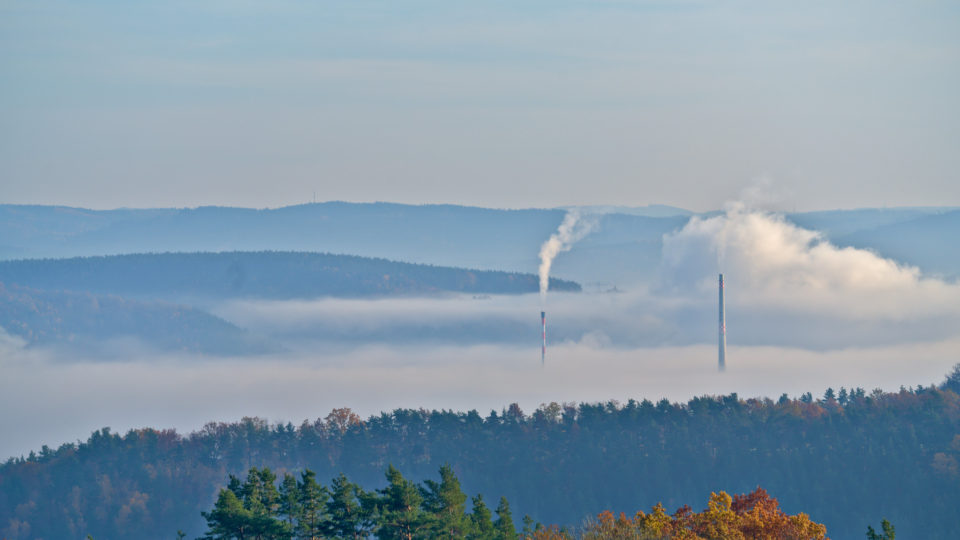
According to the World Meteorological Organization, levels of heat-trapping greenhouse gases in the atmosphere have reached yet another new record high.  Globally averaged concentrations of carbon dioxide reached 407.8 parts per million in 2018, up from 405.5 parts per million in 2017.

The increase year-over-year was similar to that from 2016 to 2017, and remains a little over the average for the last decade.  Global CO2 levels crossed the 400 parts per million threshold in 2015.

Concentrations of methane and nitrous oxide also increased by higher amounts than the average for the past decade, based on observations from the Global Atmosphere Watch network with stations all over the globe.

Since 1990, there has been a 43% increase in total radiative forcing – which is the warming effect on the climate from long-lived greenhouse gases. Carbon dioxide accounts for about 80% of this.  The report notes that the last time the Earth experienced this high a level of CO2 was 3 to 5 million years ago. At that time, global temperatures were 2 to 3 Celsius degrees higher and sea levels were 30 to 60 feet higher than now.

The report includes data on the isotopic analysis of the CO2 in the atmosphere.  CO2 produced by fossil fuel combustion comes from plant material from millions of years ago and does not contain radiocarbon, that is, carbon-14.  CO2 from natural sources contains radiocarbon produced by cosmic rays.  The increasing CO2 levels in the atmosphere contain decreasing levels of radiocarbon, indicating that the overall increase is largely due to human activities.

Overall, global efforts to date to reduce emissions have not been very successful, and this is borne out by the growing levels of carbon dioxide in the atmosphere.

**********

Web Links

Greenhouse gas concentrations in atmosphere reach yet another high

Photo courtesy of Flickr.

Earth Wise is a production of WAMC Northeast Public Radio.

Turning CO2 Into Rock

January 6, 2020 By EarthWise Leave a Comment

CO2 rock reduce carbon emissions

As the world continues to struggle to find ways to reduce carbon emissions, there is increasing attention being paid to so-called negative emission technologies (NET), which remove and permanently sequester carbon dioxide from the atmosphere.

The University of Victoria in British Columbia has brought together an international team of experts to explore the possibilities of permanently and safely sequestering CO2 as rock beneath the ocean floor.  The Solid Carbon Project seeks to extract carbon dioxide directly from the air and then, using deep-ocean technology powered by offshore solar and wind energy, inject it into sub-seafloor basalt, where it would mineralize into solid carbonate rock.

When CO2 is injected into porous basalt, a type of volcanic rock, it reacts relatively quickly with minerals to form solid carbonate, thereby permanently removing it from the atmosphere.  Because 90% of the planet’s basalt is located beneath the ocean floor, the deep ocean is the place to do this kind of carbon sequestration.

The team includes experts in ocean science, carbon mineralization, renewable energy, engineering design, and oil-and-gas drilling/injection operations. Other experts are focusing on the social and legal implications of the NET technology.

Over the next four years, the Solid Carbon Project will assess the integration of multiple existing technologies that will be needed to successfully develop this kind of carbon storage.  One of these is the direct air capture technology itself, which will need to be adapted to a renewable energy-powered offshore platform.  The best outcome technologies explored by the project will be selected for a real-world demonstration at Ocean Networks Canada’s observatory site, 9,000 feet underwater in the Cascadia Basin, off the coast of British Columbia.

**********

Web Links

A rock-solid solution for CO2

Photo courtesy of the University of Victoria.

Earth Wise is a production of WAMC Northeast Public Radio.
Carbon Capture As Big Business

December 26, 2019 By EarthWise Leave a Comment

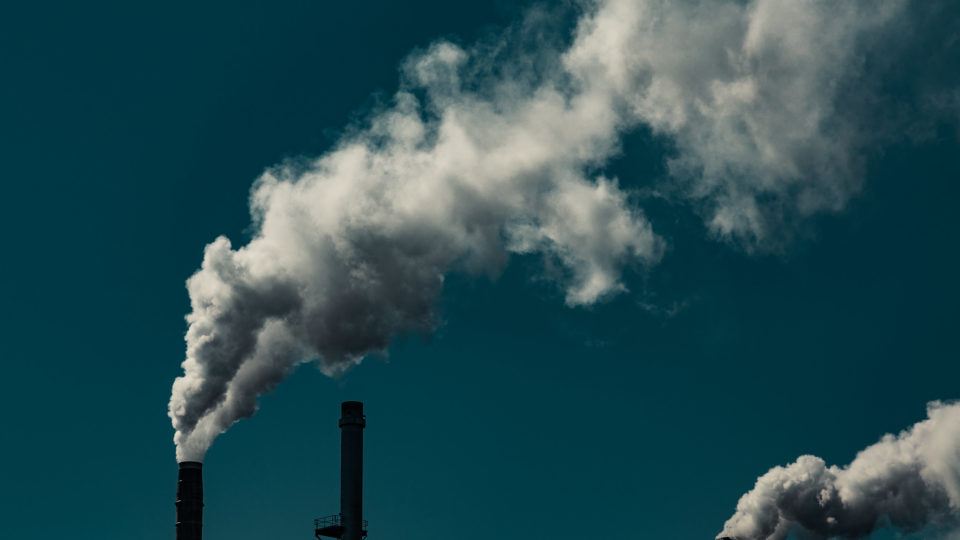
Removing greenhouse gasses from the atmosphere is an essential part of the overall effort to achieve zero net carbon emissions and stabilize the climate.  Since we have not been able to reduce emissions fast enough to do the job, it is important to find ways to pull carbon dioxide out of the atmosphere.

There are many ways to do it, but they tend to be rather expensive and, so far, the need to mitigate climate change does not seem to provide sufficient incentive. A new study by researchers at UCLA, the University of Oxford, and five other institutions, analyzed the possibility of creating a large global industry based on capturing carbon dioxide and turning it into commercial products.

The study investigated the potential future scale and cost of 10 different ways to use carbon dioxide, including in fuels and chemicals, plastics, building materials, soil management, and forestry.  The study looked at processes using carbon dioxide captured from waste products that are produced by burning fossil fuels as well as by simply capturing it directly from the atmosphere.  The study also looked at processes that use carbon dioxide captured biologically by photosynthesis.

The conclusions of the study were that on average each of the ten utilization pathways could use about half a billion tons of carbon dioxide that would otherwise escape into the atmosphere.  Thus, theoretically, these various pathways could take more than five billion tons of CO2 out of the atmosphere.   Currently, fossil fuel combustion emits about 40 billion tons of carbon dioxide.

The authors of the study stress that there is no silver bullet in the fight against climate change.  It will require multiple approaches – including CO2 removal for industrial use – to make real progress

**********

Web Links

Carbon dioxide capture and use could become big business

Photo, posted September 18, 2015, courtesy of Tony Webster via Flickr.

Earth Wise is a production of WAMC Northeast Public Radio.

A New Way To Remove CO2 From The Air

December 13, 2019 By EarthWise Leave a Comment

Researchers at MIT have developed a new way of removing carbon dioxide from a stream of air that could be a powerful tool in the battle against climate change.  The new system can pull carbon dioxide out of almost any concentration level of the gas, even including the roughly 400 parts per million level currently found in the atmosphere.

The technique is described in a new paper in the journal Energy and Environmental Science and is based on passing air through a stack of electrochemical plates. The device is essentially a large battery that absorbs carbon dioxide from the air passing over its electrodes as it is being charged up, and then releases the gas as it is being discharged.

To use it, the device would simply alternate between charging and discharging.  Fresh air or some other feed gas would be blown through the system during the charging cycle and then pure, concentrated carbon dioxide would be blown out during discharging.

The specialized battery uses electrodes coated with a compound called polyanthraquinone, which is composited with carbon nanotubes.  These unique electrodes have a binary affinity to carbon dioxide, which means that they either strongly want to capture carbon dioxide or not at all, depending upon whether the device is charging or discharging.

Carbon dioxide is important in many industries such as soft drinks and greenhouse agriculture.  With this device, the stuff could literally be pulled out of the air.  And, of course, in power plants where exhaust gas is dumped into the air, these novel electrochemical cells could be used to prevent the emission of CO2 into the atmosphere.  At the right price, this could be a game changer.

**********

Web Links

MIT engineers develop a new way to remove carbon dioxide from air

Photo, posted August 9, 2007, courtesy of William Clifford via Flickr.

Earth Wise is a production of WAMC Northeast Public Radio.
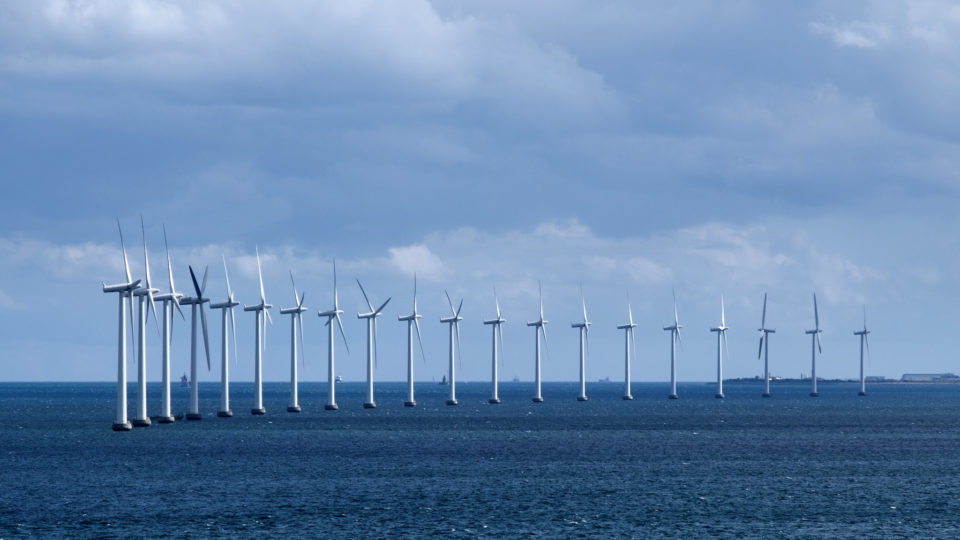
The Potential For Offshore Wind

December 10, 2019 By EarthWise Leave a Comment

According to a new report from the International Energy Agency, offshore wind technology has vast potential for meeting our energy needs.  In total, offshore wind has the potential to generate more than 420,000 terawatt-hours of electricity each year, which is more than 18 times the global electricity demand that exists today.

Based on current policy targets and plummeting technology costs, offshore wind could increase 15-fold by 2040, becoming a $1 trillion industry and eliminating 5 to 7 billion tons of carbon dioxide emissions annually.

Offshore wind today generates just 0.3% of the world’s electricity, but its’ use is growing rapidly.  The industry has grown nearly 30% a year since 2010, and 150 new offshore projects are currently in development around the world.  The leading countries are in Europe – especially in the UK, Germany, and Denmark – but China is greatly expanding its offshore capacity and the US, India, Korea, Japan, and Canada are also expected to make large investments in offshore wind going forward.

Offshore wind is in a category of its own because it is considered a variable baseload power generation technology.  This is because the hourly variability of offshore wind is much lower than solar power or onshore wind.  Offshore wind typically fluctuates far less from hour-to-hour than the other variable energy sources.

Technology improvements and industry growth are driving steep cost reductions for offshore wind.  The cost of offshore wind is expected to be cut in half in the next five years, dropping to $60 per megawatt-hour, which is on par with solar and onshore wind and cheaper than new natural gas-fired capacity in Europe.

**********

Web Links

Offshore Wind Has the Potential to Fulfill Global Electricity Demand 18 Times Over

Photo, posted August 9, 2016, courtesy of Lars Plougmann via Flickr.

Earth Wise is a production of WAMC Northeast Public Radio.

  • « Go to Previous Page
  • Page 1
  • Interim pages omitted …
  • Page 6
  • Page 7
  • Page 8
  • Page 9
  • Page 10
  • Interim pages omitted …
  • Page 14
  • Go to Next Page »

Primary Sidebar

Recent Episodes

  • An uninsurable future
  • Clean energy and jobs
  • Insect declines in remote regions
  • Fossil fuel producing nations ignoring climate goals
  • Trouble for clownfishes

WAMC Northeast Public Radio

WAMC/Northeast Public Radio is a regional public radio network serving parts of seven northeastern states (more...)

Copyright © 2026 ·