
• Skip to primary navigation
  • Skip to main content
  • Skip to primary sidebar

Earth Wise

A look at our changing environment.

  • Home
  • About Earth Wise
  • Where to Listen
  • All Articles
  • Show Search
Hide Search
You are here: Home / Archives for Earth Wise

Earth Wise

Emissions-Free Cement

October 29, 2019 By EarthWise Leave a Comment

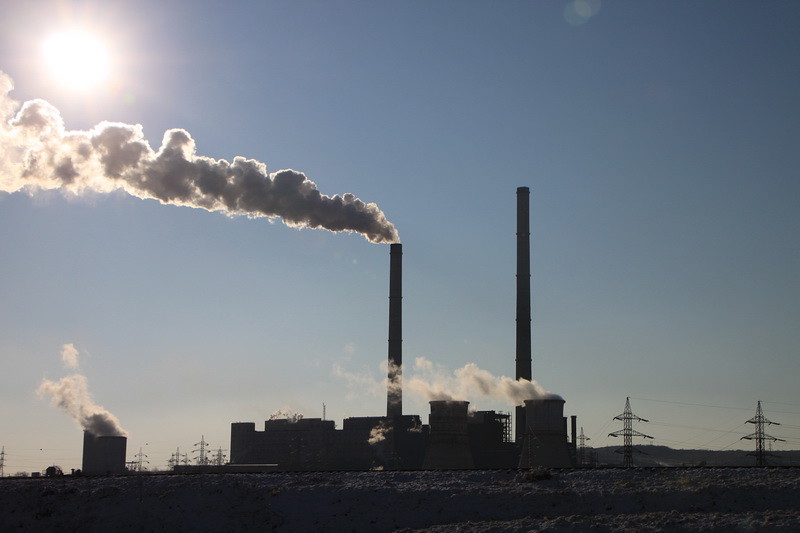
The production of cement – which is the world’s leading construction material – is a major source of greenhouse gas emissions, accounting for about 8% of global man-made emissions. 

Cement production produces carbon dioxide in two ways:  from a key chemical process and from burning fuel to produce the cement.  The process of making “clinker” – the key constituent of cement – emits the largest amount of CO2.  Raw materials, mainly limestone and clay – are fed into huge kilns and heated to over 2,500 degrees Fahrenheit, requiring lots of fossil fuel.  This calcination process splits the material into calcium oxide and CO2.  The so-called clinker is then mixed with gypsum and limestone to produce cement.

A team of researchers at MIT has come up with a new way of manufacturing cement that greatly reduces the carbon emissions.  The new process makes use of an electrolyzer, where a battery is hooked up to two electrodes in water producing oxygen at one electrode and hydrogen at the other.  The oxygen-evolving electrode produces acid and the hydrogen-evolving electrode produces a base.  In the new process, pulverized limestone is dissolved in the acid at one electrode and calcium hydroxide precipitates out as a solid at the other.

High-purity carbon dioxide is released at the acid electrode, but it can be easily captured for further use such as the production of liquid fuels or even in carbonated beverages and dry ice.  The new approach could eliminate the use of fossil fuels in the heating process, substituting electricity generated from renewable sources. 

The process looks to be scalable and represents a possible approach to greatly reducing one of the perhaps lesser known but nevertheless very significant sources of greenhouse gas emissions.

**********

Web Links

New approach suggests path to emissions-free cement

Photo, posted March 26, 2014, courtesy of Michael Coghlan via Flickr.

Earth Wise is a production of WAMC Northeast Public Radio.
Which Cities To Save From The Changing Climate

October 28, 2019 By EarthWise Leave a Comment

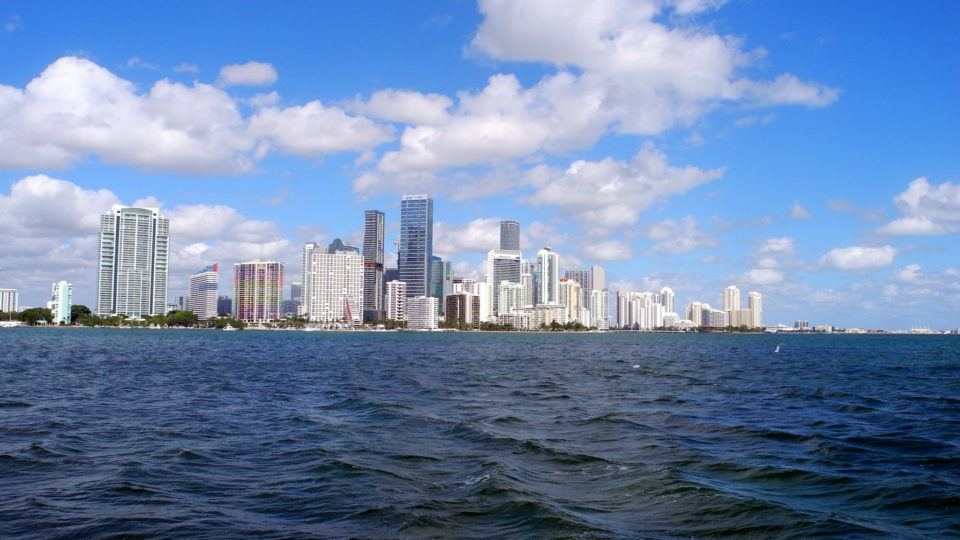
After several years of brutal flooding and hurricanes in the U.S., a distressing debate is emerging:  if there is not enough money available to protect every coastal community from the effects of global warming, how do we decide which ones to save first.

Recent research looked at the costs involved in providing basic storm-surge protection in the form of sea walls for all coastal cities with more than 25,000 residents.  That number was $42 billion.  Expanding the list to include communities smaller than 25,000 people would increase that cost to more than $400 billion.   Realistically, that is just not going to happen.

This particular study only looked at sea walls and no other methods for minimizing flood risk, such as moving homes and businesses away from the most flood-prone areas.   It also didn’t look at additional and costlier actions that will be required even with sea walls, such as revamping sewers, storm water, and drinking water infrastructure.

The facts are that many cities, especially small ones, will not be able to meet the costs facing them.  Those that can’t will depend on federal funding.  But even optimistically large proposals for federal infrastructure spending are likely to fall far short of the vast need.  Ultimately, the money will end up being spent where it can do the most good – even if it means that some places are left out.

But what criteria will be used to direct the money?  Economic value?  Historic significance?  Population?  Political influence?

This is a looming and massive issue whose chief obstacle may be that many officials refuse to acknowledge that it is happening.  This is the next wave of climate denial – denying the costs that we are all facing.

**********

Web Links

With More Storms and Rising Seas, Which U.S. Cities Should Be Saved First?

Photo, posted October 31, 2018, courtesy of Patrick Kinney via Flickr.

Earth Wise is a production of WAMC Northeast Public Radio.
Breaking Down Forever Chemicals

October 25, 2019 By EarthWise Leave a Comment

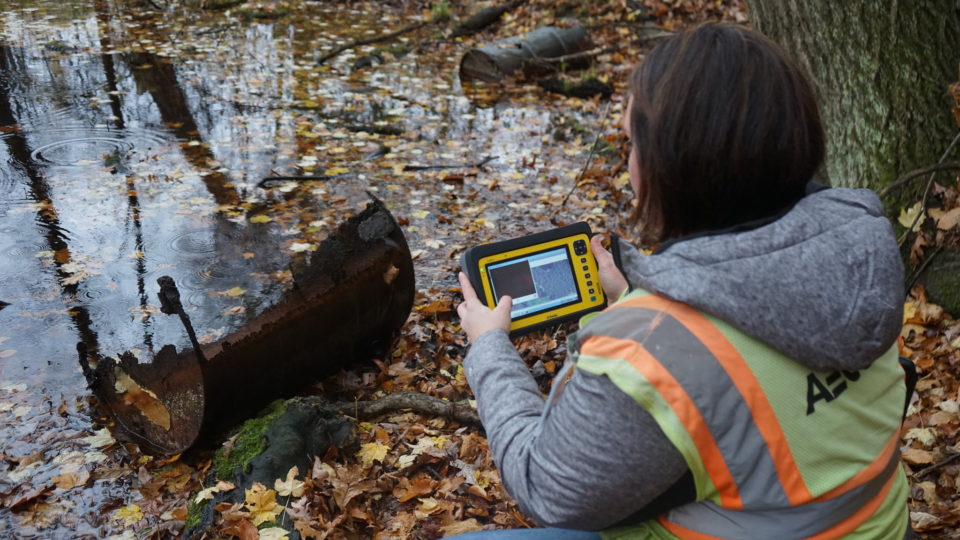
One of the toughest classes of pollutants are per- and polyfluoralkyl substances, or PFAS, as they are known.  PFAS are often called “forever chemicals” because they are extremely long-lasting and difficult to clean up.  They are found in household products including non-stick pans, dental floss, water-repellent fabrics, and many others.  They can be found extensively in U.S. waterways and soil.

PFAS move through the food chain, accumulating in humans at levels that scientists say can cause adverse health effects.  While these have not been definitively proven, there is evidence that higher cholesterol levels, cancer, thyroid disruption, and low infant birth rates are all associated with PFAS ingestion.

PFAS are difficult to get rid of because their carbon-fluorine covalent bonds are some of the strongest in organic chemistry.  Researchers at Princeton University have been studying a process known as Feammox in which ammonium breaks down in acidic, iron-rich soils in New Jersey wetlands and similar locations.  They found that this reaction takes place when a bacterium called Acidimicrobium A6 is present.

Using gene-sequencing techniques, they found that the microbe has characteristics that could help break down carbon-fluorine bonds, and therefore break down PFAS.  In tests using microbe-loaded soil samples, they found that the bacterium removed 60% of PFAS pollutants within 60 days.

The research has been published in the journal Environmental Science and Technology and the team is now testing the bacterium’s effectiveness over different time-spans in lab conditions before testing it in the field.

**********

Web Links

New Jersey Soil Microbe Shown to Break Down ‘Forever Chemicals’

Photo, posted November 9, 2017, courtesy of the Department of Environmental Quality via Flickr.

Earth Wise is a production of WAMC Northeast Public Radio.
A Powerful Case For Protecting Whales

October 24, 2019 By EarthWise Leave a Comment

Efforts to mitigate climate change typically face two major challenges.  One is to find effective ways to reduce the amount of atmospheric carbon dioxide.  The other is how to raise enough money to implement climate mitigation strategies. 

Many proposed solutions to climate change, like carbon capture and storage, are complex, expensive, and in some cases, untested.  What if there was a low-tech solution that was effective and economical?

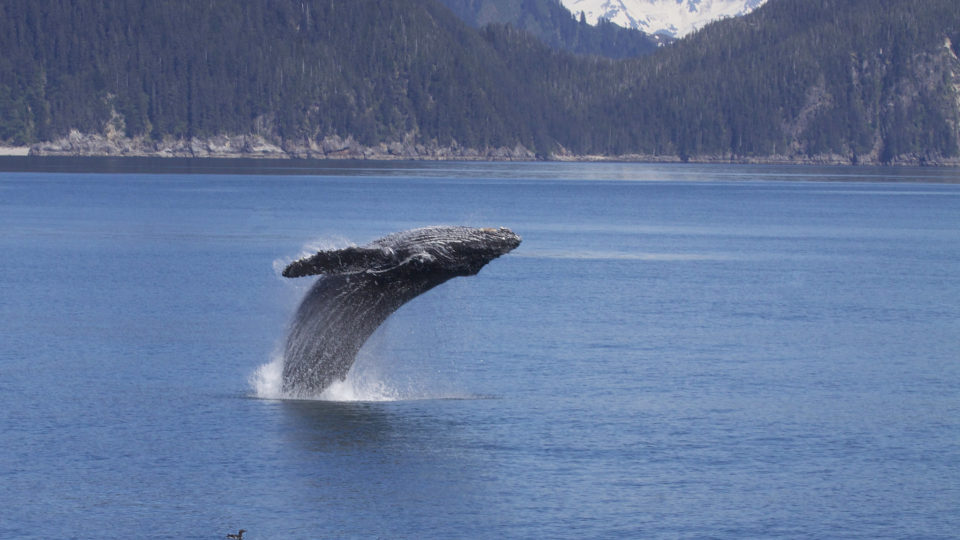
Well, it turns out there is one, and it comes from a surprisingly simple, “no-tech” strategy to capture CO2: increase global whale populations. 

According to a recent analysis by economists with the International Monetary Fund, whales help fight climate change by sequestering CO2 in the ocean. 

Whales sequester carbon in a few ways.  They hoard it in their fat and protein-rich bodies, stockpiling tons of carbon apiece.  When whales die, they turn into literal carbon sinks on the ocean floor.  While alive, whales dive to feed on tiny marine organisms like krill and plankton before surfacing to breathe and excrete. Those latter activities release an enormous plume of nutrients, including nitrogen, iron, and phosphorous, into the water.  These so-called “poo-namis” stimulate the growth of phytoplankton, microscopic marine algae that pull CO2 out of the air and return oxygen to the air via photosynthesis.  Phytoplankton are responsible for every other breath we take, contributing at least 50% of all oxygen to the atmosphere and capturing approximately 40% of all CO2 produced. 

With other economic benefits like ecotourism factored in, economists estimate that each whale is worth $2 million over its lifetime, making the entire global population possibly a one trillion dollar asset to humanity.

*********

Web Links

How much is a whale worth?

Photo, posted June 12, 2013, courtesy of Gregory Smith via Flickr.

XXXXXXXXXXXXXXXXXX

Compressed Air Energy Storage

October 23, 2019 By EarthWise Leave a Comment

The increasing use of solar and wind power has created a growing need for technology to store up the energy they generate for use when it is most needed.

Historically, pumped hydropower has provided the largest amount of storage capacity, but it is limited to only certain geographic locations.   Battery energy storage has been growing rapidly, with the technology becoming better and cheaper over time.  But there are various other ways to store energy that have potential and may well find their place in the changing energy infrastructure.

One of these is compressed air energy storage, which has been around for more than a century.  It has been used as a backup method for restarting power plants.  But to date, the economic viability of using it at a large scale has been lacking.

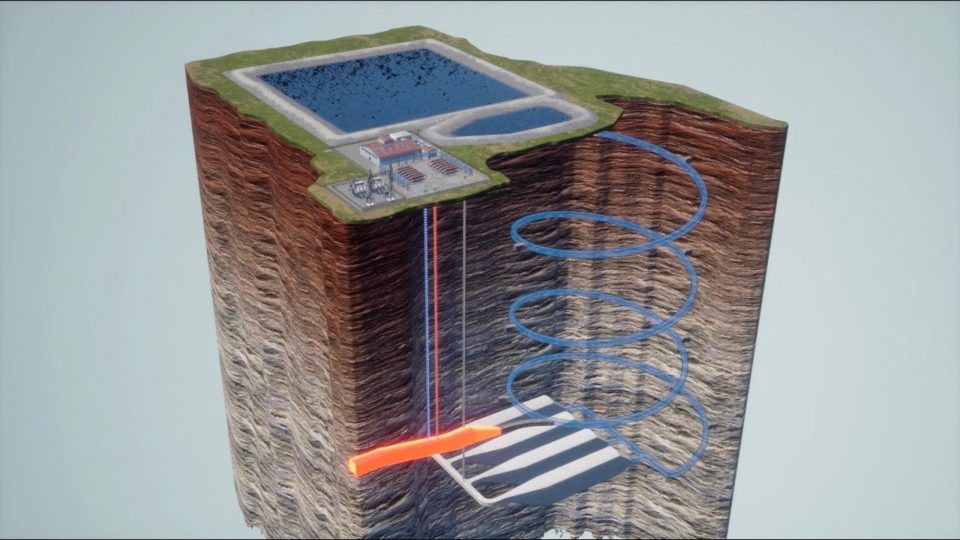
A Canadian startup company called Hydrostor is developing compressed air energy storage technology that it believes can be used on a utility scale.

The way it works is excess renewable energy is used to run compressors that compress air.  Compressing the air heats it up and the heat is captured and stored in insulated hot water tanks.  The compressed gas is then injected into underground caverns.  When energy is needed, the compressed air is released, the stored heat is added, and the warmed gas is run through turbines to generate electricity.  Additional features improve the system’s efficiency.

Hydrostore has built a 1 MW pilot project in Ontario, Canada and is now commissioning a 2MW system as well.  It is funded to build a 5 MW system in Australia next year and it is bidding for 300 MW and 500 MW systems in North America.  The company has received equity funding from Baker Hughes, a large oil-and-gas services and equipment company.

**********

Web Links

Storing energy in compressed air could finally become cheap enough for the big time

Photo courtesy of Hydrostor.

Earth Wise is a production of WAMC Northeast Public Radio.
A New Kind Of Coral Nursery

October 22, 2019 By EarthWise Leave a Comment

Coral reefs around the world are struggling from warming waters and increasing ocean acidification driven by excess carbon dioxide.  Many of the world’s greatest reefs – such as Australia’s Great Barrier Reef – have seen steep declines over the past decade.

But apart from the global environmental threat, reefs also are often damaged by various marine accidents such as ships grounding on them.   Such events can severely damage a reef and scatter countless small coral fragments onto the seafloor.  These small pieces of coral are not actually dead; they can continue on with their lives if they are relocated to a suitable environment such as a coral nursery.

Coral nurseries are generally small installations that allow coral fragments – typically pieces about 4 inches in length – to recover from their reef breaking up and to grow until they are large enough for conservation managers to replant them into reefs that need them.  This strategy works well in places where corals grow relatively quickly – such as Florida and the Caribbean – but not as well in places where coral grows more slowly, such as Hawaii.

Recently, coral experts at the National Oceanic and Atmospheric Administration working with mechanical engineering students at the University of Hawaii have developed a new type of coral nursery that can save fully formed coral colonies as opposed to small coral fragments.

The nurseries are large, carefully designed structures that can be loaded up with corals that have become detached from their reefs.  Some of these new structures were installed in the waters of Oahu in the summer of 2018 and were populated with corals.  The relocated corals, which would have otherwise died, are now recovering nicely in their new coral daycare centers and will soon be replanted back into the reef.

**********

Web Links

NOAA Develops A New Type of Coral Nursery

Photo, posted July 29, 2010, courtesy of Kyle Taylor via Flickr.

Earth Wise is a production of WAMC Northeast Public Radio.
Eco-Friendly Agriculture

October 21, 2019 By EarthWise Leave a Comment

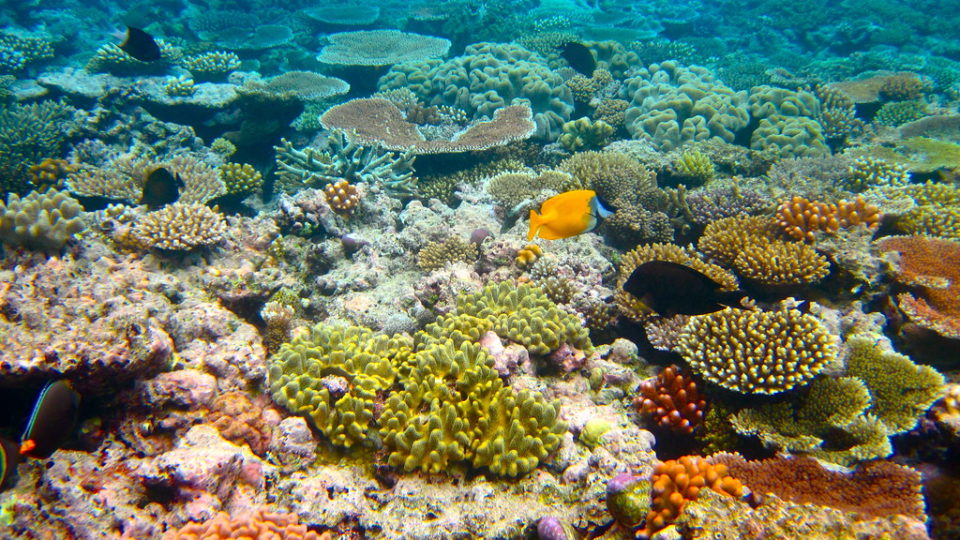
Modern agriculture has steadily destroyed native grasslands, among other ecosystems.  In fact, farming is one of the most ecologically destructive things that humans do.  But we do have to eat.  In response, there is a growing movement for agrarian reform, from grain farming on the prairie, to agroforestry, to raising livestock more sustainably.  Efforts are accelerating to develop a kinder, gentler agriculture adapted to a changing world.

One such effort has come from the Land Institute, an organization in Kansas that works on natural systems agriculture, which seeks to retain the ecological stability of the prairie with its perennial seed plants along with a grain and seed yield comparable to that from annual crops.

After four decades of effort, the institute has introduced its first commercial grain, a trademarked variety called Kernza.  Kernza is a domesticated perennial wild grass – a so-called intermediate wheatgrass – that has a long, slender head that resembles wheat seeds.  People describe its taste as sweet and nutty.   Kernza is already being made into a cereal called Honey Toasted Kernza by Cascadian Farms.  Patagonia Provisions – a spin-off from the clothing company – is making beer from the new grain.

Although Kernza is already being grown and sold commercially, it is not yet ready for prime time.  Last year, there were only about 1,000 acres in cultivation and the yield is only a third to a tenth of the yield of wheat. 

Developing a sustainable perennial polyculture of edible plants would have major benefits such as not having to plow every year, plants developing large root systems that can reach water far beneath the surface and, without annual plowing, having soil carbon remain in the ground.

**********

Web Links

With New Perennial Grain, a Step Forward for Eco-Friendly Agriculture

Photo courtesy of Cascadian Farms/General Mills.

Earth Wise is a production of WAMC Northeast Public Radio.

Monster Tumbleweeds

October 18, 2019 By EarthWise Leave a Comment

Tumbleweeds have long been seen as symbols of America’s old west.  Tumbleweeds are a structural part of the above-ground anatomy of a number of species of plants known as diaspores.  Diaspores are essentially seed dispersal units.  In a few seed plants, they comprise most or all of the plant.  Once they are mature and dry, they detach from the roots and roll around due to the force of the wind.

There is a new species of gigantic tumbleweed – the Salsola ryanii – that is expanding its territory in the American west.  It is the result of a relatively unusual genetic process known as polyploidy, which produces offspring with multiple sets of chromosomes.  Researchers believe that that the new hybrid species of tumbleweed is healthier than earlier versions.  As a result, one geneticist described Salsola ryanii as a nasty species replacing other nasty species of tumbleweed in the US.

These tumbleweeds can grow up to 6 feet tall.  Tumbleweeds in general are invasive plants that cause traffic accidents, damage agricultural operations, and cause millions of dollars in property damage.  Last year, the town of Victorville in the California desert was buried in them, piling up to the second story of some houses.

Salsola ryanii has a relatively small range, but it is expanding rapidly.  The new study determined that it is more vigorous than its predecessors, which are invasive in 48 states.  The plant is an annual but tends to grow on the later side of winter.  It is one of the only things that is still green in late summer.  With summer rains increasing as the climate changes, these monster tumbleweeds are poised to wreak havoc.   The experts are warning that there should be efforts to suppress them before they take over.

**********

Web Links

Monster tumbleweed: Invasive new species is here to stay

Photo, posted February 27, 2018, courtesy of Tracie Hall via Flickr.

Earth Wise is a production of WAMC Northeast Public Radio.

Other Ways To Cut Vehicle Emissions

October 17, 2019 By EarthWise Leave a Comment

It is pretty clear that the way to drastically reduce vehicle greenhouse gas emissions is to switch as many vehicles as possible to electric power.  As a result, more and more localities are putting in place policies that encourage electrification.

While there is no doubt that electrification is the long-term solution to vehicle emissions, a recent study by MIT and the Ford Motor Company found that, in the short term, there are some places in the US where electric cars are not the best way to reduce emissions.

The study looked at a variety of factors that affect the relative performance of vehicles.  These include the role of low temperatures in reducing battery performance, regional differences in the average number of miles driven annually, and significant differences in the way electricity is generated in different parts of the US.

The results showed that electric vehicles definitely provide the greatest impact in reducing greenhouse gas emissions for most of the country – and particularly on both coasts and in the south – but that there are some places in the upper Midwest where the greatest reduction would be achieved by the use of lightweight gasoline-powered vehicles.

In places like parts of Wisconsin and Michigan, it is mostly rural, there are cold winters, and electricity is predominantly generated by coal-powered plants.  In these places, if gas-powered lightweight cars were to be used, the overall benefit would be greater than that of electric cars.  Unfortunately, there are no high-volume lightweight gasoline-powered mid-sized cars on the market in the US.  Ironically, the only cars of that class using lightweight aluminum construction are Teslas.

While electric cars are truly the long-term solution, the study does demonstrate the benefits of reducing the weight of vehicles.

**********

Web Links

What’s the best way to cut vehicle greenhouse-gas emissions?

Photo, posted February 9, 2018, courtesy of Dave Field via Flickr.

Earth Wise is a production of WAMC Northeast Public Radio.

Birds Are Disappearing

October 16, 2019 By EarthWise 1 Comment

A new analysis, published in the journal Science, reports that the number of birds in the United States and Canada has fallen by 29% since 1970.  There are 2.9 billion fewer birds in the two countries now than there were 50 years ago.

The analysis is the most comprehensive attempt to date to look at the status of avian populations.  The results were a shock to researchers and conservation organizations.

It is well-known that some bird species have become vulnerable to extinction, but the new study, which surveyed more than 500 species, uncovered steep losses even among such traditionally abundant birds as robins and sparrows.

There appear to be multiple causes for the steep declines.  The largest ones are likely habitat loss and the wider use of pesticides.  Rachel Carson’s 1962 book Silent Spring warned of the dangers of pesticides and took its title from a world that has lost its birds.

The survey includes 76% of all bird species in the US and Canada, but actually represents almost the entire population of birds.  Grassland species have suffered the biggest declines by far, as a result of modern agriculture and development.  Pesticides, such as neonicotinoids, make it harder for birds to put on weight needed for migration, delaying their travel.

There are a few bright spots:  bald eagles are thriving, and falcon and waterfowl populations are on the upswing.  These are species that have been the subject of conservation measures in recent decades.

Stopping the bird decline will require a great deal of effort to defend habitats, restrict chemicals, and redesign buildings.  Without that effort, birds will continue to disappear.

**********

Web Links

Birds Are Vanishing From North America

Photo, posted April 1, 2012, courtesy of Barry Skeates via Flickr.

Earth Wise is a production of WAMC Northeast Public Radio.

An Upside Of Climate Change

October 15, 2019 By EarthWise Leave a Comment

In contrast with most countries in the world, the main political factions in the United States have very different views of climate change.  Somehow, one side of the aisle remains skeptical about the changing climate even as temperature records are broken, arctic ice disappears, and powerful storms become increasingly common.

But putting aside the increasingly inexplicable political schism about climate change, there are instances where the consequences of the warming climate are not all dire.  In fact, there are places where climate change is having a positive effect.

One such place is West Virginia, where research studies are finding a real upside to the changing climate.

A recent study of the climate in West Virginia over the period from 1900 to 2016 found the maximum temperatures trended downward, average minimum temperatures ascended, and annual precipitation increased.  On average, West Virginians are now seeing cooler summers, warmer winters and wetter weather.

Given these changes, there have been big changes in agriculture.  Yields of important crops like hay, corn, winter wheat, and soybeans have all increased.  The winter season has shrunk by as much as 20 days and the growing season itself has increased by approximately 13 days.  A number of crops that historically did not fare well in West Virginia may now become viable.  It may even be possible to pursue double cropping, meaning that the longer growing season may allow farmers to raise one crop, harvest it, and then raise and harvest a second crop within the same year.

In the big picture, climate change is shaping up as a global calamity, but for a few people in certain places – such as West Virginia – it may have some real upside.

**********

Web Links

The positive implications of…climate change? WVU researcher sees agricultural, food availability and economic possibilities

Photo, posted November 12, 2014, courtesy of Mike via Flickr.

Earth Wise is a production of WAMC Northeast Public Radio.
Pulling Water From The Air

October 14, 2019 By EarthWise Leave a Comment

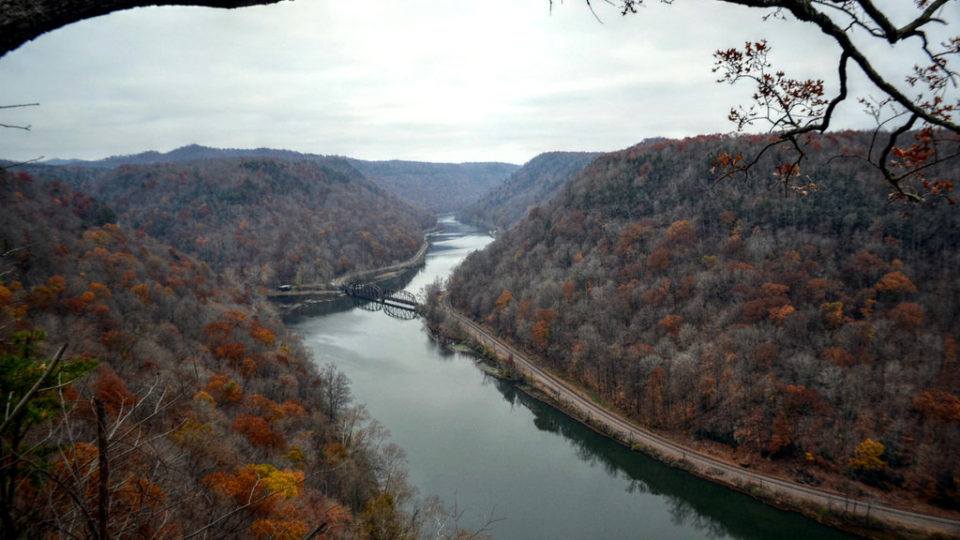
A couple of years ago, we reported on the early development of a device that harvests water from the air that even works in the low humidity environment of a desert.  Since then, the researchers from UC Berkeley have continued to improve the device and it is now 10 times better than it was two years ago.

The harvester is based on a porous water-absorbing material called a metal-organic framework, or MOF.  The latest version can pull more than five cups of water from low-humidity air per day for every kilogram of the improved MOF material and that is more than enough water to sustain a person.  The harvester cycles around the clock and is powered by solar panels and a battery.

Previous techniques for condensing water from air at low humidity required cooling down the air to temperatures below freezing, which is not economically practical.  The MOF-based device does not require any cooling.

The Berkeley researchers have formed a startup company – Water Harvester, Inc. – which is now testing and will soon market a device the size of a microwave oven that can supply 7 to 10 liters of water per day, which is enough drinking and cooking water for two or three adults.

An even larger version of the harvester, which would be the size of a small refrigerator, would provide 200 to 250 liters of water per day, enough for a household to drink, cook, and shower.  The new company envisions a village-scale harvester that would produce 20,000 liters per day, still running off of solar panels and a battery.

Water Harvester believes the water needs for many people can come out of the thin air.

**********

Web Links

Water harvester makes it easy to quench your thirst in the desert

Photo courtesy of Grant Glover (University of South Alabama) via UC Berkeley.

Earth Wise is a production of WAMC Northeast Public Radio.
Maple Syrup And Climate Change

October 11, 2019 By EarthWise Leave a Comment

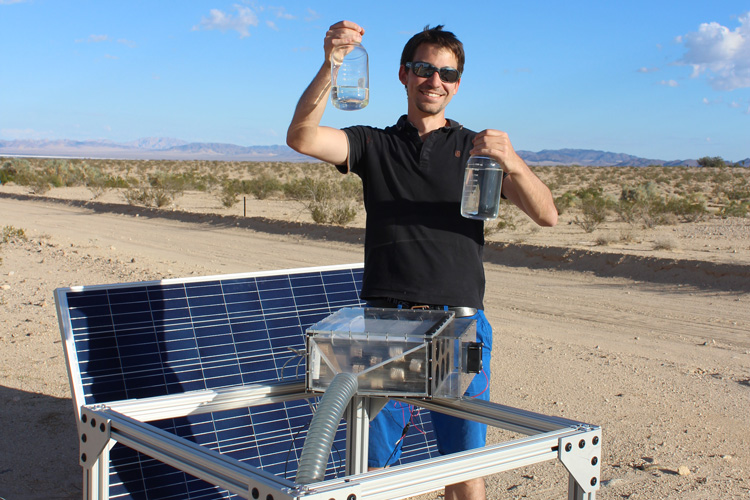
According to a study recently published in the journal Forest Ecology and Management, scientists are predicting another casualty of climate change: the U.S. maple industry.  By the year 2100, the maple syrup season in the United States may be less productive and arrive one month earlier than it has between 1950 and 2017.

Maple syrup production is impacted by two climate-sensitive factors: sugar content and sap flow.  Sugar content is determined by the previous year’s carbohydrate stores.  Sap flow depends on the freeze/thaw cycle.  Sap begins to flow in sugar maples when winter nights dip below freezing and the days warm above freezing.

The researchers studied six sugar maple stands from Virginia to Quebec, Canada over a six year period.  They created a model that predicted the timing of optimal sap flow based on historical temperature data on freeze/thaw days, actual sap collection from their field work, and monthly climate. 

According to modeling projections, the maple syrup season is expected to be, on average, one month earlier by the end of the century.  States like Indiana and Virginia will barely produce any sap.  New Hampshire and Vermont are likely to be least affected, but are still expected to experience a decrease in production.  In fact, most areas of maple production in the United States are projected to see decreases in production by the year 2100, while areas in northern Ontario and Quebec should see moderate to large increases in production. 

Currently, Canada is responsible for approximately 80% of global maple syrup production while the U.S. produces 20%.  The shifting climate for optimal maple production will leave many scrambling to find the sweet spot. 

**********

Web Links

Climate change study finds that maple syrup season may come earlier

Photo, posted March 24, 2019, courtesy of Paul VanDerWerf via Flickr.

Earth Wise is a production of WAMC Northeast Public Radio.
Beavers And Biodiversity

October 10, 2019 By EarthWise Leave a Comment

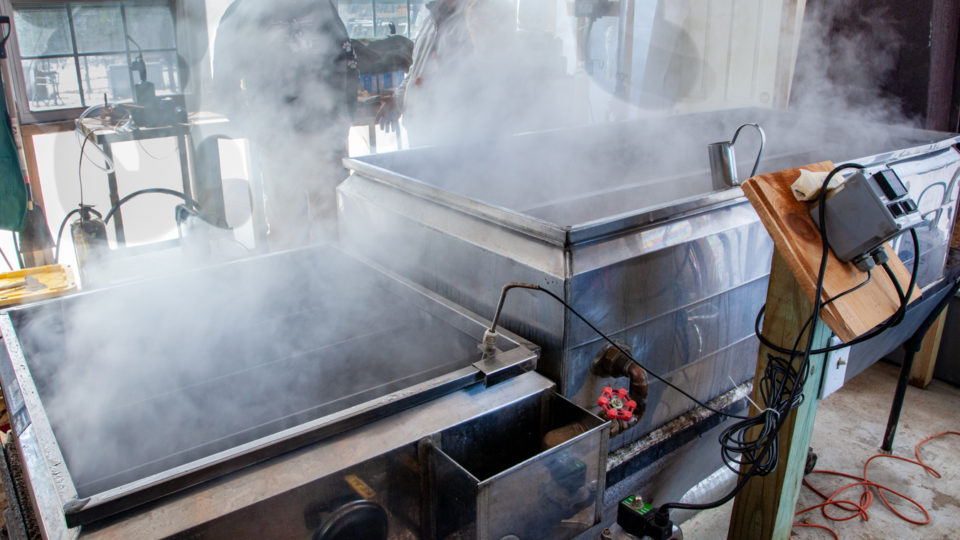
Beavers are large, semi-aquatic rodents known best for their ability to construct dams, canals, and lodges (their homes).  They are among the largest rodents in the world.  With powerful jaws and strong teeth, beavers fell trees to use as building materials, often changing their environment in ways few other animals can. But in a good way.  As it turns out, beavers are important for biodiversity. 

According to new research from the Faculty of Natural Sciences at the University of Stirling in Scotland, reintroducing beavers to their native habitats is an important step towards solving the freshwater biodiversity crisis. 

Researchers surveyed water plants and beetles in 20 wetlands in Sweden – 10 created by beavers and 10 that were not – in order to understand what impact beavers might have on the variety of plant and animal life around them. 

The research team’s findings build on previous work that has shown that beavers have an important impact on biodiversity.  This latest study discovered that the number of species found only in beaver-built ponds was 50% higher than in other non beaver-built wetlands in the same region. 

Beavers are known to be profound engineers of the environment. They use wood to build dams across rivers in order to form ponds behind them.  They do this to raise the water level in order to avoid predators, like bears and wolves. But it turns out many other plants and animals, like water plants and beetles, also benefit from their work.

According to the research team, reintroducing beavers to their native habitats should benefit the wider biodiversity and be seen as an important step towards solving the freshwater biodiversity crisis. 

**********

Web Links

Beaver reintroduction key to solving freshwater biodiversity crisis

Photo, posted October 2, 2014, courtesy of USFWS Midwest Region via Flickr.

Earth Wise is a production of WAMC Northeast Public Radio.
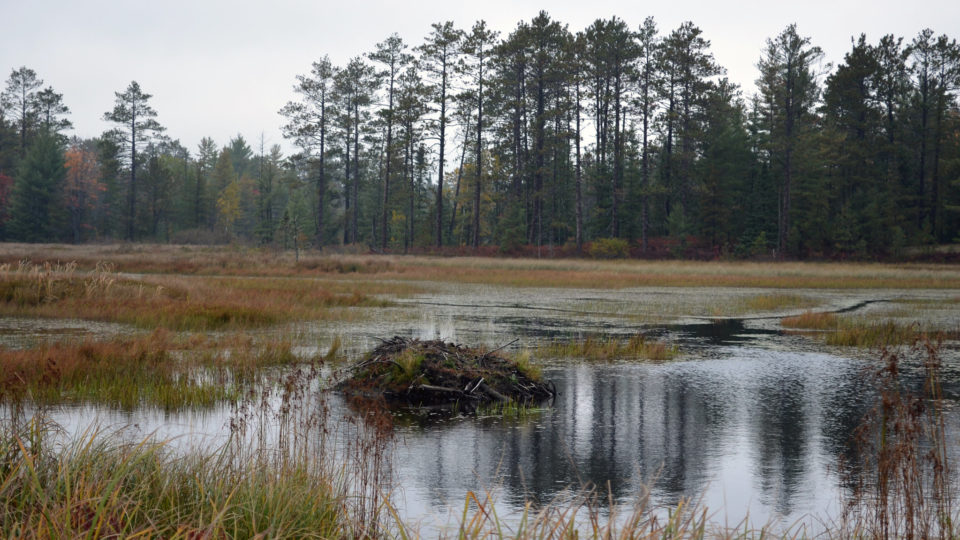
Europe Is Warming Faster Than Predicted

October 9, 2019 By EarthWise Leave a Comment

A new study has found that Europe is warming faster than even climate models projected.  The number of summer days with extreme heat in Europe has tripled since the 1950s, while the number of days with extreme cold has decreased by factors of two or three depending on the region.

According to climate scientists at the Swiss Federal Institute of Technology in Zurich, the climate trends are much larger than what would come from natural variability and are a clear signal of climate change.  Extremely hot days in Europe have become hotter by an average of more than 4 degrees Fahrenheit while extremely cold days have warmed by more than 5 degrees.  The research examined data from weather stations across Europe from 1950 to 2018.  Over 90% of the stations recorded increasing temperatures over time, a percentage much too high to be purely from natural climate variability.  The results also showed that the region was warming even faster than climate models projected.

The research results come after an extremely hot summer in Europe.  Southern France hit 114.8 degrees, a new record, in June.  Germany, the Netherlands, and Belgium all recorded all-time national temperature highs.  The National Oceanic and Atmospheric Administration recently announced that July was the hottest month ever recorded.

European summers and winters will only grow hotter in the coming years as climate change accelerates.  The rapidly increasing temperatures will impact cities and people that are unprepared for them and pose real risks for residents in the coming decades.  Extreme heat is dangerous because it stresses the human body, potentially leading to heat exhaustion or heat stroke.

**********

Web Links

Europe warming faster than expected due to climate change

Photo, posted July 30, 2011, courtesy of Marcel de Jong via Flickr.

Earth Wise is a production of WAMC Northeast Public Radio.

Bananas In Danger

October 8, 2019 By EarthWise Leave a Comment

For a few years we have been talking about the precarious position of the global banana crop, which is almost entirely based upon a single cloned cultivar known as the Cavendish banana.  The banana you buy in Rome is identical to the one in Rochester.  And therein lies the danger:  if a fungal blight can kill one banana shrub, it can kill them all.

For decades, a fungal disease known as Panama Disease Tropical Race 4 has been wreaking havoc on banana plantations in the Eastern Hemisphere.   Even though it was first identified in Taiwanese soil samples in the early 1990s, the destructive fungus remained confined to Southeast Asia and Australia until it was confirmed in both the Middle East and Africa in 2013.  Experts continued to fear its eventual appearance in Latin America, which is the epicenter of the global banana export industry.

In August, Colombian agricultural authorities announced that laboratory tests have positively identified the presence of Tropical Race 4 in the Caribbean coastal region and declared a national state of emergency.

The infection of the banana plant does not produce bananas that are unsafe for humans.  What happens is that the infected plants eventually stop bearing fruit.

Cavendish bananas are a prime example of the dangers of growing crops with limited genetic diversity – known as monoculture.  It leaves food systems dangerously vulnerable to disease epidemics.

This has happened to the global banana crop before when the predecessor to the Cavendish banana – the Gros Michel – was mostly eradicated by another fungal outbreak.  At the moment, there is no ready replacement banana to bail out the industry, but scientists are desperately trying to breed one.  In the meantime, the world’s supply of bananas is in real danger.

**********

Web Links

The banana is one step closer to disappearing

Photo, posted July 9, 2009, courtesy of Dabin Lambert via Flickr.

Earth Wise is a production of WAMC Northeast Public Radio.
Removing Microplastics with Magnetism

October 7, 2019 By EarthWise 2 Comments

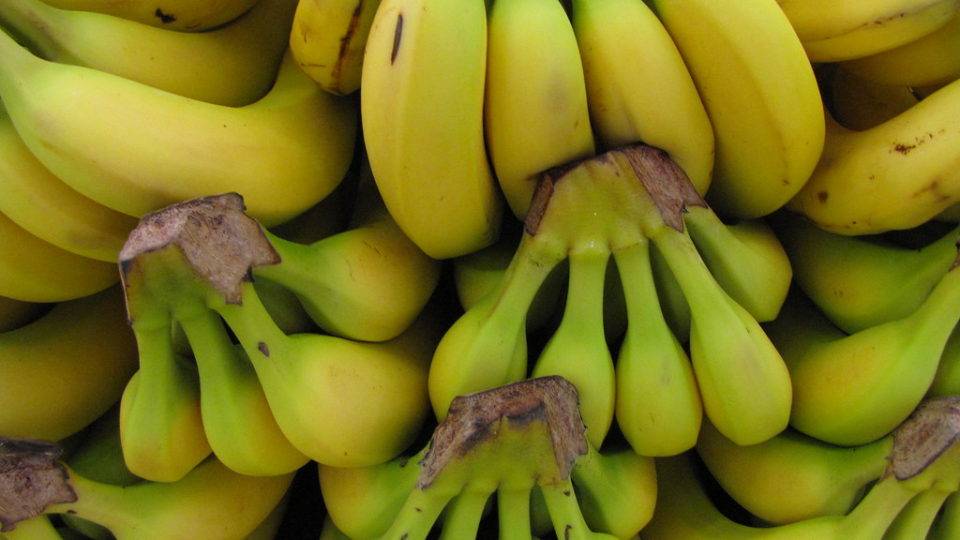
A new method for removing microplastics from the oceans has emerged from, of all things, a science fair project.  An Irish 18-year-old named Fionn Ferreira developed his project for the annual Google Science Fair and it won the grand prize of $50,000 in educational funding.

The teenager was walking on the beach in his hometown and ran across a stone with oil and plastic stuck to it and became focused on the problem of microplastics increasingly entering the environment.

His idea was to make use of ferrofluids, which are nontoxic magnetic fluids made of oil and magnetite, which is an iron-based mineral.  In the presence of water, the ferrofluids attract microplastics because both have similar properties.

Ferreira added oil and magnetite to water and mixed in a solution of microplastic particles.  When the microplastics latched onto the ferrofluids, he dipped a magnet into the solution several times and the magnet removed both substances, leaving clear water.  After almost 1000 tests, he demonstrated the method to be 88% effective in removing a variety of microplastics from water; a result even better than his original hypothesis of an 85% removal rate.

Ferreira is planning to further his education at a prestigious chemistry institute in the Netherlands starting in the fall.

According to a recent study, Americans eat, drink and breathe between 74,000 and 121,000 microplastic particles each year and, if they drink bottle water only instead of tap water, an additional 90,000 particles.  So, a science fair project that might provide a way to get rid of most these things is definitely prize-worthy.

**********

Web Links

This Irish teenager may have a solution for a plastic-free ocean

Photo, posted April 25, 2016, courtesy of Boe Eide via Flickr.

Earth Wise is a production of WAMC Northeast Public Radio.
Solar-Powered Desalination

October 4, 2019 By EarthWise Leave a Comment

Turning seawater into drinking water is an energy-intensive process and is therefore pretty expensive.  Worldwide, one third of people don’t have reliable access to safe drinking water and they are the least able to afford expensive ways to get it.   By 2025, half of the world’s population is expected to live in water-stressed areas.

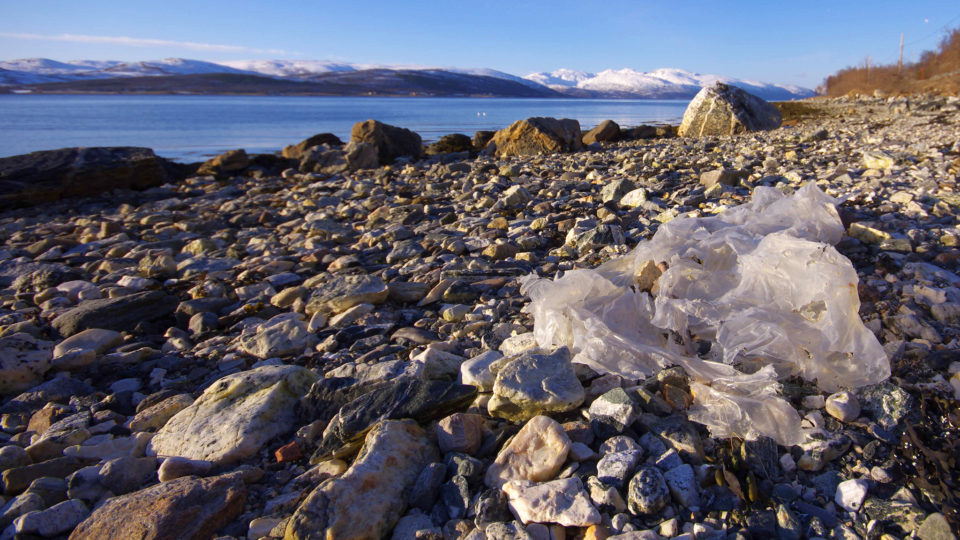
At a newly-constructed facility in Kenya, a nonprofit company called GivePower has built a desalination system that runs on solar power.  The system started operating in the coastal area of Kiunga in July 2018 and can create nearly 20,000 gallons of fresh drinking water each day – enough for 25,000 people.

GivePower started in 2013 as a nonprofit branch of SolarCity, the solar-panel company that ultimately merged with Tesla in 2016.  However, GivePower spun off as a separate enterprise shortly before that.

GivePower mostly focuses on building solar-energy systems to provide electricity across the developing world. 

Desalination technology is not new, but it is notoriously energy-intensive because it requires high-power pumps.  The GivePower system is integrated with a solar microgrid that makes use of Tesla batteries to store energy for when the sun is not shining. 

Local residents pay about a quarter of one cent for every quart of water from the system.  The Kiunga community has faced ongoing drought and before the GivePower system was installed, was forced to drink from salt water wells, which present serious health risks.

The GivePower system cost $500,000 to build and is expected to generate $100,000 a year, to be eventually used to fund similar facilities in other places.

**********

Web Links

A solar-powered system can turn salt water into fresh drinking water for 25,000 people per day. It could help address the world’s looming water crisis.

Photo courtesy of GivePower.

Earth Wise is a production of WAMC Northeast Public Radio.
The ‘Biggest Ever’ Arctic Expedition

October 3, 2019 By EarthWise Leave a Comment

The Arctic is warming faster than any other region on Earth.  In fact, it’s warming at a rate of almost twice the global average.  And, since what happens in the Arctic doesn’t stay in the Arctic, the world is already feeling the effects: rising sea levels, changes in climate and precipitation patterns, increasing severe weather events, and so on. 

As a result, researchers from more than a dozen countries have launched the biggest and most complex expedition ever attempted in the Arctic.  They plan to freeze Germany’s largest research vessel, the Polarstern, into Arctic sea ice, where it will remain trapped for twelve months.  The ship will drift with the sea ice as the sea ice drifts.  The vessel will serve as a research laboratory, hosting a rotating crew of 300 scientists.  The ice, the ocean, the atmosphere, and even the wildlife will all be sampled.  This year-long journey will give researchers their closest look at how the polar climate and its fragile ecosystems are changing. 

Led by the Alfred Wegener Institute for Polar and Marine Research in Germany, the Multidisciplinary drifting Observatory for the Study of Arctic Climate project (or MOSAiC) is expected to cost about $150 million. 

One major goal of MOSAiC is to improve strikingly uncertain climate projections for the Arctic.  Climate models disagree on how much more the Arctic will warm as the concentration of greenhouse gases in the atmosphere rises and sea ice shrinks.  Some project a 5ºC rise by 2100 relative to the 1986-2005 average.  Others predict a 10ºC increase. 

Understanding the complex processes occurring in the Arctic is essential for projecting the future impacts of climate change. 

**********

Web Links

Climate scientists prepare for largest ever Arctic expedition

Climate change: Polarstern leaves for ‘biggest ever’ Arctic expedition

Image courtesy of the U.S. Department of Energy Atmospheric Radiation Measurement (ARM) user facility.

Earth Wise is a production of WAMC Northeast Public Radio.

New Membranes For Carbon Capture

October 2, 2019 By EarthWise Leave a Comment

Drastically reducing the amount of carbon dioxide being emitted into the atmosphere is an essential goal in the effort to mitigate the effects of climate change.  While the ultimate solution is to avoid combustion of fossil fuels by the use of clean alternative energy sources, that transition will take time – possibly more time than we have.  As a result, there is a great deal of effort underway to develop techniques for capturing the carbon emitted by fossil fuel combustion and either recycling it or storing it.

There are multiple ways to capture carbon emissions, but the ultimate goal is to find a technique that is both inexpensive and scalable.  One promising technique involves the use of high-performance membranes, which are filters that can specifically pick out CO2 from a mix of gases, such as those coming out of a factory smokestack.

Scientists at a Swiss laboratory have now developed a new class of high-performance membranes that exceeds the targeted performance for carbon capture by a significant margin.  The membranes are based on single-layer graphene with a selective layer thinner than 20 nanometers – only about 40 atoms thick. The membranes are highly tunable in terms of chemistry, meaning that they can be designed to capture specific molecules.

The membranes are highly permeable – meaning that they don’t impede gas flow too much – but highly selective.  The CO2/N2 separation factor is 22.5, which means that 22.5 times more nitrogen can get through the membrane than carbon dioxide.

The work is just at the laboratory stage at this point, but it is a very promising step towards developing a practical scheme for keeping carbon dioxide from escaping from power-plant and factory smokestacks.

**********

Web Links

Next-gen membranes for carbon capture

Photo, posted December 28, 2010, courtesy of Emilian Robert Vicol via Flickr.

Earth Wise is a production of WAMC Northeast Public Radio.
  • « Go to Previous Page
  • Page 1
  • Interim pages omitted …
  • Page 71
  • Page 72
  • Page 73
  • Page 74
  • Page 75
  • Interim pages omitted …
  • Page 99
  • Go to Next Page »

Primary Sidebar

Recent Episodes

  • An uninsurable future
  • Clean energy and jobs
  • Insect declines in remote regions
  • Fossil fuel producing nations ignoring climate goals
  • Trouble for clownfishes

WAMC Northeast Public Radio

WAMC/Northeast Public Radio is a regional public radio network serving parts of seven northeastern states (more...)

Copyright © 2026 ·