
• Skip to primary navigation
  • Skip to main content
  • Skip to primary sidebar

Earth Wise

A look at our changing environment.

  • Home
  • About Earth Wise
  • Where to Listen
  • All Articles
  • Show Search
Hide Search
You are here: Home / Archives for Earth Wise

Earth Wise

Lake George Health Report

December 26, 2019 By EarthWise Leave a Comment

The Offshore Chemistry Program, run by the Darrin Fresh Water Institute at RPI, has been monitoring the deep waters of Lake George in New York for 40 years.  Lake George, nicknamed the Queen of American Lakes, is famed for the transparency of its water and a new report on the health of the lake reveals that it is doing rather well.

According to the report, although concentrations of chemicals and pollutants like salt and nutrients have increased in the deep waters of Lake George, they are still too low to harm the ecosystem at those depths.

The Offshore Chemistry Program studies the lake as part of a collaboration between RPI, IBM Research, and the FUND for Lake George that is called the Jefferson Project.  This long-term commitment provides a wealth of information over time matched by few lake studies in the world.

The recent results show that levels of salt, the nutrient orthophosphate, and chlorophyll have increased substantially over time, but none are yet at a level that will cause harm.

Orthophosphate occurs naturally, but most likely the higher levels are due to improperly functioning septic systems, failing wastewater treatment systems, and stormwater runoff.  The orthophosphate most likely triggered the increase in chlorophyll, which probably is associated with increased density of chlorophyll in individual algal cells, rather than an increase in total algal mass in the lake.

Overall, the results demonstrate the continuing resilience of Lake George to a growing array of stressors.  In nearly 40 years of human activities, the lake has changed in a number of ways, but the changes have so far been relatively small.  With such careful monitoring, we can hope to keep them that way.

**********

Web Links

Four Decades of Data Sounds Early Warning on Lake George

Photo, posted September 24, 2009, courtesy of GPA Photo Archive via Flickr.

Earth Wise is a production of WAMC Northeast Public Radio.
Carbon Capture As Big Business

December 26, 2019 By EarthWise Leave a Comment

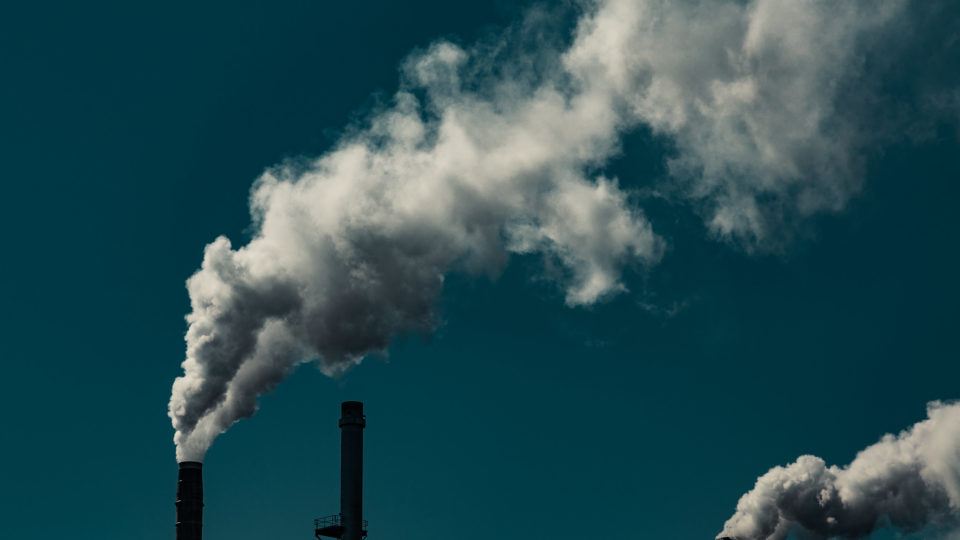
Removing greenhouse gasses from the atmosphere is an essential part of the overall effort to achieve zero net carbon emissions and stabilize the climate.  Since we have not been able to reduce emissions fast enough to do the job, it is important to find ways to pull carbon dioxide out of the atmosphere.

There are many ways to do it, but they tend to be rather expensive and, so far, the need to mitigate climate change does not seem to provide sufficient incentive. A new study by researchers at UCLA, the University of Oxford, and five other institutions, analyzed the possibility of creating a large global industry based on capturing carbon dioxide and turning it into commercial products.

The study investigated the potential future scale and cost of 10 different ways to use carbon dioxide, including in fuels and chemicals, plastics, building materials, soil management, and forestry.  The study looked at processes using carbon dioxide captured from waste products that are produced by burning fossil fuels as well as by simply capturing it directly from the atmosphere.  The study also looked at processes that use carbon dioxide captured biologically by photosynthesis.

The conclusions of the study were that on average each of the ten utilization pathways could use about half a billion tons of carbon dioxide that would otherwise escape into the atmosphere.  Thus, theoretically, these various pathways could take more than five billion tons of CO2 out of the atmosphere.   Currently, fossil fuel combustion emits about 40 billion tons of carbon dioxide.

The authors of the study stress that there is no silver bullet in the fight against climate change.  It will require multiple approaches – including CO2 removal for industrial use – to make real progress

**********

Web Links

Carbon dioxide capture and use could become big business

Photo, posted September 18, 2015, courtesy of Tony Webster via Flickr.

Earth Wise is a production of WAMC Northeast Public Radio.

Lighting Up Batteries

December 24, 2019 By EarthWise 2 Comments

One of the things that hampers the adoption of electric vehicles is range anxiety.  Drivers worry that they will run out of charge before they get to the closest charging station.   Range anxiety has lessened considerably in recent years as electric cars have incorporated larger and larger battery packs yielding driving ranges well over two hundred and even over three hundred miles.

With these extended driving ranges, drivers then turn their attention to how long it takes to charge.  Tesla’s Superchargers have gotten to the point where a car can add 75 miles of charge in 5 minutes and 200 miles in less than half an hour.  Fast charging systems are improving the charge times for other electric models as well.

Nevertheless, drivers would ideally like to reduce charging times to as little as possible in order to provide the convenience experienced in gasoline cars.

Researchers at Argonne National Laboratory have reported a mechanism for speeding up the charging of lithium-ion batteries for electric vehicles.  By exposing the battery cathode to a beam of concentrated light, the charging time can be reduced by a factor of two or more. If this could be commercialized, it could be a real game changer for electric vehicles.

The research used specially crafted lithium-ion cells with transparent quartz windows.  Shining white light into the windows caused a semiconductor material known as LMO to change its charge state and drive the charging reaction more quickly in the lithium ions of the battery.

Using this photo-assisted technology in vehicle batteries would require substantial redesign that would allow concentrated light to illuminate battery electrodes during charging.  How practical that is remains to be seen, but the payoff would be substantial.

**********

Web Links

Shedding new light on the charging of lithium-ion batteries

Photo, posted June 30, 2018, courtesy of Open Grid Scheduler via Flickr.

Earth Wise is a production of WAMC Northeast Public Radio.
Detecting Methane

December 23, 2019 By EarthWise Leave a Comment

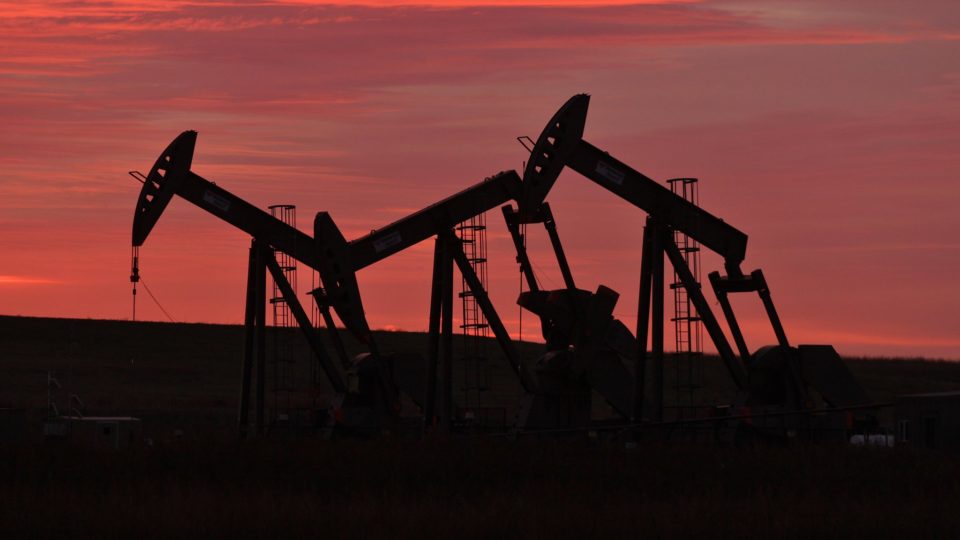
Natural gas has become a huge industry in the United States, increasingly replacing coal in power plants, and otherwise contributing to energy independence.  Unfortunately, it also contributes to climate change.  Methane – the primary component of natural gas – is a powerful greenhouse gas that is estimated to be responsible for as much as a quarter of atmospheric warming.

Not all of the emissions from natural gas come from its use.  In the United States, so-called fugitive emissions from the oil and gas industry total an estimated 13 million metric tons per year.  These emissions basically consist of leakage of various types from the extraction, transportation, and processing of natural gas and cost the industry $2 billion in lost revenue each year.  Globally, that figure is estimated to be $30 billion.

Research labs and startup companies are working on developing and deploying novel technologies to address the growing issue of methane leaks across the fossil fuel supply chain.

One company called LongPath Technologies – a spinout from the University of Colorado – uses frequency comb laser technology that can pinpoint a leak to about a 50 square-foot area from half a mile away.  Other companies use different variations on laser absorption technology to be able to measure methane concentrations from a distance. 

Methane is a much more powerful greenhouse gas than carbon dioxide, but it stays in the atmosphere for much less time.  As a result, reducing methane emissions can pay off much more quickly than reducing carbon dioxide emissions.

The current EPA is trying to eliminate emissions regulations on the natural gas industry, but it is in the industry’s economic interest to curb those emissions even if they were unconcerned about the environment.

**********

Web Links

Methane Detectives: Can a Wave of New Technology Slash Natural Gas Leaks?

Photo, posted October 22, 2016, courtesy of Flickr.

Earth Wise is a production of WAMC Northeast Public Radio.

Scandinavian Wine

December 20, 2019 By EarthWise Leave a Comment

The warming climate is creating some unexpected entrepreneurial opportunities.  Many places that have traditionally dominated the wine industry are starting to be worried that the local climates that made them ideal for vineyards are changing and becoming much less ideal.  On the other hand, places where wine-making was regarded as a losing proposition are becoming much more hospitable.  A prime example is Scandinavia.

Nordic vintners are increasingly convinced that they can develop thriving commercial operations in what used to be places that are too cold for successful wine-making.

Denmark now has 90 commercial vineyards, up from just two 15 years ago.  Forty vineyards have sprung up in Sweden.  About a dozen vineyards are now operating as far north as Norway.

Many of these Nordic vineyards are in the startup stage and are tiny compared with the established wineries of Europe.  Europe has 10 million acres of vineyards, which is enough to cover almost the entire country of Denmark.  At the moment, there are only about 1,000 acres of vineyards in Denmark and Sweden.

But, looking forward, Scandinavia’s climate is forecast to be more like northern France, as regional temperatures climb as much as 10 degrees Fahrenheit.  Over the past decade, warming has produced milder winters, a longer growing season, and even a small but rising number of award-winning Scandinavian wines.

Meanwhile, traditional wine-growing regions are also dealing with climate change.  Winemakers in France, for example, are experimenting with grapes from warmer countries like Tunisia to see if they can retain the tastes and yields that are the basis of a multibillion-dollar wine industry.  Spanish and Italian winemakers are planting grapes higher up on mountainsides or on shaded north-facing slopes to preserve the quality of their wine.

**********

Web Links

Scandinavian Wine? A Warming Climate Tempts Entrepreneurs

Photo, posted August 24, 2019, courtesy of Ron Reiring via Flickr.

Earth Wise is a production of WAMC Northeast Public Radio.

Rising Seas Will Erase Cities

December 18, 2019 By EarthWise Leave a Comment

According to new research, climate-driven sea level rise could affect three times more people by 2050 than previously thought.  This sobering assessment means some of the world’s great coastal cities, including Bangkok, Shanghai, Mumbai, Basra, Alexandria, and Ho Chi Minh City, could be in big trouble.   

Scientists have always relied on land elevation data to determine the effects of sea level rise over large areas.  But standard elevation measurements using satellites struggle to differentiate the true ground level from the tops of trees or buildings.  The authors of the paper developed a more accurate way to calculate land elevation by using artificial intelligence to determine the error rate and to correct for it.  The new findings revealed that 150 million people – three times more than previously thought – are now living on land that is projected to be below the high-tide line by the middle of this century. 

Eight Asian nations – China, Bangladesh, India, Vietnam, Indonesia, Thailand, the Philippines, and Japan – account for about 70% of the people living on at-risk land. 

More than 20 million people in Vietnam, including much of Ho Chi Minh City, live on land that will be inundated by 2050.  In Thailand, more than 10% of its citizens, including much of Bangkok, currently live on land imperiled by projected sea level rise. 

This new research was produced by Climate Central, a New Jersey-based science organization, and was recently published in the journal Nature Communications. 

Sea level rise is clearly not just an environmental problem.  It’s a humanitarian crisis.

**********  

Web Links

New elevation data triple estimates of global vulnerability to sea-level rise and coastal flooding

Rising Seas Will Erase More Cities by 2050, New Research Shows

Photo, posted December 18, 2009, courtesy of Misko via Flickr.

Earth Wise is a production of WAMC Northeast Public Radio.

SUVs And Carbon Emissions

December 17, 2019 By EarthWise Leave a Comment

Global carbon dioxide emissions increased between 2010 and 2018.  The largest contributor to this increase was the power sector as electricity demand around the world continued to grow.   The second largest contributor to increased emission turns out to be SUVs, even while emissions for other cars actually decreased.

During that time period, SUVs more than doubled their global market share from 17% to 39% and their annual emissions rose to more than 700 million tons of CO2, which is more than the yearly total emission of the UK and the Netherlands combined.

This dramatic shift toward bigger, heavier SUVs has offset both efficiency improvements in small cars and savings from electric vehicles.  If SUV drivers were a nation, they would rank 7th in the world for carbon emissions.

SUVs are bigger, they are heavier, and their aerodynamics are poor.  As a result, it takes more gas to drive them.  They started to become popular in the 1980s – mostly in American suburbia – but now they have become globally popular.

The demand for SUVs is thought to be driven by perceptions of heightened safety or increased social status.  There is also the marketing and business strategy of manufacturers who obtain larger profit margins in the SUV segment.  Of course, for at least some consumers, the utility aspects of sport utility vehicles are actually important and not just the status.

For whatever reasons, SUVs are likely to be extremely popular for the foreseeable future as demand for sedans continues to decline.  Fortunately, electric SUVs are beginning to enter the market – including next year’s mass-market priced Tesla Model Y.  Such cars are the best solution to emissions from SUVs.

**********

Web Links

Demand for SUVs a Major Contributor to the Increase in Global CO2 Emissions

Photo, posted May 9, 2017, courtesy of Yonkers Honda via Flickr.

Earth Wise is a production of WAMC Northeast Public Radio.
The Arctic As A Carbon Source

December 16, 2019 By EarthWise Leave a Comment

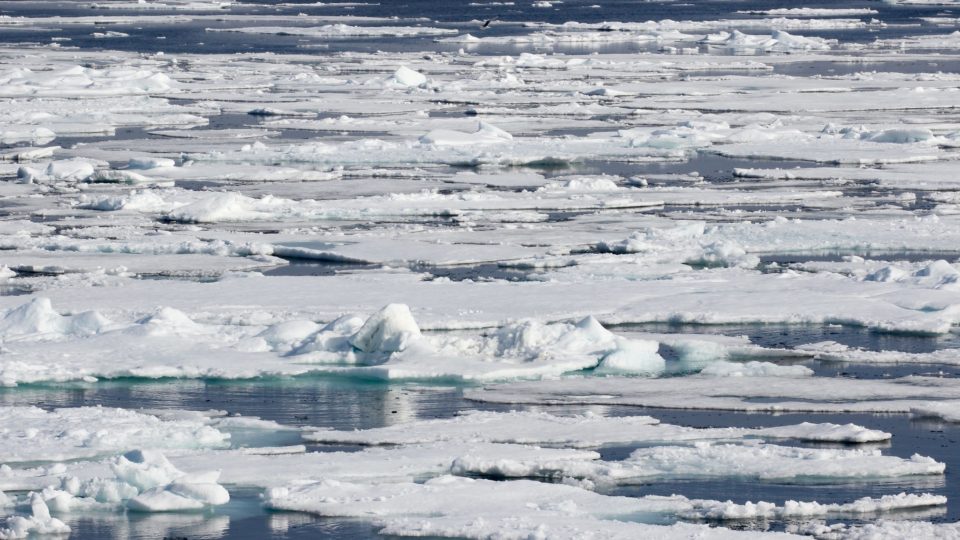
According to a new NASA-funded study, the Arctic may now be a source for carbon in the atmosphere rather than being the sink for it that is has been for tens of thousands of years.

The study, published in Nature Climate Change, warns that carbon dioxide loss from the world’s permafrost regions could increase by more than 40% over the next century if human-caused greenhouse gas emissions continue at their current pace.  Worse yet, carbon emitted from thawing permafrost has not even been included in most climate models.

Permafrost is the carbon-rich frozen soil and organic matter that covers nearly a quarter of Northern Hemisphere land area, mostly in Alaska, Canada, Siberia, and Greenland.  Permafrost holds more carbon than has ever been released by humans from fossil fuel burning, but it has been safely locked away by ice for tens of thousands of years.

As global temperatures rise, the permafrost is starting to thaw and release greenhouse gases into the atmosphere.

The recent findings indicate that the loss of carbon dioxide during the winter in the Arctic may already be offsetting carbon uptake during the growing season.  The researchers compiled on-the-ground observations of carbon dioxide emissions across many sites and combined these with remote sensing data and modeling.  They estimate that the permafrost region is now losing 1.7 billion metric tons of carbon during the winter season but taking up only 1 billion during the growing season.

The major concern is that as the Arctic continues to warm, more carbon will be released into the atmosphere from the permafrost region, which will further the warming.  Climate modeling teams across the globe are trying to incorporate these findings into their projections.

**********

Web Links

Arctic Shifts to a Carbon Source due to Winter Soil Emissions

Photo, posted July 27, 2015, courtesy of Gary Bembridge via Flickr.

Earth Wise is a production of WAMC Northeast Public Radio.

A New Way To Remove CO2 From The Air

December 13, 2019 By EarthWise Leave a Comment

Researchers at MIT have developed a new way of removing carbon dioxide from a stream of air that could be a powerful tool in the battle against climate change.  The new system can pull carbon dioxide out of almost any concentration level of the gas, even including the roughly 400 parts per million level currently found in the atmosphere.

The technique is described in a new paper in the journal Energy and Environmental Science and is based on passing air through a stack of electrochemical plates. The device is essentially a large battery that absorbs carbon dioxide from the air passing over its electrodes as it is being charged up, and then releases the gas as it is being discharged.

To use it, the device would simply alternate between charging and discharging.  Fresh air or some other feed gas would be blown through the system during the charging cycle and then pure, concentrated carbon dioxide would be blown out during discharging.

The specialized battery uses electrodes coated with a compound called polyanthraquinone, which is composited with carbon nanotubes.  These unique electrodes have a binary affinity to carbon dioxide, which means that they either strongly want to capture carbon dioxide or not at all, depending upon whether the device is charging or discharging.

Carbon dioxide is important in many industries such as soft drinks and greenhouse agriculture.  With this device, the stuff could literally be pulled out of the air.  And, of course, in power plants where exhaust gas is dumped into the air, these novel electrochemical cells could be used to prevent the emission of CO2 into the atmosphere.  At the right price, this could be a game changer.

**********

Web Links

MIT engineers develop a new way to remove carbon dioxide from air

Photo, posted August 9, 2007, courtesy of William Clifford via Flickr.

Earth Wise is a production of WAMC Northeast Public Radio.
Turning Trash Into Treasure

December 12, 2019 By EarthWise Leave a Comment

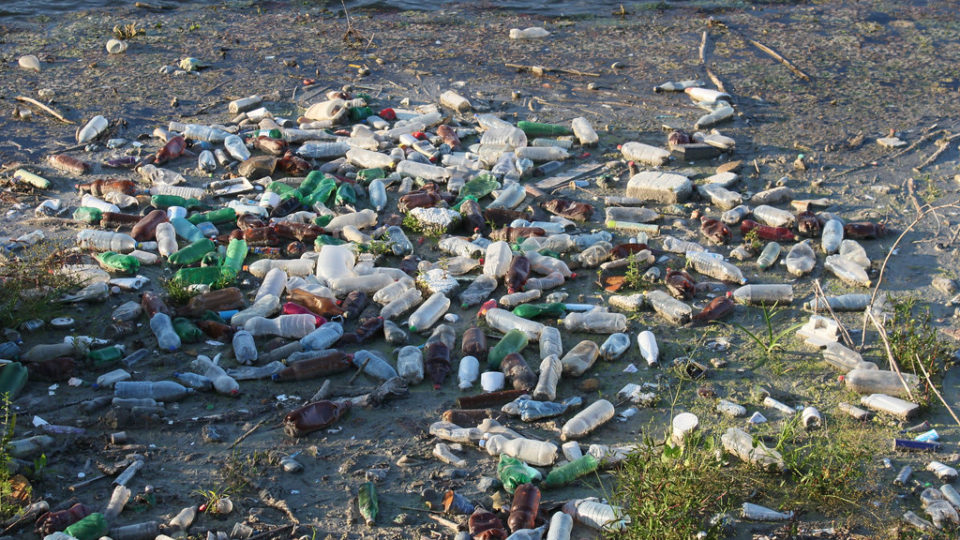
Every year, 380 million tons of plastic are created worldwide, and that number continues to grow.  Furthermore, more than 75% of these materials are discarded after one use.  Much of it ends up in oceans and waterways, harming wildlife and spreading toxins.

Recycling most plastics is difficult because while they can be melted and reprocessed, the resultant material is not as structurally strong as the original material.  Thus, plastics are often down-cycled such as turning plastic bottles into molded park benches.

Researchers at Northwestern University, Argonne National Laboratory, and Ames Laboratory have developed a new method for upcycling abundant, seemingly low-value plastics into high-quality liquid products, such as motor oils, lubricants, detergents, and even cosmetics.  The catalytic method  could remove plastic pollution from the environment and contribute to a circular economy.

Plastics don’t degrade when disposed of because they have very strong carbon-carbon bonds.  Instead they just break into smaller bits, known as microplastics.  The researchers viewed these strong bonds as an opportunity rather than a problem.

The new technique actually recoups the high energy that holds these bonds together by catalytically converting polyethylene molecules into value-added commercial products.  The catalyst consists of platinum nanoparticles deposited onto perovskite nanocubes.  Under moderate pressure and temperature, the catalyst cleaves the carbon-carbon bonds in plastic to produce high-quality liquid hydrocarbons. 

The researchers believe these findings could lead to a future in which we can continue to benefit from plastic materials but do so in a way that is sustainable and less harmful to the environment.

**********

Web Links

Turning plastic trash into treasure

Photo, posted August 15, 2012, courtesy of Emilian Robert Vicol via Flickr.

Earth Wise is a production of WAMC Northeast Public Radio.
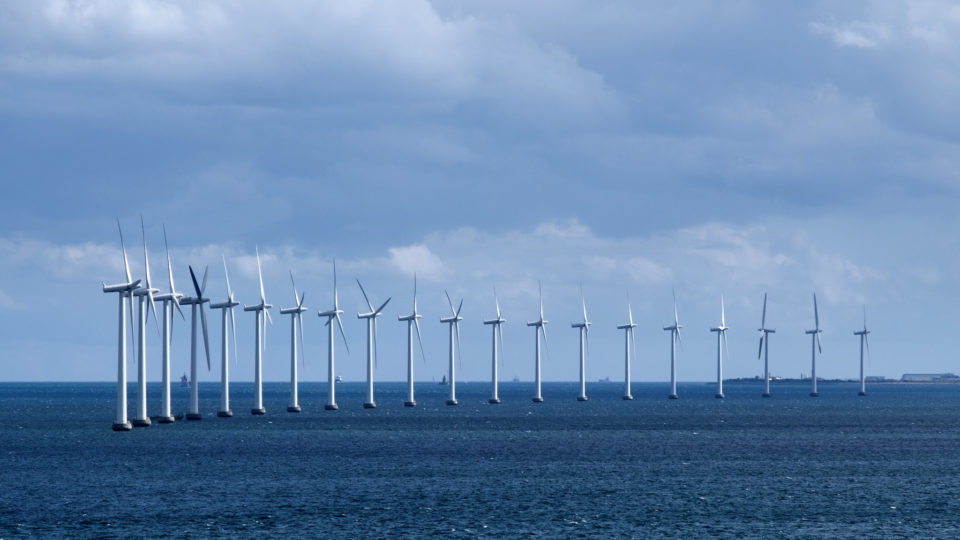
The Potential For Offshore Wind

December 10, 2019 By EarthWise Leave a Comment

According to a new report from the International Energy Agency, offshore wind technology has vast potential for meeting our energy needs.  In total, offshore wind has the potential to generate more than 420,000 terawatt-hours of electricity each year, which is more than 18 times the global electricity demand that exists today.

Based on current policy targets and plummeting technology costs, offshore wind could increase 15-fold by 2040, becoming a $1 trillion industry and eliminating 5 to 7 billion tons of carbon dioxide emissions annually.

Offshore wind today generates just 0.3% of the world’s electricity, but its’ use is growing rapidly.  The industry has grown nearly 30% a year since 2010, and 150 new offshore projects are currently in development around the world.  The leading countries are in Europe – especially in the UK, Germany, and Denmark – but China is greatly expanding its offshore capacity and the US, India, Korea, Japan, and Canada are also expected to make large investments in offshore wind going forward.

Offshore wind is in a category of its own because it is considered a variable baseload power generation technology.  This is because the hourly variability of offshore wind is much lower than solar power or onshore wind.  Offshore wind typically fluctuates far less from hour-to-hour than the other variable energy sources.

Technology improvements and industry growth are driving steep cost reductions for offshore wind.  The cost of offshore wind is expected to be cut in half in the next five years, dropping to $60 per megawatt-hour, which is on par with solar and onshore wind and cheaper than new natural gas-fired capacity in Europe.

**********

Web Links

Offshore Wind Has the Potential to Fulfill Global Electricity Demand 18 Times Over

Photo, posted August 9, 2016, courtesy of Lars Plougmann via Flickr.

Earth Wise is a production of WAMC Northeast Public Radio.

Why Save Endangered Species?

December 9, 2019 By EarthWise Leave a Comment

One often hears the argument that humans need to save the world’s endangered species in order to save ourselves.  Carl Safina, a marine ecologist and award-winning environmental writer, has written a thought-provoking essay that offers the viewpoint that we don’t actually need the wild species of the world but that they need us.

The truth is that human beings have thrived by destroying nature.  We have exploited other species when they were useful to us and simply pushed them aside when they weren’t.  We drove America’s most abundant bird – the passenger pigeon – to extinction.  The most abundant large mammal – the bison – was driven to functional extinction.

In today’s world, people live at high densities in places devoid of wild species and natural beauty.  And while we express concern for elephants, gorillas, sperm whales, tigers, and various other species, how would the lives of most of us be affected at all should they vanish entirely?  The unfortunate truth is that it would make little difference to our lives.

The only species that are really essential to modern living are actually microbes of decay, a few insect pollinators, and the ocean’s photosynthesizing plankton.  Life would go on little changed without most other co-inhabitants of our planet.

Safina argues that our obligation to protect endangered species does not come from our dependence upon them but rather on a moral obligation.  Humans consider ourselves to be the most moral species and, as such, we have moral obligations.  In this case, it is to protect the beauty and wonder of our world, which is not trivial but in fact is the most profound thing on earth.

Safina has much more to say about this and I strongly recommend reading his essay.  You can find the link here.

**********

Web Links

The Real Case for Saving Species: We Don’t Need Them, But They Need Us

Photo, posted December 9, 2014, courtesy of Gerry Zambonini via Flickr.

Earth Wise is a production of WAMC Northeast Public Radio.
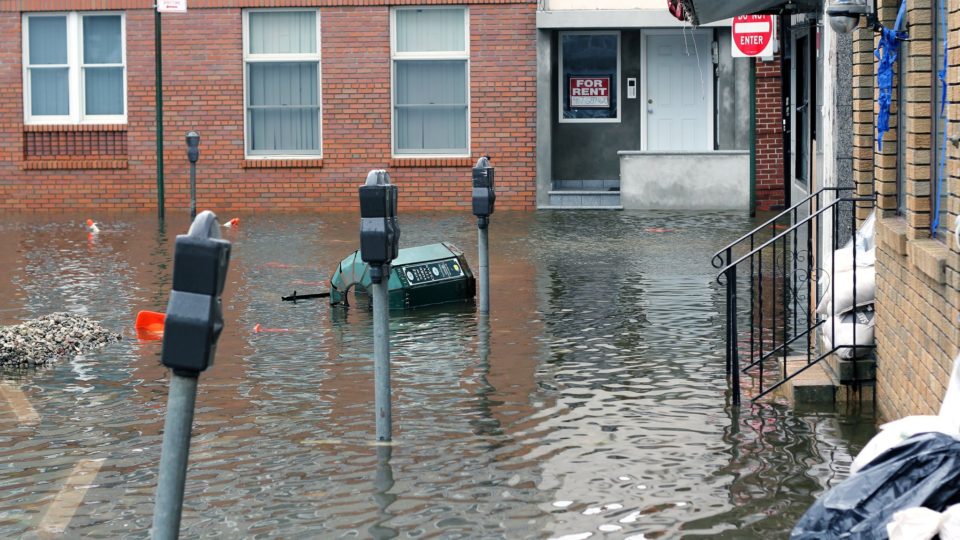
Should New York Build A Storm Surge Barrier?

December 6, 2019 By EarthWise Leave a Comment

In 2012, Superstorm Sandy’s storm surge combined with a high tide and buried lower Manhattan under 13 feet of water.  Across all five boroughs, subways, highways, and parking garages flooded and homes and businesses were destroyed.  Sandy caused nearly $20 billion in damages in New York City alone and more than 50 people died.

Ever since that disaster took place, there have been discussions about building storm surge barriers to protect the city from future storms.  Columbia University’s Sabin Center recently hosted an event to discuss the feasibility of building such barriers.

A study by the U.S. Army Corps of Engineers called the NY and NJ Harbor and Tributaries Focus Area Feasibility Study (HATS, for short) evaluates five options for coastal protection, which range in scope and price.

The most extensive option would involve constructing six miles of storm surge gates along with 26 miles of floodwalls, levees, and buried seawalls.  This option would cost $62 billion but could theoretically save $131 billion in damages and protect 95% of the study area.

The study also considers the side effects of building storm surge barriers.  These include environmental impacts such as effects on fish and wildlife, water quality, noise and vibrations, and changes in water flow.  While these effects can be quite serious and there is opposition from many quarters related to environmental impacts, others point out that there is really no other credible defense against storm surge.  The debate over whether or not to build storm surge barriers could easily last for many more years.

In the bigger picture, storm surge barriers do nothing to protect against rain-driven flooding, sea level rise, and tidal floods which continue to increase.

**********

Web Links

Should New York Build a Storm Surge Barrier?

Photo, posted October 30, 2012, courtesy of Pamela Andrade via Flickr.

Earth Wise is a production of WAMC Northeast Public Radio.

Bioacoustics

December 5, 2019 By EarthWise Leave a Comment

Researchers are increasingly placing microphones in forests and other ecosystems to monitor birds, insects, frogs, and other animals.  Advances in technology are enabling the wide-spread use of bioacoustics as an important research tool.

Studying animals in their natural habitat Is often a difficult task.  For one thing, many animals are difficult to find, and the presence of humans disrupts their behavior or even drives them off.  Remote cameras are useful, but cameras can only see what is in front of them and aren’t much use for detecting small animals, hidden animals, or ones high up in trees.

Biologists have long recognized the value of recording sound to identify animals and learn about their havior.  Animal sounds can be as definitive a means of identification as visual images and microphones can pick up the sounds from animals located anywhere within their detection range.

The two advances in technology that are turning bioacoustics into a widely used tool are a steep drop in the price of recording equipment and the rapidly expanding capabilities of user-friendly artificial intelligence algorithms.

Autonomous environmental audio recorders tended to cost between $500 and $1000 until quite recently.  Now, such equipment can be had for as little as $70.

The other big challenge is analyzing audio data.  Finding specific animal sounds among hundreds of hours of recordings is an untenably tedious task.  Identifying the characteristic sounds of specific species in crowded environments is a tricky business.  But neural network-based artificial intelligence technology is making such big data analysis quite practical and, remarkably, it is becoming quite user-friendly.

**********

Web Links

Listening to Nature: The Emerging Field of Bioacoustics

Photo, posted January 28, 2013, courtesy of Felix Uribe via Flickr.

Earth Wise is a production of WAMC Northeast Public Radio.

Reducing Emissions From Natural Gas Processing

December 4, 2019 By EarthWise Leave a Comment

Qatar, a small country in the Middle East with a population of about 2.5 million has the highest per capita income of any country in the world.  This is largely a result of being one of the world’s top producers of natural gas.  The upshot of that is that the tiny country has the dubious honor of being the world’s leading emitter of CO2 per capita.

Texas A&M University has a campus in Qatar and researchers there in collaboration with colleagues at the main campus in College Station, Texas have developed a new reactor technology that can help Qatar process its wealth of natural gas while reducing the country’s carbon footprint.

The technology processes natural gas and captured CO2 to produce both syngas – which is a valuable precursor for many products – and high-quality carbon nanotubes, all without releasing CO2 into the atmosphere.

Natural gas reforming is a process by which syngas – a feedstock for liquid hydrocarbons and ultraclean fuels- is produced.  The process requires lots of heat and emits CO2.  The new technology adds a novel CARGEN (or CARbon GENerator) reactor that advances the natural gas reforming process and includes a catalyst that captures the CO2 emissions and produces nanotubes.  The reactor can be driven by either electric or solar power, eliminating the need to burn fuel that ordinarily results in more carbon emissions.

The result is that Qatar’s CO2 emissions would be converted into two products that are important to its economy.  In particular, carbon nanotubes are very expensive and extremely versatile, and can be used to manufacture products such as computers and other high-quality materials.

The next step for the researchers is to partner with industry collaborators to further scale up the technology.

**********

Web Links

Qatar Researchers Develop Natural Gas Processing Technology That Could Reduce Qatar’s Carbon Footprint

Photo, posted September 30, 2012, courtesy of Jimmy Baikovicius via Flickr.

Earth Wise is a production of WAMC Northeast Public Radio.

Keeping Plants Plump

December 3, 2019 By EarthWise Leave a Comment

The leading cause of crop failures worldwide is drought.  Ironically, the very close runner-up is flooding.  Facing a changing and increasingly erratic climate, farmers need all the help they can get in protecting their crops.

Researchers at the University of California, Riverside, have created a chemical to help plants hold onto water, which could stem the tide of massive annual crop losses from drought.  Details of the team’s work is described in a paper published in Science.

The chemical is called Opabactin, but is also known as “OP.” OP is gamer slang for overpowered, referring to the best character or weapon in a game.

OP mimics abscisic acid, or ABA, which is the natural hormone produced by plants in response to drought stress.  ABA slows a plant’s growth, so it doesn’t consume more water than is available and doesn’t wilt.  OP is 10-times stronger than ABA, which makes it a super hormone.  It works fast.  Within hours, there is a measurable improvement in the amount of water plants release.  Because it works so quickly, OP could give farmers more flexibility in how they deal with drought.   Plants can’t predict the future, but if, for example, farmers think there is a reasonable chance of drought, they could make decisions such as to apply OP to improve crop yields.

The research team is now trying to find a second chemical tool.  Whereas OP slows down plant growth, the team wants to find a molecule that will accelerate it.  Such a molecule could be useful in controlled environments such as indoor greenhouses.  There are times when you want to speed up growth and times when you want to slow it down.

**********

Web Links

Game changer: New chemical keeps plants plump

Photo, posted June 7, 2013, courtesy of Bayer CropScience UK via Flickr.

Earth Wise is a production of WAMC Northeast Public Radio.
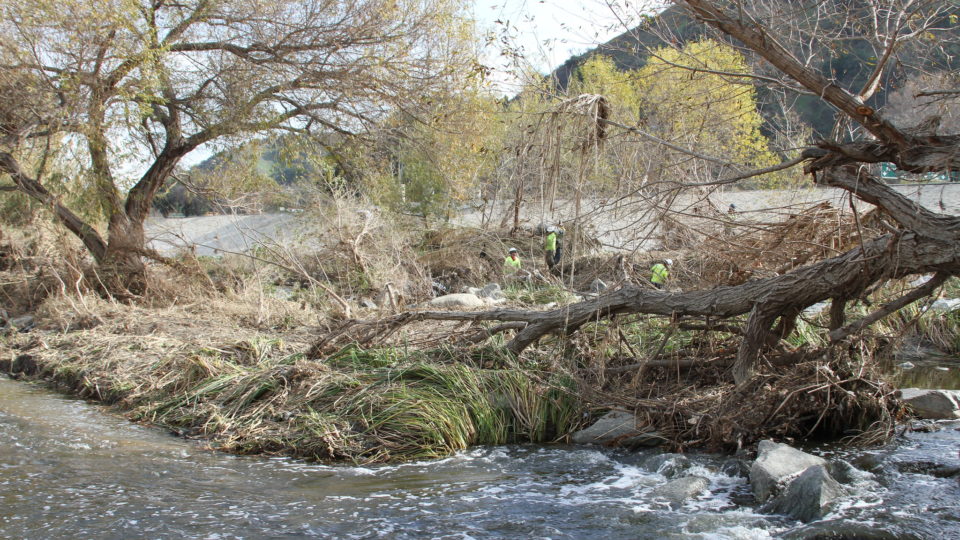
Climate Change And El Niño

December 2, 2019 By EarthWise Leave a Comment

The term El Niño refers to a large-scale ocean-atmosphere climate interaction linked to a periodic warming in sea surface temperature across the central and east-central equatorial Pacific Ocean.  Amazingly, the phenomenon was originally recognized by fishermen off the coast of South America in the 1600s, with the appearance of unusually warm water in the Pacific Ocean.

According to a new study published in the Proceedings of the National Academy of Sciences, climate change is increasing the frequency of extreme El Niño events, leading to intensifying droughts, worsening floods, and shifting hurricane patterns.

The study, led by scientists in China and the US, looked at data from 33 El Niños dating back to 1901.  Since the 1970s, El Niños have been forming farther to the west in the Pacific Ocean, where temperatures are warmer.  Strong El Niños can cause severe drought in dry climates such as Australia and India, intense flooding in wetter climates such as the US Pacific Northwest and Peru, and more hurricanes to form in the Pacific and fewer in the Atlantic.

Before 1978, 12 out of 14 El Niños formed east of the International Dateline.  Since 1978, all 11 have formed in the central or western Pacific Ocean a shift of hundreds of miles.  There have been three so-called super El Niños since the shift – in 1982, 1997, and 2015.  These have set new average temperature records and triggered catastrophic natural disasters.

With rising global temperatures, El Niños are likely to continue to intensify, with major impacts on human societies around the world.

**********

Web Links

Climate Change is Making El Niños More Intense, Study Finds

Photo, posted January 20, 2016, courtesy of Los Angeles District via Flickr.

Earth Wise is a production of WAMC Northeast Public Radio.
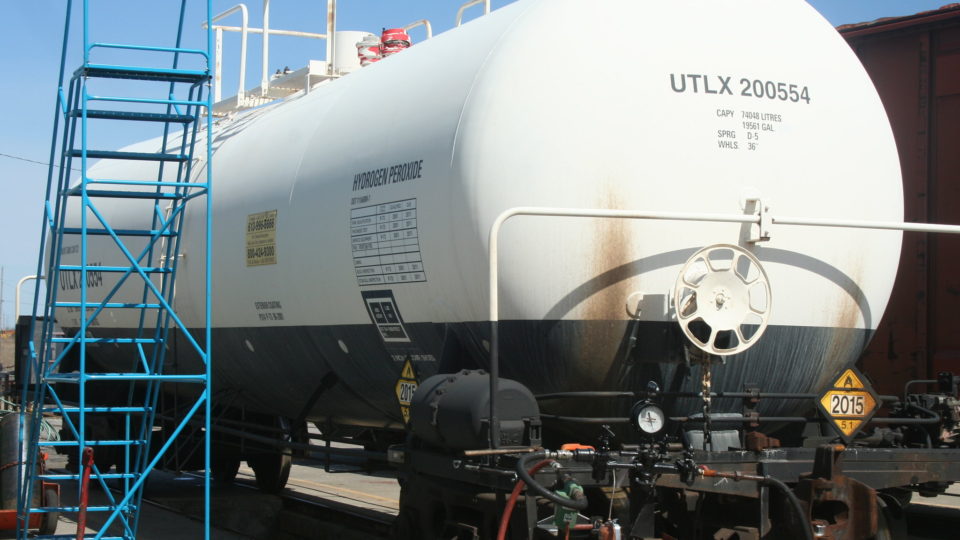
Safe And Simple Hydrogen Peroxide

November 29, 2019 By EarthWise Leave a Comment

We don’t think about hydrogen peroxide very often.  Perhaps we have a bottle of it under our bathroom sink that we haven’t touched in a few years.   But it is an important product manufactured in the millions of tons each year and the basis of a $6 billion global business.

Hydrogen peroxide is widely used as an antiseptic, a detergent, in cosmetics, as a bleaching agent, in water purification, and in many other applications.  It is produced in industrial concentrations of up to 60% in solution with water in order to maximize the economics of transportation.  This makes transportation hazardous and costly because the concentrated form is unstable.  Most applications use a far more diluted form.

Researchers at Rice University have developed a new method for producing hydrogen peroxide that is much simpler and safer than the current technology, which actually dates back to the 1930s.  The Rice technique requires only air, water and electricity to produce the chemical.  The electrosynthesis process, which is detailed in the journal Science, uses an oxidized carbon nanoparticle-based catalyst.

The process could enable point-of-use production of pure hydrogen peroxide solutions, which would eliminate the need to transport the hazardous concentrated chemical.  The use of a solid electrolyte instead of the traditional liquid electrolyte eliminates the need for product separation or purification that is part of the current technology.

In the future, instead of storing containers of hydrogen peroxide, hospitals that use it as a disinfectant could turn on a spigot and get, for example a 3% solution on demand.  Instead of storing chemicals to disinfect swimming pool water, future homeowners could flick a switch and turn on their peroxide reactor to clean their pools.

**********

Web Links

Water + air + electricity = hydrogen peroxide

Photo, posted April 19, 2009, courtesy of Robert Taylor via Flickr.

Earth Wise is a production of WAMC Northeast Public Radio.

The March Of The Penguins Toward Extinction

November 28, 2019 By EarthWise Leave a Comment

According to a new study from the Woods Hole Oceanographic Institution, the warming climate may render emperor penguins extinct by the end of this century.  The study, which was part of an international collaboration between scientists, finds that emperor penguins will likely experience an 86% decline by 2100 if the global climate continues to warm at the current rate.  At that point, it would be very unlikely for them to recover, according to the study’s lead author.       

The research was funded by the National Science Foundation and recently published in the journal Global Change Biology.

The fate of emperor penguins is largely tied to the fate of sea ice.  The penguins use sea ice as a place for breeding, feeding, and molting.  They look for very specific conditions of sea ice – it must be locked in to the Antarctic shoreline but also close enough to open seawater to give them access to food. The study predicts that this sea ice will gradually disappear, depriving the birds of their habitat, food sources, and ability to raise their young.     

The researchers combined two existing computer models to study three different climate change scenarios.  If the average global temperature increases by only 1.5 degrees Celsius, the study found that only 5% of sea ice would be lost by 2100, resulting in a 19% drop in penguin colonies.  If the planet warms by 2 degrees Celsius, the sea ice loss nearly triples and more than a third of penguin colonies disappear.  The ‘business as usual’ scenario where the planet continues to warm at the current rate will ensure a near complete loss of emperor penguin colonies by 2100. 

**********

Web Links

Unless warming is slowed, emperor penguins will be marching towards extinction

Photo, posted January 15, 2011, courtesy of Eli Duke via Flickr.

Earth Wise is a production of WAMC Northeast Public Radio.

Clean Gas From An Artificial Leaf

November 27, 2019 By EarthWise Leave a Comment

Photosynthesis is the process used by plants, algae and certain bacteria to harness energy from sunlight and turn it into chemical energy.  It is often described as the green engine of life on earth.

For quite some time, there have been extensive research efforts around the world in the area of artificial photosynthesis.  The goal is to somehow mimic the behavior of plants in order to generate clean-burning fuels using nothing more than sunlight and the carbon dioxide in the air.

Researchers at the University of Cambridge have recently demonstrated a so-called artificial leaf that can directly produce syngas using sunlight.   Syngas is a fuel gas mixture consisting primarily of hydrogen and carbon monoxide.  Most people haven’t heard of syngas, but many products are created using it.  Being able to produce it sustainably would be a critical step to a far greener chemical and fuel industry.

The artificial leaf contains two light absorbers, similar to the molecules in plants that harvest sunlight, which are combined with a catalyst made from the naturally abundant element cobalt.  When the device is immersed in water, one light absorber uses the catalyst to produce oxygen.  The other carries out the chemical reaction that reduces carbon dioxide and water into carbon monoxide and hydrogen.  The result is the syngas mixture.

It turns out that even a rainy or overcast day provides enough light to drive the process.

Previous artificial leaf devices have mostly just produced hydrogen.  The Cambridge device produces syngas thanks to the novel combination of materials and catalysts it uses.

The researchers are now focused on finding ways to use the technology to produce a sustainable gasoline substitute.

**********

Web Links

‘Artificial leaf’ successfully produces clean gas

Photo, posted August 15, 2014, courtesy of Mike Mozart via Flickr.

Earth Wise is a production of WAMC Northeast Public Radio.

  • « Go to Previous Page
  • Page 1
  • Interim pages omitted …
  • Page 69
  • Page 70
  • Page 71
  • Page 72
  • Page 73
  • Interim pages omitted …
  • Page 99
  • Go to Next Page »

Primary Sidebar

Recent Episodes

  • An uninsurable future
  • Clean energy and jobs
  • Insect declines in remote regions
  • Fossil fuel producing nations ignoring climate goals
  • Trouble for clownfishes

WAMC Northeast Public Radio

WAMC/Northeast Public Radio is a regional public radio network serving parts of seven northeastern states (more...)

Copyright © 2026 ·