
• Skip to primary navigation
  • Skip to main content
  • Skip to primary sidebar

Earth Wise

A look at our changing environment.

  • Home
  • About Earth Wise
  • Where to Listen
  • All Articles
  • Show Search
Hide Search
You are here: Home / Archives for Earth Wise

Earth Wise

Carbon Dioxide Levels Higher Again | Earth Wise

July 5, 2022 By EarthWise Leave a Comment

The National Oceanic and Atmospheric Administration reported that carbon dioxide levels measured in May at the Mauna Loa Observatory reached a value of 421 parts per million.  This is 50% greater than pre-industrial levels and is in a range not seen on earth for millions of years.

Before the Industrial Revolution, CO2 levels fairly steadily measured around 280 parts per million, pretty much for all 6,000 years of human civilization.  Since the Industrial Revolution began in the 18th century, humans have generated an estimated 1.5 trillion tons of CO2 pollution, much of which will continue to warm the atmosphere for thousands of years.

The present levels of carbon dioxide are comparable to those of an era known as the Pliocene Climatic Optimum, which took place over 4 million years ago. 

The bulk of the human-generated carbon dioxide comes from burning fossil fuels for transportation and electrical generation, from cement and steel manufacturing, and from the depletion of natural carbon sinks caused by deforestation, agriculture, and other human impacts on the natural environment.

Humans are altering the climate in ways that are dramatically affecting the economy, infrastructure, and ecosystems across the planet.  By trapping heat that would otherwise escape into space, greenhouse gases are causing the atmosphere to warm steadily, leading to increasingly erratic weather episodes ranging from extreme heat, droughts, and wildfires, to heavier precipitation, flooding, and tropical storm activity.

The relentless increase of carbon dioxide measured at Mauna Loa is a sober reminder that we need to take serious steps to try to mitigate the effects of climate change.

**********

Web Links

Carbon dioxide now more than 50% higher than pre-industrial levels

Photo, posted December 20, 2016, courtesy of Kevin Casey Fleming via Flickr.

Earth Wise is a production of WAMC Northeast Public Radio.

A Giant Tortoise Is Not Extinct | Earth Wise

July 4, 2022 By EarthWise Leave a Comment

The Galapagos Islands are famous for their tortoises, among many other things. A few million years ago, some giant tortoises from South America were somehow carried across hundreds of miles of ocean to the islands – perhaps on driftwood during storms.  Tortoises don’t swim, so any that made to an island could only breed with others on that same island.   The result was rapid evolution of tortoise species in the Galapagos.  Today, there are 14 different species of giant tortoises there.

Centuries ago, tortoise populations in the Galapagos were decimated by European sailors who hunted them for food.   The giant reptiles could be kept alive on ships with little food or water, so they became a great source of meat.

On the island of Fernandina, there was a species of Galapagos tortoise known as the “fantastic giant tortoise.”  Only a single one of these was ever found and that was in 1906.  It ended up being preserved as a museum specimen.

In 2019, a female tortoise living on Fernandina was located and genome sequencing has only recently been successfully completed for that living specimen and the century-old one in the museum which compared them to sequences of the other 13 species of Galapagos tortoise.  That analysis showed that the two were indeed the same species and are distinct from all the others.

The female tortoise, who has been named Fernanda, now resides at the Galapagos National Park Tortoise Center, which is a rescue and breeding facility.  She is well over 50 years old.  Recent tracks and scat on Fernandina Island provide evidence that there may still be others of her kind.  The experts are trying to do what they can to keep the species alive.

**********

Web Links

‘Fantastic giant tortoise,’ believed extinct, confirmed alive in the Galápagos

Photo, posted January 1, 2019, courtesy of Pedro Szekely via Flickr.

Earth Wise is a production of WAMC Northeast Public Radio.
Saving Money By Predicting The Wind | Earth Wise

July 1, 2022 By EarthWise Leave a Comment

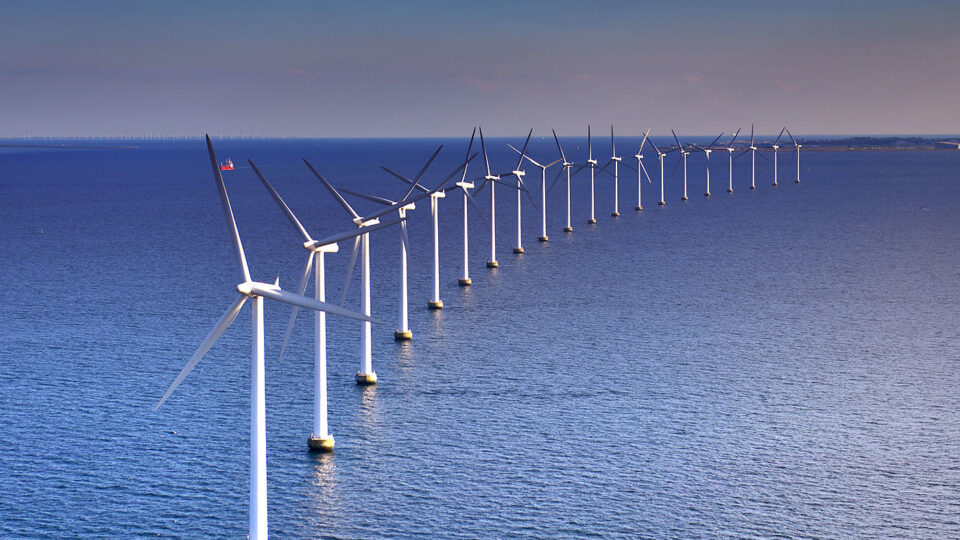
Managing an electrical grid that utilizes significant amounts of intermittent generation sources – solar and wind power – brings with it some unique challenges.  There are abundant wind resources in this country and more and utilities are taking advantage of these resources.   But there are times when there is more wind, times when there is less wind, and times when there is no wind at all.   Utilities need accurate wind forecasts to determine when they need to generate or purchase energy from alternative sources.

Poor wind forecasts can cost utilities a lot of money.  If there is overprediction – that is, when there is less wind than predicted – utilities have to purchase energy off the spot market at higher prices.  If there is underprediction – more wind than predicted – utilities may needlessly burn fossil fuels and waste money that way. 

The National Oceanic and Atmospheric Administration produces wind forecasts using its High-Resolution Rapid Refresh (HRRR) weather model, which provides hourly updated forecasts for every part of the United States looking forward up to 48 hours.  The model generates predictions of wind speed and direction at multiple levels of the atmosphere, information that utilities can use to predict the output of their wind turbines.

A new study by economists and scientists from Colorado State University and NOAA estimated the financial impact of the HRRR model on wind farm production.  The research team calculated that increasingly accurate weather forecasts over the last decade have saved consumers over $150 million a year.   Estimates are that if the newest model was in use in previous years, the savings would have been over $300 million a year.

**********

Web Links

NOAA wind forecasts result in $150 million in energy savings every year

Photo, posted May 2, 2022, courtesy of California Energy Commission via Flickr.

Earth Wise is a production of WAMC Northeast Public Radio.
Declining Flying Insects | Earth Wise

June 30, 2022 By EarthWise Leave a Comment

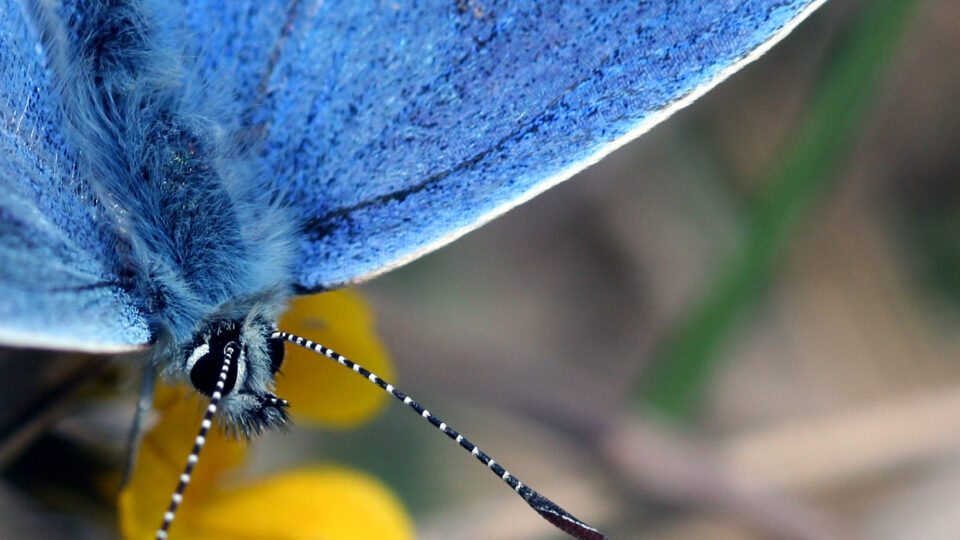
In recent years, there has been increasing awareness of the global decline in insect abundance.  A recently published survey of the abundance of flying insects in the UK has revealed very troubling results.

The Kent Wildlife Trust and Buglife – two UK-based conservation groups – compared the number of dead insects on vehicles in 2004 and 2021.  In this Bugs Matter Citizen Science Survey, the data was collected by roughly 20,000 ordinary citizens using a smartphone app.

The results were that the number of flying insects in Britain dropped nearly 60% over that time period.  The insects declined most in England and Wales, with drops of 65% and 55%, respectively. 

It is possible that 2004 was a particularly good year for British insects and 2021 an especially bad one, but the findings of this study are consistent with other research around the world showing an alarming decline in insects.  A series of studies in 2019 found that the global mass of insects is shrinking by 2.5% a year and that insects are going extinct eight times faster than reptiles, birds, or mammals.

Insects face multiple overlapping threats including the destruction of wild habitats for farming, urbanization, pesticides, and light pollution.  On top of these things is climate change which is disrupting ecosystems in multiple ways.

Insects play a vital role in pollinating crops, consuming organic waste, killing pests, and as essential parts of multiple ecosystems.  Severe insect declines can potentially have dire global ecological and economic consequences.

**********

Web Links

Flying Insects Have Declined by 60 Percent in the U.K., Survey Finds

Insect decline in the Anthropocene: Death by a thousand cuts

Photo, posted May 6, 2007, courtesy of Richard Giddins via Flickr.

Earth Wise is a production of WAMC Northeast Public Radio.
Methane From Thawing Permafrost | Earth Wise

June 29, 2022 By EarthWise Leave a Comment

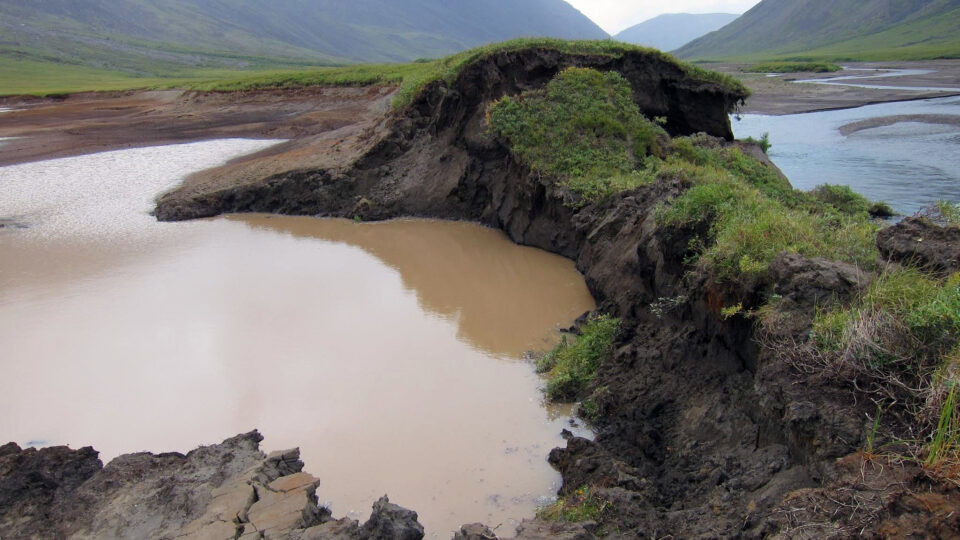
The Arctic permafrost contains a massive amount of carbon in the form of frozen soil, which contains remnants of plants and animals that died millennia ago.  Estimates are that there is 2 ½ times as much carbon trapped in this Arctic soil than there is in total in the atmosphere today.

As the Arctic warms, the permafrost is starting to thaw.  Once that happens, microbes begin to consume the previously frozen organic matter trapped in the soil.  As part of this process, the microbes produce large amounts of methane, which is an extremely potent greenhouse gas.   Thus, there continues to be great concern that wide-scale thawing of the permafrost would result in massive amounts of methane being released into the atmosphere.

A recent study in northern Sweden revealed a glimmer of hope.  The study gauged methane emissions from a swath of permafrost that thawed in the 1980s and another that thawed 10 or 15 years later. 

In the first area, as ice melted underground, water on the surface sank down into the soil.  As the surface dried out, new plants emerged that helped to keep methane emissions buried underground.

Grasses found in wet areas have straw-like structures that convey oxygen to their roots.  The straws also allow methane in the soil to escape into the atmosphere.  As the areas dry out, other plants lacking the straws can sometimes replace the grasses.  When methane can’t escape, soil bacteria break it down into carbon dioxide.

The result is that the permafrost releases only a tenth of the methane as expected.  The hope is that changes in plant cover driven by climate change may limit methane emissions from thawing permafrost.

**********

Web Links

Thawing Permafrost In Sweden Releases Less Methane Than Feared, Study Finds

Photo, posted July 7, 2014, courtesy of NPS Climate Change Response via Flickr.

Earth Wise is a production of WAMC Northeast Public Radio.
Skydiving Salamanders | Earth Wise

June 28, 2022 By EarthWise Leave a Comment

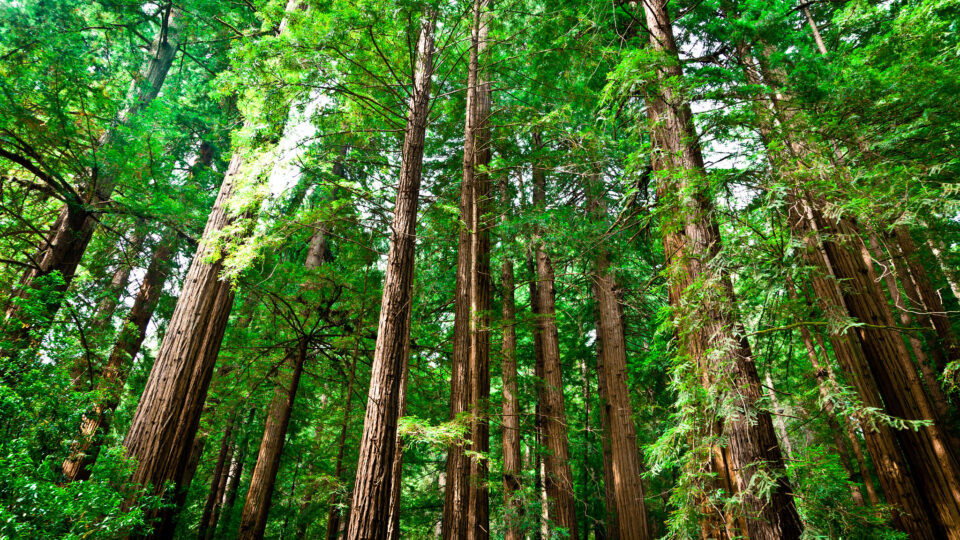
The redwoods of the California coast are the tallest trees in the world.  They are typically a couple of hundred feet tall and the tallest rise to a height of as much as 380 feet.  Scientists have been studying the unique world of the redwood forest canopy for years.  There are multiple animals that actually live up there.  In fact, some spend their entire lives at the top of a single tree.

Over the past 20 years, researchers have been climbing redwoods to observe, capture, and mark salamanders that live in the canopy.  The most arboreal species, called the wandering salamander, is a four-inch-long creature what moves up and down the branches of a tree where it spends its entire life.  The researchers discovered a remarkable ability for the little amphibian.

The salamander readily leaps from perches in the crowns of redwood trees and has the ability to easily maneuver in midair back to a trunk or branch before it plummets to the ground.  When the salamanders were startled by climbing researchers, they simply leap from the canopy and find their way to another perch lower in the tree.

The salamanders assume a skydiving posture with their forelimbs splayed out and can steer themselves by pumping their tails up and down.  They can flip themselves over if they end up upside down.  They have an impressive level of control.

What is most remarkable is that the salamanders, apart from having slightly larger foot pads, look no different from other salamanders that aren’t skydivers.  They have no skin flaps or other anatomical adaptations that would give them the ability to glide.  The researchers hope to eventually figure out just how these creatures have become expert skydivers.

**********

Web Links

Skydiving salamanders live in world’s tallest trees

Photo, posted August 5, 2010, courtesy of Benson Kua via Flickr.

Earth Wise is a production of WAMC Northeast Public Radio.

Air Pollution: The Greatest Danger | Earth Wise            

June 27, 2022 By EarthWise Leave a Comment

Air pollution is one of the greatest dangers

The effort to reduce and ultimately eliminate the use of fossil fuels has largely been driven by the potentially catastrophic consequences of global climate change.  The need to stop dumping greenhouse gases into the atmosphere has become increasingly urgent.  But there is an equally compelling reason to stop burning fossil fuels.  According to a study published in the journal Lancet Planetary Health, outdoor air pollution is “the largest existential threat to human and planetary health.”

Pollution of various types was responsible for an estimated 9 million deaths around the world in 2019.  Half of those fatalities – 4.5 million deaths – were the result of outdoor air pollution coming from vehicles and industrial sources like power plants and factories.

The number of deaths attributed to air pollution has increased by 55% just since the year 2000.

The growth in air pollution deaths has offset a decline in deaths from other pollution sources that especially affect people living in extreme poverty, such as indoor air pollution and water pollution.  Overall, countries with lower collective incomes tend to bear a disproportionate share of pollution deaths.  Roughly 16% of deaths around the world are attributable to pollution, also resulting in more than $4 trillion in economic losses.

The peer-reviewed study was produced by the 2017 Lancet Commission on Pollution and Health.  The study notes that despite the enormous health, social, and economic impacts of pollution, preventing it is largely overlooked in the international development agenda.  The study calls upon governments, businesses, and other entities to abandon fossil fuels and adopt clean energy sources.

**********

Web Links

Study Identifies Outdoor Air Pollution as the ‘Largest Existential Threat to Human and Planetary Health’

Photo, posted November 4, 2019, courtesy of Ninara via Flickr.

Earth Wise is a production of WAMC Northeast Public Radio.

A Boom In Auto Battery Manufacturing | Earth Wise

June 24, 2022 By EarthWise Leave a Comment

A surge in automobile battery manufacturing

Nearly all automobile manufacturers are in a global race to build electric cars and trucks.  There is a rapidly growing need for the battery packs that power those vehicles and therefore manufacturers are in a race to build battery factories to address that need.

The latest battery plant announcement comes from Stellantis – the new company created in 2021 through the merger of Fiat Chrysler and Peugeot.  Stellantis aims to sell five million electric cars by 2030, which means they will need a lot of batteries.  They will be spending $2.5 billion in partnership with Samsung to build a battery factory in Kokomo, Indiana.  The facility is expected to create 1,400 jobs.  Stellantis already had announced that it would build a battery factory in Windsor, Ontario in partnership with LG Energy Solutions. 

They are not alone in their aggressive efforts on electric vehicle battery development.  Ford Motor is building two battery plants in Kentucky and a third one in Tennessee.   Ford has recently started production of its F-150 electric pickup truck which has attracted large numbers of pre-orders.  The gas-powered Ford F-150 has been the best-selling vehicle in America for years.

General Motors is opening a new battery production plant in Ohio this summer and has two others under construction in Tennessee and Michigan.   Hyundai plans to spend $5.5 billion on an electric vehicle and battery manufacturing facility near Savannah, Georgia that is expected to begin operations in 2025.

The auto industry has been struggling in recent times, but there is clearly a massive boom underway as the industry makes the transition from internal combustion engines to battery electric power.

**********

Web Links

Stellantis and Samsung to spend $2.5 billion on an electric vehicle battery plant in Indiana

Photo, posted July 29, 2017, courtesy of Steve Jurvetson via Flickr.

Earth Wise is a production of WAMC Northeast Public Radio.
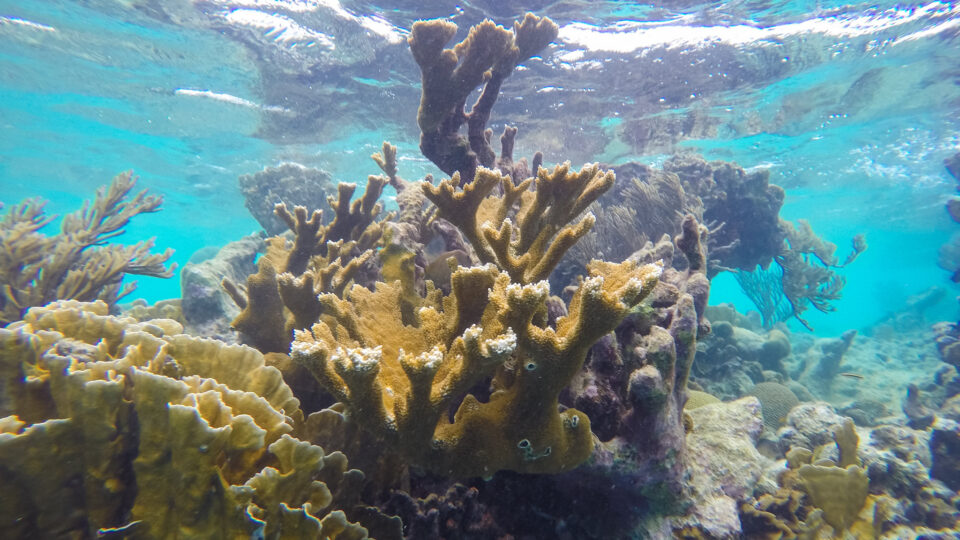
The Sounds Of Coral Reefs | Earth Wise          

June 23, 2022 By EarthWise Leave a Comment

Using AI to analyze coral reef health

Coral reefs around the world face multiple threats from climate change, pollution, and other impacts of human activity.  Reef conservation and restoration projects must be able to monitor the health of reefs and that is not such a simple matter.  Surveying reefs generally is labor-intensive and time consuming.  But in a new study, scientists at the University of Exeter in the UK have found a new way to do it.

The fish and other creatures living on coral reefs produce a vast range of sounds.  The meaning of these various sounds is for the most part unknown, but reefs nonetheless have distinctive sonic signatures.

The Exeter researchers decided to make use of machine learning technology.  They trained a computer algorithm using multiple recordings of both healthy and degraded coral reefs.  This essentially taught the computer to learn the difference between them.  A computer can pick up patterns that are undetectable to the human year.  This application of artificial intelligence can tell us faster and more accurately how a reef is doing.

The computer was then used to analyze a set of new recordings, and successfully identified reef health 92% of the time.  The team then was able to use this technique to track the progress of reef restoration efforts.

It is generally much cheaper and easier to deploy an underwater hydrophone on a reef and leave it there instead of having expert divers make repeated visits to a reef to survey its status.  Sound recorders and artificial intelligence could be used around the world to monitor the health of coral reefs and determine whether efforts to protect and restore them are working.

**********

Web Links

AI learns coral reef “song”

Photo, posted January 11, 2015, courtesy of Falco Ermert via Flickr.

Earth Wise is a production of WAMC Northeast Public Radio.

Climate Change And Sleep | Earth Wise

June 22, 2022 By EarthWise Leave a Comment

Climate change negatively impacts sleep and human health

It’s no secret that our planet is heating up.  According to scientists, the warming is primarily the result of increased anthropogenic greenhouse gas emissions.  In fact, human activities are responsible for nearly all of the increase in atmospheric greenhouse gas emissions over the last 150 years. 

Climate change has already left observable effects on the planet.  For example, glaciers have shrunk, oceans have warmed, heatwaves have become more intense, and plant and animal ranges have shifted.

Most research examining the impact of climate change on human life has centered around extreme weather events and how they will affect social and economic health.  But climate change may also have a major influence on fundamental daily human activities, like sleep, that are essential to well-being.   

According to a new study recently published in the journal One Earth, scientists have found that increasing temperatures are negatively impacting human sleep around the globe.  In the study, the research team analyzed anonymized global sleep data from sleep-tracking wristbands.  The data included 7 million nightly sleep records from more than 47,000 adults across 68 countries, spanning all continents except Antarctica.     

Before the year 2100, researchers say that suboptimal temperatures may erode 50 to 58 hours of sleep per person per year.  On warm nights – where temperatures are greater than 86 degrees Fahrenheit – sleep declines an average of more than 14 minutes.  To little surprise, they found that the effect of increasing temperatures on sleep loss is substantially greater for residents in lower income countries as well as in older adults. 

Sleep is an essential restorative process integral to human health and productivity.  And it’s threatened by our changing climate. 

**********

Web Links

Climate change likely to reduce the amount of sleep that people get per year

Photo, posted March 16, 2006, courtesy of Joe Green via Flickr.

Earth Wise is a production of WAMC Northeast Public Radio.
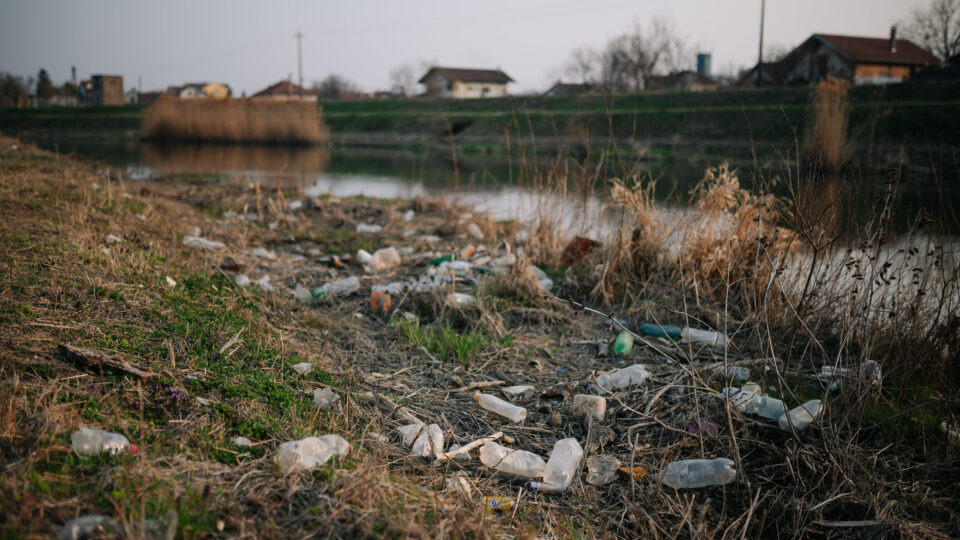
Who Can Solve The Plastic Waste Problem? | Earth Wise

June 21, 2022 By EarthWise Leave a Comment

Plastic packaging waste is a global problem.  It collects in the oceans, breaks down into microplastics, which are consumed by fish and in turn by people who eat the fish.  Only 14.5% of U.S. plastic waste is recycled.  Most of it ends up in landfills, where is remains undegraded for hundreds of years. 

A new international study explored the global patterns of plastic packaging waste.  The study found that three countries – the U.S., Brazil, and China – are the top suppliers of waste.  In terms of supply, the Americas generate 41% of the world’s production of plastic waste, Europe 24%, and Asia 21%.

That’s the plastics supply.  As far as the consumers actually creating waste are concerned, the Americas represent 36% of the world’s packaging consumption, Asia 26%, and Europe 23%.

Packaging high-protein food such as meat, fish, and dairy is a major contributor to the waste problem.  Plastic for this purpose is hard to replace and international exports exacerbate the problem, accounting for about 25% of plastic packaging waste.

International agreements typically focus on restrictions and fees on production.  But that mostly creates strong incentives to simply relocate polluting activities to developing countries, which is a zero-sum game.  There need to be incentives for consumers to reduce plastic use such as taxes on waste management, refunds on returning bottles, single-use plastic bans, and so on.

Who can solve the plastic waste problem?  Everyone along the supply chain as well as the final consumers have to be part of the solution for reducing plastic waste.

**********

Web Links

Producers and consumers must share burden of global plastic packaging waste

Photo, posted March 29, 2022, courtesy of Ivan Radic via Flickr.

Earth Wise is a production of WAMC Northeast Public Radio.

Wildfires And Cancer Risk | Earth Wise

June 20, 2022 By EarthWise Leave a Comment

Exposure to wildfires leads to an increase in cancer risk

Hotter and drier conditions are leading to an increasing number of wildfires in North America and elsewhere around the globe.  Scientists have linked the severe heat and drought that fuel these wildfires to climate change. As the climate continues to change, wildfires are projected to become more prevalent, more severe, and longer in duration. 

According to a United Nations report released earlier this year, the Western U.S., northern Siberia, central India, and eastern Australia have already seen an uptick in wildfires.  The likelihood of catastrophic wildfires globally could increase by a third by 2050 and more than 50% by the turn of the century. 

According to a new study by researchers from McGill University, living near regions prone to wildfires may boost the risk of developing serious health issues.  The study, which tracked more than two million Canadians over a period of 20 years, found a higher incidence of lung cancer and brain tumors in people exposed to wildfires.  People living within 50 kilometers of wildfires during the past 10 years had a 10% higher incidence of brain tumors and a 4.9% higher incidence of lung cancer when compared to people living further away. 

This study, which was recently published in The Lancet Planetary Health, is the first to examine how proximity to forest fires may influence cancer risk.

In addition to the impacts on air quality, wildfires also pollute aquatic, soil, and indoor environments.  While some pollutants return to normal levels shortly after the fire, many others persist in the environment for long periods of time. 

The research team notes that additional work is needed to develop more long-term estimates of the chronic health effects of wildfires.

**********

Web Links

Exposure to wildfires increases risk of cancer

Climate change is causing more wildfires and governments are unprepared, says U.N.

Photo, posted August 17, 2020, courtesy of USFS via Flickr.

Earth Wise is a production of WAMC Northeast Public Radio.
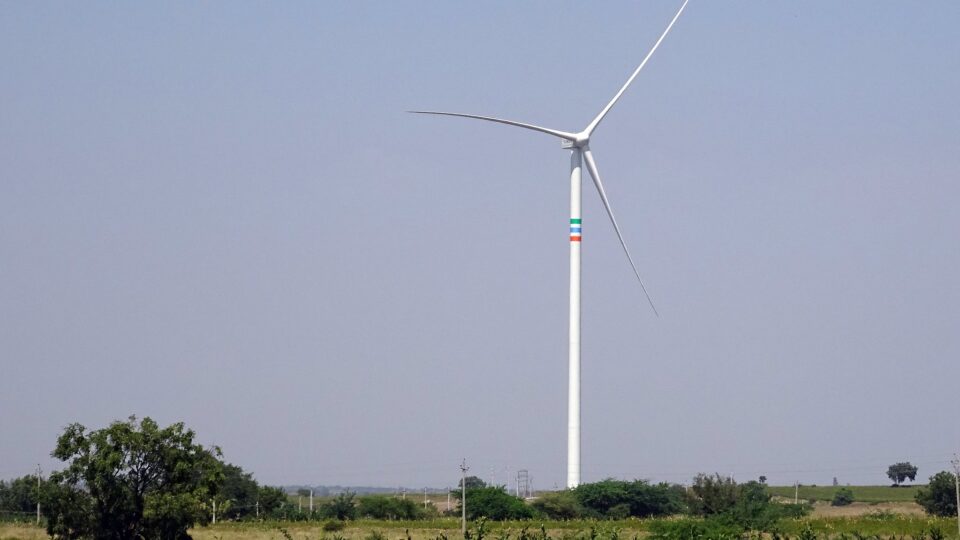
Continued Renewables Growth | Earth Wise

June 17, 2022 By EarthWise Leave a Comment

In 2021, the world added a record amount of 295 gigawatts of renewable power.  According to the International Energy Agency, it is on pace to surpass that amount in 2022.

Almost half of the renewable buildout in the world is taking place in China.  In 2021, China accounted for 46% of worldwide renewable energy additions.  The EU and United States are the next two leaders.  The rapid buildup is especially impressive given the challenges developers have faced from the coronavirus pandemic, supply chain issues, and various construction delays.

Predictions are that the global total added this year will be about 320 gigawatts of renewables.  This amount is equivalent to the total power demands of Germany, which is the world’s fourth-largest economy.  Solar photovoltaics are forecast to account for 60% of the increase in global renewable capacity this year. 

The rapid growth in China and the EU are driven by strong pro-renewable policies.  In our country, wrangling over climate legislation and investigations into potential trade violations by Asian suppliers have held back our progress.  But over the next several years, offshore wind will begin to have a real impact on U.S. renewable installations.

According to the report by the International Energy Agency, renewable energy growth is likely to plateau in 2023 unless stronger climate policies are enacted. 

There are now more than 3 terawatts – that’s 3,000 gigawatts – of renewable generation capacity globally.  This compares with a little over 4,000 terawatts of fossil fuel generation.  Global renewable energy generation is currently projected to surpass that of fossil fuels by 2035.

**********

Web Links

Following Record Growth in 2021, Renewables on Track for New High in 2022

Photo, posted October 17, 2016, courtesy of B Sarangi via Flickr.

Earth Wise is a production of WAMC Northeast Public Radio.

Declining Bird Populations | Earth Wise

June 16, 2022 By EarthWise Leave a Comment

A study by scientists from multiple institutions around the world including Cornell University has found that significant declines in bird populations are taking place across the planet.  Loss and degradation of natural habitats, direct overexploitation of many species, and climate change are driving the bird population declines.

According to the study, approximately 48% of existing bird species worldwide are known or suspected to be undergoing population declines.  The populations of 39% of bird species appear to be stable.  Only 6% of birds have increasing populations.

A study in 2019 determined that nearly 3 billion breeding birds have been lost in the U.S. and Canada over the past 50 years.  The new study shows that the same patterns of population decline and extinction are happening globally.  According to the study, there are now the first signs of a new wave of extinctions of continentally distributed bird species.

The ultimate fate of bird populations is strongly dependent on stopping the loss and degradation of habitats.   Habitat loss is generally driven by human demand for resources.  Reducing the human footprint on the natural world is what is needed.  Birds are a highly visible indicator of environmental health, and their declining populations signal a much wide loss of biodiversity and threats to human health and wellbeing.

There is a global network of bird conservation organizations trying to prevent further loss of bird species and bird abundance.  Keeping track of the situation is essential and there is growing participation by the public in bird monitoring.  But ultimately, it depends on governments and society in general to support sustainable resource use and learn how to share the planet with nature.

**********

Web Links

Global Bird Populations Steadily Declining

Photo, posted January 9, 2022, courtesy of Martien Brand via Flickr.

Earth Wise is a production of WAMC Northeast Public Radio.
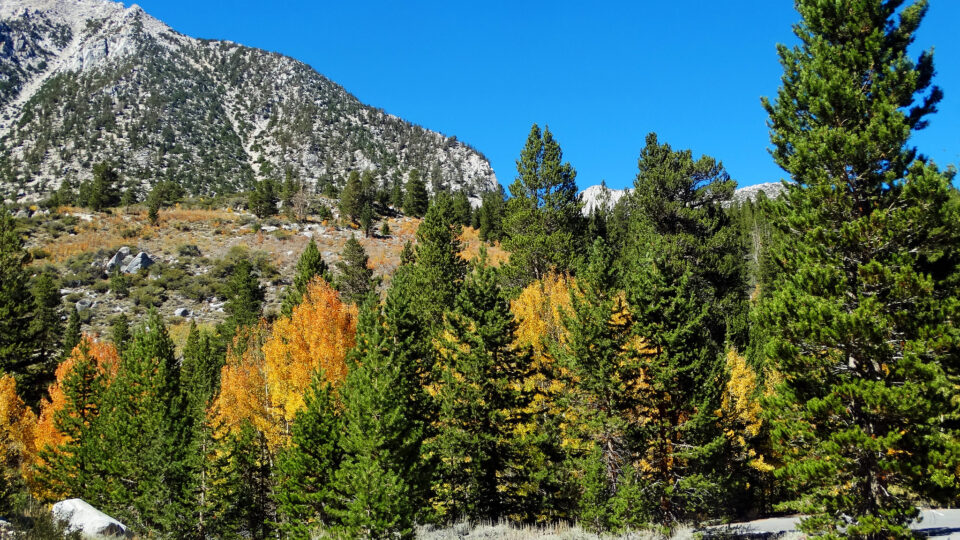
Forests And Water | Earth Wise

June 15, 2022 By EarthWise Leave a Comment

We hear a great deal about the environmental services provided by forests.  Deforestation is one of the major factors contributing to increasing levels of carbon dioxide in the atmosphere.  And, of course, forests – most notably rainforests – are major contributors to biodiversity.  A new study by the U.S. Forest Service looked at the role forests play in providing water for Americans.

According to the study, published in the journal Water Resources Research, forested lands across the U.S. provide 83 million Americans with at least half of their water.  125 million people – well over a third of the country – receive at least 10% of their water from forests.  Notably, in the drought-stricken western U.S., nearly 40 million people get more than half of their drinking water from forests that are increasingly threatened by wildfires.

The study looked at surface water sources for more than 5,000 public water systems.  It provides a critical update to the map of where our water comes from.  The study focused on surface waters such as lakes, rivers, and streams because it is too difficult to trace sources of groundwater on a national scale.  Included is a new database of inter-basin water transfers, which are how surface water moves from places where it is plentiful to where it is not.  Examples are the California Aqueduct and the Central Arizona Project which respectively supply Los Angeles and Phoenix with drinking water.  

In Los Angeles, 69% of the water coming in through inter-basin transfers originated in forested lands.  In Phoenix, the figure is 82%.  There are many urban communities that obtain more than half of their drinking water from inter-basin transfers.  Even far from forests, water from forests is essential for millions of Americans.

**********

Web Links

U.S. Forests Provide 83 Million People with Half Their Water

Photo, posted September 26, 2016, courtesy of Don Graham via Flickr.

Earth Wise is a production of WAMC Northeast Public Radio.
Life In The Great Pacific Garbage Patch | Earth Wise

June 14, 2022 By EarthWise Leave a Comment

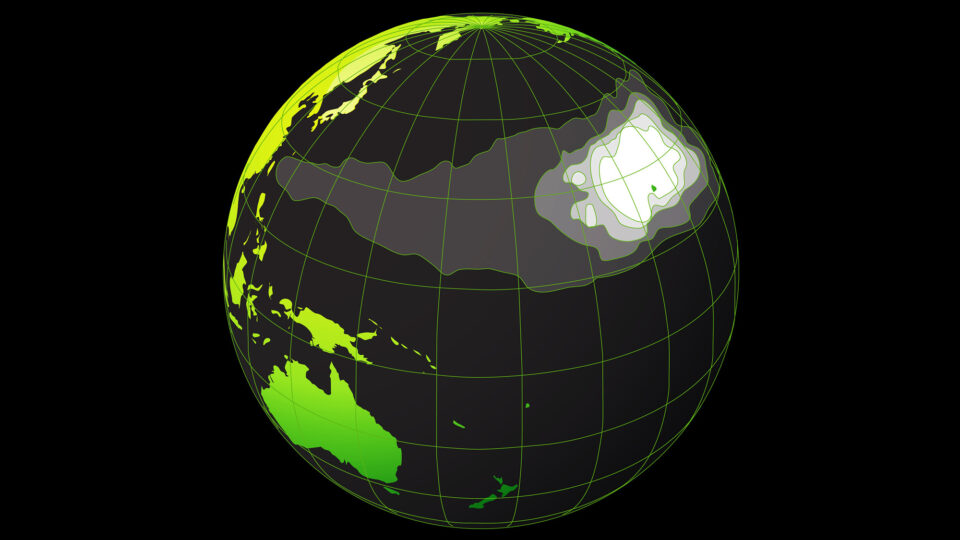
The world’s oceans contain five gyres, which are large systems of circular currents created by global wind patterns and the Earth’s rotation.   Gyres act like gigantic whirlpools.  Anything that floats into one of them eventually ends up in the center.   Ever since floating plastic waste started entering the ocean, it has poured into these gyres and created so-called garbage patches.  The largest of these is the Great Pacific Garbage Patch, located halfway between Hawaii and California.  According to the Ocean Cleanup Foundation, the Great Pacific Patch contains at least 79,000 tons of plastic.

A recent study has shown that the garbage patch is not just a place where drifting plastics aggregate; it is also a place where drifting animals aggregate.

It turns out that the Great Pacific Garbage Patch is absolutely teeming with life, primarily small surface-dwelling animals that are collectively known as neuston.  A ship surveying the garbage patch found that in some places, there were nearly as many neuston as there are pieces of plastic.

Typical creatures in the patch are blue dragon nudibranchs, Portuguese man-o-wars, anemones, sea snails, blue buttons (which are related to jellyfish) and hydrozoans.  It appears that these creatures are reproducing within the garbage patch.  Little is actually known about the life history and ecology of these creatures, so that studying the garbage patch is offering valuable insights to scientists.

Two nonprofit organizations are working to remove floating plastic from the Great Pacific Garbage Patch.  Evidently, removing this existing pollution from the ocean is likely to have unexpected effects on the local ecosystem and is a source of at least some controversy.  One thing that isn’t controversial, however, is that we need to stop the flow of plastic into the ocean.

**********

Web Links

The Ocean’s Biggest Garbage Pile Is Full of Floating Life

Photo, posted in April, 2012, courtesy of Steven Guerrisi via Flickr.

Earth Wise is a production of WAMC Northeast Public Radio.
Plastic Recycling Isn’t Working | Earth Wise

June 13, 2022 By EarthWise Leave a Comment

plastic recycling is not working

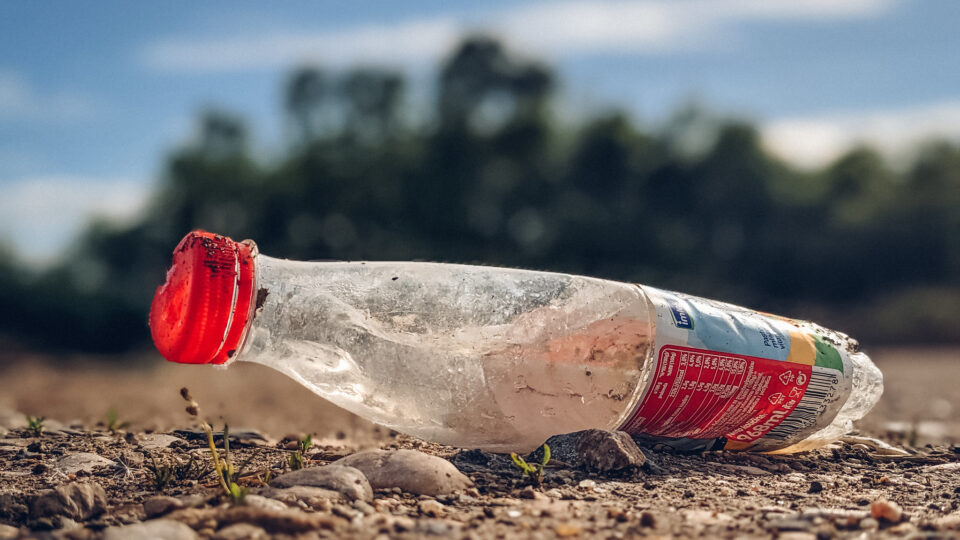
A recent report from several environmental organizations shows that plastic recycling rates in the U.S. have actually declined in the last several years from about 8.7% of discarded plastic to less than 6%.   Meanwhile, since 1980, per capita plastic waste generation has increased 263%, totaling 218 pounds of plastic waste per person as of 2018.

Diminishing recycling rates don’t necessarily indicate a lack of interest by the public.  Plastic recycling is a complicated process.  There are multiple types of plastic that can’t be intermingled and there are no simple and sustainable ways to recycle many forms of plastic.   On top of that, the declining recycling rate also reflects the fact that we no longer can export our plastic waste to countries like China and Turkey, which have banned U.S. waste imports.

Recycling in general is a successful practice.  Paper recycling rates are around 66% as of 2020.  Cardboard recycling was at 88.8% in 2020, and metal recycling rates range from 27% to 76%, depending on the type of metal.  Glass recycling rates are a little over 30%.  Only plastic recycling has never reached 10%, even before shipping our waste overseas and declaring it to be recycled was going on.

According to environmental organizations focused on the global plastic problem, there is no circular economy of plastics.  Perhaps if truly biodegradable plastics became practical, economical, and widely utilized, the situation would be different.  As things stand, the only solution is to reduce the production, use, and disposal of plastics.

**********

Web Links

Plastics Recycling ‘Does Not Work,’ Environmentalists Stress as U.S. Recycling Rates Drop to 5%

Photo, posted May 13, 2021, courtesy of Ivan Radic via Flickr.

Earth Wise is a production of WAMC Northeast Public Radio.

The Scourge Of Salt | Earth Wise

June 10, 2022 By EarthWise Leave a Comment

Salt will plague many communities and countries in the future

Rising seas are increasing saltwater intrusion on land and rising temperatures are causing greater evaporation.   The result is mounting levels of salt in waters and in soils.

Rising sea levels cause salty ocean water to push further into river deltas.  There is already a surge in saltiness across all inhabited continents.   Seawater works its way further upstream when dams hold back water.  Pumps that remove fresh water from underground sources for irrigation and drinking supplies add to the problem.  In dry regions, irrigation systems delivering water to crops increasingly bring salt onto fields.

People add to the problem by pouring saline drainage water from mines into rivers and by using salt to de-ice roads in the winter.

A modeling study pinpointed hotspots for climate change-induced salinization in numerous locations including the U.S. Southwest, wide areas of Australia, Mexico, South Africa, Brazil, central India, northern China, and more.

Some ecosystems are adapted to saline environments but major alterations in the balance between saline and fresh water is creating growing problems for ecosystems, lake fisheries, crop growing, and even human health.

The damage caused by salt is likely to be so severe that salinization will become a major cause of environmental refugees when the land they live on can no longer sustain them. 

Salt will be a growing threat to the world’s food supplies, especially where farmers depend on artificial irrigation.  About a third of the world’s food is grown in irrigated fields, and a fifth of those fields are deemed to already be salt-contaminated.  Ultimately, only a halt to climate change will be capable of combatting the scourge of salt.

**********

Web Links

Salt Scourge: The Dual Threat of Warming and Rising Salinity

Photo, posted June 3, 2017, courtesy of Jason Jacobs via Flickr.

Earth Wise is a production of WAMC Northeast Public Radio.
Shipping And The Endangered Whale Shark | Earth Wise

June 9, 2022 By EarthWise Leave a Comment

Whale shark population continues to decline

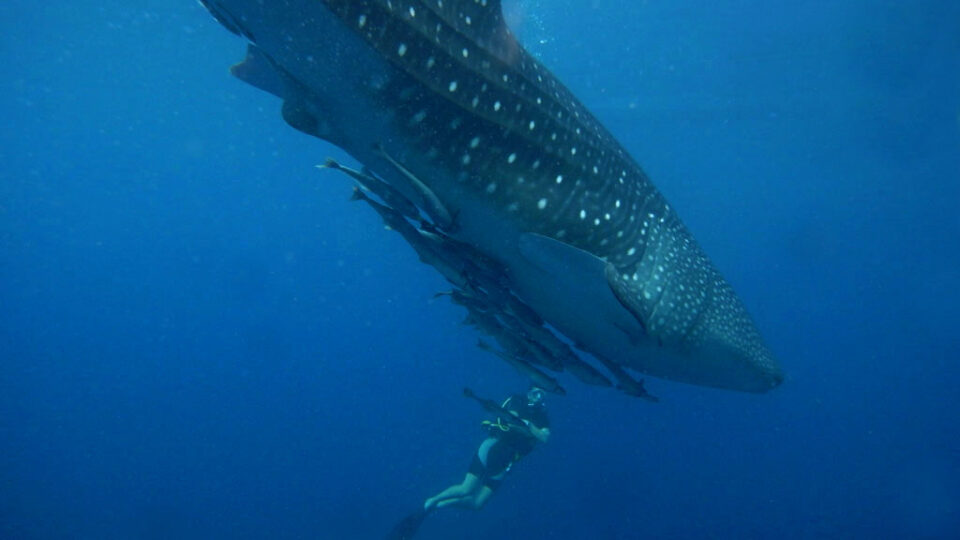
Whale sharks are the largest fish in the world.  While they measure up to 60 feet long and weigh up to 15 tons – larger and heavier than a school bus – whale sharks are actually harmless.  They are a graceful, slow-moving, filter-feeding carpet shark.  They are found in marine environments around the world and play an important role in the marine food web and healthy ocean ecosystems.

Whale sharks are an endangered species.  According to the International Union for Conservation of Nature, growing human pressures are putting whale sharks at an increased risk of extinction.  The numbers of these gentle giants have declined by more than 50% over the last 75 years despite many international protections.  Fishing bycatch, poaching, and collisions with ships are the main drivers of the population decline. 

According to new research from marine biologists from the Marine Biological Association and the University of Southampton in the U.K., lethal collisions between whale sharks and large ships are vastly underestimated, and could be the reason why populations are continuing to fall.  Whale sharks spend a large amount of time in surface waters in coastal regions, and the research team theorized that collisions with ships could be causing significant whale shark deaths. 

In the study, researchers tracked the global movements of both ships and whale sharks, and then mapped so-called hotspots where their movements overlapped.  The research team found that more than 90% of whale shark movements fell under the footprint of shipping activity.

While many conservation measures have been taken to protect whale sharks, no international regulations currently exist to protect them from ship collisions.  The researchers say it’s time for that to change. 

********** 

Web Links

Shipping poses significant threat to the endangered whale shark

Whale sharks (Rhincodon typus)

Global collision-risk hotspots of marine traffic and the world’s largest fish

Photo, posted July 8, 2010, courtesy of Marcel Ekker via Flickr.

Earth Wise is a production of WAMC Northeast Public Radio.
Atmospheric Plastic Polluting The Ocean | Earth Wise

June 8, 2022 By EarthWise Leave a Comment

Winds carry plastic particles all around the world

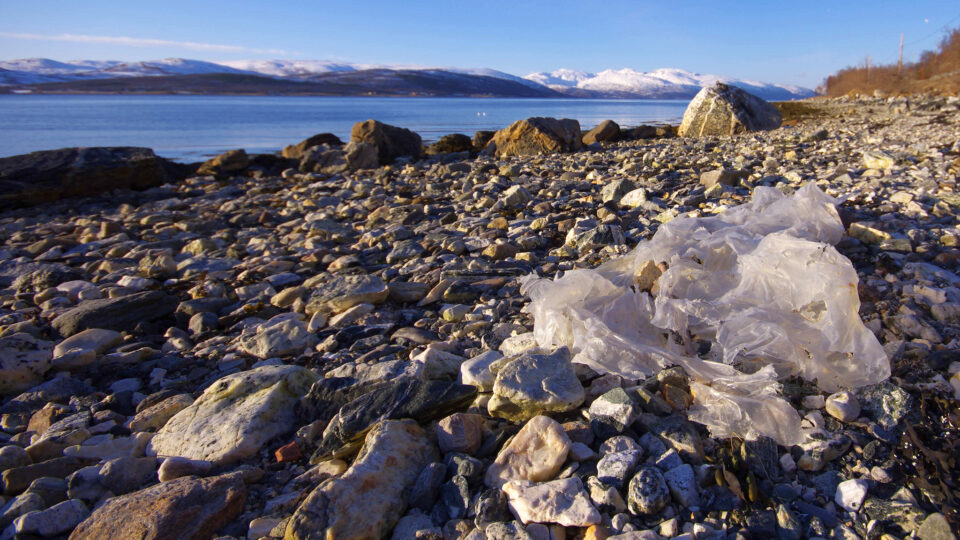
According to estimates, by 2040 there will likely be nearly 90 million tons of plastic pollution entering the environment each year.  Particles of plastic have been found in virtually all parts of our planet including the land, the water, and even the air.  Tiny plastic particles have been found in the Arctic, the Antarctic, and at the tops of the highest mountains.

A new study has shown that winds can carry plastic particles over great distances and in fact can bring them from their point of origin to the most remote places in a matter of days.   As a result, micro- and nanoplastics can penetrate the most remote and otherwise largely untouched regions of the planet

How does plastic get into the atmosphere?  Particles produced by tires and brakes in road traffic or ones in the exhaust gases from industrial processes rise into the atmosphere, where they are transported by winds.  There is also evidence that a substantial number of these particles are transported by the marine environment.  Microplastic from the coastal zone finds its way into the ocean through beach sand.  A combination of sea spray, wind, and waves forms air bubbles in the water containing microplastic.  When the bubbles burst, the particles find their way into the atmosphere.

Understanding the interactions between the atmosphere and ocean is important because the atmosphere turns out to be a major mechanism in depositing substantial amounts of plastic into a broad range of ecosystems.

The impact of plastic particles on ecosystems is not well understood.  Neither is the effect of plastic particles in the air upon human health.  In a recent British study, microplastic was detected in the lungs of 11 out of 13 living human beings.

**********

Web Links

Micro- and nanoplastic from the atmosphere is polluting the ocean

Photo, posted April 25, 2016, courtesy of Bo Eide via Flickr.

Earth Wise is a production of WAMC Northeast Public Radio.

  • « Go to Previous Page
  • Page 1
  • Interim pages omitted …
  • Page 42
  • Page 43
  • Page 44
  • Page 45
  • Page 46
  • Interim pages omitted …
  • Page 99
  • Go to Next Page »

Primary Sidebar

Recent Episodes

  • An uninsurable future
  • Clean energy and jobs
  • Insect declines in remote regions
  • Fossil fuel producing nations ignoring climate goals
  • Trouble for clownfishes

WAMC Northeast Public Radio

WAMC/Northeast Public Radio is a regional public radio network serving parts of seven northeastern states (more...)

Copyright © 2026 ·