• Skip to primary navigation
  • Skip to main content
  • Skip to primary sidebar

Earth Wise

A look at our changing environment.

  • Home
  • About Earth Wise
  • Where to Listen
  • All Articles
  • Show Search
Hide Search
You are here: Home / Archives for yields

yields

Natural Habitats And Strawberry Farms | Earth Wise

April 22, 2020 By EarthWise Leave a Comment

natural habitat benefits farms

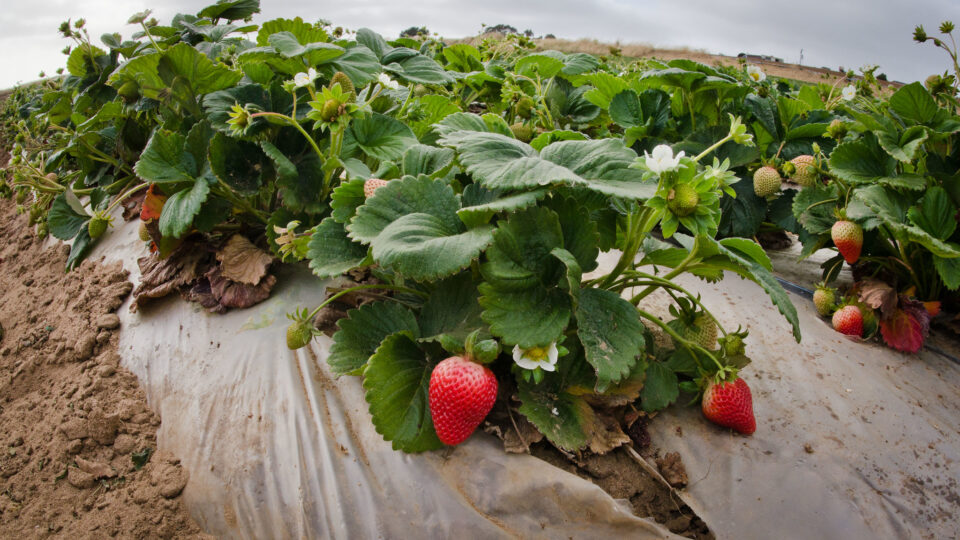
According to a new study led by researchers from the University of California – Davis, conserving natural habitat around strawberry fields can protect farmers’ yields, their bottom line, and the environment.  The study also suggests that conserving natural habitat in this way has no detectable threat to food safety. 

In this study, which was recently published in the journal Ecological Applications, the research team conducted surveys and experiments at 20 strawberry farms along California’s Central Coast.  This region is responsible for 43% of the nation’s strawberry production. 

The researchers found that strawberry farmers were better off with natural habitat, like forests, grasslands, wetlands, and shrubs, around their farms than without it.  According to the study’s models, adding natural habitat can reduce crop damage costs by 23%.  Removing natural habitat can increase costs by as much as 76%. 

Importantly, the strawberry farms with natural habitat surrounding them showed no signs of increased fecal contamination.  While bird feces were regularly encountered on the ground, only 2 of 10,000 strawberries examined show signs of direct fecal contamination.  Those contaminated berries would be discarded during the hand-harvesting process.   

These findings run contradictory to current best practice recommendations that support natural habitat removal around strawberry farms in order to decrease bird fecal contamination and crop damage.  These food safety requirements were a consequence of the deadly outbreak of E. coli in 2006, which was traced back to spinach grown in this region.   

It seems like our agricultural landscapes can both support and benefit from biodiversity. 

**********

Web Links

Natural habitat around farms a win for strawberry growers, birds and consumers

Photo, posted June 16, 2011, courtesy of the USDA via Flickr.

Earth Wise is a production of WAMC Northeast Public Radio.
Keeping Plants Plump

December 3, 2019 By EarthWise Leave a Comment

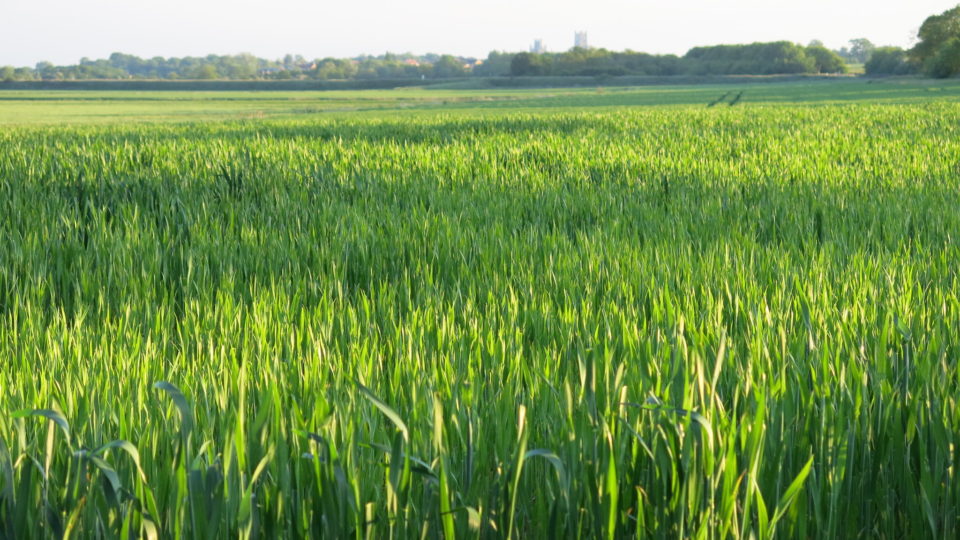
The leading cause of crop failures worldwide is drought.  Ironically, the very close runner-up is flooding.  Facing a changing and increasingly erratic climate, farmers need all the help they can get in protecting their crops.

Researchers at the University of California, Riverside, have created a chemical to help plants hold onto water, which could stem the tide of massive annual crop losses from drought.  Details of the team’s work is described in a paper published in Science.

The chemical is called Opabactin, but is also known as “OP.” OP is gamer slang for overpowered, referring to the best character or weapon in a game.

OP mimics abscisic acid, or ABA, which is the natural hormone produced by plants in response to drought stress.  ABA slows a plant’s growth, so it doesn’t consume more water than is available and doesn’t wilt.  OP is 10-times stronger than ABA, which makes it a super hormone.  It works fast.  Within hours, there is a measurable improvement in the amount of water plants release.  Because it works so quickly, OP could give farmers more flexibility in how they deal with drought.   Plants can’t predict the future, but if, for example, farmers think there is a reasonable chance of drought, they could make decisions such as to apply OP to improve crop yields.

The research team is now trying to find a second chemical tool.  Whereas OP slows down plant growth, the team wants to find a molecule that will accelerate it.  Such a molecule could be useful in controlled environments such as indoor greenhouses.  There are times when you want to speed up growth and times when you want to slow it down.

**********

Web Links

Game changer: New chemical keeps plants plump

Photo, posted June 7, 2013, courtesy of Bayer CropScience UK via Flickr.

Earth Wise is a production of WAMC Northeast Public Radio.
Intense Rainfall And Crops

July 2, 2019 By EarthWise Leave a Comment

The warming of the planet does not necessarily imply local weather will be warmer or drier than average.  While heatwaves and droughts are increasingly common events in many places, so are intense rain events.

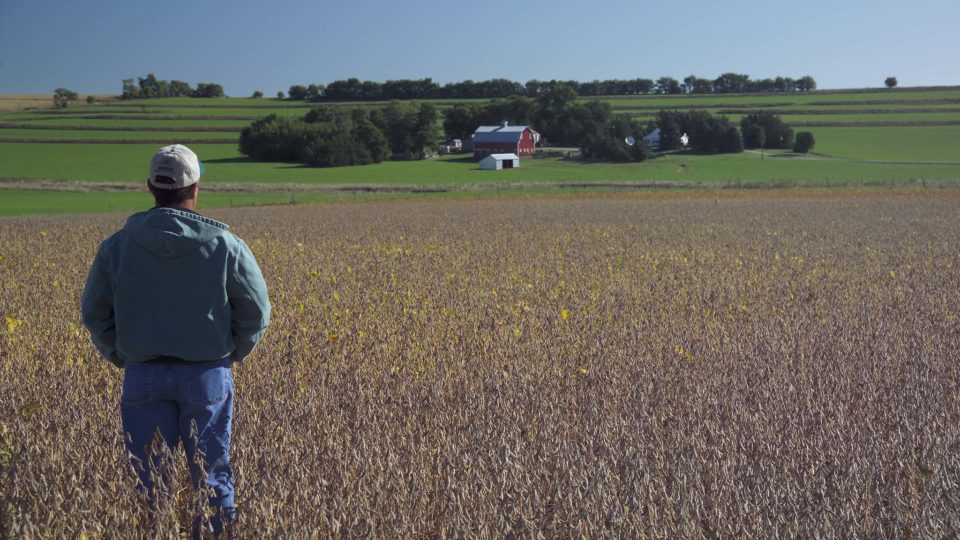
A new study led by scientists at the University of Illinois has found that intense rainfall is as damaging to the U.S. agricultural sector as heatwaves and excessive droughts.

The study examined more than three decades of crop insurance, climate, soil, and corn yield data.  Researchers found that since 1981, corn yields in the U.S. Midwest were reduced by as much as 34% during years with excessive rainfall.  Years with drought and heatwaves experienced yield losses of up to 37%.

Intense rain events can physically damage crops, delay planting and harvesting, restrict root growth, and cause oxygen deficiency and nutrient loss.  The study estimated that between 1989 and 2016, excessive rainfall caused $10 billion in agricultural losses. However, excessive rainfall can have either negative or positive impact on crop yield and the effects can vary regionally.

Parts of the Midwest have already experienced a 42% increase in the heaviest precipitation events since 1958.  Climate change models predict that much of this region will experience even more frequent and intense precipitation events in the coming decade.

According to the study, excessive rainfall is the major cause of crop damage currently in the U.S. for corn, and also has broad impacts for other staple crops such as soybeans and wheat. The authors suggest that as rainfall becomes more extreme, reforms will be needed in the U.S. crop insurance industry in order to better meet planting challenges faced by farmers. 

**********

Web Links

Intense Rainfall Is As Damaging to Crops As Heatwaves and Drought, and Climate Change Is Making It Worse

Photo, posted October 2, 2013, courtesy of the United Soybean Board via Flickr.

Earth Wise is a production of WAMC Northeast Public Radio.
A Breakthrough In Animal Identification

December 25, 2018 By EarthWise Leave a Comment

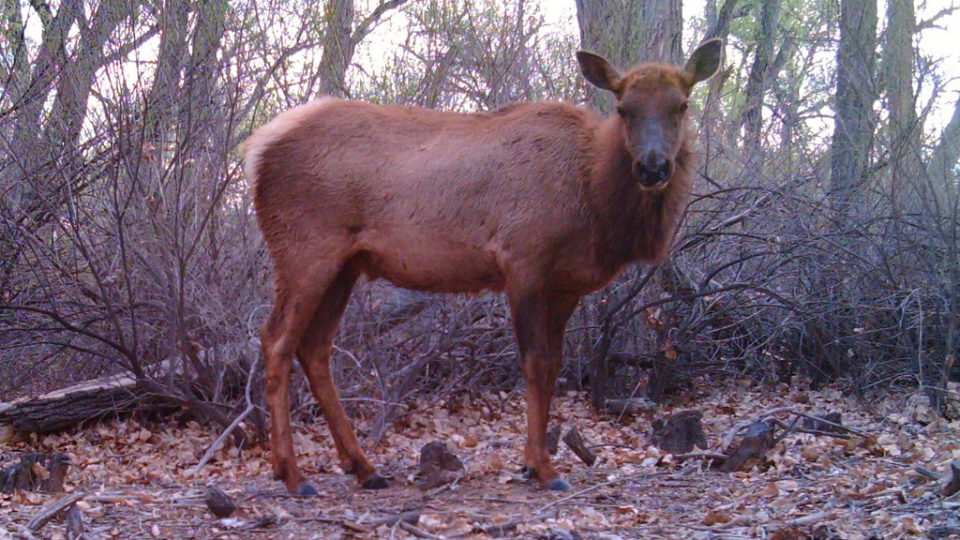
Researchers from the University of Wyoming have developed a computer model that can identify wild animals in camera-trap photographs with remarkable accuracy and efficiency.

This breakthrough in artificial intelligence (AI), detailed in a paper recently published in the scientific journal Methods in Ecology and Evolution, represents a significant advancement in the study and conservation of wildlife. According to the paper’s authors, “the ability to rapidly identify millions of images from camera traps can fundamentally change the way ecologists design and implement wildlife studies.”

This study builds on previous research from the university in which a computer model analyzed 3.2 million images captured by camera traps in Africa.  The A-I technique called deep learning categorized animal images at a 96.6% accuracy rate.  This was the same accuracy rate as teams of human volunteers achieved, but the computer model worked at a much more rapid pace. 

In the latest study, UW researchers trained a deep neural network on a powerful computer cluster to classify wildlife species using 3.37 million camera-trap images of 27 different animal species.  The model was tested on nearly 375,000 images at a rate of about 2,000 images per minute. It achieved a 97.6% accuracy rate, which is likely the highest accuracy to date in using machine learning for wildlife image classification. 

Artificial intelligence has been used in environmental science in other ways as well. For example, AI has been used to increase agricultural yields in farm fields and to help predict extreme weather. 

Maybe artificial intelligence can prove to be a game changer for the environment.   


**********

Web Links

Researchers Successfully Train Computers to Identify Animals in Photos

Photo, posted January 8, 2012, courtesy of the U.S. Fish and Wildlife Service via Flickr. 

Earth Wise is a production of WAMC Northeast Public Radio.
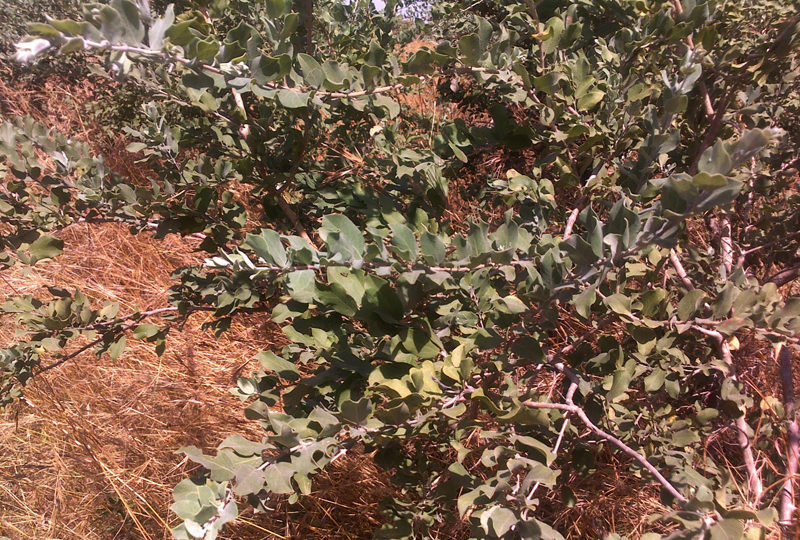
Fighting Hunger With A Shrub

December 20, 2018 By EarthWise Leave a Comment

https://earthwiseradio.org/wp-content/uploads/2018/12/EW-12-20-18-Fighting-Hunger-with-a-Shrub.mp3

A recent study has revealed that a tough, woody shrub that grows throughout Western Africa can actually share its water with adjacent cultivated plants and boost grain production.

[Read more…] about Fighting Hunger With A Shrub

Accelerating Sugarcane Growth

September 21, 2018 By EarthWise Leave a Comment

https://earthwiseradio.org/wp-content/uploads/2018/09/EW-09-21-18-Accelerating-Sugarcane-Growth.mp3

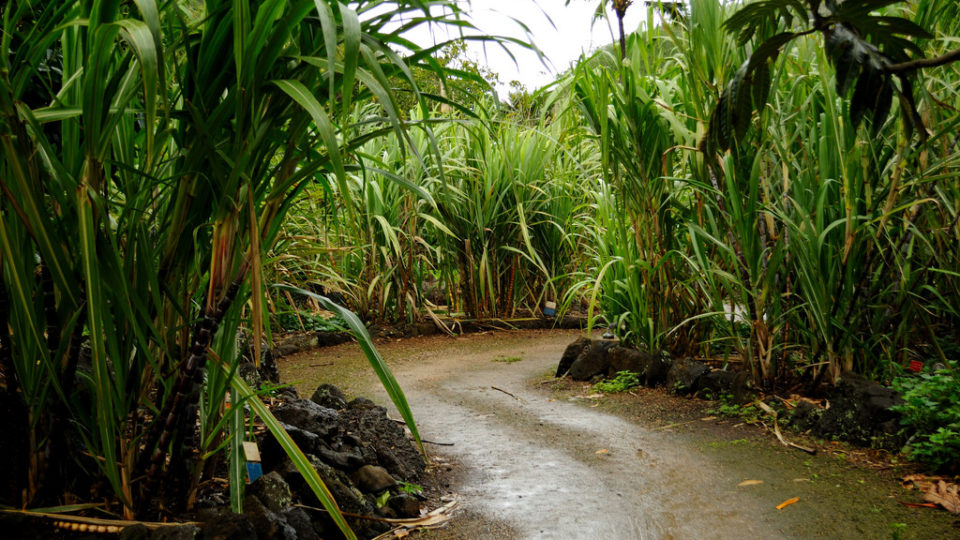
Brazil is the world’s second largest producer of ethanol fuel behind the United States.  More than that, it has the first sustainable biofuel economy, which is based on sugarcane ethanol, not corn ethanol.  It is sustainable because of Brazil’s advanced agri-industrial technology and its enormous amount of arable land.   Furthermore, producing sugarcane ethanol is far more energy-efficient than corn ethanol. It actually makes energy sense to produce it.

[Read more…] about Accelerating Sugarcane Growth

Saving Wheat

July 3, 2018 By EarthWise Leave a Comment

https://earthwiseradio.org/wp-content/uploads/2018/07/EW-07-03-18-Saving-Wheat.mp3

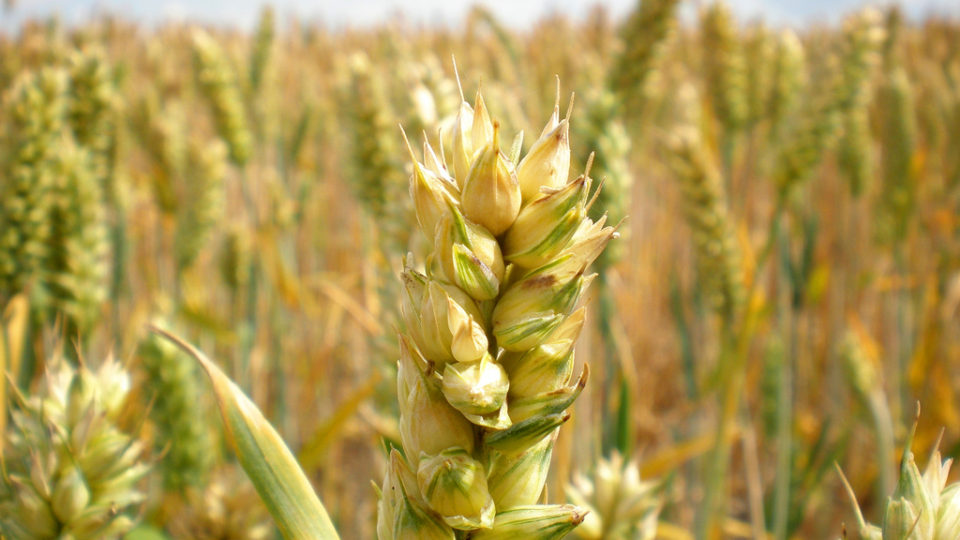
Rising temperatures, drought, pests and diseases are moving north into the U.S. heartland and are increasingly posing a threat to the wheat crop.  An insect called the Hessian fly is reducing crop yields by 10% a year in the Midwest.  Average temperatures in the Midwest have risen by 2 degrees since 2000, and periods of time between rainfalls is lengthening.  Conditions in some areas of the Midwest are getting to be more like those in the Middle East.

[Read more…] about Saving Wheat

New Doubts About GMO Crops

November 30, 2016 By EarthWise

https://earthwiseradio.org/wp-content/uploads/2016/11/EW-11-30-16-New-Doubts-about-GMOs.mp3

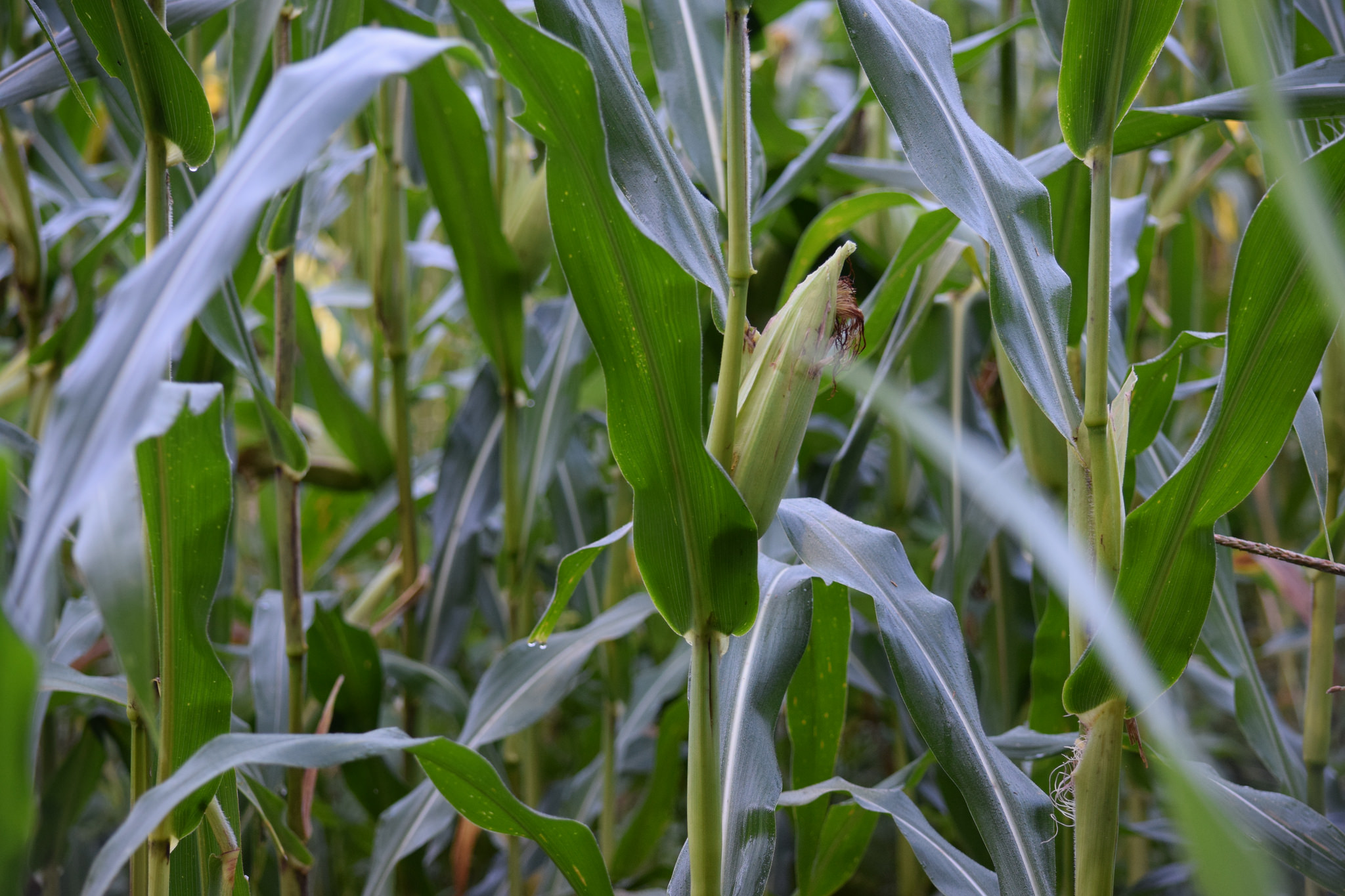
Genetically modified crops have been at the center of a great deal of controversy for a number of years.  There have been widespread fears that they are unsafe to eat.  Continuing studies have indicated that those fears appear to be unsubstantiated.

[Read more…] about New Doubts About GMO Crops

Coffee And Climate Change

November 16, 2015 By WAMC WEB

https://earthwiseradio.org/wp-content/uploads/2015/11/EW-11-16-15-Coffee-And-Climate-Change.mp3

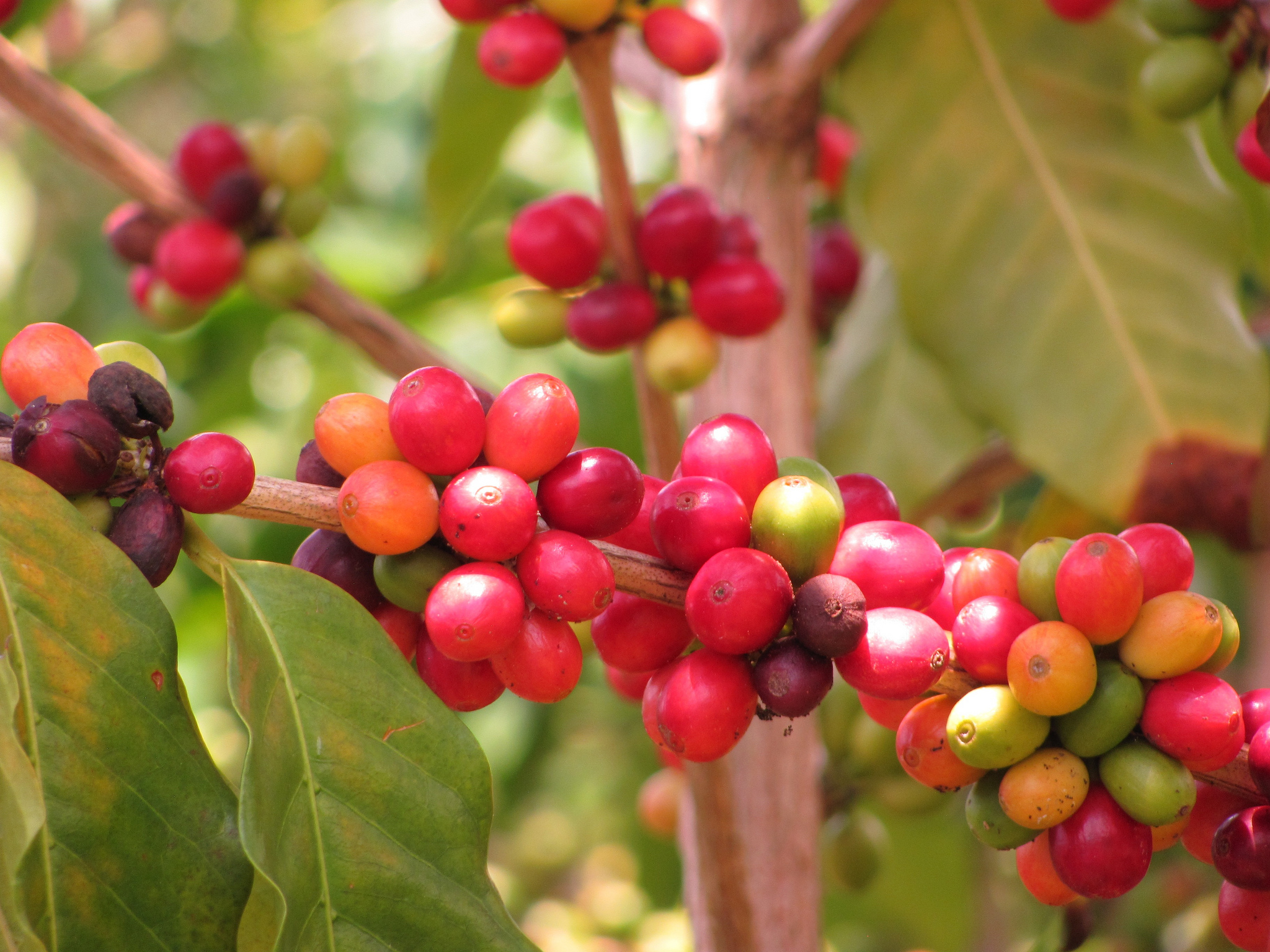
Climate change is threatening crops all around the world, but maybe none more so than coffee.  According to the Union of Concerned Scientists, “higher temperatures, long droughts punctuated by intense rainfall, more resilient pests and plant diseases—all of which are associated with climate change—have reduced coffee supplies dramatically in recent years.”

[Read more…] about Coffee And Climate Change

  • « Go to Previous Page
  • Page 1
  • Page 2

Primary Sidebar

Recent Episodes

  • An uninsurable future
  • Clean energy and jobs
  • Insect declines in remote regions
  • Fossil fuel producing nations ignoring climate goals
  • Trouble for clownfishes

WAMC Northeast Public Radio

WAMC/Northeast Public Radio is a regional public radio network serving parts of seven northeastern states (more...)

Copyright © 2026 ·