vehicles
A Climate-Friendlier Coolant

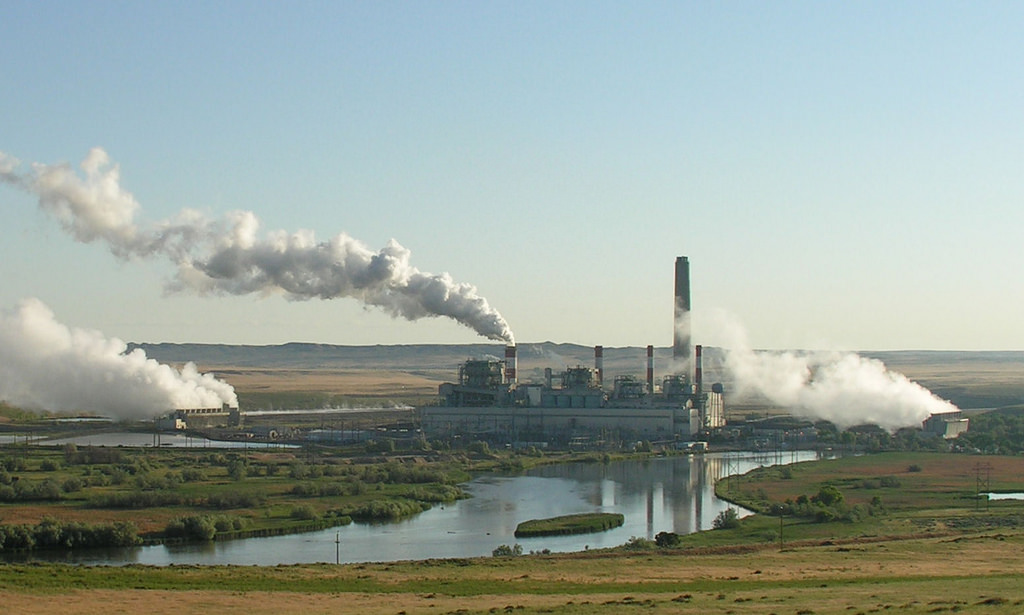
Recently, negotiators from more than 170 countries reached a legally binding accord in Kigali, Rwanda to cut the use of hydroflurocarbons, or HFCs, which are chemical coolants used in air conditioners and refrigerators. HFCs are just a small percentage of the greenhouse gases in the atmosphere, but they are supercharged greenhouse gases that have 1,000 times the heat-trapping potency of carbon dioxide.
Are Electric Cars Worth The Price?
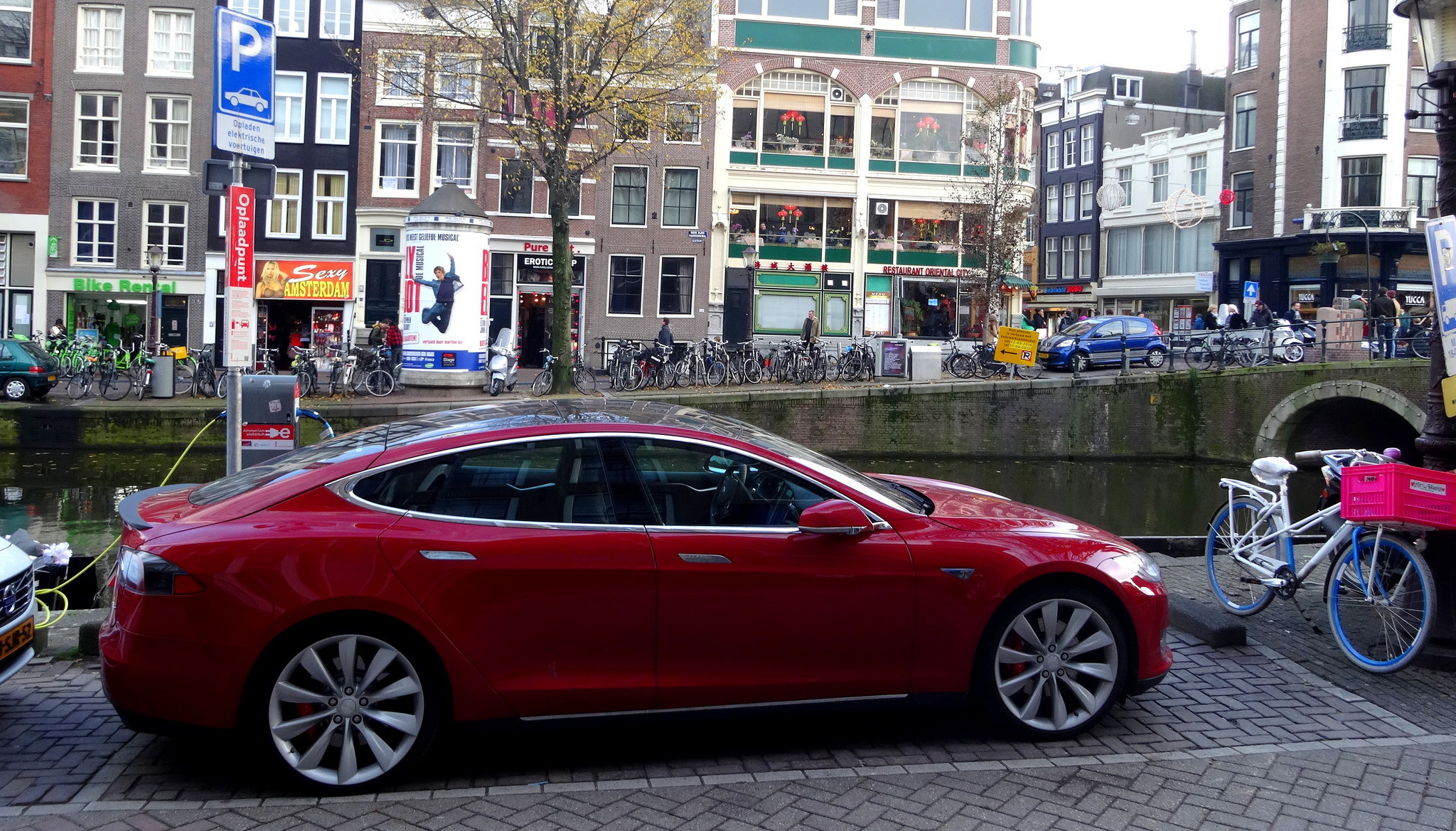
Pretty much every discussion of electric cars, plug-in hybrids and ordinary hybrids starts and ends up with the question of whether they are worth the money. If the reason for buying such a vehicle is strictly economic, then this is the right question to ask. But the naysayers who say such a purchase is foolish may be barking up the wrong tree.
Electric Cars And Climate Change
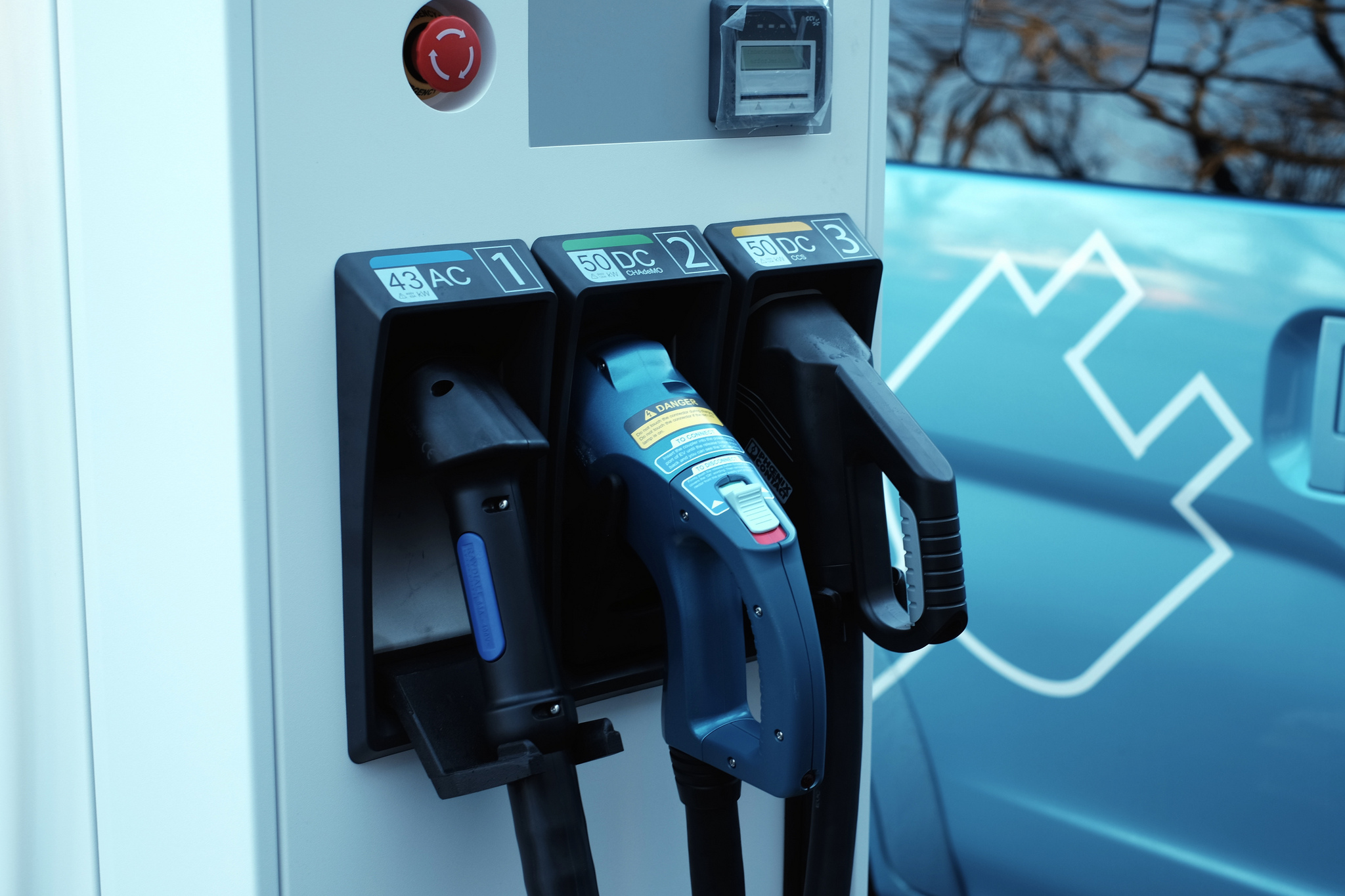
Electric cars are gradually becoming more popular, but there are still real concerns about their driving range, the availability of charging infrastructure, and their price. Adoption of the technology is still rather slow.
Prowling Cougars

What large mammal routinely kills 200 humans in the Eastern United States every year? Here’s a hint: It’s not cougars. It’s actually overabundant white-tailed deer.
Grass-Powered Cars

Several major automakers are betting on hydrogen-powered cars as the future of personal transportation. The first of these cars are already available in California. What isn’t readily available is the hydrogen to power them. There are very few hydrogen stations out there and hydrogen is pretty expensive.
We Like Cheap Gas
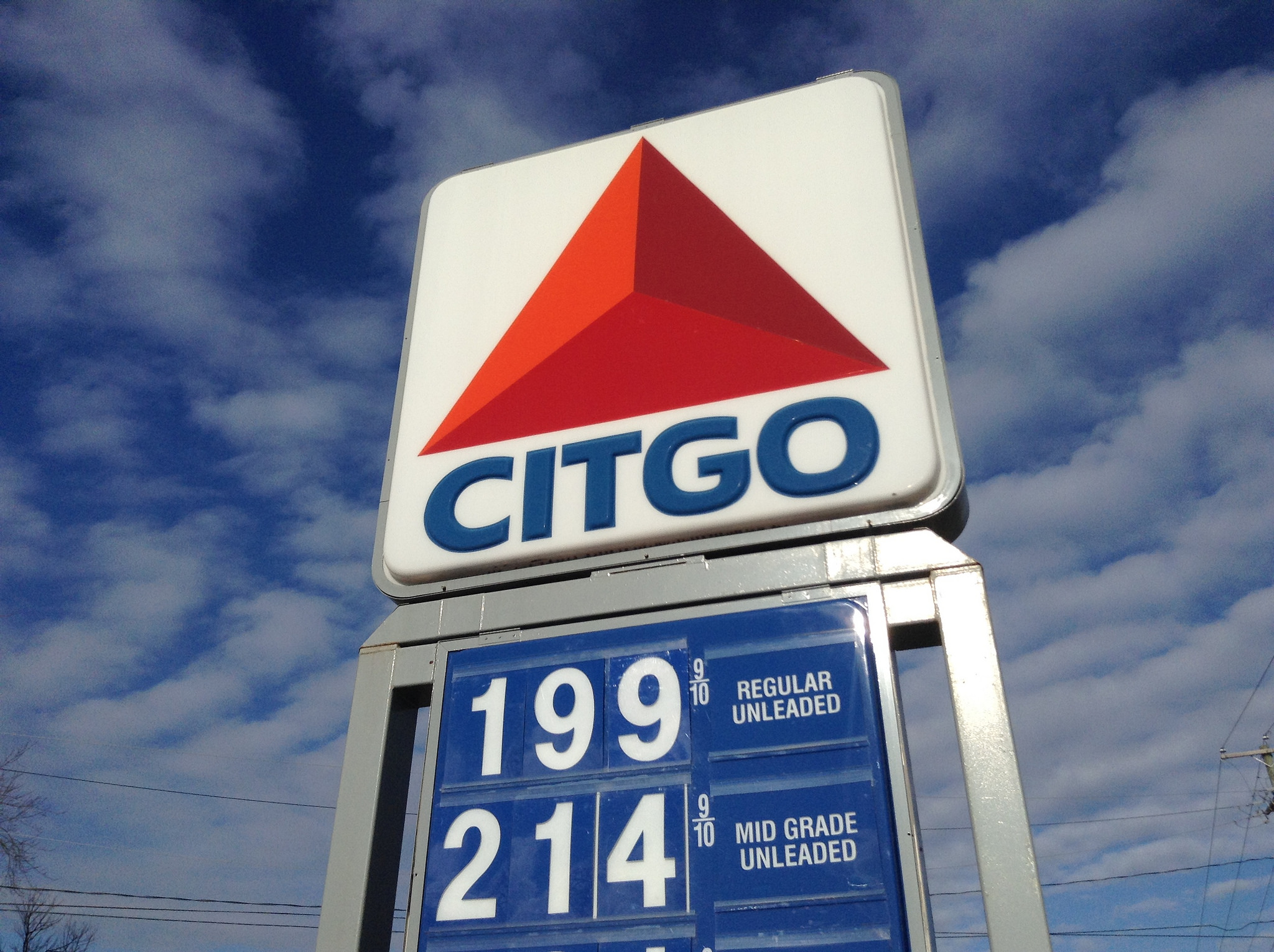
The major auto makers agreed several years ago to a goal of achieving average fuel economy of over 54 miles per gallon by 2025. Motivated by the desire to reduce emissions, getting twice as many miles out of a gallon of gas makes great sense.
Norway And Electric Cars
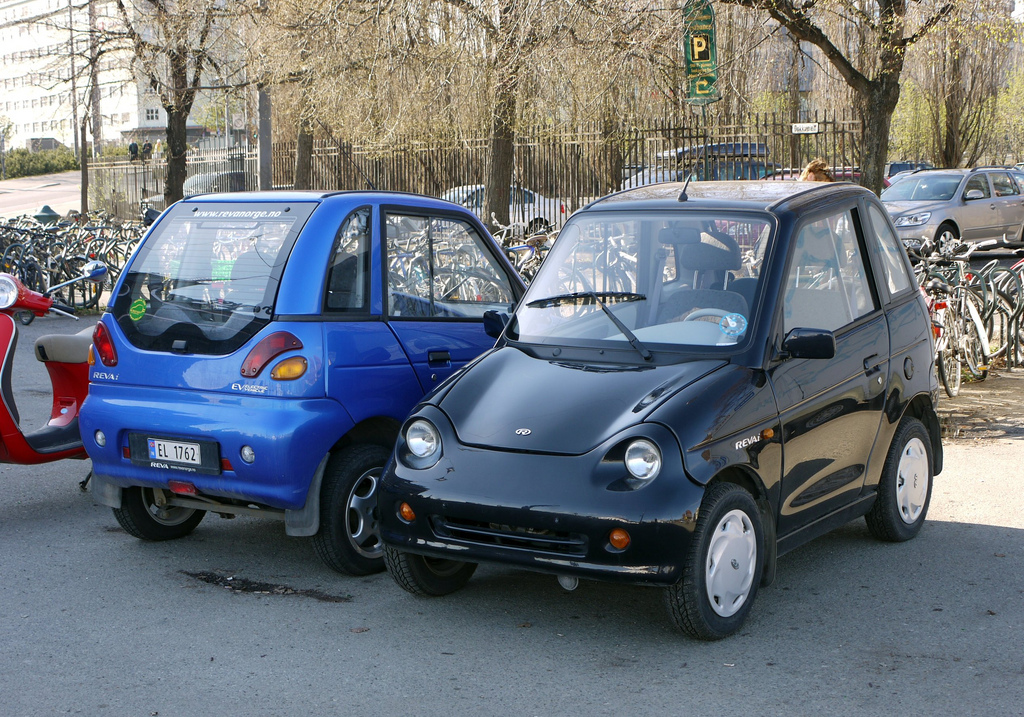
One of the standard criticisms aimed at electric cars is whether they actually are good for the environment when everything is taken into account. For example, people worry about the amount of energy expended and the environmental impact of actually building the car. Recent studies have shown that this balances out over a relatively short amount of the car’s lifetime.
Powering The Hydrogen Highway
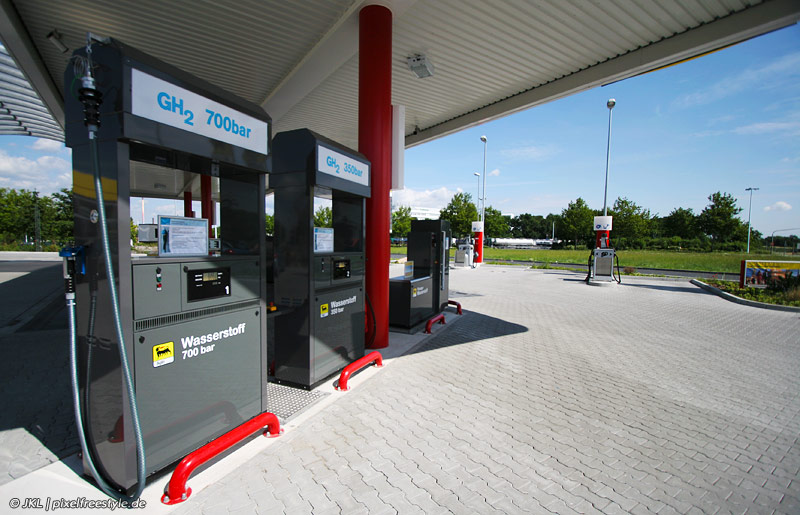
2016 is the first year that hydrogen fuel cell cars are available to the general public. There aren’t very many of them as yet, but Toyota, Honda, and Hyundai all have fuel cell vehicles on the market. All these companies are betting on hydrogen-powered cars as the future of personal transportation.
Right now, California is where almost all the action is for fuel cell cars but even there, there are only a handful of hydrogen fueling stations. The automakers are providing a great incentive to owners of their fuel cell cars: free hydrogen for the first couple of years. But free or not, it has to be available.
There are plans to build many more hydrogen fueling stations in California, but one problem is that it takes quite a while to commission new stations. Every car manufacturer has to perform validation tests that take weeks. As a result, it can take months to bring stations online.
California hopes to bring online a network of more than 50 stations by the end of 2016, mostly in Southern California and in the San Francisco Bay Area. Thanks to a new device developed by Sandia National Laboratories and the National Renewable Energy Laboratory, this rapid deployment of new stations now looks possible.
It is called the Hydrogen Station Equipment Performance device, or HyStEP, and it acts like a surrogate for vehicles and eliminates the need for each manufacturer to test separately. Testing can be done in less than a week.
Streamlining the process for commissioning hydrogen fueling stations is one important step towards building the hydrogen highway.
**********
Web Links
Speeding up the hydrogen highway
Photo, posted June 14, 2014, courtesy of Flickr.
Earth Wise is a production of WAMC Northeast Public Radio.