• Skip to primary navigation
  • Skip to main content
  • Skip to primary sidebar

Earth Wise

A look at our changing environment.

  • Home
  • About Earth Wise
  • Where to Listen
  • All Articles
  • Show Search
Hide Search
You are here: Home / Archives for vehicles

vehicles

Policy Moves on Electric Cars | Earth Wise

February 26, 2021 By EarthWise Leave a Comment

The transition to electric vehicles is underway

In recent times, there have been several significant events affecting the transition to electric vehicles.  The new administration has made aggressive moves toward fighting climate change.  Wall Street investors have placed more value on Tesla stock than that of GM, Toyota, Volkswagen, and Ford combined.  China, the world’s largest car market, recently mandated that most new cars must be powered by electricity within 15 years.

Against this background, the CEO of General Motors announced in late January that the company will aim to sell only zero-emission cars and trucks by 2035.

This announcement took the rest of the auto industry by surprise.  In the past, the industry tended to present a united message on emissions and other policy issues.  This time around, GM has stepped out in front of the issue.

GM has already committed to spending $27 billion to introduce 30 electric vehicle models by 2025 and is building a plant in Ohio to make batteries for those cars and trucks.

A key driver in the GM decision, no doubt, was an executive order signed by President Biden on his first day of office.  The order directed the Environmental Protection Agency to immediately begin developing tough new tailpipe pollution regulations, designed to reduce the nation’s largest source of greenhouse gas emissions.

Even before the change in administration, five other major automakers – BMW, Ford, Honda, Volkswagen, and Volvo – had already legally bound themselves to tougher fuel economy standards in a deal with California.  Those companies committed to an average fuel economy of 51 miles per gallon in 2026.

While no other large automaker has set a specific target date for selling only electric vehicles, many of them are moving in that direction.  The rapid growth of Tesla is an indicator of where the auto industry is heading.

**********

Web Links

G.M. Announcement Shakes Up U.S. Automakers’ Transition to Electric Cars

Photo, posted July 29, 2017, courtesy of Steve Jurvetson via Flickr.

Earth Wise is a production of WAMC Northeast Public Radio.
Better Radar For Cars | Earth Wise

August 14, 2020 By EarthWise Leave a Comment

new radar technology for safer driving

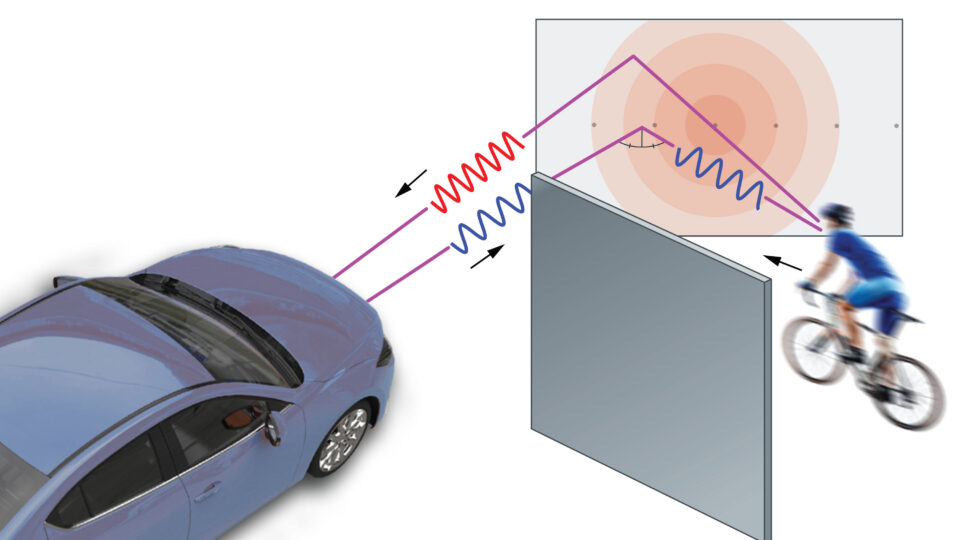
Major automakers as well as dedicated specialized companies are actively developing autonomous vehicle technology.  Many cars already offer varying degrees of self-driving capability.  These vehicles have a variety of sensor systems that allow them to detect other objects on the road.  Many rely on lidar or on cameras using visible or near-infrared light and these sensors do a pretty good job of preventing collisions.   But all of these systems are pretty much limited to detecting objects within a car’s line of sight.  Of course, human drivers have the same limitation.  We can’t see things hidden around corners or blocked by other objects.

Researchers at Princeton University have developed an automated system that will allow cars to peer around corners and spot oncoming traffic and pedestrians.  The system uses Doppler radar to bounce radio waves off of surfaces such as buildings and parked automobiles.  The radar signal hits a surface at an angle and its reflection bounces off much like a cue ball hits the wall of a pool table.  The reflected signal then hits objects hidden around the corner.  Some of that radar signal bounces back to be detected by sensors on the car.  In this way, the system can see objects around the corner and even tell whether they are moving or stationary.

This new technology could easily be integrated into today’s vehicles.  It would enable cars to see objects that current sensor systems cannot record.  For example, it would allow a self-driving vehicle to see around a dangerous intersection.

The system will require further development, refinement, and testing before it can find its way into our vehicles, but it does represent yet another way that self-driving technology may ultimately result in a safer transportation system.

**********

Web Links

New radar lets cars spot hazards around corners

Photo courtesy of Princeton University.

Earth Wise is a production of WAMC Northeast Public Radio.
Global Emissions And The Coronavirus Shutdown | Earth Wise

June 10, 2020 By EarthWise Leave a Comment

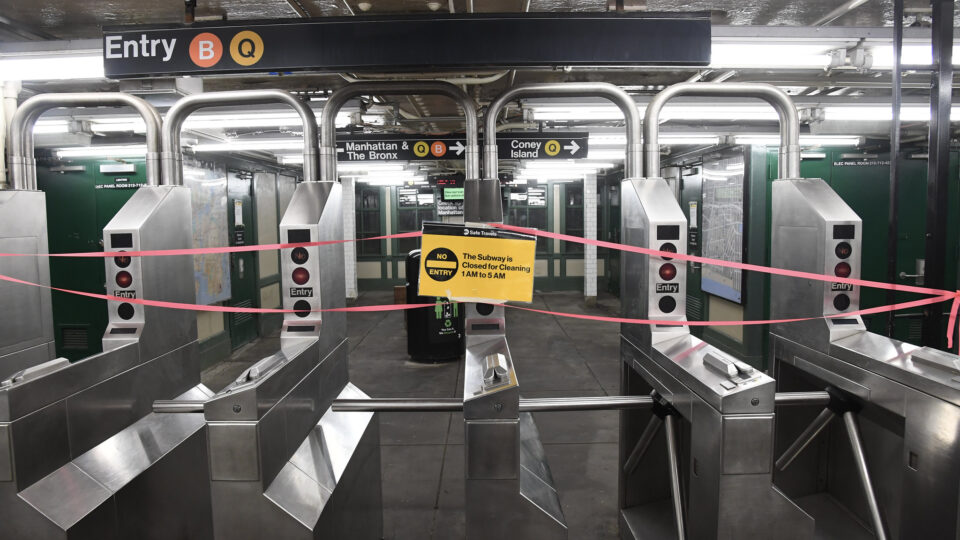
With so much of industry and personal activity curtailed by coronavirus shutdowns across the globe, it is no surprise that greenhouse gas emissions have declined.  According to new research published in the journal Nature Climate Change, average daily global greenhouse gas emissions declined 17% by early April compared to 2019 levels.

If the reopenings around the world continue and the world actually reaches pre-crisis levels by the middle of June, total CO2 emissions for the year would likely end up lower by about 4%.   If various restrictions continue until the end of the year, total global emissions could decline by 7%.

The study analyzed emissions estimates for three levels of coronavirus shutdowns and across six sectors of the economy.  It looked at trends in 69 countries, all 50 U.S. states, and 30 Chinese provinces, representing in total 86% of the world’s population and 97% of global CO2 emissions.

For the first 4 months of the year, emissions from industry declined 19%, the power sector 7%, and public buildings and commerce 21%, compared to last year.  Unsurprisingly, home energy use actually went up by about 3%.

The findings of this study only represent the effects of a short-lived decline in emissions.  As economies open back up, there is no doubt that greenhouse gas emissions will rise back to pre-Covid-19 levels.

The study also reveals that making real changes in emissions will require more than just behavior changes.  Despite billions of people staying home, companies shut down, planes grounded, and cars off the road, we still managed to pump more than 80% of the usual amount of greenhouse gases into the air for the first quarter of the year.

**********

Web Links

Global Emissions Fell 17 Percent Due to Coronavirus Shutdowns

Photo, posted May 7, 2020, courtesy of the MTA via Flickr.

Earth Wise is a production of WAMC Northeast Public Radio.

Sea Turtles Prospering During The Shutdown | Earth Wise

May 14, 2020 By EarthWise Leave a Comment

Sea turtles thriving during Coronavirus shutdown

Our stories often discuss how human activities change the natural environment.  With most of us confined to our homes, the lack of human activities is having profound effects on the environment.  We are talking about some of these this week.

Seven different species of sea turtles are found in the world’s oceans and play important roles in marine ecosystems.  Over time, human activities have tipped the scales against the survival of these animals.  They have been hunted for their eggs, meat, skin, and shells and face habitat destruction and accidental capture in fishing gear.  Their nesting grounds in beaches are constantly disturbed and endangered by human activity.

With the beaches in Florida closed in the effort to stop the spread of coronavirus, there is less plastic waste, fewer people and vehicles, and fewer artificial lights on the beach that disorient emerging turtle hatchlings.  Because of all of these factors, sea turtles have been building their nests without disruptions.

In April, it was nesting season for leatherback turtles, the largest of all sea turtles. In May, loggerhead turtles arrive in Florida.  Later in the summer, green turtles will arrive.

It takes about 60 days for sea turtle eggs to incubate and to hatch.  During that period, lots of things can happen to a nest on an active beach – it can get trampled, people can dig it up, and artificial light can confuse the hatchlings as they try to find their way to the water.  With the current shutdown, it should be a productive nesting season for sea turtles.

On the other hand, when beaches reopen, there may well be a major influx of people flocking to the beach because they have been stuck indoors for an extended period of time.

**********

Web Links

Sea turtles are thriving as coronavirus lockdown empties Florida beaches

Photo, posted August 9, 2016, courtesy of Florida Fish and Wildlife via Flickr.

Earth Wise is a production of WAMC Northeast Public Radio.

The Lockdown Cleans Up Indian Air | Earth Wise

May 13, 2020 By EarthWise Leave a Comment

Coronavirus lockdown cleans the air

Our stories often discuss how human activities change the natural environment.  With most of us confined to our homes, the lack of human activities is having profound effects on the environment.  We are talking about some of these this week.

India suffers from some of the worst air pollution in the world.  Of the most polluted cities in the world, 21 out of 30 were in India in 2019.  According to World Health Organization standards, at least 140 million people in India breathe air containing 10 times or more greater levels than the safe limit for pollutants.  Air pollution contributes to the premature death of 2 million Indians every year.

Half of India’s air pollution comes from industry, 27% from vehicles, and 17% from crop burning.  Crop burning is prevalent because it is much cheaper than mechanical tilling after the harvest.

On March 25, the Indian government placed its 1.3 billion citizens under a strict lockdown to reduce the spread of COVID-19.   The country-wide mandate decreased activity at factories and drastically reduced car, bus, truck, and airplane traffic.

Within one week, NASA satellite sensor observed aerosol levels at a 20-year low for this time of year in northern India.  Aerosols are tiny solid and liquid particles suspended in the air that reduce visibility and can damage the human lungs and heart.  Some aerosols have natural sources, such as dust storms, volcanic eruptions, and forest fires.  But many come from human activities such as the burning of fossil fuels and croplands.  Scientists expected to see changes in atmospheric conditions during the Indian lockdown, but the current changes are dramatic.  They also present a unique opportunity to separate how natural and human sources of aerosols affect the atmosphere.

**********

Web Links

Airborne Particle Levels Plummet in Northern India

Photo, posted April 29, 2020, courtesy of Flickr.

Earth Wise is a production of WAMC Northeast Public Radio.

Coronavirus Shutdowns And The Environment | Earth Wise

May 11, 2020 By EarthWise Leave a Comment

coronavirus shutdown and the environment

Our stories often discuss how human activities change the natural environment.  With most of us confined to our homes, the lack of human activities is having profound effects on the environment.  We are talking about some of these this week.

The COVID-19 pandemic is a global catastrophe, but it has ironically been a boon for the environment.  By taking billions of people off the streets around the globe and slashing all forms of travel, the global environment has seen dramatic changes.

Sea turtles in many countries are prospering by not having to compete with humans for precious beach space.  Animals everywhere have more freedom to roam and are taking advantage of the opportunity. The Himalayas are visible from parts of India for the first time in decades.

Satellite imagery has shown dramatic drops in nitrogen dioxide emissions in China, where pollution from vehicles is a serious public health problem.  Similar reductions in air pollution are evident in India, Italy and even in Los Angeles.  The city that is notorious for its smog suddenly has pristine air.

In Venice, water in the canals has become clear in the absence of heavy boat traffic stirring up sediments from the bottom.  Wildlife that normally is invisible such as jellyfish are being spotted.

Not all the changes to animal behavior are desirable.  Some wildlife that have become dependent on humans as a source of food are becoming aggressive and are taking to the streets of cities to look for food.  Monkeys in Thailand are mobbing towns and brawling, hunting for things to eat.  Rats in New York City are fighting over suddenly meager food supplies.

In many ways, the natural world is reacting to much of humanity sheltering in place.

**********

Web Links

On Earth Day 2020, coronavirus shutdowns are a gift to the environment

Photo, posted April 2, 2020, courtesy of Flickr.

Earth Wise is a production of WAMC Northeast Public Radio.
Electric Cars And The Environment | Earth Wise

April 20, 2020 By EarthWise Leave a Comment

electric cars are good for the environment

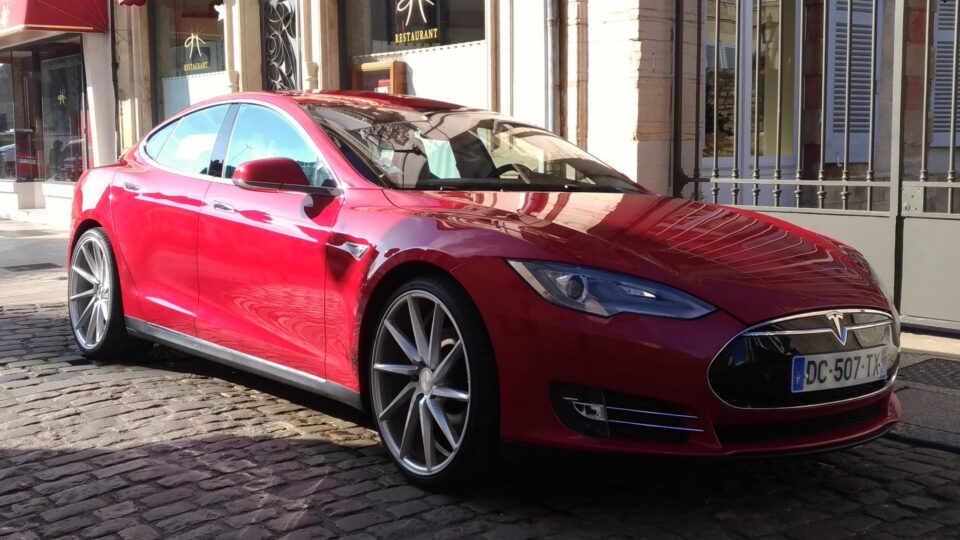
There are articles in the media all the time questioning whether electric cars are really better for the environment than those powered by fossil fuels.  The usual argument is that once emissions from vehicle production and electricity generation are taken into account, electric cars are no greener than gas cars, or even worse for the environment.  Of course, these arguments tend to be made by oil companies and their supporters.

A new study by three European universities looked at this very issue in detail. They carried out a life-cycle assessment in which they not only calculated greenhouse gas emissions generated when using cars, but also in the production chain and waste processing.

Their conclusions are that under current conditions, driving an electric car is better for the climate than conventional gasoline cars in 95% of the world.  The only exceptions are places like Poland, where almost all electricity comes from coal-fired plants.

Average lifetime emissions associated with electric cars are up to 70% lower than gas cars in countries like Sweden and France and about 30% lower in England.

It is important to note than in a few years, even inefficient electric cars will be less emission-intensive than gas cars because electricity generation is becoming less carbon-intensive all the time.  The study projects that by 2050, half of the world’s cars will be electric resulting in carbon dioxide emission reductions of 1.5 billion tons.

The study states that the idea that electric cars could increase emissions is a myth.  The detailed study has run the numbers for all around the world and even in the worst-case scenario, there would be a reduction in emissions in almost all cases.

**********

Web Links

Electric cars better for climate in 95% of the world

Photo, posted February 13, 2019, courtesy of Guillaume Vachey via Flickr.

Earth Wise is a production of WAMC Northeast Public Radio.

Conspicuous Consumption

February 6, 2020 By EarthWise 2 Comments

human consumption and the circular economy

Human civilization consumes vast amounts of material.   The Circle Economy think tank actually puts some numbers on it.  According to their latest report, the amount of material consumed by humanity has passed 100 billion tons every year.  So, on average, every person on Earth uses more than 13 tons of materials per year.

That number has quadrupled since 1970, which is far faster than the population, which has only doubled during that time.  In the past two years alone, consumption has jumped by more than 8%.  While this has been going on, the proportion being recycled has been falling.

Of the 100 billion tons of materials, half of the total is sand, clay, gravel, and cement used for building, along with other minerals used for fertilizer.  Coal, oil and gas make up 15% and metal ores 10%. The final quarter are plants and trees used for food and fuel.  About 40% of all materials are turned into housing.  A third of the annual materials consumed remain in use, such as in buildings or vehicles.  But 15% is emitted into the atmosphere as greenhouse gases and a third is treated as waste.

The global emergencies of climate change and disappearing wildlife have been driven by the unsustainable extraction of fossil fuels, metals, building materials, and trees.  The authors of the report warn that if we continue to treat the world’s resources as limitless, we are heading for a global disaster.

The Circle Economy think tank promotes the idea of a circular economy in which renewable energy supports systems where waste and pollution are reduced to zero.  Some nations are taking steps towards circular economies, while others are not.  This is a problem we can’t allow to be unaddressed.

**********

Web Links

World Consumes 100 Billion Tons of Materials Every Year, Report Finds

Photo, posted March 13, 2015, courtesy of Joyce Cory via Flickr.

XXXXXXXXXXX

Hydrogen From The Ocean

November 15, 2019 By EarthWise Leave a Comment

https://earthwiseradio.org/wp-content/uploads/2016/08/EW-08-30-16-Hydrogen-from-the-Ocean.mp3

Hydrogen is the most abundant element in the universe.  Estimates are that it comprises 75% of all matter.  There is plenty of it here on earth too, but almost none of it is in its elemental form.  It is mostly bound up in compounds like water.

[Read more…] about Hydrogen From The Ocean

Air Quality In The U.S.

November 13, 2019 By EarthWise Leave a Comment

Globally, poor air is a serious problem.  According to the World Health Organization, exposure to air pollution is linked to the premature deaths of an estimated 7 million people every year.  In fact, 91% of the people on the planet live in places where air pollution exceeds WHO guideline limits. 

In the United States, air pollution has dramatically improved over the last four decades due in large part to federal regulations put in place under the Clean Air Act of 1970.  Fine particulate matter (known as PM2.5) and other pollution, including ozone, sulphur dioxide, and nitrogen dioxide, have all decreased during this time span. 

But according to recent research, this trend has unfortunately done an about-face.  New data reveals that air pollution has increased nationally since 2016.  An analysis of Environmental Protection Agency data by researchers at Carnegie Mellon University found that, on average, fine particulate pollution increased 5.5% across the country between 2016 and 2018. 

This increase in fine particulate pollution was associated with nearly 10,000 additional premature deaths in the United States during that time period. 

According to researchers, there are several factors likely causing this uptick in unhealthy air, including increases in both driving and the burning of natural gas.  Wildfires out west are also thought to be a major contributor. 

The researchers also suggest that a decrease in enforcement of the Clean Air Act may also be playing a role.  The law put in place strict air pollution standards for vehicles, factories, power plants, and other sources, and is credited with saving hundreds of thousands of lives.

It’s time for clean air to be recognized as a basic human right.

***********

Web Links

America’s Air Quality Worsens, Ending Years of Gains, Study Says

Photo, posted April 6, 2007, courtesy of Brett Weinstein via Flickr.

Earth Wise is a production of WAMC Northeast Public Radio.

Electric Buses In Latin America

October 31, 2019 By EarthWise Leave a Comment

Latin America has become increasingly urbanized.  In fact, about 80% of the region’s population lives in cities today and by 2050, that figure could climb to 90%.  Transportation is the largest and fastest-growing source of energy-related emissions in Latin America and accounts for about a third of all of the region’s carbon dioxide emissions. 

Private vehicle ownership is rising in Latin America but at the same time, the region’s rapidly growing cities have increased demand for buses, taxis, and motorcycles.  Currently, an estimated 64,000 people die prematurely every year in Latin America and the Caribbean as a result of air pollution, which is mostly caused by transportation emissions.

Given this situation, major cities across Latin America – from Colombia to Argentina – are starting to adopt electric bus fleets.   Latin America actually has the highest use of buses per person globally.  So, the transition to electric buses is an important step toward meeting climate targets, cutting fuel costs, and improving air quality.

Medellin, Colombia – whose metropolitan area has 3.7 million people – has started to add electric buses to its fleet, the rest of which runs on natural gas.  When new units arrive from China later this year, Medellin will have the second largest electric bus fleet in Latin America, after Santiago, Chile. 

Worldwide, 425,000 electric buses are in operation, 99% in China.  Europe has a couple of thousand while the United States has only 300.  But going forward, and especially in Latin America, electric buses are the wave of the future.  Estimates are that there will be 1.3 million on the roads by 2040.

**********

Web Links

An Increasingly Urbanized Latin America Turns to Electric Buses

Photo, posted April 22, 2018, courtesy of Hans Johnson via Flickr.

Earth Wise is a production of WAMC Northeast Public Radio.

Cleaner Air Saves Lives

September 25, 2019 By EarthWise Leave a Comment

A new study by Columbia University has concluded that lower air pollution levels saved an estimated 5,660 lives in New York State in 2012, compared to 2002 mortality levels.

The study looked at New York State levels of the specific type of pollution known as fine particulate matter, referred to as PM2.5.  These microscopic particulates are a mixture of solid particles and liquid droplets that either come from burning fuel or are formed in the atmosphere as a result of complex reactions of chemicals such as sulfur dioxide and nitrogen oxides from power plants, industries, and automobiles.

Long-term exposure to PM2.5 can lead to respiratory and cardiovascular problems.

The study looked at extensive amounts of data to analyze trends in PM2.5 levels across New York State.  The data showed that PM2.5 levels dropped by 28 to 37% between 2002 and 2012.  This was a result of continued progress in cleaner vehicles, the reduction of high sulfur-dioxide emitting coal-burning power plants, and other air pollution reduction programs.  They calculated that this amount of reduction in PM2.5 reduced the air pollution mortality burden for New York State residents by 67% – from 8,410 premature deaths in 2002 to 2,750 deaths in 2012.

The study provides evidence that emission controls on air pollutants – which were initiated by the Clean Air Act of 1970 and later expanded in 1990 – have improved public health across New York State.  According to the researchers, the study is a key step to documenting the health benefits from cleaner air.

**********

Web Links

Air Pollution Cuts Are Saving Lives in New York State

Photo, posted June 29, 2014, courtesy of Paul Comstock via Flickr.

Earth Wise is a production of WAMC Northeast Public Radio.
Booming Electric Car Sales

September 12, 2019 By EarthWise Leave a Comment

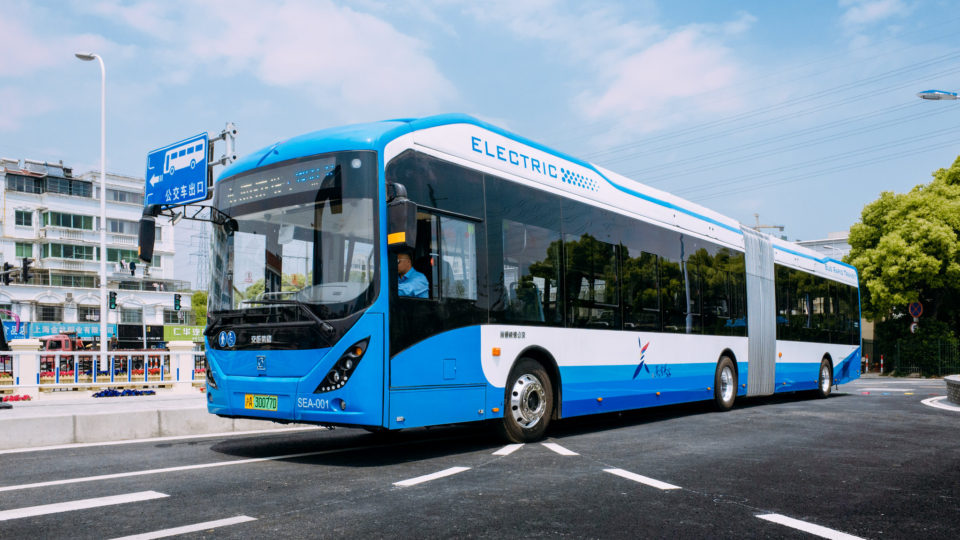
Electric cars are becoming more and more commonplace over time.  There is no place in the world where this is more evident than in Norway.  This year, about half the new cars sold in Norway have been electric.  This compares to only 25% just last year.  In March alone, nearly 60% of vehicle purchases in Norway were plug-in cars, outselling gas and diesel cars for the first time ever.

Norway has encouraged the switch to electric transportation by making battery-powered cars tax exempt as well as offering various other incentives.  This is all part of the country’s plan to end the sale of fossil fuel cars entirely by 2025.

Although Norway leads the world in electric car sales on a per capita basis, there are many other places seeing rapid growth.  In Maryland, for example, so many electric cars were sold in the past year that the state’s tax credit program, which has a $3 million annual budget, ran out of money seven months before the end of the fiscal year.  Between 2017 and 2018, the number of EVs registered in Maryland doubled to over 18,000.

New York has also seen robust growth in electric vehicles.  There are now more than 40,000 plug-in cars registered in New York State.  About a third of those are Tesla models, with the increasingly popular Tesla Model 3 rapidly becoming the dominant plug-in car in the state.  In fact, this year the Tesla Model 3 has accounted for about 60% of all plug-in car sales in the United States.

Not only are electric car sales going up, so are the options for car buyers.  Within the next year or two, there will be numerous new electric car choices available from multiple manufacturers appealing to the tastes of a growing range of car buyers.

**********

Web Links

EVs Make Up Half of New Car Sales in Norway So Far This Year

Photo, posted May 16, 2019, courtesy of Flickr.

Earth Wise is a production of WAMC Northeast Public Radio.

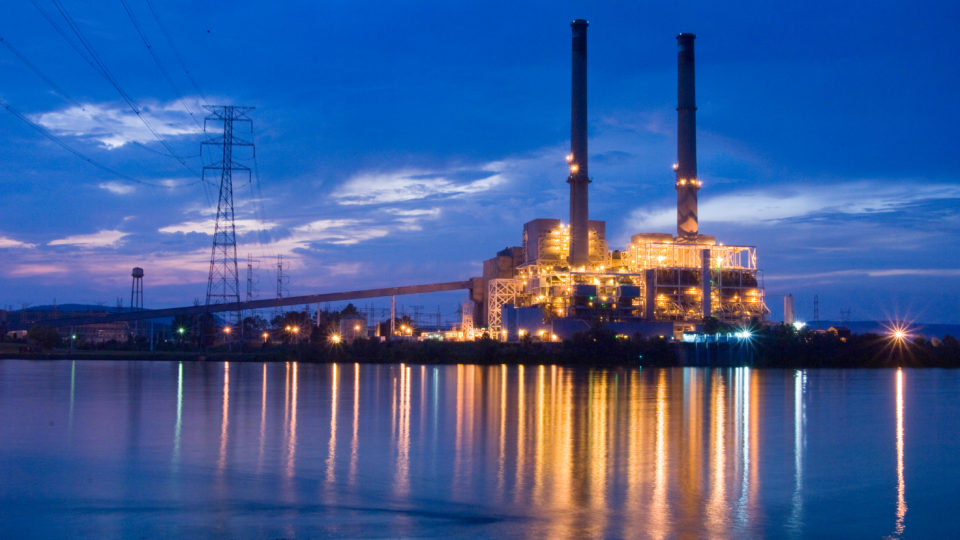
Meeting Climate Goals With Current Energy Infrastructure

September 2, 2019 By EarthWise Leave a Comment

The Paris Climate Agreement set forth a goal to keep global warming below 2 degrees Celsius as well as a more optimistic (and preferable) goal of keeping the temperature rise to less than 1.5 degrees.  Reaching either of these goals requires getting to net-zero emissions by the middle of the century.

A new paper, published in Nature, looks at the issue of whether existing power plants and other fossil-fuel-burning equipment (including vehicles) can continue to operate until they age out of functionality, or whether they need to be retired early.

The results of the study are that future emissions from existing facilities would take up the entire carbon budget needed to limit warming to 1.5 degrees Celsius and almost 2/3 of the budget needed to keep warming below 2 degrees over the next 30 years.

So, the good news is that we can still avoid a 2-degree rise without having to shut down all the existing power plants early.  But we would definitely have to stop building new things with smokestacks and tailpipes that dump CO2 into the atmosphere. 

That good news is tempered by the fact that the number of fossil fuel-burning power plants and vehicles in the world has increased dramatically over the past decade, spurred by rapid economic and industrial development in China and India.  In fact, China is predicted to produce more than 40% of all the carbon emissions over the next 30 years.

The 2-degree climate goal is not at all the most desirable result.  The 1.5-degree target would be far better for the climate.  But if the world is to achieve it, there will be dramatic changes needed in the existing infrastructure – either shutting it down or retrofitting it to drastically reduce emissions.

**********

Web Links

Two-Degree Climate Goal Attainable Without Early Infrastructure Retirement

Photo, posted March 5, 2010, courtesy of Tennessee Valley Authority via Flickr.

Earth Wise is a production of WAMC Northeast Public Radio.
Powering Cars With Cactus Juice

June 24, 2019 By EarthWise Leave a Comment

Back in 2016, a company called Nopalimex, located in Micoacan, central Mexico, built the world’s first cactus-powered energy plant.  The facility utilizes a biodigester to make biogas from nopal, also known as prickly pear cactus.  The nopal plant has been called the ‘Green Gold of Mexico’ and is a staple in Mexican diets, medicine and cosmetics.

Nopalimex is now using the cactus to make biofuel for vehicles.

The fruit of the cactus is pureed, mixed with manure, and then left to decompose, producing methane.  The methane produced – about eight tons a day – fuels the biodigester which powers the company’s corn chip and cactus chip production and is being tested in a fleet of government vehicles.

The biogas will cost just 65 cents per liter, which is about a third cheaper than the cost of regular gasoline.  Using prickly pear as a feedstock for biofuel is attractive because it can be grown in places where traditional energy crops cannot.  One can imagine vast fields of cacti in remote, arid areas of the country where normal crops cannot grow.  It would not suck up the resources or space needed to feed people, which is an ongoing criticism of current bioenergy crops.

As long as the nopals are regularly replanted, the process is almost entirely sustainable, producing only water and nopal waste, which can be used to fertilize other crops.

Finding sustainable ways to produce fuel while doing minimal damage to the environment is an important challenge for countries around the world.  In Mexico, harnessing the power of the prickly pear cactus is a unique and clever solution.

**********

Web Links

Mexico’s ‘green gold’: The company powering cars with cactus juice

Photo, posted July 8, 2006, courtesy of Christian Frausto Bernal via Flickr.

Earth Wise is a production of WAMC Northeast Public Radio.
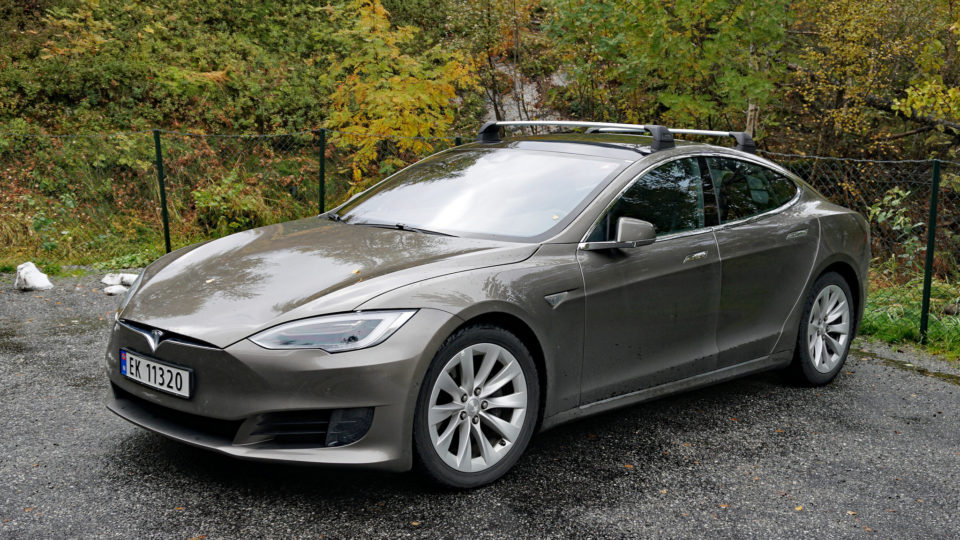
Affordable Electric Cars

May 1, 2019 By EarthWise Leave a Comment

The main reasons that electric cars haven’t taken over are that they didn’t drive far enough on a charge, it took too long to charge them, and, most of all, they cost too much.

In recent years, the problem with driving range has steadily been disappearing as electric cars that can go over two hundred and even over three hundred miles on a charge have entered the market.  Charging time has also become less of a problem.  Tesla’s network of Superchargers can provide 200 miles worth of charge in half an hour and their next generation of chargers, which are just starting to appear, can cut that time much further.

As for cost, a new report by transportation analysts at Bloomberg New Energy Finance predicts that electric vehicles will be cost-competitive with combustion-engine cars by 2022.

The main reason is that the cost of EV batteries has been plummeting.  In 2015, batteries made up 57% of the total cost of an electric vehicle.  Today, that number is down to 33% and is expected to drop to 20% by 2025.  In addition, the cost of electric powertrain systems is also dropping.  The Bloomberg report predicts that over the next decade, costs for motors, inverters, and power electronics could be 25 to 30% cheaper than today.

The cost of electric vehicles has been dropping faster than predicted.  Bloomberg’s report on the subject in 2017 predicted cost parity in 2026.  Last year, they changed it to 2024.  And now, they are saying 2022.

Given that electric cars are much cheaper to drive than gasoline cars, finding reasons not to drive them is getting harder to do.

**********

Web Links

Electric Cars Could Be As Affordable as Conventional Vehicles In Just Three Years

Photo, posted November 17, 2018, courtesy of Jakob Harter via Flickr.

XXXXXXXXXXXXXXXXXXXX

Electric Cars In Norway

February 18, 2019 By EarthWise Leave a Comment

Norway has long been a world leader in sales of electric vehicles.  The country only has 5.3 million people, so the absolute numbers cannot compete with those of large countries.  Despite that, it wasn’t until the first quarter of last year that Germany became the leader in number of electric cars sold in Europe and Germany has 15 times the population of Norway.

In percentage terms, almost one-third of all new cars sold in Norway last year ran on batteries.  The country offers generous subsidies for buyers who opt to go electric.  The government has set a goal of having all new cars be emission-free by 2025.  Last year, three of the top five most popular new car models were electric:  the Nissan Leaf, the BMW i3, and the Tesla Model X.

Tesla’s Model 3, which has shattered all records for electric car sales in the United States, has yet to go on sale in Norway.  When the car becomes available there in the next few months, it is expected to generate very high sales figures.

The 31% market share for electric cars in Norway far exceeds that of most other countries.  In the United States, for example, plug-in cars account for only about 2% of new car sales.  Only Hong Kong and Iceland are also currently above 5% electric.

Norway’s role in all of this is rather convoluted.  The country has copious hydroelectric power resources that provide virtually all of its electricity.  Thus, electric cars in Norway are truly clean, green vehicles.  On the other hand, Norway is the 15th largest producer of oil in the world and gets about 17% of its GDP from oil exports.  Tackling climate change must ultimately deal with the emissions Norway continues to export.

**********

Web Links

Photo, posted October 3, 2018, courtesy of Flickr.

Earth Wise is a production of WAMC Northeast Public Radio.

Droughts And Hydropower

February 7, 2019 By EarthWise Leave a Comment

Recent droughts in several western states have led to well-publicized problems including wildfires, loss of trees, and damage to crops.  A lesser-known impact of drought conditions has been increases in emissions of carbon dioxide and harmful air pollutants from power generation.

When hydropower runs low in a drought, western states tend to ramp up power generation – and therefore emissions – from fossil fuels.   According to a new study from Stanford University, droughts caused about 10 percent of the average annual carbon dioxide emissions from power generation in California, Idaho, Oregon and Washington between 2001 and 2015.

Water is used in electricity generation both directly for hydroelectric power and indirectly for cooling in thermoelectric power plants.  When water for hydropower comes up short because of drought conditions, natural gas or coal-fired power plants are brought online to pick up the slack.

These drought-induced shifts in energy sources led to an estimated 100 million tons of carbon dioxide across 11 western states between 2001 and 2015.  That is the equivalent of adding 1.4 million vehicles to the region’s roadways.  California, whose legislature has mandated that the state be carbon-free by 2045, contributed about half of this total.  Washington, which is considering a similar mandate, contributed nearly a quarter of the total.

Western states in recent years have suffered intense droughts that scientists expect to become more common as global warming continues to intensify.   The new study indicates that in regions where clean, reliable hydropower has been an important part of the energy mix, it will be increasingly necessary to provide clean backup energy sources in order to meet emission reduction targets.

**********

Web Links

Droughts boost emissions as hydropower dries up

Photo, posted March 7, 2016, courtesy of Flickr.

Earth Wise is a production of WAMC Northeast Public Radio.

A New Way to Make Hydrogen

January 31, 2019 By EarthWise Leave a Comment

Many people consider hydrogen to be the fuel of the future, both for powering vehicles and for storing energy generated by renewable sources.   Hydrogen itself is a clean and green fuel.  Generating energy from it using fuel cells results in only water as a byproduct.

The biggest problem with hydrogen is that the most economical way to produce it and therefore the way most hydrogen is produced today, is by reforming natural gas, which is a process that generates carbon emissions.

The desirable way to make hydrogen is to produce it by breaking apart water into its hydrogen and oxygen components, a process known as electrolysis.   There are many ways to do it, but none of them to date measures up in terms of efficiency, cost, and longevity.

Researchers at the University of Toronto have recently developed a new catalyst that uses abundant, low-cost elements to split water molecules into hydrogen and oxygen.  The catalyst is made from copper, nickel, and chromium, all of which are more abundant and less costly than platinum, which is the usual electrolysis catalyst.

The new catalyst performs well under pH-neutral conditions, which means it could even work on seawater without incurring the expense of desalination.  The Toronto researchers also believe their catalyst could be used as part of a process to make hydrocarbon fuels from hydrogen and CO22.  Their group is among the five finalists in the Carbon XPrize competition, which has a grand prize of $7.5 million for finding a way to convert waste CO2 into fuel.

Finding a low-cost, energy-efficient, and reliable way to make hydrogen out of water will be a big deal if it can be done on an industrial scale.

**********

Web Links

U of T researchers discover low-cost way to produce hydrogen from water

Photo, posted July 23, 2015, courtesy of Magnus Johansson via Flickr.

Earth Wise is a production of WAMC Northeast Public Radio.
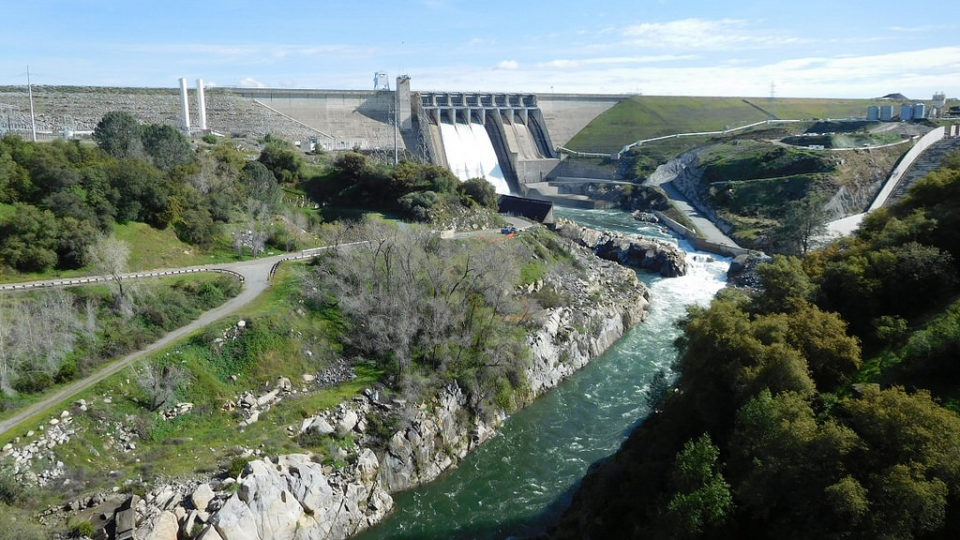
Energy Trends For A New Year

January 15, 2019 By EarthWise Leave a Comment

With a new year upon us, there are several energy trends to watch out for.

The most important one is that the fundamental shift toward slow-carbon technologies is continuing. This shift is taking place despite diminishing government policy support and even active government efforts to thwart it.  There is just too much momentum to stand in the way of low-carbon energy technologies.

Analysts at Bloomberg New Energy Finance estimate that over the next 30 years over 11 trillion dollars will be invested in energy power generation and power storage assets with 85% of it aimed at zero-carbon emission.  Dramatic reductions in green energy costs have resulted in legitimate cost competition between zero carbon sources of energy and fossil fuel generation.

In the coming year, battery technology will continue to play a growing role both as a storage medium for energy generated by sun and wind and for powering vehicles.

Another trend is that the world’s wealthiest economies are learning to grow without growing the demand for electricity.  This is important in the battle to reduce overall emissions.

Another key issue is addressing the energy needs of people who have no meaningful access to it and there are around 1.5 billion people in that category.   Emerging technologies based on solar power, wind energy, microgrids and other innovations mean that traditional power grids that remain out of reach to these people are not necessary.  There is the potential to address those needs without contributing to climate change.

The world is struggling to deal with the growing problem of the changing climate, but there are trends that provide at least some hope that we can move in the right direction.

**********

Web Links

Top 3 clean energy trends to watch out for in 2019

Photo, posted April 5, 2013, courtesy of Flickr. 

Earth Wise is a production of WAMC Northeast Public Radio.
  • « Go to Previous Page
  • Page 1
  • Page 2
  • Page 3
  • Page 4
  • Page 5
  • Go to Next Page »

Primary Sidebar

Recent Episodes

  • An uninsurable future
  • Clean energy and jobs
  • Insect declines in remote regions
  • Fossil fuel producing nations ignoring climate goals
  • Trouble for clownfishes

WAMC Northeast Public Radio

WAMC/Northeast Public Radio is a regional public radio network serving parts of seven northeastern states (more...)

Copyright © 2026 ·