• Skip to primary navigation
  • Skip to main content
  • Skip to primary sidebar

Earth Wise

A look at our changing environment.

  • Home
  • About Earth Wise
  • Where to Listen
  • All Articles
  • Show Search
Hide Search
You are here: Home / Archives for United States

United States

Cleaning Up Abandoned Wells | Earth Wise      

March 3, 2022 By EarthWise Leave a Comment

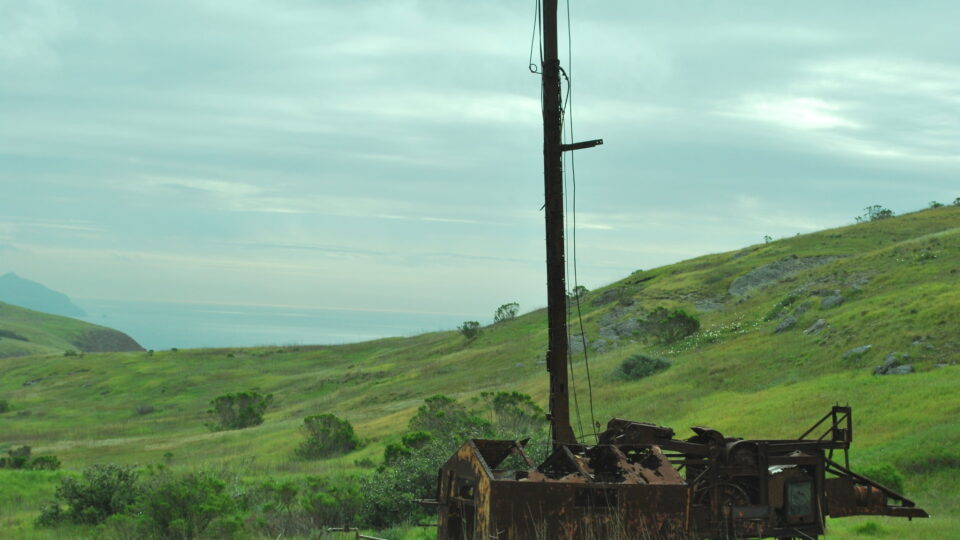
Addressing the abandoned oil and gas wells

There are 130,000 documented abandoned oil and gas wells in the US, according to the Department of the Interior.  The key word is documented.  According to an EPA study in 2018, the actual number of abandoned wells could be as high as two or three million.  According to an analysis by the Environmental Defense Fund and McGill University, about nine million people in the United States live within a mile of one of these wells.

Some of these wells might be fairly harmless, and others might be quite dangerous.  Wells can emit a variety of gasses, including methane, which is a far stronger greenhouse gas than carbon dioxide.  Leaking wells are a major source of air and groundwater pollution.  Apart from methane, substances such as arsenic can continue to leak from wells even after they are no longer operational.

At the end of January, the Biden Administration announced a series of new actions to tackle methane pollution.  Among these measures is $1.15 billion in funds from the Department of the Interior that states can use to seal up abandoned oil and gas wells.  That funding comes from the Bipartisan Infrastructure Law passed in November, which sets aside $4.7 billion for a federal program dedicated to orphaned wells.

Addressing the largely ignored problem of abandoned wells is important from the standpoint of climate pollution as well as human health.  Efforts to plug the wells will also provide high-paying jobs

Other methane-reduction measures include increased enforcement from the Department of Transportation on reducing pipelines leaks, research funding for limiting methane emissions from beef and dairy farming, and technical assistance from the Department of Energy on well-plugging efforts.

**********

Web Links

Photo, posted March 23, 2011, courtesy of David Stone via Flickr.

Earth Wise is a production of WAMC Northeast Public Radio.
Oil Drilling In Los Angeles | Earth Wise      

February 24, 2022 By EarthWise Leave a Comment

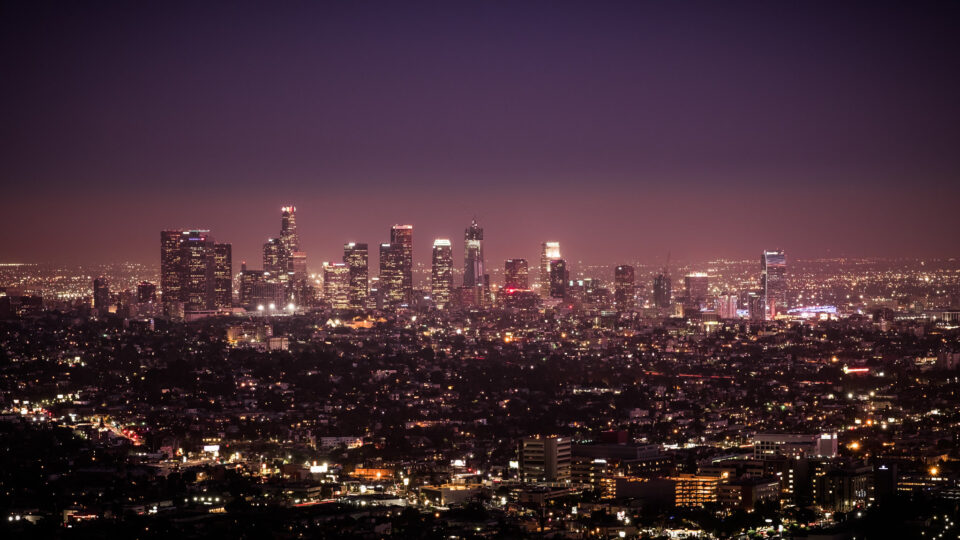
Los Angeles may close its oil drilling chapter

Movies were not the first industry to boom in Los Angeles.  Oil was.  There was a lot of it, and it flowed close to the surface triggering rampant drilling all over the area.  By the 1920s, Los Angeles was one of the largest oil-exporting regions in the world.

A century later, there are over 20,000 active, idle, or abandoned wells spread across LA county, home to 10 million people.  Some are hidden behind facades; others are plainly visible, pumping away day and night.  About a third of Angelenos live less than a mile from an active well site.  In the last 20 years, improved oil extraction technology has actually led to a resurgence of oil drilling in Los Angeles.

Studies of the health impact of LA’s oil wells found that asthma is significantly more common among people living near oil wells than elsewhere in the county.  Surveys of residents’ lung functions revealed lower function on average when people live near wells.   Measurements of toxins in the air – such as benzene, toluene, and n-hexane – showed that levels of these substances were significantly reduced when oil production at a site stopped.

This issue has finally come to the forefront after a nearly a decade of community organizing and studies of adverse health effects.  In a unanimous vote on January 26, the Los Angeles City Council took the first step toward phasing out all oil and gas extraction in the city by declaring oil extraction a nonconforming land use.  The LA County Board of Supervisors voted unanimously to phase out oil extraction in unincorporated county areas.  Los Angeles’ long, troubled history with urban oil drilling appears to be nearing an end.

**********

Web Links

Los Angeles’ long, troubled history with urban oil drilling is nearing an end after years of health concerns

Photo, posted March 26, 2016, courtesy of Giuseppe Milo via Flickr.

Earth Wise is a production of WAMC Northeast Public Radio.
Bald Eagles And Lead Poisoning | Earth Wise

February 21, 2022 By EarthWise Leave a Comment

Ammunition threatens bald eagles

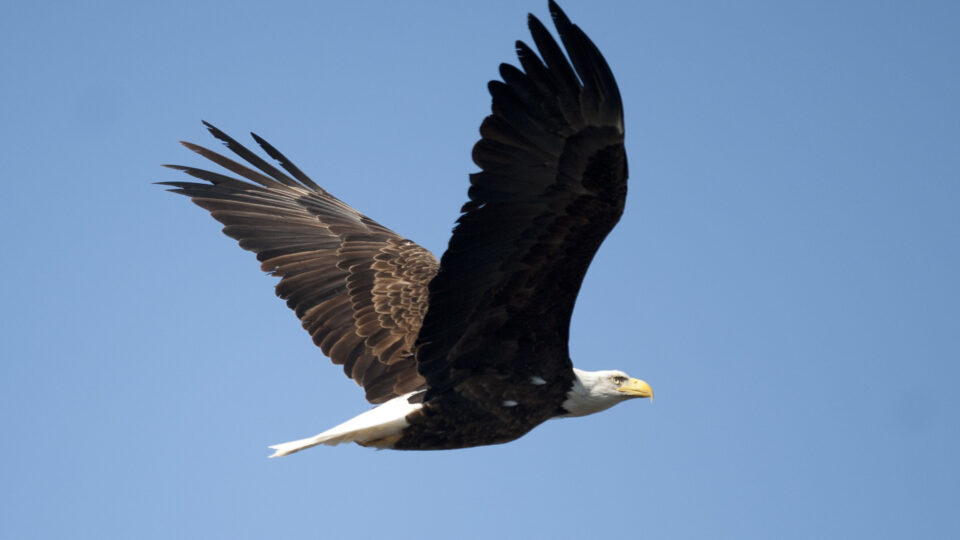
The bald eagle is the national bird of the United States.  It was once a common sight over much of the continent but was severely affected in the mid-20th century by a variety of factors, particularly the use of the pesticide DDT, which caused thinning of its eggshells and sterility.  In the 18th century, the bald eagle population was 300,000 – 500,000.  By the 1950s, there were only 412 nesting pairs in the 48 contiguous states.

The bald eagle was declared an endangered species in the US in 1967 and additional regulations strengthened protections for the bird.  The banning of DDT in 1972 was a major factor in the recovery of the species.

Bald eagle populations have been rebounding for decades but another issue is weakening that rebound – lead poisoning from gunshot ammunition.  According to a new study published in the Journal of Wildlife Management, poisoning from eating dead carcasses or parts contaminated by lead shot has reduced population growth by 4% to 6% annually in the Northeast.

Bald eagle numbers in the lower 48 states quadrupled between 2009 and 2021 to more than 316,000, according to a report by the U.S. Fish and Wildlife Service.  But even though the population has seemingly recovered, some combination of factors such as habitat loss, climate change, infectious disease, and lead poisoning could reverse the trends and lead to population declines.

The hope is that the study could help educate and inform policy on ammunition choices for hunters.  There are alternatives such as copper-based ammunition.  Human health can also be affected when bullets fragment inside game species and are then consumed.

**********

Web Links

Bald eagle rebound stunted by poisoning from lead ammunition

Photo, posted March 28, 2013, courtesy of Ben Johnson via Flickr.

Earth Wise is a production of WAMC Northeast Public Radio.
Upgrading The U.S. Power Grid | Earth Wise

February 15, 2022 By EarthWise Leave a Comment

Upgrading the power grid in the United States

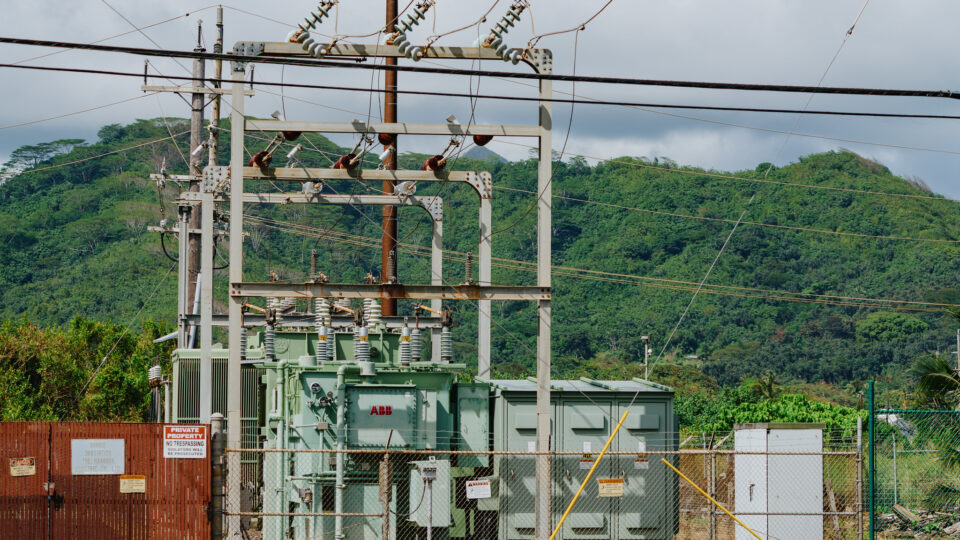
The Department of Energy has launched the Building a Better Grid Initiative to accelerate the development of new power transmission lines.  The initiative aims to upgrade the nation’s grid, connect more Americans to clean electricity, and reliably move clean electricity to where it is needed most. The initiative is a part of the Bipartisan Infrastructure bill that was signed into law in November.

Under the initiative, DOE will identify critical national transmission needs and support the buildout of long-distance, high-voltage transmission facilities as well as support transmission planning, financing mechanisms, transmission-related research and development, and efforts on energy justice.

DOE will deploy more than $20 billion in federal financing that includes more than $10 billion in grants to states, Tribes, and utilities to enhance grid resilience and prevent power outages.  It will also coordinate with other agencies to streamline permitting for transmission infrastructure. 

Seventy percent of the US grid’s transmission lines and power transformers are over 25 years old.  There is also insufficient transmission capacity, especially for transmission that facilitates transfer of power across regions.  The current grid is vulnerable to harsh weather and needs improved reliability.

Providing more transmission capacity in areas where it doesn’t exist today is essential for the integration of more large-scale renewable generation sources into the grid.  The national goal of 100% clean electricity by 2035 is not just about decarbonizing the generation sources.  A substantial upgrade to the transmission infrastructure is necessary and the Building a Better Grid Initiative is a major step in the right direction.

**********

Web Links

The big upgrade to the US power grid is kicking off

Photo, posted February 2, 2020, courtesy of Tony Webster via Flickr.

Earth Wise is a production of WAMC Northeast Public Radio.
A New “Wonder Material” | Earth Wise

February 11, 2022 By EarthWise Leave a Comment

A new wonder material

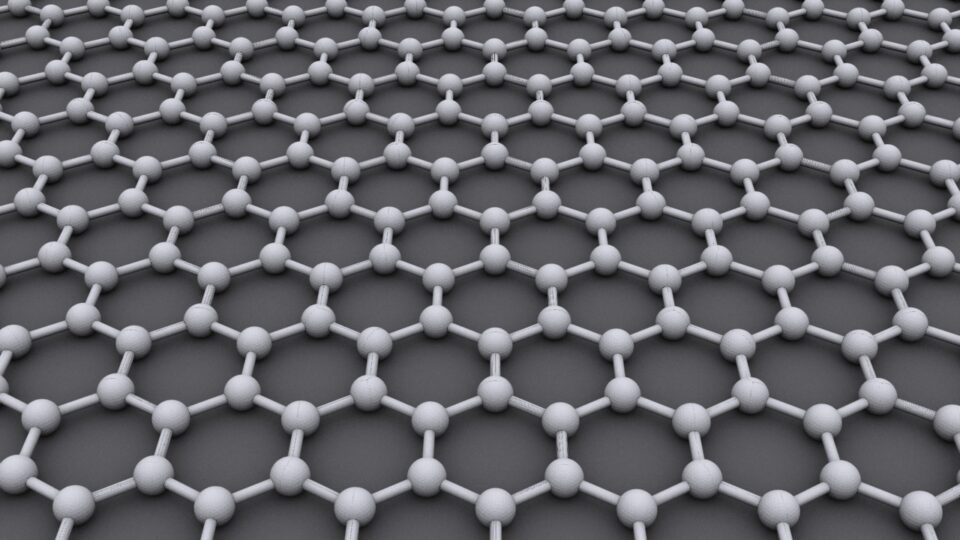
Graphene is a form of carbon made of single-atom-thick layers. It has many remarkable properties and researchers around the world continue to investigate its use in multiple applications.

In 2019, a new material composed of single-atom-thick layers was produced for the first time.  It is phosphorene nanoribbons or PNRs, which are ribbon-like strands of two-dimensional phosphorous.  These materials are tiny ribbons that can be a single atomic layer thick and less than 100 atoms wide but millions of atoms long.  They are comparable in aspect ratio to the cables that span the Golden Gate Bridge.   Theoretical studies have predicted how PNR properties could benefit all sorts of devices, including batteries, biomedical sensors, thermoelectric devices, nanoelectronics, and quantum computers. 

As an example, nanoribbons have great potential to create faster-charging batteries because they can hold more ions than can be stored in conventional battery materials.

Recently, for the first time, a team of researchers led by Imperial College London and University College London researchers has used PNRs to significantly improve the efficiency of a device.  The device is a new kind of solar cell, and it represents the first demonstration that this new wonder material might actually live up to its hype.

The researchers incorporated PNRs into solar cells made from perovskites.  The resultant devices had an efficiency above 21%, which is comparable to traditional silicon solar cells.  Apart from the measured results, the team was able to experimentally verify the mechanism by which the PNRs enhanced the improved efficiency.

Further studies using PNRs in devices will allow researchers to discover more mechanisms for how they can improve performance.

**********

Web Links

‘Wonder material’ phosphorene nanoribbons live up to hype in first demonstration

Photo, posted October 6, 2010, courtesy of Alexander AlUS / CORE-Materials via Flickr.

Earth Wise is a production of WAMC Northeast Public Radio.
Offshore Wind For New York | Earth Wise

February 10, 2022 By EarthWise Leave a Comment

Offshore wind power expanding in New York State

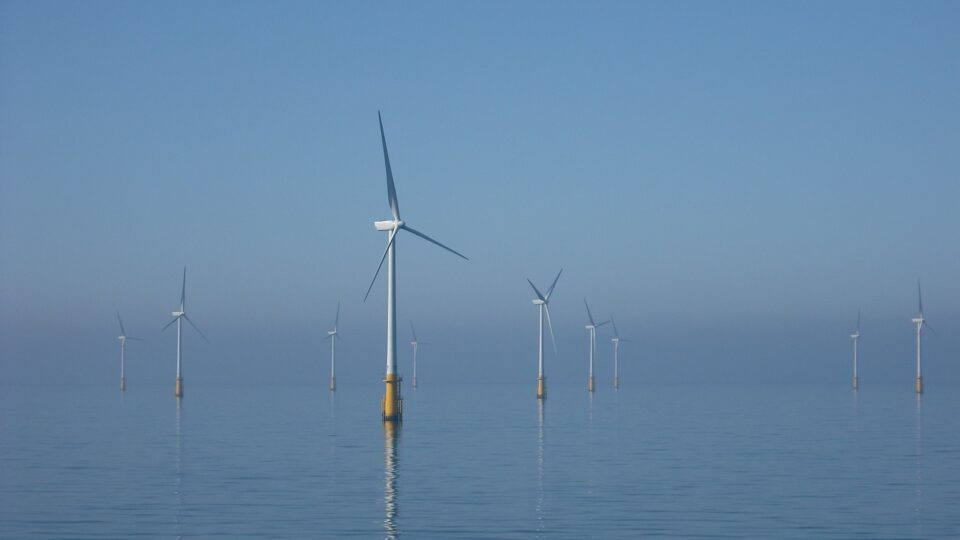
In mid-January, the New York State Energy Research and Development Authority announced that it had finalized contracts with BP and Equinor for the Empire Wind 2 and Beacon Wind offshore wind farms.

The agreements brought to fruition contracts that were awarded in January of 2021 and represent one of the largest clean energy procurements ever in the United States.

Under the finalized contracts, Equinor and BP will provide 1,260 megawatts of offshore wind power from Empire Wind 2 and another 1,230 megawatts from Beacon Wind 1.  Once completed, Empire Wind 1, Empire Wind 2, and Beacon Wind 1 will produce enough electricity to power about 2 million New York homes.

As part of the project, there will be substantial investments in New York infrastructure.  The South Brooklyn Marine Terminal will be transformed into a major staging and assembly facility for the offshore wind industry and will be an operations and maintenance base for the project.   (The project will also invest in the Port of Albany, making it America’s first offshore wind tower and transition piece manufacturing facility).

Empire Wind is located 15-30 miles southeast of Long Island and spans an area of 80,000 acres.  Its two phases will eventually have an installed capacity of more than 2,000 megawatts.

Beacon Wind is located more than 60 miles east of Montauk Point and 20 miles south of Nantucket.  It covers an area of 128,000 acres.  Its two phases will ultimately also have a total capacity of more than 2,000 megawatts.

The wind farms will help generate more than a billion dollars in economic output to New York State.  Empire Wind 1 is expected to begin commercial operation in 2026 and the other wind farms over the following couple of years.

**********

Web Links

New York State just sealed a deal for 2.5 GW of offshore wind

Photo, posted March 24, 2016, courtesy of Andy Dingley via Flickr.

Earth Wise is a production of WAMC Northeast Public Radio.
Climate Change And Hurricanes In The Northeast | Earth Wise

February 9, 2022 By EarthWise Leave a Comment

Climate change making hurricanes in the Northeast more likely

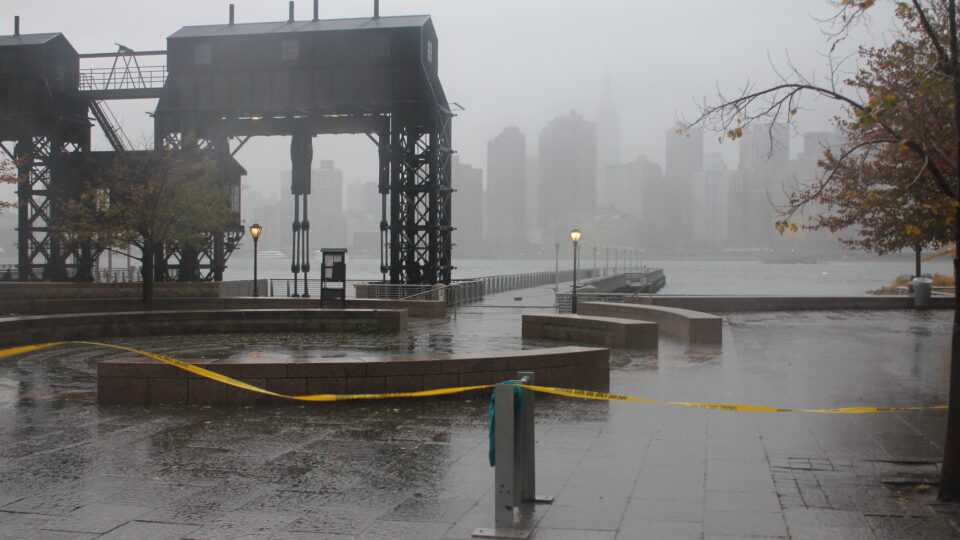
According to a new study led by Yale University, more hurricanes are likely to hit Connecticut and the northeastern U.S. as global warming continues to increase temperatures in the region.

Hurricane Henri made landfall in August as a tropical storm on the Connecticut/Rhode Island border.  In September 2020, subtropical storm Alpha made landfall in Portugal, the first subtropical or tropical cyclone ever observed to make landfall in the mainland of that country.

Tropical cyclones, hurricanes, and typhoons are typically intense and destructive in the lower latitudes. 

The study concludes that violent storms could migrate northward in our hemisphere and southward in the southern hemisphere as a result of warming caused by greenhouse gas emissions.

The research predicts that tropical cyclones will likely occur over a wider range of latitudes than has been the case on Earth for the last 3 million years.

In Connecticut, Hurricane Henri was not the only tropical storm to affect the region in 2021.  The remnants of Hurricane Ida brought damaging winds and torrential rain that felled trees and flooded streets and basements.

The northern expansion of such violent storms is going on as water levels in the Atlantic Ocean and Long Island Sound keep rising.  Because of melting glaciers thousands of miles away, water levels in Long Island Sound could rise by as much as 20 inches by 2050, enough to submerge parts of Groton’s shore and cause regular flooding in roads and neighborhoods.

Future hurricane prediction is an inexact science, but the ongoing trends do not bode well for the region.

**********

Web Links

More hurricanes likely to slam Connecticut and region due to climate change, says study

Photo, posted October 29, 2012, courtesy of Rachel via Flickr.

Earth Wise is a production of WAMC Northeast Public Radio.
Five States Stepping Up On Clean Energy | Earth Wise

February 7, 2022 By EarthWise Leave a Comment

Five states step up climate action

While Congress continues to face partisan gridlock on climate issues, many states have moved forward with climate action.

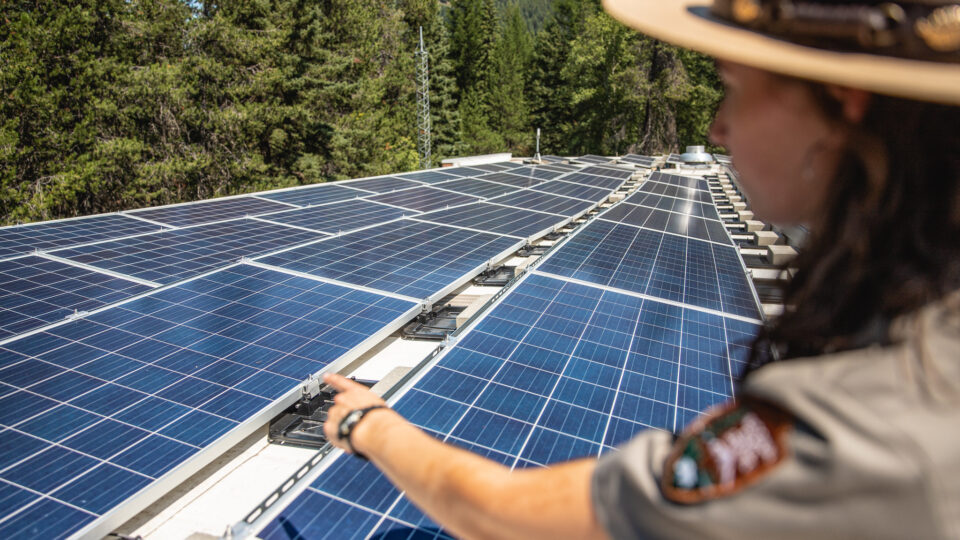
In 2021, five states – Illinois, Massachusetts, Oregon, North Carolina, and Rhode Island – passed laws requiring a shift to 100% carbon-free electricity or net-zero emissions.  Washington State passed a law that helps to implement its strong 2019 and 2020 climate and clean energy laws.  Washington’s new legislation establishes a carbon trading program that will help the state to meet its goals of economy-wide emission cuts and 100% carbon-free electricity.

Several other states made progress on climate and clean energy by taking targeted actions not quite as aggressive as 100% laws, but significant, nonetheless.

The five states that entered the so-called 100% club joined with the six states that had earlier passed such legislation.  Those are California, Hawaii, New Mexico, New York, Virginia, and Washington.  Both Puerto Rico and Washington D.C. are also members of the club.

The past year may well be the biggest year yet for significant clean energy legislation.  Some of the states that finally passed laws had been gearing up for it for years.  This is particularly true of Massachusetts and Illinois.

Actions by individual states are not an antidote to inaction by the federal government, but they help.  At this point, about one-third of the country’s population lives in states that have laws requiring a transition to 100% carbon-free electricity, 100% renewable electricity, or net-zero emissions. 

All of this activity began in 2015, when Hawaii passed its renewable energy law.

**********

Web Links

Inside Clean Energy: Here Are 5 States that Took Leaps on Clean Energy Policy in 2021

Photo, posted August 12, 2021, courtesy of Glacier NPS via Flickr.

Earth Wise is a production of WAMC Northeast Public Radio.
A Big Year For European Solar Power | Earth Wise

February 2, 2022 By EarthWise Leave a Comment

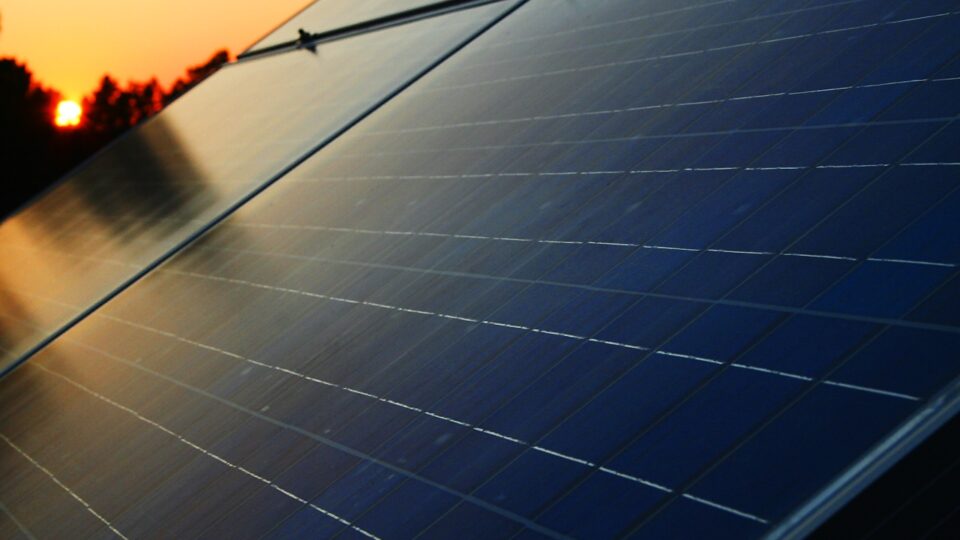
The installed solar capacity in the European Union grew by 34% in 2021.  This means that Europe is on pace to quadruple its solar energy generation by 2030.

During 2021, the 27 countries of the European Union installed 25.9 gigawatts of new solar capacity, compared with 19.3 gigawatts in 2020.  This was the biggest year yet for solar growth, beating out the previous record of 21.4 gigawatts set in 2011.  A gigawatt of solar electricity is enough to power about 300,000 homes, so the 2021 installations can produce enough electricity for about 8 million households.  The European Union is home to about 450 million people.

SolarPower Europe, an industry trade organization, projects that solar energy capacity in the EU will increase from the current 165 gigawatts to 328 gigawatts in 2025 and as much as 672 gigawatts by 2030.

The EU has the goal of generating 45% of its electricity from renewable sources by 2030, which is an important milestone in achieving climate neutrality by 2050. 

Challenges still facing the EU include obstacles to permitting, electricity grid bottlenecks, and assurance of solar panel supplies.  Much of Europe’s supply of solar panels comes from China.  The EU wants to boost its own production of solar panels to 20 gigawatts per year by 2025.

The US currently has about 113 GW of installed solar capacity and is projected to install about 300 gigawatts of new capacity over the next 10 years.

**********

Web Links

For the European Union, 2021 Was a Banner Year for Solar Power

Photo, posted May 3, 2007, courtesy of Bernd Sieker via Flickr.

Earth Wise is a production of WAMC Northeast Public Radio.

Fighting Disease in Cavendish Bananas | Earth Wise

January 31, 2022 By EarthWise Leave a Comment

Cavendish bananas account for about half of global banana production and the vast majority of bananas entering international trade.  The plant is unable to reproduce sexually and instead is propagated via identical clones.  So, the genetic diversity of the Cavendish banana is exceedingly low. 

In 2008, Cavendish cultivars in Sumatra and Malaysia started to be attacked by Panama disease, a wilting disease caused by a fungus.  In 2019, Panama disease was discovered on banana farms in the coastal Caribbean region, its first occurrence in the Americas.  In the 1950s, Panama disease wiped out the Gros Michel banana, the commercial predecessor of the Cavendish.

Scientists at the University of Cambridge have found a novel way to combine two species of grass-like plants – which include bananas, rice, and wheat – using embryonic tissue from their seeds.  The technique allows beneficial characteristics, such as disease resistance, to be added to the plants.

Joining the shoot of one plant to the root of another to grow as one plant is known as grafting.  It was thought to be impossible to do with grass-like plants – called monocotyledonous  grasses – because they lack a certain tissue type in their stems.  But the new research, published in the journal Nature, showed it can be done with the plants in their earliest embryonic stages.

Cavendish bananas are sterile, so disease resistance can’t be bred into future generations.  But the grafting technique may provide a way to produce Cavendish banana plants that are resistant to Panama disease.  It may be possible to save an important food crop before it is too late.

**********

Web Links

New grafting technique could combat the disease threatening Cavendish bananas

Photo, posted July 1, 2015, courtesy of Augustus Binu via Flickr.

Earth Wise is a production of WAMC Northeast Public Radio.

A Smart Roof | Earth Wise

January 21, 2022 By EarthWise Leave a Comment

Scientists are working on smart roof technology

Scientists at the Lawrence Berkeley Laboratory have developed an all-season smart roof coating that can keep homes warm during the winter and cool during the summer, and the coating does not consume any gas or electricity.

Existing cool roof systems consist of reflective coatings, membranes, shingles, or tile that lower house temperatures by reflecting sunlight as well as emitting some of the absorbed solar heat away from the roof as infrared radiation.  The problem with such systems is that they continue to radiate heat during the winter, which actually drives up heating costs.

The new material is called a temperature-adaptive radiative coating or TARC.  It enables energy savings by automatically turning off the radiative cooling in the winter.  TARC reflects about 75% of sunlight year-round, but its thermal emittance is high when the temperature is warm – promoting heat loss to the sky – but decreases in cooler weather, helping to retain the heat in a building.

The researchers produced thin-film TARC material that looks like Scotch tape that could be affixed to a surface like a rooftop.  They applied the material to a balcony alongside a sample of commercial dark roof material and a sample of commercial white roof material.

In experiments simulating 15 different climate zones across the US, they found that the TARC material outperforms existing roof coatings for energy savings in 12 out of the 15 zones, particularly in regions with wide temperature variations between day and night, such as in the San Francisco Bay Area, or between winter and summer, such as New York City.

The researchers believe that installing TARC coatings on roofs would save the average U.S. household about 10% in utility costs.

**********

Web Links

New Smart-Roof Coating Enables Year-Round Energy Savings

Photo, posted May 18, 2017, courtesy of Damian Gadal via Flickr.

Earth Wise is a production of WAMC Northeast Public Radio.
New York’s Polystyrene Foam Ban | Earth Wise

January 19, 2022 By EarthWise Leave a Comment

New York bans Styrofoam

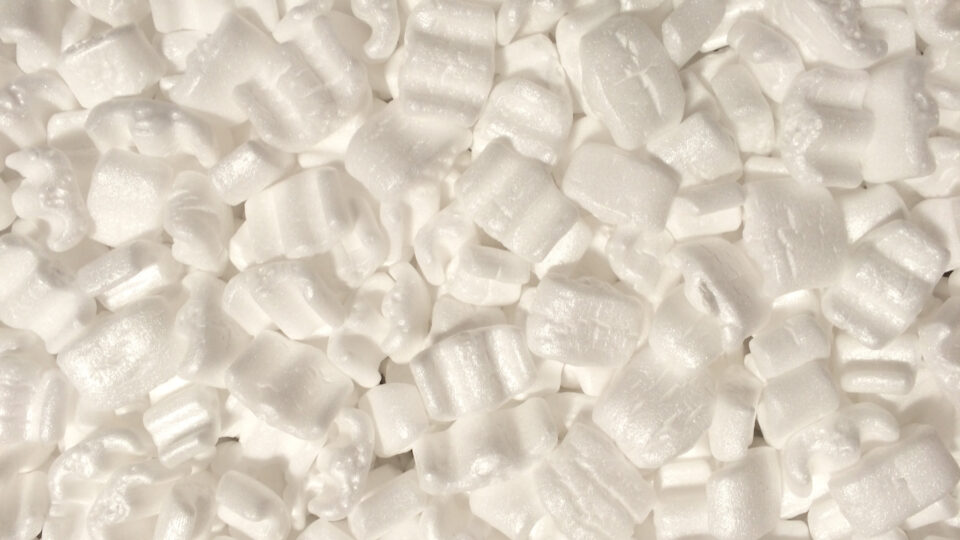
As of January 1, the state of New York now prohibits any person engaged in the business of selling or distributing prepared food or beverages from selling, offering for sale, or distributing disposable food service containers that contain expanded polystyrene foam in the state.  In addition, no manufacturer will be allowed to sell, offer for sale, or distribute polystyrene loose fill packaging in the state.

In other words, there will be no more Styrofoam bowls, cartons, clamshell containers, lids, plates, trays, or packing peanuts.

There are still some exceptions.  Raw meat, seafood, poultry, or fish sold for the purpose of cooking or preparing off-premises can still be packaged in polystyrene foam.  Prepackaged food filled or sealed prior to receipt by a food service provider can also still be packaged in polystyrene foam.

The New York State Department of Environmental Conservation is initially focusing its efforts on outreach and education to achieve compliance rather than on enforcement.   The DEC has provided detailed regulations to assist stakeholders with complying with the law.

Expanded polystyrene foam is a major contributor to environmental litter.  The material breaks apart easily and does not readily biodegrade, causing it to be persistent in the environment and contribute to microplastic pollution.  The foam causes negative impacts to wildlife, waterways, and natural resources.

An estimated 65% of New Yorkers were already living in communities that banned polystyrene foam, notably including New York City and Long Island which imposed a ban in 2019. 

New York becomes the fourth state to impose such a ban after Maine, Maryland, and Vermont.  Colorado and Virginia will follow suit in the next two years.

**********

Web Links

Expanded Polystyrene Foam Container and Polystyrene Loose Fill Packaging Ban

Photo, posted November 16, 2015, courtesy of Karim Ghantous via Flickr.

Earth Wise is a production of WAMC Northeast Public Radio.
Cheaper Electric Cars | Earth Wise

January 18, 2022 By EarthWise 1 Comment

Electric vehicles will soon be less expensive than gasoline cars

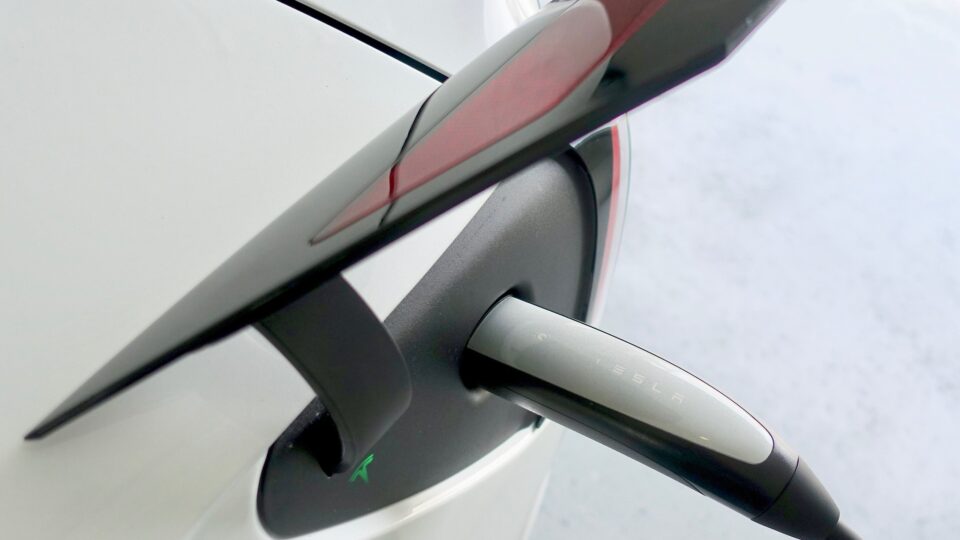
The price of the batteries that power electric cars has fallen by about 90% since 2010.  This continuing trend will eventually make EVs less expensive than gas cars.

For many years, researchers have estimated that when battery packs reach the price of $100 per kilowatt-hour of energy storage, electric cars will cost about the same as gasoline-powered vehicles.  In 2021, the average price of lithium-ion battery packs fell to $132 per kilowatt-hour, down 6% from the previous year.  According to analysts, batteries should hit the average of $100 as soon as 2024.

It is not the case that as soon as the $100 level is reached, EVs will abruptly reach cost parity.  Across different manufacturers and vehicle types, the price shift will occur at different rates.  However, by the time batteries reach $60 a kilowatt-hour, EVs will be cheaper than equivalent gasoline models across every vehicle segment.

It is not known exactly when EVs will cost less than gasoline models, but there is little doubt that this point is coming.  We have only been talking about the purchase price of a new vehicle.  When one looks at the total cost of ownership of a vehicle, including fuel, insurance, maintenance, and depreciation, it is a different story.

Because of savings on fuel and maintenance, EVs are already in many if not most cases cheaper to own than gas-powered cars.  The Department of Energy provides an online calculator to help consumers estimate the cost differences between gasoline and electricity.

In any case, the number of electric cars on the market is increasing and the number of gas-powered cars will be shrinking.  Sooner or later, we will all drive electric.

**********

Web Links

Inside Clean Energy: Batteries Got Cheaper in 2021. So How Close Are We to EVs That Cost Less than Gasoline Vehicles?

Photo, posted July 29, 2017, courtesy of Steve Jurvetson via Flickr.

Earth Wise is a production of WAMC Northeast Public Radio.
Fire And Ice | Earth Wise

January 17, 2022 By EarthWise Leave a Comment

As the climate changes, fire and ice are related

In recent years, there have been countless stories about the effects of the changing climate.  Many of those stories have been about the dwindling sea ice in the Arctic and many others have been about the worsening wildfires in the western United States.   According to a recent study published by the Pacific Northwest National Laboratory, those two things are very much related.

As sea ice in the Arctic melts from July to October, sunlight warms the surrounding land and sea surfaces.  The resulting differences in air pressure create and strengthens a vortex in the atmosphere above the heated area which spins counterclockwise like a cyclone.

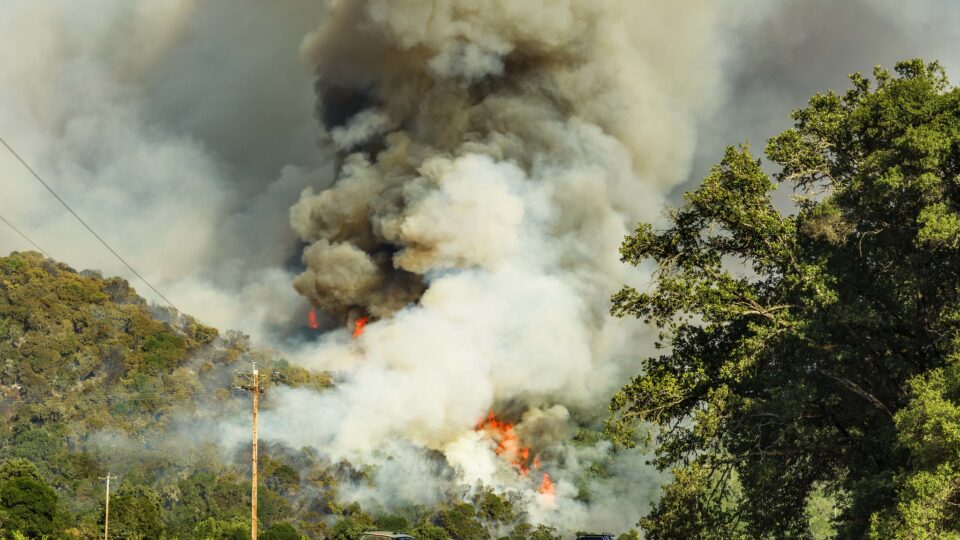
The powerful vortex pushes the polar jet stream out of its typical pattern and diverts moist air away from the western United States.  With the jet stream moved off its usual course, a second vortex, this time spinning clockwise, forms under the ridge of the polar jet stream above the Western U.S.  This second vortex brings with it clear skies and dry conditions:  fire-favorable weather.

Arctic sea ice has continually declined at least since the late 1970s.  It is predicted that there will be periods of entirely iceless Arctic waters before the 2050s.  In turn, conditions in the already fire-ravaged West are likely to be further exacerbated.  More than three million acres have burned across California alone during the 2021 wildfire season.

Climate conditions in one part of the world can, over time, influence climate outcomes thousands of miles away.  The research at Pacific Northwest Laboratory reveals how regional land and sea surface warming caused by Arctic ice melting can trigger hotter and drier conditions in the West later in the year.

**********

Web Links

Fire and Ice: The Puzzling Link Between Western Wildfires and Arctic Sea Ice

Photo, posted July 28, 2018, courtesy of Bob Dass via Flickr.

Earth Wise is a production of WAMC Northeast Public Radio.

Stretchy And Washable Batteries | Earth Wise

January 13, 2022 By EarthWise Leave a Comment

Researchers have developed a stretchy and washable battery

Wearable electronic devices are a big market but there are limitations created by the properties of the batteries that operate them.  The ideal battery for wearable electronics would be soft and comfortable, stretchable, and washable.  Researchers at the University of British Columbia have recently developed just such a battery.  The work has been described in a new paper published in Advanced Energy Materials.

The battery encompasses a number of engineering advances.  Traditional batteries are made from hard materials encased in a rigid external shell.  The UBC battery is stretchable because its key components are ground into small pieces and then embedded in a rubbery polymer.  Ultra-thin layers of these materials are then encased in the same polymer.  This construction creates an airtight, waterproof seal.

The batteries survived 39 cycles in washing machines using both home and commercial-grade appliances.  The batteries came out intact and functional.

The batteries use zinc and manganese dioxide chemistry which is safer than lithium-ion batteries in case they break while being worn.

The materials used are low-cost, so if the technology is commercialized, it will be cheap.  When it is ready for consumers, it is likely to cost no more than existing batteries.  Work is underway to increase the power output of the batteries and their cycle life.  There is already commercial interest in the technology.

There are many potential applications for such batteries.  Apart from watches and medical monitors, they might also be integrated with clothing that can actively change color or temperature.  If the batteries are commercialized, they will make wearable power comfortable, convenient, and resilient.

**********

Web Links

Stretchy, washable battery brings wearable devices closer to reality

Photo, posted April 15, 2021, courtesy of Ivan Radic via Flickr.

Earth Wise is a production of WAMC Northeast Public Radio.
Florida’s Starving Manatees | Earth Wise

January 12, 2022 By EarthWise Leave a Comment

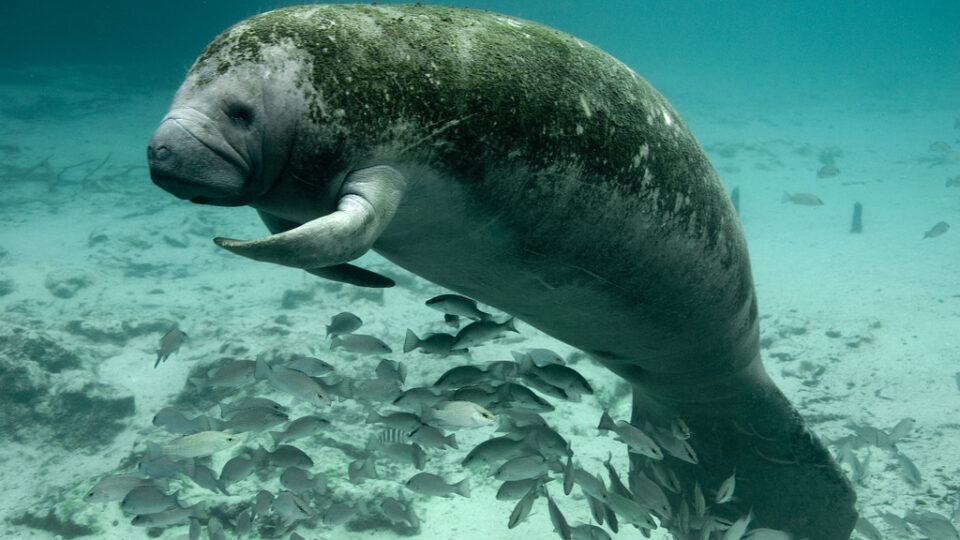
Manatees, also called “sea cows”, have been the victims of farm runoff.  They have starved to death by the hundreds along Florida’s east coast because algae blooms fed by nitrogen-rich fertilizer runoff are proliferating on the ocean surface and blocking sunlight from reaching seagrass below.  Seagrass is the primary source of food for manatees in the winter.  As seagrass dies off, so do the manatees.

Over 1,000 manatees have been found dead so far this year.  It is estimated that fewer than 8,000 remain in Florida waters.  Efforts are underway to restore coastal seagrass in the region as well as clams and oysters, which filter pollutants from water.  Unless the water is cleared up, it will be difficult to regrow the seagrass.  But the current situation is that manatees are so short on food that they are eating seagrass roots, killing the plants and thwarting efforts to help seagrass recovery.

Given this dire situation, the federal governmental has approved a program of feeding manatees.  The starving animals will be fed by hand in Florida, which is a rare wildlife intervention.  Conservation agencies tend to favor leaving wild animals to their own foraging and hunting so that they don’t become dependent on human handouts.

During the trial phase of the program, wildlife experts are likely to feed the animals romaine lettuce and cabbage, which is what manatees in captivity eat.  The hope is to give the animals enough additional food for them to get through the winter.  The trial feeding will begin on private property.  It remains illegal for the public to feed manatees.

**********

Web Links

Florida to feed starving manatees in rare conservation move

Photo, posted February 21, 2008, courtesy of Keith Ramos/USFWS via Flickr.

Earth Wise is a production of WAMC Northeast Public Radio.

Carbon Capture In Denmark | Earth Wise

January 11, 2022 By EarthWise Leave a Comment

Denmark pursuing carbon capture technologies

Denmark has pledged to reduce greenhouse gas emissions 70% by 2030 compared with 1990 levels. The country has also banned oil exploration in Danish waters and plans to phase out offshore drilling in the North Sea by 2050.

Instead of pumping oil from the North Sea, Denmark plans to capture CO2 and store it there.  To meet its climate goals, Denmark is investing $2.4 billion in a plan to capture carbon dioxide from its energy and industrial sectors and inject it into the seabed in geological formations that previously held oil and gas deposits.

The first North Sea carbon capture and storage facilities will be put into service in 2025 and will remove nearly half a million tons of emissions from the atmosphere each year.  The carbon dioxide will be captured from energy and industrial sectors such as waste incineration and cement production.

There are multiple carbon capture projects underway around the world.  Many are directed at so-called direct air capture, which is taking carbon dioxide out of the air once it is already there.  In Iceland, a project named “Orca” is extracting CO2 from the air and piping into a processing facility where it is mixed with water and diverted into a deep underground well.  Other large direct air capture plants are being built in the U.S. Southwest and in Scotland.

Whether capturing carbon from industrial operations or directly from the air ultimately makes environmental and economic sense remains to be seen.  What is driving the development of these technologies is the troubling math that reducing emissions is not happening fast enough to stave off the destructive effects of climate change that will result from global temperatures rising too much.

**********

Web Links

Denmark bets on North Sea carbon capture to hit climate goals

Photo, posted July 2, 2018, courtesy of Ansgar Koreng via Flickr.

Earth Wise is a production of WAMC Northeast Public Radio.
Solid State Batteries For Cars | Earth Wise

January 7, 2022 By EarthWise Leave a Comment

Nissan at the forefront of developing solid state batteries for cars

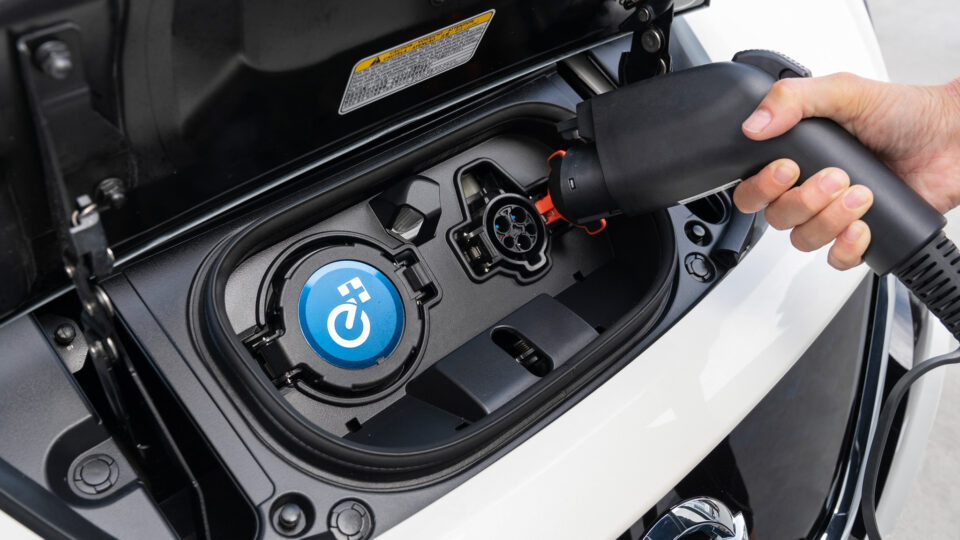
Today’s electric cars run on lithium-ion batteries, the same sort that power our phones, computers, and many other consumer electronic devices.  These batteries are far superior to the batteries of the past, offering long-life, high-energy density, and recyclable components.

Lithium-ion batteries do have their drawbacks.  They may be lighter than older battery technologies, but because the electrolytes in the batteries are liquid, they are still fairly heavy.  The huge number of them in an electric car adds up to a considerable amount of weight.  In addition, the flammability of the electrolytes can lead to explosions or fires if the batteries are damaged or exposed to extreme temperatures.

Solid-state batteries are an alternative technology that contain a solid electrolyte.  Such batteries are lighter, have higher energy density, offer more range, and recharge much more quickly than lithium-ion batteries. They have been used for years in some small devices like cardiac pacemakers, RFIDs, and some wearable devices.

For all these benefits, scaling up production to the level needed to be used in cars is an expensive and challenging endeavor.  The hope is that with sufficient effort, the result will be smaller, lighter battery packs for cars that can be charged in minutes and provide extended range.

Nissan Motor Company has recently announced that it is investing $17.6 billion over the next five years towards developing solid-state batteries for cars.  No doubt other companies will also be working on the technology.

Lithium-ion batteries have proven to be quite practical for powering vehicles.  But if solid-state batteries can meet the challenges of scaled up production, the lithium-ion era might end up being a relatively brief one.

**********

Web Links

Nissan to Spend $18 Billion Developing a Cheaper, More Powerful EV Battery

Photo, posted November 13, 2018, courtesy of FirstEnergy Corp via Flickr.

Earth Wise is a production of WAMC Northeast Public Radio.

Emissions And The Pandemic | Earth Wise

January 3, 2022 By EarthWise Leave a Comment

Studying the effects of the pandemic on emissions

The early months of the COVID-19 pandemic saw drastic reductions in travel and other economic sectors across the globe that greatly decreased air pollution and greenhouse gas emissions. These dramatic changes occurred quite suddenly.  This abrupt set of changes gave scientists the unprecedented opportunity to observe the results of changes that would ordinarily have taken years if they came about through regulations and gradual behavior shifts.

A comprehensive study by Caltech on the effects of the pandemic on the atmosphere has revealed some surprising results.

The biggest surprise is that even though carbon dioxide emissions fell by 5.4% in 2020, the amount of CO2 in the atmosphere continued to grow at about the same rate as in previous years.  According to the researchers, the reasons are that the growth in atmospheric concentrations was within the normal range of year-to-year variations caused by natural processes and, in addition, the ocean did not absorb as much CO2 because of the reduced pressure of CO2 in the air at the ocean’s surface.

A second result involved the reduction in nitrogen oxides, which led to a reduction in a short-lived molecule called the hydroxyl radical, which is important in breaking down gases including methane in the atmosphere.  Reducing nitrogen oxides is advantageous with respect to air pollution, but they are important for the atmosphere’s ability to cleanse itself of methane.  In fact, the drop in nitrogen oxide emissions actually resulted in a small increase of methane in the atmosphere because it was staying there longer.

The main lesson learned is that reducing activity in industrial and residential sectors is not a practical solution for cutting emissions.  The transition to low-carbon-emitting technology will be necessary.

**********

Web Links

Emission Reductions From Pandemic Had Unexpected Effects on Atmosphere

Photo, posted March 22, 2020, courtesy of Greg via Flickr.

Earth Wise is a production of WAMC Northeast Public Radio.
Solar Canopies | Earth Wise

December 31, 2021 By EarthWise Leave a Comment

There are plenty of solar panels on residential rooftops but there are also increasing numbers of arrays of them on croplands, arid lands, and grasslands. Large solar arrays are mostly built in open spaces like these rather than in developed areas.  The reason is that it is cheaper to build on undeveloped land than on rooftops or construct covered parking lots.

However, building on undeveloped land is not necessarily the smartest idea.   Undeveloped land is a dwindling resource that is needed for many different things:  growing food, sheltering wildlife, storing and purifying water, preventing erosion, and sequestering carbon. 

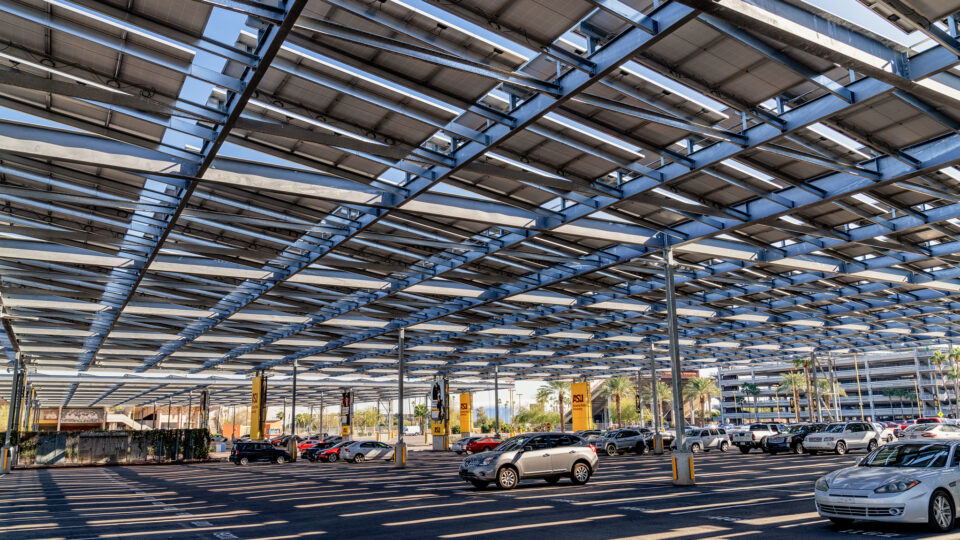
Putting solar panels on parking lots has the appeal that they are abundant, close to electricity customers, and are on land that already has been stripped of much of its biological value.

Putting a solar canopy over a parking lot can produce large amounts of electricity and has the added benefit that it would provide shade for cars.  For example, a typical Walmart supercenter might have a five-acre parking lot, which is enough to support a 3-megawatt solar array.  If Walmart put solar canopies on all of its 3,500+ super centers, it would provide 11 gigawatts of solar power – as much as a dozen large coal-fired power plants.

Solar canopies are still pretty uncommon, but some examples are ones at four DC Metro rail stations, one at JFK Airport, and a large one at the Rutgers University Piscataway campus.

Building parking lot solar canopies is much more expensive than putting solar arrays on open space, but they do eventually pay for themselves. Despite active opposition by utility and fossil fuel interests, solar canopies may eventually be a common sight.

**********

Web Links

Why Putting Solar Canopies on Parking Lots Is a Smart Green Move

Photo, posted January 10, 2020, courtesy of Tony Webster via Flickr.

Earth Wise is a production of WAMC Northeast Public Radio.
  • « Go to Previous Page
  • Page 1
  • Interim pages omitted …
  • Page 31
  • Page 32
  • Page 33
  • Page 34
  • Page 35
  • Interim pages omitted …
  • Page 49
  • Go to Next Page »

Primary Sidebar

Recent Episodes

  • An uninsurable future
  • Clean energy and jobs
  • Insect declines in remote regions
  • Fossil fuel producing nations ignoring climate goals
  • Trouble for clownfishes

WAMC Northeast Public Radio

WAMC/Northeast Public Radio is a regional public radio network serving parts of seven northeastern states (more...)

Copyright © 2026 ·