• Skip to primary navigation
  • Skip to main content
  • Skip to primary sidebar

Earth Wise

A look at our changing environment.

  • Home
  • About Earth Wise
  • Where to Listen
  • All Articles
  • Show Search
Hide Search
You are here: Home / Archives for strategy

strategy

Geothermal Power In The Energy Transition | Earth Wise

February 22, 2021 By EarthWise Leave a Comment

Geothermal energy has untapped potential

The heat beneath the earth represents a vast repository of energy that in principle could provide for a significant part of our needs.  In some places, geothermal energy is easy to get to and is already being exploited.  California and Nevada operate dozens of geothermal electric generating plants.  Boise Idaho heats 92 of its biggest buildings with the river of hot water that flows 3,000 feet below the city.  In total, the U.S. produces enough geothermal electricity to power more than a million homes.

But all these examples make use of relatively rare local features that are not available to the great majority of locations.  As a result, geothermal energy has generally not been viewed as being able to play a major role in the alternative energy transition.

A number of experts around the world disagree with this assessment.  To a fair extent due to the deep-drilling techniques and knowledge about underground formations developed by the oil and gas industry during the fracking boom, there is growing interest in a type of geothermal energy called deep geothermal that accesses hot temperatures in the earth’s mantle as far down as two or three miles.

Deep geothermal can either access extremely hot water that exists down at those depths or water can be injected into hot rock down there, which is a technology known as enhanced geothermal systems.

There is enormous untapped potential for geothermal energy.  A 2019 report by the U.S. Department of Energy says that by 2050, geothermal could provide 8.5% of the United States’ electricity as well as direct heat.  Geothermal could be an important part of the so-called all-of-the-above future energy strategy.

**********

Web Links

Can Geothermal Power Play a Key Role in the Energy Transition?

Photo, posted August 2, 2008, courtesy of ThinkGeoEnergy via Flickr.

Earth Wise is a production of WAMC Northeast Public Radio.
Danger For North American Biomes | Earth Wise

October 8, 2020 By EarthWise Leave a Comment

North American biomes are losing their resilience

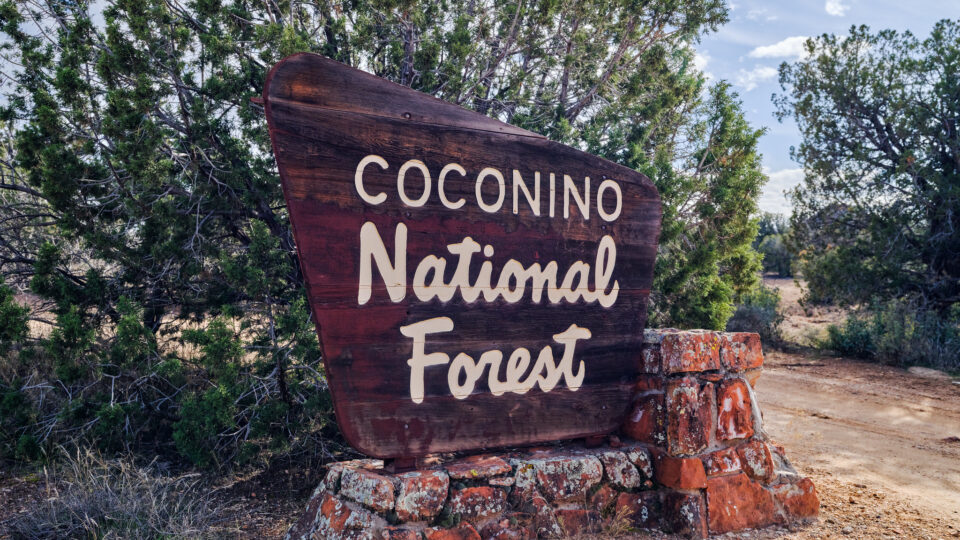
Biomes are large, naturally occurring communities of flora and fauna that occupy a major habitat.  Examples include several different kinds of forests, grasslands, deserts, and tundra.  According to a new study published in the journal Global Change Biology, the resilience of North America’s plant biomes is declining, which means that they are in danger of succumbing to a major extinction event.

The research analyzed over 14,000 fossil pollen samples from 358 sites across North America for the purpose of reconstructing their “landscape resilience”, meaning the ability of the habitats to persist or quickly rebound in response to disturbances.

Some 13,000 years ago, North American ecosystems were destabilized by the one-two punch of the retreat of glaciers at the end of the last ice age along with the arrival of humans.  That combination resulted in the extinction of large terrestrial mammals on the continent. 

Today, there is a comparable one-two punch created by the rapidly changing climate combined with the dramatic expansion of the footprint of human civilization.   The result could again be the demise of some of North America’s biomes.  In past eras, forests persisted longer than grasslands, but also took longer to reestablish after disruptions.  Overall, only 64% of historic biomes regained their original ecosystem type.

The scientists said that strategic conservation effects could help counteract or slow down the impacts of climate change in the coming decades.  In particular, efforts focusing on improving landscape and ecosystem resilience by increasing local connectivity and concentrating on regions with high richness and diversity could have the greatest positive effect.

**********

Web Links

North American Biomes Are Losing Their Resilience, With Risks for Mass Extinctions

Photo, posted January 9, 2020, courtesy of Tony Webster via Flickr.

Earth Wise is a production of WAMC Northeast Public Radio.

Tree-Planting Is Not Necessarily A Good Thing | Earth Wise

July 31, 2020 By EarthWise Leave a Comment

Tree planting is not always beneficial

There is no question that forests have a major role in efforts to combat climate change as well as to slow biodiversity loss.   As a result, tree-planting on a massive scale has gained traction as a strategy and there have been major commitments made to plant billions of trees around the world.

A new study at Stanford University has rigorously analyzed the potential effects of these efforts and has found some significant problems.  For example, the Bonn Challenge, which seeks to restore an area of forest more than eight times the size of California over the next 10 years, has 80% of its commitments in the form of  planting monoculture tree plantations or a limited mix of trees that produce fruit and rubber, rather than restoring natural forests.   The problem is that plantations have significantly less potential for carbon sequestration, habitat creation, and erosion control than natural forests.  The potential benefits of the planting dwindle further if planted trees replace natural flora – forests, grasslands, or savannahs – which are ecosystems that have evolved to support local biodiversity.

The study looked at previous policies that created subsidies for planting trees.  Chile’s Decree Law, in effect from 1974 to 2012, has served as a model for similar policies in a number of countries.  Those subsidies further reduced native forest cover by encouraging the establishment of plantations in places where forests might have naturally regenerated.  The subsidies expanded the area covered by trees, but decreased the area of native forests.

The study recommends that nations should design and enforce their forest subsidy policies to avoid undesirable ecological impacts and actually promote the recovery of carbon- and biodiversity-rich ecosystems.

**********

Web Links

Poorly designed tree-planting campaigns could do more harm than good, according to Stanford researcher and others

Photo, posted April 28, 2016, courtesy of the U.S. Department of State via Flickr.

Earth Wise is a production of WAMC Northeast Public Radio.
Food Waste And Access To Groceries | Earth Wise

March 19, 2020 By EarthWise 1 Comment

access to groceries can reduce food waste and emissions

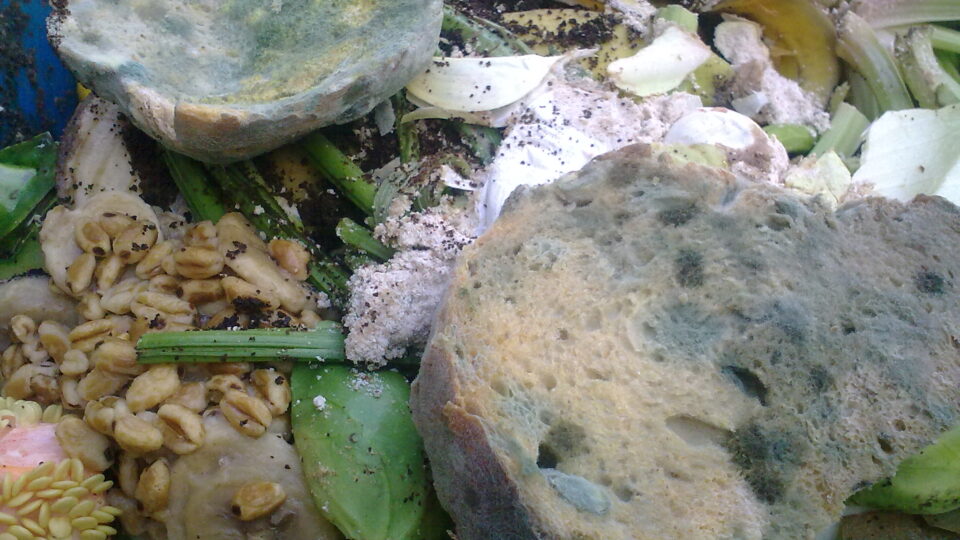
One-third of all food produced is wasted, which turns out to be a major contributor to carbon emissions.  Most of the carbon emissions associated with food waste are related to the production of the food.  Reducing waste would trickle through the supply chain over time and ultimately less food would be produced.

A study at Cornell’s SC Johnson College of Business looked at a particular strategy for reducing food waste’s environmental impact:  opening more grocery stores.

It turns out that the more stores there are, the lower food waste will be.  Cornell Professor Elena Belavina created a model that incorporates data from the grocery industry, the U.S. Census Bureau, and other academic studies.

When applied to Chicago, which is typical of many American cities, the model predicts that by adding just three or four markets within four-square-mile area, food waste would be reduced by 6 to 9 percent.  This would achieve an emissions reduction comparable to converting more than 20,000 cars from fossil fuels to electric power.  According to the model, not only would food waste be reduced, but so would grocery bills.  By trimming food waste and travel costs, consumers would spend up to 4% less.

Most big cities are well below their ideal density of grocery stores that would minimize food waste. When consumers can purchase perishable goods nearby, they shop more often but buy less each time.  There is less food sitting at home, so there is a much lower likelihood that food will spoil.

New York City, which has an abundance of produce stands and neighborhood markets, comes close to having the ideal density of markets.  Basically, the way to reduce food waste is to bring less groceries home.

**********

Web Links

Better access to groceries could reduce food waste, emissions

Photo, posted March 22, 2009, courtesy of Nick Saltmarsh via Flickr.

Earth Wise is a production of WAMC Northeast Public Radio.
Coastal Plants And Climate Change | Earth Wise

March 18, 2020 By EarthWise Leave a Comment

Rising sea levels and the increased frequency and intensity of extreme weather events are leaving observable effects on beaches, cliffs, and coastal infrastructures all around the world.  But a new study suggests that the impact of climate change on coastal plant communities needs more attention. 

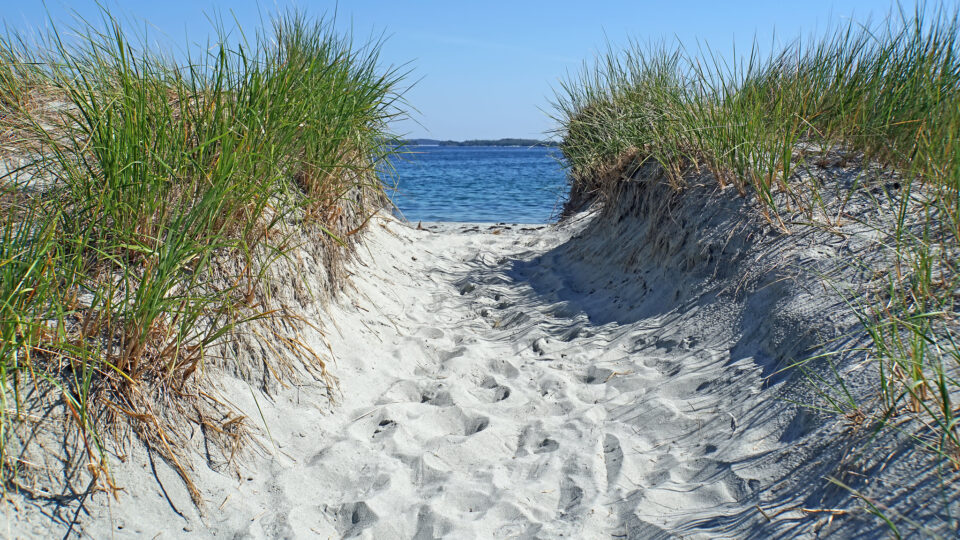
According to research recently published in the journal Annals of Botany, coastal plants are a critical element of global sea defense.  But coastal plants are increasingly under threat from flooding, erosion, and other human-induced effects of climate change.  Habitats like salt marshes, mangrove forests, sand dunes, and kelp beds make important contributions  to coastal protection.

The research was led by scientists from the University of Plymouth, in conjunction with researchers at Utrecht University and Manchester Metropolitan University.

The study follows a recent assessment by the Intergovernmental Panel on Climate Change, which found that anthropogenic climate change poses a severe threat to estuaries and coastal ecosystems.  

Conservative estimates of the capital investments needed to combat rising seas and intensifying storms run into the hundreds of billions of dollars in the coming decades.  However, coastal vegetation could offer a dynamic, natural, and relatively low-cost defense strategy at a fraction of the cost when compared with the cost of so-called hard defenses like concrete walls and barriers. 

According to the research team, identifying the key species and habitats for coastal defense and how coasts can be protected and promoted is critical.  More long-term monitoring is also needed in order to better understand and predict where and how storms and other effects of climate change will impact coastal ecosystems. 

**********

Web Links

The gathering storm: optimizing management of coastal ecosystems in the face of a climate-driven threat

Losing coastal plant communities to climate change will weaken sea defences

Photo, posted September 14, 2018, courtesy of Dennis Jarvis via Flickr.

Earth Wise is a production of WAMC Northeast Public Radio.

Volunteer Tourism | Earth Wise

February 13, 2020 By EarthWise 1 Comment

volunteer tourism aids disaster recovery

Spending vacation time in a disaster zone seems like a crazy idea, but so-called volunteer tourism can actually be a big help to communities trying to recover from natural disasters.  It can also be a unique and rewarding experience for the volunteers.

Such volunteer tourism should not be confused with “disaster tourism”, the unfortunate practice of rushing to the scene of a calamity to gawk.  That is certainly no help to anyone.

When disaster strikes a destination usually frequented by tourists, people naturally tend to stay away, leaving communities to deal with the loss of tourism income on top of the costs of repair and recovery.

A study by UTS, a technology university in Sydney, Australia, looked at the effects of volunteer tourism in the wake of the April 2015 earthquake in Nepal.  They found that when it is done in an ethical matter than takes into account local conditions and the affected community, volunteer tourism can aid recovery and resilience.

In the months following the earthquake, most relief organizations asked international volunteers not to come unless they had specific expertise, such as medical skills, building skills, or emergency response experience.  Eventually, Nepal relaxed conditions to include volunteers to help rebuild homes and schools, to intern in hospitals, and to support NGOs and to re-establish sustainable agriculture.

According to the Nepal Association of Tour and Travel Agents, almost one third of the tours booked to Nepal in the two years after the earthquake comprised groups who combined tourism with volunteering or philanthropy.

Volunteer tourism isn’t for everyone and for every situation, but for places that rely on tourism for their economy, building volunteer tourism into the recovery process can be a good strategy.

**********

Web Links

Volunteer tourism can aid disaster recovery

Photo, posted July 2, 2015, courtesy of the World Humanitarian Summit via Flickr.

Earth Wise is a production of WAMC Northeast Public Radio.
Geoengineering And Volcanoes

November 14, 2019 By EarthWise Leave a Comment

Solar geoengineering is a theoretical strategy for curbing the effects of climate change by introducing aerosol particles in the upper atmosphere to reflect some of the Sun’s radiation back into space and thereby cool the planet.  It would basically be intentionally tinkering with the climate system on a global scale.

The concept is fraught with the danger of unintended consequences and most experts consider the idea almost unthinkable.  But there are those who see it as a last resort if all our other efforts to mitigate the effects of climate change are unsuccessful.

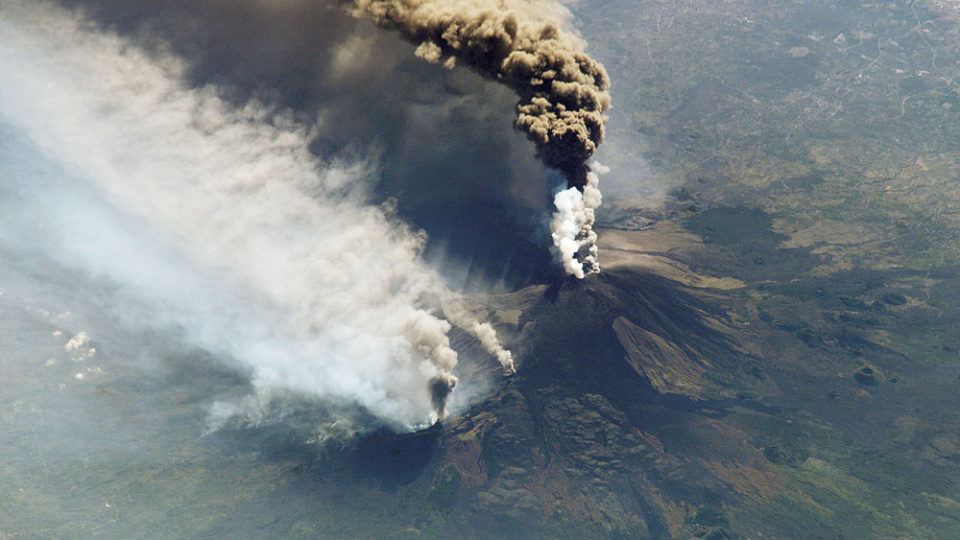
Proponents of the idea like to describe the technique as being like a human-made volcano.  Major volcanic eruptions spew ash particles into the atmosphere which can linger for as long as a few years.  The result is cooler temperatures, sometimes across much of the globe.  The Krakatoa eruption of 1883 lowered average Northern Hemisphere temperatures by more than 2 degrees and created chaotic weather patterns until about 1888.

Researchers at the Carnegie Institution and two Chinese research institutions used sophisticated modeling techniques to compare the effects on the climate of a volcanic eruption with long-term geoengineering deployment.

They found that the volcanic eruption created a greater temperature difference between the land and sea than the geoengineering and resulted in very different precipitation scenarios.  In both cases, there would be less available water for people on land.

Overall, the study demonstrated that volcanic eruptions are imperfect analogs for geoengineering and that scientists should be very cautious about extrapolating too much from them.  It is important to evaluate geoengineering from an informed position, but the truth is that it represents a great and perilous unknown.

**********

Web Links

Geoengineering Versus A Volcano

Photo, posted November 1, 2002, courtesy of the NASA Goddard Space Flight Center via Flickr.

Earth Wise is a production of WAMC Northeast Public Radio.
A New Kind Of Coral Nursery

October 22, 2019 By EarthWise Leave a Comment

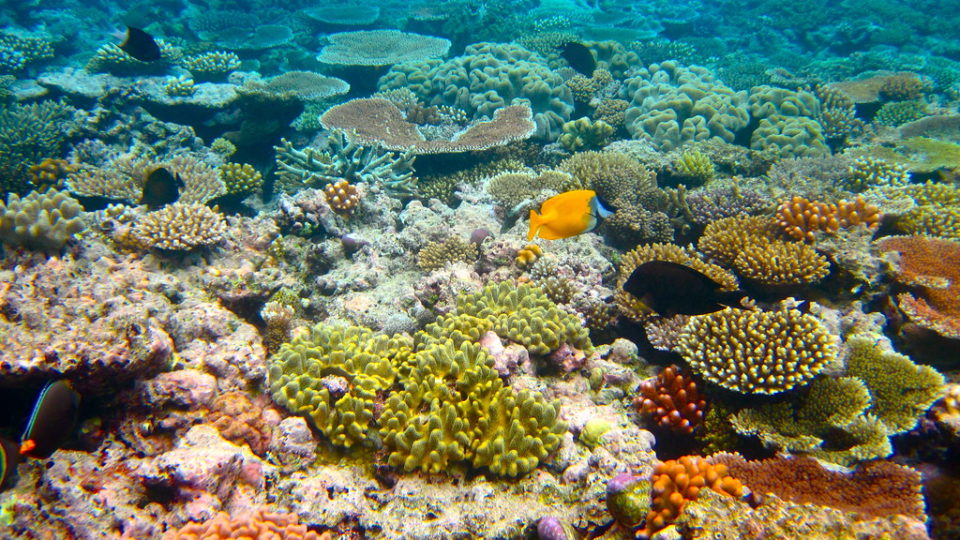
Coral reefs around the world are struggling from warming waters and increasing ocean acidification driven by excess carbon dioxide.  Many of the world’s greatest reefs – such as Australia’s Great Barrier Reef – have seen steep declines over the past decade.

But apart from the global environmental threat, reefs also are often damaged by various marine accidents such as ships grounding on them.   Such events can severely damage a reef and scatter countless small coral fragments onto the seafloor.  These small pieces of coral are not actually dead; they can continue on with their lives if they are relocated to a suitable environment such as a coral nursery.

Coral nurseries are generally small installations that allow coral fragments – typically pieces about 4 inches in length – to recover from their reef breaking up and to grow until they are large enough for conservation managers to replant them into reefs that need them.  This strategy works well in places where corals grow relatively quickly – such as Florida and the Caribbean – but not as well in places where coral grows more slowly, such as Hawaii.

Recently, coral experts at the National Oceanic and Atmospheric Administration working with mechanical engineering students at the University of Hawaii have developed a new type of coral nursery that can save fully formed coral colonies as opposed to small coral fragments.

The nurseries are large, carefully designed structures that can be loaded up with corals that have become detached from their reefs.  Some of these new structures were installed in the waters of Oahu in the summer of 2018 and were populated with corals.  The relocated corals, which would have otherwise died, are now recovering nicely in their new coral daycare centers and will soon be replanted back into the reef.

**********

Web Links

NOAA Develops A New Type of Coral Nursery

Photo, posted July 29, 2010, courtesy of Kyle Taylor via Flickr.

Earth Wise is a production of WAMC Northeast Public Radio.

Floating Solar Fuel Farms

September 20, 2019 By EarthWise Leave a Comment

Limiting global warming will require a massive reduction in CO2 emissions from fossil fuel burning.  Renewable energy sources are playing a growing role in the power grid and electric cars are becoming increasingly popular.  Despite all this, carbon-based liquid fuels will continue to dominate our energy use for the foreseeable future.

Researchers in Norway and Switzerland have described a potential scheme that would help remove CO2 from the atmosphere and produce a valuable liquid fuel.

The idea is to create floating islands containing large numbers of solar panels that convert carbon dioxide in seawater into methanol, which can fuel airplanes and trucks.

A combination of largely existing technologies would be the basis of these floating islands, which would be similar to present-day floating fish farms.  The researchers envision clusters each composed of 70 circular solar panels that in total cover an area of roughly half a square mile.  The solar panels would produce electricity, which would split water molecules and isolate hydrogen.  The hydrogen would then react with carbon dioxide pulled from seawater to produce usable methanol.

The technology already exists to build the floating methanol islands on a large scale in areas of the ocean free from large waves and extreme weather.  Suitable locations are off the coasts of South America, North Australia, the Arabian Gulf, and Southeast Asia.

A single floating solar farm could produce more than 15,000 tons of methanol a year – enough to fuel a Boeing 737 airliner for more than 300 round-trip flights across the country.  Floating energy islands would not be a magic bullet for limiting the effects of climate change, but they could well be an important part of an overall strategy.

**********

Web Links

Giant Floating Solar Farms Could Make Fuel and Help Solve the Climate Crisis, Says Study

Photo courtesy of PNAS.

Earth Wise is a production of WAMC Northeast Public Radio.
Reducing Methane From Animals

September 3, 2019 By EarthWise Leave a Comment

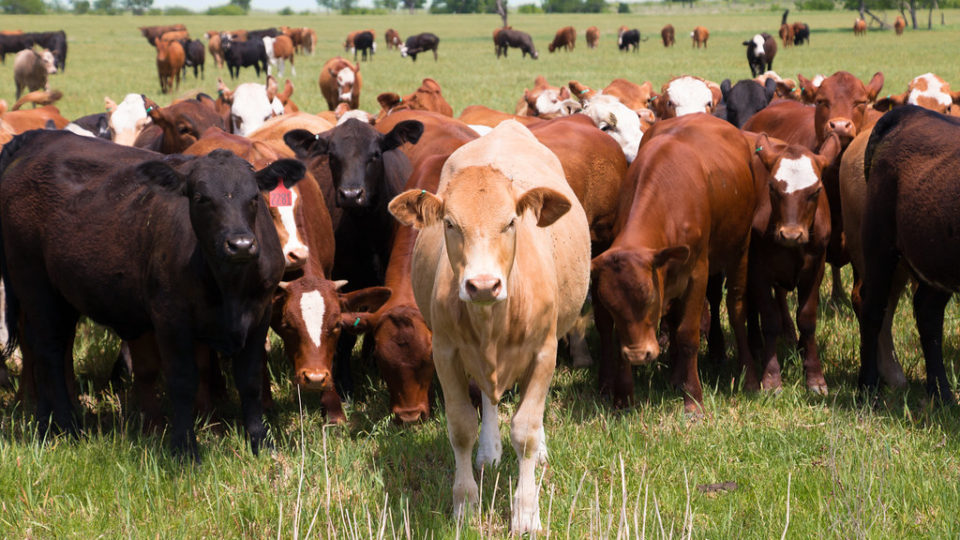
Methane emissions from ruminant livestock are currently estimated to be more than 100 million tons each year and, after rice agriculture, represent the biggest human-initiated methane source.  Given that fact, there is widespread encouragement for people to reduce their consumption of meat in order to reduce the amount of the potent greenhouse gas going into the atmosphere.

But an additional strategy to lower global methane emissions is to actually reduce the amount of methane produced by each animal.  To that end, researchers at the University of Otago in New Zealand have now identified new processes that control methane production in the stomachs of sheep and similar animals like cattle and deer.

They determined the specific microbes and enzymes that control the supply of hydrogen, which is the main energy source for methane producing microbes, known as methanogens.  Their work is focused on the development of small molecule inhibitors and vaccines to specifically target the production of methane by methanogens.  By reducing the supply of hydrogen to methanogens, it is possible to reduce animal methane emissions.

The research involved studying two types of sheep – those producing large amounts of methane and those producing less.  They found that the most active hydrogen-consuming microbes differed between the sheep.  Specifically, in the low methane emitting sheep, hydrogen consuming bacteria dominated over methanogens.

Ultimately, a strategy might emerge to introduce feed supplements that encourage non-methane producers to out-compete methanogens.  Controlling the supply of hydrogen to the methanogens will lead to reduced methane emissions. 

Having low-emission cattle would definitely help reduce the impact of agriculture on the climate.

**********

Web Links

Scientists discover processes to lower methane emissions from animals

Photo, posted April 7, 2017, courtesy of Flickr.

Earth Wise is a production of WAMC Northeast Public Radio.
Shutting Down Minnesota Coal Plants

July 8, 2019 By EarthWise Leave a Comment

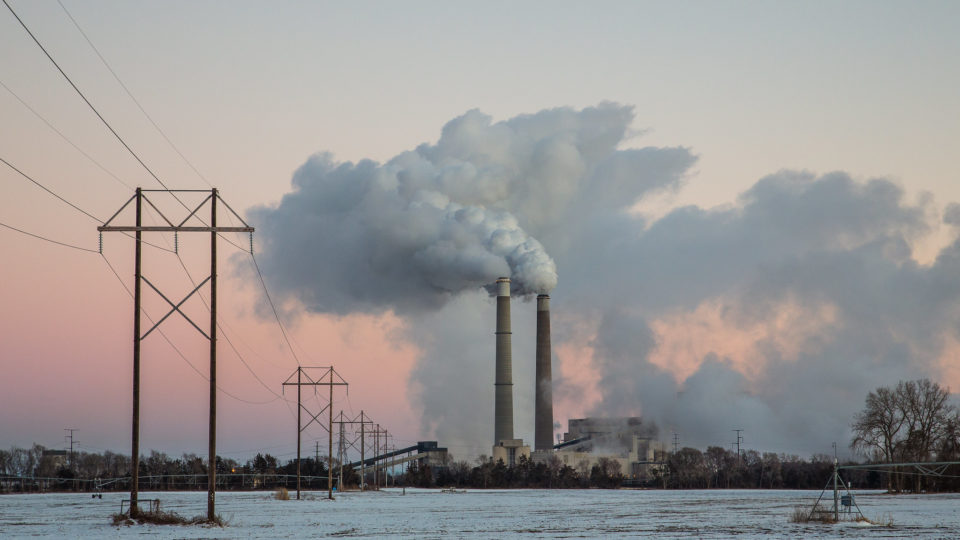
One of the largest utilities in the United States, Xcel Energy Inc., announced that it will close its remaining coal-fired power plants in the Upper Midwest a decade ahead of its previously-announced schedule.  In addition, the company will add 3,000 megawatts of new solar capacity by 2030.

The Allen S. King plant in Oak Park Heights, Minnesota and the Sherburne County Generating Station in Becker, Minnesota are the plants in question.  The transition away from coal is a difficult challenge for such small communities.  The plant in Becker, for example, employs 300 people in a town of 4,500 and provides 75% of the city’s tax base.  Towns like this realize that coal is inevitably going away and must find ways to move beyond their dependence upon it.  The Becker plant will not completely close until 2030, but parts will now only run seasonally, and one of the 3 units will close permanently in 2023

Xcel Energy, based in Minneapolis, serves more than 3.3 million electricity customers in 8 states.  Last December, the company announced that it would deliver 100% clean, carbon-free electricity by 2050 and would achieve an 80% carbon reduction from its 2005 levels by 2035.  It is the first major US utility to set such a goal.

Xcel will increase its investment in energy efficiency measures, bring 1,850 megawatts of new wind capacity online in Minnesota by 2022, and keep its Monticello Nuclear Generating Station operating until 2040, a decade later than planned.  The company’s stepped-up clean energy strategy is part of a new legal settlement between the company, environmental organizations, and labor groups that involves Xcel’s proposed $650 million purchase of a 760-megawatt natural gas plant.

**********

Web Links

A Major U.S. Utility Is Closing Its Coal-Fired Power Plants a Decade Early

Photo, posted January 3, 2016, courtesy of Tony Webster via Flickr.

Earth Wise is a production of WAMC Northeast Public Radio.
Agroforestry

December 27, 2018 By EarthWise 2 Comments

https://earthwiseradio.org/wp-content/uploads/2018/12/EW-12-27-18-Agroforestry.mp3

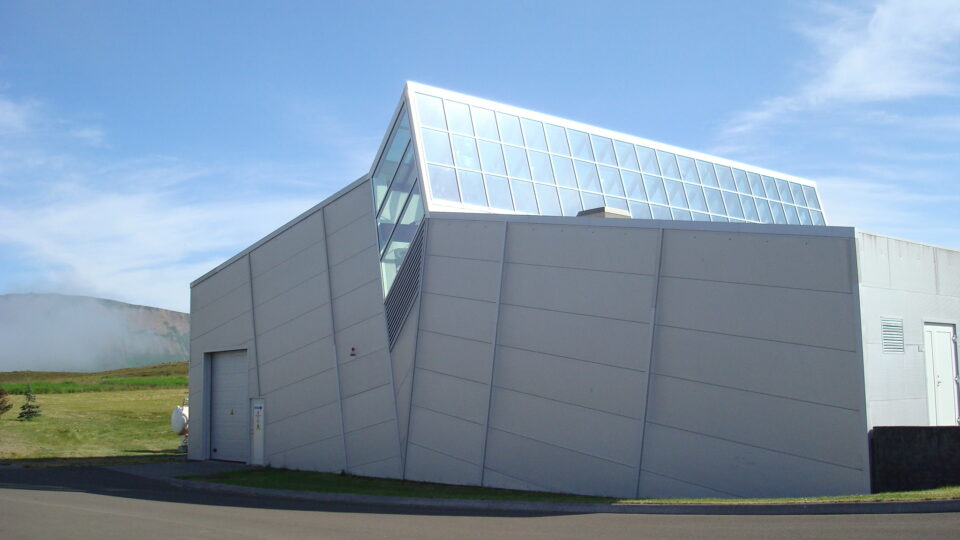
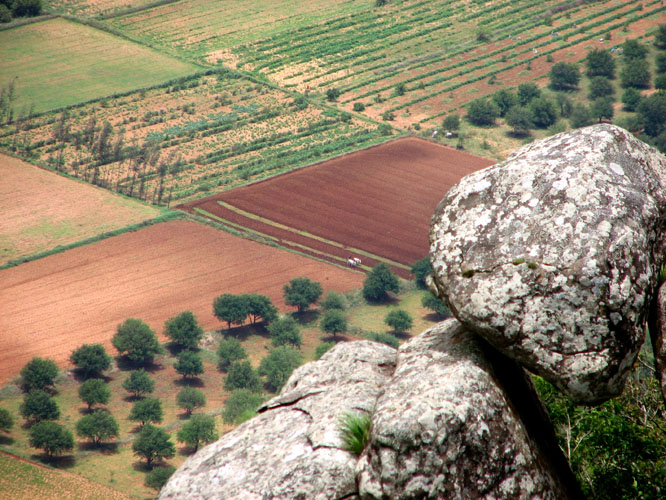
It has become increasingly evident that reducing carbon dioxide emissions is not happening quickly enough to prevent runaway climate change and that negative emission techniques will need to be utilized as well.  Negative emissions means removing carbon dioxide that is already in the atmosphere.

[Read more…] about Agroforestry

FEMA And Climate Change

April 13, 2018 By EarthWise 1 Comment

https://earthwiseradio.org/wp-content/uploads/2018/04/EW-04-13-18-FEMA-and-Climate-Change.mp3

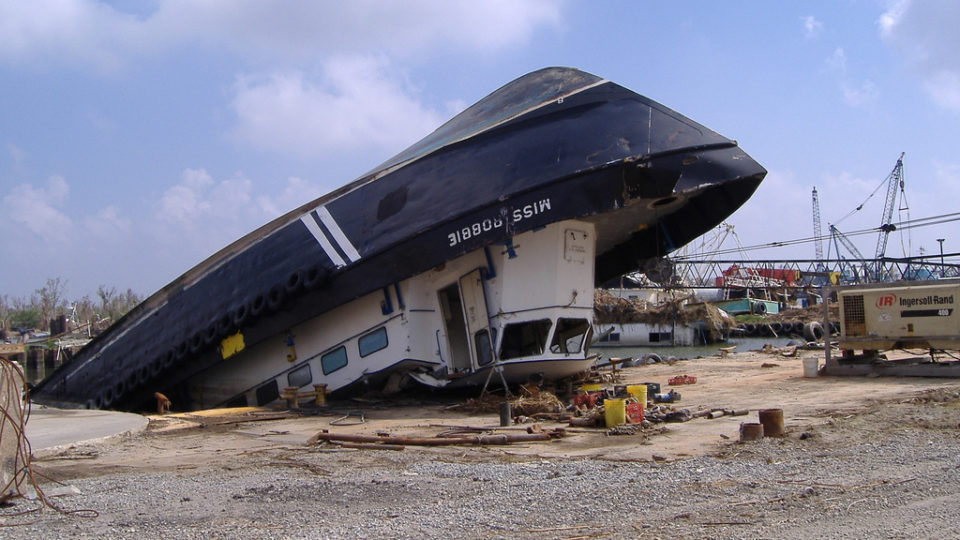
In 2017, the United States spent a record $306 billion on weather and climate-related disasters, making it the costliest and most damaging year on record. The wildfires out west, Hurricanes Irma, Maria, and Harvey, the Minnesota hailstorm, and the midwest drought are just some of the costly examples.  Officials say that already-bloated figure will increase further in the coming years as temperatures rise.

[Read more…] about FEMA And Climate Change

Natural Climate Solutions

February 13, 2018 By EarthWise Leave a Comment

https://earthwiseradio.org/wp-content/uploads/2018/01/EW-02-13-18-Natural-Climate-Solutions.mp3

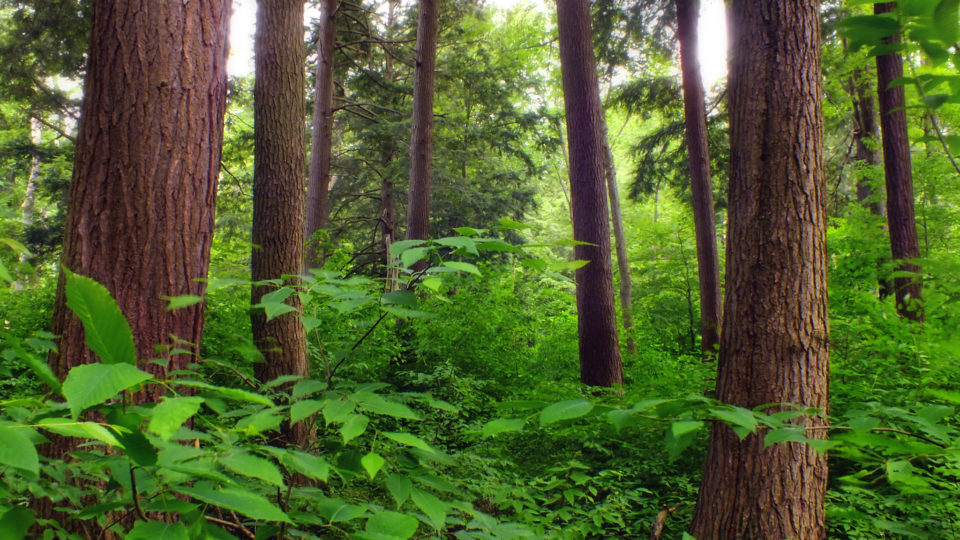
The Paris Climate Agreement embodies a commitment to hold the increase in the global average temperature to less than 2 Celsius degrees above preindustrial levels.  Most strategies to achieve this goal involve reductions in greenhouse gas emissions from human activities such as burning fossil fuels as well as various land use activities.  But there are also so-called Natural Climate Solutions, which relate to the storage of carbon and reduction in carbon emissions across global forests, wetlands, grasslands, and agricultural lands.

[Read more…] about Natural Climate Solutions

Squeaking By

March 14, 2017 By EarthWise

https://earthwiseradio.org/wp-content/uploads/2017/03/EW-03-14-17-Squeaking-By.mp3

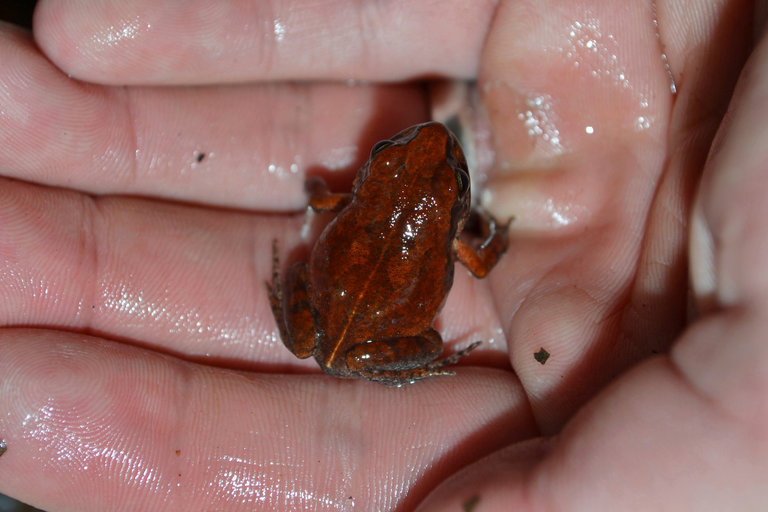
Amphibians are one of the most threatened groups of animals on the planet.  Since the late 1980s, scientists have measured dramatic population declines from locations all over the world.  The plummeting amphibian populations are perceived to be one of the most critical threats to global biodiversity.  According to the IUCN, about 1 of every 3 amphibian species is facing extinction.  Some of the greatest threats facing amphibians include climate change, disease, and habitat destruction. 

[Read more…] about Squeaking By

  • « Go to Previous Page
  • Page 1
  • Page 2

Primary Sidebar

Recent Episodes

  • An uninsurable future
  • Clean energy and jobs
  • Insect declines in remote regions
  • Fossil fuel producing nations ignoring climate goals
  • Trouble for clownfishes

WAMC Northeast Public Radio

WAMC/Northeast Public Radio is a regional public radio network serving parts of seven northeastern states (more...)

Copyright © 2026 ·