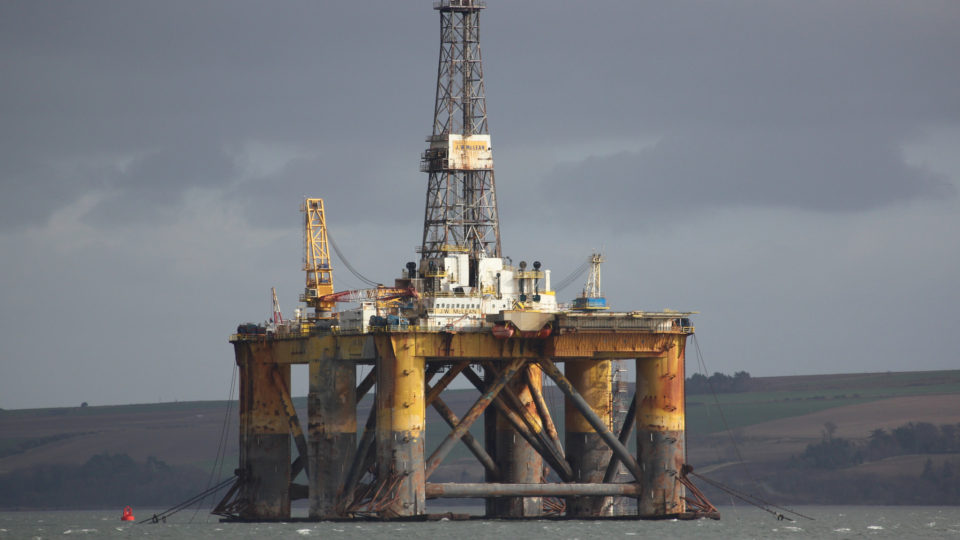
One way or another, the fossil fuel industry seems to be destined to shrink away. A combination of technological advances and climate policies are going to drastically reduce the global demand for fossil fuels over the course of time. New research shows that the demise of the fossil fuel industry will have profound consequences.
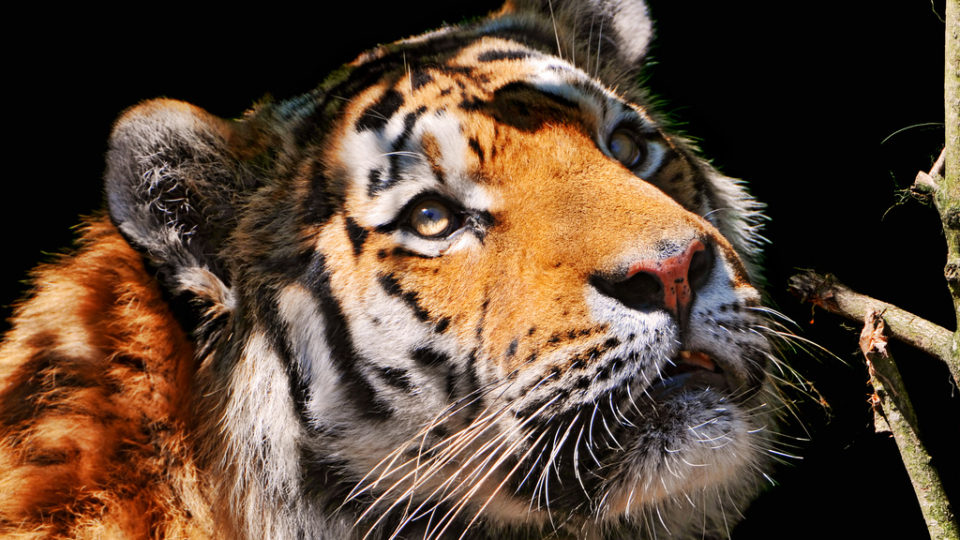
The northeastern part of China, wedged between North Korea to the south and Russia to the northeast, is home to two highly endangered big cats: the Siberian tiger and the Amur leopard. Siberian tigers, which can weigh over 600 pounds and grow to more than 10 feet in length, now number only about 500 in the wild, mostly in Russia. Amur leopards, weighing more than 100 pounds and growing to more than four feet in length, number only about 80 in the wild. While both species are right on the edge of extinction, both are slowly rebounding.
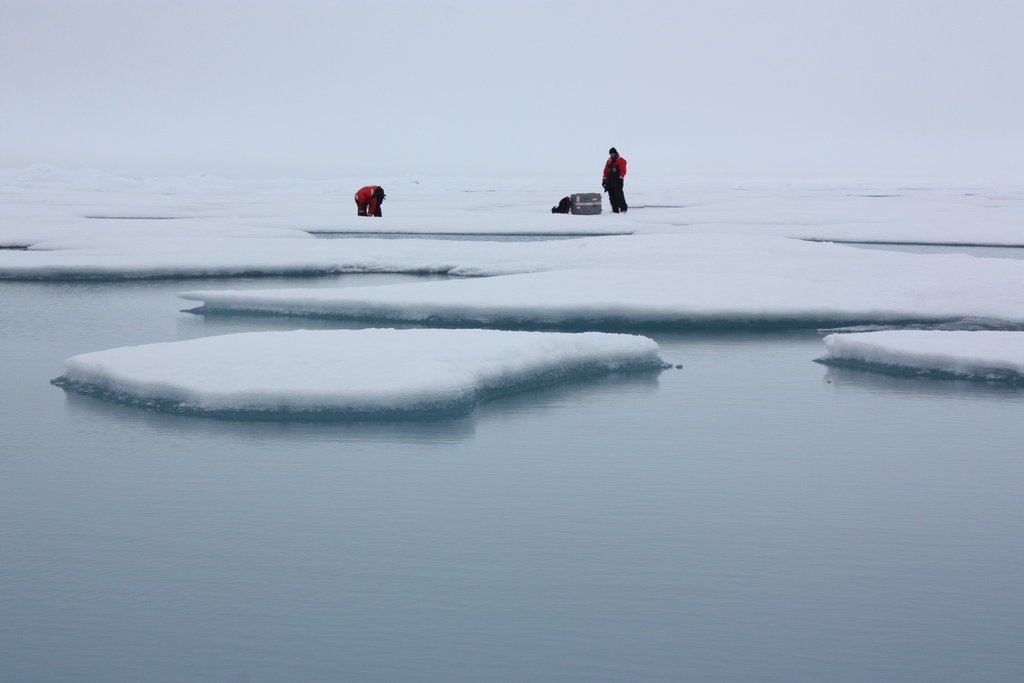
The Beaufort Gyre is a massive wind-driven current in the Arctic Ocean. Located north of Alaska and Canada’s Yukon Territory, it is like a giant spinning top that corrals vast amounts of sea ice in the far north.
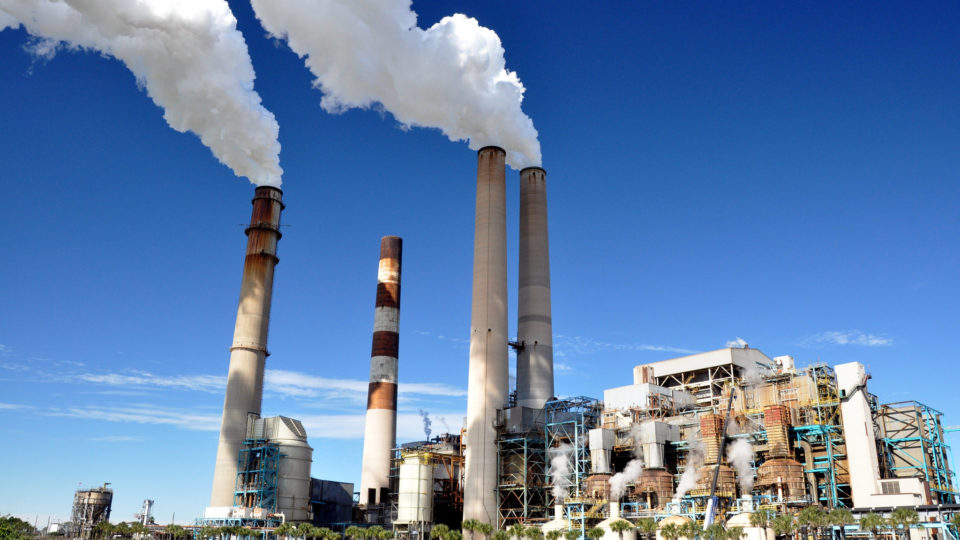
For the third year in a row, global emissions of carbon dioxide have remained unchanged. This indicates that efforts to reduce emissions have had an effect, but that there is much more to be done. It is essential to reduce emissions, not just cap them.
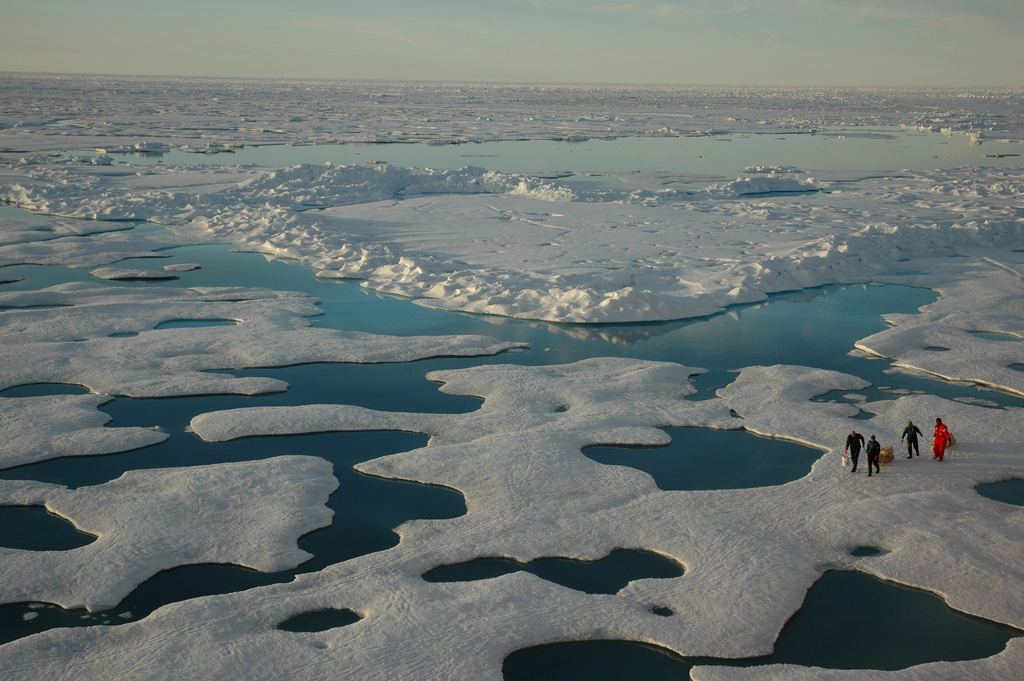
This time of the year, sea ice in the Arctic is on the rise as winter sets in. A combination of unusually high air temperatures and a warmer than normal ocean led to a record low for Arctic sea ice extent in November. In the Southern Hemisphere, Antarctic sea ice extent also hit a record low for the month.
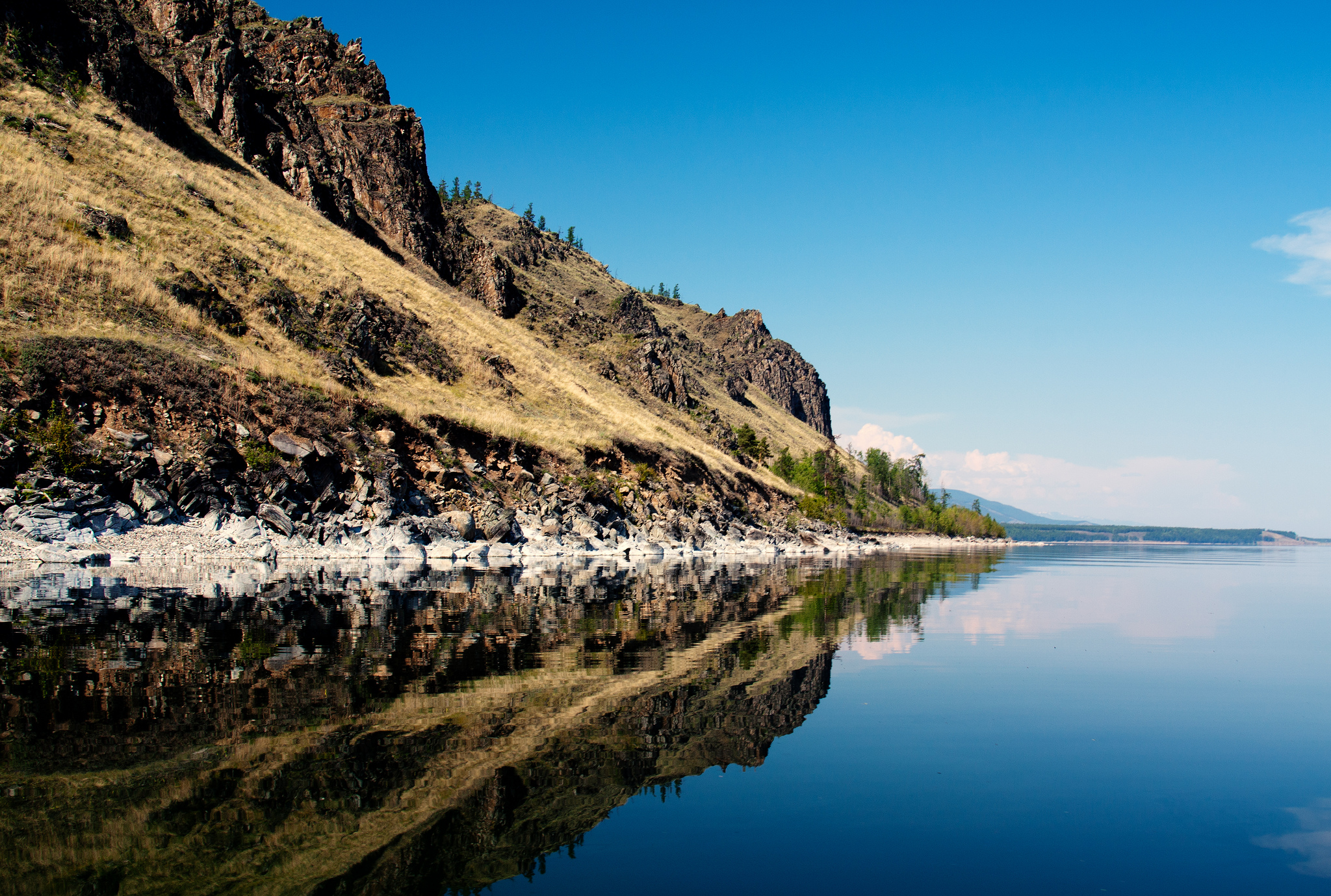
Lake Baikal is an ancient and massive body of freshwater found in the mountainous Russian region of Siberia. Deep and voluminous, Lake Baikal holds 20% of the planet’s unfrozen freshwater. And it’s often been described as the world’s cleanest and most pristine lake.
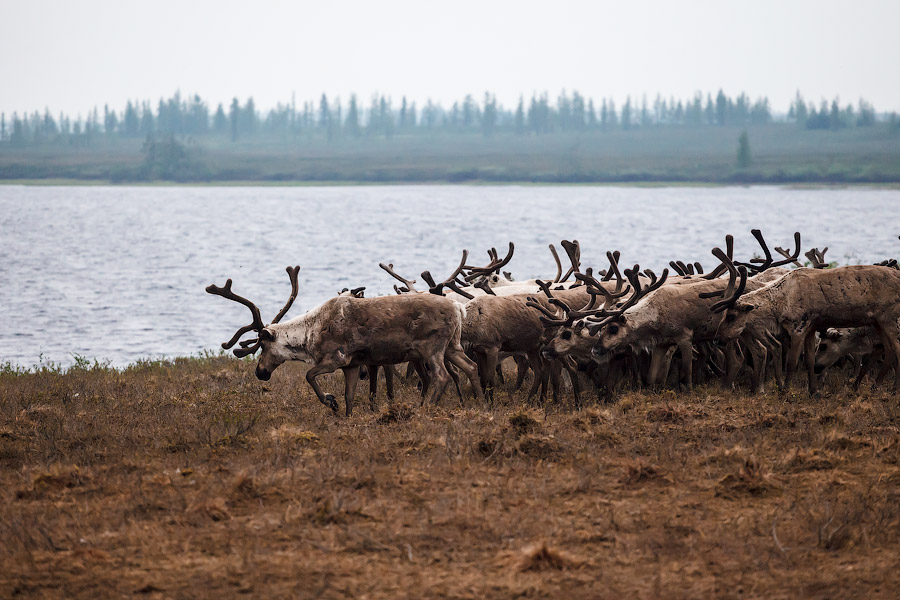
Hundreds of thousands of reindeer roam Russia’s Yamal Peninsula, which is located in northwestern Siberia, and are herded by the indigenous Nenets people, reportedly among the Arctic’s last truly nomadic reindeer herders. Reindeer provide these indigenous people with transportation, food, clothes, and even tools made from their bones. Reindeer are well suited for the freezing temperatures and thick snow of this climate. But they are not well suited for climate change.
The Arctic used to be pretty much a pristine wilderness populated only by fairly small numbers of indigenous residents living environmentally benign lifestyles. The disruptive elements of modern civilization were not much of a factor. Because of the changing climate, this is no longer true.
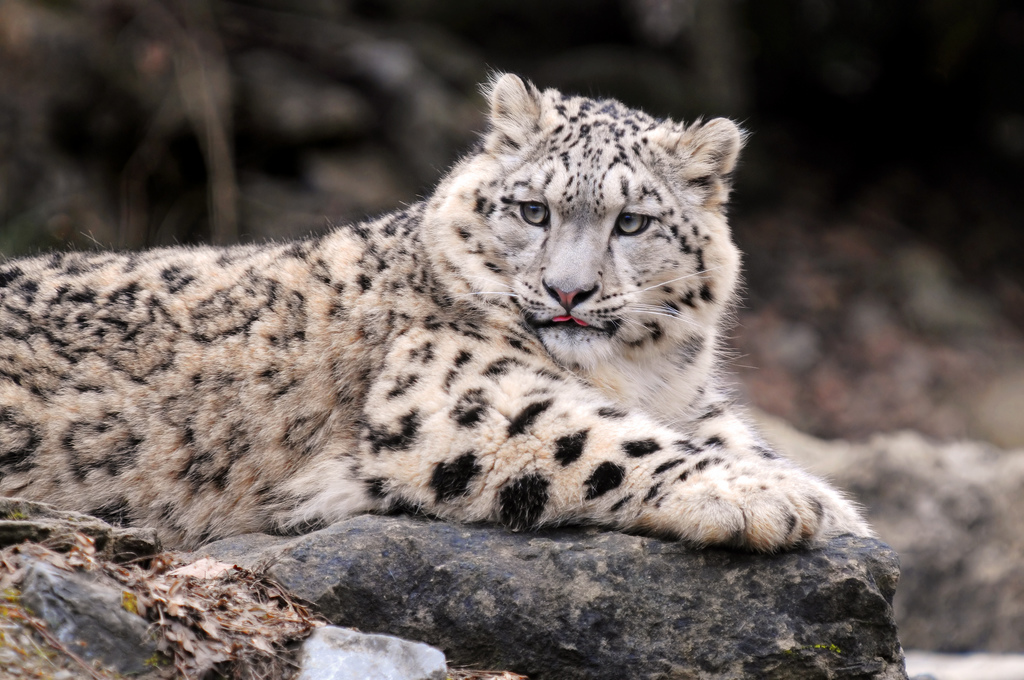
Snow leopards are majestic animals native to Central Asia. They roam the region’s rugged terrain, from Afghanistan to Kazakhstan and Russia in the north, and to India and China in the east. Snow leopards are known for their thick white coat of fur with ringed black and brown spots. These markings help camouflage the animals from their prey. But the camouflage does little to protect snow leopards from one of their biggest threats: humans.
What do climate change and radioactive waste have in common? It turns out a lot more than we’d like. According to research, which was was led by York University in collaboration with the University of Zurich and recently published in the journal Geophysical Research Letters, rising global temperatures could lead to the release of – yep, you guessed it – radioactive waste.