• Skip to primary navigation
  • Skip to main content
  • Skip to primary sidebar

Earth Wise

A look at our changing environment.

  • Home
  • About Earth Wise
  • Where to Listen
  • All Articles
  • Show Search
Hide Search
You are here: Home / Archives for poverty

poverty

Drying rivers and hydropower

February 7, 2025 By EarthWise Leave a Comment

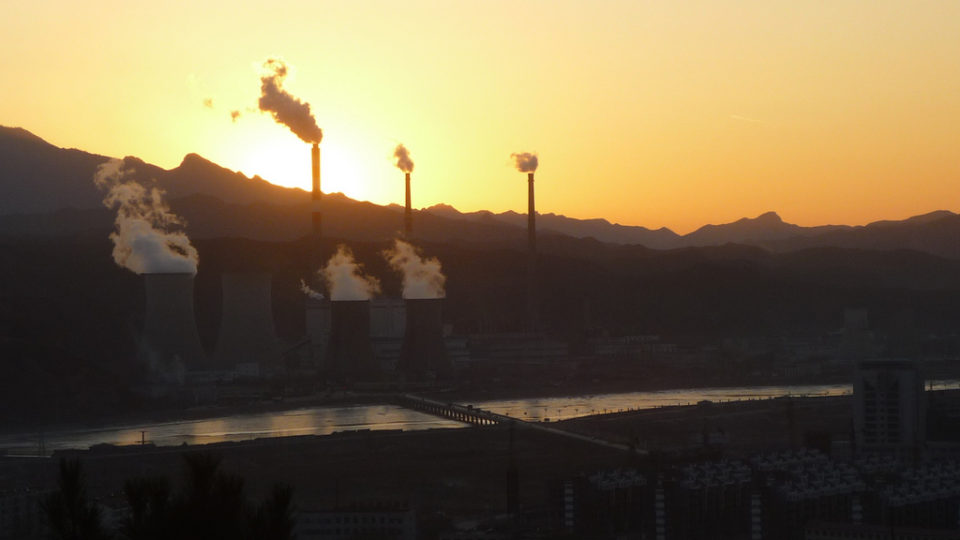
Drying rivers threaten hydropower around the world

A decade ago, Ecuador began a major transition to using hydroelectric power.  Like in many other South American countries, the presence of abundant rivers could supply large amounts of energy and drive economic expansion and lead to a new era of prosperity.

This ambitious plan has run into the impacts of climate change.  An extraordinary drought has engulfed much of South America, drying rivers and reservoirs, and has put Ecuador’s power grid on the brink of collapse. 

Since September, daily energy cuts in Ecuador have lasted as long as 14 hours.  An industry group says that the nation is losing $12 million in productivity and sales for every hour the power is out.  Just a few years ago, Ecuador was making great strides in reducing poverty.  Now, as the energy crisis has increased its grip on the country, much of what was achieved is being lost.

Ecuador’s situation is not unique.  In recent years, abnormally dry weather in multiple places has resulted in extreme low water levels in rivers, reducing hydropower resources in Norway, Canada, Turkey, and even rainforest-rich Costa Rica.

Overall, more than one billion people live in countries where more than half of their energy comes from hydroelectric plants.  With a warming climate and increasing incidence of extreme weather events like drought, it is likely that hydropower will become a less reliable energy source.  More than a quarter of all hydroelectric dams are in places with a medium to high risk of water scarcity by 2050. 

**********

Web Links

The Rivers Run Dry and the Lights Go Out: A Warming Nation’s Doom Loop

Photo, posted January 15, 2020, courtesy of Pedro Szekely via Flickr.

Earth Wise is a production of WAMC Northeast Public Radio

Slow-moving landslides

October 17, 2024 By EarthWise Leave a Comment

Landslides are mass movements of rock, earth, or debris down a slope.  They can be initiated by rainfall, snowmelt, changes in water level, erosion by streams, earthquakes, volcanic activity, or by various human activities.  Most landslides we hear about are sudden events that can cause all sorts of calamities.  But not all landslides are rapid occurrences.  There are also slow-moving landslides.

A new study by the University of Potsdam in Germany has found that as urban centers in mountainous regions grow, more people are building homes on steeper slopes prone to slow-moving landslides.  Slow-moving landslides can move as little as one millimeter a year and up to as much as three meters per year.  Locations with slow-moving landslides can seem safe to settle on; in some cases, the movement itself can be inconspicuous or even completely undetected.

Slow slides can gradually produce damage in houses and other infrastructure and there can also be sudden acceleration from heavy rain or other influences.

The study compiled a new database of nearly 8,000 slow-moving landslides with areas of at least 25 acres located in regions classified as “mountain risk.”  Of the landslides documented, 563 are inhabited by hundreds of thousands of people.  The densest settlements on slow-moving landslides are in northwestern South America and southeastern Africa. 

In all regions of the study, urban center expansion was associated with an increase in exposure to slow-moving landslides.  As cities expand in mountainous areas, people are moving into unsafe areas, but poorer populations may have few other options.

**********

Web Links

Slow-moving landslides a growing, but ignored, threat to mountain communities

Photo, posted March 4, 2015, courtesy of Flickr.

Earth Wise is a production of WAMC Northeast Public Radio

Chocolate And Deforestation | Earth Wise

February 14, 2023 By EarthWise Leave a Comment

The world consumes 7.5 million tons of chocolate a year.   Americans spend an average of $145 a year per capita on chocolate.  And we are not even the world leaders.  The Swiss eat an average of 22 pounds per person and the overall European chocolate market is the world’s largest.

A market valued over $100 billion a year is bound to have its issues for the environment, human rights, and other social issues, and chocolate is no exception.  The global cacao industry grapples with problems with child labor, poverty, deforestation, sustainability and other environmental issues.  The response of companies across the industry varies greatly. A website called chocolatescorecard.com keeps track of how many in the industry are doing.

Recently, lawmakers in the European Union have been putting together a landmark legislative package that addresses deforestation risks in the supply chains of a number of commodities including cattle, timber, rubber, soy, palm oil, and cacao. The proposed law restricts companies that import cacao and sell chocolate to import only what doesn’t destroy or degrade forests. 

Voluntary promises by big chocolate makers to save forests in major cacao-producing countries (like Ivory Coast, Ghana, Indonesia, and Nigeria) are difficult to keep.  Farmers sell to brokers who sell to trading companies that then sell to chocolate makers.  Tracing the origins of chocolate is difficult.  Ultimately, fairly compensating farmers is the only way they are likely comply with deforestation regulations and there are unfortunately many pockets to fill before that is likely to happen.

It is up to consumers to encourage companies to do the right thing by making their buying choices appropriately.

**********

Web Links

The Forest in Your Chocolate

The Chocolate Scorecard

Photo, posted January 12, 2010, courtesy of Lee McCoy via Flickr.

Earth Wise is a production of WAMC Northeast Public Radio
Building Resilient Food Systems | Earth Wise

August 12, 2022 By EarthWise Leave a Comment

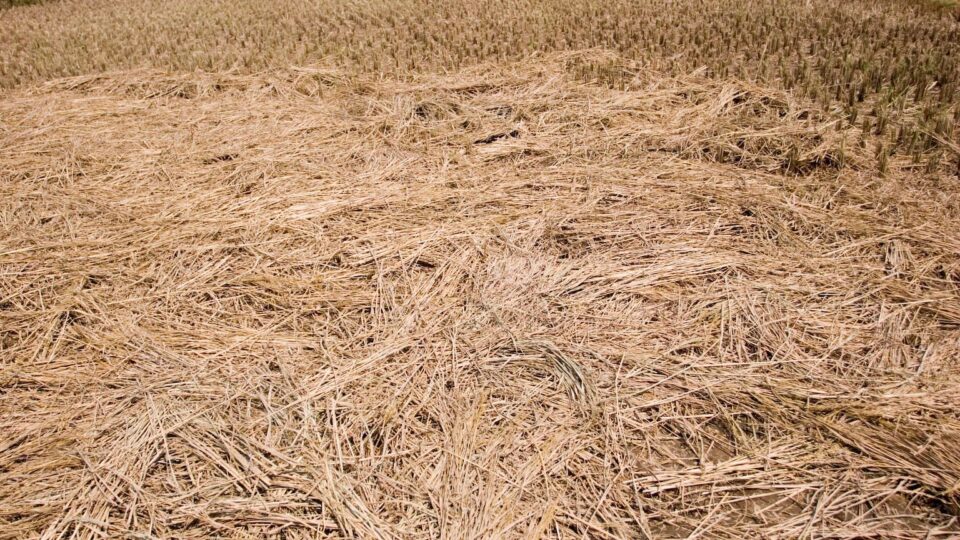
Building resilient food systems are critical

According to the United Nations and The World Bank, global hunger levels in 2021 surpassed the previous record set in 2020.  The organizations also found that acute food insecurity – defined as when a person’s inability to consume adequate food puts their lives or livelihoods in immediate danger – could continue to worsen this year in many countries around the world. 

According to a new study led by researchers from the University of Colorado Boulder, increased demand for water will be the biggest threat to food security during the next 20 years, followed closely by heat waves, droughts, income inequality, and political instability.  

The report, which was recently published in the journal One Earth, calls for increased collaboration to build a more resilient global food supply.  The impacts of conflict and climate change are already measured and studied around the world.  While these pressing threats are not new, the researchers found that better collaboration between these areas of research could fortify and strengthen global food security. 

In 2019, before the COVID-19 pandemic, the researchers surveyed 69 experts in various fields related to food security.  They found that many effects of climate change – such as unpredictable weather changes – could have the greatest negative impacts on food security.  The researchers also found that threats to food security from income inequality, global price shocks, and political instability and migration are highly likely during the next two decades.  More than half of the world’s food insecure populations also live in conflict-prone regions.

According to the research team, food security has never been a problem of production.  It’s a problem of distribution, access, and poverty, and can be exacerbated by conflict.   

**********

Web Links

Amid climate change and conflict, more resilient food systems a must, report shows

Photo, posted July 19, 2009, courtesy of Danumurthi Mahendra via Flickr.

Earth Wise is a production of WAMC Northeast Public Radio.

Air Pollution: The Greatest Danger | Earth Wise            

June 27, 2022 By EarthWise Leave a Comment

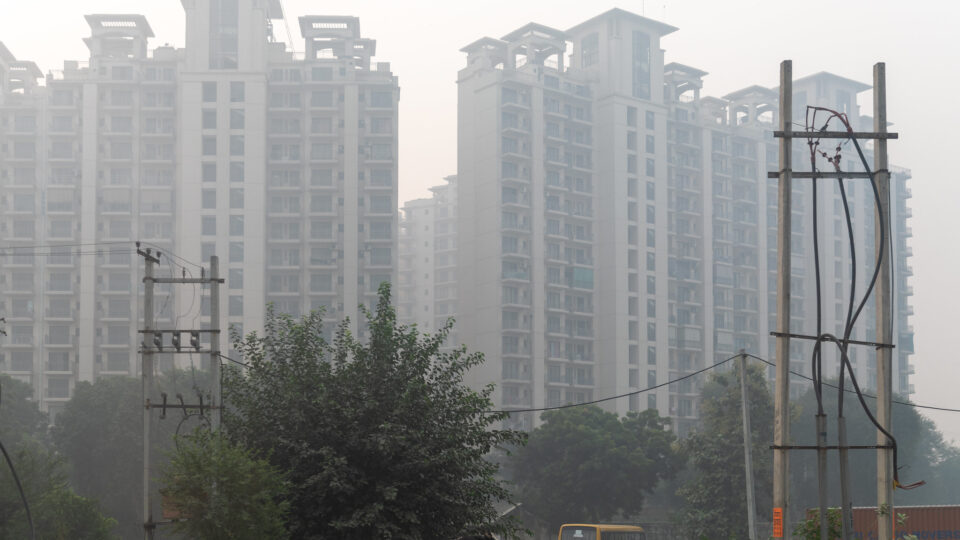
Air pollution is one of the greatest dangers

The effort to reduce and ultimately eliminate the use of fossil fuels has largely been driven by the potentially catastrophic consequences of global climate change.  The need to stop dumping greenhouse gases into the atmosphere has become increasingly urgent.  But there is an equally compelling reason to stop burning fossil fuels.  According to a study published in the journal Lancet Planetary Health, outdoor air pollution is “the largest existential threat to human and planetary health.”

Pollution of various types was responsible for an estimated 9 million deaths around the world in 2019.  Half of those fatalities – 4.5 million deaths – were the result of outdoor air pollution coming from vehicles and industrial sources like power plants and factories.

The number of deaths attributed to air pollution has increased by 55% just since the year 2000.

The growth in air pollution deaths has offset a decline in deaths from other pollution sources that especially affect people living in extreme poverty, such as indoor air pollution and water pollution.  Overall, countries with lower collective incomes tend to bear a disproportionate share of pollution deaths.  Roughly 16% of deaths around the world are attributable to pollution, also resulting in more than $4 trillion in economic losses.

The peer-reviewed study was produced by the 2017 Lancet Commission on Pollution and Health.  The study notes that despite the enormous health, social, and economic impacts of pollution, preventing it is largely overlooked in the international development agenda.  The study calls upon governments, businesses, and other entities to abandon fossil fuels and adopt clean energy sources.

**********

Web Links

Study Identifies Outdoor Air Pollution as the ‘Largest Existential Threat to Human and Planetary Health’

Photo, posted November 4, 2019, courtesy of Ninara via Flickr.

Earth Wise is a production of WAMC Northeast Public Radio.

Poverty And Climate Change

March 15, 2022 By EarthWise Leave a Comment

Poverty and climate change are inextricably linked

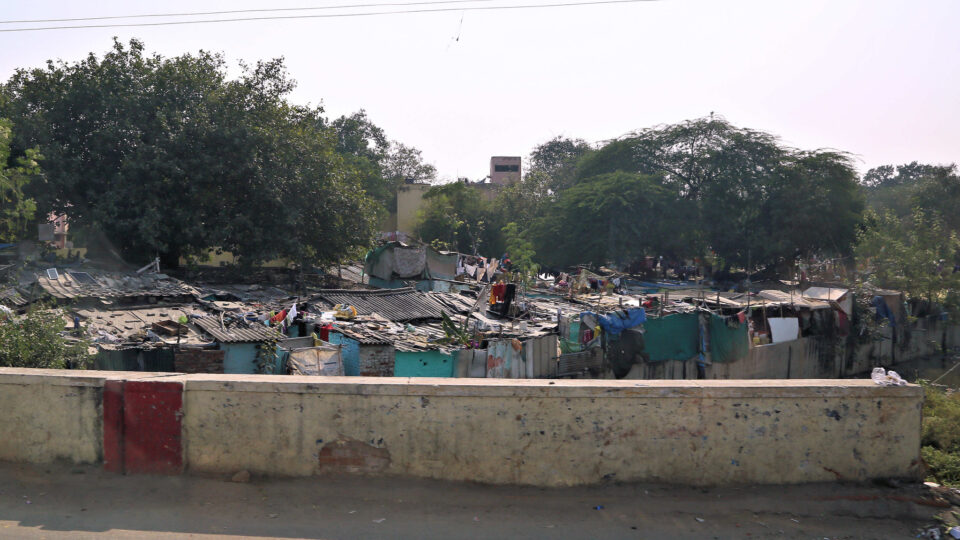
According to the World Health Organization, climate change is expected to cause approximately 250,000 extra deaths per year between 2030 and 2050.  But climate change does not affect everyone the same.  In fact, the poorest people on the planet, who are often the least to blame for climate change, typically bear the worst of the impact.

Wealthier people and countries have more resources to shield themselves from the impacts of climate change.  For example, higher incomes allow people to purchase air conditioning as temperatures rise,  food as food prices soar, and homes in safer places.  Wealthy nations can also compensate citizens when climate change harms livelihoods. 

According to new research, people with lower incomes are exposed to heat waves for longer periods of time compared to those with higher incomes due to a combination of factors including location and access to heat adaptations like air conditioning.  This inequality is expected to increase as temperatures rise. 

The study, which was published in the AGU journal Earth’s Future, found that lower income populations face a 40% higher exposure to heat waves than people with higher incomes.  By the end of the century, the poorest 25% of the global population will be exposed to heat waves at a rate equivalent to the rest of the population combined.

On the other hand, the highest-income quarter of the population will experience comparatively little change in exposure to heat waves as their ability to keep up with climate change is generally greater.

The research team hopes its findings will prompt innovations into affordable cooling solutions for the world’s most vulnerable population. 

Climate change and poverty are, and will remain, inextricably linked. 

**********

Web Links

Poorest people bear growing burden of heat waves as temperatures rise

Photo, posted October 27, 2019, courtesy of Jack via Flickr.

XXXXXXXXX

RNA Modification For Plants | Earth Wise

September 8, 2021 By EarthWise Leave a Comment

Manipulating RNA can lead to huge increases in crop yields

We have heard a lot about RNA this past year as messenger RNA vaccine technology has been used for the first time to combat the Covid-19 pandemic.  Now RNA-based technology has shown promise to make major contributions to agriculture.

A group of researchers at the University of Chicago and two Chinese universities have announced that manipulating RNA can allow plants to yield dramatically more crops as well as have better drought resistance.

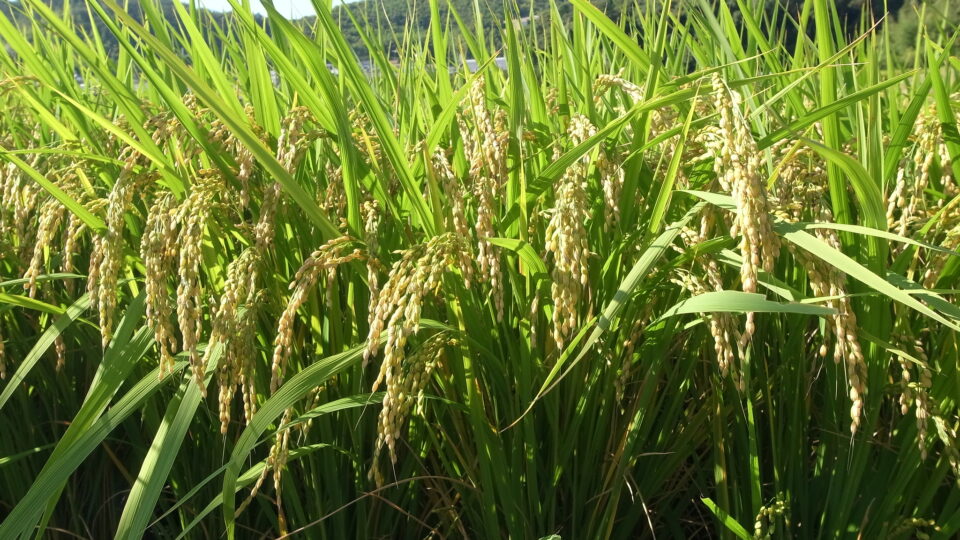
Adding  gene encoding for a protein called FTO to both rice and potato plants increased their yield by 50% in initial field tests.  The plants were larger, produced longer root systems, and could better tolerate drought conditions.  Further analysis showed that the plants had increased their rate of photosynthesis.

FTO protein erases chemical marks on RNA.  Specifically, it controls a process known as m6A, which is a key modification of RNA.  The FTO erases m6A to reduce some of the signals that tell plants to slow down and reduce growth.  Plants modified with the addition of FTO produced significantly more RNA than control plants.

Experiments with both rice plants and potato plants – which are completely unrelated – demonstrated the same results, indicating that the technique could be broadly applicable.  (The genetic modification is rather simple to make and has worked with every type of plant the researchers have tried it with so far).

These results are just the beginning but demonstrate the potential of a technology that could help address problems of poverty and food insecurity at a global scale as well as responding to climate change.  The world depends on plants for everything from wood, food, and medicine, to flowers and oils. This technique has the potential to dramatically increase the stock material we can get from most plants.

**********

Web Links

RNA breakthrough creates crops that can grow 50% more potatoes, rice

Photo, posted September 22, 2014, courtesy of Toshiyuki Imai via Flickr.

Earth Wise is a production of WAMC Northeast Public Radio.

The Benefits Of Zero-Carbon Cities

November 8, 2019 By EarthWise Leave a Comment

A new report issued by a coalition of 50 leading international institutions shows that low carbon initiatives in cities could reduce urban emissions by nearly 90% and support 87 million jobs worldwide by 2030.  The report finds that implementing low carbon measures in cities would be worth almost $24 trillion by 2050.

Cities are home to more than half the world’s population but produce 80% of gross domestic product and 75% of carbon emissions.  The research highlights the significant benefits carbon reduction can bring to cities in areas such as public health, job creation, and poverty alleviation.

The report shows that it is possible to cut 90% of emissions from cities using currently available technologies and practices including carbon savings from buildings, transportation, materials efficiency, and waste reduction.  Doing so would require an investment of nearly $2 trillion per year but would generate annual returns of nearly $3 trillion in 2030 and $7 trillion in 2050 based on cost savings alone.  Many low carbon measures would pay for themselves in less than five years, including more efficient lighting, electric vehicles, improved freight logistics, and solid waste management.

In addition to economic benefits, compact, connected and clean cities could provide a higher standard of living and greater opportunity for all.  These measures would also reduce air pollution, cut chronic traffic congestion, and improve worker productivity.

The report offers case studies from around the world where national and local governments have worked together to rapidly and profoundly transform their cities for the better within 20 or 30 years.

**********

Web Links

The benefits of investing in zero-carbon cities

Photo, posted September 8, 2018, courtesy of Steffen Flor via Flickr.

Earth Wise is a production of WAMC Northeast Public Radio.

Climate Change And Nutrients

August 15, 2019 By EarthWise Leave a Comment

Ending hunger isn’t a question of producing enough food.  Globally, enough food is produced to feed all 7.7 billion people on the planet.  But despite this, approximately 1 in 9 people go hungry.  Conflict, natural disasters, and extreme poverty are some of the main drivers of global hunger. 

Climate change is another.  The more frequent and intense extreme weather events increase food insecurity and malnutrition by destroying land, livestock, crops, and food supplies.  Climate change makes growing crops harder every year, especially for those who lack the tools and technology to adapt. 

But the challenge of reducing hunger and malnutrition is to not only produce foods that provide enough calories, but to also produce foods that make enough necessary nutrients widely available.  According to new research, climate change is projected to significantly reduce the availability of critical nutrients such as protein, iron, and zinc over the next 30 years.  The total impact of climate change could reduce global per capita nutrient availability of protein, iron, and zinc by 19.5%, 14.4%, and 14.6%, respectively.

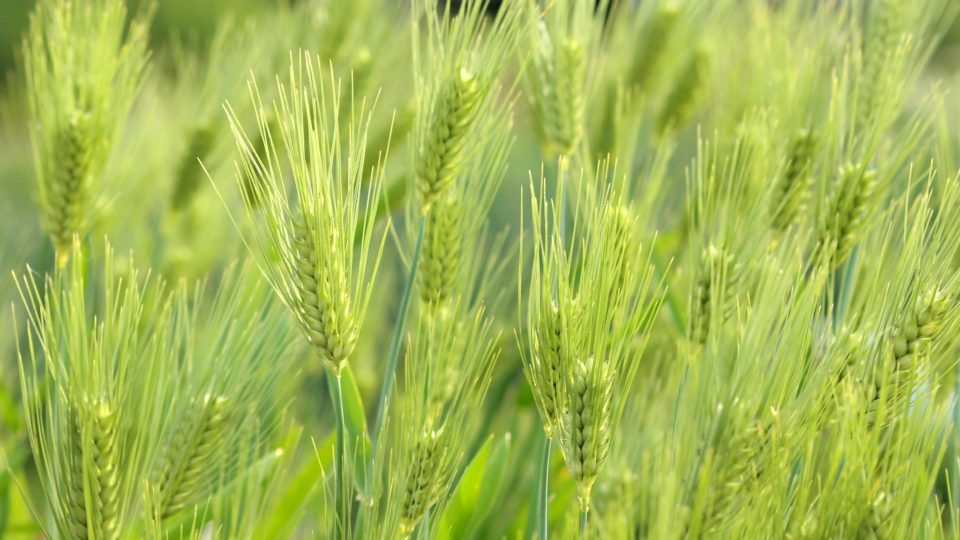
While higher levels of carbon dioxide can boost growth in plants, wheat, rice, corn, barley, potatoes, soybeans, and vegetables are all projected to suffer nutrient losses of about 3% on average by 2050 due to the elevated CO2 levels.

The study, which was co-authored by an international group of researchers and published in the peer-reviewed journal, Lancet Planetary Health, represents the most comprehensive synthesis of the impacts of climate change on the availability of nutrients in the global food supply to date. 

Climate change is complicating the quest to end global hunger and malnutrition. 

**********

Web Links

Rising CO2, climate change projected to reduce availability of nutrients worldwide

Photo, posted April 30, 2015, courtesy of Flickr.

Earth Wise is a production of WAMC Northeast Public Radio.

Greenhouse Gas Emissions Rising Again

May 8, 2018 By EarthWise Leave a Comment

https://earthwiseradio.org/wp-content/uploads/2018/04/EW-05-08-18-Greenhouse-Gas-Emissions-Rising-Again.mp3

If we want to avoid drastic global warming this century, we need to sharply reduce greenhouse gas emissions over time.   For the previous three years, emissions had been holding steady, but last year, global emissions from the use of coal, oil and natural gas increased by 1.4%.  According to the International Energy Agency, this unfortunate new data should serve as a strong warning that we need to increase our efforts to combat climate change.

[Read more…] about Greenhouse Gas Emissions Rising Again

Solar Power And African Food Security

January 2, 2017 By EarthWise

https://earthwiseradio.org/wp-content/uploads/2016/12/EW-01-02-17-Solar-Power-and-African-Food-Security.mp3

Some of the poorest countries in the world are unfortunately among the most vulnerable to the effects of climate change.   Malawi, for example, has 90% of its population in rural areas and 80% of its labor force is associated with agriculture.

[Read more…] about Solar Power And African Food Security

Ecotourism And Endangered Species

March 24, 2016 By WAMC WEB

https://earthwiseradio.org/wp-content/uploads/2016/03/EW-03-24-16-Ecotourism-and-Endangered-Species.mp3

Ecotourism is increasing on a global scale.   Ecotourism is generally defined as responsible travel to natural areas that conserves the environment, sustains the well-being of the local people, and involves interpretation and education.  Visitor numbers to many protected areas around the world are expanding every year.  Ecotourism provides rich experiences for the traveler and often has great benefits to local communities fighting poverty and seeking sustainable development.

[Read more…] about Ecotourism And Endangered Species

Food Deserts

January 6, 2016 By WAMC WEB

https://earthwiseradio.org/wp-content/uploads/2015/12/EW-01-06-16-Food-Deserts.mp3

A food desert is a geographic area – often an urban area – where affordable and nutritious food is difficult to obtain, particularly for those without access to an automobile.   Food deserts disproportionately affect occupants of poor, low-income neighborhoods where there are often no groceries stores or farmer’s markets.  These are places were food comes from convenience stores or fast-food chains.  More than 20 million Americans are thought to live in food deserts.

[Read more…] about Food Deserts

The Power Of Exercise

December 31, 2015 By WAMC WEB

https://earthwiseradio.org/wp-content/uploads/2015/12/EW-12-31-15-Power-of-Exercise.mp3

Many people often complain about not having enough time to exercise.  But what if exercising for one hour could power your home for twenty-four hours?  Would that be enough motivation?

[Read more…] about The Power Of Exercise

Climate Change And The Global Food System

December 24, 2015 By WAMC WEB

https://earthwiseradio.org/wp-content/uploads/2015/12/EW-12-24-15-Global-Food-System.mp3

One of the most troubling aspects of global climate change is its potential impact on the production, distribution and quality of food.   A report issued at the 2015 Paris Climate Conference focused on identifying climate change impacts on global food security.  Food security is the ability of people to obtain and use sufficient amounts of safe and nutritious food.  Even without the impact of climate change, food security is a challenge because of increasing population, poverty, and changing eating habits.

[Read more…] about Climate Change And The Global Food System

Microgrids For The Powerless

November 26, 2015 By WAMC WEB

https://earthwiseradio.org/wp-content/uploads/2015/11/EW-11-26-15-Microgrids-for-the-Powerless.mp3

There are 1.3 billion people worldwide who don’t have access to electricity.  These days, some of them have acquired hundred-dollar solar panels that produce about five watts of power.  That allows them to power a couple of LED lamps in the evening and to charge a mobile phone.  But that’s about all they can do with so little power.

[Read more…] about Microgrids For The Powerless

Primary Sidebar

Recent Episodes

  • An uninsurable future
  • Clean energy and jobs
  • Insect declines in remote regions
  • Fossil fuel producing nations ignoring climate goals
  • Trouble for clownfishes

WAMC Northeast Public Radio

WAMC/Northeast Public Radio is a regional public radio network serving parts of seven northeastern states (more...)

Copyright © 2025 ·