• Skip to primary navigation
  • Skip to main content
  • Skip to primary sidebar

Earth Wise

A look at our changing environment.

  • Home
  • About Earth Wise
  • Where to Listen
  • All Articles
  • Show Search
Hide Search
You are here: Home / Archives for pandemic

pandemic

Record Carbon Dioxide Levels | Earth Wise

June 29, 2021 By EarthWise Leave a Comment

Carbon dioxide levels set another record despite pandemic shutdowns

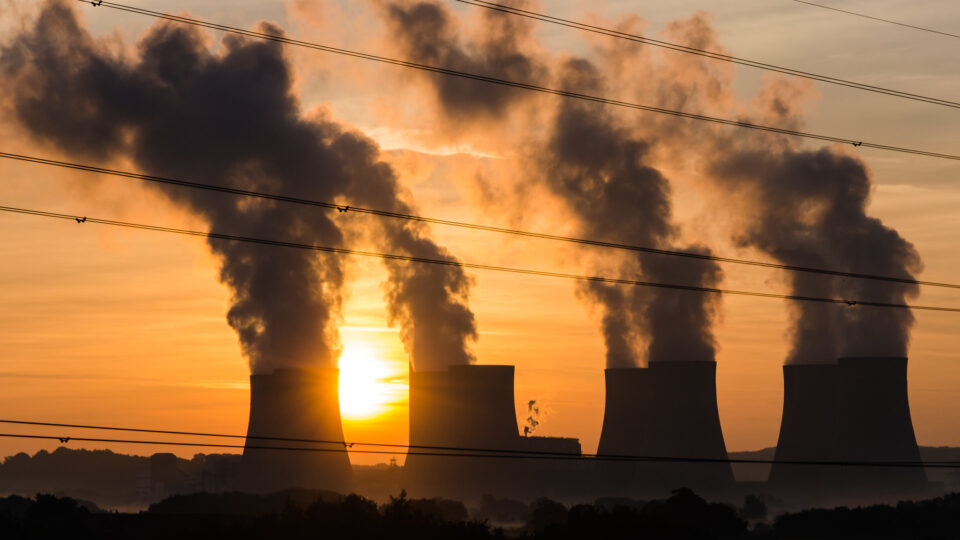
The coronavirus pandemic caused a temporary dip in the burning of fossil fuels around the world as many human activities were diminished or curtailed entirely.  Despite this, the amount of carbon dioxide in the atmosphere set a record in May, reaching the highest levels in human history.

Scientific instruments atop the Mauna Loa volcano in Hawaii measured an average of 419 parts per million for the month, according to analysis from both the Scripps Institution of Oceanography and the National Oceanic and Atmospheric Administration.

This level is about half a percent more than the previous record of 417 ppm, set in May of 2020.  Carbon dioxide is the largest greenhouse gas contributor driving global warming and, according to scientists, there hasn’t been this much of it in the atmosphere for millions of years.

Global emissions of carbon dioxide were actually 5.8 percent lower in 2020 than 2019, as a result of pandemic lockdowns.  This was the largest one-year drop ever recorded.  But humanity was still responsible for emitting more than 31 billion tons of carbon dioxide last year.  About half of that CO2 is absorbed by the world’s trees and oceans, but the other half lingers in the atmosphere for thousands of years, gradually warming the planet via the greenhouse effect.

As long as we keep emitting carbon dioxide, it is going to continue to pile up in the atmosphere.  The only way to stop it is for the world’s nations to zero out their net emissions, mostly by switching away from fossil fuels to technologies that do not emit carbon dioxide, such as electric vehicles fueled by wind, solar, or nuclear power.

**********

Web Links

Carbon Dioxide in Atmosphere Hits Record High Despite Pandemic Dip

Photo, posted August 7, 2013, courtesy of Gerry Machen via Flickr.

Earth Wise is a production of WAMC Northeast Public Radio.

Post-COVID Emissions Rebound | Earth Wise

May 28, 2021 By EarthWise Leave a Comment

Emissions are on the rise as COVID crisis lessons

The extensive shutdowns associated with the COVID-19 pandemic resulted in reduced activity across many sectors of the global economy.  As a result, global pollution and greenhouse gas emissions also saw lower levels.  As the COVID crisis lessens, an economic recovery is growing and as that occurs, emissions are on the rise.

The International Energy Agency forecasts that energy-related carbon dioxide emissions are projected to increase by 1.5 billion tons this year, the second-largest increase in history.

The emissions increase in 2021 is expected to be nearly 5%, reversing most of last year’s emissions decline caused by the pandemic. This would be the largest annual rise since the 2010 recovery from the global financial crisis.  In many places across the globe, people are making up for lost time and doing more of all the things that cause carbon emissions.

A key driver of the emissions increase is a rise in coal use.  The forecast is that coal-burning in 2021 would come close to the all-time peak of 2014.  Both natural gas and oil use are also expected to increase this year.  These increases are in spite of a predicted 17% increase in electricity generation from wind power and an 18% increase in solar-power generation. 

Atmospheric concentrations of CO2 are now at 417 parts per million and have increased by 3 PPM in the past year.  If human CO2 emissions are not reined in, atmospheric concentrations of planet-warming greenhouse gases could double those of pre-Industrial levels by mid-century, which would have disastrous impacts on the climate.

**********

Web Links

Global CO2 Emissions Set to Surge in 2021 in Post-Covid Economic Rebound

Photo, posted October 22, 2020, courtesy of Hospital Clínic Barcelona via Flickr.

Earth Wise is a production of WAMC Northeast Public Radio.

The Pandemic And Global Temperatures | Earth Wise

March 12, 2021 By EarthWise Leave a Comment

The pandemic has done little to slow the rise in global tempertures

The early months of the Covid-19 pandemic last year saw dramatic reductions in travel and many forms of commerce.  With much of human activity greatly curtailed, greenhouse gas emissions were greatly reduced.   And yet, all of that did not slow down global warming: 2020 ended up tied with 2016 as the warmest year on record and atmospheric greenhouse gas levels reached a new high.

In order to understand how this came about, it is necessary to understand the complex climate influences of different types of emissions from power plants, motor vehicles, industrial facilities, and other sources.  The fact is that some types of pollution actually have a cooling effect rather than contributing to global warming.

Tiny industrial pollution particles called aerosols actually make clouds brighter, causing them to reflect away more solar heat from the surface of the planet.   During the drastic shutdown last year, the biggest emissions decline was from the most polluting industries.  The reduction of aerosols had immediate, short-term effects on temperatures.  These types of pollutants are very bad for human health, but when they are present, they do have the effect of reducing temperatures.

It is important to keep in mind that carbon dioxide spreads through the Earth’s atmosphere and stays there for a century or more, trapping heat on a global scale.  Industrial aerosols stay relatively concentrated in the region where they are emitted and are often removed by rain and winds within a few weeks.  So, their cooling effect doesn’t spread very far or last very long.

Overall, the initial pandemic slowdown probably didn’t have any real long-term impact on the climate but over the short term, the effects were not as simple as one might expect.

**********

Web Links

Covid-19 Cut Gases That Warm the Globe But a Drop in Other Pollution Boosted Regional Temperatures

Photo, posted July 7, 2020, courtesy of Joey Zanotti via Flickr.

Earth Wise is a production of WAMC Northeast Public Radio.

Street Trees And Depression | Earth Wise

February 25, 2021 By EarthWise Leave a Comment

Investigating the link between street trees and depression

According to a study published in the journal Jama Network Open last fall, the COVID-19 pandemic has tripled the rate of depression in U.S. adults in all demographic groups. 

Previous studies have demonstrated that greenspaces in urban areas can have a positive effect on those people experiencing mental ill health. But most of those studies used self-reporting measures, which makes it difficult to compare results and draw conclusions.

As a result, an interdisciplinary research team from three research organizations in Germany tried to improve upon the work by involving an objective indicator: prescriptions of antidepressants.  To figure out whether greenspaces – in this case street trees – could positively influence mental health, the researchers focused on how the number of street trees and their proximity to homes correlated to the number of prescribed antidepressants.

After analyzing data from nearly 10,000 people living in Leipzig, Germany, and combining the findings with data on city street trees, researchers were able to identify an association between antidepressant prescriptions and the number of street trees.  The results were controlled for other factors known to be associated with depression, such as employment, gender, age, and body weight.

Having more trees within 100 meters of the home was associated with a reduced risk of being prescribed antidepressants.  The association was especially strong for groups of people deprived of street trees. 

Street trees in urban cities can not only serve as a nature-based solution for good mental health, but they can also contribute to climate change mitigation and biodiversity conservation.

**********

Web Links

Street trees close to the home may reduce the risk of depression

Photo, posted August 17, 2011, courtesy of Aleksandr Zykov via Flickr.

Earth Wise is a production of WAMC Northeast Public Radio.
A Large Drop In U.S. Greenhouse Gas Emissions | Earth Wise

December 29, 2020 By EarthWise Leave a Comment

Greenhouse gas emissions in the United States has dropped

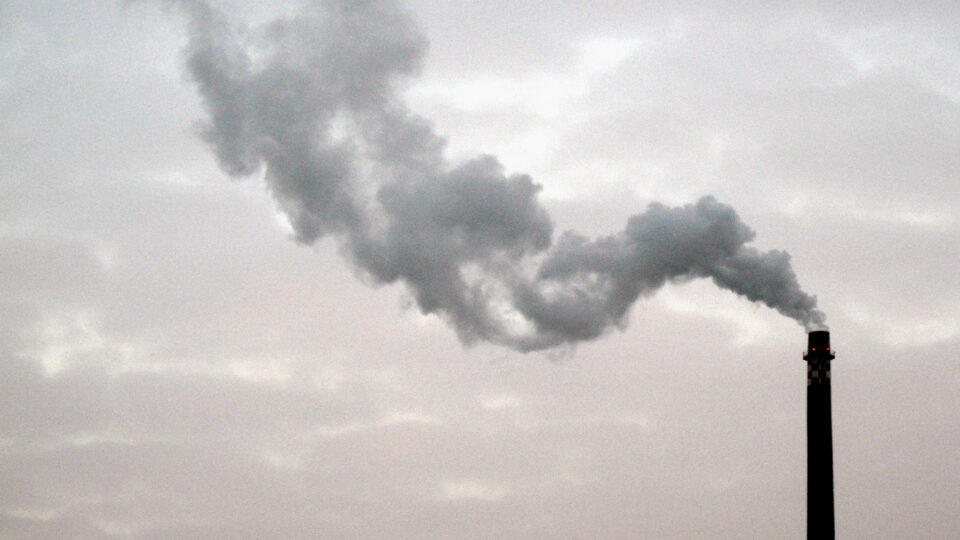
Greenhouse gas emissions in the U.S. in 2020 are on track to be at their lowest level in nearly 30 years as a result of the COVID-19 pandemic.  U.S. emissions haven’t been this low since 1983, when the economy was not even 40% of its current size.

According to a new study by the research group BloombergNEF, U.S. emissions for the year will be 9% lower than they were in 2019, which will be the largest yearly drop on record.  The report also anticipates that whatever happens in the pandemic, 2021 emissions will be well below pre-COVID levels as well.

The pandemic has inadvertently put the U.S. back on track to meet its original commitments to the Paris Climate Agreement, despite the fact that we have pulled out the agreement.  The incoming administration plans to return the U.S. to the pact.

Overall, U.S. emissions have been trending downward since 2008, primarily as a result of the lower dependence of the power sector on coal.  The report estimates that in the absence of the pandemic, 2020 emissions would have been 1% lower than last year’s.

The dramatic drop in emissions is not really a great cause for celebration.  Achieving significant emission reductions through massive economic hardship and societal disruption does not point the way towards making progress on climate change.  The economic upturn that will undoubtedly occur when the pandemic loses its grip on the world will lead to rebounding levels of greenhouse gas emissions.  But as is the case with all major crises, the current situation does present a chance to turn this temporary downturn in emissions into a more permanent one by making appropriate investments and policy changes.

*********

Web Links

Due to COVID-19, 2020 greenhouse gas emissions in the U.S. are predicted to drop to lowest level in three decades

Photo, posted January 13, 2013, courtesy of Onnola via Flickr.

Earth Wise is a production of WAMC Northeast Public Radio.
Renewable Growth During The Pandemic | Earth Wise

December 22, 2020 By EarthWise Leave a Comment

Renewables growing during the pandemic

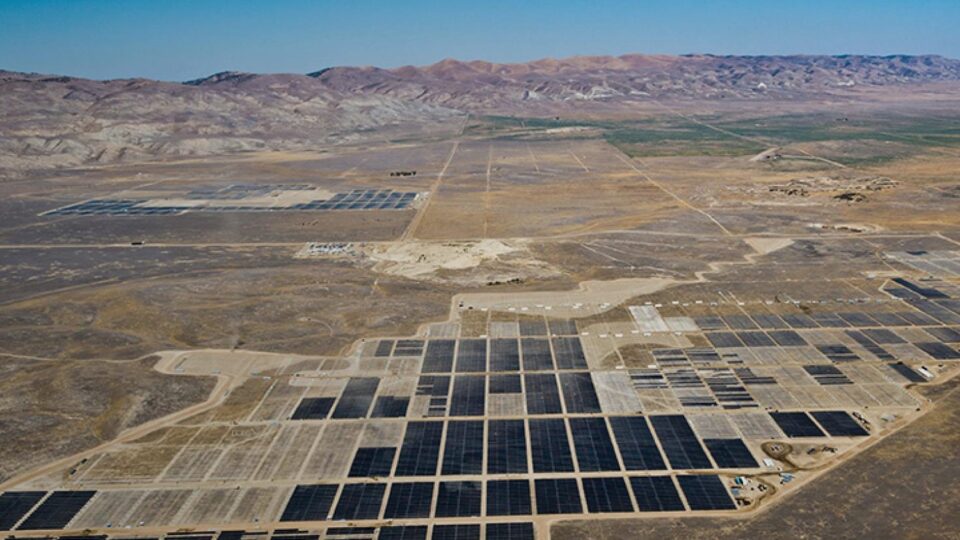
According to a new report published by the International Energy Agency, global renewable energy installations will hit a record level in 2020 in sharp contrast with declines in the fossil fuel sectors caused by the Covid-19 pandemic.

For the year, almost 90% of all new electricity generation will be renewable, with only 10% powered by gas and coal.  This progress puts green power on track to become the largest global electricity source by 2025, displacing coal-powered generation, which has been dominant for the past 50 years.  By that year, renewables are expected to supply one-third of the world’s electricity.

Solar power capacity has increased by 18 times since 2010 and wind power by four times.  In 2010, hydropower provided 77% of the world’s green power, but its share has fallen to 45% – not because there is less hydropower but because solar and wind have grown so much.

Growing recognition of the need to tackle the global climate crisis has made renewable energy increasingly attractive to investors.  According to the IEA report, shares in renewable equipment makers and project developers have outperformed most major stock market indices and the value of shares in solar companies has more than doubled in the past 12 months. Fossil fuels have had a turbulent time in 2020 as the pandemic has caused demand from transport and other sectors to plunge.

While renewables continue to see dramatic growth in electrical generation capacity, electricity represents only about one-fifth of all energy use.  The burning of fossil fuels in transport, industry, and heating continues to make up the bulk of energy emissions.

**********

Web Links

Renewable energy defies Covid-19 to hit record growth in 2020

Photo, posted October 2, 2020, courtesy of the Bureau of Land Management California via Flickr. Photo credit: Clearway Energy Group.

Earth Wise is a production of WAMC Northeast Public Radio.
Reduced Air Travel And Weather Forecasts | Earth Wise

December 16, 2020 By EarthWise Leave a Comment

The pandemic is affecting weather forecasting

There have been countless stories about the major and minor changes in the world caused by the Covid-19 pandemic.  A few of those changes, such as reductions in pollution and traffic, have been positive.  Most have been decidedly negative.

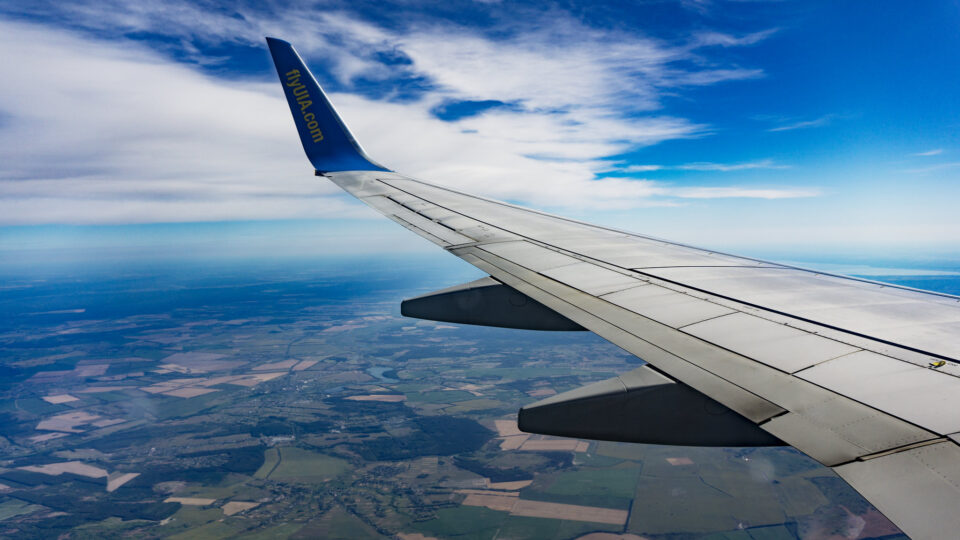
One of the stranger things that has happened is that the pandemic has affected the quality of weather forecasting by sharply reducing the amount of atmospheric data routinely collected by commercial airliners.

It turns out that atmospheric observations from passenger and cargo flights are among the most important data used in weather forecasting models.  These observations are made by instruments aboard thousands of airliners, mostly based in North America and Europe.  The observation program has been in place for decades.  The data is transmitted in real time to forecasting organizations around the world, including the National Weather Service.  About 40 airlines participate in the program, which has equipment aboard about 3,500 aircraft.  Here in the US, Delta, United, American, and Southwest Airlines participate, as do UPS and FedEx.

During the first few months of the pandemic, air traffic declined by 75% or more worldwide.  As a result, atmospheric observations dropped by the same percentage.  A government research study showed that when weather forecasting models receive less data on temperature, wind, and humidity from aircraft, the accuracy of forecasts was reduced.

The amount of data from aircraft has increased in recent months as air travel has picked up to roughly 50% of pre-pandemic levels.  So, the observation program is on the mend.  Nonetheless, impaired weather forecasting is just another unexpected result of the global pandemic.

**********

Web Links

Slump in Air Travel Hindered Weather Forecasting, Study Shows

Photo, posted July 15, 2017, courtesy of Daria Nepriakhina via Flickr. Photo by Photo by Daria / epicantus.

Earth Wise is a production of WAMC Northeast Public Radio.

Pandemic Lockdowns And Carbon Emissions | Earth Wise

November 25, 2020 By EarthWise Leave a Comment

pandemic impact on carbon emissions

The early months of the COVID-19 pandemic saw many human activities reduced to a fraction of what they were previously.  Notably, air pollution in major cities was dramatically lower than it had been in decades.  Now, a new study has looked at the effect of the pandemic shutdowns on carbon dioxide emissions.

An international team of climate scientists has published an assessment of carbon dioxide emissions by industry, transportation, and other sectors from January through June.  According to their measurements, this year’s pandemic lockdowns resulted in a 9% decline in emissions from 2019 levels.

An earlier study reported a 17% drop in CO2 emissions, but the new study was more comprehensive and detailed.

The new data includes estimates of day-by-day, sector-specific and country-level differences in CO2 emissions derived from frequently updated data sources, some of which are nearly in real-time.  It tracks the effects of COVID-19-related disruptions of human activities in China starting in February and in the United States and Europe in March through May.

The data revealed the resumption of emissions in many regions, such as in China, where they are now back to pre-pandemic levels.  Emissions in the Americas and Europe have been slower to recover, especially in the US, where COVID-19 hotspots are continuing to emerge. 

The reduction in carbon emissions has been due mostly to transportation with fewer people driving to work and traveling by air.  Even by June, when lockdowns were easing, global emissions were still significantly reduced.  In any case, a pandemic is a highly undesirable and unwelcome way to reduce carbon emissions, but the data from this year does show that it is effective.

**********

Web Links

Pandemic lockdowns caused steep and lasting carbon dioxide decline

Photo, posted August 7, 2020, courtesy of Michael Mueller via Flickr.

Earth Wise is a production of WAMC Northeast Public Radio.

Quiet In The Pandemic | Earth Wise

November 19, 2020 By EarthWise Leave a Comment

Pandemic creates quiet

The early months of the Covid-19 pandemic had dramatic effects on many aspects of our daily lives.  Vehicle traffic, air pollution, and many other aspects of modern life saw reduced levels not seen in decades.  It turns out that one of the things that saw reduced levels was people’s exposure to environmental noise.

According to University of Michigan researchers, daily average sound levels dropped in half during the time that local governments made announcements about social distancing and issued stay-at-home orders in March and April as compared to noise levels measured in January and February.

The data was acquired from the Apple Hearing Study, which looked at noise exposure data from volunteer Apple Watch users in Florida, New York, California, and Texas.  The analysis included more than half a million daily noise levels measured before and during the pandemic shutdown.

The noise reduction – 3 decibels, which is a factor of two in noise level – is considered to be quite large and could have a significant effect on people’s overall health outcomes over time.

The four states studied had differing responses in terms of stay-at-home orders.  Both California and New York both had really drastic reductions in sound that happened very quickly, whereas Florida and Texas had somewhat less of a reduction.

The study demonstrated the utility of everyday use of digital devices in evaluating daily behaviors and exposures.  This sort of analysis could allow researchers to begin describing what personal sound exposures are like for Americans who live in a certain state, or are of a certain age, or who do or don’t have hearing loss.  The Apple Hearing Study is continuing and is still accepting new participants.

**********

Web Links

Stay-at-home orders cut noise exposure nearly in half

Photo, posted April 10, 2020, courtesy of Joey Zanotti via Flickr.

Earth Wise is a production of WAMC Northeast Public Radio.
Global Decline In Wildlife | Earth Wise

October 14, 2020 By EarthWise Leave a Comment

global wildlife declining rapidly

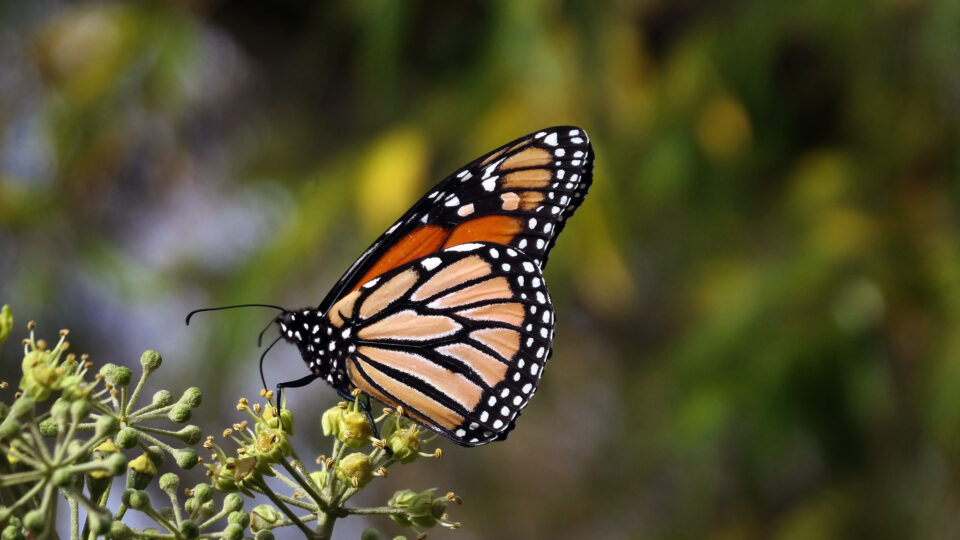
According to a new report released by the World Wildlife Fund, global populations of mammals, birds, amphibians, reptiles, and fish have declined by 68% in less than half a century. 

The report presents a comprehensive overview of the state of the natural world based on the tracking of almost 21,000 populations of more than 4,000 vertebrate species between 1970 and 2016. 

The report shows that the main cause of the dramatic decline in species populations on land is habitat loss and degradation, which includes deforestation driven by food production.  Additional factors include land-use change and the use and trade of wildlife.

Wildlife populations found in freshwater habitats have suffered a decline of 84%, which is the steepest decline in any biome.

Insect populations have declined rapidly in many places, but most of the information about insects comes from a small number of countries in the northern hemisphere.  There is very little information from large parts of the world, such as Africa, South America, and Asia, where land-use change and agricultural expansion are happening fast.  What happens to insects matters a lot to humanity.  Insects play central roles in the world’s ecosystems as waste processors, pollinators, predators, and prey. 

The report is clear evidence of the damage human activity is doing to the natural world.  Threats to the integrity of ecosystems endanger humans and all of nature.  This is especially apparent in the midst of a global pandemic.  It is now more important than ever to take coordinated global action to halt and reverse the loss of biodiversity and wildlife populations across the globe.

**********

Web Links

Living Planet Report reveals 68% decline in global wildlife populations since 1970

Photo, posted May 7, 2020, courtesy of Bernard Spragg via Flickr.

Earth Wise is a production of WAMC Northeast Public Radio.
Solar On Commercial Buildings | Earth Wise

September 17, 2020 By EarthWise Leave a Comment

commercial solar panels

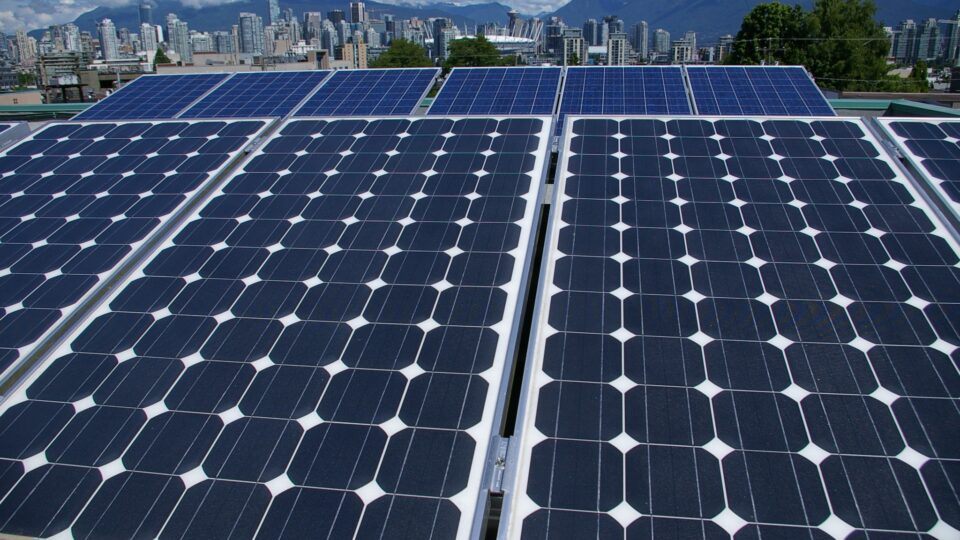
The United States installed 3.6 gigawatts of photovoltaic solar capacity in the first quarter of this year to reach a total installed capacity of 81.4 GW.  That is enough to power about 16 million American homes.  More than 2/3 of that capacity has been installed during the past five years.  

There has been a boom in solar installations in recent years and, until the Covid-19 pandemic stuck, 2020 was expected to be the biggest year yet.  Now the unprecedented health, social, and economic conditions in our country creates great uncertainty in such forecasts.

Nevertheless, the opportunities for growth in solar power continue to be substantial.  A new report from the energy research firm Wood Mackenzie looked at the prospects for using the roof space of commercial buildings for solar power.

Currently, just 3.5% of commercial buildings in the U.S. have solar panels on their roofs.  Another 1% of those buildings are attached to solar projects located off-site.  The report looked at how many buildings are potential targets for solar projects.

After accounting for buildings that are too small or that use too little electricity to make solar power a worthwhile investment, the report estimated that 70% of commercial buildings in the U.S. – amounting to some 600,000 sites – are candidates for solar installations.  Doing this would provide 145 GW of new solar capacity, which is nearly twice as much as currently exists in this country. 

Commercial solar installations have their own unique logistical and financial challenges.  While utility solar can scale to lower costs and residential solar has financing opportunities, commercial solar has neither.  But ultimately, it represents an important opportunity for our future energy system.

**********

Web Links

U.S. Commercial Rooftops Hold 145 Gigawatts of Untapped Solar Potential

Photo, posted June 25, 2014, courtesy of Rob Baxter via Flickr.

Earth Wise is a production of WAMC Northeast Public Radio.
Expensive And Dangerous Storms | Earth Wise

August 7, 2020 By EarthWise Leave a Comment

billion-dollar united states weather disasters becoming common

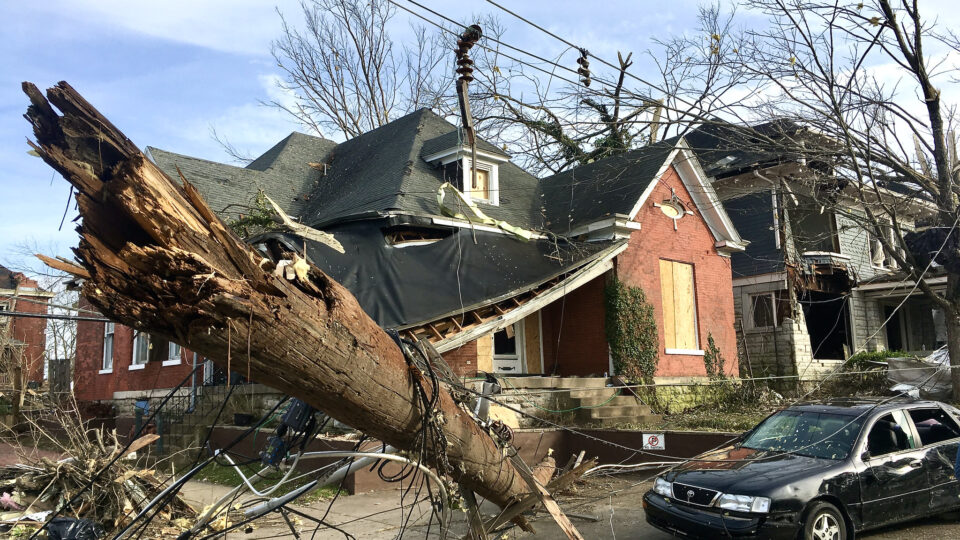
Severe storms are getting more and more common.  Early in July, the United States experienced its 10th billion-dollar weather disaster of the year – the earliest this has happened.  It also marks 2020 as the sixth consecutive year with at least 10 such extreme weather events, which is also a record.  With the country struggling with the effects of a global pandemic, extreme weather is pretty much the last thing we need.

This year’s 10 storms have primarily consisted of tornadoes, damaging winds, and hail.  Seven out of the 10 storms were in the South or Southeast.  An Easter Sunday outbreak in that region saw 190 tornadoes and 36 people were killed that day.

Since 1980, the US has averaged nearly 7 billion-dollar weather disasters per year.  But the last five years have seen nearly 14 severe storms on average.  The way things are going this year, there will probably be more than that number.

This year’s growing total does not include the looming hurricane season, which is widely predicted to be more active than usual.  Because so many places in the South are still recovering from earlier disasters, they are particularly vulnerable to the effects of an active hurricane season.

Meanwhile, much of the country is suffering from drought conditions, making wildfires a major concern.  Recent years have seen deadly and destructive wildfires in many places, notably in California two years ago.  Between hurricanes and wildfires, the prospects are alarming for what could turn out to be a disastrous year for expensive and dangerous severe weather.

**********

Web Links

US hits 10th billion-dollar weather disaster of the year — at a record pace

Photo, posted March 3, 2020, courtesy of Flickr.

Earth Wise is a production of WAMC Northeast Public Radio.

Monitoring Wildlife For Warning Signs of the Next Pandemic | Earth Wise

July 29, 2020 By EarthWise Leave a Comment

Monitoring wildlife to prevent the next pandemic

According to the World Health Organization, the coronavirus that causes COVID-19 likely originated in wild bats near Wuhan, China, and may have been passed to a second animal species before infecting people.  Since then, according to data from Johns Hopkins University, more than 13 million people around the world have been infected by COVID-19 and about 600,000 have died. 

But despite the ever-present threat of a new virus sparking the next pandemic, there is currently no global system to screen for viruses in wild animals that could eventually spill over to humans. 

In an article recently published in the journal Science, a group of scientists is calling for the creation of a decentralized global system of wildlife surveillance.  The establishment of this global system could help identify viruses in wild animals that have the potential to infect and sicken people before another global disease outbreak begins. 

According to the scientists, coronaviruses alone have caused outbreaks in humans three times in the last 20 years:  SARS (or Severe Acute Respiratory Syndrome), MERS (or Middle East Respiratory Syndrome), and COVID-19. 

While it’s impossible to know today how often viruses jump from animals to humans, human activity is making such spillover events more and more likely.  For instance, many continue to develop wild animal habitat to build new homes or businesses.  Some catch wild animals and re-sell them either for consumption or as exotic pets.  Parts from these wild animals are often shipped around the world as trinkets or as ingredients for traditional medicines. 

A global system that could identify potentially harmful viruses before they jump to humans is technologically feasible, affordable, and clearly necessary. 

**********

Web Links

COVID-19 Dashboard by the Center for Systems Science and Engineering (CSSE) at Johns Hopkins University (JHU)

Global wildlife surveillance could provide early warning for next pandemic

Photo, posted January 15, 2008, courtesy of Doug Beckers via Flickr.

Earth Wise is a production of WAMC Northeast Public Radio.
Renewables Could Take Over By 2035 | Earth Wise

July 15, 2020 By EarthWise Leave a Comment

Renewable energy taking over

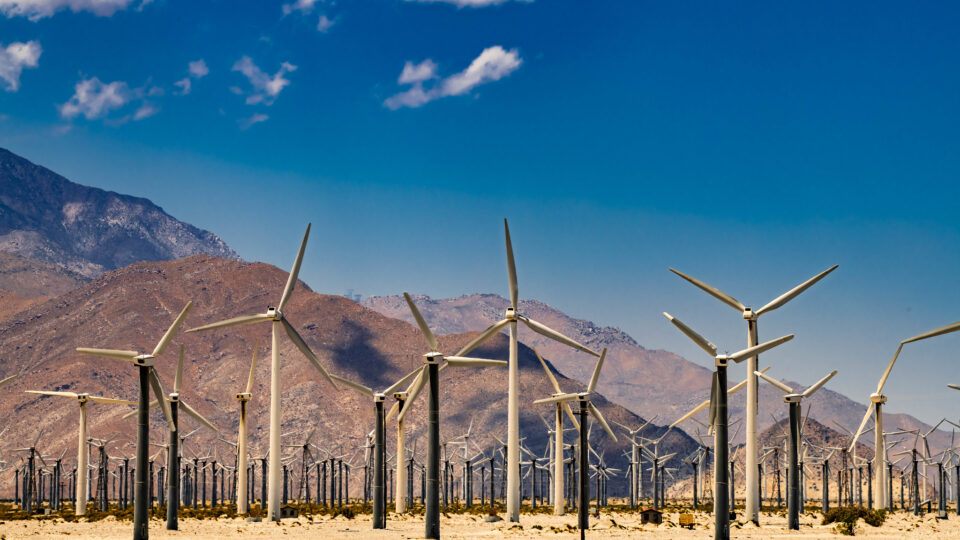
A study by UC Berkeley looked at the prospects for renewable energy sources to become the primary source of energy in the United States over the next 15 years.  Even though fossil fuels continue to fill that role at present, the plummeting costs of alternative energy sources – primarily solar and wind power – are making them increasingly attractive on the competitive market.

These cost reductions have occurred much faster than what was anticipated even just a few years ago.  According to the study, it is technically and economically feasible for renewable sources to provide 90% of our electricity by 2035.

The Berkeley researchers took the available data on renewable energy and created two scenarios for the next 15 years.  The first has energy policy remaining as it is now, without ambitious policy changes that encourage the growth of renewable energy.  In that scenario, they estimated that 55% of the US energy infrastructure would come from renewables.  That amount will not produce the change needed to meet Paris Climate Agreement goals but would simply come about because of the dramatically lower costs for renewable energy.

The second scenario includes state and federal governments leading the way to finance and facilitate the energy reform needed for a greener 2035.  It also relies on the large-scale use of grid-scale batteries to store the energy collected from solar and wind installations for when it is needed.

Which scenario is more realistic will depend on several major influential factors, notably the trajectory and consequences of the COVID-19 pandemic as well as the results of the November elections.   These things will have a huge impact on the future of our energy system.

**********

Web Links

Report: By 2035, 90 Percent of the US Could Be Powered by Renewables

Photo, posted May 25, 2019, courtesy of Flickr.

Earth Wise is a production of WAMC Northeast Public Radio.

Disappearing Rainforests | Earth Wise

July 2, 2020 By EarthWise Leave a Comment

rainforests continue to disappear

Forest loss is a major contributor to climate change, and it is continuing at a rapid pace.  The tropics lost about 30 million acres of tree cover in 2019, a third of which was within humid tropical primary forests, which are especially important for biodiversity and carbon storage.  To put that loss in a human-scale perspective, it is the equivalent of losing a football field of primary forest every six seconds for the entire year.

The losses last year were 2.8% higher than in the previous year, and these losses have continued over the past 20 years despite worldwide efforts to halt deforestation.  

Brazil single-handedly accounted for over a third of all global loss of humid tropical primary forests. Bolivia experienced record-breaking tree cover loss due to fires.  The losses in its forests were 80% greater than in any previous year.  The fires were often started by people who were trying to clear land for agriculture but had the fires go out of control. Several countries in Africa’s Congo Basin also experienced sustained or worsening forest loss. 

Indonesia, often the focus of the world’s attention for its deforestation activities, actually saw a 5% reduction in primary forest loss in 2019.  It was the third year in a row for lower losses.  The now-permanent moratorium on clearing forests for oil palm plantations and logging seems to be working.

Going forward, the coronavirus pandemic poses additional threats to the world’s forests in the near future.  There may be a tendency to sacrifice forests in pursuit of economic recovery, which will only lead to future complications for the health and livelihoods of millions of people around the world.

**********

Web Links

We Lost a Football Pitch of Primary Rainforest Every 6 Seconds in 2019

Photo, posted February 7, 2011, courtesy of Chad Skeers via Flickr.

Earth Wise is a production of WAMC Northeast Public Radio.

Unleash the power of Uniswap Exchange and elevate your crypto trading experience with its revolutionary decentralized exchange platform.

Animals And Social Distancing | Earth Wise

June 16, 2020 By EarthWise Leave a Comment

social distancing to prevent disease

As the spread of COVID-19 continues throughout the U.S. and around the world, health officials continue to ask people to keep physical space between themselves and others outside their homes.  It’s an important and effective way to slow down and prevent the spread of disease. 

But it’s not just humans who can benefit from social distancing.  It turns out that animals can, too.

Microorganisms living on or inside our bodies are important for both our health and for the development of disease.  Researchers from the University of Texas at San Antonio have found evidence for the importance of social distancing to minimize the spread of microbes among individuals.   The researchers studied wild monkeys to find out what role diet, genetics, social groupings, and distance in a social network play when it comes to the microbes found inside the gut.  The gut microbiome refers to all the microorganisms living in the digestive tract. 

The research team studied the fecal matter of 45 female colobus monkeys that congregated in eight different social groups in a small forest in Ghana.  The researchers observed major differences in gut microbiomes between the eight social groups.  But individual monkeys from different groups that were more closely connected to the population’s social network had more similar gut microbiomes.  The findings, recently published in the journal Animal Behaviour, indicate that microbes may be transmitted between monkeys during occasional encounters with other monkeys from different social groups.

Learning how microorganisms pass among monkeys can help researchers understand how diseases spread.  Understanding how diseases spread can help guide decision making during this pandemic and any future disease outbreaks. 

**********

Web Links

Even animals benefit from social distance to prevent disease, research shows

Photo, posted January 10, 2007, courtesy of Silke Baron via Flickr.

Earth Wise is a production of WAMC Northeast Public Radio.
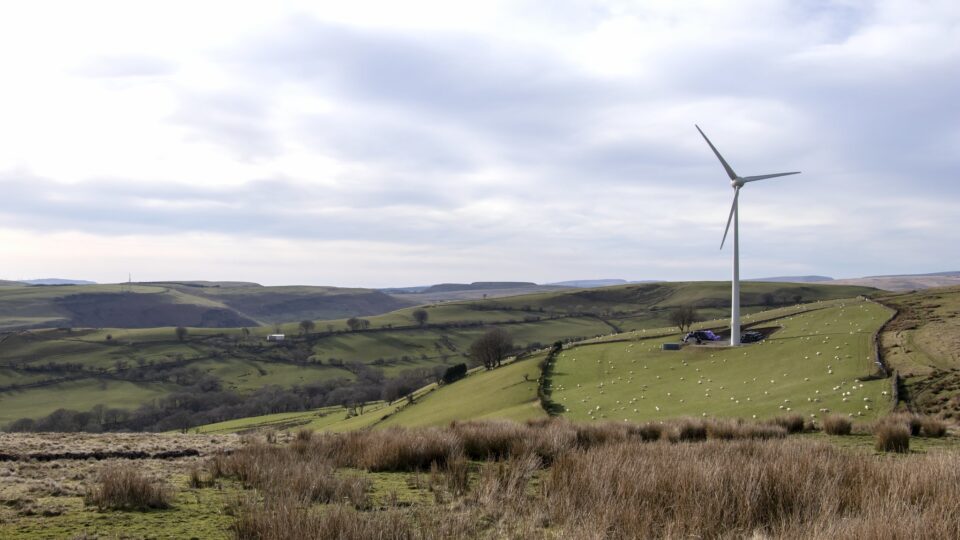
Renewable Energy And The Post-COVID World | Earth Wise

June 2, 2020 By EarthWise Leave a Comment

As is the case for virtually all sectors of the global economy, the short-term prospects for wind and solar power look pretty grim.  Lockdowns, social distancing requirements, and financial upheavals have put many new projects on ice and have halted production at factories making solar panels and wind turbines.  Sales of home solar have struggled as people have put off spending during the economic slowdown.

Ironically, the shutdowns aimed at reducing the spread of the Coronavirus have led to renewable sources accounting for an increased share of power generation.  Global energy demand has plummeted and, because of the low cost of solar and wind power, sources like coal and nuclear power have been curtailed in favor of the renewables.  The dramatically reduced demand has pushed oil and gas prices to historic lows and has left fossil fuel companies struggling to find storage space for the glut of product.

When the world emerges from the pandemic, the question is whether renewable energy will end up on a faster track than before or will end up in a long-term slowdown.  The answer will depend to large extent on the choices political leaders make.

Leaders will unquestionably be designing economic recovery packages.  Such packages could accelerate the shift towards wind and solar power, or they could prop up the fossil fuel economy.  Unfortunately, leaders are prone to be motivated by lobbyists more than by the greater needs of society.  The global economic upheaval represents a real opportunity to change the pace of efforts to address climate change.  Whether that change is a positive one or a negative one is just another looming question facing society when we emerge from the pandemic.

**********

Web Links

How Renewable Energy Could Emerge on Top After the Pandemic

Photo, posted April 12, 2020, courtesy of Jeremy Segrott via Flickr.

Earth Wise is a production of WAMC Northeast Public Radio.

The Largest U.S. Solar Project | Earth Wise

May 28, 2020 By EarthWise Leave a Comment

The largest solar project to date in the U.S. has received final approval from the Department of the Interior.   A $1 billion, 690-megawatt solar array will be built on federal land in the Mojave Desert in Nevada.   The project includes battery energy storage and is expected to produce enough electricity to power more than a quarter million homes.  It will also offset the greenhouse gas emissions equivalent to about 83,000 cars a year.

The current largest U.S. installation, the Solar Star Farm in Southern California, completed in 2015, generates 579 megawatts of power.

Construction of the Gemini Solar Array is expected to start sometime this year and be completed by 2022 or 2023.  The first phase of the project will cover 11 square miles of desert land about 30 miles northeast of Las Vegas.

Some conservation groups have fought against the project, saying that it will destroy thousands of acres of habitat for endangered desert tortoises as well as other rare plant and animal species.  The groups agree that solar energy is a good thing but are convinced that the location selected is the wrong one. 

Interior Department representatives note that the Gemini Project will provide jobs and economic growth at a time when many Americans in general and Nevada citizens in particular are struggling with the impact of the COVID-19 pandemic.

The project is projected to generate $713 million in economic activity and employ about 2,000 people during construction.  However, once it is up and running, it will employ just 19 full-time workers.

**********

Web Links

The Largest Solar Project in the U.S. Gets Green Light

Photo, posted January 26, 2014, courtesy of Jannes Glas via Flickr.

Earth Wise is a production of WAMC Northeast Public Radio.

The Earth Itself Is Quieter | Earth Wise

May 15, 2020 By EarthWise Leave a Comment

Coronavirus quiets the earth

Our stories often discuss how human activities change the natural environment.  With most of us confined to our homes, the lack of human activities is having profound effects on the environment.  We are talking about some of these this week.

With about a third of the world’s population sheltering in place, our planet is much quieter these days.  It isn’t just our machines, vehicles, and factories that are making less noise.  The earth itself is quieter.  There has been a reduction in the earth’s seismic vibrations.

According to the journal Nature, various human-powered movements contribute to the persistent vibration of the earth’s crust.  Things like engines firing up in factories, trains pulling into stations, and trucks barreling down highways all make contributions to seismic activity.  Taken individually, such things are insignificant, but taken together, they produce a background of seismic noise that makes it difficult for seismologists to detect natural signals such as volcanic activity and earthquake aftershocks.

With much human activity on pause during the coronavirus outbreak, seismologists across the globe are seeing significant reductions in background seismic noise levels.

This respite in seismic noise, for as long as it lasts, represents an opportunity for scientists to better study the natural activity in the earth’s crust. Researchers studying the impact of ocean waves to predict volcanic activity and those who triangulate the location of earthquake epicenters may be able to make more sensitive measurements than under normal conditions.

There are very few positive things one can say about the coronavirus crisis, but it is providing opportunities to study and observe aspects of the natural world that are ordinarily drowned out by the bustle of humanity.

**********

Web Links

Coronavirus lockdowns across the globe are actually causing the Earth to move less

Photo, posted March 9, 2020, courtesy of Jeremy Segrottvia Flickr.

Earth Wise is a production of WAMC Northeast Public Radio.

Coronavirus Shutdowns And The Environment | Earth Wise

May 11, 2020 By EarthWise Leave a Comment

coronavirus shutdown and the environment

Our stories often discuss how human activities change the natural environment.  With most of us confined to our homes, the lack of human activities is having profound effects on the environment.  We are talking about some of these this week.

The COVID-19 pandemic is a global catastrophe, but it has ironically been a boon for the environment.  By taking billions of people off the streets around the globe and slashing all forms of travel, the global environment has seen dramatic changes.

Sea turtles in many countries are prospering by not having to compete with humans for precious beach space.  Animals everywhere have more freedom to roam and are taking advantage of the opportunity. The Himalayas are visible from parts of India for the first time in decades.

Satellite imagery has shown dramatic drops in nitrogen dioxide emissions in China, where pollution from vehicles is a serious public health problem.  Similar reductions in air pollution are evident in India, Italy and even in Los Angeles.  The city that is notorious for its smog suddenly has pristine air.

In Venice, water in the canals has become clear in the absence of heavy boat traffic stirring up sediments from the bottom.  Wildlife that normally is invisible such as jellyfish are being spotted.

Not all the changes to animal behavior are desirable.  Some wildlife that have become dependent on humans as a source of food are becoming aggressive and are taking to the streets of cities to look for food.  Monkeys in Thailand are mobbing towns and brawling, hunting for things to eat.  Rats in New York City are fighting over suddenly meager food supplies.

In many ways, the natural world is reacting to much of humanity sheltering in place.

**********

Web Links

On Earth Day 2020, coronavirus shutdowns are a gift to the environment

Photo, posted April 2, 2020, courtesy of Flickr.

Earth Wise is a production of WAMC Northeast Public Radio.

  • « Go to Previous Page
  • Page 1
  • Page 2
  • Page 3
  • Go to Next Page »

Primary Sidebar

Recent Episodes

  • An uninsurable future
  • Clean energy and jobs
  • Insect declines in remote regions
  • Fossil fuel producing nations ignoring climate goals
  • Trouble for clownfishes

WAMC Northeast Public Radio

WAMC/Northeast Public Radio is a regional public radio network serving parts of seven northeastern states (more...)

Copyright © 2026 ·