
• Skip to primary navigation
  • Skip to main content
  • Skip to primary sidebar

Earth Wise

A look at our changing environment.

  • Home
  • About Earth Wise
  • Where to Listen
  • All Articles
  • Show Search
Hide Search
You are here: Home / Archives for oceans

oceans

The Hottest September | Earth Wise

November 5, 2020 By EarthWise Leave a Comment

The hottest September

Here’s a news item that is like many other recent news items:  September 2020 was the hottest September since 1880, according to the National Oceanic and Atmospheric Administration.   The warm September is a part of a year that so far is poised to be at least the second hottest year in the 141-year climate record.

The ten warmest Septembers on record have all occurred since 2005, and the seven warmest Septembers have occurred in the past seven years.

So far, the year-to-date average global temperature has been the second warmest on record, being just 0.07 degrees Fahrenheit lower than the record year-to-date temperature set in 2016.  Expectations are that 2020 will end up somewhere among the three warmest years on record for the globe.

September was warm in many places around the world.  California and Oregon had their warmest September ever.  Europe had its warmest September on record, Asia had its second warmest September on record as did Australia and South America. 

So far, it has been the hottest year-to-date on record in Europe, Asia, and the Gulf of Mexico.  No land or ocean areas anywhere had record-cold year-to-date temperatures. 

Global temperatures represent an average over the entire surface of the planet.  The fact that the global temperature is now nearly one Celsius degree above the 20th century average means that a vast amount of heat has been added in order to warm all the oceans, atmosphere, and land by that much.  So, every uptick in global temperature is a big deal.

Meanwhile, the average Arctic sea ice coverage for September was the second smallest on record.  The 14 smallest minimum annual sea ice extents have all occurred in the past 14 years.

**********

Web Links

Earth just had its hottest September on record

Photo, posted September 2, 2020, courtesy of Tim Vrtiska via Flickr.

Earth Wise is a production of WAMC Northeast Public Radio.
Shrinking Ice In The Bering Sea | Earth Wise

October 19, 2020 By EarthWise Leave a Comment

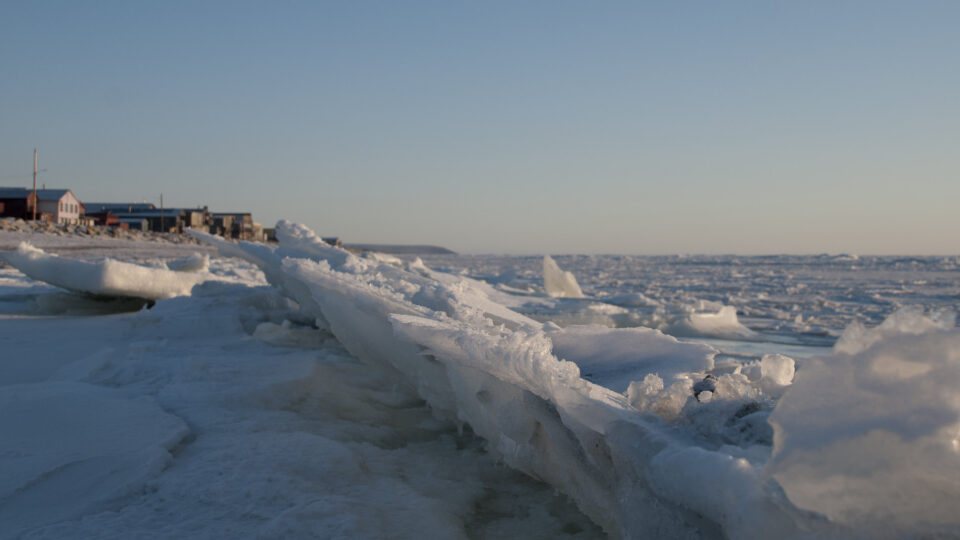
Bering Sea ice continues to shrink

The Bering Sea forms the divide between the two largest landmasses on Earth:  Eurasia and the Americas.  Recent analysis of vegetation from a Bering Sea island has determined that the extent of sea ice in the region is the lowest it has been for over 5,000 years.

St. Matthew Island, a small island in the middle of the Bering Sea, has essentially been recording what is happening in the ocean and atmosphere around it, in the form of the composition of peat layers on the island.  By analyzing the chemical composition of peat core samples, scientists can estimate how sea ice in the region has changed over the course of time.

Changes in the relative amounts of two oxygen isotopes in the sediment and plant debris trapped in the peat on the island reflect the nature of precipitation during the period when the peat layers formed.  That ratio is correlated with the amount of sea ice in the region.  Satellite data acquired over the past 40 years confirms this correlation.

Analysis of the data shows that the current ice levels are unprecedented in the last 5,500 years.  These long-term findings affirm that reductions in Bering Sea ice are due to more than recent higher temperatures associated with global warming.  Atmospheric and ocean currents, which have also been altered by climate change, play a large role in the presence of sea ice.

Summertime sea ice in the Arctic was expected to reach its second-lowest extent in September in 40 years of observation.  Sea ice typically builds up again each winter, but the changes in ice extents actually lag behind changes in greenhouse gas level by decades.  Future ice loss is already built into the system.

**********

Web Links

Bering Sea ice extent is at most reduced state in last 5,500 years

Photo, posted December 2, 2012, courtesy of Bering Land Bridge National Preserve via Flickr.

Earth Wise is a production of WAMC Northeast Public Radio.
Sustainable Flip-Flops | Earth Wise

September 9, 2020 By EarthWise Leave a Comment

Sustainable technologies

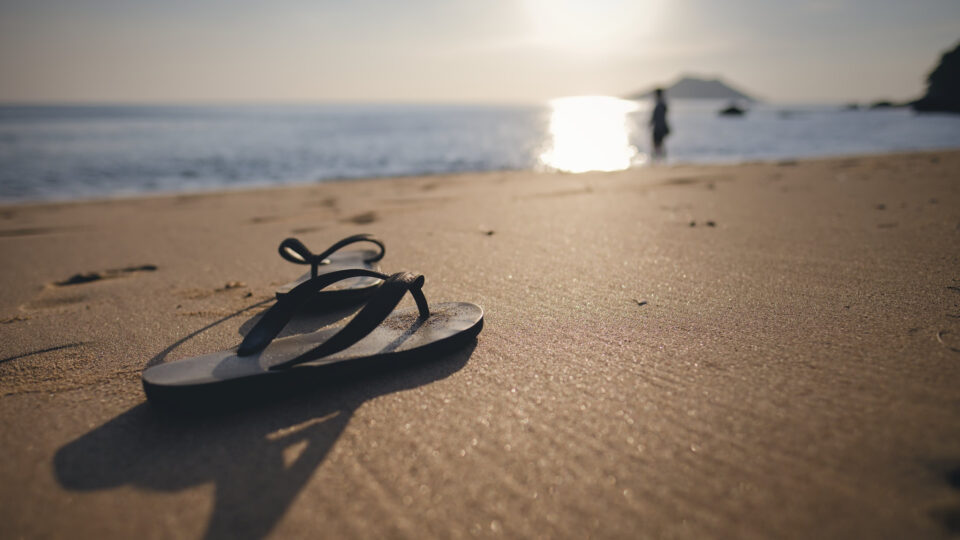
Flip-flops are the world’s most popular shoe.  They are lightweight, comfortable, affordable, and durable.  In fact, the global market for flip-flops is expected to reach a whopping $23.8 billion by the year 2025. 

But the popularity comes with a price.  Flip-flops account for a troubling percentage of plastic waste that ends up in our landfills and oceans.  As a result, demand for alternatives is compelling researchers to develop more sustainable versions of the popular footwear.

Scientists at the University of California San Diego have spent years working on this issue, and recently announced a breakthrough.  According to a study recently published in Bioresource Technology Reports, the research team has formulated polyurethane foams – made from algae oil – to meet commercial specifications for mid-sole shoes and the foot-bed of flip-flops.   In other words, the scientists have created sustainable, biodegradable, and consumer-ready materials that could replace plastics in some footwear. 

The UC San Diego scientists collaborated with Algenesis Materials – a technology startup – on the research.  Together, they worked to not only create the shoes, but to degrade them as well.  The team tested their customized foams by immersing them in traditional compost and soil.  The algae-based materials degraded after just 16 weeks.  

The life of any material should be proportionate to the life of the product.  The researchers point out that it doesn’t make sense to create a product that will last 500 years if it’ll only be used for a year or two. 

The research team is currently working on production details with its manufacturing partners.  The creation of biodegradable flip-flops that meet commercial footwear standards could eliminate tons of plastic waste from the environment.   

************ 

Web Links

New science behind algae-based flip-flops

Flip Flops Market Size Worth $23.8 Billion by 2025

Photo, posted December 12, 2019, courtesy of Flickr.

Earth Wise is a production of WAMC Northeast Public Radio.
Record Siberian Heat | Earth Wise

July 24, 2020 By EarthWise Leave a Comment

Record temperatures recorded in Siberia

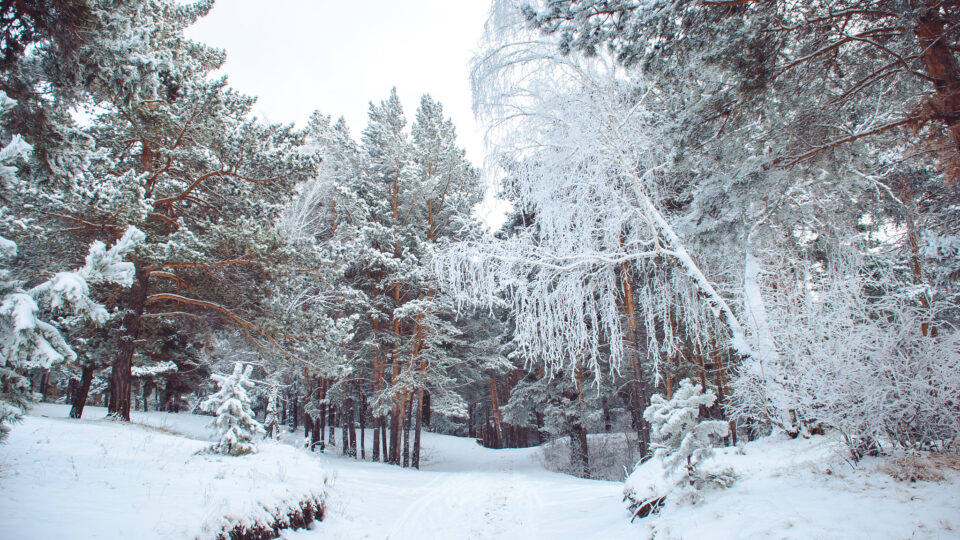
Siberia has been experiencing unprecedented high temperatures in recent months.  May was the hottest May on record and temperatures in Siberia have stayed well above average for the past year.

On June 20, temperatures in the small Siberian town of Verkhoyansk hit 100.4 degrees Fahrenheit, which is a record-high temperature in one of the fastest-warming places in the world.  Average high temperatures in June reach 68 degrees.  Verkhoyansk sits on the Yana River in the Arctic Circle and, during the winter, is one of the world’s coldest towns.  In 1892, its temperature dropped to -90 degrees Fahrenheit.  And now there is hundred-degree heat above the Arctic Circle.

Siberia tends to experience large temperature swings month-to-month and year-to year.  But it is very unusual for temperatures to stay well over average over an extended period of time as they have for the past year.  According to climate scientists, the kind of temperature swings seen recently would only happen once in 100,000 years if it were not for climate change.

Siberia has seen raging wildfires and structural damage from thawing permafrost as its temperatures have stayed warmer than normal.  The prolonged Siberian heatwave is an alarming situation.

The Arctic is warming twice as fast as the rest of the Earth because of a process known as Arctic amplification.  The acceleration of the Arctic ice melt leads to a seasonal snow cover that isn’t as white.  It therefore absorbs more sunlight, which then leads to more warming.

The amplified warming of the Arctic with its increased melting of ice leads to higher sea levels, and not just in the Arctic Ocean.  With less Arctic ice to reflect sunlight, the world’s oceans continue to warm. 

**********

Web Links

Temperatures in an Arctic Siberian town hit 100 degrees, a new high

Photo, posted December 7, 2014, courtesy of Olga Dudenko via Flickr.

Earth Wise is a production of WAMC Northeast Public Radio.
Mangrove Trees And Climate Change | Earth Wise

July 7, 2020 By EarthWise Leave a Comment

climate change threatens mangrove trees

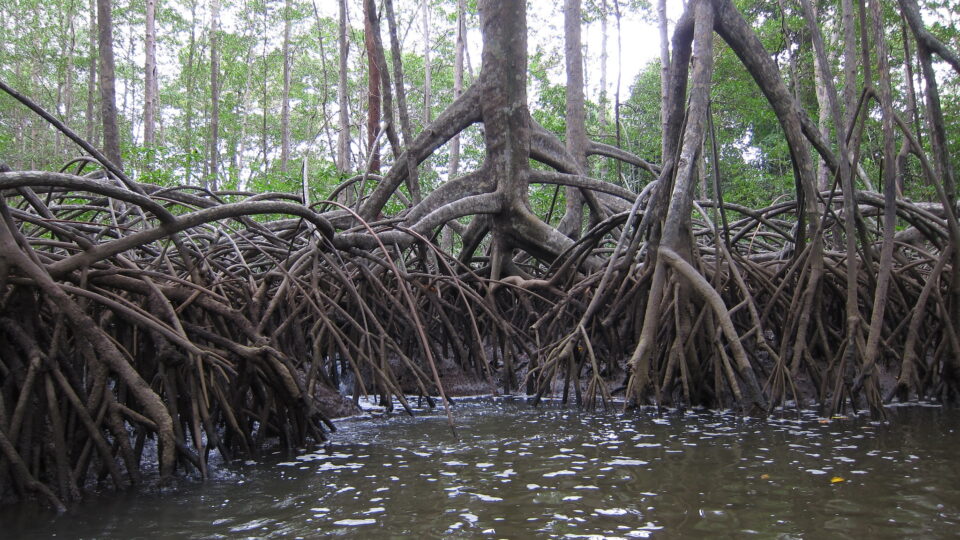
Mangrove trees are small trees that grow in coastal saline or brackish water at tropical and subtropical latitudes.  Many mangrove trees can be identified by their dense tangle of prop roots.  These roots make the trees appear as if they are standing on stilts above the water.  The tangle of roots allows mangrove trees to handle the daily rise and fall of tides and to slow the movement of tidal waters.  

Mangrove forests provide many ecosystem services, including stabilizing the coastline by reducing erosion from storm surges, waves, and tides.  The intricate root system of mangrove trees are attractive to fish and other species seeking food and shelter from predators.  Mangrove forests also store large amounts of carbon.     

But according to a new study recently published in the journal Science, mangrove trees won’t survive sea level rise by 2050 if greenhouse gas emissions aren’t reduced.  

Using sediment data from 78 locations over the last 10,000 years, an international team of scientists led by Macquarie University in Australia estimated the chances of mangrove trees survival based on the projected rates of future sea-level rise.

When sea level rise rates exceeded 6 millimeters per year, which is similar to estimates under high-emissions scenarios for 2050, researchers found that mangrove trees were unlikely to keep pace with the rising water levels.  But when the annual increase was 5 millimeters or less – which is the projected low-emissions scenario this century – mangrove trees are much more likely to survive. 

These findings underscore the importance of reducing greenhouse gas emissions to mitigate rapid sea level rise.  The future of mangrove trees may depend on it.  

**********

Web Links

Mangrove trees won’t survive sea-level rise by 2050 if emissions aren’t cut

Photo, posted December 17, 2012, courtesy of Edward Stojakovic via Flickr.

Earth Wise is a production of WAMC Northeast Public Radio.
Keeping Charleston Dry | Earth Wise

June 11, 2020 By EarthWise Leave a Comment

Rising seas from climate change

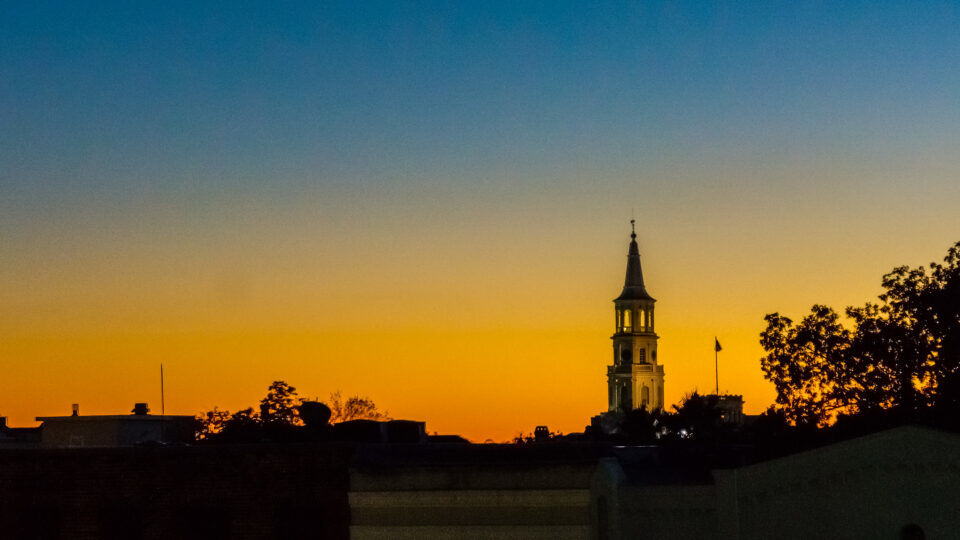
Charleston, South Carolina is visited by millions of tourists each year.  The town is a glimpse into the past, showcasing antebellum mansions, row houses, historic African American churches and scenic harbor views from a Civil War-era promenade.

Charleston is also visited more and more by water from rising seas and increasingly powerful storms.  The city is essentially drowning in slow motion and may soon face an existential threat to its survival.

Charleston has a harbor and three rivers and water from all these sources leaks in at every bend and curve, fills streets, disrupts businesses, and rushes into homes during storms.  Million-dollar antebellum mansions, built on spongy marsh and old tidal creeks, flood repeatedly.

City officials have endorsed a plan by the U.S. Army Corps of Engineers to wall off the historic downtown with an 8-mile-long seawall that would cost nearly $2 billion.  The proposed barricade is just one of many proposed projects to build seawalls, surge gates, levees, and other barriers to defend U.S. coastal cities in an era of rising seas and climate-fueled floods and storms.  A proposed flood wall in Miami would cost federal taxpayers $8 billion.

Researchers generally agree that sea levels are likely to rise by at least 3 feet by the end of the century.  Some experts believe the rise will be much greater.  So, a key question is whether these barriers will actually keep out the water.  Critics of many of the proposed solutions contend that they are doomed to fail.

Flooding has caused nearly $1 trillion worth of damage along the East and Gulf coasts over the past 40 years.  And things are almost certain to get worse in Charleston and other coastal cities.

**********

Web Links

Fortress Charleston: Will Walling Off the City Hold Back the Waters?

Photo, posted October 7, 2015, courtesy of Jeff Turner via Flickr.

Earth Wise is a production of WAMC Northeast Public Radio.
Recovering Marine Life By 2050 | Earth Wise

May 27, 2020 By EarthWise Leave a Comment

Marine life conservation

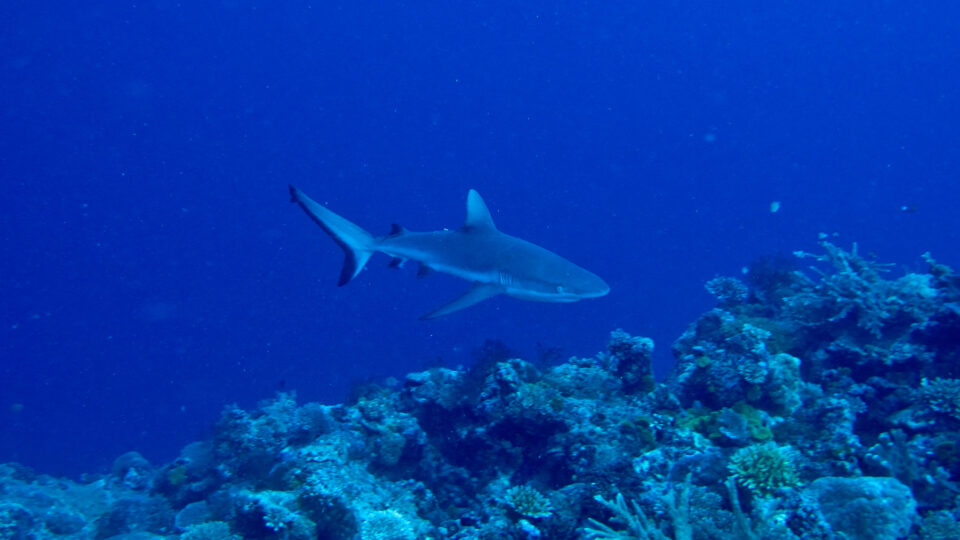
Marine life has faced challenges for a long time.   There have been centuries of overfishing in many places and pollution of various types has been especially harmful in recent decades.   But despite all of this, a new scientific review published in the journal Nature contends that marine life in the world’s oceans could be fully restored in as little as 30 years provided that aggressive conservation policies are adopted.

The research spotlights the strong resiliency of ocean animals and cites the successful recovery of a number of marine species, including humpback whales.

The study indicates that nations around the world must agree to designate 20 to 30 percent of the oceans as marine protected areas, institute sustainable fishing guidelines, and regulate pollution.  These measures would not come cheaply.  The estimated cost would be around $20 billion a year. 

However, the report also estimates that the economic return on this investment would be tenfold and would create millions of new jobs.  Rebuilding fish stocks and maintaining sustainable fishing policies could increase global profits of the seafood industry by over $50 billion a year.  Conserving coastal wetlands could save the insurance industry more than $50 billion a year as well by reducing storm damage.

A major sticking point, however, is climate change.  Climate change is increasing ocean temperatures and driving acidification.  Unless these changes are brought under control, the restoration of marine life is not going to be successful.  We have reached the point where it is within our power to choose between a future with a resilient and vibrant ocean or an irreversibly disrupted ocean.  Whether we embrace that challenge remains to be seen.

**********

Web Links

Marine Life Could Recover By 2050 With the Right Policies, Study Finds

Photo, posted April 20, 2012, courtesy of Matthias Hiltner via Flickr.

Earth Wise is a production of WAMC Northeast Public Radio.
Sea Turtles Prospering During The Shutdown | Earth Wise

May 14, 2020 By EarthWise Leave a Comment

Sea turtles thriving during Coronavirus shutdown

Our stories often discuss how human activities change the natural environment.  With most of us confined to our homes, the lack of human activities is having profound effects on the environment.  We are talking about some of these this week.

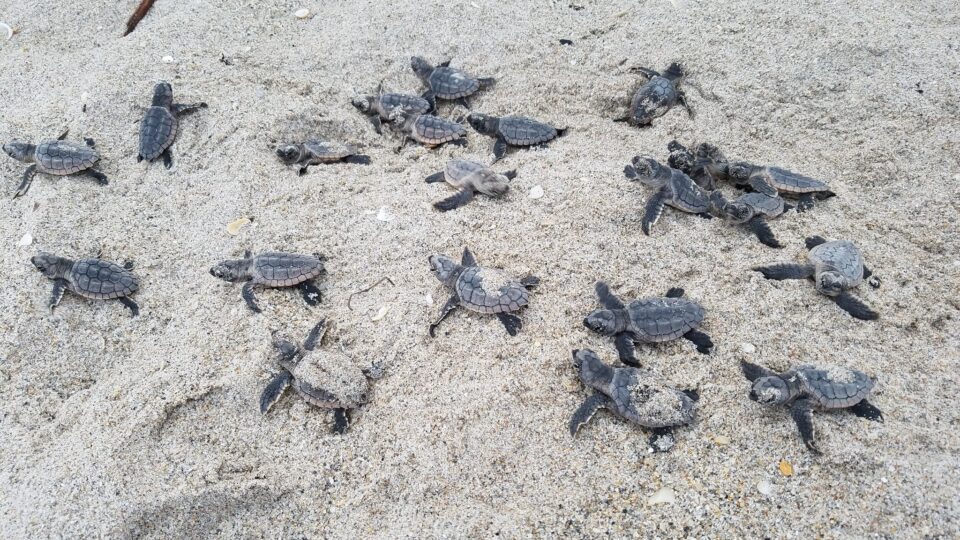
Seven different species of sea turtles are found in the world’s oceans and play important roles in marine ecosystems.  Over time, human activities have tipped the scales against the survival of these animals.  They have been hunted for their eggs, meat, skin, and shells and face habitat destruction and accidental capture in fishing gear.  Their nesting grounds in beaches are constantly disturbed and endangered by human activity.

With the beaches in Florida closed in the effort to stop the spread of coronavirus, there is less plastic waste, fewer people and vehicles, and fewer artificial lights on the beach that disorient emerging turtle hatchlings.  Because of all of these factors, sea turtles have been building their nests without disruptions.

In April, it was nesting season for leatherback turtles, the largest of all sea turtles. In May, loggerhead turtles arrive in Florida.  Later in the summer, green turtles will arrive.

It takes about 60 days for sea turtle eggs to incubate and to hatch.  During that period, lots of things can happen to a nest on an active beach – it can get trampled, people can dig it up, and artificial light can confuse the hatchlings as they try to find their way to the water.  With the current shutdown, it should be a productive nesting season for sea turtles.

On the other hand, when beaches reopen, there may well be a major influx of people flocking to the beach because they have been stuck indoors for an extended period of time.

**********

Web Links

Sea turtles are thriving as coronavirus lockdown empties Florida beaches

Photo, posted August 9, 2016, courtesy of Florida Fish and Wildlife via Flickr.

Earth Wise is a production of WAMC Northeast Public Radio.
The Rising Threat Of Rising Seas | Earth Wise

February 3, 2020 By EarthWise Leave a Comment

global sea level rising

Global sea level rose by about 6 inches during the 20th century.  It is currently rising more than twice as fast and accelerating.  The rate of rise was 2.5 times faster from 2006 to 2016 than it was for nearly all of the 20th century.

Sea level rise occurs when glaciers and ice sheets lose mass.  Much of that meltwater comes from Greenland and Antarctica.  But levels also rise because, as water warms, it expands.  Added to that are the effects of human activities such as groundwater depletion and a geological phenomenon called isostatic adjustment that is going on in parts of the East Coast where the land is actually sinking.

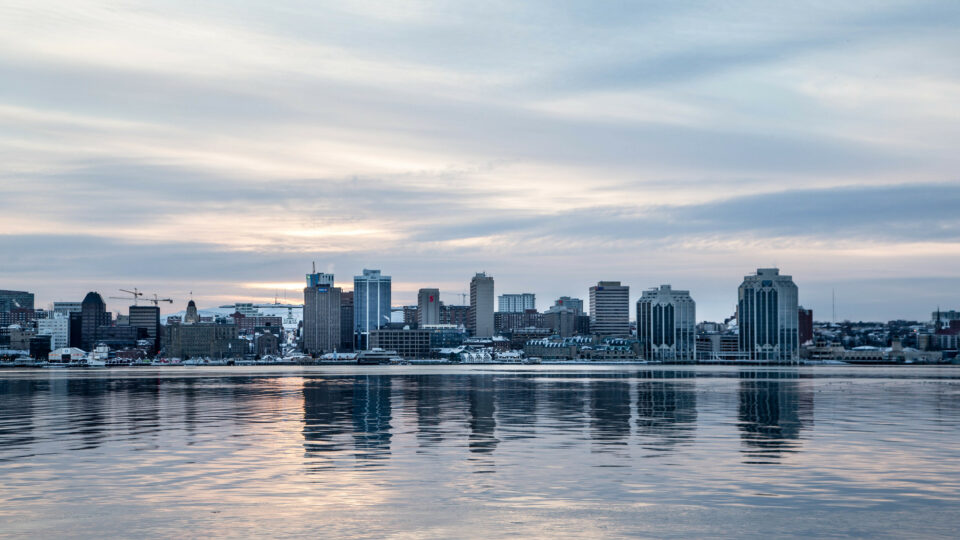
In Atlantic Canada, sea level rise is outpacing the global average and has already led to boardwalks swamped by swelling tides, drowned forests, submerged wharfs, and threatened historic shoreline buildings.

Recent research suggests that globally, land now occupied by 300 million people could be affected by floods at least once a year by 2050 unless carbon emissions are significantly reduced, and coastal defenses strengthened.  (This new figure is more than three times higher than earlier estimates).

Researchers at Dalhousie University in Nova Scotia are studying nature-based strategies for mitigating the effects of the rising seas.  These include conserving or restoring coastal ecosystems like dunes, wetlands, and reefs which could provide protection at a lower cost than building seawalls and other man-made obstacles.  Wetlands, for example, can reduce the force of waves and act as obstacles to storm surges, while also trapping sediment and stemming erosion.  Wetlands also serve as important carbon stores, but it is estimated that roughly half of the world’s coastal wetlands have been lost over the past 100 years to human activity and extreme weather events.

**********

Web Links

The Looming Threat of Rising Sea Levels – And What We Can Do About it

Photo, posted February 14, 2015, courtesy of Flickr.

Earth Wise is a production of WAMC Northeast Public Radio.
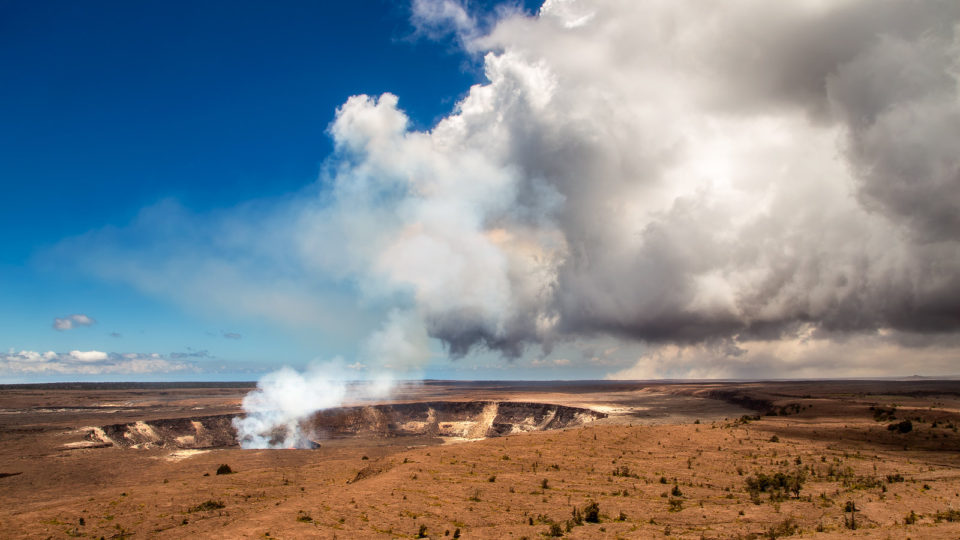
Another Hot November

January 3, 2020 By EarthWise Leave a Comment

This past fall saw yet more of the high temperatures the world has been experiencing in recent times.  Both the season (September through November) and the year to date were the second hottest in recorded history.  November itself was the second-hottest November in the 140-year global climate record.

The high temperatures were felt at both ends of the world.  Sea ice coverage across both the Arctic and Antarctic oceans fell to near-record lows in November.  Arctic sea ice coverage was nearly 13% below the 1981-2010 average, while Antarctic coverage was 6.35% below average.

The average global land and ocean surface temperature for November was 1.66 degrees Fahrenheit above the 20th century average.  The year-to-date global temperature was 1.69 degrees Fahrenheit above the 20th century average.  These numbers correspond to almost a 1-degree Celsius increase, which should be compared with the Paris Climate Accord goal of keeping that increase to no more than 1.5 degrees.

November was the hottest November on record for South America, Africa, and the Hawaiian Islands.  The Caribbean had its second-hottest November, and Europe had its seventh hottest on record.

The world’s average sea surface temperature ranked second warmest for the year to date and was only 0.05 degrees cooler than the all-time record.

The National Oceanic and Atmospheric Administration issues monthly global climate reports and for quite some time, these reports seem to all be the same.  Another new record for heat or at least another near record.  We have to expect that this trend will continue at least until the world starts making progress in dealing with its root cause.

**********

Web Links

November 2019 was 2nd hottest on record for the planet

Photo, posted July 20, 2016, courtesy of Salehin Chowdhury via Flickr.

Earth Wise is a production of WAMC Northeast Public Radio.
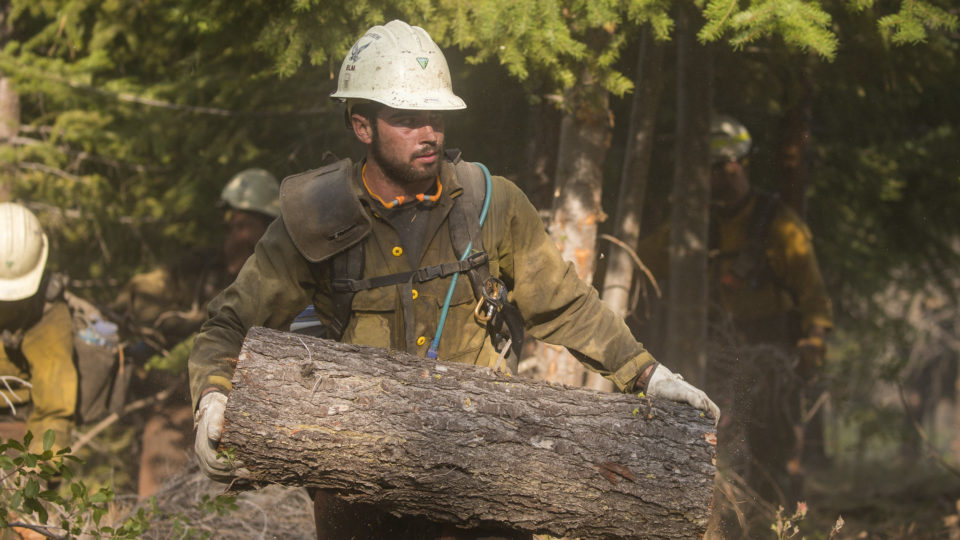
Wildfires And Carbon

September 17, 2019 By EarthWise Leave a Comment

This summer has been an unprecedented year for fires in the Arctic.  Major fires have burned throughout the Arctic in Russia, Canada, and Greenland.  In total these fires released 50 million tons of carbon dioxide in June alone, which is as much as Sweden emits in an entire year.

In an average year, wildfires around the world burn an area equivalent to the size of India and emit more carbon dioxide to the atmosphere than global road, rail, shipping and air transport combined.

Ordinarily, this is part of a natural cycle.  As vegetation in burned areas regrows, it draws CO2 back out of the atmosphere through photosynthesis.  This is part of the fire-recovery cycle, which can take less than a year in grasslands, but decades in forests.  But in Arctic or tropical peatlands, full recovery may not occur for centuries.

A recent study looked at and quantified the important role that charcoal plays in helping to compensate for carbon emissions from fires.  In wildfires, some of the vegetation is not consumed by burning, but instead is transformed to charcoal – referred to as pyrogenic carbon.   This carbon-rich material can be stored in soils and oceans over very long time periods.

Researchers have combined field studies, satellite data, and modelling to quantify the amount of carbon that is placed in storage in the form of charcoal.  Their results are that the production of pyrogenic carbon amounts to about 12% of the CO2 emissions from fires and can be considered a significant buffer for landscape fire emissions.

Charcoal does not represent a solution to the problem of increasingly intense wildfires, but it is important to take it into account in understanding what is happening.

**********

Web Links

How wildfires trap carbon for centuries to millennia

Photo, posted August 17, 2018, courtesy of the Bureau of Land Management Oregon and Washington via Flickr.

Earth Wise is a production of WAMC Northeast Public Radio.

One Million Extinctions

June 14, 2019 By EarthWise Leave a Comment

A group of 145 expert authors from 50 countries has produced a report based upon a review of 15,000 scientific and government sources that is the first comprehensive look at the state of the planet’s biodiversity in 15 years.  The conclusions are alarming.

Thanks to human pressures, one million species may be pushed to extinction in the next few years, something with serious consequences for human beings as well as the rest of life on earth.

Based upon scientific studies as well as indigenous and local knowledge, the evidence is overwhelming that human activities are the primary cause of nature’s decline.  The report ranked the major drivers of species decline as land conversion, including deforestation; overfishing; bush meat hunting and poaching; climate change; pollution; and invasive alien species.

The tremendous variety of living species on our plant which number at least 8.7 million and perhaps many more – biodiversity – constitutes a life-supporting safety net that provides our food, clean water, air, energy, and more.

In parts of the ocean, little life remains but green slime.  Some remote tropical forests are nearly silent because insects have vanished.  Many grasslands are becoming deserts.  Human activity has severely altered more than 75% of Earth’s land areas and has impacted 66% of the oceans.  The world’s oceans increasingly are characterized by plastics, dead zones, overfishing, and acidification.

The main message of the 1,500-page report is that transformative change is urgently needed.  In order to safeguard a healthy planet, society needs to shift from a sole focus on chasing economic growth.  This won’t be easy, but we must come to the understanding that nature is the foundation for development before it is too late.

**********

Web Links

One million species at risk of extinction, UN report warns

Photo, posted January 1, 2014, courtesy of Eric Kilby via Flickr.

Earth Wise is a production of WAMC Northeast Public Radio.
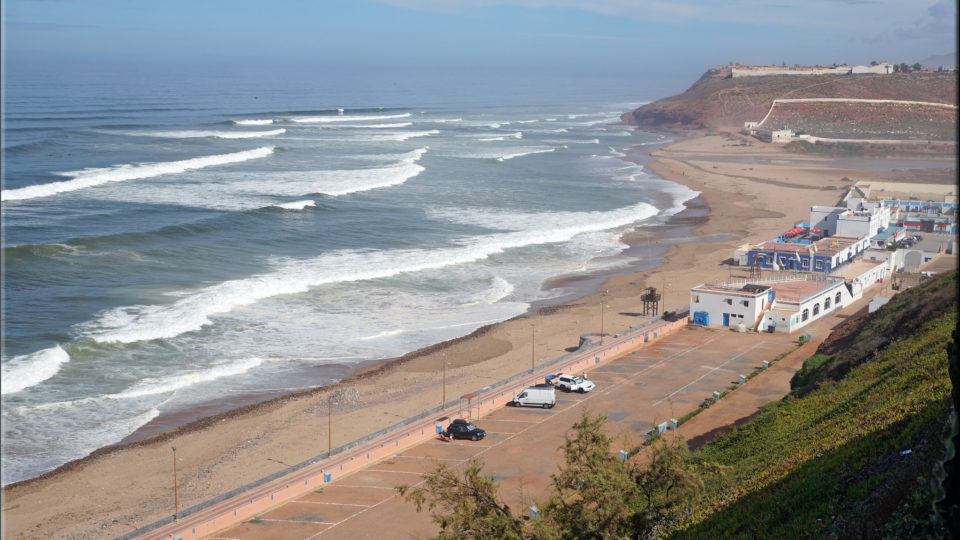
How Much CO2 Can The Oceans Hold?

May 2, 2019 By EarthWise Leave a Comment

The carbon dioxide that enters the atmosphere doesn’t necessarily stay there.  As part of the natural carbon cycle, much of it goes into plants, soil and, very significantly, the ocean.  In fact, the world’s oceans are a sink for human-generated carbon dioxide without which the extent of global climate change would be far worse.

Oceans takes up CO2 in two steps: first the CO2 dissolves in the surface water.  Then, the ocean’s overturning circulation distributes it.  Currents and mixing processes transport the dissolved CO2 from the surface deep into the ocean’s interior, where it accumulates over time.

A long-standing priority for climate researchers is to determine how much of the CO2 we produce is being absorbed by the oceans and, ultimately, how much can they hold?

An international team of scientists has recently provided some answers.  As reported in Science, the researchers have determined that the oceans have taken up from the atmosphere as much as 37 billion tons of human-made carbon between 1994 and 2007.  This figure corresponds to nearly a third of all the anthropogenic CO2 emitted during that time.

Furthermore, they found that the percentage of CO2 taken up by the oceans has remained relatively stable compared to the preceding 200 years even as the absolute quantity has increased.  So, evidently, the oceans’ capacity for carbon dioxide has not yet been saturated.

That’s the good news.  The bad news is that putting all that CO2 into the oceans has a steep price:  the dissolved CO2 acidifies the water.  The consequences for a wide range of marine life including coral reefs are serious and getting worse.  We need to drastically reduce carbon emissions.

**********

Web Links

Ocean sink for human-made carbon dioxide measured

Photo, posted November 5, 2018, courtesy of Flickr.

Earth Wise is a production of WAMC Northeast Public Radio.
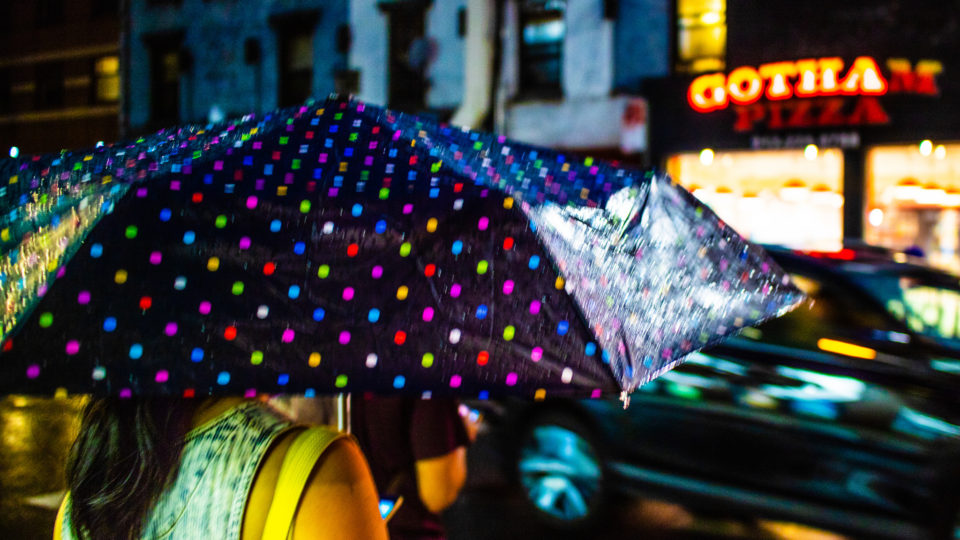
2018 Was A Wet Year

March 20, 2019 By EarthWise Leave a Comment

Recent news reports noted that 2018 was the fourth hottest year on record.  But the changing climate is not just about temperature.  2018 was also the third-wettest year since 1895, when steady record-keeping began.

Overall, the U.S. recorded 4.68 inches more precipitation in 2018 than the 20th century average.  But all that rain and snow was nothing like evenly distributed.  The eastern half of the country – especially in places like North Carolina and Virginia – saw record amounts of precipitation, while most of the West remained stuck in drought.

The warming climate leads to precipitation extremes at both ends, meaning that wet places are likely to get wetter and dry places drier.  There has been a marked upward trend in short-duration extreme events.   For example, Cyclone Mekunu dumped almost 13 inches of rain on Salalah, Oman in 36 hours, more than double its annual average rainfall.

In the southeast and eastern U.S., the trend toward stronger storm events is mostly driven by strong warming of the oceans that fringe their shores.  Warm oceans evaporate more water into the air and warm air holds more water than cooler air.  Warmer, moisture-laden air acts like a blanket over the land, keeping heat trapped near the ground.  Many of the states that had their wettest-ever years also set records for high minimum temperatures – their coldest temperatures were less cold than in the past.

Air temperatures are projected to warm up even further in the coming years and, as a result, many scientists are anticipating that extreme precipitation events will only get more extreme.  The pattern of drought in the west and wetness in the east is likely to stay.

**********

Web Links

2018 was the U.S.’s third-wettest year on record—here’s why

Photo, posted August 18, 2018, courtesy of Jim Lukach via Flickr.

Earth Wise is a production of WAMC Northeast Public Radio.
The Threat From Nurdles

March 4, 2019 By EarthWise Leave a Comment

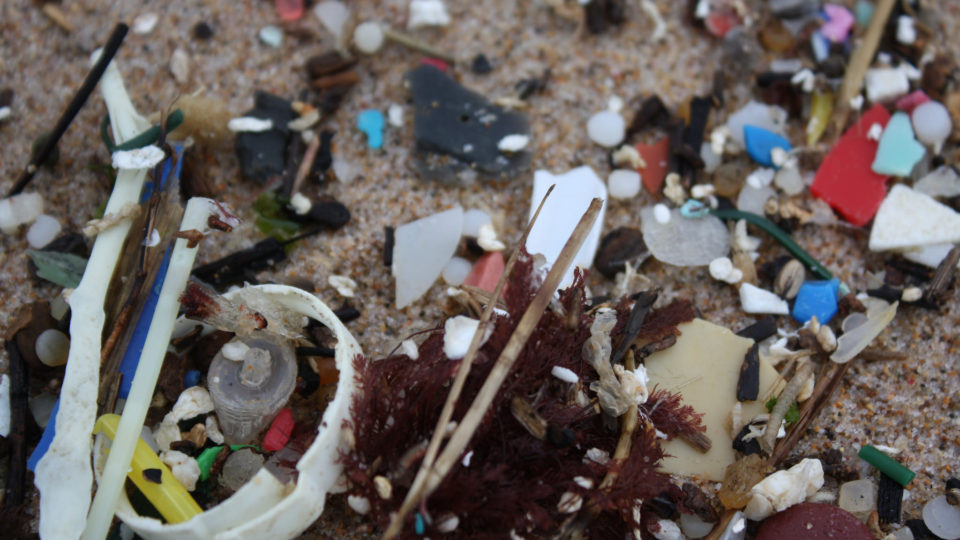
Just when we thought we knew all about the environmental threats caused by plastics, environmentalists have identified yet another problem.  It is called a nurdle.

Nurdles are tiny pellets of plastic resin no bigger than a pencil eraser that manufacturers transform into packaging, plastic straws, water bottles and all the other things that are wreaking havoc on the environment.

It turns out that nurdles themselves are a problem because billions of them are lost from production and supply chains during handling, shipping and production every year, spilling or washing into waterways.  There is limited information on the extent of this kind of plastic pollution and global researchers are still struggling to make an accurate assessment.  A study last year estimated that 3 million to 36 million pellets escape every year from just one small industrial area in Sweden.

Eunomia, a British environmental consultancy, contends that nurdles are the second-largest source of microplastic pollution and estimated that the U.K. could be unwittingly losing billions of pellets into the environment every year.

New research is revealing the ubiquity of plastic pellets, from the bellies of fish caught in the South Pacific, to the digestive tracks of short-tailed albatross in the north and on the beaches of the Mediterranean.

A shareholder advocacy group called As You Sow has filed resolutions with Chevron, DowDupont, Exxon Mobil, and Phillips 66 asking them to disclose how many nurdles escape their production process each year and how they plan to address the issue.  Several of the companies have responded with statements saying they are working to develop solutions that keep plastic out of our environment.

**********

Web Links

There’s a Tiny Plastic Enemy Threatening the Planet’s Oceans

Photo, posted January 15, 2014, courtesy of Hillary Daniels via Flickr.

Earth Wise is a production of WAMC Northeast Public Radio.
Disease On Coral Reefs

February 19, 2019 By EarthWise Leave a Comment

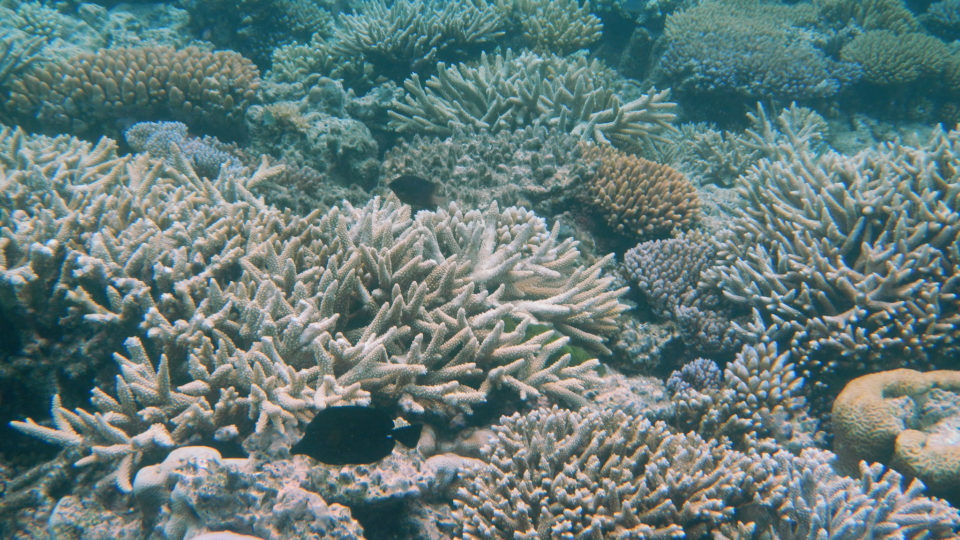
The warming oceans have led to bleaching events in coral reefs around the world, but bleaching is not the only problem corals face.  Disease outbreaks are also becoming more frequent, severe, and widespread.

Many factors are contributing to the problem, including pollution and nitrogen runoff from fertilizers and coastal sewer and septic systems.  However, the key culprit is likely the steadily increasing ocean temperatures, which are the cause of coral bleaching.  Elevated water temperatures can cause coral polyps to expel the algae that sustains them and gives them color. 

According to scientists, bleaching makes corals more susceptible to illness.  In the Caribbean, a coral disease hotspot, about 80% of coral cover has disappeared, largely from outbreaks of “white band disease”, so called because of a white band of dead tissue that forms in affected corals.  Two crucial reef-building species, elkhorn and staghorn coral, are now nearing extinction in the regions.  The reef extending along the Florida coastline is the third largest reef ecosystem in the world and nearly 35% of it has been lost to disease.

Estimates are that disease outbreaks have wiped out at least 6% of the corals on the Great Barrier Reef in Australia.  In that region, diseases are more prevalent in areas where corals were damaged by fishing and other human activity because wounded coral provides an entry point for pathogens and bacteria.

In the face of climate change and mounting disease outbreaks, scientists are scrambling for solutions to stave off catastrophe.  Assisting the migration of hardier coral species and breeding so-called “super corals” are among the strategies being pursued.  It is unknown whether these and other forms of intervention can be used on a wide enough scale to really make a difference.

**********

Web Links

As Disease Ravages Coral Reefs, Scientists Scramble for Solutions

Photo, posted November 29, 2012, courtesy of Robert Linsdell via Flickr.

Earth Wise is a production of WAMC Northeast Public Radio.
Sustainable Plastics

January 28, 2019 By EarthWise Leave a Comment

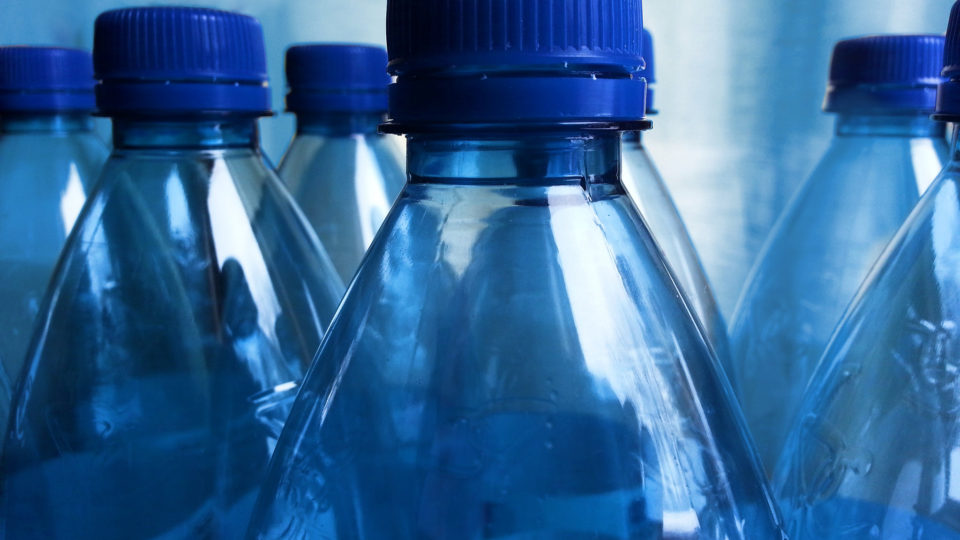
According to the United Nations, plastic accounts for up to 90% of all the pollutants in the ocean. Conventional plastics take hundreds of years to decay, so all the plastic that gets into the oceans piles up and endangers marine life and pollutes the environment. Unfortunately, there are few comparable, environmentally friendly alternatives.  

An often-proposed solution is bioplastics, which are not made from petroleum and degrade quickly.  The downside of bioplastics is that growing the plants or bacteria used to make the plastic requires fertile soil and fresh water, which are scarce commodities in many places.

One such place is Israel.  So, researchers there at Tel Aviv University have developed a process to make a bioplastic polymer that doesn’t require land or fresh water.  The new polymer is derived from microorganisms that feed on seaweed.  It is biodegradable, produces zero toxic waste and recycles into organic waste.

The polymer is called polyhydroxyalkanoate, or PHA for short.  The raw material is multicellular seaweed, cultivated in the ocean.  These algae are eaten by single-celled microorganisms, which also grow in salty seawater and produce a polymer that can be used to make bioplastic.  PHA is already produced in commercial quantities, but it is currently made from plants that require agricultural land and fresh water.  The new process would enable countries with limited fresh water, such as Israel, China and India, to switch from petroleum-based plastics to biodegradable plastics.

Plastics from fossil sources are one of the world’s biggest pollution problems.  The new study shows that it is possible to produce bioplastic completely based on marine resources in an environmentally-friendly process. 

**********

Web Links

Sustainable ‘plastics’ are on the horizon

Photo, posted March 14, 2015, courtesy of Flickr.

Earth Wise is a production of WAMC Northeast Public Radio.
Is There Hope For Coral Reefs?

January 16, 2019 By EarthWise Leave a Comment

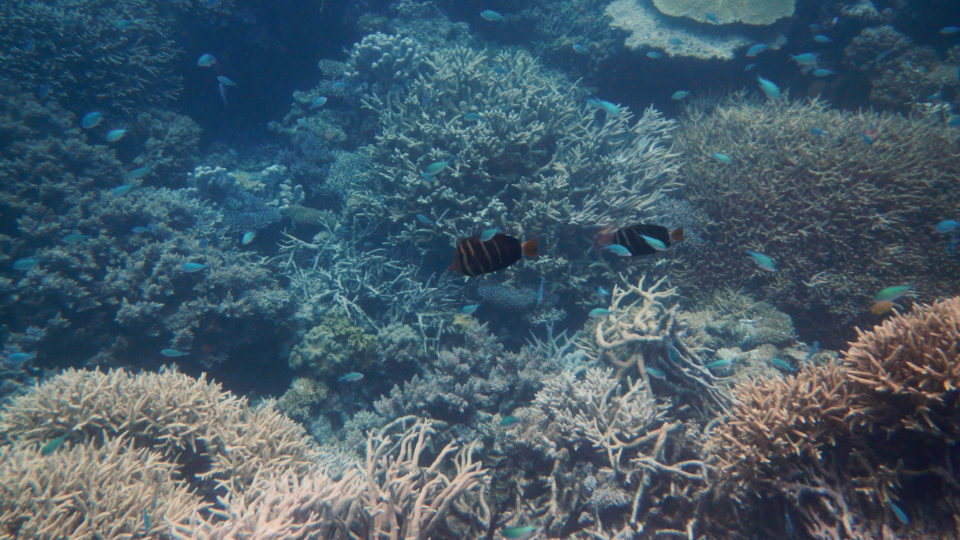
News about the world’s coral reefs has been relentlessly bad for a number of years.  Warming, acidifying oceans have wreaked havoc with coral reefs leading to enormous losses.  Nowhere have things been more dire than in Australia’s Great Barrier Reef.  Coral bleaching events have been increasingly common and severe over the past two decades.  In fact, only 7% of the Great Barrier Reef has escaped bleaching entirely since 1998.

While the future of the world’s coral reefs is very much uncertain as global heating continues, there is a recent bit of hopeful news.   According to a study published in Nature Climate Change, the response of the Great Barrier Reef to the extreme temperatures in 2017 was quite different from that of the previous year in the aftermath of back-to-back bouts of coral bleaching.

Surprisingly, corals that bleached in 2016 but managed to survive were more resistant to the recurrence of hot conditions in 2017.

Many corals don’t survive bleaching events at all and, of course,those corals don’t bleach for a second time. But the surviving corals from the 2016 bleaching event were tougher species.   As a result of bleaching, the mix of coral species on the reef is changing very rapidly.  The net result was that there was less bleaching in 2017 even though the temperatures that year were even more extreme than in 2016.

There have now been four mass bleaching events on the Great Barrier Reef over the past 20 years and it is only a matter of time before another one occurs triggered by the next marine heatwave. Almost half of the corals on the northern two-thirds of the reef have been killed.  But at least some of the reef is showing impressive survival skills.

**********

Web Links

A glimmer of hope for the world’s coral reefs

Photo, posted November 29, 2012, courtesy of Robert Linsdell via Flickr. 

Earth Wise is a production of WAMC Northeast Public Radio.

Australian Plastic Bag Ban

December 31, 2018 By EarthWise Leave a Comment

Last summer, the two largest supermarket chains in Australia – Coles and Woolworth’s – decided to stop offering single-use disposable plastic bags to customers.  The initial public reaction was decidedly negative.   However, within just three months after the radical change, the country’s National Retail Association reported an 80% drop in the consumption of plastic bags nationwide.

In that three-month period, it is estimated that 1.5 billion bags have been prevented from use.   Some retailers are reporting reduction rates as high as 90% in the use of the bags.  The move by the big supermarkets has paved the way for smaller businesses to follow suit. The smaller businesses typically can’t afford to risk the wrath of their customers with a major change like this. Customers have to learn to bring their own bags or buy reusable bags at the store.

In much of Australia, the phase-out of plastic bags has been legislated, but the state of New South Wales, home to Sydney, the country’s largest city, has not enacted such legislation. So, supermarkets themselves are doing the work of getting rid of the bags.

The change has not been without hiccups.  For the first couple of months after the plastic bag ban was put in place, Woolworth’s saw poor sales in its stores.  However, customers eventually got used to the new way of doing things and sales levels returned.

Disposable plastic bags often find their way into the oceans where they break down into microparticles. Studies have shown that these plastic bits are ingested by a wide variety of marine life.  For example, a UK study found that 100% of sea turtles in the Pacific and Atlantic oceans as well as the Mediterranean Sea had plastic in their digestive systems.

**********

Web Links

Australia-wide ban leads to ’80 per cent drop’ in plastic bag consumption

Photo, posted September 18, 2018, courtesy of Matthew Paul Argall via Flickr.  

Earth Wise is a production of WAMC Northeast Public Radio.

A Prize For Water From The Air

December 7, 2018 By EarthWise Leave a Comment

https://earthwiseradio.org/wp-content/uploads/2018/12/EW-12-07-18-A-Prize-for-Water-from-Air.mp3

The XPrize competitions provide monetary incentives to crowdsource solutions to the world’s grand challenges.  Originally started in 1994 to spur the development of private spaceflight, the XPrize program now offers prizes for diverse fields including Oceans, Learning, Health, Energy, Environment, Transportation, Safety and Robotics.

[Read more…] about A Prize For Water From The Air

  • « Go to Previous Page
  • Page 1
  • Page 2
  • Page 3
  • Page 4
  • Page 5
  • Go to Next Page »

Primary Sidebar

Recent Episodes

  • An uninsurable future
  • Clean energy and jobs
  • Insect declines in remote regions
  • Fossil fuel producing nations ignoring climate goals
  • Trouble for clownfishes

WAMC Northeast Public Radio

WAMC/Northeast Public Radio is a regional public radio network serving parts of seven northeastern states (more...)

Copyright © 2026 ·