• Skip to primary navigation
  • Skip to main content
  • Skip to primary sidebar

Earth Wise

A look at our changing environment.

  • Home
  • About Earth Wise
  • Where to Listen
  • All Articles
  • Show Search
Hide Search
You are here: Home / Archives for oceans

oceans

Ending plastic separation anxiety

December 27, 2023 By EarthWise Leave a Comment

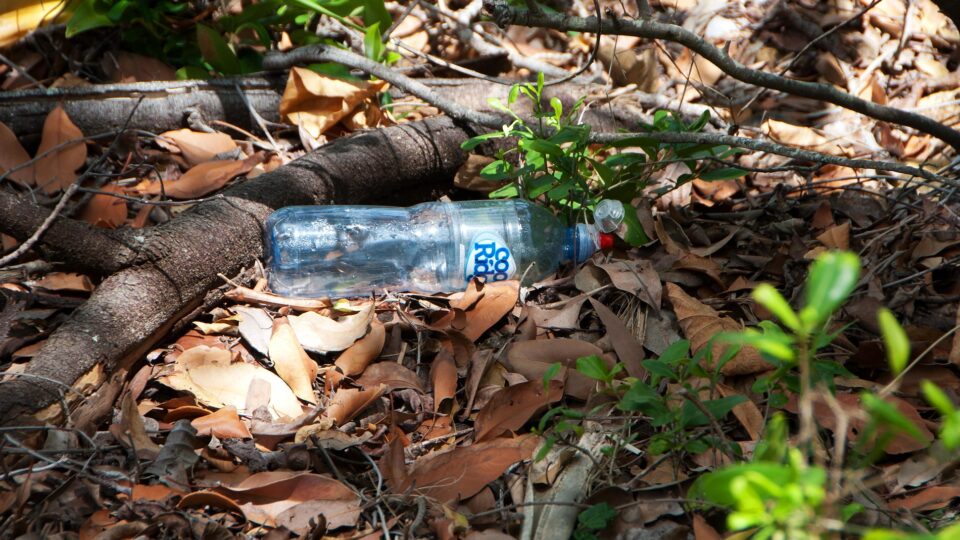
Petroleum-based plastics are one of the biggest environmental problems we face.  They mostly end up in landfills – or worse, in the oceans and elsewhere in the environment – and they basically don’t decompose over time.  Bio-based plastics were invented to help solve the plastic waste crisis.  These materials do break down in the environment providing a potential solution to the problem.  But it turns out that they can actually make plastic waste management even more challenging.

The problem is that bioplastics look and feel so similar to conventional plastics that they get mixed in with the petroleum-based plastics rather than ending up in composters, where they can break down as designed.

Mixtures of conventional and bioplastics end up in recycling streams where they get shredded and melted down, resulting in materials that are of very poor quality for making functional products.  The only solution is to try to separate the different plastics at recycling facilities, which is difficult and expensive to do.

Scientists at Lawrence Berkeley National Laboratory, the Joint BioEnergy Institute, and the incubator company X have invented a simple “one pot” process to break down mixtures of different types of plastic using naturally derived salt solutions and specialized microbes and then produce a new type of biodegradable polymer that can be made into fresh commodity products.

The team is experimenting with various catalysts to find the optimum way to break down polymers at the lowest cost and are modeling how their processes can work at the large scales of real-world recycling facilities. Chemical recycling of plastics is a hot topic but has been difficult to make happen economically at the commercial scale.

**********

Web Links

Putting an End to Plastic Separation Anxiety

Photo, posted November 28, 2016, courtesy of Leonard J Matthews via Flickr.

Earth Wise is a production of WAMC Northeast Public Radio
Актуальная ссылка на Мега сайт обеспечивает удобный и быстрый доступ к площадке.

Deeper corals bleaching

December 7, 2023 By EarthWise Leave a Comment

Even deep corals are at risk from warming seas

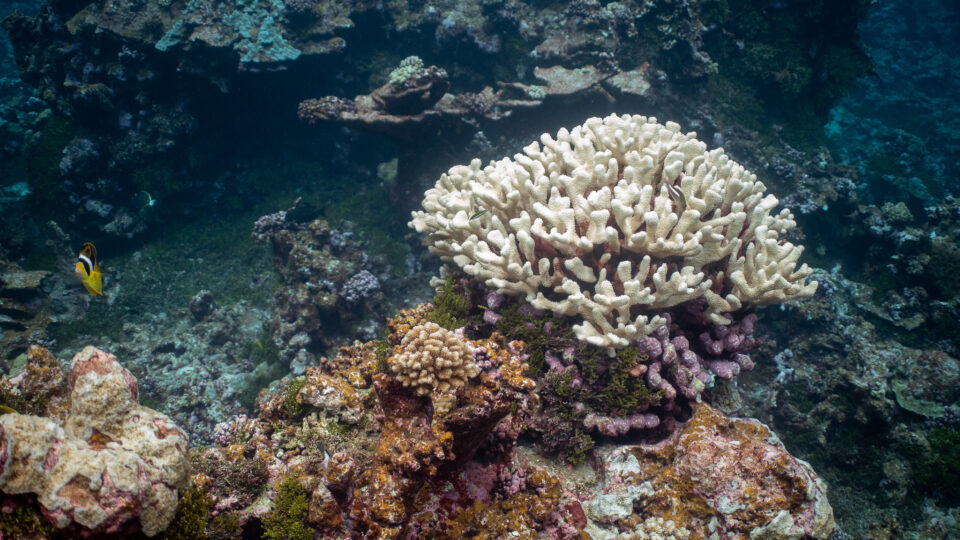
When ocean waters get too warm, corals – which are actually tiny animals – eject the colorful algae that inhabit their tissues.  The symbiotic relationship between coral polyps and algae is essential to coral survival   When the algae is ejected, previously colorful coral turns white, and the coral can ultimately die.  If waters cool off, the algae can reestablish themselves and the coral can regain its color and health.

The world’s oceans have been warming at an unprecedented rate, making coral bleaching and die-off a global phenomenon.  It is estimated that half of the planet’s reefs have already disappeared.  Some places are worse off than others.  For example, almost 95% of coral reefs in Southeast Asia are threatened.  Florida’s reefs are especially threatened, particularly since there have been unprecedented marine heatwaves off its coast.

It has long been assumed that deeper reefs, where water is cooler, would remain safe from the effects of warming, but a few years ago researchers recorded coral bleaching some 300 feet underwater along the Egmont Atoll in the western Indian Ocean.  At one point, bleaching affected 80% of corals in some areas.  This discovery came as a huge surprise to oceanographers.  It was probably associated with an El Niño-like phenomenon in the waters and those reefs have mostly recovered in the intervening years.

Fairly recently, researchers have found pristine coral reefs deep down in the waters off the Galapagos Islands, where shallow reefs have largely disappeared.  There are likely to be similar reefs in the ocean depths around the world, but scientists are expressing concern that even coral reefs lying deep beneath the ocean surface may not ultimately be protected from the warming seas.

**********

Web Links

As Oceans Warm, Coral Bleaching Seen at Greater Depths

Photo, posted June 5, 2023, courtesy of Ryan Hagerty / USFWS via Flickr.

Earth Wise is a production of WAMC Northeast Public Radio
Plastics In The Air | Earth Wise

October 25, 2023 By EarthWise Leave a Comment

Plastic pollution is a growing problem

Plastic pollution is a big deal.  There are plastics clogging up landfills and waterways and accumulating in the oceans, choking turtles and seabirds.  Annual production of plastics has grown from 2 million tons a year in 1950 to more than 450 million tons today.

As if plastic problems weren’t already big enough, it is becoming increasingly clear that there are growing amounts of microplastic particles in the air. Bits of plastic are lofted into the sky from seafoam bubbles and from spinning tires on highways.  The particles are so light that they can travel for thousands of miles, far from where they originate.

Studies in recent years documented the presence of plastic particles even in places like the Pyrenees in Europe and in federally protected areas of the US.  Other studies have measured the quantity of plastic in the air of various locations and have looked at the origins of the particles.

In the western US, over 80% of microplastics came from roads where vehicles kick up particles from tires and brakes.   In remote areas of the Pacific, there is less than a single particle of plastic per cubic meter of air.  In cities like London and Beijing, on the other hand, there can be several thousand particles per cubic meter.

Microplastics can act as airborne aerosols, like dust, salt, soot, volcanic ash, and other particles.  Aerosols play an important role in the formation of clouds and in temperature regulation on the earth.  At low concentrations, such as exist in most places, microplastic aerosols don’t have much of an effect.  But there are more in the atmosphere all the time and, at this point, scientists don’t really know what effect they will have.

**********

Web Links

Microplastics Are Filling the Skies. Will They Affect the Climate?

Photo, posted August 28, 2014, courtesy of Alan Levine via Flickr.

Earth Wise is a production of WAMC Northeast Public Radio
Top Fish Predators And Climate Change | Earth Wise

September 12, 2023 By EarthWise Leave a Comment

Climate change is taking its toll on forests, farms, freshwater sources, and the economy, but ocean ecosystems remain the epicenter of global warming.  In fact, oceans have absorbed more than 90% of the excess heat from greenhouse gas emissions since the 1970s.

As a result, many marine fish species are responding to ocean warming by relocating towards the poles.  According to new research recently published in the journal Science Advances, climate change is causing widespread habitat loss for some of the ocean’s top fish predators, driving these species northward.

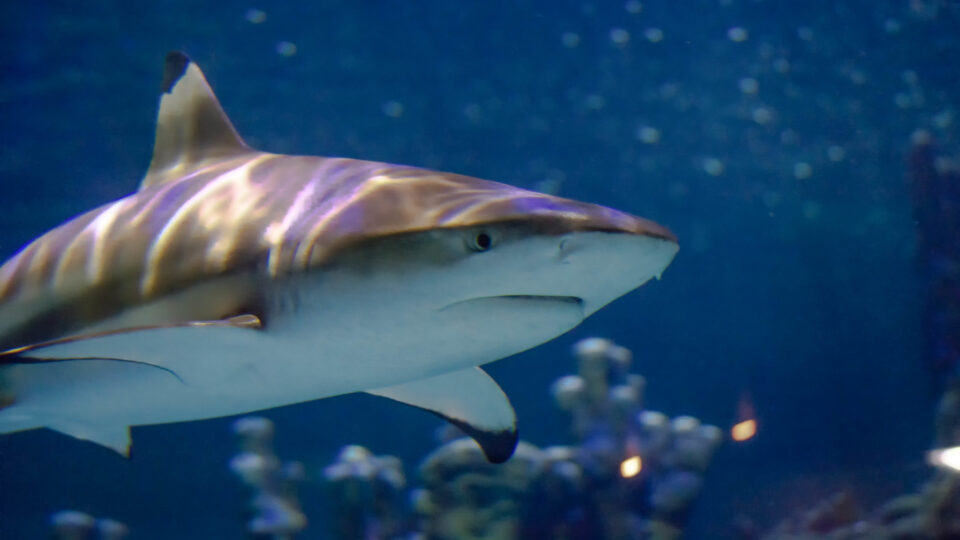
The research team studied 12 species of highly migratory fish predators, including sharks, tuna, and billfish, such as marlin and swordfish, inhabiting the Northwest Atlantic Ocean and the Gulf of Mexico.  These two regions are undergoing rapid changes in sea surface temperatures, and are among the fastest warming ocean regions on earth.

The research, which was led by researchers from Woods Hole Oceanographic Institution in Massachusetts, with collaboration from San Diego State University, NOAA, and several other U.S. institutions, found that most species will encounter widespread habitat losses by 2100.  Some species could lose upwards of 70% of suitable habitat by that year.  Areas offshore of the Southeast United States and Mid-Atlantic coasts were identified as likely hotspots of multi-species habitat loss. 

According to the researchers, strategies for managing fish have historically been static. But marine systems need to be treated as dynamic and changing.  This study helps provide the scientific data needed for marine conservation and fisheries management efforts.

**********

Web Links

Top fish predators could suffer wide loss of suitable habitat by 2100 due to climate change

Photo, posted March 18, 2015, courtesy of Kenneth Hagemeyer via Flickr.

Earth Wise is a production of WAMC Northeast Public Radio
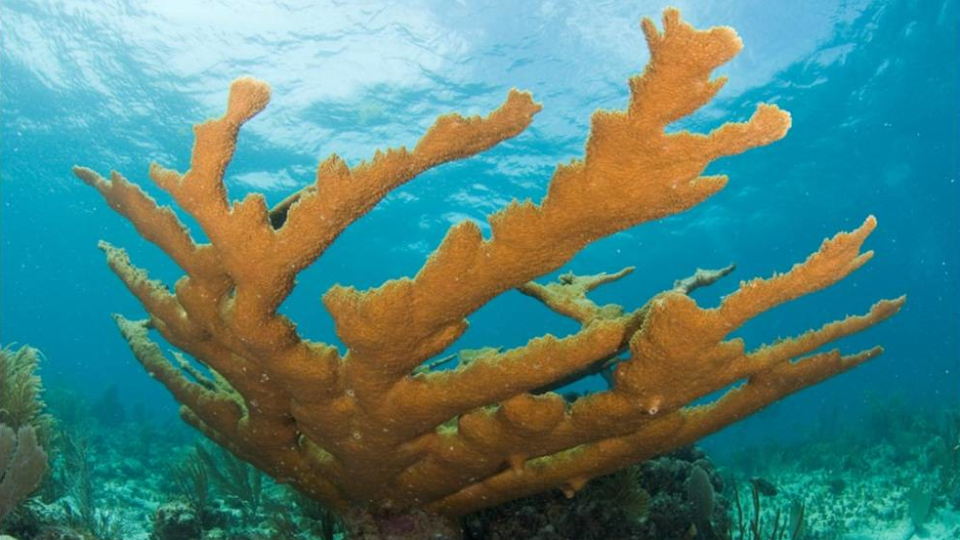
Saving Florida’s Corals | Earth Wise

September 6, 2023 By EarthWise Leave a Comment

Strategies to save Florida's corals

When corals are exposed to extended periods of excess heat, they are subject to bleaching, which occurs when they expel the algae that live within their structure.  Bleaching can lead to coral death.

This summer, temperatures in the Florida Keys crossed the bleaching threshold in mid-June and remained above it for extended periods of time.  This cumulative heat exposure leads to widespread bleaching and significant die-offs.  The last major mass bleaching event in the Florida Keys occurred in 2014 and 2015.

The Coral Restoration Foundation has been receiving reports ranging from partial bleaching to mass coral mortality throughout the keys.  Several coral restoration sites in the lower Keys have been totally lost already.

The National Oceanic and Atmospheric Administration and its state agency, university, and non-profit partners have initiated actions to try to save Florida’s corals.

They have halted all restoration-related planting and are evacuating some of their nursery-grown stock to climate-controlled labs.  They are considering interventions such as shading coral nurseries or even high-value reef sites.  They are also considering feeding nursery and wild corals until the waters cool off enough for algae to return.

Modeling indicates that there is a 70-100% chance that the extreme heat in the North Atlantic will persist through September-October.  NOAA and its partners will continue to do what they can to save Florida’s Coral Reef for the marine and human communities that depend on them.

**********

Web Links

NOAA and partners race to rescue remaining Florida corals from historic ocean heat wave

Photo, posted April 19, 2012, courtesy of U.S. Fish and Wildlife Service Southeast Region via Flickr.

Earth Wise is a production of WAMC Northeast Public Radio
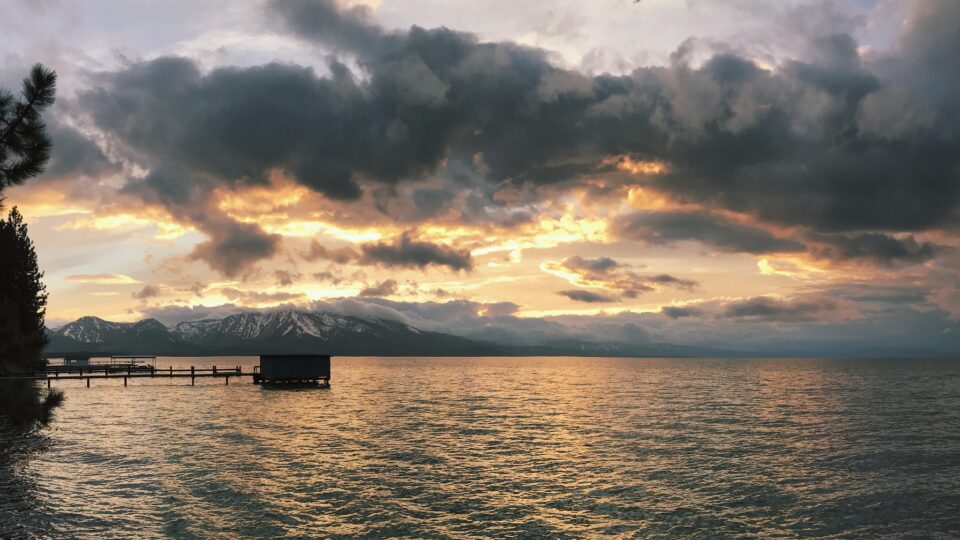
Plastic In Lakes | Earth Wise

August 28, 2023 By EarthWise Leave a Comment

We are always talking about the millions of tons of waste plastic that finds its way into the oceans and about the challenges of trying to remove it.  A new multinational study has found that the concentration of plastics and microplastics in some lakes is even worse than in the so-called garbage patches in the oceans and some of these lakes are even in remote places around the world

Scientists from institutes in multiple countries collected water samples from 38 lakes and reservoirs in 23 countries across six continents.  The samples were then all analyzed by the University of Milan to assess the presence of plastic particles more than a quarter millimeter in size.

The study found that two types of lakes are particularly vulnerable to plastic contamination:  lakes and reservoirs in densely populated and urbanized areas and large lakes with elevated deposition areas, long water-retention times, and high levels of human influence.

Lakes found to have the highest concentration of plastic included some of the main sources of drinking water for communities and were also important to local economies.  These included Lough Neagh in Northern Ireland, Lake Maggiore in Italy, and Lake Tahoe on the California/Nevada border.  Not all the lakes studied contained large amounts of plastic.  For example, Windermere, the largest lake in England, had very low concentrations of plastic in surface water.

This was the first global survey of the abundance and type of plastic pollution in lakes and reservoirs and the scale of freshwater plastic pollution is sobering indeed.  There is widespread concern that plastic debris is having harmful effects on aquatic species and ecosystem function and clearly is not limited to marine ecosystems.

**********

Web Links

Plastic pollution is higher in some lakes than oceans

Photo, posted May 27, 2019, courtesy of Jonathan Cook-Fisher via Flickr.

Earth Wise is a production of WAMC Northeast Public Radio

Upcycling Plastic Waste | Earth Wise

August 23, 2023 By EarthWise Leave a Comment

People have generated 8 billion tons of plastic waste over time and less than 10% of it has been recycled.  Millions of tons of it escapes into the oceans.  Plastic piles up virtually everywhere on earth.

There are many approaches to dealing with the plastic waste problem and no one of them is a magic bullet.  Engineers at Stanford University have investigated the prospects for upcycling plastic waste for use in infrastructure like buildings and roads.

They used a mix of computer modeling, scientific research, experimental and field data to analyze the potential for using plastic waste in infrastructure.

Among their findings is that recycled glass fiber reinforced polymer composite – which is a tensile plastic commonly used in car, boat, and plane parts – is a promising material for reuse in buildings. 

Roads in which waste plastic is melted down and mixed with conventional paving materials are becoming more common around the world.  India has installed over 60,000 miles of these roads.  Studies show that roads containing waste plastic have the potential to perform better than conventional roads.  They can last longer, are more durable, can tolerate wide temperature swings, and are more resistant to water damage, cracking, and potholes.  Such roads rely less upon virgin fossil resources, which is obviously advantageous.

Upcycling plastic waste in infrastructure is attracting increasing interest because it creates value from something that is strictly a liability and may end up having regulatory advantages as societies move toward more environmentally friendly and sustainable policies.

**********

Web Links

Can we use plastic waste to build roads, buildings, and more?

Photo, posted October 7, 2022, courtesy of the Grand Canyon National Park via Flickr.

Earth Wise is a production of WAMC Northeast Public Radio
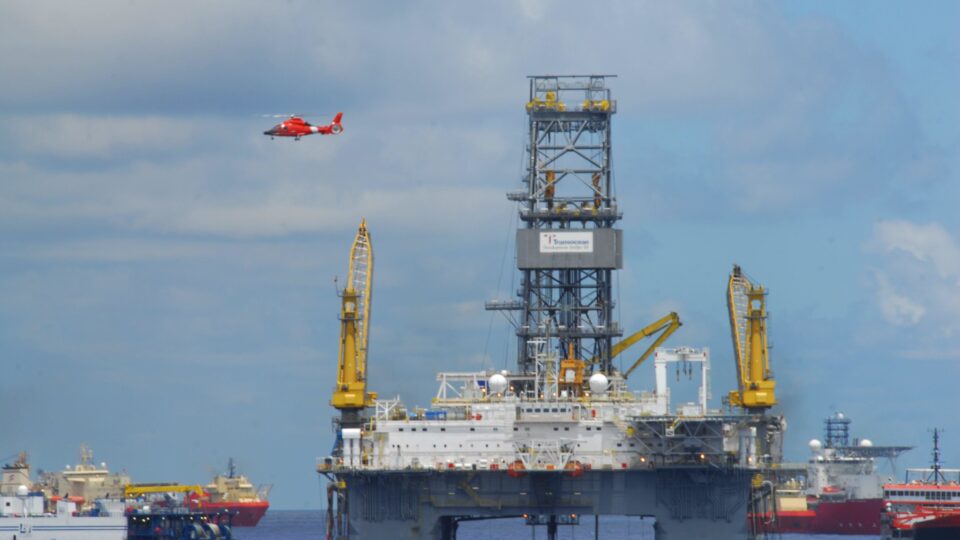
Abandoned Oil Wells In The Gulf Of Mexico | Earth Wise

June 7, 2023 By EarthWise Leave a Comment

Abandoned and unplugged oil wells pose a major risk to the environment

There have been offshore oil platforms in the Gulf of Mexico for 85 years.  After all those decades of drilling, there are now more than 14,000 old, unplugged wells out in the water, and they are at risk of springing dangerous leaks and spills.  There are now more unplugged, non-producing wells than active wells in the gulf.   According to a new study, plugging all those abandoned wells could cost more than $30 billion.

Most of these wells are in federal waters and nearly 90% of them were owned at some point by one of the so-called supermajor oil companies:  BP, Shell, Chevron, and Exxon.  Under federal law, those companies would still be responsible for cleanup costs, even if they might have sold the wells in the past.

Oil and gas companies are legally responsible for plugging wells that are no longer in service, but such companies often go bankrupt, leaving wells orphaned and unplugged and taxpayers end up footing the bill.  The 2021 trillion-dollar infrastructure bill sets aside $4.7 billion to plug orphaned wells, but that is nowhere near enough.  

It may be possible to go after the supermajors to get them to pay for plugging wells in federal waters, but it will undoubtedly be a battle.   In state waters, whose wells are generally in shallower locations, it is even more urgent to act because any pollution from the wells is more likely to reach shore and wreak environmental havoc.

As the world starts to transition away from fossil fuels, decades of mining and drilling in almost every corner of the world, including the oceans, has left behind the need for an immense plugging and cleanup effort.

**********

Web Links

Price to Plug Old Wells in Gulf of Mexico? $30 Billion, Study Says

Photo, posted July 8, 2010, courtesy of John Masson / Coast Guard via Flickr.

Earth Wise is a production of WAMC Northeast Public Radio
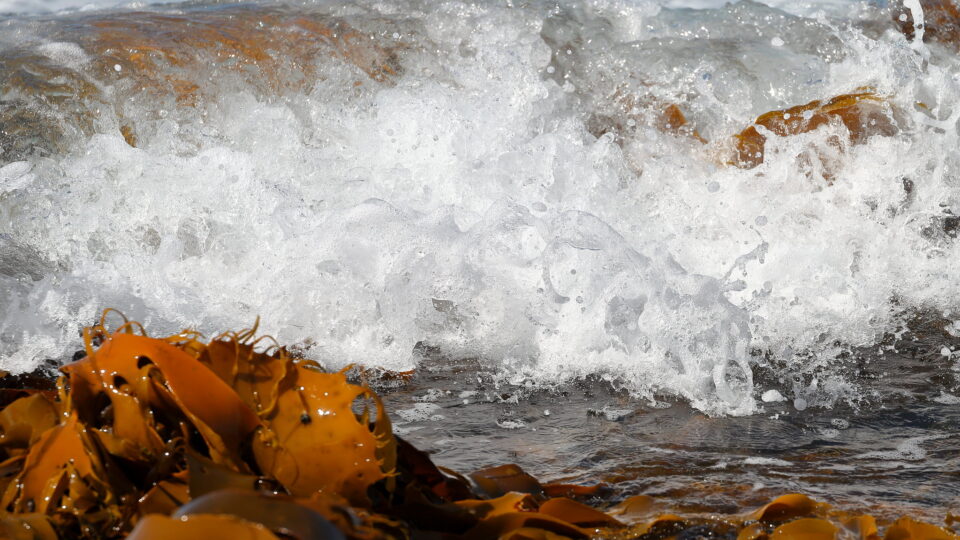
Help For Kelp | Earth Wise

April 10, 2023 By EarthWise Leave a Comment

Sea urchins and climate change is devastating ocean kelp

The warming of the oceans has been causing the decimation of kelp forests.  The thick canopies covering coastal ocean regions have been wilting in warmer and nutrient-poor water.  Making matters much worse has been the explosion in population of sea urchins that thrive in warmer water.  The urchins gobble up the kelp, often resulting in so-called urchin barrens, largely devoid of life.

Kelp are considered a foundation species that occupy nearly half of the world’s marine ecoregions.  They thrive in cold water, where they form large underwater forests that provide essential habitat, food, and refuge for many species.  Kelp are often harvested for use in products ranging from toothpaste and shampoo to puddings and cakes.  Including the other services kelp provide, they are associated with billions of dollars in value annually.

On the North American Pacific Coast, a species of sea star consumes sea urchins.  However, these creatures are critically endangered. A marine wildlife epidemic known as sea star wasting syndrome, which began 10 years ago, has killed off more than 90% of the sunflower sea star population.   A new study by researchers at Oregon State University looked at the ability of sea stars to control sea urchin populations.

Lab experiments showed that sea stars consume urchins at a rate sufficient to maintain and possibly even restore the health of kelp forests.  The study shows that there is a clear link between the population crash of sea stars, the explosion in sea urchin populations, and the decline in kelp.

The study’s authors are calling for active management and a coordinated sea star recovery program to try to deal with the effects of a disease whose cause has not been determined.

**********

Web Links

Sea stars able to consume kelp-eating urchins fast enough to protect kelp forests, research shows

Photo, posted December 14, 2015, courtesy of Ed Dunens via Flickr.

Earth Wise is a production of WAMC Northeast Public Radio
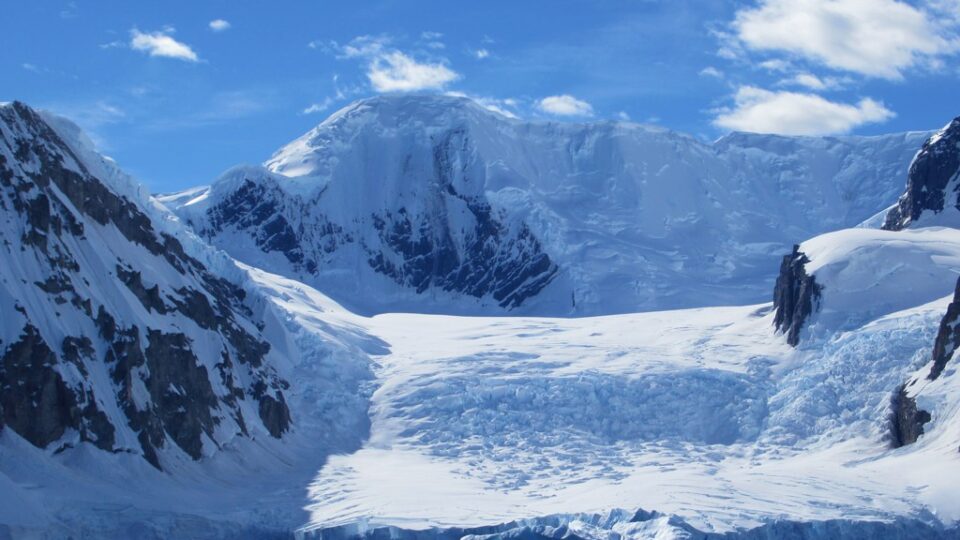
Dangers Of Melting Glaciers | Earth Wise

March 31, 2023 By EarthWise Leave a Comment

The dangers posed by melting glaciers

Some of most dramatic evidence that the Earth’s climate is warming is the retreat and even disappearance of mountain glaciers around the world.  2022 was the 35th year in a row that glaciers tracked by the World Glacier Monitoring Service lost rather than gained ice.  Glaciers gain mass through snowfall and lose mass through melting and sublimation (water evaporating directly from solid ice.)  Some glaciers that terminate in lakes or the ocean lose mass through iceberg calving.

In the warming climate, glaciers retreat and meltwater collects at the front of the glacier forming a lake.  Such lakes can suddenly burst and create a fast-flowing Glacier Lake Outburst Flood that can spread over a large distance from the original site – in some cases over 70 miles.  These floods can damage property, infrastructure, and agricultural land and can also be deadly.

The number of glacial lakes has grown rapidly since 1990 as a result of climate change.  According to research by an international team of scientists led by Newcastle University in the UK, the number of people living in glacial lake catchments has increased significantly.

According to the study, 15 million people live within 30 miles of a glacial lake.  The highest danger is in High Mountain Asia – which encompasses the Tibetan Plateau.  That area, which spans from Kyrgyzstan to parts of China, has 9.3 million people potentially at risk.  India and Pakistan have around 5 million exposed people.

Detailed analysis shows that it is not the areas with the largest number or most rapidly growing lakes that are most dangerous.  It is the number of people in proximity to the lakes and their ability to cope with potential floods.

**********

Web Links

Glacial flooding threatens millions globally

Photo, posted February 12, 2022, courtesy of David Stanley via Flickr.

Earth Wise is a production of WAMC Northeast Public Radio
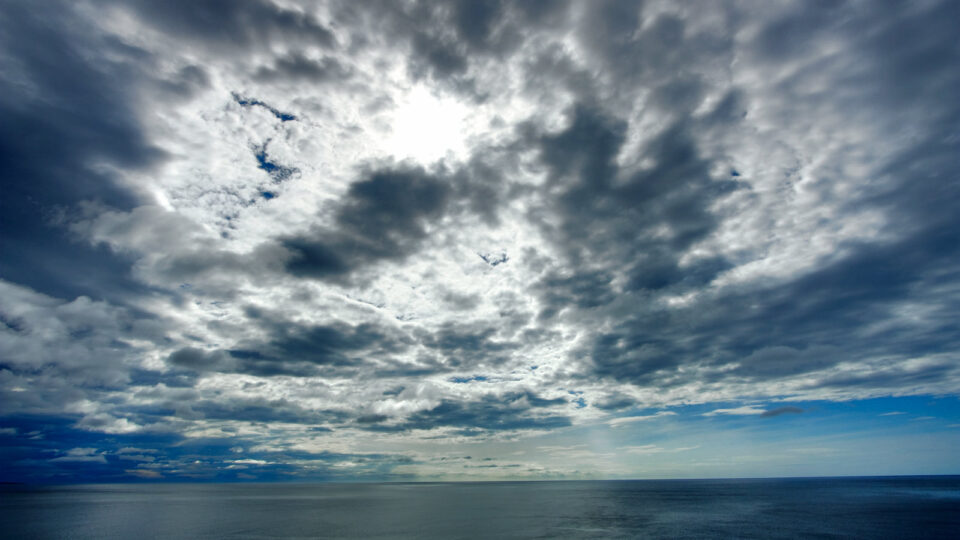
Harvesting Fresh Water From Ocean Air | Earth Wise

January 19, 2023 By EarthWise Leave a Comment

Researchers have developed a method to harvest drinking water from ocean air

Roughly three-quarters of the world population has access to a safely managed water source.  That means that one-in-four people do not have access to safe drinking water.  Even in the wealthy United States, persistent drought in the west is creating problems in places like Phoenix, Arizona.

Water is plentiful on Earth but more than 99% of it is unusable by humans and many other living things because it is saline, frozen, or inaccessible.  Only about 0.3% of our fresh water is found in the surface water of lakes, rivers, and swamps.

There is an almost limitless supply of fresh water in the form of water vapor above the oceans, but this source is untapped.  Researchers at the University of Illinois have been evaluating the feasibility of a hypothetical structure capable of capturing water vapor from above the ocean and condensing it into fresh water.

Existing ways to obtain fresh water like wastewater recycling, cloud seeding, and desalination have met only limited success and present various problems with regard to cost, environmental impact, and scalability.

The researchers have proposed hypothetical large offshore structures measuring 700 feet by 300 feet to capture water vapor that is continually evaporating from the ocean in subtropical regions.   Their modeling concluded that such structures could provide fresh water for large population centers in the subtropics.  Furthermore, climate projections show that the amount of water vapor over the oceans will only increase over time, providing even more fresh water supply.

This is only a theoretical study at this point, but the researchers believe it opens the door for novel infrastructure investments that could address global water scarcity.

**********

Web Links

Researchers propose new structures to harvest untapped source of fresh water

Photo, posted June 28, 2009, courtesy of Nicolas Raymond via Flickr.

Earth Wise is a production of WAMC Northeast Public Radio
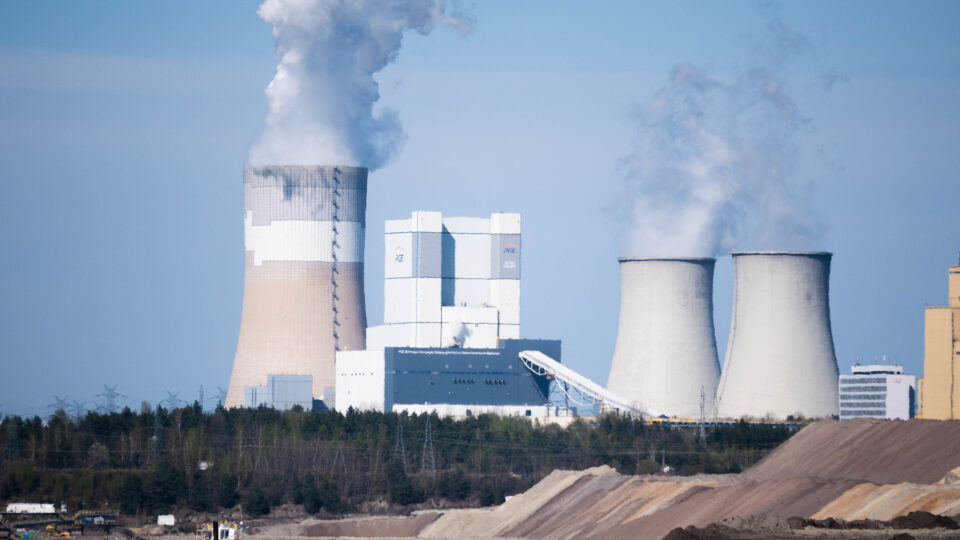
Europe Is Warming Faster Than The Rest Of The Planet | Earth Wise

January 3, 2023 By EarthWise Leave a Comment

Europe is warming faster than the rest of the globe

A new study by researchers at Stockholm University has found that the warming during the summer months in Europe has been much faster than the global average.  The findings, published in the Journal of Geophysical Research Atmospheres, are that the climate across the European continent has become drier, particularly in southern Europe, leading to worse heat waves and an increased risk of fires.

Warming over land areas occurs much faster than over oceans.  The global average warming to date is 1.6 degrees Celsius over land and 0.9 degrees over oceans.   This means that the global emissions budget to keep warming below 1.5 degrees has already been used up over land.  The new study in fact shows that the emissions budget to avoid 2 degrees of warming has already been exceeded over large parts of Europe during the summer half-year (April to September).

This accelerated warming in Europe has led to more frequent heat waves.  These, in turn, increase the risk of fires, such as the devastating fires in southern Europe this past summer.

Southern Europe has been experiencing a positive feedback situation in which the ongoing warming has been amplified because of drier soil and decreased evaporation.  Added to that, there has been less cloud coverage over large parts of Europe, probably as a result of less water vapor in the air.

The study also looked at the impact of aerosol particles on temperatures in Europe.  As the amount of relatively short-lived aerosol particles has decreased with the reduction of coal-fired power plants, the temporary cooling effects of those particles partially masking the underlying warming trend have diminished.  In contrast, carbon dioxide emissions stay in the atmosphere for centuries.

**********

Web Links

Large parts of Europe are warming twice as fast as the planet on average

Photo, posted April 18, 2020, courtesy of Roman Ranniew via Flickr.

Earth Wise is a production of WAMC Northeast Public Radio

Moving Endangered Species | Earth Wise

December 5, 2022 By EarthWise Leave a Comment

The risks and rewards of relocating endangered species

People have intentionally or accidentally introduced numerous invasive species to habitats around the world.  At the same time, the planet’s wildlife is in a steep decline.  A recent study estimated that the populations of over 5,000 vertebrate species have declined by an average of nearly 70% since 1970.  A United Nations report warns that human activity has threatened as many as a million species with extinction.

With all of this as a background, there is climate change that is altering the habitats of the world’s species – warming lakes and oceans, turning forests into grasslands, tundra into woodland, and melting glaciers.  In response to these changes, living things are rearranging themselves, migrating to more hospitable locations.  But many species are just not capable of finding more suitable habitats on their own.

Conservationists are now increasingly considering the use of assisted migration. In some cases, when a species’ critical habitat has been irreversibly altered or destroyed, agencies are establishing experimental populations outside of the species’ historical range.  Such actions are often deemed extreme but may be increasingly necessary.

However, clear-cut cases are relatively rare.  More likely, it is a more difficult judgement call as to whether assisted migration is a good idea or is possibly a threat to the ecosystem of the species’ new location.  The relative dearth of assisted migration experiments is less likely a result of legal barriers than it is a lack of scientific and societal consensus on the practice. Scientists are now trying to develop risk-analysis frameworks that various agencies can use in considering potential assisted migration experiments. 

**********

Web Links

Last Resort: Moving Endangered Species in Order to Save Them

Photo, posted March 18, 2010, courtesy of Jean via Flickr.

Earth Wise is a production of WAMC Northeast Public Radio
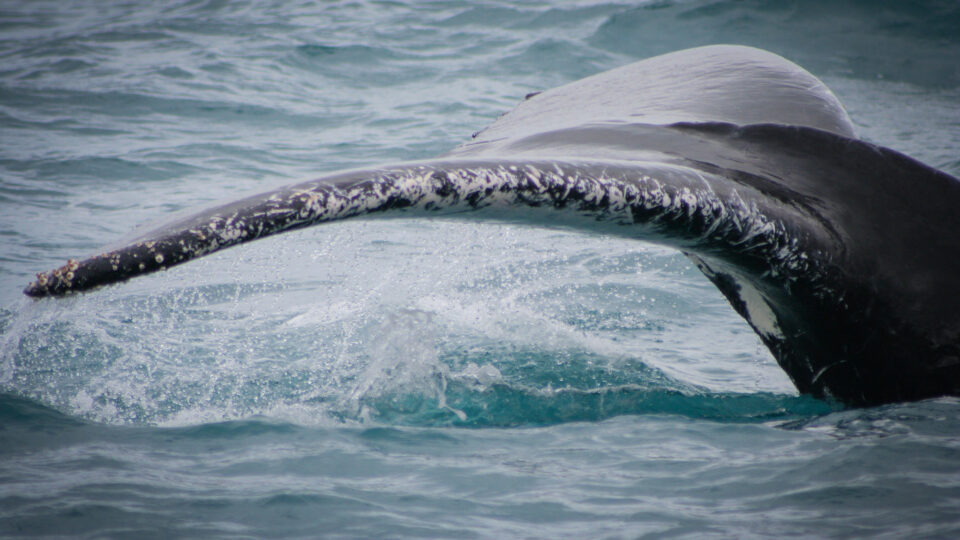
Whales Eating Plastic | Earth Wise

December 1, 2022 By EarthWise Leave a Comment

Whales are eating lots of plastic

Plastic waste has been accumulating in the world’s oceans in greater and greater quantities and much of it is in the form of microplastic particles.  Many kinds of whales – the largest creatures on Earth – feed by gulping up mouthfuls of krill and other tiny creatures and then straining the seawater through bristly filter structures called baleens.  As they do this, they are likely to be swallowing large amounts of plastic.

Scientists at Stanford University recently estimated just how much plastic whales are ingesting by tracking the foraging behavior of 65 humpback whales, 29 fin whales, and 126 blue whales in the Pacific Ocean.  Each of the whales was tagged with a camera, microphone, and GPS device suction-cupped to their back.

After accounting for the concentration of microplastics in parts of the Pacific Ocean, the researchers were able to estimate the amount of plastic the whales were consuming.  Humpback whales likely consume 4 million microplastic pieces each day, adding up to about 38 pounds of plastic waste.  Fin whales swallow an estimated 6 million pieces each – amounting to 57 pounds of plastic.  Blue whales, which are the largest creatures on Earth, eat an estimated 10 million microplastic pieces, or as much as 95 pounds of plastic waste each day.

Despite their enormous size, whales actually eat rather low on the food chain, which puts them close to where the plastic is in the water.   Krill eats plastic and whales eat the krill.   Many marine animals are at risk of eating microplastics, but whales are unique in that they can consume so much of it.  It is just one more way in which the ocean plastic situation is a global crisis.

**********

Web Links

Blue Whales Swallowing 95 Pounds of Plastic Daily, Scientists Estimate

Photo, posted October 21, 2005, courtesy of Tobias Begemann via Flickr.

Earth Wise is a production of WAMC Northeast Public Radio
Turning Plastic Into Protein | Earth Wise

November 18, 2022 By EarthWise Leave a Comment

Turning plastic waste into food

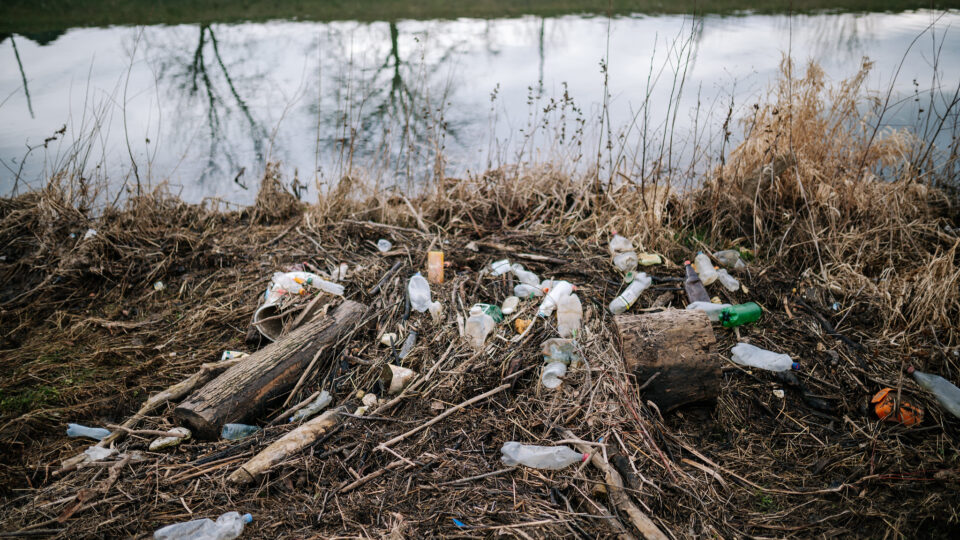
Our planet is choking on plastic.  According to the United Nations, 79% of the 6.3 billion tons of plastic produced every year accumulates in landfills.  Half of all plastic produced is actually designed to be used just once and thrown away.  But plastic is not only accumulating on land.  In fact, the world’s oceans are projected to contain more plastic by weight than fish by the year 2050.     

According to new research, solving the plastic waste issue could help address another prominent global issue: hunger.  A multidisciplinary team of engineers, chemists, and biologists led by researchers from Michigan Tech University has developed a process to break plastics down to be recycled into useful products, including edible protein powder.

The research team’s process converts plastic into compounds using heat and a reactor that deconstructs the material’s polymer chains. The oil-like substance is then fed to a community of oil-eating bacteria.  The bacteria grow rapidly on the oily diet, producing more bacterial cells composed of roughly 55% protein.  This majority-protein byproduct is then dried out and turned into an edible powder.   The end result doesn’t look like plastic at all.  In fact, it resembles a yeast byproduct that comes from brewing beer. 

This research is funded by an award from the US Department of Defense.  The DoD often deploys soldiers in areas where access to food is challenging.  Converting plastic to protein could be part of a solution to that problem. 

While eating something that began as plastic might take some getting used to, it could be part of the solution to both plastic pollution and global hunger.

**********

Web Links

Turning Trash Into Treasure: The Plastic to Protein Powder Solution

Beat Plastic Pollution

Photo, posted February 2, 2022, courtesy of Ivan Radic via Flickr.

Earth Wise is a production of WAMC Northeast Public Radio
Climate Change And Crabs | Earth Wise

November 8, 2022 By EarthWise Leave a Comment

Climate change wreaking havoc on Arctic crab populations

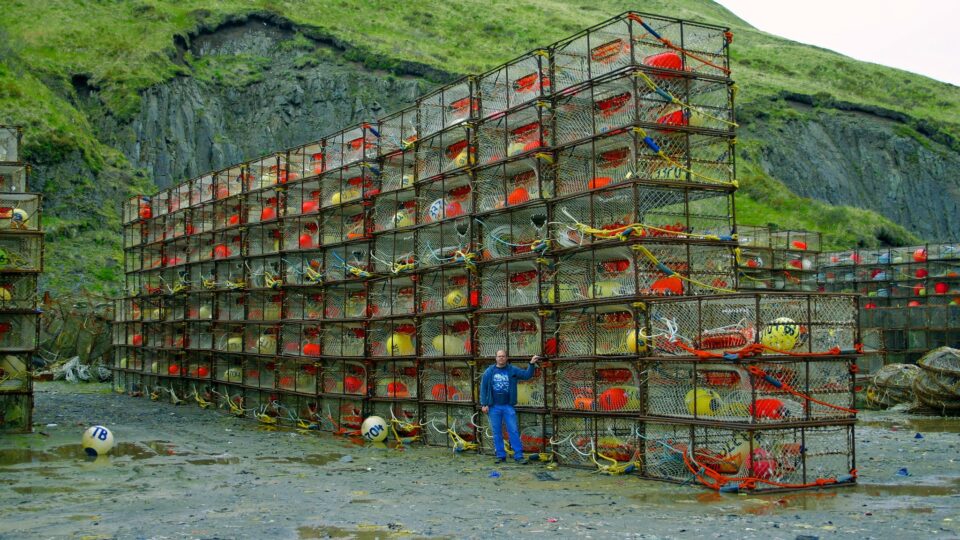
Globally, there are more than 6,000 species of crabs.  In Alaska’s waters alone, there are 18 species, including 10 that are commercially fished.  The perils of crab fishing in this region, including freezing temperatures, turbulent seas, and raising full pots that can weigh well over a ton, have been highlighted for many years in the reality TV series Deadliest Catch.        

One of those commercially-fished species is the Alaska snow crab.  Alaska snow crabs are a cold-water species found off the coast of Alaska in the Bering, Beaufort, and Chukchi Seas. 

In October, officials in Alaska announced that the upcoming winter snow crab season would be canceled for the first time ever due to a sharp population decline. While the number of juvenile snow crabs was at record highs just a few years ago, approximately 90% of snow crabs mysteriously disappeared ahead of last season.  Officials also canceled the Bristol Bay red king crab harvest for similar reasons for the second year in a row.

The closures dealt a severe blow to crab fishers in the region.  According to the Alaska Seafood Marketing Institute, Alaska’s crab fishing industry is worth more than $200 million. 

The canceled seasons also raise questions about the role of climate change in the snow crab population crash. While the causes of the decline are still being researched, scientists suspect that warmer temperatures are responsible.  Temperatures in the Arctic region have warmed four times faster than the rest of the planet. 

As the climate continues to change, the warming waters around Alaska may become increasingly inhospitable to snow crabs and other species.   

**********

Web Links

Alaska’s Bering snow crab, king crab seasons canceled

Alaska cancels snow crab season for first time after population collapses

Photo, posted November 16, 2010, courtesy of David Csepp / NOAA via Flickr.

Earth Wise is a production of WAMC Northeast Public Radio

Better Marine Protected Areas | Earth Wise

August 17, 2022 By EarthWise Leave a Comment

Marine protected areas are regions of seas, oceans, estuaries, and in the US, the Great Lakes, that are afforded special protections.  MPAs restrict human activity for conservation purposes, generally in order to protect natural or possibly cultural resources.   MPAs may limit such things as development, fishing practices, fishing seasons, catch limits, moorings, and removal or disruption of marine life.

A new study by the University of Plymouth in the UK looked at the effectiveness of MPAs in increasing the total abundance of reef species.  It looked at the MPAs in Lyme Bay, off the south coast of England, where two of them are co-located but governed by different constraints.

The study found that whole-site management of an MPA can increase the total abundance of reef species within its borders by up to 95%.  This is in contrast to the MPA where only known features are conserved and human activity is otherwise allowed to continue unchecked.  In that place, species abundance increased by only 15%.

The whole-site MPAs were observed to have other benefits as well.   They show higher levels of functional redundancy, meaning that when there are species losses, they are compensated by other species.  Whole-site MPAs also exhibit higher levels of species diversity.

MPAs are increasingly being recognized as a sustainable way to enhance the marine environment even while supporting coastal communities.  The Global Ocean Alliance, a 72-country alliance led by the UK, has set a target of protecting 30% of all marine areas by 2030.  The new study shows that even more important than simply establishing marine protected areas, it is essential that they are effectively implemented.

**********

Web Links

Whole-site management of Marine Protected Areas can lead to a 95% increase in reef species

Photo, posted October 28, 2011, courtesy of Benjamin Evans via Flickr.

Earth Wise is a production of WAMC Northeast Public Radio.

Sea Urchins And Climate Change | Earth Wise

August 1, 2022 By EarthWise Leave a Comment

Sea urchins thriving amidst a changing climate

There is a thriving population of black sea urchins in bubbling volcanic vents off the coast of Ishia, a small island in the Gulf of Naples.  The oceanic environment there is very acidic, high in carbon dioxide, and very warm.   The environment represents a proxy for what is gradually happening to oceans around the world.

Researchers from the University of Sydney have determined that the ability of sea urchins to prosper in such an environment means that these animals, which are already abundant in the Mediterranean Sea are likely to spread further afield as oceans continue to warm and become more acidic.  The Mediterranean Sea is warming 20% faster than the global average.

Sea urchins are already an environmental problem in many places around the world.  When their numbers increase disproportionately, they decimate kelp forests and algae, leading to the demise of other species that depend on these things for food or shelter.  The result is something called an urchin barren, which is a rocky, sandy, urchin-filled seafloor devoid of other life.

Urchin barrens are increasingly common in many places, including the east coast of Australia and the coastline in the Americas stretching from Nova Scotia to Chile.

In Australia, for example, sea urchin populations have multiplied, and their range has expanded considerably, overgrazing kelp and damaging abalone and lobster farms.

Tests run by the Sydney researchers found that it is difficult to stress sea urchins.  They appear to tolerate conditions that other creatures simply cannot.   The only real positive is that understanding the urchins’ remarkable survival abilities might offer insights into adaptations that other animals might need in order to survive as the oceans become warmer and more acidic.

**********

Web Links

Colonising sea urchins can withstand hot, acidic seas

Photo, posted January 31, 2010, courtesy of Anna Barnett via Flickr.

Earth Wise is a production of WAMC Northeast Public Radio.

Marine Predation And Climate Change | Earth Wise

July 11, 2022 By EarthWise Leave a Comment

Climate change is taking a toll on forests, farms, freshwater resources, and economies all around the world.  But ocean ecosystems remain the center of global warming.

Despite their vast ability to absorb heat and carbon dioxide, oceans are warming.  In fact, according to scientists, the oceans have absorbed 90% of all the warming that has occurred during the past 50 years. 

The ocean’s surface layer, which is home to most marine life, takes most of this heat.  As a result, the top 2,300 feet of global ocean water has warmed approximately 1.5°F since 1901.

Well it turns out that a hotter ocean is also a hungrier ocean.  According to a new study recently published in the journal Science, researchers discovered that predator impacts in the Atlantic and Pacific oceans peak at higher temperatures.  The effects of more intense marine predation could disrupt ecosystem balances that have existed for millennia. 

An international research team led by the Smithsonian Institution and Temple University analyzed predator and prey data collected from 36 sites, running along the Atlantic and Pacific coasts from Alaska in the north to Tierra de Fuego at the tip of South America.  The research team found that, in warmer waters, predators’ more voracious appetites left outsized marks on the prey community.  Total prey biomass plunged in warmer waters when prey were left unprotected.  However, in the coldest zones, leaving prey exposed or protected made nearly no difference at all.  

As the oceans continue to warm, more intense predation will create winners and losers and could jeopardize the overall health of marine ecosystems.  

***********

Web Links

As the ocean heats up hungrier predators take control

Photo, posted July 14, 2017, courtesy of Jonathan Chen via Flickr.

Earth Wise is a production of WAMC Northeast Public Radio.

Climate Change And Sleep | Earth Wise

June 22, 2022 By EarthWise Leave a Comment

Climate change negatively impacts sleep and human health

It’s no secret that our planet is heating up.  According to scientists, the warming is primarily the result of increased anthropogenic greenhouse gas emissions.  In fact, human activities are responsible for nearly all of the increase in atmospheric greenhouse gas emissions over the last 150 years. 

Climate change has already left observable effects on the planet.  For example, glaciers have shrunk, oceans have warmed, heatwaves have become more intense, and plant and animal ranges have shifted.

Most research examining the impact of climate change on human life has centered around extreme weather events and how they will affect social and economic health.  But climate change may also have a major influence on fundamental daily human activities, like sleep, that are essential to well-being.   

According to a new study recently published in the journal One Earth, scientists have found that increasing temperatures are negatively impacting human sleep around the globe.  In the study, the research team analyzed anonymized global sleep data from sleep-tracking wristbands.  The data included 7 million nightly sleep records from more than 47,000 adults across 68 countries, spanning all continents except Antarctica.     

Before the year 2100, researchers say that suboptimal temperatures may erode 50 to 58 hours of sleep per person per year.  On warm nights – where temperatures are greater than 86 degrees Fahrenheit – sleep declines an average of more than 14 minutes.  To little surprise, they found that the effect of increasing temperatures on sleep loss is substantially greater for residents in lower income countries as well as in older adults. 

Sleep is an essential restorative process integral to human health and productivity.  And it’s threatened by our changing climate. 

**********

Web Links

Climate change likely to reduce the amount of sleep that people get per year

Photo, posted March 16, 2006, courtesy of Joe Green via Flickr.

Earth Wise is a production of WAMC Northeast Public Radio.

  • « Go to Previous Page
  • Page 1
  • Page 2
  • Page 3
  • Page 4
  • Page 5
  • Go to Next Page »

Primary Sidebar

Recent Episodes

  • An uninsurable future
  • Clean energy and jobs
  • Insect declines in remote regions
  • Fossil fuel producing nations ignoring climate goals
  • Trouble for clownfishes

WAMC Northeast Public Radio
WAMC/Northeast Public Radio is a regional public radio network serving parts of seven northeastern states (more...)
Copyright © 2026 ·