• Skip to primary navigation
  • Skip to main content
  • Skip to primary sidebar

Earth Wise

A look at our changing environment.

  • Home
  • About Earth Wise
  • Where to Listen
  • All Articles
  • Show Search
Hide Search
You are here: Home / Archives for Hunger

Hunger

Supermarket bargains and food waste

September 3, 2025 By EarthWise Leave a Comment

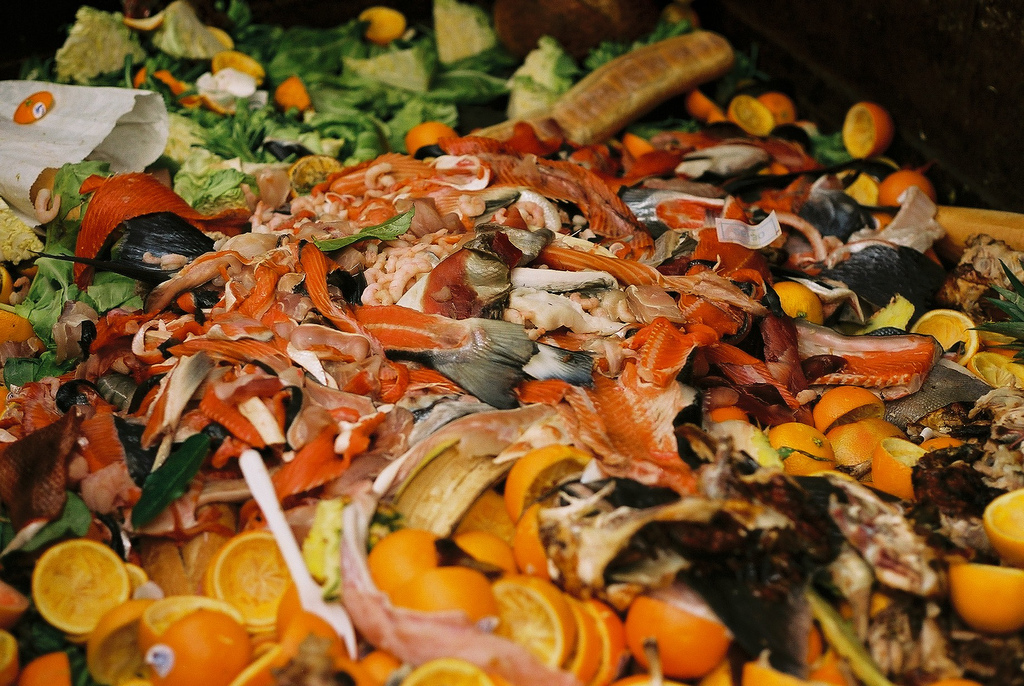
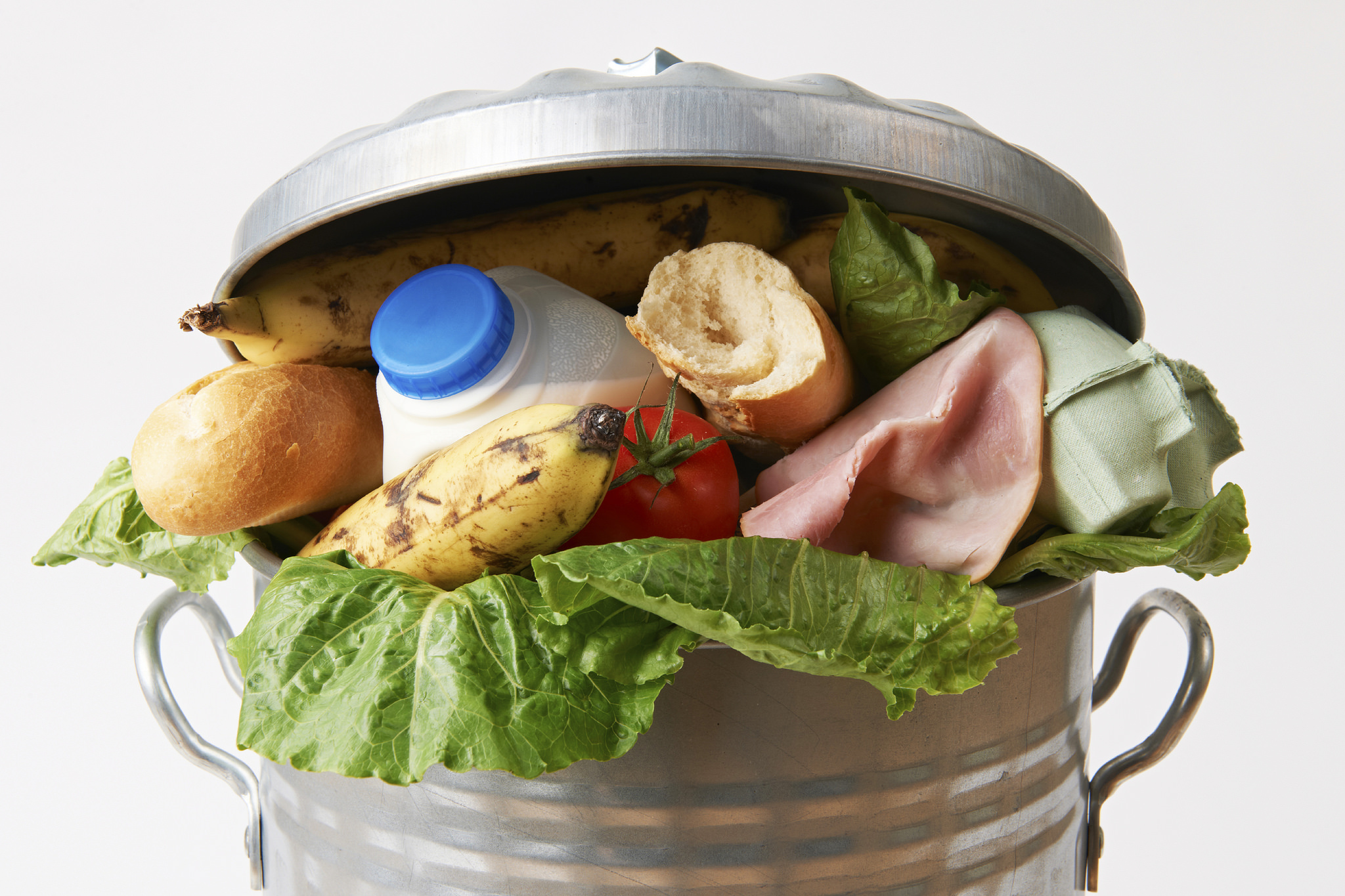
Food waste is a major global problem.  The UN estimates that one third of all food goes to waste.  Apart from the fact that this is happening in a world where many people don’t have enough to eat, food waste is both an economic and a climate problem.

Researchers from the University of Copenhagen and Southern Methodist University investigated how different types of grocery sales strategies affect people’s shopping and food waste.  The result was that bulk offers increase food sales by nearly 20%, but they also lead to increased food waste in people’s homes.

The study analyzed over 43,000 purchases of fresh vegetables in eight Swedish supermarkets.  When customers were offered “two-fer” offers, they bought significantly more than when only single items were available.  The attraction of a special offer can be strong.  But, according to a follow-up survey, food from bulk offers ended up in the trash more often.  People thought they were saving money, but often ended up buying more than they can eat.

The researchers tested two strategies for reducing overbuying.  One was to make the actual savings explicit by displaying the regular price next to the offer.  The second was to put a friendly reminder on the offer sign along the lines of “I’d love to come home with you if you eat me.”  Both of these approaches resulted in reduced sales of 9-11% compared to the original volume offer despite the sale price remaining the same. 

Clearly, small changes in marketing can make a big difference.  Supermarkets play a big role in the occurrence of food waste and they have the ability to help nudge consumers into better behavior.

**********

Web Links

Good deals – bad for the climate: Supermarket volume discounts lead to food waste

Photo, posted November 13, 2006, courtesy of Josh Hallett via Flickr.

Earth Wise is a production of WAMC Northeast Public Radio

Climate change and hunger

July 14, 2025 By EarthWise Leave a Comment

Climate change is harder and more expensive to produce food

Worldwide, people are producing more food than ever, but most of that production is concentrated into only a handful of places.  For example, fully one third of the world’s wheat and barley exports come from Ukraine and Russia.  Across the globe, several major crop-growing regions, including some in the United States, are heading towards sharp drops in harvests as a result of climate change.

These forthcoming changes are not only bad news for farmers, but they are also bad news for everyone who eats.  According to a new study published in the journal Nature, it is going to become harder and more expensive to feed a more crowded and hungrier world.

Specifically, under a moderate greenhouse gas emissions scenario, six key staple crops will see an 11.2% decline by the end of the century, compared to a world without warming.  The largest drops won’t be in the poorer, more marginal farmlands, but rather in places that are major food producers.  These are places like the US Midwest that has long benefited by having both good soil and ideal weather for raising crops like corn and soy.

When the weather is not ideal, it can drastically reduce agricultural productivity.  Extreme weather in many places has already damaged crops.  Flooding has destroyed rice in Tajikistan, cucumbers in Spain, and bananas in Australia.  Severe storms in the US this spring caused millions of dollars’ worth of damage to crops.

As the climate changes, rising average temperatures and changing rainfall patterns are likely to diminish yields and extreme weather events like droughts and floods could wipe out harvests more often.  As climate change intensifies, agriculture is the most weather-affected sector of the economy.

**********

Web Links

How climate change will worsen hunger

Photo, posted may 20, 2011, courtesy of Lance Cheung / USDA via Flickr.

Earth Wise is a production of WAMC Northeast Public Radio

Extending the shelf life of produce

July 10, 2025 By EarthWise Leave a Comment

More than 30% of the world’s food is lost after it has been harvested.  That’s enough to feed more than a billion people.  Much of that loss is fruits and vegetables that go bad before they can be eaten.

Refrigeration is the most common way to preserve foods, but the energy and infrastructure required is not always available, especially in less affluent regions of the world.

Researchers at MIT and Singapore-based collaborators have demonstrated that they can extend the shelf life of harvested plants by injecting them with melatonin using biodegradable microneedles.

Silk microneedles are tiny, nontoxic, and biodegradable and represent a means of delivering nutrients to plants without triggering a stress response.

Melatonin is a natural hormone that plants already use.  Injecting it was shown to extend vegetables’ shelf life.  The tests used pak choy, an important Asian crop that is very perishable.  Untreated plants at room temperature yellowed within two or three days.  In contrast, treated plants stayed green for five days.  Overall, treated plants retained saleable value for 8 days.  Refrigerated plants had their shelf life extended considerably as well.  However, the most significant value of the technique is that it could enhance the shelf life of perishable produce like pak choy without needing access to refrigeration.

The dose of melatonin delivered to the plants is so low that it is fully metabolized by the crops, so it would not significantly increase the amount normally present in the food.  People would not ingest more melatonin than usual.  The researchers believe that their technique should work with all kinds of produce.

**********

Web Links

A new technology for extending the shelf life of produce

Photo, posted May 6, 2010, courtesy of Jessica Spengler via Flickr.

Earth Wise is a production of WAMC Northeast Public Radio

Floating Sea Farms | Earth Wise

October 18, 2023 By EarthWise Leave a Comment

Researchers at the University of South Australia have designed a self-sustaining solar-driven system that turns seawater into fresh water and grows crops without any involvement.  In theory, such a system could help address the growing problems of freshwater shortages and inadequate food supplies as the world’s population continues to increase.

The system can be described as a vertical floating sea farm.  It is made up of two chambers:  an upper layer similar to a greenhouse and a lower chamber for water harvesting.

Clean water is supplied by an array of solar evaporators that soak up seawater, trap the salts in the evaporator body and, heated by the sun, release clean water vapor into the air which is then condensed on belts that transfer the water into the upper plant growth chamber.

The researchers tested the system by growing broccoli, lettuce and bok choi on seawater surfaces without maintenance or additional clean water irrigation.  The system was powered entirely by solar light.

The design is only a proof-of-concept at this point.   The next step is to scale it up using an array of individual devices to increase plant production. 

The futuristic potential for such technology would be huge farm biodomes floating on the ocean.  The UN estimates that by 2050, nearly 2.5 billion people are likely to experience water shortages while the global supply of water for irrigation is expected to decline by 19%.  Nearly 98% of the world’s water is in the oceans.  Harnessing the sea and the sun to address growing global shortages could be the way to go.

**********

Web Links

Floating sea farms: a solution to feed the world and ensure freshwater by 2050

Photo, posted February 11, 2015, courtesy of Ed Dunens via Flickr.

Earth Wise is a production of WAMC Northeast Public Radio
Insects On The Menu | Earth Wise

March 6, 2023 By EarthWise Leave a Comment

According to the World Food Programme, a record 349 million people across 79 countries are facing acute food insecurity.  This constitutes a staggering rise of 200 million people compared to pre-pandemic levels.  Nearly one million people globally are fighting to survive in famine-like conditions, which is ten times more people than just five years ago.  

As a result, many experts contend that alternative or so-called novel food sources – such as lab-grown meats, seaweed aquaculture, and insects – will be necessary to help fight global hunger and global food insecurity. 

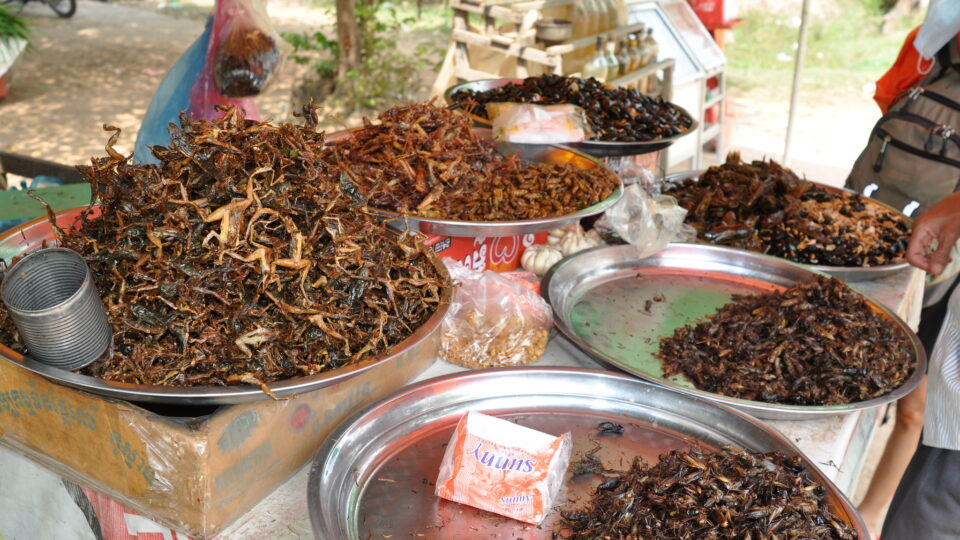
Insects already form a significant part of diets in many cultures around the world.  Insects are great sources of nutrients, including protein, vitamins, and minerals.  But insects have yet to be embraced in any substantial way in western cultures… but that may be changing. 

In fact, the European Union has now certified four types of bugs as food fit for human consumption.  The larvae of lesser mealworms and house crickets recently became the third and fourth insects approved for sale as food in the EU, joining yellow mealworms and grasshoppers. Eight more applications are awaiting approval.

Insects are already a delicacy in many high-end restaurants around the world, and a normal and healthy part of diets in countries like Mexico and Thailand.  Embracing insects as a food of the future will not only help in the fight against global hunger, but will also help to reduce greenhouse gas emissions and to slow species extinction. 

In Western food markets, the so-called “yuck factor” remains the biggest hurdle to cross.  But as the world population grows, the need for sustainable solutions in the food industry grows with it. 

**********

Web Links

Insects on the menu as EU approves two for human consumption

World Hunger Surged in 2020, U.N. Says

A global food crisis

Photo, posted April, 2014, courtesy of Shankar S. via Flickr.

Earth Wise is a production of WAMC Northeast Public Radio
Turning Plastic Into Protein | Earth Wise

November 18, 2022 By EarthWise Leave a Comment

Turning plastic waste into food

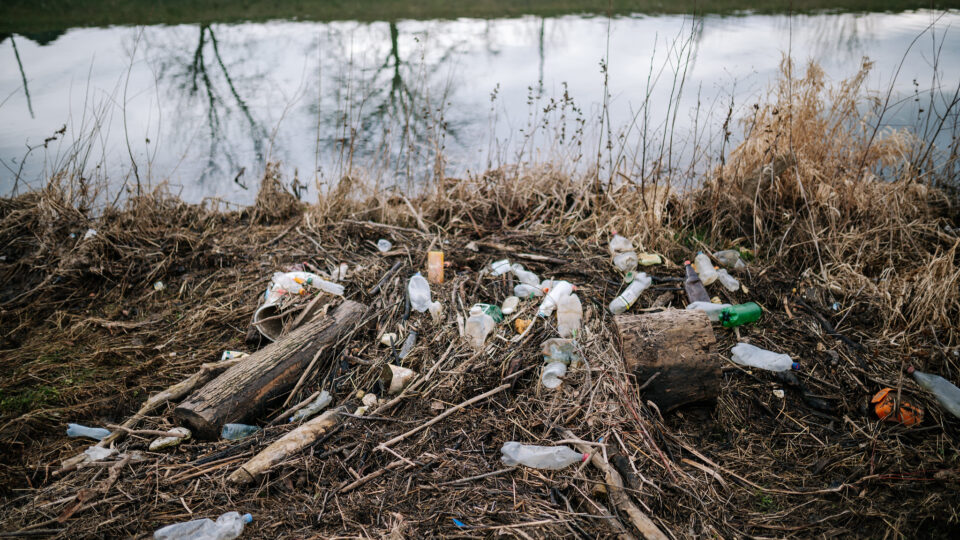
Our planet is choking on plastic.  According to the United Nations, 79% of the 6.3 billion tons of plastic produced every year accumulates in landfills.  Half of all plastic produced is actually designed to be used just once and thrown away.  But plastic is not only accumulating on land.  In fact, the world’s oceans are projected to contain more plastic by weight than fish by the year 2050.     

According to new research, solving the plastic waste issue could help address another prominent global issue: hunger.  A multidisciplinary team of engineers, chemists, and biologists led by researchers from Michigan Tech University has developed a process to break plastics down to be recycled into useful products, including edible protein powder.

The research team’s process converts plastic into compounds using heat and a reactor that deconstructs the material’s polymer chains. The oil-like substance is then fed to a community of oil-eating bacteria.  The bacteria grow rapidly on the oily diet, producing more bacterial cells composed of roughly 55% protein.  This majority-protein byproduct is then dried out and turned into an edible powder.   The end result doesn’t look like plastic at all.  In fact, it resembles a yeast byproduct that comes from brewing beer. 

This research is funded by an award from the US Department of Defense.  The DoD often deploys soldiers in areas where access to food is challenging.  Converting plastic to protein could be part of a solution to that problem. 

While eating something that began as plastic might take some getting used to, it could be part of the solution to both plastic pollution and global hunger.

**********

Web Links

Turning Trash Into Treasure: The Plastic to Protein Powder Solution

Beat Plastic Pollution

Photo, posted February 2, 2022, courtesy of Ivan Radic via Flickr.

Earth Wise is a production of WAMC Northeast Public Radio
A Food For The Future | Earth Wise

September 19, 2022 By EarthWise Leave a Comment

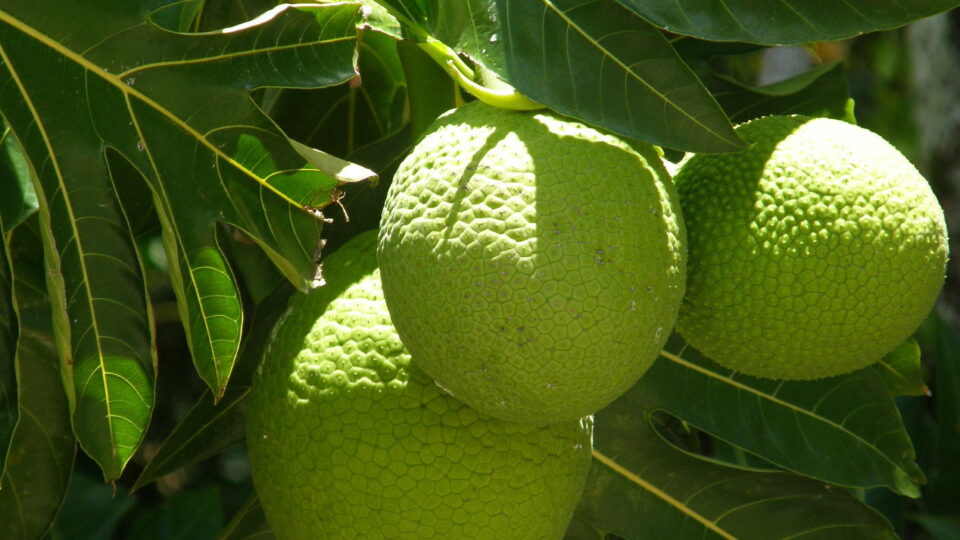
Breadfruit is a climate resilient food for the future

Researchers predict that climate change will negatively impact most staple food crops, including rice, corn, and soybeans.  Therefore, climate resilient food crops – those that are salt, drought, and heat resilient – will have an important role to play in global food security.  Examples of climate resilient crops include quinoa, kernza, amaranth, millet, and tepary beans.    

According to a new study by researchers from Northwestern University, breadfruit – a starchy tree fruit native to the Pacific Islands – will be relatively unaffected by climate change.  Because breadfruit is climate resilient and well-suited to grow in regions with high levels of food insecurity, the research team suggests breadfruit could be a part of the solution to global hunger.

While it has ”fruit” in its name, breadfruit is more like a potato.  It’s starchy and seedless, and is closely related to jackfruit.  Breadfruit is nutrient-rich, and high in fiber, vitamins, and minerals.  It can be steamed, roasted, fried, fermented, and even turned into flour.  People in tropical regions around the world have been eating breadfruit for thousands of years. 

In the study, which was recently published in the journal PLOS Climate, researchers determined the climate conditions necessary to cultivate breadfruit and then looked at how these conditions are predicted to change in the future.  They examined two future climate scenarios: one that reflects high greenhouse-gas emissions and another in which emissions stabilize.

In both scenarios, the regions suitable for breadfruit cultivation were mostly unaffected.  Additionally, the researchers identified new suitable land where breadfruit cultivation could expand.   

As the climate continues to change, breadfruit might soon be on a table near you.

**********

Web Links

Climate-resilient breadfruit might be the food of the future

Photo, posted August 11, 2007, courtesy of Malcolm Manners via Flickr.

Earth Wise is a production of WAMC Northeast Public Radio
Building Resilient Food Systems | Earth Wise

August 12, 2022 By EarthWise Leave a Comment

Building resilient food systems are critical

According to the United Nations and The World Bank, global hunger levels in 2021 surpassed the previous record set in 2020.  The organizations also found that acute food insecurity – defined as when a person’s inability to consume adequate food puts their lives or livelihoods in immediate danger – could continue to worsen this year in many countries around the world. 

According to a new study led by researchers from the University of Colorado Boulder, increased demand for water will be the biggest threat to food security during the next 20 years, followed closely by heat waves, droughts, income inequality, and political instability.  

The report, which was recently published in the journal One Earth, calls for increased collaboration to build a more resilient global food supply.  The impacts of conflict and climate change are already measured and studied around the world.  While these pressing threats are not new, the researchers found that better collaboration between these areas of research could fortify and strengthen global food security. 

In 2019, before the COVID-19 pandemic, the researchers surveyed 69 experts in various fields related to food security.  They found that many effects of climate change – such as unpredictable weather changes – could have the greatest negative impacts on food security.  The researchers also found that threats to food security from income inequality, global price shocks, and political instability and migration are highly likely during the next two decades.  More than half of the world’s food insecure populations also live in conflict-prone regions.

According to the research team, food security has never been a problem of production.  It’s a problem of distribution, access, and poverty, and can be exacerbated by conflict.   

**********

Web Links

Amid climate change and conflict, more resilient food systems a must, report shows

Photo, posted July 19, 2009, courtesy of Danumurthi Mahendra via Flickr.

Earth Wise is a production of WAMC Northeast Public Radio.

Fighting Hunger With A Shrub

December 20, 2018 By EarthWise Leave a Comment

https://earthwiseradio.org/wp-content/uploads/2018/12/EW-12-20-18-Fighting-Hunger-with-a-Shrub.mp3

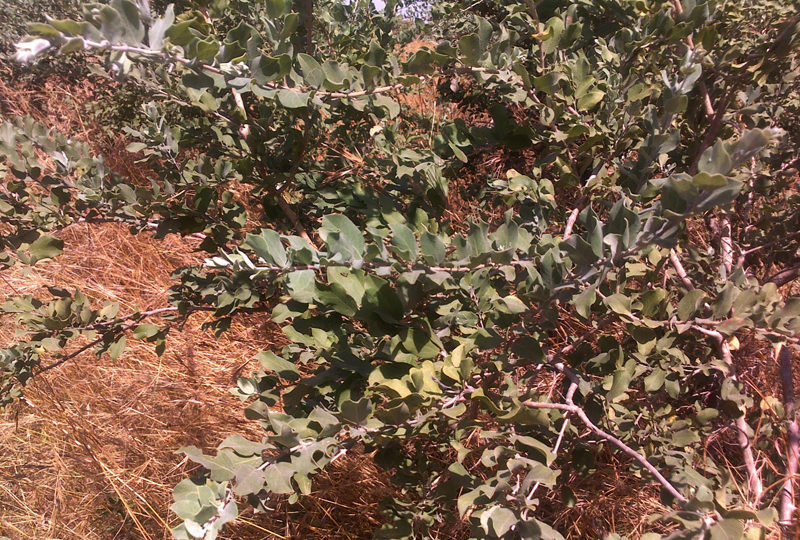
A recent study has revealed that a tough, woody shrub that grows throughout Western Africa can actually share its water with adjacent cultivated plants and boost grain production.

[Read more…] about Fighting Hunger With A Shrub

Pesticides And Food Insecurity

April 19, 2017 By EarthWise

https://earthwiseradio.org/wp-content/uploads/2017/03/EW-04-19-17-Pesticides-and-Food-Insecurity.mp3

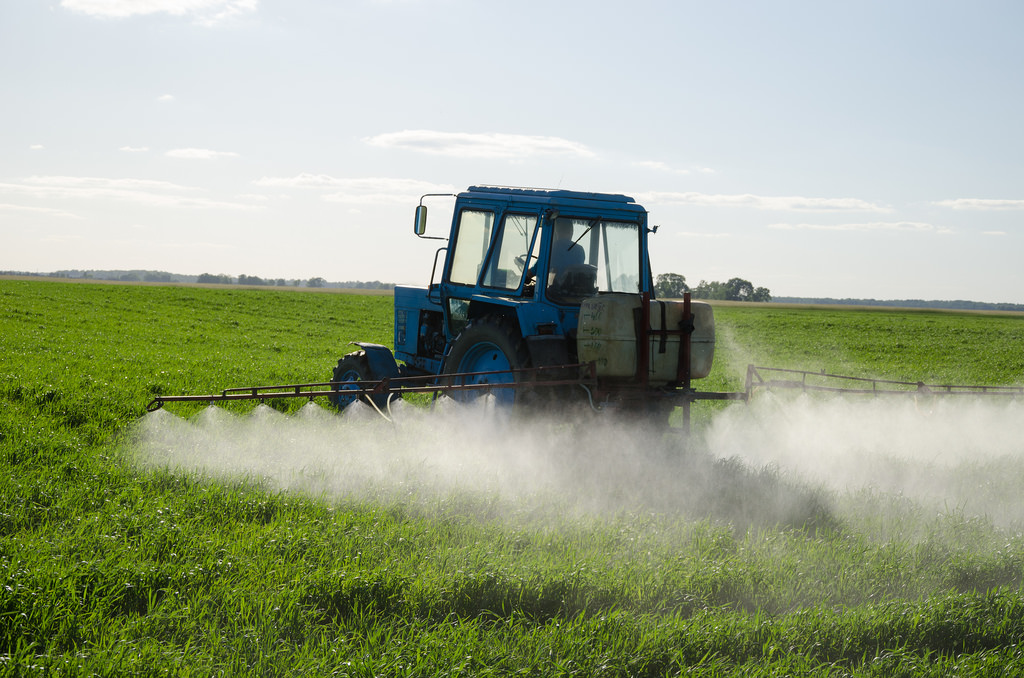
A newly released report by the United Nations takes a strong stance against the use of industrial agrochemicals, saying that they are not necessary for feeding the world.  The continued use of pesticides at the rate the world currently does in fact can have very detrimental consequences.

[Read more…] about Pesticides And Food Insecurity

Reducing Food Waste

July 14, 2016 By WAMC WEB

https://earthwiseradio.org/wp-content/uploads/2016/07/EW-07-14-16-Reducing-Food-Waste.mp3

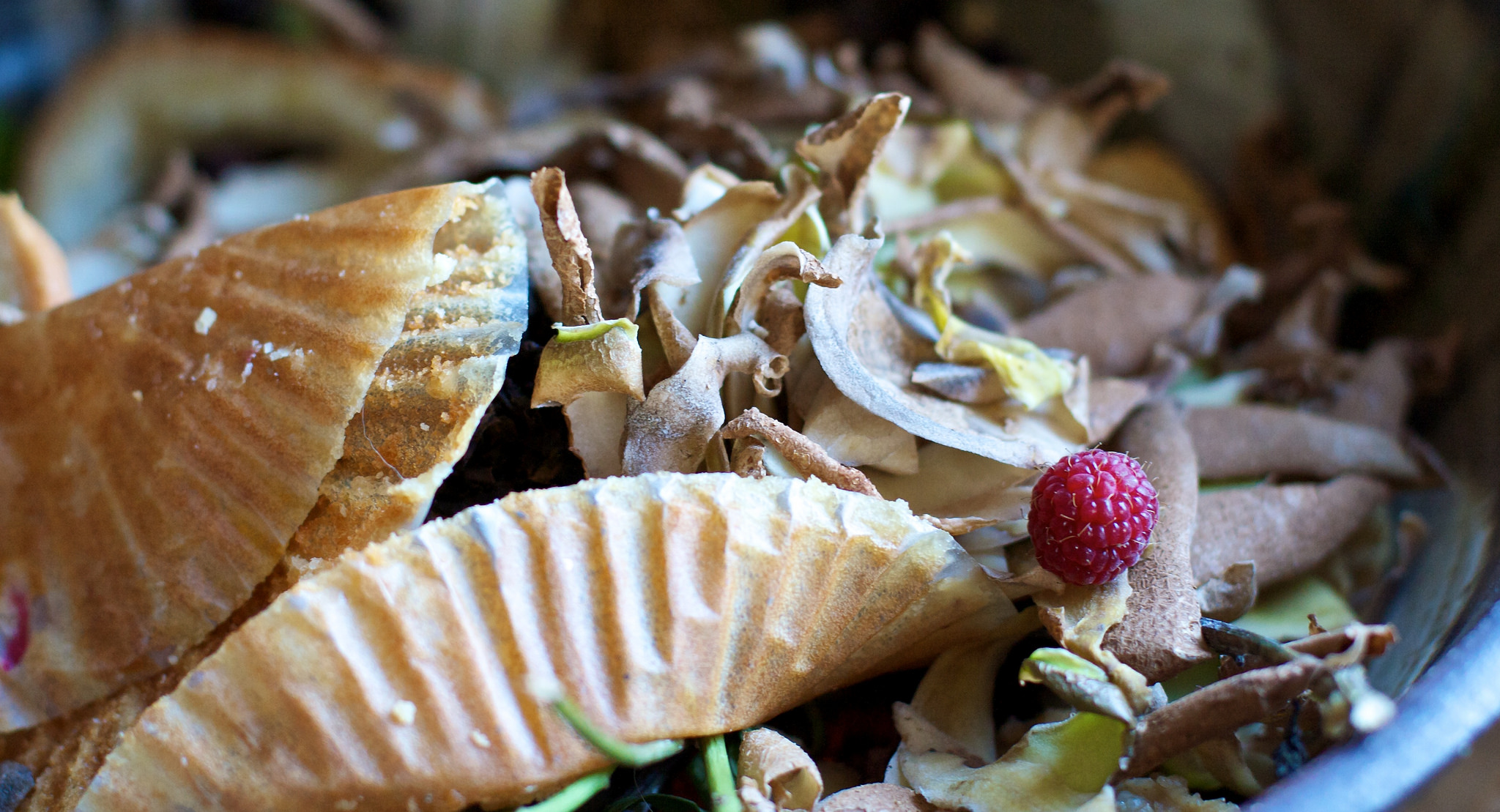
It’s no secret that food waste is a global problem of epic proportions.  Approximately one-third of all food is either lost or wasted, while more than 800 million people worldwide go hungry.

[Read more…] about Reducing Food Waste

Growing More Food On Less Land

May 6, 2016 By WAMC WEB

https://earthwiseradio.org/wp-content/uploads/2016/05/EW-05-06-16-Growing-More-Food.mp3

There are predictions that the world’s population could reach 10 billion by the year 2050.  Whether population growth can be slowed down enough to prevent this remains to be seen.  Regardless, it is clear that we need to figure out how to feed many more people than we have today and we are not even doing that good a job of feeding the current population.

[Read more…] about Growing More Food On Less Land

Food Waste And Wildlife

February 3, 2016 By WAMC WEB

https://earthwiseradio.org/wp-content/uploads/2016/02/EW-02-03-16-Food-Waste-and-Wildlife.mp3

We have talked quite a bit about food waste and in particular its impact on world hunger and on the economy.  The world wastes more than $750 billion worth of food each year and 1.6 billion tons of food is left in fields, sent to landfills or scattered about the landscape.  Another 7 million tons of fishery discards are dumped in the sea.

[Read more…] about Food Waste And Wildlife

Food Deserts

January 6, 2016 By WAMC WEB

https://earthwiseradio.org/wp-content/uploads/2015/12/EW-01-06-16-Food-Deserts.mp3

A food desert is a geographic area – often an urban area – where affordable and nutritious food is difficult to obtain, particularly for those without access to an automobile.   Food deserts disproportionately affect occupants of poor, low-income neighborhoods where there are often no groceries stores or farmer’s markets.  These are places were food comes from convenience stores or fast-food chains.  More than 20 million Americans are thought to live in food deserts.

[Read more…] about Food Deserts

More About Food Waste

August 5, 2015 By EarthWise

Food Scraps

https://earthwiseradio.org/wp-content/uploads/2015/08/EW-08-05-15-Food-Waste-2.mp3

Yesterday we talked about the fact that Americans throw out nearly half of the food they buy.  The worst thing about this is that one in seven Americans – over 46 million people – don’t know where their next meal is coming from.

[Read more…] about More About Food Waste

Food Waste

August 4, 2015 By EarthWise

Food Waste 

https://earthwiseradio.org/wp-content/uploads/2015/07/EW-08-04-15-Food-Waste-1.mp3

We recently talked about the problem of food waste on this program, in particular, the 1.3 billion tons of food wasted around the world each year.  This is a tragic situation given how many people around the world don’t have enough to eat.

[Read more…] about Food Waste

Primary Sidebar

Recent Episodes

  • An uninsurable future
  • Clean energy and jobs
  • Insect declines in remote regions
  • Fossil fuel producing nations ignoring climate goals
  • Trouble for clownfishes

WAMC Northeast Public Radio

WAMC/Northeast Public Radio is a regional public radio network serving parts of seven northeastern states (more...)

Copyright © 2026 ·