Health
Acorns And Lyme Disease

In New York’s Hudson Valley, it’s hard to go outside without stepping on an acorn. Oaks have ‘boom and bust’ acorn production cycles. In lean years, trees produce a handful of nuts. In boom years, acorns seem to rain down from the sky. We are currently experiencing an acorn bumper-crop, or what ecologists call a ‘mast’ year.
In some forests, there can be more than 100 acorns per square meter. This is welcome news to animals like mice, chipmunks, and squirrels. They can gorge on the bounty and stock their larders. Acorn caches help wildlife avoid predators and survive the lean months of winter. They even give well-fed rodents a jump-start on the breeding season.
For this reason, acorn “mast” years are also harbingers of future Lyme disease risk. In the summer following acorn booms, white-footed mouse numbers explode. In New York’s Hudson Valley, these mice play a major role in infecting blacklegged ticks with the agents that cause Lyme disease, Babesiosis, and Anaplasmosis.
Cary Institute disease ecologist Rick Ostfeld explains.
“The ticks that are emerging as larvae in August – just as the mice and chipmunks are reaching their population peaks – they have tons of excellent hosts to feed from. They survive well and they get infected with tick-borne pathogens. And that means that two years following a good acorn crop we see high abundance of infected ticks, which represents a risk of human exposure to tick borne disease.”
Predictions are based on 20 years of field studies that have confirmed the relationship among acorn mast years, mouse outbreaks, and the prevalence of infected ticks. Mark your calendars – 2017 will likely be a bad year for Lyme disease.
**********
Web Extra
Full interview with Rick Ostfeld, a disease ecologist at the Cary Institute of Ecosystem Studies
Web Links
Local Food In A Global World

In the Northeast, many are enjoying the last of autumn’s bounty. When we grow fruits and vegetables, we can choose to forgo pesticides, GMOs, or industrial fertilizer. When we shop at farmer’s markets, we support family farms and help maintain open space that we all enjoy.
Killer Air

Globally, air pollution kills 3.3 million people per year. And this number could double to 6.6 million people by 2050 if little is done to decrease the dangerous levels of tiny particles, toxins, and ozone in the air.
Halloween Face Paint: It’s Scary Stuff

The carefree nature of Halloween has made the holiday a favorite among children and the young-at-heart. It’s a day when fantasy can be indulged. Collectively, Americans spend billions of dollars adorning stoops with Jack-o-Lanterns, filling candy bowls with treats, and transforming themselves into zombies, witches, and other creations.
Ocean Plastic And Birds

We have talked about the plastic blight – the growing presence of discarded plastic polluting our streets and our waterways. We have discussed the so-called garbage patches in the ocean, composed primarily of plastic. A new study discusses the effects of ocean plastic pollution on seabirds and the results are horrifying.
Mosquito Migration
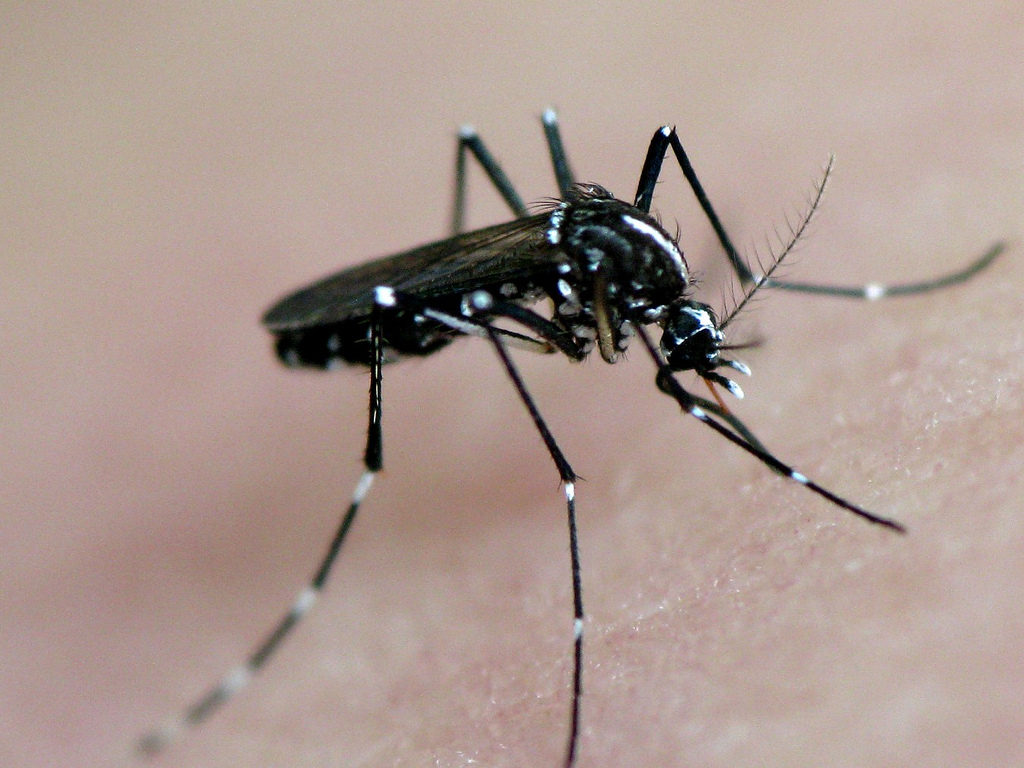
Globally, there are more than 3,000 mosquito species, with around 150 native to the U.S. To many listeners – a mosquito is a mosquito. But depending on the species that bites you, mosquitoes can be a nuisance or a public health threat.
A New Labeling Initiative
Hydraulic fracturing – or fracking – is a well-stimulation technique in which rock is fractured by a pressurized liquid to free otherwise trapped natural gas or oil.
Street Trees Are Good For Us

Want to feel younger? Live on a street with more trees. That’s the finding of University of Chicago researchers who studied the impact of street trees on the real and perceived health of residents of Toronto, Canada.
Biodiversity Is Good For Us

There are many reasons to protect Earth’s biodiversity. One of the more underrated is that disease incidence is lower when ecosystems support a variety of plants and animals.
Obesity And Food Energy Supply

Obesity is a global health problem and is on the rise in many countries. There are many factors involved in the increasing prevalence of obesity such as increased urbanization, car dependence and sedentary occupations. Of course, the prime culprit is generally thought to be that we eat too much.
Meet the new threat in cans
