• Skip to primary navigation
  • Skip to main content
  • Skip to primary sidebar

Earth Wise

A look at our changing environment.

  • Home
  • About Earth Wise
  • Where to Listen
  • All Articles
  • Show Search
Hide Search
You are here: Home / Archives for florida

florida

The Changing Climate Is Changing Insurance

October 21, 2020 By EarthWise Leave a Comment

Climate Change is Changing Insurance

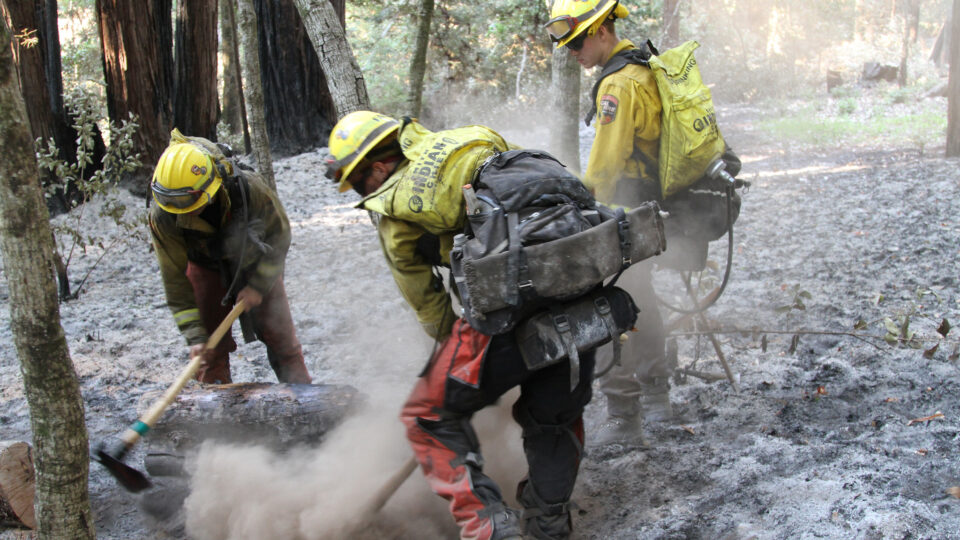
As the climate changes, wildfires get bigger and more destructive and hurricanes and powerful storms are more frequent and damaging.  In places where these things are occurring, it is getting harder and more expensive for many homeowners to get insurance.  The affordability of home insurance in the face of climate change has become a huge issue in many states.

In California, the number of homeowners who got non-renewal notices from their insurance companies rose by 6% between 2017 and 2018.  In areas directly affected by wildfires between 2015 and 2017, that number jumped by 10%. Similar things have happened in Florida, Louisiana, Mississippi, and Texas, where hurricanes and flooding have caused extensive damage.  Because of this, many homeowners have been forced to turn to bare-bone plans such as the California Fair Access to Insurance Plan, which can cost two or three times as much as normal insurance policies.

According to a 2019 survey of insurance companies, more than half of insurance regulators said that climate change was likely to have a high impact or an extremely high impact on the availability of insurance coverage and the assumptions used for underwriting.  In the past, governments have been able to mandate coverage in certain areas or even provide coverage themselves in some cases.  As the occurrence of climate-related damage becomes increasingly frequent, homeowners have to face up to a grim reality.

The challenges of dealing with wildfires, floods, powerful storms, and the like are significant enough for people who live in high-risk areas.  Increasingly, home insurance in these places is becoming much more expensive, harder to find, and is worth less.

**********

Web Links

As Climate Impacts Worsen, Homeowners Struggle to Find Affordable Insurance

Photo, posted September 1, 2020, courtesy of The National Guard via Flickr.

XXXXXXXXXXXXXXXXX
Making Use Of Invasive Seaweed | Earth Wise

June 26, 2020 By EarthWise Leave a Comment

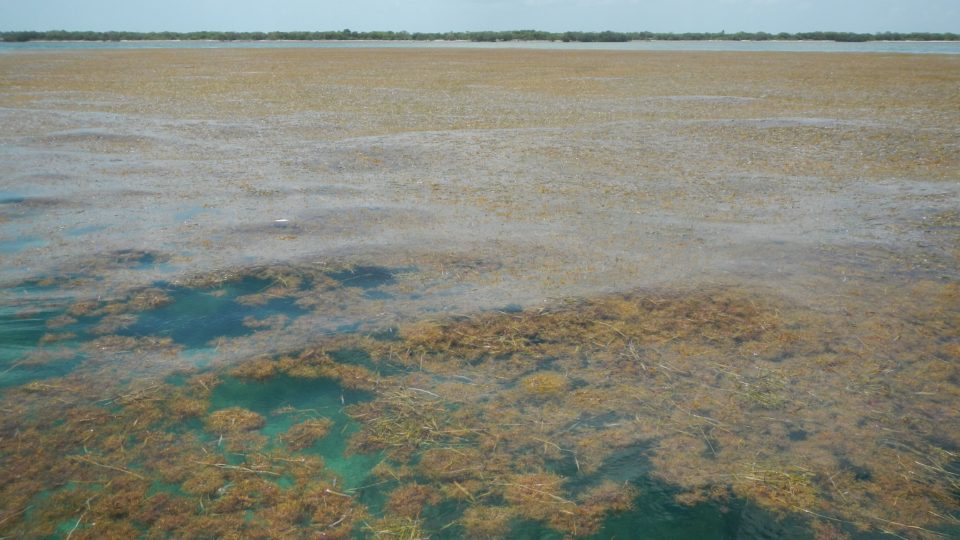
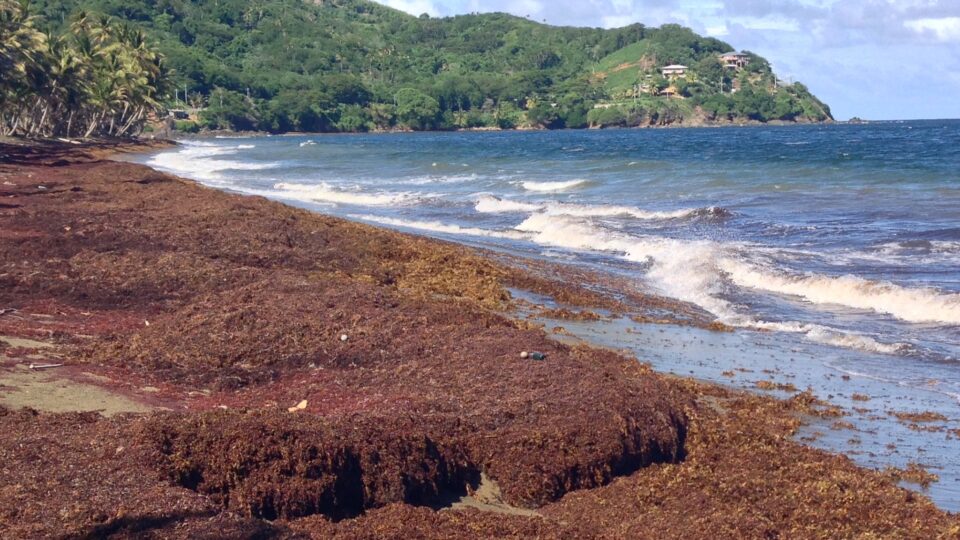
In recent years, millions of tons of brown Sargassum seaweed have formed gigantic blooms stretching all the way across the Atlantic Ocean from West Africa to the Gulf of Mexico.  The seaweed has become a problem for shorelines in the Caribbean, the Gulf of Mexico, and the east coast of Florida.  The massive increase in seaweed populations is related to changes in ocean chemistry resulting from nutrients from fertilizer use entering the water as well as from changes to the climate affecting ocean currents and temperatures.  The seaweed is harming the tourism industry as well as fisheries and ocean ecosystems.

Cleaning up the seaweed that washes ashore is labor-intensive and therefore expensive.  A research team led by two British universities has developed a cheap and simple way to pre-process seaweed to facilitate making it into bulk chemicals and biofuels.  With the new process, cleaning up the seaweed can be both economically and environmentally viable.

Previous techniques for processing seaweed generally required removing it from the saltwater, washing it in fresh water, and drying it – all of which add significant costs.  The new technique makes use of catalysts to release sugars from untreated seaweed that feed a yeast to produce a palm oil substitute.  At the same time, the process creates heat and pressure, turning the residual materials into a bio-oil that can be processed further into fuels, and a high-quality, low-cost fertilizer.

Apart from getting economic value out of the seaweed that is collected, any plastic collected alongside the seaweed can be converted to useful materials as well. 

It appears that the seaweed scourge is here to stay, so finding an economically viable way to deal with it is a welcome development.

**********

Web Links

Solve invasive seaweed problem by turning it into biofuels and fertilisers

Photo, posted August 10, 2015, courtesy of Flickr.

Earth Wise is a production of WAMC Northeast Public Radio.

Microplastics And Florida’s Birds of Prey | Earth Wise

June 19, 2020 By EarthWise Leave a Comment

Microplastics found in Florida's birds of prey

Plastic debris comes in all different shapes and sizes, but those that are less than five millimeters in length are called microplastics.  Some microplastics come from larger plastic debris that degrades into smaller bits over time.  Another type of microplastics – called microbeads – are intentionally manufactured tiny plastic beads that are added as exfoliants to some health and beauty products. 

According to a new study published in the journal Environmental Pollution, researchers have confirmed and quantified the presence of microplastics in terrestrial and aquatic birds of prey in Florida for the first time.  This research is important because these birds of prey, including ospreys, hawks, and owls, are critical to maintaining a healthy ecosystem.  The accumulation of microplastics in their digestive systems could lead to a myriad of health issues, including starvation.  

Working with the Audubon Center for Birds of Prey in Florida, the research team from the University of Central Florida was able to examine the stomachs of 63 deceased birds.  The team found microplastics in every bird it examined, extracting nearly 1,200 pieces of plastic in total.  Microfibers represented 86% of the plastic pieces. 

It’s common for plastic microfibers to enter ecosystems through the wastewater from washing machines.  A 2016 study found that 700,000 plastic fibers come off in a typical wash.  While there are lots of variables, synthetic fabrics account for 60% of the material used in clothing worldwide. 

To help cut down on plastic in the environment, the research team suggests removing plastics from open landfills, purchasing only natural fabrics and clothing, and modifying water treatment facilities to capture microplastics. 

**********

Web Links

Microplastics found in Florida’s birds of prey for first time

Photo, posted April 15, 2016, courtesy of Andy Morffew via Flickr.

Earth Wise is a production of WAMC Northeast Public Radio.

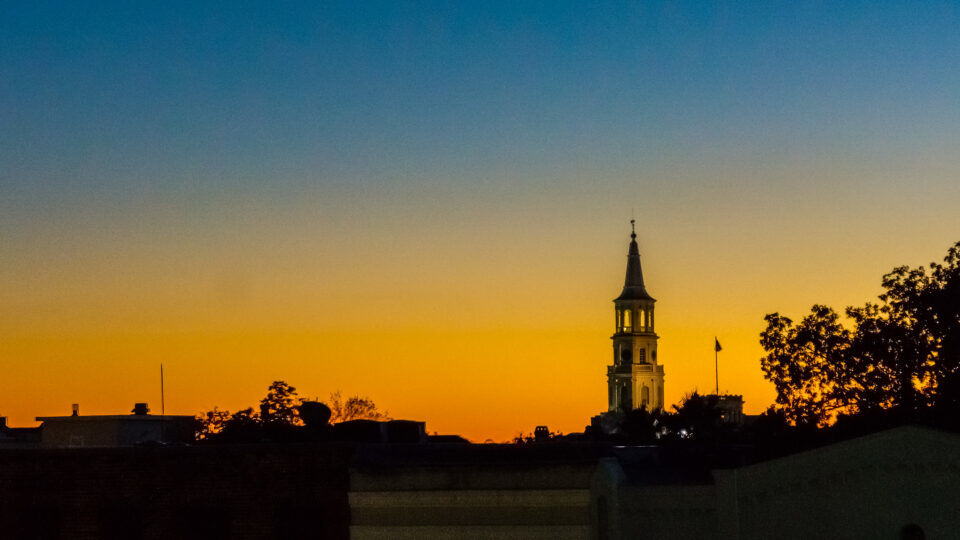
Keeping Charleston Dry | Earth Wise

June 11, 2020 By EarthWise Leave a Comment

Rising seas from climate change

Charleston, South Carolina is visited by millions of tourists each year.  The town is a glimpse into the past, showcasing antebellum mansions, row houses, historic African American churches and scenic harbor views from a Civil War-era promenade.

Charleston is also visited more and more by water from rising seas and increasingly powerful storms.  The city is essentially drowning in slow motion and may soon face an existential threat to its survival.

Charleston has a harbor and three rivers and water from all these sources leaks in at every bend and curve, fills streets, disrupts businesses, and rushes into homes during storms.  Million-dollar antebellum mansions, built on spongy marsh and old tidal creeks, flood repeatedly.

City officials have endorsed a plan by the U.S. Army Corps of Engineers to wall off the historic downtown with an 8-mile-long seawall that would cost nearly $2 billion.  The proposed barricade is just one of many proposed projects to build seawalls, surge gates, levees, and other barriers to defend U.S. coastal cities in an era of rising seas and climate-fueled floods and storms.  A proposed flood wall in Miami would cost federal taxpayers $8 billion.

Researchers generally agree that sea levels are likely to rise by at least 3 feet by the end of the century.  Some experts believe the rise will be much greater.  So, a key question is whether these barriers will actually keep out the water.  Critics of many of the proposed solutions contend that they are doomed to fail.

Flooding has caused nearly $1 trillion worth of damage along the East and Gulf coasts over the past 40 years.  And things are almost certain to get worse in Charleston and other coastal cities.

**********

Web Links

Fortress Charleston: Will Walling Off the City Hold Back the Waters?

Photo, posted October 7, 2015, courtesy of Jeff Turner via Flickr.

Earth Wise is a production of WAMC Northeast Public Radio.

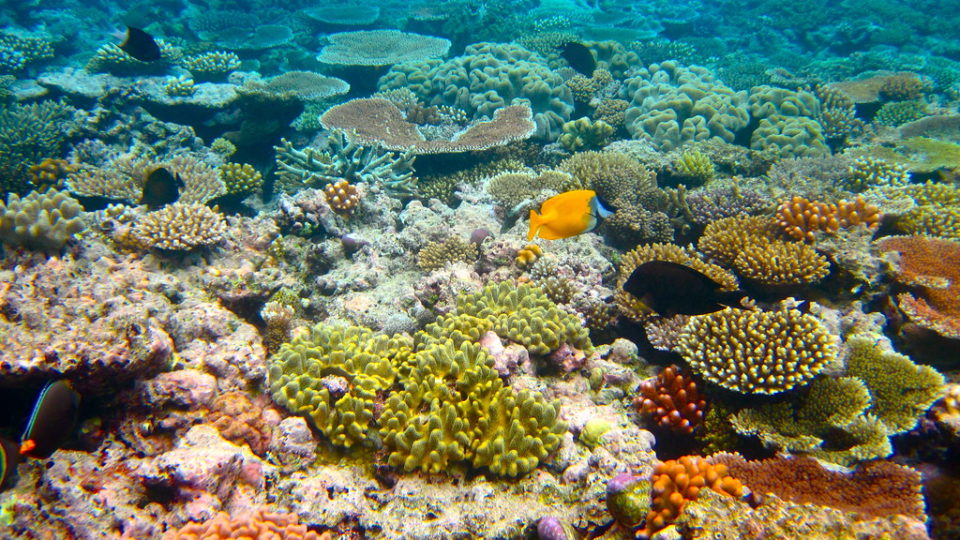
A New Kind Of Coral Nursery

October 22, 2019 By EarthWise Leave a Comment

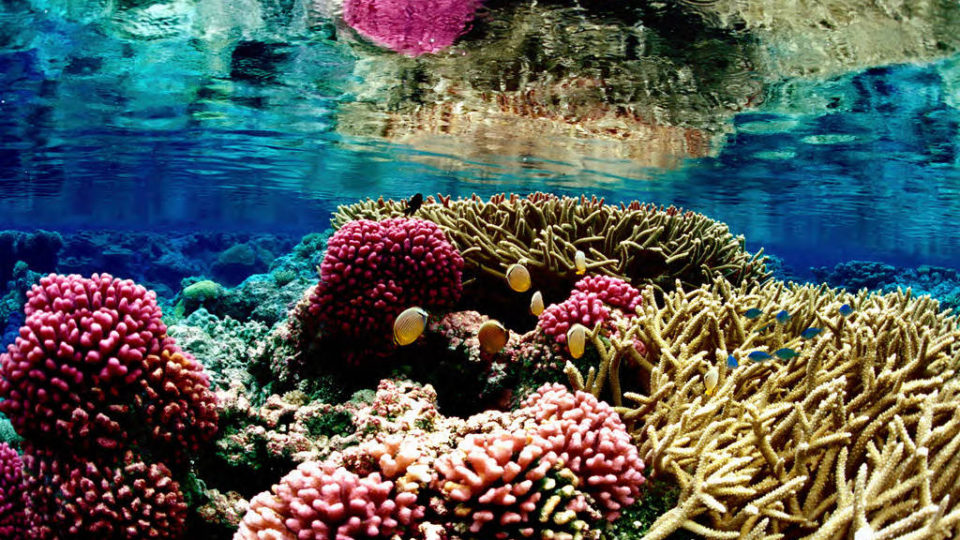
Coral reefs around the world are struggling from warming waters and increasing ocean acidification driven by excess carbon dioxide.  Many of the world’s greatest reefs – such as Australia’s Great Barrier Reef – have seen steep declines over the past decade.

But apart from the global environmental threat, reefs also are often damaged by various marine accidents such as ships grounding on them.   Such events can severely damage a reef and scatter countless small coral fragments onto the seafloor.  These small pieces of coral are not actually dead; they can continue on with their lives if they are relocated to a suitable environment such as a coral nursery.

Coral nurseries are generally small installations that allow coral fragments – typically pieces about 4 inches in length – to recover from their reef breaking up and to grow until they are large enough for conservation managers to replant them into reefs that need them.  This strategy works well in places where corals grow relatively quickly – such as Florida and the Caribbean – but not as well in places where coral grows more slowly, such as Hawaii.

Recently, coral experts at the National Oceanic and Atmospheric Administration working with mechanical engineering students at the University of Hawaii have developed a new type of coral nursery that can save fully formed coral colonies as opposed to small coral fragments.

The nurseries are large, carefully designed structures that can be loaded up with corals that have become detached from their reefs.  Some of these new structures were installed in the waters of Oahu in the summer of 2018 and were populated with corals.  The relocated corals, which would have otherwise died, are now recovering nicely in their new coral daycare centers and will soon be replanted back into the reef.

**********

Web Links

NOAA Develops A New Type of Coral Nursery

Photo, posted July 29, 2010, courtesy of Kyle Taylor via Flickr.

Earth Wise is a production of WAMC Northeast Public Radio.

The Cost Of Rising Seas

October 1, 2019 By EarthWise Leave a Comment

Coastal cities in the United States are grappling with the need for extensive infrastructure projects to protect against rising seas and worsening storms.  The cost of these projects will be enormous, and it is unclear how to pay to them.

Boston has many neighborhoods in low-lying areas, and it is estimated that $2.4 billion will be needed to protect the city from flooding.  The city abandoned plans to build a harbor barrier that would have cost $6 to $12 billion because it was economically unfeasible.

Charleston, South Caroline needs $2 billion to reduce flooding that occurs regularly during high tides.  The Houston, Texas area needs $30 billion to provide protection against a 100-year flood.  Hurricane Harvey caused $125 billion in damages in Texas in 2017.  New York City is considering a $10 billion storm surge barrier and floodgates to shield parts of the city from rising waters.

Florida faces the greatest exposure to flooding with an estimated $76 billion in costs to address some of its problems.

At the federal level, multiple agencies represent potential funding sources, but none offer the kind of money required to address the need.  This places a heavy burden on state and local governments.  Various states have passed legislation related to shoreline resiliency and flood abatement, but relatively little funding has been approved.  Some bond measures have passed, but the totals are small compared with what is needed.

Educating people about the costs of not doing anything or not doing enough soon enough is essential.  As Hurricane Katrina demonstrated, not spending a large amount of money on resilience can result in having to spend a colossal amount of money on recovery.

**********

Web Links

Who Will Pay for the Huge Costs of Holding Back Rising Seas?

Photo, posted December 26, 2013, courtesy of Flickr.

Earth Wise is a production of WAMC Northeast Public Radio.

A Giant Seaweed Bloom

August 19, 2019 By EarthWise Leave a Comment

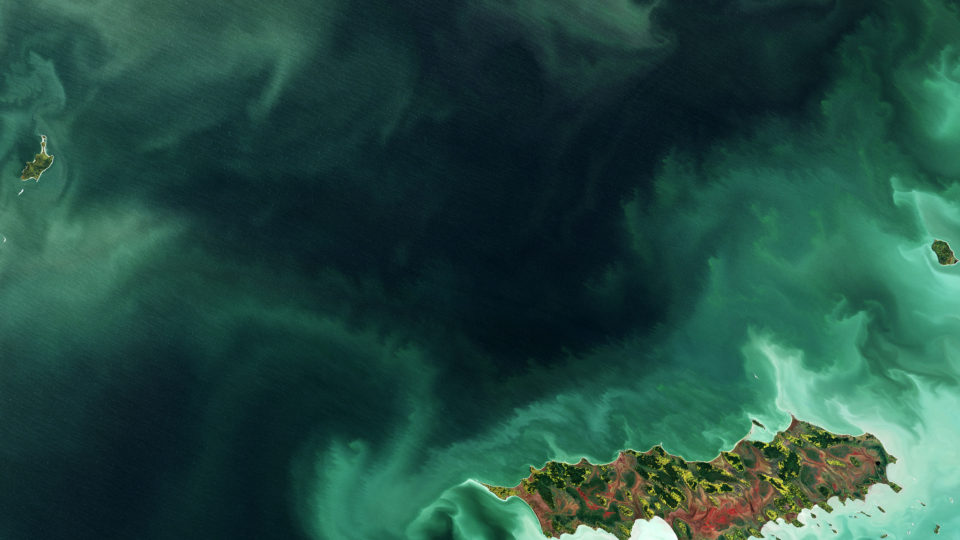
Scientists using data from NASA satellites have discovered and documented the largest bloom of seaweed in the world, stretching all the way from West Africa to the Gulf of Mexico.  The gigantic macroalgae bloom has been dubbed the Great Atlantic Sargassum Belt. 

The brown seaweed floats in surface water and in recent years has become a problem to shorelines lining the tropical Atlantic, Caribbean Sea, Gulf of Mexico, and east coast of Florida.  The stuff carpets popular beach destinations and crowded coastal waters. In 2018, more than 20 million tons of it floated on the ocean surface.

Scientists have been studying the Sargassum algae using satellites since 2006, but the major blooms have only started appearing since 2011.  They have occurred every year between 2011 and 2018 except for 2013.  Before 2011, most of the free-floating Sargassum in the ocean was primarily found in patches around the Gulf of Mexico and the Sargasso Sea located on the western edge of the central Atlantic Ocean.

Sargassum provides habitat for turtles, crabs, fish and birds, and produces oxygen via photosynthesis.  However, too much of it can crowd out many marine species.

According to researchers, the ocean’s chemistry must have changed in order for the bloom to get so out of hand.  The factors involved include a large seed population left over from a previous bloom, nutrient input from West Africa, and nutrient input from the Amazon River.  The increase in nutrients may be a result of deforestation and fertilizer use.

Climate-change effects on precipitation and ocean currents ultimately do play a role in this, but increased ocean temperatures do not.  Unfortunately, these giant seaweed blooms are probably here to stay.

**********

Web Links

NASA Satellites Find Biggest Seaweed Bloom in the World

Photo courtesy of NASA.

Earth Wise is a production of WAMC Northeast Public Radio.

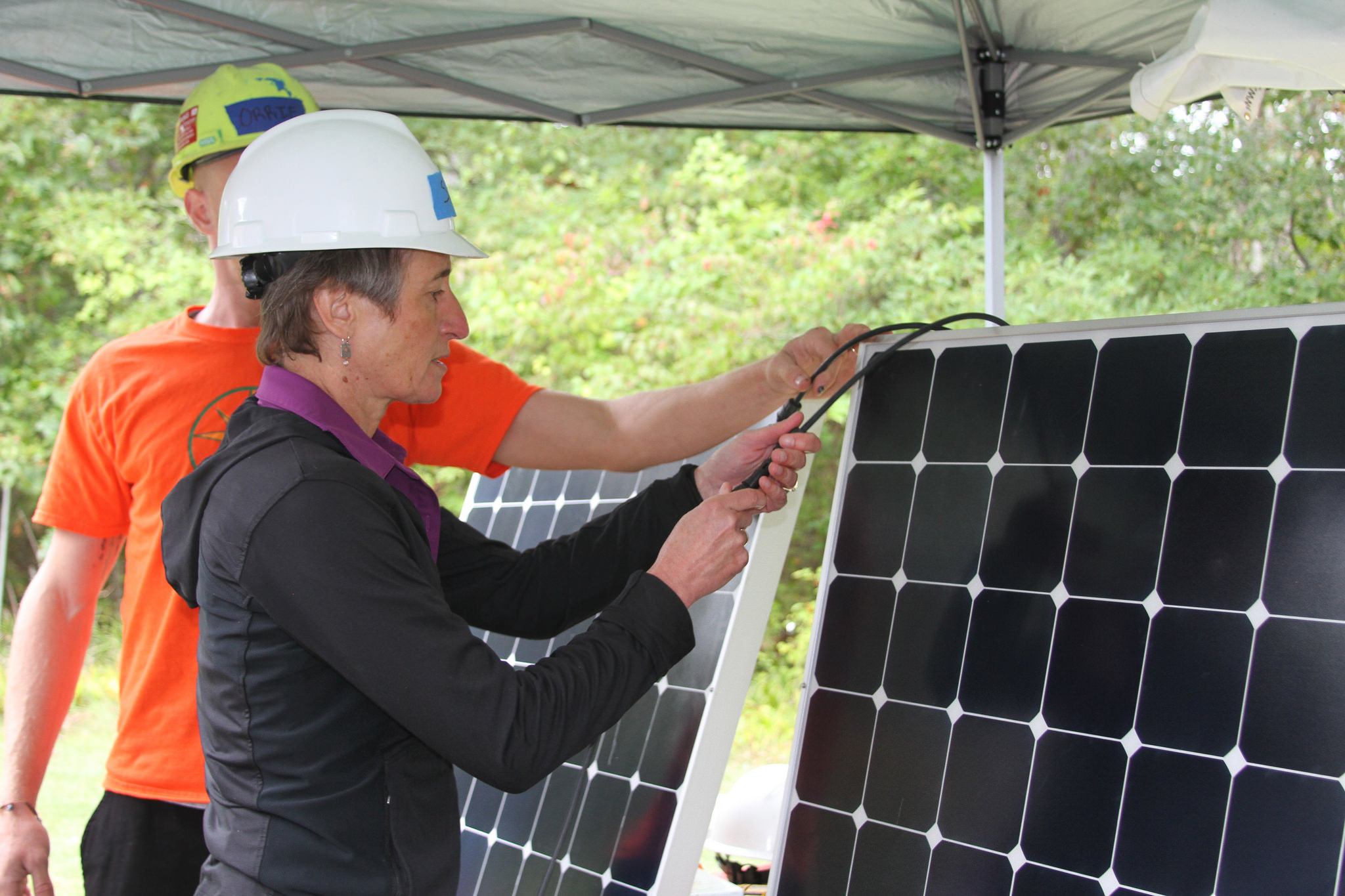
Two Million Solar Installations

July 1, 2019 By EarthWise Leave a Comment

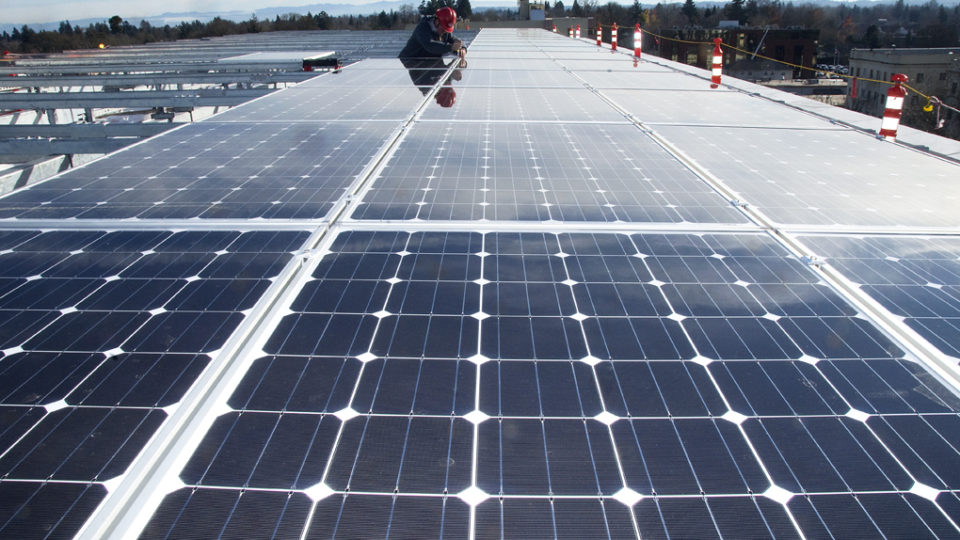
Three years ago, we reported that the United States had installed its one millionth solar energy system, a feat that took 40 years to accomplish.  Recently, the Solar Energy Industries Association announced that there are now more than 2 million U.S. installations.

Analysts forecast that there will be 3 million installation in 2021 and 4 million in 2023.

California continues to lead the nation in installing solar power.  More than 50% of the first million installations were in that state and California accounted for 43% of the second million.  Its share is nevertheless slowly dropping with the growth of the residential solar sector that is rapidly diversifying across state markets.  Some places have seen extremely rapid growth.  In South Carolina, there were barely more than 1,000 cumulative installations in 2016; today, the state is home to more than 18,000 solar systems and expects to add 22,000 more over the next five years.

The five leading states in terms of number of solar installations are California, Arizona, New York, New Jersey, and Massachusetts.    Other states recently seeing rapid growth in solar installations are Texas, Utah, Florida, Rhode Island and Maryland.  Looking ahead, Illinois is forecast to grow from only 4,000 installations today to nearly 100,000 by 2024.  The top ten state markets apart from California expect to add nearly 750,000 installation over the next five years.

The United States is at least the third nation that is home to more than 2 million solar installations.  (Australia hit the milestone late least year and Japan actually topped 2 million in September 2014).

According to forecasts from analyst first Wood Mackenzie, by the year 2024, there will be on average one new solar installation every minute.

**********

Web Links

The United States surpasses 2 million solar installations

Photo, posted January 11, 2012, courtesy of the Oregon Department of Transportation via Flickr.

Earth Wise is a production of WAMC Northeast Public Radio.

Schools And Solar Power

June 19, 2019 By EarthWise Leave a Comment

A new study from Stanford University looked at the benefits of installing solar panels on the rooftops of schools.  According to the study, taking advantage of all the viable space for solar panels could allow schools to meet up to 75% of their electricity needs and reduce the education sector’s carbon footprint by as much as 28%.

Given the long list of spending priorities for schools, solar power seems like a luxury item.  But the Department of Energy estimates that K-12 schools spend more than $6 billion a year on energy and, in many districts, energy costs are second only to salaries.  In the higher education sector, yearly energy costs add up to more than $14 billion.  In total, educational institutions account for approximately 11% of energy consumption by U.S. buildings and 4% of the nation’s carbon emissions.

The Stanford study suggests that investments in the right solar projects combined with the right incentives from states could free up much-needed money in school budgets.

To no surprise, the study finds that three large, sunny states – Texas, California, and Florida – have the greatest potential for generating electricity from solar panels on school rooftops.

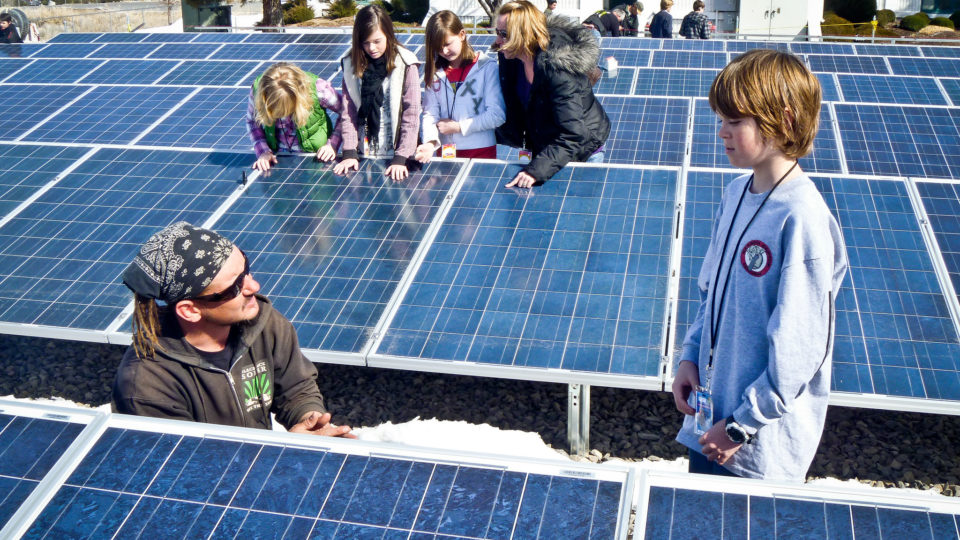
Apart from measurable effects on air pollution and electricity bills, solar installations at schools can also provide new learning opportunities for students.  In fact, some schools are already using data from their on-site solar energy systems to teach students basic ideas about fractions, as an example, as well as more sophisticated concepts such how shifting solar panel angles can affect power production.

According to the study, nearly all states could reap value from school solar projects.

**********

Web Links

What happens when schools go solar?

Photo, posted February 28, 2011, courtesy of Black Rock Solar via Flickr.

Earth Wise is a production of WAMC Northeast Public Radio.

Edible Six-Pack Rings

June 4, 2019 By EarthWise Leave a Comment

There has much talk about plastic straws and their harmful effects on the environment.  But much like the straws, plastic six-pack rings are also enemies of the ocean.  While straws and six-pack rings account for only a tiny fraction of all the plastic trash in the ocean, images of marine animals tangled up in the rings have sparked public backlash against these common items.  The soft but tough plastic rings are transparent which means that in the water animals don’t even see them.  They end up tangled in the loops, which can cut into their skin and constrict parts of their bodies, leading to serious injury or death.  Birds, turtles, and otters are among the frequent victims of six-pack rings.

Plastic straws have readily available alternatives such as paper straws and reusable straws.  But the plastic rings that have been available for more than 40 years are not as easy to replace.  By law, six-pack rings are photo-degradable, so they do gradually disintegrate when exposed to direct sunlight.  But even then, they remain quite dangerous at least for a while.

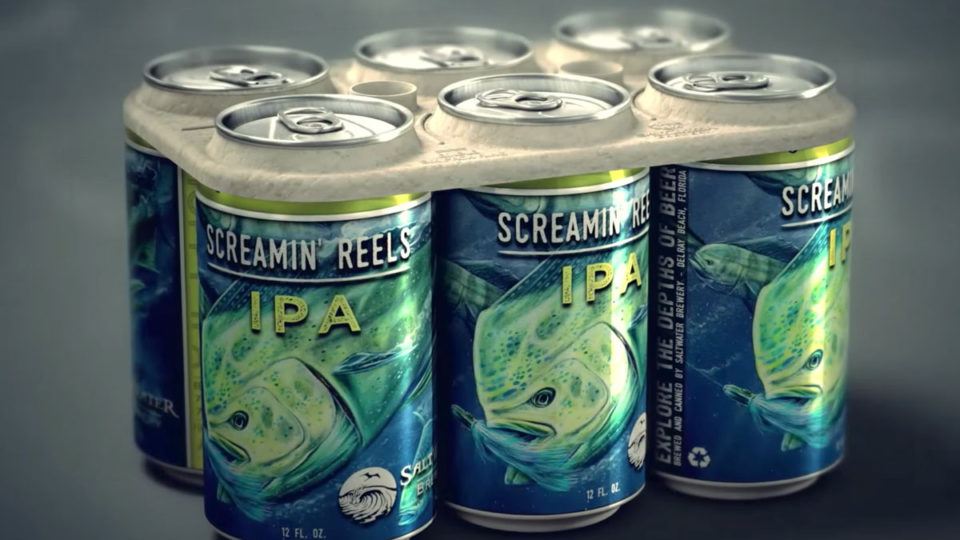
The Saltwater Brewery in Delray Beach, Florida, recently has released edible six-pack rings, representing a brand-new approach to sustainable beer packaging.  The rings are 100% biodegradable and edible.  They are actually made from barley and wheat ribbons from the brewing process.  This packaging can be safely eaten by animals that may come into contact with them in the wild.

Producing the edible rings represents a big investment for a small brewery but the company hopes to influence larger brewers and inspire them to get on board with the safer packaging.

**********

Web Links

Saltwater Brewery Creates Edible Six-Pack Rings

Photo courtesy of Saltwater Brewery.

Earth Wise is a production of WAMC Northeast Public Radio.

Coal Isn’t Even Cheap Anymore

May 15, 2019 By EarthWise Leave a Comment

Coal has historically been very cheap compared with many other energy sources and the reason is that it is so plentiful.  The United States has especially abundant quantities of the stuff – perhaps a quarter of the world’s estimated recoverable reserves.  Estimates are that at the rate at which we are currently using coal here, the remaining reserves would last about 325 years. 

That would be great, of course, if the use of coal was not relentlessly destructive to the environment, hazardous to human health, and a major driver for global warming.  Despite all of that, the Trump administration is a big booster of coal.

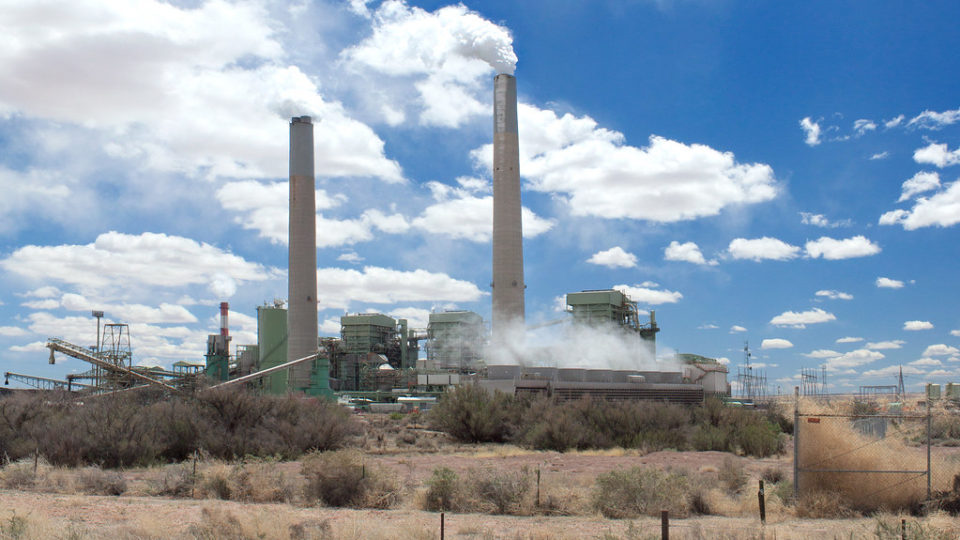
But coal has little chance of holding on to its current status, much less having some kind of renaissance.  According to a new report from renewables analysis firm Energy Innovation, nearly 75% of coal-fired power plants in the United States generate electricity that is more expensive than local wind and solar resources.   Wind power, in particular, can at times provide electricity at half the cost of coal.

Wind and solar power are growing by leaps and bounds.  The Guardian reported that by 2025, enough wind and solar power will be generated at low enough prices in the U.S. that it could replace 86% of the entire U.S. coal fleet with lower-cost electricity.

It has been known for some time that there are places where the so-called coal crossover has already taken place.   But this is actually far more widespread than previously thought.  Substantial coal capacity is currently at risk in North Carolina, Florida, Georgia and Texas.  By 2025, Indiana, Michigan, Ohio, and Wisconsin will join their ranks.

The biggest threat to coal is not regulators or environmentalists; it is economics.

**********

Web Links

Renewables Cheaper Than 75 Percent of U.S. Coal Fleet, Report Finds

Photo, posted May 1, 2011, courtesy of Alan Stark via Flickr.

Earth Wise is a production of WAMC Northeast Public Radio.

Examining Sea Level Rise

January 17, 2019 By EarthWise Leave a Comment

It’s no secret that sea levels along the East Coast of the United States are rising.  But what’s less known is that the water isn’t rising at the same rate everywhere.  As the climate continues to change, some cities may remain dry while others struggle to keep water out. 

During the 20th century, sea levels rose about 18 inches near Cape Hatteras in North Carolina and along the Chesapeake Bay in Virginia.  During that same time period, New York City and Miami experienced a 12 inch sea level rise, while the waters near Portland, Maine only rose 6 inches.  According to a study recently published in the journal Nature, there’s an explanation for this. 

The variation is a result of a phenomenon called “post-glacial rebound.”  During the last ice age, huge sheets of ice once covered land areas in the Northern Hemisphere, including parts of the Northeast U.S.  The weight of the ice weighted down the land like a boulder on a trampoline.  At the same time, peripheral lands such as the U.S. mid-Atlantic coast rose up.  As the ice melted, the previously weighted-down regions rebounded while the peripheral lands began to sink.  While these ice sheets disappeared some 7,000 years ago, this see-sawing of post-glacial rebound continues to this day. 

Researchers combined data from GPS satellites, tide gauges, and fossils in sediment with complex geophysical models to produce this comprehensive view of sea level change since 1900.  While post-glacial rebound accounts for most of the sea level variation along the East Coast, researchers noted that when that factor is stripped away, “sea level trends increased steadily from Maine all the way down to Florida.”

**********

Web Links

Why is sea level rising faster in some places along the US East Coast than others?

Photo, posted August 24, 2014, courtesy of Bill Dickinson via Flickr.

Earth Wise is a production of WAMC Northeast Public Radio.

Zika Insecticides And Honeybees

November 30, 2018 By EarthWise Leave a Comment

https://earthwiseradio.org/wp-content/uploads/2018/11/EW-11-30-18-Zika-Insecticides-and-Honeybees.mp3

Honeybees, which play a critical role in agriculture by pollinating crops, are not native to the United States.  Beekeepers manage most honeybee colonies and they move the bees around to support farmers.        

[Read more…] about Zika Insecticides And Honeybees

Rising Seas On The East Coast

June 6, 2018 By EarthWise Leave a Comment

https://earthwiseradio.org/wp-content/uploads/2018/06/EW-06-06-18-Rising-Seas-on-the-East-Coast.mp3

Global sea levels are rising by about a tenth of an inch per year, but in some places, the rise is faster… much faster.  From 2011 to 2015, sea levels rose up to 5 inches – an inch per year – in some locales along the Eastern Seaboard.  Places like Norfolk, Virginia and Miami are experiencing so-called sunny day flooding, something that had not been expected for decades according to climate projections.  So, what is going on?

[Read more…] about Rising Seas On The East Coast

Fewer Snowbird Sharks

April 23, 2018 By EarthWise Leave a Comment

https://earthwiseradio.org/wp-content/uploads/2018/03/EW-04-23-18-Fewer-Snowbird-Sharks.mp3

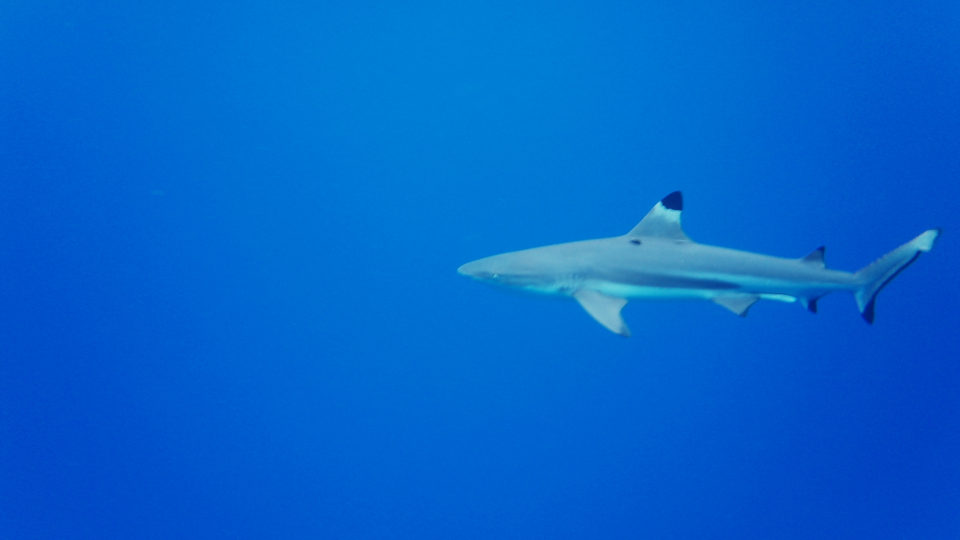
Blacktip sharks are snowbirds, to use a cross-species metaphor.   At least, they usually are.  The males of the species swim south to southern Florida during the coldest months of the year and head back north to North Carolina in the spring to mate with females.

[Read more…] about Fewer Snowbird Sharks

Nitrogen Pollution

March 30, 2018 By EarthWise Leave a Comment

https://earthwiseradio.org/wp-content/uploads/2018/03/EW-03-30-18-Nitrogen-Pollution.mp3

Earth system scientists say that there are four major human-caused forces that threaten to cause irreversible and abrupt environmental upheaval:  climate change, deforestation, biodiversity loss, and excess nitrogen.

[Read more…] about Nitrogen Pollution

Can We Stop A Hurricane?

December 1, 2017 By EarthWise Leave a Comment

https://earthwiseradio.org/wp-content/uploads/2017/10/EW-12-01-17-Can-We-Stop-A-Hurricane.mp3

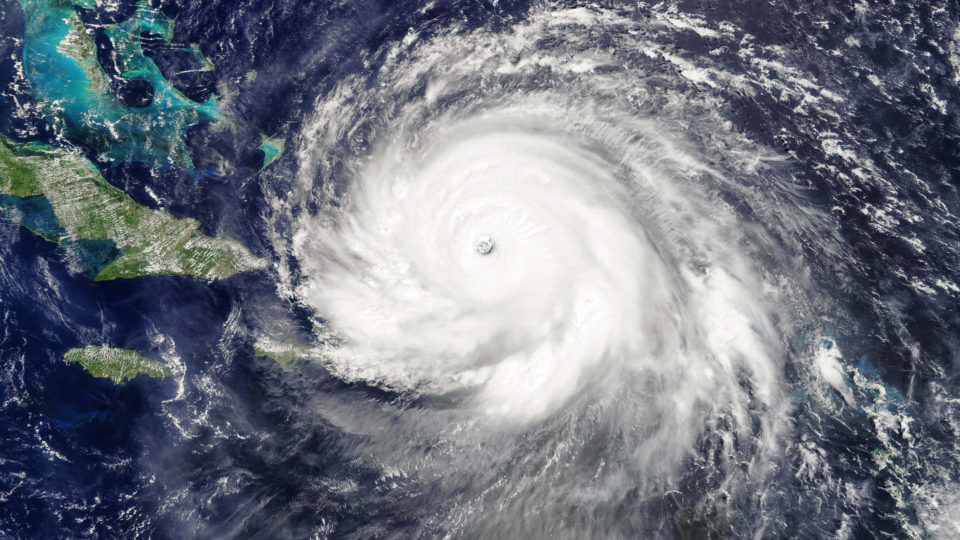
This has been a particularly terrible hurricane season.   Harvey, Irma, Jose, Maria, and Nate all formed in the Atlantic and headed for North America. People in Houston, Florida, all over the Caribbean, and especially Puerto Rico are trying to recover from the effects of these powerful storms.

[Read more…] about Can We Stop A Hurricane?

Looking For “Super Coral”

November 2, 2017 By EarthWise Leave a Comment

https://earthwiseradio.org/wp-content/uploads/2017/11/EW-11-02-17-Looking-for-Super-Coral.mp3

Coral reefs are essential for much of marine life and are the basis of many commercial fisheries.  In places from Florida to Australia, they are major tourist attractions.  Estimates are that the economic impact of coral reefs is more than $375 billion a year.  And apart from all of that, they are some of the most beautiful places on the planet.

[Read more…] about Looking For “Super Coral”

Global Warming And The Nitrogen Problem

September 13, 2017 By EarthWise

https://earthwiseradio.org/wp-content/uploads/2017/09/EW-09-13-17-Global-Warming-and-the-Nitrogen-Problem.mp3

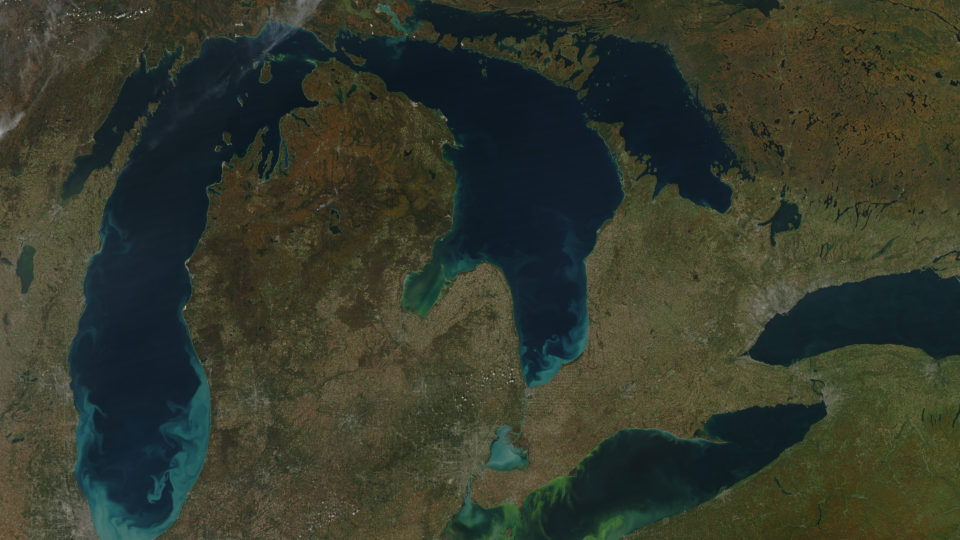
Excess nitrogen in the environment is a big problem.  The most visible aspect of the problem is the spread of toxic algae blooms in oceans, lakes and other bodies of water.  But there are other effects as well such as unwanted alterations to ecosystems.

[Read more…] about Global Warming And The Nitrogen Problem

New York’s Solar Boom

April 4, 2017 By EarthWise

https://earthwiseradio.org/wp-content/uploads/2017/04/EW-04-04-17-NYs-Solar-Boom.mp3

New York Governor Andrew Cuomo recently announced that the state’s support for solar power initiatives has resulted in an 800% increase in industry growth since 2011.   New York’s various renewable energy programs have resulted in $1.5 billion in investments.  The NY-Sun Initiative has produce a 10-fold increase in solar projects in several regions of the state.  The Mohawk Valley led the way with an almost 16-fold increase in solar capacity.

[Read more…] about New York’s Solar Boom

  • « Go to Previous Page
  • Page 1
  • Page 2
  • Page 3
  • Page 4
  • Go to Next Page »

Primary Sidebar

Recent Episodes

  • An uninsurable future
  • Clean energy and jobs
  • Insect declines in remote regions
  • Fossil fuel producing nations ignoring climate goals
  • Trouble for clownfishes

WAMC Northeast Public Radio

WAMC/Northeast Public Radio is a regional public radio network serving parts of seven northeastern states (more...)

Copyright © 2026 ·