• Skip to primary navigation
  • Skip to main content
  • Skip to primary sidebar

Earth Wise

A look at our changing environment.

  • Home
  • About Earth Wise
  • Where to Listen
  • All Articles
  • Show Search
Hide Search
You are here: Home / Archives for floods

floods

Displaced By Extreme Weather

November 11, 2019 By EarthWise Leave a Comment

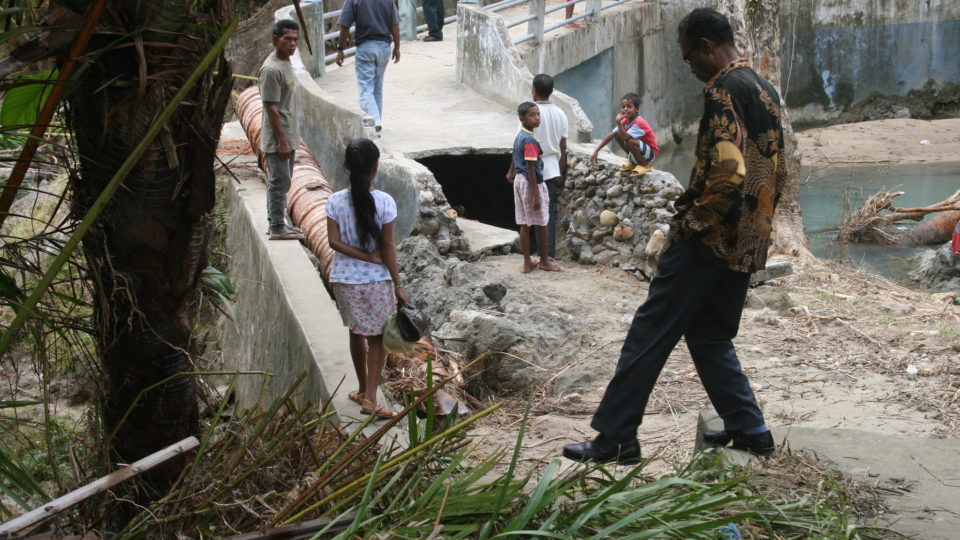
The Internal Displacement Monitoring Centre is the world’s authoritative source of data and analysis on internal displacement.  Internal displacement refers to people being forced to flee their homes or places of habitual residence but who remain within their country’s borders.  Such displacements can be the result of conflict, violence, development projects, natural disasters, or climate change.  As of the end of 2018, over 41 million people were living in internal displacement because of conflict and violence alone.

This year, natural disasters are causing a record number of internal displacements.  In the first half of the year, 7 million people were displaced by disasters, accounting for nearly two-thirds of all the internal displacements worldwide.  The IDMC estimates that this number could hit 22 million by the end of the year.

The vast majority of displacement has been associated with storms and floods.  Cyclone Fani alone in May displaced more than 3.4 million people in India and Bangladesh.  In March, Cyclone Idai displaced 617,000 people in Mozambique, Malawi, and Zimbabwe.  In total, 950 extreme weather events in 102 countries and territories displaced 7 million people from January to June.

Technically speaking, internally displaced people are not considered to be refugees because they remain in their home countries.  But the growing millions of people represent a global crisis that continues to worsen with the changing climate.  The international community cannot ignore the plight of these people.  Governments around the world have to redouble their efforts to protect and assist their displaced citizens as well as to invest in sustainable development and climate change adaptation.

**********

Web Links

Extreme Weather Displaced 7 Million People in First Half of 2019

Photo, posted August 5, 2012, courtesy of the U.S. Embassy, Jakarta via Flickr.

Earth Wise is a production of WAMC Northeast Public Radio.
Hundred-Year Floods Becoming One-Year Floods

September 26, 2019 By EarthWise Leave a Comment

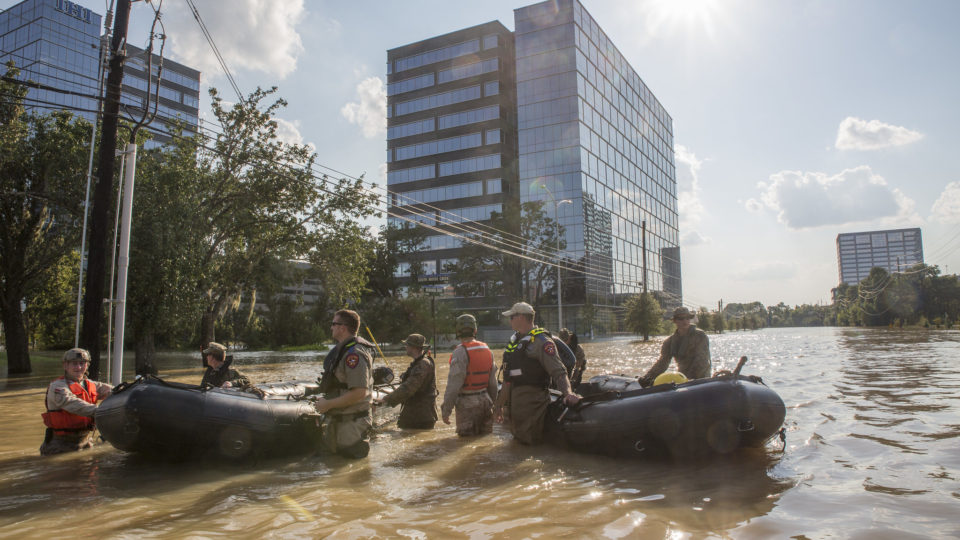
By definition, 100-year floods are intense flooding events that historically tend to happen once every 100 years.  Put another way, a 100-year flood has a 1 percent chance of happening in any given year.

According to new research published in the journal Nature Communications, rising global temperatures may turn 100-year floods into annual occurrences in parts of the United States.  The increase in severe coastal flooding events by the end of this century will be a result of rising sea levels and stronger, more frequent tropical storms and hurricanes.

The study, led by researchers at Princeton University and MIT, examined flood risk for 171 counties along the US East Coast and the Gulf of Mexico.  Their analysis concluded that 100-year floods will become annual events in New England.  In the US Southeast and Gulf of Mexico, counties could experience such floods as often as every year up to as seldom as every 30 years.

Previously, most analysis of coastal flooding has looked only at the impact of sea level rise on flood risk.  This new research combined the risk of rising seas with projected changes in coastal storms over the course of this century.  Data from the Gulf of Mexico revealed that the effect of stronger storms is comparable with or even more significant than the effect of sea level change for 40% of the counties studied.  So, neglecting the effects of storm climatology change is likely to significantly underestimate the impact of climate change in many places.

The hope is that more comprehensive flood risk data can be used to create more effective climate resiliency strategies all the way down to the county level.

**********

Web Links

100-Year Floods Could Soon Happen Annually in Parts of U.S., Study Finds

Photo, posted August 31, 2017, courtesy of the U.S. Department of Agriculture via Flickr.

Earth Wise is a production of WAMC Northeast Public Radio.
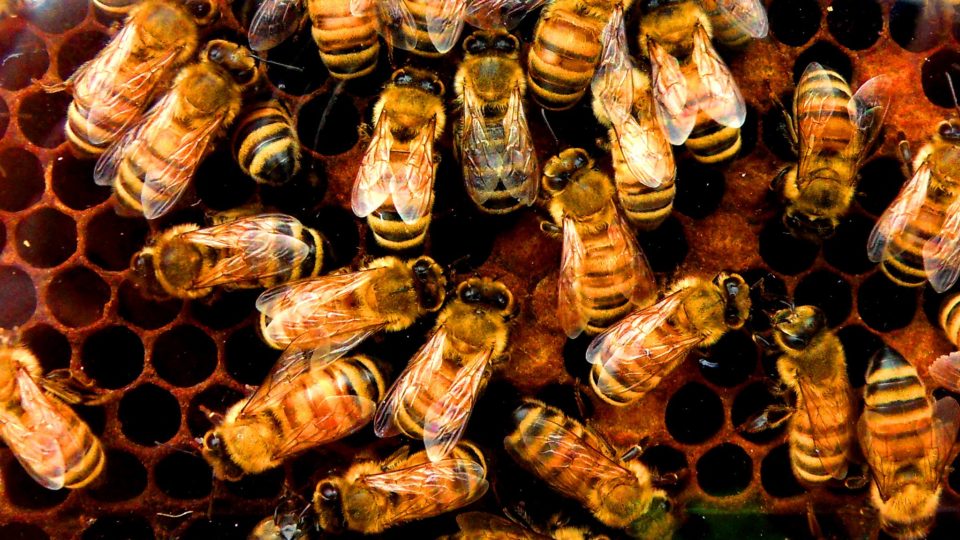
Another Bad Year For Bees

August 6, 2019 By EarthWise Leave a Comment

The latest annual nationwide survey of beekeepers in the US revealed that honeybees are still dying off at an alarming rate.  According to the survey, beekeepers across the country lost 40.7% of their honey bee colonies from April 2018 to April 2019. 

This annual loss represents a slight increase over the average annual loss of 38.7%.  Of greater concern is that winter losses of 37.7% were the highest reported since these annual surveys began 13 years ago and are almost 9% higher than the survey average.

These results are very troubling considering that the elevated losses are continuing even after a decade of intense work trying to understand and reduce colony loss.  Evidently, there has not been much progress.

The number one concern among beekeepers is varroa mites, which are lethal parasites that can readily spread from colony to colony.  These mites have been decimating bee colonies for years.  Products developed to remove mites seem to be getting less and less effective.

But mites are not the only problem for bees.  Land use changes have resulted in reduced availability of pollen sources for bees.  Add to that pesticide exposures, environmental factors, and even problems with beekeeping practices.   In addition, extreme weather conditions such as wildfires and floods are only adding to the problems facing bees.

The tools that used to work for beekeepers seem to be failing and they are already stretched to their limits trying to keep their bees alive. Honey bees pollinate $15 billion worth of food crops in the United States each year. The problems facing bees are a problem for all of us.

**********

Web Links

U.S. Beekeepers Suffered Higher than Average Colony Loss Last Year, with Winter Losses the Highest Recorded, According to UMD-Led Annual Survey

Photo, posted June 3, 2009, courtesy of Jennifer C via Flickr.

Earth Wise is a production of WAMC Northeast Public Radio.
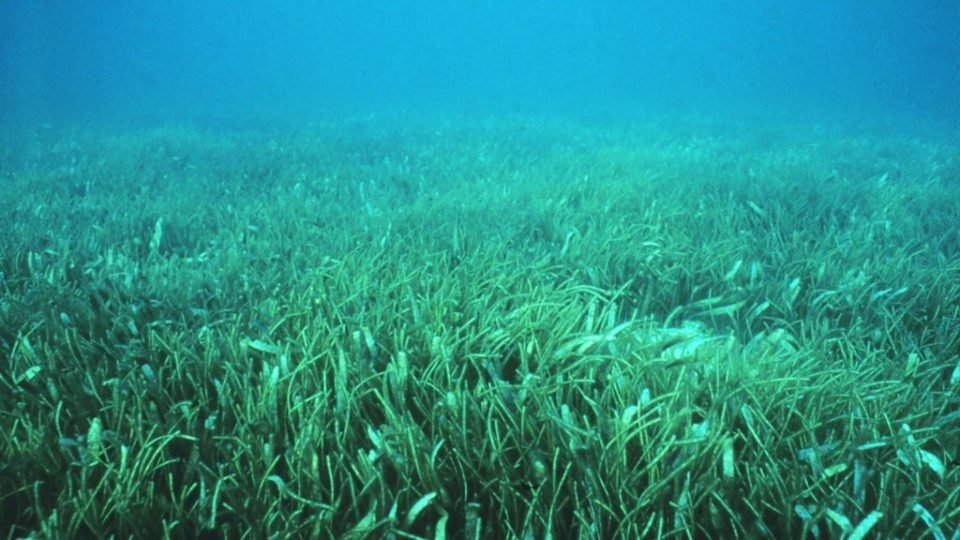
Protecting Vulnerable Shorelines

May 21, 2019 By EarthWise Leave a Comment

Global climate change is having noticeable effects on the environment. For example, glaciers are shrinking.  Plant and animal ranges are shifting and populations decreasing.  And droughts, floods, and wildfires are becoming more frequent and more intense.  According to the Intergovernmental Panel on Climate Change, the evidence indicates that the net damage costs of climate change are likely to be significant and to increase over time. 

Our coastal shorelines, which are already stressed by human activity, pollution, storms, and invasive species, are one of many areas expected to be further threatened by climate change.  Sea level rise and more intense and frequent storms are expected to erode and inundate coastal ecosystems and eliminate wetlands.  Ocean acidification is also projected to disrupt marine environments. 

But according to scientists at the Massachusetts Institute of Technology, seagrasses could play a key role in protecting these vulnerable shorelines from this onslaught.  The MIT research team demonstrated how the ubiquitous marine plants dissipate wave energy and help protect against erosion, which could help mitigate damage from rising seas. 

Using mathematical modelling and experiments, the MIT researchers were able to quantify for the first time how large and dense a continuous meadow of seagrass must be in order to provide adequate damping of waves in a given setting.  They also found that seagrasses offer significant environmental benefits, including preventing beach erosion, protecting seawalls and coastal structures, improving water quality, and sequestering carbon. 

Submerged aquatic vegetation, including seagrasses, provides an ecosystem service exceeding $4 trillion annually.  Hopefully these findings can help provide useful guidance for seagrass restoration efforts.

**********

Web Links

Seagrass’ strong potential for curbing erosion

The Effects of Climate Change

Photo, posted October 13, 2010, courtesy of the NOAA Photo Library via Flickr.

Earth Wise is a production of WAMC Northeast Public Radio.
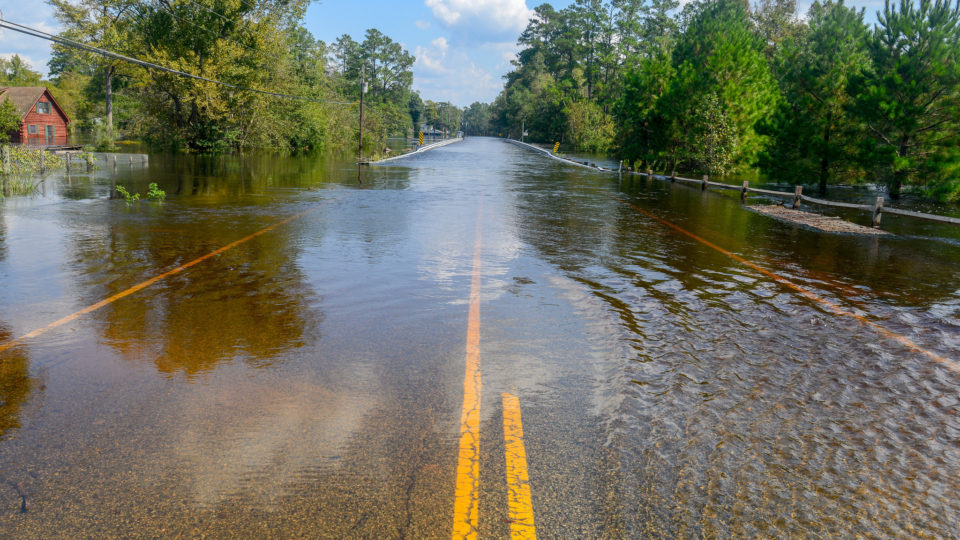
High-Tide Flooding And Pollution

April 30, 2019 By EarthWise Leave a Comment

Global sea levels are steadily rising.  They are up 8 inches in the past century and now increasing at an average of 1.3 inches per decade.  As a result, the incidence of high-tide “sunny day” flooding is on the rise, especially along the U.S. East Coast.

Norfolk Virginia experienced fewer than 2 days of high-tide flooding a year in the 1960s; it had 14 in 2017.  Up and down the East Coast, flood days have increased by factors of 5 and more.

This has led to a form of pollution that hasn’t gathered much attention in the past:  when these floodwaters recede, they can carry debris, toxic pollutants and excess nutrients into rivers, bays, and oceans.

In the aftermath of high-tide flooding in Norfolk, Chesapeake Bay was littered with tipped-over garbage cans, tossed-away hamburgers, oil, dirty diapers, pet waste and all manner of other things.  Water that comes up on the landscape takes everything back into the river or ocean with it.

Analysis of tidal flooding along the Lafayette River in Norfolk indicated that just one morning of tidal flooding poured nearly the entire EPA annual allocation of nitrogen runoff for the river – nearly 2,000 pounds – into Chesapeake Bay.  The effects of excess nitrogen in the water are well-known and responsible for the toxic algal blooms that endanger aquatic life as well as human health.

According to the National Oceanic and Atmospheric Administration, high-tide flooding frequency along the southeastern coast of the U.S. rose 160% since 2000.  With the expected continuing rises in sea level, NOAA projects that as many as 85 days of high-tide flooding will occur along the coast by the year 2050.  It’s a big problem.

**********

Web Links

As High-Tide Flooding Worsens, More Pollution Is Washing to the Sea

Photo, posted September 20, 2018, courtesy of SC National Guard via Flickr.

Earth Wise is a production of WAMC Northeast Public Radio.
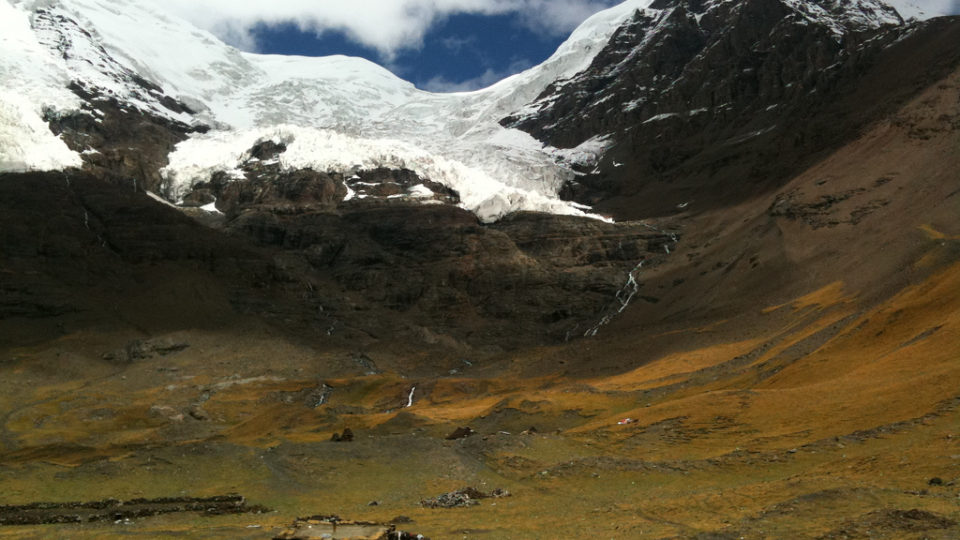
Glaciers And Water Supply

March 25, 2019 By EarthWise Leave a Comment

The world has roughly 150,000 glaciers covering about 200,000 square miles of the earth’s surface.  Over the last 40 years they’ve lost the equivalent of a layer of ice 70 feet thick.  Most of them are getting shorter as well.  Some have shrunk to nothing; many smaller glaciers in places like the Rockies and the Andes have disappeared entirely.

Glaciers represent the snows of centuries, compressed over time to form flowing rivers of ice.  They always change over time, accumulating snow in winter and losing ice to melting in summer.  But in recent times, the warming climate has allowed the melting to outpace the accumulation.

Much of the discussion about the retreating glaciers relates to sea level rise, catastrophic floods, debris flow, and the effects on rivers and ecosystems.

But in some places, the biggest impact of the loss of glaciers is on the supply of water for people and agriculture.  In Kazakhstan, Almaty, the country’s largest city depends on glacier-fed rivers for drinking water for its 2 million people and for irrigation water for crops.  All across the Tibetan Plateau and the Himalayan and Karakmoram mountain ranges, hundreds of millions of people rely on glacier-fed rivers for their water supplies. 

A melting glacier can at first increase stream flow but eventually reaches a tipping point and meltwater begins to taper.  In the short term, the melting glaciers may provide increased amounts of water coming down from the mountains, but eventually the flow in the rivers will begin to decline and populations will face a crisis.

It will be essential for people in many places to carefully plan for their future water needs in a changing world.

**********

Web Links

Glaciers Are Retreating. Millions Rely on Their Water.

Photo, posted September 16, 2011, courtesy of Flickr.

Earth Wise is a production of WAMC Northeast Public Radio.
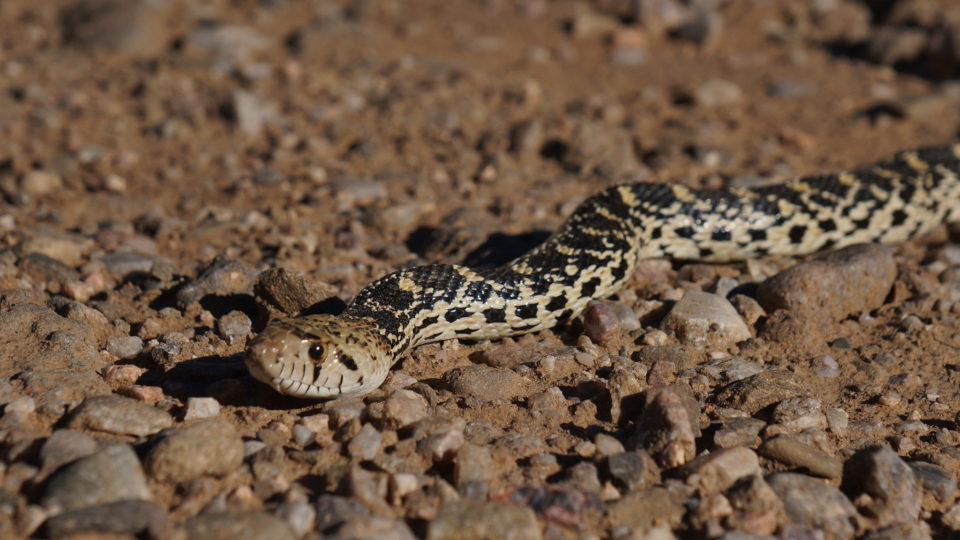
Climate Change And Infertility

March 8, 2019 By EarthWise Leave a Comment

Many of us are all too familiar with the effects of climate change.  Our changing climate, as a result of our actions, is leading to rising global temperatures, biodiversity loss, ocean acidification, wildfires, more weather extremes like floods and droughts. But a lesser known effect of climate change could lead to frightening consequences: infertility.

According to researchers at the University of Liverpool, rising temperatures could make some species sterile and lead them to succumb to the effects of climate change far earlier than currently thought. Their work was recently published in the journal Trends in Ecology and Evolution, and it was produced in collaboration with scientists from the University of Leeds, University of Melbourne, and Stockholm University.

Biologists and conservationists are trying to predict where species will be lost due to climate change so that suitable reserves can be established in other locations.  But the problem is that most data on when temperature will make an area unlivable for a species is based on its ‘critical thermal limit’ or CTL.  This is the temperature at which a species would collapse, stop moving, or die. 

The authors of the article fear that the impact of climate change on species survival is being underestimated.  Because rather than zeroing in on lethal temperatures, the scientists argue the focus should be on the temperatures at which organisms can no longer breed.  Extensive plant and animal data suggest organisms lose fertility at a lower temperature than their CTL.

The scientists have proposed a new fertility-based metric to gauge how organisms function as temperatures climb: Thermal Fertility Limit or TFL.  Understanding when a species will cease to reproduce will certainly help conservation measures. 

**********

Web Links

Climate change and infertility — a ticking time bomb?

Photo, posted August 11, 2013, courtesy of Mike Lewinski via Flickr.

Earth Wise is a production of WAMC Northeast Public Radio.
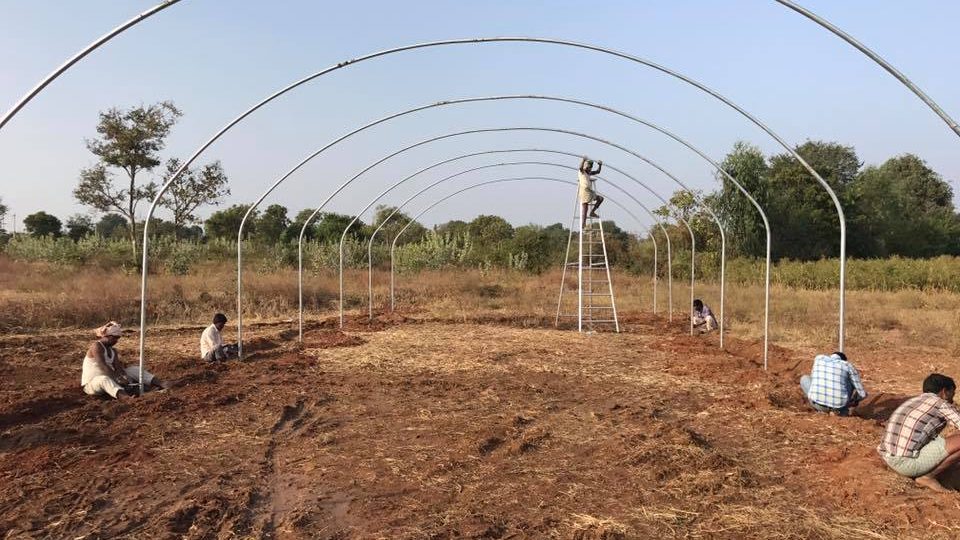
Greenhouses Adapt To Climate Change

August 2, 2018 By EarthWise Leave a Comment

https://earthwiseradio.org/wp-content/uploads/2018/06/EW-08-02-18-Greenhouses-Adapt-to-Climate-Change.mp3

The Telangana region of India has struggled with extreme weather patterns attributed to climate change.  Extended periods of drought, heatwaves, and unpredictable heavy rainfalls have led to crop failures, mounting debt, and a heavy human toll.  More than 3,000 farmers committed suicide in Telangana during a three-year drought.

[Read more…] about Greenhouses Adapt To Climate Change

Traffic Jams In The Jet Stream

July 13, 2018 By EarthWise Leave a Comment

https://earthwiseradio.org/wp-content/uploads/2018/07/EW-07-13-18-Traffic-Jams-in-the-Jet-Stream.mp3

Many extreme weather events are associated with unusual behavior by the jet stream.   Jet streams are the global air currents that circle the earth.  The meandering and speed changes in the jet stream affect weather and also play a big role in how long it takes aircraft to make their way across the country.  The behavior that leads to extreme weather events is known as “blocking” in which the meandering jet stream stops weather systems from moving eastward.

[Read more…] about Traffic Jams In The Jet Stream

Extreme Weather Increasing

May 11, 2018 By EarthWise Leave a Comment

https://earthwiseradio.org/wp-content/uploads/2018/04/EW-05-11-18-Extreme-Weather-Increasing.mp3

It sure seems like extreme weather is increasingly common:  floods, droughts, extreme rainfall, powerful snowstorms, hurricanes and so on.  But we tend to focus on recent events and often give them undue emphasis.  So, it is reasonable to ask whether extreme weather really is more common these days.

[Read more…] about Extreme Weather Increasing

Climate Change Threatens the U.S. Military

February 20, 2018 By EarthWise Leave a Comment

https://earthwiseradio.org/wp-content/uploads/2018/02/EW-02-20-18-Climate-Change-Threatens-the-Military.mp3

According to a new study from the Pentagon, nearly half of United States military sites are threatened by wild weather linked to climate change.  The U.S. Department of Defense states that drought, wind, and flooding that occur due to reasons other than storms topped the list of natural disasters that endanger 1,700 military sites around the world – everything from outposts to large bases.

[Read more…] about Climate Change Threatens the U.S. Military

Saving Venice From The Sea

January 26, 2018 By EarthWise Leave a Comment

https://earthwiseradio.org/wp-content/uploads/2018/01/EW-01-26-18-Saving-Venice-from-the-Sea.mp3

The risks of rising sea waters are growing more apparent every year.  While the world struggles with taking action to reduce the carbon emissions that are driving the sea level rise, cities around the world are building sea walls designed to protect them from storm surges and flooding.   Most of these are massive, complex infrastructure projects that cost billions of dollars and take decades to complete.

[Read more…] about Saving Venice From The Sea

Climate Change And Hurricanes

October 4, 2017 By EarthWise Leave a Comment

https://earthwiseradio.org/wp-content/uploads/2017/10/EW-10-04-17-Climate-Change-and-Hurricanes.mp3

No single weather event can be attributed to climate change.   Storms, floods and droughts have always happened and some of them have always been severe.   However, two centuries of people burning fossil fuels has altered temperatures just enough that some of the storms we have seen in recent times have been much worse than they otherwise would have been.

[Read more…] about Climate Change And Hurricanes

Dangerous Diseases From The Past

June 9, 2017 By EarthWise

https://earthwiseradio.org/wp-content/uploads/2017/06/EW-06-09-17-Dangerous-Diseases-from-the-Past.mp3

Climate change is poised to transform life on Earth as we know it.  The higher temperatures, the rising seas, the more frequent floods and droughts, among the countless other consequences associated with climate change, threaten to do irreversible damage to the world in the coming decades.

[Read more…] about Dangerous Diseases From The Past

The Hottest Month (Again)

September 15, 2016 By WAMC WEB

https://earthwiseradio.org/wp-content/uploads/2016/08/EW-09-15-16-The-Hottest-Month-Again.mp3

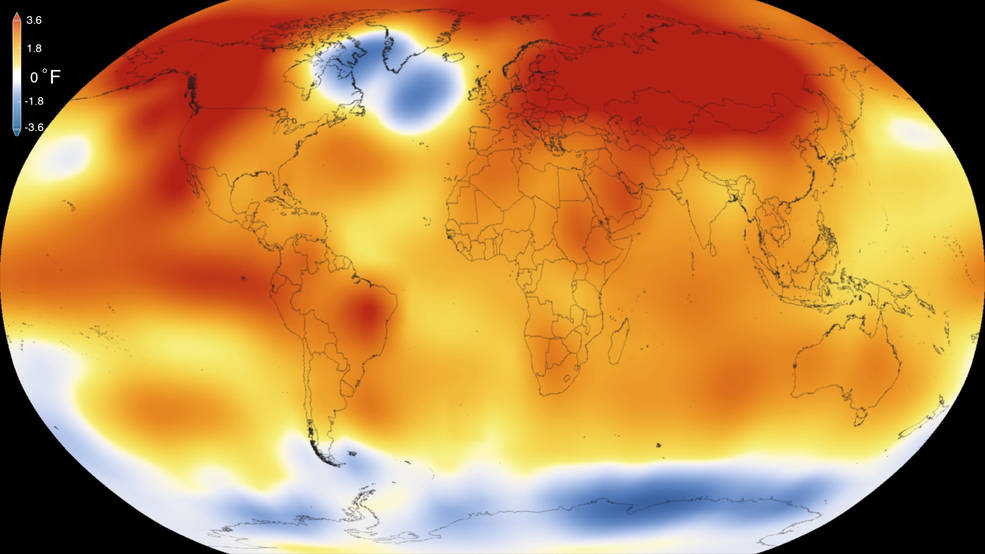
NASA data show that the Earth’s temperature in July was the highest recorded since record-keeping began 136 years ago.  It was also the 10th straight month of record-breaking temperatures and was .18 degrees Fahrenheit higher than the previous hottest July in 2011.

[Read more…] about The Hottest Month (Again)

Climate Change And Extreme Weather

December 1, 2015 By WAMC WEB

https://earthwiseradio.org/wp-content/uploads/2015/12/EW-12-01-15-Climate-Change-and-Extreme-Weather.mp3

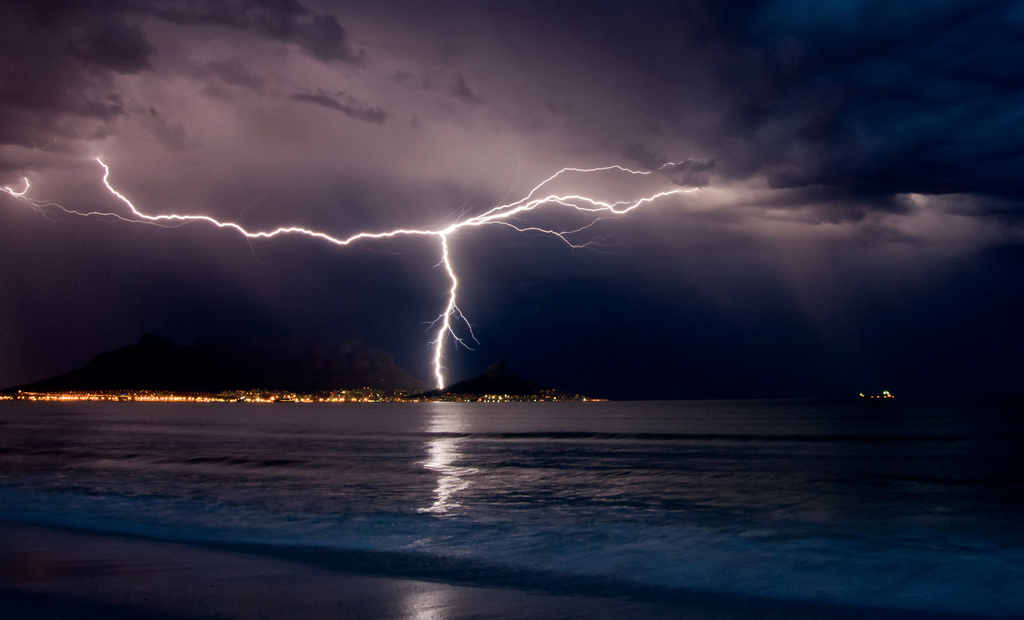
Global climate change is predicted to manifest itself in many ways over the next 100 years as average temperatures increase around the world.   But we do not directly experience climate; we experience weather.

[Read more…] about Climate Change And Extreme Weather

  • « Go to Previous Page
  • Page 1
  • Page 2

Primary Sidebar

Recent Episodes

  • An uninsurable future
  • Clean energy and jobs
  • Insect declines in remote regions
  • Fossil fuel producing nations ignoring climate goals
  • Trouble for clownfishes

WAMC Northeast Public Radio

WAMC/Northeast Public Radio is a regional public radio network serving parts of seven northeastern states (more...)

Copyright © 2026 ·