• Skip to primary navigation
  • Skip to main content
  • Skip to primary sidebar

Earth Wise

A look at our changing environment.

  • Home
  • About Earth Wise
  • Where to Listen
  • All Articles
  • Show Search
Hide Search
You are here: Home / Archives for evaporation

evaporation

The Caspian Sea And Climate Change | Earth Wise

January 22, 2021 By EarthWise Leave a Comment

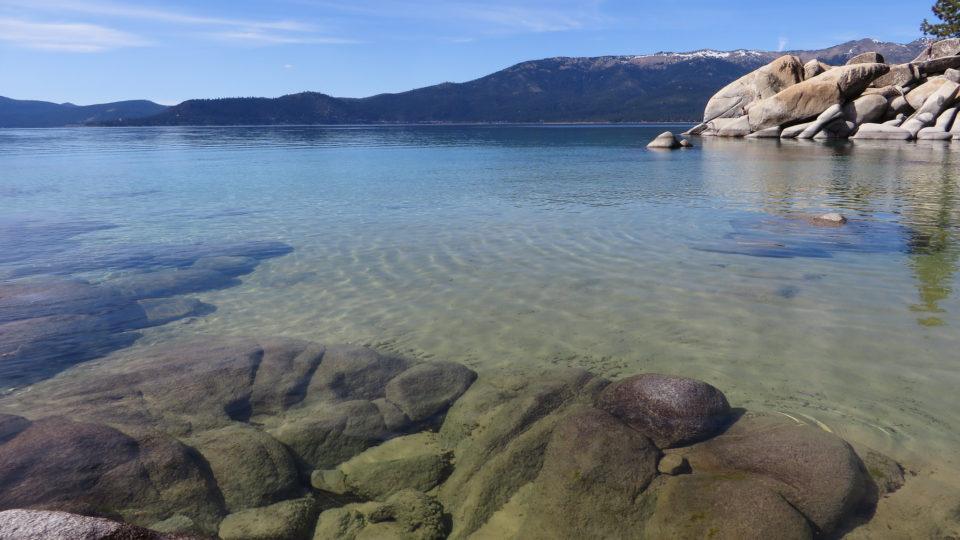
Climate change will lower water levels in the Caspian Sea

According to the National Oceanic and Atmospheric Administration, global sea levels have been rising over the past century, and the rate has increased in recent decades.  Sea levels are currently rising about one-eighth of an inch every year.

Sea level rise is caused primarily by two factors related to climate change:  the added water from melting glaciers and ice sheets, and the expansion of seawater as it warms.  While climate change is causing global sea levels to rise, higher temperatures in other regions are having exactly the opposite effect.  The water levels are falling.

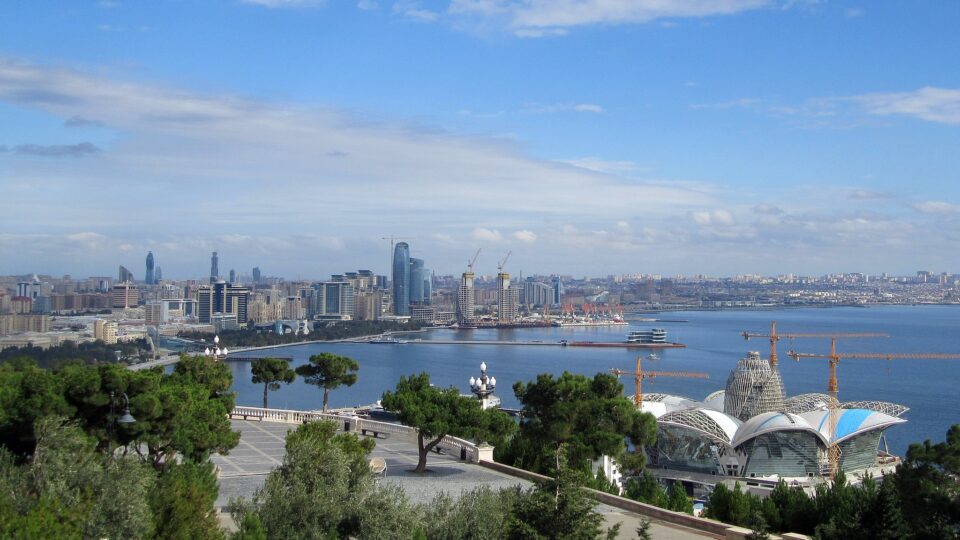
According to researchers from the University of Bremen in Germany, the Caspian Sea is a perfect example of how a body of water will change.  While it is named a sea due to its size and high salinity, the Caspian Sea is actually a lake.  In fact, it’s the largest lake in the world.  Its largest inflow is the Volga River and it has no natural connection to the ocean.  Its water level is determined by the proportional influences of inflow, precipitation, and evaporation.  Climate change is causing increased evaporation, which leads to a declining water level. 

According to the research team, the water level of the Caspian Sea could fall by 29 to 59 feet during this century.

The Caspian Sea is surrounded by Kazakhstan, Turkmenistan, Iran, Azerbaijan and Russia.  It’s an important regional water reservoir, and a biological and commercial center. 

The researchers hope the Caspian Sea will be used as an example in scientific research to assess the vulnerability of other regions to falling water levels.

********** 

Web Links

Climate crisis is causing lakes to shrink

Photo, posted October 31, 2016, courtesy of Amanderson2 via Flickr.

Earth Wise is a production of WAMC Northeast Public Radio.

Extreme Heat And Humidity | Earth Wise

June 15, 2020 By EarthWise Leave a Comment

heat and humidity

On hot, sticky summer days, one often hears the expression “it’s not the heat, it’s the humidity.” That isn’t just an old saw; it is a recognition of what might be the most underestimated direct, local danger of climate change.   Extreme humid heat events represent a major health risk.

There is an index called “wet-bulb temperature” that is calculated from a combination of temperature and humidity data.  The reading, which is taken from a thermometer covered in a wet cloth, is related to how muggy it feels and indicates how effectively a person sheds heat by sweating.  When the wet-bulb temperature surpasses 95o Fahrenheit, evaporation of sweat is no longer enough for our bodies to regulate their internal temperature.  When people are exposed to these conditions for multiple hours, organ failure and death can result. 

Climate models project that combinations of heat and humidity could reach deadly thresholds for anyone spending several hours outdoors by the end of this century. 

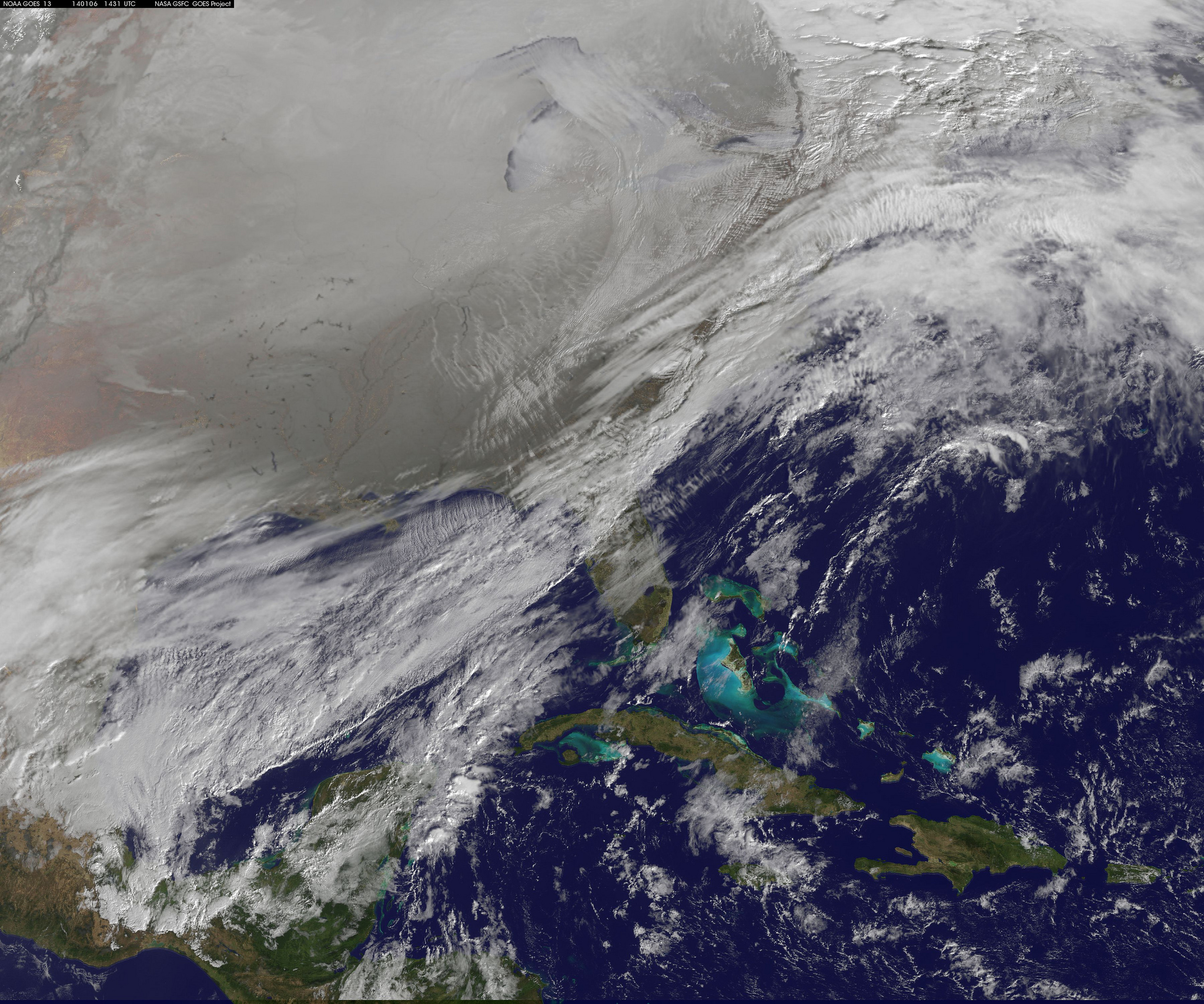
Dangerous extremes only a few degrees below the human tolerance limits – including in parts of the southwestern and southeastern US – have more than doubled in frequency since 1979.  Since then, there have been more than 7,000 occurrences of wet-bulb temperatures above 88o, 250 above 91o, and multiple reading above 95o.  Even at lower wet-bulb temperatures around 80o, people with pre-existing health conditions, the elderly, as well as those performing strenuous outdoor labor and athletic activities, are at high risk.

More research is needed on the factors that generate extreme wet-bulb temperatures as well as the potential impacts on energy, food systems, and human security.

**********

Web Links

Dangerous Humid Heat Extremes Occurring Decades Before Expected

Photo, posted April 16, 2012, courtesy of Flickr.

Earth Wise is a production of WAMC Northeast Public Radio.
Fumes From Gas Stations

November 15, 2018 By EarthWise Leave a Comment

https://earthwiseradio.org/wp-content/uploads/2018/11/EW-11-15-18-Fumes-from-Gas-Stations.mp3

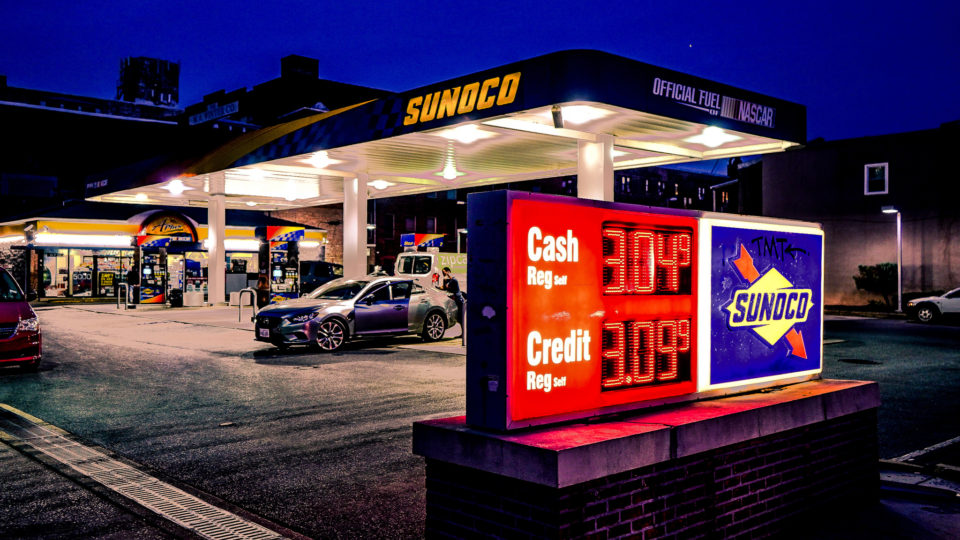
A study by environmental health scientists at Columbia University examined the release of vapors from gas station vent pipes and found that emissions were 10 times higher than the estimates used to establish setback regulations that determine how close schools, playgrounds, and parks can be to the facilities.

[Read more…] about Fumes From Gas Stations

Making Cities Cooler

September 5, 2018 By EarthWise Leave a Comment

https://earthwiseradio.org/wp-content/uploads/2018/08/EW-09-05-18-Making-Cities-Cooler.mp3

Cities are particularly miserable during heatwaves.   With lots of concrete and asphalt surfaces, they soak up lots of heat and re-radiate it.  Lots of tall buildings block cooling breezes.  Factor in car exhaust and heat from air conditioners and it all adds up to the urban heat island effect.  Cities can be several degrees warmer during the day and as much as 20 degrees warmer at night.  All of this extra heat is not just a comfort issue, it is a serious health problem.

[Read more…] about Making Cities Cooler

Using Less Water

July 26, 2018 By EarthWise Leave a Comment

https://earthwiseradio.org/wp-content/uploads/2018/07/EW-07-26-18-Using-Less-Water.mp3

In recent times, there has been a downward trend in water use in the United States.  It has been driven by increasingly efficient use of critical water resources in the face of persistent droughts in various parts of the country and awareness of the importance of conserving this resource.

[Read more…] about Using Less Water

Disappearing Lakes

April 6, 2018 By EarthWise Leave a Comment

https://earthwiseradio.org/wp-content/uploads/2018/04/EW-04-06-18-Disappearing-Lakes.mp3

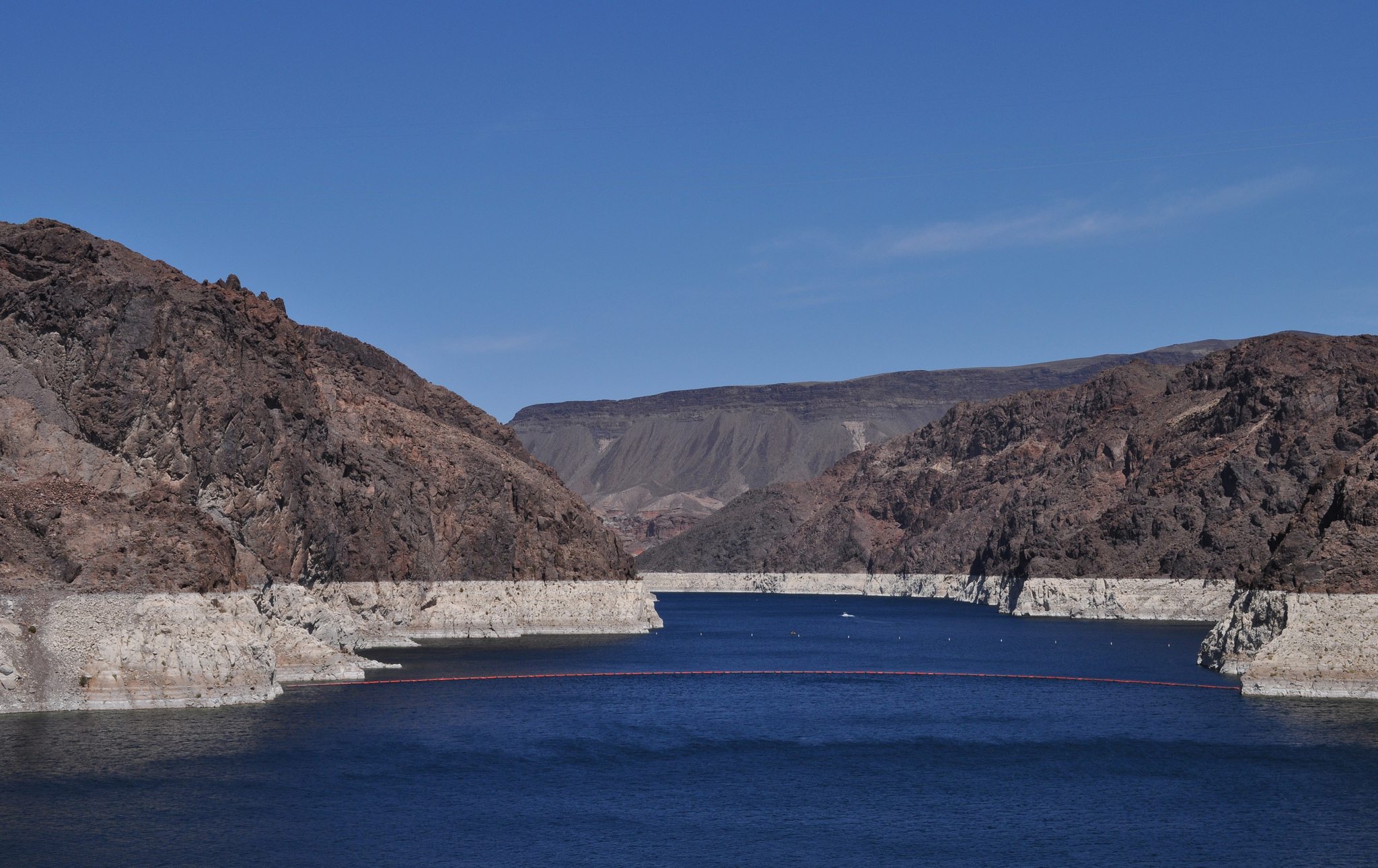
Some of the world’s biggest lakes are drying up as a consequence of the warming climate, persistent drought, and overuse by people draining crucial water sources.

[Read more…] about Disappearing Lakes

The Changing Face Of Air Pollution

March 21, 2018 By EarthWise Leave a Comment

https://earthwiseradio.org/wp-content/uploads/2018/03/EW-03-21-18-The-Changing-Face-of-Air-Pollution.mp3

Air pollution in cities is a global problem that has reached crisis proportions in places like China and India.   In our country, since the Clean Air Act was passed in 1970, there has been a great deal of effort exerted in controlling pollution from vehicles.  A combination of pollution-limiting changes to engines, fuels, and pollution control systems has significantly reduced the amount of air pollution associated with the transportation sector.

[Read more…] about The Changing Face Of Air Pollution

Energy From Evaporating Water

November 17, 2017 By EarthWise Leave a Comment

https://earthwiseradio.org/wp-content/uploads/2017/10/EW-11-17-17-Energy-from-Evaporating-Water.mp3

Researchers at Columbia University have demonstrated a potential new energy harvesting technique based on the natural evaporation of water.   Every day, vast amounts of water evaporate from the surfaces of lakes and rivers, a process powered by the heat energy of the sun.   The amount of energy involved is enormous but generally speaking is not something we can tap into.

[Read more…] about Energy From Evaporating Water

Floating Solar

August 22, 2016 By WAMC WEB

https://earthwiseradio.org/wp-content/uploads/2016/08/EW-08-22-16-Floating-Solar.mp3

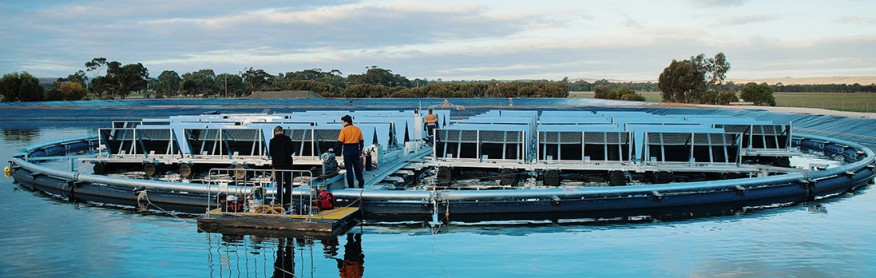
Installing solar arrays on the surface of bodies of water is an idea that is catching on around the world.  Such installations are especially attractive in places like Japan, where land resources are scarce.  In the UK, there are a couple of these so-called “floatovoltaic” projects underway – one outside of London and one near Manchester.

[Read more…] about Floating Solar

Climate Change Redistributes Global Water Resources

April 28, 2016 By WAMC WEB

https://earthwiseradio.org/wp-content/uploads/2016/04/EW-04-28-16-Arctic-Vortex.mp3

Worldwide, climate change isn’t just raising temperatures, its also altering the distribution of water. So reports an inventive new study that tapped into archival water samples to reveal how sources of precipitation have changed over time.

[Read more…] about Climate Change Redistributes Global Water Resources

Bolivia’s Disappearing Lake

February 25, 2016 By WAMC WEB

https://earthwiseradio.org/wp-content/uploads/2016/02/EW-02-25-16-Bolivia-Lake.mp3

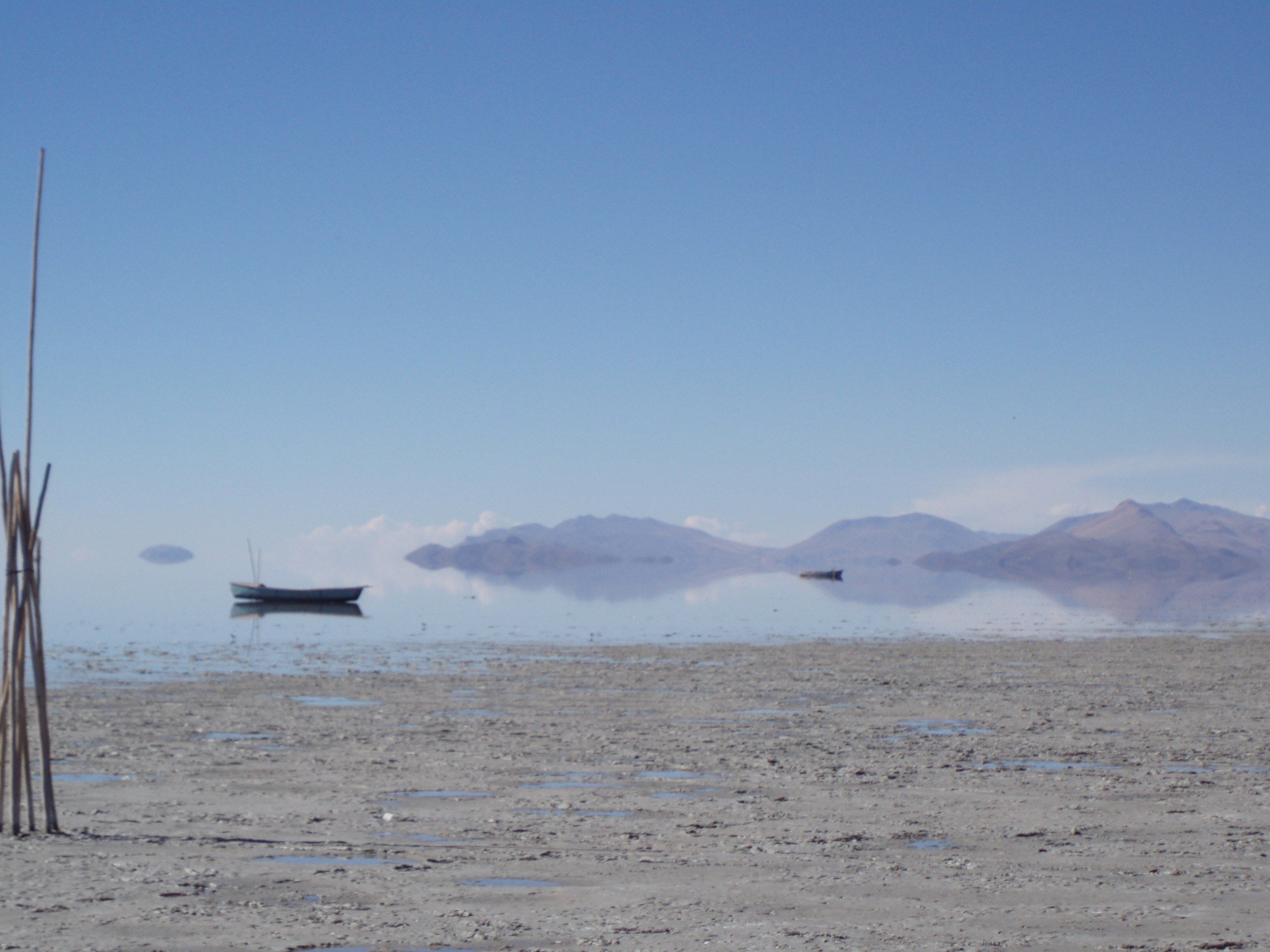
Bolivia’s second largest lake has nearly disappeared. Lake Poopó, a saltwater lake located in a shallow depression in the Altiplano Mountains, used to cover an area about the size of Los Angeles. While it’s not the first time the lake has dried out, scientists believe its recovery hangs in the balance due to the combined stress of drought, climate change, and water diversion.

[Read more…] about Bolivia’s Disappearing Lake

Land, Water and Energy

January 28, 2016 By WAMC WEB

https://earthwiseradio.org/wp-content/uploads/2016/01/EW-01-28-16-Land-Water-and-Energy.mp3

The city of Holtville in California is sometimes called the “Carrot Capital of the World.”  This agricultural community has signed an agreement with Australian company Infratech to build a floating solar power system for its water treatment plant.

[Read more…] about Land, Water and Energy

Los Angeles’ Shade Balls

September 18, 2015 By EarthWise

shade balls

https://earthwiseradio.org/wp-content/uploads/2015/09/EW-09-18-15-Shade-Balls-in-LA.mp3

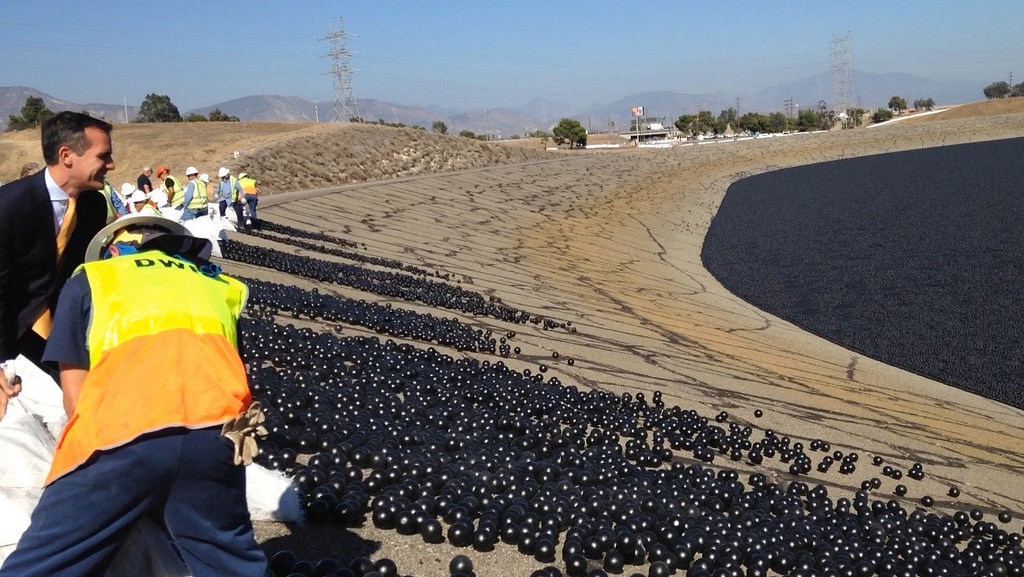
The worst drought in California history is leading to some creative ideas for saving water.  The city of Los Angeles turned its primary reservoir into a giant ball pit.

[Read more…] about Los Angeles’ Shade Balls

  • « Go to Previous Page
  • Page 1
  • Page 2

Primary Sidebar

Recent Episodes

  • An uninsurable future
  • Clean energy and jobs
  • Insect declines in remote regions
  • Fossil fuel producing nations ignoring climate goals
  • Trouble for clownfishes

WAMC Northeast Public Radio

WAMC/Northeast Public Radio is a regional public radio network serving parts of seven northeastern states (more...)

Copyright © 2026 ·