• Skip to primary navigation
  • Skip to main content
  • Skip to primary sidebar

Earth Wise

A look at our changing environment.

  • Home
  • About Earth Wise
  • Where to Listen
  • All Articles
  • Show Search
Hide Search
You are here: Home / Archives for electricity

electricity

Last New York Coal Plant Closing | Earth Wise

April 13, 2020 By EarthWise Leave a Comment

closing coal power plants

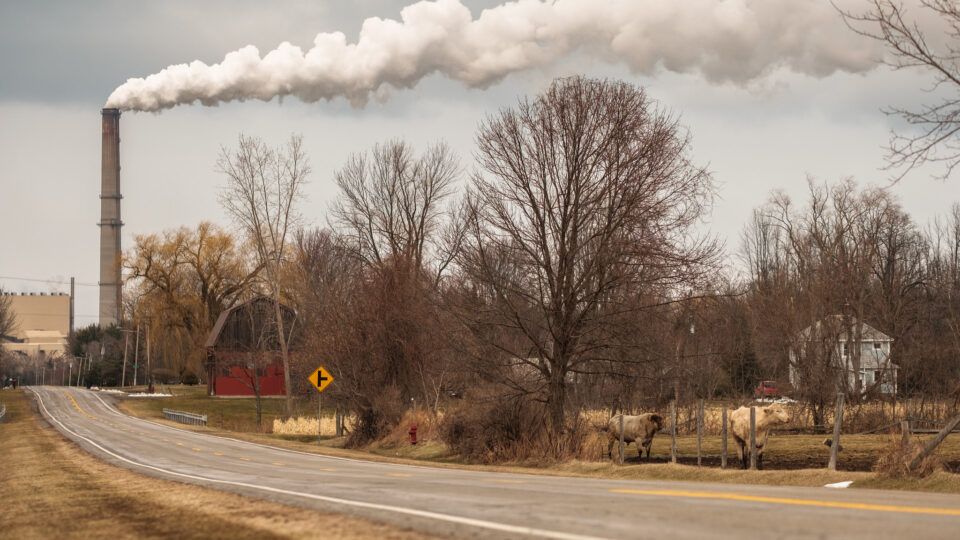
The last coal-fired power plant in New York State is closing.  The plant, located in Barker, about an hour’s drive from Buffalo, employs 44 people.  The plant’s closure is an early test of New York’s new climate law, which is one of the most ambitious in the country.  The law is supposed to transform the state’s energy grid to carbon-free by 2040. 

Coal plants across the country are going offline, priced out by natural gas and targeted by regulations and incentives aimed at reducing greenhouse gas emissions.  Coal plant closures bring common challenges:  lost tax revenues and jobs as well as efforts to retrain workers and clean up sites.  Every plant has a specific place in a community, and each community has its own story.

The new climate law is supposed to create thousands of new jobs, including high-paying union jobs like the ones the employees in Barker are losing.  But jobs are scarce in the northwest corner of the state where Barker is located.

The state government has recently issued rules that would make it easier to get permission to build renewable energy sites, including wind turbines and solar farms, allowing applicants to bypass zoning rules and other local regulations.  But residents of rural towns have environmental and aesthetic concerns about these potential new energy plants.

In 2010, the United States had 580 coal-fired power plants providing 45% of the country’s electricity. By March 2018, there were fewer than 350 plants and coal’s market share had dropped to 30%.  At this point, there are about 224 plants producing 18% of the country’s power.  The writing is on the wall for coal power.

**********

Web Links

New York’s Last Coal-Fired Power Plant Is Closing

Photo, posted March 13, 2018, courtesy of Joed Viera via Flickr.

Earth Wise is a production of WAMC Northeast Public Radio.
Wind Power Overtakes Hydroelectric Power | Earth Wise

April 10, 2020 By EarthWise Leave a Comment

wind power is now top renewable

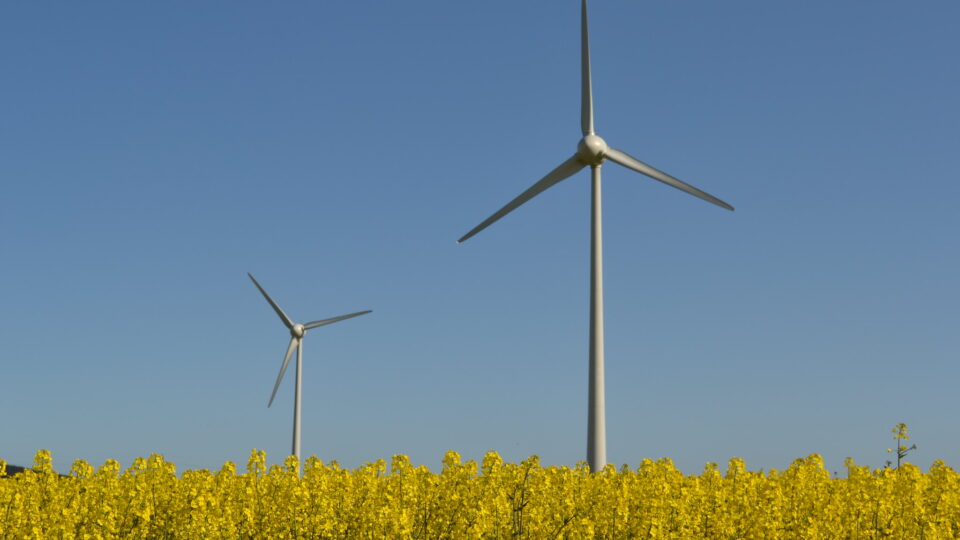
In 2019, the amount of electricity generated by wind power surpassed hydroelectric power for the first time, making wind the largest renewable source of electricity generation in the country.

Total wind generation in 2019 was 300 million MWh, which was 26 million MWh more than was produced by hydroelectric plants.

Hydroelectric generation has fluctuated between 250 and 320 million MWh over the past decade.  The capacity base has been stable, so the fluctuations were a result of variable annual precipitation.   Hydroelectric generation is generally greatest in the spring when rain and melting snow pack increase water runoff.

The growth in wind power is primarily a result of increasing capacity rather than any major fluctuations in wind caused by changing weather.  The U.S. added about 10 GW of wind capacity in 2019, making it the second largest year for capacity additions ever, second only to 2012.

Wind energy is an intermittent source, meaning that it isn’t windy all the time.  The average annual capacity factor for the U.S. wind fleet over the past decade has been 28 to 35%, meaning that is the amount of energy actually produced compared with the systems running at continuous full power all the time.  By comparison, the U.S. hydroelectric fleet operated at 35 to 43% of capacity during that period.  So, wind power is actually not that much less a steady source than hydroelectric power.

According to the U.S. Energy Information Administration, the government’s production tax credit, which was extended through this year, means that wind power capacity in the U.S. will continue to grow at a robust pace.  Meanwhile, some dams are being decommissioned and there is little new construction in the hydropower sector.

**********

Web Links

Wind has overtaken the top position for renewable generation in the U.S., EIA says

Photo courtesy of Flickr.

Earth Wise is a production of WAMC Northeast Public Radio.
Solar And Wind Power In China | Earth Wise

April 2, 2020 By EarthWise Leave a Comment

China rapidly adopts solar and wind power

Reducing greenhouse gas emissions is a global challenge and nowhere is that challenge greater than in China.  China accounts for 30% of the world’s emissions and much of that comes from coal power plants.  If the world is going to reach its climate targets, China is going to have to replace as much as possible of its current power mix with renewable energy.

As of 2018, China still made 69% of its electricity from fossil fuels.  Its vast coal reserves have driven its rapid industrialization and better standard of living.  But terrible air pollution problems along with climate issues have led to heavy investments and rapid expansion of both wind and solar power in China.

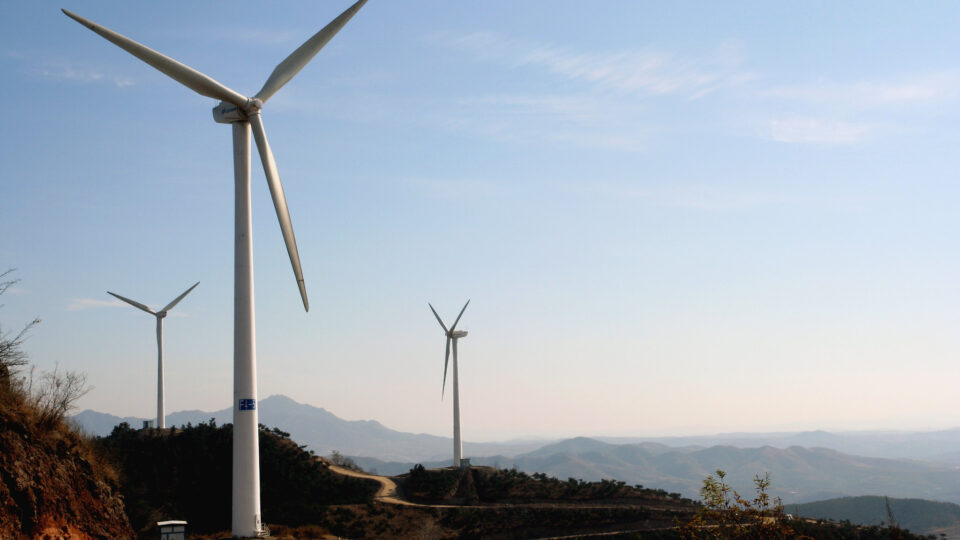
China is now a world leader in renewable energy, both in terms of producing and using renewable power.  At the start of 2016, China had installed a total of 145,000 megawatts of wind power, which is 3,000 MW more than all 28 European Union countries combined.  And this has occurred even though China only started developing their wind power industry 30 years later than the first EU countries.

Until 2009, China exported almost all the solar panels it produced.  But gradually China began to use solar energy in a big way.  The industry took off in 2014, and growth has been exponential.  Solar power production in China is now almost as extensive as wind power.

One has to consider that much of China’s electricity production is used by industries that produce products for the rest of the world.  In effect, these are exported emissions.  China has a long way to go in replacing its fossil fuel generation and we all have a stake in China succeeding in the task.

**********

Web Links

China’s rapid development of solar and wind power

Photo, posted November 12, 2007, courtesy of Flickr.

Earth Wise is a production of WAMC Northeast Public Radio.

Saving Energy At Data Centers | Earth Wise

February 17, 2020 By EarthWise Leave a Comment

Energy efficient data centers

A data center is a building, dedicated space within a building, or a group of buildings used to house computer systems and associated components, such as telecommunications and data storage systems.  Data centers are the backbone of internet services and cloud computing, which together are increasingly dominant elements of modern life.

Energy use is a central issue for data centers. Power used by them ranges from a few kilowatts for a rack of servers in a closet at a local business to several tens of megawatts for large facilities. Some data centers have power densities more than 100 times that of a typical office building and use as much electricity as several thousand homes. For such facilities, electricity costs are a dominant operating expense and account for over 10% of the total cost of ownership of a data center.  These centers, with their numerous racks of computer servers, consume 90 billion kilowatt-hours of electricity each year in the United States, as much as all of our residences use for lighting. 

A research group at Princeton University is developing a family of devices that can dramatically reduce power consumption at data centers.  The team’s technology focuses on the process by which the AC power from the grid is converted to the low-voltage direct current used by computer equipment.  With existing technology, this power conversion takes place in each individual computer, which ends up wasting about 40% of the original energy.   The new device aggregates power conversion into a single unit, which then distributes the power to the individual computers and storage units.

As data centers get bigger and more numerous, the opportunity to save a lot of energy becomes increasingly important.

**********

Web Links

New technology boosts energy efficiency in data centers

Photo, posted June 8, 2007, courtesy of Sean Ellis via Flickr.

Earth Wise is a production of WAMC Northeast Public Radio.
Lots Of Wind Power In Denmark | Earth Wise

February 11, 2020 By EarthWise Leave a Comment

renewable energy milestone

Many states and countries have established goals to generate at least half of their electricity from renewable sources by some future date, typically 2030.  A number of countries have already been able to achieve 50% or greater renewable generation for brief periods measured in days.  Australia did it this past November.  Germany has seen it on occasion as well.

Denmark has managed to complete an entire year with half of its energy coming from renewable generation.  Almost all of it – 47% of the country’s power – came from wind turbines.

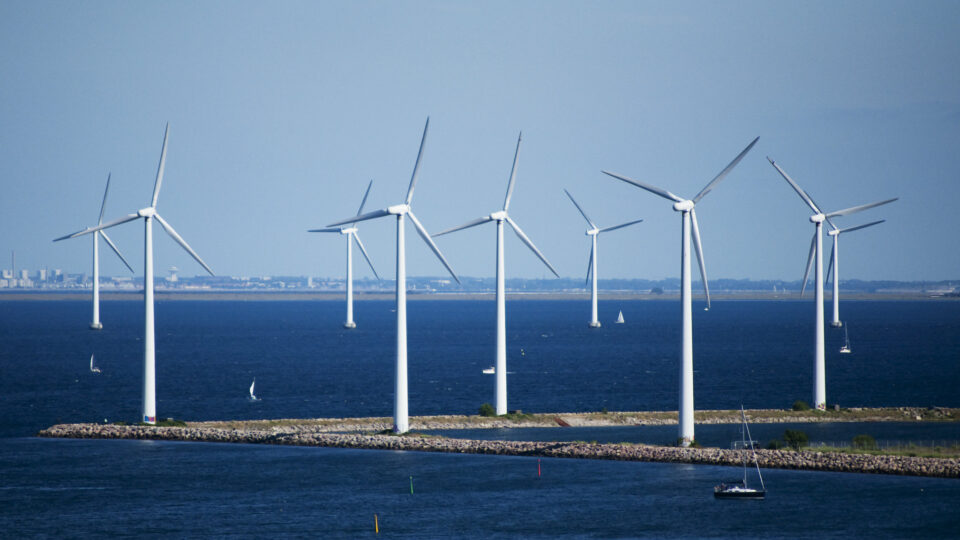
Denmark has been generating much of its energy from wind power for quite a while and actually produced about 46% of its electricity from renewable sources in 2017.  Denmark was a pioneer in developing commercial wind power during the 1970s, is a major manufacturer of wind turbines, and the small country has installed over 6,000 of them.  The gains this past year mostly came from the Horns Rev 3 offshore wind farm that went online in the fall.  The 407 MW wind farm has the capacity to cover the annual electricity consumption of about 425,000 households, which is about 20% of the country.

The growth of wind power in Denmark is still ramping up.  A 600 MW wind farm in the Baltic Sea will be connected to the Danish and German electricity grid by 2021, and a wind farm of at least 800 MW capacity in the North Sea is scheduled to come online in 2025.

The Danish Parliament has passed an ambitious climate law with the goal of reducing CO2 emissions by 70% in 2030 compared with 1990.  The country’s overall goal of being carbon-neutral by 2050 does not seem like a pipe dream.

**********

Web Links

Denmark Passes Magic 50% In Renewable Electricity Generation Milestone

Photo, posted July 12, 2009, courtesy of Flickr.

Earth Wise is a production of WAMC Northeast Public Radio.

Harvesting Blue Energy | Earth Wise

February 7, 2020 By EarthWise Leave a Comment

researchers closer to harvesting osmotic energy

There are various ways to generate renewable energy from the world’s oceans, most obviously from the power of tides and waves.  But there is also an oceanic energy source called osmotic or “blue” energy.  Osmotic energy uses the differences in pressure and salinity between freshwater and saltwater to generate electricity. 

When freshwater and saltwater are mixed together, large amounts of energy are released. If the freshwater and seawater are then separated via a semi-permeable membrane, the freshwater will pass through the membrane and dilute the saltwater due to the chemical potential difference. This process is called osmosis. If the salt ions are captured completely by the membrane, the passing of water through the membrane will create a pressure known as osmotic pressure. This pressure can be used to generate electricity by using it to drive a turbine.  This has been demonstrated to work as far back as the 1970s, but the materials we have to use are not adequate to withstand ocean conditions over the long term and tend to break down quickly in the water.

New research, published in the journal Joule, looked to living organisms for inspiration to develop an improved osmotic energy system.  Scientists from the U.S. and Australia combined multiple materials to mimic the kind of high-performance membranes that are found in living organisms.  They created a hybrid membrane made from aramid microfibers (like those used in Kevlar) and boron nitride.  The new material provides both the flexibility of cartilage and the strength and stability of bone.

The researchers believe that the low cost and high stability of the new hybrid membrane will allow it to succeed in volatile marine environments.  They also expect the technology will be both efficient and scalable. 

**********

Web Links

Inspired by the Tissues of Living Organisms, Researchers Take One Step Closer to Harvesting “Blue Energy”

Photo, posted February 14, 2017, courtesy of Marian May via Flickr.

Earth Wise is a production of WAMC Northeast Public Radio.
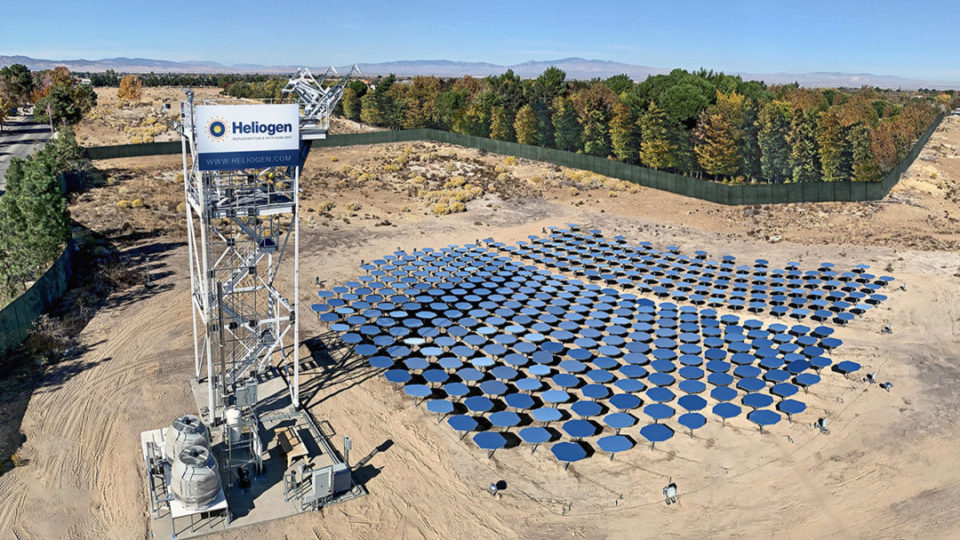
Extreme Heat From Solar Power | Earth Wise

January 23, 2020 By EarthWise Leave a Comment

Renewable sources are playing a growing role in meeting our energy needs, but one place where they have continued to fall short is in industrial processes that require extreme heat.  These include the cement, steel, and glass industries, among others.  These industries account for a significant amount of CO2 emissions because the most effective way to reach the necessary temperatures continues to be combustion of fossil fuels.  The cement industry alone accounts for 7% of global emissions and the need for cement continues to grow.

A previously stealthy startup company backed by Bill Gates and fellow billionaire Soon-Shiong has made a breakthrough in the area of using solar energy to achieve high temperatures.  The company, called Heliogen, has created a solar oven that is capable of generating heat above 1800 degrees Fahrenheit, which is enough for high-temperature industrial processes.

The Heliogen technology uses concentrated solar power to generate heat.  Concentrated solar power uses arrays of mirrors to reflect sunlight and focus it to a single point.  That technology is not new;  there are systems that use it to produce electricity and, to some extent, heat for industry.  But it could not achieve high enough temperatures for producing cement or steel.

The new system uses computer vision software, automatic edge detection and other sophisticated technologies to focus the sun’s rays far more finely than ever before and thereby generate far higher temperatures at the focal point.

Heliogen is now focused on demonstrating how the technology can be used in a large-scale application, such as cement-making.  The selling points to industry are that not only will there be no emissions generated, but that the fuel needed to obtain their extreme heat will be free.

**********

Web Links

Secretive energy startup backed by Bill Gates achieves solar breakthrough

Photo courtesy of Heliogen.

Earth Wise is a production of WAMC Northeast Public Radio.
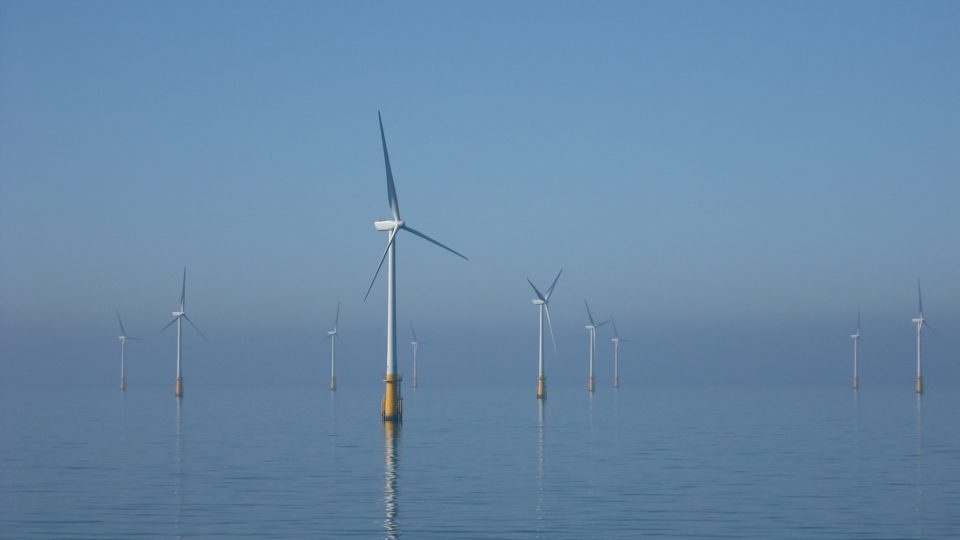
A Plan For New England Offshore Wind | Earth Wise

January 17, 2020 By EarthWise Leave a Comment

New England offshore wind

Last December, the Bureau of Ocean Energy Management auctioned off lease rights for developing offshore wind in the New England Wind Energy Area.  The auction brought in hundreds of millions of dollars.

Recently, the five New England offshore wind leaseholders – Equinor, Mayflower Wind, Ørsted, Eversource, and Vineyard Wind – jointly submitted a uniform turbine layout proposal to the U.S. Coast Guard.

The five developers joined forces to respond to feedback from key stakeholders in the region including the fisheries industry, the Coast Guard, the Bureau of Ocean Energy Management, and coastal communities.

The proposed layout specifies that wind turbines will be spaced one nautical mile apart, arranged in east-west rows an north-south columns, and the rows and columns will be continuous across all New England lease area.  Independent expert analysis confirmed that this uniform layout would provide for robust navigational safety and search-and-rescue capability by providing hundreds of transit corridors to accommodate the region’s vessel traffic.

Vessels up to 400 feet in length can safely operate within the proposed turbine layout and will allow the region’s many fishing vessels to follow a wide range of transit paths as they come from many different ports and head to a variety of fishing grounds.

The New England Wind Energy Area is expected to be able to provide as much as 8 GW of electricity generation for the states in the region.  Getting approval for this planned layout is one of multiple steps required before the offshore wind complex becomes a reality.  Overall, states along the U.S. East Coast are seeking to procure more than 19,300 MW of offshore wind capacity through 2035

**********

Web Links

New England offshore wind developers submit uniform layout proposal to the U.S. Coast Guard

Photo courtesy of Flickr.

Earth Wise is a production of WAMC Northeast Public Radio.
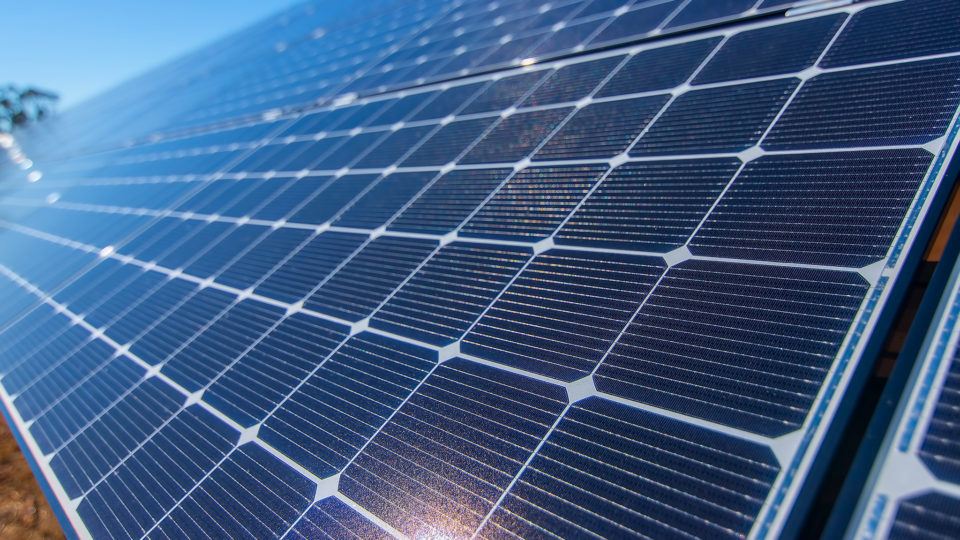
A Possible Storage Breakthrough: Solar Energy | Earth Wise

January 10, 2020 By EarthWise 2 Comments

Solar energy is a nearly unlimited resource, but it is only available to us when the sun is shining.  For solar power to provide for the majority of our energy needs, there needs to be a way to capture the energy from the sun, store it, and release it when we need it.  There are many approaches to storing solar energy, but so far none have provided an ideal solution.

Scientists at the Chalmers Institute of Technology in Sweden have developed a way to harness solar energy and keep it in reserve so it can be released on demand in the form of heat—even decades after it was captured. Their solution combines several innovations, including an energy-trapping molecule, a storage system, and an energy-storing laminate for windows and textiles.

The energy-trapping molecule is made up of carbon, hydrogen, and nitrogen.  When hit by sunlight, the molecule captures the sun’s energy and holds on to it until it is released as heat by a catalyst.  The specialized storage unit is claimed to be able to store energy for decades.  The transparent coating that the team developed also collects solar energy and releases heat.  Using it would reduce the amount of electricity required for heating buildings.

So far, the team has concentrated on producing heat from stored solar energy.  It is unclear whether the technology can be adapted to produce electricity, which would be even more valuable.  In any event, the team does not yet have precise cost estimates for its technology, but there are no rare or expensive elements required, so the economics seem promising.  There is much more work to be done, but this could be a very important technology for the world’s energy systems.

**********

Web Links

An Energy Breakthrough Could Store Solar Power for Decades

Photo courtesy of Flickr.

Earth Wise is a production of WAMC Northeast Public Radio.

The Problem Of Gas Flaring | Earth Wise

January 9, 2020 By EarthWise Leave a Comment

Gas flaring

Gas flaring is the burning off of flammable gas released by pressure relief values during over-pressuring of plant equipment at petroleum refineries, chemical plants, natural gas processing plants, and a variety of oil and gas production plants.  Flaring is also used during plant startups and shutdowns.

A new study by Rice University concludes that reducing gas flaring would benefit both the environment and the economy. Flaring and venting of gas in West Texas’s Permian Basin and certain other parts of the U.S. have reached levels that the intended result of burning gas to allow oil extraction now looks more like wasting one resource to produce another.

At current rates, enough gas is flared in the Permian Basin to yield nearly 5 million metric tons of exportable liquid natural gas if it was captured and liquified.  At these rates, the wasted gas could fill the largest sized LNG carrier every ten days.  If that liquified natural gas was exported to China and used in a power plant, it would displace 440,000 metric tons of coal burned to generate electricity.

Burning natural gas to heat homes, power industrial processes, or generate electricity all emit carbon dioxide, but at least these things also perform valuable functions. Flaring gas produces CO2 as well as other combustion products but doesn’t even do anything useful.  The venting of unburned gas, which also takes place with some frequency, is even worse since it is dumping methane directly into the atmosphere.

Across the U.S., some 14.1 billion cubic meters of natural gas was flared in 2018, equivalent to nearly 9 million metric tons per year of LNG.  In energy terms, that is equivalent to more than one-third of the total LNG volume U.S. firms actually exported that year.

**********

Web Links

Reducing gas flaring will benefit economy and environment, says Baker Institute expert

Photo courtesy of Flickr.

Earth Wise is a production of WAMC Northeast Public Radio.
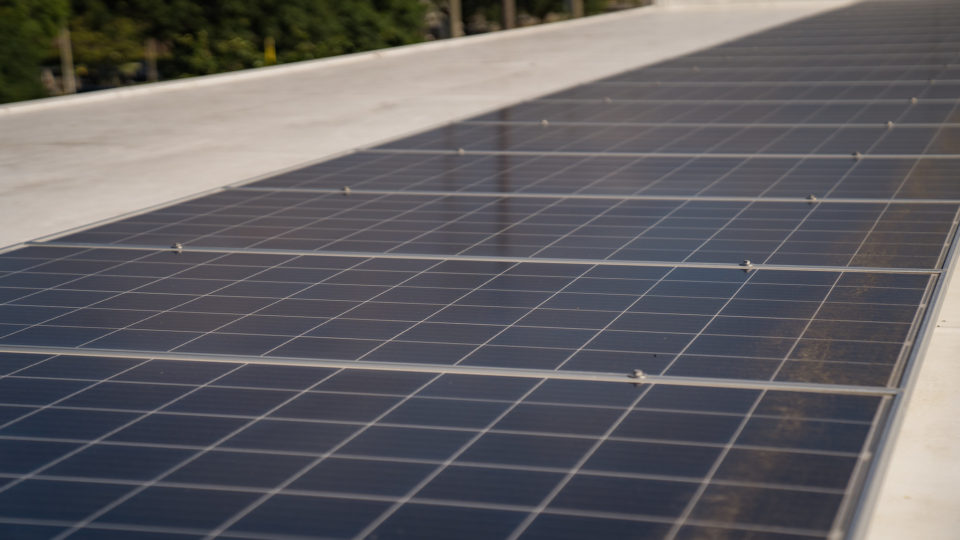
More Solar And Wind Power In The U.S.

January 2, 2020 By EarthWise Leave a Comment

According to the U.S. Energy Information Administration, both wind and solar power are contributing more and more to total electrical generation in the United States.  For the first 8 months of 2019, the combination of wind and solar power accounted for almost 10% of U.S. electrical generation.

Solar, including small-scale PV systems on home rooftops, grew by almost 14% compared to the first eight months of 2018 and accounted for more than 2.7% of total electrical output.  In fact, small-scale solar generation increased by 19% and provided nearly a third of all the solar power in the country. 

Wind energy in the U.S. increased by 4.4%, accounting for almost 7% of the country’s electricity.

Overall, renewable energy sources – which include biomass, geothermal, hydropower, solar, and wind – accounted for 18.49% of net domestic electrical generation during the first 8 months of 2019.  The non-hydro renewable sources actually accounted for over 11% of total electricity production and saw a year-over-year growth of 6%. 

Outside of renewables, nuclear-generated electricity declined by 0.6% and coal power dropped by almost 14%.  Much of the coal generation was replaced by natural gas, which grew by 6.5% compared to the previous year.

Renewables now accounting for nearly 20% of overall electricity generation in the US represents significant progress.  But the variations by state continue to be substantial.  For example, while Vermont gets 99% of its power from renewables, Ohio gets only 2%. 

**********

Web Links

Solar and wind energy provide almost 10 percent of total generation in the US in 2019

Photo, posted April 8, 2019, courtesy of City of St. Pete via Flickr.

Earth Wise is a production of WAMC Northeast Public Radio.
Solar And Wind Energy And Groundwater

December 30, 2019 By EarthWise Leave a Comment

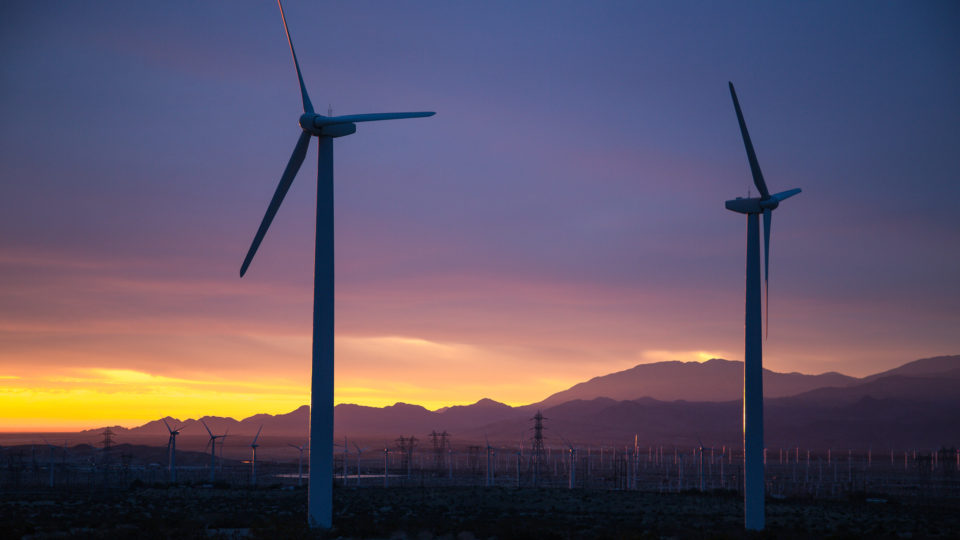
The use of both solar and wind farms has been expanding all over the country as a way of lowering carbon emissions from the electric power sector.   According to a new study led by Princeton University, these renewable energy sources have another important benefit:  they keep more water in the ground.

The study focused on drought-prone California where both solar and wind power have been expanding dramatically.  California is the largest agricultural producer in the United States and has also experienced one of the most severe droughts on record between 2012 and 2017.

The study determined that increased solar and wind energy can reduce the reliance on hydropower, especially during times of drought. 

The study looked at multiple scenarios in order to determine how much solar and wind energy should be used to maximize economic revenue and to see how solar and wind power could ensure groundwater recovery.  They created a framework to quantify the optimal pathways for maximizing hydroelectricity and agricultural income while avoiding groundwater depletion.

During the long drought, California’s agriculture industry relied heavily on tapping into groundwater stores, which is an unsustainable practice.  With more droughts likely to occur in California as well as increasing water demand from the growing California population, the burden on the state’s groundwater supply will only grow.

According to the researchers, it is far more practical to impose further regulations on groundwater use if sufficient solar and wind power is deployed.   They caution that these resources need to be deployed long before groundwater aquifers are depleted, or it will be too late for them to do any good.

**********

Web Links

Solar and Wind Energy Preserve Groundwater for Drought, Agriculture

Photo, posted December 11, 2014, courtesy of Tony Webster via Flickr.

Earth Wise is a production of WAMC Northeast Public Radio.

SUVs And Carbon Emissions

December 17, 2019 By EarthWise Leave a Comment

Global carbon dioxide emissions increased between 2010 and 2018.  The largest contributor to this increase was the power sector as electricity demand around the world continued to grow.   The second largest contributor to increased emission turns out to be SUVs, even while emissions for other cars actually decreased.

During that time period, SUVs more than doubled their global market share from 17% to 39% and their annual emissions rose to more than 700 million tons of CO2, which is more than the yearly total emission of the UK and the Netherlands combined.

This dramatic shift toward bigger, heavier SUVs has offset both efficiency improvements in small cars and savings from electric vehicles.  If SUV drivers were a nation, they would rank 7th in the world for carbon emissions.

SUVs are bigger, they are heavier, and their aerodynamics are poor.  As a result, it takes more gas to drive them.  They started to become popular in the 1980s – mostly in American suburbia – but now they have become globally popular.

The demand for SUVs is thought to be driven by perceptions of heightened safety or increased social status.  There is also the marketing and business strategy of manufacturers who obtain larger profit margins in the SUV segment.  Of course, for at least some consumers, the utility aspects of sport utility vehicles are actually important and not just the status.

For whatever reasons, SUVs are likely to be extremely popular for the foreseeable future as demand for sedans continues to decline.  Fortunately, electric SUVs are beginning to enter the market – including next year’s mass-market priced Tesla Model Y.  Such cars are the best solution to emissions from SUVs.

**********

Web Links

Demand for SUVs a Major Contributor to the Increase in Global CO2 Emissions

Photo, posted May 9, 2017, courtesy of Yonkers Honda via Flickr.

Earth Wise is a production of WAMC Northeast Public Radio.
The Potential For Offshore Wind

December 10, 2019 By EarthWise Leave a Comment

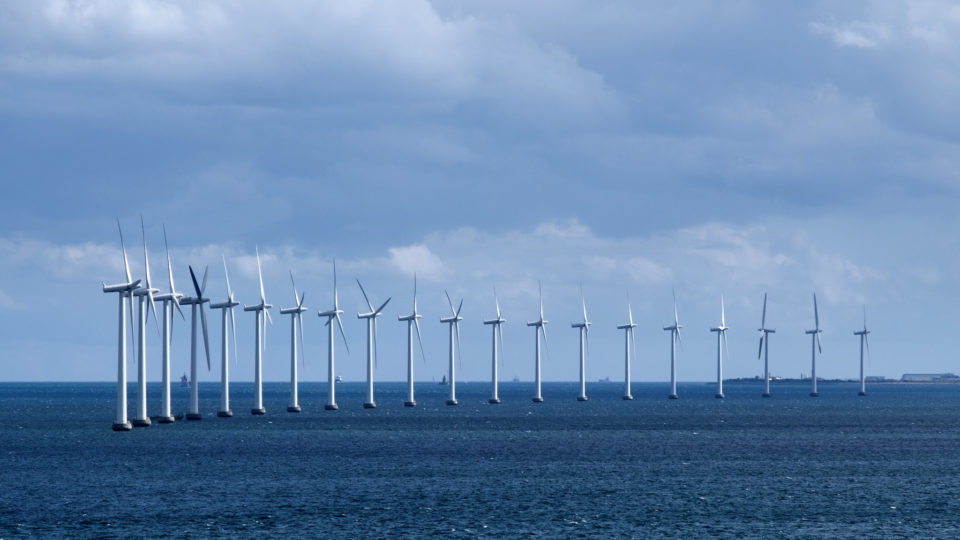
According to a new report from the International Energy Agency, offshore wind technology has vast potential for meeting our energy needs.  In total, offshore wind has the potential to generate more than 420,000 terawatt-hours of electricity each year, which is more than 18 times the global electricity demand that exists today.

Based on current policy targets and plummeting technology costs, offshore wind could increase 15-fold by 2040, becoming a $1 trillion industry and eliminating 5 to 7 billion tons of carbon dioxide emissions annually.

Offshore wind today generates just 0.3% of the world’s electricity, but its’ use is growing rapidly.  The industry has grown nearly 30% a year since 2010, and 150 new offshore projects are currently in development around the world.  The leading countries are in Europe – especially in the UK, Germany, and Denmark – but China is greatly expanding its offshore capacity and the US, India, Korea, Japan, and Canada are also expected to make large investments in offshore wind going forward.

Offshore wind is in a category of its own because it is considered a variable baseload power generation technology.  This is because the hourly variability of offshore wind is much lower than solar power or onshore wind.  Offshore wind typically fluctuates far less from hour-to-hour than the other variable energy sources.

Technology improvements and industry growth are driving steep cost reductions for offshore wind.  The cost of offshore wind is expected to be cut in half in the next five years, dropping to $60 per megawatt-hour, which is on par with solar and onshore wind and cheaper than new natural gas-fired capacity in Europe.

**********

Web Links

Offshore Wind Has the Potential to Fulfill Global Electricity Demand 18 Times Over

Photo, posted August 9, 2016, courtesy of Lars Plougmann via Flickr.

Earth Wise is a production of WAMC Northeast Public Radio.
Safe And Simple Hydrogen Peroxide

November 29, 2019 By EarthWise Leave a Comment

We don’t think about hydrogen peroxide very often.  Perhaps we have a bottle of it under our bathroom sink that we haven’t touched in a few years.   But it is an important product manufactured in the millions of tons each year and the basis of a $6 billion global business.

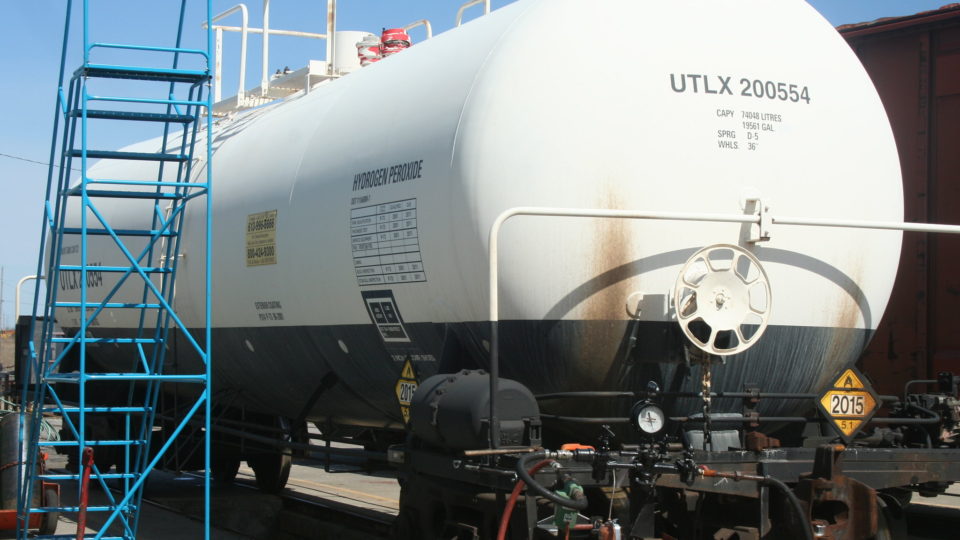
Hydrogen peroxide is widely used as an antiseptic, a detergent, in cosmetics, as a bleaching agent, in water purification, and in many other applications.  It is produced in industrial concentrations of up to 60% in solution with water in order to maximize the economics of transportation.  This makes transportation hazardous and costly because the concentrated form is unstable.  Most applications use a far more diluted form.

Researchers at Rice University have developed a new method for producing hydrogen peroxide that is much simpler and safer than the current technology, which actually dates back to the 1930s.  The Rice technique requires only air, water and electricity to produce the chemical.  The electrosynthesis process, which is detailed in the journal Science, uses an oxidized carbon nanoparticle-based catalyst.

The process could enable point-of-use production of pure hydrogen peroxide solutions, which would eliminate the need to transport the hazardous concentrated chemical.  The use of a solid electrolyte instead of the traditional liquid electrolyte eliminates the need for product separation or purification that is part of the current technology.

In the future, instead of storing containers of hydrogen peroxide, hospitals that use it as a disinfectant could turn on a spigot and get, for example a 3% solution on demand.  Instead of storing chemicals to disinfect swimming pool water, future homeowners could flick a switch and turn on their peroxide reactor to clean their pools.

**********

Web Links

Water + air + electricity = hydrogen peroxide

Photo, posted April 19, 2009, courtesy of Robert Taylor via Flickr.

Earth Wise is a production of WAMC Northeast Public Radio.

Predicting Lightning Strikes

November 19, 2019 By EarthWise Leave a Comment

Lightning is one of the most unpredictable phenomena in nature.  Approximately 100 lightning bolts strike earth’s surface every second, and each lightning bolt can contain up to one billion volts of electricity.  Lightning regularly kills both people and animals and sets homes and forests on fire.  It’s also been known to ground airplanes. 

Researchers at EPFL – a research institute and university in Switzerland – have developed a novel way to predict where and when lightning will strike.  The system relies on a combination of standard data from weather stations and artificial intelligence to predict lightning strikes to the nearest 10 to 30 minutes and within a radius of less than 20 miles.  The simple and inexpensive system was outlined in a research paper recently published in Climate and Atmospheric Science, a Nature partner journal.   

According to researchers, the current systems for predicting lightning strikes are slow, expensive, and complex, relying on external data acquired by satellite and radar.  The new inexpensive system from EPFL uses real time data that can be obtained from any weather station, meaning it can cover remote regions that are out of radar and satellite range and where communication networks are lacking.  The quick predictions from the system allow alerts to be issued before a storm has even formed. 

The system uses a machine-learning algorithm that’s been trained to recognize conditions that lead to lightning.  The researchers took into account atmospheric pressure, air temperature, relative humidity, and wind speed, among other things.  After training the algorithm, the system was able to predict lightning strikes accurately nearly 80% of the time.

This system is a simple way to predict a complex phenomenon. 

**********

Web Links

Using AI to predict where and when lightning will strike

Photo, posted December 14, 2018, courtesy of Flickr.

Earth Wise is a production of WAMC Northeast Public Radio.

Hydrogen From The Ocean

November 15, 2019 By EarthWise Leave a Comment

https://earthwiseradio.org/wp-content/uploads/2016/08/EW-08-30-16-Hydrogen-from-the-Ocean.mp3

Hydrogen is the most abundant element in the universe.  Estimates are that it comprises 75% of all matter.  There is plenty of it here on earth too, but almost none of it is in its elemental form.  It is mostly bound up in compounds like water.

[Read more…] about Hydrogen From The Ocean

Removing Dams Restores Ecosystems

November 1, 2019 By EarthWise Leave a Comment

In many parts of the country, dams that sometimes date back as much as 100 years are being removed and are giving way to the revival of migratory fish and their river ecosystems.  Since 1912, more than 1,600 dams have been removed in the U.S., but the pace of dam removal has greatly picked up in recent years.  2017 and 2018 were the highest years ever with 91 and 99 dams removed, respectively.

When dams are removed, the response from migratory fish can be almost immediate.  A large dam removal project on the Penobscot River in Maine in 2012 opened up 1,000 miles of habitat with a quick return of shad and alewives, followed by salmon.

In 2022, four large dams across the Klamath River will be removed.  The dams, which are located at the California and Oregon border, were facing an expensive re-licensing process and, because of their age, could no longer be run at a profit.

Re-licensing the dams along the Klamath was going to cost as much as $400 million.  On the other hand, uncapping the Klamath River has tremendous commercial and tourism potential.  Two states, tribal nations, and other stakeholders have all seen the virtues of restoring the landscape to its original form.

Opposition to dam removal is typically driven by aesthetics or recreational preferences.  But dam economics are getting increasingly worse.  Now that electricity can be produced far more cheaply with wind and solar power, many American dams have become artifacts of an older manufacturing era.  Meanwhile, rural towns near decommissioned dams are likely to now have more robust fishing industries.

In rivers big and small, migratory fish and river ecosystems surge back to life as old energy structures are taken down.

**********

Web Links

Take Down That Dam: River Ecosystems Bounce Back As Removals Soar

Photo, posted June 11, 2016, courtesy of the Bureau of Land Management via Flickr.

Earth Wise is a production of WAMC Northeast Public Radio.

Compressed Air Energy Storage

October 23, 2019 By EarthWise Leave a Comment

The increasing use of solar and wind power has created a growing need for technology to store up the energy they generate for use when it is most needed.

Historically, pumped hydropower has provided the largest amount of storage capacity, but it is limited to only certain geographic locations.   Battery energy storage has been growing rapidly, with the technology becoming better and cheaper over time.  But there are various other ways to store energy that have potential and may well find their place in the changing energy infrastructure.

One of these is compressed air energy storage, which has been around for more than a century.  It has been used as a backup method for restarting power plants.  But to date, the economic viability of using it at a large scale has been lacking.

A Canadian startup company called Hydrostor is developing compressed air energy storage technology that it believes can be used on a utility scale.

The way it works is excess renewable energy is used to run compressors that compress air.  Compressing the air heats it up and the heat is captured and stored in insulated hot water tanks.  The compressed gas is then injected into underground caverns.  When energy is needed, the compressed air is released, the stored heat is added, and the warmed gas is run through turbines to generate electricity.  Additional features improve the system’s efficiency.

Hydrostore has built a 1 MW pilot project in Ontario, Canada and is now commissioning a 2MW system as well.  It is funded to build a 5 MW system in Australia next year and it is bidding for 300 MW and 500 MW systems in North America.  The company has received equity funding from Baker Hughes, a large oil-and-gas services and equipment company.

**********

Web Links

Storing energy in compressed air could finally become cheap enough for the big time

Photo courtesy of Hydrostor.

Earth Wise is a production of WAMC Northeast Public Radio.
Other Ways To Cut Vehicle Emissions

October 17, 2019 By EarthWise Leave a Comment

It is pretty clear that the way to drastically reduce vehicle greenhouse gas emissions is to switch as many vehicles as possible to electric power.  As a result, more and more localities are putting in place policies that encourage electrification.

While there is no doubt that electrification is the long-term solution to vehicle emissions, a recent study by MIT and the Ford Motor Company found that, in the short term, there are some places in the US where electric cars are not the best way to reduce emissions.

The study looked at a variety of factors that affect the relative performance of vehicles.  These include the role of low temperatures in reducing battery performance, regional differences in the average number of miles driven annually, and significant differences in the way electricity is generated in different parts of the US.

The results showed that electric vehicles definitely provide the greatest impact in reducing greenhouse gas emissions for most of the country – and particularly on both coasts and in the south – but that there are some places in the upper Midwest where the greatest reduction would be achieved by the use of lightweight gasoline-powered vehicles.

In places like parts of Wisconsin and Michigan, it is mostly rural, there are cold winters, and electricity is predominantly generated by coal-powered plants.  In these places, if gas-powered lightweight cars were to be used, the overall benefit would be greater than that of electric cars.  Unfortunately, there are no high-volume lightweight gasoline-powered mid-sized cars on the market in the US.  Ironically, the only cars of that class using lightweight aluminum construction are Teslas.

While electric cars are truly the long-term solution, the study does demonstrate the benefits of reducing the weight of vehicles.

**********

Web Links

What’s the best way to cut vehicle greenhouse-gas emissions?

Photo, posted February 9, 2018, courtesy of Dave Field via Flickr.

Earth Wise is a production of WAMC Northeast Public Radio.

  • « Go to Previous Page
  • Page 1
  • Interim pages omitted …
  • Page 17
  • Page 18
  • Page 19
  • Page 20
  • Page 21
  • Interim pages omitted …
  • Page 29
  • Go to Next Page »

Primary Sidebar

Recent Episodes

  • An uninsurable future
  • Clean energy and jobs
  • Insect declines in remote regions
  • Fossil fuel producing nations ignoring climate goals
  • Trouble for clownfishes

WAMC Northeast Public Radio

WAMC/Northeast Public Radio is a regional public radio network serving parts of seven northeastern states (more...)

Copyright © 2026 ·