• Skip to primary navigation
  • Skip to main content
  • Skip to primary sidebar

Earth Wise

A look at our changing environment.

  • Home
  • About Earth Wise
  • Where to Listen
  • All Articles
  • Show Search
Hide Search
You are here: Home / Archives for destruction

destruction

Record forest loss

July 3, 2025 By EarthWise Leave a Comment

A record amount of forest was lost last year

The world lost a record amount of forests last year.  The biggest factor for the unprecedented losses were wildfires that raged around the world.

According to the annual update by the University of Maryland and the World Resources Institute, pristine rainforests alone lost 17 million acres, which was nearly twice as much as in the previous year.  Overall, the world lost the equivalent of 18 soccer fields of forested land every minute last year.

Over time, agriculture has been the primary cause of forest losses, but last year, for the first time since record-keeping began, fires were the leading cause, accounting for nearly half of all the destruction.

With respect to the climate, wildfires emitted over 4 billion tons of greenhouse gasses, which is more than four times the amount generated by air travel in 2023.

Land clearing for agriculture, cattle farming, and other purposes was by no means in decline last year.  In fact, it rose by 14%, which was the sharpest increase in almost a decade.  This trend could permanently transform critical natural areas, unleashing large amounts of carbon, intensifying climate change, and fueling even more extreme fires.

Forests are a major contributor to the natural storing of carbon dioxide.  Intact tropical forests are especially effective at storing carbon.

Brazil has the largest area of tropical forest and it accounted for 42% of all tropical primary forest loss in 2024.  Fires fueled by the worst drought on record caused two thirds of that loss, more than a sixfold increase over the previous year.

**********

Web Links

Global Forest Loss Hit a Record Last Year as Fires Raged

Photo, posted September 12, 2024, courtesy of the USDA Forest Service via Flickr.

Earth Wise is a production of WAMC Northeast Public Radio

The human impact on biodiversity

April 28, 2025 By EarthWise Leave a Comment

Humans have a devastating impact on biodiversity

Biodiversity is under threat.  More and more plant and animal species are disappearing and humans are to blame.  Humans cause biodiversity loss through habitat destruction, invasive species, pollution, direct exploitation, and climate change, all of which are significantly influenced by human activities.

But until now, drawing broad conclusions about human impacts on biodiversity has been difficult because a clear, global overview of how human activity affects nature across all species did not exist. Most studies have focused on specific places, impacts, or time periods.

To fill these research gaps, a research team from the University of Zurich in Switzerland and the Swiss Federal Institute of Aquatic Science and Technology conducted an unprecedented synthesis study.  The researchers compiled data from around 2,100 studies that compared biodiversity at almost 50,000 sites affected by humans with similar places that hadn’t been affected by humans. 

The synthesis study, which was recently published in the journal Nature, found humans are having a highly detrimental impact on biodiversity worldwide.  In fact, not only is the number of species declining, but the composition of species communities is also changing.  On average, the number of species at impacted sites was almost 20% lower than at unaffected sites.

The study, which is one of the largest ever conducted on this topic, highlights the widespread negative impact of human activities on nature, and emphasizes the need to consider all forms of life when assessing biodiversity loss. 

**********

Web Links

The Devastating Human Impact on Biodiversity

Photo, posted November 19, 2014, courtesy of Green Mountain Girls Farm via Flickr.

Earth Wise is a production of WAMC Northeast Public Radio

Rising seas are destroying buildings

April 8, 2025 By EarthWise Leave a Comment

Alexandria is the second largest city in Egypt and is the largest city on the Mediterranean coast.  Its history goes back over 2,300 years and it was once home to a lighthouse that was among the Seven Wonders of the Ancient World and a Great Library that was the largest in the ancient world.  The modern city has more than 6 million residents but still has many historic buildings and ancient monuments.  But perhaps not for long.

Rising seas and intensifying storms are taking a toll on the ancient port city.  For centuries, Alexandria’s historic structures have endured earthquakes, storm surges, tsunamis, and more.  They are truly marvels of resilient engineering.  But now, climate change is undoing in decades what took millennia for humans to create.

Over the past two decades, the number of buildings collapsing in Alexandria has risen tenfold.   Buildings are collapsing from the bottom up as a rising water table weakens soil and erodes foundations.  Since 2001, Alexandria has seen 290 buildings collapse.  Comparing present-day satellite imagery with decades-old maps, the authors of a study by the Technical University of Munich have tracked the retreat of Alexandria’s shorelines to determine where seas have intruded into groundwater. The authors say that more than 7,000 buildings in Alexandria are at risk.  They call for building sand dunes and planting trees along the coast to block encroaching seawater.

The true cost of this gradual destruction goes far beyond bricks and mortar.  This is the gradual disappearance of historic coastal cities.  Alexandria is a warning for such cities around the world.

**********

Web Links

In This Storied Egyptian City, Rising Seas are Causing Buildings to Crumble

Photo, posted September 11, 2012, courtesy of Sowr via Flickr.

Earth Wise is a production of WAMC Northeast Public Radio

Positive tipping points and climate

January 29, 2024 By EarthWise Leave a Comment

We often hear about tipping points and climate change.  Tipping points are critical thresholds that, when crossed, lead to large, accelerating, and often irreversible changes.  Some of the ones of concern with the climate are thawing permafrost, melting glaciers and ice sheets, and global temperatures reaching certain levels.  These are all tipping points that are essential to avoid.

A study published in the journal One Earth by researchers at the University of Exeter in the UK contends that in order to avoid the severe consequences of climate change, we need to trigger some positive tipping points.

Many climate-friendly changes are happening too slowly.  Triggering positive tipping points is a way to rapidly reach the high levels of decarbonization required to avoid triggering the negative tipping points of great concern.

Reaching a positive tipping point is a way that beneficial changes can rapidly gain momentum.  One example is the adoption of electric vehicles.  It has clearly reached a tipping point across Scandinavia and has happened rapidly.  Norway has managed to transition the market share of electric vehicles from under 10% to nearly 90% in less than 10 years.  At some point, everybody wanted an electric car.  This is evidence that positive tipping points can happen.

Many of the other forms of decarbonization need to move from their current level of adoption to rapid expansion.  A combination of affordability, attractiveness, availability, and political will are needed to trigger tipping points.  Exactly what those tipping point are is not necessarily known, but unless something accelerates the current pace of change, it will be very difficult to prevent negative climate tipping points from changing the world in destructive ways.

**********

Web Links

Positive tipping points must be triggered to solve climate crisis

Photo, posted July 8, 2023, courtesy of Michael Swan via Flickr.

Earth Wise is a production of WAMC Northeast Public Radio
Cutting Deforestation | Earth Wise

August 10, 2023 By EarthWise Leave a Comment

Reducing deforestation

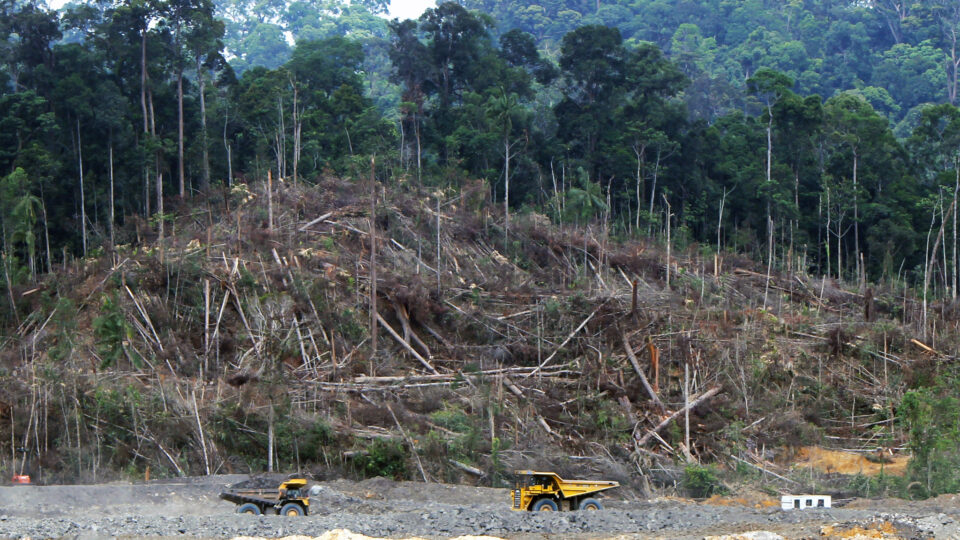
Deforestation is a major contributor to climate change because the destruction of tropical rainforests worldwide eliminates a crucial natural sink for carbon.  Between 2015 and 2020, roughly 39,000 square miles of forest were cut down, an area about 70% the size of the entire state of New York.  In many places, such as the Amazon and Congo Basins, deforestation continues to accelerate.  In Bolivia, deforestation rose 59% over the past five years; in Ghana, the rise was 71%.

A new report from the World Resources Institute revealed one bright spot in the deforestation story:  both Indonesia and Malaysia have cut deforestation by more than half in recent years.  The two countries have managed to keep rates of primary forest loss to near record-low levels.

Over the past five years, Indonesia saw a 64% decline and Malaysia a 57% decline in deforestation.  Indonesia is the second largest source of deforestation with only Brazil removing more trees.

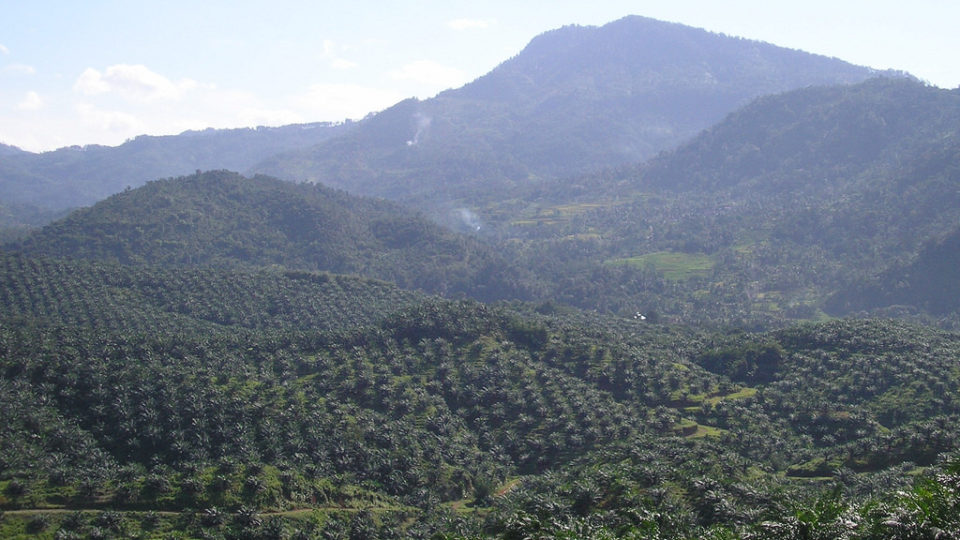
Indonesia has a national goal of having its forests absorb more carbon than they release by 2030.  They have moved to curb logging and limit the clearing of land for palm oil plantations.  They have also ramped up efforts to suppress forest fires.

It is good that Indonesia and Malaysia and some other countries have shown progress in reducing forest loss.  However, too many other countries have seen continued activities and policies that are causing acceleration of deforestation in critical areas.  Protecting forests is an important part of the effort to mitigate the effects of climate change.  Preserving forests also is essential for protecting the people and the biodiversity that depend on them.

**********

Web Links

Indonesia, Malaysia Have Cut Deforestation in Half in Last Half-Decade

Photo, posted March 22, 2021, courtesy EPJT Tours via of Flickr.

Earth Wise is a production of WAMC Northeast Public Radio
The Spotted Lantern Fly Is A Big Problem | Earth Wise

October 27, 2021 By EarthWise Leave a Comment

The spotted lantern fly poses a big threat to agriculture

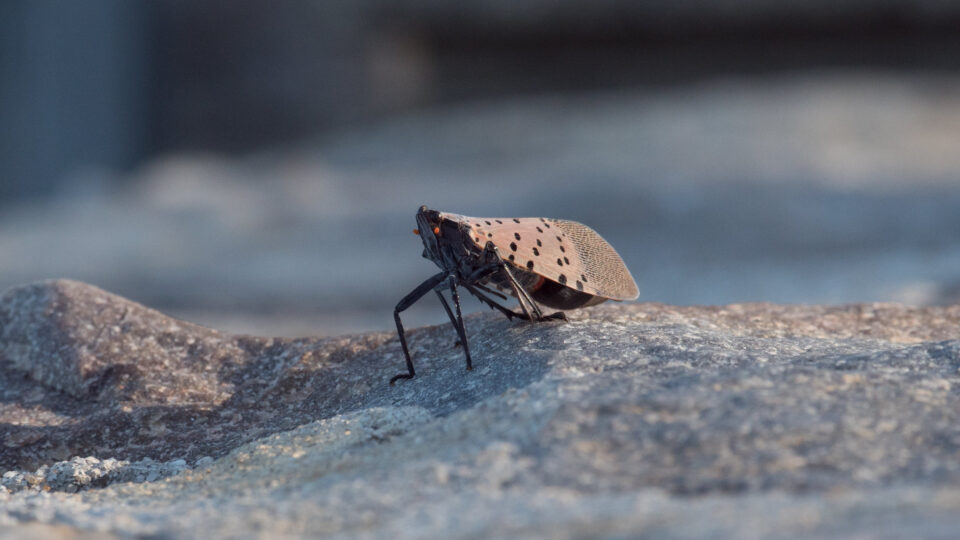
The spotted lanternfly is an invasive pest from Asia that arrived in the United States seven years ago.  It is a handsome and colorful insect, but it feeds on the sap of more than 70 plant species, leaving them susceptible to disease and destruction from other natural antagonists.  It destroys fruit crops, trees, and plants by hopping from plant to plant, crop to crop, and tree to tree.

Several states have established quarantines aimed at preventing the spread of the insects.  Pennsylvania, where they were first detected in the U.S., issued an Order of Quarantine and Treatment that imposes fines and even potential criminal penalties on anyone who intentionally moves a spotted lanternfly, at any stage of its life, from one sort of location to another.  The insects hop and fly only short distances, but they can hitch a ride on vehicles, clothing, and other objects that people bring with them.  They have now spread to at least nine states, primarily in the Northeast.

Lanternflies arrived in New York City last year and quickly made it to the Most Wanted List for environmentalists.  The City’s Parks Department says: “If you see a spotted lanternfly, squish it, dispose of it, and report it to us.”  New York’s Department of Agriculture has asked people in the Finger Lakes region, home of numerous vineyards, to collect specimens and provide specifics on where they were found.

Lanternflies are harmless to humans, but they threaten everything from oak, walnut, and poplar trees to grapes, almonds, and fruit orchards.  As the species continues to spread across the country, federal and state officials have a unified message:  if you come across a spotted lanternfly, kill it.

**********

Web Links

Die, Beautiful Spotted Lanternfly, Die

Photo, posted August 30, 2018, courtesy of the USDA via Flickr.

Earth Wise is a production of WAMC Northeast Public Radio.

Coral Reefs And Ecosystem Services

October 18, 2021 By EarthWise Leave a Comment

The ecosystem services of coral reefs

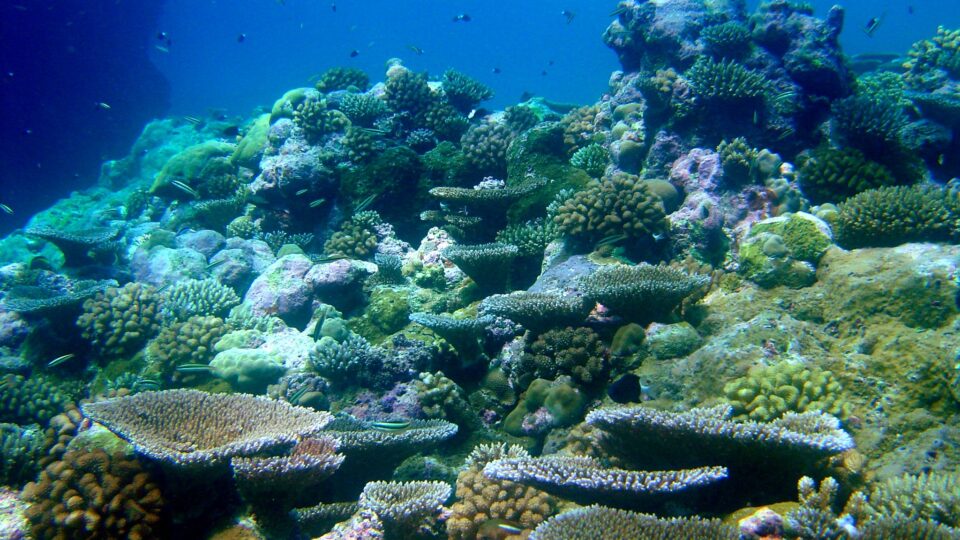
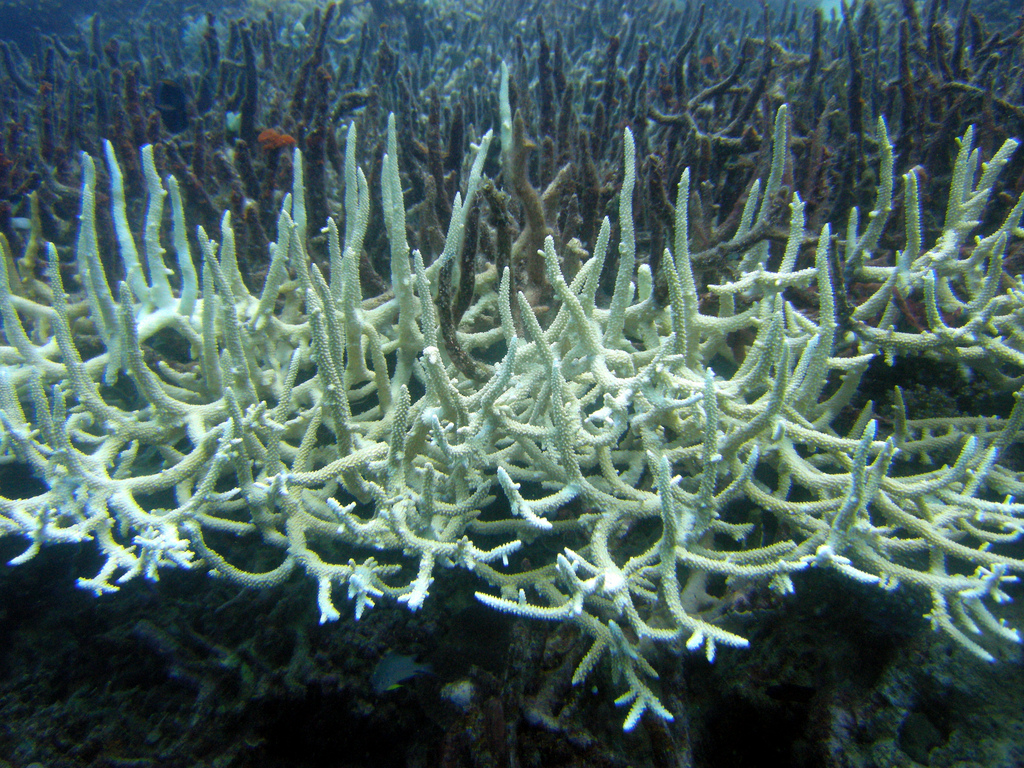
A new study led by the University of British Columbia provides the first comprehensive look at what climate change, overfishing, and habitat destruction of coral reefs mean for their ecosystem services.  For humans, this means how the global decline in coral reefs has affected their ability to provide essential benefits including food, livelihoods, and protection from storms.

The study found that global coverage of living corals has declined by about half since the 1950s and the diversity of reef species has declined by more than 60%.  So, it is no surprise that there has been a significant loss in the ability of reefs to provide ecosystem services.

The study analyzed data from coral reef surveys around the world, fisheries catches, indigenous consumption, and more.  Apart from the declines in reef coverage and biodiversity, the study found that fish catches on coral reefs peaked in 2002 and has steadily declined since then, despite increased fishing efforts.

The findings of the study led the researchers to conclude that continued degradation of coral reefs in the years to come threaten the well-being and sustainable development of millions of people in communities on the coast that depend on coral reefs.  Fish and fisheries provide essential nutrients in places with few alternative sources of nutrition.  Coral reef biodiversity and fisheries have added importance for indigenous communities, where important cultural relationships exist with reefs.

The study’s authors say that the results are a call to action.  The level of destruction happening all over the world’s coral reefs is threatening people’s culture, their daily food, and their history.  It is not just an environmental issue; it is a human rights issue.

**********

Web Links

Photo, posted September 22, 2010, courtesy of David Burdick / NOAA Photo Library via Flickr.

XXXXXXXXXXX

Assisted Colonization | Earth Wise

July 9, 2021 By EarthWise Leave a Comment

Balancing the risk of moving a species to a more favorable location versus the risk of inaction

As the pace of climate change continues to quicken, many species seem to be unable to keep up and could face extinction as a result.   There is a potential strategy for people to help species reach places with more suitable physical and biological conditions.  People could carry endangered animals to habitats cut off by mountains, rivers, or human-made barriers.  They could plant endangered trees higher up mountain slopes or to locations further north.  Such actions have been termed assisted colonization.

People have been moving species around the world throughout human history for various reasons either intentionally or inadvertently.  But as a conservation strategy, assisted colonization is quite controversial.

The argument is whether the risk of moving species to more favorable conditions outweighs the risk of inaction.  The salvation of one species could mean the destruction of another.   A species that seems perfectly innocuous when moved to one place can become a rampant invader in another.

An upcoming international conference on Biological Diversity to be held this fall in China may take up the issue of creating a set of guidelines on assisted colonization.   Such guidelines would help people assess which species to focus on; where, when, and how to move them; how to weigh the risks of action and inaction; and how to conduct such actions across international borders.  Assisted colonization may be useful in some instances and not in others.  There needs to be a way for the world to decide whether it is warranted or not.  With climate change posing a growing threat to many of the world’s species, this is an issue that should be addressed.

**********

Web Links

Amid Climate Pressures, a Call for a Plan to Move Endangered Species

Photo, posted July 16, 2014, courtesy of Mark Spangler via Flickr.

Earth Wise is a production of WAMC Northeast Public Radio.

Eco-Friendly Agriculture

October 21, 2019 By EarthWise Leave a Comment

Modern agriculture has steadily destroyed native grasslands, among other ecosystems.  In fact, farming is one of the most ecologically destructive things that humans do.  But we do have to eat.  In response, there is a growing movement for agrarian reform, from grain farming on the prairie, to agroforestry, to raising livestock more sustainably.  Efforts are accelerating to develop a kinder, gentler agriculture adapted to a changing world.

One such effort has come from the Land Institute, an organization in Kansas that works on natural systems agriculture, which seeks to retain the ecological stability of the prairie with its perennial seed plants along with a grain and seed yield comparable to that from annual crops.

After four decades of effort, the institute has introduced its first commercial grain, a trademarked variety called Kernza.  Kernza is a domesticated perennial wild grass – a so-called intermediate wheatgrass – that has a long, slender head that resembles wheat seeds.  People describe its taste as sweet and nutty.   Kernza is already being made into a cereal called Honey Toasted Kernza by Cascadian Farms.  Patagonia Provisions – a spin-off from the clothing company – is making beer from the new grain.

Although Kernza is already being grown and sold commercially, it is not yet ready for prime time.  Last year, there were only about 1,000 acres in cultivation and the yield is only a third to a tenth of the yield of wheat. 

Developing a sustainable perennial polyculture of edible plants would have major benefits such as not having to plow every year, plants developing large root systems that can reach water far beneath the surface and, without annual plowing, having soil carbon remain in the ground.

**********

Web Links

With New Perennial Grain, a Step Forward for Eco-Friendly Agriculture

Photo courtesy of Cascadian Farms/General Mills.

Earth Wise is a production of WAMC Northeast Public Radio.

Earth Day

April 22, 2019 By EarthWise Leave a Comment

Today is Earth Day.  On April 22, 1970, millions of Americas took to the streets in peaceful demonstrations in favor of environmental reform.  Since that first time, Earth Day has now become a global event each year.  Estimates are that as many as a billion people in 192 countries take part in Earth Day events.

This year, the theme for Earth Day is “Protect our Species.”  The focus is on the fact that the world is facing the greatest rate of extinction since the demise of the dinosaurs more than 60 million years ago.

But unlike the extinctions from that time that were linked to so-called acts of god like asteroid collisions, the rapid extinction of species in our world today is mostly the result of human activity.

The global destruction and rapid reduction of plant and wildlife populations are directly linked to climate change, deforestation, habitat loss, trafficking and poaching, unsustainable agriculture, pollution, and pesticides.

In order to stem the tide of destruction, the Earth Day Network is asking people to help raise awareness about the accelerating rate of extinction of millions of species and the causes and consequences of this phenomenon.  We need to push for the creation of policies that protect broad groups of species as well as individual species and their habitats.  There needs to be a global movement that embraces nature and its values. And we need to eat less meat and curtail the use of pesticides and herbicides.

We share the planet with many species, and we need them to be here in order to sustain our own species.  Something to remember on Earth Day 2019.

**********

Web Links

Earth Day Network

Photo, posted January 24, 2012, courtesy of Jonas Bengtsson via Flickr.

Earth Wise is a production of WAMC Northeast Public Radio.

Indonesian Deforestation

February 28, 2019 By EarthWise Leave a Comment

Deforestation is defined as the intentional destruction of trees and other vegetation without reforesting or allowing the forest to regenerate itself. 

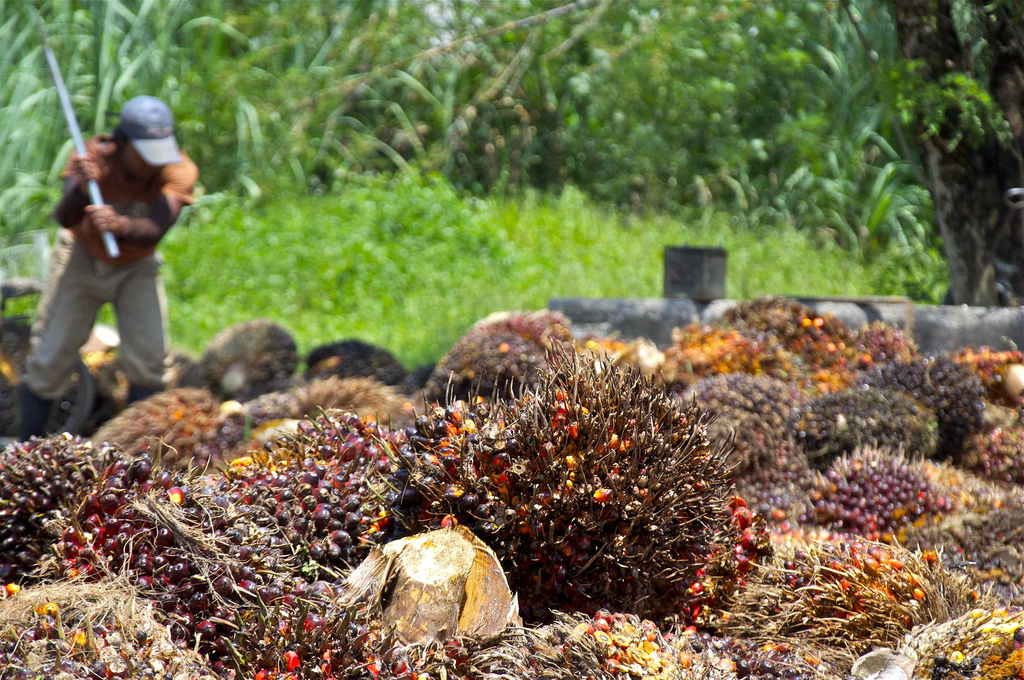
In Indonesia, industrial agriculture, primarily for the production of palm oil, is a major driver of deforestation.  But, according to researchers at Duke University, its impact has diminished  proportionately in recent years as other natural and human causes have emerged. Their peer-reviewed findings were recently published in the journal Environmental Research Letters.

According to the study’s lead author, large-scale plantations were responsible for more than half of Indonesia’s deforestation in the late 2000s, peaking between 2008-2010 when an average of 1.5 million acres of forest was lost annually.  The expansion of the massive plantations was responsible for 57% of the forest loss. Between 2014-2016, an average of more than 2 million acres of forest was lost annually, but plantation expansion only accounted for 25% of this figure.  While the overall rate of deforestation continued to grow, other factors were responsible for most of it.

Conversions of forests to grasslands rose sharply in 2015 and 2016 when El Nino caused severe droughts and forest fires. Small-scale farming, often overshadowed by industrial agriculture, was also found to play a bigger role, accounting for 25% of all forest loss. 

Indonesia has experienced some of the highest rates of deforestation.  Its forests absorb and store vast amounts of climate-warming carbon dioxide, help prevent erosion and flooding, and provide habitat to thousands of species.  Understanding the varied causes of Indonesian deforestation should help conservationists and policymakers better address the problem.

************

Web Links

Palm oil not the only driver of forest loss in Indonesia

Photo, posted March 26, 2018, courtesy of Achmad Rabin Taim via Flickr.

Earth Wise is a production of WAMC Northeast Public Radio.

Learning From Fire

December 28, 2017 By EarthWise Leave a Comment

https://earthwiseradio.org/wp-content/uploads/2017/12/EW-12-28-17-Learning-from-Fire-1.mp3

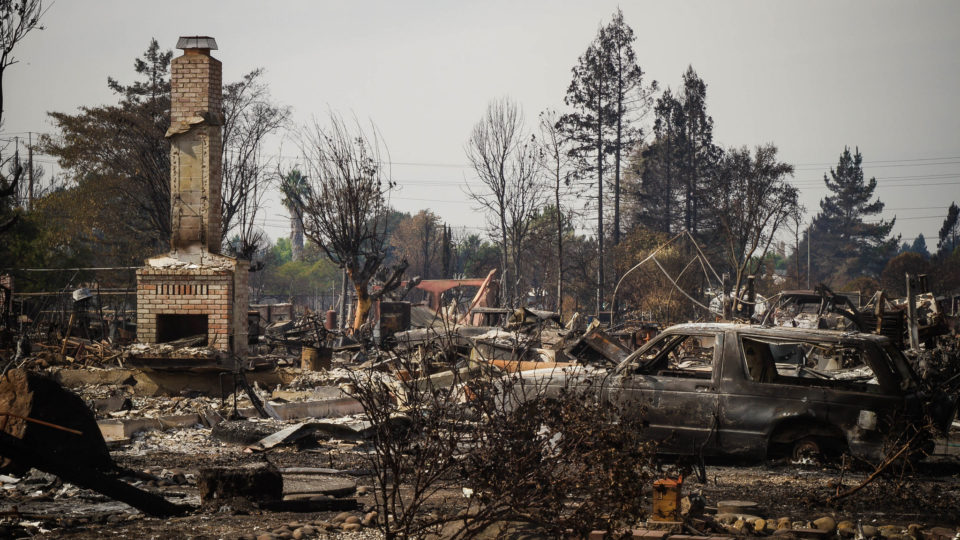
The Tubbs Fire was the huge wildfire that burned parts of Napa, Sonoma and Lake counties in Northern California in October.  Between that fire and several smaller ones going on at the same time, at least 43 people died and over 8,400 homes and buildings were destroyed.  The Tubbs Fire alone burned over 36,000 acres. The even larger December wildfires in Southern California scorched hundreds of thousands of acres in multiple counties.

[Read more…] about Learning From Fire

Being Ready For Adverse Weather

December 25, 2017 By EarthWise Leave a Comment

https://earthwiseradio.org/wp-content/uploads/2017/12/EW-12-25-17-Being-Ready-for-Adverse-Weather.mp3

Severe weather is a major cause of death and destruction.   Recent hurricanes provided all too many examples.   The catastrophic flooding from Hurricane Harvey led to more than 60 deaths and necessitated thousands of emergency rescues.   And yet, increasingly, weather events like hurricanes don’t occur without warning and accurate weather forecasts are increasingly common.

[Read more…] about Being Ready For Adverse Weather

Earthquake Warning System

October 11, 2017 By EarthWise Leave a Comment

https://earthwiseradio.org/wp-content/uploads/2017/10/EW-10-11-17-Earthquake-Warning-System.mp3

The destructive power of both hurricanes and earthquakes has made headlines in recent times.   The slow development of the hurricanes in the Atlantic was monitored for days before they wreaked havoc on Caribbean islands and Florida cities.  Earthquakes, on the other hand, occur suddenly and without warning.   Except, that isn’t entirely true.

[Read more…] about Earthquake Warning System

Alaska’s Threatened Communities

January 27, 2017 By EarthWise

https://earthwiseradio.org/wp-content/uploads/2017/01/EW-01-27-17-Alaskas-Threatened-Communities.mp3

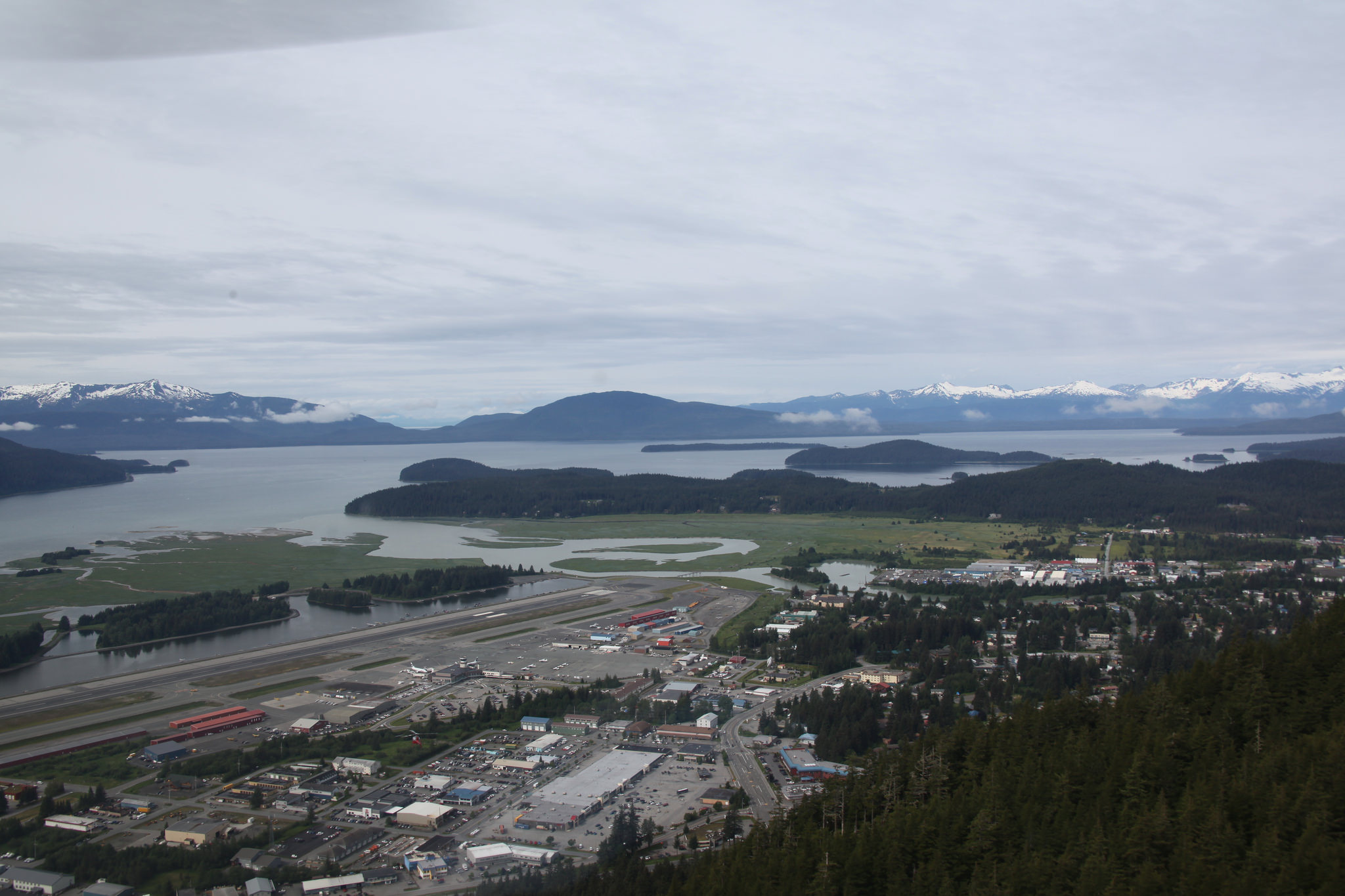
Because of its Arctic location, Alaska is warming about twice as fast as the rest of the United States.   The past year has been the warmest on record.  The forces of erosion and increasingly powerful storms have resulted in the imminent risk of destruction for at least 31 Alaskan towns and cities.   Many are predicted to become uninhabitable over the next few decades.  Residents of these places are likely to join the growing flow of climate refugees around the globe.

[Read more…] about Alaska’s Threatened Communities

Amazon In Peril

August 18, 2016 By WAMC WEB

https://earthwiseradio.org/wp-content/uploads/2016/07/EW-08-18-16-Amazon-in-Peril.mp3

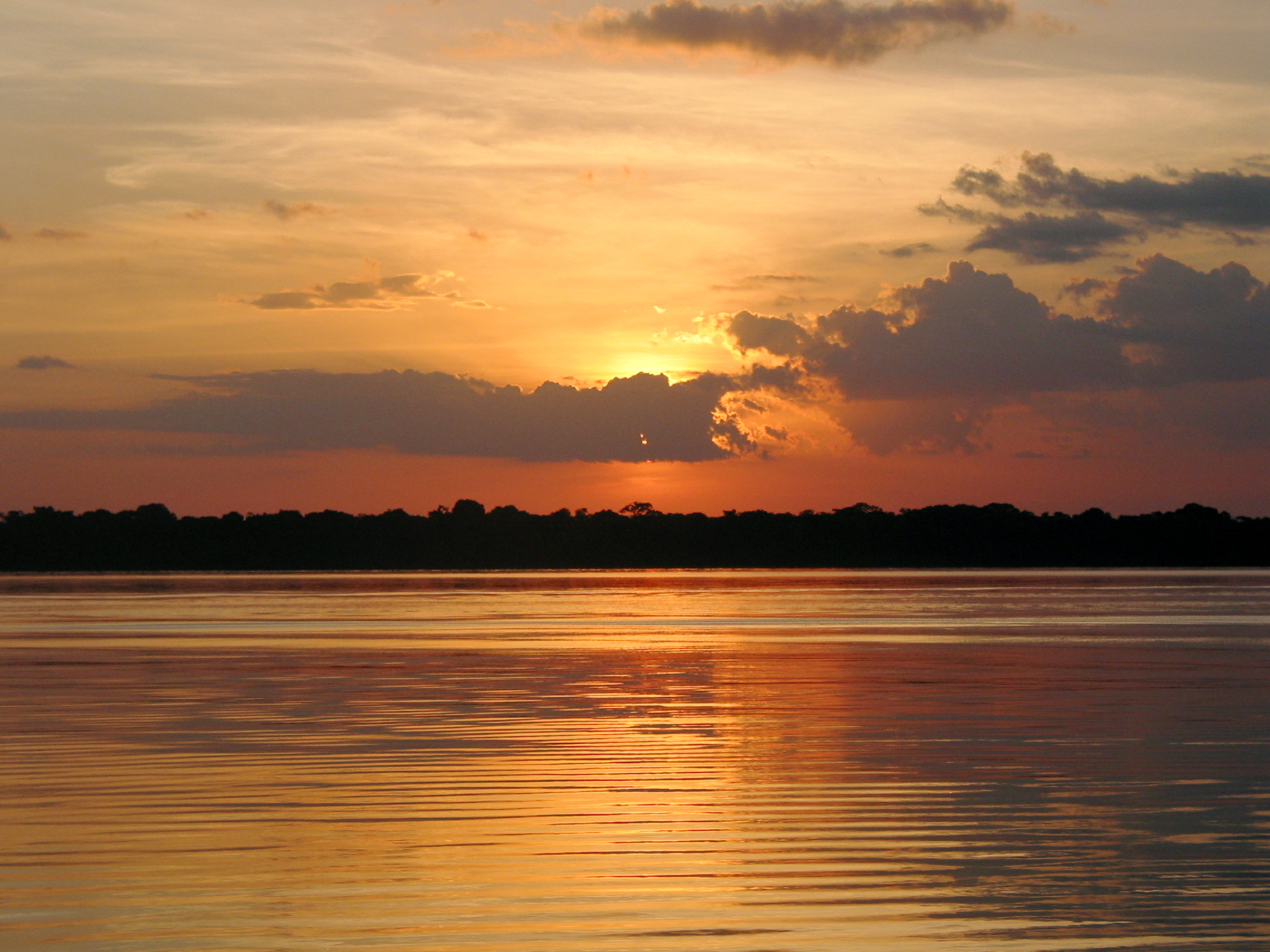
A constitutional amendment being discussed in the Brazilian Senate threatens to set back decades of conservation efforts in the Amazon.

[Read more…] about Amazon In Peril

Declining Insect Populations

August 5, 2016 By WAMC WEB

https://earthwiseradio.org/wp-content/uploads/2016/08/EW-08-05-16-Declining-Insect-Populations.mp3

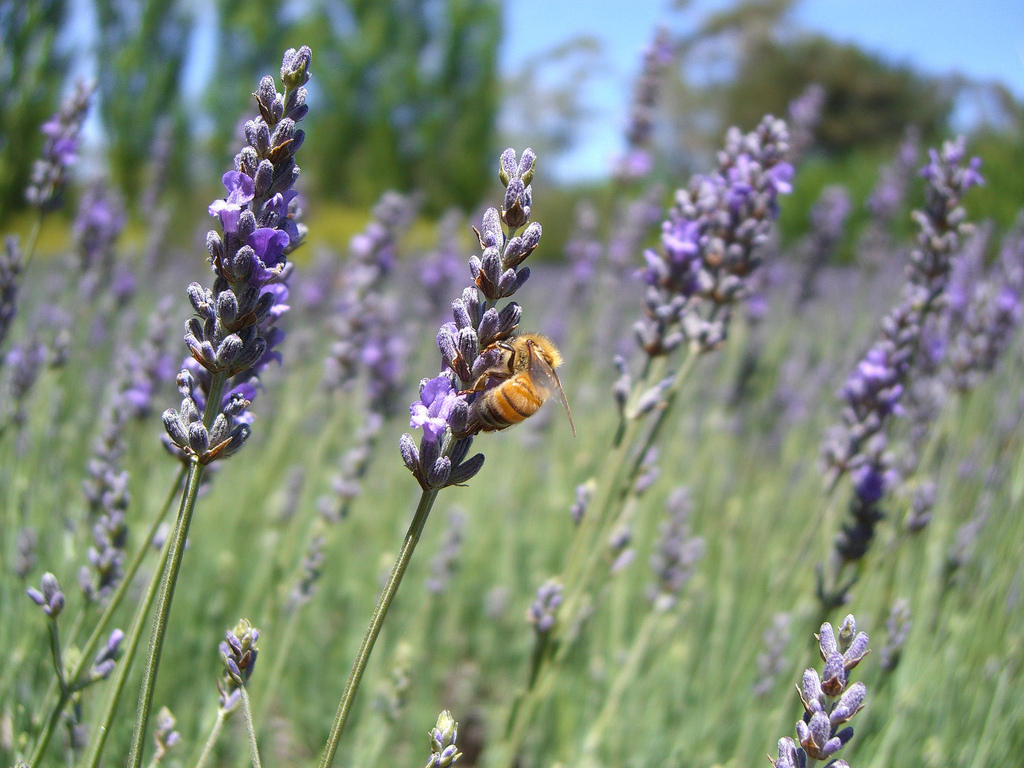
There has been lots of discussion about the decline in bee populations and its dire consequences for agriculture.  We have also talked about the efforts to save the monarch butterfly, whose numbers have been dropping dramatically over the years.  But the rest of the insect world does not get much attention.  For the most part, we think of insects as a nuisance or as potential pests.

[Read more…] about Declining Insect Populations

Cleaning Up The Palm Industry

July 6, 2016 By WAMC WEB

https://earthwiseradio.org/wp-content/uploads/2016/07/EW-07-06-16-Cleaning-Up-the-Palm-Industry.mp3

Few of us cook with palm oil or have ever even seen the stuff.  Nevertheless, half of the world’s consumer products include it as an ingredient and the global market for palm oil could be as high as $50 billion.   The palm oil industry has been tied to environmental destruction in countries such as Malaysia and Indonesia and has been found to be complicit in human rights violations.

[Read more…] about Cleaning Up The Palm Industry

Coral Bleaching On The Great Barrier Reef

May 9, 2016 By WAMC WEB

https://earthwiseradio.org/wp-content/uploads/2016/05/EW-05-09-16-Coral-Bleaching.mp3

It was already well-known that coral bleaching was a serious problem in the Great Barrier Reef, but extensive aerial surveys and underwater dives have now revealed the shocking extent of the problem.

[Read more…] about Coral Bleaching On The Great Barrier Reef

Primary Sidebar

Recent Episodes

  • An uninsurable future
  • Clean energy and jobs
  • Insect declines in remote regions
  • Fossil fuel producing nations ignoring climate goals
  • Trouble for clownfishes

WAMC Northeast Public Radio
WAMC/Northeast Public Radio is a regional public radio network serving parts of seven northeastern states (more...)
Copyright © 2026 ·